Are you ready to stand out in your next interview? Understanding and preparing for Experience in working with different materials interview questions is a game-changer. In this blog, we’ve compiled key questions and expert advice to help you showcase your skills with confidence and precision. Let’s get started on your journey to acing the interview.
Questions Asked in Experience in working with different materials Interview
Q 1. Explain the difference between tensile strength and yield strength.
Tensile strength and yield strength are both crucial measures of a material’s ability to withstand pulling forces, but they represent different points on the material’s stress-strain curve. Tensile strength represents the maximum stress a material can withstand before breaking. Think of it as the ultimate breaking point. Yield strength, on the other hand, is the stress at which the material begins to deform permanently. This is the point where the material starts to stretch beyond its elastic limit and won’t return to its original shape once the load is removed.
Imagine a rubber band. You can stretch it a certain amount (elastic deformation) and it will snap back to its original length. The point where it starts to stretch permanently and won’t return is its yield strength. The point where it finally breaks is its tensile strength. The difference between these two points is critical in engineering design, as it allows engineers to select materials that can handle expected loads without permanent deformation or failure.
For example, designing a bridge requires a material with a high tensile strength to ensure it can bear the weight of traffic without collapsing. However, you also need to consider yield strength to ensure the bridge doesn’t undergo significant and permanent deformation under regular loads which would compromise its structural integrity and safety.
Q 2. Describe your experience with different types of plastics (e.g., thermoplastics, thermosets).
My experience encompasses a wide range of plastics, focusing primarily on thermoplastics and thermosets. Thermoplastics, like polyethylene (PE) and polypropylene (PP), can be repeatedly melted and reshaped without significant degradation. This makes them incredibly versatile for applications requiring repeated molding or recycling. I’ve worked extensively with PE in the creation of food packaging, leveraging its flexibility and barrier properties. Similarly, I’ve utilized PP’s higher strength and stiffness in the design of durable containers.
Thermosets, in contrast, undergo an irreversible chemical change during curing, forming a rigid, cross-linked structure. This results in superior strength, heat resistance, and chemical resistance compared to thermoplastics, but limits their recyclability. I’ve had experience with epoxy resins in composite materials for high-strength applications and phenolic resins in electrical insulation, appreciating their excellent insulating properties and resistance to high temperatures and chemicals.
My work also included exploring other types like ABS (Acrylonitrile Butadiene Styrene) known for its impact resistance, used in many consumer products; and polycarbonate (PC), prized for its optical clarity and high impact strength, frequently found in protective eyewear and lenses. Understanding the specific properties of each type is crucial for selecting the right plastic for a particular design.
Q 3. How do you determine the appropriate material for a specific application?
Selecting the right material is a multifaceted process that involves carefully considering various factors. It begins with a thorough understanding of the application’s requirements. This includes factors like the intended use, environmental conditions (temperature, humidity, chemical exposure), required mechanical properties (strength, stiffness, toughness), and cost constraints.
Once these requirements are defined, I use a systematic approach:
- Material Property Database Search: I utilize databases and handbooks to identify materials with the necessary properties.
- Material Selection Software: Specialized software can help filter and compare materials based on multiple criteria, optimizing for specific needs.
- Prototype Testing: Creating prototypes using candidate materials allows for real-world testing and validation under the specific application conditions. This helps fine-tune the material selection and identify potential issues early on.
- Cost-Benefit Analysis: Finally, a cost-benefit analysis is performed to compare the material cost with its performance and lifetime, ensuring optimal value for money.
For instance, selecting a material for a medical implant requires biocompatibility, high strength, and corrosion resistance— properties not always easily found together. The process thus involves a careful balancing act.
Q 4. What are the key factors to consider when selecting a material for high-temperature applications?
High-temperature applications demand materials with exceptional thermal stability and resistance to degradation. Key factors to consider include:
- Melting Point/Decomposition Temperature: The material must have a melting point significantly higher than the operating temperature to prevent softening or melting.
- Creep Resistance: At high temperatures, materials can slowly deform under sustained stress (creep). Selecting a material with high creep resistance is crucial for maintaining structural integrity.
- Oxidation Resistance: High temperatures can accelerate oxidation, leading to material degradation. Materials with high oxidation resistance are necessary to prevent this.
- Thermal Shock Resistance: The ability to withstand sudden temperature changes without fracturing is essential in many high-temperature environments.
- Thermal Conductivity: Depending on the application, managing heat transfer might be critical. High thermal conductivity can be beneficial in heat dissipation while low conductivity is preferred for insulation.
Superalloys, ceramics, and certain polymers are examples of materials commonly employed in high-temperature applications. The choice depends on the specific conditions and required properties.
Q 5. Explain your understanding of material fatigue and creep.
Material fatigue and creep are two distinct mechanisms of material failure under stress. Material fatigue refers to the progressive and localized structural damage that occurs when a material is subjected to cyclic loading (repeated stresses). This damage accumulates over time, eventually leading to fracture, even if the applied stress is below the material’s yield strength. Think of repeatedly bending a paper clip until it breaks; the fatigue from the repeated bending causes failure.
Creep, on the other hand, is the time-dependent permanent deformation of a material under constant stress, typically at elevated temperatures. This slow deformation occurs due to the diffusion of atoms within the material’s structure. A classic example is the slow sagging of a metal wire over time under its own weight, especially at higher temperatures.
Understanding both fatigue and creep is vital in designing components for long-term operation, especially under cyclic loading or high temperatures. Design strategies often incorporate safety factors and appropriate material selection to mitigate these failure mechanisms.
Q 6. Describe your experience with material testing methods (e.g., tensile testing, impact testing).
My experience with material testing methods is extensive. I am proficient in various techniques, including tensile testing, impact testing, hardness testing, and fatigue testing.
Tensile testing measures the material’s tensile strength, yield strength, and ductility by applying a controlled tensile force. This is a fundamental test for evaluating the strength and elasticity of a material. Impact testing assesses a material’s resistance to sudden shocks, using devices like the Charpy or Izod impact testers. This is crucial for applications where impact resistance is critical, such as automotive parts.
Hardness testing uses different methods (Rockwell, Brinell, Vickers) to determine the material’s resistance to indentation. It provides an indication of the material’s strength and wear resistance. Fatigue testing involves subjecting a specimen to cyclic loading to determine its fatigue life, an essential factor in predicting component lifespan under repeated stresses. Each testing method provides vital information for material selection and quality control. Data analysis, using software such as TestXpert, is vital for interpreting test results.
Q 7. How do you ensure the quality of materials in a manufacturing process?
Ensuring material quality throughout the manufacturing process is paramount. This involves a multi-pronged approach that begins with careful supplier selection. We thoroughly evaluate suppliers based on their quality control systems, certifications, and track record.
Incoming inspection is a critical step where materials are tested to verify that they meet the specified requirements before they are used in production. This may involve visual inspection, dimensional checks, and various material tests depending on the application. Throughout the manufacturing process, quality control checks are implemented at different stages to ensure consistency. These may include process monitoring, in-process inspections, and statistical process control (SPC) techniques.
Finally, outgoing inspection verifies that the finished product meets all required specifications. This might include destructive or non-destructive testing methods to ensure the integrity of the final product. Documentation, traceability, and careful record-keeping are essential aspects of maintaining a robust quality control system. Implementing such a system not only ensures high product quality but also enhances efficiency and minimizes waste.
Q 8. What are some common material defects and how are they identified?
Material defects are imperfections or irregularities in a material’s structure that can negatively impact its properties and performance. Identifying these defects is crucial for ensuring product quality and safety. Common defects include:
Voids and porosity: These are empty spaces within the material, reducing its strength and density. They can be identified through visual inspection (for larger voids), radiography (X-rays), or ultrasonic testing.
Cracks and fissures: These are breaks in the material’s continuity, significantly weakening it. They’re often detected visually, using dye penetrant testing (for surface cracks), or acoustic emission monitoring.
Inclusions: These are foreign particles embedded within the material, disrupting its microstructure and properties. Microscopic examination or image analysis can reveal inclusions.
Segregation: This is the uneven distribution of components within an alloy, leading to variations in properties. It’s often identified through chemical analysis of different sample locations.
Delamination: This refers to the separation of layers in a composite material. Visual inspection, ultrasonic testing, or X-ray techniques are commonly used for detection.
The specific method used to identify a defect depends on the material type, the size and nature of the defect, and the required level of detail. For example, a simple visual inspection might suffice for large cracks in a concrete beam, while a sophisticated technique like electron microscopy might be necessary to detect microscopic flaws in a microchip.
Q 9. Explain your experience with different metal alloys and their properties.
My experience encompasses a wide range of metal alloys, from ferrous (iron-based) to non-ferrous (non-iron-based) materials. I’ve worked extensively with:
Stainless Steels: These alloys, known for their corrosion resistance, are used in various applications from medical instruments to building construction. I’ve worked with different grades (like 304, 316) understanding their varying chromium and nickel content which dictates their corrosion resistance and mechanical properties.
Aluminum Alloys: Lightweight and strong, aluminum alloys find applications in aerospace and automotive industries. I’ve experience with heat-treatable alloys like 6061 and 7075, understanding the importance of their aging processes on strength and hardness.
Titanium Alloys: These are known for their high strength-to-weight ratio and excellent corrosion resistance, making them ideal for aerospace and biomedical applications. I’ve worked with alloys like Ti-6Al-4V, paying close attention to their susceptibility to fatigue and designing for those limitations.
Copper Alloys: These offer high electrical conductivity and excellent thermal properties, used extensively in electrical wiring and heat exchangers. I’ve worked with brasses and bronzes, analyzing their properties and designing for specific applications like high-pressure pipelines or intricate electronic components.
My experience goes beyond simply knowing the material; it involves understanding how alloy composition, processing techniques (like casting, forging, or rolling), and heat treatments influence the final properties of the material, enabling me to select the optimal alloy for a given application.
Q 10. Describe your experience with composite materials and their applications.
Composite materials are a combination of two or more materials with different properties, resulting in a material with enhanced characteristics. My experience includes working with various composite types, such as:
Fiber-reinforced polymers (FRP): These composites use fibers (like carbon fiber, glass fiber, or Kevlar) embedded in a polymer matrix (like epoxy or polyester). I’ve used these extensively in structural applications, such as aerospace components and sporting goods, carefully selecting fiber orientation and matrix type to optimize the desired mechanical properties.
Ceramic Matrix Composites (CMC): These are composed of ceramic fibers reinforced with a ceramic matrix. I’ve worked with these in high-temperature applications, such as turbine blades in jet engines, understanding their capabilities and limitations at extreme temperatures.
Metal Matrix Composites (MMC): These composites reinforce a metal matrix with fibers or particles (e.g., carbon fibers in aluminum). I have experience with these materials in automotive and aerospace applications to achieve higher strength and stiffness than the base metal.
The application of composite materials always requires careful consideration of the matrix and reinforcement interactions, their relative proportions, and processing methods, like molding or autoclave curing. For instance, in aerospace, we carefully design composite structures to minimize weight while ensuring the required stiffness and fatigue resistance.
Q 11. What are the challenges associated with working with different materials?
Working with different materials presents several challenges:
Material Processing: Each material requires specific processing techniques. For example, forging is suitable for metals but not for ceramics, which often require sintering. Mastering these techniques is vital for achieving the desired properties.
Cost and Availability: Some materials are expensive or have limited availability, impacting design choices and project budgets. For instance, titanium alloys are considerably more expensive than steel.
Material Degradation: Materials can degrade over time due to various factors like corrosion, fatigue, or creep, leading to reduced performance or failure. This requires careful material selection and design considerations.
Material Compatibility: Different materials may not be compatible with each other, leading to issues like galvanic corrosion or stress concentrations at interfaces. This necessitates careful material selection and joining techniques.
Recycling and Sustainability: The environmental impact of material extraction, processing, and disposal needs to be considered. This often drives choices toward more sustainable materials and manufacturing processes.
Overcoming these challenges often requires a multidisciplinary approach involving material scientists, engineers, and designers to optimize material selection, processing, and application.
Q 12. How do you handle material incompatibility issues?
Material incompatibility issues can lead to significant problems, such as corrosion, reduced strength, or failure. Addressing these issues involves several steps:
Careful Material Selection: The first step involves selecting materials that are known to be compatible. Consulting compatibility charts and understanding electrochemical series are crucial in this stage.
Barrier Coatings or Interlayers: When direct contact between incompatible materials is unavoidable, barrier coatings or interlayers can be used to prevent interaction. For example, a protective coating can prevent galvanic corrosion between dissimilar metals.
Modifying Material Surfaces: Surface treatments, like anodizing aluminum or passivation of stainless steel, can enhance compatibility by creating a protective surface layer.
Using Compatible Joining Techniques: The method used to join materials should be appropriate for the materials involved. For example, welding might be suitable for some metal combinations, while adhesive bonding might be preferable for others.
Design Modifications: In some cases, design changes may be needed to avoid direct contact between incompatible materials or to reduce stress concentrations at interfaces. This often involves changing the geometry of the components.
Often, a combination of these approaches is necessary to effectively manage material incompatibility issues. For instance, I once worked on a project where we used a combination of surface treatment, an interlayer, and careful design to ensure the compatibility of a titanium component with an aluminum alloy housing.
Q 13. Explain your understanding of material degradation and its prevention.
Material degradation is the deterioration of a material’s properties over time, often caused by environmental factors or operational stresses. Understanding material degradation is crucial for predicting service life and preventing failures.
Corrosion: This is the deterioration of materials due to chemical or electrochemical reactions with their environment. Corrosion prevention strategies include using corrosion-resistant materials, protective coatings, or cathodic protection.
Fatigue: This is the progressive and localized structural damage that occurs when a material is subjected to cyclic loading. Fatigue prevention involves careful design, avoiding stress concentrations, and using materials with high fatigue strength.
Creep: This is the time-dependent permanent deformation of a material under sustained stress at elevated temperatures. Creep prevention often involves using high-temperature resistant materials or reducing operating temperatures.
Wear: This is the gradual removal of material from a surface due to friction or abrasion. Wear prevention involves using wear-resistant materials, lubrication, or surface treatments.
Preventing material degradation often requires a combination of material selection, design considerations, and protective measures. For example, in designing offshore structures, I’ve focused on using corrosion-resistant materials, applying protective coatings, and incorporating design features to minimize stress concentrations to improve the structure’s longevity.
Q 14. Describe your experience with material recycling and sustainability.
Material recycling and sustainability are increasingly important aspects of material engineering. My experience includes:
Metal Recycling: Metals like aluminum, steel, and copper are readily recyclable, reducing the need for mining new resources and lowering the environmental impact. I’ve been involved in projects that optimize metal recycling processes to ensure high-quality recycled material.
Plastic Recycling: Plastic recycling is more complex than metal recycling due to the variety of plastic types and the challenges in separating and processing them. I’ve explored different plastic recycling methods and techniques to improve their efficiency and reduce waste.
Composite Recycling: Recycling composites is challenging because of the difficulty in separating the matrix and reinforcement materials. I’ve investigated methods to improve the recycling of composite materials, including mechanical and chemical recycling processes.
Life Cycle Assessment (LCA): I incorporate LCA studies into material selection to assess the environmental impact of different materials throughout their entire life cycle, from raw material extraction to end-of-life disposal.
Sustainability is a core value in my work. I always strive to minimize environmental impact by selecting sustainable materials, designing for recyclability, and optimizing material usage. For instance, in a recent project involving the design of a new product, we chose recycled aluminum to significantly reduce the carbon footprint.
Q 15. What software or tools are you proficient in for material analysis or design?
My proficiency in material analysis and design software spans several categories. For finite element analysis (FEA), I’m highly skilled in ANSYS and Abaqus, using them to simulate material behavior under various loads and conditions. For material property characterization, I utilize software like ImageJ for analyzing microscopy images and determining grain size or other microstructural features. I’m also adept at using MATLAB for data analysis and custom scripting to automate tasks. Finally, for CAD modeling and design, I’m proficient in SolidWorks and Autodesk Inventor, enabling me to create and analyze components from the design stage, considering material properties throughout the process. For example, in a recent project designing a lightweight aircraft component, I used ANSYS to optimize the part’s geometry for strength and weight, incorporating material properties obtained through experimental testing analyzed with ImageJ. This allowed for a 15% weight reduction without sacrificing structural integrity.
Career Expert Tips:
- Ace those interviews! Prepare effectively by reviewing the Top 50 Most Common Interview Questions on ResumeGemini.
- Navigate your job search with confidence! Explore a wide range of Career Tips on ResumeGemini. Learn about common challenges and recommendations to overcome them.
- Craft the perfect resume! Master the Art of Resume Writing with ResumeGemini’s guide. Showcase your unique qualifications and achievements effectively.
- Don’t miss out on holiday savings! Build your dream resume with ResumeGemini’s ATS optimized templates.
Q 16. How do you interpret material safety data sheets (MSDS)?
Interpreting a Material Safety Data Sheet (MSDS) is crucial for safe material handling. I approach it systematically. First, I identify the product and manufacturer to ensure I’m looking at the correct document. Then, I focus on key sections: Identification (knowing exactly what I’m working with), Hazards Identification (understanding potential risks like flammability, toxicity, or reactivity), First Aid Measures (knowing immediate steps in case of exposure), Handling and Storage (ensuring safe practices), and Personal Protective Equipment (PPE) requirements (selecting appropriate gloves, eye protection, etc.). Finally, I review the Disposal Considerations to ensure environmentally responsible handling. For instance, when working with epoxy resins, I carefully review the MSDS for appropriate ventilation requirements, skin contact precautions (using nitrile gloves), and proper waste disposal methods to minimize environmental impact and ensure personal safety.
Q 17. Explain your experience with different joining techniques for materials.
My experience encompasses a wide range of material joining techniques, selected based on the materials involved and the application’s requirements. For metals, I’ve extensively used welding (MIG, TIG, spot welding), brazing, and adhesive bonding. For polymers, I’ve employed adhesive bonding, ultrasonic welding, and fusion bonding. For composites, I have experience with adhesive bonding and mechanical fastening. The choice depends on factors like strength requirements, aesthetics, and cost. For example, in joining aluminum alloy parts for a structural application, I’d prefer TIG welding for its high strength and precision. However, for joining a plastic enclosure, adhesive bonding might be a more suitable and cost-effective method. The key is understanding the limitations and advantages of each technique to ensure a robust and reliable joint.
Q 18. How do you manage material inventory and procurement?
Material inventory and procurement is managed through a combination of strategies. We utilize a computerized inventory management system to track material quantities, usage, and order history. This allows for accurate forecasting of material needs and minimizes the risk of shortages. We establish minimum and maximum stock levels for each material to maintain an efficient inventory while avoiding waste. The procurement process involves identifying reliable suppliers through a qualification process, negotiating favorable pricing and delivery terms, and issuing purchase orders. Regular audits ensure accurate inventory levels and compliance with safety and quality standards. For instance, we use a Kanban system for certain high-usage materials, automatically triggering replenishment orders when stock falls below a predefined level, ensuring continuous production flow.
Q 19. Describe your experience with different surface treatment methods for materials.
My experience with surface treatment methods is extensive and covers various techniques tailored to the material and desired outcome. For metals, I’ve worked with anodizing (for corrosion resistance and aesthetics), powder coating (for durability and color), and electroplating (for corrosion protection and decorative finishes). For polymers, I’ve used techniques like painting, UV coating (for scratch resistance), and chemical etching. The selection depends on factors such as corrosion resistance, wear resistance, aesthetics, and cost-effectiveness. For example, in a project requiring high corrosion resistance on stainless steel components, I opted for electropolishing, which enhances surface smoothness and passivation, significantly increasing resistance to corrosion compared to a simple cleaning process.
Q 20. Explain your understanding of material selection charts and databases.
Material selection charts and databases are invaluable tools for efficient material selection. I’m familiar with resources like MatWeb and CES Selector, which provide comprehensive information on material properties, including mechanical, thermal, and electrical characteristics. These databases allow me to filter materials based on specific requirements, such as strength, weight, cost, and environmental impact. For example, when designing a component requiring high strength-to-weight ratio, I might use a material selection chart to compare different aluminum alloys, titanium alloys, and composites, selecting the optimal material based on performance and cost considerations. Understanding the limitations and assumptions behind these charts and databases is essential for accurate material selection.
Q 21. How do you handle unexpected material failures?
Handling unexpected material failures involves a systematic approach. First, I document the failure thoroughly, including photographs, location, and operating conditions. Then, I collect samples for analysis, employing techniques like microscopy, mechanical testing, and chemical analysis to determine the root cause. This might involve destructive testing to identify cracks, corrosion, or other defects. Once the root cause is determined (e.g., material fatigue, design flaws, manufacturing defects), I propose corrective actions, including material substitutions, design modifications, or process improvements to prevent future failures. For example, if a component fails due to stress corrosion cracking, I would investigate the material’s susceptibility to this phenomenon, possibly suggesting a more corrosion-resistant material or altering the design to reduce stress concentrations. A thorough post-failure analysis helps improve future designs and processes.
Q 22. How do you ensure compliance with material specifications and standards?
Ensuring compliance with material specifications and standards is paramount to project success and safety. My approach involves a multi-step process beginning with a thorough review of the project specifications and relevant industry standards, such as ASTM (American Society for Testing and Materials) or ISO (International Organization for Standardization) guidelines. This ensures we’re using the correct materials with the required properties.
Next, I meticulously verify that all materials procured meet these specifications. This often involves checking certificates of compliance from the supplier and, when necessary, conducting independent testing to validate the material’s properties. For instance, if we’re working with structural steel, we’d verify tensile strength, yield strength, and chemical composition through tensile testing and material analysis.
Finally, rigorous documentation is crucial. All testing results, certificates, and material tracking information are meticulously recorded and archived. This detailed record-keeping allows for traceability, ensuring accountability and facilitating potential investigations if issues arise. It also aids in continuous improvement by identifying areas where processes can be refined.
Q 23. Describe a time you had to troubleshoot a problem related to material properties.
During a recent construction project, we encountered unexpected cracking in a concrete slab. Initial investigation suggested the problem stemmed from material properties. We hypothesized that either the concrete mix design was flawed, leading to inadequate strength, or that the curing process was insufficient.
To troubleshoot, we first sampled the affected concrete and performed compressive strength tests, comparing the results to the specified design strength. The tests revealed significantly lower-than-expected strength. Further investigation into the batching records revealed an error in the mix proportions – too much water had been added, significantly reducing the compressive strength. We also examined the curing process, discovering that inadequate moisture retention during the initial curing period had also contributed to the problem.
The solution involved replacing the affected section of the slab, using a correctly proportioned mix and implementing a more rigorous curing procedure. We learned a valuable lesson about the importance of strict adherence to material specifications and the critical role of proper curing in concrete construction.
Q 24. What are the key considerations for selecting materials in a cost-effective manner?
Cost-effective material selection is a balance between performance requirements and economic constraints. The key considerations involve:
- Performance Requirements: Define the necessary physical, chemical, and mechanical properties of the material for the intended application. For example, tensile strength for a bridge component, corrosion resistance for marine applications, or thermal conductivity for a heat sink.
- Material Availability: Consider the local availability of materials. Locally sourced materials often reduce transportation costs and lead times.
- Life-Cycle Costs: Evaluate the total cost over the material’s lifespan, including initial purchase price, maintenance, and potential replacement costs. A more expensive, long-lasting material might be more cost-effective than a cheaper alternative requiring frequent replacements.
- Manufacturing Processes: Consider how the choice of material impacts manufacturing processes. Certain materials may be easier or cheaper to fabricate using existing equipment.
- Sustainability: Evaluate the environmental impact of the material, its production, and disposal. Consider recycled or sustainable alternatives wherever possible.
For example, when choosing a material for a building’s exterior cladding, we’d compare the cost and lifespan of wood, composite materials, and metal, considering factors like maintenance needs and long-term durability against weather conditions.
Q 25. How do you stay up-to-date on the latest advancements in materials science and engineering?
Staying current in materials science and engineering is crucial. I actively engage with several strategies to maintain my expertise:
- Professional Journals and Publications: I regularly read journals such as ‘Materials Science and Engineering’ and ‘Advanced Materials’ to stay abreast of the latest research and developments.
- Industry Conferences and Workshops: Attending conferences and workshops provides valuable networking opportunities and exposure to cutting-edge technologies and applications.
- Online Resources and Databases: Websites and databases like Materials Project and SciFinder offer valuable information on material properties and research findings.
- Continuing Education Courses: Participating in short courses and workshops keeps my skills up-to-date and expands my knowledge in specialized areas.
- Networking with Colleagues: Discussions and collaborations with colleagues in the industry share practical experience and knowledge.
This multi-faceted approach ensures I’m equipped with the latest knowledge and techniques in material selection and application.
Q 26. Explain your experience with different types of wood and their properties.
My experience encompasses a wide range of wood types, each with distinct properties affecting their suitability for various applications. For instance:
- Hardwoods (e.g., Oak, Maple, Mahogany): Known for their density, strength, and durability, making them ideal for furniture, flooring, and high-stress applications. Oak, for example, is prized for its strength and water resistance, while mahogany is valued for its beauty and workability.
- Softwoods (e.g., Pine, Fir, Spruce): Generally lighter and less dense than hardwoods, they’re often used in construction for framing, sheathing, and less demanding applications. Pine, for example, is readily available and relatively inexpensive, making it a common choice for construction projects.
- Engineered Wood Products (e.g., Plywood, MDF, Laminate): These combine wood fibers or veneers to create composite materials with tailored properties. Plywood offers good strength-to-weight ratio, while MDF (Medium-Density Fiberboard) is smooth and easy to finish, ideal for cabinetry and furniture.
Understanding the grain structure, density, hardness, and susceptibility to moisture and decay are crucial aspects in choosing the right wood for a specific purpose. For instance, exterior applications require rot-resistant woods or treated lumber.
Q 27. Describe your experience with different types of concrete and their applications.
My experience with concrete encompasses various types, each suited for different applications:
- Normal-Strength Concrete: Used for general construction purposes like foundations, pavements, and walls. Its strength is adequate for many common applications.
- High-Strength Concrete: Used in situations requiring higher compressive strength, such as high-rise buildings, bridges, and pre-stressed concrete members. It allows for thinner sections and increased load-bearing capacity.
- Lightweight Concrete: Used where weight reduction is crucial, such as in elevated structures or roofing systems. Aggregates like expanded clay or lightweight aggregates are used to reduce density.
- High-Performance Concrete (HPC): Engineered to achieve superior performance in various properties, such as strength, durability, and workability. Special admixtures and carefully controlled mix designs enhance its properties.
- Self-Consolidating Concrete (SCC): A flowable concrete requiring minimal vibration to achieve complete consolidation. It improves workability and reduces labor costs.
The choice of concrete depends on factors such as required strength, durability needs, environmental conditions, and the project’s budget. For example, a high-rise building might require high-strength concrete for its columns, while a residential foundation might utilize normal-strength concrete.
Q 28. How do you ensure the safety of personnel working with hazardous materials?
Safety is paramount when handling hazardous materials. My approach involves a multi-layered strategy:
- Risk Assessment: A thorough risk assessment identifies potential hazards associated with each material, including health, fire, and environmental risks.
- Material Safety Data Sheets (MSDS): I ensure that MSDS sheets are readily available and understood by all personnel handling hazardous materials. These sheets provide essential information on hazards, safe handling procedures, and emergency response measures.
- Personal Protective Equipment (PPE): Appropriate PPE, such as respirators, gloves, eye protection, and protective clothing, is provided and used consistently according to the specific hazards identified in the risk assessment.
- Training and Education: Workers receive comprehensive training on safe handling, storage, and disposal procedures for hazardous materials. Regular refresher training reinforces best practices.
- Emergency Response Plan: A well-defined emergency response plan outlines procedures for handling spills, leaks, and other emergencies. Regular drills ensure personnel are prepared to respond effectively.
- Proper Storage and Disposal: Hazardous materials are stored in designated areas under controlled conditions to prevent leaks or spills. Proper disposal methods are employed in compliance with all relevant regulations.
By adhering to these safety protocols, we minimize risks to personnel and the environment. Regular safety audits and inspections ensure our procedures remain effective and compliant.
Key Topics to Learn for Experience in working with different materials Interview
- Material Properties & Selection: Understanding material characteristics (strength, durability, flexibility, thermal conductivity, etc.) and choosing the right material for a specific application. This includes considering factors like cost, availability, and environmental impact.
- Material Processing Techniques: Familiarity with various manufacturing processes like machining, casting, molding, welding, 3D printing, and their suitability for different materials. Be prepared to discuss the advantages and limitations of each.
- Material Testing & Quality Control: Knowledge of methods for testing material properties (tensile strength, hardness, etc.) and ensuring quality throughout the production process. This includes understanding relevant standards and specifications.
- Troubleshooting & Problem Solving: Discussing instances where material selection or processing led to issues and how you identified and resolved them. Highlight your analytical and problem-solving skills.
- Safety Procedures & Regulations: Demonstrating awareness of safety protocols and regulations related to handling and working with different materials, including personal protective equipment (PPE) requirements.
- Sustainability & Environmental Considerations: Understanding the environmental impact of material choices and processes, and discussing your experience with sustainable practices in material handling and manufacturing.
Next Steps
Mastering your experience with different materials is crucial for career advancement in many fields. A strong understanding of material science and processing techniques demonstrates valuable skills highly sought after by employers. To maximize your job prospects, create an ATS-friendly resume that effectively highlights these skills. ResumeGemini is a trusted resource to help you build a professional and impactful resume that gets noticed. We offer examples of resumes tailored to showcase experience in working with different materials, helping you present your qualifications effectively to potential employers.
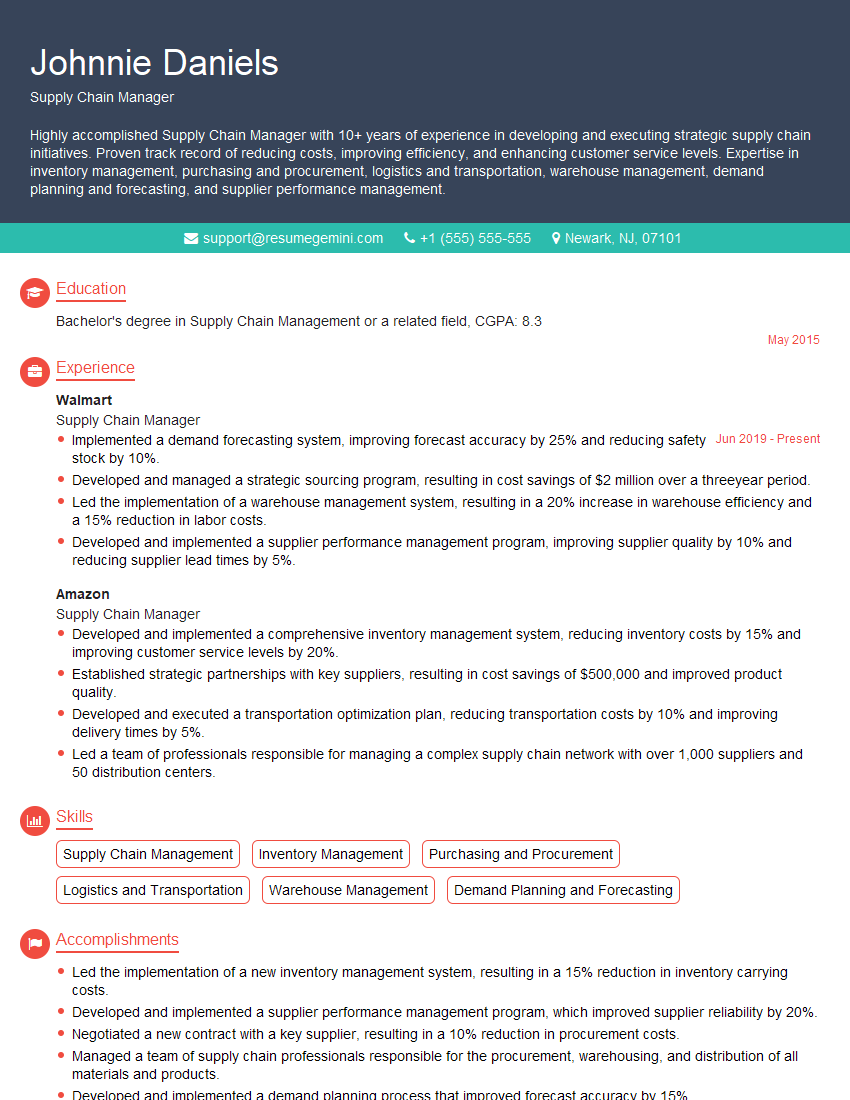
Supply Chain Manager Resume Sample
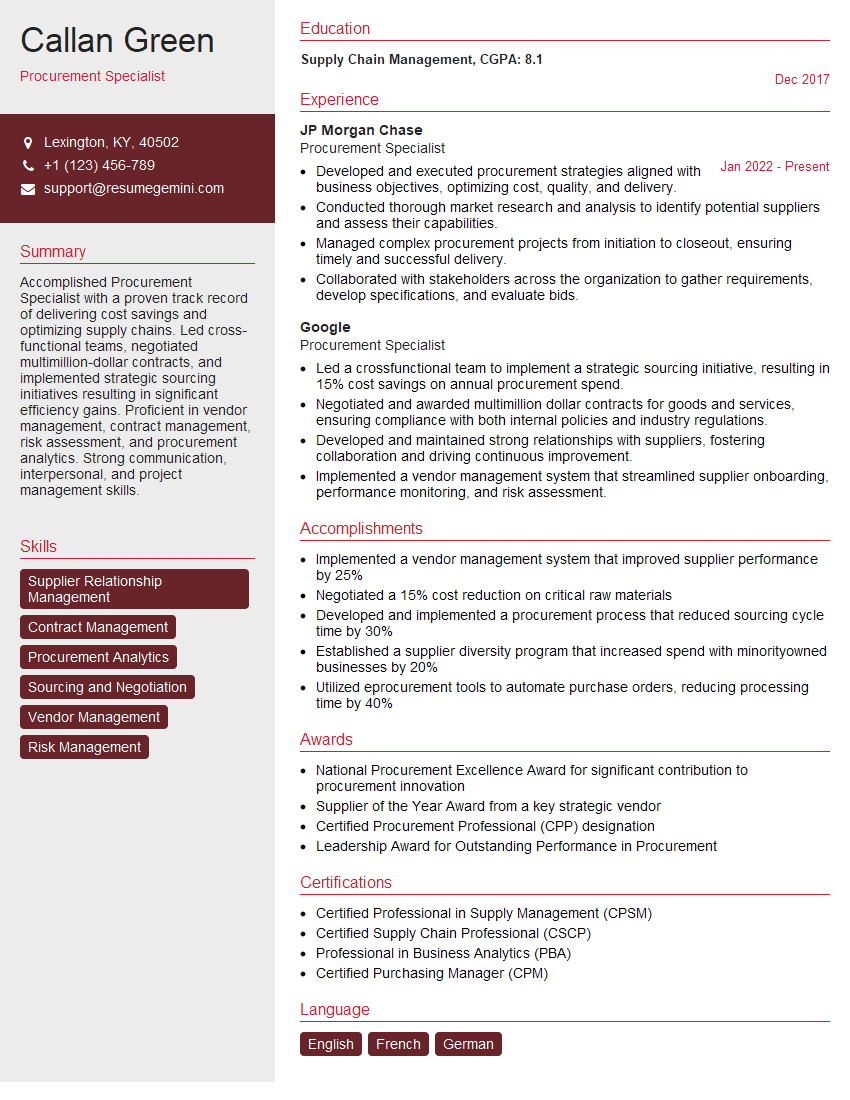
Procurement Specialist Resume Sample

Research Scientist Resume Sample
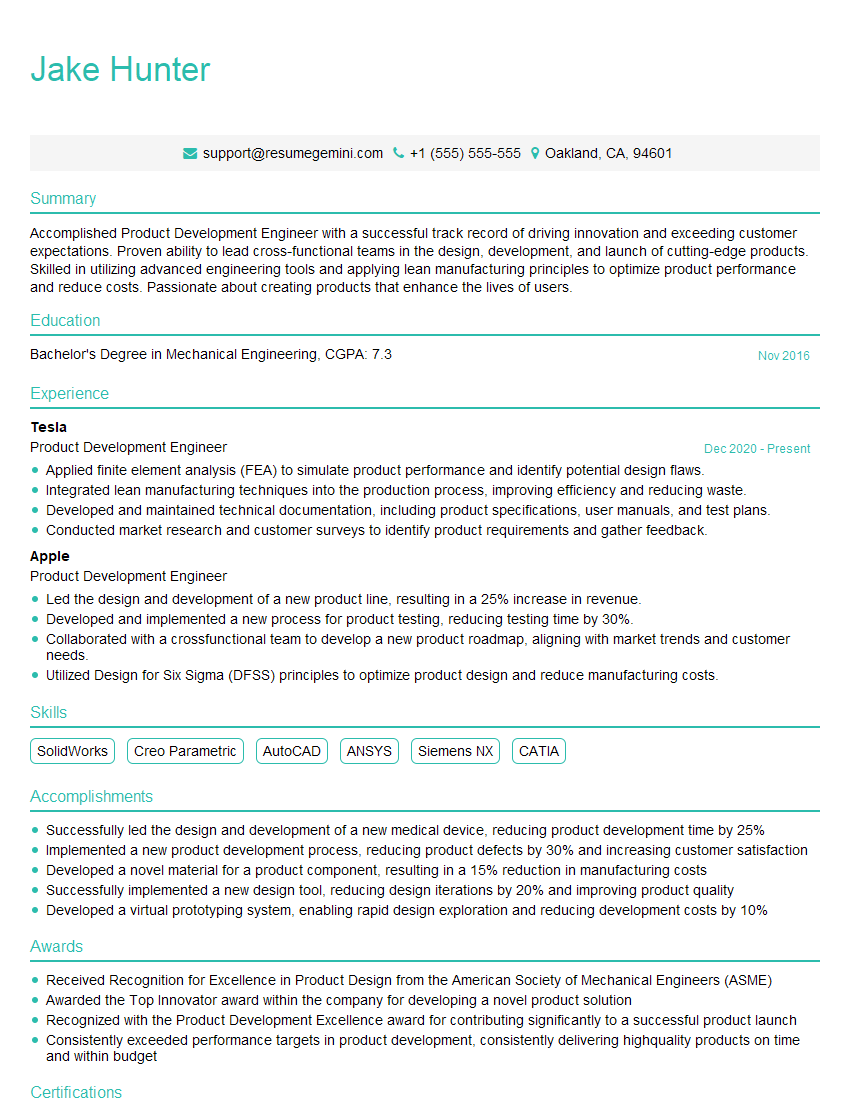
Product Development Engineer Resume Sample
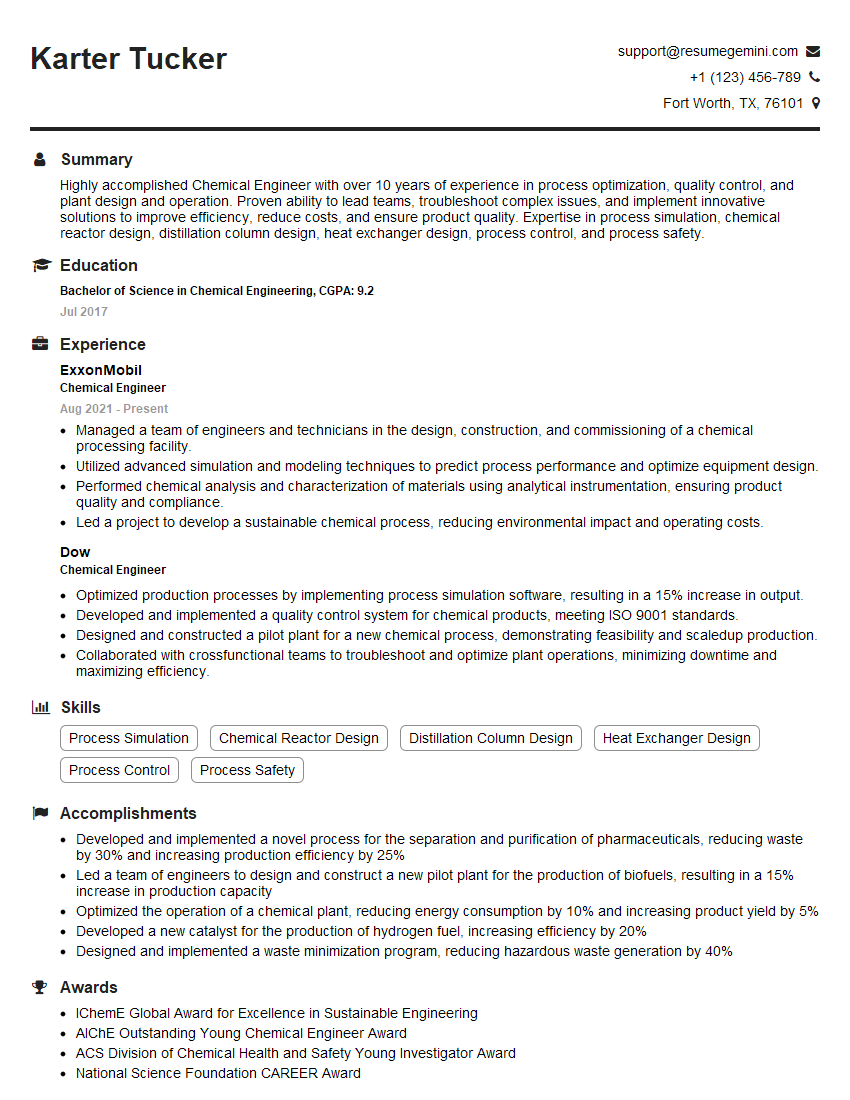
Chemical Engineer Resume Sample

Civil Engineer Resume Sample
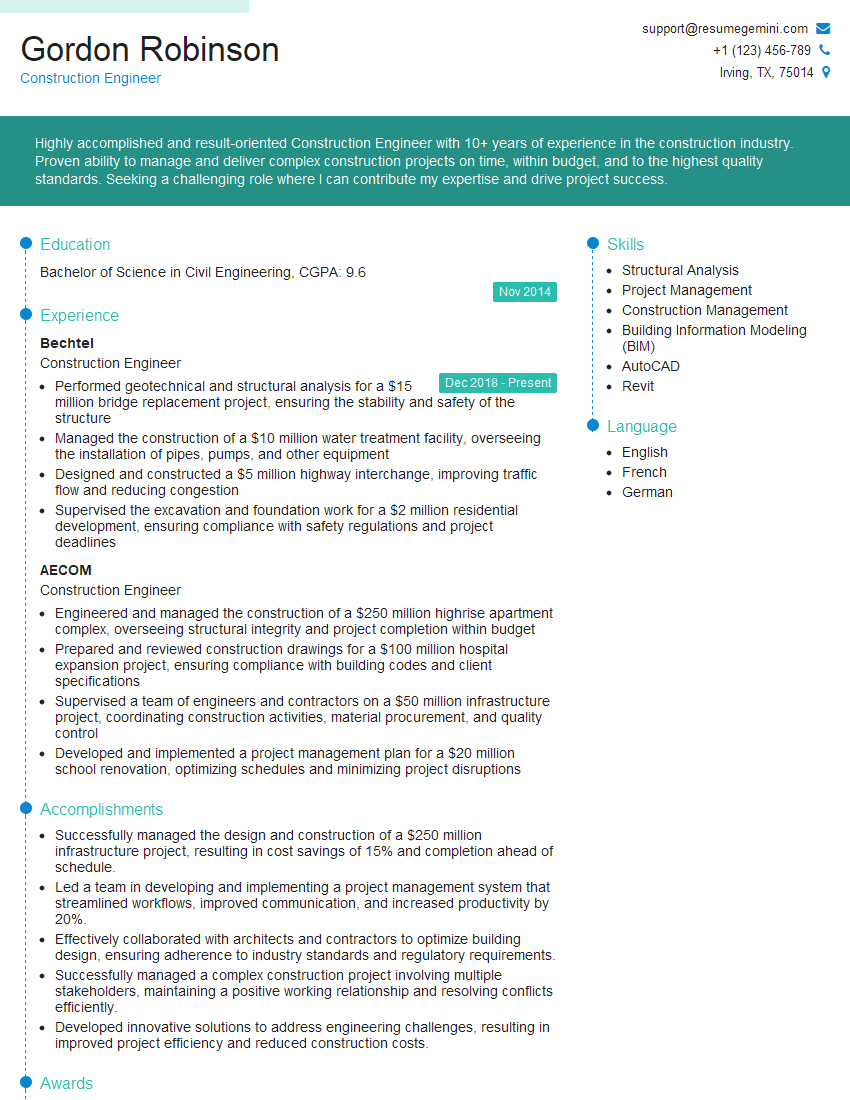
Construction Engineer Resume Sample
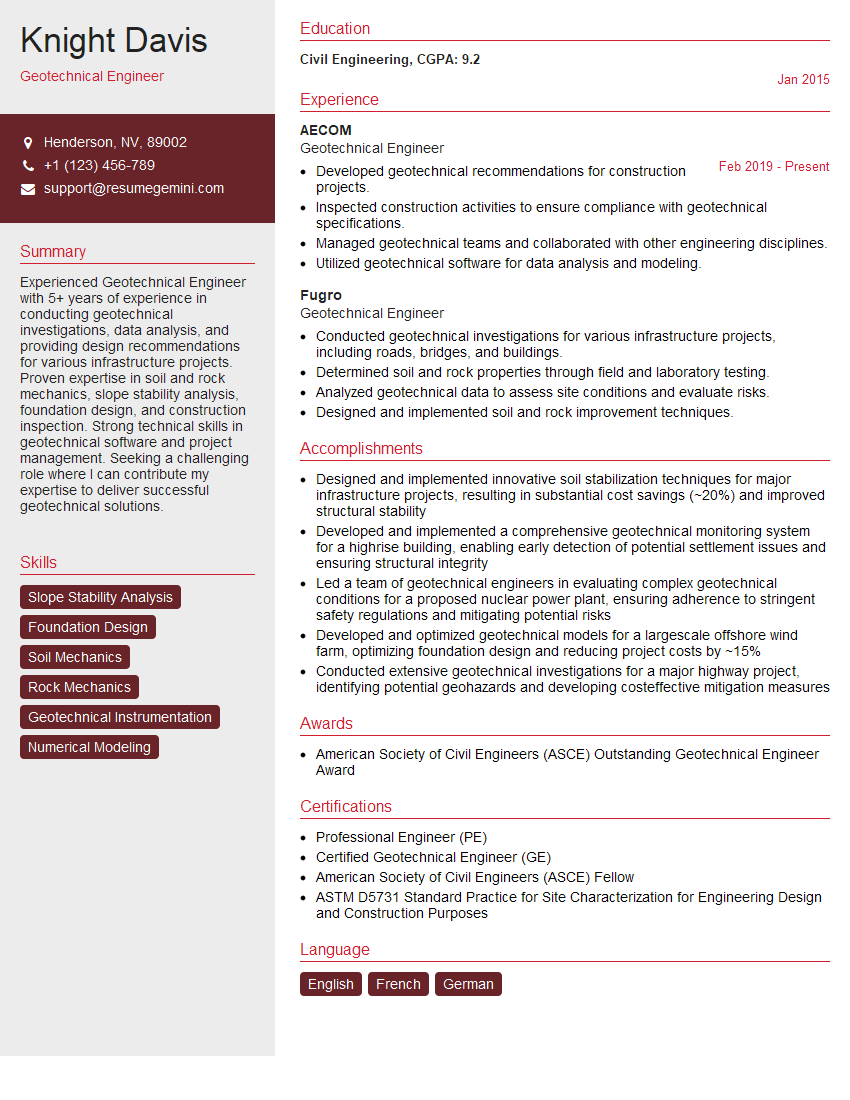
Geotechnical Engineer Resume Sample
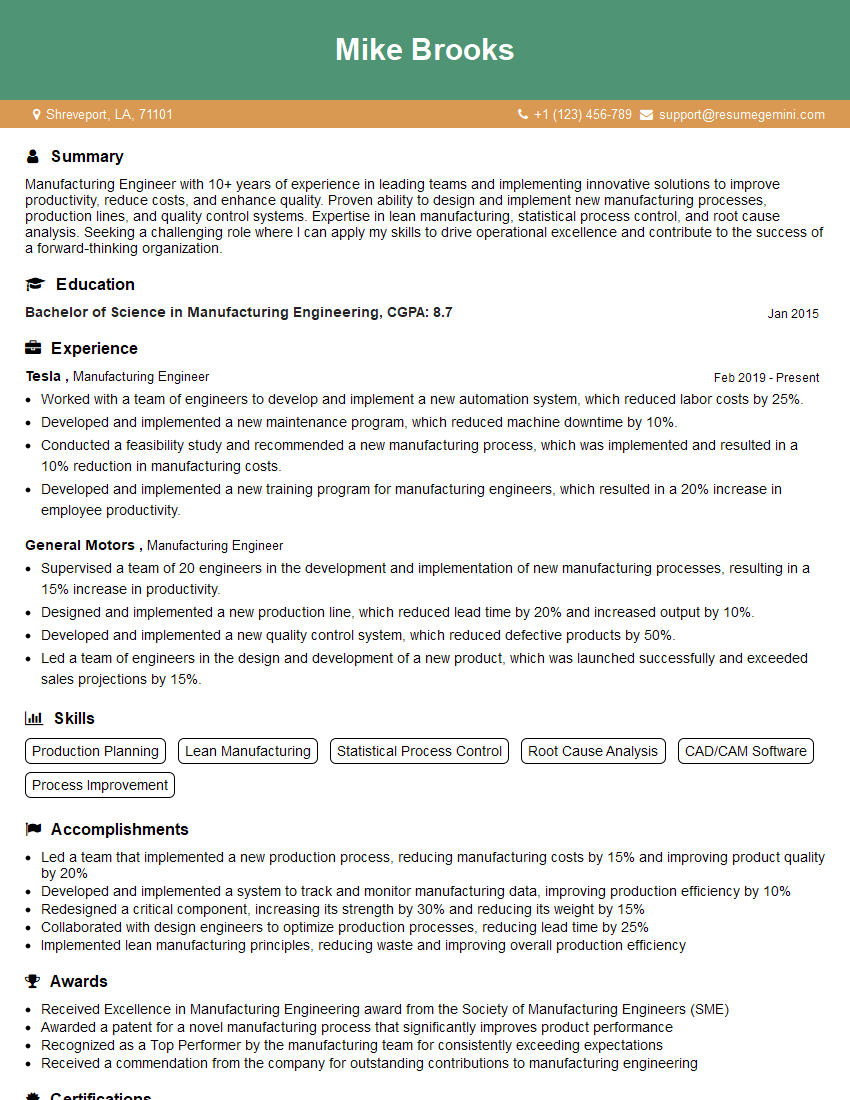
Manufacturing Engineer Resume Sample
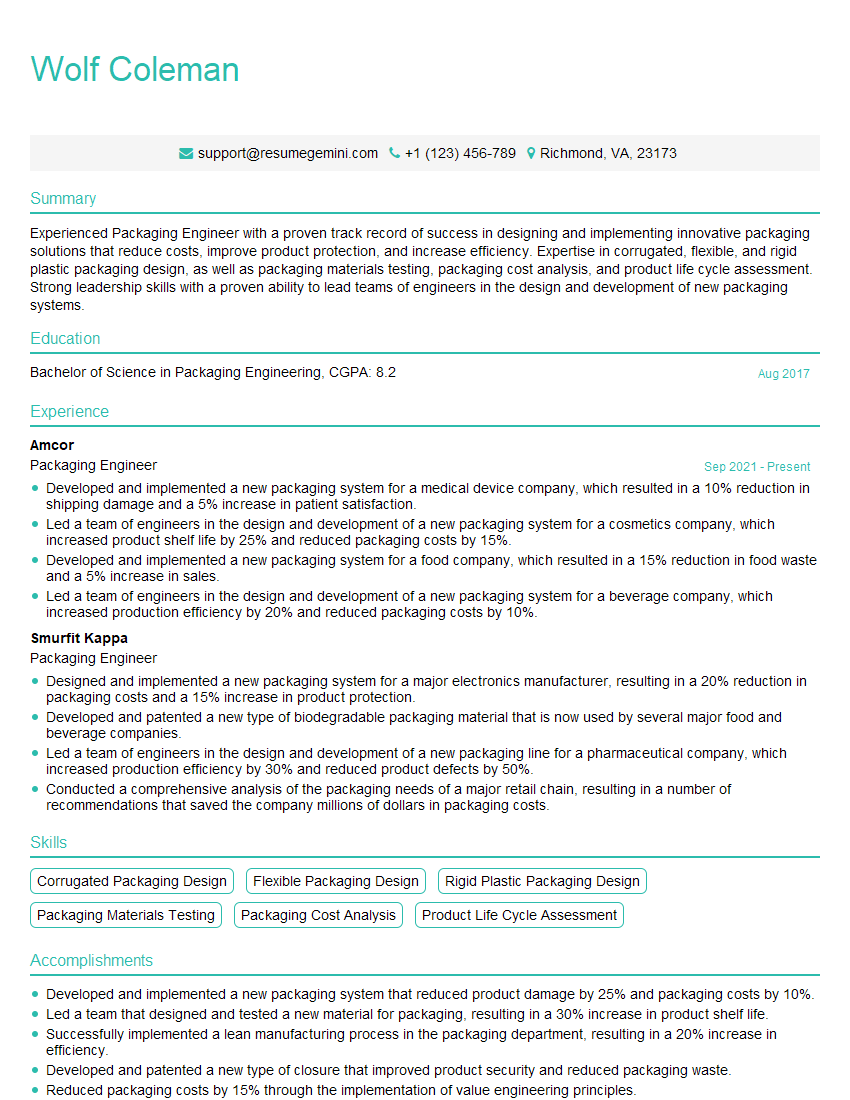
Packaging Engineer Resume Sample
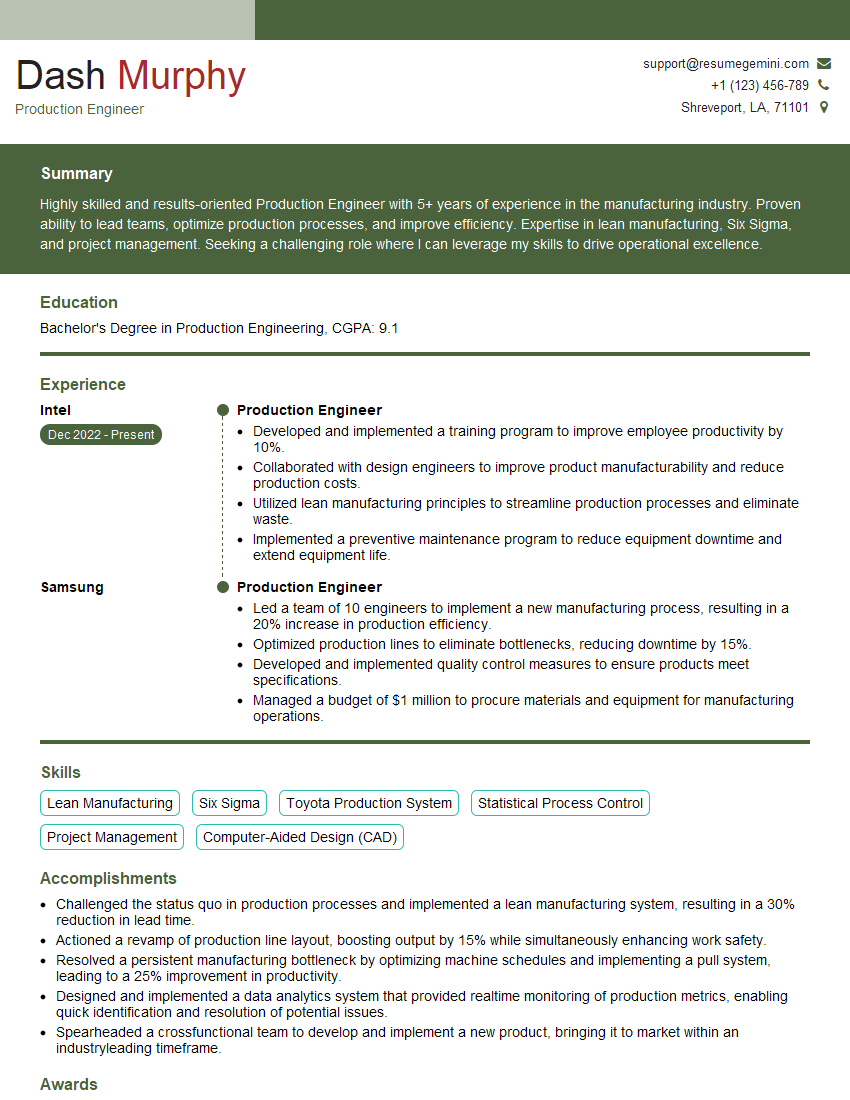
Production Engineer Resume Sample
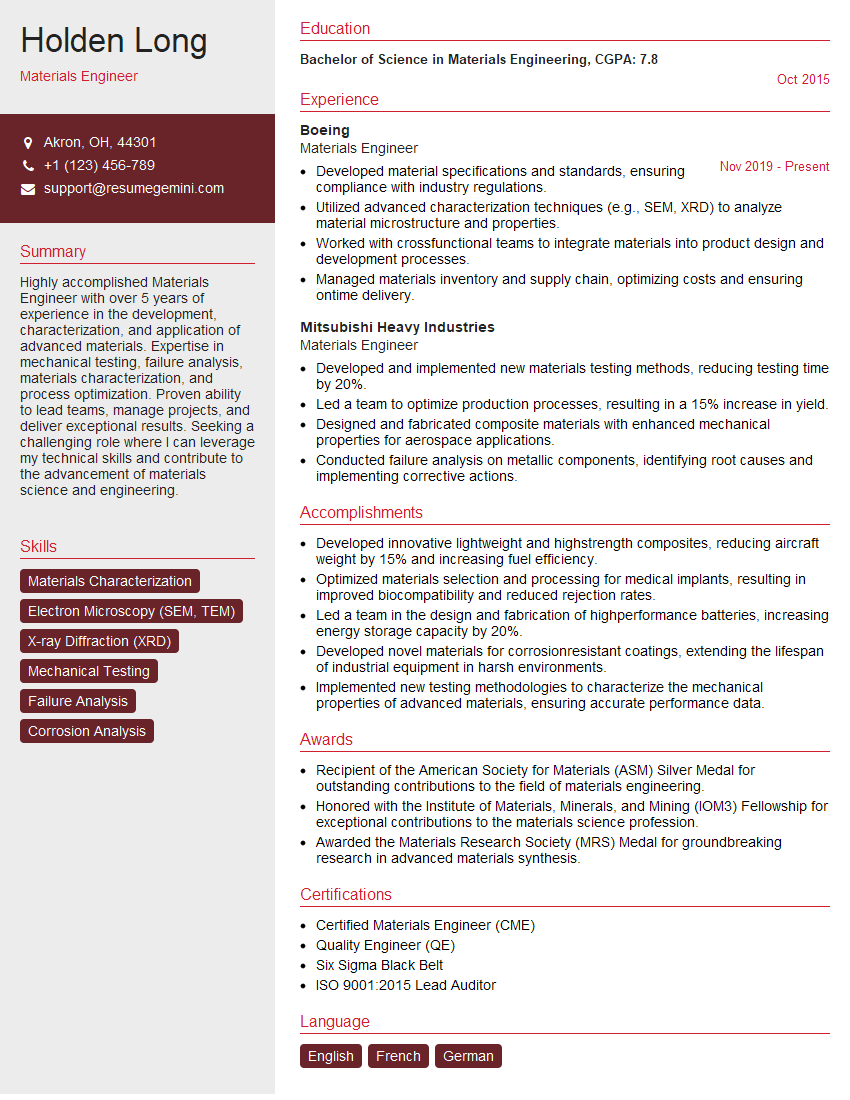
Materials Engineer Resume Sample

Metallurgist Resume Sample
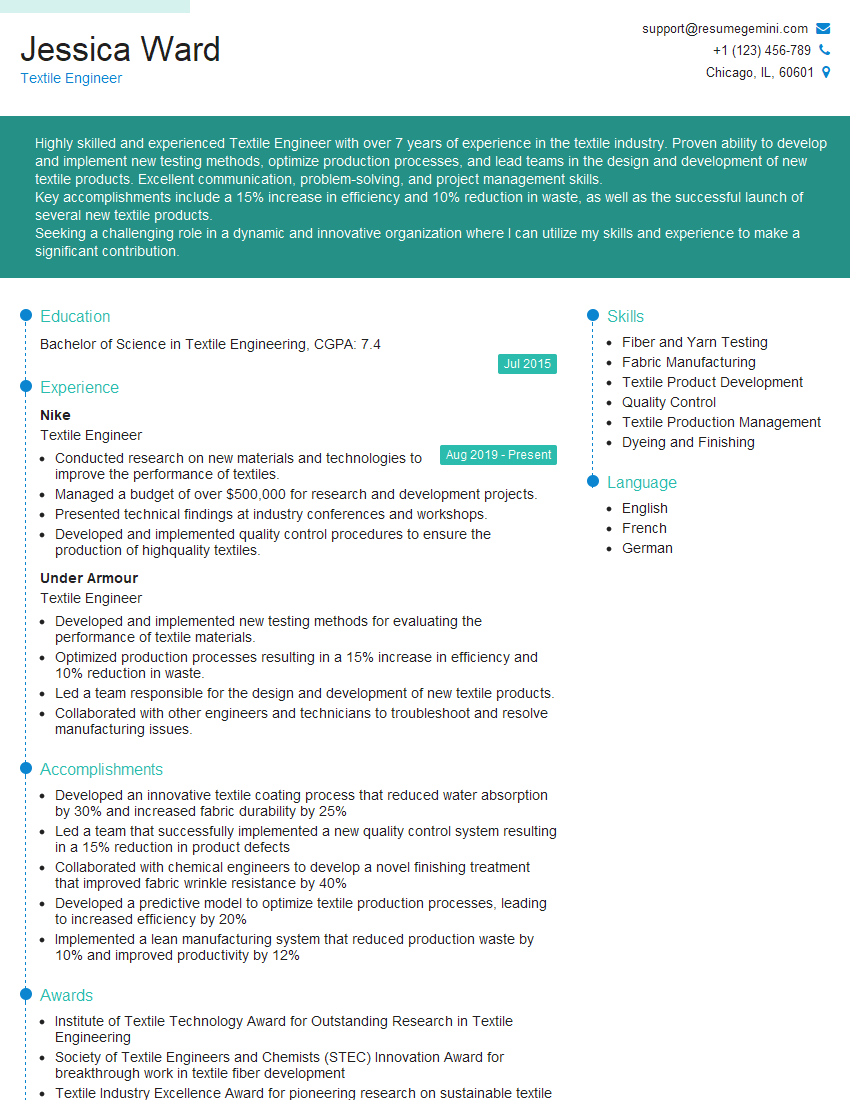
Textile Engineer Resume Sample
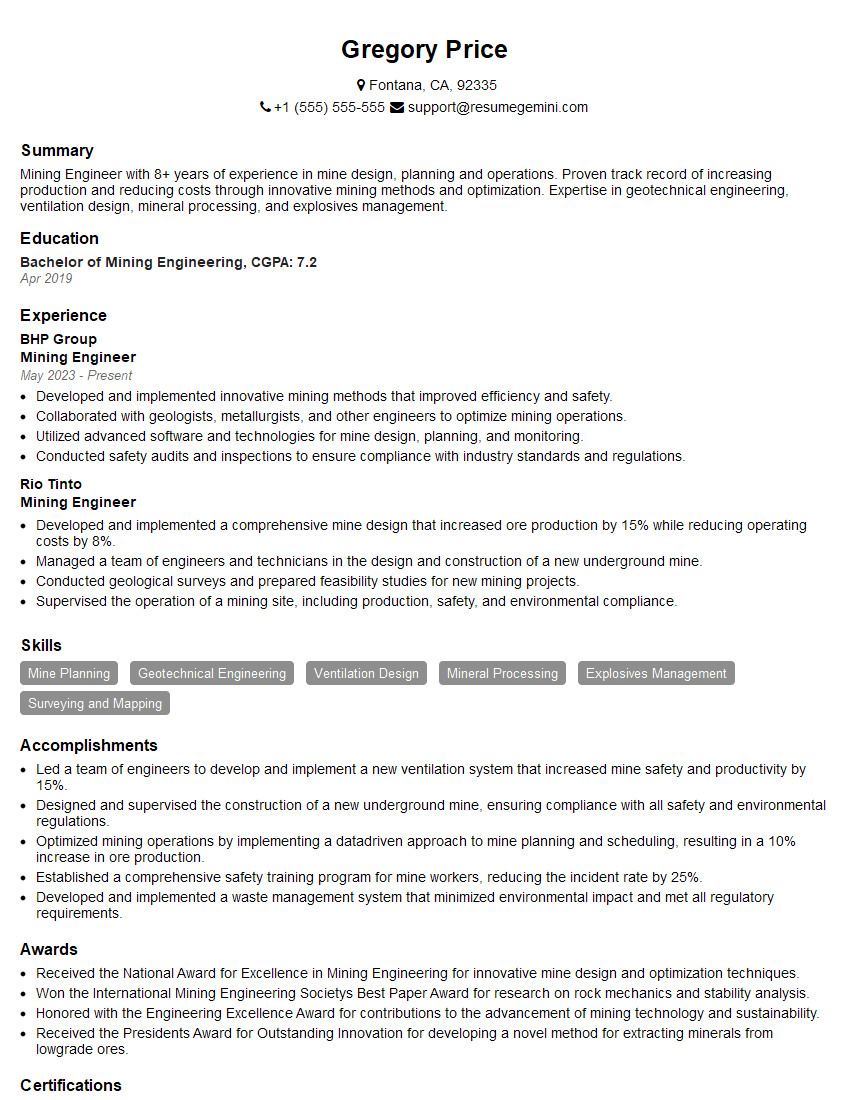
Mining Engineer Resume Sample
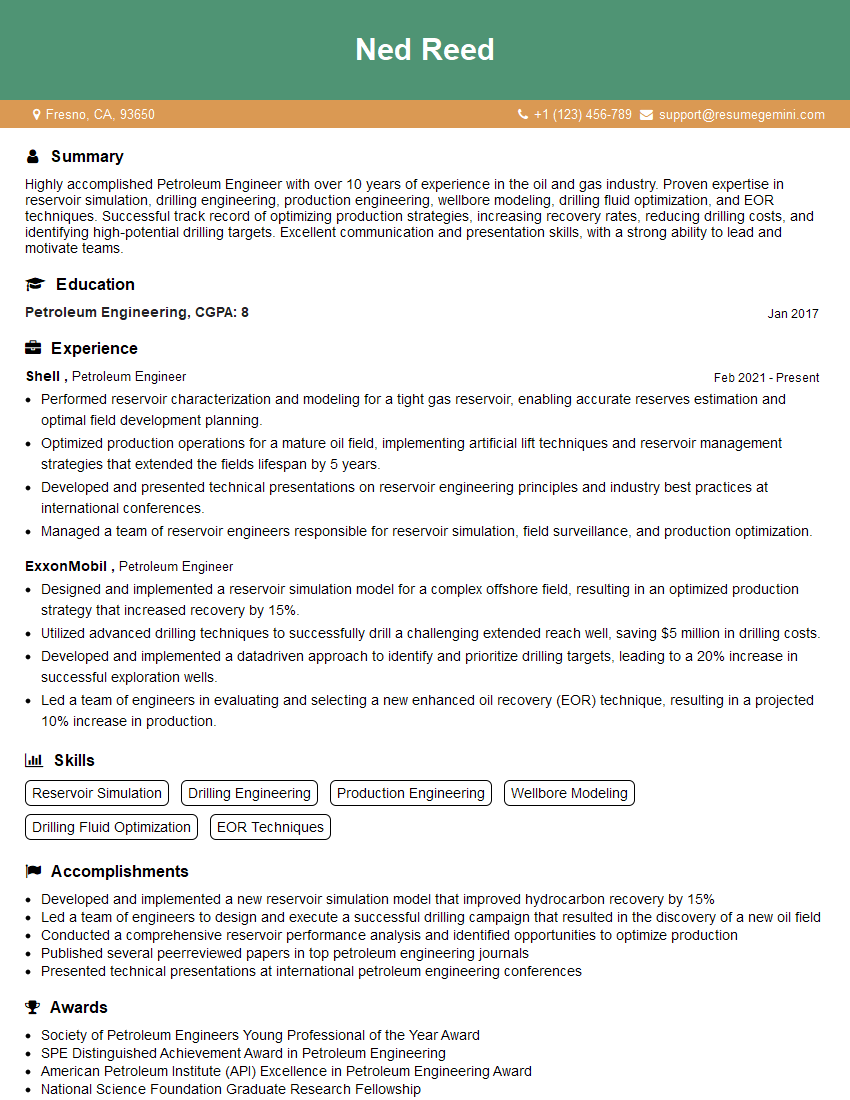
Petroleum Engineer Resume Sample
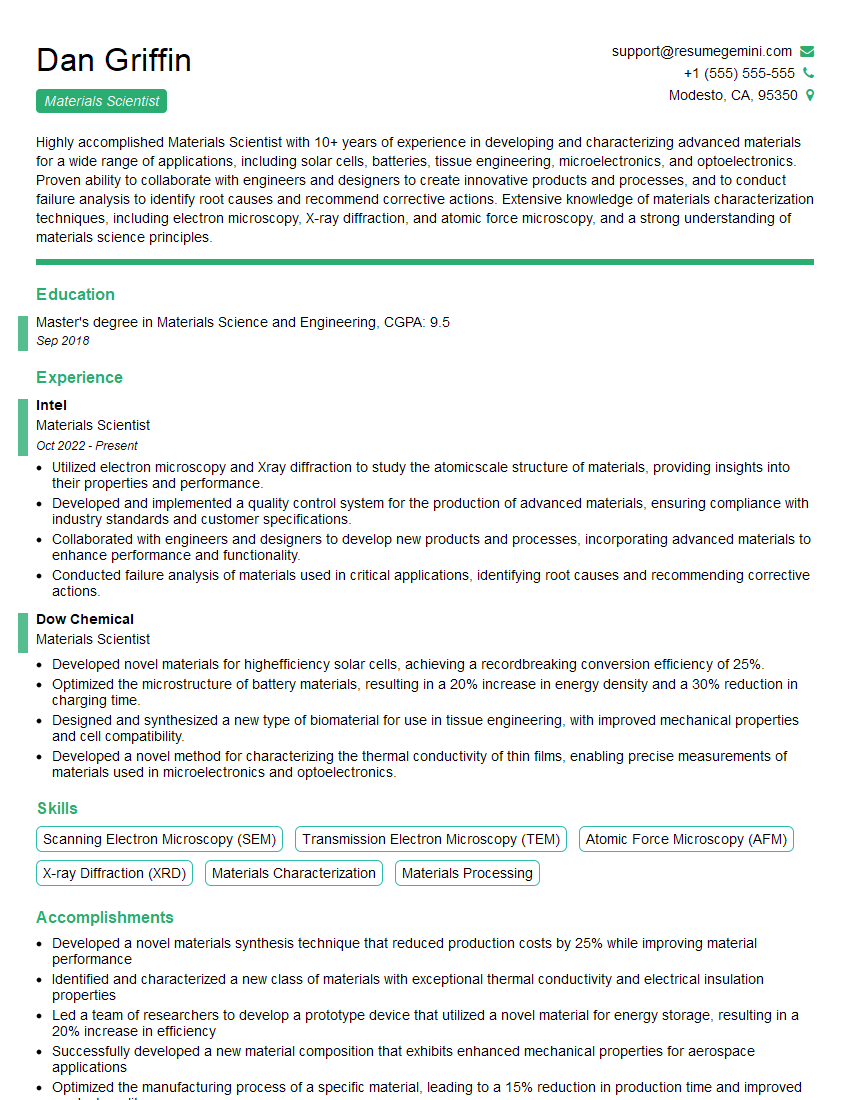
Materials Scientist Resume Sample
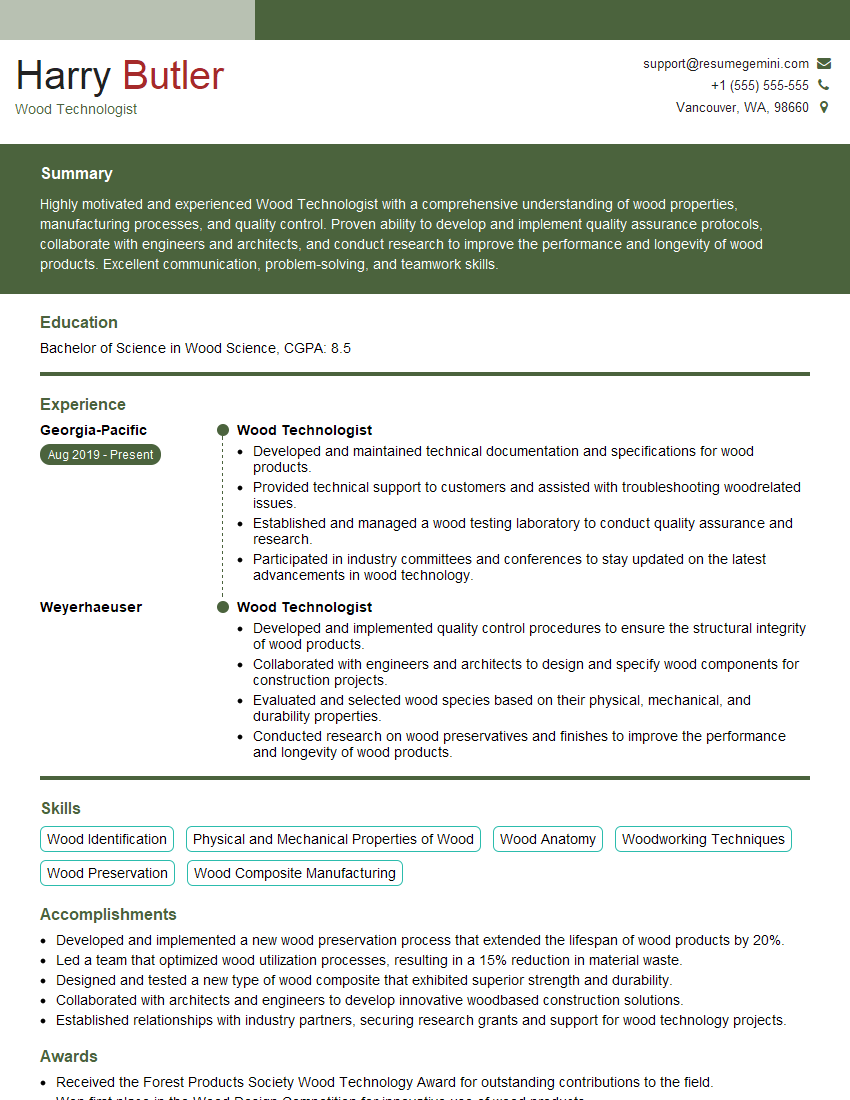
Wood Technologist Resume Sample
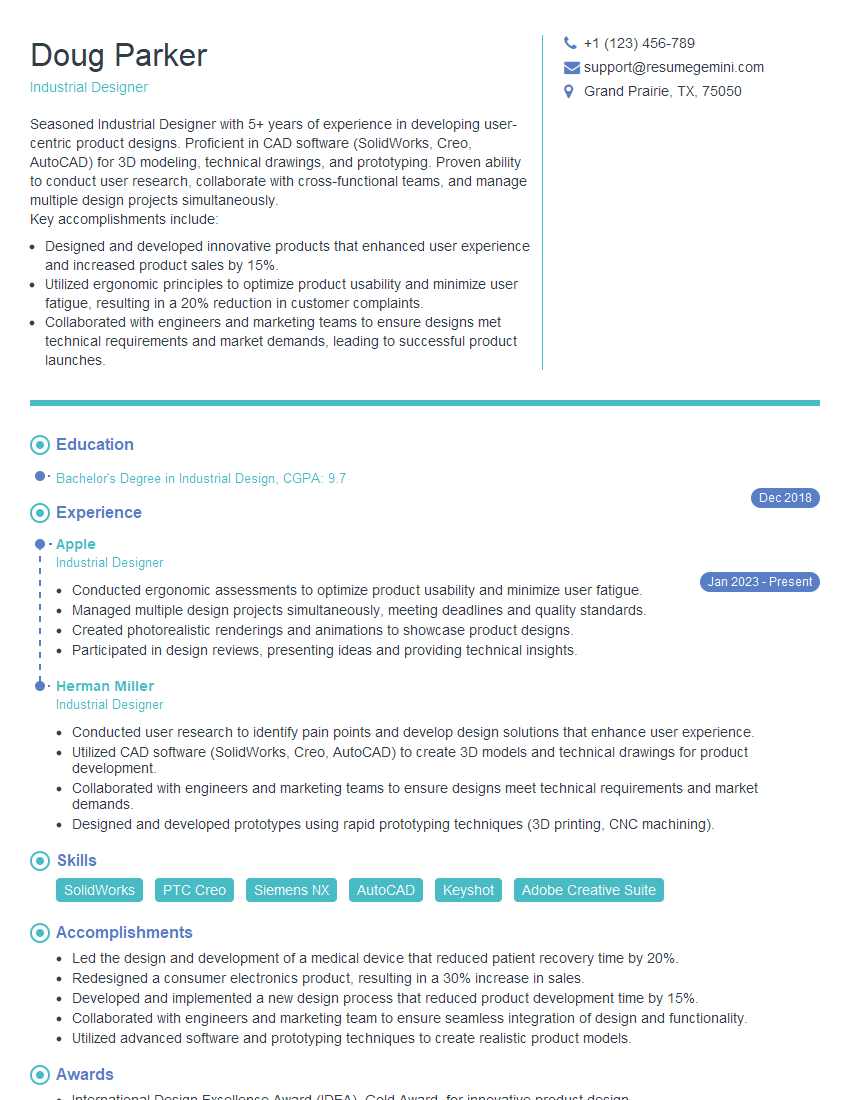
Industrial Designer Resume Sample
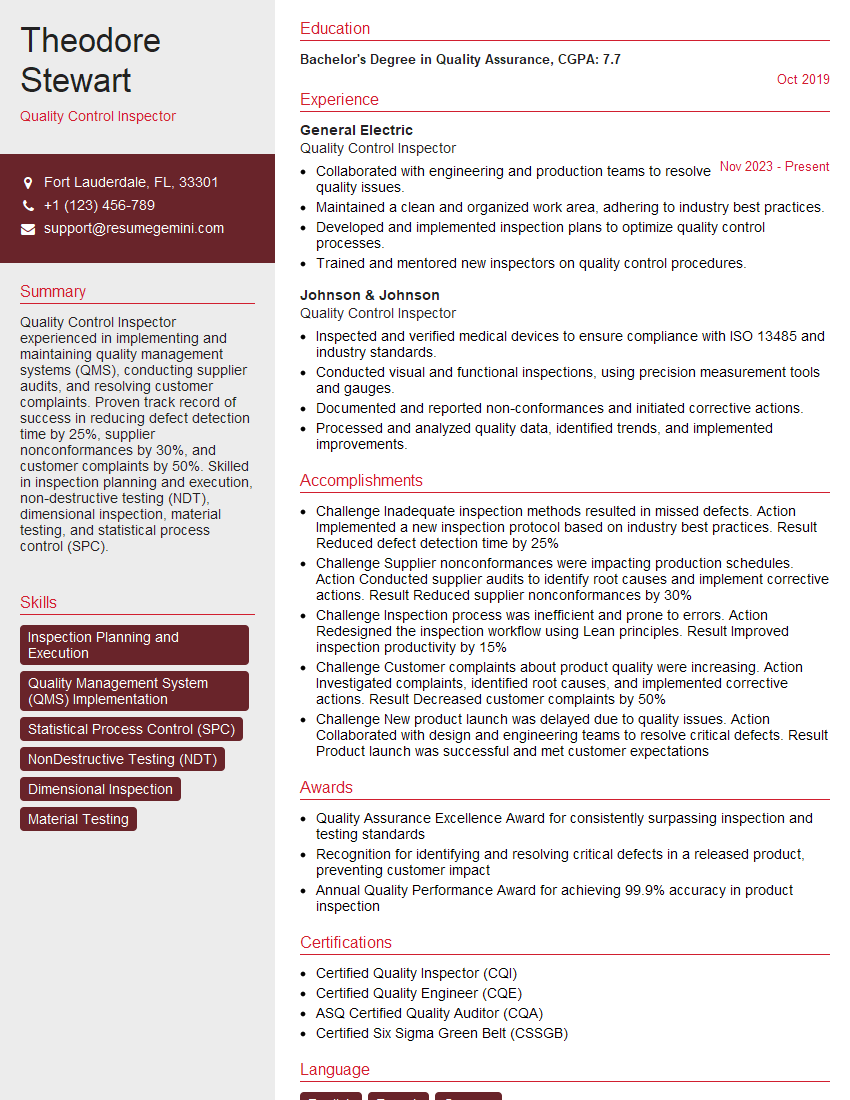
Quality Control Inspector Resume Sample
- Supply Chain Manager
- Procurement Specialist
- Research Scientist
- Product Development Engineer
- Chemical Engineer
- Civil Engineer
- Construction Engineer
- Geotechnical Engineer
- Manufacturing Engineer
- Packaging Engineer
- Production Engineer
- Materials Engineer
- Metallurgist
- Textile Engineer
- Mining Engineer
- Petroleum Engineer
- Materials Scientist
- Wood Technologist
- Industrial Designer
- Quality Control Inspector
Explore more articles
Users Rating of Our Blogs
Share Your Experience
We value your feedback! Please rate our content and share your thoughts (optional).
What Readers Say About Our Blog
Very informative content, great job.
good