Unlock your full potential by mastering the most common Experience with Corrosive Materials interview questions. This blog offers a deep dive into the critical topics, ensuring you’re not only prepared to answer but to excel. With these insights, you’ll approach your interview with clarity and confidence.
Questions Asked in Experience with Corrosive Materials Interview
Q 1. What are the different types of corrosion?
Corrosion is the deterioration of a material, usually a metal, due to a chemical or electrochemical reaction with its environment. There are many types, categorized by their appearance and the mechanism driving the degradation. Some key types include:
- Uniform Corrosion: Evenly distributed attack across the surface.
- Galvanic Corrosion: Corrosion accelerated at the contact point of dissimilar metals.
- Pitting Corrosion: Localized corrosion resulting in small holes or pits.
- Crevice Corrosion: Corrosion concentrated within crevices or narrow gaps.
- Stress Corrosion Cracking (SCC): Cracking under combined tensile stress and corrosive environment.
- Hydrogen Embrittlement: Reduction in ductility and strength due to hydrogen absorption.
- Erosion Corrosion: Accelerated corrosion due to combined corrosive environment and fluid flow.
Understanding the different types is crucial for selecting appropriate materials and implementing effective corrosion prevention strategies.
Q 2. Explain the process of uniform corrosion.
Uniform corrosion, also known as general corrosion, is the most common type. It’s characterized by a relatively even attack across the entire exposed surface of the metal. Imagine a rusty iron fence – the rust is fairly evenly distributed. This happens because the entire surface is equally exposed to the corrosive environment, typically an electrolyte solution (like saltwater or acidic rain). The electrochemical reactions proceed uniformly across the surface, leading to a gradual thinning of the material. The rate of uniform corrosion is relatively predictable and can be easily measured, making it easier to manage compared to more localized forms of corrosion.
For example, the gradual rusting of a steel pipe buried in soil is a classic example of uniform corrosion. The soil acts as the electrolyte, and oxygen and moisture facilitate the oxidation reaction. To mitigate this, you might choose a more corrosion-resistant material like stainless steel, apply protective coatings like paint or zinc galvanization, or control the environment (e.g., by reducing soil moisture).
Q 3. Describe galvanic corrosion and its prevention.
Galvanic corrosion occurs when two dissimilar metals are in electrical contact in the presence of an electrolyte. The more active metal (the one higher on the galvanic series) acts as an anode and corrodes preferentially, while the less active metal (the cathode) is protected. Think of it like a battery: the difference in potential between the metals drives the corrosion process. A classic example is steel fastened to copper – the steel will corrode more rapidly at the contact point.
Preventing galvanic corrosion involves several strategies:
- Material Selection: Choosing metals close together in the galvanic series.
- Insulation: Placing an insulating barrier between the dissimilar metals to prevent electrical contact.
- Cathodic Protection: Using a sacrificial anode (a more active metal) to protect the main structure.
- Coatings: Applying protective coatings to both metals to isolate them from the electrolyte.
For instance, if you’re designing a marine structure, you might avoid using steel and copper together. Instead, you could use stainless steel (more resistant to corrosion) throughout, or use cathodic protection with zinc anodes to protect the steel components.
Q 4. What is pitting corrosion, and how does it occur?
Pitting corrosion is a highly localized form of corrosion that results in the formation of small, deep pits or holes on the metal surface. Unlike uniform corrosion, it’s unpredictable and can lead to significant structural weakening even with minimal material loss. It often begins with the breakdown of a passive film (a protective oxide layer) on the metal’s surface, exposing susceptible areas to rapid attack.
The process typically involves the formation of a small, aggressive anodic site surrounded by a relatively large cathodic area. The anodic site undergoes accelerated dissolution, leading to pit formation. Factors like chloride ions in the environment can accelerate pitting, as they can penetrate and disrupt passive layers. Stainless steel is susceptible to pitting corrosion in chloride-containing environments, such as seawater.
Detecting pitting corrosion can be challenging because the pits are often hidden under surface deposits. Regular inspections, especially using non-destructive testing techniques like ultrasonic testing, are crucial for identifying this type of corrosion before it becomes catastrophic.
Q 5. Explain crevice corrosion and its mechanisms.
Crevice corrosion is a localized form of corrosion that occurs in confined spaces, such as crevices, joints, gaskets, and under deposits. These spaces create stagnant micro-environments with different chemical compositions than the bulk environment. Within the crevice, oxygen depletion occurs, leading to a localized difference in potential and accelerated corrosion. The crevice acts as an electrochemical cell, with the crevice interior being anodic and the surrounding area being cathodic.
The mechanisms involve the formation of a concentration cell. As oxygen is consumed within the crevice, a concentration gradient develops between the crevice and the bulk solution. This difference drives the electrochemical reactions and accelerates corrosion within the crevice. The build-up of aggressive corrosive species within the stagnant crevice, such as chloride ions, further intensifies the corrosion process.
Preventing crevice corrosion involves designing components to minimize crevices, using corrosion-resistant materials, and employing proper cleaning and maintenance practices to prevent debris accumulation.
Q 6. How does stress corrosion cracking happen?
Stress corrosion cracking (SCC) is a catastrophic failure mechanism that occurs when a material is subjected to both tensile stress and a corrosive environment. The combination of stress and corrosion leads to the initiation and propagation of cracks, resulting in brittle fracture even at stresses below the yield strength of the material. It’s important to note that neither stress nor corrosion alone would cause this type of failure.
The process involves the synergistic interaction between the applied stress and the corrosive environment. The stress concentrates at defects or discontinuities in the material, making these sites more susceptible to corrosion attack. The corrosion then propagates these flaws into cracks, leading to eventual failure. This type of failure is often sudden and unpredictable, and can happen even with seemingly low stress levels. Common examples include the cracking of high-strength steels in alkaline solutions or stainless steels in chloride environments.
Prevention strategies include reducing stress levels (through proper design and manufacturing), using corrosion-resistant materials, and controlling the corrosive environment.
Q 7. Describe hydrogen embrittlement.
Hydrogen embrittlement is a type of material degradation where hydrogen atoms diffuse into a metal and significantly reduce its ductility and strength. The hydrogen atoms can accumulate within the metal lattice, creating internal pressure and making the material brittle and prone to cracking. This isn’t strictly corrosion, but it’s a closely related phenomenon often encountered in corrosive environments.
The process begins when hydrogen is produced through cathodic reactions occurring on the metal surface, often during corrosion processes such as acid attack or electrochemical corrosion involving hydrogen evolution. This atomic hydrogen can then diffuse into the metal. Once inside, the hydrogen can react to form molecular hydrogen (H2) at internal sites of high stress concentration, causing localized pressure build-up and ultimately leading to cracking. This phenomenon is particularly problematic in high-strength steels and other materials that are susceptible to hydrogen absorption.
Mitigation strategies include using hydrogen-resistant materials, controlling the environment to minimize hydrogen generation, and employing post-weld heat treatments to remove absorbed hydrogen.
Q 8. What are the common methods for corrosion testing?
Corrosion testing methods aim to quantify the rate and type of material degradation in a corrosive environment. These methods can be broadly categorized into accelerated and natural exposure tests.
Accelerated Tests: These methods significantly speed up the corrosion process under controlled conditions, allowing for quicker results. Examples include:
- Salt Spray Testing: Exposing the material to a salt mist to simulate marine environments. This is commonly used for evaluating the corrosion resistance of coatings.
- Immersion Testing: Submerging samples in a corrosive solution (e.g., acid, saltwater) to measure weight loss or changes in properties over time.
- Electrochemical Tests: Techniques like potentiodynamic polarization and electrochemical impedance spectroscopy (EIS) measure electrochemical parameters to assess corrosion susceptibility.
Natural Exposure Tests: These involve exposing materials to real-world environmental conditions for extended periods. While slower, they provide more realistic corrosion data. Examples include:
- Atmospheric Exposure: Exposing samples to different climates (rural, industrial, marine) for months or years.
- Soil Burial Tests: Burying samples in various soil types to assess their resistance to underground corrosion.
The choice of method depends on factors like the corrosive environment, the desired timeframe, and the required level of detail.
Q 9. Explain the principles of electrochemical corrosion.
Electrochemical corrosion arises from the spontaneous oxidation-reduction reactions between a metal and its environment. It’s essentially an electrical current flowing from an anodic region (metal dissolution) to a cathodic region (reduction reaction), often mediated by an electrolyte (e.g., water, soil).
Think of it like a tiny battery: the metal acts as the anode, losing electrons and dissolving into ions (oxidation); the cathode, often another part of the metal or a different material, gains electrons (reduction). The electrolyte facilitates the movement of ions and electrons completing the circuit. This electron flow is the corrosion current, and its magnitude directly relates to the corrosion rate. The greater the corrosion current, the faster the metal corrodes.
For instance, iron rusting in water involves iron (Fe) acting as the anode, losing electrons to form Fe2+ ions (oxidation). Oxygen (O2) dissolved in the water gains those electrons at the cathode, forming hydroxide ions (OH–) (reduction). The Fe2+ ions then react with oxygen and water to form iron oxide (rust).
Q 10. What are the factors influencing corrosion rate?
Numerous factors influence corrosion rates, often interacting in complex ways. These include:
Environment: The nature of the corrosive medium (pH, temperature, oxygen concentration, salinity) is crucial. Acidic environments, high temperatures, and high oxygen concentrations typically accelerate corrosion.
Material Properties: The metal’s composition, microstructure, and presence of impurities significantly impact its susceptibility. Some metals are inherently more resistant than others (e.g., stainless steel vs. mild steel).
Surface Conditions: Surface roughness, the presence of scratches, and the type of coating affect corrosion initiation and propagation. A damaged coating can act as a localized anodic site.
Temperature: Higher temperatures generally increase the reaction rate and corrosion rate, often exponentially.
Concentration of Corrosive Agents: The higher the concentration of corrosive substances (acids, salts), the faster the corrosion.
Presence of Inhibitors: Corrosion inhibitors can dramatically reduce the corrosion rate by altering the electrochemical reactions at the metal surface.
For example, a pipeline carrying acidic crude oil will corrode much faster than a similar pipeline carrying water at the same temperature and pressure, because the acidic crude oil acts as a potent electrolyte, speeding up the electrochemical processes.
Q 11. How do you select materials resistant to corrosive environments?
Material selection for corrosive environments requires careful consideration of the specific conditions. A thorough understanding of the corrosive species, their concentrations, temperature, and other relevant factors is paramount.
The process often involves:
Corrosion Resistance Data: Consulting corrosion charts, handbooks, and databases to identify suitable materials. These resources provide information on the corrosion resistance of different materials in various environments.
Material Testing: Performing relevant corrosion tests (as discussed earlier) to validate the suitability of candidate materials under the specific conditions.
Cost-Benefit Analysis: Balancing the material cost with its corrosion resistance and lifecycle implications. A more expensive but highly resistant material might be cost-effective in the long run by reducing maintenance and replacement costs.
Environmental Considerations: Selecting materials with minimal environmental impact, both during manufacturing and disposal.
For example, when designing a chemical reactor handling sulfuric acid, materials like high-alloy stainless steels (e.g., 316L) or even exotic alloys like Hastelloy C-276 might be necessary due to their exceptional resistance to sulfuric acid attack. Choosing mild steel would be inappropriate because it is highly susceptible to corrosion in this environment.
Q 12. Describe different types of corrosion inhibitors.
Corrosion inhibitors are substances that, when added in small concentrations to a corrosive environment, significantly reduce the rate of corrosion. They work through various mechanisms:
Anodic Inhibitors: These form a protective film on the anodic sites of the metal, preventing oxidation and dissolution. They often contain chromate or molybdate ions.
Cathodic Inhibitors: These decrease the rate of the cathodic reaction, reducing the overall corrosion current. Examples include zinc or arsenic compounds.
Mixed Inhibitors: These influence both anodic and cathodic reactions, providing a more comprehensive protection. Organic compounds like amines and imidazolines are often used as mixed inhibitors.
Passivating Inhibitors: These promote the formation of a passive layer on the metal surface, protecting it from further corrosion. Nitrates and chromates are examples.
The selection of the inhibitor depends on the specific metal and corrosive environment. For example, organic inhibitors are often preferred in acidic solutions to protect steel, while chromate-based inhibitors were traditionally used (though their environmental toxicity now necessitates safer alternatives).
Q 13. Explain the role of coatings in corrosion protection.
Coatings provide a physical barrier between the metal and the corrosive environment, preventing direct contact and significantly reducing corrosion. They can be metallic (e.g., zinc, aluminum), organic (e.g., paints, polymers), or inorganic (e.g., ceramics, glass).
The effectiveness of a coating depends on factors like its adhesion to the substrate, its impermeability, its resistance to degradation by the environment, and its uniformity. A small defect in a coating can lead to localized corrosion beneath it (crevice corrosion).
Examples include:
Protective paints: Provide a barrier against environmental factors like moisture and oxygen.
Metallization (e.g., galvanizing): Applying a sacrificial layer of a more active metal (zinc) to protect the underlying steel. The zinc corrodes preferentially, protecting the steel.
Polymer coatings: Provide excellent barrier protection in a variety of applications. These can be tailored to specific corrosive environments.
Proper surface preparation before coating application is crucial for ensuring good adhesion and long-term performance. A poorly prepared surface can lead to premature coating failure and accelerated corrosion.
Q 14. Discuss various cathodic protection techniques.
Cathodic protection is a technique used to mitigate corrosion by making the metal structure a cathode, preventing it from dissolving. This is achieved by supplying electrons to the structure, thus reducing its potential below the corrosion potential. The two main methods are:
Sacrificial Anodes: This method involves connecting a more active metal (e.g., zinc, magnesium, aluminum) to the structure to be protected. The more active metal acts as the anode, corroding preferentially while protecting the structure. This is similar to galvanizing but on a larger scale.
Impressed Current Cathodic Protection (ICCP): This method uses an external DC power source to supply electrons to the structure, making it cathodic. An inert anode (e.g., titanium) is used to complete the circuit. The current flow is precisely controlled to achieve adequate protection.
The choice of method depends on factors like the environment, the size and type of the structure, and the cost. For example, sacrificial anodes are often used for pipelines and underground tanks, while ICCP is commonly used for large marine structures like ships and offshore platforms.
Regular monitoring of the cathodic protection system is essential to ensure its effectiveness and prevent overprotection, which can lead to hydrogen embrittlement or other problems.
Q 15. How do you assess the risk of corrosion in a given system?
Assessing corrosion risk involves a systematic evaluation of factors contributing to material degradation. Think of it like a detective investigating a crime scene – we need to identify the suspects (corrosive agents) and the vulnerabilities (material properties and environment).
Material Selection: The inherent resistance of the material to the specific corrosive environment is crucial. For instance, stainless steel is highly resistant to many corrosive agents, while mild steel is not.
Environmental Factors: This includes temperature, humidity, pH, presence of oxygen, and the concentration of corrosive agents (acids, bases, salts). A highly acidic environment will accelerate corrosion significantly compared to a neutral one.
Process Conditions: The operational parameters, such as flow rates, temperature fluctuations, and presence of contaminants, play a significant role. High-velocity flow can enhance corrosion, a phenomenon known as erosion-corrosion.
Inspection and Monitoring: Regular visual inspections, electrochemical measurements (e.g., potential measurements), and other non-destructive testing methods help to detect early signs of corrosion and assess its progression.
For example, in designing a chemical processing plant, we wouldn’t use mild steel to handle concentrated sulfuric acid; instead, we’d choose a material like Hastelloy C, known for its excellent resistance to this corrosive medium. A thorough risk assessment would incorporate all the aforementioned factors to predict the lifespan of the equipment and implement appropriate mitigation strategies.
Career Expert Tips:
- Ace those interviews! Prepare effectively by reviewing the Top 50 Most Common Interview Questions on ResumeGemini.
- Navigate your job search with confidence! Explore a wide range of Career Tips on ResumeGemini. Learn about common challenges and recommendations to overcome them.
- Craft the perfect resume! Master the Art of Resume Writing with ResumeGemini’s guide. Showcase your unique qualifications and achievements effectively.
- Don’t miss out on holiday savings! Build your dream resume with ResumeGemini’s ATS optimized templates.
Q 16. What are the safety precautions when handling corrosive materials?
Handling corrosive materials necessitates stringent safety protocols to minimize the risk of accidents. Think of these materials as dangerous wild animals – they need to be treated with respect and care.
Personal Protective Equipment (PPE): This is paramount. Appropriate PPE includes chemical-resistant gloves, eye protection (goggles or face shields), lab coats, and respirators depending on the specific material and its vapor pressure. The choice of PPE depends on the corrosive material’s properties and the concentration.
Ventilation: Adequate ventilation is essential to prevent the inhalation of corrosive vapors or gases. Fume hoods or local exhaust systems should be used when handling volatile materials. Imagine a poorly ventilated area – the concentration of dangerous fumes will increase rapidly leading to serious health consequences.
Emergency Procedures: A detailed emergency plan should be readily available and communicated to all personnel. This includes procedures for handling spills, eye washes, and decontamination.
Storage and Handling: Corrosive materials must be stored in appropriately labeled, compatible containers in designated areas, away from incompatible materials. Proper handling procedures, including the use of appropriate equipment for transferring and dispensing, are critical to prevent accidental spills and exposure.
Training: Thorough training on the hazards of specific corrosive materials, appropriate handling procedures, and emergency response protocols is vital for all personnel working with these substances.
A real-world example is the use of specialized suits and respirators when working with hydrofluoric acid, a highly corrosive and toxic material that requires extreme precautions.
Q 17. Describe the proper procedures for cleaning up corrosive spills.
Cleaning up corrosive spills requires a methodical approach to ensure the safety of personnel and the environment. Think of this as a controlled emergency response.
Evacuation and Isolation: Immediately evacuate the affected area and isolate the spill to prevent further spread. Control access to the area to prevent secondary exposure. This is the first and most important step.
Personal Protection: Wear appropriate PPE, as outlined earlier. Remember, safety always comes first.
Neutralization (if applicable): For some corrosive spills, neutralization might be possible and appropriate. For example, an acid spill can often be neutralized with a base (like sodium bicarbonate), but this must be done carefully and with expertise, as uncontrolled reactions can generate heat and fumes. Never attempt neutralization without proper training and understanding of the chemical reactions involved.
Containment and Absorption: Contain the spill using absorbent materials (e.g., sand, vermiculite) suitable for the specific corrosive substance. Avoid using materials that react with the corrosive agent.
Disposal: Dispose of the contaminated absorbent materials and any other waste according to local regulations and guidelines. This often involves specialized hazardous waste disposal facilities.
Decontamination: Thoroughly decontaminate the affected area using appropriate cleaning agents and procedures. Follow specific protocols for the particular corrosive material.
For instance, a sulfuric acid spill would require careful neutralization with a base, followed by thorough rinsing and cleaning of the contaminated area, followed by waste disposal according to environmental standards.
Q 18. What is the importance of material selection in corrosion control?
Material selection is the cornerstone of corrosion control; it’s like choosing the right armor for a knight – the wrong choice leads to disastrous consequences. Selecting the appropriate material depends heavily on the specific corrosive environment and the required service life of the component.
Corrosion Resistance: Materials are chosen based on their inherent resistance to the specific corrosive agents present. For example, stainless steels are often used in applications involving chloride ions, whereas titanium alloys might be preferred for highly oxidizing environments.
Cost: Material cost is a crucial factor. Highly corrosion-resistant alloys are often expensive, so an economic balance between material cost and potential maintenance/replacement costs must be struck.
Fabrication: The ease of fabrication and weldability of the selected material is also important. Some high-performance alloys are difficult to weld, increasing fabrication costs and complexity.
Other Properties: Other relevant properties to consider include strength, ductility, and thermal properties.
For instance, in designing a heat exchanger for seawater applications, the material must have excellent resistance to chloride-induced corrosion; copper-nickel alloys or titanium are excellent candidates. If cost is a major constraint, a material like duplex stainless steel could be considered as a compromise between cost and corrosion resistance.
Q 19. Explain how temperature affects corrosion rates.
Temperature significantly influences corrosion rates, often acting as an accelerator. Think of it like heating a fire – higher temperatures generally increase the reaction rate.
Generally, increasing temperature accelerates most corrosion reactions, increasing the rate of electrochemical processes and enhancing the diffusion of ions. However, the relationship isn’t always linear, and some corrosion mechanisms are more temperature-sensitive than others. For example, high temperatures can lead to accelerated oxidation or scaling in many metals.
Conversely, lowering the temperature often slows down corrosion processes; however, it can also introduce other complications, such as stress corrosion cracking at low temperatures.
For example, the corrosion rate of mild steel in acidic solutions increases dramatically with temperature. This is why high-temperature processes require careful material selection and corrosion mitigation strategies.
Q 20. How does pH influence corrosion behavior?
pH, a measure of acidity or alkalinity, drastically affects corrosion behavior. Think of it as controlling the environment – a change in pH can completely change the corrosion landscape.
In general, highly acidic (low pH) or highly alkaline (high pH) solutions are more corrosive than neutral (pH 7) solutions. The specific effect depends on the material and the specific ions present. For example, many metals readily corrode in highly acidic environments due to the enhanced hydrogen evolution reaction. Conversely, some metals exhibit passivation in specific pH ranges.
Certain pH ranges may even favor specific corrosion mechanisms. For instance, some metals are prone to stress corrosion cracking within particular pH ranges. Understanding the pH of the corrosive environment is crucial for material selection and the design of corrosion mitigation strategies.
For example, aluminum is relatively resistant to corrosion in neutral and slightly alkaline environments but readily corrodes in highly acidic conditions.
Q 21. Describe the role of oxygen in corrosion processes.
Oxygen plays a critical role in many corrosion processes, particularly in the case of oxidation corrosion. Think of it as the ‘fuel’ that drives the fire of corrosion.
Oxygen acts as an oxidizing agent, accepting electrons from the metal and forming metal oxides. This process is often the cathodic half-reaction in electrochemical corrosion. The extent of oxygen’s involvement depends on the presence of an electrolyte. For instance, in the corrosion of iron (rusting), oxygen dissolved in water acts as the oxidizing agent, facilitating the conversion of iron to iron oxides (rust). This reaction is significantly faster in the presence of dissolved oxygen.
Some corrosion mitigation strategies are directly aimed at limiting oxygen access to the metal surface. For example, coatings or the use of inert atmospheres can help minimize oxygen’s involvement in the corrosion process.
In some cases, the absence of oxygen can even change the type of corrosion or affect its rate; it plays an especially significant role in atmospheric corrosion.
Q 22. Explain the concept of passivation in corrosion.
Passivation is a fascinating phenomenon where a metal, usually a reactive one like stainless steel, forms a thin, protective oxide layer on its surface. This layer acts as a barrier, significantly reducing the metal’s reactivity and preventing further corrosion. Think of it like a superhero’s shield – it protects the underlying metal from the harsh environment.
This passive layer isn’t just a random accumulation of oxides; it’s a very specific structure, typically a few nanometers thick. Its formation is often dependent on environmental factors like pH and oxygen concentration. For instance, stainless steel relies on the presence of chromium in its alloy to form a stable chromium oxide passive layer. Without sufficient chromium or under highly acidic conditions, this layer can break down, leading to rapid corrosion.
A common example is the difference between iron (which rusts easily) and stainless steel (which is highly corrosion-resistant). Stainless steel owes its resistance to the passivation layer formed by chromium.
Q 23. What are the common methods for corrosion monitoring?
Corrosion monitoring employs various methods, each with its strengths and weaknesses. We use a combination of methods to ensure comprehensive monitoring.
- Visual Inspection: This simple yet effective technique involves regularly inspecting equipment for signs of corrosion like pitting, rust, or discoloration. It’s the first line of defense and is crucial for detecting obvious problems.
- Weight Loss Measurement: Test coupons of the same material as the equipment are exposed to the corrosive environment. Regular weighing reveals material loss, directly indicating corrosion rate. This is particularly useful in laboratory settings or for controlled exposures.
- Electrochemical Methods: Techniques like linear polarization resistance (LPR) and electrochemical impedance spectroscopy (EIS) measure the electrical resistance of the metal surface. Changes in resistance reflect changes in corrosion rate. EIS provides a more detailed understanding of the corrosion process, while LPR offers a quicker, simpler analysis.
- Ultrasonic Testing (UT): UT uses sound waves to detect changes in material thickness or the presence of defects that can indicate corrosion under insulation or in hard-to-reach areas.
- Remote Monitoring Systems: Advanced systems employ sensors to measure corrosion rate continuously, providing real-time data on corrosion activity.
The choice of method depends on factors like the type of material, the corrosive environment, and the access to the equipment.
Q 24. Describe your experience with different corrosive chemicals (e.g., acids, bases, salts).
My experience spans a wide range of corrosive chemicals, including various acids, bases, and salts. I’ve worked extensively with:
- Acids: Sulfuric acid (H₂SO₄), hydrochloric acid (HCl), nitric acid (HNO₃), and acetic acid (CH₃COOH) are common culprits in industrial processes. Understanding their different mechanisms of attack—some are oxidizing, others are reducing—is critical in selecting appropriate materials and corrosion mitigation strategies. For example, I’ve worked on projects involving the handling of sulfuric acid in fertilizer plants, where the focus is on selecting corrosion-resistant alloys and implementing proper containment procedures.
- Bases: Sodium hydroxide (NaOH) and potassium hydroxide (KOH) are highly alkaline and can cause caustic embrittlement, a form of stress corrosion cracking. I’ve been involved in projects involving the transportation and processing of these chemicals, emphasizing the use of specialized coatings and careful handling procedures.
- Salts: Chloride salts (NaCl, MgCl₂) are particularly aggressive, especially in the presence of moisture. They can cause pitting and crevice corrosion. I’ve worked on projects near coastal areas where salt spray is a significant concern, necessitating the use of corrosion-resistant coatings or stainless steels with higher chromium content.
Each chemical presents unique challenges requiring tailored solutions based on its properties and the specific application.
Q 25. How do you interpret corrosion test results?
Interpreting corrosion test results is not simply about looking at numbers; it’s about understanding the underlying mechanisms. I approach this by:
- Comparing Results to Standards: Many standardized corrosion tests exist (e.g., ASTM standards). I compare my results to established benchmarks to assess the severity of corrosion and whether it falls within acceptable limits.
- Analyzing Corrosion Morphology: Microscopic examination of corroded samples reveals the type of corrosion (e.g., uniform, pitting, crevice, stress corrosion cracking). This provides valuable insights into the corrosion mechanism and the factors contributing to it.
- Considering Environmental Factors: Corrosion rates are significantly influenced by temperature, humidity, pH, and the presence of other chemicals. I take these factors into account when interpreting results.
- Statistical Analysis: Multiple tests are usually performed to improve the accuracy and reliability of the results. Statistical analysis helps to determine the significance of the findings and to estimate the uncertainty associated with the corrosion rate.
For example, if a weight loss test shows a high corrosion rate and microscopic examination reveals pitting corrosion, it suggests the material may be unsuitable for the specific environment, or additional corrosion protection is required.
Q 26. Explain how you would troubleshoot a corrosion problem in a process plant.
Troubleshooting corrosion problems in a process plant requires a systematic approach. I use a structured methodology:
- Identify the Problem: Thorough investigation involves visual inspections, data analysis from corrosion monitoring systems, and discussions with plant operators to pinpoint the location, severity, and any observed symptoms.
- Analyze the Environment: Determine the chemical composition of the process fluids, temperature, pressure, pH, and other environmental factors influencing corrosion.
- Determine the Corrosion Mechanism: This requires understanding the specific type of corrosion (uniform, pitting, crevice, etc.) using microscopy and electrochemical techniques.
- Develop Solutions: Based on the analysis, I develop and propose suitable solutions. This might involve material selection (choosing a more resistant alloy), applying protective coatings, modifying the process chemistry (e.g., adjusting pH), or implementing cathodic protection.
- Implement and Monitor: The selected solution is implemented, and the corrosion rate is monitored to ensure effectiveness. Adjustments might be necessary.
A real-world example involved a leaking pipeline in a refinery. Initial investigation revealed pitting corrosion. By analyzing the chemical composition of the pipeline’s contents, we found a high concentration of chlorides, causing the pitting. The solution was to replace the carbon steel pipeline with a corrosion-resistant alloy.
Q 27. Describe your experience with corrosion prevention and control strategies.
Corrosion prevention and control are crucial for ensuring plant safety and efficiency. My experience encompasses a broad range of strategies:
- Material Selection: Choosing appropriate materials resistant to the specific corrosive environment is paramount. This often involves selecting corrosion-resistant alloys (e.g., stainless steels, nickel alloys), high-performance polymers, or ceramics.
- Protective Coatings: Applying coatings like paints, linings, or claddings provides a barrier between the metal and the corrosive environment. The selection depends on the specific application and the aggressiveness of the environment.
- Cathodic Protection: This electrochemical technique applies a protective current to the metal surface, making it cathodic and preventing corrosion. It’s effective for underground pipelines and submerged structures.
- Inhibitors: Adding chemical inhibitors to the corrosive environment can reduce the rate of corrosion. Different inhibitors are suitable for different chemical environments.
- Design Considerations: Proper design practices—like avoiding crevices, stagnant areas, and ensuring proper drainage—are critical in minimizing corrosion risks.
I’ve worked on projects where combining these strategies—for example, using a corrosion-resistant alloy with a protective coating and cathodic protection—offered the most effective solution.
Q 28. What are the regulatory requirements related to handling corrosive materials?
Regulatory requirements for handling corrosive materials vary depending on the specific chemical, its concentration, and the location. However, some common regulations and considerations include:
- OSHA (Occupational Safety and Health Administration): OSHA sets standards for worker safety, including handling, storage, and transportation of hazardous materials. This includes personal protective equipment (PPE), emergency procedures, and employee training.
- EPA (Environmental Protection Agency): The EPA regulates the discharge of corrosive chemicals into the environment, setting limits on wastewater and air emissions. This often involves obtaining permits and adhering to specific disposal procedures.
- DOT (Department of Transportation): The DOT regulates the transportation of hazardous materials, including corrosive chemicals, through various modes of transport (road, rail, sea). This includes packaging requirements, labeling, and shipping documentation.
- Local Regulations: Local and state regulations may also impose additional requirements related to storage, handling, and emergency response.
It’s crucial to be thoroughly familiar with all applicable regulations to ensure compliance and minimize risks.
Key Topics to Learn for Experience with Corrosive Materials Interview
- Material Properties & Selection: Understanding the chemical properties of corrosive materials (acids, bases, oxidizing agents) and selecting appropriate compatible materials for storage, handling, and processing equipment.
- Corrosion Mechanisms: Familiarizing yourself with different types of corrosion (uniform, pitting, crevice, galvanic, stress corrosion cracking) and the factors influencing their occurrence.
- Corrosion Prevention & Mitigation Techniques: Exploring various methods such as material selection, coatings, inhibitors, cathodic protection, and design considerations to minimize corrosion.
- Safety Procedures & Regulations: Understanding and adhering to safety protocols for handling corrosive materials, including personal protective equipment (PPE), emergency procedures, and relevant industry regulations (e.g., OSHA).
- Practical Applications: Being able to discuss real-world applications of corrosion control in various industries like chemical processing, oil & gas, manufacturing, and wastewater treatment.
- Troubleshooting & Problem-Solving: Demonstrating the ability to analyze corrosion-related problems, identify root causes, and propose effective solutions based on your knowledge.
- Testing & Analysis: Familiarity with common corrosion testing methods (e.g., electrochemical techniques, weight loss measurements) and interpreting the results.
Next Steps
Mastering your knowledge of corrosive materials is crucial for advancement in many high-demand fields. A strong understanding of corrosion prevention and mitigation techniques will significantly enhance your career prospects and open doors to exciting opportunities. To stand out from the competition, create an ATS-friendly resume that effectively highlights your skills and experience. ResumeGemini can help you build a professional, impactful resume tailored to your specific experience. We provide examples of resumes tailored to Experience with Corrosive Materials to guide you. Use ResumeGemini to create a resume that gets noticed.

Operations Manager Resume Sample

Plant Manager Resume Sample

Maintenance Supervisor Resume Sample

Project Engineer Resume Sample
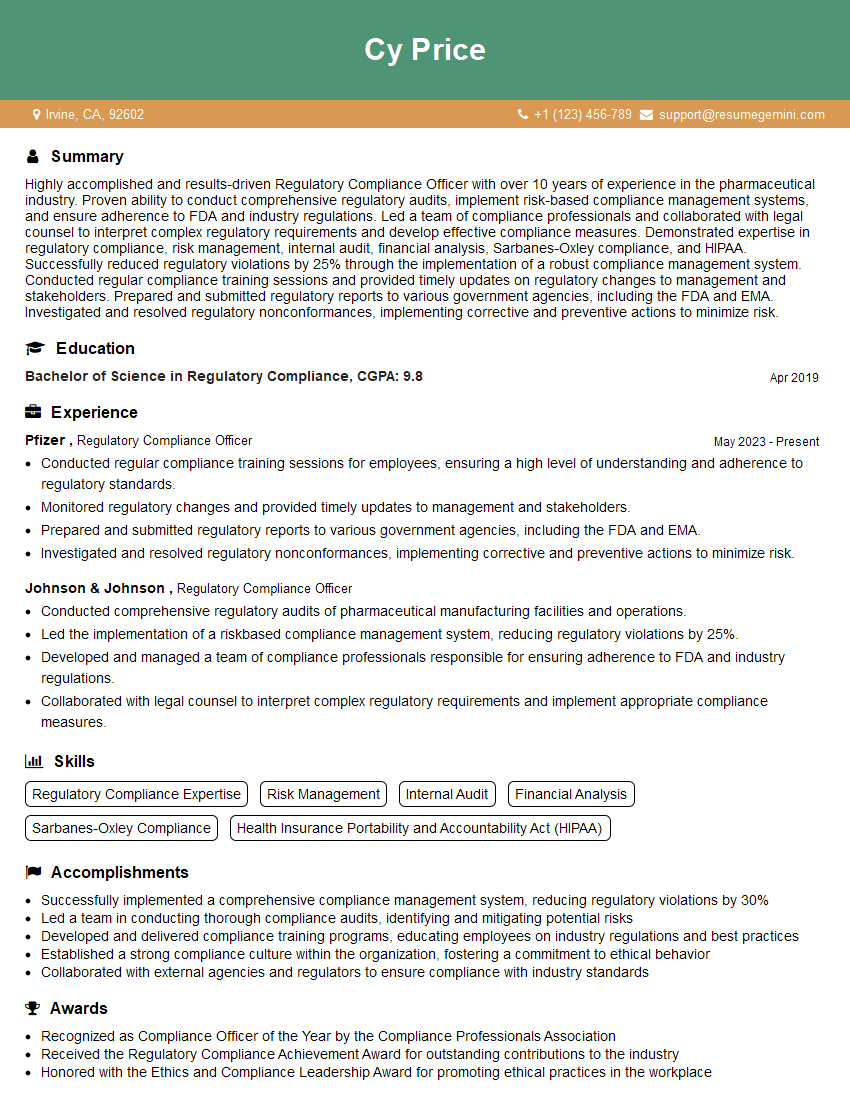
Regulatory Compliance Officer Resume Sample
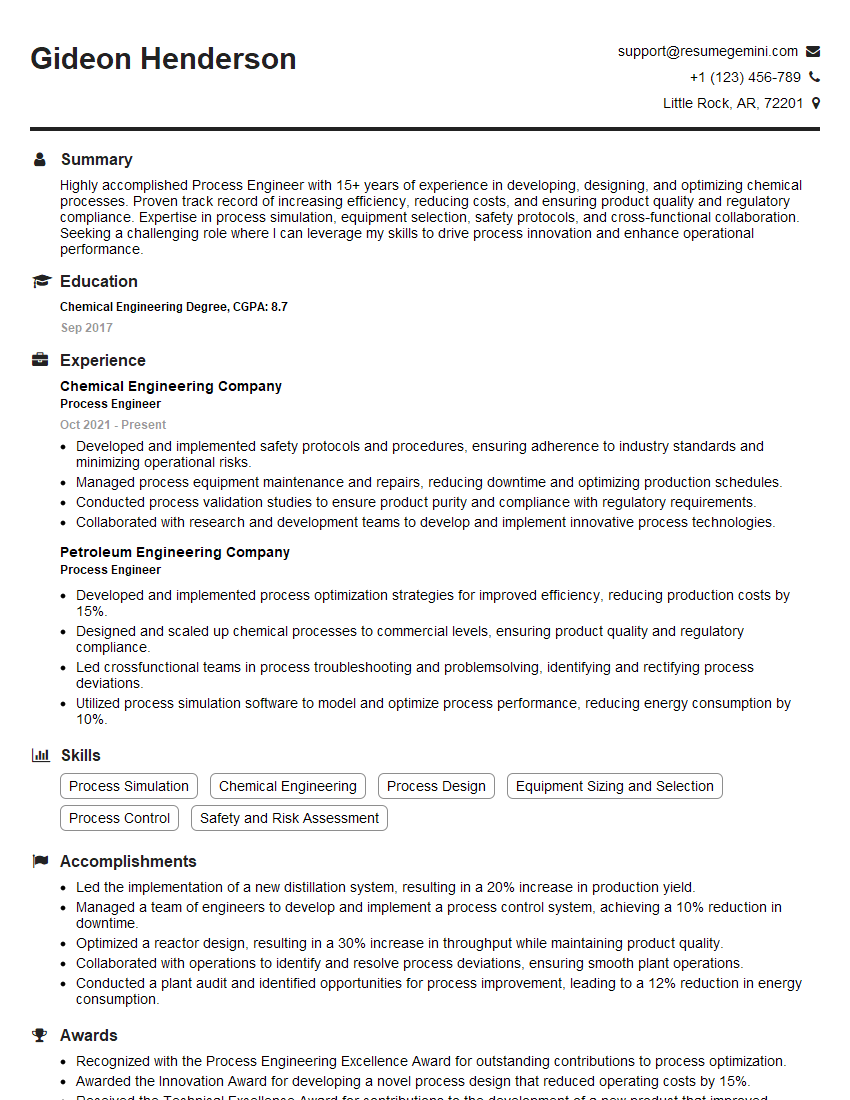
Process Engineer Resume Sample

Research Scientist Resume Sample

Technical Specialist Resume Sample

Field Service Engineer Resume Sample

Chemical Engineer Resume Sample

Environmental Engineer Resume Sample

Corrosion Engineer Resume Sample

Metallurgist Resume Sample

Welding Engineer Resume Sample

Laboratory Technician Resume Sample

Electrochemist Resume Sample

Materials Scientist Resume Sample

Safety Officer Resume Sample

Corrosion Technician Resume Sample

Quality Control Inspector Resume Sample
- Operations Manager
- Plant Manager
- Maintenance Supervisor
- Project Engineer
- Regulatory Compliance Officer
- Process Engineer
- Research Scientist
- Technical Specialist
- Field Service Engineer
- Chemical Engineer
- Environmental Engineer
- Corrosion Engineer
- Metallurgist
- Welding Engineer
- Laboratory Technician
- Electrochemist
- Materials Scientist
- Safety Officer
- Corrosion Technician
- Quality Control Inspector
Explore more articles
Users Rating of Our Blogs
Share Your Experience
We value your feedback! Please rate our content and share your thoughts (optional).
What Readers Say About Our Blog
Very informative content, great job.
good