Feeling uncertain about what to expect in your upcoming interview? We’ve got you covered! This blog highlights the most important Experience with design for manufacturing (DFM) interview questions and provides actionable advice to help you stand out as the ideal candidate. Let’s pave the way for your success.
Questions Asked in Experience with design for manufacturing (DFM) Interview
Q 1. Explain the concept of Design for Manufacturing (DFM).
Design for Manufacturing (DFM) is a systematic approach to product development that integrates manufacturing considerations into the design process from the very beginning. It’s all about ensuring that a product is not only functional and aesthetically pleasing but also cost-effective and efficient to manufacture. Instead of designing a product first and then figuring out how to make it, DFM flips the script, considering manufacturing capabilities and limitations early on to prevent costly redesigns and delays later.
Think of it like building with LEGOs: If you design an intricate LEGO castle without considering the available bricks and their limitations, you might find yourself short on pieces or unable to connect certain parts. DFM is like having a complete inventory of LEGOs and planning your castle design around what’s available, making the building process smooth and efficient.
Q 2. Describe your experience with different DFM methodologies.
My experience encompasses a range of DFM methodologies, including:
- Process simulation and analysis: I’ve extensively used software like Moldflow (for plastic injection molding) and similar tools to predict potential issues like warping, sink marks, and weld lines before a product even goes into production. This proactive approach significantly reduces risks and saves time and resources.
- Design for Assembly (DFA): I’ve integrated DFA principles to minimize the number of parts, simplify assembly procedures, and reduce assembly time. For instance, using snap-fits instead of screws wherever feasible reduces manufacturing costs and improves product reliability.
- Design for Six Sigma (DFSS): I leverage DFSS to design products with robust quality, minimizing variability and defects. This approach involves using statistical methods to identify and mitigate potential sources of variation throughout the manufacturing process.
- Tolerance analysis: I have deep experience in performing tolerance stacks and analyzing the impact of dimensional variations on product functionality. This allows for optimization of tolerances, ensuring manufacturability without compromising performance.
In one project, using Moldflow simulation, we identified a potential warping issue in a plastic component. By making minor design modifications guided by the simulation results, we avoided a costly redesign after prototyping and ensured a smooth transition to mass production.
Q 3. How do you identify potential manufacturing challenges during the design phase?
Identifying potential manufacturing challenges during the design phase requires a proactive and multi-faceted approach. I typically use a combination of techniques:
- DFM checklists: Using standardized checklists tailored to the manufacturing process (injection molding, machining, etc.) helps ensure that critical aspects aren’t overlooked.
- Design reviews with manufacturing engineers: Early and continuous collaboration with manufacturing engineers is crucial. Their insights on tooling, material selection, and process capabilities are invaluable.
- Material selection analysis: Carefully considering material properties like strength, rigidity, machinability, and cost is crucial for avoiding issues later on.
- Process simulation: As mentioned before, software simulations help predict potential issues like warping, stress concentrations, and assembly difficulties.
- Design for testability: Incorporating design features that allow for easy and effective testing during manufacturing prevents quality control problems.
For example, in a recent project, a design review highlighted a complex part geometry that would be challenging and expensive to machine. By simplifying the geometry slightly, we significantly reduced machining time and cost without compromising the product’s functionality.
Q 4. What are some common DFM considerations for plastic parts?
DFM considerations for plastic parts are particularly critical due to the diverse manufacturing processes involved (injection molding, extrusion, etc.). Key considerations include:
- Part geometry: Avoiding sharp corners, undercuts, and complex geometries simplifies molding and reduces the risk of defects. Draft angles are essential for easy part ejection.
- Wall thickness: Consistent wall thickness minimizes warping and stress concentrations. Thin walls can be brittle, while thick walls increase material costs and cooling time.
- Ribs and bosses: Strategically placed ribs and bosses enhance part strength and rigidity while minimizing material usage.
- Gate and runner locations: Careful placement of gates and runners ensures proper material flow and prevents sink marks or weld lines.
- Material selection: The choice of material affects part strength, flexibility, cost, and recyclability.
- Mold design: Collaboration with mold makers is crucial to ensure efficient mold design and manufacturing.
For instance, a poorly designed plastic part with inconsistent wall thickness could lead to warping during molding, rendering the part unusable. A well-executed DFM approach anticipates these issues and prevents them.
Q 5. How do you balance design aesthetics with manufacturability?
Balancing design aesthetics with manufacturability is a constant challenge, but crucial for successful product development. It requires iterative design and close collaboration between designers and manufacturing engineers. Here’s how I approach it:
- Early collaboration: Involving manufacturing engineers from the initial design phases helps identify potential manufacturability issues early on, without sacrificing the aesthetic vision.
- Iterative design: Using design iterations, we explore multiple design options, evaluating both aesthetic appeal and manufacturability. This involves compromises, but the goal is to find the best balance.
- Material exploration: Using materials with superior aesthetic properties (e.g., specific surface finishes, colors) while ensuring manufacturability. Sometimes a slight alteration in material can solve significant manufacturing problems.
- Additive manufacturing exploration: For highly complex shapes or limited production runs, considering additive manufacturing can allow for more intricate aesthetics without significantly compromising cost.
For example, in one project, we initially designed a highly curved component that proved difficult and costly to mold. Through collaboration, we slightly adjusted the curves without dramatically changing its look, significantly improving its manufacturability.
Q 6. Explain your experience with tolerance analysis in DFM.
Tolerance analysis plays a vital role in DFM. It’s the process of determining the acceptable range of variation for each dimension of a part to ensure that the assembled product functions correctly. My experience involves:
- Tolerance stack-up analysis: This involves calculating the cumulative effect of individual part tolerances on the overall assembly dimensions. This helps determine the tightest tolerances required to meet product specifications.
- Statistical tolerance analysis: Using statistical methods to model the distribution of tolerances and assess the risk of exceeding specified limits. This allows for more accurate predictions of assembly variability.
- Geometric Dimensioning and Tolerancing (GD&T): I use GD&T to clearly communicate tolerance requirements on engineering drawings, preventing misunderstandings between designers and manufacturers. This is especially critical for complex parts.
In a recent project involving a precision assembly, tolerance stack-up analysis revealed that the initially specified tolerances were too tight and led to high manufacturing costs. By relaxing some tolerances (carefully considering functionality), we achieved a cost-effective solution without impacting performance.
Q 7. How do you incorporate DFM principles into the design process?
Incorporating DFM principles requires a systematic approach throughout the design process. Here’s how I integrate them:
- Early manufacturing involvement: I ensure close collaboration with manufacturing engineers from the conceptual design stage.
- DFM guidelines and checklists: I use DFM checklists tailored to the chosen manufacturing process to guide the design decisions and identify potential issues.
- Design for assembly (DFA) analysis: I assess the assembly process early on, identifying opportunities to simplify assembly, reduce the number of parts, and improve efficiency.
- Process simulation: I utilize simulations to predict potential manufacturing challenges and make design adjustments before prototyping.
- Tolerance analysis: I conduct tolerance stack-up analysis to determine appropriate tolerances and avoid costly over-constraints.
- Material selection: I prioritize materials that are readily available, cost-effective, and compatible with the chosen manufacturing process.
By embedding these practices into every design phase, we significantly reduce the likelihood of costly redesigns, production delays, and quality issues, leading to more efficient and successful product launches.
Q 8. Describe your experience with different manufacturing processes (e.g., injection molding, CNC machining).
My experience spans a wide range of manufacturing processes, focusing on how design choices impact manufacturability and cost. I’ve worked extensively with injection molding, a high-volume process ideal for creating complex plastic parts. Understanding mold design, including gate locations, cooling lines, and ejection mechanisms, is crucial for optimizing part quality and cycle time. I’ve also worked extensively with CNC machining, which offers greater design flexibility for lower-volume, higher-precision parts. Here, I focus on minimizing machining time by optimizing part geometry and selecting appropriate machining strategies. For example, I’ve designed parts for CNC milling where strategically placed features minimized the need for complex tool changes and significantly reduced the manufacturing time and cost. Beyond these, I have experience with sheet metal fabrication, 3D printing (additive manufacturing), and even some experience with casting processes, each requiring a distinct design approach to ensure efficient and cost-effective manufacturing.
In injection molding, for instance, I’ve successfully reduced part warpage by strategically designing ribs and optimizing wall thicknesses. In CNC machining, I’ve minimized material waste through careful consideration of part orientation and toolpath generation. This experience allows me to make informed design choices that consider the strengths and limitations of each process, ultimately leading to better products and reduced manufacturing costs.
Q 9. How do you collaborate with manufacturing engineers during the design process?
Collaboration with manufacturing engineers is paramount in DFM. I believe in an iterative design process where we work as a team from the conceptual phase onwards. This involves regular meetings, design reviews, and frequent communication throughout the project lifecycle. I actively seek their input on material selection, tolerances, assembly methods, and potential manufacturing challenges early in the design process. For example, I might present several design options and discuss the implications of each with the manufacturing engineer, considering factors such as ease of assembly, cost, and quality. This collaborative approach ensures that the final design is both functional and manufacturable without costly rework later.
We utilize tools like design review meetings, shared cloud-based design repositories, and collaborative design software to ensure seamless information exchange. This transparent approach mitigates misunderstandings and promotes a shared understanding of design constraints and manufacturing capabilities.
Q 10. How do you address design changes requested by manufacturing?
Design changes requested by manufacturing are always carefully evaluated. My first step is to understand the *why* behind the request. Is it due to manufacturability constraints, cost concerns, or quality issues? Once I understand the rationale, I explore alternative design solutions that address the manufacturing concern without compromising the product’s functionality or aesthetic appeal. This often involves a trade-off analysis, weighing the impact of changes on cost, performance, and schedule. For example, if a manufacturing engineer suggests simplifying a complex feature to reduce machining time, I might propose a modified design that achieves the same functionality with simpler geometry. Then I thoroughly document the changes, updating the design files and communicating the revisions clearly to all stakeholders. I see design changes as opportunities for improvement and optimization, not as setbacks.
Q 11. What software tools do you use for DFM analysis?
I utilize several software tools for DFM analysis. SolidWorks is my primary CAD software, and it has built-in DFM analysis tools that help identify potential problems like undercuts, draft angles, and wall thickness variations in injection molding parts. I also use specialized DFM software such as Moldex3D for simulation and analysis of injection molding processes, helping to predict potential issues such as warpage and sink marks. For CNC machining, I often use CAM software to optimize toolpaths and assess machining time and material usage. In addition, I utilize FEA (Finite Element Analysis) software to simulate stress and strain on parts under various loading conditions, ensuring the design can withstand the intended use.
Q 12. How do you manage design complexity and its impact on manufacturing costs?
Managing design complexity is crucial for controlling manufacturing costs. Complex designs often lead to higher tooling costs, longer production times, and increased potential for defects. My approach involves simplifying designs wherever possible while maintaining functionality. This includes standardizing parts, modularizing the design, and using parametric modeling techniques. I regularly analyze the cost implications of different design decisions, including material selection, manufacturing processes, and assembly methods. For example, reducing the number of unique parts by utilizing common components can significantly lower costs. Similarly, using simpler manufacturing processes whenever possible, even if it means a slight compromise in aesthetics, can have a substantial impact on the bottom line. Regular cost estimations throughout the design process are essential to maintain cost control.
Q 13. Describe a situation where you had to make a trade-off between design and manufacturing.
In a recent project designing a medical device housing, we initially opted for a sleek, curved design that looked great aesthetically. However, the manufacturing engineer highlighted significant challenges in achieving the desired surface finish and tolerances using cost-effective injection molding. The curved surfaces made it difficult to achieve consistent wall thickness, leading to potential warpage and increased scrap rate. We then had to make a trade-off. We simplified the design to incorporate straighter lines and flatter surfaces, compromising slightly on the aesthetic appeal but significantly improving manufacturability and reducing costs. The result was a slightly less elegant, yet highly manufacturable and reliable product that met all the functional requirements and was delivered on time and within budget.
Q 14. How do you prioritize DFM considerations when working with tight deadlines?
Prioritizing DFM considerations under tight deadlines requires a strategic approach. My strategy involves focusing on the most critical DFM aspects early on. This is typically done through a prioritization matrix weighing the impact of different DFM concerns against the schedule constraints. I might use a simple risk assessment framework, identifying potential manufacturability risks with high impact. For instance, I would prioritize addressing issues with material selection and critical dimensions that could significantly delay manufacturing or affect product quality. This allows for quick identification and resolution of high-risk DFM issues, while less critical aspects can be addressed later in the design process. Open and frequent communication with the manufacturing team is essential to maintain transparency and ensure that we address the most critical DFM aspects as efficiently as possible without compromising the overall project timeline.
Q 15. How do you ensure the manufacturability of your designs?
Ensuring manufacturability is paramount in DFM. It’s not just about designing something that *looks* good; it’s about designing something that can be *efficiently and cost-effectively* produced. This involves a holistic approach, starting from the initial design phase.
- Collaboration with Manufacturing Experts: Early and continuous consultation with manufacturing engineers is crucial. They bring invaluable insights into the feasibility of processes, material availability, and potential challenges.
- Process Simulation and Analysis: Using software tools to simulate manufacturing processes like injection molding, machining, or 3D printing allows us to identify potential issues like warping, excessive stress, or difficulty in assembly before they become costly problems. For example, I once used Finite Element Analysis (FEA) to predict and mitigate warping in a plastic housing design.
- Tolerancing and Design for Tolerance Stack-up Analysis: Precisely defining tolerances – the acceptable variations in dimensions – is critical. Incorrect tolerances can lead to parts not fitting together or not functioning correctly. A careful analysis of the tolerance stack-up—how individual tolerances accumulate during assembly—helps prevent this. I’ve seen projects significantly delayed due to neglecting tolerance stack-up analysis.
- Material Selection based on Manufacturing Capability: Choosing the right material is essential. While a designer might prefer a specific material for its aesthetics, it might be impractical or expensive to machine, mold, or finish. DFM requires balancing material properties with manufacturing capabilities.
- Design for Testability: Building in testing points and access points early in the design ensures easy quality control during manufacturing. This minimizes rework and improves yield.
By diligently following these steps, we can drastically reduce the risk of manufacturing problems and ensure the product is both functional and producible.
Career Expert Tips:
- Ace those interviews! Prepare effectively by reviewing the Top 50 Most Common Interview Questions on ResumeGemini.
- Navigate your job search with confidence! Explore a wide range of Career Tips on ResumeGemini. Learn about common challenges and recommendations to overcome them.
- Craft the perfect resume! Master the Art of Resume Writing with ResumeGemini’s guide. Showcase your unique qualifications and achievements effectively.
- Don’t miss out on holiday savings! Build your dream resume with ResumeGemini’s ATS optimized templates.
Q 16. What are some common pitfalls to avoid during DFM analysis?
Common pitfalls during DFM analysis often stem from a lack of communication or insufficient consideration of manufacturing realities. Some frequent mistakes include:
- Ignoring Manufacturing Processes: Designing components without understanding the limitations of chosen manufacturing processes (e.g., designing complex undercuts for injection molding that are impossible to achieve). For instance, designing intricate internal geometries for a cast part without understanding the limitations of the casting process leads to costly mold revisions.
- Overlooking Material Properties: Selecting materials that are unsuitable for the intended application or manufacturing process due to issues like brittleness, heat resistance, or chemical compatibility. A classic example is selecting a material that warps or shrinks significantly during the curing phase, rendering the final product unusable.
- Poor Tolerance Definition: Defining overly tight tolerances that are difficult or costly to achieve during production, increasing manufacturing costs and lead times. This is especially relevant when dealing with complex assemblies where multiple components need to precisely interact.
- Neglecting Assembly Considerations: Designing parts that are difficult or time-consuming to assemble. This often leads to increased labor costs and potential damage during assembly. For example, not designing for easy access when fastening screws or clips.
- Lack of Communication between Design and Manufacturing Teams: This can result in designs that are aesthetically pleasing but functionally impossible to manufacture.
Avoiding these pitfalls requires proactive communication, thorough analysis, and a deep understanding of available manufacturing technologies.
Q 17. Describe your experience with Design for Assembly (DFA).
Design for Assembly (DFA) is a crucial subset of DFM, focusing specifically on simplifying and optimizing the assembly process. My experience with DFA includes implementing various strategies to reduce assembly time, cost, and errors.
- Modular Design: Breaking down complex products into smaller, easily assembled modules reduces complexity and allows for easier troubleshooting and replacement of individual parts. For example, designing a device with replaceable battery packs.
- Snap-Fits and Self-Locating Features: Incorporating features that minimize the need for screws, fasteners, and adhesives reduces assembly time and cost. I successfully implemented snap-fit features in a handheld device, reducing assembly time by 40%.
- Gravity Assembly: Designing parts that self-align during assembly, making the process more efficient and less error-prone. This approach proved very useful in automating the assembly of a small electronic component.
- Part Count Reduction: By consolidating multiple parts into fewer, more integrated components, we significantly reduce assembly time and cost. This can be a challenging but impactful strategy, necessitating careful analysis of functional requirements.
- Simplified Assembly Sequences: Creating assembly instructions that are clear, concise, and easy to follow. This is often overlooked but directly impacts assembly efficiency and training time.
Through the application of these DFA principles, I have consistently helped improve the manufacturability and efficiency of numerous products.
Q 18. How do you ensure your designs are cost-effective to manufacture?
Cost-effective manufacturing is a central objective in DFM. To achieve this, several strategies are crucial:
- Material Selection for Cost Optimization: Choosing cost-effective materials without compromising functionality or performance. This requires a thorough understanding of material properties and their impact on the manufacturing process.
- Simplification of Geometry: Reducing the complexity of part geometries minimizes machining time, material waste, and tooling costs. Simpler shapes often lead to simpler and faster manufacturing processes.
- Standardization of Parts: Using standard parts and components whenever possible reduces tooling costs and simplifies inventory management. This strategy has proven effective in reducing inventory holding costs and lead times.
- Minimizing Assembly Operations: DFA principles (as discussed earlier) play a critical role in reducing assembly costs. Less assembly means lower labor costs and faster production times.
- Process Optimization: Collaborating with manufacturing engineers to optimize manufacturing processes for efficiency and to identify areas for cost reduction.
The cost-effectiveness of a design is not solely about material costs but also encompasses the entire manufacturing process, from material procurement to final assembly and testing.
Q 19. How do you handle unexpected manufacturing challenges?
Unexpected manufacturing challenges are inevitable. A proactive approach is key to mitigating their impact.
- Root Cause Analysis: When a challenge arises, a thorough investigation is necessary to identify the root cause. This might involve analyzing manufacturing data, performing material testing, and consulting with manufacturing experts.
- Design Modification: If the root cause is a design flaw, rapid iteration and design modification are often necessary. This requires a flexible and responsive design process.
- Process Adjustment: Sometimes, the issue might not be the design itself but the manufacturing process. Collaboration with manufacturing engineers to optimize the process is essential in this scenario.
- Alternative Material Selection: If a material proves difficult to work with, exploring alternative materials that are equally suitable is a viable option. This requires a strong understanding of material properties and availability.
- Contingency Planning: Implementing contingency plans for potential risks identified during the initial DFM analysis is beneficial. This might include having alternative suppliers or manufacturing processes in place.
A key to effectively handling these challenges is strong communication, problem-solving skills, and a willingness to adapt the design or manufacturing process as needed.
Q 20. What is your experience with material selection for DFM?
Material selection is a critical aspect of DFM. My experience encompasses various aspects, including:
- Material Property Consideration: This includes assessing factors such as strength, stiffness, durability, weight, cost, machinability, and recyclability. The choice of material significantly impacts the overall cost and performance of the product.
- Manufacturing Process Compatibility: Ensuring the chosen material is compatible with the selected manufacturing processes. For example, selecting a material that is easily injection molded, or one that can withstand high temperatures during casting.
- Sustainability and Environmental Impact: Considering the environmental impact of the material throughout its lifecycle, from sourcing to disposal. This often involves choosing recyclable or biodegradable materials when feasible.
- Availability and Sourcing: Ensuring the material is readily available and can be sourced reliably. Supply chain disruptions can significantly impact manufacturing schedules.
- Cost Analysis: Comparing the costs of various materials, considering both the initial material cost and the manufacturing costs associated with each option. This often involves trade-offs between cost and performance.
Material selection is a complex decision-making process requiring a holistic view encompassing functional requirements, manufacturability, cost, and environmental considerations.
Q 21. How do you use DFM principles to reduce lead times?
DFM principles can significantly contribute to reducing lead times. My experience shows that focusing on the following aspects leads to quicker manufacturing cycles:
- Simplified Designs: Less complex designs with fewer parts require less time for machining, assembly, and inspection, thus shortening lead times.
- Modular Design for Parallel Manufacturing: Dividing the product into modules allows for parallel processing, where different teams work on different modules concurrently. This dramatically speeds up the overall process.
- Standardized Components: Utilizing readily available standard components eliminates the need for custom manufacturing, shortening procurement and production times.
- Automation of Manufacturing Processes: Where possible, employing automation reduces manual labor time and increases production speed. This is particularly effective in high-volume manufacturing environments.
- Efficient Assembly Processes: DFA principles, as discussed earlier, contribute to a streamlined assembly process, reducing the overall time required for completion.
Implementing these DFM strategies in conjunction with effective project management and collaboration with manufacturing ensures timely product delivery and short lead times.
Q 22. Explain your experience with different types of tooling.
My experience with tooling spans a wide range, encompassing various types crucial for different manufacturing processes. I’ve worked extensively with:
- Injection Molding Tools: From simple single-cavity molds to complex multi-cavity molds with intricate inserts, I understand the design considerations for gate locations, runner systems, ejection mechanisms, and cooling channels. For example, I once optimized a mold design by strategically placing cooling lines, reducing cycle time by 15% and improving part consistency.
- Stamping Dies: I have experience designing and selecting progressive dies, compound dies, and blanking dies for sheet metal forming. Understanding material properties and die wear is crucial here. In one project, we improved the die design to minimize material springback, resulting in a more accurate final product.
- CNC Machining Fixtures: I’m proficient in designing robust fixtures for efficient and repeatable CNC machining operations, considering factors like clamping forces, workpiece stability, and tool access. I’ve used CAD software to create 3D models and simulate machining processes to identify potential issues before manufacturing.
- Casting Molds: While less directly involved, I understand the principles of designing for various casting methods (sand casting, investment casting, etc.), focusing on draft angles, parting lines, and gating systems.
My experience isn’t limited to just selecting existing tools; I’ve actively participated in the design and development of new tooling, always keeping DFM principles at the forefront.
Q 23. How do you ensure designs are robust and reliable during manufacturing?
Ensuring robust and reliable designs requires a multifaceted approach, combining design principles, analysis, and testing. Here’s how I tackle it:
- Design for Robustness (DFR): I incorporate DFR techniques from the outset, considering tolerances, material variations, and manufacturing process capabilities. This often involves using Design of Experiments (DOE) to understand how design parameters affect the final product’s performance.
- Tolerance Analysis: I perform thorough tolerance stack-up analysis to ensure that cumulative tolerances don’t lead to assembly issues or functional failures. This helps identify critical dimensions requiring tighter control during manufacturing.
- Finite Element Analysis (FEA): FEA is a vital tool for predicting the structural integrity and performance of the design under various loading conditions. I use FEA to identify potential stress concentrations and optimize the design for strength and durability. (See question 4 for more detail).
- Material Selection: Careful material selection is crucial. I consider factors like strength, stiffness, cost, and manufacturability when choosing materials. This often involves considering material certifications and potential environmental impacts.
- Testing and Prototyping: Rigorous testing, including prototype builds and functional testing, are critical for validating the design’s robustness and reliability. I’ve employed a variety of methods, from simple functional tests to more sophisticated environmental testing (vibration, thermal, etc.).
The goal is to design a product that can withstand variations in manufacturing processes and environmental conditions, ensuring consistent performance and reliability in the field.
Q 24. What is your experience with Statistical Process Control (SPC)?
Statistical Process Control (SPC) is fundamental for ensuring consistent product quality. My experience with SPC involves:
- Control Charts: I’m proficient in creating and interpreting various control charts (X-bar and R charts, p-charts, c-charts, etc.) to monitor key process parameters and detect potential issues early. For instance, I’ve used X-bar and R charts to monitor the dimensional accuracy of injection-molded parts.
- Process Capability Analysis: I regularly conduct process capability studies (Cp, Cpk) to assess whether a process is capable of meeting specified tolerances. This helps identify areas for improvement and justify investments in process optimization.
- Data Analysis: I use statistical software packages to analyze process data, identify trends, and pinpoint root causes of variation. This often involves using techniques like regression analysis and ANOVA.
- Implementing SPC: I’ve been directly involved in implementing SPC systems within manufacturing environments, providing training to operators and working with them to improve process control. This includes establishing data collection procedures and ensuring the proper use of measurement tools.
By using SPC, we proactively identify and address potential problems before they lead to significant quality issues, resulting in reduced waste, higher yields, and increased customer satisfaction.
Q 25. Describe your experience using Finite Element Analysis (FEA) for DFM.
Finite Element Analysis (FEA) is an indispensable tool in my DFM workflow. I use it to:
- Stress Analysis: Identify potential stress concentrations and weak points in the design under various load conditions. This allows for design modifications to improve strength and durability.
- Modal Analysis: Determine the natural frequencies and mode shapes of a component to avoid resonance issues and ensure proper vibration damping.
- Thermal Analysis: Simulate the temperature distribution within a component to assess its thermal performance and identify potential thermal stress issues. For example, I used thermal analysis to optimize the cooling system of a plastic housing, preventing warping during the molding process.
- Warpage and Distortion Prediction: FEA is particularly helpful in predicting part warpage and distortion during manufacturing processes like injection molding, allowing for proactive design adjustments.
I’m proficient in using various FEA software packages and interpret results to make informed design decisions. The use of FEA before physical prototyping significantly reduces design iterations and speeds up the overall development process.
Q 26. How do you measure the effectiveness of your DFM efforts?
Measuring the effectiveness of DFM efforts requires a multi-faceted approach focusing on both qualitative and quantitative metrics. Key indicators include:
- Cost Reduction: Tracking the reduction in manufacturing costs, including material costs, labor costs, and tooling costs, is a direct measure of DFM success. We use cost models to compare designs before and after DFM implementation.
- Improved Manufacturing Yield: A higher manufacturing yield indicates fewer defects and less scrap, directly translating to cost savings and improved efficiency. We track this meticulously through production data.
- Reduced Lead Times: Faster manufacturing processes and streamlined assembly translate to reduced lead times. This is particularly important in today’s competitive market.
- Enhanced Product Quality: Reduced defects and improved consistency contribute to better product quality and increased customer satisfaction. We monitor quality metrics such as defect rates, customer returns, and warranty claims.
- Improved Assembly Efficiency: DFM efforts often focus on making assembly easier and faster. We measure this through cycle time reductions and improved ergonomics.
Regularly reviewing these metrics allows us to assess the return on investment of our DFM initiatives and identify areas for continuous improvement.
Q 27. Describe your experience with lean manufacturing principles and their impact on DFM.
Lean manufacturing principles are intrinsically linked to DFM. My experience incorporates several key lean concepts:
- Value Stream Mapping: Analyzing the entire manufacturing process to identify and eliminate waste (muda). This helps to pinpoint areas where DFM can significantly impact efficiency and cost reduction.
- 5S Methodology: Implementing 5S (Sort, Set in Order, Shine, Standardize, Sustain) principles to create a more organized and efficient manufacturing environment. A well-organized workspace is crucial for error reduction and improved productivity.
- Kaizen (Continuous Improvement): Embracing a culture of continuous improvement. This means constantly looking for ways to optimize designs and processes based on feedback and data analysis. For example, we have implemented Kaizen events to improve assembly processes based on operator feedback.
- Just-in-Time (JIT) Manufacturing: Designing for efficient material flow and inventory management. This often involves designing products for easier and faster assembly. This includes minimizing part counts and simplifying assembly procedures.
- Poka-Yoke (Error-Proofing): Incorporating design features that prevent errors from occurring during manufacturing or assembly. This might involve using jigs and fixtures, or designing parts with features that prevent incorrect assembly.
By integrating lean principles into DFM, we create designs that are not only manufacturable but also efficient, cost-effective, and contribute to a more streamlined and waste-free production process. Lean thinking ensures that every design decision reflects a commitment to minimizing waste and maximizing value for the customer.
Key Topics to Learn for Design for Manufacturing (DFM) Interviews
- Material Selection: Understanding material properties, cost-effectiveness, and manufacturability. Consider the impact of material choices on assembly, durability, and recyclability.
- Process Capability: Familiarize yourself with various manufacturing processes (injection molding, machining, casting, etc.) and their limitations. Be prepared to discuss how design choices affect process feasibility and cost.
- Tolerance Analysis: Learn how to define and manage tolerances to ensure proper part fit and function. Understand the implications of tight tolerances on manufacturing cost and complexity.
- Assembly Considerations: Discuss strategies for simplifying assembly, reducing the number of parts, and improving manufacturability during assembly. Think about automation possibilities.
- Design for Testability (DFT): Explore how to design products for easy testing and quality control during and after manufacturing. Consider built-in test points or features.
- Cost Optimization: Understand the relationship between design decisions and manufacturing costs. Be able to articulate strategies for reducing overall costs without sacrificing quality.
- Sustainability and Environmental Impact: Discuss how DFM principles can be applied to minimize environmental impact throughout the product lifecycle. This includes material selection, waste reduction, and energy efficiency.
- Problem-Solving and Root Cause Analysis: Be prepared to discuss instances where you identified and solved manufacturing-related challenges. Highlight your problem-solving approach and analytical skills.
Next Steps
Mastering Design for Manufacturing (DFM) is crucial for career advancement in engineering and product development. It demonstrates your ability to think practically, reduce costs, and improve product quality. To significantly increase your job prospects, create an ATS-friendly resume that highlights your DFM expertise. ResumeGemini is a trusted resource that can help you build a professional and effective resume. We provide examples of resumes tailored to DFM experience to guide you through the process.
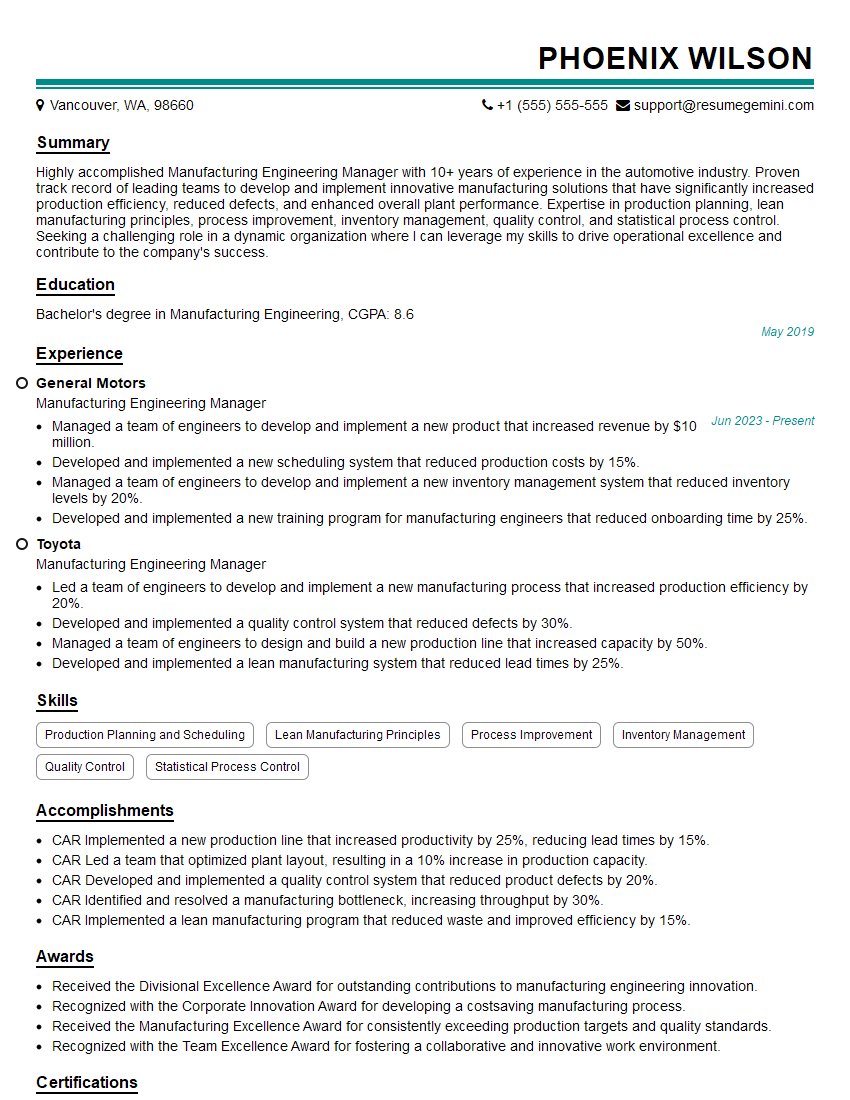
Manufacturing Engineering Manager Resume Sample

Project Engineer Resume Sample
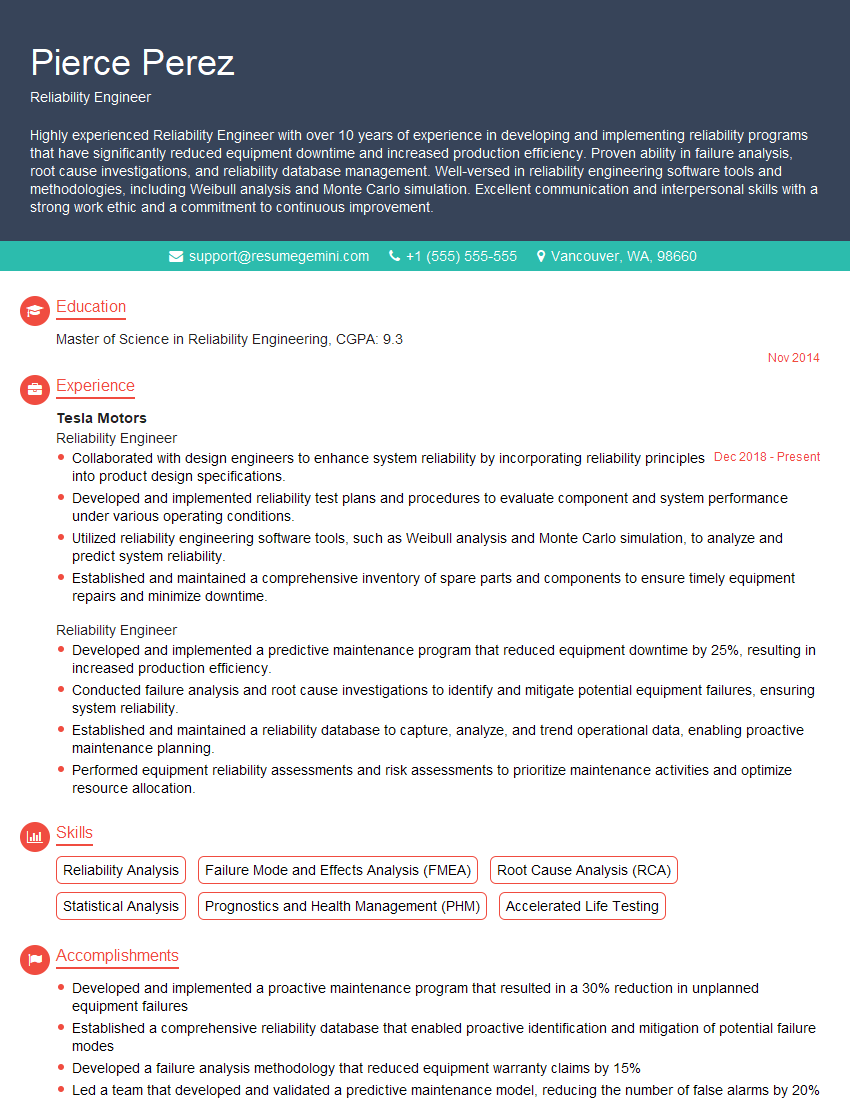
Reliability Engineer Resume Sample
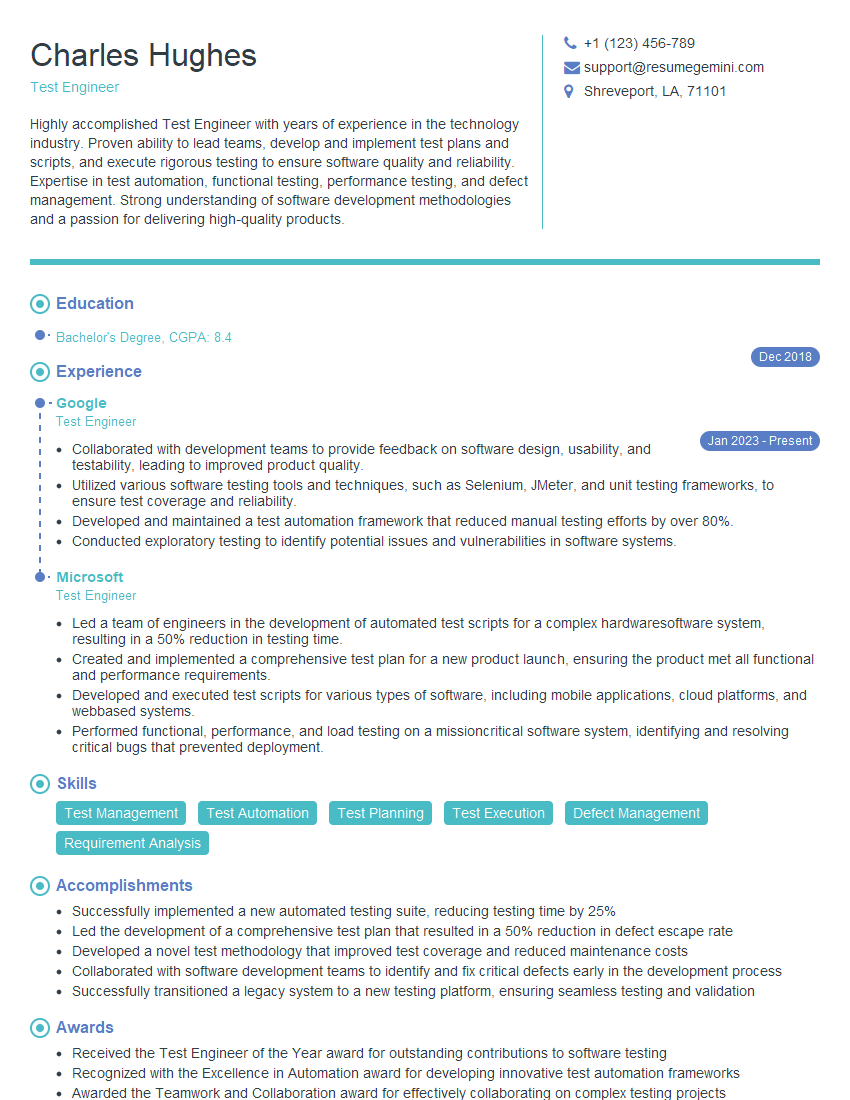
Test Engineer Resume Sample
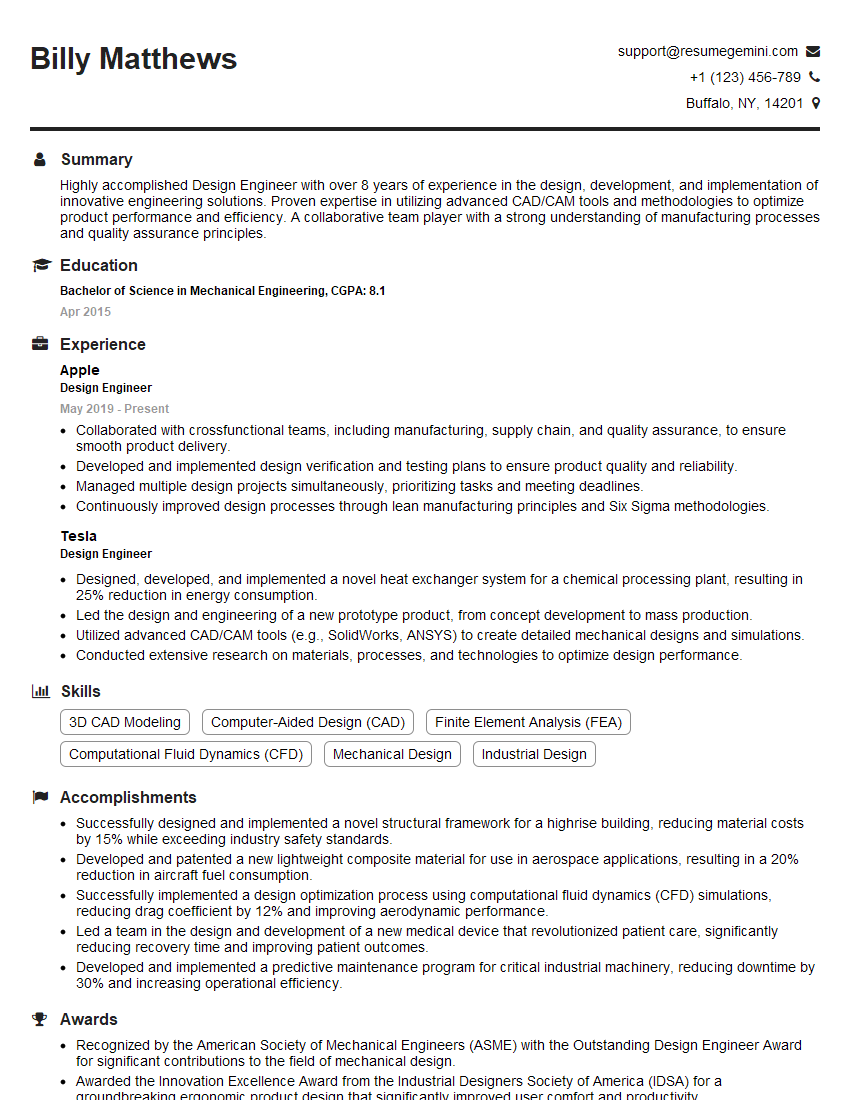
Design Engineer Resume Sample
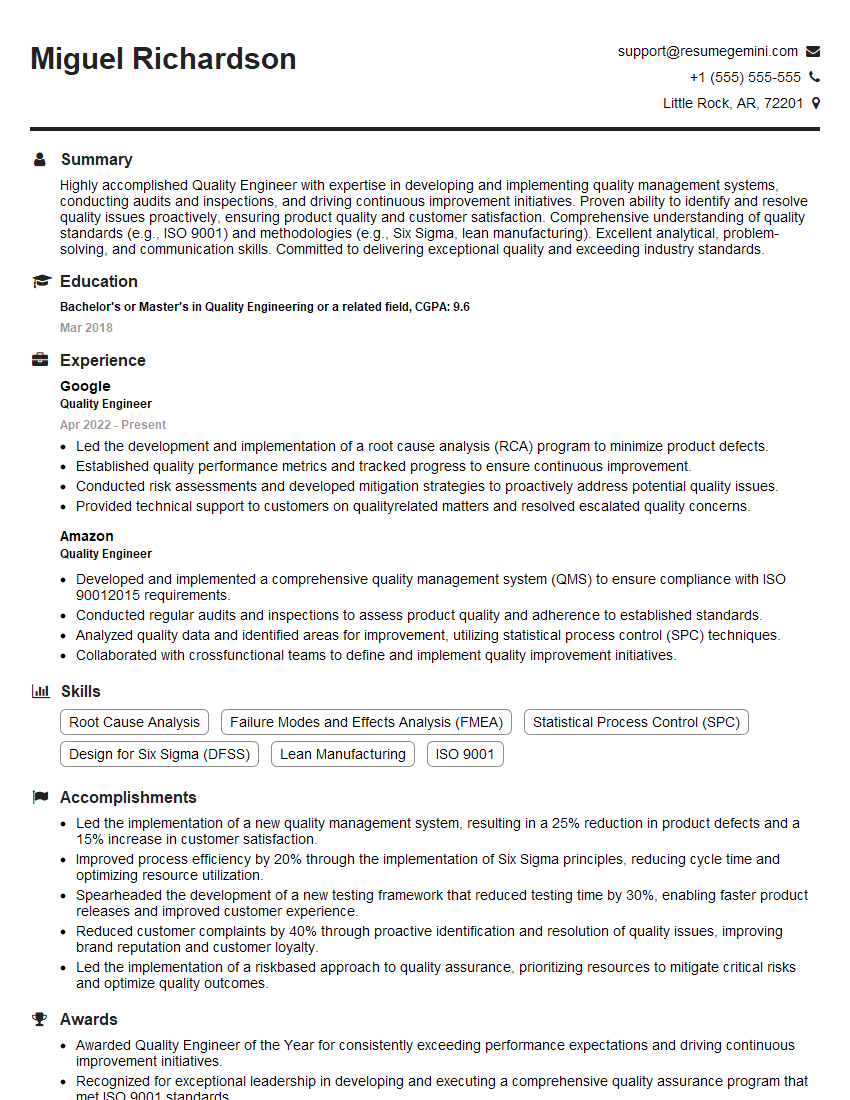
Quality Engineer Resume Sample
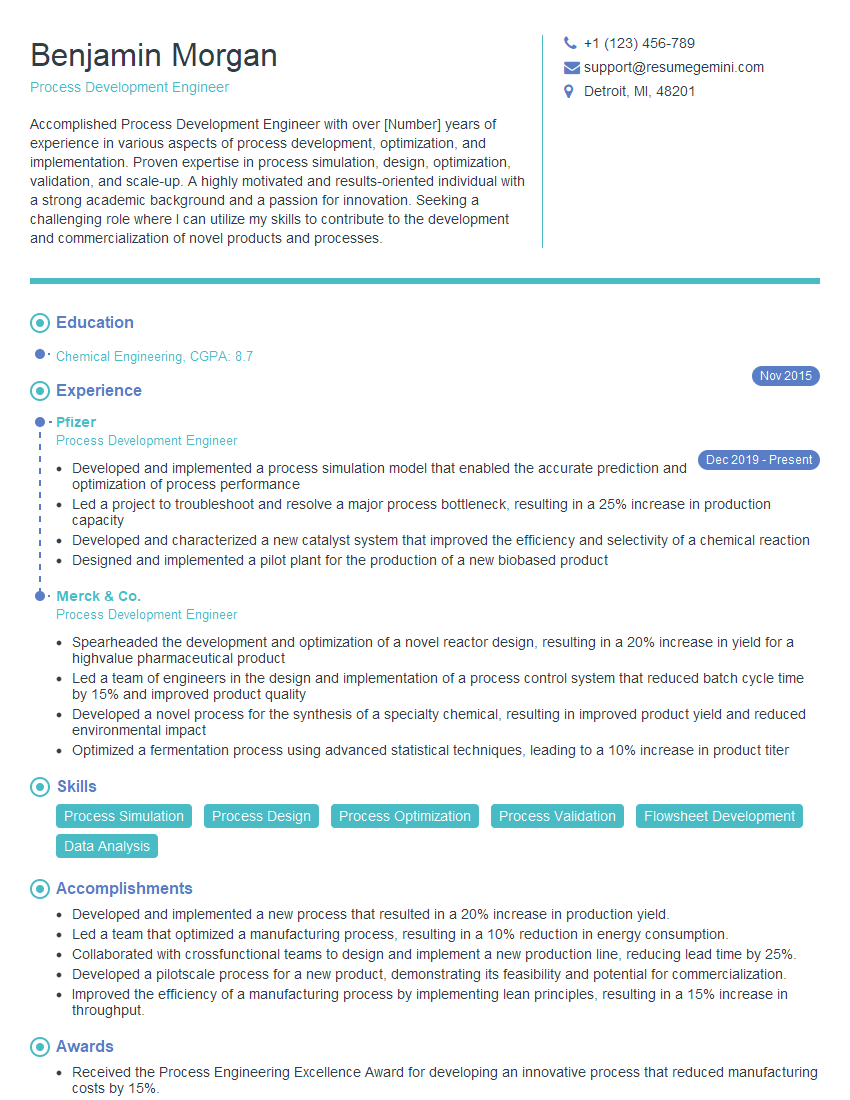
Process Development Engineer Resume Sample
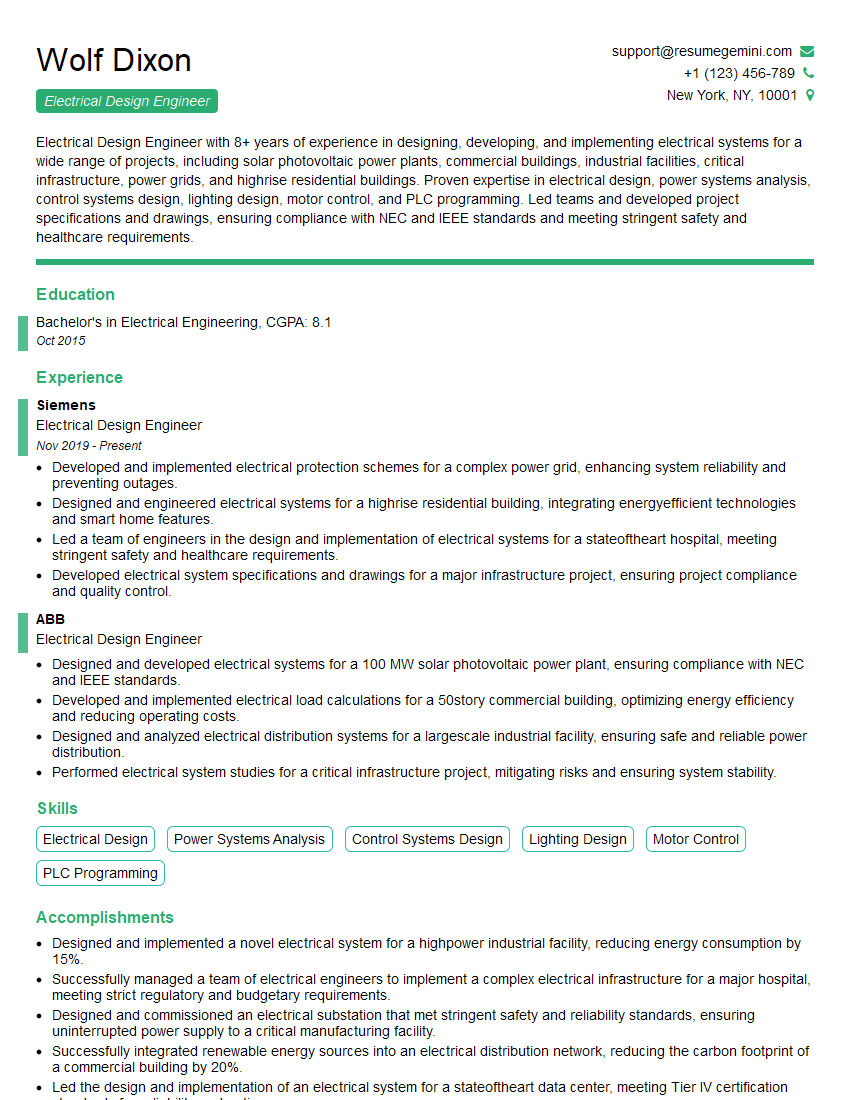
Electrical Design Engineer Resume Sample
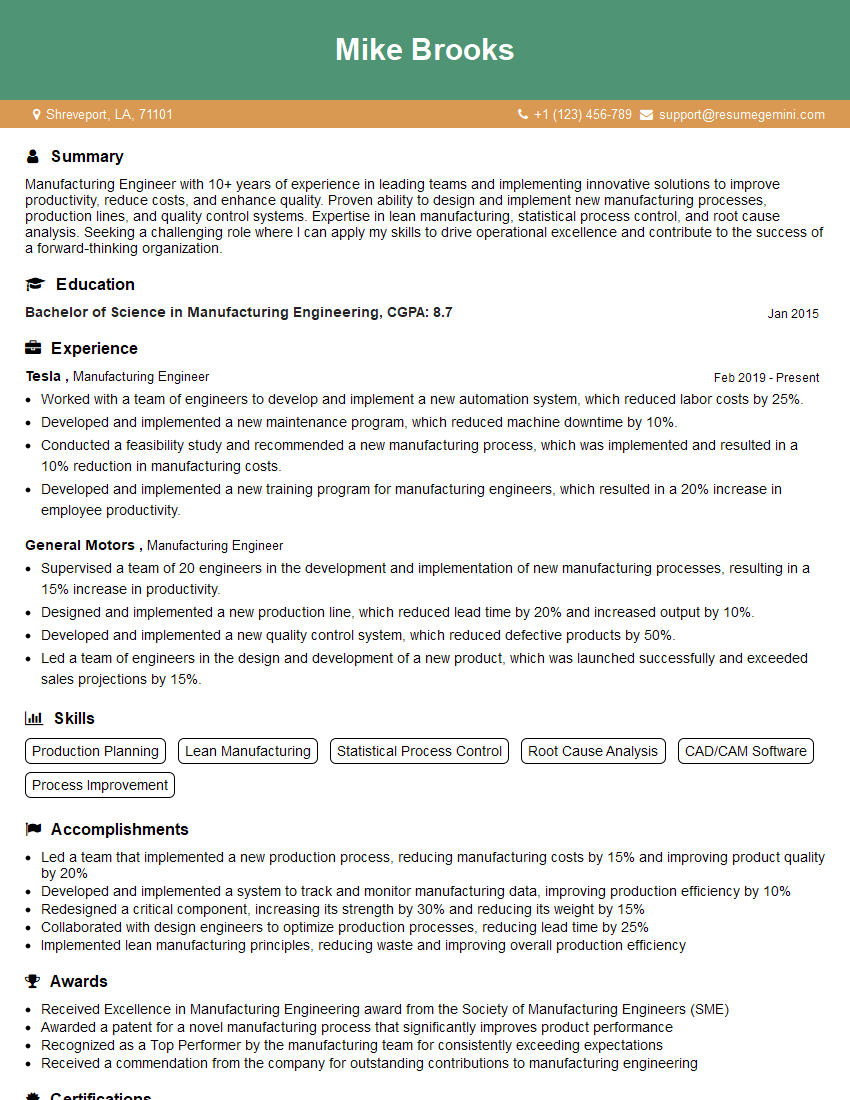
Manufacturing Engineer Resume Sample
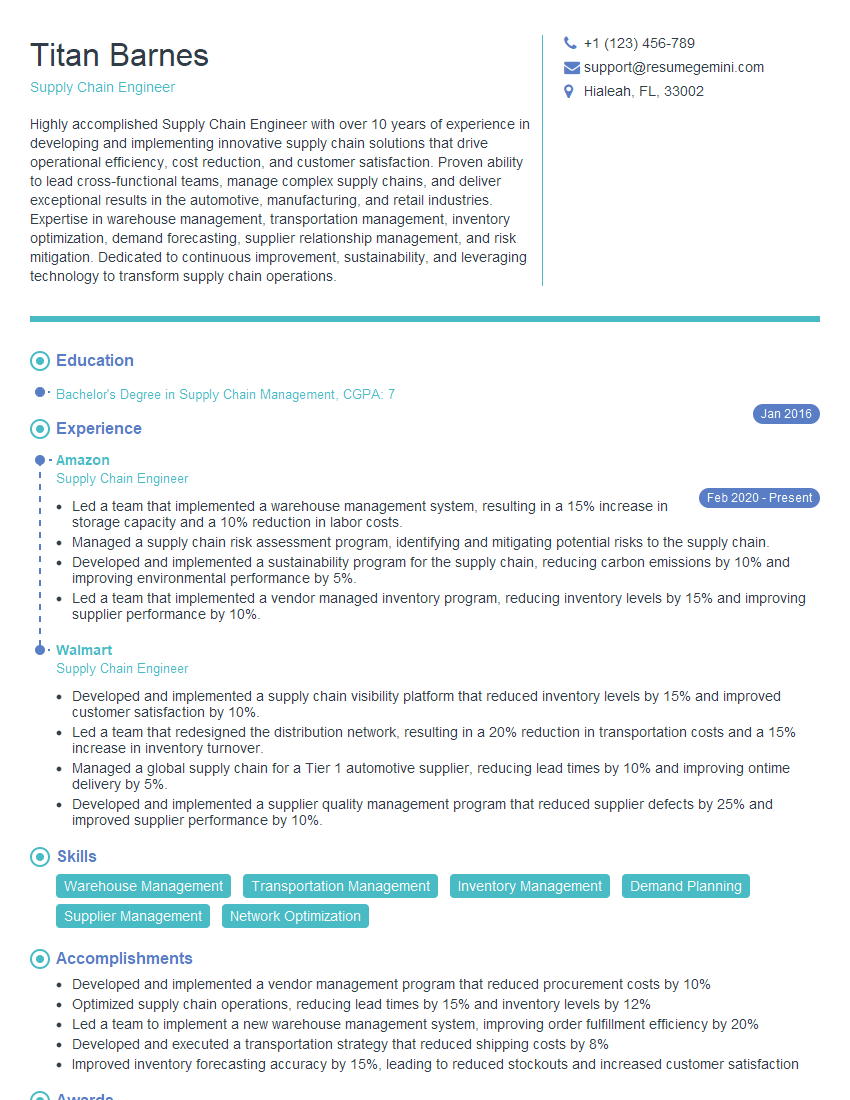
Supply Chain Engineer Resume Sample
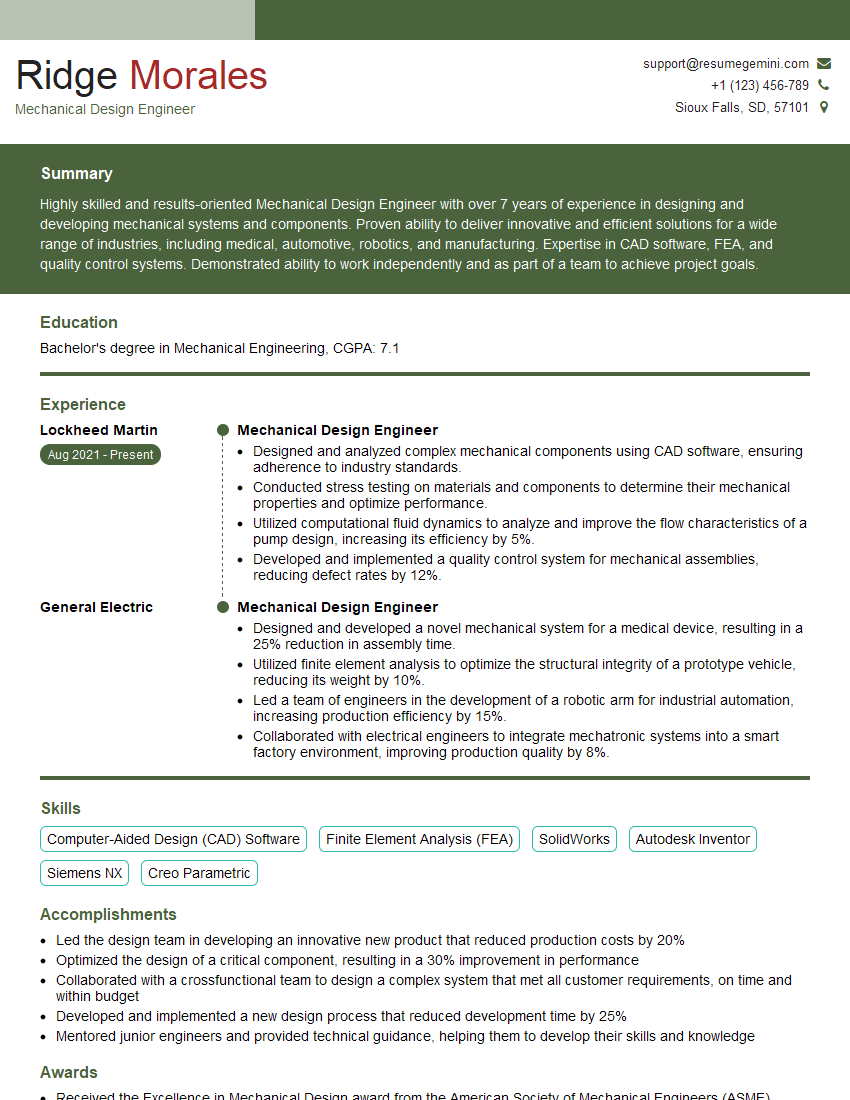
Mechanical Design Engineer Resume Sample
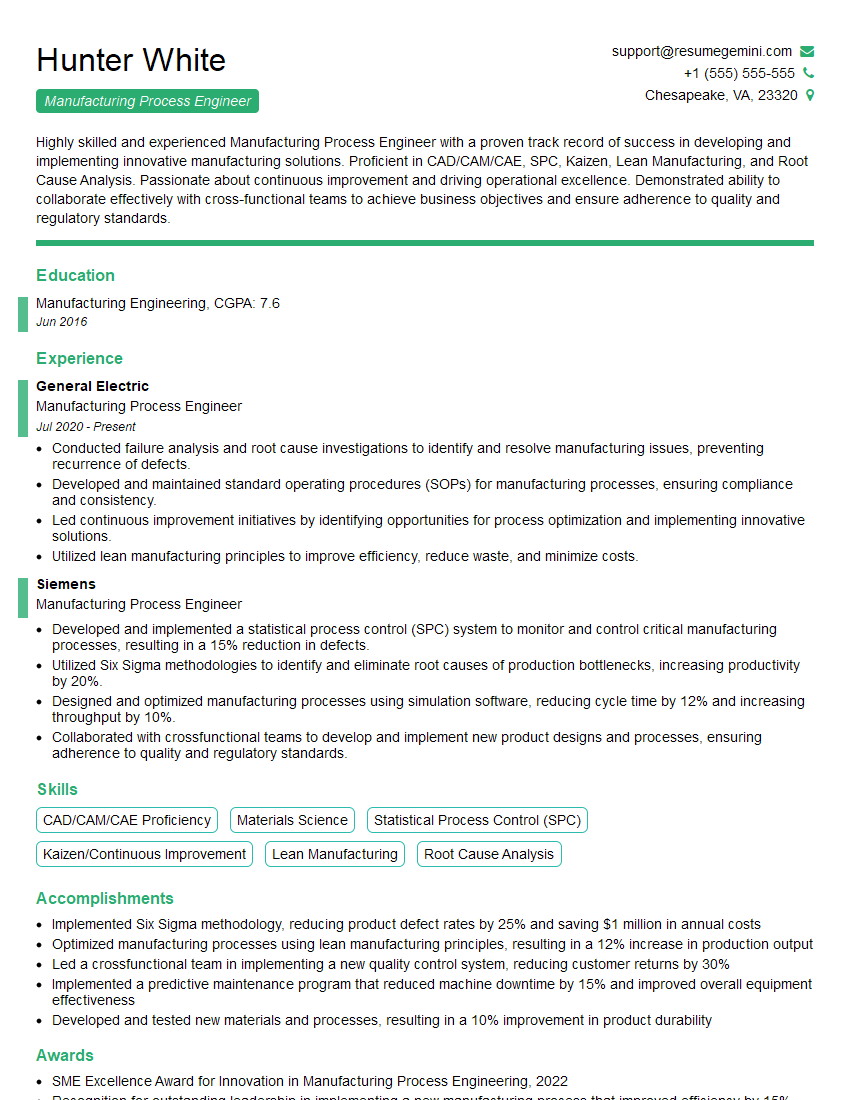
Manufacturing Process Engineer Resume Sample
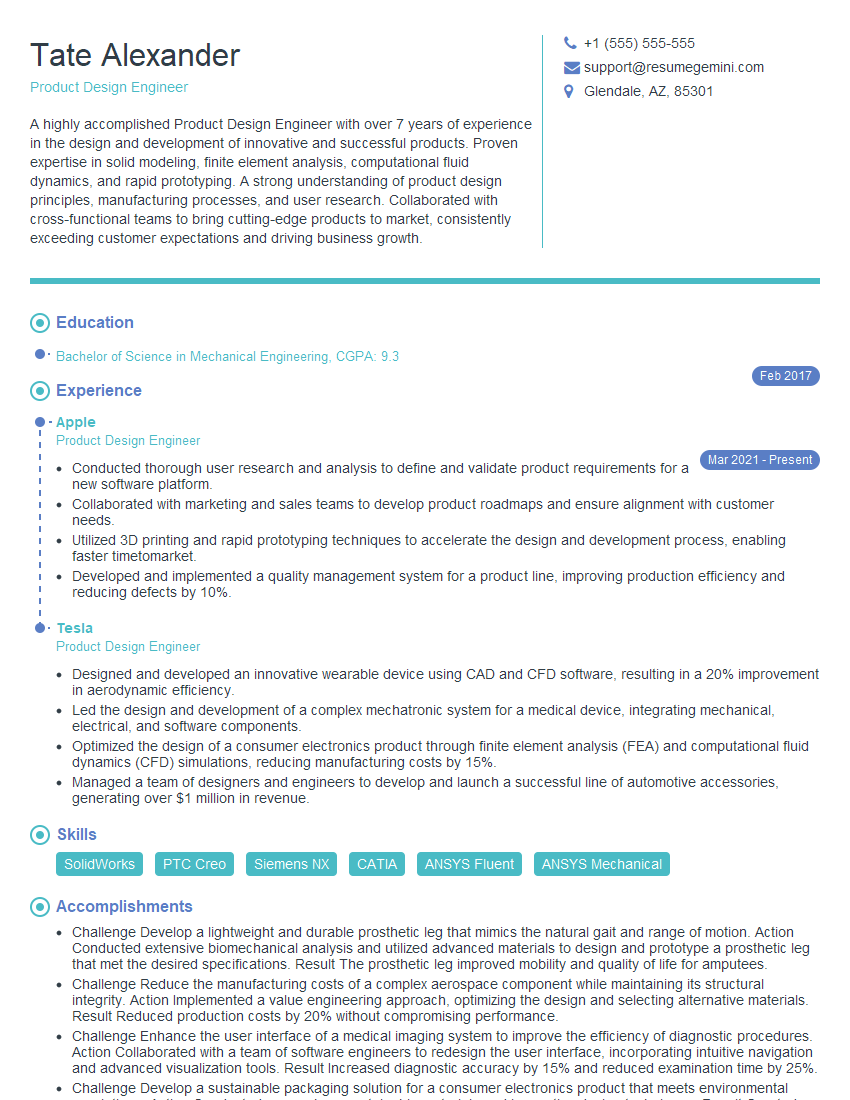
Product Design Engineer Resume Sample
- Manufacturing Engineering Manager
- Project Engineer
- Reliability Engineer
- Test Engineer
- Design Engineer
- Quality Engineer
- Process Development Engineer
- Electrical Design Engineer
- Manufacturing Engineer
- Supply Chain Engineer
- Mechanical Design Engineer
- Manufacturing Process Engineer
- Product Design Engineer
Explore more articles
Users Rating of Our Blogs
Share Your Experience
We value your feedback! Please rate our content and share your thoughts (optional).
What Readers Say About Our Blog
Very informative content, great job.
good