The thought of an interview can be nerve-wracking, but the right preparation can make all the difference. Explore this comprehensive guide to Experience with Different Fabrics and Materials interview questions and gain the confidence you need to showcase your abilities and secure the role.
Questions Asked in Experience with Different Fabrics and Materials Interview
Q 1. What are the key differences between natural and synthetic fibers?
The primary difference between natural and synthetic fibers lies in their origin. Natural fibers are derived from plants or animals, while synthetic fibers are created artificially through chemical processes. This fundamental distinction leads to significant variations in their properties.
- Natural Fibers: These fibers, like cotton, wool, silk, and linen, often possess superior breathability, absorbency, and a softer hand feel. However, they can be more expensive, less durable, and prone to shrinking or wrinkling. Their performance can also be affected by environmental factors.
- Synthetic Fibers: These fibers, including polyester, nylon, acrylic, and spandex, are typically more durable, wrinkle-resistant, and less expensive than their natural counterparts. They offer greater versatility in terms of color and texture. However, they can lack breathability, feel less comfortable against the skin, and may not be as environmentally friendly due to their petroleum-based origins.
Think of it like this: natural fibers are like handcrafted items – unique and often require more care, whereas synthetic fibers are like mass-produced goods – consistent, practical, but potentially less individualistic.
Q 2. Explain the properties of cotton, wool, silk, and linen.
Let’s explore the properties of four key natural fibers:
- Cotton: Soft, absorbent, breathable, and relatively inexpensive. It’s widely used for clothing and household textiles. However, it wrinkles easily and can shrink if not properly cared for.
- Wool: Warm, absorbent, elastic, and naturally water-resistant. It’s known for its excellent insulation properties, making it ideal for cold-weather garments. However, it can be itchy for some people and requires special care to prevent shrinking or felting.
- Silk: Luxurious, smooth, lustrous, and exceptionally strong for its weight. It drapes beautifully and is breathable but delicate and requires gentle cleaning. It’s often used in high-end clothing and accessories.
- Linen: Strong, durable, absorbent, and wrinkle-resistant (once broken in). It’s known for its crisp hand feel and excellent breathability, making it suitable for warm-weather clothing. However, it can wrinkle more initially and require careful ironing.
Understanding these properties is crucial for selecting the appropriate fabric for a specific garment or application. For instance, cotton is great for t-shirts, wool for sweaters, silk for evening wear, and linen for summer suits.
Q 3. Describe different types of weave structures (plain, twill, satin).
Weave structure significantly impacts a fabric’s appearance, durability, and drape. Here are three common types:
- Plain Weave: The simplest weave structure, where the warp and weft yarns interlace in a simple over-under pattern. It creates a balanced, even fabric, but can be relatively sheer and prone to wrinkling. Think of your basic cotton t-shirt.
- Twill Weave: The warp and weft yarns interlace in a diagonal pattern, creating a textured fabric with a distinct diagonal line. This structure is more durable and wrinkle-resistant than plain weave. Denim is a classic example of a twill weave.
- Satin Weave: Characterized by a long, floating warp yarn over several weft yarns, creating a smooth, lustrous surface. This weave is less durable than twill, but its sheen makes it popular for luxurious garments. Think of the sheen on a satin dress.
The choice of weave structure depends heavily on the desired outcome. For strength and durability, twill is often preferred; for smoothness and luxury, satin is chosen, while plain weave offers simplicity and versatility.
Q 4. How does fabric weight affect drape and garment construction?
Fabric weight, measured in ounces per square yard (oz/sq yd) or grams per square meter (gsm), significantly influences drape and garment construction.
- Drape: Heavier fabrics, like wool coats or heavy denim, tend to drape less than lighter fabrics, such as chiffon or voile. Lighter fabrics tend to flow and hang more loosely.
- Garment Construction: Heavier fabrics often require more robust construction techniques and stronger seams to avoid tearing. Lighter fabrics may be more easily sewn but may require careful handling to prevent damage.
For example, a lightweight cotton would be ideal for a summer dress, draping beautifully and requiring less stress on the seams. However, a heavy wool would be better suited for a winter coat where its weight provides warmth and durability.
Q 5. What are the advantages and disadvantages of using blended fabrics?
Blended fabrics combine two or more fibers to leverage the advantages of each component. This practice offers a cost-effective way to achieve desired fabric properties.
- Advantages: Blended fabrics often combine the best features of their constituent fibers. For example, a cotton-polyester blend might combine cotton’s softness and breathability with polyester’s durability and wrinkle resistance.
- Disadvantages: Blending can sometimes compromise some properties of the individual fibers. For instance, while a cotton-polyester blend offers wrinkle resistance, it may not be as breathable as pure cotton.
For instance, many performance athletic wear utilizes polyester blends for their moisture-wicking and durability properties combined with the comfort of natural fibers like cotton or modal.
Q 6. Explain the concept of fabric shrinkage and how to mitigate it.
Fabric shrinkage is the reduction in fabric size due to the relaxation of fibers after weaving or knitting. This is mostly caused by the relaxation of fibers that were stretched during manufacturing.
- Mitigation: Pre-shrinking is the most effective way to mitigate shrinkage. This involves washing and drying the fabric before cutting and sewing to remove any potential shrinkage. Choosing fabrics with low shrinkage rates can also help. Following care instructions on the label accurately also plays a critical role.
For professional garment making, pre-shrinking is crucial to avoid costly mistakes and ensure a properly fitted garment. The method used will depend on the fiber type.
Q 7. How do different finishes affect fabric properties (e.g., water resistance, wrinkle resistance)?
Fabric finishes are applied to modify the properties of fabrics, such as water resistance, wrinkle resistance, or softness. These finishes can dramatically alter a fabric’s performance and appearance.
- Water Resistance: Finishes like Teflon or Durable Water Repellent (DWR) coatings create a barrier against water, making fabrics water-resistant. These are often applied to outdoor garments and upholstery.
- Wrinkle Resistance: Resin finishes can be applied to reduce wrinkling, improving the ease of care and appearance of the garment. This is very common in garments that need to maintain their shape.
- Softness: Treatments like softening agents can make fabrics feel softer and smoother, enhancing their comfort. This is often applied to improve the hand feel of towels or bedsheets.
The selection of finishes depends on the intended application and desired properties of the final product. For example, wrinkle-resistant finishes are suitable for business shirts, while water-resistant finishes are essential for outerwear.
Q 8. Describe the process of dyeing and printing fabrics.
Dyeing and printing are two distinct methods of adding color to fabrics. Dyeing involves immersing the fabric in a dye bath, allowing the color to penetrate the fibers. Printing, on the other hand, applies color to the fabric’s surface. Let’s explore both processes in detail:
Dyeing: This process can be broadly classified into several types, including:
- Vat dyeing: Uses insoluble dyes made soluble through a chemical process, then re-converted to an insoluble form within the fiber, creating exceptionally colorfast results. Think of indigo dyeing for denim.
- Reactive dyeing: Forms a strong chemical bond between the dye and the fiber, resulting in excellent wash-fastness. Commonly used for cotton.
- Direct dyeing: Uses dyes that have an affinity for cellulose fibers like cotton. It’s a simpler method but may not offer the same wash-fastness as reactive dyeing.
Printing: This technique allows for intricate designs and patterns. Common methods include:
- Screen printing: Uses stencils to apply color precisely to specific areas of the fabric.
- Rotary screen printing: A more efficient method using a rotating cylinder with engraved designs.
- Digital printing: Uses inkjet technology to print directly onto the fabric, allowing for highly detailed and customized designs.
The choice between dyeing and printing depends on factors like the desired design complexity, colorfastness requirements, and cost considerations. For a solid, uniform color, dyeing is usually preferred. For intricate patterns, printing is necessary.
Q 9. What are common fabric defects and how are they identified?
Fabric defects can significantly impact the quality and appearance of a garment. Identifying them early in the production process is crucial. Common defects include:
- Broken ends: Broken yarns within the fabric, causing a visible line or weakness.
- Slubs: Thickened areas in the yarn, creating an uneven texture.
- Holes: Missing fibers or yarns, creating an opening in the fabric.
- Pilling: Small balls of fiber that form on the fabric surface due to friction.
- Color variations: Uneven dyeing or printing resulting in noticeable differences in shade.
- Misprints: Incorrect placement of the print pattern.
Identification involves visual inspection, often aided by magnification tools. Using standardized grading systems can help objectively assess the severity of defects. For example, I’ve often used a grading scale from 1 to 5 (1 being minor and 5 being severe) to rate the severity of a pilling issue, which then informs decision making about whether the fabric is acceptable or needs to be rejected.
Q 10. How do you assess fabric quality?
Assessing fabric quality is a multi-faceted process involving several factors:
- Fiber content: The type of fiber (e.g., cotton, silk, polyester) influences the fabric’s properties like strength, drape, and comfort.
- Yarn construction: The way yarns are spun and woven or knitted affects the fabric’s strength, texture, and appearance.
- Fabric construction: The weave type (e.g., plain, twill, satin) impacts the fabric’s drape, durability, and breathability.
- Finish: Treatments applied to the fabric after weaving or knitting, such as mercerization (for cotton) or softening, influence the fabric’s feel and performance.
- Appearance: The fabric’s color, pattern, and overall visual appeal are crucial, especially for fashion applications.
- Hand feel: The way the fabric feels to the touch, a crucial element of quality.
I typically assess fabric quality through a combination of visual inspection, hand feel testing, and sometimes laboratory testing for strength and other properties. For instance, when selecting fabric for a high-end garment, I would meticulously inspect the fabric for defects and carefully evaluate its drape and hand feel alongside objective strength tests in the lab.
Q 11. Explain the importance of colorfastness and its testing methods.
Colorfastness refers to a fabric’s ability to retain its color despite exposure to various factors like washing, light, rubbing, and perspiration. It is critical for maintaining the garment’s aesthetic appeal and preventing dye transfer.
Testing methods for colorfastness vary depending on the specific factor being evaluated, and often follow standardized test methods from organizations like AATCC (American Association of Textile Chemists and Colorists).
- Wash fastness: The fabric is subjected to repeated washing cycles under controlled conditions, and the color change is assessed.
- Light fastness: The fabric is exposed to controlled light sources (e.g., xenon arc lamp) for a specified time, and the color change is measured.
- Rub fastness: The fabric is rubbed with a standardized material (e.g., white cotton cloth), and the color transfer is evaluated.
- Perspiration fastness: The fabric is exposed to simulated perspiration, and the color change is assessed.
The results are usually expressed numerically, with higher numbers indicating better colorfastness. For example, a wash fastness rating of 4 or 5 signifies excellent colorfastness, ensuring the garment retains its vibrant color even after many washes. These test methods allow for objective measurements and comparison of different fabrics and treatments.
Q 12. What are some sustainable fabric options and their properties?
The textile industry is increasingly focused on sustainability, leading to the development of several eco-friendly fabric options:
- Organic cotton: Grown without harmful pesticides or fertilizers, resulting in a softer and more environmentally responsible fabric.
- Tencel (Lyocell): Made from sustainably sourced wood pulp using a closed-loop process, it’s known for its softness, drape, and biodegradability.
- Hemp: A strong, durable, and naturally pest-resistant fiber that requires minimal water and pesticides.
- Recycled polyester: Made from recycled plastic bottles, offering a more sustainable alternative to virgin polyester.
- Bamboo: A rapidly renewable resource that can be processed into a soft and breathable fabric. However, certain processing methods can negate its environmental benefits.
The properties of these fabrics vary. Organic cotton offers softness and breathability. Tencel is known for its luxurious drape. Hemp is incredibly durable. Recycled polyester is a cost-effective option. The best sustainable choice depends on the specific application and desired properties. I always look to prioritize materials with the lowest environmental impact, while ensuring they still meet the required standards of performance and quality.
Q 13. Describe your experience with different fabric testing methods.
My experience encompasses a wide range of fabric testing methods, both in-house and through external laboratories. These include:
- Tensile strength testing: Measures the fabric’s resistance to breaking under tension, crucial for determining durability.
- Bursting strength testing: Determines the fabric’s resistance to rupture under pressure, relevant for applications requiring high strength.
- Abrasion resistance testing: Measures the fabric’s resistance to wear and tear from rubbing, critical for assessing its longevity.
- Pilling resistance testing: Evaluates the fabric’s propensity to form pills, especially important for garments that undergo frequent friction.
- Colorfastness testing (as detailed above): Essential for ensuring the garment retains its color and avoids dye transfer.
I am proficient in interpreting the results of these tests and using them to inform fabric selection and quality control. This includes understanding the limitations of each test and knowing which tests are most relevant for a specific fabric type and intended application. For instance, abrasion resistance is crucial for workwear, whereas pilling resistance is vital for knitwear.
Q 14. How do you determine the appropriate fabric for a particular garment?
Selecting the appropriate fabric for a garment depends on several interacting factors:
- Garment type: A lightweight fabric is suitable for a summer dress, while a heavier fabric is needed for a winter coat.
- End-use: Workwear requires durability, whereas formal wear might prioritize elegance.
- Seasonality: Summer garments need breathable fabrics, while winter garments require warmth and insulation.
- Target market: The price point and target customer will influence fabric choices.
- Aesthetic requirements: The desired drape, texture, and color influence fabric selection.
- Care instructions: Ease of care (machine washable vs. dry clean only) is also important.
I usually start by defining the garment’s specifications and target market, then research fabrics that meet those criteria. For instance, for a performance sportswear garment, I would prioritize moisture-wicking and quick-drying fabrics like polyester blends. For a luxurious evening gown, I would consider silks or high-quality blends with excellent drape and luxurious hand.
Q 15. How do you interpret technical fabric specifications?
Interpreting technical fabric specifications requires a thorough understanding of textile terminology and properties. It’s like reading a recipe – each detail is crucial to the final product. I start by identifying the fiber content (e.g., 100% cotton, 60% cotton/40% polyester), which dictates drape, durability, and care instructions. Next, I examine the yarn count (e.g., 60×40), indicating the number of yarns per inch in the warp and weft directions, influencing the fabric’s density and weight. Weight (gsm – grams per square meter) is a key indicator of the fabric’s heaviness and suitability for various applications. Construction details, such as weave type (plain, twill, satin) or knit structure (jersey, rib), inform the fabric’s texture, stretch, and breathability. Finally, I look at finish specifications, like water resistance, wrinkle resistance, or antimicrobial treatments, which are crucial for performance and end-use.
For example, a specification might read: “100% cotton, 120 gsm, plain weave, mercerized finish.” This tells me it’s a lightweight, relatively smooth cotton fabric suitable for shirts or blouses, with a mercerized finish enhancing its luster and strength.
Career Expert Tips:
- Ace those interviews! Prepare effectively by reviewing the Top 50 Most Common Interview Questions on ResumeGemini.
- Navigate your job search with confidence! Explore a wide range of Career Tips on ResumeGemini. Learn about common challenges and recommendations to overcome them.
- Craft the perfect resume! Master the Art of Resume Writing with ResumeGemini’s guide. Showcase your unique qualifications and achievements effectively.
- Don’t miss out on holiday savings! Build your dream resume with ResumeGemini’s ATS optimized templates.
Q 16. What software or tools are you familiar with for fabric analysis?
My experience encompasses several software and tools for fabric analysis. For digital image analysis, I’m proficient in using ImageJ to assess fabric structures, measure fiber diameter, and quantify defects. I also use specialized software for color management, such as Datacolor’s Spectraflash, to ensure consistency and accuracy in color reproduction across different batches and production runs. In addition, I’m adept at using CAD (Computer-Aided Design) software like Lectra for pattern design and grading, which allows for precise simulations of fabric drape and performance. For data management and analysis relating to fabric properties, I utilize spreadsheets and databases to track quality control metrics and identify trends.
Q 17. Describe your experience with different types of knitting and weaving.
My background includes extensive experience in both knitting and weaving techniques. Knitting, which involves interlocking loops of yarn, produces fabrics with inherent stretch and flexibility. I’m familiar with various knit structures, including jersey (simple, commonly used for t-shirts), rib (elastic, often used for cuffs and neckbands), and interlock (stronger and less prone to curling). Weaving, on the other hand, involves interlacing warp and weft yarns at right angles, resulting in fabrics with varying textures and strengths. I have experience with plain weave (simple, strong, like cotton shirting), twill weave (diagonal lines, durable, like denim), and satin weave (smooth, lustrous, like charmeuse). Understanding these techniques allows me to predict the drape, strength, and durability of the final fabric, informing material selection for specific applications.
For example, I’d choose a knitted fabric for sportswear due to its stretch and breathability, while I might opt for a woven fabric for a tailored garment because of its stability and drape.
Q 18. How do you manage fabric sourcing and procurement?
Fabric sourcing and procurement is a multi-step process I approach strategically. It begins with defining the fabric’s requirements based on the end product’s design and performance needs. This involves specifying fiber content, construction, weight, finish, and color. Then I research and identify potential suppliers, considering factors like their production capabilities, quality standards, lead times, and pricing. I evaluate sample fabrics rigorously, testing for properties like strength, colorfastness, and shrinkage. Once a suitable supplier is selected, I negotiate contracts, setting clear specifications and quality control measures. Throughout the process, I maintain meticulous records, ensuring traceability and accountability.
For example, when sourcing a sustainable cotton fabric, I would prioritize suppliers who are certified by organizations like the Global Organic Textile Standard (GOTS) and ensure their practices align with our ethical and environmental commitments.
Q 19. Explain your experience with quality control in fabric production.
Quality control in fabric production is paramount. My approach is multifaceted and begins at the raw material stage, where I inspect fiber quality and ensure consistency. During the production process, I implement regular in-line inspections to monitor fabric construction, weight, and color. I use various testing methods, including tensile strength tests, abrasion resistance tests, and colorfastness tests, to evaluate the fabric’s performance properties. Statistical process control (SPC) techniques are employed to monitor key parameters and identify any deviations from established standards. All findings are documented meticulously, ensuring transparency and traceability. Non-conforming materials are rejected to maintain high quality standards.
Imagine a scenario where a batch of fabric shows inconsistent color. Through SPC analysis, we can pinpoint the stage in production where the defect occurred and take corrective action, minimizing waste and ensuring future batches meet the required standards.
Q 20. Describe your experience with problem-solving in fabric-related issues.
Problem-solving in fabric-related issues requires a systematic approach. I start by clearly identifying the problem, gathering all relevant information, including technical specifications, production records, and visual evidence. Then, I analyze the data to pinpoint the root cause, considering factors such as raw material defects, processing errors, or equipment malfunctions. I brainstorm potential solutions and evaluate their feasibility and effectiveness. The chosen solution is implemented and monitored closely. Finally, I document the entire process, including the problem, its cause, the solution, and its impact, to prevent similar issues in the future. My approach is data-driven and focused on continuous improvement.
For example, if a fabric shows excessive shrinkage after washing, I would investigate the pre-treatment processes, the dyeing and finishing techniques, and the fiber properties to determine the cause. The solution might involve adjusting the washing parameters or selecting a different finishing agent.
Q 21. How do you handle fabric-related issues with suppliers?
Handling fabric-related issues with suppliers requires a collaborative and professional approach. I begin by clearly communicating the problem, providing detailed evidence, and explaining its impact. I avoid accusatory language and focus on finding a mutually beneficial solution. I work with the supplier to analyze the root cause of the issue and explore corrective actions. This often involves reviewing production processes, testing procedures, and quality control measures. We negotiate a resolution, which might involve fabric replacement, price adjustments, or process improvements. Throughout the process, I maintain open and honest communication, ensuring a positive working relationship.
For example, if a shipment arrives with a significant color variation, I would contact the supplier, providing detailed photographic evidence and outlining the impact on the production schedule. Together we’d investigate the cause – perhaps a dyeing issue – and agree on a solution, such as replacing the faulty batch or offering a price reduction.
Q 22. What are some innovative fabric technologies that you’re aware of?
Innovative fabric technologies are constantly emerging, driven by the demand for improved performance, sustainability, and comfort. Some exciting examples include:
- Smart fabrics: These incorporate electronics, sensors, and actuators into the fabric structure for applications like wearable health monitoring, temperature regulation, and even energy harvesting. Imagine clothing that adjusts to your body temperature or tracks your vital signs!
- Bio-based fabrics: Growing concerns about environmental impact have fueled the development of fabrics derived from renewable resources like bamboo, hemp, and seaweed. These offer a more sustainable alternative to traditional materials like cotton, often with unique properties like breathability and antimicrobial qualities.
- Recycled fabrics: Recycling post-consumer textile waste is a significant trend. Technologies are advancing to effectively recycle plastic bottles into polyester fibers, offering a circular economy solution and reducing landfill waste. This is not just for sportswear anymore – it’s increasingly used in high-end fashion.
- Nanotechnology-enhanced fabrics: Nanotechnology allows for the creation of fabrics with enhanced properties like water resistance, stain resistance, and wrinkle resistance. Think of stain-resistant clothing that truly repels spills, or wrinkle-free shirts that require minimal ironing.
These technologies are constantly evolving, promising exciting advancements in the future of textiles.
Q 23. How do you stay updated on the latest trends in fabrics and textiles?
Staying updated in the dynamic world of fabrics and textiles requires a multi-pronged approach:
- Trade publications and journals: I regularly read publications like Textile World, Textile Today, and specialized journals focusing on specific areas like technical textiles or sustainable materials. These provide in-depth articles on research, innovations, and market trends.
- Industry conferences and trade shows: Attending events like Première Vision and Texworld allows for direct interaction with manufacturers, suppliers, and other experts. It’s an invaluable opportunity to see new materials firsthand and learn about upcoming trends.
- Online resources and databases: Websites of textile associations, research institutions, and material suppliers offer valuable information on new technologies and market analysis. I also utilize online databases to access research papers and technical reports.
- Networking with industry professionals: Maintaining connections with colleagues, designers, and manufacturers through professional organizations and online forums provides ongoing access to the latest insights and discussions.
This combination of proactive learning and networking ensures I remain informed about the latest developments in the field.
Q 24. How would you explain the concept of GSM (grams per square meter) to a non-technical person?
GSM, or grams per square meter, is simply a measure of how heavy a fabric is. Imagine you have a square meter of fabric – that’s like a piece about 3 feet by 3 feet. GSM tells you how much that square meter weighs in grams. A higher GSM typically means a heavier, denser fabric, often resulting in a more durable and less transparent material.
For example, a lightweight summer t-shirt might have a GSM of around 150, while a heavy winter coat could be 300 GSM or even higher. The GSM helps determine the drape, weight, and overall feel of the fabric – crucial factors in choosing the right material for a specific garment or application.
Q 25. What is your experience with different types of fabric finishes (e.g., mercerization, sanforizing)?
Fabric finishes significantly impact the properties of textiles. I have extensive experience with various techniques, including:
- Mercerization: This treatment for cotton involves treating it with caustic soda, which improves its luster, strength, and dye uptake. Mercerized cotton is smoother, brighter, and more durable than untreated cotton, making it ideal for high-quality apparel.
- Sanforizing: This process is used to preshrink fabrics, minimizing shrinkage after washing. It uses a controlled process to reduce the likelihood of garments shrinking significantly during laundering, ensuring a consistent fit.
- Other finishes: I’m also familiar with water-repellent finishes, flame-retardant finishes, anti-microbial finishes, and many more. These provide specific functionalities depending on the desired end-use of the fabric.
Understanding these finishes is critical for selecting appropriate materials for different applications and ensuring the final product meets the required performance standards.
Q 26. Describe your experience with different types of fabric testing equipment.
My experience encompasses a wide range of fabric testing equipment, including:
- Tensile testers: These measure the strength and elongation of fabrics, crucial for determining durability and quality.
- Bursting strength testers: These determine the resistance of a fabric to sudden pressure, important for applications like airbags or protective clothing.
- Abrasion testers: These assess the fabric’s resistance to wear and tear, critical for garments and upholstery.
- Colorfastness testers: These evaluate the color’s resistance to fading due to washing, light exposure, or rubbing.
- Microscopy equipment: For detailed analysis of fiber structure and fabric construction.
Proficiency with these instruments allows for accurate assessment of fabric quality, compliance with standards, and troubleshooting of production issues.
Q 27. Explain your understanding of different fabric constructions (e.g., plain, twill, satin, knit, woven).
Fabric construction significantly impacts its properties. I’m well-versed in various constructions:
- Woven fabrics: These are created by interlacing warp (lengthwise) and weft (crosswise) yarns. Different weaves like plain, twill, and satin result in varied textures, drape, and durability. Think of the crispness of a plain weave cotton shirt versus the diagonal lines and strength of a twill denim.
- Knit fabrics: These are produced by interlocking loops of yarn. Knit fabrics are often more stretchy and comfortable than woven fabrics. Examples include jersey (for t-shirts) and rib knit (for cuffs and collars).
- Non-woven fabrics: These are made from fibers bonded together mechanically, chemically, or thermally. They are often used for applications where strength and durability aren’t paramount, like disposable wipes or interfacing in clothing.
Understanding fabric construction is essential for selecting materials that meet the specific performance requirements of a given application, ranging from clothing to industrial uses.
Key Topics to Learn for Experience with Different Fabrics and Materials Interview
- Fabric Properties: Understanding fiber types (natural vs. synthetic), yarn structures (woven, knit, non-woven), and their impact on drape, durability, and texture. Consider exploring concepts like GSM (grams per square meter) and fabric hand.
- Material Selection: Learning to choose appropriate fabrics and materials for different applications based on factors like intended use, performance requirements (e.g., water resistance, breathability), and cost considerations.
- Fabric Finishing Techniques: Gaining knowledge of various finishing processes (e.g., dyeing, printing, coating) and their effect on fabric properties and aesthetics. Discuss the impact of these techniques on sustainability and environmental considerations.
- Quality Control and Testing: Familiarize yourself with methods for assessing fabric quality, including visual inspection, testing for strength, shrinkage, and colorfastness. Discuss different quality control standards and certifications.
- Sustainability and Ethical Sourcing: Understand the environmental and social impact of fabric production and consumption. Discuss sustainable materials, ethical sourcing practices, and eco-friendly finishing techniques.
- Practical Applications: Be prepared to discuss experiences working with various fabrics and materials in specific projects or roles. Focus on your problem-solving skills in situations involving fabric defects, production challenges, or design limitations.
- Industry Trends and Innovation: Stay updated on emerging materials and technologies in the textile industry, such as recycled fabrics, bio-based materials, and innovative manufacturing processes.
Next Steps
Mastering your understanding of different fabrics and materials is crucial for career advancement in many industries, from fashion design and manufacturing to technical textiles and home furnishings. A strong understanding of these topics demonstrates your technical expertise and problem-solving abilities. To significantly boost your job prospects, create an ATS-friendly resume that highlights your skills and experience effectively. ResumeGemini is a trusted resource to help you build a professional and impactful resume that showcases your expertise in this area. Examples of resumes tailored to experience with different fabrics and materials are available to guide you.

Merchandiser Resume Sample
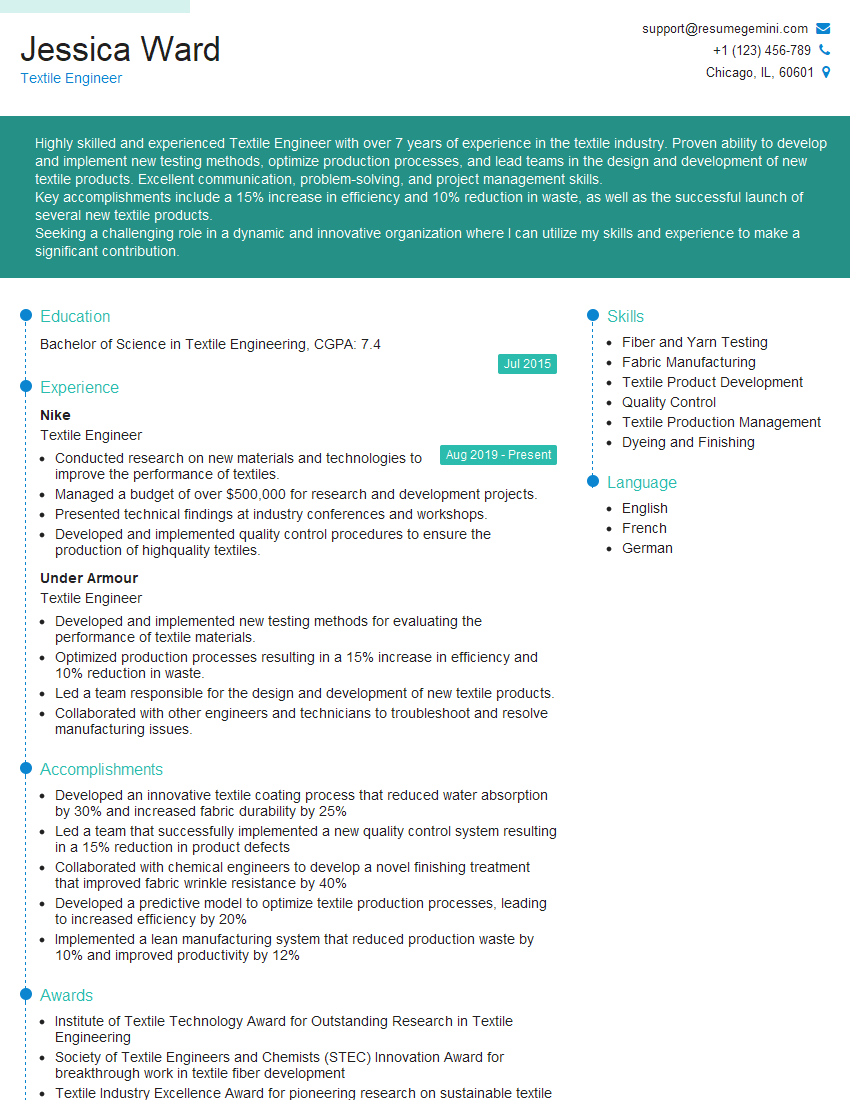
Textile Engineer Resume Sample
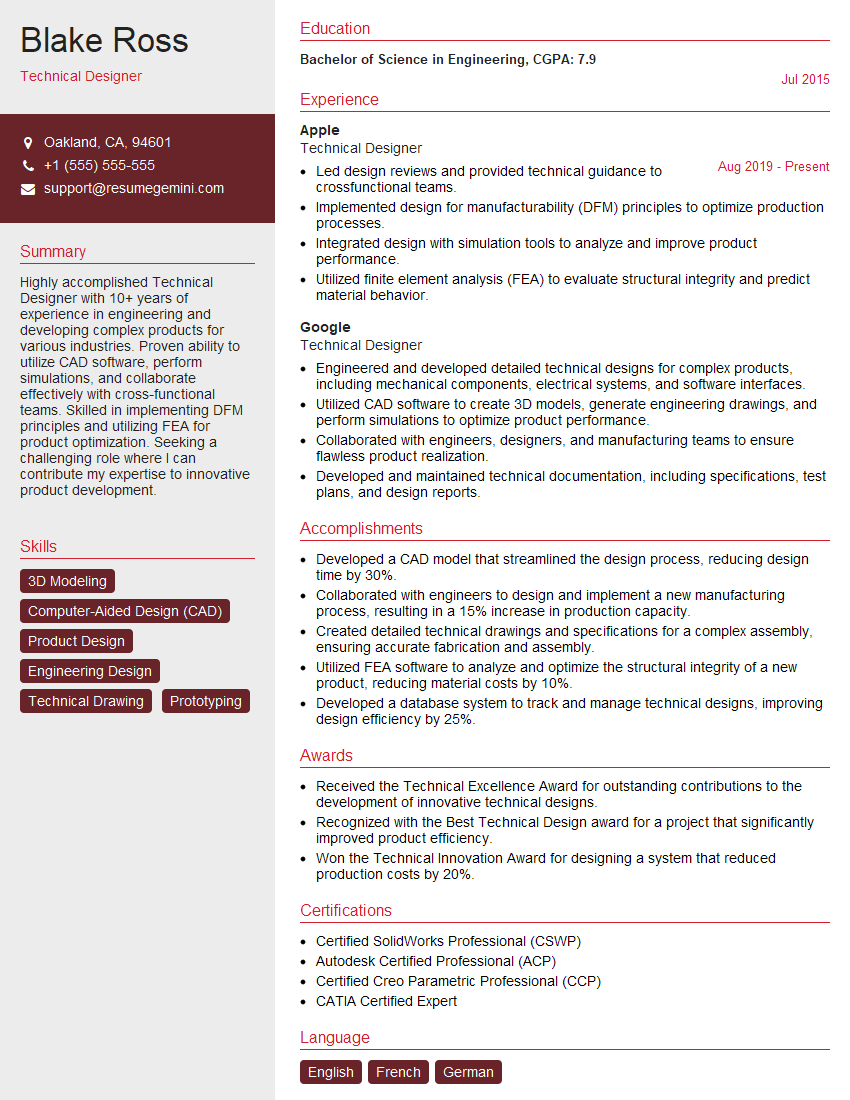
Technical Designer Resume Sample

Textile Chemist Resume Sample
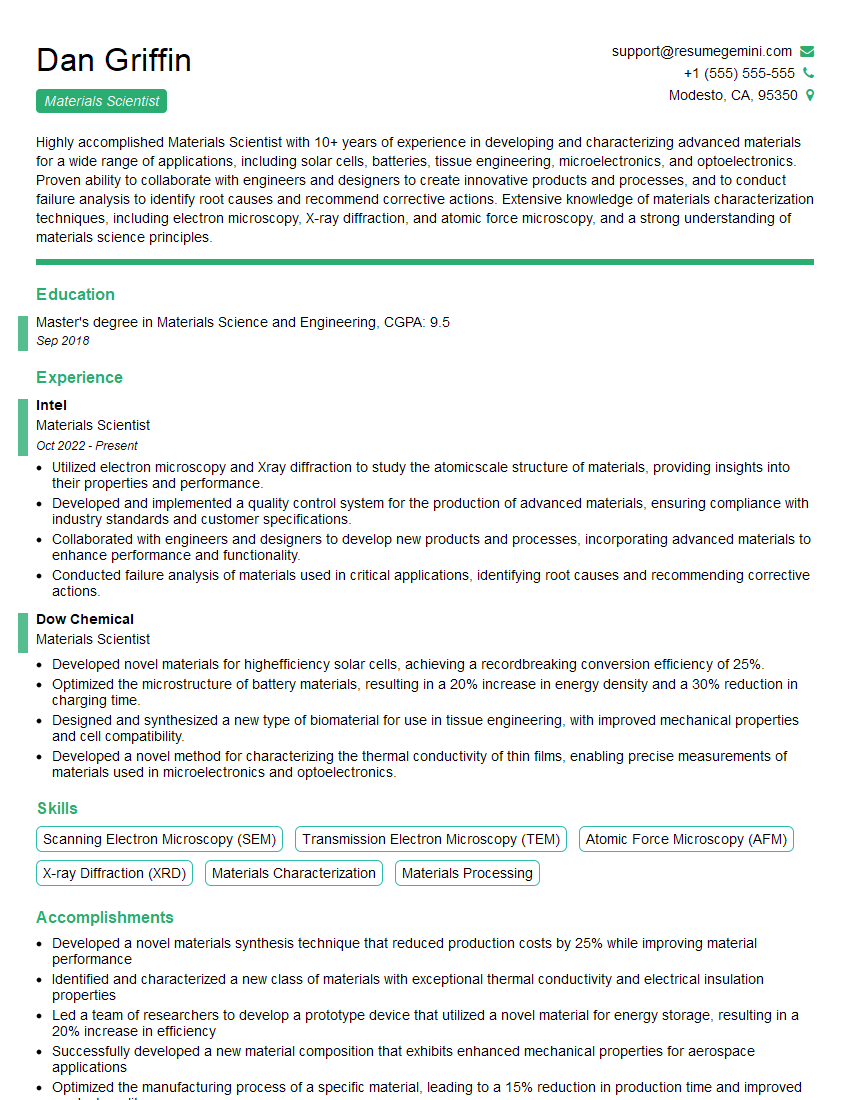
Materials Scientist Resume Sample
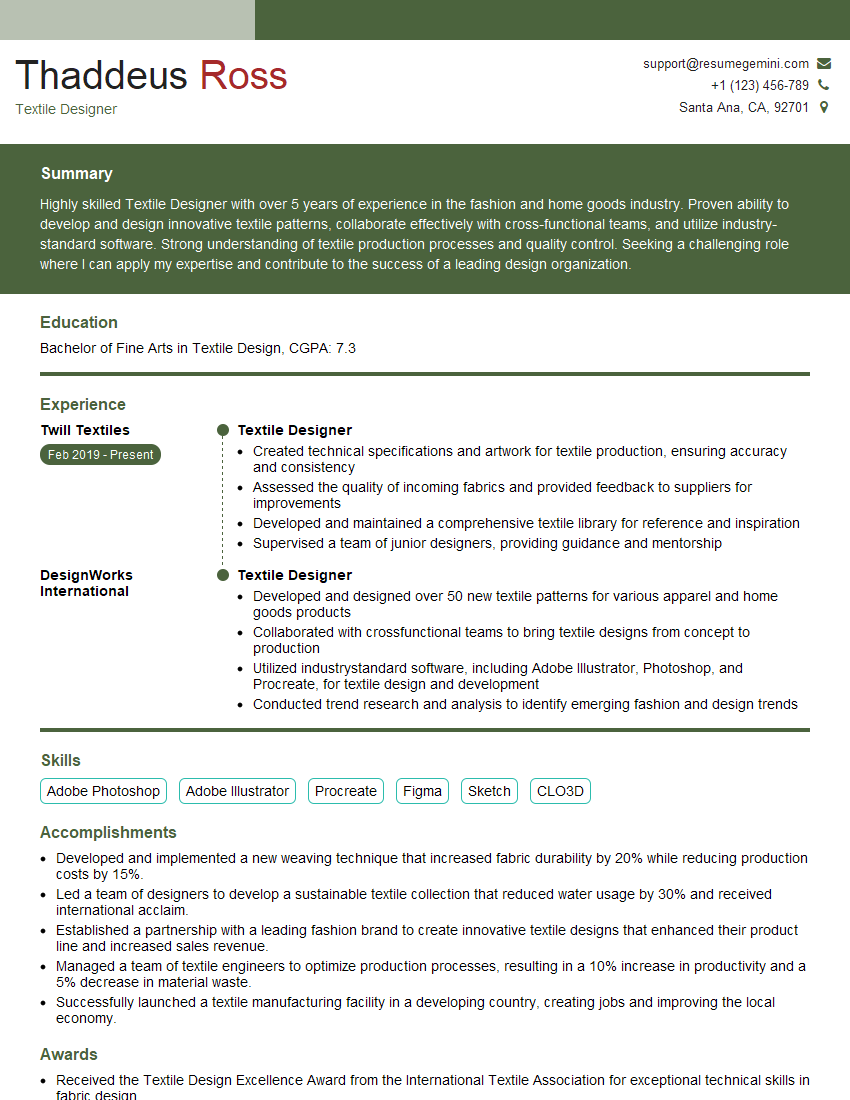
Textile Designer Resume Sample

Apparel Designer Resume Sample

Fashion Designer Resume Sample

Draper Resume Sample
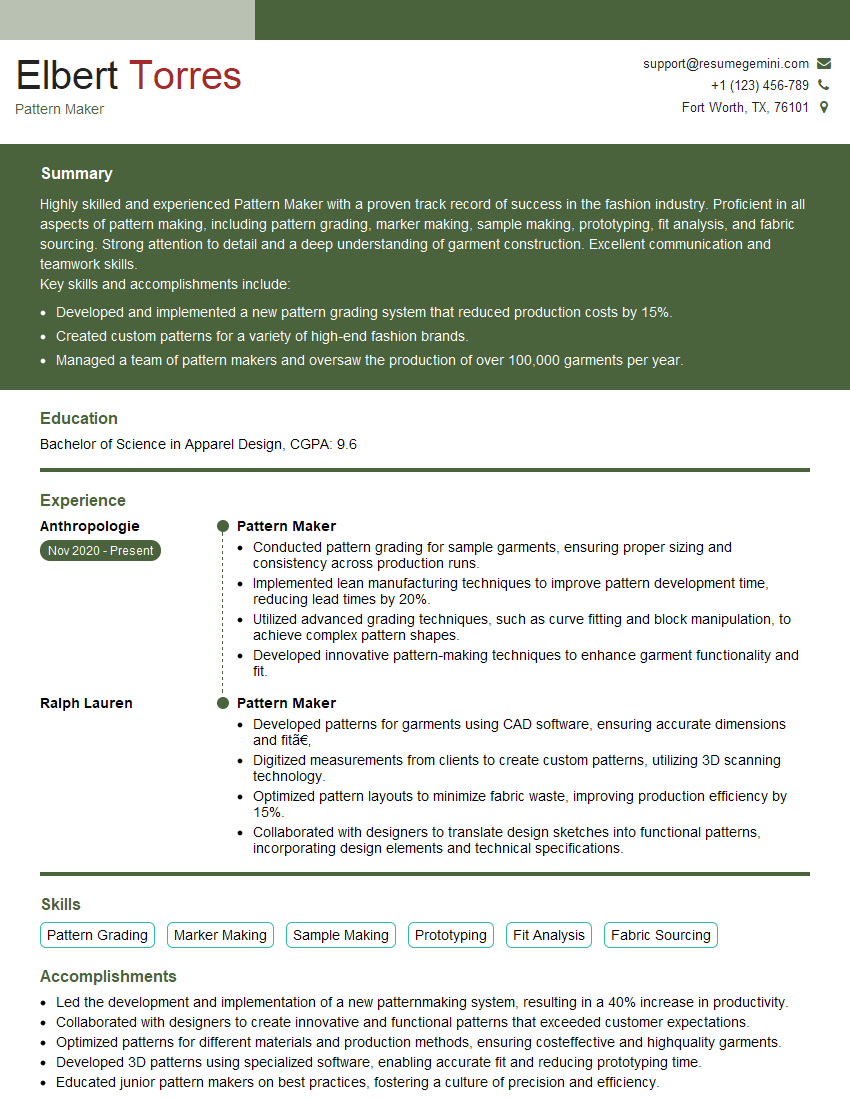
Pattern Maker Resume Sample

Sample Maker Resume Sample
Explore more articles
Users Rating of Our Blogs
Share Your Experience
We value your feedback! Please rate our content and share your thoughts (optional).
What Readers Say About Our Blog
Very informative content, great job.
good