The right preparation can turn an interview into an opportunity to showcase your expertise. This guide to Experience with Different Sports interview questions is your ultimate resource, providing key insights and tips to help you ace your responses and stand out as a top candidate.
Questions Asked in Experience with Different Sports Interview
Q 1. Describe your experience coaching different sports.
My coaching experience spans a diverse range of sports, including basketball, swimming, and track and field. In basketball, I’ve worked with youth teams, focusing on fundamental skill development and team strategy. This involved designing age-appropriate drills, implementing offensive and defensive systems, and fostering a positive team dynamic. With swimming, my focus has shifted towards individual performance optimization. I’ve worked with competitive swimmers of varying skill levels, analyzing their stroke technique, developing personalized training plans, and monitoring their progress closely. Finally, in track and field, my coaching has emphasized both technical proficiency and physical conditioning. This required understanding the nuances of different events (sprints, hurdles, long jump, etc.), developing tailored training regimens, and incorporating injury prevention strategies.
- Basketball: Developed and implemented a new offensive system that resulted in a 20% increase in scoring average.
- Swimming: Successfully coached a swimmer to achieve a personal best time, qualifying them for regional championships.
- Track and Field: Improved athletes’ technique through personalized video analysis, leading to significant improvements in performance.
Q 2. What is your experience with sports injury prevention and management?
Injury prevention and management are paramount in any athletic endeavor. My approach is multifaceted and emphasizes proactive measures alongside reactive interventions. Prevention involves conducting thorough warm-up routines tailored to the specific sport, ensuring proper conditioning and strength training to avoid muscle imbalances, and educating athletes on proper technique to minimize the risk of overuse injuries. When injuries do occur, I prioritize accurate diagnosis through collaboration with medical professionals. This includes assessing the severity of the injury, developing a rehabilitation plan in consultation with physical therapists, and closely monitoring the athlete’s progress throughout the recovery process. This might involve modifications to their training regimen, incorporating therapeutic exercises, and ensuring a gradual return to competition to prevent re-injury.
For example, I once worked with a basketball player who suffered a knee sprain. We collaborated with the team physician to confirm the diagnosis and then implemented a tailored rehabilitation plan focusing on strengthening the surrounding muscles, improving joint stability, and gradually increasing the load on the knee. This systematic approach ensured a safe and effective return to the court.
Q 3. Explain your knowledge of sports nutrition and its impact on performance.
Sports nutrition plays a critical role in athletic performance, influencing energy levels, recovery time, and overall health. My understanding encompasses macronutrient balance (carbohydrates, proteins, and fats), micronutrient intake (vitamins and minerals), hydration strategies, and the timing of nutrient consumption relative to training and competition. For endurance athletes, carbohydrate loading is essential to maximize glycogen stores, while strength athletes require sufficient protein for muscle growth and repair. Proper hydration is crucial for thermoregulation and preventing dehydration-related performance decrements. I educate athletes about the importance of fueling their bodies appropriately and help them create personalized nutrition plans that align with their training schedules and individual needs.
For instance, I worked with a marathon runner to develop a carbohydrate-loading strategy in the week leading up to the race, ensuring optimal glycogen stores for sustained energy. This was combined with a hydration plan to minimize fluid loss during the event.
Q 4. How do you adapt your coaching style to different sports and skill levels?
Adaptability is key in coaching. My approach varies significantly depending on the sport and the skill level of the athletes. With younger athletes, I emphasize building a strong foundation in fundamental skills, creating a fun and engaging learning environment, and fostering a love for the sport. This might involve game-like drills and positive reinforcement. With more experienced athletes, the focus shifts towards refining technical skills, developing advanced tactical strategies, and optimizing performance through individualized training plans. My communication style also adapts; I use simpler language and more visual aids for younger athletes, while employing more nuanced explanations and strategic discussions with seasoned athletes.
For example, I might use simple demonstrations and positive encouragement when teaching a young basketball player to dribble, while engaging in detailed film analysis and tactical discussions with a varsity team.
Q 5. Discuss your experience in analyzing sports performance data.
Analyzing sports performance data is crucial for optimizing training and identifying areas for improvement. My experience includes utilizing various technologies and methodologies to collect and interpret data. This includes tracking metrics like speed, distance, power output (using wearable technology), analyzing video footage to identify technical flaws, and monitoring physiological indicators (heart rate, lactate threshold). I use this data to make informed decisions regarding training load, technique adjustments, and strategy modifications. I also employ statistical analysis to assess trends and make data-driven predictions, contributing to more effective coaching decisions.
For example, analyzing a swimmer’s stroke technique through video analysis can reveal inefficiencies that can be corrected through targeted drills and feedback. Tracking running speed and distance data can inform the development of a personalized training program designed to gradually increase training volume and intensity.
Q 6. How do you build rapport and motivate athletes in various sports?
Building rapport and motivating athletes requires a personalized approach. I strive to understand each athlete’s individual strengths, weaknesses, motivations, and goals. Open communication is essential, creating a safe space where athletes feel comfortable sharing their concerns and celebrating their successes. I use positive reinforcement, focusing on their progress and acknowledging their efforts, rather than solely emphasizing results. Setting realistic and achievable goals, providing constructive feedback, and fostering a sense of camaraderie within the team further strengthens the athlete-coach bond. Individualized motivational techniques are important, recognizing that what inspires one athlete may not inspire another.
For instance, I might offer individual encouragement to a struggling athlete, while facilitating team-building activities to foster a cohesive unit.
Q 7. Describe your knowledge of different training methodologies across various sports.
My knowledge of training methodologies encompasses various approaches tailored to different sports and individual needs. This includes periodization (systematically varying training intensity and volume over time), strength and conditioning programs (incorporating resistance training, plyometrics, flexibility exercises), interval training (alternating high-intensity bursts with periods of recovery), and continuous training (maintaining a consistent level of effort over a prolonged period). For endurance sports, I might utilize techniques like long slow distance running, while strength-based sports might benefit from maximal strength training. I always adapt the training program to the athlete’s individual physiological characteristics, training history, and injury risk profile, ensuring safety and optimizing performance.
For example, a marathon runner might benefit from a training plan incorporating long slow distance runs, tempo runs, and interval training, while a weightlifter might follow a program focused on maximal strength training interspersed with periods of recovery and active rest.
Q 8. What is your experience with sports equipment maintenance and repair?
My experience with sports equipment maintenance and repair is extensive, spanning various disciplines. It’s not just about fixing broken equipment; it’s about preventative maintenance to ensure athlete safety and optimal performance. For example, in baseball, I’ve meticulously maintained bats, ensuring they’re properly balanced and free from cracks. With cycling equipment, I’m proficient in adjusting gears, brakes, and tire pressure to ensure optimal performance and prevent mechanical failures during races. In team sports like soccer and basketball, I understand the importance of inspecting and repairing balls regularly to guarantee consistent gameplay. I also possess knowledge of maintaining specialized equipment like weightlifting equipment, checking for wear and tear and ensuring proper safety measures are in place. My approach is proactive – regular inspections, preventative cleaning, and prompt repairs minimize downtime and enhance safety.
For instance, I once noticed a subtle crack in a pitcher’s baseball bat during a routine inspection, preventing a potential injury during a game. This proactive approach saved the athlete from a serious incident and showcases my dedication to equipment maintenance.
Q 9. How have you addressed conflict resolution amongst athletes in a sporting environment?
Conflict resolution amongst athletes requires a delicate balance of understanding, empathy, and firm leadership. My approach involves active listening to all parties involved, identifying the root cause of the conflict, and guiding them towards a mutually agreeable solution. I believe in fostering a culture of respect and communication where athletes feel comfortable expressing their concerns. I don’t shy away from addressing behavioral issues directly but focus on helping athletes learn from their mistakes and become better teammates.
One memorable instance involved a disagreement between two star players on a basketball team. Instead of imposing a solution, I facilitated a discussion where they could express their frustrations and concerns. We identified a communication breakdown as the root cause and worked together to establish clearer lines of communication and collaborative strategies. The result was not only a resolution to the immediate conflict but a stronger team dynamic built on mutual respect and understanding.
Q 10. What are the key differences in game strategy across the sports you have experience with?
Game strategies vary significantly across different sports due to the unique rules, playing fields, and objectives. In team sports like basketball, strategy focuses on offensive plays (e.g., pick-and-rolls, fast breaks) and defensive schemes (e.g., zone defense, man-to-man defense). In individual sports like golf, strategy revolves around shot selection, course management, and risk assessment. Soccer emphasizes possession, tactical formations (e.g., 4-4-2, 3-5-2), and counter-attacks. American football involves complex playbooks with intricate offensive and defensive schemes. Each sport’s strategy is tailored to maximize the team’s or individual’s strengths and exploit the opponent’s weaknesses.
- Basketball: Fast-paced, emphasizing ball movement and scoring opportunities.
- Soccer: Slower pace, focusing on possession, passing accuracy and strategic positioning.
- Golf: Individual precision, course management, and risk mitigation.
- American Football: Highly strategic, with complex plays and formations.
Understanding these nuances is crucial for effective coaching and management.
Q 11. Describe your understanding of sports psychology and its application to athletic performance.
Sports psychology plays a vital role in optimizing athletic performance. It focuses on the mental aspects of sport, including motivation, self-confidence, concentration, and stress management. Understanding concepts like goal-setting, visualization, and self-talk can significantly impact an athlete’s ability to perform under pressure. I utilize techniques like positive reinforcement, mindfulness exercises, and mental imagery training to help athletes improve their mental game. This involves helping athletes identify their mental strengths and weaknesses and developing strategies to overcome challenges.
For example, I helped a swimmer struggling with pre-race anxiety by incorporating relaxation techniques such as deep breathing and visualization exercises into their training regimen. This improved their focus and confidence, resulting in a significant performance boost.
Q 12. How do you integrate technology in your coaching or sports management approach?
Technology integration is paramount in modern sports. I utilize various technological tools to enhance coaching and management effectiveness. This includes using wearable technology (e.g., GPS trackers, heart rate monitors) to monitor athlete performance and identify areas for improvement. Video analysis software helps to meticulously review game footage, identifying both individual and team performance patterns. Data analytics platforms allow me to track performance metrics, identify trends, and make data-driven decisions related to training and strategy. Finally, communication tools streamline team interactions, providing seamless information exchange amongst athletes, coaches, and management.
For example, using GPS data from training sessions, I’ve been able to identify a particular player’s tendency to tire prematurely during matches, which allowed for targeted training adjustments focused on enhancing their endurance.
Q 13. What are your experience with developing and executing sports marketing strategies?
Developing and executing successful sports marketing strategies requires a deep understanding of the target audience, brand positioning, and marketing channels. My approach involves crafting a comprehensive marketing plan that encompasses various aspects, including identifying key demographics, developing engaging content (e.g., social media posts, website articles, promotional videos), utilizing suitable sponsorship opportunities, and managing public relations. Data analytics plays a key role in measuring campaign effectiveness and refining strategies to maximize ROI.
In a recent project, I helped a local sports club increase their brand awareness through social media engagement and community outreach initiatives, resulting in a significant increase in membership and sponsorship opportunities.
Q 14. Explain your understanding of sports rules and regulations in different disciplines.
My understanding of sports rules and regulations extends across multiple disciplines. This goes beyond simply knowing the basic rules; it includes a thorough understanding of the nuances, interpretations, and potential disputes. I’m familiar with the rules of professional leagues, amateur organizations, and international governing bodies. This includes the specific regulations surrounding fair play, player eligibility, equipment specifications, and disciplinary procedures. Staying updated on rule changes and interpretations is essential to ensuring fair and consistent application of the rules.
For example, in officiating youth soccer games, I’ve had to apply the rules regarding offsides, fouls, and penalty kicks, making decisions that uphold fairness and safety on the field.
Q 15. How do you handle pressure situations in different sporting contexts?
Pressure situations are inevitable in sports. My approach involves a combination of mental preparation, strategic planning, and adaptability. I believe in fostering a calm and focused environment for athletes, emphasizing process over outcome.
- Mental Preparation: This includes mindfulness techniques, visualization exercises, and positive self-talk to build resilience. For example, before a crucial basketball game, I might guide players through a guided meditation to center themselves and manage anxiety.
- Strategic Planning: We develop contingency plans for various scenarios. In a soccer match, for instance, we’d prepare different strategies depending on whether we’re leading, trailing, or playing to a draw. This reduces uncertainty and increases confidence under pressure.
- Adaptability: During the event itself, I emphasize the importance of quick thinking and adjustments. If a tennis player is struggling with a specific opponent’s serve, we’ll analyze the serve together and adapt their return strategy in real-time.
Ultimately, it’s about equipping athletes with the tools and mindset to thrive under pressure, rather than being overwhelmed by it.
Career Expert Tips:
- Ace those interviews! Prepare effectively by reviewing the Top 50 Most Common Interview Questions on ResumeGemini.
- Navigate your job search with confidence! Explore a wide range of Career Tips on ResumeGemini. Learn about common challenges and recommendations to overcome them.
- Craft the perfect resume! Master the Art of Resume Writing with ResumeGemini’s guide. Showcase your unique qualifications and achievements effectively.
- Don’t miss out on holiday savings! Build your dream resume with ResumeGemini’s ATS optimized templates.
Q 16. Discuss your experience in budgeting and resource allocation for sports programs.
Budgeting and resource allocation are critical for successful sports programs. My approach is highly data-driven and prioritizes efficiency and impact.
- Needs Assessment: I start by thoroughly assessing the program’s needs, identifying areas requiring investment (equipment, coaching, travel, athlete support etc.). This often involves surveys, athlete feedback, and performance analysis.
- Prioritization: I then prioritize needs based on their impact on athlete performance and program goals. For example, investing in high-quality coaching might be prioritized over new equipment if the current coaching is limiting athlete development.
- Resource Allocation: I allocate resources strategically across various areas, ensuring a balanced approach. Spreadsheets and dedicated budget management software are essential here. This also includes exploring funding opportunities – grants, sponsorships etc.
- Monitoring and Evaluation: Finally, I continuously monitor the budget and evaluate the effectiveness of resource allocation, making adjustments as needed. This ensures maximum return on investment and optimizes resource utilization.
For instance, in a youth soccer program, I might allocate a larger portion of the budget to certified coaching staff and safe, well-maintained playing fields, with a smaller portion towards less impactful areas such as team uniforms.
Q 17. How do you assess and improve athlete technique across various sports?
Assessing and improving athlete technique requires a multifaceted approach combining observation, analysis, and feedback.
- Observation: I start by observing athletes during practice and competition, identifying areas for improvement in their technique. Video analysis is invaluable here, allowing for detailed review of movement patterns.
- Analysis: This involves breaking down the technique into its components and identifying specific flaws. For example, in swimming, this might involve analyzing the arm stroke, body position, and kick technique separately.
- Feedback: I provide constructive feedback to athletes, using clear and concise language. I often use visual aids such as diagrams, videos, or demonstrations to illustrate the points I’m making. I make sure feedback is specific, actionable and tailored to individual needs and learning styles.
- Drills and Exercises: I design specific drills and exercises to address the identified technical flaws. This usually requires modification of existing exercises or development of new ones. Progress tracking is key to see if the exercises are proving effective.
For example, if a basketball player has a poor jump shot, I’d analyze their form (footwork, ball release, follow-through) using video, provide detailed feedback, and devise drills focusing on correcting their technique. This might include repetitive shooting drills with a focus on specific aspects of the technique.
Q 18. Describe your approach to talent identification and development in various sports.
Talent identification and development are crucial for building strong sports programs. My approach is holistic, focusing on both innate ability and potential for growth.
- Identification: I utilize various methods to identify talented athletes, including scouting, talent identification camps, and performance data analysis. This might involve observing athletes in various settings – school sports, club teams, or regional competitions.
- Assessment: Once identified, athletes undergo thorough assessment to gauge their physical abilities, skills, and psychological attributes. This involves physical testing, skill assessments, and psychological evaluations. This is not simply measuring existing talent, but also assessing the athlete’s potential for improvement and their drive to succeed.
- Development: A tailored development plan is created for each athlete, emphasizing their individual strengths and addressing their weaknesses. This often involves specialized training, coaching, and mentorship to guide their development.
- Long-Term Vision: It’s essential to consider the athlete’s long-term goals and career aspirations, integrating this perspective into their development plan. This requires regular communication and collaboration between coaches, athletes, and support staff.
For instance, in identifying young swimmers, I would not only look for speed but also assess their body type, flexibility, and overall coordination. A tailored training plan then caters to their specific strengths, building upon them systematically.
Q 19. What software and tools have you used for sports data analysis and performance tracking?
Data analysis plays a crucial role in modern sports. I’ve extensive experience with various software and tools for sports data analysis and performance tracking.
- Performance Analysis Software: I regularly use software like
Dartfishfor video analysis, allowing detailed breakdown of movement patterns and technique.Kinesiois also useful for 3D motion capture and biomechanical analysis. - Performance Tracking Software:
SportTracand similar software enable tracking of key performance indicators (KPIs) such as speed, distance, power, and heart rate. This data can be used to monitor training progress and identify areas needing attention. - Statistical Software:
RandPython(with libraries likepandasandscikit-learn) are essential for more complex statistical analysis of performance data. This allows identifying trends and correlations, predicting future performance, and optimizing training strategies. - Wearable Technology: I also utilize wearable technology like GPS trackers and heart rate monitors which provide real-time data on athlete performance during training and competition.
For example, using Dartfish to analyze a tennis serve, I can pinpoint flaws in the technique and provide tailored advice to improve accuracy and speed. Similarly, using SportTrac data on a runner’s training, I can optimize their training load to prevent injuries and enhance performance.
Q 20. How do you ensure the safety and well-being of athletes across various sports?
Athlete safety and well-being are paramount. My approach involves a multi-layered strategy addressing physical, mental, and emotional health.
- Pre-Participation Screening: I always conduct thorough pre-participation physical examinations and medical screenings to identify potential health risks.
- Safe Training Environment: Maintaining a safe training environment is crucial. This includes ensuring proper equipment, appropriate training surfaces, and adherence to safety guidelines specific to the sport.
- Injury Prevention Programs: Implementing injury prevention programs, including strength and conditioning, flexibility, and injury rehabilitation, are key aspects. This includes appropriate warm-up and cool-down routines to minimize the risk of strains and other injuries.
- Mental Health Support: Addressing the mental and emotional well-being of athletes is equally important. This might include providing access to sports psychologists and ensuring a supportive team environment. Open communication about stress, anxiety, or any other mental health concerns is encouraged.
- Nutrition and Hydration: Appropriate nutrition and hydration plans are vital for optimal performance and recovery. This often involves consulting with registered dieticians and providing nutritional guidelines to athletes.
For example, in a contact sport like rugby, I’d prioritize proper tackling techniques to minimize injury risk. In swimming, I’d focus on proper warm-up routines and hydration strategies to reduce the risk of muscle cramps.
Q 21. Describe your experience with sports event planning and execution.
My experience in sports event planning and execution spans a range of scales, from small local competitions to larger regional events. My approach is systematic and focuses on meticulous planning and effective execution.
- Planning: I develop a comprehensive event plan that outlines every aspect of the event, from venue selection and logistics to marketing and budgeting. This includes establishing clear timelines, assigning roles and responsibilities, and securing necessary permits and licenses.
- Logistics: I manage all logistical aspects, including venue setup, equipment rental, transportation, catering, and accommodation arrangements. This often involves coordinating with several vendors and stakeholders.
- Risk Management: I develop a risk management plan to address potential problems and challenges. This includes identifying potential risks, developing mitigation strategies, and establishing contingency plans.
- Execution: During the event itself, I supervise the execution of the plan, ensuring that everything runs smoothly and efficiently. This often involves on-site problem-solving and adapting to unexpected situations.
- Post-Event Evaluation: After the event, I conduct a post-event evaluation to assess its success and identify areas for improvement in future events. This feedback loop is critical for continuous improvement.
For example, planning a marathon includes securing permits, arranging medical personnel, coordinating volunteers, managing course logistics, and handling registration processes. Post-event analysis helps determine if course changes are required, or if volunteer allocation needs tweaking.
Q 22. Explain your familiarity with various sports training facilities and their maintenance.
My familiarity with sports training facilities spans a wide range, from small community centers to large, state-of-the-art complexes. I understand the critical role proper maintenance plays in athlete safety and performance. This includes everything from regular inspections and cleaning to preventative maintenance of equipment like weight machines, turf fields, and swimming pools.
For example, in my previous role, we implemented a preventative maintenance schedule using a computerized maintenance management system (CMMS). This allowed us to track repairs, schedule inspections, and manage inventory of spare parts, significantly reducing downtime and unexpected repair costs. We also established a detailed cleaning protocol for all areas, ensuring hygiene standards were met and the risk of injury from slippery surfaces or equipment malfunctions was minimized. This included regular disinfection of shared equipment and the use of appropriate cleaning agents for different surfaces (e.g., hardwood floors vs. synthetic turf). Finally, we fostered a culture of reporting any maintenance issues promptly, encouraging both staff and athletes to proactively identify potential problems.
- Regular inspections of all equipment and facilities.
- Preventative maintenance schedules using CMMS software.
- Detailed cleaning protocols to maintain hygiene and safety.
- Prompt reporting system for maintenance issues.
Q 23. What is your experience in recruiting and managing athletes from different backgrounds?
Recruiting and managing athletes from diverse backgrounds requires a nuanced approach that values cultural sensitivity and individual needs. My experience includes working with athletes from various socioeconomic levels, ethnicities, and sporting disciplines. I’ve found that effective recruitment hinges on building trust and fostering a welcoming environment where athletes feel respected and supported.
For instance, when recruiting for a youth soccer program, we proactively engaged with community organizations to reach underrepresented groups. This involved attending local events, partnering with schools in diverse neighborhoods, and translating recruitment materials into multiple languages. Once recruited, I focused on understanding each athlete’s individual circumstances, addressing any barriers they might face, and creating a personalized development plan. This included providing financial aid, coordinating transportation, and offering mentorship to ensure every athlete had equal opportunities to succeed. Regular team meetings and open communication ensured all athletes felt valued and heard, creating a strong team dynamic.
Q 24. How do you stay current with the latest advancements in sports science and technology?
Staying current in sports science and technology is crucial for optimal athlete performance and injury prevention. I achieve this through a multifaceted approach.
- Professional Development: I regularly attend conferences, workshops, and seminars on topics such as sports biomechanics, strength and conditioning, and injury rehabilitation.
- Peer Networking: I maintain a strong network of colleagues and experts in the field, exchanging knowledge and best practices. This includes attending professional development events and actively participating in online forums and professional organizations.
- Publications and Research: I subscribe to relevant journals and publications, keeping abreast of the latest research findings. I also actively seek out peer-reviewed articles to inform my decisions and practice.
- Technology Integration: I explore and evaluate new technologies and equipment, such as wearable sensors for performance monitoring and analysis, and virtual reality training programs. For example, our organization recently implemented a performance tracking system which allowed for real-time data collection and analysis on athlete’s movement and effort during training sessions.
Q 25. Discuss your approach to evaluating and selecting sports equipment.
Evaluating and selecting sports equipment is a critical aspect of ensuring athlete safety and maximizing performance. My approach involves a detailed evaluation process that considers several key factors.
- Safety: I prioritize equipment that meets or exceeds safety standards and has undergone rigorous testing. This includes checking for certifications and reviews from reputable sources. For example, when selecting helmets for a cycling team, we only consider helmets that meet CPSC and EN safety standards.
- Performance: The equipment must meet the specific performance needs of the athletes and the sport. For example, lightweight yet durable running shoes are crucial for long-distance runners.
- Durability: I assess the longevity and durability of the equipment to minimize the need for frequent replacements and reduce costs.
- Cost-Effectiveness: I consider the overall cost-benefit ratio, balancing quality with budget constraints. This involves comparing different brands and models to identify the best value for money.
- Athlete Feedback: I involve athletes in the selection process whenever possible, ensuring the equipment meets their needs and preferences. This fosters a sense of ownership and buy-in.
Q 26. Explain your experience with media relations and public image management in sports.
Media relations and public image management are essential for building a positive reputation within the sports community. My experience includes developing and implementing communication strategies, managing media inquiries, and crafting compelling narratives that highlight the achievements and values of athletes and organizations.
In a previous role, I developed a media plan that included regular press releases, social media updates, and proactive engagement with journalists. This resulted in increased media coverage, raising the profile of our organization and athletes. We also developed crisis communication protocols to effectively address any negative publicity or unexpected events. This included a pre-approved statement template which ensured consistent and accurate information dissemination. Furthermore, we trained athletes on how to handle media interactions, ensuring they presented a positive image. This involved role-playing scenarios and media training sessions. The result was a proactive and effective management of our public image.
Q 27. How do you work with different stakeholders (athletes, coaches, parents, administrators)?
Collaborating effectively with various stakeholders is crucial for success in sports. My approach is built on open communication, active listening, and mutual respect.
- Athletes: I build strong relationships based on trust and understanding, regularly seeking their feedback and input.
- Coaches: I work closely with coaches to ensure alignment of training programs and support their coaching styles.
- Parents: I maintain open communication with parents, keeping them informed about their children’s progress and addressing their concerns.
- Administrators: I collaborate with administrators to secure resources and navigate organizational policies and procedures.
For example, to effectively manage a team’s budget, I would meet with administrators to plan and justify expenses, with coaches to determine training needs and equipment requirements, and with parents to address any financial aid requests. This collaborative approach ensures that resources are allocated effectively and all parties are satisfied.
Q 28. Describe your experience with creating and implementing sports development programs.
Creating and implementing successful sports development programs requires a comprehensive and strategic approach. My experience involves designing programs that cater to various age groups and skill levels, encompassing skill development, physical conditioning, and sportsmanship.
For instance, when developing a youth basketball program, I started by assessing the needs and interests of the target population. This included analyzing existing resources, identifying skill gaps, and surveying the community. Then, I created a curriculum that integrated age-appropriate drills, skill-building exercises, and fun activities. I ensured there was a strong emphasis on sportsmanship and teamwork. This involved setting clear expectations, providing positive reinforcement, and addressing any negative behaviors promptly. Furthermore, I facilitated regular progress evaluation, gathering both coach and athlete feedback to make adjustments and improvements to the program as needed. Finally, I tracked program effectiveness by monitoring participation rates, player skill improvement, and athlete satisfaction. This data informed future program adjustments and enhanced long-term effectiveness.
Key Topics to Learn for Experience with Different Sports Interview
- Understanding Sport-Specific Skills: Analyze how transferable skills like teamwork, leadership, discipline, and time management are demonstrated in various sports (e.g., team sports vs. individual sports).
- Highlighting Achievements: Articulate specific accomplishments and quantify your contributions within different sporting contexts. Focus on results rather than just participation.
- Adaptability and Learning Agility: Discuss how you adapted to new sporting environments, rules, or teammates. Showcase your ability to learn quickly and overcome challenges.
- Overcoming Setbacks: Prepare examples demonstrating resilience and problem-solving skills when facing adversity in sports (e.g., injuries, losses, unexpected challenges).
- Strategic Thinking and Planning: Explain instances where you used strategic thinking to improve performance, whether it was developing a training plan, analyzing opponent strategies, or leading a team.
- Communication and Collaboration: Describe your role in team dynamics, highlighting effective communication, conflict resolution, and collaborative efforts to achieve common goals.
- Physical and Mental Conditioning: Discuss the importance of both physical and mental preparation in sports, and how you maintained peak performance under pressure.
Next Steps
Mastering the ability to articulate your diverse sporting experiences effectively can significantly boost your career prospects, showcasing valuable transferable skills highly sought after by employers. Creating an ATS-friendly resume is crucial for getting your application noticed. ResumeGemini is a trusted resource to help you build a professional and impactful resume that highlights your unique skills and experiences. We provide examples of resumes tailored to candidates with experience in various sports to guide you through the process. Take advantage of these resources to present yourself as the ideal candidate.
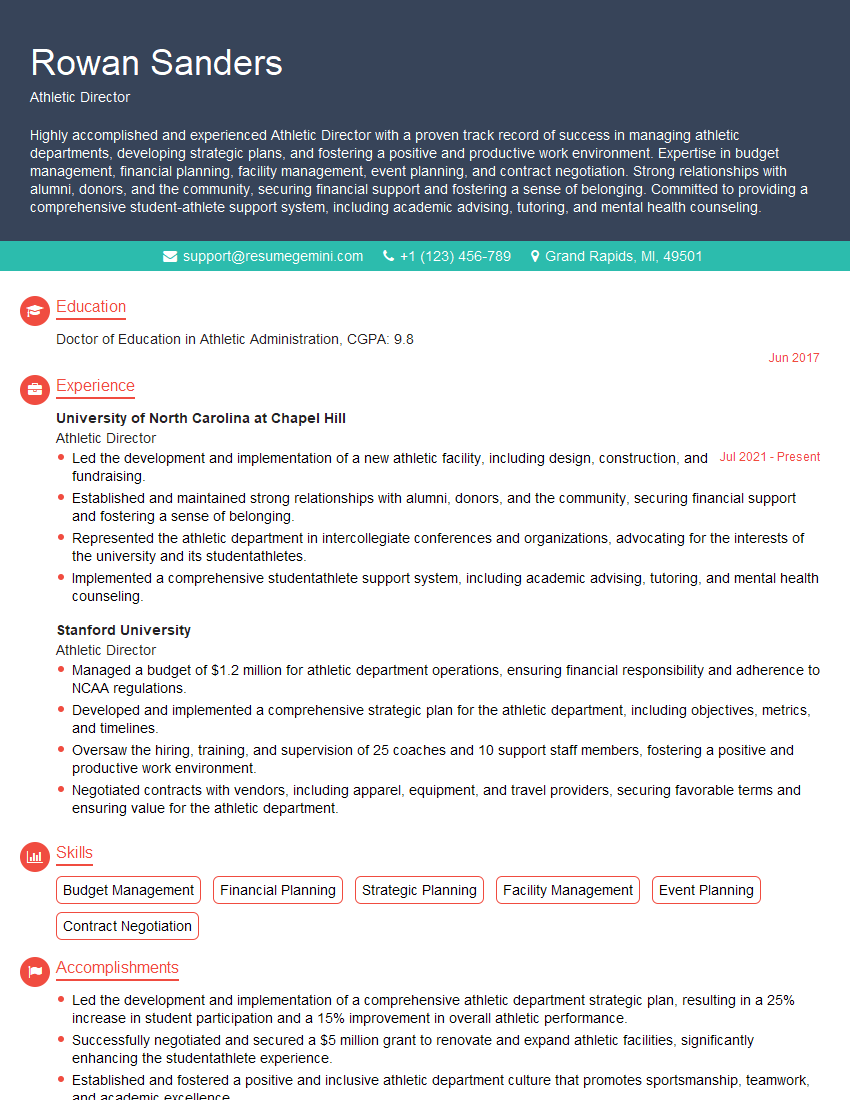
Athletic Director Resume Sample
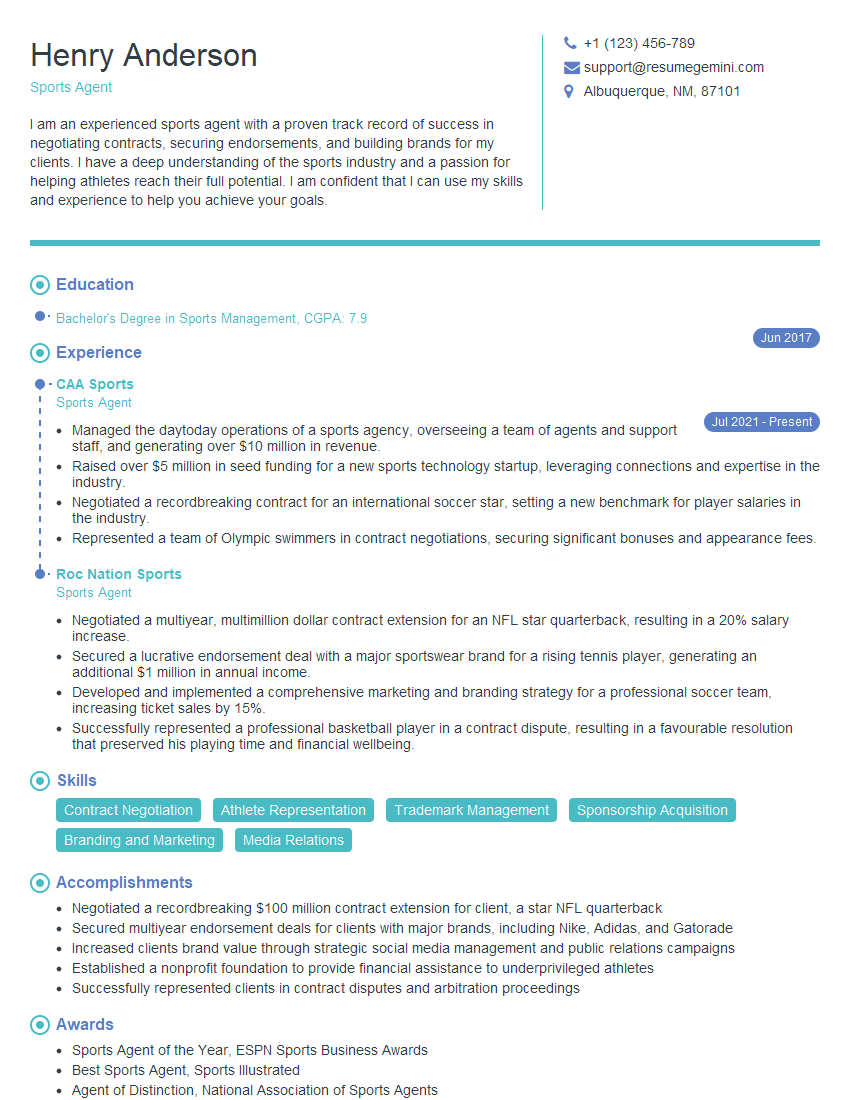
Sports Agent Resume Sample
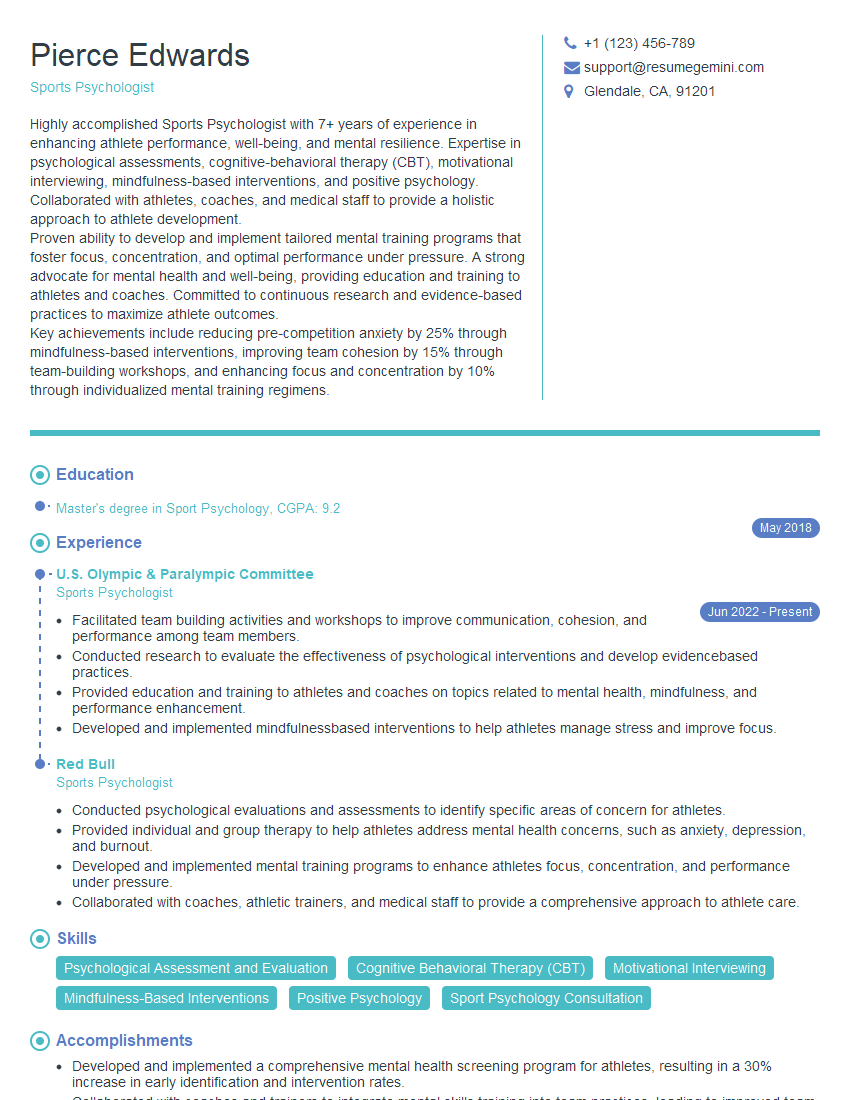
Sports Psychologist Resume Sample
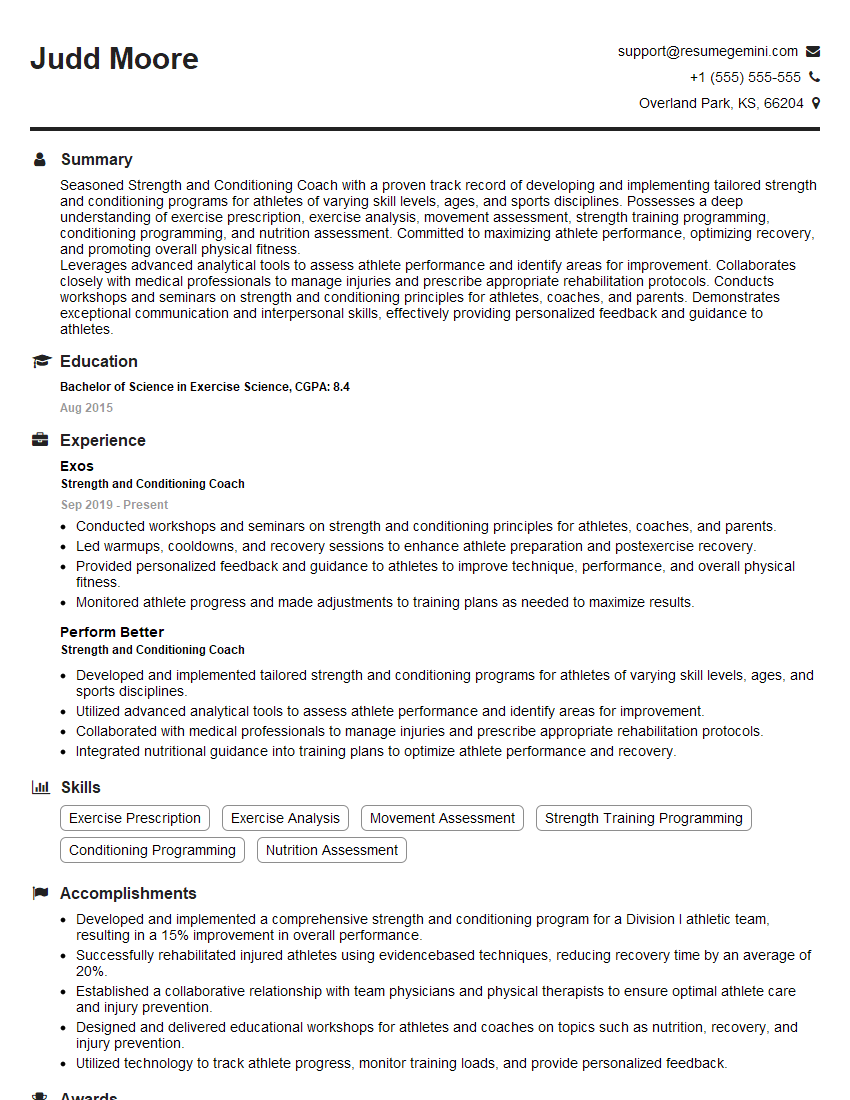
Strength and Conditioning Coach Resume Sample
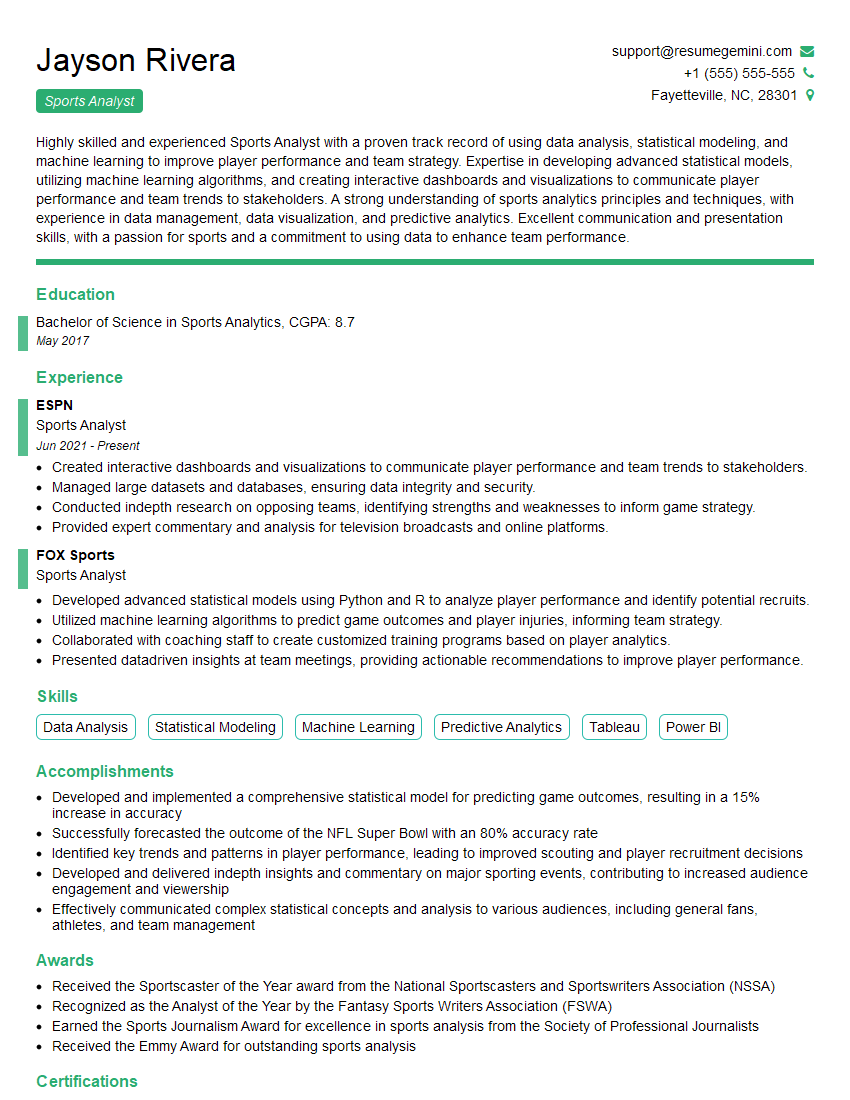
Sports Analyst Resume Sample
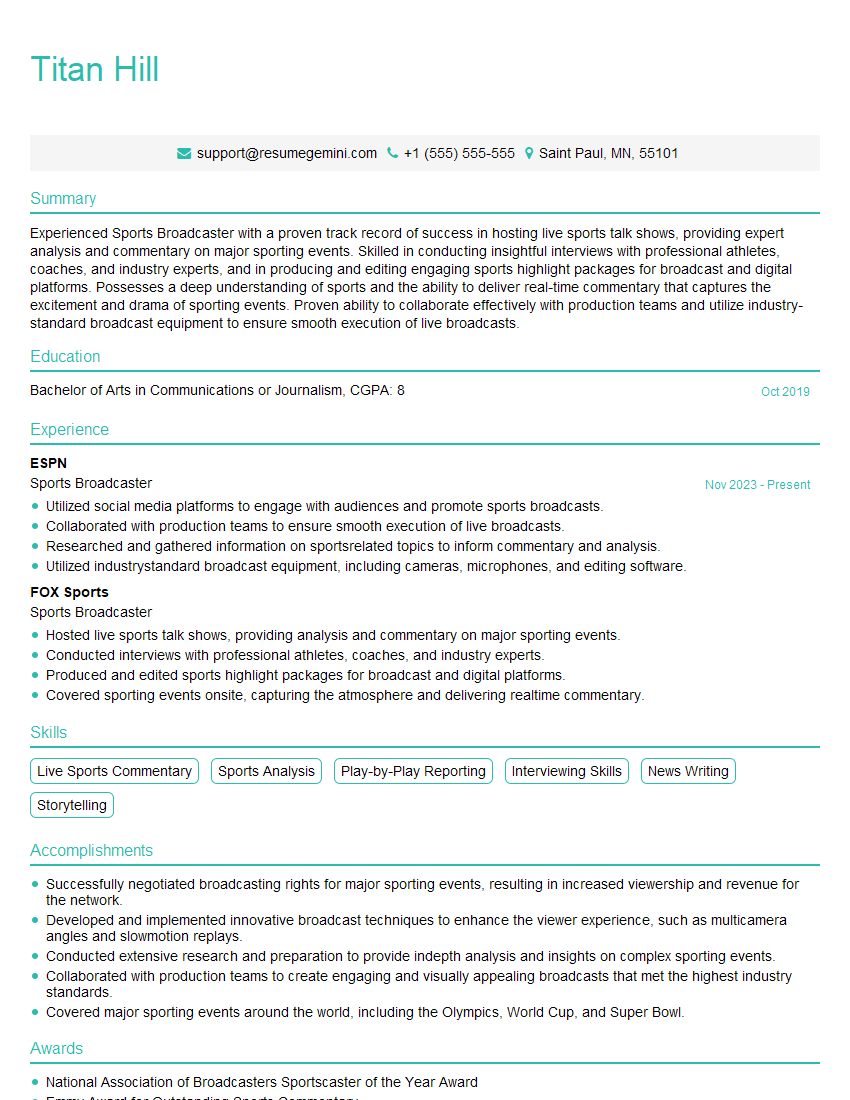
Sports Broadcaster Resume Sample
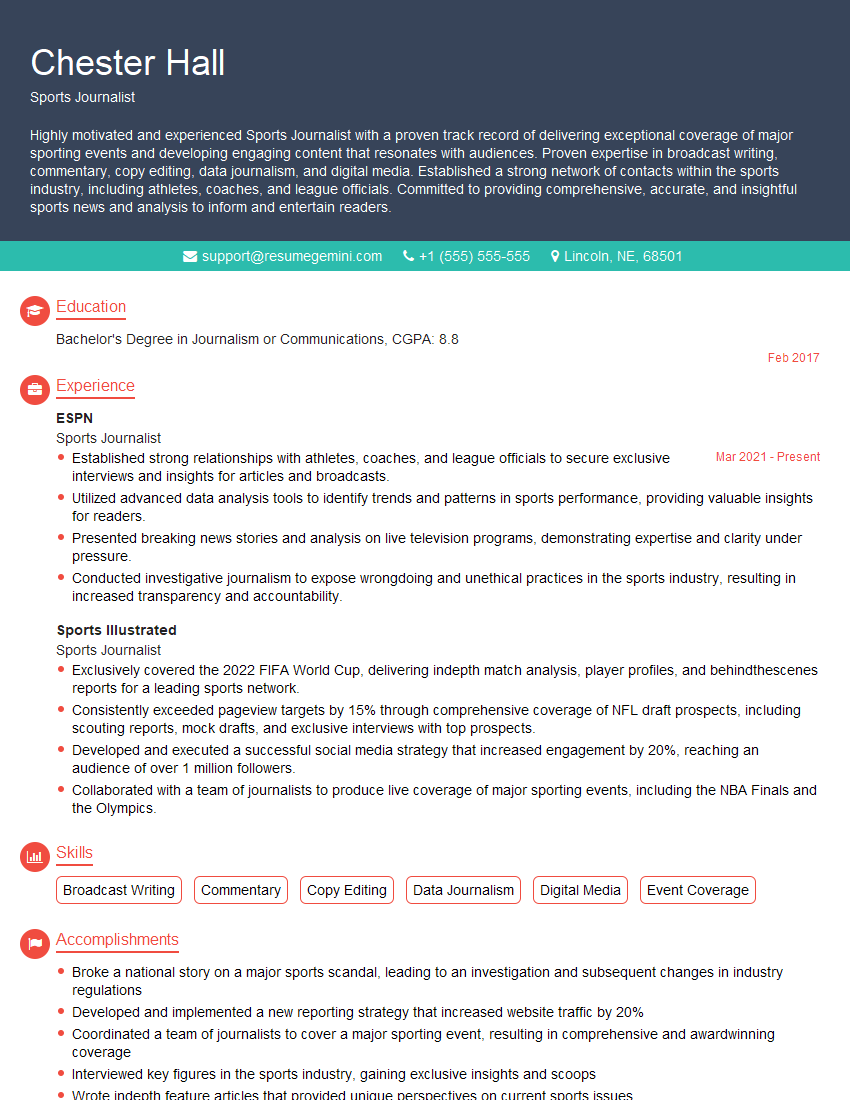
Sports Journalist Resume Sample
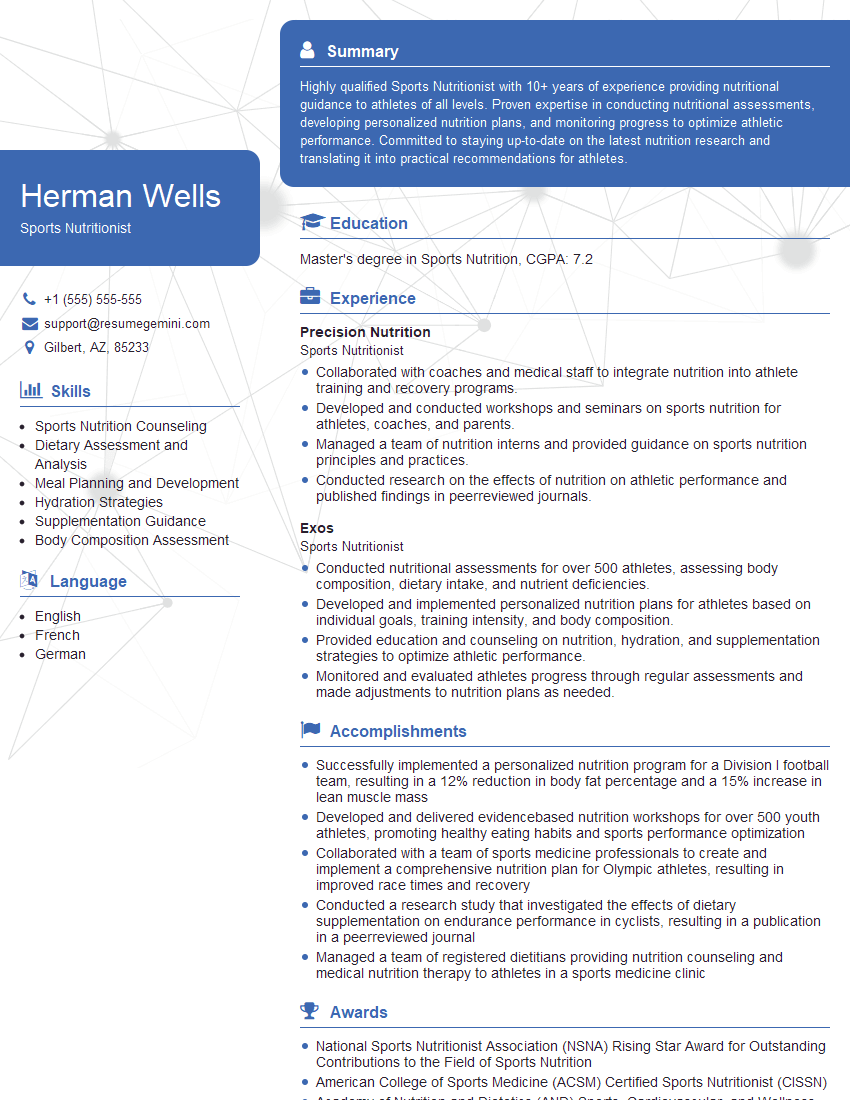
Sports Nutritionist Resume Sample
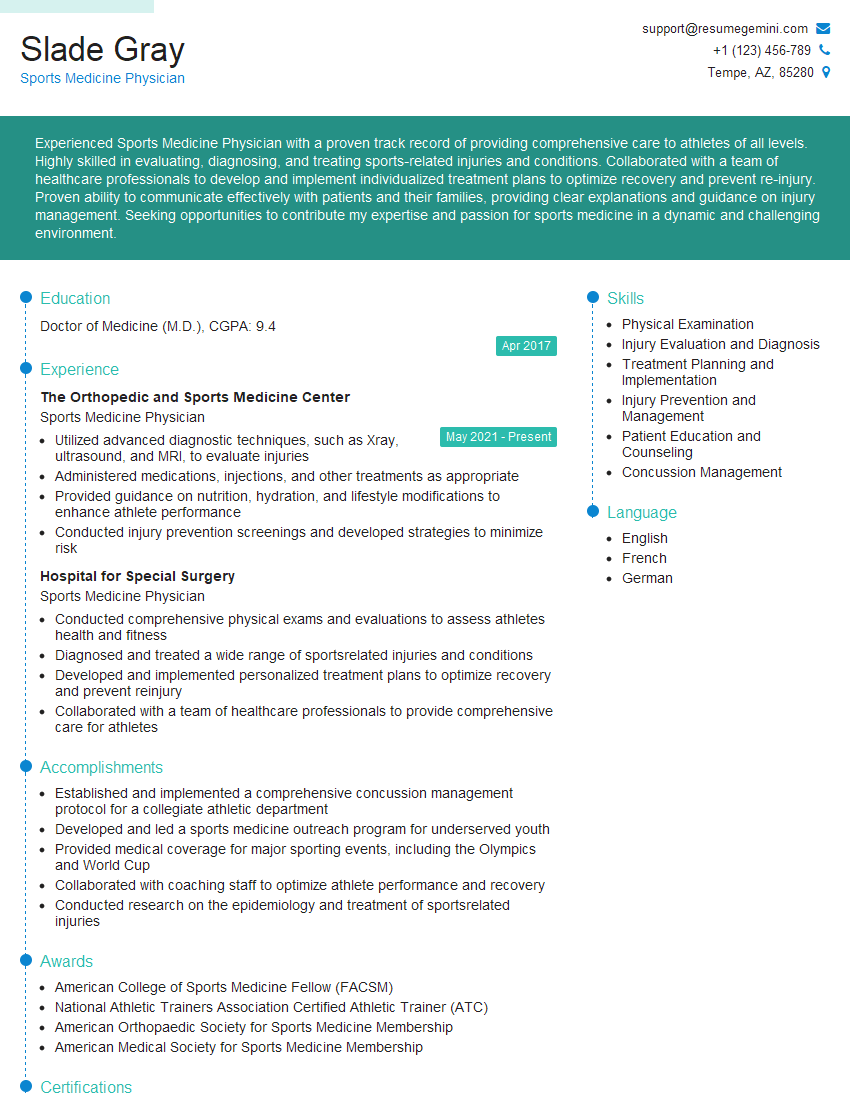
Sports Medicine Physician Resume Sample
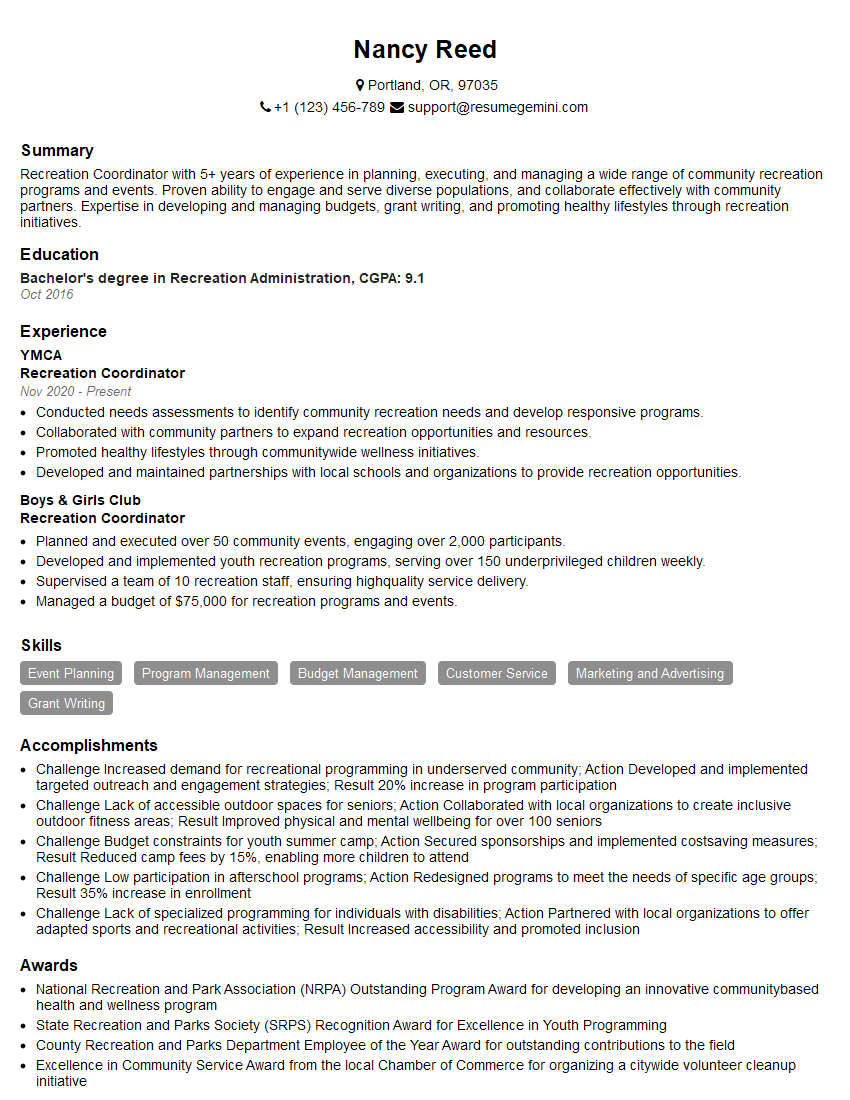
Recreation Coordinator Resume Sample
Explore more articles
Users Rating of Our Blogs
Share Your Experience
We value your feedback! Please rate our content and share your thoughts (optional).
What Readers Say About Our Blog
Very informative content, great job.
good