Are you ready to stand out in your next interview? Understanding and preparing for Experience with Flammable Materials interview questions is a game-changer. In this blog, we’ve compiled key questions and expert advice to help you showcase your skills with confidence and precision. Let’s get started on your journey to acing the interview.
Questions Asked in Experience with Flammable Materials Interview
Q 1. What are the different classes of flammable materials?
Flammable materials are classified based on their flash point, which is the lowest temperature at which a liquid can form an ignitable mixture in air. Different classification systems exist, but a common one uses classes based on the flash point and the material’s physical state.
- Class IA: Liquids with a flash point below 73°F (23°C) and a boiling point below 100°F (38°C).
- Class IB: Liquids with a flash point below 73°F (23°C) and a boiling point at or above 100°F (38°C).
- Class IC: Liquids with a flash point at or above 73°F (23°C) and below 100°F (38°C).
- Class II: Liquids with a flash point at or above 100°F (38°C) and below 140°F (60°C).
- Class IIIA: Liquids with a flash point at or above 140°F (60°C) and below 200°F (93°C).
- Class IIIB: Liquids with a flash point at or above 200°F (93°C).
- Flammable Solids: Materials that are readily combustible, often including dusts, powders, or other easily ignited materials.
- Flammable Gases: Gases that readily ignite in air.
Think of it like this: Class IA liquids are the most volatile and dangerous, while Class IIIB liquids are less volatile. This classification is crucial for safe handling, storage, and transportation.
Q 2. Explain the fire triangle and its relevance to flammable materials.
The fire triangle illustrates the three essential elements required for a fire to exist: fuel, heat, and an oxidizing agent (usually oxygen). Each side of the triangle represents one of these elements. Removing any one element breaks the chain reaction and extinguishes the fire.
For flammable materials, understanding the fire triangle is paramount. The fuel is the flammable material itself. The heat source could be anything from a spark to an open flame, and oxygen is present in the air. If you can interrupt any of these—for example, by cooling the fuel (removing heat), removing the oxygen supply (smothering), or preventing the fuel from reaching the ignition temperature—you can prevent or extinguish a fire.

Q 3. Describe the various methods for extinguishing fires involving flammable materials.
Extinguishing fires involving flammable materials requires a strategic approach based on the specific type of material and the size of the fire. Never attempt to fight a large fire alone; always evacuate and call emergency services immediately.
- Cooling: Applying water or other cooling agents to lower the temperature of the fuel below its ignition point. This is effective for Class A fires (ordinary combustibles) and sometimes Class B fires (flammable liquids).
- Smothering: Cutting off the oxygen supply by covering the fire with a blanket, sand, or a specialized fire extinguisher. This is effective for Class B and sometimes Class C fires (flammable gases).
- Fuel Removal: Separating the fuel from the heat source or the oxidizing agent. This might involve moving the flammable material away from the fire.
- Chemical Inhibition: Using dry chemical fire extinguishers or halon agents to interrupt the combustion chain reaction. This is particularly effective for Class B and C fires.
The choice of extinguishing method depends heavily on the specific circumstances. Using the wrong method can exacerbate the situation.
Q 4. What are the key safety precautions when handling flammable liquids?
Handling flammable liquids requires meticulous attention to safety. The key precautions include:
- Proper Storage: Store flammable liquids in approved safety containers, away from ignition sources and in a well-ventilated area.
- Grounding and Bonding: Grounding containers and equipment to prevent static electricity buildup, which can ignite flammable vapors.
- Ventilation: Ensure adequate ventilation to prevent the accumulation of flammable vapors.
- Personal Protective Equipment (PPE): Wear appropriate PPE, including safety glasses, gloves, and protective clothing.
- No Smoking or Open Flames: Enforce strict no-smoking policies and keep all ignition sources away.
- Spill Control: Have absorbent materials readily available to clean up spills immediately.
- Training: Provide thorough training to all personnel handling flammable liquids on safe handling procedures and emergency response.
A simple example of a disastrous outcome is ignoring proper grounding while transferring flammable liquids, leading to a spark and subsequent fire. Proper training and adherence to safety protocols are critical.
Q 5. How do you identify and classify flammable gases?
Flammable gases are identified and classified primarily based on their flammability limits (the range of concentrations of gas in air that will support combustion), ignition temperature (the minimum temperature at which a gas will ignite), and other physical properties.
Identification often involves using gas detectors that measure the concentration of the gas in the air. Classification systems, like those used for liquids, categorize gases based on their flammability and hazards. Examples include methane (highly flammable), propane (flammable), and hydrogen (extremely flammable). Safety data sheets (SDS) provide detailed information about the specific hazards and handling precautions for each flammable gas.
For instance, a gas detector will indicate the presence and concentration of methane in a mine, allowing for immediate action to prevent a potential explosion.
Q 6. What are the storage requirements for flammable solids?
Flammable solids require specific storage conditions to minimize fire risks. Key storage requirements include:
- Segregation: Separate flammable solids from incompatible materials (e.g., oxidizers) to prevent accidental reactions.
- Ventilation: Adequate ventilation is essential to prevent the accumulation of flammable dusts.
- Temperature Control: Store flammable solids away from heat sources to prevent spontaneous combustion.
- Containerization: Use appropriate containers that are sealed and labeled properly.
- Quantity Limits: Adhere to any quantity limits specified by local regulations.
- Fire Suppression Systems: Consider installing fire suppression systems (e.g., sprinklers) in storage areas.
Storing large quantities of flammable powders in a poorly ventilated space creates a high risk of dust explosions. Proper storage practices are crucial for mitigating this.
Q 7. Explain the importance of proper ventilation when working with flammable materials.
Proper ventilation is crucial when working with flammable materials because it prevents the accumulation of flammable vapors or dusts that can create explosive mixtures. Insufficient ventilation increases the risk of fire and explosion, especially in confined spaces. Ventilation removes flammable vapors, diluting them below their lower flammability limit (LFL), making ignition less likely.
Imagine a workshop where paint thinner is being used without proper ventilation. The thinner evaporates, creating a high concentration of flammable vapors. A single spark could then ignite these vapors causing a devastating fire or explosion. Good ventilation, on the other hand, dissipates the vapors, minimizing this risk.
Q 8. Describe the role of personal protective equipment (PPE) when handling flammable materials.
Personal Protective Equipment (PPE) is crucial when handling flammable materials, acting as the first line of defense against potential hazards. The specific PPE required depends on the material’s flammability and the task being performed, but generally includes:
- Flame-resistant clothing: This includes coveralls, jackets, and trousers made from inherently flame-resistant fabrics or treated to resist flames. Think of it as a protective barrier against direct flame contact.
- Eye protection: Safety glasses or goggles protect the eyes from splashes or flying debris during handling or in the event of a fire. Imagine a small spill; you need to protect your eyes from irritation or worse.
- Gloves: Chemical-resistant gloves protect hands from contact with the flammable material, preventing skin irritation or absorption. The type of glove depends on the specific chemical – some solvents might require nitrile, others neoprene.
- Respiratory protection: If there’s a risk of inhaling vapors or fumes, a respirator (either a half-mask or full-face respirator with appropriate cartridges) is necessary. This is vital for materials with high vapor pressure. Think of it as your lungs’ best friend.
- Foot protection: Safety shoes or boots with metatarsal protection offer protection from falling objects or spills.
For example, a technician working with highly volatile solvents would need all of the above, while someone briefly transferring a small, sealed container might only need safety glasses and gloves.
Q 9. What are the common hazards associated with flammable materials?
Flammable materials present a range of hazards, the most significant being:
- Fire and explosion: This is the primary risk, with the potential for severe burns, property damage, and even fatalities. The ignition source could be anything from a spark to static electricity.
- Burns: Direct contact with a flammable liquid or fire can cause severe burns. The severity depends on the temperature and the duration of contact.
- Toxicity: Many flammable materials are also toxic, meaning inhalation or skin contact can lead to health problems. Some solvents, for instance, can cause organ damage with prolonged exposure.
- Asphyxiation: Some flammable materials, when burned, can produce toxic gases that displace oxygen, leading to asphyxiation. Carbon monoxide is a prime example.
- Health effects: Long-term exposure to some flammable materials can have chronic health effects, such as respiratory problems, skin conditions, or cancer.
For instance, working with gasoline presents the risk of fire, burns from splashing, and the inhalation of harmful vapors. Similarly, handling acetone carries the risks of both flammability and irritation to the eyes and skin.
Q 10. How do you conduct a risk assessment for working with flammable materials?
A risk assessment for working with flammable materials involves a systematic approach to identify hazards, evaluate their risks, and implement control measures. It should follow these steps:
- Identify hazards: List all potential hazards associated with the specific flammable materials being used, including the quantities, their properties, and potential ignition sources.
- Assess risks: Evaluate the likelihood and severity of each hazard. Consider factors like the amount of material handled, the frequency of handling, the presence of ignition sources, and the effectiveness of existing controls. A higher likelihood and severity indicate a greater risk.
- Implement control measures: Develop and implement control measures to mitigate the identified risks. This might include engineering controls (e.g., ventilation systems, explosion-proof equipment), administrative controls (e.g., safe work practices, training), and PPE (as discussed earlier).
- Monitor and review: Regularly monitor the effectiveness of the control measures and review the risk assessment to ensure its continued relevance. This might involve inspections, audits, or incident investigations.
For example, a risk assessment for a welding operation near flammable solvents would involve assessing the risk of ignition from sparks, and implementing controls such as removing the solvents, using explosion-proof equipment, and establishing a fire watch.
Q 11. Explain the relevant regulations and standards for handling flammable materials (e.g., OSHA, NFPA).
Handling flammable materials is governed by numerous regulations and standards, designed to prevent accidents and protect workers. Key examples include:
- OSHA (Occupational Safety and Health Administration): OSHA in the US sets standards for workplace safety, including regulations on the handling, storage, and use of flammable materials. Specific standards often relate to hazardous materials handling, fire protection, and emergency response.
- NFPA (National Fire Protection Association): The NFPA develops codes and standards related to fire prevention and protection. Their standards, such as NFPA 30 (Flammable and Combustible Liquids) and NFPA 497 (Recommended Practice for the Storage and Handling of Oxidizers), provide detailed guidance on the safe handling of flammable materials.
- Local regulations: Many jurisdictions have their own regulations regarding the storage and handling of flammable materials, which might include restrictions on quantities, storage locations, and permit requirements.
Failure to comply with these regulations can lead to significant penalties, including fines and even criminal charges in severe cases. It is crucial to stay abreast of the applicable legislation in your area.
Q 12. What is the significance of Material Safety Data Sheets (MSDS)?
Material Safety Data Sheets (MSDS), now often called Safety Data Sheets (SDS), are crucial documents that provide comprehensive information about the hazards of a chemical and how to work safely with it. They are the cornerstone of safe chemical handling. They contain information such as:
- Physical and chemical properties: Flash point, boiling point, flammability, reactivity.
- Health hazards: Toxicity, potential health effects from exposure.
- Precautions for safe handling and use: PPE requirements, storage recommendations, spill procedures.
- Emergency procedures: First aid measures, fire-fighting instructions.
Before working with any flammable material, it’s imperative to review the SDS to understand the potential hazards and appropriate safety precautions. Think of the SDS as your instruction manual for safely using a potentially dangerous substance. Failure to consult it is a serious safety oversight.
Q 13. How do you respond to a spill of a flammable liquid?
Responding to a flammable liquid spill requires a calm, systematic approach prioritizing safety. The steps are:
- Evacuate the area: Immediately evacuate anyone in the immediate vicinity of the spill to a safe distance. This prevents further exposure and potential injuries.
- Contain the spill: Use absorbent materials (like spill pads or sand) to contain the spill and prevent it from spreading. If possible, divert the flow of the liquid.
- Ventilate the area: Increase ventilation to disperse any flammable vapors. This might involve opening windows and doors or activating ventilation systems.
- Clean up the spill: Once the spill is contained, use appropriate cleaning materials and methods specified in the SDS to clean up the spill. Never use anything that could cause a spark (e.g., a vacuum cleaner).
- Dispose of properly: Dispose of contaminated materials according to local regulations. This often includes collecting the absorbent materials in designated containers and handing them over to a hazardous waste disposal company.
For example, a small acetone spill might be cleaned up with absorbent pads and then disposed of in a designated chemical waste container. However, a large spill might require specialized cleanup equipment and the involvement of emergency services.
Q 14. Describe the emergency procedures in case of a fire involving flammable materials.
Emergency procedures for a fire involving flammable materials are critical and demand a rapid, coordinated response. The key steps include:
- Activate the alarm: Immediately activate the fire alarm to alert others in the building and summon emergency services.
- Evacuate the area: Follow established evacuation procedures to ensure the safety of everyone in the area. Never attempt to fight a large fire yourself.
- Call emergency services: Provide accurate information about the location, nature of the fire (flammable materials involved), and any injuries. Be prepared to answer questions from the dispatcher.
- Assemble at a designated location: Once you’ve evacuated, assemble at a predetermined safe location so personnel can account for everyone.
- Assist injured persons: If there are injuries, provide appropriate first aid (if trained) and await the arrival of emergency medical services.
- Do not re-enter the building until authorized: Wait for emergency personnel to declare the area safe before re-entering.
Regular fire drills and training are essential to ensure everyone knows how to respond effectively in the event of a fire. Knowing your building’s layout and evacuation routes can save precious time during an emergency.
Q 15. What are the different types of fire suppression systems?
Fire suppression systems are crucial for controlling and extinguishing fires involving flammable materials. They prevent the spread of flames and minimize damage. Different systems cater to various needs and hazard levels. Common types include:
Water-based systems: These are widely used and effective for Class A fires (ordinary combustibles like wood and paper). They cool the burning material, preventing further ignition. Examples include sprinkler systems and fire hoses.
Foam systems: These are particularly useful for Class B fires (flammable liquids) because the foam creates a barrier that prevents the fuel from reaching the oxygen, suppressing the fire. Different foam types exist, each designed for specific flammable liquids.
Gas suppression systems: These systems utilize inert gases like carbon dioxide (CO2) or Argon to displace oxygen, suffocating the fire. They are suitable for Class B and C fires (electrical equipment), and are often used in sensitive areas like server rooms, as they leave minimal residue.
Dry chemical systems: These systems employ dry chemicals, such as potassium bicarbonate or monoammonium phosphate, to interrupt the chemical chain reaction of combustion. They’re effective against Class A, B, and C fires.
Wet chemical systems: These are designed specifically for Class F fires (cooking oils and fats) and work by saponification, creating a soapy layer that separates the burning oil from the oxygen.
The choice of system depends on the type of flammable material handled, the area’s size and layout, and the level of risk.
Career Expert Tips:
- Ace those interviews! Prepare effectively by reviewing the Top 50 Most Common Interview Questions on ResumeGemini.
- Navigate your job search with confidence! Explore a wide range of Career Tips on ResumeGemini. Learn about common challenges and recommendations to overcome them.
- Craft the perfect resume! Master the Art of Resume Writing with ResumeGemini’s guide. Showcase your unique qualifications and achievements effectively.
- Don’t miss out on holiday savings! Build your dream resume with ResumeGemini’s ATS optimized templates.
Q 16. Explain the concept of flash point and its importance in flammable material handling.
The flash point is the lowest temperature at which a liquid can form an ignitable mixture in air near the surface of the liquid. Imagine it like this: you need enough vapor to create a flammable cloud above the liquid. The flash point determines how easily a liquid can ignite. It’s incredibly important in flammable material handling because:
Safety: Knowing the flash point allows us to implement appropriate safety measures, such as proper ventilation to prevent the accumulation of flammable vapors.
Storage and Handling: Flammable materials are stored and handled in ways that maintain temperatures below their flash points. For example, gasoline, with a very low flash point, requires stringent storage conditions compared to a substance with a high flash point.
Emergency Planning:Understanding the flash point of materials helps us prepare for emergencies, as it dictates the fire suppression strategies that will be most effective.
For example, if you’re handling a material with a low flash point like ether (around -45°C), even a small spark in a poorly ventilated area could lead to a catastrophic fire.
Q 17. What are the procedures for transporting flammable materials?
Transporting flammable materials requires strict adherence to regulations to prevent accidents. Key procedures include:
Proper Packaging: Materials must be packaged in UN-approved containers designed to withstand the rigors of transport and prevent leaks or spills. The packaging must be clearly labeled.
Vehicle Selection: Vehicles used for transport must be specifically designed to carry flammable materials. This often includes features like grounding straps to prevent static electricity buildup and ventilation to reduce the risk of vapor accumulation.
Route Planning: Drivers should be familiar with the route, including areas where they might encounter increased risks (e.g., tunnels). They must avoid shortcuts that could compromise safety.
Emergency Response Planning: A comprehensive emergency response plan must be in place, including procedures for dealing with accidents or spills during transit.
Documentation: Accurate and complete documentation is crucial, including the Safety Data Sheet (SDS) for the material, the transport manifest, and driver training records. These must be readily accessible during transport.
Failure to follow these procedures can result in serious consequences, including fires, explosions, and environmental damage.
Q 18. How do you ensure the proper labeling and packaging of flammable materials?
Proper labeling and packaging are critical for safe handling of flammable materials. This ensures everyone involved knows the inherent risks. Key aspects include:
Labels: Labels must clearly display the material’s name, hazard warnings (such as ‘Flammable’ or ‘Highly Flammable’), hazard pictograms, signal words (Danger or Warning), and precautionary statements, all in accordance with the Globally Harmonized System of Classification and Labelling of Chemicals (GHS).
Packaging: Packaging must meet the requirements of the relevant transportation regulations (e.g., DOT, IATA). It should protect the contents from damage during transport and prevent leaks or spills. The material’s name and hazard information should be prominently displayed on the packaging.
SDS Availability: A Safety Data Sheet (SDS) must always accompany the shipment. The SDS provides comprehensive information about the material’s hazards and handling precautions.
Inconsistencies in labeling or packaging can lead to misidentification, mishandling, and accidents. Using standardized labeling and packaging ensures clear communication and promotes safety throughout the supply chain.
Q 19. What is the role of a fire warden?
A fire warden is a designated individual responsible for fire safety within a specific area or building. Their role encompasses several key responsibilities:
Fire Prevention Inspections: Regularly inspecting the area for fire hazards, such as blocked exits, faulty electrical wiring, or improper storage of flammable materials.
Emergency Response: Raising the alarm in case of a fire, evacuating the area, and assisting in the fire fighting efforts. Their knowledge of fire evacuation plans is critical.
Training and Education: Providing fire safety training to colleagues and ensuring they are familiar with evacuation procedures and the location of fire fighting equipment.
Equipment Maintenance: Checking that fire extinguishers, fire alarms, and other fire safety equipment are functioning correctly and readily accessible.
Record Keeping: Maintaining records of inspections, training sessions, and any incidents involving fire safety.
A fire warden plays a vital role in mitigating the risk of fire and ensuring the safety of everyone within the area under their responsibility. Their preparedness and prompt response are essential during emergencies.
Q 20. Explain the concept of fire prevention.
Fire prevention focuses on eliminating or minimizing the potential for fire incidents before they occur. It’s a proactive approach that aims to reduce risk and protect life and property. Key aspects include:
Hazard Identification and Risk Assessment: Identifying potential fire hazards (flammable materials, electrical equipment, heating systems) and assessing the associated risks. This forms the basis for a comprehensive fire prevention plan.
Housekeeping: Maintaining a clean and organized work environment. Clutter and waste materials can easily ignite.
Electrical Safety: Regular inspection and maintenance of electrical wiring, equipment, and appliances to prevent short circuits and electrical fires.
Storage of Flammable Materials: Storing flammable materials in designated areas, away from ignition sources, and in accordance with relevant regulations.
Fire Prevention Training: Providing fire safety training to all employees and educating them on safe work practices, proper use of fire extinguishers, and emergency procedures.
Regular Inspections: Conducting regular inspections of fire safety equipment (alarms, extinguishers, sprinkler systems) to ensure they are in working order.
A robust fire prevention program is built on proactive measures that go beyond simply reacting to incidents. It requires a continuous commitment to safety.
Q 21. Describe the different types of fire extinguishers and their applications.
Fire extinguishers are portable fire suppression devices used to extinguish or control small fires. Different types address different classes of fire:
Water (Class A): Effective on ordinary combustibles like wood and paper. The water cools the burning material.
Foam (Class A, B): Suitable for ordinary combustibles and flammable liquids. The foam smothers the fire by cutting off the oxygen supply.
Dry Chemical (Class A, B, C): Works on ordinary combustibles, flammable liquids, and electrical fires. The dry chemical interrupts the combustion chain reaction.
Carbon Dioxide (CO2) (Class B, C): Effective on flammable liquids and electrical fires. It displaces the oxygen, smothering the fire. It leaves no residue.
Wet Chemical (Class F): Specifically designed for cooking oil and fat fires. It creates a soapy layer that separates the burning oil from the oxygen.
Knowing the class of fire is crucial in selecting the appropriate extinguisher. Using the wrong type can be ineffective and even dangerous. Always remember the PASS method (Pull, Aim, Squeeze, Sweep) when using a fire extinguisher.
Q 22. What are the procedures for disposing of flammable materials?
Disposing of flammable materials requires meticulous adherence to safety regulations and established protocols. The process varies depending on the material’s specific properties and local regulations. Generally, it involves several key steps:
- Proper Identification and Classification: First, accurately identify the flammable material using its Safety Data Sheet (SDS). This sheet provides crucial information on handling, storage, and disposal.
- Containerization: Store the waste in appropriate, tightly sealed containers, preferably those specifically designed for flammable materials. This prevents leaks and accidental ignition.
- Segregation: Separate different types of flammable materials to avoid dangerous reactions or cross-contamination. Incompatible materials should never be stored or disposed of together.
- Labeling: Clearly label all containers with the contents, hazard warnings, and date. This is crucial for safety during handling and transport.
- Designated Disposal Route: Contact your local waste management authority or a licensed hazardous waste disposal company. They will provide guidance on the approved disposal method, which may involve incineration, chemical neutralization, or other specialized techniques. Never simply throw flammable waste into regular trash bins.
Example: Acetone, a common solvent, needs to be disposed of in designated containers for organic solvents, never mixed with other waste. Always check local regulations for specific requirements.
Q 23. How do you maintain a safe working environment when dealing with flammable materials?
Maintaining a safe working environment with flammable materials demands a multi-faceted approach. Key elements include:
- Engineering Controls: Implementing ventilation systems to remove flammable vapors, using explosion-proof electrical equipment, and providing adequate fire suppression systems (sprinklers, fire extinguishers) are crucial. Think of it like building a fortress against potential hazards.
- Administrative Controls: Establishing strict procedures for handling, storage, and use, including proper training and authorization for personnel, regular inspections, and detailed documentation. This is the rule book for safe operations.
- Personal Protective Equipment (PPE): Ensuring workers use appropriate PPE, such as flame-resistant clothing, safety goggles, and gloves, is non-negotiable. This is the armor that protects individuals from harm.
- Housekeeping: Maintaining a clean and organized workspace minimizes the risk of spills and ignition sources. This means regular cleaning and removal of any flammable debris or waste.
- Spill Response Plan: Having a well-defined and practiced spill response plan in place is essential for managing accidental releases of flammable materials.
Example: In a lab setting, using a fume hood to handle volatile solvents minimizes exposure risks, while storing flammable liquids in safety cabinets prevents accidental ignition.
Q 24. Explain the importance of regular safety inspections.
Regular safety inspections are paramount for proactively identifying and mitigating potential hazards before they lead to incidents. These inspections serve several vital purposes:
- Early Hazard Detection: Inspections uncover potential problems like leaks, damaged containers, faulty equipment, or improper storage, allowing for timely remediation.
- Compliance Verification: Inspections ensure adherence to safety regulations, company policies, and best practices. This demonstrates a commitment to safety and helps avoid potential penalties.
- Employee Training Reinforcement: The process reinforces the importance of safety procedures and encourages employees to actively participate in maintaining a safe environment.
- Continuous Improvement: Regular inspections provide valuable data to identify areas for improvement in safety protocols and infrastructure. This leads to an ever-improving safety culture.
Example: A routine inspection might reveal a damaged electrical outlet near a storage area for flammable liquids, highlighting a significant fire risk that can be immediately addressed.
Q 25. How do you communicate safety procedures to your team?
Communicating safety procedures effectively is vital for fostering a culture of safety. My approach uses a multi-pronged strategy:
- Training Programs: Comprehensive training programs covering all aspects of handling flammable materials, including theoretical knowledge and hands-on practice, are essential. This involves both initial and refresher training.
- Visual Aids: Using clear signage, safety data sheets (SDS), and visual guides to illustrate procedures and highlight potential hazards makes information easily accessible.
- Regular Meetings & Briefings: Conducting regular safety meetings to reinforce key procedures, discuss incidents, and address employee concerns ensures everyone is on the same page.
- Practical Demonstrations: Showing, not just telling, is crucial. Practical demonstrations of correct handling techniques help employees visualize and internalize procedures.
- Feedback Mechanisms: Creating an open environment where employees feel comfortable raising concerns or suggesting improvements promotes active participation in safety.
Example: A hands-on demonstration of how to properly use a fire extinguisher and what to do in case of a spill is far more effective than a simple lecture.
Q 26. Describe your experience with handling specific types of flammable materials (e.g., solvents, gases).
My experience encompasses handling a wide range of flammable materials, including solvents, gases, and powders. For example:
- Solvents: I have extensive experience with various solvents, including alcohols (ethanol, isopropanol), ketones (acetone), and hydrocarbons (hexane, toluene). This involves understanding their flammability ranges, vapor pressures, and potential health hazards.
- Gases: I have worked with compressed gases like propane, butane, and acetylene, requiring a thorough understanding of pressure regulation, leak detection, and safe handling procedures. Proper ventilation is paramount here.
- Powders: I have experience with flammable metal powders like magnesium and aluminum, emphasizing the importance of preventing ignition sources (static electricity, sparks) and managing dust clouds.
In each case, I always prioritize proper storage, handling procedures, and the use of appropriate PPE to ensure safety and prevent accidents. Understanding the specific hazards associated with each material is critical.
Q 27. What is your experience with emergency response and evacuation procedures?
My experience with emergency response and evacuation procedures is thorough. It’s not just about knowing the plan; it’s about actively participating in drills and ensuring that everyone understands their role. Key aspects of my experience include:
- Emergency Response Plan Familiarity: I am intimately familiar with our site-specific emergency response plan, including procedures for fire emergencies, chemical spills, and other hazardous events.
- Evacuation Procedures: I have participated in numerous evacuation drills, understanding designated assembly points and communication protocols.
- First Aid & Emergency Response Training: I’ve received extensive training in first aid, CPR, and specific emergency response techniques related to flammable materials. This includes knowing how to safely approach a fire and use the appropriate fire extinguisher.
- Communication Protocols: I am proficient in utilizing emergency communication systems, including alarms, two-way radios, and reporting procedures.
Regular drills and simulations ensure that everyone reacts appropriately and efficiently in a real emergency, minimizing potential harm.
Q 28. Describe a time you had to handle a safety incident involving flammable materials.
During a routine laboratory operation involving ethanol, a small spill occurred due to a cracked beaker. While the quantity was relatively small, it presented a potential fire hazard. My immediate actions were:
- Immediate Containment: I immediately alerted the team and contained the spill using absorbent materials, preventing it from spreading.
- Ventilation: I increased ventilation in the area to disperse any ethanol vapors.
- Ignition Source Elimination: I ensured all ignition sources (Bunsen burners, electrical equipment) were immediately switched off and secured.
- Cleanup: We followed established spill response procedures, properly cleaning the affected area and disposing of contaminated materials according to protocol.
- Post-Incident Review: After the incident, we conducted a thorough post-incident review to identify the root cause (the cracked beaker), implement corrective actions (better equipment inspection), and enhance our spill response procedures.
This experience reinforced the importance of proactive safety measures, diligent attention to detail, and the value of a well-defined emergency response plan.
Key Topics to Learn for Experience with Flammable Materials Interview
- Flammable Material Classification and Properties: Understanding the different classes of flammable materials (liquids, solids, gases), their respective hazards, and physical properties (flash point, autoignition temperature, flammability limits).
- Safe Handling and Storage Procedures: Practical application of safety regulations and best practices for handling, storing, and transporting flammable materials, including appropriate personal protective equipment (PPE) and emergency response protocols.
- Fire Prevention and Suppression Techniques: Knowledge of fire prevention measures, including hazard identification, risk assessment, and implementing control measures. Understanding different fire suppression methods and the selection of appropriate extinguishing agents.
- Emergency Response and Spill Control: Practical experience with responding to flammable material spills and fires, including containment, cleanup, and reporting procedures. Familiarity with relevant emergency response plans and procedures.
- Regulatory Compliance: Understanding and adhering to relevant local, national, and international regulations pertaining to the handling, storage, and transportation of flammable materials (e.g., OSHA, NFPA).
- Incident Investigation and Reporting: Ability to conduct thorough investigations of incidents involving flammable materials, identify root causes, and prepare comprehensive reports to prevent future occurrences.
- Material Safety Data Sheets (MSDS): Interpreting and applying information contained within MSDS to ensure safe handling and usage of specific flammable materials.
Next Steps
Mastering the safe handling and management of flammable materials is crucial for career advancement in many industries, demonstrating a commitment to safety and operational excellence. A well-crafted resume is essential for showcasing your expertise to potential employers. Creating an ATS-friendly resume increases your chances of getting noticed by recruiters. ResumeGemini is a trusted resource to help you build a professional and impactful resume that highlights your skills and experience. ResumeGemini provides examples of resumes tailored to experience with flammable materials, helping you present your qualifications effectively.
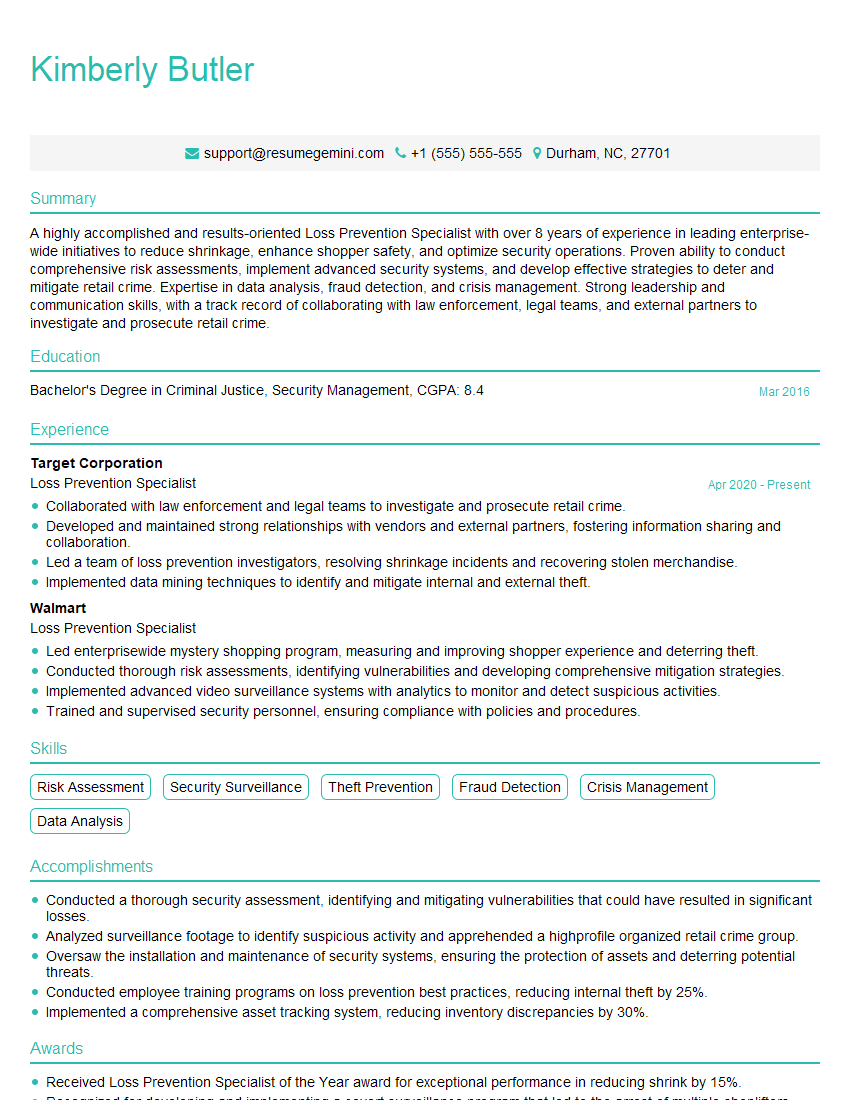
Loss Prevention Specialist Resume Sample

Fire Protection Engineer Resume Sample
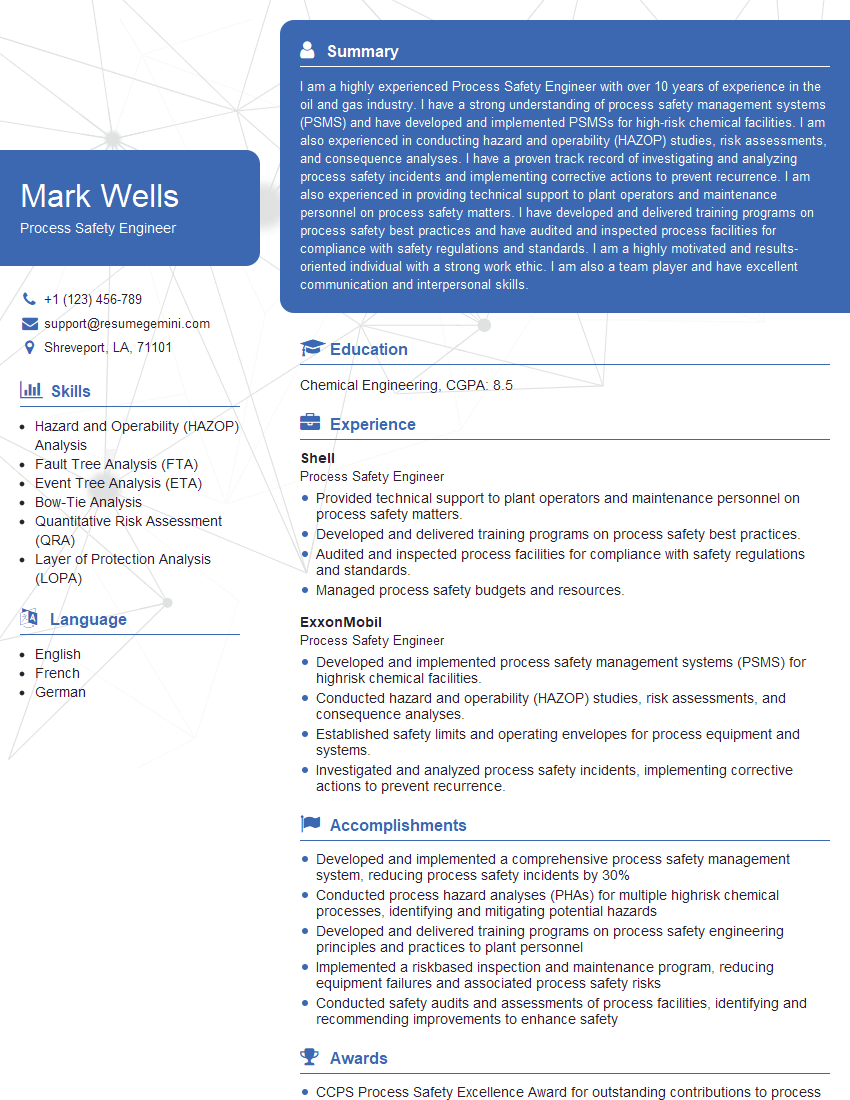
Process Safety Engineer Resume Sample
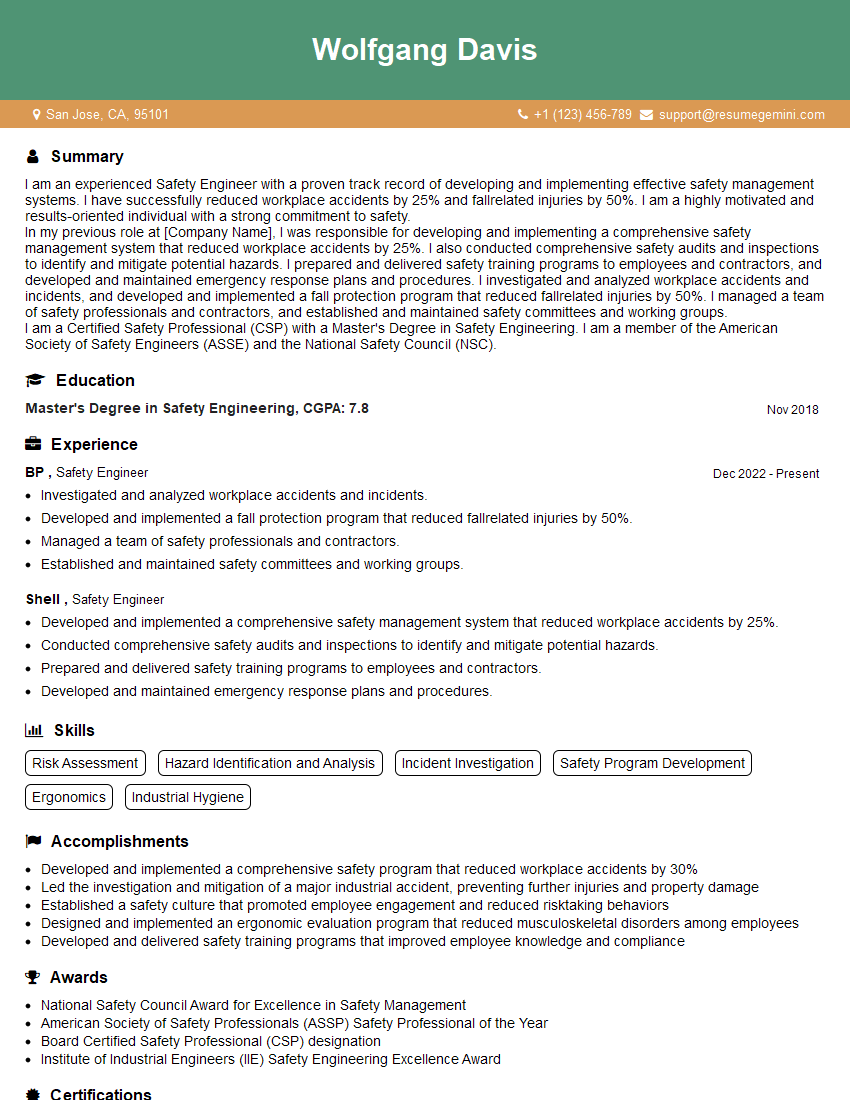
Safety Engineer Resume Sample
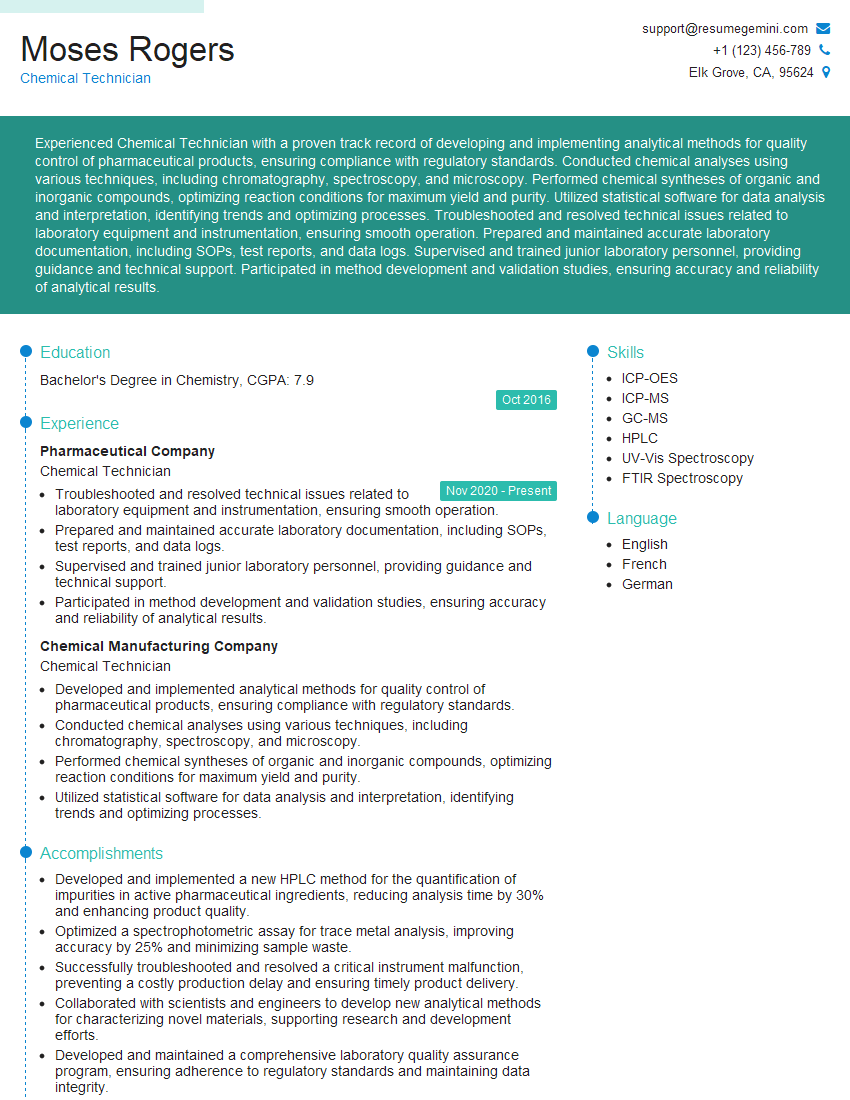
Chemical Technician Resume Sample
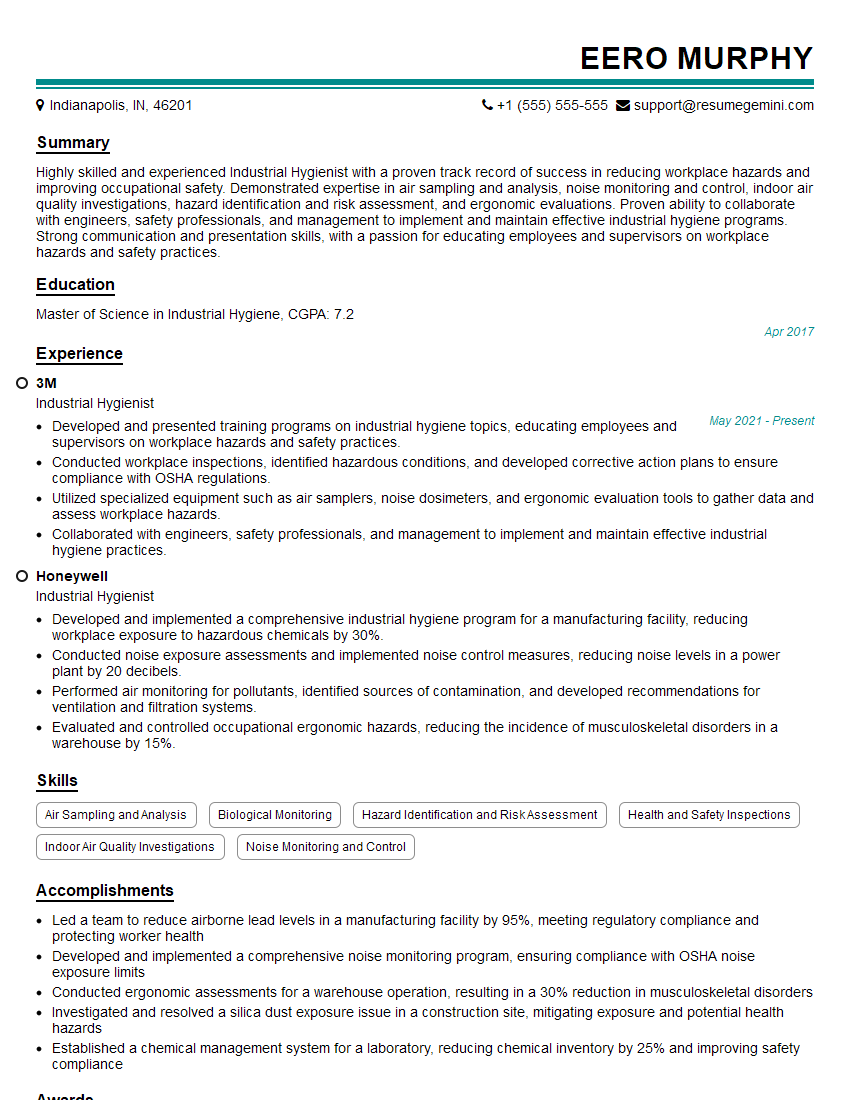
Industrial Hygienist Resume Sample
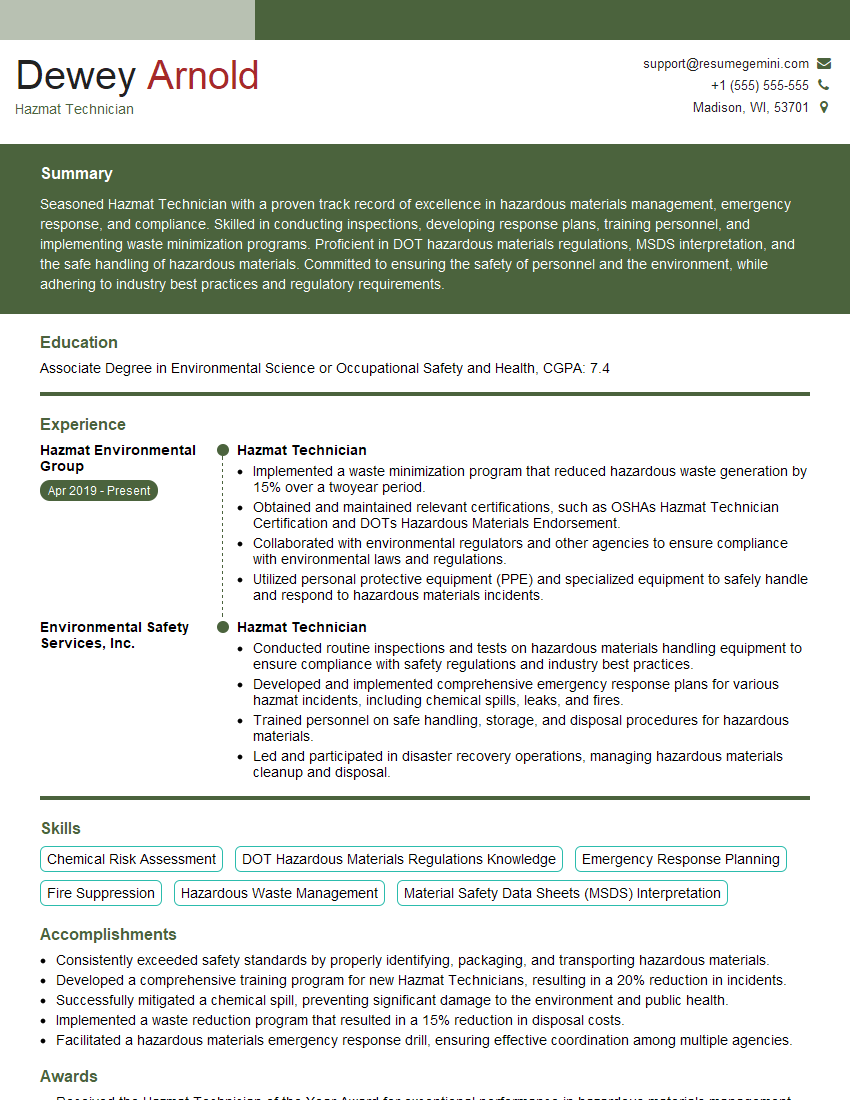
Hazmat Technician Resume Sample
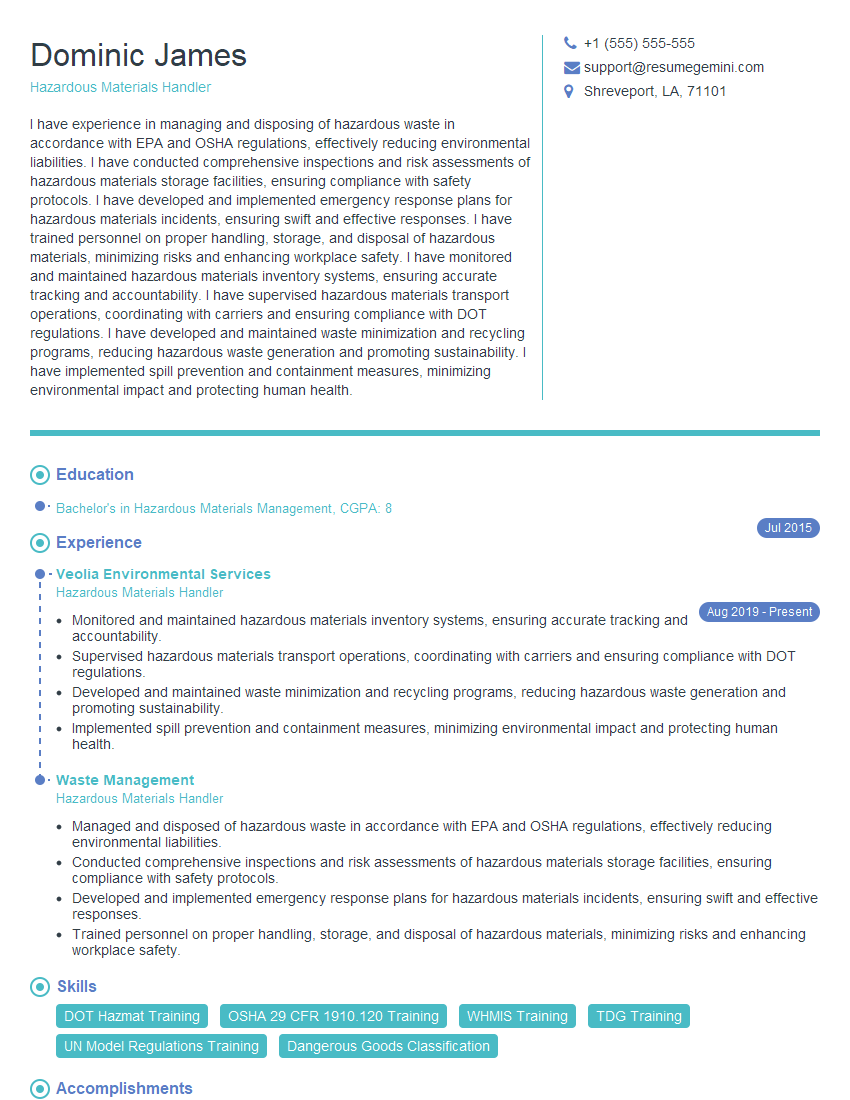
Hazardous Materials Handler Resume Sample
Explore more articles
Users Rating of Our Blogs
Share Your Experience
We value your feedback! Please rate our content and share your thoughts (optional).
What Readers Say About Our Blog
Very informative content, great job.
good