Are you ready to stand out in your next interview? Understanding and preparing for Experience with life cycle assessment (LCA) interview questions is a game-changer. In this blog, we’ve compiled key questions and expert advice to help you showcase your skills with confidence and precision. Let’s get started on your journey to acing the interview.
Questions Asked in Experience with life cycle assessment (LCA) Interview
Q 1. Explain the ISO 14040/44 standards for LCA.
The ISO 14040/44 series of standards provides the internationally recognized framework for conducting Life Cycle Assessments (LCAs). ISO 14040:2006 (and its revised version 14040:2022) defines the principles and framework for LCA, covering the overall methodology, including goal and scope definition, inventory analysis, impact assessment, and interpretation. It emphasizes the importance of transparency, consistency, and critical evaluation throughout the process. ISO 14044:2006 (and its revised version 14044:2022) provides the detailed requirements and guidelines for conducting each stage of the LCA, specifying how to collect data, conduct the impact assessment, and interpret the results.
Think of it like a recipe book for conducting LCAs. ISO 14040 gives the overall instructions for baking a cake (conducting an LCA), while ISO 14044 provides detailed step-by-step instructions for each ingredient and step (each phase of an LCA). Following these standards ensures the reliability and comparability of LCA studies across various projects and industries.
Q 2. Describe the four stages of a life cycle assessment.
The four stages of a life cycle assessment are:
- Goal and Scope Definition: This initial stage defines the purpose of the LCA, identifies the product or system under review, specifies the functional unit (what the product or system does), determines the system boundaries (what processes are included and excluded), and sets the impact categories to be assessed. It’s crucial to clearly define this stage to avoid bias and ensure the results are relevant to the intended purpose.
- Inventory Analysis: This involves compiling a complete list of all inputs and outputs associated with the product or system’s life cycle. This includes energy use, material extraction, emissions to air, water, and land, waste generation, and other relevant data. Data collection can be quite extensive and may require working with various databases and experts.
- Impact Assessment: This stage evaluates the environmental burdens identified in the inventory analysis using various impact assessment methods. This involves categorizing environmental impacts (e.g., climate change, acidification, eutrophication) and quantifying their magnitude. Different models and methods exist, such as ReCiPe and IMPACT World+, each with its own strengths and weaknesses.
- Interpretation: The final stage involves analyzing the results of the impact assessment and drawing conclusions based on the findings. This involves identifying the key environmental hotspots in the life cycle, considering uncertainties and limitations of the study, and communicating the results effectively. This stage is crucial for providing recommendations for improvements and informing decision-making.
For example, in an LCA of a plastic bottle, the goal and scope would define the bottle’s function, its boundaries (from raw material extraction to disposal), and the impacts to be assessed. The inventory would list all the resources used and emissions released. The impact assessment would quantify the environmental burdens, and the interpretation would highlight the main environmental hotspots, like plastic production or transportation.
Q 3. What are the key differences between attributional and consequential LCA?
Attributional and consequential LCA differ fundamentally in their approach to assessing environmental impacts.
- Attributional LCA focuses on assigning impacts to a specific product or process based on its direct inputs and outputs. It answers the question: “What are the environmental impacts *attributed* to this specific product?” It’s a snapshot of the environmental burden associated with a given product’s current production system.
- Consequential LCA considers the broader impacts of choices, including changes in supply and demand. It explores what happens if a particular product or process is substituted or altered. For example, if we use less of Product A, how will this influence the production of Product B? The question it answers is: “What are the *consequences* of changing our production or consumption patterns?” It goes beyond a simple product-specific assessment to analyze ripple effects across the entire system.
Imagine a company deciding between two packaging materials. An attributional LCA would compare the impacts of producing each material individually. A consequential LCA, however, would also consider the market response: If they switch to the more sustainable option, will this lead to increased production of that material, potentially offsetting some of the initial gains? Consequential LCA is more complex but provides a more complete and often more relevant picture of the true environmental implications of decisions.
Q 4. How do you handle data uncertainty in LCA?
Data uncertainty is inherent in LCA due to the complexity of the systems analyzed and the often limited availability of precise data. Handling this uncertainty is crucial for reliable results. Common approaches include:
- Sensitivity Analysis: This involves systematically varying input parameters to assess their impact on the overall results. This helps identify which data points are most critical and where further data collection might be most beneficial.
- Uncertainty Propagation: This uses statistical methods to estimate the range of possible results based on the uncertainties in the input data. This provides a more comprehensive picture of the overall uncertainty associated with the LCA findings.
- Monte Carlo Simulation: This is a probabilistic method used to quantify the uncertainty in the results by generating multiple simulations with randomly sampled input data.
- Data Quality Assessment: Critically evaluating the quality of the data used in the LCA is paramount. This includes documenting data sources, considering their reliability, and explicitly stating limitations or assumptions made.
Transparency is key – clearly documenting the sources and uncertainties associated with the data used is vital for the credibility of the LCA study.
Q 5. What are some common LCA software packages you’ve used?
Throughout my career, I’ve extensively used several LCA software packages. These include:
- SimaPro: A widely used commercial software with a comprehensive database and a user-friendly interface. It’s versatile and can handle a wide range of LCA methodologies.
- GaBi: Another commercial software known for its powerful features and extensive databases. It often provides detailed process-based analysis capabilities.
- OpenLCA: A free and open-source software option, providing a good alternative for those with budget constraints. It requires more technical expertise but offers considerable flexibility.
The choice of software often depends on the specific project requirements, budget, and the user’s level of technical expertise. For instance, for large-scale industrial assessments, the comprehensive features of SimaPro or GaBi are beneficial, while for smaller-scale projects or academic work, OpenLCA can be a viable option.
Q 6. Explain the concept of functional unit in LCA.
The functional unit in an LCA is the quantifiable function performed by a product or system that forms the basis for comparison. It standardizes the assessment, allowing for meaningful comparisons between different products or systems that may perform the same function but with different designs or materials. It’s essentially the ‘what’ the product does, expressed in quantifiable terms.
For example, if comparing the environmental impacts of disposable and reusable shopping bags, the functional unit might be ‘transporting 1 kg of groceries for 1 km’. This allows you to compare the impacts of using 100 disposable bags with the impacts of using one reusable bag over its lifetime. Without a well-defined functional unit, comparisons become meaningless because you are not comparing like-for-like.
Choosing the correct functional unit is vital for the accuracy and relevance of the LCA results. An improperly chosen unit can lead to inaccurate and misleading conclusions.
Q 7. How do you assess the environmental impacts of different materials in LCA?
Assessing the environmental impacts of different materials in an LCA involves several steps:
- Material Characterization: This entails defining the specific material properties (e.g., type, grade, purity) to accurately reflect the production process and environmental performance. Generic data might not be sufficiently precise.
- Life Cycle Inventory Data: Gathering accurate inventory data for each material is crucial. This often involves using life cycle inventory (LCI) databases (e.g., ecoinvent, GaBi databases) that provide information on the energy and resource use, and emissions associated with the production, processing, transportation, and end-of-life management of each material.
- Impact Assessment: Once the inventory data is compiled, the environmental impacts are assessed using suitable impact assessment methods. Different materials might have distinct impacts across various categories, such as global warming potential, water use, and resource depletion. For example, the production of aluminum is much more energy intensive than that of steel, leading to significantly higher greenhouse gas emissions.
- Comparison and Evaluation: Finally, the results of the impact assessment are used to compare the environmental performance of the different materials. This often involves identifying trade-offs between different impacts. For instance, a material with lower greenhouse gas emissions might have higher toxicity.
In summary, accurately assessing materials’ environmental impacts necessitates meticulous data collection, application of appropriate LCA methodologies, and a careful interpretation of the findings to consider the environmental trade-offs inherent in material selection.
Q 8. What are the limitations of LCA?
Life Cycle Assessment (LCA) is a powerful tool, but it’s not without its limitations. One major constraint is the inherent uncertainty associated with data. Many LCA studies rely on data from various sources, often with varying levels of accuracy and detail. This can lead to significant variability in the results. For example, data on energy consumption for a specific manufacturing process might be an average from different plants, not perfectly reflecting the specific plant under consideration.
Another limitation is the complexity of modeling entire systems. LCAs need to define clear boundaries, but determining where to draw those lines can be challenging, particularly for products with intricate supply chains. Omitting parts of the system can lead to incomplete or misleading results.
Furthermore, LCAs are often simplistic representations of reality. They rely on models and assumptions that might not fully capture the nuances of real-world processes. For instance, the impact of a particular material might be assessed based on average values, neglecting the variability in its production or disposal methods.
Finally, LCAs can be time-consuming and resource-intensive, requiring expertise in various fields and access to comprehensive datasets. This cost factor can restrict their accessibility for smaller organizations.
Q 9. How do you incorporate social aspects into an LCA?
Incorporating social aspects into an LCA, often referred to as Social LCA (SLCA), adds a crucial dimension to environmental assessments. It considers the social impacts of a product’s life cycle, including aspects like worker safety, human rights, community health, and equitable distribution of benefits.
There are several methods to integrate social considerations. One approach involves using quantitative indicators, measuring factors such as the number of workers exposed to hazardous conditions or the incidence of workplace accidents. Data can be sourced from corporate social responsibility reports, labor audits, or surveys. These quantitative measures can then be linked to environmental impact categories to provide a more holistic picture.
Another method is the inclusion of qualitative indicators, allowing for the assessment of social impacts that are harder to quantify, such as community acceptance or stakeholder engagement. This approach often involves stakeholder consultations and expert judgment to assess and weigh various social factors.
For example, an SLCA of a textile product might assess not only the environmental impact of cotton farming but also the working conditions in the manufacturing facilities, the potential for child labor, and the impact of the product’s disposal on local communities. This broader perspective provides a more complete and socially responsible analysis.
Q 10. Explain the concept of system boundaries in LCA.
System boundaries in LCA define the scope of the study, determining which processes and impacts are included and excluded. Think of it as drawing a circle around the system you’re studying; everything inside the circle is included in the analysis, and everything outside is excluded. Defining these boundaries is crucial for obtaining relevant and reliable results. An overly broad boundary can lead to overwhelming data requirements and impractical analysis, whereas too narrow a boundary might not capture significant environmental impacts.
For instance, in an LCA of a car, the system boundary might include raw material extraction, manufacturing, use phase (fuel consumption, maintenance), and end-of-life disposal. However, it might exclude the impacts of building the factory or the extraction of materials used in the factory’s construction.
Choosing appropriate boundaries involves careful consideration of the study’s objectives and the level of detail required. A well-defined boundary clarifies what’s being assessed, ensuring transparency and reproducibility of the results. A functional unit, which represents the standardized quantity of the product or service being analyzed (e.g., 1 kilometer driven for a car), must be carefully defined to help delineate the system boundary.
Q 11. How do you interpret and present LCA results?
Interpreting and presenting LCA results requires a combination of technical understanding and effective communication skills. The results, typically presented as a range of environmental impacts across various categories (e.g., global warming, ozone depletion, eutrophication), need to be clearly and concisely conveyed to a diverse audience.
The presentation should begin with a summary of the study’s methodology, including the system boundaries and chosen impact assessment method. Then, the key findings are presented, highlighting the dominant contributors to each impact category. Visual aids, such as bar charts, graphs, and sankey diagrams, greatly enhance understanding and facilitate the comparison of different scenarios or alternatives.
Crucially, the results should be interpreted in context, acknowledging the uncertainties associated with the data and the limitations of the methodology. It’s important to avoid oversimplification or drawing conclusions not supported by the data. For example, stating ‘Product A is better than Product B’ without considering the specific impact categories and the potential uncertainties is inappropriate. Instead, a more nuanced presentation will focus on the relative contribution of each life cycle stage to different impact categories for both Products A and B, allowing the reader to draw an informed conclusion.
Finally, the implications of the results, relevant recommendations for improvement, and suggestions for future research should be clearly articulated.
Q 12. Describe your experience with impact assessment methods (e.g., ReCiPe, IMPACT World+, TRACI).
I have extensive experience with various impact assessment methods, including ReCiPe, IMPACT World+, and TRACI. These methods differ in their categorization of environmental impacts and their allocation of weighting factors to these categories. My experience allows me to select the most appropriate method based on the specific requirements of the LCA and the client’s needs.
ReCiPe offers a comprehensive and well-structured framework for assessing a wide range of environmental impacts, allowing for a midpoint and endpoint analysis. I have used ReCiPe extensively in studies evaluating the sustainability of various products and processes. IMPACT World+ is another detailed method, frequently used for its thorough characterization of impacts and its consideration of different environmental protection goals. TRACI (Tool for the Reduction and Assessment of Chemical and other Environmental Impacts) is particularly useful for its focus on chemical impacts, allowing for a detailed assessment of toxic substances along the product’s life cycle.
Choosing the appropriate method often requires careful evaluation of data availability, geographical context, and the specific environmental concerns being prioritized. My experience enables me to navigate these factors and select the most suitable method for each project.
Q 13. How do you handle data gaps in LCA studies?
Data gaps are a common challenge in LCA studies. Handling them effectively requires a systematic approach and careful consideration of the potential consequences of missing data on the overall results. There are several strategies to address data gaps:
- Literature review: A thorough search of scientific literature and databases can often uncover relevant data.
- Expert judgment: Consulting experts in relevant fields can provide estimates for missing data points, along with an assessment of the associated uncertainty.
- Data substitution: Using data from similar products or processes as proxies for the missing information can be a viable option, provided the similarities are significant and the uncertainty is carefully considered.
- Sensitivity analysis: Assessing the sensitivity of the results to the missing data allows for an evaluation of how the uncertainties associated with the missing data might impact the overall conclusions.
- Allocation of data from related process: If data is partially available, we can allocate this proportion to the missing data proportionally.
The best approach will vary depending on the nature and extent of the data gap. Transparency about the data gaps and the methods used to address them is crucial for ensuring the credibility of the study. Always document the uncertainty range associated with the estimations or substitutions made due to data gaps.
Q 14. What are the key challenges in performing an LCA for a complex product?
Performing an LCA for a complex product presents several significant challenges. The intricacy of the product’s supply chain, involving multiple materials and manufacturing processes from diverse geographical locations, necessitates meticulous data gathering and analysis.
Data acquisition is one major hurdle. It’s often difficult to gather complete and accurate data for all stages of the product’s life cycle, especially when dealing with global supply chains and multiple suppliers.
Allocation of data for multi-output processes can also be challenging. If a manufacturing process produces several different products, deciding how to allocate the environmental impacts amongst them requires careful consideration and established allocation methods.
System boundary definition can also be more complex. The intricate connections between different stages of the product’s life cycle require careful consideration to ensure all relevant impacts are included, without making the analysis overly cumbersome.
Impact assessment with several materials can become computationally extensive, particularly when employing detailed methods like ReCiPe or IMPACT World+. Careful selection of methods and efficient data management is crucial to manage this complexity.
Finally, interpretation and communication of the results become more demanding for complex products due to the increased number of factors and potential interactions that need to be considered. The study needs to provide clear and concise explanations for decision-makers and stakeholders.
Q 15. How do you validate the results of an LCA?
Validating LCA results is crucial for ensuring the credibility and reliability of the study. It’s not a single step but a multifaceted process involving several checks and balances. Think of it like verifying a complex equation – you need to check each step for accuracy.
Data Validation: This involves checking the accuracy and consistency of the input data. We verify data sources, check for outliers and inconsistencies, and compare data with other relevant studies. For example, if we’re assessing the carbon footprint of a product and the energy consumption data seems unusually low, we’d investigate further, possibly re-checking the source or contacting the manufacturer.
Sensitivity Analysis: This assesses how sensitive the results are to changes in input data. We might vary key parameters (like electricity generation mix or transportation distances) within their uncertainty ranges to see how much the final results change. This helps us understand the robustness of our findings. A high degree of sensitivity might indicate areas where more data is needed.
Uncertainty Analysis: This is critical for acknowledging the inherent uncertainties associated with LCA data. We use statistical methods to quantify the uncertainty in our results, often presenting them as ranges instead of single values. This transparently conveys the limitations of the model and the data.
Peer Review: Having the study reviewed by independent experts in the field is essential. This provides an external check on the methodology, data, and interpretations, ensuring objectivity and rigor.
Comparison with Existing Studies: Whenever possible, we compare our results with similar LCAs of comparable products or processes. This allows us to identify potential discrepancies and assess the plausibility of our findings. Discrepancies might highlight areas for further investigation or refinement.
Career Expert Tips:
- Ace those interviews! Prepare effectively by reviewing the Top 50 Most Common Interview Questions on ResumeGemini.
- Navigate your job search with confidence! Explore a wide range of Career Tips on ResumeGemini. Learn about common challenges and recommendations to overcome them.
- Craft the perfect resume! Master the Art of Resume Writing with ResumeGemini’s guide. Showcase your unique qualifications and achievements effectively.
- Don’t miss out on holiday savings! Build your dream resume with ResumeGemini’s ATS optimized templates.
Q 16. Explain the difference between primary and secondary data in LCA.
In LCA, data is categorized as primary or secondary based on its origin and how it’s collected. Think of it like original research versus using someone else’s findings.
Primary data is collected directly through experiments, measurements, or surveys specifically for the LCA. For example, measuring the energy consumption of a manufacturing process on-site, directly interviewing suppliers to obtain precise data on their emissions, or conducting life cycle inventory measurements within a company’s factory. This is usually more accurate and tailored but can be expensive and time-consuming.
Secondary data is obtained from existing databases, literature, or reports. Examples include using publicly available emission factors from government reports, utilizing data from an industry association’s database, or referencing previously published LCA studies. This is often more readily available and cost-effective but might not perfectly suit the specific requirements of the LCA, potentially reducing accuracy.
The choice between primary and secondary data depends on factors such as budget, time constraints, data availability, and the required level of accuracy. Ideally, a balance is strived for; leveraging existing data where possible while supplementing it with primary data for critical aspects.
Q 17. How do you ensure data quality and consistency in LCA?
Ensuring data quality and consistency is paramount in LCA. Inaccurate or inconsistent data can lead to misleading conclusions. Think of building a house – you wouldn’t use mismatched bricks.
Data Selection and Validation: We rigorously evaluate the reliability and relevance of all data sources. This involves assessing the methodology used to collect the data, the age of the data, and the reputation of the source. We scrutinize data for outliers and inconsistencies, investigating any anomalies to ensure their validity.
Data Normalization and Conversion: Data from different sources often needs normalization to ensure consistency. This involves standardizing units, converting values to a common basis, and ensuring that the data is compatible with the chosen LCA software. For example, converting different energy units to a common unit like megajoules.
Data Management System: A well-structured data management system is vital for tracking data sources, maintaining version control, and ensuring traceability. This allows for transparent review and future updating of the data. This often involves using specialized LCA software that incorporates version control and audit trails.
Documentation and Transparency: Meticulous documentation of all data sources, methodologies, and assumptions is crucial. This ensures the transparency and reproducibility of the LCA, enabling others to review and assess the study’s validity.
Q 18. What are some ethical considerations in conducting an LCA?
Ethical considerations are central to conducting a responsible LCA. It’s not just about the numbers; it’s about the impact of the study. Think about the potential consequences of your findings.
Transparency and Objectivity: Maintaining complete transparency in methodology, data sources, and interpretations is essential. Bias, whether conscious or unconscious, must be avoided to ensure objective and impartial results. All assumptions and limitations should be clearly stated.
Data Confidentiality: When dealing with proprietary or sensitive data, appropriate confidentiality measures must be implemented to protect the interests of stakeholders. Clear agreements and protocols should be established beforehand.
Avoiding Misinterpretation: LCAs should be communicated responsibly, avoiding oversimplification or misleading interpretations. The results should be presented in a way that accurately reflects the study’s limitations and uncertainties. Avoiding statements that could be used to mislead consumers or promote greenwashing is crucial.
Avoiding the Use of LCA for Greenwashing: The results of an LCA should not be used to mislead consumers or create a false impression of environmental superiority. A truly comprehensive and well-conducted LCA doesn’t shy away from highlighting negative impacts.
Considering Social and Economic Impacts: While LCA primarily focuses on environmental impacts, a holistic approach acknowledges the interconnectedness of environmental, social, and economic factors. A responsible LCA might acknowledge and, if possible, assess impacts beyond just environmental ones.
Q 19. Describe your experience with different LCA methodologies.
My experience encompasses various LCA methodologies, from the widely used ISO 14040/44 standards to more specialized approaches. Each methodology has its strengths and weaknesses, appropriate for different contexts.
ISO 14040/44 Series: This is the most widely recognized and accepted standard for conducting LCAs, providing a framework for defining the goals, scope, and methodology. I’m proficient in using this framework across various industrial sectors.
ReCiPe Endpoint Method: This approach characterizes environmental impacts by their effects on human health, ecosystems, and resources. I have experience using ReCiPe to assess the overall environmental impact, facilitating a more comprehensive understanding.
Impact World+ and other databases: I am familiar with using several impact assessment methods integrated into various LCA databases such as SimaPro or Gabi, allowing me to adapt the methodology to the specific requirements of the project and the chosen impact assessment method.
Process-based vs. Data-based LCA: I’ve worked with both process-based LCAs (requiring detailed data on the entire process) and data-based LCAs (relying on existing databases), selecting the most appropriate approach depending on the project scope and data availability. Process-based is more detailed but data intensive; data-based is more efficient but may lack specificity.
Choosing the right methodology is crucial and depends on the project objectives, the availability of data, and the resources available. My experience allows me to adapt and choose the best approach for each specific case.
Q 20. How do you communicate complex LCA findings to a non-technical audience?
Communicating complex LCA findings to a non-technical audience requires simplifying technical jargon and focusing on the key takeaways. Think of it like translating scientific data into everyday language.
Visualizations: Using charts, graphs, and infographics can make complex data more accessible and engaging. A simple bar chart comparing the environmental impact of different options is far more effective than a table of numbers.
Analogies and Metaphors: Relating abstract concepts to familiar examples can help the audience grasp the information more easily. For example, comparing carbon emissions to the amount of coal burned can provide context.
Storytelling: Weaving the findings into a narrative helps to make them more memorable and engaging. Highlighting the key environmental impacts and their significance to the audience’s everyday lives is crucial.
Focus on Key Findings: Avoid overwhelming the audience with detailed data. Focus on the most significant findings and their implications. Prioritize clarity and conciseness over technical detail.
Interactive Presentations: Using interactive elements such as questions and answers or interactive displays can make the presentation more engaging and allow for a better understanding of the presented information.
Ultimately, successful communication depends on understanding the audience’s level of knowledge and tailoring the message accordingly. Simplicity, clarity, and visual aids are key to ensuring that the audience understands the importance and implications of the LCA findings.
Q 21. Explain the role of LCA in decision-making processes.
LCA plays a vital role in informing decision-making across various sectors by providing a comprehensive assessment of environmental impacts. It’s a powerful tool for guiding choices that promote sustainability.
Product Design and Development: LCA helps identify environmental hotspots in product lifecycles, enabling designers to make informed choices to reduce environmental impacts. This can lead to more sustainable product designs.
Supply Chain Management: LCA can be used to evaluate the environmental performance of different suppliers and identify opportunities for improvement within the supply chain, potentially reducing overall environmental impact.
Policy and Regulation: Governments and regulatory bodies use LCA data to inform environmental policies and regulations, setting targets for emissions reduction and promoting sustainable practices.
Investment Decisions: Investors are increasingly considering environmental performance in their investment strategies. LCA data provides a valuable tool for assessing the environmental risks and opportunities associated with different investments.
Marketing and Communication: Companies use LCA findings to support their sustainability claims and communicate the environmental benefits of their products or services to consumers.
Essentially, LCA acts as a compass guiding decisions towards more sustainable options. By quantifying environmental burdens across a product’s or process’s entire lifecycle, it provides crucial data for informed and responsible choices, ultimately fostering a more sustainable future.
Q 22. What are the key factors to consider when selecting appropriate impact categories in LCA?
Selecting the right impact categories in a Life Cycle Assessment (LCA) is crucial for ensuring the study’s relevance and accuracy. It’s like choosing the right lenses for a camera – the wrong ones will give you a distorted picture. We need to focus on the environmental issues most pertinent to the product or process under scrutiny.
Key factors include:
- The product’s function and intended use: A plastic bottle for water will have different impact categories prioritized than a plastic toy. Water bottles might emphasize water depletion and plastic waste, while toys might focus on resource depletion and potential toxicity.
- The geographic context: The relevance of certain impacts, such as acidification, may vary significantly based on local environmental conditions and regulations. A study in a region with sensitive ecosystems will weigh acidification more heavily than one in a region already heavily impacted.
- Stakeholder concerns: The perspectives of customers, regulators, or investors should inform category selection. For example, a company focused on carbon neutrality would prioritize climate change impact categories.
- Data availability: While aiming for a comprehensive assessment, practical limitations exist. If data for a specific impact category is scarce or unreliable, alternative, more data-rich categories might be prioritized.
- Study goals and objectives: The ultimate purpose of the LCA dictates the most relevant impact categories. If the aim is to compare two different packaging materials, focusing on material resource use and waste generation would be essential.
In practice, a combination of standardized impact categories (like those defined by ISO 14040/44) and custom categories tailored to the specific situation often leads to the most insightful LCA results.
Q 23. How does LCA contribute to sustainable product design?
LCA is a powerful tool for sustainable product design because it provides a comprehensive picture of a product’s environmental footprint across its entire lifecycle, from raw material extraction to end-of-life disposal. This allows designers to identify hotspots – stages in the lifecycle where environmental impacts are most significant. Think of it as a detailed environmental ‘x-ray’ of your product.
For instance, an LCA might reveal that the manufacturing process of a particular product is the primary source of greenhouse gas emissions. This knowledge enables designers to explore alternative manufacturing techniques, materials, or energy sources to minimize this impact. It might lead to the use of recycled materials, more energy-efficient processes, or a design that is inherently easier to recycle.
By iteratively refining the product design based on LCA results, companies can create more environmentally friendly products that minimize their overall environmental burden while potentially gaining a competitive edge in the marketplace. Many companies now integrate LCA into their design process, making it a key element of their eco-design strategy.
Q 24. How can LCA inform sustainable supply chain management?
LCA plays a vital role in sustainable supply chain management by providing transparency and insights into the environmental performance of various suppliers and processes within the chain. Imagine your supply chain as a network of interconnected nodes; LCA helps you see the environmental impact of each node and the connections between them.
By conducting LCAs on different parts of the supply chain, companies can identify environmental hotspots in their sourcing, manufacturing, and distribution processes. For example, an LCA might reveal that a particular supplier is a significant contributor to greenhouse gas emissions. This information allows companies to select more sustainable suppliers, negotiate improvements in environmental practices, or even redesign their supply chain to reduce its overall environmental impact.
Moreover, LCA can help in selecting more sustainable transportation modes, optimizing packaging materials, and improving waste management practices, ultimately leading to a more environmentally responsible and resilient supply chain.
Q 25. Discuss the importance of sensitivity analysis in LCA.
Sensitivity analysis in LCA is crucial for evaluating the uncertainty associated with the results. Just like in any scientific study, the data used in an LCA is subject to variations and uncertainties. These uncertainties stem from incomplete data, variability in manufacturing processes, and even the choice of models used for impact assessment.
Sensitivity analysis helps us understand how changes in input data (e.g., material properties, emission factors) affect the overall results. This involves systematically varying input parameters within their uncertainty ranges and observing the impact on the LCA outcomes. This analysis can be done through various methods like Monte Carlo simulation.
The results of a sensitivity analysis inform us about the robustness of the LCA conclusions. If the results are highly sensitive to small changes in input data, then the conclusions might be less reliable and warrant further investigation. Conversely, if the results are relatively insensitive to variations in input data, it builds confidence in the findings and their implications for decision-making.
Q 26. Describe your experience with life cycle inventory (LCI) databases.
My experience with Life Cycle Inventory (LCI) databases is extensive. I’ve worked extensively with both commercial and publicly available databases, including ecoinvent, GaBi, and SimaPro databases. These databases are the backbone of any LCA study, providing the data on resource use and emissions associated with various processes and materials.
Selecting the appropriate database depends on the specific needs of the LCA. Some databases are more comprehensive, while others focus on specific sectors or regions. I’ve had to navigate the complexities of data selection, ensuring the chosen data is relevant, reliable, and consistent with the study’s scope. This often involves critically evaluating the data quality, considering the allocation methods used, and assessing the potential uncertainties associated with the data. I understand that the quality of the LCI is paramount to the reliability of the LCA.
In addition to using established databases, I have also been involved in creating custom LCI datasets for specific materials or processes when data was unavailable in existing databases. This involves gathering primary data through field measurements, literature review, and other data collection techniques. This underscores the importance of having both proficiency in using existing databases and expertise in collecting primary data when necessary.
Q 27. How can LCA help achieve corporate sustainability goals?
LCA is a powerful tool for achieving corporate sustainability goals because it provides a measurable framework for assessing environmental performance and guiding decision-making towards more sustainable practices. It helps to translate high-level sustainability ambitions into tangible actions and targets.
For instance, a company aiming to reduce its carbon footprint can utilize LCA to pinpoint emissions hotspots throughout its operations and product lifecycle. This data-driven approach enables the company to prioritize reduction efforts, setting specific, measurable, achievable, relevant, and time-bound (SMART) goals. This allows for tracking progress and demonstrating accountability.
Moreover, LCA can be used to communicate a company’s environmental performance to stakeholders such as investors, customers, and regulators, building trust and enhancing brand reputation. Many companies now use LCA results in their sustainability reports, showcasing their commitment to environmental responsibility.
Q 28. What are the emerging trends in life cycle assessment?
Several emerging trends are shaping the field of LCA. One significant trend is the increasing integration of LCA with other sustainability assessment methods, such as social life cycle assessment (SLCA) and economic life cycle assessment (ELCA). This integrated approach offers a more holistic perspective on sustainability, encompassing environmental, social, and economic aspects of a product or process.
Another major trend is the growing use of big data and artificial intelligence (AI) in LCA. This allows for more efficient data processing, improved prediction models, and enhanced data analysis. This trend also includes the increased availability of LCI databases and the development of user-friendly LCA software tools. Ultimately these developments should allow for improved transparency, greater speed and broader adoption of LCA.
Finally, there’s a growing focus on incorporating circular economy principles into LCA. This involves considering the potential for reuse, recycling, and recovery of materials at the end of a product’s life. LCA is evolving to provide a more complete picture of sustainability across the product lifecycle and the whole system.
Key Topics to Learn for Experience with Life Cycle Assessment (LCA) Interview
- LCA Methodology: Understand the different LCA methodologies (e.g., ISO 14040/44), their stages (goal definition, inventory analysis, impact assessment, interpretation), and limitations.
- Life Cycle Inventory (LCI) Data: Familiarize yourself with different LCI databases and how to collect, analyze, and interpret data on energy consumption, material use, emissions, and waste generation.
- Life Cycle Impact Assessment (LCIA): Grasp the concepts of impact categories (e.g., climate change, resource depletion, ecotoxicity), characterization factors, and normalization/weighting methods. Be prepared to discuss different LCIA methodologies.
- Software Proficiency: Demonstrate familiarity with LCA software packages (e.g., SimaPro, Gabi, OpenLCA). Be ready to discuss your experience with data input, analysis, and reporting.
- Case Studies & Applications: Prepare examples of LCA studies you’ve conducted or are familiar with. This could involve specific product systems, processes, or services. Highlight your problem-solving skills in identifying key environmental hotspots and proposing improvement strategies.
- Interpretation and Communication: Practice clearly communicating complex LCA results to both technical and non-technical audiences. Be ready to discuss the uncertainties and limitations inherent in LCA.
- Critical Evaluation of LCA Studies: Understand how to critically assess the quality and reliability of existing LCA studies, focusing on data quality, methodology choices, and limitations.
- Emerging Trends in LCA: Stay updated on current advancements in LCA, such as big data applications, life cycle costing, and circular economy considerations.
Next Steps
Mastering Life Cycle Assessment is crucial for a successful career in sustainability, environmental consulting, and related fields. It showcases your ability to analyze complex environmental issues and contribute to more sustainable solutions. To significantly boost your job prospects, creating a strong, ATS-friendly resume is essential. ResumeGemini is a trusted resource to help you build a professional and impactful resume that highlights your LCA expertise. Examples of resumes tailored to Life Cycle Assessment experience are available to help you craft the perfect application.
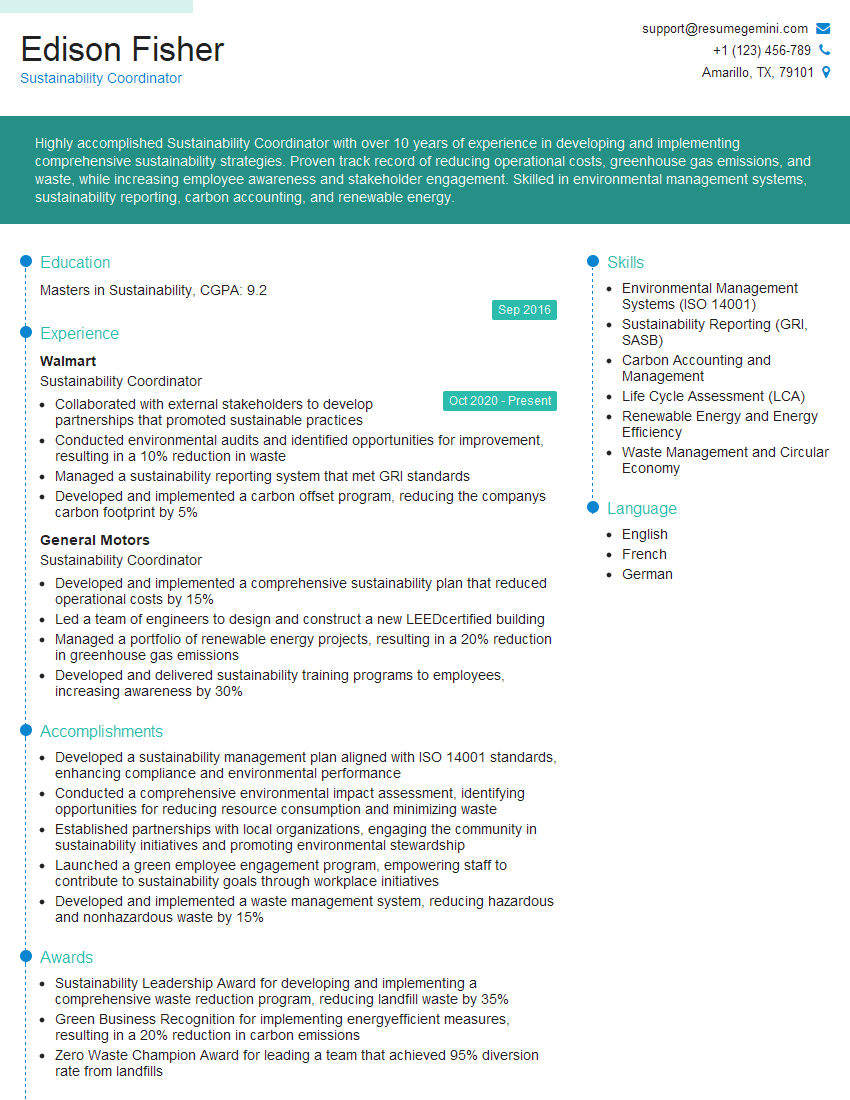
Sustainability Coordinator Resume Sample
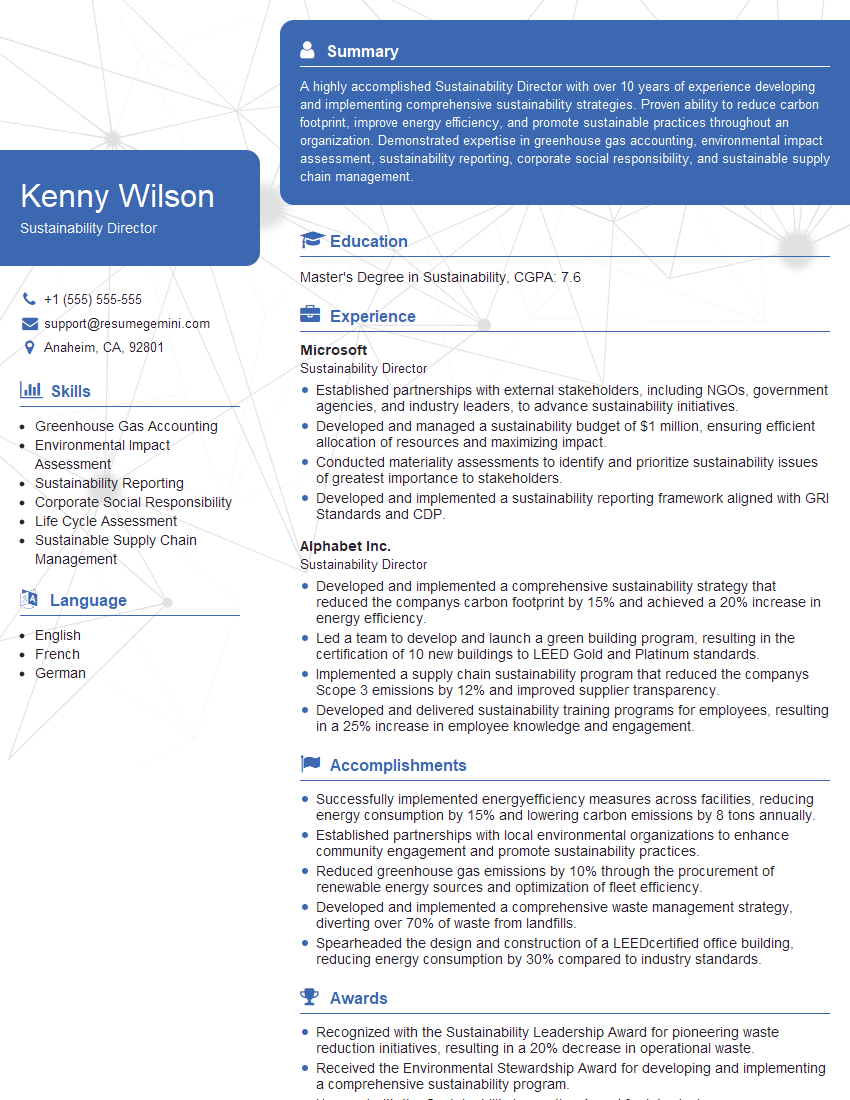
Sustainability Director Resume Sample
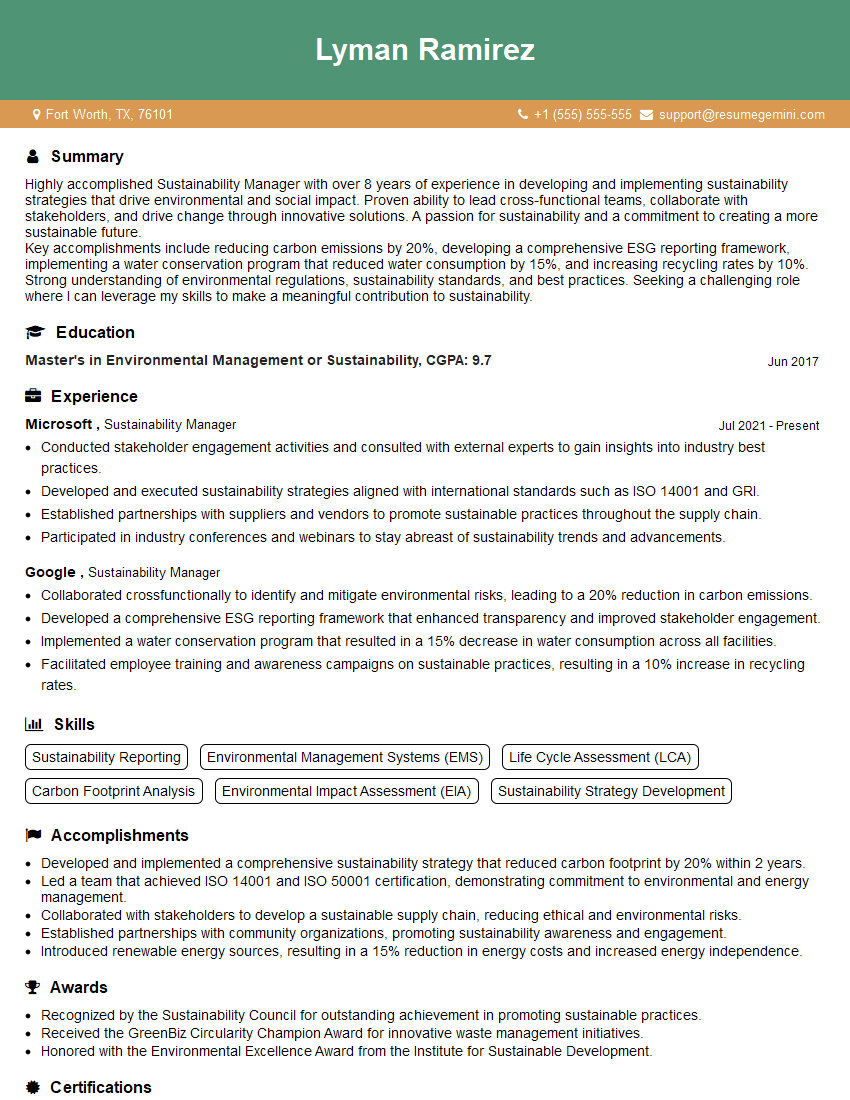
Sustainability Manager Resume Sample
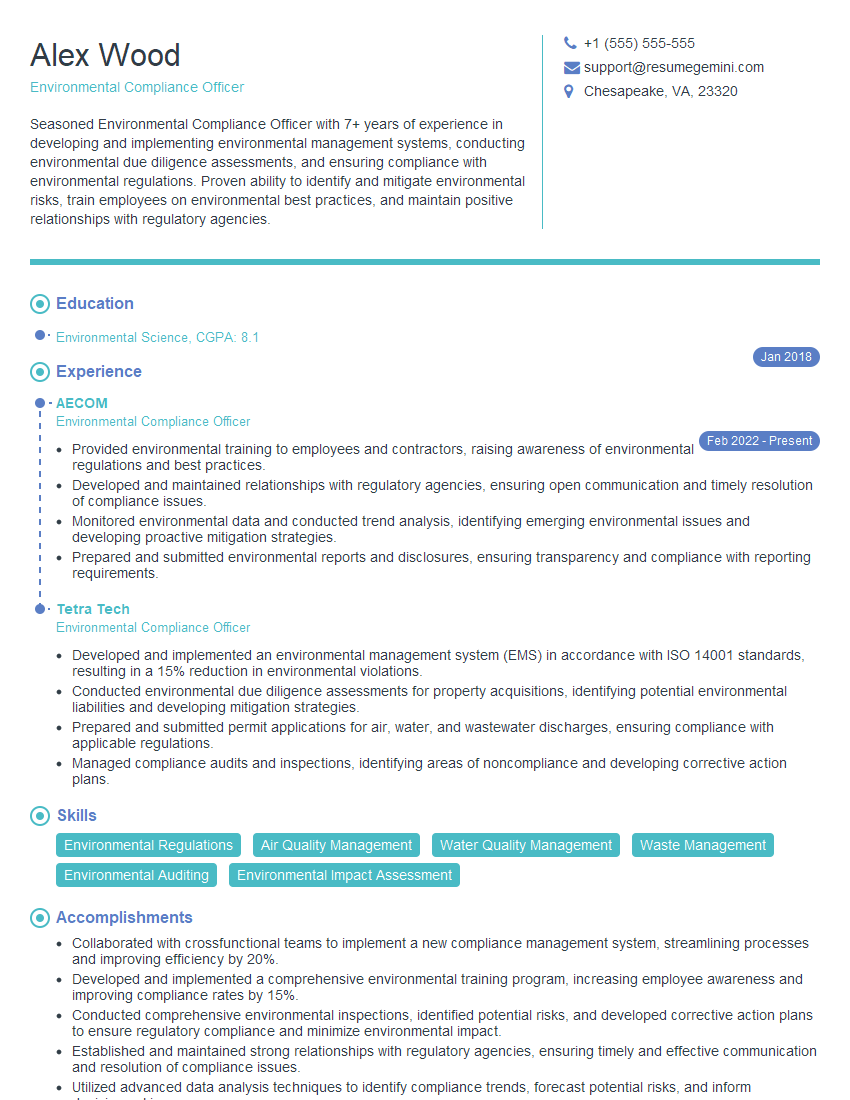
Environmental Compliance Officer Resume Sample
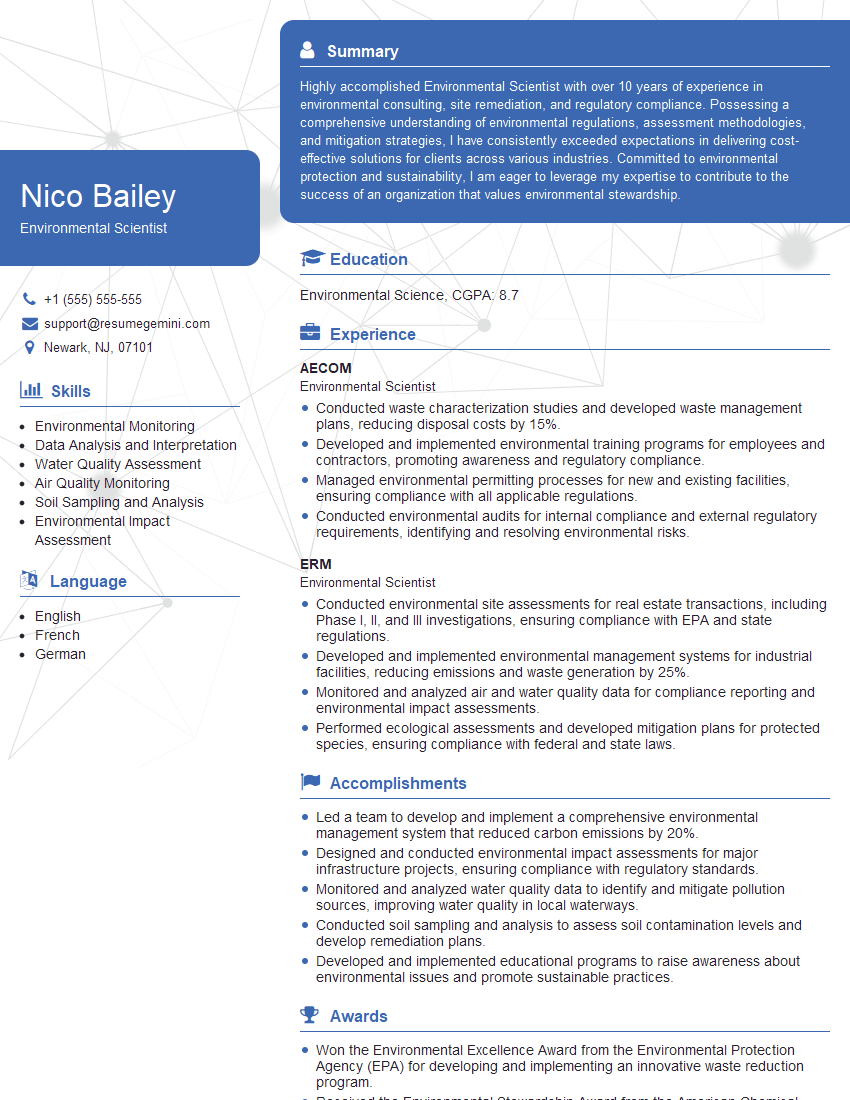
Environmental Scientist Resume Sample
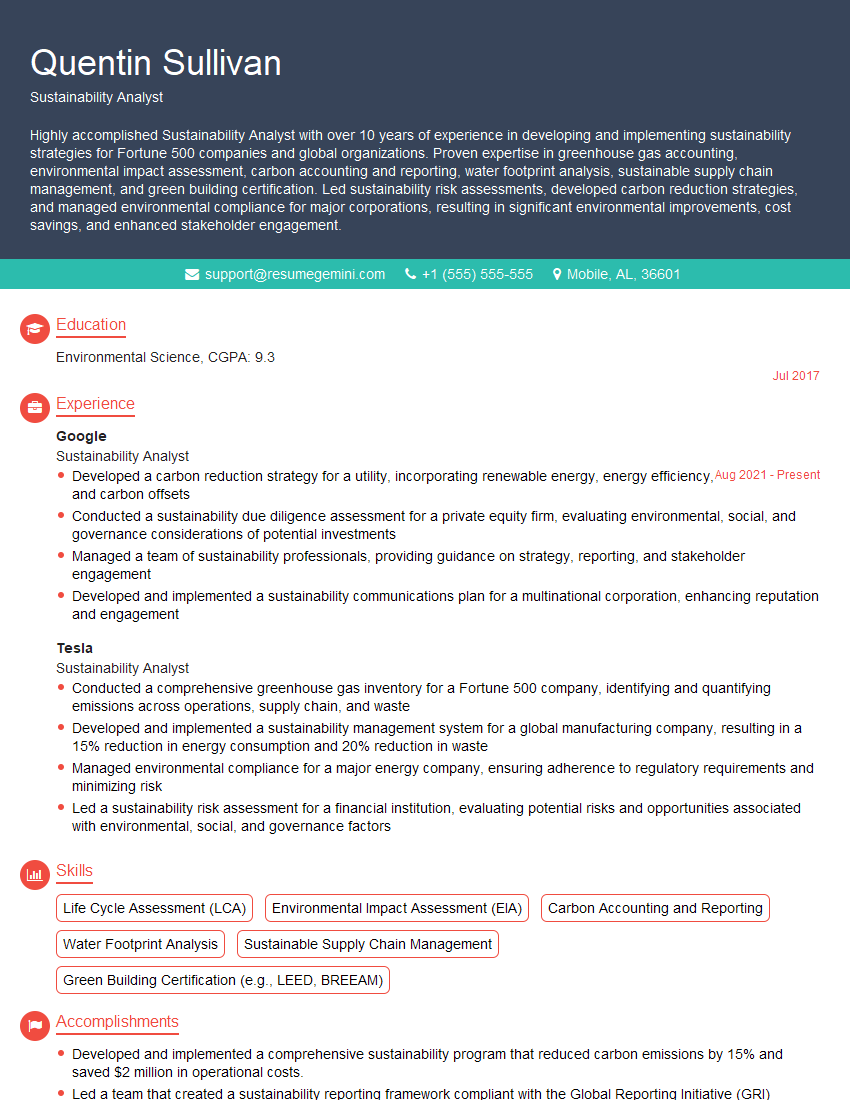
Sustainability Analyst Resume Sample

Sustainability Consultant Resume Sample
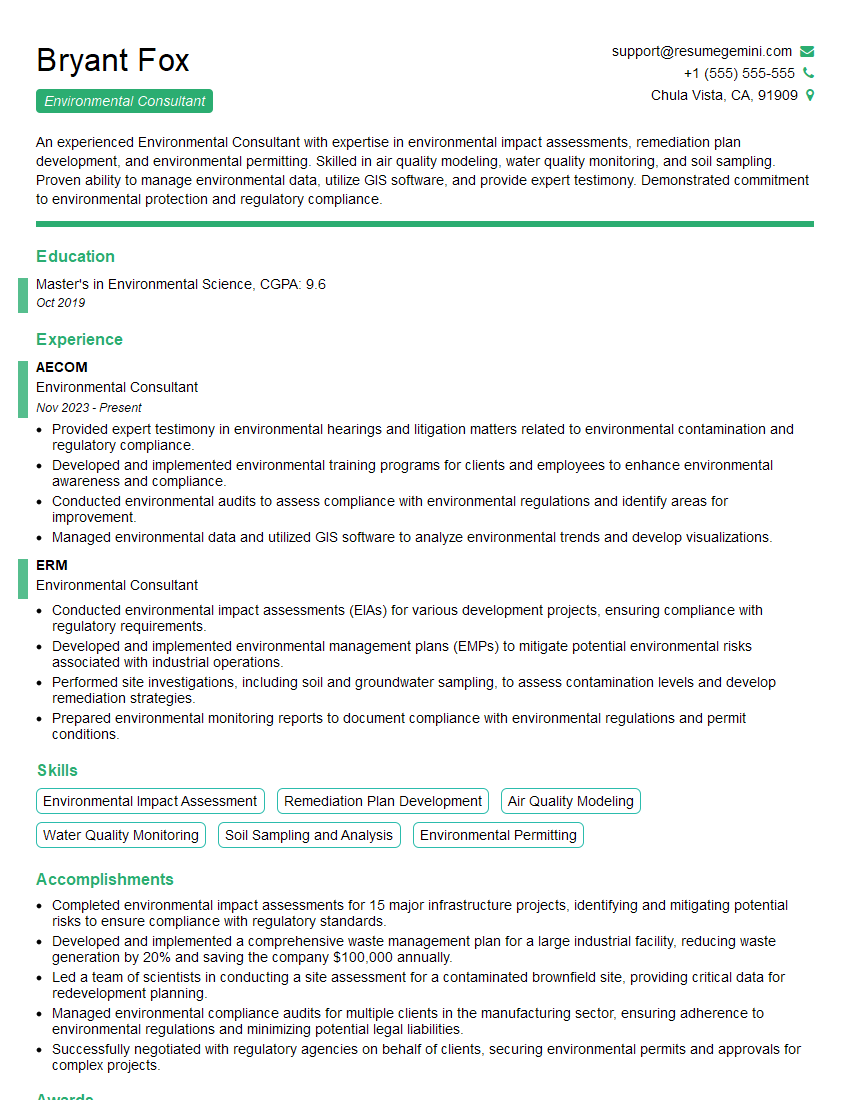
Environmental Consultant Resume Sample
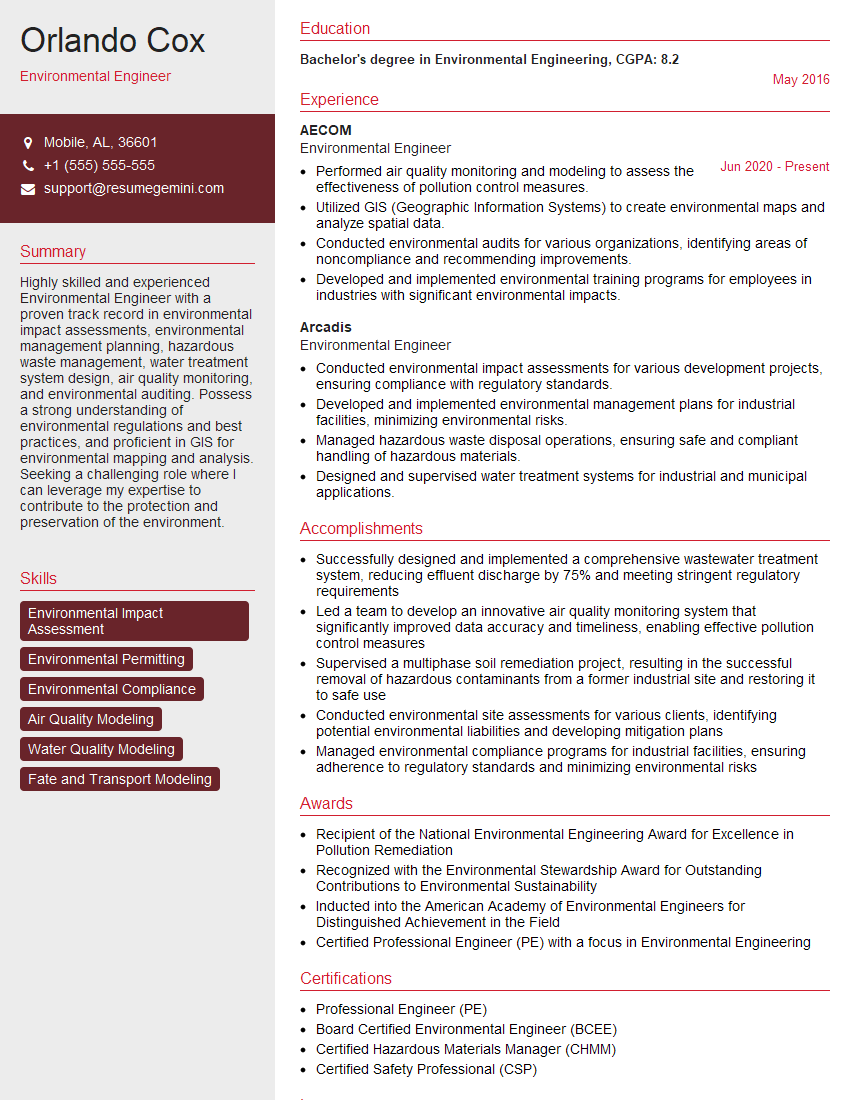
Environmental Engineer Resume Sample

Industrial Ecologist Resume Sample
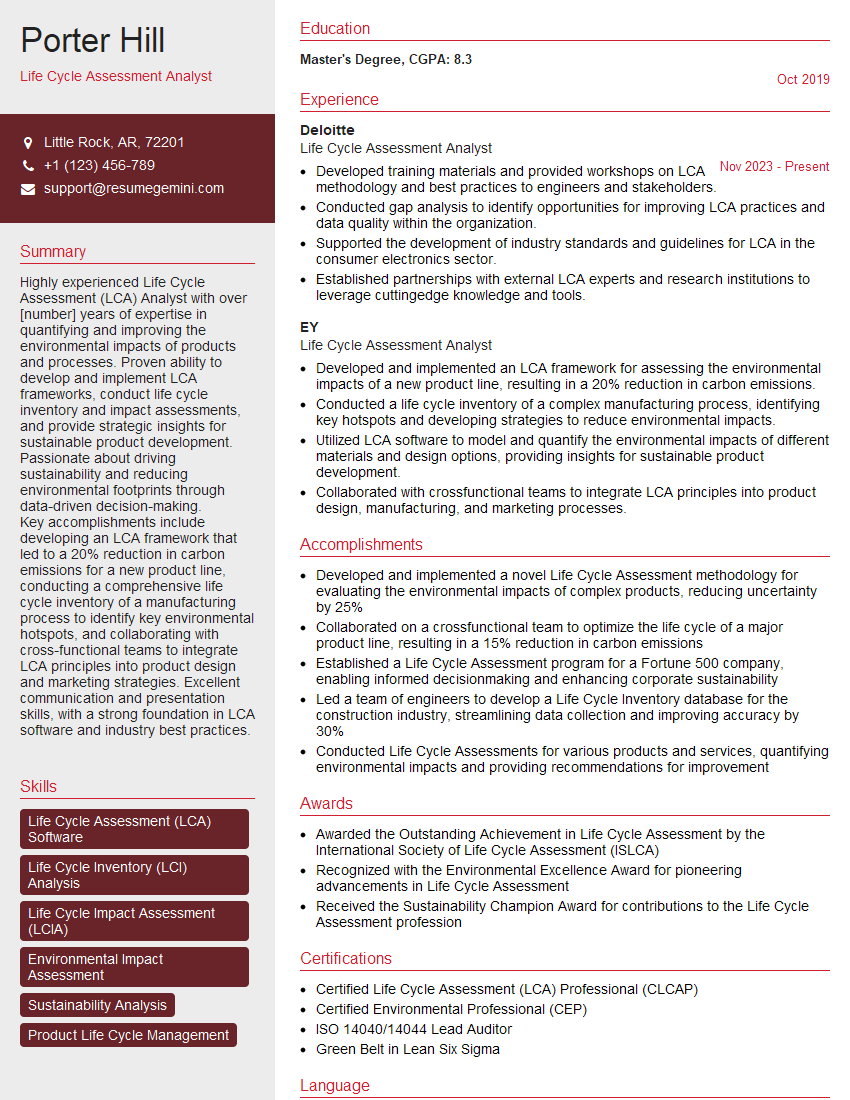
Life Cycle Assessment Analyst Resume Sample
Explore more articles
Users Rating of Our Blogs
Share Your Experience
We value your feedback! Please rate our content and share your thoughts (optional).
What Readers Say About Our Blog
Very informative content, great job.
good