Cracking a skill-specific interview, like one for Experience with working in a fast-paced environment, requires understanding the nuances of the role. In this blog, we present the questions you’re most likely to encounter, along with insights into how to answer them effectively. Let’s ensure you’re ready to make a strong impression.
Questions Asked in Experience with working in a fast-paced environment Interview
Q 1. Describe a situation where you had to manage multiple competing priorities.
Managing competing priorities in a fast-paced environment is like juggling multiple balls – each demanding attention and threatening to drop if neglected. It requires a structured approach and the ability to make tough decisions. In my previous role at a tech startup, we were simultaneously launching a new product, addressing critical bugs in our existing platform, and preparing for a major investor pitch. This meant balancing the needs of engineering, marketing, and sales teams, all with tight deadlines.
My approach involved first clearly defining each priority’s urgency and importance using a matrix. High-urgency, high-importance tasks like addressing critical bugs took precedence. Less urgent tasks, even if important, were scheduled accordingly. I then delegated tasks effectively, leveraging team members’ strengths. Regular communication and transparent updates were crucial in ensuring everyone understood priorities and deadlines. Finally, I frequently reassessed the situation, adapting our plans as new information emerged and adjusting resources as needed. This prevented the project from becoming overwhelming and ultimately contributed to our successful product launch and investor pitch.
Q 2. How do you prioritize tasks in a high-pressure environment?
Prioritization in high-pressure situations isn’t about gut feeling; it’s about a strategic process. I use a combination of methods to prioritize tasks. First, I employ the Eisenhower Matrix (Urgent/Important), categorizing tasks into four quadrants: Do, Decide, Delegate, and Delete. This helps me focus on the truly critical items. Then, I use a weighted scoring system, assigning each task points based on its impact and urgency. This allows for a more objective ranking when multiple tasks have similar urgency. Finally, and equally important, is understanding dependencies between tasks. Completing task A before B, even if B seems more important at first glance, ensures smooth workflow.
For example, imagine facing a critical bug requiring immediate attention and a scheduled marketing campaign needing final approval. Using the Eisenhower Matrix, fixing the bug would be ‘Do’ (high urgency/high importance), while reviewing the marketing material might be delegated or scheduled to a later time slot. The weighted scoring system might give the bug fix a higher score due to its potentially higher negative impact if left unaddressed.
Q 3. Describe your approach to managing time effectively under tight deadlines.
Effective time management under tight deadlines hinges on planning, execution, and flexibility. I begin by breaking down large tasks into smaller, manageable sub-tasks. This makes the overall project less daunting and allows for better tracking of progress. I then create a detailed schedule using tools like project management software, setting realistic deadlines for each sub-task. Regularly reviewing this schedule is crucial to stay on track. But the most important part is building buffer time— accounting for unexpected delays. Finally, effective communication with stakeholders keeps everyone informed about progress and potential roadblocks, allowing for proactive solutions.
In one project, we were facing a critical deadline for a software release. Breaking the project into modules helped us track progress independently. We used daily stand-up meetings to communicate, identify roadblocks and quickly adjust our schedule. The buffer time we had built proved invaluable when an unforeseen bug emerged, allowing us to solve it without jeopardizing the release date.
Q 4. Give an example of a time you had to adapt quickly to a changing situation.
Adaptability is crucial in fast-paced environments. During a product launch, a significant competitor unexpectedly released a similar product, forcing us to pivot our marketing strategy. Our initial plan focused on highlighting unique features. The competitor’s launch created a new competitive landscape. I quickly assembled a team to analyze the competitor’s product and identify our key differentiators. This led to a revised messaging strategy highlighting the advantages our product offered in specific ways, compared to the competitor’s, resulting in a successful campaign, though significantly different than originally envisioned.
The key to adapting quickly is a willingness to let go of the initial plan if necessary and the ability to analyze the new situation and formulate a revised strategy based on data, not assumptions. The rapid response, supported by collaboration and clear communication, allowed us to successfully navigate the unexpected.
Q 5. How do you handle unexpected challenges or setbacks in a fast-paced environment?
Unexpected challenges are inevitable in fast-paced settings. My approach involves a structured response. First, I assess the situation to understand its impact and scope. This is followed by identifying possible solutions, evaluating their feasibility, and selecting the most effective one. The selected solution is then implemented, with continuous monitoring to ensure it’s effective. Throughout this process, transparent communication with the team and stakeholders ensures that everyone is informed and involved. Finally, I conduct a post-mortem analysis to understand the root cause and implement preventative measures.
For example, if a server crashes during peak hours, I wouldn’t panic. Instead, I’d immediately engage the technical team to diagnose the problem, communicate the situation to customers, explore alternative solutions like failovers, and then analyze the logs later to prevent future occurrences through better infrastructure or monitoring.
Q 6. Describe your experience working in a team under pressure.
Teamwork under pressure is essential. I believe in fostering a culture of open communication, mutual respect, and shared responsibility. During a particularly demanding project, our team faced immense pressure to meet a tight deadline. I facilitated regular check-ins to monitor progress, identify roadblocks, and support each team member. I also emphasized clear communication, assigning specific roles and responsibilities to ensure everyone was accountable. This collaborative, supportive approach minimized stress and improved overall productivity, resulting in a successful project delivery.
Leading a team under pressure requires empathy, clear direction, and empowering team members. The ability to quickly adjust plans and tasks based on the team’s ability is critical. By fostering trust and open communication, everyone will be able to work effectively and support each other.
Q 7. How do you maintain focus and productivity during periods of high workload?
Maintaining focus and productivity during high workloads requires a multifaceted approach. I prioritize sleep, healthy eating, and regular exercise to ensure I’m physically and mentally capable of handling the pressure. I use time management techniques like the Pomodoro Technique (working in focused bursts with short breaks) to enhance concentration and prevent burnout. I also prioritize breaks to avoid mental fatigue, stepping away from my desk, going for walks, or practicing mindfulness exercises. Finally, regular prioritization and delegation help me stay organized and focused on the most important tasks.
In practice, this means scheduling regular breaks throughout my workday to avoid mental fatigue, employing techniques to focus on one task at a time, and prioritizing self-care practices like healthy eating and exercise. It also involves setting realistic expectations and adjusting priorities as needed to prevent feeling overwhelmed. Building a strong support system, both professionally and personally, is crucial.
Q 8. What strategies do you use to avoid burnout in a demanding work environment?
Preventing burnout in a fast-paced environment is crucial for long-term success and well-being. It’s not about working less, but working smarter and prioritizing self-care. My strategy is multifaceted and involves proactive measures rather than reactive damage control.
- Time Management & Prioritization: I utilize techniques like the Eisenhower Matrix (urgent/important) to identify and tackle high-priority tasks first, preventing feeling overwhelmed. This allows me to focus energy effectively and avoid last-minute rushes.
- Setting Boundaries: I actively set boundaries between work and personal life. This includes setting specific work hours, disconnecting after work, and scheduling regular breaks throughout the day. This prevents blurring lines and helps me recharge.
- Mindfulness & Stress Reduction Techniques: I incorporate mindfulness practices like meditation or short breathing exercises into my daily routine. These help manage stress and improve focus. Regular exercise is also vital for physical and mental well-being.
- Seeking Support: I recognize the importance of a support system. This includes open communication with my manager about workload and seeking help when needed. I also lean on my colleagues for support and collaboration.
- Regular Breaks and Vacation: Short breaks throughout the day are essential to prevent mental fatigue. I also prioritize taking vacations to completely disconnect and recharge, returning to work refreshed and energized.
For example, during a particularly intense project launch, I scheduled 15-minute mindfulness breaks every two hours and ensured I took my full lunch break away from my desk. This helped me maintain focus and prevent burnout.
Q 9. How do you communicate effectively during periods of high stress?
Effective communication under stress is paramount to prevent misunderstandings and maintain team cohesion. My approach involves clarity, empathy, and active listening.
- Clear and Concise Messaging: I ensure my communication is clear, concise, and to the point, avoiding jargon or overly complex language. This helps prevent misinterpretations and speeds up decision-making.
- Active Listening: I focus on actively listening to others, acknowledging their concerns, and asking clarifying questions. This shows respect and helps ensure everyone is on the same page.
- Empathy and Understanding: I try to understand the perspectives and pressures of others, especially during high-stress periods. This fosters collaboration and prevents conflict.
- Choosing the Right Medium: I select the most appropriate communication method for the situation. Urgent matters require immediate phone calls or in-person discussions, whereas less urgent updates can be handled via email.
- Regular Check-ins: Frequent check-ins with team members help track progress, identify potential roadblocks, and address concerns promptly.
For instance, during a critical incident, instead of sending a flurry of emails, I held a brief team meeting to clearly communicate the situation, identify solutions, and assign roles. This ensured everyone was informed and worked collaboratively.
Q 10. Describe a time you had to make a quick decision under pressure.
During a major website launch, we discovered a critical bug just hours before the scheduled go-live. The decision to delay or proceed with a known issue was crucial. Under immense pressure, I systematically assessed the situation.
- Assess the Risk: We quickly evaluated the severity of the bug and its potential impact on users and the company’s reputation.
- Gather Information: The development team provided estimates on fixing the bug. We also considered the impact of delaying the launch.
- Evaluate Options: We explored various options, including a delayed launch, a partial launch with a workaround, or proceeding with the bug.
- Make a Decision: Weighing the risks and benefits, we opted for a partial launch with a clearly communicated workaround. We prioritized getting the website live to meet critical business needs.
- Communicate Decision and Next Steps: We clearly communicated the decision to all stakeholders and outlined our plan for addressing the remaining bug.
While a delayed launch would have been ideal, the potential negative impact on sales and reputation outweighed the risk of a partial launch. The decision, while difficult, was made quickly and effectively based on a structured evaluation of the situation.
Q 11. How do you ensure accuracy and quality of work in a fast-paced environment?
Maintaining accuracy and quality in a fast-paced environment requires a structured approach. It’s about incorporating quality control measures into the workflow rather than as an afterthought.
- Process Standardization: Implementing standardized processes and checklists minimizes errors and ensures consistency. This reduces rework and increases efficiency.
- Regular Quality Checks: Integrating regular quality checks throughout the workflow helps identify and rectify errors early. This includes peer reviews, automated tests, and validation steps.
- Automation: Automating repetitive tasks reduces manual errors and frees up time for higher-value activities. This ensures consistency and accuracy.
- Utilize Technology: Leverage tools and technologies designed for quality assurance, such as version control systems, automated testing frameworks, and bug tracking systems.
- Documentation: Meticulous documentation of processes, decisions, and changes makes it easier to track progress, identify errors, and maintain consistency.
For example, we implemented a pre-launch checklist for all marketing campaigns, including a peer review of the campaign assets and a final approval before launch. This greatly reduced errors and ensured a higher quality output.
Q 12. How do you delegate tasks effectively in a busy setting?
Effective delegation in a busy setting is about trust, clarity, and follow-up. It’s not just about offloading tasks, but empowering team members.
- Select the Right Person: Identify the best person for the task based on their skills, experience, and availability.
- Clear Instructions: Provide clear, concise instructions, including deadlines, expected outcomes, and any necessary resources.
- Empowerment and Trust: Give team members the autonomy to complete the task in their own way, while providing support and guidance as needed.
- Regular Check-ins: Schedule regular check-ins to monitor progress, address any roadblocks, and provide support.
- Feedback and Recognition: Provide timely feedback and recognize their contributions to foster motivation and improve future performance.
In a previous project, I effectively delegated tasks by identifying team members’ strengths. I assigned tasks based on their expertise, ensuring clear expectations and timelines. Regular progress updates prevented bottlenecks, and the project was successfully completed on time.
Q 13. How do you handle conflicting deadlines or priorities?
Handling conflicting deadlines and priorities requires a structured approach to prioritize and manage resources effectively. It’s about strategic planning and communication.
- Prioritization Matrix: Utilize a prioritization matrix (like the Eisenhower Matrix) to identify the most critical tasks and deadlines.
- Re-evaluation and Negotiation: Re-evaluate deadlines and priorities with stakeholders to find mutually acceptable solutions. This might involve re-negotiating deadlines or adjusting scopes.
- Resource Allocation: Allocate resources effectively to focus on the highest-priority tasks first. This could involve re-assigning tasks or seeking additional help.
- Communication: Keep stakeholders informed about any changes in timelines or priorities. Transparency and clear communication prevents misunderstandings and fosters collaboration.
- Timeboxing: Allocate specific time blocks to focus on high-priority tasks. This helps prevent distractions and ensures that critical tasks are completed on time.
During a period of multiple overlapping deadlines, I used a project management tool to visualize all deadlines and priorities. This allowed me to proactively identify potential conflicts and re-allocate resources accordingly, ensuring all critical deadlines were met.
Q 14. Describe a time you had to make a difficult decision with limited information.
I once had to make a critical decision about a potential software vulnerability with limited information. A security alert indicated a potential breach, but details were scarce.
- Gather Available Information: I immediately gathered as much information as possible from the security alert, logs, and affected systems.
- Assess Potential Impact: I assessed the potential impact of the vulnerability, considering the worst-case scenario (data breach, system downtime).
- Consult Experts: I consulted with our security team and other relevant experts to gain insights and perspective.
- Develop Mitigation Strategies: We developed various mitigation strategies, including immediate system shutdowns, temporary workarounds, and a full security audit.
- Make a Decision: Based on available information and expert advice, we decided to temporarily shut down the affected systems to prevent further damage while initiating a full investigation.
Although the decision was made with incomplete information, it was based on a careful risk assessment, expert input, and a focus on minimizing potential damage. The quick response prevented a larger incident and highlighted the importance of proactive security measures.
Q 15. How do you balance speed and accuracy in your work?
Balancing speed and accuracy is a crucial skill in a fast-paced environment. It’s not about rushing through tasks, but about optimizing workflow and prioritizing effectively. I achieve this balance through a combination of strategic planning, meticulous execution, and regular self-assessment.
Prioritization: I use methods like the Eisenhower Matrix (urgent/important) to focus on high-impact tasks first. This ensures that crucial aspects receive the attention they need, while less critical tasks can be handled with appropriate speed.
Process Optimization: I identify and eliminate bottlenecks in my workflow. For example, if data entry is slowing me down, I might explore automating parts of the process using scripting or leveraging available tools. This increases efficiency without compromising accuracy.
Quality Checks: I build in quality checks at various stages of the process, like reviewing my work before submission or implementing peer reviews for critical tasks. This early detection of errors prevents costly rework and ensures accuracy.
Practice and Refinement: I continuously refine my processes based on past experiences. By analyzing where I was most efficient and where errors occurred, I adapt my approach to improve both speed and accuracy over time.
Career Expert Tips:
- Ace those interviews! Prepare effectively by reviewing the Top 50 Most Common Interview Questions on ResumeGemini.
- Navigate your job search with confidence! Explore a wide range of Career Tips on ResumeGemini. Learn about common challenges and recommendations to overcome them.
- Craft the perfect resume! Master the Art of Resume Writing with ResumeGemini’s guide. Showcase your unique qualifications and achievements effectively.
- Don’t miss out on holiday savings! Build your dream resume with ResumeGemini’s ATS optimized templates.
Q 16. What techniques do you use to manage stress and maintain composure?
Managing stress and maintaining composure in a high-pressure setting is paramount. I employ several techniques to stay calm and focused under pressure.
Time Management: Proactive planning and prioritization are key to preventing last-minute rushes and reducing stress. Breaking down large tasks into smaller, manageable steps makes the overall goal feel less daunting.
Mindfulness and Breaks: I incorporate short breaks throughout the day to clear my head and refocus. Simple techniques like deep breathing exercises can help manage stress in the moment.
Physical Well-being: Maintaining a healthy lifestyle, including sufficient sleep, regular exercise, and a balanced diet, significantly improves my resilience to stress.
Seeking Support: When necessary, I reach out to colleagues or mentors for support and guidance. Open communication helps prevent issues from escalating and fosters a supportive work environment.
Q 17. How do you proactively identify potential problems in a fast-paced setting?
Proactive problem identification in a fast-paced environment requires anticipation and a keen eye for detail. I use several strategies to prevent problems before they arise.
Risk Assessment: Before starting a project, I conduct a thorough risk assessment, identifying potential obstacles and developing mitigation strategies. This proactive approach significantly reduces the likelihood of unexpected setbacks.
Data Analysis: I closely monitor relevant data and metrics to identify trends or anomalies that could signal developing problems. This could involve tracking project timelines, resource allocation, or customer feedback.
Communication: Maintaining open communication with team members and stakeholders allows for early detection of potential issues. By encouraging feedback and actively listening, I can address concerns before they escalate.
Continuous Improvement: Regularly reviewing past projects and identifying areas for improvement helps anticipate and prevent similar problems in the future. This is a cycle of learning and adaptation.
Q 18. Describe your experience using project management tools or methodologies.
I have extensive experience utilizing various project management tools and methodologies. My experience includes using Agile methodologies, specifically Scrum, and tools like Jira and Trello.
Agile (Scrum): I’ve participated in several Scrum projects, using daily stand-ups, sprint planning, sprint reviews, and retrospectives to manage workflow and track progress effectively. This iterative approach allows for flexibility and adaptation to changing requirements in a fast-paced environment.
Jira: I’m proficient in using Jira for task management, bug tracking, and reporting. I use its features to create detailed project plans, assign tasks, monitor progress, and generate reports to stakeholders.
Trello: I’ve used Trello for its visual Kanban board functionality, which helps visualize workflow and track progress on multiple tasks simultaneously. Its simplicity makes it ideal for smaller projects and quick task organization.
In selecting a methodology or tool, I always consider the project’s specific needs and team dynamics to ensure the best fit.
Q 19. How do you measure your own success in a fast-paced environment?
Measuring success in a fast-paced environment goes beyond simply completing tasks; it’s about achieving objectives efficiently and effectively. I measure my success based on several key indicators:
On-time and within-budget delivery: Meeting deadlines and staying within allocated resources demonstrates effective time management and resource allocation.
Quality of work: Maintaining high standards of accuracy and thoroughness ensures the value of my contributions.
Positive impact: Evaluating the positive effects of my work on the team or the organization. Did my work streamline a process? Did it lead to improved efficiency or customer satisfaction?
Continuous learning and improvement: Identifying areas for improvement and adapting my approach to be more efficient and effective in the future. This showcases a commitment to growth.
Q 20. How do you stay organized and track progress on multiple projects?
Staying organized and tracking progress on multiple projects requires a systematic approach. I combine project management tools with personal organizational strategies.
Prioritization Matrix: I use a prioritization matrix to rank projects based on urgency and importance, ensuring that my attention is focused on the most critical tasks first.
Time Blocking: I allocate specific time blocks for each project, minimizing context switching and improving focus. This helps avoid distractions and allows for deeper concentration.
Project Management Tools: I leverage tools like Jira and Trello to track progress, manage tasks, and collaborate with team members. These tools provide a centralized location for all project information.
Regular Reviews: I schedule regular review sessions to assess progress, identify potential roadblocks, and make necessary adjustments. This proactive approach prevents minor issues from becoming major problems.
Q 21. What are your strengths when working under pressure?
My strengths under pressure include adaptability, problem-solving, and effective communication.
Adaptability: I thrive in dynamic situations and quickly adjust to changing priorities and unexpected challenges. This involves remaining flexible and open to new solutions.
Problem-Solving: I approach challenges systematically, breaking them down into smaller, manageable steps, and identifying efficient solutions. My analytical skills allow for quick identification of root causes and effective problem resolution.
Effective Communication: I prioritize clear and concise communication to keep stakeholders informed and address concerns promptly. This transparent communication fosters trust and minimizes misunderstandings in stressful situations.
For example, during a particularly demanding project with a tight deadline, I successfully managed a critical software bug by effectively collaborating with the development team, prioritizing the most impactful fixes, and clearly communicating progress and potential risks to management.
Q 22. What are your weaknesses when working under pressure, and how do you mitigate them?
Under pressure, my tendency to overthink can sometimes slow me down. I’ve learned to recognize this as a weakness and actively counteract it. My mitigation strategy involves a two-pronged approach: Prioritization and Timeboxing.
Prioritization involves clearly defining the most critical tasks. I use techniques like the Eisenhower Matrix (urgent/important) to rank tasks and focus my energy on high-impact activities first. This prevents me from getting bogged down in less important details when time is short.
Timeboxing means allocating specific time slots for individual tasks. This creates a sense of urgency and helps me avoid getting lost in the details of a single task. For instance, if I’m facing a tight deadline, I might dedicate 30 minutes to a specific sub-task, forcing myself to stay focused and move on to the next item on the list once the time is up.
This structured approach helps me manage my tendency to overthink and enhances my productivity even under significant pressure. I consistently review and refine this strategy to improve my efficiency and effectiveness in fast-paced environments.
Q 23. How do you ensure team cohesion and collaboration in a fast-paced environment?
Team cohesion and collaboration are critical in a fast-paced environment. I believe in fostering a culture of open communication, mutual respect, and shared goals. Several strategies are key to achieving this.
- Regular check-ins: Frequent, brief updates ensure everyone is on the same page and aware of potential roadblocks. This could be through daily stand-up meetings or quick check-in emails.
- Clear communication channels: Utilizing collaborative tools like Slack or Microsoft Teams improves transparency and facilitates quick problem-solving. Having a centralized communication hub prevents information silos and keeps the team connected.
- Shared responsibility: Distributing tasks fairly and ensuring every team member understands their role promotes accountability and minimizes bottlenecks. This requires clear task assignment and a system for tracking progress.
- Open feedback loop: Creating a safe space for constructive feedback ensures team members feel heard and valued. Regular retrospectives offer opportunities to reflect on processes and identify areas for improvement.
- Celebrating successes: Acknowledging achievements, both big and small, boosts team morale and reinforces a sense of shared accomplishment. Even a simple “good job” can go a long way.
By implementing these practices, I strive to create a collaborative and supportive environment where every team member feels empowered to contribute and excel.
Q 24. Describe a time you had to deal with a difficult client or stakeholder under pressure.
In a previous role, we were tasked with launching a new product under an incredibly tight deadline. A key stakeholder, a senior executive, was consistently demanding updates and changes, often with conflicting requests. The pressure was immense.
My approach involved proactive communication and careful prioritization. I scheduled daily briefings with the executive, providing concise updates and addressing concerns immediately. I prioritized requests based on their impact and feasibility, explaining trade-offs clearly and transparently. I also documented all requests and decisions, creating a clear record of communication.
While navigating conflicting directives, I consistently focused on finding solutions that addressed the executive’s primary concerns while maintaining the project’s overall integrity. By maintaining open, respectful communication and focusing on actionable results, we managed to successfully launch the product on time and meet the key stakeholder’s expectations. The experience highlighted the importance of proactive communication, clear prioritization, and meticulous documentation in managing challenging stakeholders under pressure.
Q 25. How do you utilize technology to improve efficiency in a fast-paced setting?
Technology is indispensable for boosting efficiency in a fast-paced setting. I leverage various tools to streamline workflows and enhance collaboration.
- Project Management Software (e.g., Asana, Jira): These tools provide centralized task management, progress tracking, and facilitate collaboration. They are invaluable for coordinating multiple tasks and keeping projects on track.
- Communication Platforms (e.g., Slack, Microsoft Teams): These platforms enable instant communication, file sharing, and team collaboration, eliminating the delays associated with traditional email communication.
- Automation Tools (e.g., Zapier, IFTTT): Automating repetitive tasks frees up valuable time that can be spent on more complex and strategic activities.
- Data Analytics Dashboards: Real-time data visualization provides insights into key metrics, allowing for quicker identification of issues and informed decision-making.
By strategically integrating these tools, I ensure that my workload is effectively managed, communication flows smoothly, and data-driven decisions are made quickly, leading to significant efficiency gains in a fast-paced work environment.
Q 26. How do you learn new skills or technologies quickly in a busy environment?
Learning new skills or technologies quickly in a busy environment requires a structured and efficient approach. I employ a combination of methods to accelerate my learning curve.
- Prioritized Learning: I identify the most crucial skills needed and focus my learning on those first. This targeted approach ensures maximum impact in a short timeframe.
- Hands-on Practice: I believe in learning by doing. I actively seek opportunities to apply new knowledge immediately through small projects or tasks. This helps solidify understanding and identify areas needing further refinement.
- Effective Resources: I leverage online courses, tutorials, and documentation from reputable sources. I prioritize resources known for their clarity and practicality.
- Mentorship and Collaboration: I actively seek guidance from experienced colleagues or mentors. Pair programming or collaborative learning is incredibly effective for accelerating the learning process.
- Targeted Skill Development: I track my progress and identify skill gaps proactively. Regular self-assessment helps me stay focused and adjust my learning plan as needed.
This multifaceted strategy helps me quickly acquire new skills and technologies, even within the constraints of a demanding schedule.
Q 27. Describe a situation where you successfully navigated ambiguity in a high-pressure situation.
During a major system upgrade, unexpected compatibility issues arose, creating significant ambiguity. We had limited information on the root cause, and the pressure to resolve the issue quickly was immense.
My approach involved a structured problem-solving process. First, I gathered all available data, documenting observed behaviors and any available logs. Then, I organized a team meeting, utilizing a brainstorming session to generate potential solutions. We divided the problem into smaller, manageable sub-problems, assigning each sub-problem to a specific team member.
We prioritized investigation based on the potential impact of each sub-problem. Through methodical testing and collaboration, we identified the root cause – a misconfiguration in the new system. This systematic approach, combined with strong team collaboration, allowed us to effectively navigate ambiguity and resolve the critical issue, demonstrating resilience and adaptability under extreme pressure.
Q 28. How do you handle criticism or feedback in a fast-paced environment?
Feedback, even criticism, is valuable in a fast-paced environment. It helps identify areas for improvement and allows for quicker adaptation. My approach involves actively seeking feedback, and processing it constructively.
- Active Listening: I listen carefully to understand the feedback without interrupting or becoming defensive. I ask clarifying questions to fully comprehend the perspective of the person giving the feedback.
- Separating Emotion from Feedback: I focus on the content of the feedback rather than letting emotions influence my interpretation. This helps ensure objective evaluation.
- Identifying Actionable Items: I identify specific, measurable steps I can take to address the feedback. This transforms criticism into a positive action plan.
- Following Up: I demonstrate that I value the feedback by following up and communicating progress on the identified action items. This builds trust and reinforces a culture of continuous improvement.
By embracing feedback and actively implementing improvements, I ensure continuous growth and adaptability, even in the most demanding situations.
Key Topics to Learn for “Experience in a Fast-Paced Environment” Interviews
- Prioritization and Time Management: Understanding how to effectively prioritize tasks, manage deadlines, and allocate time efficiently in high-pressure situations. Consider discussing frameworks like Eisenhower Matrix (urgent/important).
- Adaptability and Flexibility: Demonstrating the ability to adjust to changing priorities, unexpected challenges, and evolving situations. Give examples of how you’ve successfully navigated shifting demands.
- Stress Management and Resilience: Highlighting strategies you employ to manage stress and maintain composure under pressure. This could include techniques like deep breathing, delegation, or proactive problem-solving.
- Teamwork and Collaboration: Emphasizing your ability to work effectively within a team, communicate clearly and efficiently, and contribute to a collaborative environment, even during hectic periods.
- Problem-Solving Under Pressure: Showcase your ability to analyze situations quickly, identify solutions, and make informed decisions, even when facing time constraints and limited information. Provide examples of quick, effective problem-solving in a fast-paced setting.
- Multitasking and Efficiency: Explain how you manage multiple tasks simultaneously without compromising quality or accuracy. Use examples to illustrate your methods for staying organized and productive.
- Communication Skills: Highlight your ability to communicate effectively and concisely, both verbally and in writing, to keep stakeholders informed and aligned, especially in fast-paced situations.
Next Steps
Mastering the art of showcasing your experience in fast-paced environments is crucial for career advancement. It demonstrates valuable skills highly sought after by employers. To significantly boost your job prospects, crafting an ATS-friendly resume is essential. This ensures your application gets noticed by recruiters and hiring managers. ResumeGemini can be a trusted partner in building a professional and impactful resume that highlights your strengths in this area. We provide examples of resumes tailored to demonstrate experience in fast-paced environments to help guide your efforts.

Operations Manager Resume Sample
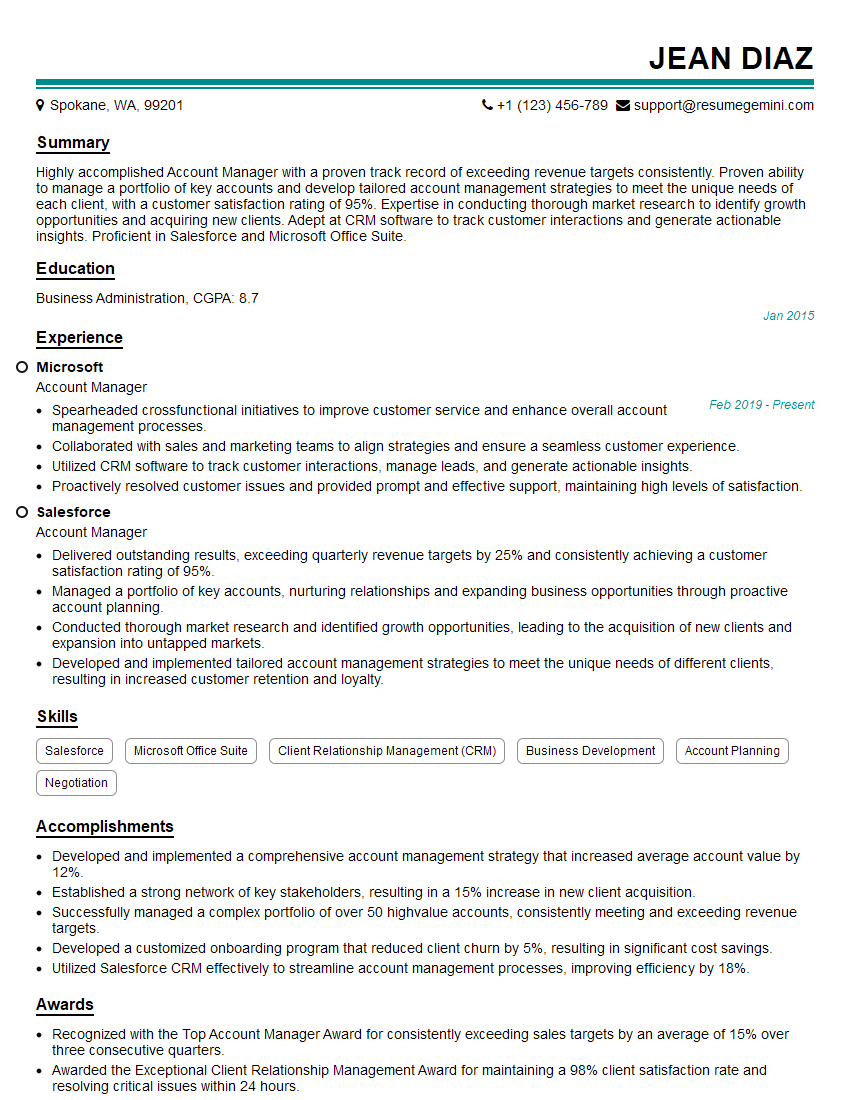
Account Manager Resume Sample
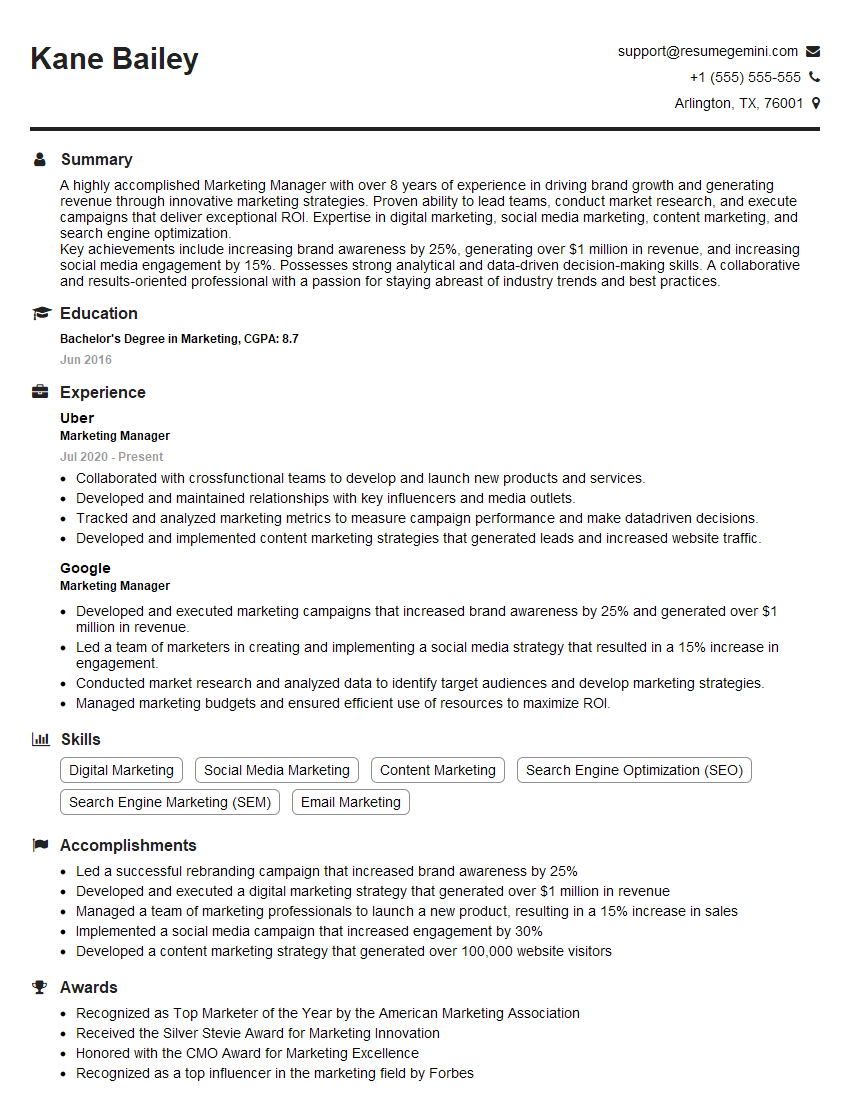
Marketing Manager Resume Sample
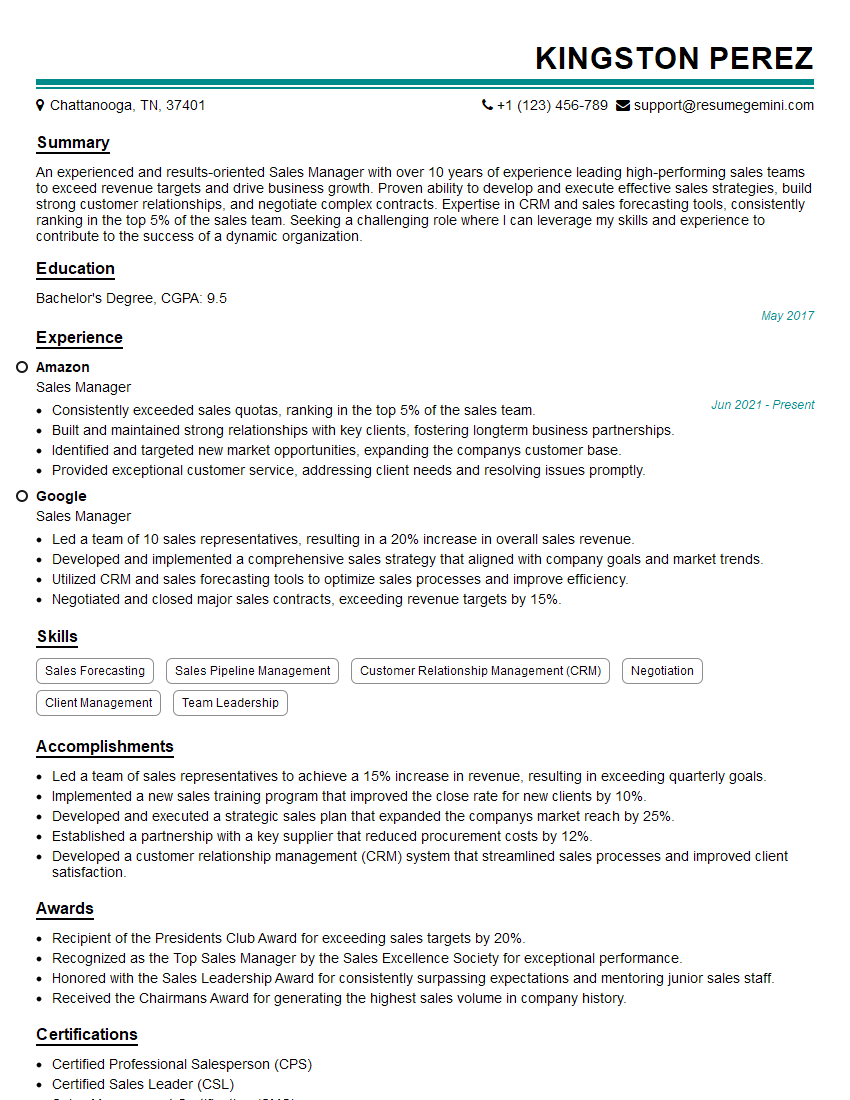
Sales Manager Resume Sample
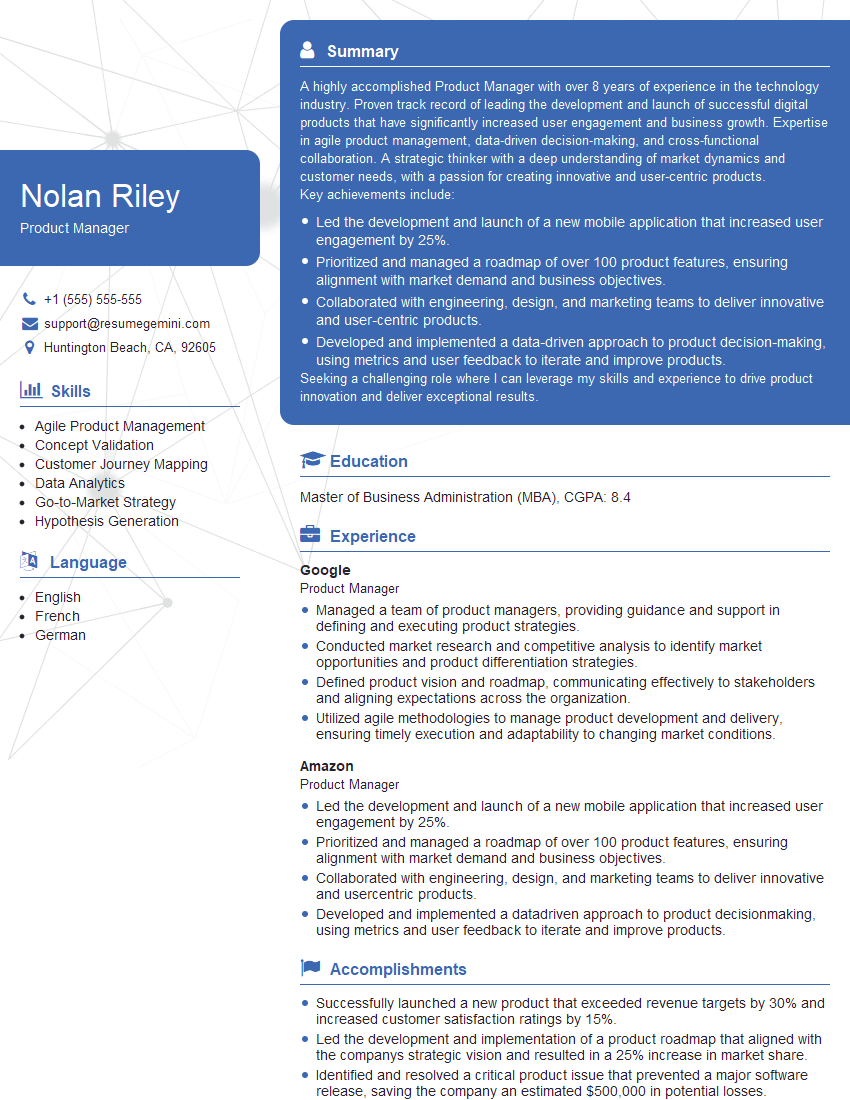
Product Manager Resume Sample
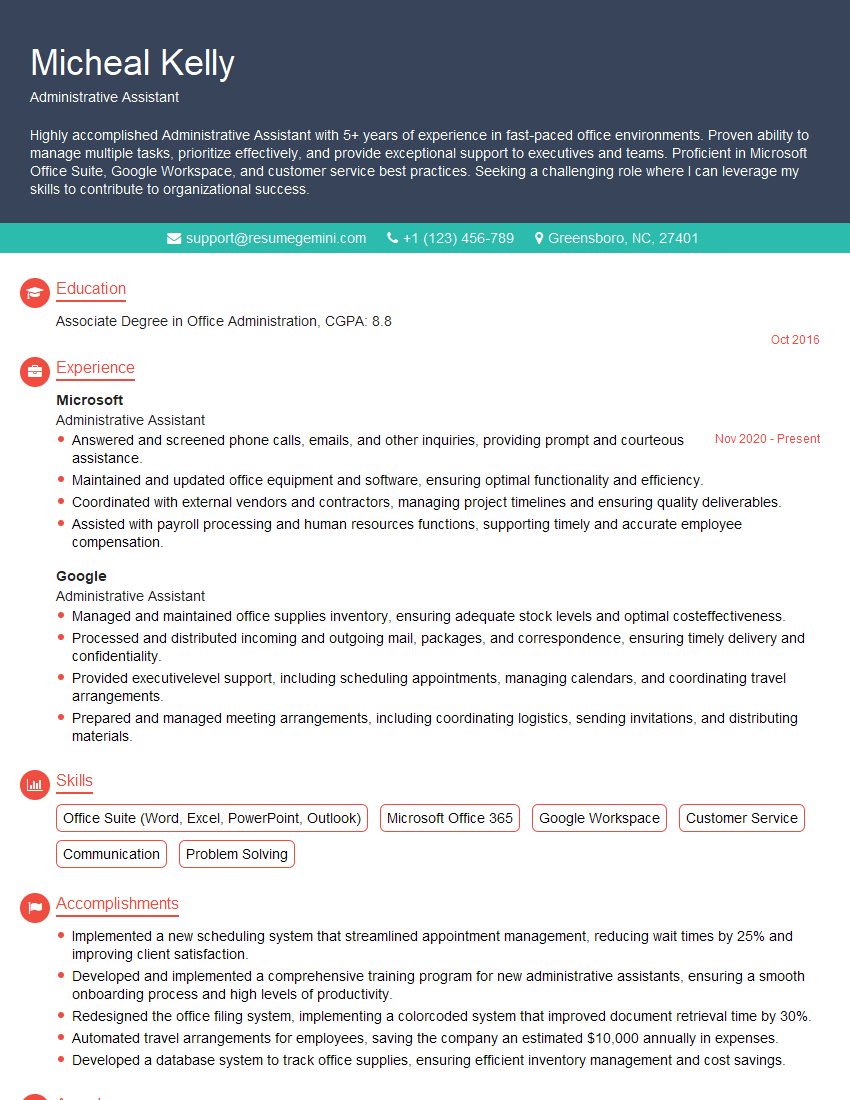
Administrative Assistant Resume Sample
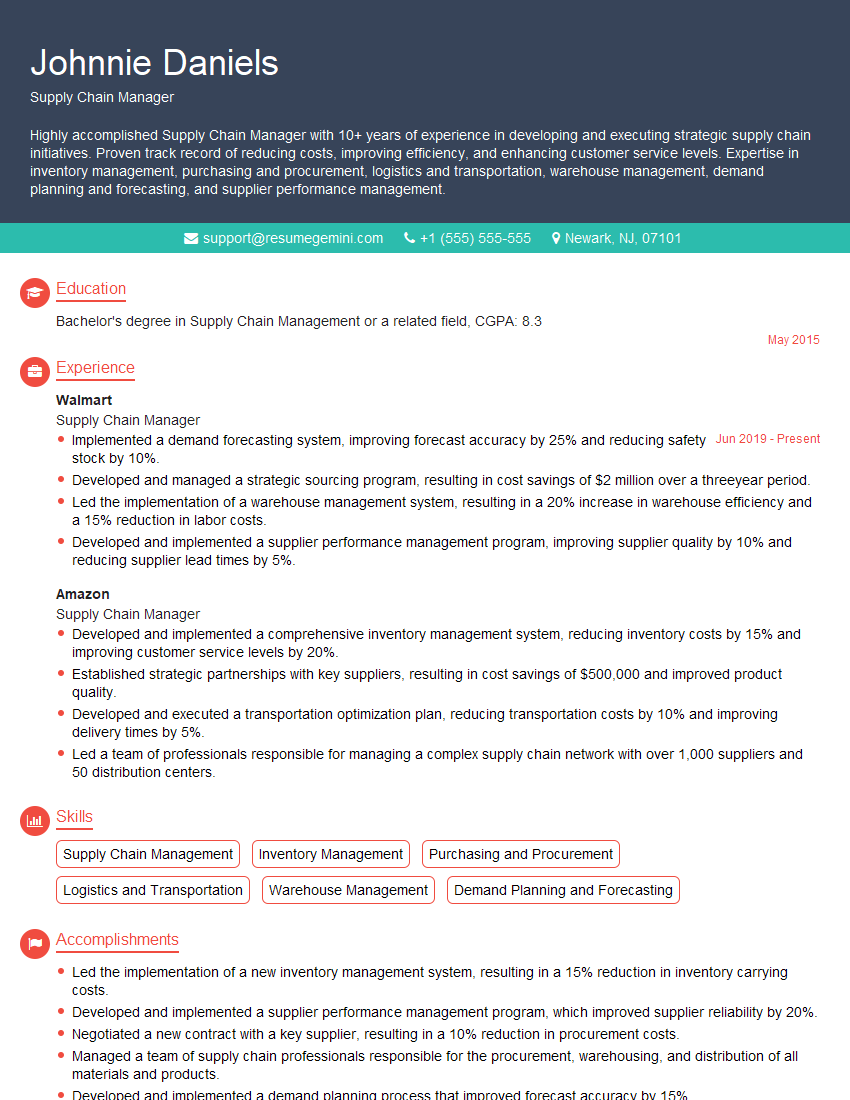
Supply Chain Manager Resume Sample

Project Manager Resume Sample
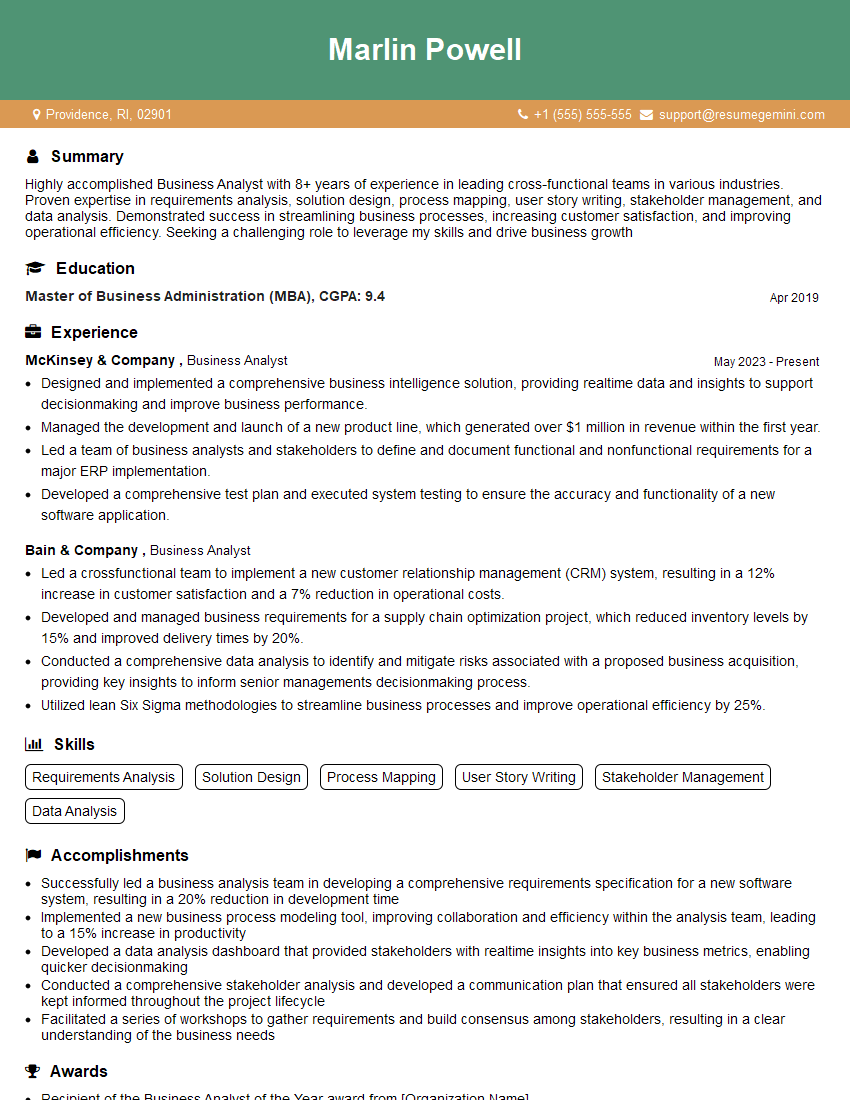
Business Analyst Resume Sample
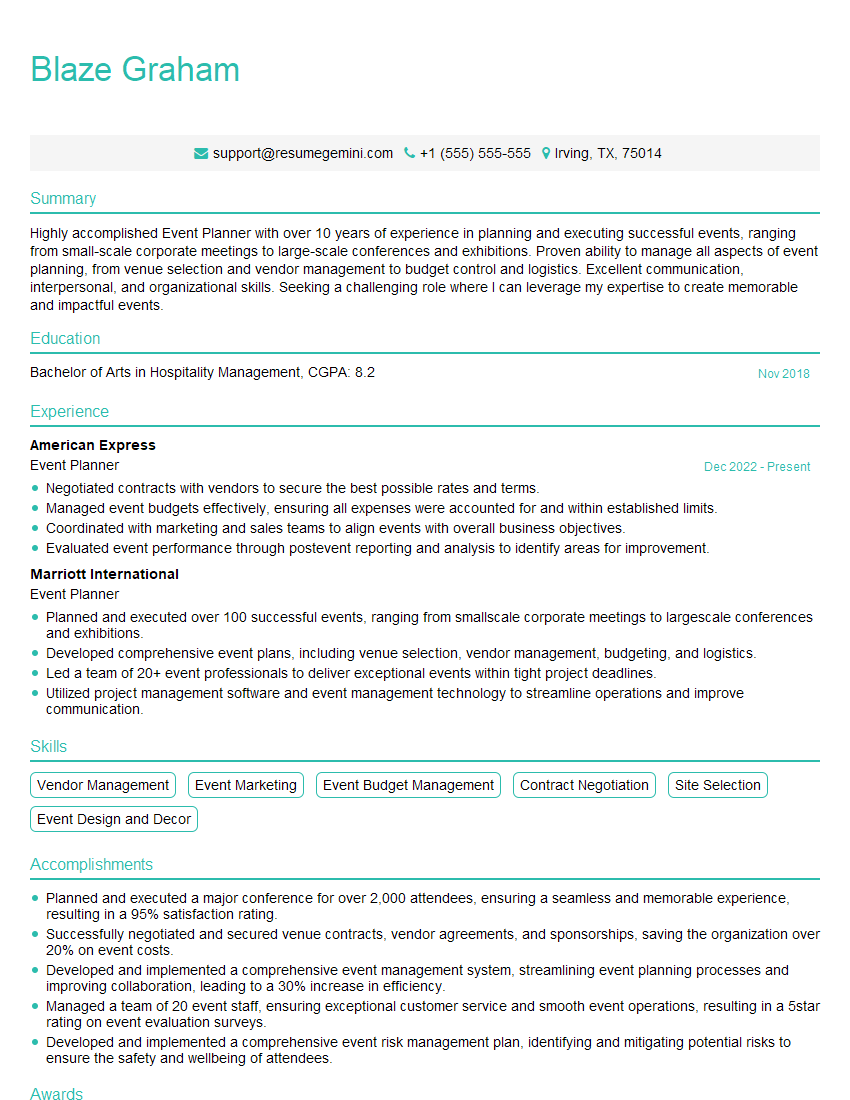
Event Planner Resume Sample

Social Media Manager Resume Sample
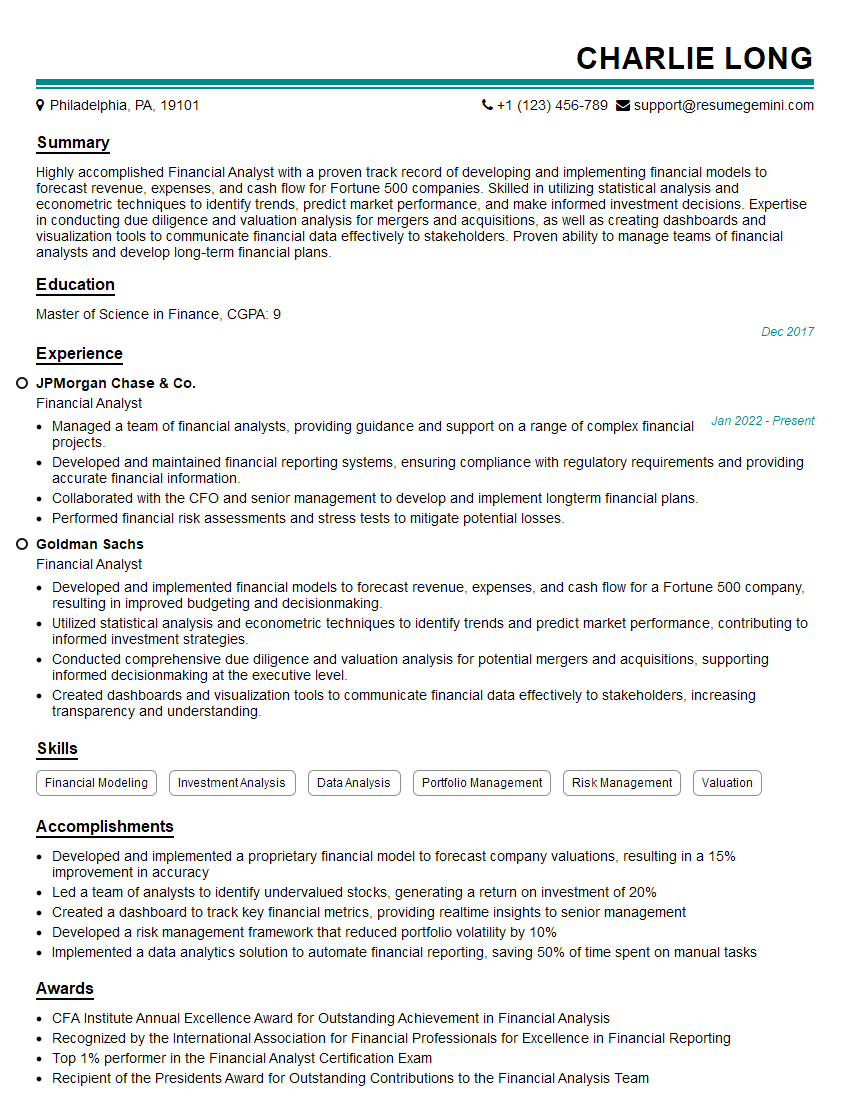
Financial Analyst Resume Sample
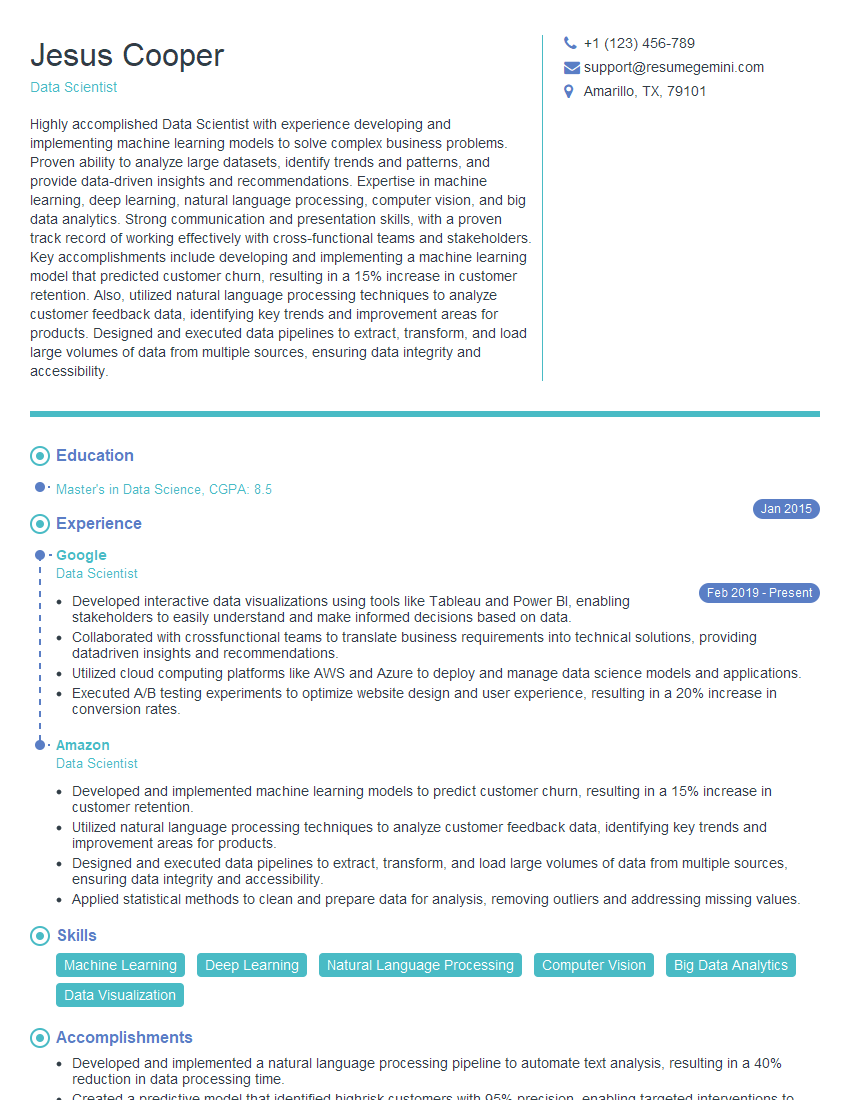
Data Scientist Resume Sample
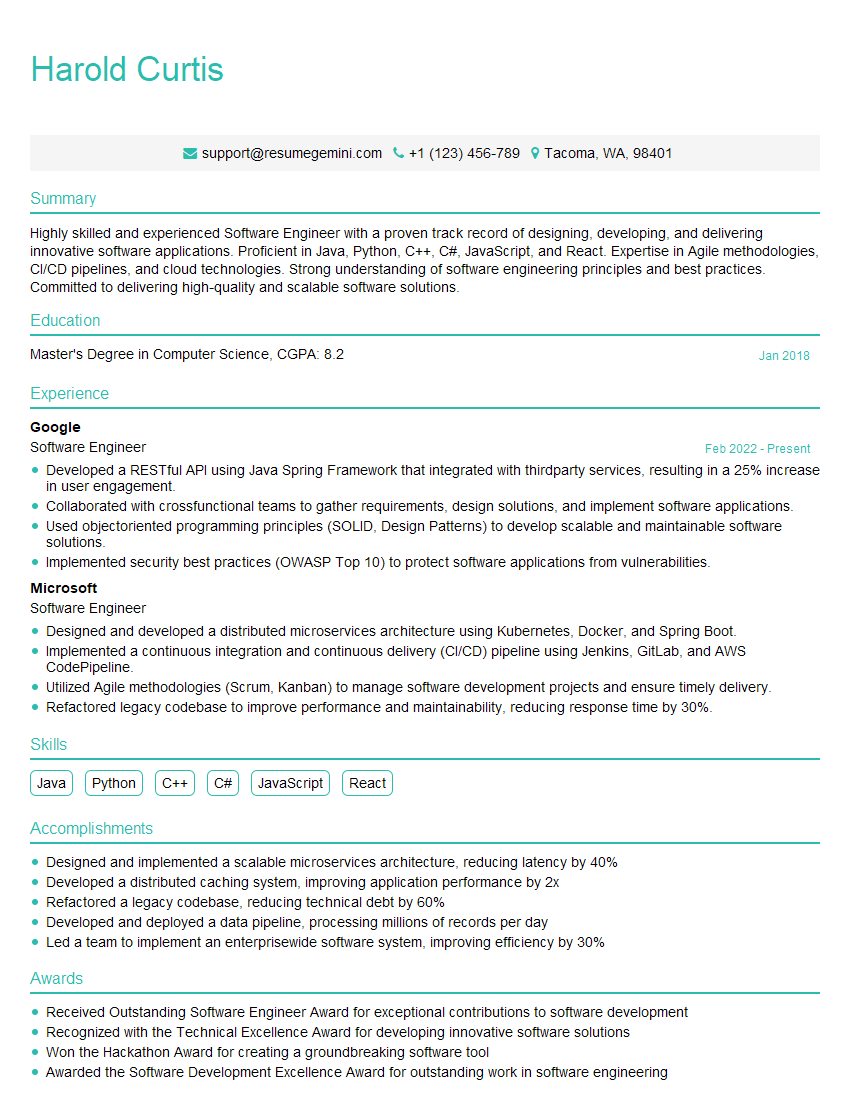
Software Engineer Resume Sample
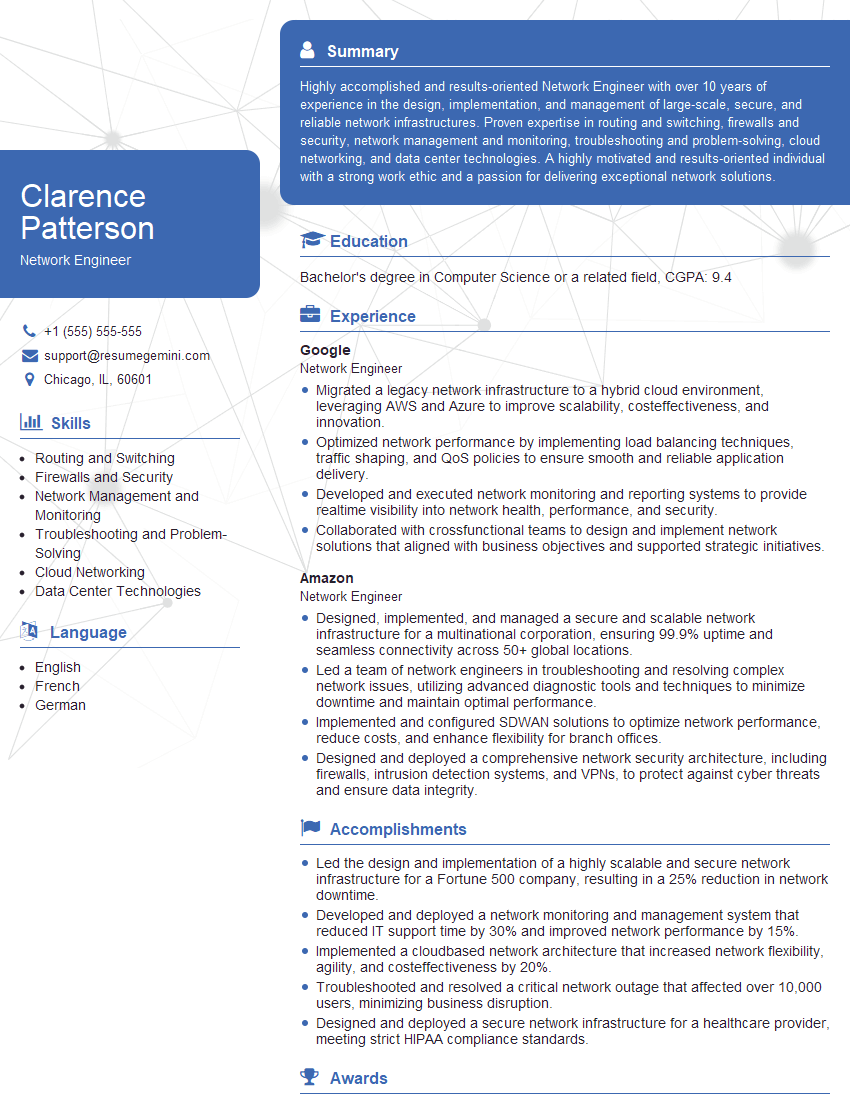
Network Engineer Resume Sample
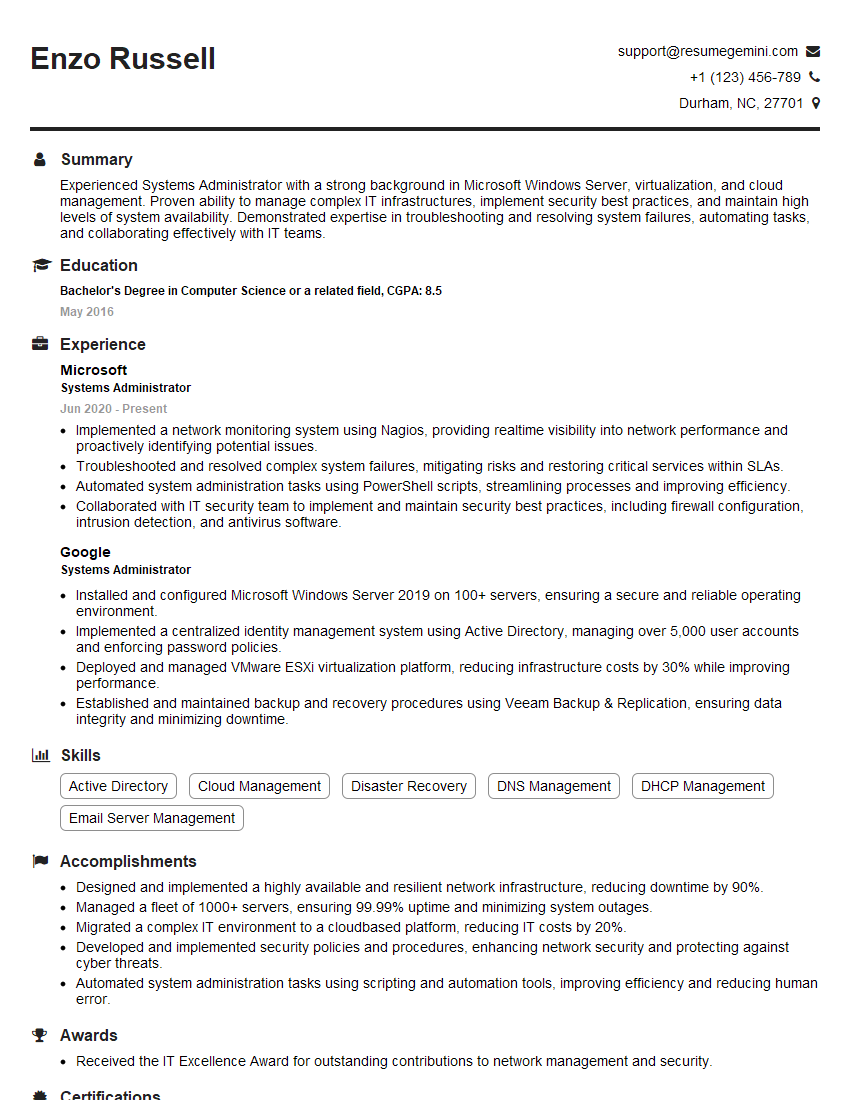
Systems Administrator Resume Sample
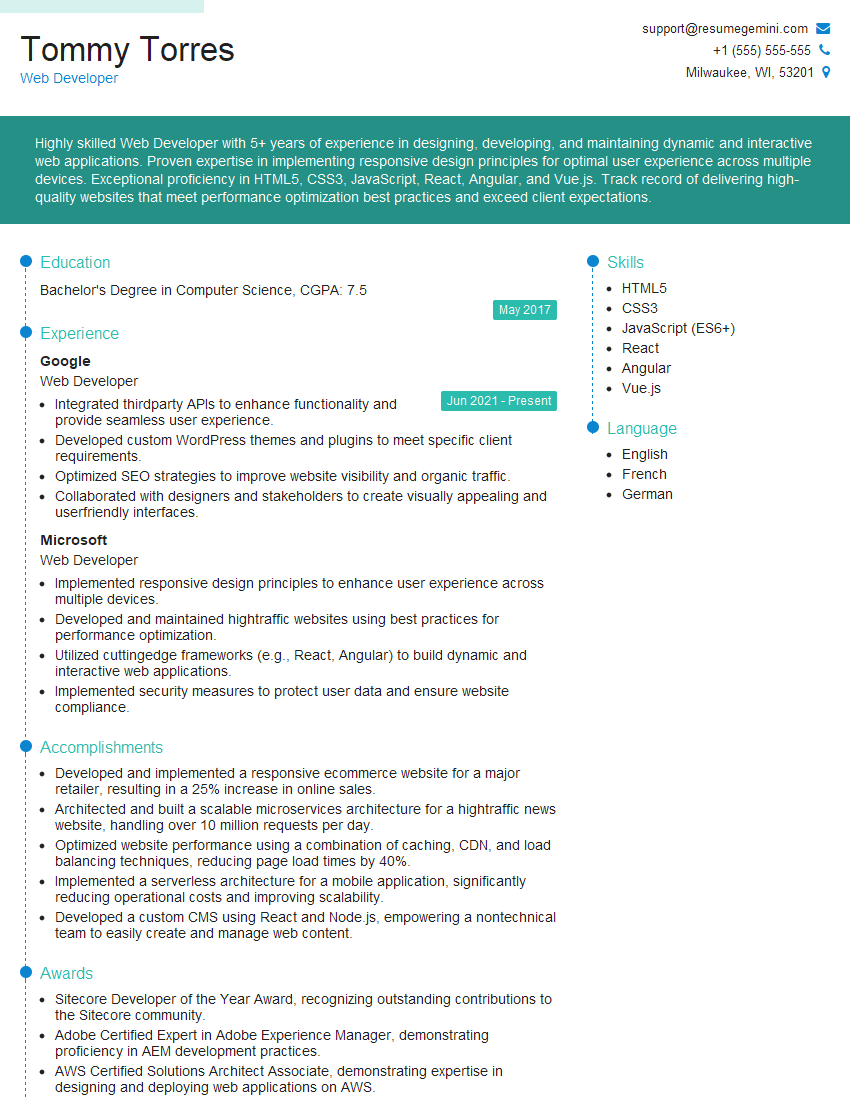
Web Developer Resume Sample
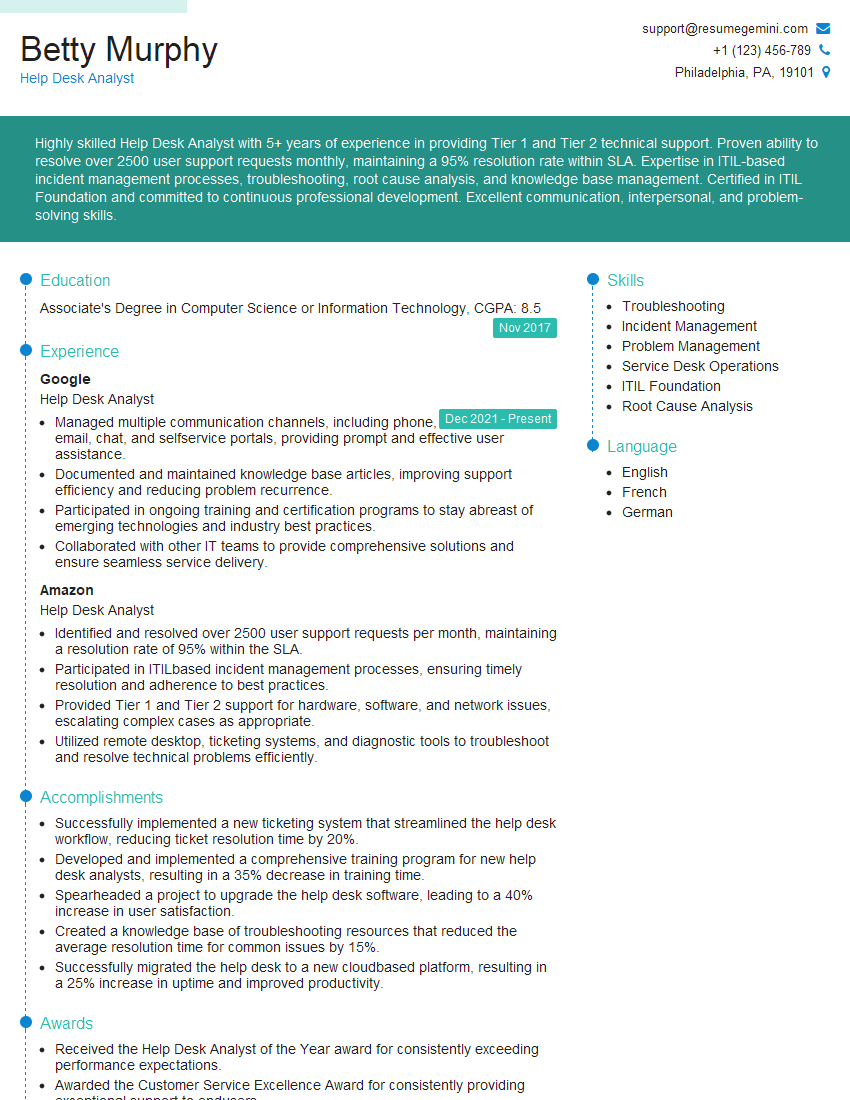
Help Desk Analyst Resume Sample

Technical Writer Resume Sample
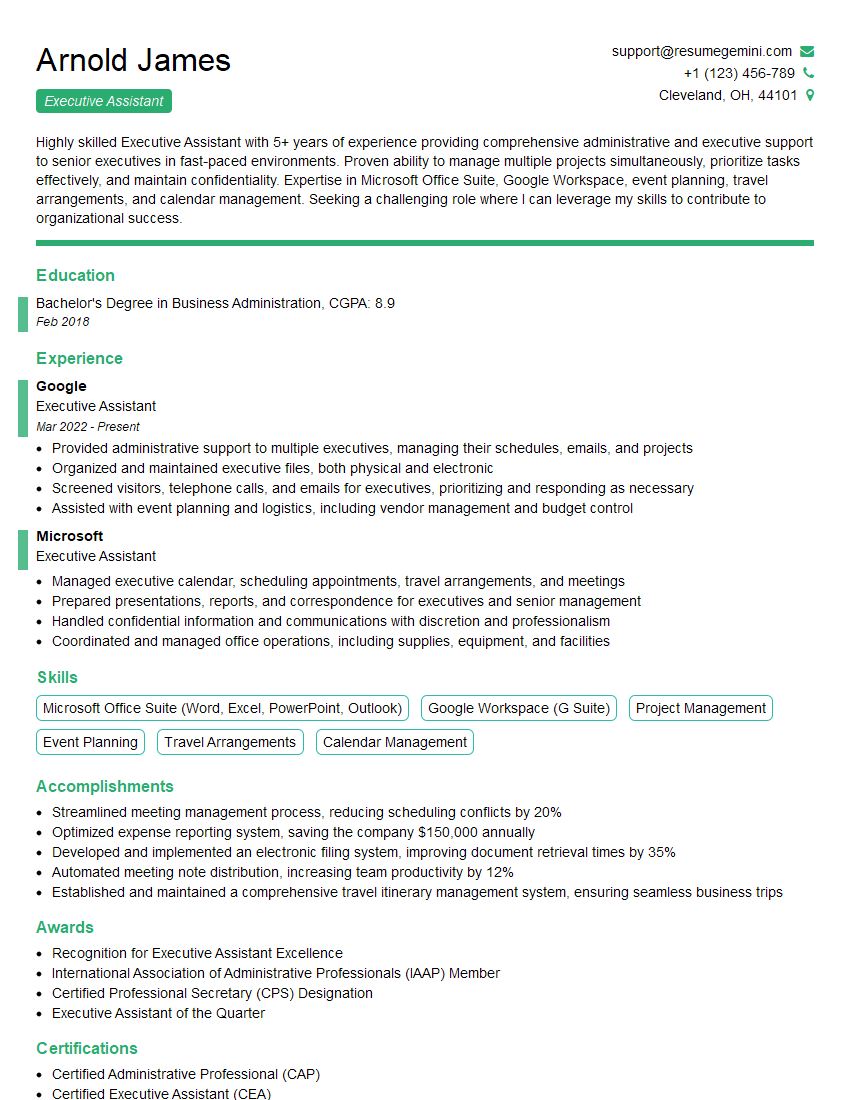
Executive Assistant Resume Sample
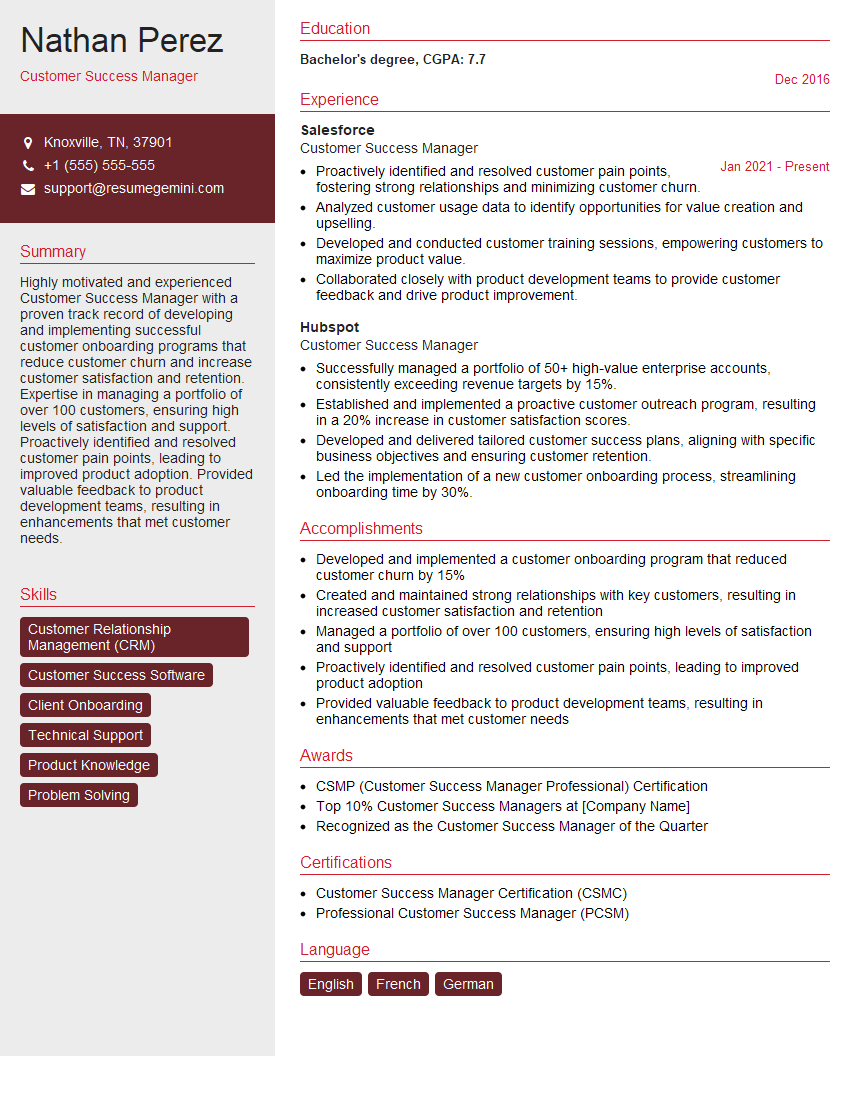
Customer Success Manager Resume Sample
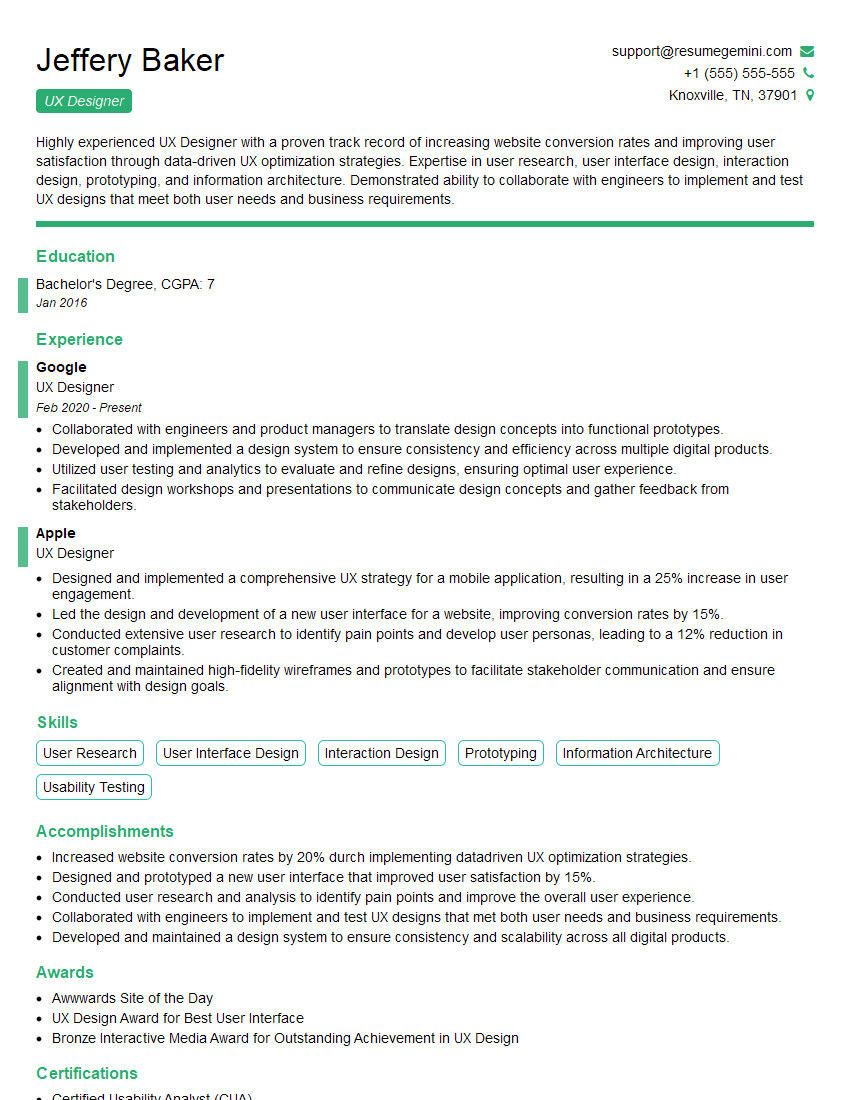
UX Designer Resume Sample
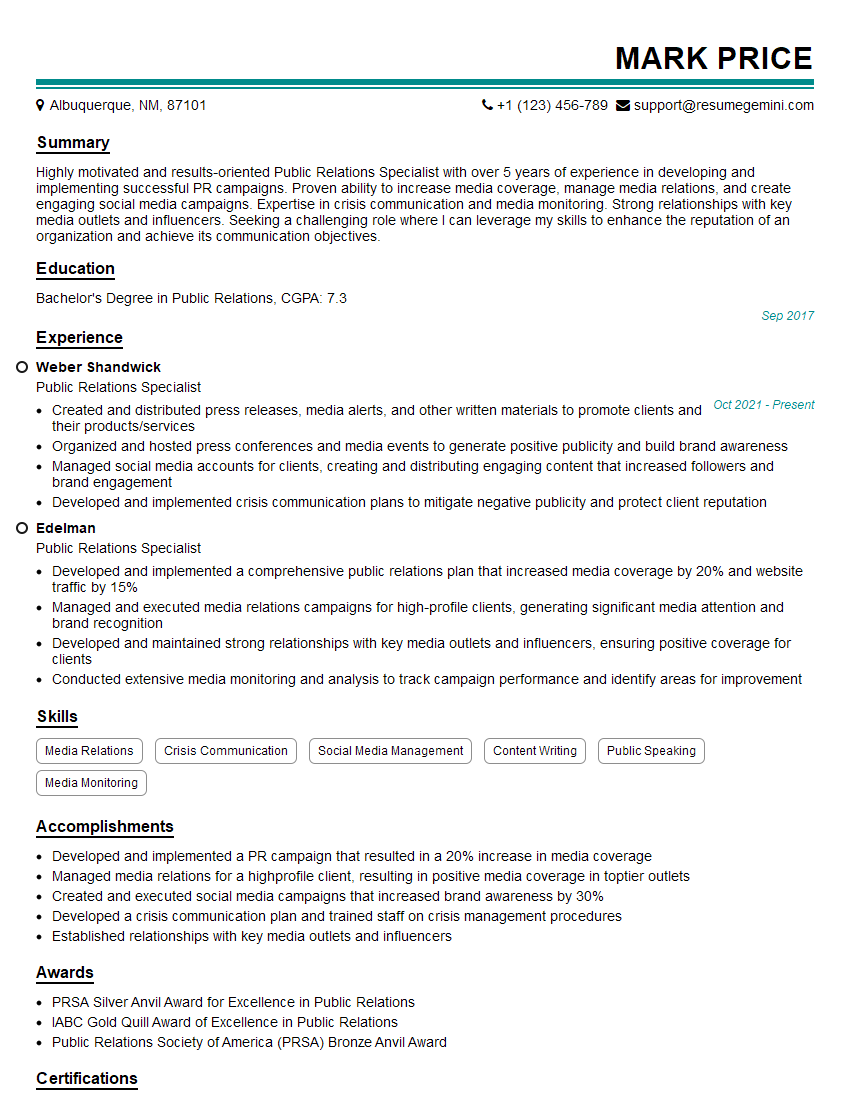
Public Relations Specialist Resume Sample
- Operations Manager
- Account Manager
- Marketing Manager
- Sales Manager
- Product Manager
- Administrative Assistant
- Supply Chain Manager
- Project Manager
- Business Analyst
- Event Planner
- Social Media Manager
- Financial Analyst
- Data Scientist
- Software Engineer
- Network Engineer
- Systems Administrator
- Web Developer
- Help Desk Analyst
- Technical Writer
- Executive Assistant
- Customer Success Manager
- UX Designer
- Public Relations Specialist
Explore more articles
Users Rating of Our Blogs
Share Your Experience
We value your feedback! Please rate our content and share your thoughts (optional).
What Readers Say About Our Blog
Very informative content, great job.
good