Cracking a skill-specific interview, like one for Experienced in Crew Management and Training, requires understanding the nuances of the role. In this blog, we present the questions you’re most likely to encounter, along with insights into how to answer them effectively. Let’s ensure you’re ready to make a strong impression.
Questions Asked in Experienced in Crew Management and Training Interview
Q 1. Describe your experience in developing and implementing crew training programs.
Developing and implementing effective crew training programs requires a systematic approach that blends theoretical knowledge with practical, hands-on experience. My approach begins with a thorough needs analysis, identifying skill gaps and performance deficiencies within the existing crew. This involves reviewing past performance data, conducting interviews with crew members and supervisors, and analyzing incident reports.
Based on this analysis, I design a comprehensive training curriculum that addresses the identified needs. This curriculum typically includes classroom instruction, simulations, on-the-job training, and performance assessments. For instance, in a previous role managing a deep-sea exploration crew, we developed a specialized training program focusing on underwater robotics operation and emergency response procedures, which included both theoretical classroom sessions and extensive simulated underwater scenarios using specialized training equipment.
Implementation involves careful scheduling of training sessions, ensuring adequate resources are available, and monitoring participant progress throughout the program. Post-training evaluations measure the effectiveness of the program, and feedback is incorporated into future iterations to ensure continuous improvement. This iterative process ensures the training program remains relevant and effective in addressing evolving operational needs and industry best practices.
Q 2. How do you handle conflict resolution within a crew?
Conflict resolution within a crew requires a proactive and fair approach. I believe in addressing conflicts as early as possible to prevent escalation. My approach is built on open communication, active listening, and a focus on understanding the root causes of the disagreement rather than assigning blame.
I typically initiate a facilitated discussion between the involved parties, creating a safe space for them to express their perspectives without interruption. I use active listening techniques to ensure each person feels heard and understood. Once the perspectives are clear, I work collaboratively with the individuals to identify mutually acceptable solutions, focusing on finding common ground and achieving a win-win outcome. If necessary, I will mediate, offering impartial suggestions and ensuring the resolution adheres to company policies and safety regulations. Following the resolution, I reinforce the importance of teamwork and communication, emphasizing the value of respectful interactions within the team.
For example, I once mediated a dispute between two team members regarding workload distribution during a particularly demanding project. By facilitating open communication, we identified miscommunication as the root cause and developed a more transparent and equitable workload distribution system, ensuring the project’s success and preventing future conflicts.
Q 3. What methods do you use to assess crew performance and identify areas for improvement?
Assessing crew performance and identifying areas for improvement involves using a multi-faceted approach. This includes regularly scheduled performance reviews, observation of on-the-job performance, analysis of operational data, and feedback mechanisms.
Performance reviews are conducted using standardized evaluation tools, such as checklists and rating scales, which allow for objective assessment of individual performance against established criteria. Direct observation of crew members during operations provides valuable insights into their work habits, teamwork skills, and problem-solving abilities. Operational data, such as safety records, production figures, and equipment maintenance logs, provides quantitative measures of performance. Finally, regularly soliciting feedback from crew members, supervisors, and clients helps identify areas for improvement from multiple perspectives.
For example, in a previous role, we implemented a system of regular feedback sessions with anonymous suggestions. This process identified a critical safety concern in the use of specific equipment, a problem that wasn’t apparent through the usual review methods. The collective feedback was instrumental in quickly resolving the issue and preventing accidents.
Q 4. Explain your approach to scheduling and allocating crew resources effectively.
Effective scheduling and allocation of crew resources are crucial for operational efficiency and crew well-being. My approach is based on careful planning, considering factors such as workload demands, crew skills and experience, and individual availability. I utilize project management tools and techniques to optimize resource allocation, ensuring the right people are assigned to the right tasks at the right time.
This includes developing detailed schedules and work plans that consider potential delays and contingencies. Regular monitoring of progress and adjusting schedules as needed is crucial. I prioritize crew rest and recovery time to prevent burnout and maintain optimal performance. Effective communication and coordination among team members are key to seamless operations.
For instance, when managing a large-scale project requiring diverse crew expertise, I use Gantt charts to visualize tasks, deadlines, and resource allocation. This allows for proactive identification of potential bottlenecks and allows for adjustments to the schedule before they negatively impact the project’s timeline.
Q 5. How do you ensure compliance with safety regulations within your crew?
Ensuring compliance with safety regulations is paramount in crew management. My approach is built on a foundation of proactive safety culture, where safety is not just a set of rules but a core value integrated into every aspect of operations.
This includes providing comprehensive safety training, enforcing strict adherence to safety protocols, conducting regular safety audits and inspections, and promptly addressing any safety concerns raised by crew members. We use documented safety procedures and checklists for all tasks, and maintain meticulous records of safety training and inspections. Regular safety meetings are conducted to review incidents, discuss best practices, and emphasize the importance of continuous improvement in safety performance.
For example, I implemented a peer-to-peer safety observation program, where team members were empowered to identify and report potential hazards without fear of reprisal. This significantly increased the number of near-misses reported, leading to the identification and mitigation of potential safety issues before they escalated into accidents.
Q 6. Describe a time you had to deal with a critical incident involving your crew. What actions did you take?
During a deep-sea exploration mission, a critical incident occurred when a remotely operated vehicle (ROV) malfunctioned at a significant depth, potentially trapping the crew member operating it within the vehicle’s control room due to emergency depressurization protocols.
My immediate actions included activating the emergency response plan, initiating communication with the trapped crew member, and coordinating with the support team on the surface. We confirmed the crew member was safe, albeit shaken. The support team quickly analyzed the situation and remotely restarted critical systems using backup protocols while sending a diver to assess the physical situation at the ROV. Communication with the crew member remained constant throughout the rescue process, providing reassurance and updates on the rescue plan. The incident ended successfully with the ROV stabilized and the crew member safely extracted, but it highlighted the importance of having well-rehearsed emergency response plans, redundant systems, and clear communication channels in place.
Following the incident, a thorough post-incident review was conducted to identify contributing factors and implement corrective actions to prevent recurrence. The training program was updated to incorporate this scenario, providing crew members with additional hands-on experience handling similar situations.
Q 7. How do you foster teamwork and collaboration among crew members?
Fostering teamwork and collaboration requires a deliberate and sustained effort. My approach involves creating a positive and inclusive team environment where every member feels valued and respected.
This starts with clearly defining roles and responsibilities, ensuring that everyone understands their contribution to the overall goal. I encourage open communication by facilitating regular team meetings, creating opportunities for informal interactions, and actively encouraging feedback. Team-building activities and social events help build camaraderie and strengthen relationships. I provide constructive feedback and recognition for individual and team achievements to boost morale and motivation.
For example, I once organized a team-building exercise involving problem-solving scenarios that required strong collaboration and communication. This experience not only improved their teamwork skills but also strengthened their bonds, leading to better communication and collaboration in their daily tasks. A strong team environment is built on trust, mutual respect, and shared goals; when these are in place, the team flourishes.
Q 8. What strategies do you use to motivate and engage your crew?
Motivating and engaging a crew requires a multifaceted approach that goes beyond simply assigning tasks. It’s about fostering a positive and collaborative environment where everyone feels valued and empowered. My strategy centers around three key pillars: recognition, development, and open communication.
Recognition: I believe in celebrating both individual and team accomplishments. This could be through formal awards, informal praise during team meetings, or simply acknowledging a job well done. For example, publicly acknowledging a crew member who consistently goes above and beyond to help others boosts morale and encourages similar behavior.
Development: Investing in my crew’s professional growth is crucial. I provide opportunities for training, mentorship, and skill enhancement, tailored to individual aspirations. This shows I care about their future and helps them feel valued. For instance, I once sponsored a crew member’s participation in a specialized safety training course, directly resulting in improved safety procedures on our team.
Open Communication: I foster a culture of open dialogue, encouraging feedback from all crew members. Regular team meetings, informal chats, and anonymous feedback channels allow me to address concerns proactively and build trust. Transparency about project goals and challenges keeps everyone informed and engaged.
Q 9. How do you adapt your training methods to different learning styles?
Recognizing that individuals learn in diverse ways is vital for effective training. I employ a blended learning approach, incorporating various methods to cater to different learning styles. For example, I use:
Visual Learners: I incorporate diagrams, charts, and videos into my training materials. Using visual aids helps them grasp concepts quickly and efficiently.
Auditory Learners: I incorporate lectures, discussions, and group exercises, encouraging active participation and verbalization of concepts. Recordings of key training points are also helpful.
Kinesthetic Learners: Hands-on training, simulations, and role-playing are critical for this group. Practical application reinforces understanding.
Read/Write Learners: I provide comprehensive written materials, including manuals, handouts, and summaries. Quizzes and tests allow for assessment and reinforcement.
I regularly assess the effectiveness of my methods and adjust accordingly, gathering feedback to continually refine my approach and ensure inclusivity.
Q 10. Describe your experience in creating and delivering training materials.
My experience in creating and delivering training materials encompasses a wide range of modalities. I start by conducting a thorough needs analysis, identifying the specific knowledge and skill gaps within the team. This analysis informs the development of tailored training materials that are both relevant and engaging. My process typically involves:
Content Development: I create clear, concise, and well-organized training materials, employing a variety of media such as presentations, videos, interactive modules, and practical exercises. I always ensure materials are aligned with industry best practices and regulatory requirements.
Delivery Methods: I use a variety of delivery methods such as classroom-based training, online modules, on-the-job training, and mentoring, choosing the most appropriate method based on the content and the learners’ needs.
Assessment and Evaluation: I incorporate assessments into the training process, such as quizzes, practical demonstrations, and post-training evaluations. This allows me to assess learner understanding and identify areas needing further clarification.
For example, I recently developed a comprehensive online training module on emergency response procedures, incorporating interactive scenarios and simulations. The module resulted in a significant improvement in the team’s response time and efficiency during drills.
Q 11. How do you measure the effectiveness of your training programs?
Measuring the effectiveness of training programs is crucial to ensure they meet their objectives. My approach involves a combination of quantitative and qualitative methods.
Quantitative Data: I collect data such as pre- and post-training assessments scores, improvements in performance metrics (e.g., task completion time, error rates), and employee feedback surveys. This data provides objective measures of the training’s impact.
Qualitative Data: I also gather qualitative data through observations, interviews, and focus groups. This helps identify the less measurable aspects of training effectiveness, such as changes in attitudes, knowledge retention, and skill application in real-world situations.
Analyzing this data helps me identify areas of success and areas for improvement in future training programs. For instance, a recent training program showed a 20% reduction in errors post-training and overwhelmingly positive feedback regarding its relevance and engagement. This data confirmed the program’s efficacy.
Q 12. What techniques do you use to provide constructive feedback to crew members?
Providing constructive feedback is a critical skill for any leader. My approach focuses on being specific, actionable, and focused on behavior rather than personality. I use the SBI (Situation-Behavior-Impact) model which emphasizes describing the situation, highlighting the specific behavior, and explaining its impact.
Situation: I clearly describe the specific context or situation where the behavior occurred.
Behavior: I objectively describe the behavior itself, without making judgments or accusations.
Impact: I explain the impact of the behavior – both positive and negative – on the individual, the team, or the organization.
For example, instead of saying ‘You’re always late,’ I might say, ‘During the last three project meetings, you arrived 15 minutes late. This delayed the start of the meeting and impacted our ability to stay on schedule.’ This allows for a more objective conversation focused on improving future performance.
Q 13. How do you handle performance issues within a crew?
Handling performance issues requires a structured and empathetic approach. My process involves several steps:
Identify and Document: I carefully identify the performance issue, documenting specific instances and behaviors. This ensures objectivity and avoids misunderstandings.
Private Meeting: I schedule a private meeting with the crew member to discuss the issue openly and honestly. I listen actively and aim to understand their perspective.
Develop an Action Plan: Together, we develop a clear and achievable action plan to address the performance issue. This plan might include additional training, mentorship, or adjusted responsibilities. The action plan includes specific, measurable, achievable, relevant, and time-bound (SMART) goals.
Monitor Progress: I monitor progress regularly, providing ongoing support and feedback. This ensures the plan remains effective and adjusts if necessary.
Disciplinary Action (If Necessary): If the performance issue persists despite interventions, I may need to take formal disciplinary action, following company policy. This is always a last resort.
Throughout this process, I maintain open communication and strive to support the crew member in improving their performance.
Q 14. What is your experience with performance management systems?
My experience with performance management systems is extensive. I’m proficient in using various systems, from traditional performance review processes to more modern, continuous feedback systems. I understand the importance of aligning performance management with organizational goals and individual development plans.
I am comfortable utilizing systems that incorporate key performance indicators (KPIs) to track individual and team performance against established targets. I am also experienced in using systems which incorporate 360-degree feedback, allowing for input from peers, supervisors, and subordinates. This allows for a more holistic understanding of an individual’s performance.
Furthermore, I am familiar with systems that facilitate goal setting, progress tracking, and performance improvement planning. My focus is always on ensuring the system is fair, transparent, and used to support employee growth and development. I’ve used such systems to successfully improve overall team performance, leading to increased productivity and efficiency.
Q 15. How do you stay current with industry best practices in crew management and training?
Staying current in crew management and training requires a multi-pronged approach. It’s not a one-time effort but a continuous process of learning and adaptation.
- Professional Organizations: Active membership in organizations like the Society of Maritime Industries or equivalent industry-specific groups provides access to conferences, webinars, and publications detailing the latest regulations, best practices, and technological advancements. I regularly attend these events and actively participate in discussions.
- Industry Publications and Journals: I subscribe to and regularly read leading maritime journals and industry publications. These keep me updated on emerging trends, safety regulations, and technological innovations impacting crew management.
- Online Courses and Webinars: Numerous online platforms offer specialized courses and webinars on crew management, safety protocols, and leadership training. I consistently leverage these resources to enhance my skillset and knowledge.
- Networking: Building and maintaining a strong professional network through conferences and online forums allows for the exchange of best practices and lessons learned from other experienced crew managers. This peer-to-peer learning is invaluable.
- Regulatory Updates: I diligently monitor changes in maritime regulations and safety standards, ensuring our training programs and management practices remain compliant. This involves regular checks of relevant government websites and participation in compliance seminars.
For example, recently I completed a course on the latest STCW (Standards of Training, Certification and Watchkeeping) amendments, which immediately impacted our training curriculum for seafarers. This proactive approach ensures we’re always ahead of the curve.
Career Expert Tips:
- Ace those interviews! Prepare effectively by reviewing the Top 50 Most Common Interview Questions on ResumeGemini.
- Navigate your job search with confidence! Explore a wide range of Career Tips on ResumeGemini. Learn about common challenges and recommendations to overcome them.
- Craft the perfect resume! Master the Art of Resume Writing with ResumeGemini’s guide. Showcase your unique qualifications and achievements effectively.
- Don’t miss out on holiday savings! Build your dream resume with ResumeGemini’s ATS optimized templates.
Q 16. Describe your experience with different crew management software or tools.
My experience encompasses a variety of crew management software and tools, ranging from simple spreadsheet-based systems to sophisticated enterprise-level solutions.
- Spreadsheet Software (Excel, Google Sheets): While basic, these are useful for smaller crews or for tracking specific metrics like crew hours or expenses. I’ve used them effectively for smaller projects and initial data analysis.
- Crew Management Systems (CMS): I have extensive experience with several dedicated CMS platforms. These systems typically offer features like crew scheduling, certification tracking, performance management, and communication modules. The specific features vary based on the vendor, but I’m proficient in using these systems to streamline various crew management tasks.
- HR and Payroll Software Integration: Effective crew management often requires seamless integration with HR and payroll systems to manage compensation, benefits, and other HR-related functions. I’ve worked with systems that facilitate this integration, improving efficiency and accuracy.
- Learning Management Systems (LMS): I’ve used LMS platforms to manage and track crew training progress, assign courses, and monitor competency levels. This allows for easy identification of training gaps and facilitates customized learning pathways for each crew member.
For instance, in my previous role, we transitioned from a spreadsheet-based system to a dedicated CMS, resulting in a significant reduction in administrative workload and improved accuracy in crew scheduling and certification tracking. The automation of tasks saved us considerable time and resources.
Q 17. How do you ensure that your crew has the necessary equipment and resources to perform their tasks effectively?
Ensuring the crew has the necessary equipment and resources is crucial for effective task performance and safety. My approach involves a combination of proactive planning and responsive action.
- Needs Assessment: Before commencing any project or operation, I conduct a thorough needs assessment to identify all required equipment, tools, materials, and personal protective equipment (PPE). This assessment considers factors like the task’s complexity, environmental conditions, and crew size.
- Procurement and Inventory Management: Once needs are defined, I work with procurement teams to acquire the necessary items, ensuring adherence to budget constraints and quality standards. I then implement robust inventory management systems to track equipment availability and condition, ensuring timely replacements or repairs.
- Regular Inspections and Maintenance: Regular inspections and maintenance of equipment are critical for safety and efficiency. I establish schedules for these checks and work with maintenance personnel to ensure any issues are addressed promptly.
- Crew Training on Equipment Use: Proper training on the safe and effective use of equipment is paramount. I ensure all crew members receive the necessary training before operating any equipment, and refresher courses are provided regularly.
For example, during a recent offshore operation, a potential equipment failure was identified during a routine inspection. By promptly addressing the issue, we prevented a costly delay and ensured the safety of the crew. This proactive approach to maintenance has consistently saved time and minimized risks.
Q 18. How do you manage crew budgets effectively?
Effective crew budget management requires careful planning, monitoring, and control. My approach involves:
- Budget Planning: Detailed budget planning is essential. This involves accurately forecasting crew costs (salaries, benefits, training, travel, etc.) based on the planned projects and operations.
- Cost Tracking and Monitoring: I utilize budgeting software and reporting tools to track expenses against the budget throughout the year. This allows for early detection of potential overspending and timely corrective measures.
- Value Engineering: I continuously look for opportunities to optimize crew costs without compromising safety or efficiency. This may involve exploring alternative suppliers, negotiating better contracts, or improving operational efficiency.
- Regular Reporting and Analysis: I prepare regular budget reports that highlight variances between actual and planned costs. This analysis allows for informed decision-making and adjustments to the budget as needed.
For example, by implementing a more efficient crew scheduling system, we reduced overtime costs by 15% in one project. This demonstrates the importance of continually looking for areas to improve budget performance.
Q 19. Describe your experience in recruiting and selecting crew members.
Recruiting and selecting crew members is a critical process requiring a strategic approach. My process typically includes:
- Defining Requirements: Clearly defining the skills, experience, certifications, and qualifications necessary for each crew role is fundamental. This is based on the specific needs of the projects and the company’s overall requirements.
- Sourcing Candidates: I utilize a variety of channels to source candidates, including online job boards, professional networks, recruitment agencies, and internal referrals. I tailor my approach depending on the specific skills needed and the urgency of the position.
- Candidate Screening and Selection: I implement a rigorous selection process to assess candidates’ suitability. This typically involves reviewing applications, conducting interviews, verifying qualifications, and potentially administering skills tests or assessments.
- Background Checks: Depending on the role and industry regulations, I conduct background checks to ensure candidates meet safety and security requirements. This ensures a safe and reliable workforce.
In one instance, we implemented a new competency-based assessment system to ensure candidates were properly screened for their technical skills. This resulted in a significant reduction in onboarding time and improved crew performance.
Q 20. How do you onboard new crew members effectively?
Effective onboarding of new crew members is crucial for their success and integration into the team. My approach emphasizes both administrative tasks and integration into the work environment.
- Pre-boarding Communication: Before the crew member’s start date, I provide necessary information, such as company policies, safety procedures, and contact information for key personnel. This helps them feel prepared and informed.
- Orientation Program: A structured orientation program provides a comprehensive overview of the company, its culture, and the crew member’s role and responsibilities. This also includes introductions to the team and key stakeholders.
- Mentorship and Buddy System: Assigning a mentor or buddy to the new crew member provides ongoing support and guidance, making the transition smoother and easier.
- Training and Skill Development: Providing adequate training on relevant equipment, procedures, and software is critical to ensure competence and safety. This training might be classroom based, hands-on, or a blended approach.
In a past role, we implemented a peer-to-peer mentoring system that fostered a more welcoming and inclusive environment for new hires, leading to improved retention rates.
Q 21. What is your experience with conducting performance reviews?
Performance reviews are a vital component of crew management, serving both to assess performance and to identify areas for growth. My approach is focused on fairness, objectivity, and constructive feedback.
- Regular Check-ins: I believe in regular informal check-ins throughout the year to monitor performance and address any immediate concerns. This prevents issues from escalating.
- Formal Performance Reviews: Formal performance reviews are conducted at least annually, using a structured format that assesses key performance indicators (KPIs) and qualitative aspects of performance. These are based on pre-agreed upon metrics and objectives.
- 360-degree Feedback: Where appropriate, I incorporate 360-degree feedback to obtain input from peers, supervisors, and subordinates. This provides a more holistic view of the individual’s performance.
- Performance Improvement Plans (PIPs): If performance issues are identified, I work collaboratively with the crew member to develop a PIP, outlining specific goals and steps to improve performance. This is a supportive and constructive process.
For instance, by using a consistent performance evaluation system, we were able to better identify high-potential employees and provide them with opportunities for advancement within the company.
Q 22. How do you handle disciplinary actions within a crew?
Disciplinary actions are a last resort, always preceded by clear communication and attempts at corrective guidance. My approach is a three-step process: Verbal Warning, Written Warning, and then, if necessary, Termination.
A verbal warning is an informal discussion outlining the unacceptable behavior and its consequences. I focus on understanding the root cause, offering support if needed (e.g., additional training, mentorship), and setting clear expectations for improvement. A written warning formally documents the unacceptable behavior, outlining the specific incident, the company’s policy violation, and the consequences of further infractions. This is placed in the employee’s personnel file. Finally, termination is only considered after repeated violations, despite attempts at correction. Throughout the process, fairness, consistency, and due process are paramount. I ensure all actions are documented and in line with company policy and labor laws.
For example, if a team member consistently arrives late, I’d first have a verbal conversation. If the lateness continues, a written warning follows. Only repeated late arrivals after that would result in more severe consequences. The key is to be fair, consistent, and to document everything.
Q 23. How do you ensure the safety and well-being of your crew?
Ensuring crew safety and well-being is my top priority. This involves a multi-faceted approach encompassing proactive measures and responsive actions.
- Proactive Safety Measures: This includes conducting thorough risk assessments before any task, providing comprehensive safety training, ensuring access to appropriate Personal Protective Equipment (PPE), and implementing rigorous safety protocols. Regular safety briefings and toolbox talks are crucial for reinforcing safety awareness.
- Responsive Actions: This means immediately addressing any safety concerns raised by crew members, thoroughly investigating accidents or near misses, and implementing corrective actions to prevent recurrence. I foster a culture where reporting safety concerns is encouraged without fear of reprisal.
- Well-being Initiatives: Beyond physical safety, I also prioritize mental well-being. This might involve promoting work-life balance, providing access to employee assistance programs, and fostering a positive and supportive team environment where open communication is encouraged.
For instance, during a project involving working at heights, we’d conduct a detailed risk assessment, provide comprehensive fall protection training, ensure everyone wears harnesses and appropriate safety gear, and have spotters present. Regular checks on equipment and procedures would be part of our daily routine.
Q 24. What is your experience with different training methodologies?
My experience encompasses a variety of training methodologies, tailored to the specific needs of the crew and the task at hand. I’ve successfully utilized:
- On-the-Job Training (OJT): Highly effective for practical skills, where experienced crew members mentor new recruits in a real-world setting. I ensure proper supervision and regular feedback sessions are integrated into this approach.
- Classroom Training: Ideal for theoretical knowledge and standardized procedures. I prefer interactive sessions incorporating case studies, simulations, and group discussions to enhance engagement.
- Blended Learning: Combining online modules with hands-on training allows for flexibility and personalized learning pace. I leverage technology to make training accessible and engaging.
- Mentorship Programs: Pairing experienced personnel with newer ones fosters knowledge transfer and improves teamwork. I carefully match mentors and mentees based on their skills and personalities.
For example, when training a new welder, I’d combine classroom instruction on safety and welding techniques with hands-on practice under close supervision. Online modules would cover relevant safety regulations, while the mentor would guide the individual through progressively more complex welding tasks.
Q 25. Describe a time you had to adapt your crew management approach due to unexpected circumstances.
During a critical offshore project, a major storm unexpectedly hit, forcing us to evacuate the platform. My initial crew management plan focused on routine operations. Adapting required quick thinking and decisive action.
I immediately activated the emergency procedures, prioritizing the safe evacuation of all personnel. Communication was critical; I utilized all available communication channels (satellite phones, radios) to ensure everyone received clear instructions. On the mainland, I coordinated with support teams to ensure proper accommodation and care for the evacuated crew. Post-evacuation, I conducted a thorough debriefing to assess the effectiveness of our response and identify areas for improvement in our emergency preparedness plan. This unexpected event highlighted the importance of robust contingency planning and the need for constant communication and clear leadership during crises. The entire crew’s safety was prioritized, and we managed to achieve a zero-incident outcome.
Q 26. How do you ensure communication is clear and effective within your crew?
Clear and effective communication is fundamental to crew performance and safety. My approach focuses on several key elements:
- Regular Briefings: Daily briefings at the start of each shift to discuss tasks, safety concerns, and any relevant information.
- Open Communication Channels: Encouraging two-way communication where crew members feel comfortable expressing concerns or ideas without fear of reprisal.
- Clear and Concise Instructions: Avoiding jargon and using simple, direct language to ensure everyone understands expectations.
- Visual Aids: Employing diagrams, checklists, and other visual aids to support instructions and improve understanding, especially in high-pressure situations.
- Active Listening: Paying attention to both verbal and nonverbal cues to ensure everyone is fully understood.
For example, before a complex task, I’d use a combination of a verbal explanation, a detailed checklist, and a visual diagram to ensure everyone has a clear grasp of the procedure and safety precautions.
Q 27. How do you measure employee satisfaction within your crew?
Measuring employee satisfaction is crucial for maintaining morale and productivity. My approach involves a combination of quantitative and qualitative methods:
- Regular Feedback Sessions: One-on-one meetings to discuss performance, address concerns, and gather feedback on work environment and management style.
- Anonymous Surveys: Periodic anonymous surveys to gather honest feedback on various aspects of the work environment, including management, safety, and teamwork.
- Performance Reviews: Formal performance reviews to provide feedback and identify areas for growth and development.
- Observation and Informal Feedback: Regular observation of team dynamics and interactions to gauge morale and identify potential issues early on.
Analyzing the data gathered through these methods allows me to identify trends, address concerns proactively, and implement changes to improve overall employee satisfaction.
Q 28. What are your salary expectations for this role?
My salary expectations for this role are commensurate with my experience and expertise in crew management and training, and are in line with industry standards for similar positions. I am open to discussing a competitive salary package that reflects the value I bring to your organization. I’m confident that my skills and abilities will significantly contribute to your team’s success, and I’m eager to learn more about the specifics of the compensation offered.
Key Topics to Learn for Experienced Crew Management and Training Interview
- Crew Resource Management (CRM): Understanding CRM principles, including communication, teamwork, and decision-making in high-pressure situations. Practical application: Describe how you’ve implemented CRM strategies to improve crew performance and safety.
- Training Program Development and Implementation: Designing, delivering, and evaluating effective training programs for crew members. Practical application: Detail your experience creating and delivering training modules, assessing their effectiveness, and making necessary adjustments.
- Performance Management and Evaluation: Setting clear expectations, providing constructive feedback, and conducting performance reviews for crew members. Practical application: Explain your methods for identifying and addressing performance gaps within a crew.
- Safety Regulations and Compliance: Deep understanding of relevant safety regulations and procedures, ensuring crew adherence and proactive risk mitigation. Practical application: Describe a situation where you successfully identified and mitigated a safety risk.
- Conflict Resolution and Team Dynamics: Effectively managing conflicts within the crew, fostering positive team dynamics, and promoting a collaborative work environment. Practical application: Explain a situation where you successfully resolved a conflict within your team.
- Scheduling and Resource Allocation: Efficiently scheduling crew members and allocating resources to optimize performance and productivity. Practical application: Describe your experience in optimizing crew schedules and resource allocation to meet project deadlines.
- Mentorship and Leadership: Guiding and mentoring junior crew members, fostering their professional development, and building their skills. Practical application: Discuss your approach to mentoring and the positive impact it has had on crew members.
Next Steps
Mastering crew management and training is crucial for career advancement in this competitive field. It demonstrates your leadership abilities, commitment to safety, and ability to build high-performing teams. To significantly enhance your job prospects, focus on crafting an ATS-friendly resume that showcases your skills and experience effectively. ResumeGemini is a trusted resource to help you build a professional and impactful resume. Examples of resumes tailored to Experienced in Crew Management and Training are available to help guide your resume creation process.
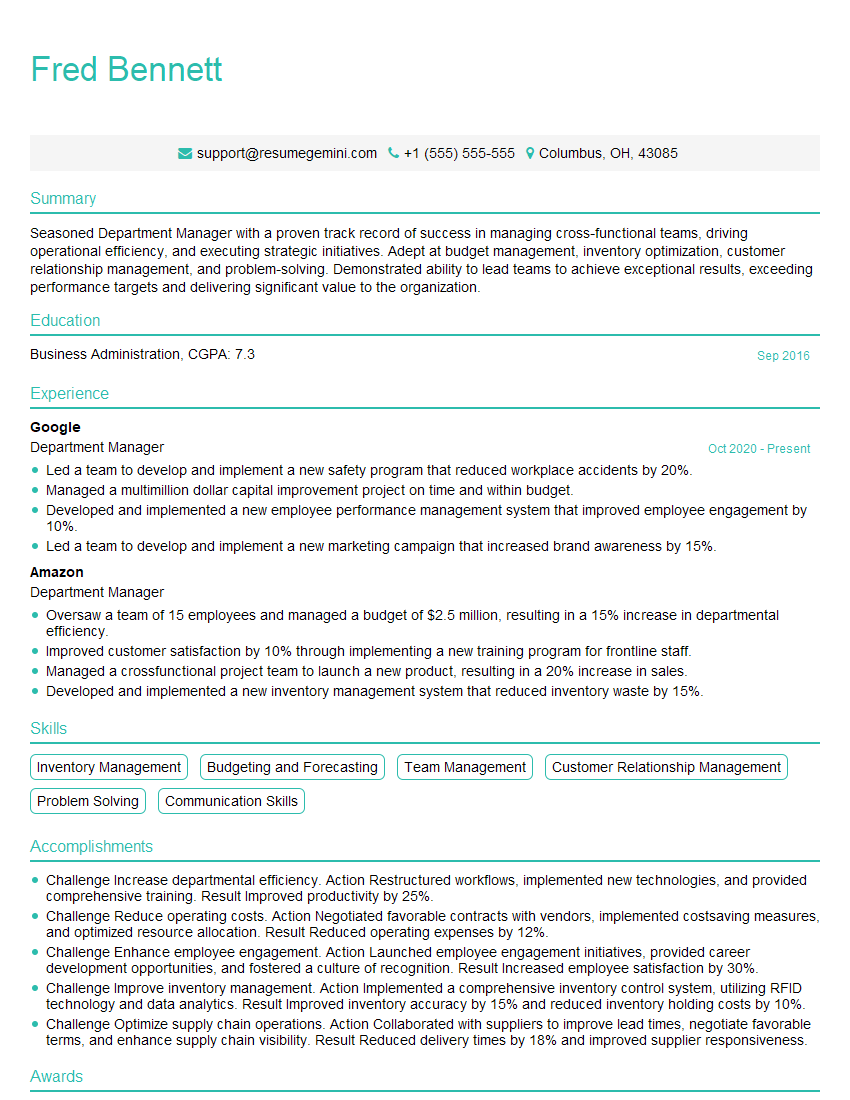
Department Manager Resume Sample

Operations Manager Resume Sample
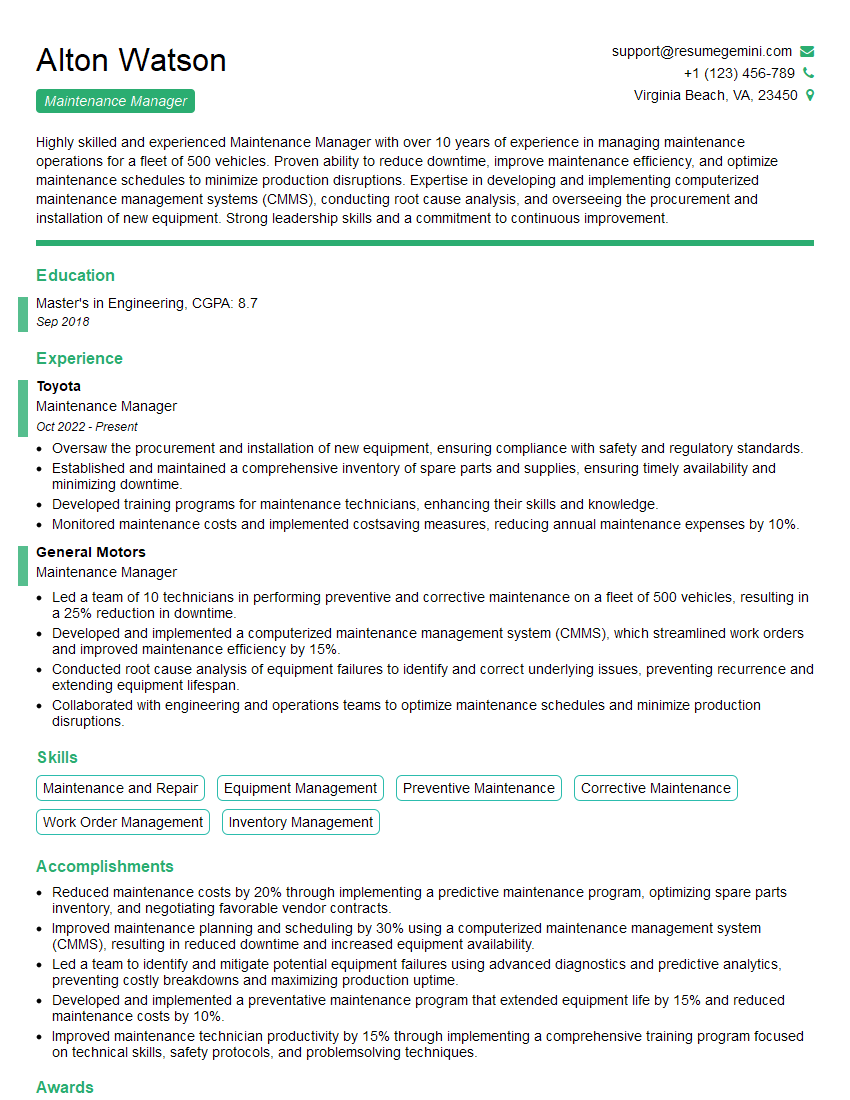
Maintenance Manager Resume Sample
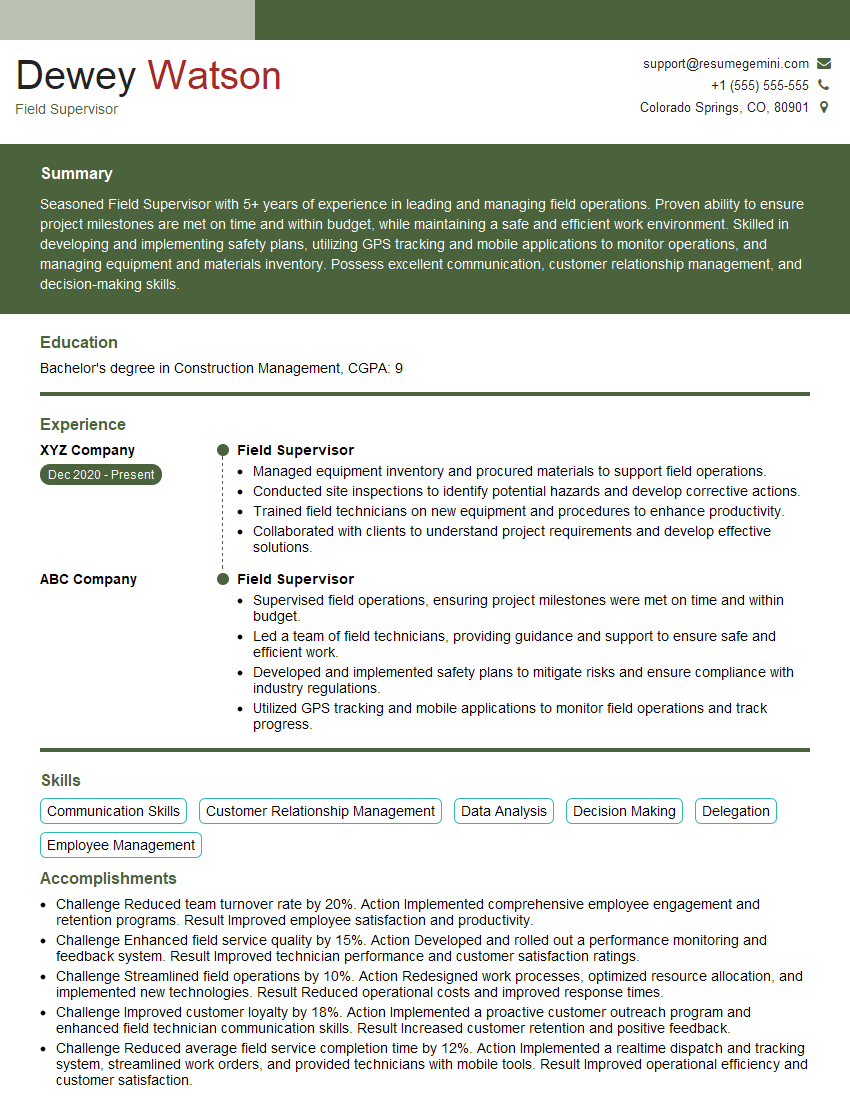
Field Supervisor Resume Sample
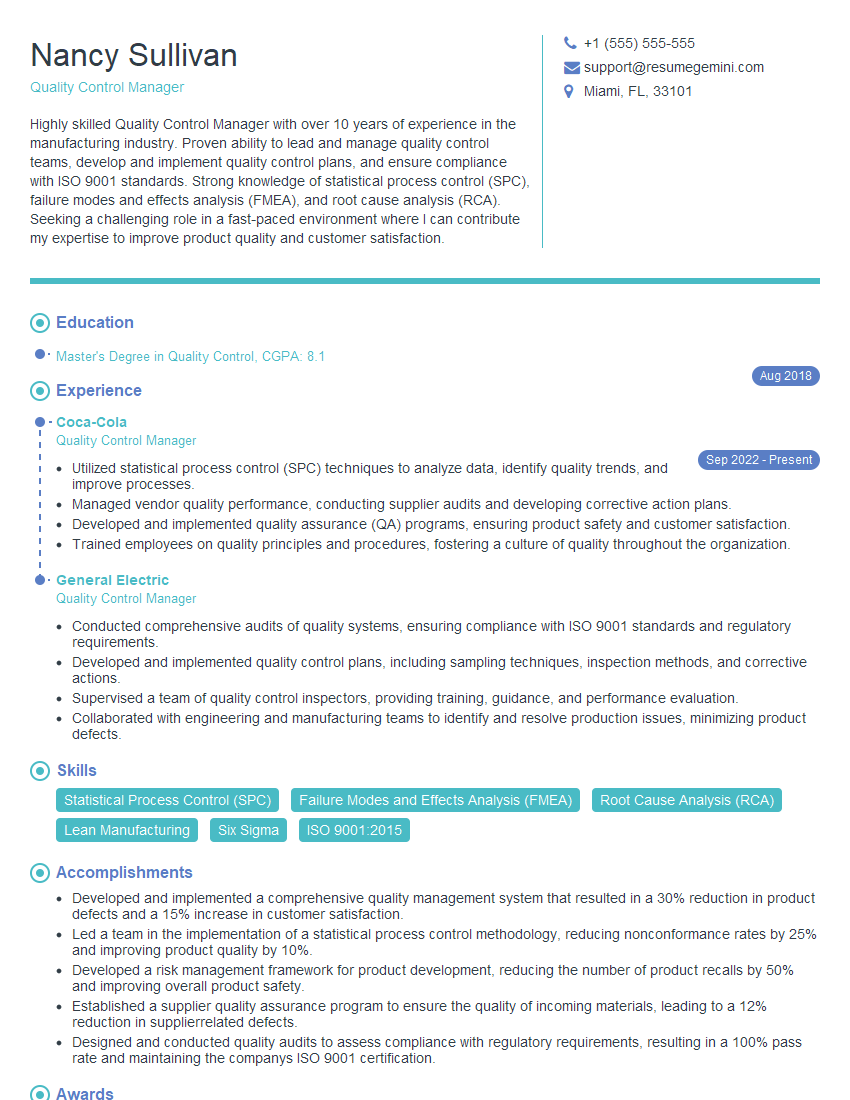
Quality Control Manager Resume Sample
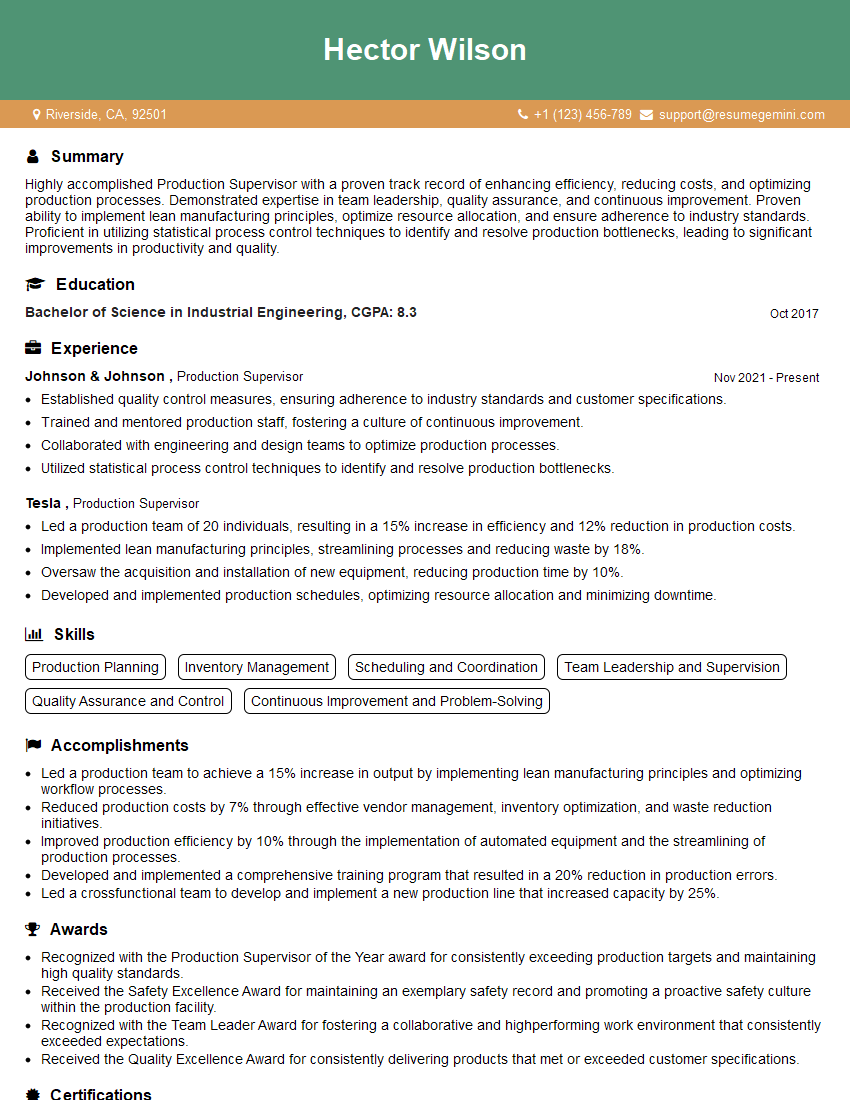
Production Supervisor Resume Sample
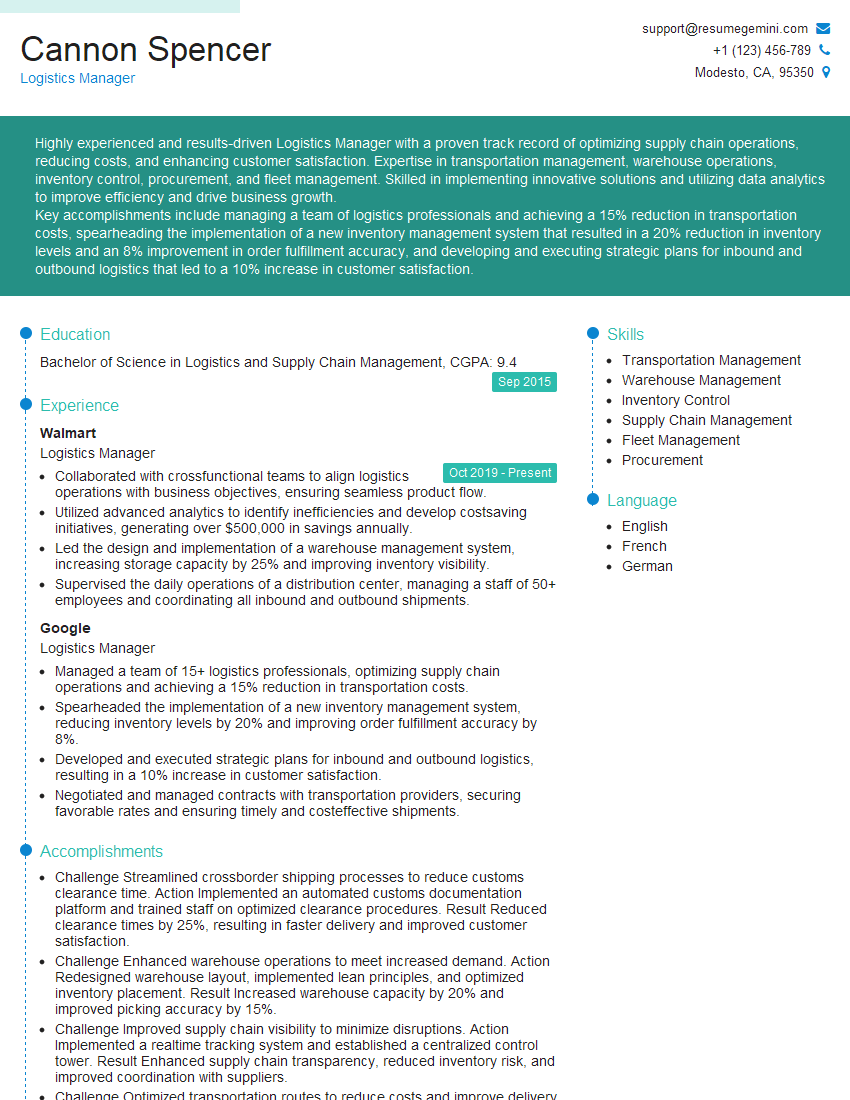
Logistics Manager Resume Sample
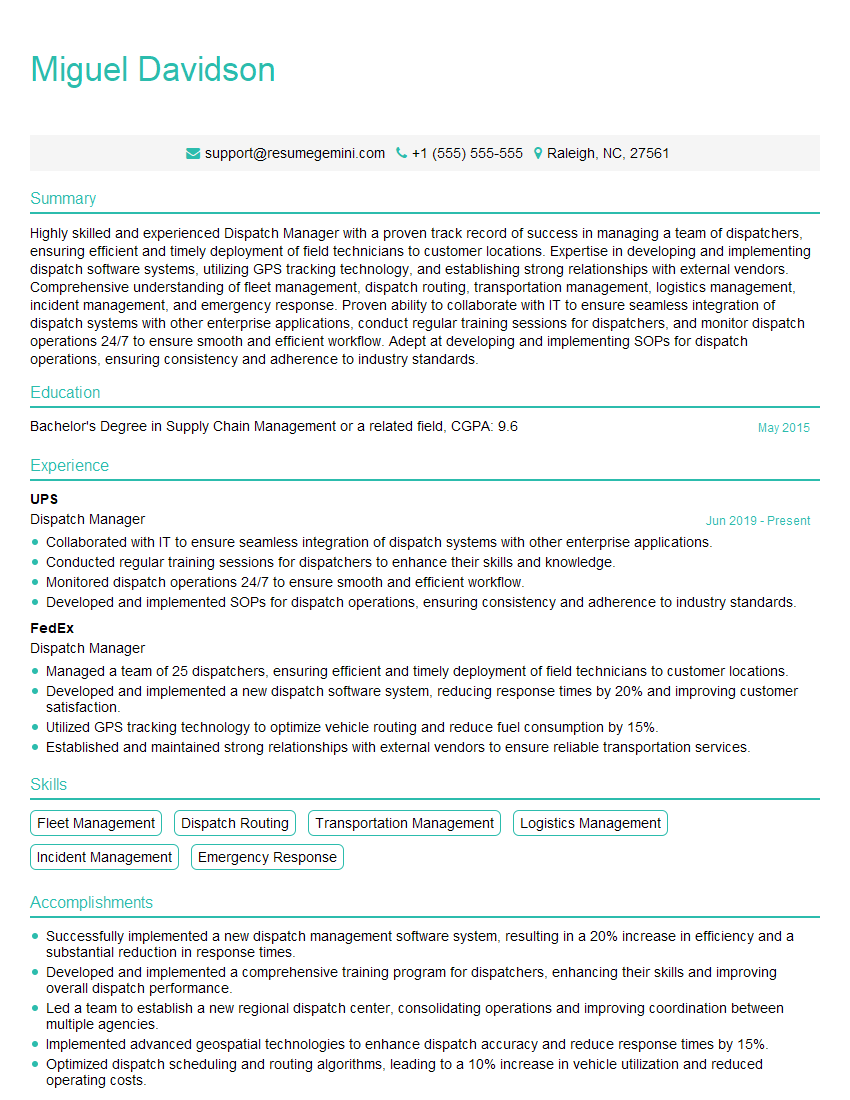
Dispatch Manager Resume Sample
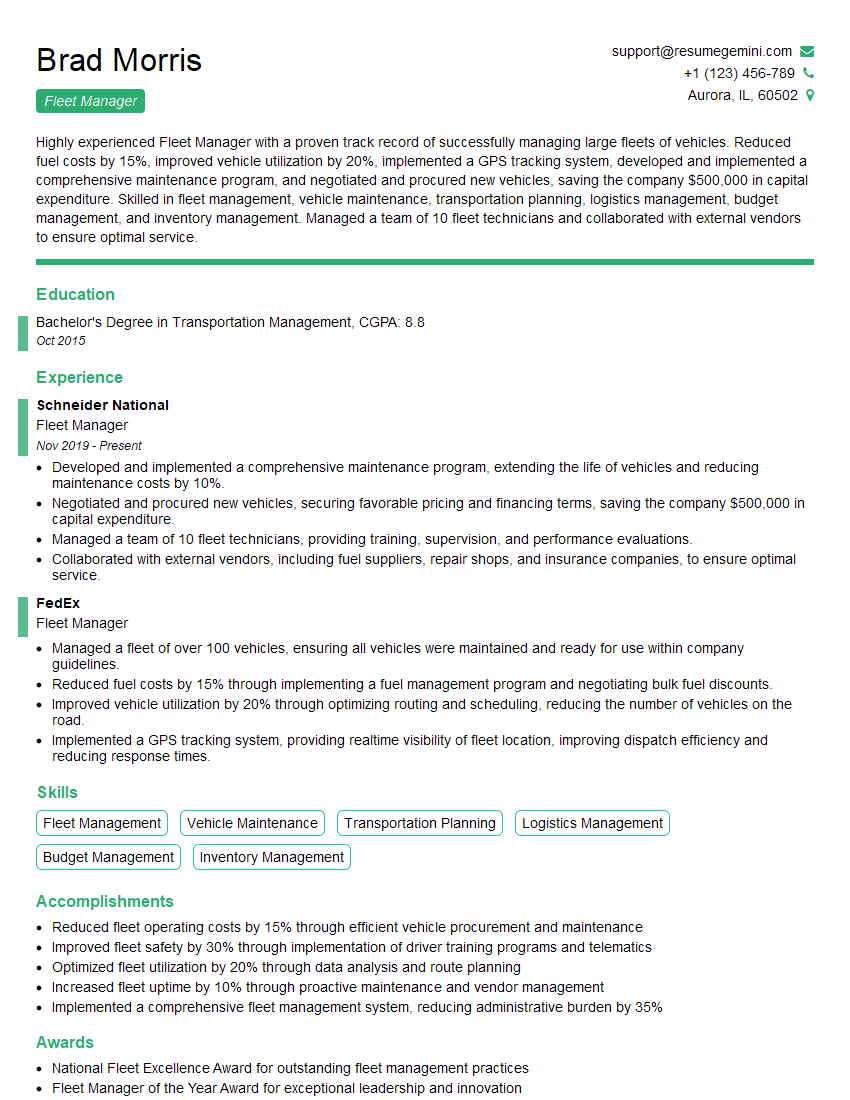
Fleet Manager Resume Sample
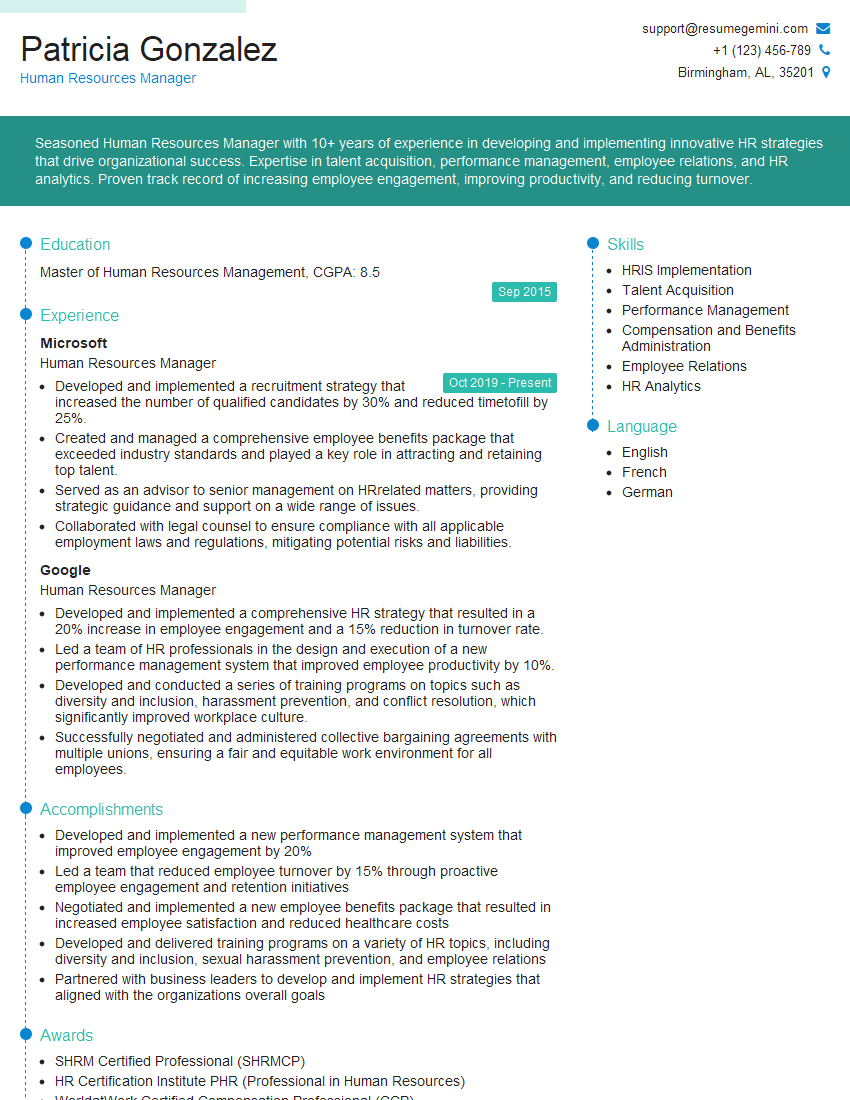
Human Resources Manager Resume Sample
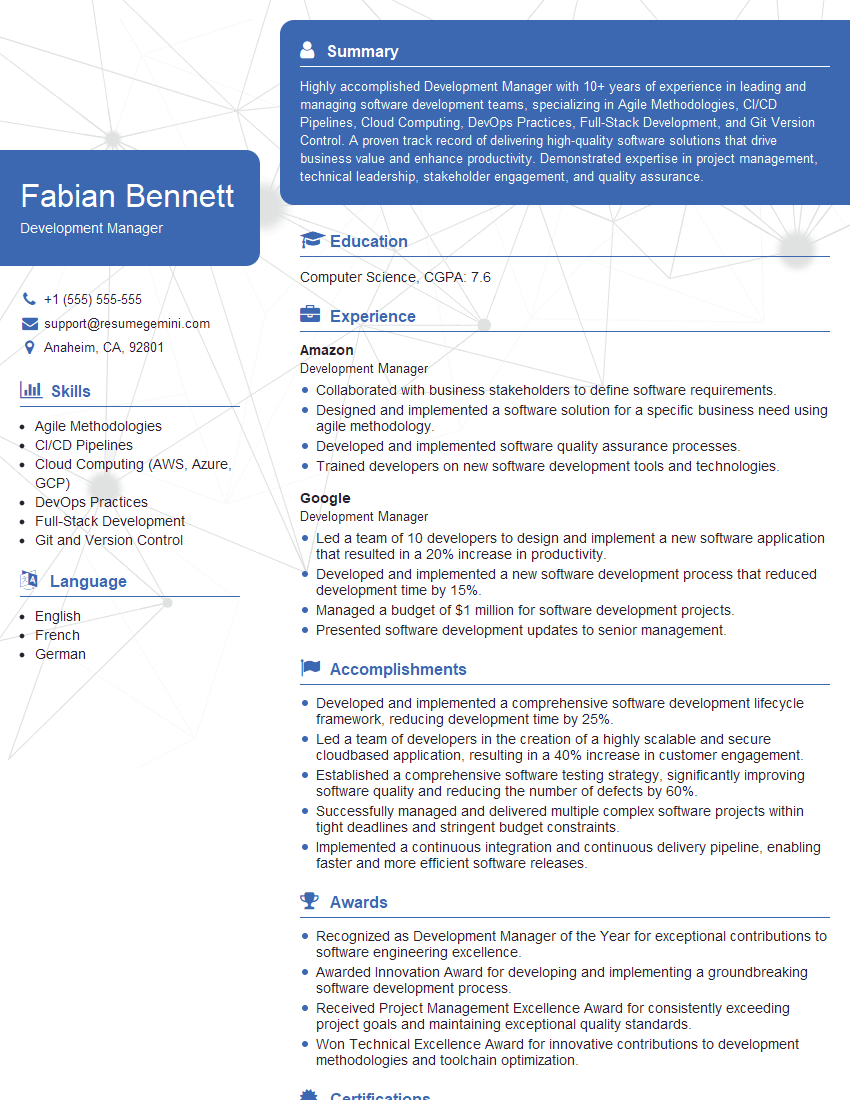
Development Manager Resume Sample
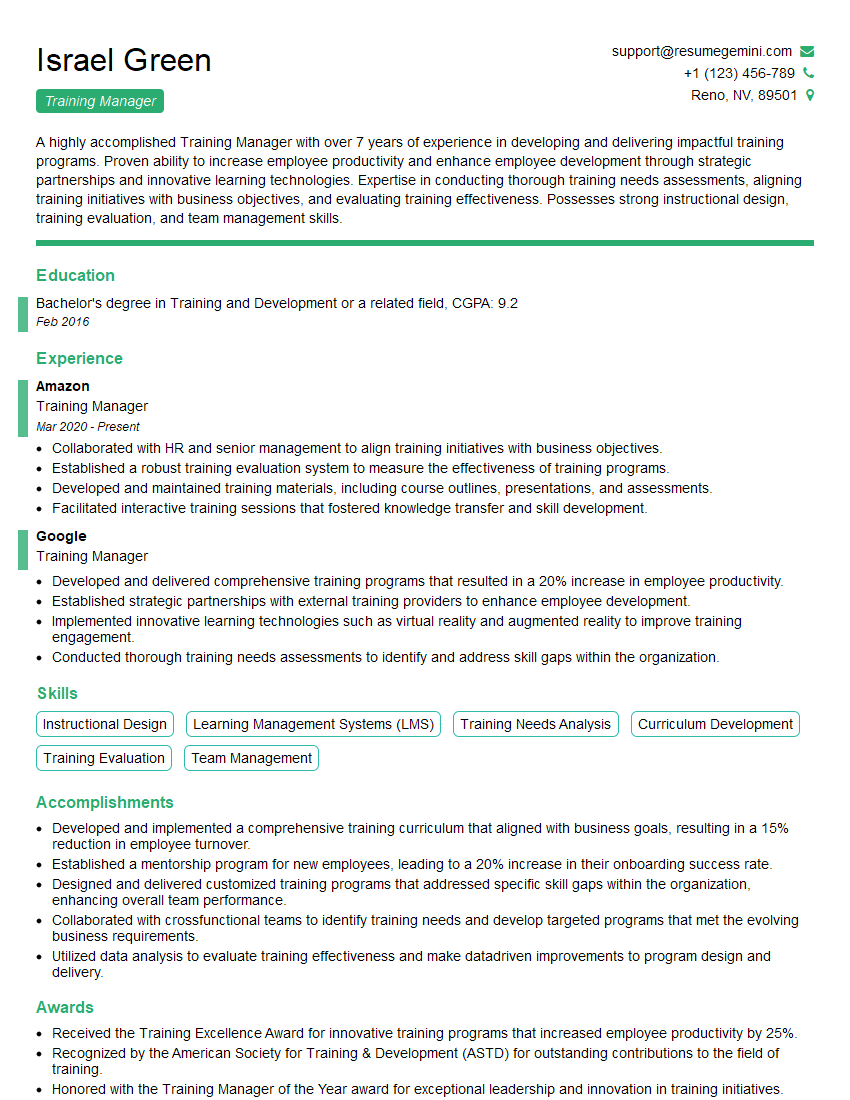
Training Manager Resume Sample
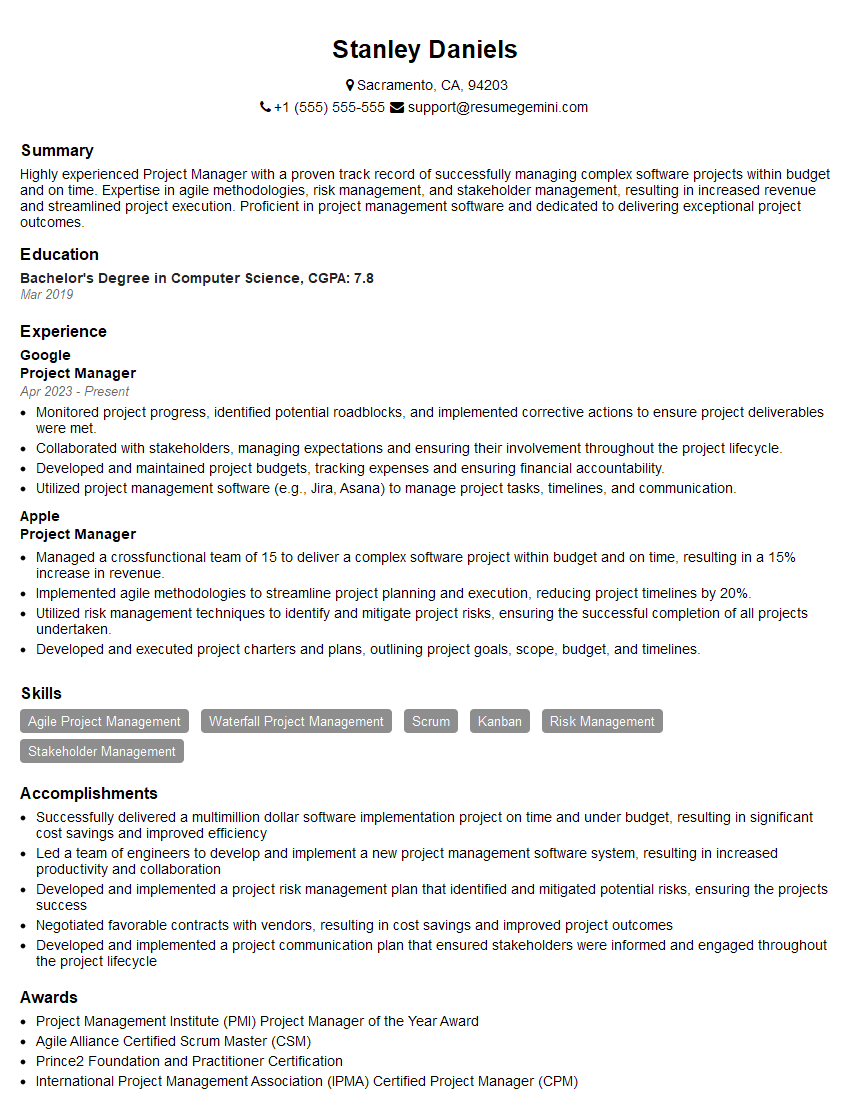
Project Manager Resume Sample
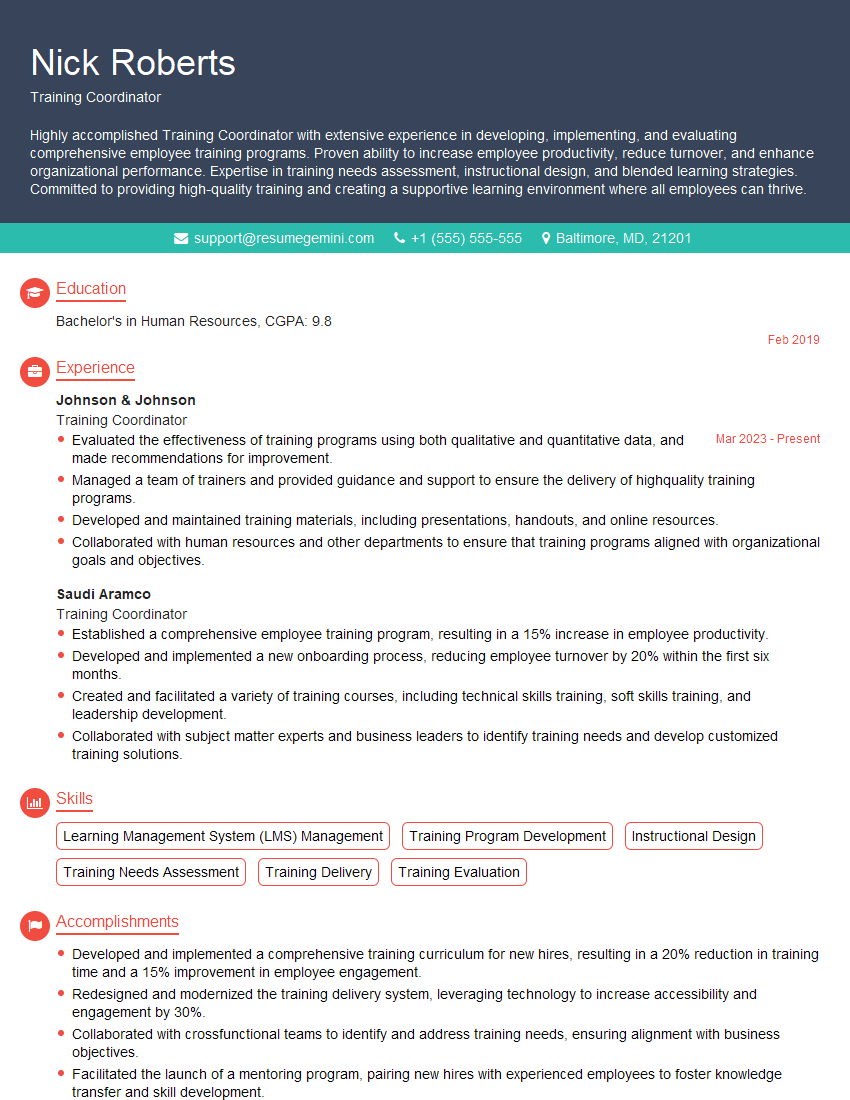
Training Coordinator Resume Sample
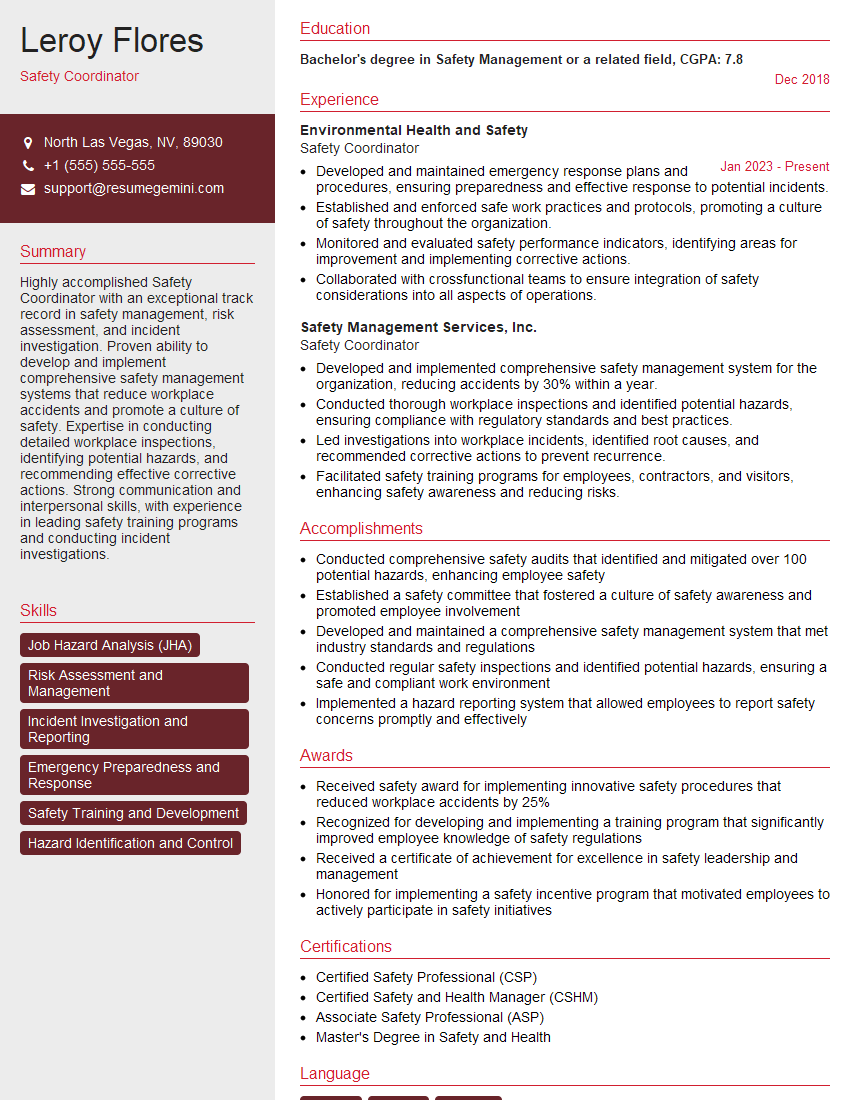
Safety Coordinator Resume Sample
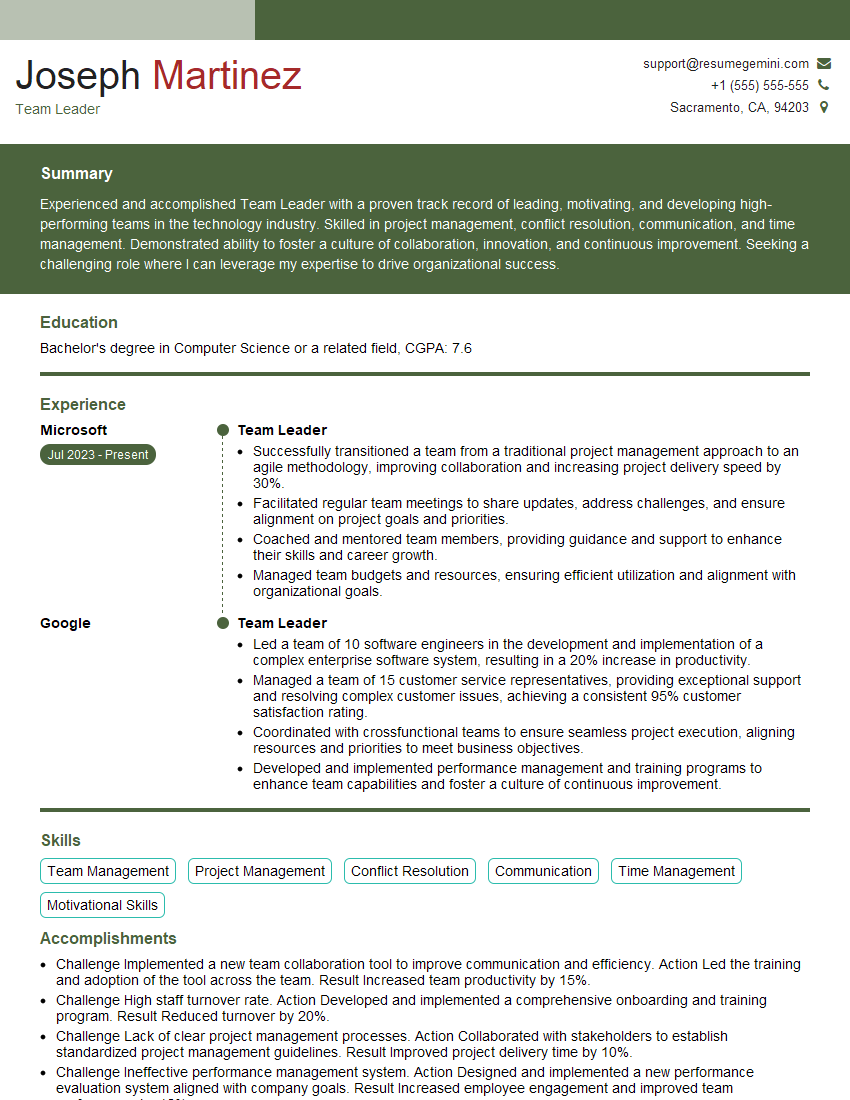
Team Leader Resume Sample

Compliance Officer Resume Sample

Curriculum Developer Resume Sample
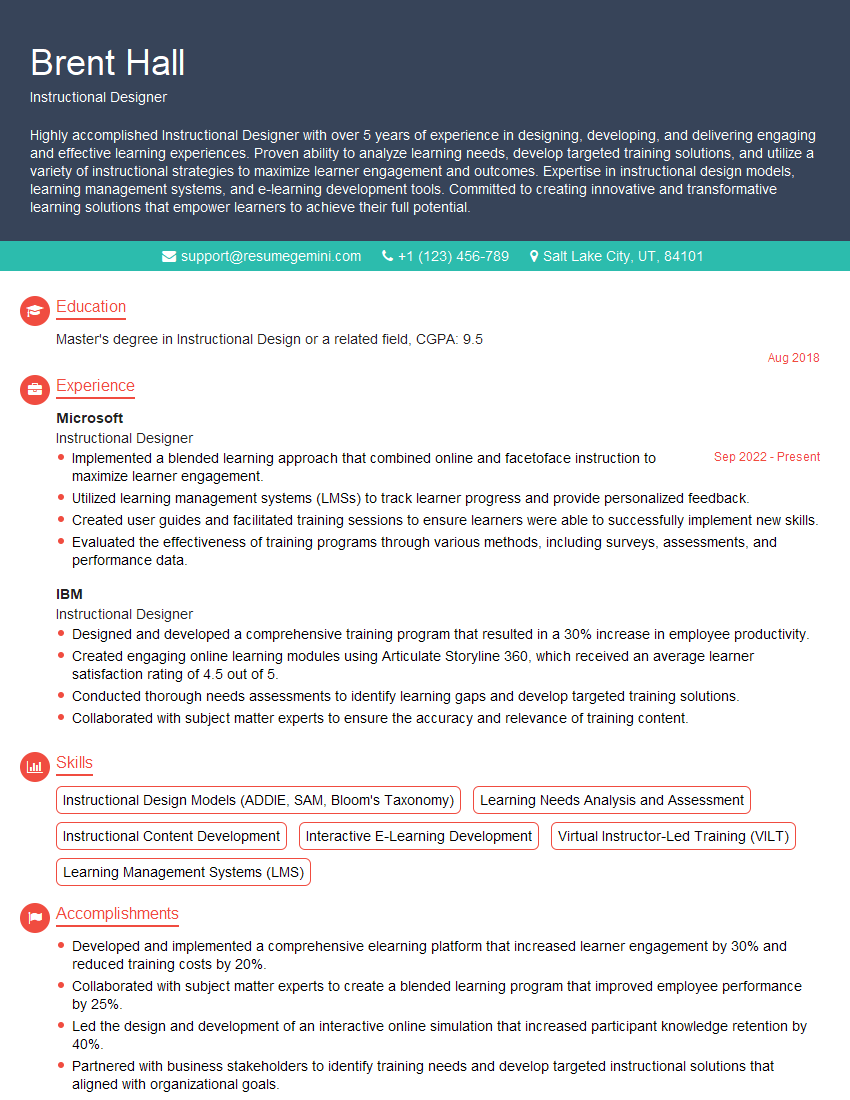
Instructional Designer Resume Sample
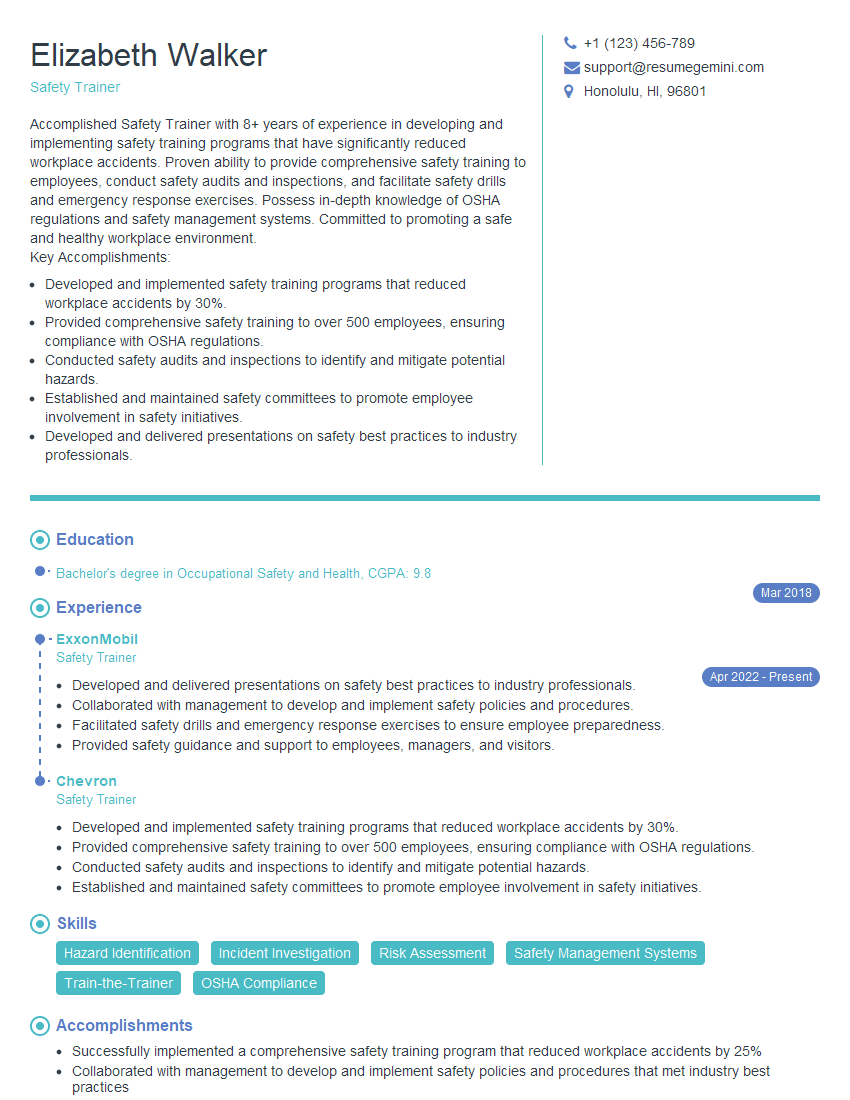
Safety Trainer Resume Sample
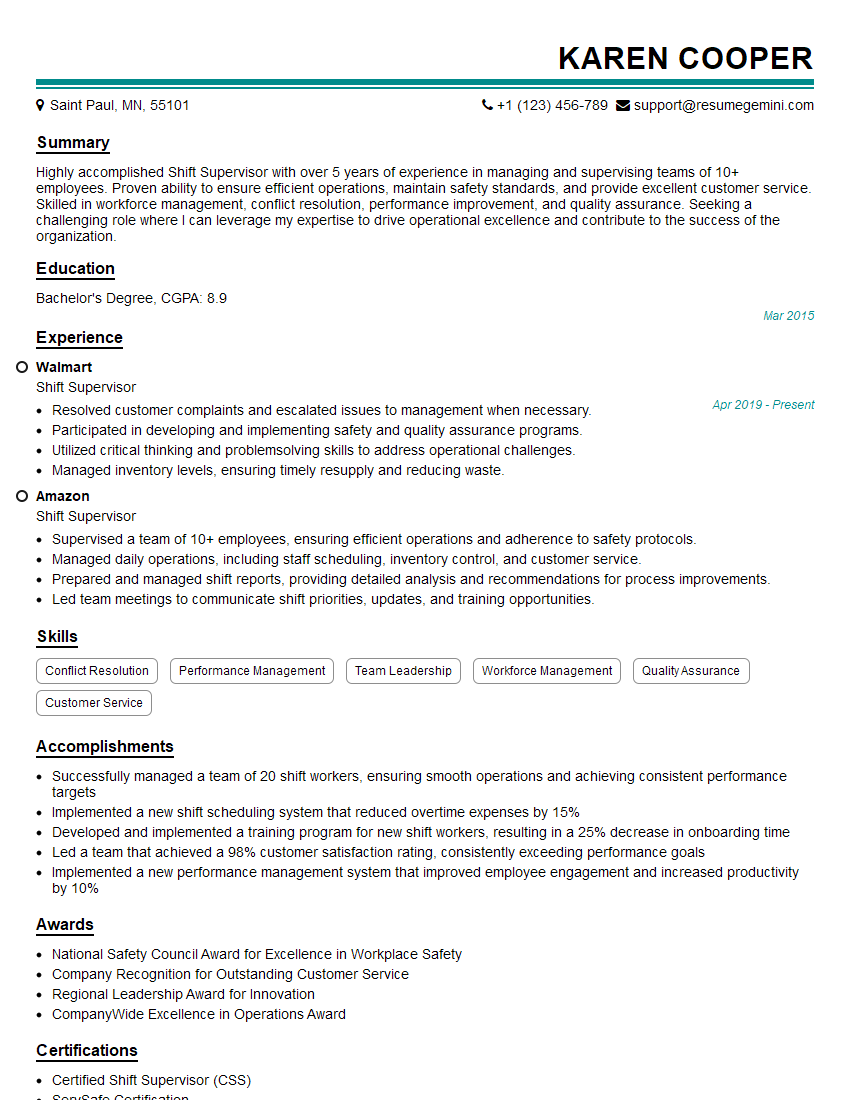
Shift Supervisor Resume Sample
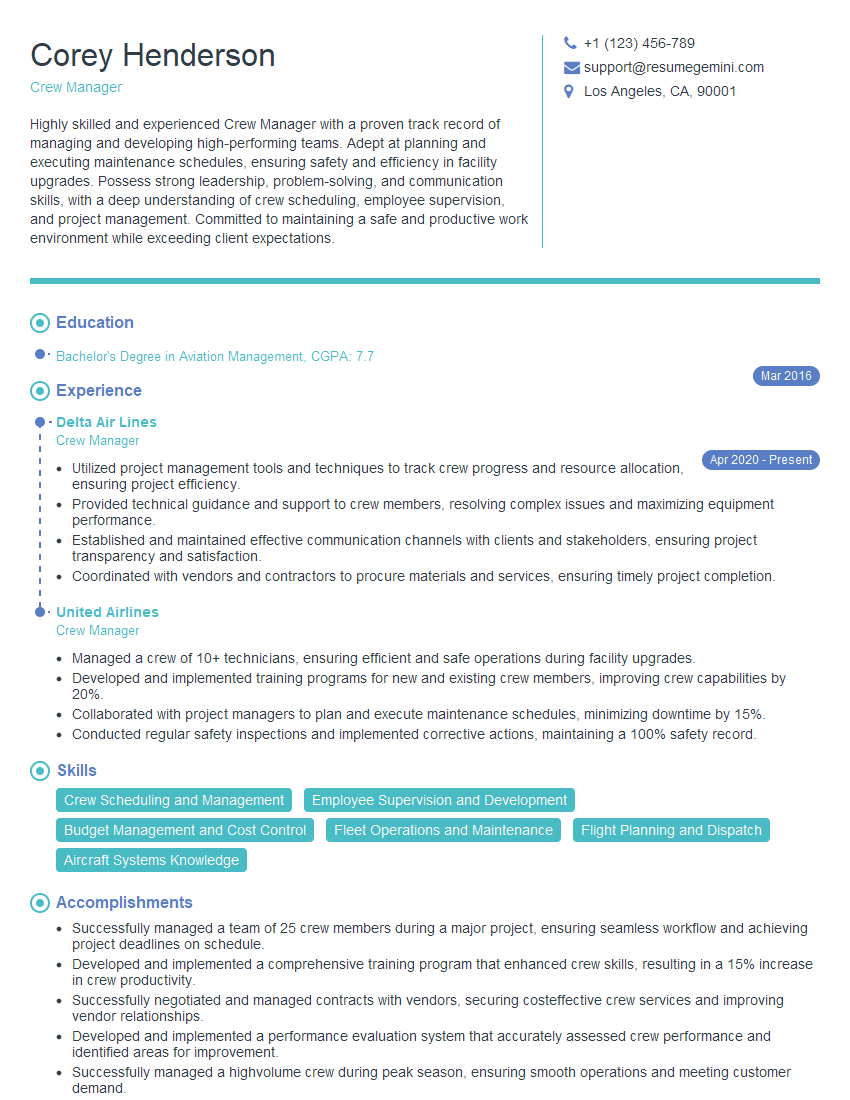
Crew Manager Resume Sample
- Department Manager
- Operations Manager
- Maintenance Manager
- Field Supervisor
- Quality Control Manager
- Production Supervisor
- Logistics Manager
- Dispatch Manager
- Fleet Manager
- Human Resources Manager
- Development Manager
- Training Manager
- Project Manager
- Training Coordinator
- Safety Coordinator
- Team Leader
- Compliance Officer
- Curriculum Developer
- Instructional Designer
- Safety Trainer
- Shift Supervisor
- Crew Manager
Explore more articles
Users Rating of Our Blogs
Share Your Experience
We value your feedback! Please rate our content and share your thoughts (optional).
What Readers Say About Our Blog
Very informative content, great job.
good