Interviews are more than just a Q&A session—they’re a chance to prove your worth. This blog dives into essential Experienced in Quality Control Techniques interview questions and expert tips to help you align your answers with what hiring managers are looking for. Start preparing to shine!
Questions Asked in Experienced in Quality Control Techniques Interview
Q 1. Explain the difference between Quality Control and Quality Assurance.
Quality Control (QC) and Quality Assurance (QA) are often confused, but they are distinct yet complementary processes. Think of it like this: QA is about preventing defects, while QC is about detecting them.
Quality Assurance is a proactive process focused on establishing and maintaining a system to prevent defects from occurring in the first place. This involves defining standards, processes, and procedures to ensure consistent quality throughout the entire production or service delivery cycle. Examples include designing robust processes, implementing regular training for staff, and conducting risk assessments.
Quality Control, on the other hand, is a reactive process. It involves inspecting products or services after they’ve been produced or delivered to ensure they meet predetermined quality standards. This may involve testing, measuring, and evaluating products to identify defects and then taking corrective actions. Examples include conducting inspections, running tests, and analyzing data to identify trends.
In essence, QA works upstream to prevent problems, while QC works downstream to find and fix them. A robust quality management system needs both.
Q 2. Describe your experience with statistical process control (SPC).
I have extensive experience applying Statistical Process Control (SPC) techniques to monitor and improve manufacturing processes. I’ve used SPC methods to analyze process capability, identify assignable causes of variation, and reduce defects. For example, in a previous role, we were experiencing inconsistencies in the weight of a particular product. By implementing control charts (specifically X-bar and R charts), we were able to identify the root cause – a malfunctioning filling machine – leading to a significant reduction in product defects and waste.
My experience also includes the use of various SPC tools like Pareto charts to prioritize defects based on frequency, and scatter diagrams to understand the correlation between different process variables. I’m proficient in interpreting control chart patterns, including identifying common and special cause variations, and implementing appropriate corrective actions.
Q 3. What are control charts and how are they used in quality control?
Control charts are graphical tools used in SPC to monitor process variation over time. They help distinguish between common (random) cause variation and special (assignable) cause variation. Common cause variation is inherent to the process, while special cause variation indicates the presence of an unusual factor influencing the process.
Various types of control charts exist, each tailored for specific data types. For example:
- X-bar and R charts: Used for monitoring the average (X-bar) and range (R) of continuous data, such as weight or length.
- p-charts: Used for monitoring the proportion of nonconforming units in a sample.
- c-charts: Used for monitoring the number of defects per unit.
How they’re used: Data points are plotted on the chart along with control limits (typically three standard deviations from the average). Points outside the control limits signal a special cause variation, prompting investigation into the root cause. Consistent points within the limits indicate a stable process. Control charts are indispensable for proactively identifying problems before they significantly impact product quality.
Q 4. How do you identify root causes of quality defects?
Identifying the root cause of quality defects requires a systematic approach. I typically utilize tools like the 5 Whys, fishbone diagrams (Ishikawa diagrams), and Pareto charts.
The 5 Whys is a simple yet effective technique where you repeatedly ask “Why?” to peel back the layers of a problem until the root cause is uncovered. For example, if a product is failing a functional test, you might ask: Why did it fail? (because a component was faulty). Why was the component faulty? (because the supplier provided a defective batch). Why did they provide a defective batch? (because their quality control was inadequate). And so on.
Fishbone diagrams visually organize potential causes of a problem, categorized into major areas like materials, methods, manpower, machinery, environment, and measurement. This helps in brainstorming and systematically exploring possible contributing factors.
Pareto charts visually prioritize defects based on their frequency. This allows you to focus efforts on the most significant causes of defects, achieving the greatest impact with limited resources.
Often, a combination of these methods is employed to get a complete picture. Following a rigorous root cause analysis helps in implementing effective corrective actions and preventing future occurrences.
Q 5. Explain your experience with different sampling techniques.
My experience encompasses a range of sampling techniques, chosen based on the specific context and objectives. The choice depends on factors such as the size of the population, cost constraints, and the level of accuracy required.
I’m familiar with:
- Simple Random Sampling: Every item in the population has an equal chance of being selected. This is good for homogenous populations.
- Stratified Sampling: The population is divided into strata (subgroups) and samples are randomly selected from each stratum. This is useful when the population is heterogeneous, ensuring representation from all subgroups.
- Systematic Sampling: Items are selected at regular intervals from the population. This is efficient but can be problematic if the population has a cyclical pattern.
- Cluster Sampling: The population is divided into clusters, and then a random sample of clusters is selected. All items within the selected clusters are included in the sample. This is cost-effective for geographically dispersed populations.
In practice, I select the most appropriate sampling method based on the specific needs of the project, always considering the potential biases and limitations of each technique to ensure the sample is representative of the overall population.
Q 6. Describe your experience with ISO 9001 or other quality management systems.
I have extensive experience working within ISO 9001:2015 Quality Management Systems. In my previous role, I was instrumental in implementing and maintaining a certified ISO 9001 QMS, covering all aspects from documentation and process mapping to internal audits and management reviews. My responsibilities included:
- Developing and maintaining quality manuals, procedures, and work instructions.
- Conducting internal audits to ensure compliance with ISO 9001 requirements and identifying areas for improvement.
- Participating in management reviews to assess the effectiveness of the QMS and identify opportunities for enhancement.
- Training employees on quality management principles and procedures.
Understanding and applying ISO 9001 principles ensures a structured and systematic approach to quality management, leading to improved customer satisfaction and operational efficiency. I’m also familiar with other quality management systems and standards, and I can adapt my approach to different contexts.
Q 7. How do you measure the effectiveness of quality control procedures?
Measuring the effectiveness of quality control procedures requires a multifaceted approach. Key metrics include:
- Defect Rate: The number of defects found per unit produced or service delivered. A decreasing trend indicates improved effectiveness.
- Customer Complaints: The number of customer complaints related to quality issues. Fewer complaints signify better quality.
- Process Capability Indices (Cp, Cpk): These statistical measures assess the ability of a process to meet specified requirements. Higher indices indicate better capability.
- Yield: The percentage of conforming units produced. Higher yield means fewer defects.
- Cost of Quality (COQ): This encompasses all costs associated with preventing, detecting, and correcting defects. A reduction in COQ shows improvement in the efficiency of quality control.
Regular monitoring of these metrics, coupled with internal audits and management reviews, provides a comprehensive assessment of quality control effectiveness. Continuous improvement is key, and data analysis helps to identify areas needing improvement and adjust strategies as needed.
Q 8. How do you handle non-conforming products or processes?
Handling non-conforming products or processes begins with immediate containment to prevent further defects. Think of it like containing a spill – you wouldn’t let it spread, right? We first isolate the affected products or halt the problematic process. Then, we meticulously investigate the root cause using tools like Pareto charts or fishbone diagrams to pinpoint the source of the issue. This could be anything from faulty materials to operator error or machine malfunction. Once the root cause is identified, we decide on the appropriate action: rework (fixing the defect), scrap (discarding the product), or concession (allowing the product to pass with certain exceptions, documented and approved). We document all steps in a clear, traceable manner, following established procedures. For example, in a previous role manufacturing medical devices, we had a batch of components with minor surface imperfections. After careful evaluation and risk assessment, we determined that these imperfections wouldn’t affect functionality or safety and granted a concession, ensuring thorough documentation of our decision and rationale.
Q 9. Describe your experience with corrective and preventive actions (CAPA).
Corrective and Preventive Actions (CAPA) are crucial for continuous improvement. It’s a systematic approach to resolving problems and preventing their recurrence. Imagine it like fixing a leaky faucet – you don’t just patch the hole; you investigate why it leaked in the first place and fix the underlying cause. My experience with CAPA involves a structured process: We start with identifying the problem (non-conformance), analyzing its root cause (using tools like 5 Whys or fault tree analysis), implementing corrective actions (immediate fixes), and then preventive actions (long-term solutions to prevent recurrence). These actions are documented and validated, and their effectiveness is monitored over time. For instance, we once experienced recurring issues with a particular welding machine. Through a CAPA investigation, we discovered the problem stemmed from inconsistent maintenance schedules. The corrective action was immediate maintenance; the preventive action was implementing a robust, regularly scheduled maintenance program tracked by a computerized maintenance management system (CMMS). This eliminated the recurring problem.
Q 10. How do you prioritize quality control tasks?
Prioritizing quality control tasks requires a risk-based approach. We assess the potential impact of each task failing, and the likelihood of that failure occurring. Think of it like triage in a hospital; you address the most critical issues first. We use a risk matrix, assigning each task a severity level and a probability level. High severity and high probability tasks are prioritized immediately. For example, issues impacting product safety are always prioritized over cosmetic defects. We also consider factors like deadlines, resource availability, and regulatory requirements when scheduling tasks. We utilize project management tools like Kanban or Gantt charts to visually manage and track our prioritized tasks ensuring transparency and accountability across the team.
Q 11. What are your preferred methods for data analysis in quality control?
My preferred methods for data analysis in quality control involve a combination of statistical process control (SPC) and data visualization techniques. SPC helps monitor process stability and identify potential problems early on using tools like control charts (X-bar and R charts, p-charts, c-charts, etc.). Control charts allow us to visually see if a process is in control or drifting outside acceptable limits. Data visualization using tools like histograms, scatter plots, and Pareto charts allows us to understand data patterns and trends more clearly. For example, a Pareto chart can easily show which defects contribute the most to overall failures, allowing us to focus our efforts on the most impactful issues. I am also proficient in using software packages such as Minitab and JMP to perform more complex statistical analysis.
Q 12. Describe a time you had to implement a new quality control process.
In a previous role, we needed to implement a new quality control process for a newly introduced product line with intricate assembly. The existing process wasn’t sufficient to guarantee the required high level of precision. We introduced a multi-stage inspection process, incorporating automated optical inspection (AOI) at key stages. This involved significant changes: new equipment procurement, operator training, and a revised inspection checklist. We piloted the new process on a small batch, gathering data and refining the approach before full-scale implementation. The key to success was clear communication, meticulous training, and data-driven adjustments based on the pilot results. The outcome was a significant reduction in defects and an improved final product quality.
Q 13. How do you manage and resolve conflicts related to quality issues?
Resolving conflicts related to quality issues requires open communication and a collaborative approach. It’s important to foster a culture where everyone feels comfortable raising concerns. When conflicts arise, I facilitate a structured discussion, focusing on the facts rather than assigning blame. We use a problem-solving framework like the ‘5 Whys’ to understand the root cause of the disagreement. This helps us focus on finding solutions rather than dwelling on who is responsible. It’s important to ensure that all stakeholders are heard and their concerns addressed. Ultimately, the goal is to find a mutually acceptable solution that ensures product quality and maintains team morale.
Q 14. What are the key performance indicators (KPIs) you use to measure quality?
Key Performance Indicators (KPIs) used to measure quality vary depending on the industry and specific product. However, some common KPIs I utilize include: Defect rate (the percentage of defective units), First pass yield (the percentage of units passing inspection on the first try), Customer returns rate (the number of products returned due to quality issues), Customer satisfaction scores (ratings from customer feedback), and Process capability indices (Cp, Cpk – indicating how well the process meets specifications). Monitoring these KPIs provides valuable insights into the effectiveness of our quality control processes, helping us identify areas for improvement and track progress over time. Regularly reviewing and analyzing these metrics ensures that our efforts are focused on the most impactful areas.
Q 15. How do you ensure the accuracy and reliability of quality control data?
Ensuring the accuracy and reliability of quality control data is paramount. It’s like building a house – you need a strong foundation. This involves a multi-pronged approach:
- Calibration and Validation: All measuring instruments and testing equipment must be regularly calibrated against traceable standards. This ensures they provide consistent and accurate readings. For instance, in a pharmaceutical setting, scales used to weigh ingredients are calibrated frequently to maintain accuracy within acceptable tolerances. Validation of testing methods ensures they reliably measure what they’re intended to measure.
- Standard Operating Procedures (SOPs): Clear, documented SOPs for data collection, analysis, and reporting minimize variability and human error. Everyone follows the same procedures, ensuring consistency. A deviation from the SOP is immediately flagged and investigated.
- Data Integrity: This involves maintaining the completeness, consistency, and accuracy of the data throughout its lifecycle. This includes using secure systems to prevent data manipulation, implementing version control, and using appropriate data entry techniques to minimize errors. For example, double-checking critical data entry points or using barcodes to minimize transcription errors.
- Statistical Process Control (SPC): SPC techniques, such as control charts, help identify trends and variations in the data. These charts visually represent data over time, allowing for early detection of deviations from expected values, enabling timely intervention.
- Regular Audits: Internal and external audits verify that the data collection and analysis processes are functioning correctly and meet established standards. These audits ensure the entire system is working as intended and provide an independent assessment of the data’s reliability.
By combining these methods, we build confidence in the accuracy and reliability of our quality control data, ultimately ensuring product quality and customer satisfaction.
Career Expert Tips:
- Ace those interviews! Prepare effectively by reviewing the Top 50 Most Common Interview Questions on ResumeGemini.
- Navigate your job search with confidence! Explore a wide range of Career Tips on ResumeGemini. Learn about common challenges and recommendations to overcome them.
- Craft the perfect resume! Master the Art of Resume Writing with ResumeGemini’s guide. Showcase your unique qualifications and achievements effectively.
- Don’t miss out on holiday savings! Build your dream resume with ResumeGemini’s ATS optimized templates.
Q 16. Describe your experience using quality control software or tools.
I have extensive experience using various quality control software and tools, including Minitab for statistical analysis, LIMS (Laboratory Information Management Systems) for managing laboratory data and workflows, and specialized software tailored to specific industries like automotive or pharmaceuticals. Minitab, for example, is invaluable for creating control charts, performing capability analyses, and running statistical tests to determine process stability and product quality. LIMS systems are crucial for maintaining a complete audit trail of all testing performed, ensuring traceability and compliance with regulations. In my previous role at [Previous Company Name], I implemented a new LIMS system, streamlining our laboratory processes and significantly improving data management efficiency.
My proficiency extends to using software for creating and managing quality control documentation like SOPs and work instructions. Using these systems, we ensure that all our documentation is readily accessible, consistently updated, and auditable. This contributes to a robust quality control framework and minimizes the risk of non-compliance.
Q 17. Explain your understanding of different types of quality audits.
Quality audits are systematic and independent examinations to determine the effectiveness of a quality management system. Different types exist, each serving a specific purpose:
- First-Party Audits (Internal Audits): These are conducted by the organization itself to assess its own compliance with its quality management system. It’s like a self-check-up to identify areas for improvement before external scrutiny.
- Second-Party Audits (Supplier Audits): These are conducted by a customer or client to evaluate the quality management system of their supplier or contractor. This ensures the supplier meets the customer’s quality requirements.
- Third-Party Audits (Certification Audits): These are performed by an independent, accredited certification body to verify that the organization meets specific standards, such as ISO 9001. Think of it as getting a seal of approval from a respected authority.
- Compliance Audits: These audits focus on determining adherence to specific regulations and legal requirements. They ensure that the organization is following all relevant rules and laws.
Each audit type uses different methodologies and focuses on specific aspects of the quality management system, but all aim to improve product quality and organizational performance.
Q 18. How do you balance quality control with production efficiency?
Balancing quality control with production efficiency is a constant challenge, akin to balancing cost and quality. It’s not an either/or situation; rather, a synergistic approach is needed. Here’s how I address it:
- Process Optimization: Improving processes themselves reduces defects and increases throughput. Lean manufacturing principles, such as value stream mapping and eliminating waste, can significantly improve efficiency while maintaining quality. Identifying and removing bottlenecks is key to increasing output without compromising quality.
- Automation: Automating tasks that are prone to human error, such as repetitive measurements or inspections, increases both speed and accuracy. This reduces human fatigue and variability, improving both efficiency and quality.
- Preventive Measures: Focusing on prevention rather than solely reacting to defects is far more efficient. This involves implementing robust control measures upfront to prevent defects from happening in the first place – a proactive, rather than reactive, approach.
- Statistical Process Control (SPC): SPC helps monitor processes and identify potential issues before they become major problems. Early detection allows for timely intervention, preventing larger production delays and scrap.
- Training and Empowerment: Well-trained employees are more efficient and capable of identifying and correcting quality issues promptly. Empowering employees to stop the production line if a quality problem is identified allows for immediate correction, avoiding downstream issues.
The goal is to build a system where high quality is inherent in the process, rather than an add-on.
Q 19. How do you communicate quality issues to different stakeholders?
Communicating quality issues effectively to diverse stakeholders is critical. I tailor my communication approach based on the audience and the nature of the issue:
- Management: I provide concise, data-driven reports highlighting the impact of quality issues, proposed solutions, and resource requirements. Visual aids such as charts and graphs are very effective.
- Production Team: I use clear, direct language, focusing on actionable steps to correct the issue. I involve the team in problem-solving to foster ownership and collaboration.
- Customers: Depending on the issue’s severity, I utilize formal channels (e.g., incident reports) or direct contact. The goal is to resolve the issue promptly, maintain transparency, and minimize disruption.
- Regulatory Bodies: I ensure compliance with all reporting requirements, providing comprehensive and accurate documentation according to regulations. This demonstrates our commitment to compliance and minimizes legal risks.
Regardless of the audience, clear, concise, and timely communication builds trust, improves collaboration, and fosters a proactive approach to quality management.
Q 20. How do you ensure your quality control processes are compliant with regulations?
Ensuring compliance with regulations is a top priority. This requires a multi-layered approach:
- Knowledge of Regulations: Staying up-to-date on relevant regulations (e.g., FDA, ISO, industry-specific standards) is essential. Regular review and training on these standards ensure our operations remain compliant.
- Documented Procedures: Detailed SOPs and work instructions must reflect regulatory requirements. These documents are reviewed and updated regularly to reflect changes in regulations.
- Record Keeping: Maintaining accurate and complete records of all quality control activities is crucial for demonstrating compliance during audits. This includes meticulous documentation of calibrations, inspections, test results, and corrective actions.
- Internal Audits: Regular internal audits help identify areas of non-compliance before external audits. This proactive approach helps prevent potential problems.
- Corrective and Preventive Actions (CAPA): A robust CAPA system ensures that non-compliances are addressed promptly and effectively, preventing recurrence. This includes detailed investigation of root causes and implementation of corrective actions.
Compliance is not just a box to tick; it’s an ongoing commitment that permeates every aspect of our quality control processes.
Q 21. What is your experience with different types of testing methodologies?
My experience encompasses a wide range of testing methodologies, tailored to the specific product and its requirements:
- Destructive Testing: Methods like tensile testing, impact testing, and fatigue testing are used to evaluate the material properties and durability of a product. This is crucial for products where safety is paramount, such as automotive parts or medical devices.
- Non-Destructive Testing (NDT): Methods such as ultrasonic testing, radiographic testing, and magnetic particle testing are used to inspect materials and components without causing damage. This is often used for in-service inspections of structures and components where disassembly is impractical.
- Functional Testing: This verifies that the product performs as intended under specified operating conditions. This is common for electronic devices, software, and other systems.
- Environmental Testing: This evaluates a product’s performance under various environmental conditions, such as temperature, humidity, vibration, and shock. This is critical for products intended for various climates or harsh environments.
- Statistical Sampling: Using appropriate sampling methods ensures that the testing represents the entire population. This reduces the cost and time associated with testing every unit while maintaining statistical confidence in the results.
The choice of testing methodology depends on factors such as the product’s characteristics, the intended application, and the level of risk involved.
Q 22. How do you contribute to a culture of continuous improvement in quality?
Cultivating a culture of continuous improvement in quality isn’t just about implementing new techniques; it’s about fostering a mindset where everyone feels empowered to identify and address quality issues. I approach this by actively participating in and championing several key strategies:
- Promoting open communication: I create a safe space where team members feel comfortable reporting defects or suggesting improvements without fear of reprisal. Regular feedback sessions and brainstorming workshops are vital here. For example, I implemented a suggestion box system where employees could anonymously submit improvement ideas, which were then reviewed and implemented where feasible, resulting in a 15% reduction in process errors.
- Data-driven decision-making: I believe in using data to understand trends and pinpoint areas for improvement. By regularly analyzing quality metrics, we identify recurring issues and root causes. I’ve used control charts and Pareto analysis to highlight the most impactful areas requiring attention, leading to a 10% increase in overall product quality.
- Kaizen events and training: I organize regular Kaizen events – short, focused workshops aimed at tackling specific quality problems. These events involve cross-functional teams and promote collaborative problem-solving. I also champion ongoing training programs to equip employees with the latest quality tools and techniques. This includes training on statistical process control, root cause analysis, and lean manufacturing principles.
- Celebrating success: Acknowledging and rewarding contributions towards quality improvement is crucial. This builds morale and reinforces positive behaviors. For instance, we regularly celebrate process improvements and recognize individuals who have championed quality initiatives.
Ultimately, a culture of continuous improvement requires consistent effort and a commitment from everyone. By fostering open communication, using data, implementing continuous improvement methodologies, and celebrating success, we can create a workplace where quality is not just a goal, but a shared responsibility.
Q 23. Explain your experience with process capability analysis.
Process capability analysis is a crucial statistical technique used to assess whether a process can consistently meet predetermined specifications. My experience involves applying various methods, including:
- Calculating Cp and Cpk: I’ve extensively used these indices to determine the process capability. Cp measures the potential capability of the process, while Cpk accounts for process centering. A Cpk value above 1.33 generally indicates a capable process, while values below 1 indicate an incapable process needing immediate attention. For instance, in a recent project involving the production of precision components, I used Cpk analysis to identify a bottleneck in the machining process. This led to adjustments in machine settings and operator training, resulting in a significant improvement in Cpk from 0.8 to 1.5.
- Control Charts: I’m proficient in using various control charts like X-bar and R charts, p-charts, and c-charts to monitor process stability and identify potential sources of variation. These charts help to visualize data and quickly spot any shifts or trends that suggest the process is going out of control. I used these extensively to monitor a packaging process, quickly identifying a defect rate increase linked to a faulty sealing machine.
- Six Sigma Methodology: I have experience applying Six Sigma tools and methodologies (DMAIC) to significantly reduce process variation and improve process capability. This involves defining the problem, measuring the current process, analyzing the root causes, improving the process, and controlling the improved process.
Process capability analysis is not simply about calculating indices; it’s about understanding the process, identifying areas for improvement, and developing solutions to ensure consistent production of quality outputs. The results of these analyses are then used to drive improvement strategies, which can range from simple machine adjustments to complete process redesign.
Q 24. How do you deal with pressure and tight deadlines in quality control?
Working in quality control often involves managing pressure and tight deadlines. My approach is a blend of effective planning, prioritization, and proactive communication:
- Prioritization: I utilize techniques like the Eisenhower Matrix (Urgent/Important) to prioritize tasks based on their impact and urgency. This helps me focus on the most critical aspects of quality control first, ensuring that the most important issues are addressed even under pressure.
- Proactive Planning: I thoroughly plan my work, anticipating potential challenges and bottlenecks. Detailed checklists and timelines help maintain focus and prevent last-minute issues. This includes building in buffer time to account for unexpected delays.
- Effective Communication: Open communication is essential in managing pressure. I keep my team and stakeholders informed of progress, potential problems, and any necessary adjustments to the plan. This ensures everyone is on the same page and collaborative solutions can be found quickly.
- Teamwork: Leveraging teamwork is crucial. Distributing tasks effectively and fostering a collaborative environment allows the team to share the load and support each other during peak times.
- Stress Management: Personally, I practice effective stress management techniques such as mindfulness and time management to maintain focus and prevent burnout.
While pressure is inevitable, effective planning, prioritization, communication, and teamwork help me navigate tight deadlines efficiently and without compromising the quality of my work.
Q 25. What are your strengths and weaknesses in quality control?
My strengths in quality control lie in my analytical abilities, problem-solving skills, and proactive approach. I’m highly proficient in statistical methods and possess a deep understanding of various quality control techniques. I’m also a strong communicator, capable of explaining complex issues to both technical and non-technical audiences. My proactive nature allows me to anticipate potential problems and implement preventive measures.
One area I am continuously working on is delegation. While I am capable of handling multiple tasks independently, I recognize the value of empowering team members and assigning responsibilities effectively. I am actively seeking opportunities to enhance my delegation skills through training and practical experience, aiming for more efficient team management.
Q 26. Describe a challenging quality control project and how you overcame it.
In a previous role, we faced a significant challenge with a new product launch. The initial production run showed an unacceptably high defect rate, threatening the launch date and the company’s reputation.
To overcome this, I implemented a multi-pronged approach:
- Root Cause Analysis: We used a combination of Pareto analysis, fishbone diagrams, and 5 Whys to identify the root causes of the defects. This revealed issues in the manufacturing process, specifically related to a new machine’s calibration and operator training.
- Process Improvement: We recalibrated the machine and implemented a comprehensive retraining program for operators. This involved hands-on training, detailed process documentation, and regular performance checks.
- Data Monitoring: We implemented rigorous data monitoring using control charts to track the effectiveness of the implemented changes and to detect any early signs of new issues.
- Collaboration: I worked closely with the engineering, manufacturing, and design teams to implement the changes and ensure everyone was aligned on the goals. This cross-functional collaboration was essential to quickly resolving the issues.
Through this collaborative effort and systematic approach, we reduced the defect rate by over 80% within two weeks, successfully launching the product on schedule and meeting quality expectations. This experience reinforced the importance of data-driven decision making, cross-functional collaboration, and a proactive approach in addressing quality control challenges.
Q 27. How do you stay up-to-date with new quality control techniques and technologies?
Staying current in the rapidly evolving field of quality control is paramount. I employ several strategies to ensure my knowledge remains up-to-date:
- Professional Certifications: I actively pursue relevant certifications like Six Sigma Black Belt or Certified Quality Engineer to maintain a high level of professional competence and stay abreast of industry best practices.
- Industry Conferences and Webinars: I attend industry conferences and participate in webinars to learn about the latest advancements in quality control technologies and methodologies. These events often offer valuable networking opportunities.
- Professional Publications and Journals: I regularly read industry publications and journals to stay informed about new research, case studies, and emerging trends in quality control.
- Online Courses and Training: I utilize online platforms offering courses on statistical process control, lean manufacturing, and other relevant topics to enhance my skills and expand my knowledge base.
- Mentorship and Networking: Engaging in mentorship programs and networking with other quality control professionals allows me to share knowledge and learn from others’ experiences. This informal learning is often invaluable.
This multi-faceted approach ensures that I am well-equipped to address current and future quality challenges in my work.
Q 28. What are your salary expectations for this Quality Control position?
My salary expectations for this Quality Control position are in the range of [Insert Salary Range], commensurate with my experience, skills, and the responsibilities of this role. However, I am open to discussing this further based on the specific details of the compensation package, including benefits and opportunities for professional growth within your organization. My primary focus is on finding a challenging and rewarding role where I can leverage my expertise to contribute significantly to the success of your company.
Key Topics to Learn for Experienced Quality Control Techniques Interview
- Statistical Process Control (SPC): Understanding control charts (e.g., Shewhart, CUSUM), process capability analysis (Cp, Cpk), and their application in identifying and resolving process variations. Practical application: Analyzing production data to identify sources of defects and implement corrective actions.
- Quality Management Systems (QMS): Familiarity with ISO 9001, other relevant standards, and their implementation within an organization. Practical application: Describing your experience in auditing, documentation control, and continuous improvement initiatives within a QMS framework.
- Root Cause Analysis (RCA): Mastery of techniques like 5 Whys, Fishbone diagrams, and fault tree analysis to effectively pinpoint the underlying causes of quality issues. Practical application: Illustrate how you’ve used RCA to solve a complex quality problem in a past role.
- Inspection and Testing Methods: Knowledge of various inspection techniques (visual, dimensional, functional) and testing methodologies (destructive, non-destructive) relevant to your industry. Practical application: Explain your experience designing and implementing effective inspection plans.
- Corrective and Preventive Actions (CAPA): Understanding the CAPA process for addressing non-conformances and preventing recurrence. Practical application: Describe your role in implementing and tracking CAPA initiatives.
- Data Analysis and Reporting: Proficiency in using data analysis tools to interpret quality data, identify trends, and generate reports. Practical application: Explain how you’ve used data to support quality improvement decisions.
- Quality Auditing: Experience conducting internal or external audits to assess compliance with quality standards and regulations. Practical application: Discuss your experience leading or participating in quality audits and the actions taken based on audit findings.
Next Steps
Mastering quality control techniques is crucial for career advancement in many industries. A strong understanding of these principles demonstrates your ability to contribute to efficient, high-quality production and operational excellence. To significantly improve your job prospects, create an ATS-friendly resume that highlights your skills and experience effectively. ResumeGemini is a trusted resource to help you build a professional resume that showcases your expertise. Examples of resumes tailored to Experienced Quality Control Techniques professionals are available to guide you.
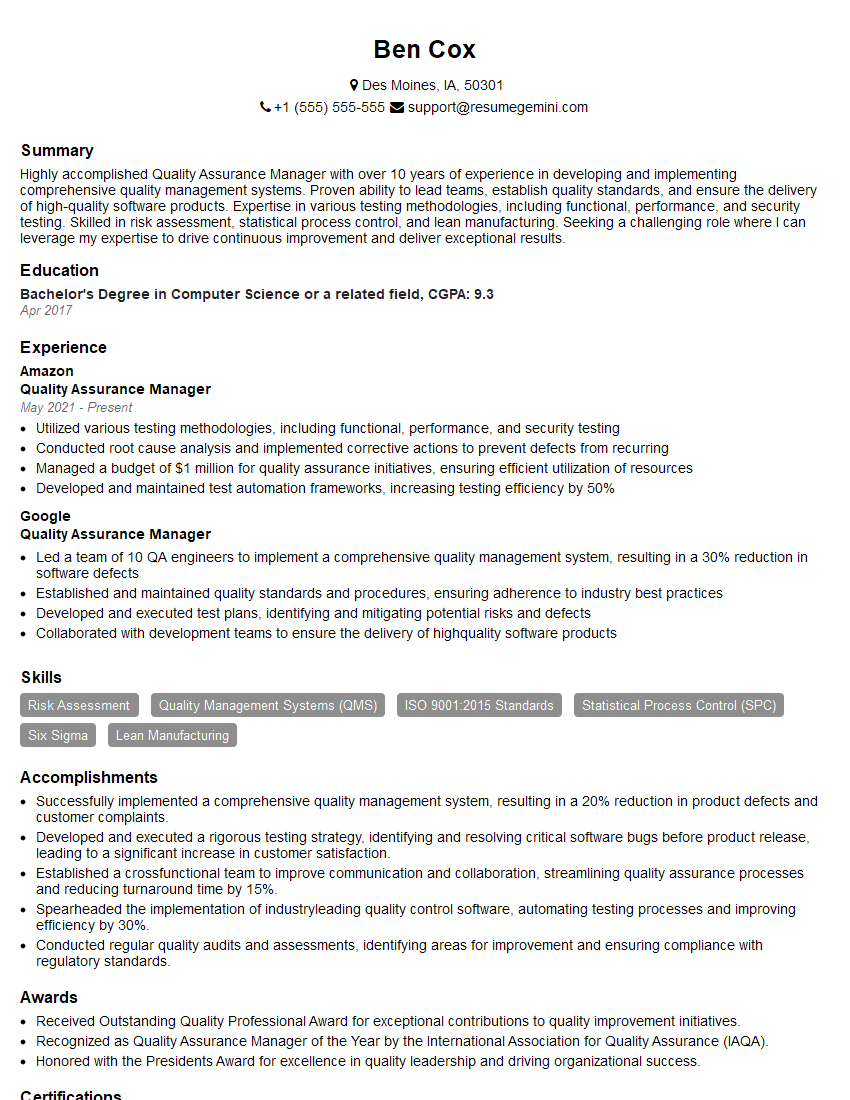
Quality Assurance Manager Resume Sample
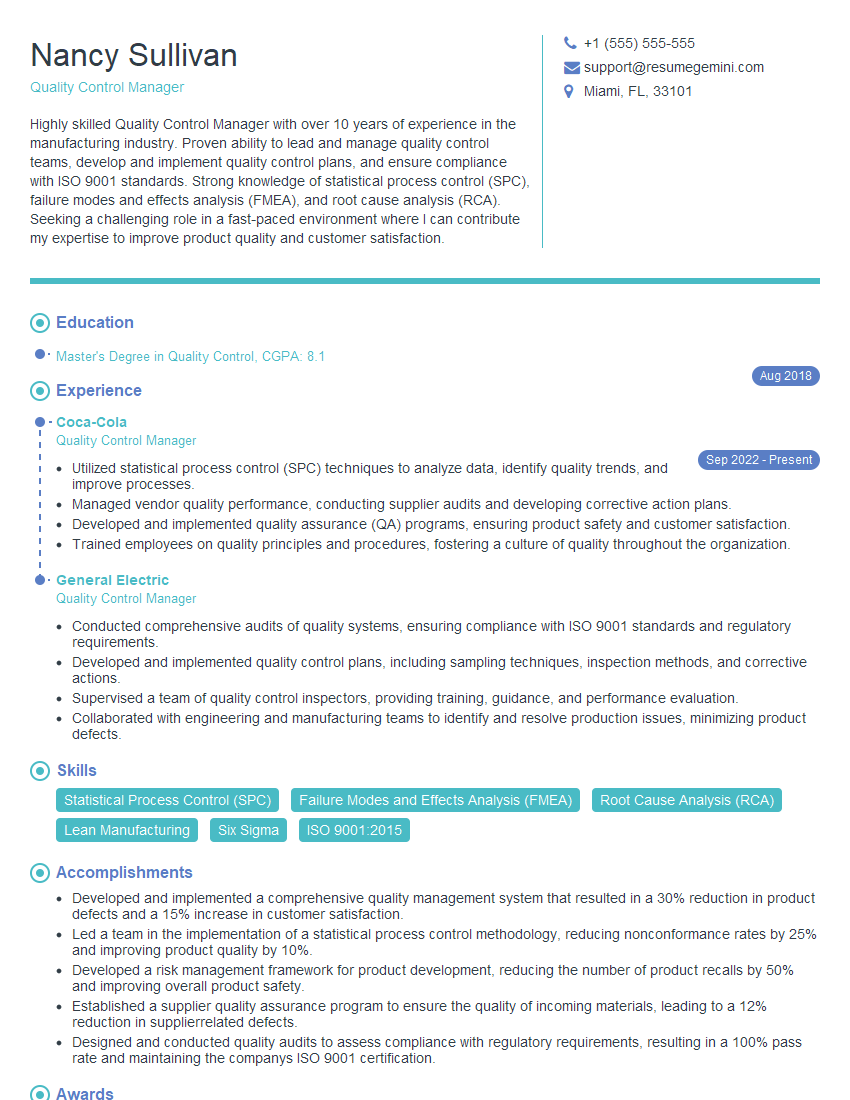
Quality Control Manager Resume Sample
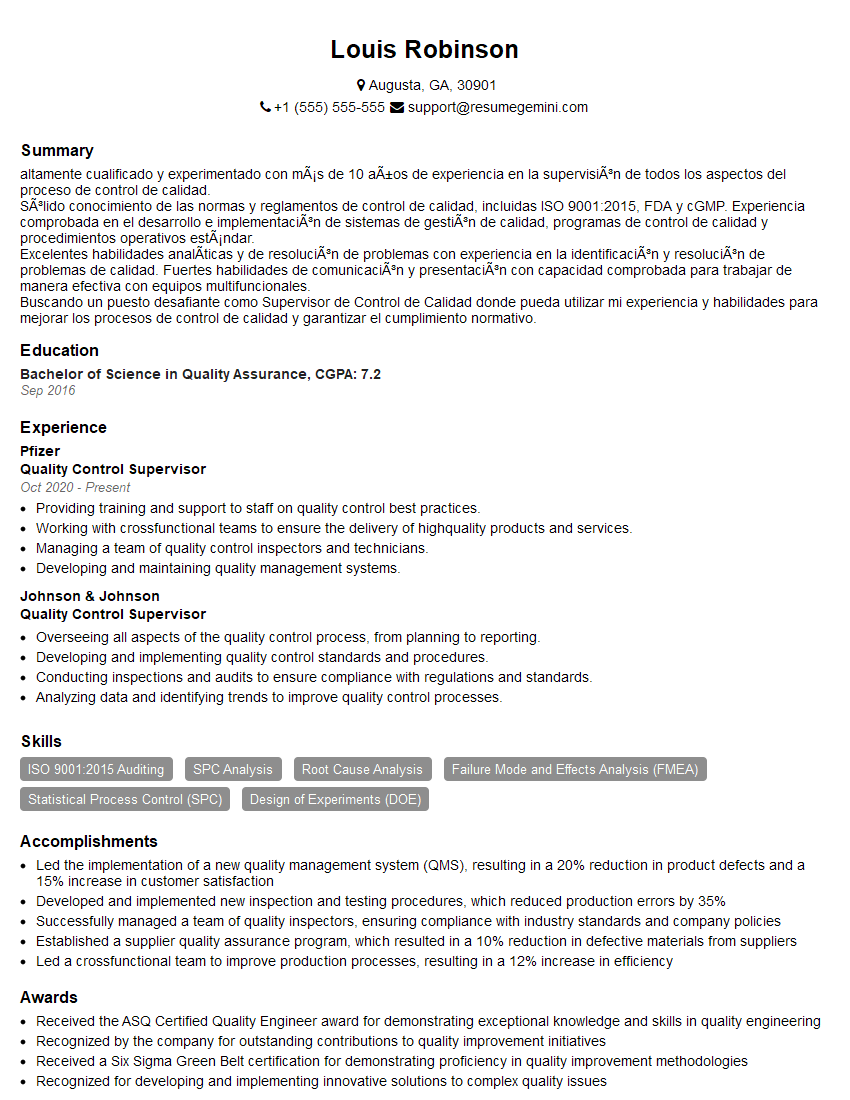
Quality Control Supervisor Resume Sample
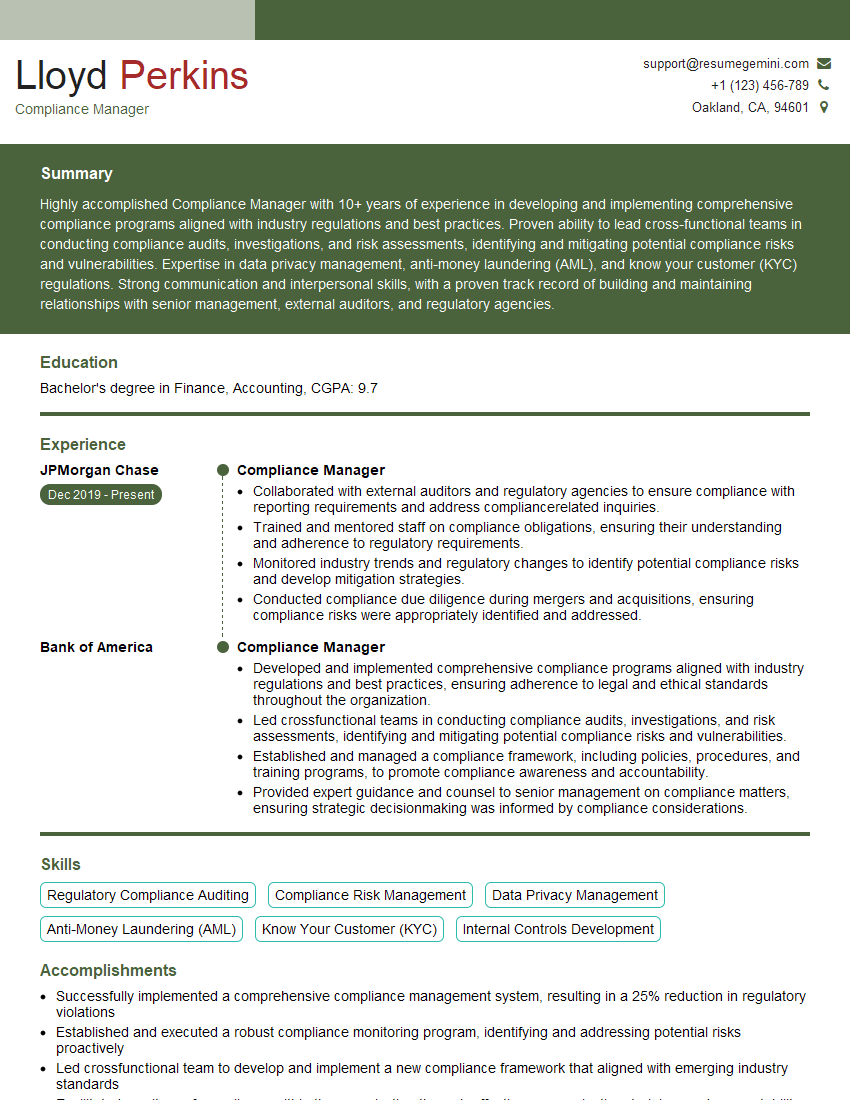
Compliance Manager Resume Sample
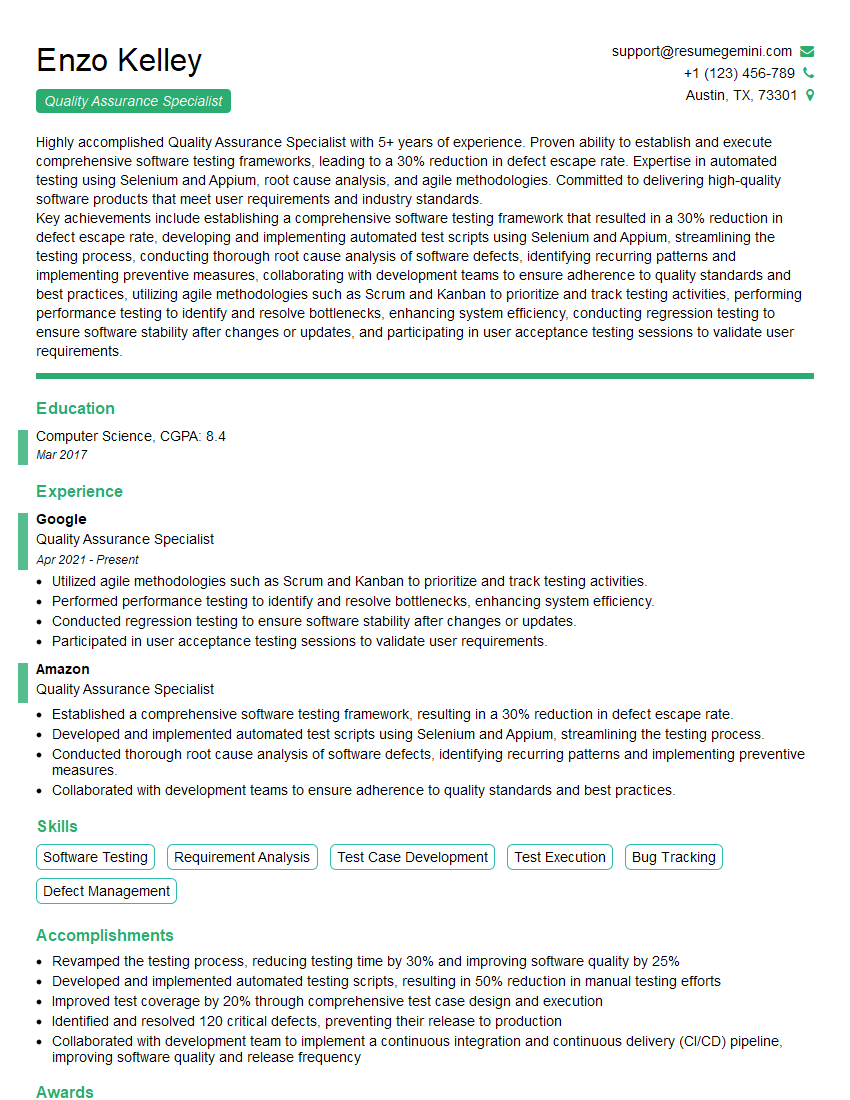
Quality Assurance Specialist Resume Sample
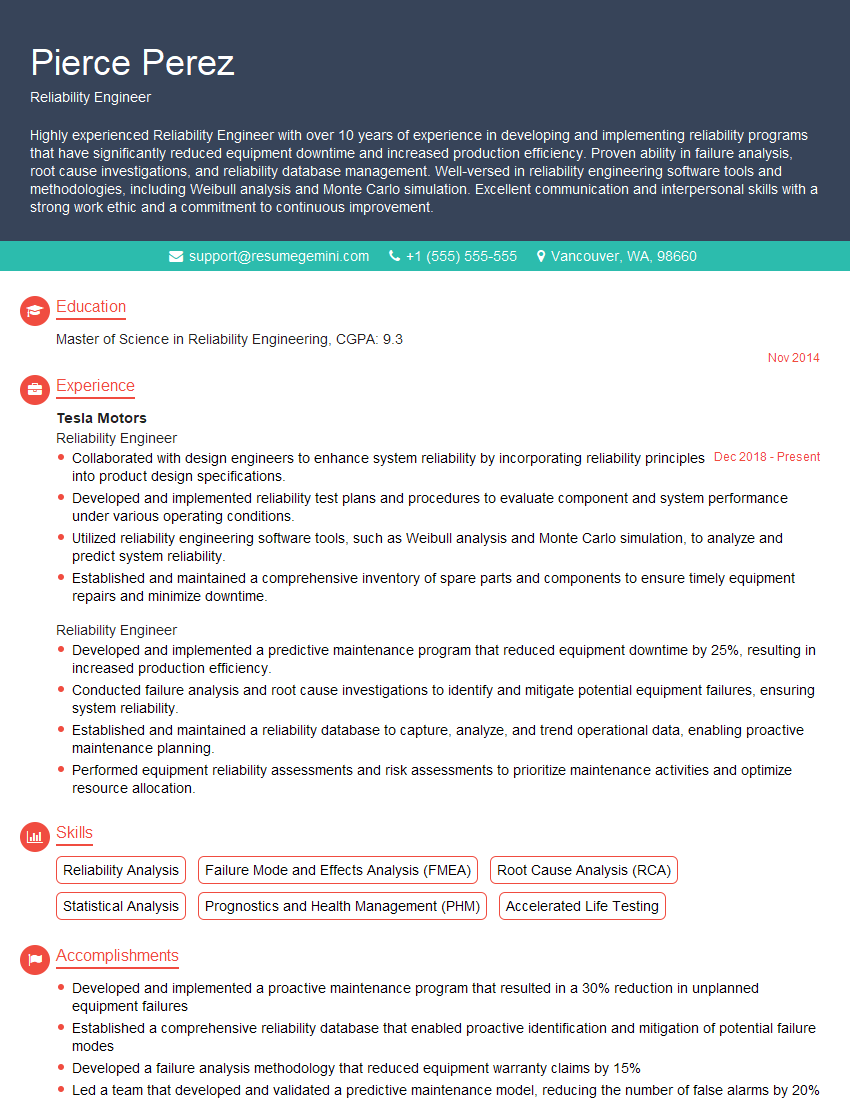
Reliability Engineer Resume Sample
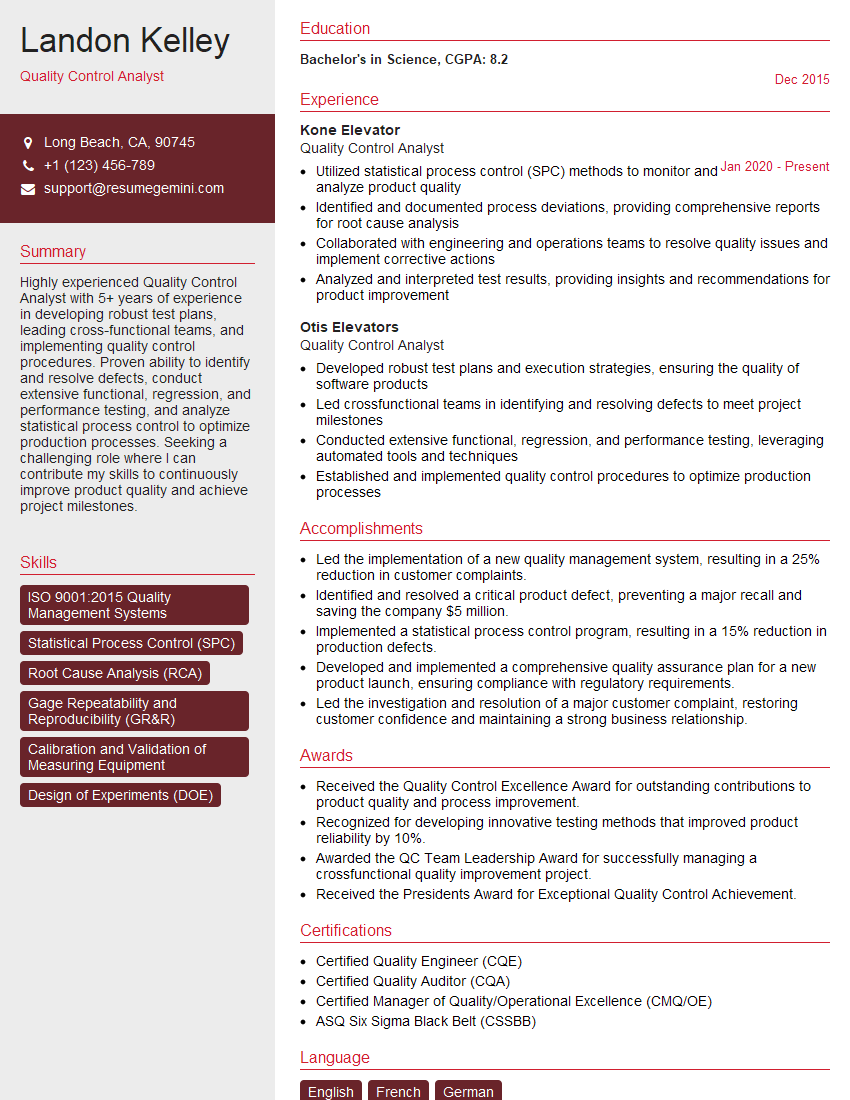
Quality Control Analyst Resume Sample
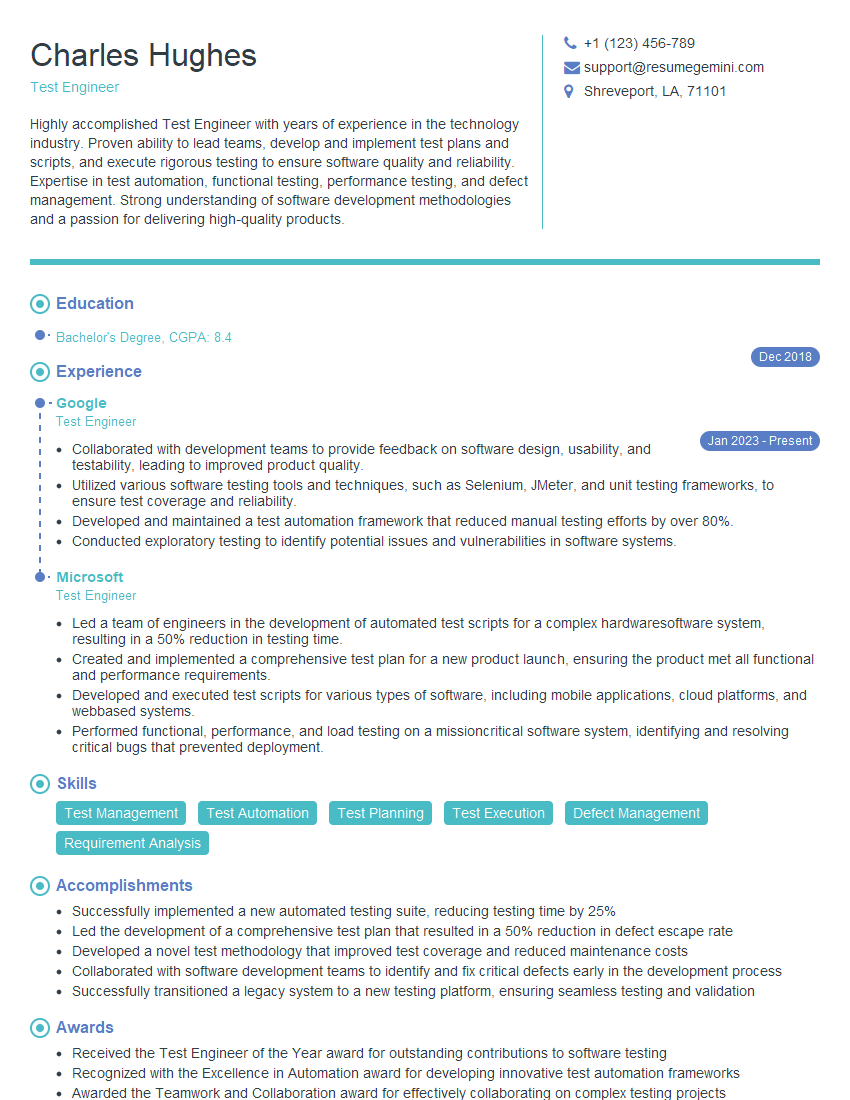
Test Engineer Resume Sample
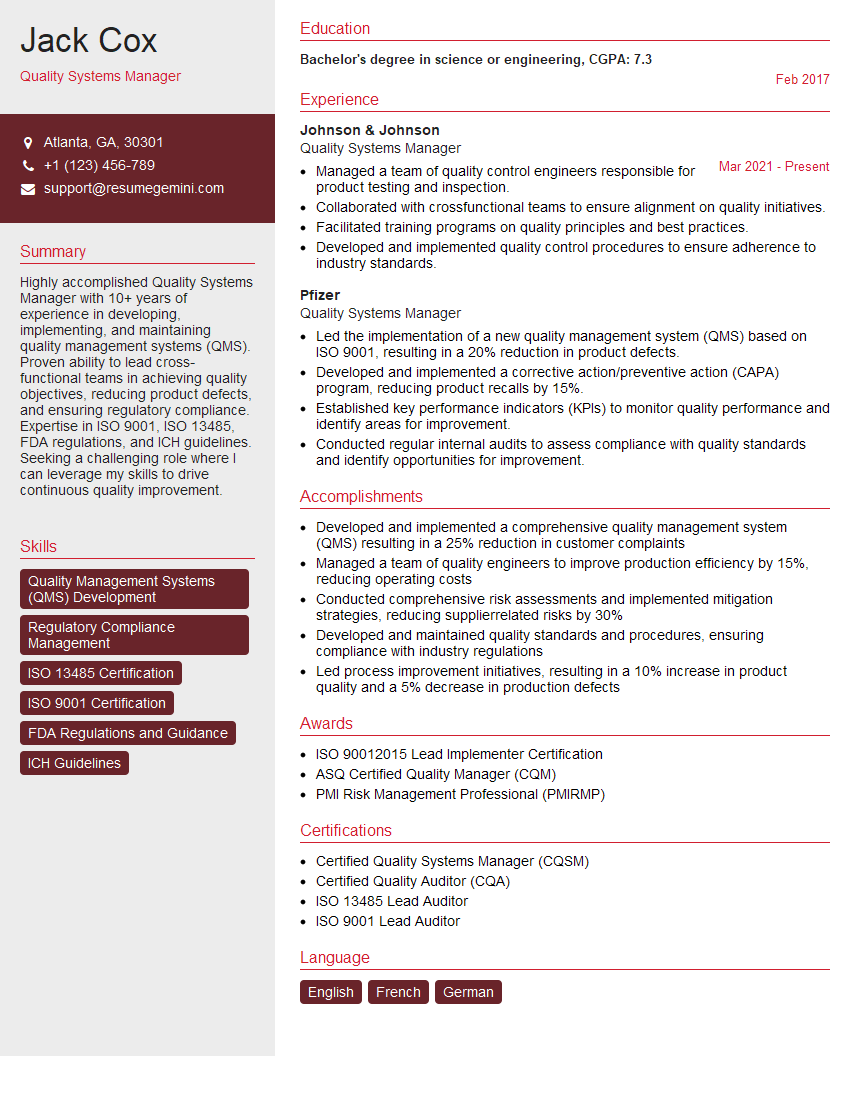
Quality Systems Manager Resume Sample
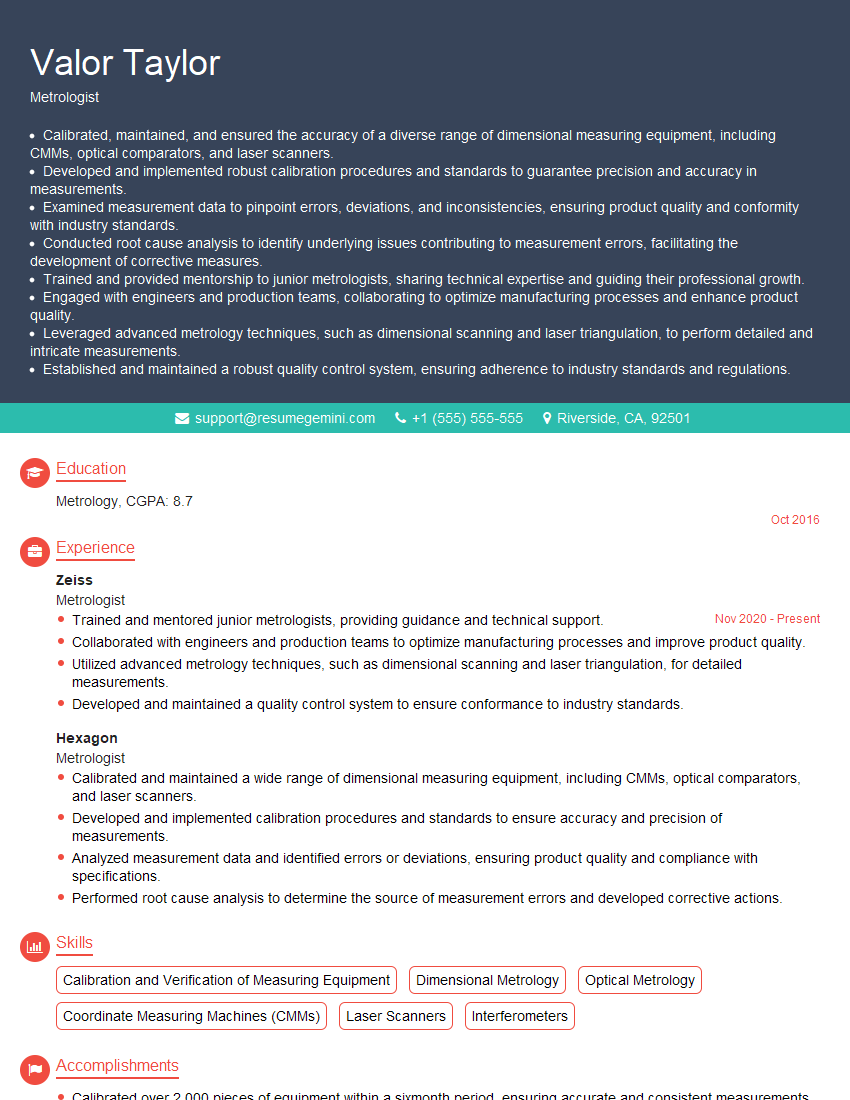
Metrologist Resume Sample
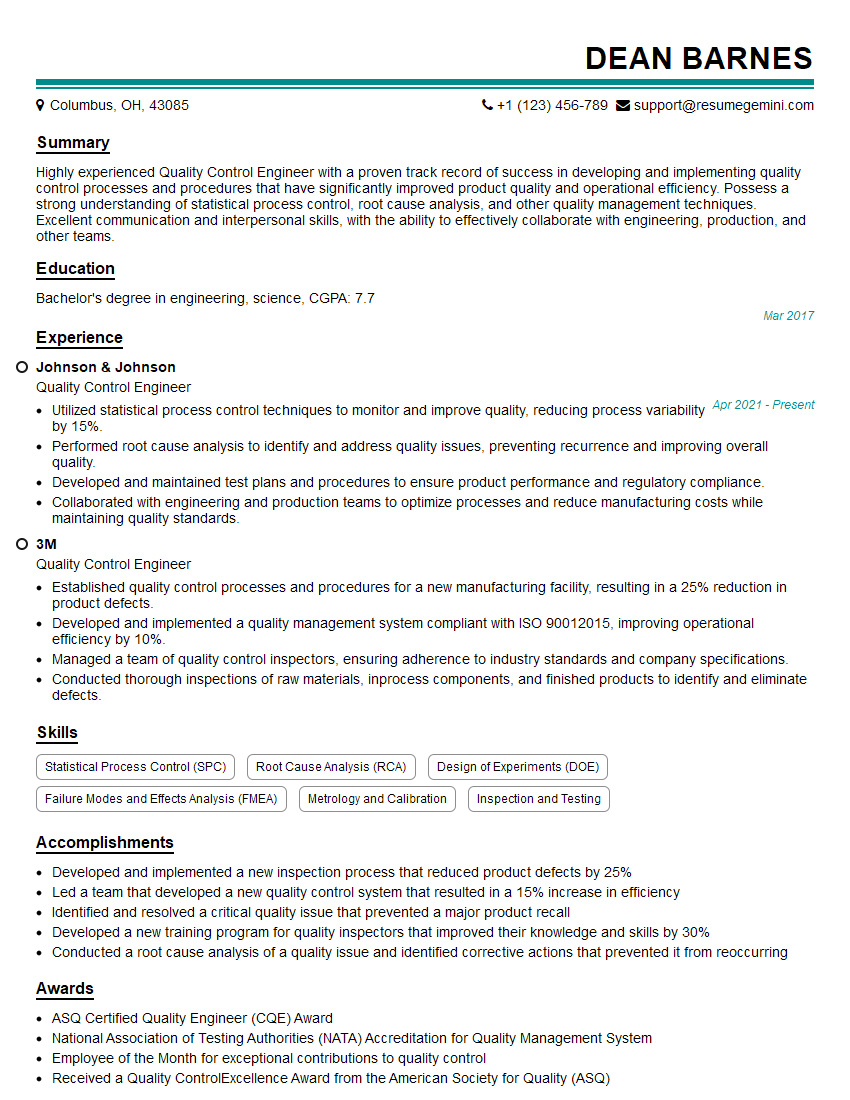
Quality Control Engineer Resume Sample
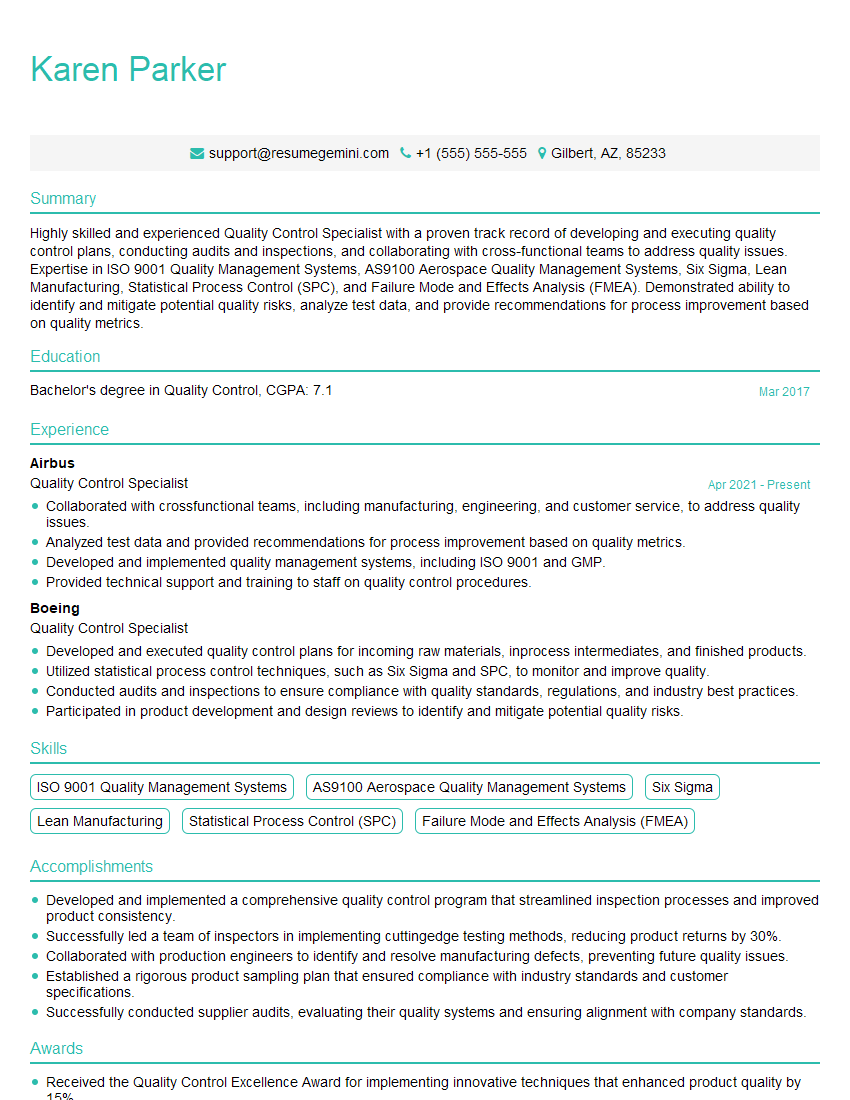
Quality Control Specialist Resume Sample
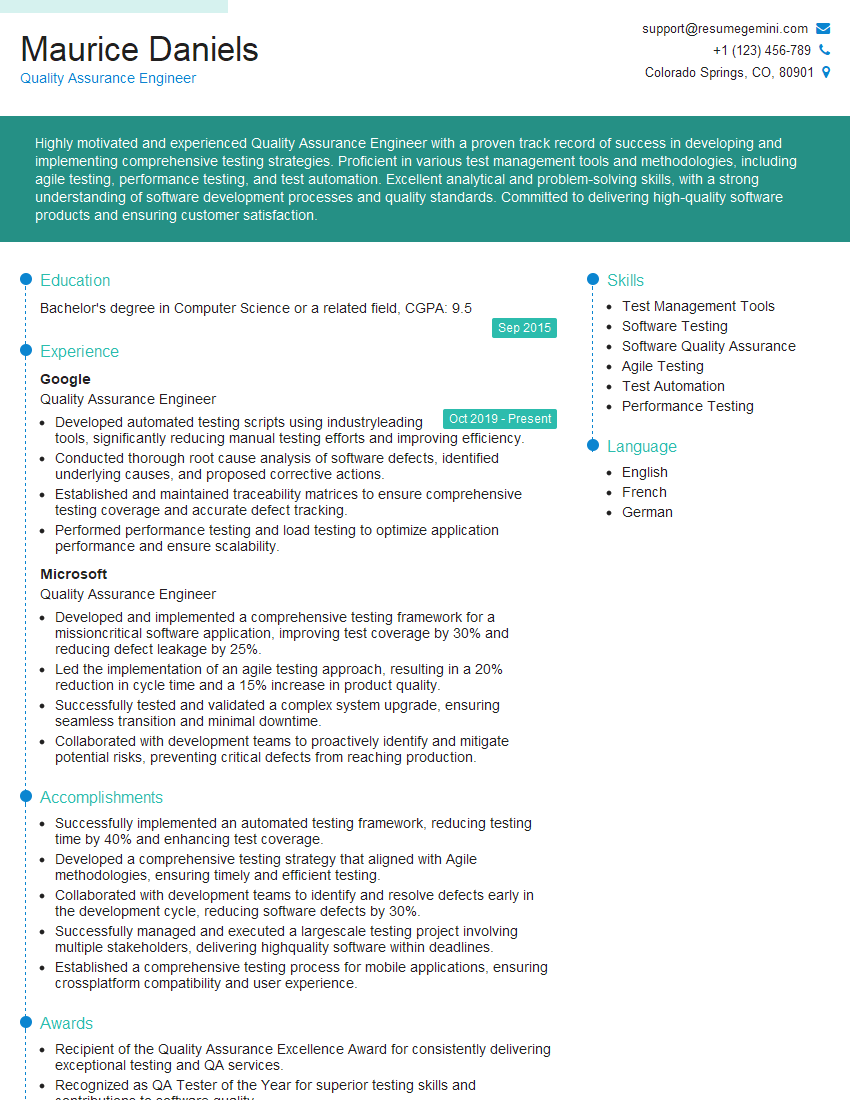
Quality Assurance Engineer Resume Sample
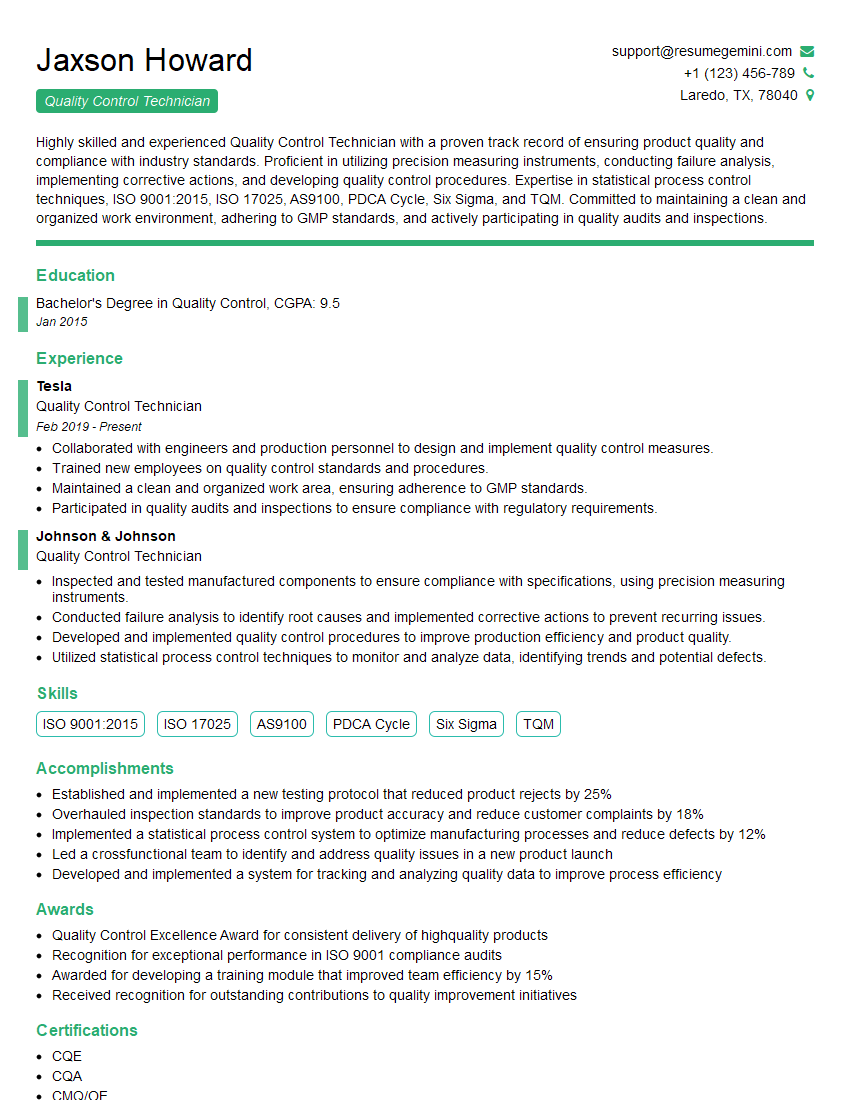
Quality Control Technician Resume Sample
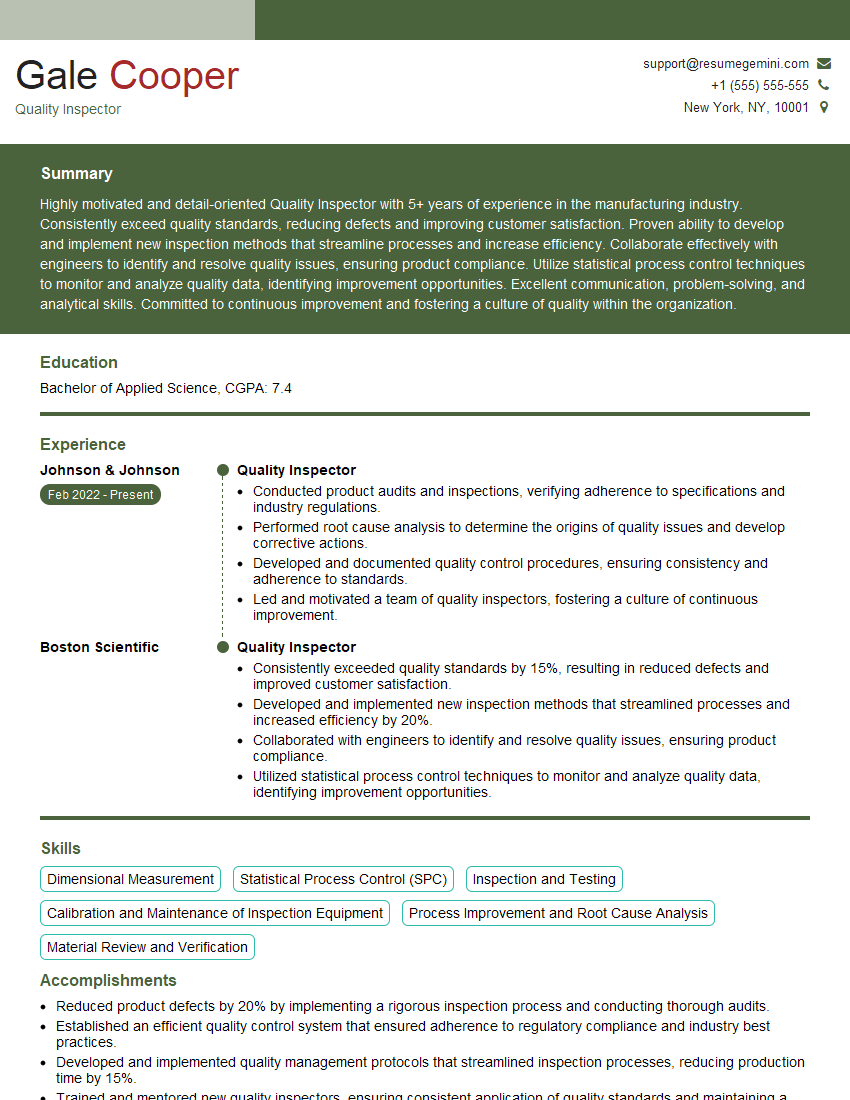
Quality Inspector Resume Sample
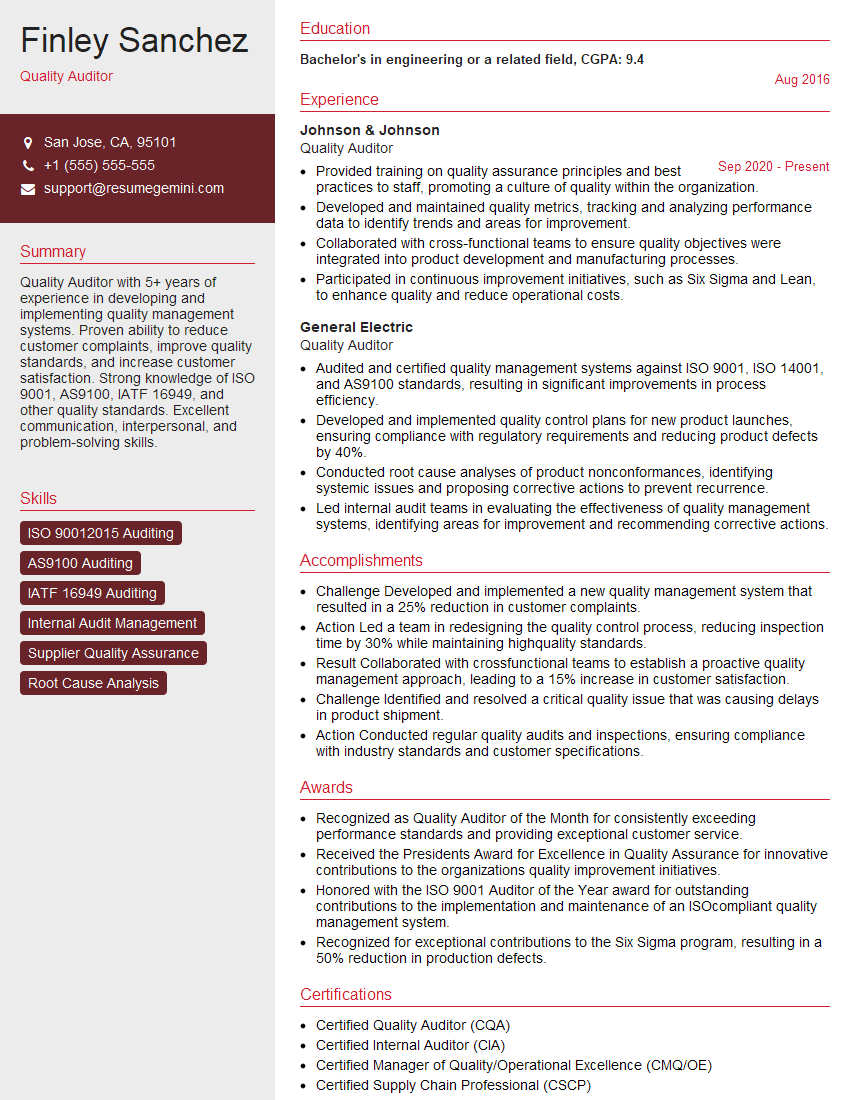
Quality Auditor Resume Sample
- Quality Assurance Manager
- Quality Control Manager
- Quality Control Supervisor
- Compliance Manager
- Quality Assurance Specialist
- Reliability Engineer
- Quality Control Analyst
- Test Engineer
- Quality Systems Manager
- Metrologist
- Quality Control Engineer
- Quality Control Specialist
- Quality Assurance Engineer
- Quality Control Technician
- Quality Inspector
- Quality Auditor
Explore more articles
Users Rating of Our Blogs
Share Your Experience
We value your feedback! Please rate our content and share your thoughts (optional).
What Readers Say About Our Blog
good