The thought of an interview can be nerve-wracking, but the right preparation can make all the difference. Explore this comprehensive guide to Expertise in military planning and operations interview questions and gain the confidence you need to showcase your abilities and secure the role.
Questions Asked in Expertise in military planning and operations Interview
Q 1. Describe your experience in developing military operational plans.
Developing military operational plans is a complex process requiring meticulous attention to detail and a deep understanding of strategic objectives, operational constraints, and potential threats. My experience encompasses the full lifecycle, from initial concept development through execution and assessment. This includes working on plans ranging from small-unit tactical operations to large-scale joint and combined operations.
For instance, in one operation, I was responsible for developing the operational plan for a humanitarian assistance and disaster relief mission following a major earthquake. This involved detailed assessments of the affected area, the identification of critical infrastructure needs, logistical planning for the delivery of aid, and the establishment of secure operational bases. The plan incorporated detailed timelines, risk assessments, and contingency planning for various scenarios, including potential civil unrest or aftershocks.
Another example involved planning a complex counter-insurgency operation, which required careful consideration of the political, social, and economic dimensions of the conflict in addition to purely military aspects. The plan emphasized a phased approach, prioritizing information gathering and the building of trust with the local population, alongside targeted military actions against key insurgent elements. Successful execution relied heavily on close coordination with civilian agencies and international partners.
Q 2. Explain the process of conducting a military risk assessment.
Military risk assessment is a systematic process used to identify, analyze, and mitigate potential threats and hazards to military operations. It involves a structured approach to understand the likelihood and impact of various risks and subsequently developing strategies to manage them. A thorough risk assessment considers various factors, including the operational environment, enemy capabilities, friendly force limitations, and the potential for unforeseen events.
- Identification: This stage involves brainstorming potential risks across various domains such as the operational environment, enemy actions, logistics, and communications.
- Analysis: Each identified risk is analyzed in terms of its likelihood and potential impact. This often involves using qualitative or quantitative methods, including probability and impact matrices.
- Mitigation: Based on the analysis, mitigation strategies are developed to reduce the likelihood or impact of the risks. This can involve altering the operational plan, adopting specific procedures, procuring additional equipment, or increasing training.
- Monitoring and Review: The risk assessment process is not a one-time event; it needs ongoing monitoring and review throughout the operation to account for changes in the situation or new risks emerging.
For example, in planning an amphibious assault, a risk assessment might identify potential threats like anti-ship missiles, bad weather, and enemy counterattacks. Mitigation strategies could involve employing electronic warfare, using weather forecasts to adjust the timing of the operation, and staging a robust defense against potential counterattacks.
Q 3. How do you prioritize competing military objectives?
Prioritizing competing military objectives is crucial for successful operational planning. It requires a clear understanding of strategic goals, available resources, and the potential consequences of pursuing each objective. A common approach is to utilize a weighted prioritization matrix, where objectives are rated according to their importance and feasibility.
This often involves employing a decision-making framework such as a decision matrix, which considers various factors – for example, the impact on achieving higher-level strategic goals, the level of risk involved, the resources required, and the likely success rate. Objectives with higher weighted scores are prioritized. A clear and transparent communication strategy is also vital to ensuring all stakeholders understand the rationale for the prioritization.
Imagine a scenario where a military force has limited resources and faces multiple objectives: securing a key infrastructure point, protecting civilian populations, and disrupting enemy supply lines. A prioritization matrix might reveal that securing the infrastructure point is crucial for long-term strategic success and is relatively feasible, while protecting civilians is of paramount importance ethically, even if logistically challenging. Disrupting enemy supply lines might be considered less vital initially, given limited resources. This allows the commander to allocate resources efficiently and focus on the most impactful objectives first.
Q 4. What are the key elements of a successful military campaign plan?
A successful military campaign plan integrates several key elements. It needs a clear and concise statement of objectives, detailed planning for execution, a robust risk assessment, and sufficient resources. Further, effective communication, flexibility, and a thorough post-operational assessment are critical.
- Clear Objectives: The plan must clearly define the overall goals and specific objectives. These must be measurable, achievable, relevant, and time-bound (SMART).
- Operational Design: This involves developing a detailed approach for achieving the objectives, considering all aspects of the military operation, such as maneuver, fire support, logistics, and intelligence.
- Risk Assessment and Mitigation: A thorough assessment and mitigation of potential risks must be a core part of the plan.
- Resource Allocation: Sufficient resources – personnel, equipment, funding, and time – must be allocated to support the operation.
- Communication Plan: A plan to ensure effective communication between all elements involved in the operation, both within the military and with external stakeholders.
- Flexibility and Adaptability: The plan should be flexible enough to adapt to unforeseen circumstances and changing conditions on the ground.
- Post-Operational Assessment: A thorough assessment after the operation to identify lessons learned and areas for improvement.
For example, a successful counter-insurgency campaign would require not only military force but also civil affairs operations, economic development programs, and efforts to win over the hearts and minds of the local population. Each of these aspects would require careful planning and coordination.
Q 5. Discuss your experience with military logistical planning.
Military logistical planning is the process of planning and managing the movement and supply of personnel, equipment, and materials to support military operations. It’s a critical aspect of any military campaign, as even the best operational plan will fail without adequate logistical support. My experience includes planning and executing logistics for various operations, from small-scale exercises to large-scale deployments.
A key aspect of logistical planning is understanding the ‘Five Pillars of Logistics’: Personnel, Supplies, Maintenance, Transportation, and Medical. Each pillar requires detailed planning to ensure the effective support of troops. Consider a large-scale deployment: we would need to plan for the transportation of troops and equipment to the theater of operations, the establishment of supply lines, the provision of food, water, fuel, and ammunition, the maintenance of equipment, and the provision of medical care. Effective logistical planning anticipates potential disruptions and includes contingency plans for various scenarios, such as unexpected delays or damage to equipment.
For example, during a large-scale training exercise, I was responsible for ensuring the timely delivery of fuel and ammunition to dispersed units operating in a challenging terrain. This involved coordinating with transport companies, managing fuel consumption rates, and establishing secure storage points. Success relied on precise forecasting, careful monitoring, and proactive risk management, ensuring operational units received vital supplies when and where they were needed.
Q 6. How do you incorporate intelligence into military planning?
Incorporating intelligence into military planning is essential for achieving operational success. Intelligence provides critical information about the enemy, the operational environment, and potential threats. It informs all aspects of the planning process, from objective setting to risk assessment and execution. We leverage intelligence to understand the enemy’s capabilities, intentions, and vulnerabilities; assess the risks involved in different courses of action; and develop strategies to maximize our effectiveness and minimize our risks.
The intelligence process involves collecting, analyzing, and disseminating information from various sources, including human intelligence (HUMINT), signals intelligence (SIGINT), imagery intelligence (IMINT), and open-source intelligence (OSINT). This information is then integrated into the operational planning process to inform decisions on everything from target selection to troop deployment and force protection measures.
For example, in planning a raid on an enemy facility, intelligence might reveal the layout of the facility, the location of enemy personnel and weapons, and the likely defensive measures they will take. This intelligence will directly influence the planning of the raid, including the selection of the route of approach, the timing of the attack, and the allocation of forces.
Q 7. Describe your experience with military simulation and wargaming.
Military simulation and wargaming are invaluable tools for testing and refining military plans. Simulations provide a safe and cost-effective way to evaluate different courses of action and identify potential problems before they occur in a real-world scenario. Wargaming, a more interactive form of simulation, allows participants to test their plans against a simulated opponent, forcing them to adapt and react to unforeseen challenges.
I’ve extensive experience using various simulation tools, from simple computer-based models to complex, large-scale wargames involving multiple participants and diverse scenarios. These simulations help us explore various scenarios, test the robustness of our plans under stress, and identify vulnerabilities. We use the results of simulations and wargames to improve our plans, refine our tactics and techniques, and train personnel to respond effectively to different situations.
For instance, in planning a large-scale amphibious assault, we used a combined arms simulation to evaluate the effectiveness of different approaches. The simulation allowed us to test different force deployments, assess the impact of enemy countermeasures, and identify potential chokepoints in the plan. This helped us to refine the plan, improve coordination among different units, and increase the likelihood of success. The feedback from these exercises is vital in improving operational efficiency and the overall success rate of military planning.
Q 8. Explain your understanding of joint military operations.
Joint military operations involve the coordinated employment of forces from different services – Army, Navy, Air Force, Marines, and potentially even Space Force – to achieve a common objective. It’s like orchestrating a complex symphony, where each instrument (military branch) plays a vital role, but the conductor (overall commander) ensures harmony and effectiveness. Successful joint operations require meticulous planning, clear communication, and a deep understanding of each service’s capabilities and limitations. For example, an amphibious assault might involve the Navy providing naval gunfire and transporting Marines ashore, while the Air Force provides close air support and the Army provides follow-on ground forces. The key is interoperability – the ability of different systems and forces to work together seamlessly.
Effective joint operations demand a collaborative approach where all branches work towards shared goals under a unified command structure. This often involves compromises and adjustments to individual service priorities for the overall mission success. Failure to collaborate effectively can lead to duplicated efforts, conflicting priorities, and ultimately, mission failure.
Q 9. How do you manage conflicts between different military units?
Conflicts between military units are inevitable, especially in complex operations involving multiple commands and personalities. Managing these conflicts requires strong leadership, clear communication, and a robust framework for conflict resolution. My approach involves:
- Early identification and intervention: Proactive monitoring of unit interactions and addressing potential friction points before they escalate into major conflicts.
- Mediation and facilitation: Acting as a neutral party to facilitate discussions and help units find common ground. This often involves understanding the underlying causes of the conflict, which might range from resource allocation disagreements to differing operational philosophies.
- Clear chain of command: Ensuring that all units understand their roles and responsibilities within the overall operation and adhering strictly to the established chain of command for resolving disputes.
- Objective evaluation: Assessing the validity of each unit’s concerns and making decisions based on the mission’s overall success, not on individual preferences or biases.
For example, during a peacekeeping operation, I once had to mediate a dispute between an infantry unit demanding more logistical support and an engineering unit claiming their resources were being diverted. By engaging both units and understanding their perspectives, I was able to negotiate a solution that satisfied both, without jeopardizing mission objectives.
Q 10. How do you ensure effective communication during military operations?
Effective communication is the cornerstone of any successful military operation. It’s not merely about sending and receiving messages; it’s about ensuring everyone understands the situation, their role, and the overall plan. My experience highlights the importance of:
- Multiple communication channels: Utilizing a combination of secure communication systems – including radio, satellite, and secure messaging applications – to ensure redundancy and reach all units.
- Common operating picture (COP): Creating a shared understanding of the battlefield through real-time information sharing, using maps, sensors, and intelligence data to enhance situational awareness among all parties involved.
- Clear and concise messaging: Using standardized procedures and terminology to minimize ambiguity and ensure everyone understands instructions. Jargon must be minimized or clearly defined.
- Regular communication exercises: Conducting drills and simulations to ensure that communication protocols are well-understood and can withstand the pressures of real-world operations.
During a complex counter-terrorism operation, using a combination of these methods allowed us to maintain constant communication with our forward operating bases and to quickly respond to evolving circumstances, preventing confusion and ensuring coordinated actions.
Q 11. Describe your experience with military resource allocation.
Military resource allocation is a critical aspect of planning and execution, demanding careful consideration of available assets and their effective deployment. It’s like managing a complex budget, where every dollar (or resource) must be accounted for and used efficiently. My experience involves:
- Needs assessment: Determining the resources required to achieve mission objectives, factoring in potential contingencies and uncertainties.
- Prioritization: Ranking resource requirements based on their importance to mission success, acknowledging that resources are often finite.
- Optimization: Identifying the most efficient ways to allocate resources to maximize their impact, using modeling and simulation tools where appropriate.
- Tracking and monitoring: Continuously monitoring resource usage to identify potential shortfalls or areas for improvement, allowing for real-time adjustments.
During a large-scale humanitarian aid mission, I was responsible for allocating resources, including personnel, equipment, and supplies, across various locations. Through careful planning and prioritization, I ensured that the most vulnerable populations received the necessary assistance, despite logistical constraints.
Q 12. How do you assess the effectiveness of military operations?
Assessing the effectiveness of military operations requires a multifaceted approach that goes beyond simply achieving the stated objectives. It requires a critical evaluation of the process, considering both quantitative and qualitative measures. My assessment methods include:
- Mission accomplishment: Did the operation achieve its primary and secondary objectives? Were the goals realistic and attainable?
- Casualty analysis: Evaluating the ratio of friendly and enemy casualties, and analyzing the effectiveness of casualty reduction measures.
- Resource expenditure analysis: Evaluating the cost-effectiveness of the operation, including material usage, personnel costs and potential collateral damage.
- Collateral damage assessment: Analyzing the unintended consequences of the operation, such as civilian casualties or damage to infrastructure.
- Lessons learned: Conducting after-action reviews to identify strengths, weaknesses, and areas for improvement in future operations.
For instance, after a counter-insurgency operation, a thorough assessment involved analyzing the reduction in insurgent activity, civilian casualties, and the effectiveness of various tactics employed. This allowed for a nuanced evaluation, not just of success or failure, but also for identifying areas for refinement in future operations.
Q 13. Explain your approach to contingency planning.
Contingency planning involves anticipating potential problems and developing proactive solutions to address them. It’s akin to insurance for military operations, providing a safety net in case things go wrong. My approach to contingency planning involves:
- Risk assessment: Identifying potential threats and challenges that could impact the operation’s success.
- Scenario development: Creating various plausible scenarios based on identified risks, from minor setbacks to major catastrophes.
- Course of action development: Formulating plans to address each scenario, including resource allocation and command and control structures.
- Rehearsal and testing: Conducting exercises and simulations to test the effectiveness of contingency plans and identify weaknesses.
- Adaptation and refinement: Continuously reviewing and updating contingency plans based on lessons learned and changes in the operational environment.
For example, during a deployment to a volatile region, contingency plans were prepared for scenarios including natural disasters, civil unrest, and attacks on our forces. These plans included detailed procedures for evacuation, medical response, and reinforcement, ensuring our personnel and mission could be protected even under unforeseen circumstances.
Q 14. Discuss your experience with military decision-making processes.
Military decision-making processes are often complex, involving many stakeholders and conflicting priorities. My experience focuses on utilizing structured methods like the Military Decision-Making Process (MDMP) to ensure informed and effective decisions. MDMP involves a series of steps:
- Receipt of mission: Understanding the mission’s objective, constraints, and available resources.
- Mission analysis: Analyzing the operational environment, identifying potential threats and opportunities.
- Course of action development: Generating multiple options for achieving the mission objectives.
- Course of action analysis: Evaluating the strengths and weaknesses of each option, considering risks and consequences.
- Course of action comparison: Comparing the options and selecting the best course of action based on a holistic evaluation.
- Orders production: Clearly communicating the selected course of action to subordinate units.
- Supervision: Monitoring the execution of the plan and making adjustments as needed.
In one instance, using MDMP for a complex logistics operation, we were able to compare multiple routes and resource allocations, ultimately selecting the option that minimized risk and maximized efficiency, ensuring timely delivery of supplies to troops in a challenging environment.
Q 15. How do you incorporate lessons learned into future military plans?
Incorporating lessons learned is crucial for continuous improvement in military planning. It’s not simply about reviewing what went wrong; it’s a systematic process involving data analysis, feedback mechanisms, and doctrinal adjustments.
The process typically starts with After-Action Reviews (AARs), conducted at various levels after operations. These reviews involve detailed analysis of successes and failures, identifying contributing factors through thorough examination of intelligence, logistics, communication, and command decisions. For example, an AAR might reveal a communication breakdown that hampered coordination between units during a particular engagement.
Next, these findings are analyzed using quantitative and qualitative methods to pinpoint systemic issues. This data feeds into the updating of standard operating procedures (SOPs), training programs, and even military doctrine itself. We might see changes in equipment procurement based on lessons learned from battlefield performance. For instance, if a particular piece of equipment consistently malfunctioned, the lessons learned would be used to choose a more reliable alternative for future acquisitions. Finally, a feedback loop ensures these changes are effectively communicated and integrated into future planning exercises and simulations, making future operations more robust and efficient.
Career Expert Tips:
- Ace those interviews! Prepare effectively by reviewing the Top 50 Most Common Interview Questions on ResumeGemini.
- Navigate your job search with confidence! Explore a wide range of Career Tips on ResumeGemini. Learn about common challenges and recommendations to overcome them.
- Craft the perfect resume! Master the Art of Resume Writing with ResumeGemini’s guide. Showcase your unique qualifications and achievements effectively.
- Don’t miss out on holiday savings! Build your dream resume with ResumeGemini’s ATS optimized templates.
Q 16. What is your experience with different military command structures?
My experience encompasses a broad range of military command structures, from the traditional hierarchical model to more decentralized and agile structures. I’ve worked within the framework of a unified combatant command, where multiple services operate under a single commander, as well as smaller, more independent units.
I understand the intricacies of each and how different structures impact decision-making processes and overall effectiveness. For example, the hierarchical structure prioritizes clear lines of authority and accountability, ideal for large-scale, complex operations; however, it can sometimes slow down decision-making in rapidly evolving situations. In contrast, a more decentralized structure allows for quicker responses to dynamic threats but requires a greater emphasis on clear communication and coordination among dispersed units.
My experience also includes working within joint task forces, where interoperability and effective communication between diverse military branches are paramount. Successfully navigating these various command structures requires adaptability, strong communication skills, and a thorough understanding of each structure’s strengths and limitations.
Q 17. Explain your understanding of military doctrine.
Military doctrine is the fundamental set of beliefs, principles, and concepts guiding military operations. It provides a framework for planning, training, and executing military missions, reflecting a nation’s strategic objectives and capabilities. It encompasses various aspects like strategy, tactics, operational art, and logistics.
My understanding of military doctrine is deeply rooted in its practical application. I’ve been involved in the development and revision of doctrine, ensuring its relevance in evolving geopolitical scenarios and technological advancements. For example, the development of cyber warfare capabilities has required significant adjustments to existing doctrine to address the unique challenges and opportunities presented by this new domain. Understanding doctrine isn’t simply memorizing manuals; it’s about adapting fundamental principles to real-world challenges, integrating new technologies, and anticipating future threats. Successful military operations are built upon a solid understanding and flexible application of relevant doctrine.
Q 18. Describe your experience with military technology integration.
Military technology integration is a continuous process involving the seamless incorporation of new technologies into military planning and operations. This is not merely about acquiring new equipment; it’s about strategically integrating it to enhance overall combat effectiveness and operational efficiency.
My experience includes overseeing the integration of new communication systems, improving battlefield situational awareness through advanced sensor technology, and optimizing the use of drones for reconnaissance and targeted strikes. A key aspect is understanding the interoperability of different systems. For instance, integrating a new radar system requires careful consideration of how it interacts with existing communication and command-and-control networks. A successful integration ensures that the new system enhances, not hinders, the overall operational capability. This often involves extensive testing and simulations to identify and mitigate potential risks and ensure seamless transitions.
Q 19. How do you handle unexpected events during military operations?
Handling unexpected events during military operations demands adaptability, decisive leadership, and robust contingency planning. My approach involves a three-pronged strategy: assess, adapt, act.
Assess involves rapidly gathering information to understand the nature and scope of the unexpected event. This may involve utilizing available intelligence resources, conducting reconnaissance, and communicating with affected units. Adapt requires making swift, informed decisions based on the assessed situation, possibly adjusting existing plans or deploying reserve assets. This phase may also necessitate consulting with senior leadership and coordinating with allied forces. Act involves implementing the chosen course of action, closely monitoring its effectiveness, and making further adjustments as needed. The entire process emphasizes maintaining situational awareness, clear communication, and a flexible mindset. For example, encountering unexpected enemy resistance might necessitate a rapid shift from a planned offensive to a defensive posture, or a change in troop deployment to reinforce vulnerable positions.
Q 20. What are the key ethical considerations in military planning?
Ethical considerations are paramount in military planning. We must adhere to the Laws of War, ensuring that our actions are lawful, proportionate, and discriminate between combatants and civilians. This involves careful planning to minimize civilian casualties and collateral damage. For example, when selecting targets for air strikes, we employ rigorous processes to verify targets and assess potential civilian impact. Furthermore, ethical considerations extend beyond compliance with international law. We uphold our commitment to human rights and respect for cultural norms, even in combat situations.
Beyond the Laws of War, ethical considerations encompass aspects like responsible use of lethal force, appropriate treatment of prisoners of war, and the protection of cultural heritage sites. Ethical decision-making is a continuous process that permeates all aspects of military planning, requiring constant reflection and vigilance. We conduct regular ethics training and incorporate ethical dilemmas into wargames and planning exercises to enhance ethical awareness and decision-making capabilities.
Q 21. Explain your understanding of military law and regulations.
My understanding of military law and regulations is comprehensive, encompassing both international humanitarian law and domestic military law. This knowledge is vital for ensuring the legality and ethical conduct of all military operations.
I’m familiar with the Uniform Code of Military Justice (UCMJ), various international treaties like the Geneva Conventions, and relevant national and international laws concerning armed conflict. Understanding these legal frameworks is critical for planning operations that are not only effective but also compliant with all applicable legal standards. For example, I’m fully aware of the rules of engagement (ROE), which define the circumstances under which military force can be used, and ensure that all actions comply with these restrictions. Legal compliance is not just a matter of avoiding prosecution; it is essential for maintaining the legitimacy and moral standing of military forces. Regular updates on legal developments and their implications for military operations are crucial for maintaining legal expertise.
Q 22. Describe your experience with force protection planning.
Force protection planning is the process of identifying, assessing, and mitigating threats to military personnel, equipment, and facilities. It’s a proactive, multi-layered approach that integrates intelligence, security measures, and emergency response planning. My experience encompasses developing and implementing comprehensive force protection plans across various operational environments, from high-threat zones to relatively stable regions.
This involves:
- Threat Assessment: Analyzing potential threats – ranging from conventional attacks to asymmetric warfare tactics, like IEDs or cyberattacks – and identifying vulnerabilities.
- Risk Mitigation: Developing and implementing strategies to reduce risk. This includes physical security measures like perimeter defenses, access control, and surveillance; operational security measures like communications security and information management; and personnel security measures like training and awareness programs.
- Contingency Planning: Creating detailed plans for responding to various threats and incidents, including emergency evacuation, medical response, and damage control. This often includes tabletop exercises and simulations to test the effectiveness of the plans.
- Collaboration: Working closely with intelligence agencies, local authorities, and other relevant stakeholders to gather information, coordinate efforts, and ensure a comprehensive approach.
For example, in one deployment, I was responsible for developing a force protection plan for a forward operating base in a volatile region. This involved integrating physical security measures, conducting regular threat assessments, and establishing close cooperation with local security forces to anticipate and respond to potential threats effectively.
Q 23. How do you manage information security during military operations?
Information security during military operations is paramount to mission success and the safety of personnel. It involves safeguarding sensitive information from unauthorized access, use, disclosure, disruption, modification, or destruction. My approach involves a multi-faceted strategy encompassing:
- Classification and Handling of Information: Implementing strict procedures for classifying information according to sensitivity levels and ensuring that only authorized personnel have access.
- Cybersecurity Measures: Employing robust cybersecurity measures, including network security, endpoint protection, and intrusion detection systems, to protect against cyber threats. Regular security audits and vulnerability assessments are essential.
- Communications Security (COMSEC): Using secure communication channels and encryption techniques to protect sensitive information transmitted electronically or by other means. This includes secure radios, satellite communications, and encrypted messaging apps.
- Operational Security (OPSEC): Implementing measures to protect information about military operations and plans from falling into enemy hands. This includes limiting the information available to adversaries and controlling access to sensitive data.
- Personnel Security: Conducting thorough background checks on personnel with access to sensitive information and providing regular security awareness training to enhance their understanding of information security risks and best practices.
Imagine a scenario where enemy forces intercept unencrypted communications detailing troop movements. This could severely compromise an operation. By employing rigorous COMSEC practices, we ensure mission success and protect our personnel.
Q 24. Explain your understanding of civil-military relations.
Civil-military relations refer to the interaction and cooperation between military forces and civilian authorities within a nation or during international operations. Effective civil-military relations are crucial for maintaining stability, achieving operational objectives, and building trust with the local population. My understanding encompasses:
- Respect for Civilian Authority: Recognizing the supremacy of civilian control over the military and adhering to the laws and regulations of the host nation or governing body.
- Collaboration and Coordination: Working effectively with civilian governments, NGOs, and other civilian organizations to achieve common goals, particularly in areas such as disaster relief, peacekeeping operations, and development assistance.
- Protection of Civilian Rights: Ensuring the protection of civilian rights and minimizing the impact of military operations on civilian populations. This includes adherence to the laws of war and international humanitarian law.
- Communication and Transparency: Maintaining open communication channels with civilian authorities and the local population to foster trust and understanding.
- Conflict Resolution: Applying conflict resolution and negotiation skills to prevent or mitigate conflicts between the military and civilian communities.
For instance, during peacekeeping operations, a key component of success is establishing positive civil-military relations. By actively engaging with local communities and respecting their customs and traditions, we can foster trust and create a more stable environment conducive to achieving our objectives.
Q 25. Describe your experience with international military cooperation.
International military cooperation involves collaborating with armed forces from other nations to achieve common security goals. My experience includes participation in multinational exercises, joint operations, and collaborative planning efforts. These collaborations involve:
- Interoperability: Working with allies to ensure that our forces can operate together effectively, despite differences in doctrine, equipment, and languages. This involves standardized procedures and communication protocols.
- Information Sharing: Sharing intelligence and other information with partner nations to enhance situational awareness and improve operational effectiveness. This often requires establishing secure communication channels and data-sharing agreements.
- Coordination and Planning: Collaborating with allied forces during the planning and execution of military operations, ensuring a unified approach and avoiding misunderstandings.
- Resource Sharing: Pooling resources, such as equipment, personnel, and logistical support, to enhance overall capabilities.
- Capacity Building: Assisting partner nations in developing their military capabilities through training, equipment transfers, and advisory assistance.
A specific example is my participation in a multinational peacekeeping operation where coordinating logistics, intelligence sharing, and joint patrols with forces from several nations were crucial for maintaining stability in a conflict zone. Effective communication and shared understanding of objectives were key to success.
Q 26. How do you measure the success of a military operation?
Measuring the success of a military operation is complex and depends heavily on the specific objectives. However, a multi-faceted approach is necessary, considering:
- Achievement of Operational Objectives: Did the operation achieve its primary and secondary goals? This could involve territorial gains, the neutralization of enemy forces, the protection of civilians, or the disruption of enemy operations.
- Casualties and Collateral Damage: Minimizing friendly and civilian casualties and collateral damage is crucial. A successful operation minimizes these losses.
- Resource Expenditure: Were the resources used effectively and efficiently? This involves evaluating the cost-benefit ratio of the operation.
- Long-Term Impact: What is the long-term impact of the operation on the stability of the region or the achievement of broader strategic goals? This might involve assessing political implications and the sustainability of the results.
- Public Perception: What is the public perception of the operation, both domestically and internationally? Positive public perception can greatly contribute to overall success.
Success isn’t solely defined by battlefield victories. A successful operation often requires a holistic assessment of its impact across various dimensions, considering both immediate and long-term consequences.
Q 27. What are your strengths and weaknesses in military planning?
My strengths in military planning lie in my ability to:
- Analyze complex situations: I possess a strong analytical ability to break down complex problems into manageable components and develop comprehensive solutions.
- Develop contingency plans: I excel at anticipating potential problems and developing detailed contingency plans to mitigate risks and ensure mission success.
- Collaborate effectively: I work effectively in team environments, fostering collaboration and communication among various stakeholders.
- Adapt to changing circumstances: I can readily adapt plans and strategies in response to changing circumstances on the ground.
My areas for improvement include:
- Delegation: While I am capable of handling numerous tasks, I sometimes struggle with effective delegation, potentially impacting team efficiency.
- Time management under pressure: While experienced, enhancing time management skills under intense pressure will further improve my efficiency.
I am actively working on improving these weaknesses through focused training and self-reflection.
Q 28. Describe a situation where your military planning skills were critical to success.
During a complex humanitarian relief operation following a major earthquake, our initial plan faced unexpected challenges due to severely damaged infrastructure and limited access to affected areas. The original logistical plan, relying heavily on main roads, was rendered ineffective. My role was crucial in quickly developing a revised plan utilizing alternative routes and airlifts, coordinating with local authorities and international aid organizations. This involved detailed route planning, considering factors like terrain, security risks, and the capacity of available transport. This rapid adaptation ensured the timely delivery of essential supplies and medical assistance to thousands of people, significantly improving the survival rate and overall success of the operation.
Key Topics to Learn for Expertise in Military Planning and Operations Interview
- Military Doctrine and Strategy: Understanding core principles of military strategy, campaign planning, and operational art. Consider the evolution of military thought and its impact on modern conflict.
- Operational Planning Process (OPP): Mastering the steps involved in developing and executing military plans, including intelligence preparation of the battlefield (IPB), course of action (COA) development and analysis, and risk assessment.
- Joint Operations and Interoperability: Demonstrate knowledge of how different military branches and allied forces collaborate effectively in joint operations. Discuss the challenges and solutions involved.
- Logistics and Resource Management: Understanding the crucial role of logistics in military operations, including supply chain management, sustainment, and resource allocation. Be prepared to discuss practical case studies.
- Command and Control (C2): Explain the principles and methodologies behind effective command and control structures. Discuss the challenges of communication and decision-making in complex operational environments.
- Technology and its Impact on Military Planning: Discuss the impact of modern technologies such as intelligence, surveillance, and reconnaissance (ISR) systems, cyber warfare, and autonomous systems on military planning and execution.
- Civil-Military Relations: Understanding the interaction between military forces and civilian populations, including considerations of law, humanitarian assistance, and stability operations.
- Risk Assessment and Mitigation: Demonstrate proficiency in identifying, analyzing, and mitigating risks within military operations. Be prepared to discuss various risk management frameworks.
- Problem-Solving and Decision-Making under Pressure: Highlight your ability to analyze complex scenarios, make timely and effective decisions under pressure, and adapt to changing circumstances.
Next Steps
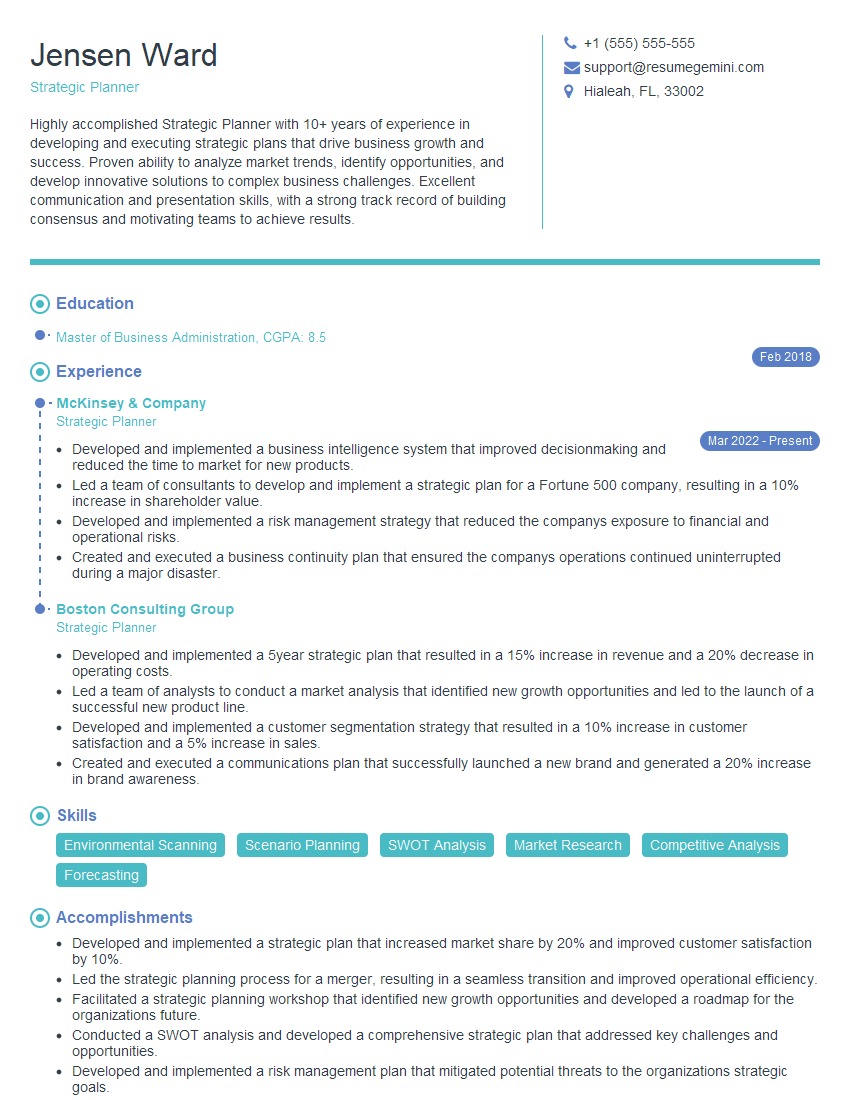
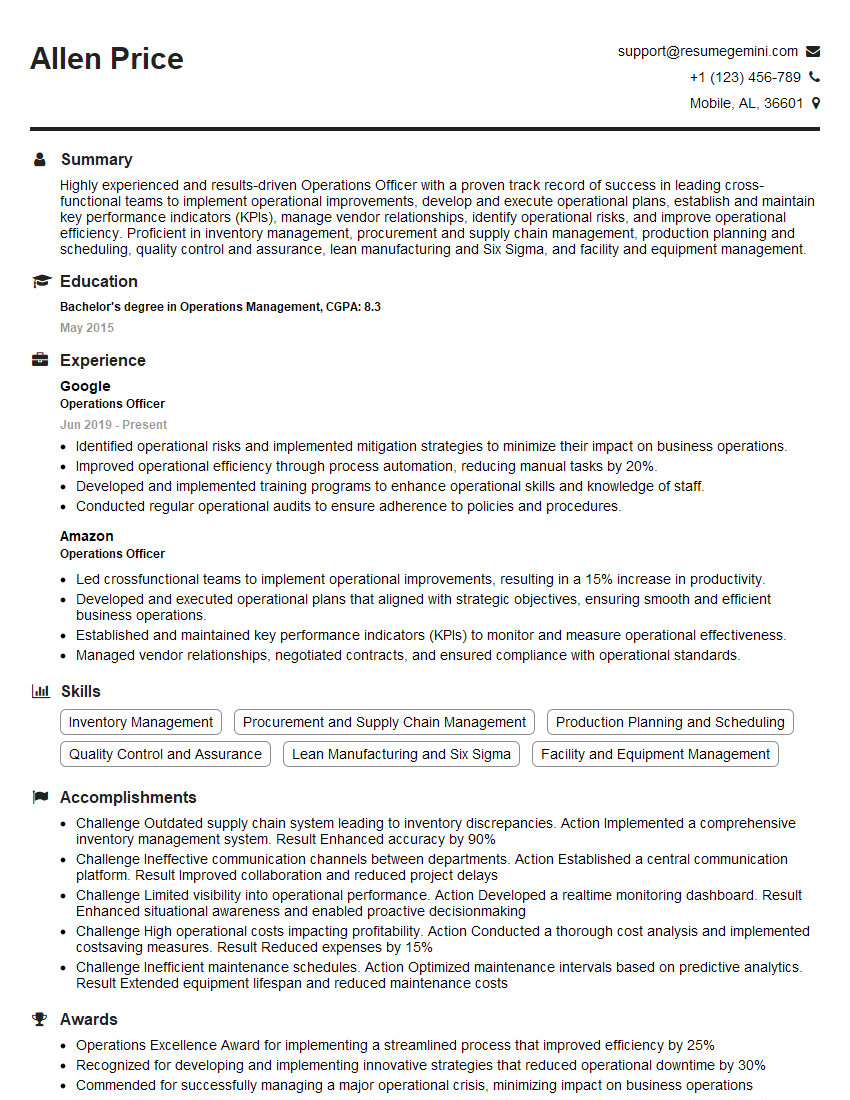
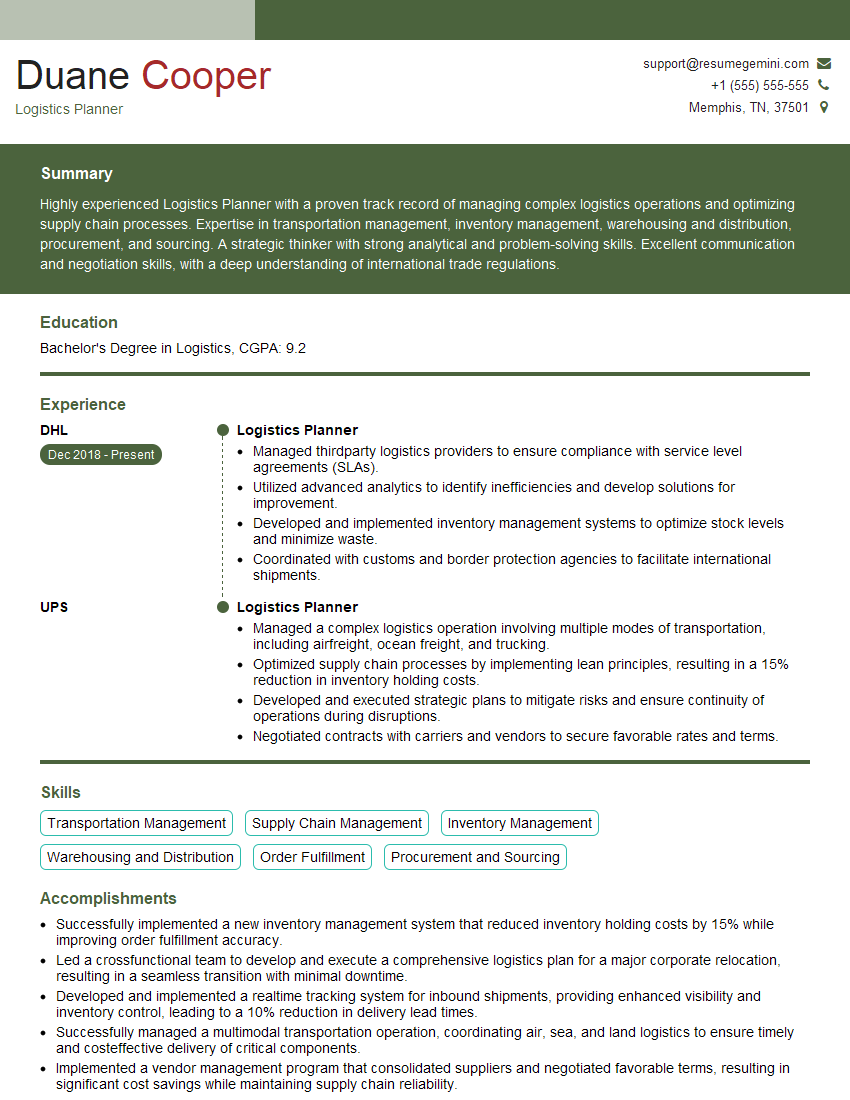
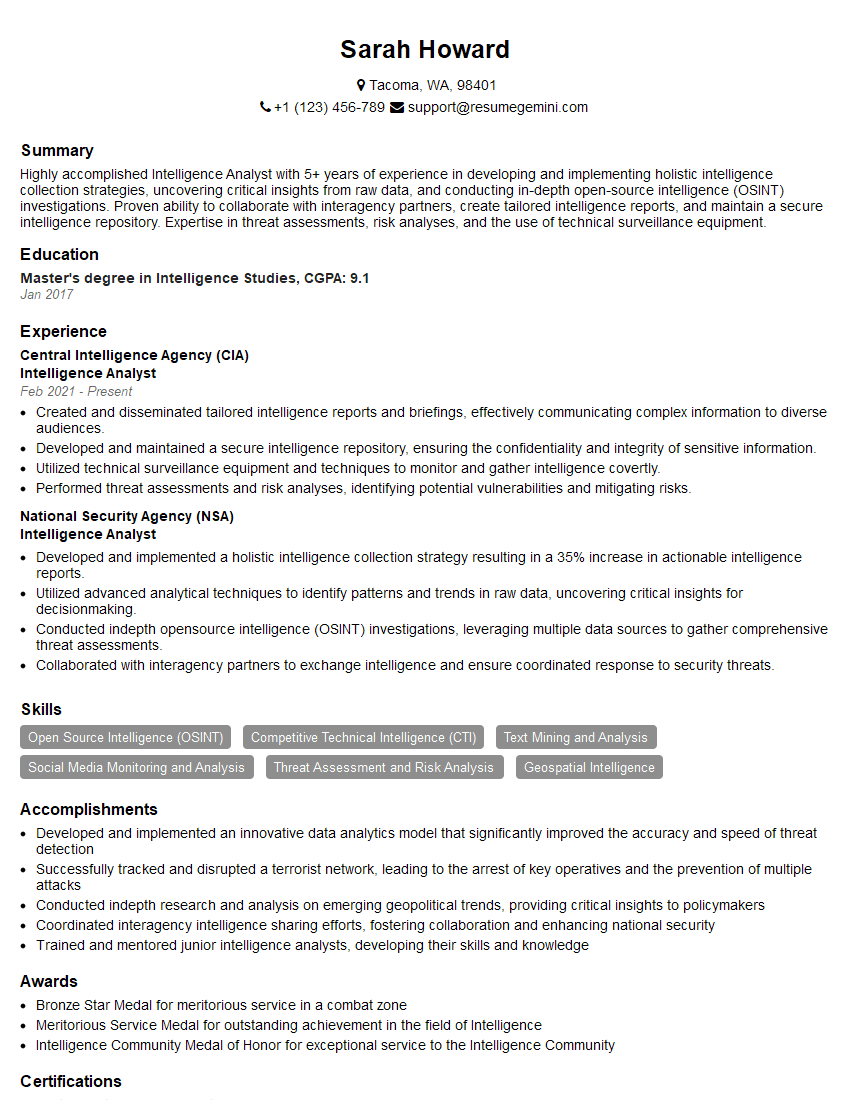
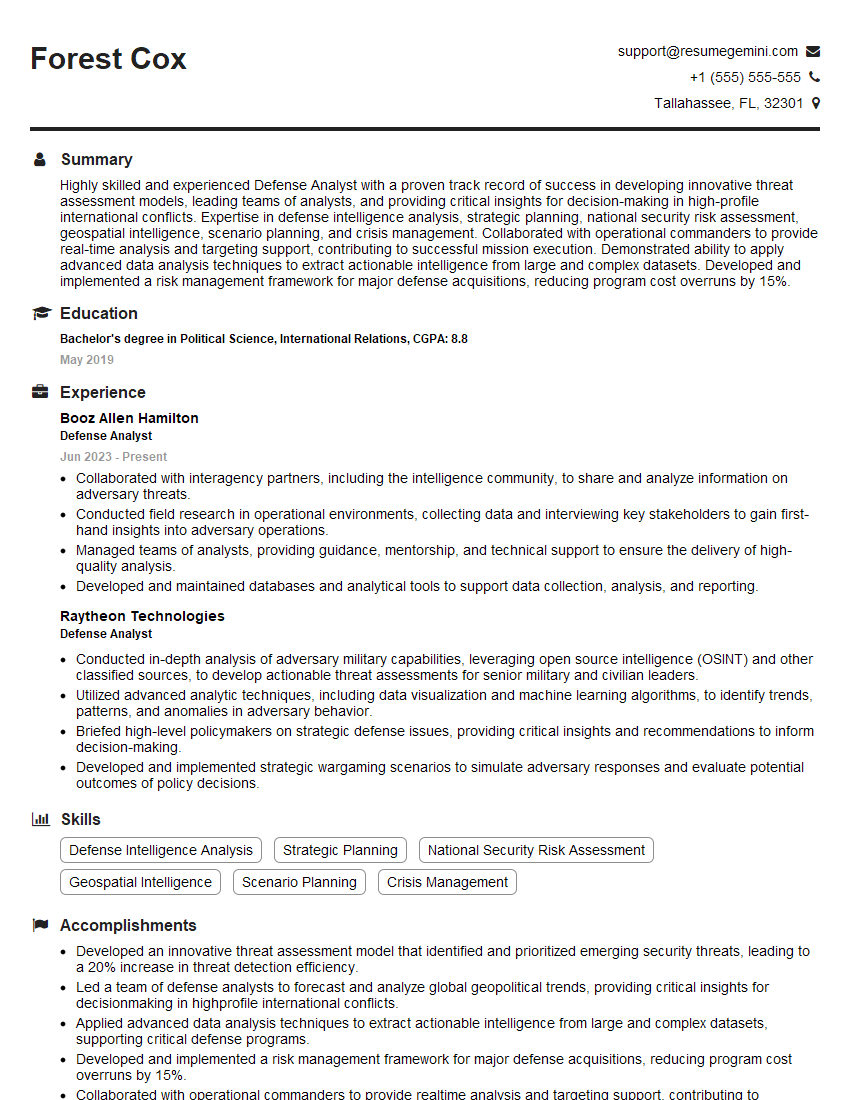
Mastering expertise in military planning and operations significantly enhances your career prospects within the defense sector and related fields. A strong understanding of these concepts demonstrates valuable skills highly sought after by employers. To maximize your chances of securing your desired role, creating an ATS-friendly resume is crucial. This ensures your application effectively communicates your skills and experience to hiring managers. We strongly encourage you to utilize ResumeGemini as a trusted resource to build a professional and impactful resume. ResumeGemini offers examples of resumes tailored to expertise in military planning and operations to guide you in creating a compelling application that showcases your unique qualifications.
Explore more articles
Users Rating of Our Blogs
Share Your Experience
We value your feedback! Please rate our content and share your thoughts (optional).
What Readers Say About Our Blog
Very informative content, great job.
good