Feeling uncertain about what to expect in your upcoming interview? We’ve got you covered! This blog highlights the most important Expertise in Reading Blueprints interview questions and provides actionable advice to help you stand out as the ideal candidate. Let’s pave the way for your success.
Questions Asked in Expertise in Reading Blueprints Interview
Q 1. Explain the difference between architectural, structural, and MEP blueprints.
Construction blueprints are typically divided into three main types: architectural, structural, and MEP (Mechanical, Electrical, and Plumbing). Each serves a distinct purpose, focusing on different aspects of the building’s design and construction.
- Architectural Blueprints: These blueprints illustrate the building’s overall layout, including room sizes, door and window placements, wall locations, and finishes. Think of them as the building’s overall design plan, showing the spatial arrangement and aesthetic features. For example, an architectural drawing might show the placement of a fireplace, the type of flooring, or the location of built-in shelving.
- Structural Blueprints: These blueprints detail the building’s structural components, such as the foundation, columns, beams, and framing. They show how the building is supported and how loads are distributed. This is crucial for ensuring stability and safety. Imagine them as the building’s skeleton, showing the essential elements that keep it standing. For instance, a structural drawing will clearly define the size and type of beams needed to support a second story.
- MEP Blueprints: These blueprints cover the mechanical, electrical, and plumbing systems within the building. This includes HVAC (Heating, Ventilation, and Air Conditioning), electrical wiring, plumbing fixtures, and fire protection systems. They’re essential for the building’s functionality and comfort. Think of this as the building’s life support systems. For example, an MEP drawing will show the exact placement of pipes, conduits, and ventilation ducts.
While distinct, these blueprint types often complement each other, forming a comprehensive set of instructions for the entire construction process. For example, the architectural plan will show where the bathrooms are, and the MEP plan will show where the plumbing lines and ventilation systems are located for those bathrooms.
Q 2. How do you identify the north direction on a blueprint?
The north direction is usually indicated on a blueprint using a north arrow. This arrow is a symbol that points towards the geographic north. It’s typically located in the blueprint’s title block or a convenient corner of the drawing. Sometimes, it might be shown with a graphic representation of a compass rose. The north arrow is critical because it provides a reference point for the entire building’s orientation relative to the surrounding environment. This is important for understanding things like sun exposure, wind direction, and site considerations.
If a north arrow is missing or unclear, careful examination of the site plan might provide clues. For instance, the orientation of nearby streets or natural features might be cross-referenced with external documentation.
Q 3. What are the common scales used in construction blueprints?
Construction blueprints utilize various scales to represent the building’s dimensions in a manageable format. The scale is represented as a ratio (e.g., 1:100, 1/4″ = 1′). Common scales include:
- 1/4″ = 1′ (1:48): A frequently used scale for architectural drawings, offering a good balance between detail and manageable sheet size.
- 1/8″ = 1′ (1:96): Used for larger buildings or when a higher level of detail is needed than 1/4″ = 1′.
- 1/16″ = 1′ (1:192): Used for site plans and larger-scale projects, showing greater context but less detail.
- 1/2″ = 1′ (1:24): Can be used for detailed drawings of smaller spaces.
- 1″ = 1′ (1:12): Used for very detailed drawings, often for cabinet plans or other elements requiring high precision.
The scale is always clearly indicated on the blueprint, usually within the title block. It’s crucial to use the correct scale to accurately measure distances and dimensions. Misinterpreting the scale can lead to significant errors during construction.
Q 4. Describe the different line types and their significance on a blueprint.
Blueprints utilize various line types to convey different information, enabling clear communication of design intent. The thickness and style of the line type dictates its meaning.
- Object Lines: Thick, solid lines define the visible edges and outlines of objects like walls, doors, and windows. They’re the foundational elements visually describing the space.
- Hidden Lines: Thin, dashed lines represent features hidden from the viewing plane. They show the concealed parts of objects.
- Center Lines: Thin, long-and-short dashed lines indicate centers of symmetrical objects or features, such as columns or pipes. They serve as references for symmetry and alignment.
- Dimension Lines: Thin lines with arrowheads at both ends that extend from the feature to the dimension text. They indicate measurements.
- Extension Lines: Thin lines extending from the feature to the dimension lines, ensuring precision in the dimensioning.
- Break Lines: Short, zig-zag lines used to shorten long, continuous lines or elements. They show that a part of the object has been omitted for brevity.
- Section Lines: Usually composed of closely spaced parallel lines, these indicate a cut-away view.
Understanding these line types allows for clear comprehension of the blueprint’s information, ensuring accurate interpretation of spatial relationships and structural details. The consistent use of these line types enables efficient communication between designers, engineers, and contractors.
Q 5. How do you interpret dimensioning and annotation on a blueprint?
Dimensioning and annotation on a blueprint provide precise measurements and descriptive information about building elements. Dimensions are usually shown as a numerical value followed by the unit of measurement (e.g., 10′-0″, 2.5m). Dimension lines connect these values to the relevant features.
Annotations add descriptive context, clarifying details such as material types, quantities, or special instructions. For example, an annotation might specify the type of flooring (‘Oak Hardwood’), wall thickness (‘6″ Concrete Block’), or a note concerning electrical wiring (‘Run conduit through wall’).
Interpreting dimensioning and annotation requires careful attention to detail. Understanding the scale of the blueprint is essential to correctly translate the numerical values into real-world measurements. Annotations must also be carefully read, ensuring that no crucial information is overlooked. For example, a seemingly simple dimension of a door might also have a note specifying whether it’s a standard door or a fire-rated door, which has significant implications for the construction process.
Q 6. Explain the importance of sections and elevations in blueprint reading.
Sections and elevations are crucial for visualizing the building’s interior and exterior structures in more detail. They provide cross-sectional views and exterior facade representations, supplementing the plan view.
- Sections: Sections are like slicing through the building to reveal its internal structure. They reveal the arrangement of walls, floors, ceilings, and other elements at a specific cut-plane. They are essential for understanding how different components connect and interact.
- Elevations: Elevations are external views of the building from specific perspectives (front, rear, sides). They show the building’s facade, including exterior finishes, windows, doors, and other architectural details. This is very useful for understanding exterior aesthetics and the relationship between the building and its surrounding environment.
Together, sections and elevations allow for a complete understanding of the building’s design beyond the standard plan view, clarifying the structural integrity, material specifications, and overall architectural design. For example, a section might show the precise details of how a complex roof structure intersects with the walls, clarifying construction challenges. Meanwhile, an elevation will visually confirm the architectural features visible from the street and ensure that design intentions are properly conveyed.
Q 7. How do you identify different materials depicted in a blueprint?
Identifying different materials in a blueprint typically involves a combination of visual cues, annotations, and material schedules (lists). Materials are often represented using patterns, symbols, or color coding within the drawings. For example:
- Concrete: Often represented with a cross-hatch pattern.
- Wood: Frequently shown with various wood grain patterns.
- Brick: Usually represented with individual bricks or a brick pattern.
- Steel: Often indicated with a stippled pattern or a specific symbol.
- Glass: Typically shown with a clear or shaded pattern.
Annotation plays a key role, as it explicitly names the materials used for specific elements. Material schedules provide a complete summary of all materials and their corresponding quantities, making it simple to see a comprehensive summary of the materials used in the building. It’s crucial to reference both the drawings and schedules to gain a complete understanding of the material specifications. Always cross-check the details to ensure consistency across the blueprint and the related documentation.
Q 8. Describe your process for identifying potential conflicts or errors on a blueprint.
Identifying potential conflicts or errors on a blueprint is a crucial step in preventing costly mistakes during construction. My process involves a systematic review, combining visual inspection with cross-referencing different sections of the drawings.
- Visual Inspection: I start with a thorough visual scan of each sheet, looking for inconsistencies like conflicting dimensions, overlapping elements, or missing information. For instance, a discrepancy between a wall’s length indicated on the floor plan and its length shown in the elevation view would be a red flag.
- Cross-referencing: I carefully compare information across different drawings. This includes checking details between floor plans, elevations, sections, and details. Does the plumbing layout on the mechanical plan align with the wall locations on the architectural plan? Any mismatch needs further investigation.
- Detail Checking: I pay close attention to details like door and window schedules, ensuring they match the placement and sizes shown in the floor plans. I also check for correct notations of materials, finishes, and structural elements. For example, a section detailing a specific beam must match its representation in the structural plan.
- Code Compliance Review: I make sure the blueprint adheres to all relevant building codes and regulations. This might involve checking for proper clearances around fire exits, adequate structural support, and compliance with accessibility guidelines.
- Notation Review: I scrutinize all annotations and notes, ensuring clarity and consistency. Any ambiguous or unclear markings require clarification from the design team.
Think of it like solving a complex puzzle. Each drawing piece must fit perfectly with the others, and any misalignment can lead to serious problems down the line. By systematically checking each aspect of the blueprint, I can identify and resolve potential conflicts early on.
Q 9. How do you use a blueprint to determine the quantity of materials needed for a project?
Determining material quantities from blueprints requires careful measurement and calculation. It’s not just about reading numbers; it’s about understanding the context and making informed estimations.
- Detailed Measurement: I meticulously measure all relevant dimensions on the blueprints using a scale ruler. This includes lengths, widths, heights, and thicknesses of all components.
- Area and Volume Calculations: For elements like walls, floors, and roofs, I calculate their surface areas or volumes using standard geometric formulas. For example, the area of a rectangular wall is calculated by multiplying its length and height.
- Waste Factor Consideration: I always include a waste factor in my material calculations. This accounts for material loss during cutting, handling, or installation. The percentage of waste varies depending on the material and the complexity of the project.
- Material Specifications: I refer to material specifications provided on the blueprint or in separate documents. This information dictates the exact type and quantity of materials needed. For example, a specification might state the precise size and type of brick required for a particular wall.
- Quantity Take-off Software: For complex projects, I leverage quantity take-off software to automate the measurement and calculation process. This ensures accuracy and minimizes manual errors.
Imagine building a house. You wouldn’t just buy enough wood for the visible framing; you’d account for waste, extra support beams, and potential errors. Accurate material quantity calculations from the blueprint are essential to manage costs and avoid delays.
Q 10. Explain how you would use a blueprint to understand the sequence of construction.
Understanding the construction sequence from a blueprint is critical for efficient project management. The blueprint itself doesn’t always explicitly state the sequence, but careful analysis reveals the logical order of tasks.
- Foundation First: The foundation plan, often a separate drawing, dictates the initial phase. No walls can go up before the foundation is complete.
- Structural Elements Next: The structural drawings guide the erection of the frame, including beams, columns, and trusses. These elements form the backbone of the structure and must be in place before other work commences.
- Rough-In Systems: Mechanical, electrical, and plumbing (MEP) systems are typically installed during the rough-in stage. This involves running pipes, wiring, and ductwork before walls are closed in. The order within MEP often follows a sequence dictated by accessibility—electrical before insulation, for instance.
- Exterior Enclosure: Once the structural frame is complete and rough-in systems are in place, exterior walls and roofing can be installed. This creates a weather-tight shell.
- Interior Finishes: Interior work, such as drywall, painting, flooring, and fixtures, typically follows the completion of the exterior shell. This keeps the interior elements protected from the elements.
This logical flow isn’t always explicitly stated, but it’s inferred through the relationships between drawings and the nature of construction. For example, drywall installation is clearly dependent on the framing and MEP being completed. By systematically understanding these dependencies, a clear construction sequence can be established.
Q 11. How familiar are you with different blueprint software (AutoCAD, Revit, etc.)?
I’m highly proficient in several blueprint software packages, including AutoCAD, Revit, and MicroStation. My experience encompasses not just using the software for viewing, but also for making revisions, creating detailed drawings, and performing coordination tasks.
- AutoCAD: I’m experienced in creating and modifying 2D drawings, utilizing layers, blocks, and annotation tools for precise representation.
- Revit: My Revit skills extend to working with 3D models, performing clash detection, generating schedules, and utilizing its collaborative capabilities for BIM (Building Information Modeling) projects.
- MicroStation: I’m familiar with MicroStation’s functionalities for large-scale projects, especially in infrastructure and civil engineering.
Beyond software proficiency, my strength lies in leveraging the software to facilitate clear communication and collaboration among different project stakeholders. For example, using Revit’s clash detection feature can prevent costly errors during construction by identifying conflicts between different disciplines early in the design process.
Q 12. Describe your experience with interpreting symbols and abbreviations on blueprints.
Interpreting symbols and abbreviations on blueprints is fundamental to my work. Years of experience have equipped me with a deep understanding of standard conventions, as well as the ability to identify and research less common symbols.
- Standard Symbols: I am familiar with the widely accepted symbols for doors, windows, plumbing fixtures, electrical outlets, and structural elements.
- Industry-Specific Abbreviations: I understand the abbreviations commonly used in architectural, structural, mechanical, electrical, and plumbing drawings. For example, I know the difference between ‘R-value’ for insulation and ‘psi’ for water pressure.
- Custom Symbols and Legends: Each project might have its own unique symbols or annotations. I carefully review the project’s legend and symbols key to ensure I understand the meaning of any non-standard notations.
- Contextual Understanding: Often, the meaning of a symbol depends on its context within the drawing. My ability to grasp the overall design intent helps in accurately interpreting the symbols.
Think of it like learning a specialized language. Once you understand the basic vocabulary and grammar (standard symbols and abbreviations), you can decipher more complex texts (complex blueprints) with greater accuracy.
Q 13. How do you handle ambiguous or unclear information on a blueprint?
Encountering ambiguous or unclear information on a blueprint is a common challenge. My approach involves a multi-step process to resolve such issues.
- Careful Review: I begin by carefully reviewing the surrounding drawings and information to see if the context clarifies the ambiguity.
- Consult the Legend: I check the blueprint’s legend or symbol key to ensure I am interpreting symbols and abbreviations correctly.
- Cross-Reference with Other Documents: I review related project documents, such as specifications, material lists, or design notes, to find additional information.
- Contact Design Team: If the ambiguity remains unresolved, I contact the design team or architect to seek clarification.
- Document Discrepancy: I carefully document any unclear aspects and the steps taken to resolve them. This ensures that any uncertainty is clearly communicated and addressed.
The goal is always to ensure a clear understanding before proceeding with any work based on the blueprint. Ignoring ambiguity could lead to errors or rework, so a proactive approach is crucial.
Q 14. How do you use blueprints in coordination with other project documents?
Blueprints don’t exist in isolation. They are integral parts of a larger project documentation package. I use blueprints in coordination with other documents to create a comprehensive understanding of the project.
- Specifications: I use specifications to understand the materials, finishes, and construction methods specified for the project. This information complements the graphical representation provided in the blueprint.
- Schedules: Door and window schedules, material lists, and other schedules provide quantitative information to verify the completeness and accuracy of the blueprint’s graphical data.
- Design Notes and Addenda: Design notes and addenda provide explanations, clarifications, and modifications to the blueprint. These documents often clarify ambiguous aspects or resolve discrepancies.
- Shop Drawings: I coordinate with shop drawings, prepared by subcontractors, to ensure consistency between the design intent and the actual construction details.
- Permit Drawings: I review permit drawings to ensure that the blueprint is compliant with relevant building codes and regulations.
The blueprint is the visual roadmap, but other documents provide the essential details and instructions needed to successfully navigate the construction process. Integrating these documents ensures a holistic approach to project understanding and execution.
Q 15. Describe your experience in using blueprints in field conditions.
My experience with blueprints in the field spans over ten years, encompassing a variety of construction projects, from residential renovations to large-scale commercial builds. I’ve used blueprints to verify dimensions, identify materials, locate utilities, and troubleshoot discrepancies between the design and actual construction. For instance, on a recent warehouse project, I used the blueprints to precisely locate underground conduit before excavation, preventing costly damage to existing infrastructure. Another time, I relied on the blueprint’s detailed structural drawings to assess the feasibility of a proposed modification to an existing building’s load-bearing walls.
In the field, blueprints aren’t always pristine. They often get dirty, torn, and marked up. My experience includes working with both paper and digital blueprints, adapting my approach based on the format and the site conditions. I’m proficient in using measuring tapes, levels, and laser measuring tools in conjunction with the blueprints to ensure accurate measurements and positioning.
Career Expert Tips:
- Ace those interviews! Prepare effectively by reviewing the Top 50 Most Common Interview Questions on ResumeGemini.
- Navigate your job search with confidence! Explore a wide range of Career Tips on ResumeGemini. Learn about common challenges and recommendations to overcome them.
- Craft the perfect resume! Master the Art of Resume Writing with ResumeGemini’s guide. Showcase your unique qualifications and achievements effectively.
- Don’t miss out on holiday savings! Build your dream resume with ResumeGemini’s ATS optimized templates.
Q 16. How do you identify revisions and updates on a blueprint?
Identifying revisions and updates on a blueprint is crucial for accuracy. Blueprints typically include a revision block or a revision cloud. The revision block usually lists all changes, including the date, revision number, description of changes, and the initials of the person who made the revision. Rev. A, 10/26/2023, Added window in south wall - J.Doe is an example of a typical revision entry. Revision clouds, which are circles or ovals surrounding modified areas, highlight changes visually. Sometimes, the changes are noted in a separate revision sheet. Comparing the revision number with the blueprint’s title block helps me determine which revision I’m working with. If discrepancies exist between the drawings and the field conditions, I would always verify the latest revision to ensure I’m referring to the most current information.
Q 17. Explain your understanding of building codes and regulations related to blueprints.
My understanding of building codes and regulations is paramount to my work. I’m familiar with local, state, and national building codes, including the International Building Code (IBC) and relevant accessibility standards (ADA). I understand that blueprints must comply with these codes to ensure the safety and functionality of the structure. Before any construction commences, I meticulously review the blueprints to check for compliance with fire safety regulations, structural requirements (load-bearing capacities, seismic considerations), and accessibility features. For example, I would verify that the spacing of exit doors and emergency lighting conforms to the building code, ensuring safe egress. A detailed understanding of building codes empowers me to identify potential violations early on, preventing costly rework and delays.
Q 18. How do you interpret details and specifications on a blueprint?
Interpreting details and specifications requires a systematic approach. I begin by understanding the drawing’s scale and the various symbols and abbreviations used. The legend or key on the blueprint is invaluable. I pay close attention to dimensions, materials specified (e.g., concrete strength, lumber grade), and annotations. For example, a note indicating “2×4 studs @ 16” O.C.” tells me the wall framing uses 2×4 lumber spaced 16 inches on center. I meticulously cross-reference different sections of the blueprint to gather a complete picture. When encountering ambiguous details, I always consult with the design professionals to clarify and ensure accurate interpretation. Precise understanding of details is crucial for proper material procurement and construction.
Q 19. Describe your approach to understanding complex blueprint assemblies.
Understanding complex blueprint assemblies involves a layered approach. I start by reviewing the general arrangement drawings to gain an overview of the project. Then, I systematically break down the assembly into its individual components, examining each detail separately. I frequently use multiple views (plan, section, elevation, and details) to visualize the assembly in three dimensions. I might create 3D models, either virtually or physically (using cardboard mock-ups), to improve my understanding. For example, when interpreting a complex HVAC system, I begin by understanding the overall layout, then focus on individual components like ducts, dampers, and equipment, cross-referencing details to understand the interconnections.
Q 20. How do you utilize different views (plan, section, elevation) to understand a design?
Different blueprint views provide complementary information. The plan view shows the layout from above; the section view shows a vertical cut-through revealing the internal structure; and the elevation view shows the external face of the building. Each view plays a critical role in understanding the design. For example, a plan view might show the location of a wall, a section view reveals its construction (framing, insulation, finishes), and an elevation view shows its exterior appearance. By combining information from these multiple views, I gain a holistic understanding of the design’s geometry and construction details. For complex assemblies, detailed views or enlarged sections provide further clarity.
Q 21. Explain your understanding of tolerances and their importance in construction.
Tolerances represent the permissible variations in dimensions and specifications. They are crucial for realistic construction. Understanding tolerances prevents over-engineering or creating unnecessary precision where it’s not needed, saving time and money. For example, a tolerance of ±1/8” in a dimension means the actual measurement can vary by 1/8” in either direction without impacting the overall functionality. Ignoring tolerances can lead to incompatibility between different components, delays, and rework. Close attention to tolerances is essential for creating a successful and functional building. It’s crucial to understand the context of each tolerance; a 1/8” tolerance on a small component might be significant while the same tolerance on a large structural member might be insignificant.
Q 22. How would you identify potential safety hazards from a blueprint review?
Identifying safety hazards from blueprints requires a meticulous review focusing on potential risks to workers and the public. This involves looking beyond the aesthetics and focusing on compliance with safety regulations and best practices.
- Lack of proper egress routes: I examine the blueprint for sufficient and clearly marked exits, ensuring they adhere to building codes. For instance, insufficient exit widths or blocked pathways present significant risks.
- Unsafe structural elements: I assess the structural integrity of the building, checking for potential collapses, unstable supports, or inadequate bracing. For example, insufficient column sizing or poorly designed load-bearing walls would raise red flags.
- Hazardous material handling: I verify the proper designation and handling procedures for hazardous materials (if any) depicted. Incorrect storage areas or lack of safety precautions are critical issues.
- Electrical and plumbing hazards: I scrutinize the location of electrical panels, wiring, and plumbing systems for compliance with electrical codes and potential risks of leaks or short circuits. Proper grounding and shielding should be evident.
- Fall protection requirements: Openings, elevated work areas, and scaffolding details need careful inspection to ensure compliance with fall protection regulations.
Essentially, it’s a systematic check against safety standards, envisioning real-world scenarios and predicting potential accidents to mitigate risks before construction begins.
Q 23. Describe your experience working with large-scale blueprints or project sets.
I’ve had extensive experience managing large-scale projects with blueprint sets comprising hundreds, even thousands of drawings. For instance, I worked on a large hospital complex where the blueprint set included architectural, structural, MEP (Mechanical, Electrical, and Plumbing), and landscaping drawings. The coordination of these drawings was critical, and I used project management software to organize and cross-reference the various disciplines.
My approach involved breaking down the project into manageable sections, assigning priorities, and establishing a rigorous system of version control to track revisions and changes. This included developing a comprehensive index and using digital tools to easily navigate and compare drawings. Effective communication among team members and regular review meetings ensured that all team members were on the same page, addressing discrepancies and conflicts in a timely manner.
Q 24. How do you maintain accuracy when extracting information from blueprints?
Maintaining accuracy is paramount. My methods involve a multi-layered approach:
- Cross-referencing: I consistently cross-reference information between different drawings and sections to verify consistency. For example, I’ll confirm that door locations and sizes match between architectural and structural drawings.
- Using a scale consistently: I’m meticulous in using the correct scale for measurements, always double-checking calculations. Using digital tools helps minimize measurement errors.
- Checking for discrepancies: I actively look for discrepancies and inconsistencies within the blueprints. For example, conflicting dimensions or notations should be flagged immediately and resolved through communication with the design team.
- Detailed notations: I document all measurements, calculations, and observations made. This detailed record helps to maintain traceability and accountability.
- Independent verification: Whenever possible, I encourage independent verification of critical measurements and details by another team member to ensure accuracy and eliminate bias.
This layered approach minimizes the chance of errors and ensures the integrity of the extracted data.
Q 25. Explain your proficiency in using measuring tools in conjunction with blueprints.
I’m proficient in using a variety of measuring tools, both traditional and digital, in conjunction with blueprints. This includes:
- Steel measuring tapes: For accurate linear measurements on site, comparing with blueprint dimensions.
- Digital calipers and laser distance meters: Providing precise measurements for verification and detail work.
- Architect’s scale rulers: For accurate measurements directly from blueprints.
- Leveling instruments: Checking levels and vertical alignment to compare with blueprint specifications.
I understand the limitations of each tool and select the most appropriate one for the specific task, ensuring the chosen tool’s accuracy aligns with the required precision. For example, when verifying critical structural dimensions, I would use a laser distance meter for its high accuracy, rather than a standard measuring tape.
Q 26. How would you explain a complex aspect of a blueprint to a non-technical person?
Explaining complex blueprint aspects to a non-technical person requires simplifying technical jargon and using analogies. For example, if explaining a complex HVAC (Heating, Ventilation, and Air Conditioning) system, I might say:
“Imagine the building’s lungs. The HVAC system is like the lungs, bringing in fresh air (intake), filtering it (like your nose), and circulating it throughout the building (like your bloodstream). These lines on the blueprint show the pathways of the air, like roads on a map.”
I would then break down the system into smaller, manageable components, using visual aids like diagrams or simplified drawings. The goal is to illustrate the function and purpose in clear, straightforward language, avoiding technical terms whenever possible. Active listening and clarifying their understanding are essential aspects of successful communication.
Q 27. How do you ensure the information from blueprints aligns with site conditions?
Ensuring blueprint information aligns with site conditions is crucial for successful construction. I use a multi-step process:
- Pre-construction site survey: A thorough site survey is conducted before construction to verify existing conditions, such as topography, utility lines, and existing structures, comparing them against the blueprint information.
- Regular site inspections: Ongoing inspections throughout the construction process help identify any discrepancies between the as-built conditions and the design.
- As-built drawings: Maintaining as-built drawings, which record any changes or deviations from the original design, is essential for accurate documentation and future reference.
- Using surveying equipment: Utilizing instruments like total stations and GPS to precisely measure site features and confirm their alignment with blueprint specifications.
Addressing discrepancies promptly and documenting all changes keeps the construction process accurate and avoids costly errors later in the project.
Q 28. Describe a situation where you had to identify and resolve a conflict depicted in the blueprints.
In a previous project, the architectural and structural drawings showed conflicting beam sizes for a critical load-bearing section of the building. The architectural drawing showed a smaller beam size than the structural drawing’s specifications, leading to a potential structural failure.
To resolve this conflict, I first documented the discrepancy, clearly referencing the drawings and noting the conflicting details. I then consulted with both the architectural and structural engineers, initiating a collaborative discussion to identify the source of the error. It turned out to be a simple oversight in the architectural drawings, a dimension transposition. After review and agreement, the architectural drawing was corrected to match the structural requirements, thus averting a significant safety hazard and ensuring the structural integrity of the building. The resolution was formally documented and communicated to all relevant stakeholders.
Key Topics to Learn for Expertise in Reading Blueprints Interview
- Understanding Blueprint Scales and Conventions: Mastering different scaling factors and interpreting standard symbols, abbreviations, and notations used in blueprints.
- Interpreting Views (Plan, Elevation, Section): Accurately interpreting information presented in different blueprint views to visualize the three-dimensional structure.
- Identifying and Interpreting Dimensions and Tolerances: Precisely extracting dimensional data and understanding the allowed variations in measurements.
- Recognizing and Understanding Material Specifications: Identifying symbols and notations representing various construction materials and their properties.
- Interpreting Detail Drawings and Assemblies: Understanding complex details and how components fit together based on blueprint information.
- Practical Application: Discuss your experience translating blueprint information into real-world construction or design tasks. Be prepared to explain how you’ve used blueprints to solve problems or overcome challenges.
- Problem-Solving Approach: Describe your methodical approach to analyzing complex blueprints, identifying potential conflicts, and proposing solutions.
- Architectural vs. Engineering Blueprints: Highlight your understanding of the differences and nuances between architectural and engineering blueprints and their respective applications.
- Blueprint Software and Technology: Discuss your familiarity with any software used for creating, viewing, or manipulating blueprints (e.g., AutoCAD, Revit).
Next Steps
Mastering blueprint reading is crucial for career advancement in many fields, from construction and engineering to architecture and design. A strong understanding of blueprints demonstrates attention to detail, problem-solving skills, and technical proficiency—highly valued attributes in today’s competitive job market. To significantly increase your chances of landing your dream role, focus on creating an ATS-friendly resume that highlights your expertise. ResumeGemini is a trusted resource that can help you build a professional and impactful resume. We provide examples of resumes tailored to showcasing expertise in reading blueprints to help you get started. Take advantage of these resources to present yourself as the ideal candidate.
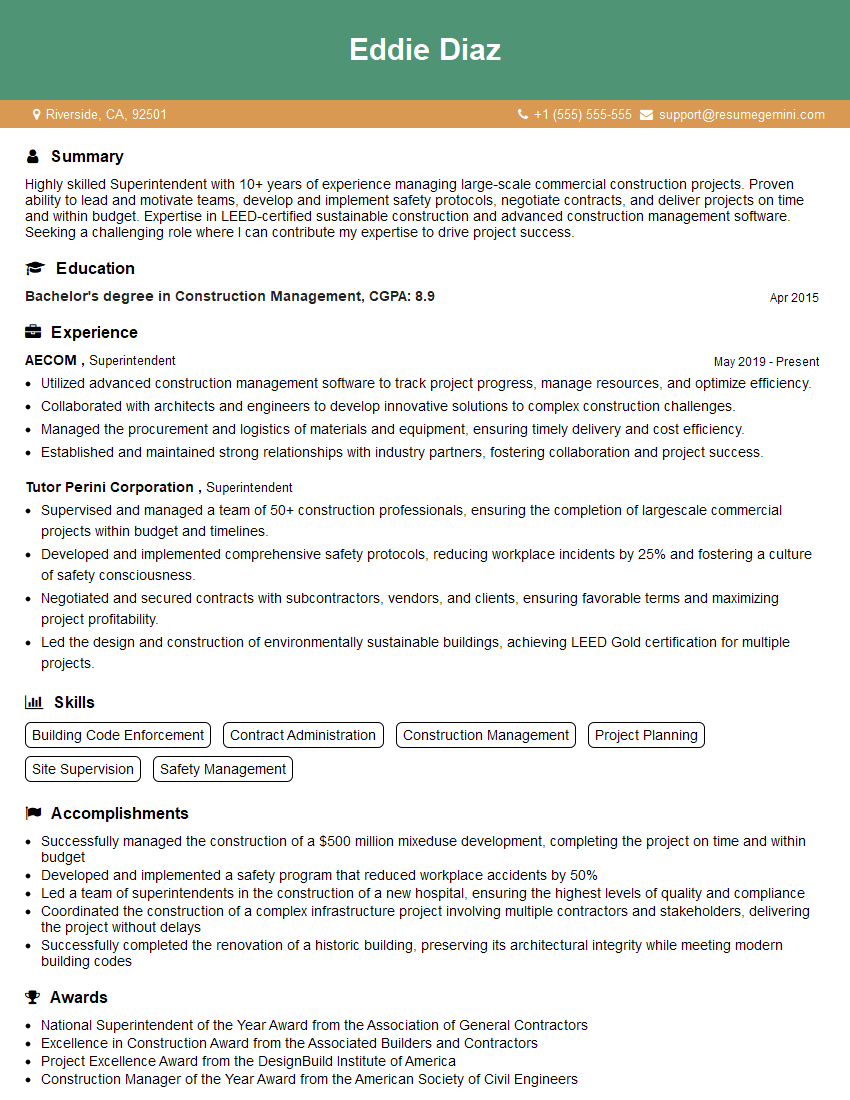
Superintendent Resume Sample
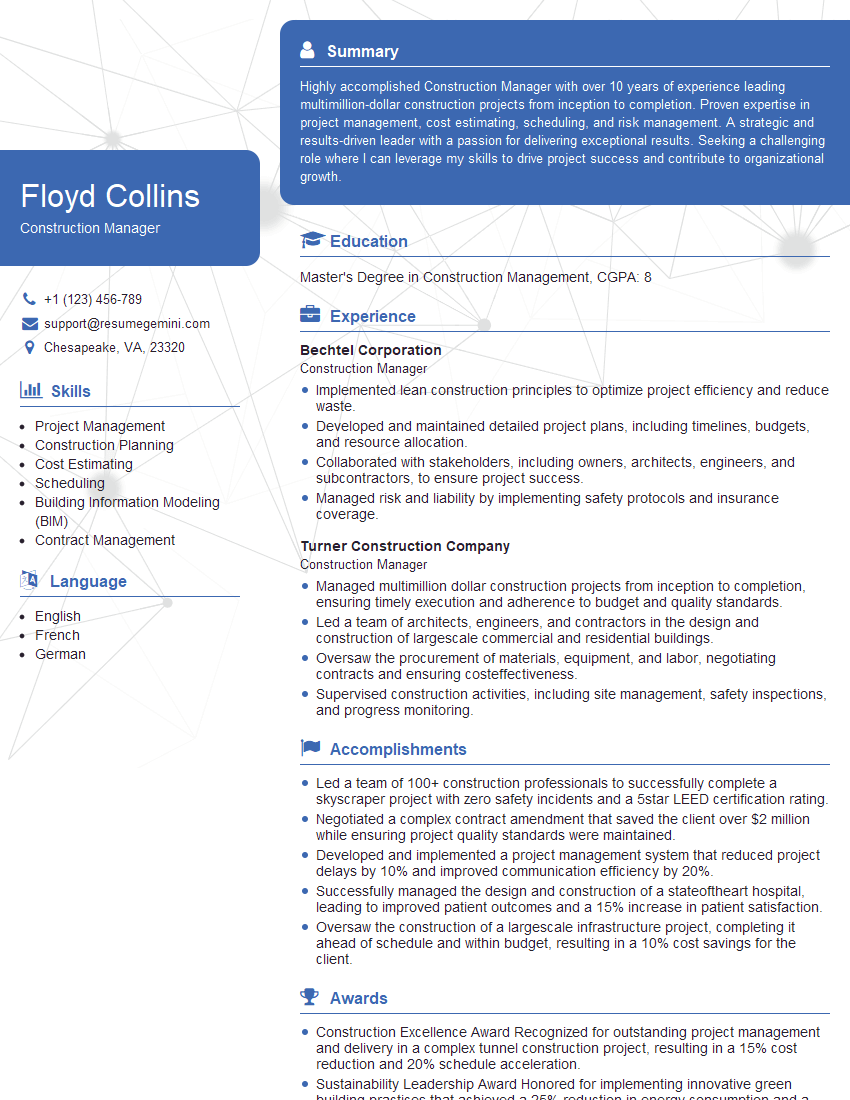
Construction Manager Resume Sample
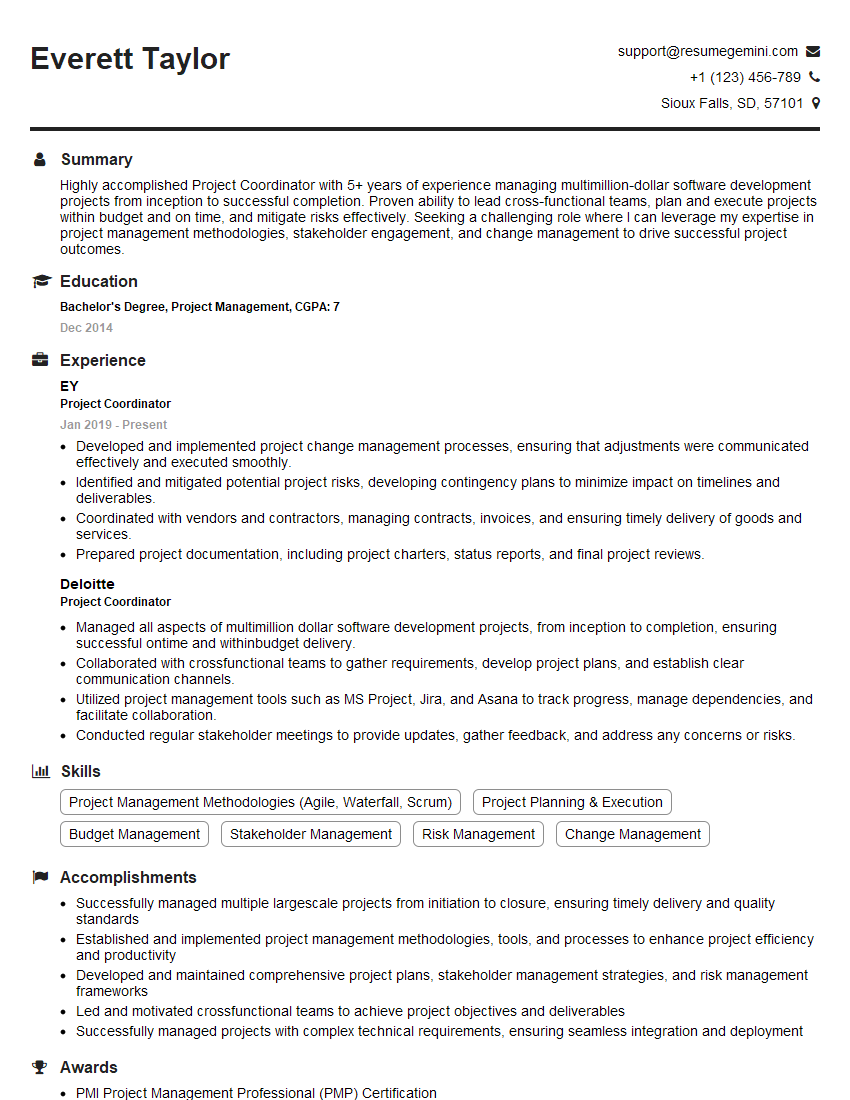
Project Coordinator Resume Sample

Project Engineer Resume Sample
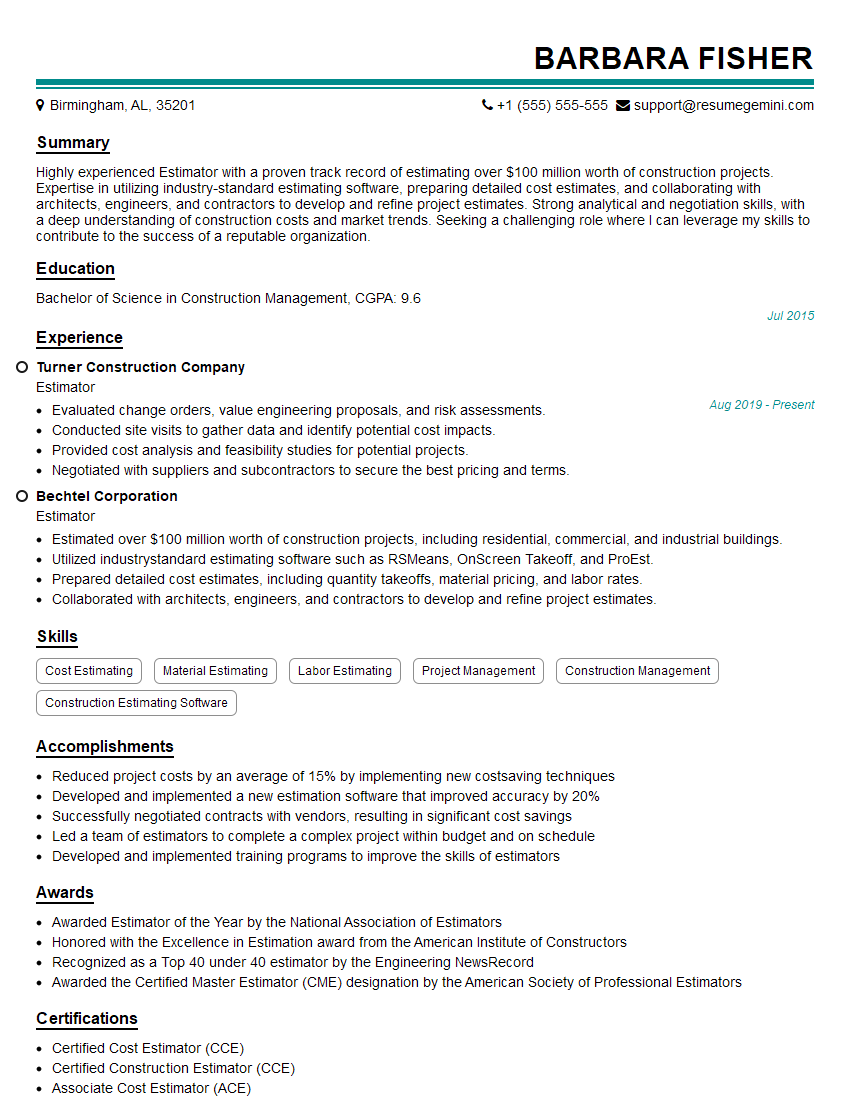
Estimator Resume Sample
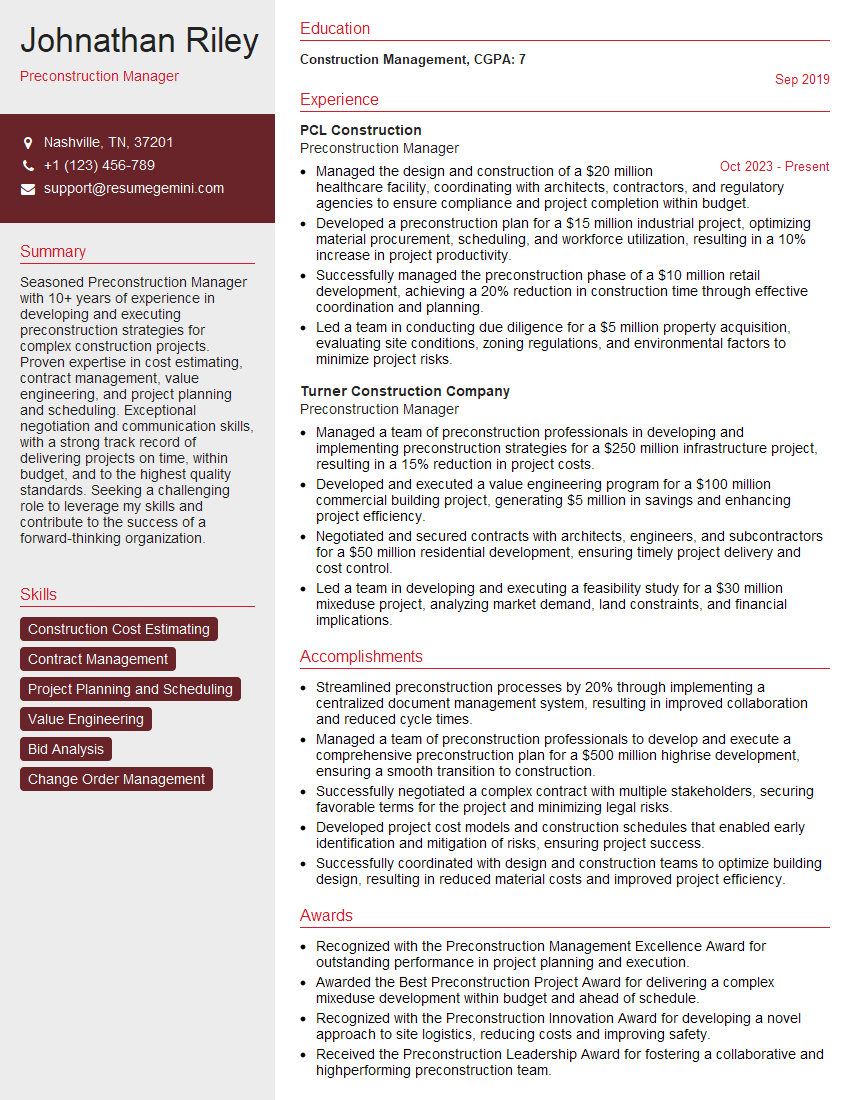
Preconstruction Manager Resume Sample
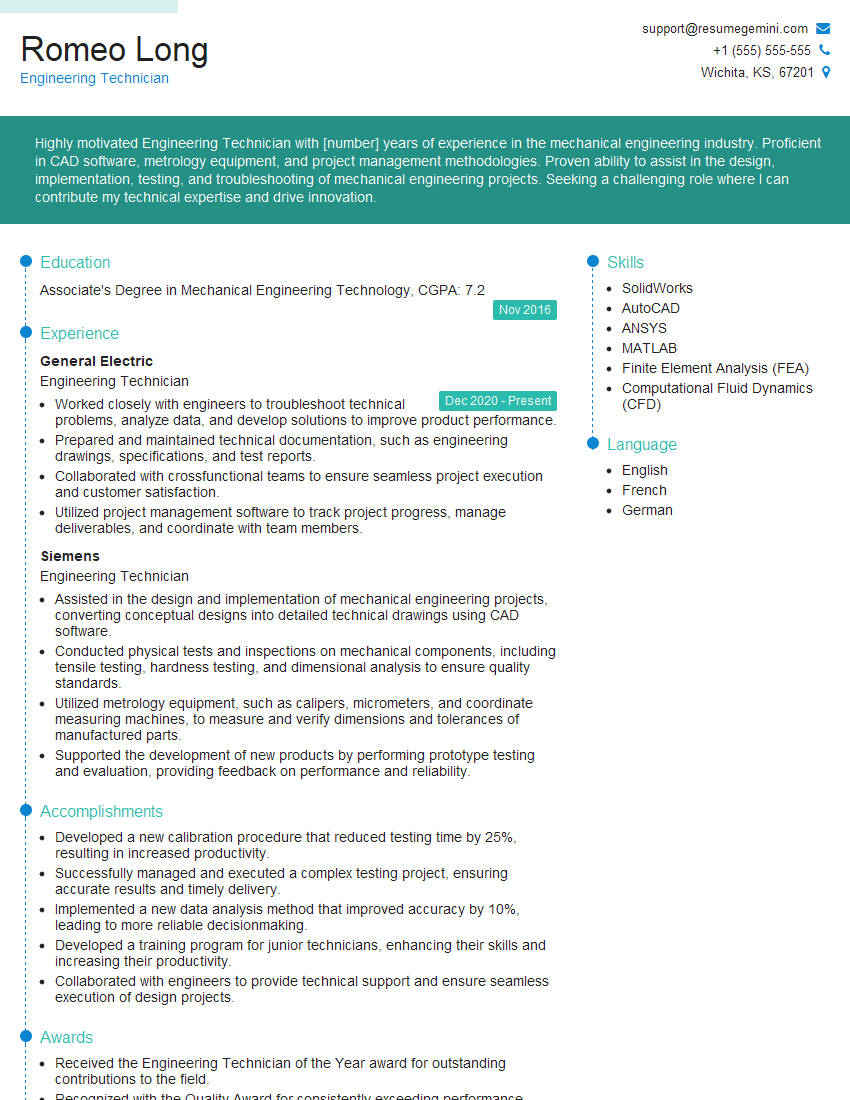
Engineering Technician Resume Sample
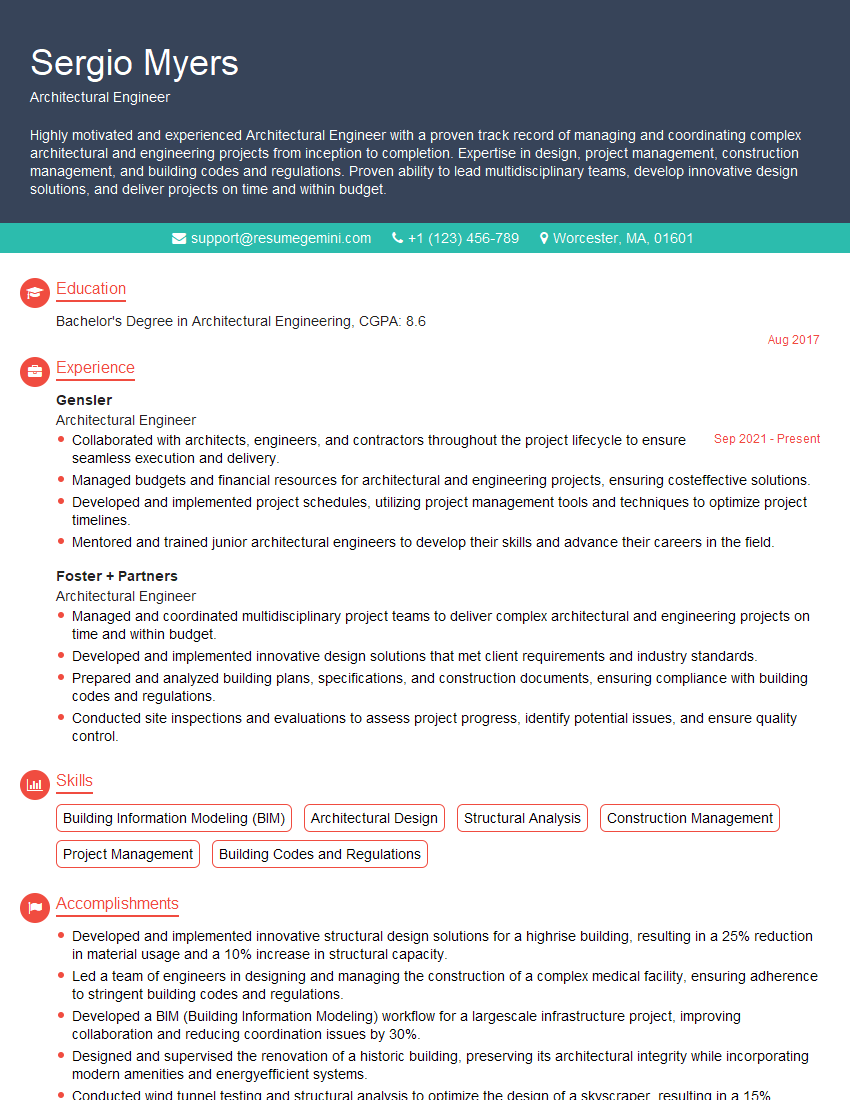
Architectural Engineer Resume Sample
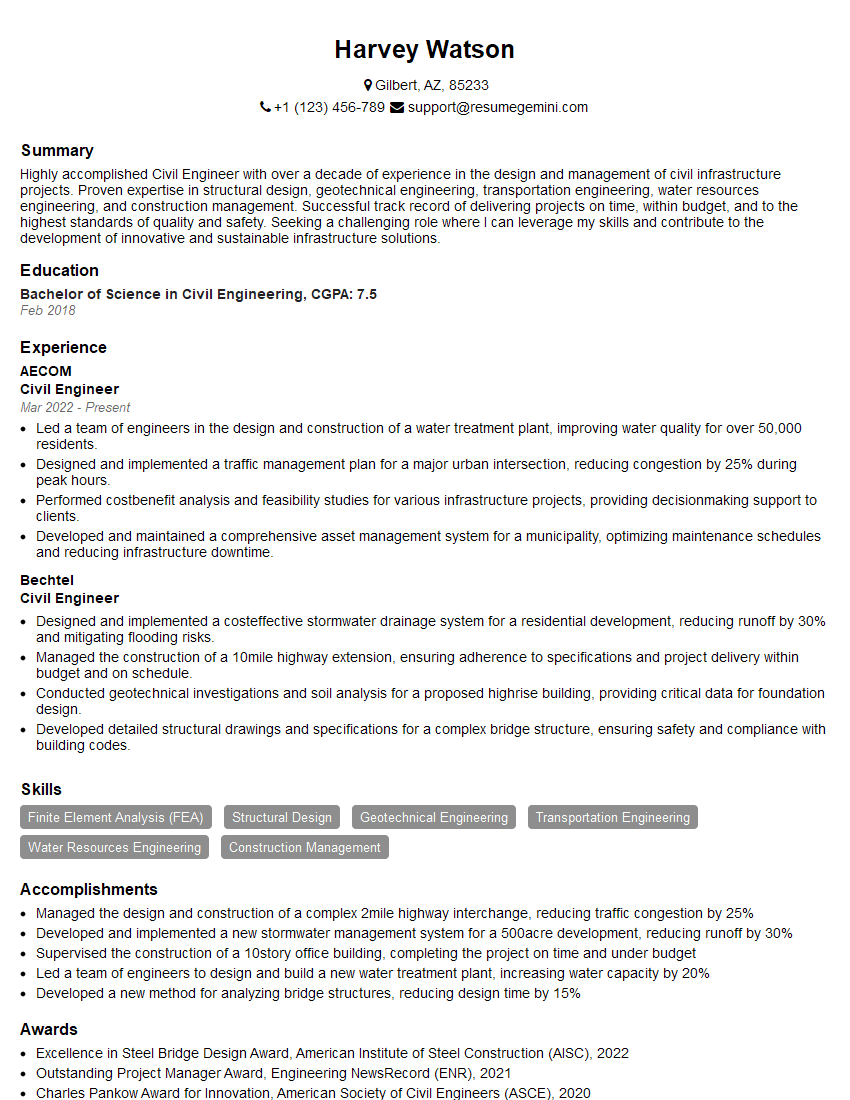
Civil Engineer Resume Sample
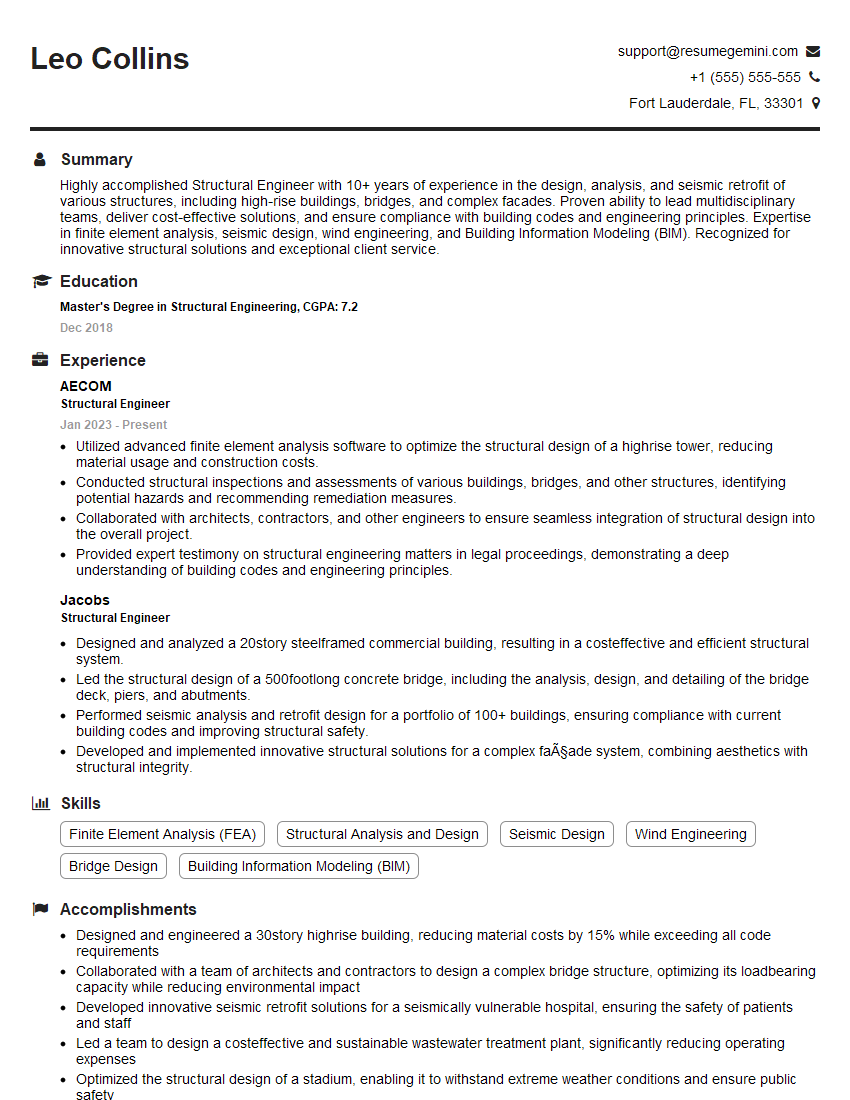
Structural Engineer Resume Sample
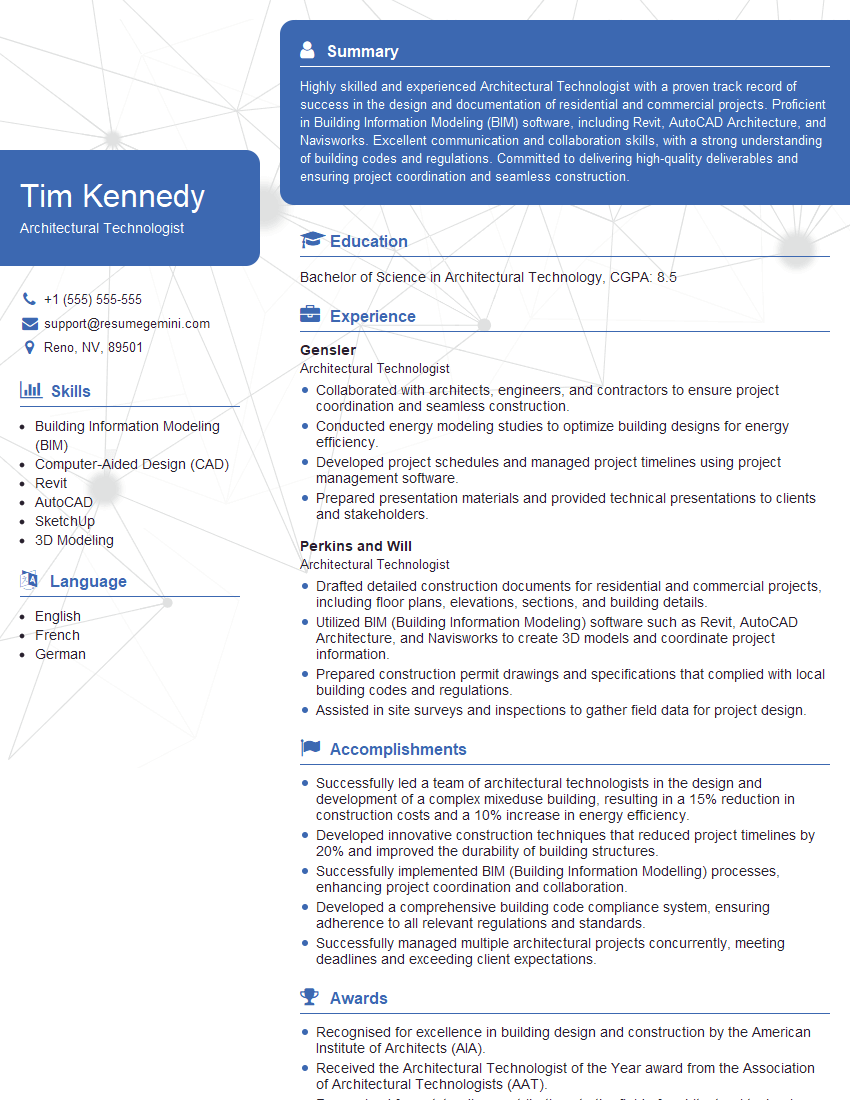
Architectural Technologist Resume Sample
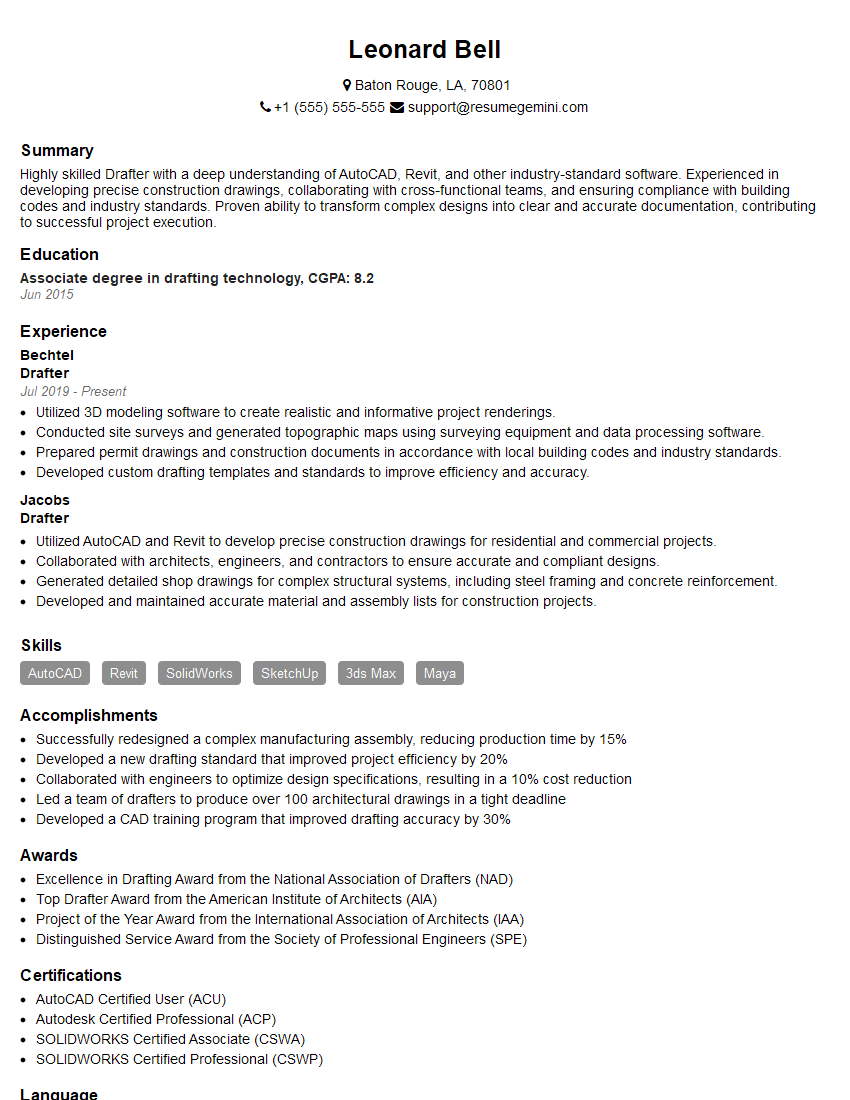
Drafter Resume Sample

Design Technician Resume Sample

Technical Designer Resume Sample
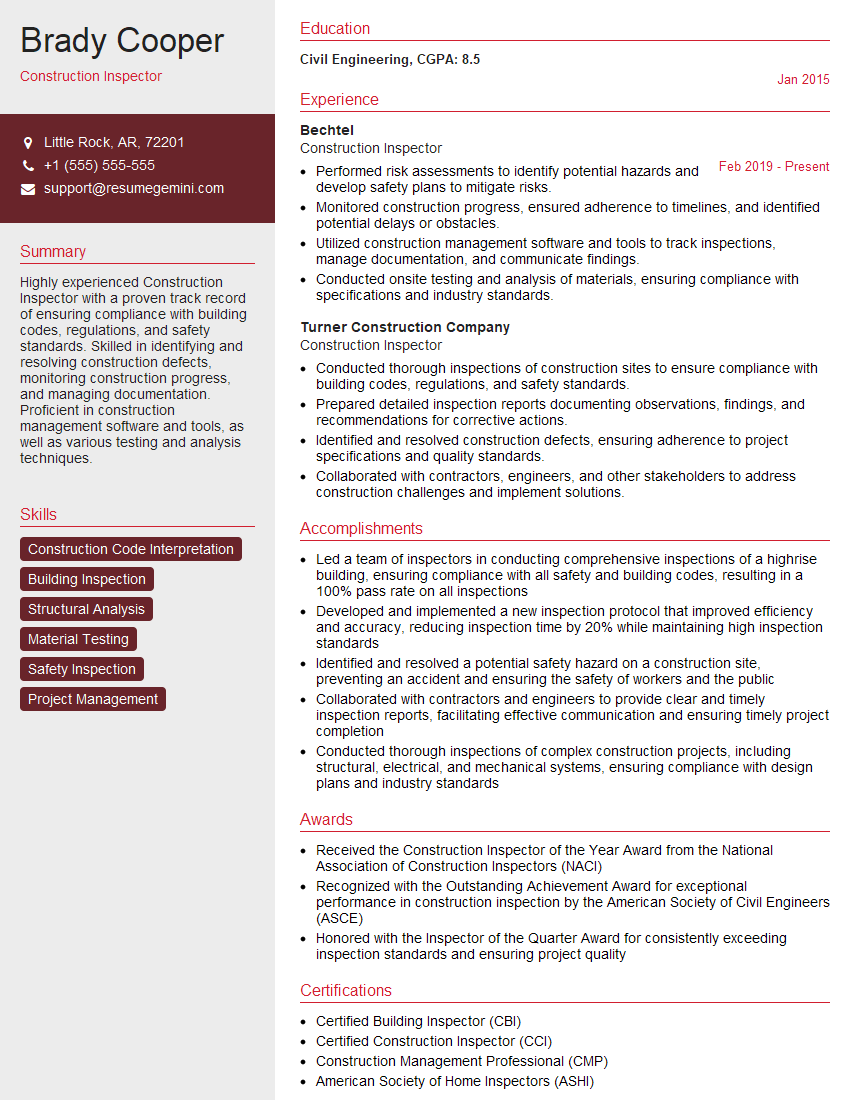
Construction Inspector Resume Sample
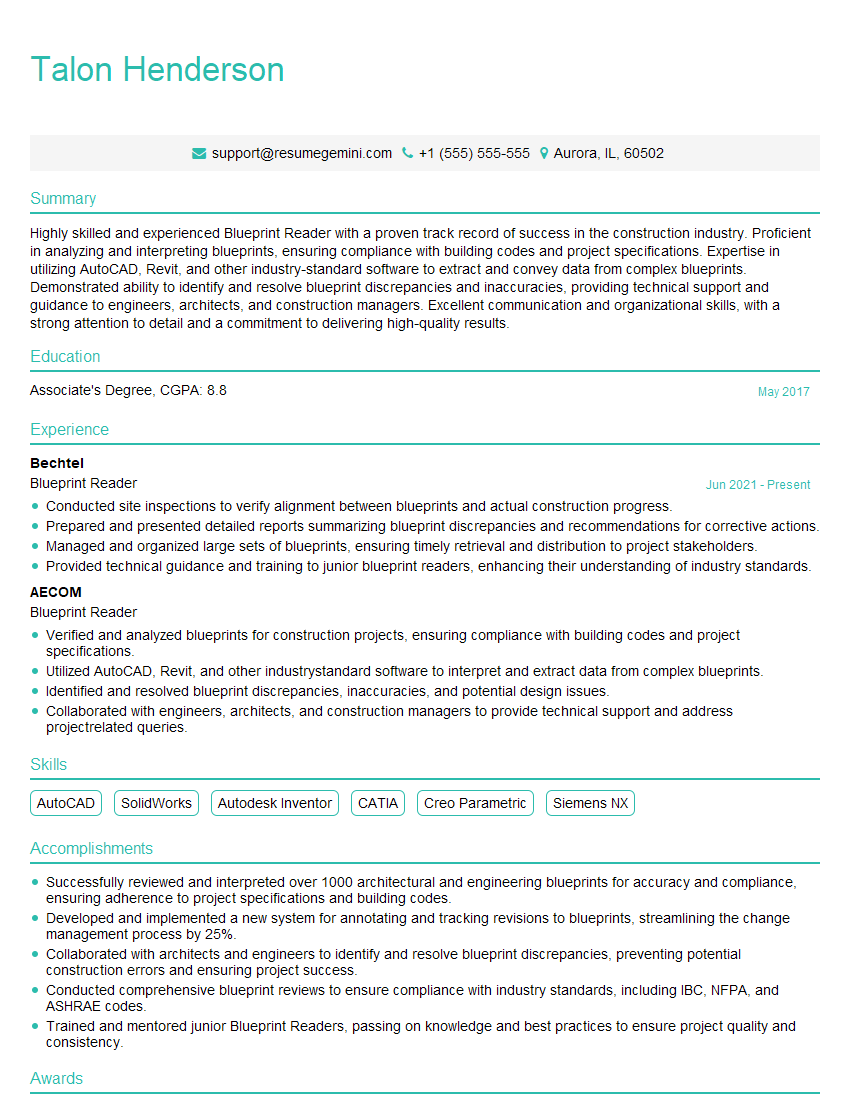
Blueprint Reader Resume Sample

Quality Control Inspector Resume Sample
- Superintendent
- Construction Manager
- Project Coordinator
- Project Engineer
- Estimator
- Preconstruction Manager
- Engineering Technician
- Architectural Engineer
- Civil Engineer
- Structural Engineer
- Architectural Technologist
- Drafter
- Design Technician
- Technical Designer
- Construction Inspector
- Blueprint Reader
- Quality Control Inspector
Explore more articles
Users Rating of Our Blogs
Share Your Experience
We value your feedback! Please rate our content and share your thoughts (optional).
What Readers Say About Our Blog
Very informative content, great job.
good