Cracking a skill-specific interview, like one for Exposure to Gravure Printing in flexible Packaging, requires understanding the nuances of the role. In this blog, we present the questions you’re most likely to encounter, along with insights into how to answer them effectively. Let’s ensure you’re ready to make a strong impression.
Questions Asked in Exposure to Gravure Printing in flexible Packaging Interview
Q 1. Explain the gravure printing process in detail.
Gravure printing is a high-volume, high-quality printing process ideal for flexible packaging. Imagine it like a sophisticated etching process: a copper cylinder is engraved with tiny cells, each cell acting as a tiny ink reservoir. The cylinder is then rotated, and ink is transferred into these cells. A doctor blade, a precise scraping tool, removes excess ink, leaving a precise amount in each cell. Finally, the inked cylinder presses against the flexible packaging material, transferring the ink and creating the image.
The depth of each cell determines the amount of ink deposited – deeper cells mean more ink, resulting in darker areas, while shallower cells result in lighter areas. This process is incredibly precise, allowing for high-fidelity reproduction of fine details and vibrant colors. This is especially crucial for packaging where small text, intricate designs, and photorealistic images are often required.
Q 2. What are the advantages and disadvantages of gravure printing compared to other printing methods?
Gravure printing boasts several advantages over other methods. Its primary strength is its ability to consistently produce incredibly high-quality images across large print runs. The process is also versatile, capable of handling a wide range of substrates like paper, plastic films (PE, PP, BOPP), and foil. Compared to flexographic printing, it offers superior print quality, particularly for fine details and halftones. However, it does have disadvantages. The initial investment in engraved cylinders is high. The process can be slower than some other methods, and it’s not as economical for shorter print runs. Furthermore, cleaning and maintaining the cylinders requires specialized skills and care.
- Advantages: High print quality, consistent results, versatile substrate compatibility, excellent for photorealistic images.
- Disadvantages: High initial costs (cylinder engraving), slower speed for shorter runs, higher complexity in cylinder maintenance.
Q 3. Describe the different types of gravure cylinders used in flexible packaging.
Different types of gravure cylinders cater to specific needs in flexible packaging. The most common are:
- Electro-etched cylinders: These are created using an electrochemical process that etches the cylinder surface, offering excellent detail reproduction and longevity. They are typically used for high-quality packaging with intricate designs.
- Mechanically engraved cylinders: These are produced using a mechanical engraving process, often less expensive but potentially with slightly lower print quality compared to electro-etched cylinders. They may be suitable for simpler designs or situations where budget is a significant factor.
- Ceramic cylinders: These are increasingly popular due to their durability and resistance to wear. They’re particularly well-suited for long print runs and applications requiring high print quality.
The choice of cylinder type depends on factors like print quality requirements, the complexity of the design, the length of the print run, and budget constraints.
Q 4. How do you ensure accurate color matching in gravure printing?
Achieving precise color matching in gravure printing is critical, as it directly impacts the brand identity and product appeal. Several steps are crucial:
- Color proofing: Before printing, accurate color proofs are created using specialized methods and equipment. These proofs act as a benchmark for the final product.
- Ink selection: Selecting the correct inks is vital. Different ink manufacturers and even different batches of inks can have slight variations, which necessitates careful consideration and quality checks.
- Ink formulation and adjustment: Experienced press operators adjust ink viscosity and density to achieve the desired color. This might involve adding specific additives or adjusting the ink concentration.
- Color management software: This software assists in predicting and correcting color variations throughout the process. It helps standardize color across different print jobs.
- Spectrophotometer: This device measures the precise color of the printed output to ensure it meets specifications. Measurements are compared to the color proofs to identify any discrepancies.
A combination of these techniques ensures the final printed packaging accurately reflects the desired brand colors.
Q 5. What are the common printing defects encountered in gravure printing and how are they addressed?
Several defects can occur during gravure printing. Addressing them effectively is essential for maintaining quality and efficiency. Common defects include:
- Impression problems: These might stem from incorrect cylinder pressure or substrate inconsistencies, leading to uneven ink transfer or poor image sharpness.
- Doctor blade issues: A poorly maintained doctor blade can cause ink streaks or uneven ink coverage.
- Ink problems: Poor ink viscosity, improper ink mixing, or ink drying issues can result in streaking, mottling, or color variations.
- Cylinder defects: Scratches, wear, or damage to the gravure cylinder can lead to print imperfections.
Addressing these problems involves meticulously checking each stage of the process: cylinder condition, doctor blade settings, ink viscosity, and print pressure. Troubleshooting typically involves systematically eliminating possibilities, often guided by the patterns of the defects themselves.
Q 6. Explain the role of anilox rollers in the gravure printing process.
Anilox rollers play a crucial role in distributing ink evenly across the gravure cylinder. They’re essentially cylinders with a finely etched surface of precisely sized cells (like the gravure cylinder, but with a much shallower etch). The ink is first pumped onto the anilox roller. The engraved cells pick up a precise amount of ink, ensuring uniform ink distribution as it’s transferred to the gravure cylinder. The metering capabilities of the anilox roller are crucial for achieving consistent ink lay-down and avoiding uneven ink transfer, thus ensuring consistent print quality and color across the entire print run. The cell size and volume are carefully matched to the gravure cylinder to optimize the printing process.
Q 7. How is ink viscosity controlled in gravure printing?
Ink viscosity is crucial for consistent ink transfer in gravure printing. Too thick, and the ink won’t flow properly, leading to inconsistent coverage and poor print quality. Too thin, and the ink will be easily scraped away by the doctor blade, resulting in light, faint prints. Viscosity is controlled through several methods:
- Ink selection: Choosing the correct ink formulation is the first step in achieving proper viscosity.
- Temperature control: Ink viscosity is highly temperature-dependent; maintaining a consistent temperature during printing is essential.
- Additives: Specific additives, such as flow control agents, can be added to the ink to adjust its viscosity.
- Monitoring: Regular monitoring of ink viscosity using specialized viscometers is crucial to ensure it remains within the optimal range throughout the print run. Adjustments can be made as needed to compensate for temperature changes or ink thinning.
Precise viscosity control is key to avoiding defects and ensuring consistent, high-quality prints.
Q 8. Describe the importance of doctor blades in gravure printing.
Doctor blades are crucial in gravure printing because they precisely meter the ink onto the engraved cylinder. Imagine a squeegee on a window – the doctor blade acts similarly, removing excess ink from the cylinder’s cells after it’s been inked. This ensures a consistent ink layer is transferred to the substrate, preventing smudging and creating high-quality print.
The blade’s angle and pressure are meticulously adjusted. Too much pressure can damage the cylinder engraving, while too little leaves uneven ink coverage. We regularly monitor blade wear and replace them to maintain print quality and prevent defects. For instance, a worn blade might lead to thin lines or missing details in the print. Different blade materials, like steel or ceramic, are selected based on the ink viscosity and printing speed. The selection process is critical for achieving optimal performance and minimizing waste.
Q 9. What are the different types of substrates used in flexible packaging gravure printing?
Gravure printing for flexible packaging uses a variety of substrates, each selected based on the product’s requirements and intended use. Common examples include:
- Polyethylene (PE): A versatile and cost-effective option, known for its flexibility and barrier properties. We often use it for things like food pouches or shrink wrap.
- Polypropylene (PP): Stronger and more resistant to heat and chemicals than PE, ideal for applications requiring higher durability, such as frozen food packaging.
- Polyvinyl Chloride (PVC): Offers excellent clarity and sealing properties, frequently used for blister packs and shrink film.
- Polyester (PET): Known for its strength and clarity. It’s a popular choice for applications demanding high-impact resistance and a long shelf life, such as retort pouches.
- Metallized films: Offer enhanced barrier properties and a shiny appearance, often seen in confectionery or snack packaging.
- Paper-based substrates: Sometimes laminated with plastic films to offer a combination of printability and barrier protection.
The choice depends on factors like barrier properties (moisture, oxygen, etc.), flexibility, heat resistance, and cost. We often conduct extensive testing to ensure the substrate is compatible with the inks and the printing process.
Q 10. Explain the process of cylinder preparation and mounting.
Cylinder preparation and mounting are critical steps that directly impact print quality. The process typically involves:
- Cylinder Engraving: The cylinder is first engraved using a laser or electrochemical etching process. This creates the microscopic cells that hold the ink. The depth and shape of these cells determine the ink volume transferred.
- Chrome Plating: To enhance durability and resistance to wear, the engraved cylinder is often chrome plated.
- Cleaning and Inspection: Before mounting, the cylinder undergoes rigorous cleaning to remove any debris or residue. A thorough inspection is carried out to ensure the engraving is intact and free from defects.
- Mounting on the Press: The cylinder is carefully mounted onto the press using precise alignment tools. Incorrect mounting can result in misregistration (where the colors don’t line up correctly).
Consider this analogy: preparing the cylinder is like preparing a canvas for a masterpiece. Any flaws in this initial stage will drastically affect the final outcome.
Q 11. How do you troubleshoot common press issues such as web breaks or ink smudging?
Troubleshooting press issues requires a systematic approach. For web breaks, we first check for:
- Tension settings: Incorrect tension can cause the web to tear. We adjust the tension controls carefully, ensuring a consistent web path.
- Web path alignment: Misalignment can cause friction and breakage. We ensure proper guiding rollers are adjusted.
- Substrate defects: Inspect the incoming roll for any damage. A minor crease or a weak spot can cause a break.
For ink smudging, we investigate:
- Doctor blade condition: A worn or improperly positioned doctor blade is a frequent culprit. We replace or adjust the blade accordingly.
- Ink viscosity: Incorrect ink viscosity can cause excessive ink transfer and smudging. We adjust the ink to the correct consistency.
- Drying conditions: Insufficient drying can also lead to smudging. We check and adjust dryer temperatures and air flow.
A crucial element is maintaining detailed logs of press settings, ink formulations, and maintenance activities. This allows us to pinpoint the root causes quickly and efficiently. We also utilize process control charts to monitor key parameters like ink density and web tension.
Q 12. What are the safety procedures you follow while operating a gravure printing press?
Safety is paramount in gravure printing. We follow strict protocols, including:
- Lockout/Tagout procedures: Before performing maintenance or repairs, we lock out and tag out the power supply to prevent accidental starts.
- Personal Protective Equipment (PPE): We always wear appropriate PPE, including safety glasses, gloves, and hearing protection. This protects against ink splashes, sharp edges, and loud noises.
- Emergency procedures: We are trained in emergency procedures, including fire safety and first aid. We regularly conduct drills to ensure we’re prepared for any eventuality.
- Regular machine inspections: We perform regular inspections of the press for any potential hazards, such as leaks or damaged parts.
- Proper handling of chemicals: Inks and cleaning solvents can be hazardous; we follow strict procedures for storage, handling, and disposal, following all relevant safety data sheets (SDS).
Safety is not just a set of rules; it’s a mindset that’s ingrained in our daily work practices.
Q 13. How do you maintain and clean a gravure printing press?
Maintaining and cleaning a gravure printing press is essential for optimal performance and longevity. The process involves regular cleaning of ink trays, doctor blades, and rollers. We use specific cleaning agents and follow manufacturer recommendations. We also perform regular lubrication of moving parts to prevent wear and tear. Preventive maintenance includes:
- Regular inspections: Daily checks of key components, looking for wear, tear, or misalignment.
- Scheduled maintenance: Regular replacement of worn parts like doctor blades and rollers.
- Cleaning schedules: Following a strict cleaning schedule at the end of each shift and more thorough cleanings at the end of the week to prevent ink buildup.
- Cylinder storage: Properly storing cylinders when not in use to protect them from damage.
We maintain a detailed log of all maintenance activities. This log helps us track performance, predict potential issues, and improve our overall maintenance strategy. Regular maintenance minimizes downtime and ensures consistent print quality.
Q 14. Explain the importance of quality control in gravure printing for flexible packaging.
Quality control in gravure printing for flexible packaging is critical for several reasons: it ensures product safety, brand consistency, and customer satisfaction. We perform quality checks at various stages, from raw materials to finished goods. This includes:
- Substrate inspection: Checking for defects in the incoming substrate rolls.
- Ink testing: Verifying the viscosity and color consistency of the inks.
- Print quality checks: Monitoring print density, registration, and sharpness throughout the printing process. We use densitometers and colorimeters to ensure accuracy and consistency.
- Defect detection: Using automated systems and visual inspection to detect any defects in the printed material, such as scratches, smudges, or misregistration.
- Packaging integrity: Testing the seals and barrier properties of the final packaging to ensure product safety and shelf life.
Maintaining rigorous quality control minimizes waste, prevents costly rework, and ensures that our clients receive a product that meets their specifications and exceeds expectations. A robust QC system builds customer trust and protects our company’s reputation.
Q 15. What are the different types of quality checks performed during the printing process?
Quality checks in gravure printing for flexible packaging are crucial for ensuring consistent, high-quality output. These checks are performed throughout the process, from pre-press to post-printing. They can be broadly categorized into visual inspections and instrumental measurements.
- Visual Inspection: This involves carefully examining the printed substrate for defects such as misregistration (images not aligning correctly), color inconsistencies, print defects (e.g., scratches, smears, pinholes), and substrate flaws (e.g., wrinkles, creases). We use standardized light boxes and magnification tools to detect even subtle imperfections.
- Instrumental Measurements: This includes using densitometers to measure the density of printed colors, ensuring they meet the specifications defined in the artwork. Spectrophotometers provide more precise color measurement, accounting for variations in light and substrate. We also use devices to measure ink film thickness, which is directly related to print quality and opacity. Finally, we conduct mechanical tests (e.g., tensile strength, burst strength) to ensure the packaging’s integrity after printing.
For instance, during a recent project printing coffee bags, we noticed slight color variations across a batch. Using a spectrophotometer, we pinpointed the issue to inconsistent ink viscosity, leading us to adjust the ink delivery system. This systematic approach ensures that every batch meets our quality standards.
Career Expert Tips:
- Ace those interviews! Prepare effectively by reviewing the Top 50 Most Common Interview Questions on ResumeGemini.
- Navigate your job search with confidence! Explore a wide range of Career Tips on ResumeGemini. Learn about common challenges and recommendations to overcome them.
- Craft the perfect resume! Master the Art of Resume Writing with ResumeGemini’s guide. Showcase your unique qualifications and achievements effectively.
- Don’t miss out on holiday savings! Build your dream resume with ResumeGemini’s ATS optimized templates.
Q 16. Describe your experience with different types of inks used in gravure printing.
My experience encompasses a wide range of inks used in gravure printing for flexible packaging, each with specific properties and applications. The choice of ink depends on the substrate (e.g., film, paper), the application (e.g., food packaging, industrial packaging), and the desired aesthetic and performance characteristics.
- Solvent-based inks: These offer excellent print quality, adhesion, and vibrant colors. However, they have environmental concerns and require specialized handling. I’ve extensively worked with these in high-volume production runs for various food packaging applications.
- Water-based inks: These are environmentally friendlier and safer to handle but may exhibit limitations in color vibrancy and adhesion compared to solvent-based inks. I’ve used these for applications where environmental compliance is a primary concern.
- UV-curable inks: These inks cure instantly upon exposure to UV light, offering high productivity and excellent adhesion. They are particularly useful for printing on films requiring high scuff resistance. I have leveraged these in projects demanding high-speed printing and immediate post-print handling.
- Specialty inks: This category includes metallic inks, fluorescent inks, and those with specific barrier properties. I’ve worked with these to achieve unique visual effects and enhance product appeal. For example, metallic inks provide a premium look for confectionery packaging.
Choosing the right ink is a crucial decision, influencing not only the aesthetic appeal but also the durability and safety of the final product. We carefully consider all these factors when selecting inks for a specific project.
Q 17. How do you handle waste and ink disposal according to environmental regulations?
Waste management and ink disposal are critical aspects of environmentally responsible gravure printing. We adhere strictly to all relevant environmental regulations and employ best practices to minimize our environmental impact.
- Ink waste: We minimize ink waste through careful process optimization, including regular cleaning and maintenance of printing cylinders and ink delivery systems. Spent inks are collected in designated containers and sent to licensed waste disposal facilities for proper treatment and recycling.
- Substrate waste: We continuously strive to reduce substrate waste through careful planning, precise cutting, and efficient material handling. Off-spec materials are separated and managed according to waste classification guidelines.
- Solvent recovery: For solvent-based inks, we employ solvent recovery systems to capture and reuse solvents, minimizing waste and reducing environmental impact.
- Compliance and reporting: We meticulously maintain records of waste generated, disposal methods, and compliance with all relevant regulations. We regularly audit our processes to ensure continuous improvement in environmental performance.
An example of our commitment is implementing a closed-loop system for cleaning solvent, reducing its disposal by 70%. Environmental responsibility is not just a compliance issue; it’s integral to our company’s values.
Q 18. Explain your experience with different types of drying systems in gravure printing.
Drying systems are essential in gravure printing to ensure proper ink adhesion and prevent smearing or offsetting. The choice of drying system depends on the ink type, substrate, and production speed.
- Hot air drying: This is a common method utilizing hot air to evaporate solvents or water from the ink. The temperature and airflow are carefully controlled to ensure efficient drying without damaging the substrate. I have experience optimizing hot air systems for varying production speeds and ink formulations.
- Infrared (IR) drying: IR radiation penetrates the substrate, heating the ink directly and accelerating the drying process. This method is efficient and effective for many inks, including UV-curable inks. IR drying is particularly advantageous in high-speed lines.
- UV curing: As mentioned before, UV curing systems use ultraviolet light to instantly cure UV-curable inks. This technology is essential for high-speed printing and produces a very durable print. I’ve worked with various UV curing lamps and systems to optimize curing time and print quality.
In one project involving a high-speed line for confectionery wrappers, we transitioned from hot air to IR drying to enhance productivity while maintaining print quality. Careful selection and monitoring of the drying system are crucial to preventing defects and maintaining production efficiency.
Q 19. How do you measure and control web tension in gravure printing?
Web tension control is paramount in gravure printing to ensure consistent print quality and prevent defects like wrinkles, breaks, and inaccurate registration. Precise control is achieved through a combination of mechanical devices and sophisticated control systems.
- Tension control devices: These include dancer rolls, pneumatic brakes, and motorized unwind/rewind stands. These devices measure and regulate the tension of the web as it moves through the printing press.
- Closed-loop control systems: These systems continuously monitor web tension using sensors and automatically adjust the tension control devices to maintain the desired tension profile. This ensures consistent tension throughout the printing process.
- Operator adjustments: While automated systems do most of the work, experienced operators are essential for making fine-tuned adjustments based on real-time monitoring of the web and print quality. They need to understand the interplay of different tension points and how they affect the final outcome.
In a recent project involving a thin, delicate film, we used a closed-loop control system with a highly sensitive tension sensor. This precise control prevented web breaks and ensured consistent print quality throughout the long production run. Mastering web tension control is essential for high-quality, high-efficiency gravure printing.
Q 20. What is your experience with pre-press processes such as platemaking and proofing?
Pre-press processes, including platemaking and proofing, are crucial for ensuring that the final printed product matches the design intent. These steps influence the overall efficiency and quality of the printing process.
- Platemaking: This involves creating the printing cylinders (gravure plates) using a laser engraving process. Precision is vital, as the quality of the plate directly impacts the print quality. My experience includes working with different plate materials and laser engraving technologies to optimize plate durability and print resolution. We meticulously check plate quality using magnification tools and specialized software to identify any defects before mounting on the press.
- Proofing: Proofs are produced to provide a representation of the final printed product. These allow for color and quality checks before the full-scale printing begins, which saves time and resources. We use various proofing methods, including contract proofs (printed using the same process and inks as the final job), digital proofs (created using software simulations), and press proofs (printed on a press, but in smaller quantities).
For example, during a project with intricate artwork, we produced a high-quality contract proof to ensure the client’s approval and to verify the accuracy of the color reproduction before proceeding with the mass production. Meticulous platemaking and proofing ensure that the final product perfectly represents the design vision.
Q 21. How do you ensure the registration accuracy of printed images?
Maintaining accurate registration in multi-color gravure printing is critical for producing visually appealing and marketable products. This involves aligning the different color prints precisely to create a seamless image.
- Precise plate mounting: Proper mounting of the gravure cylinders on the press is fundamental. We use precise alignment tools and fixtures to guarantee that the plates are positioned correctly relative to each other.
- Web guiding systems: These systems keep the web (substrate) aligned as it travels through the press, minimizing variations in registration. We use a combination of mechanical and optical web guiding systems to ensure consistent web alignment.
- Regular monitoring and adjustments: Even with advanced systems, regular monitoring and adjustments are necessary. Experienced operators continuously monitor registration and make adjustments as needed to maintain accuracy. This requires careful observation and an understanding of the press’s mechanics.
- Process control: Maintaining consistent web tension, speed, and ink supply are all crucial factors influencing registration accuracy. These parameters need to be closely controlled.
In one project involving a complex design with many colors, we employed a high-precision register control system and meticulously trained operators. This ensured pinpoint accuracy, producing a high-quality final product that met our client’s strict specifications. Maintaining accurate registration is a continuous process, demanding attention to detail and a comprehensive understanding of the printing process.
Q 22. Explain your understanding of different printing techniques such as reverse printing or lamination.
Gravure printing for flexible packaging involves several techniques. Reverse printing is where the image is printed on the reverse side of the substrate (e.g., film) to prevent direct contact with the food product. This is common for packaging that will house food items. Lamination is a crucial post-print process where a thin layer of material (like a sealant or another film) is bonded to the printed substrate. This enhances properties like barrier protection against moisture, oxygen, or grease. Think of it like giving your package a protective shield. For example, a juice pouch might use reverse printing for the colorful artwork and then undergo lamination to create a waterproof, airtight seal.
Other techniques include surface printing (direct printing onto the substrate’s surface), and sometimes a combination of both printing and lamination is used to achieve specific visual and functional effects.
Q 23. How do you interpret and follow technical specifications for print jobs?
Interpreting technical specifications is fundamental. I meticulously examine the documents for details such as substrate type (BOPP, PET, etc.), print resolution (lines per inch or lpi), ink specifications (colors, types, and quantities), and any special finishing requirements (embossing, varnishing). A critical aspect is understanding the color profile (e.g., Pantone, CMYK) to ensure accurate color reproduction. I always cross-reference the specifications against available equipment and materials to avoid unexpected issues. For example, if a job specifies a high-lpi print on a thin substrate, I’d check if our press is equipped to handle that without compromising quality. Any ambiguities are immediately clarified with the client to avoid costly rework.
Q 24. Describe your experience with different types of flexible packaging materials (e.g., BOPP, PET, PE).
My experience encompasses various flexible packaging materials. BOPP (Biaxially Oriented Polypropylene) is a common choice because of its strength, clarity, and printability. PET (Polyethylene Terephthalate) offers excellent barrier properties, making it ideal for products needing protection from oxygen and moisture. PE (Polyethylene) is used for its flexibility and sealability. I’ve worked extensively with different thicknesses and variations of these materials, understanding that their properties directly influence the printing process. For example, a thicker BOPP film will require adjustments in print pressure and ink density compared to a thinner one to achieve optimal results. The choice of material is always made considering the product’s needs and its expected shelf life.
Q 25. How do you manage and troubleshoot printing press downtime?
Press downtime is a serious concern, impacting productivity and costs. My approach involves a systematic troubleshooting process. First, I identify the problem – Is it a mechanical issue, an ink problem, a substrate issue, or something else? Second, I consult the machine’s manual, maintenance logs, and experienced colleagues. Third, I try to isolate the problem’s root cause and then apply the appropriate solution. A classic example: if a web break occurs repeatedly, I check for misaligned rollers, broken doctor blades (used in gravure printing to maintain a constant ink layer), or even issues with the substrate’s handling. Preventive maintenance is crucial too; regularly scheduled cleaning and lubrication minimize unexpected downtime.
Q 26. Describe your experience with process improvement initiatives in a printing environment.
I’ve been actively involved in process improvement initiatives. One project involved implementing a new color management system, improving color consistency across print runs. This involved training colleagues on the new software and calibrating the equipment to ensure accurate color matching. Another significant contribution was streamlining the workflow by reorganizing the material handling process, leading to a 15% reduction in setup time. I believe in continuous improvement and leverage data analysis (monitoring waste, production speeds, etc.) to identify areas for optimization. Lean manufacturing principles are always at the forefront of my approach.
Q 27. What are your strengths and weaknesses as a gravure printing technician?
My strengths include a deep understanding of gravure printing technology, my meticulous attention to detail, and my problem-solving abilities. I’m adept at troubleshooting complex equipment malfunctions and ensuring consistent high-quality print. My weakness, if I had to point one out, is perhaps delegating tasks. I sometimes tend to be too hands-on and prefer to personally ensure everything is perfectly executed. I’m actively working on improving my delegation skills to better manage my time and empower my team members.
Q 28. Where do you see yourself in five years in the field of gravure printing?
In five years, I see myself as a highly skilled and respected gravure printing supervisor or lead technician. I aim to expand my expertise in advanced printing techniques and color management, perhaps specializing in sustainable and eco-friendly printing solutions. I envision mentoring and training younger technicians, contributing to the overall improvement of the company’s printing capabilities and efficiency. Ultimately, I want to be recognized as a valuable asset, contributing to innovative solutions and leading by example within the gravure printing industry.
Key Topics to Learn for Exposure to Gravure Printing in flexible Packaging Interview
- Gravure Printing Process: Understand the fundamental steps involved, from cylinder preparation to ink transfer and drying.
- Cylinder Engraving Techniques: Familiarize yourself with different engraving methods and their impact on print quality and efficiency.
- Ink Selection and Properties: Learn about the characteristics of inks used in gravure printing for flexible packaging, including viscosity, drying properties, and adhesion.
- Substrate Compatibility: Understand how different flexible packaging substrates (e.g., films, foils) interact with gravure inks and printing processes.
- Press Operation and Maintenance: Gain knowledge of the machinery used in gravure printing, including troubleshooting common issues and ensuring optimal performance.
- Color Management and Quality Control: Learn about colorimetric principles, proofing techniques, and quality control measures to maintain consistent print quality.
- Waste Management and Environmental Considerations: Understand the environmental impact of gravure printing and best practices for minimizing waste and solvent emissions.
- Troubleshooting and Problem-Solving: Develop your ability to identify and solve common printing problems, such as misregistration, poor ink adhesion, and print defects.
- Health and Safety Regulations: Familiarize yourself with relevant health and safety regulations and procedures related to gravure printing and handling of inks and solvents.
- Industry Trends and Innovations: Stay updated on the latest advancements in gravure printing technology, including digital printing and sustainable practices.
Next Steps
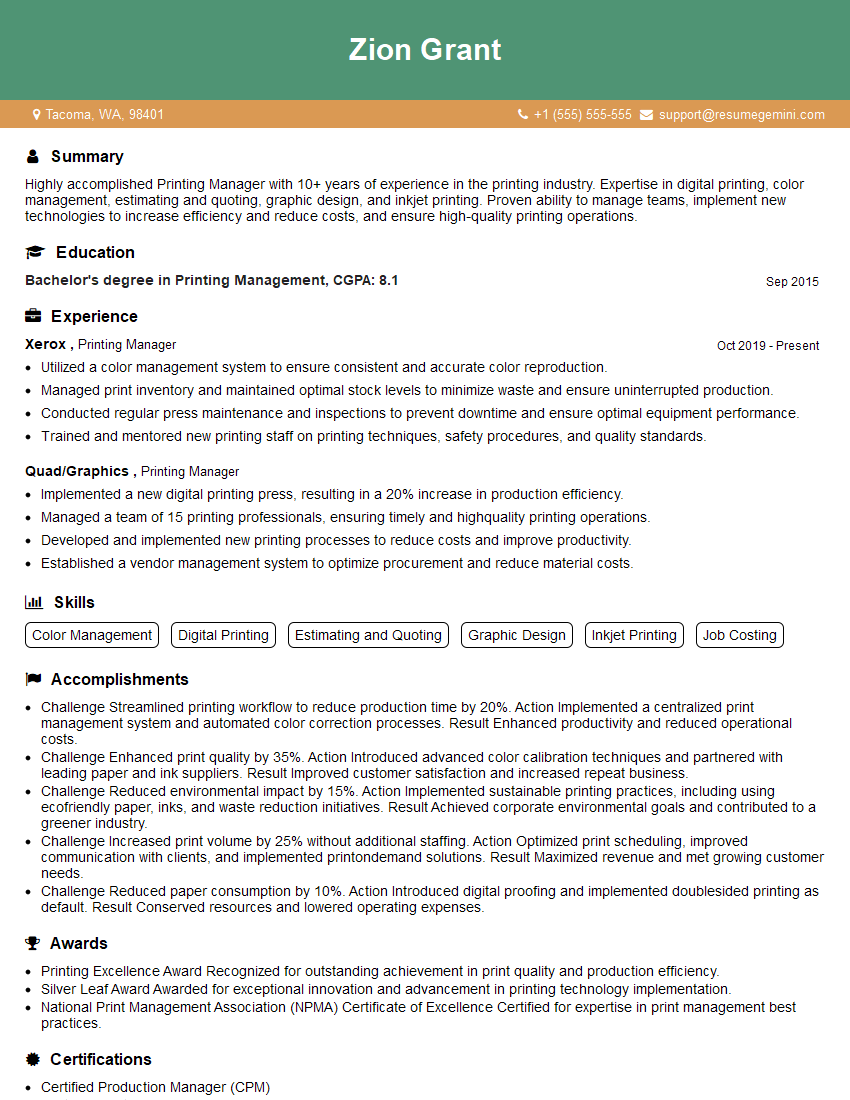
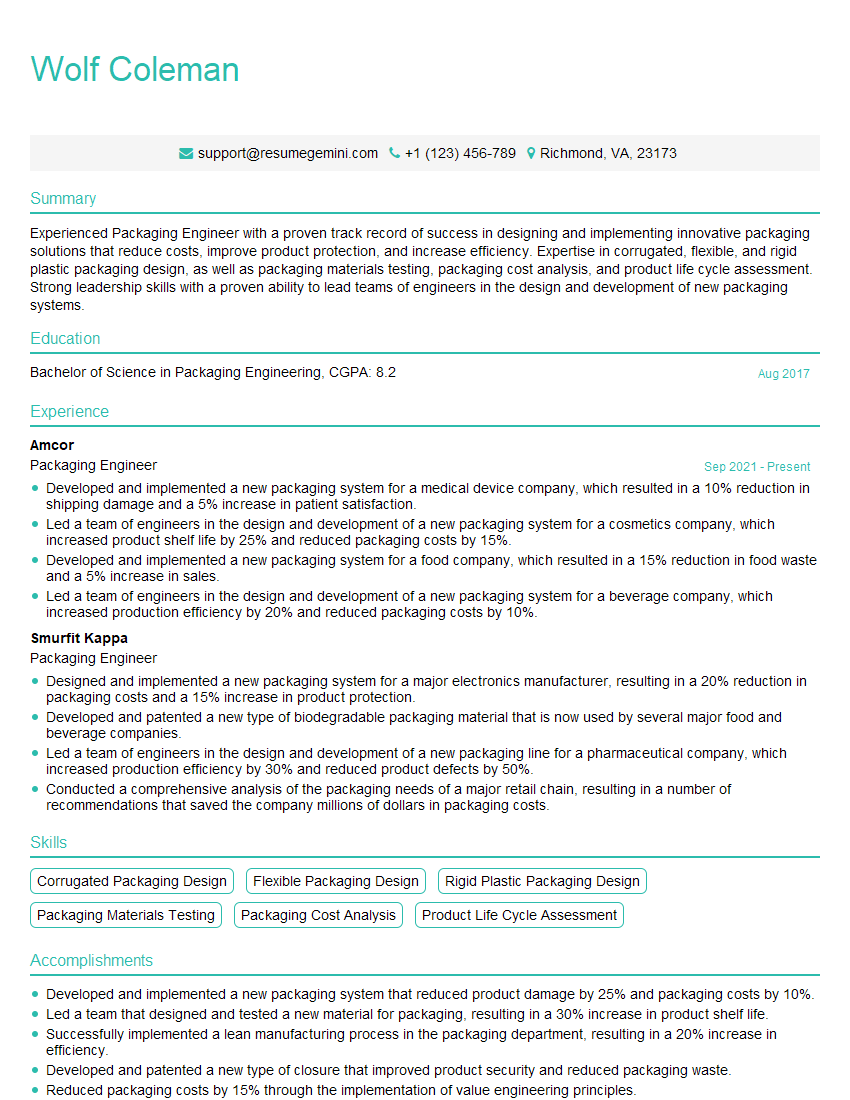
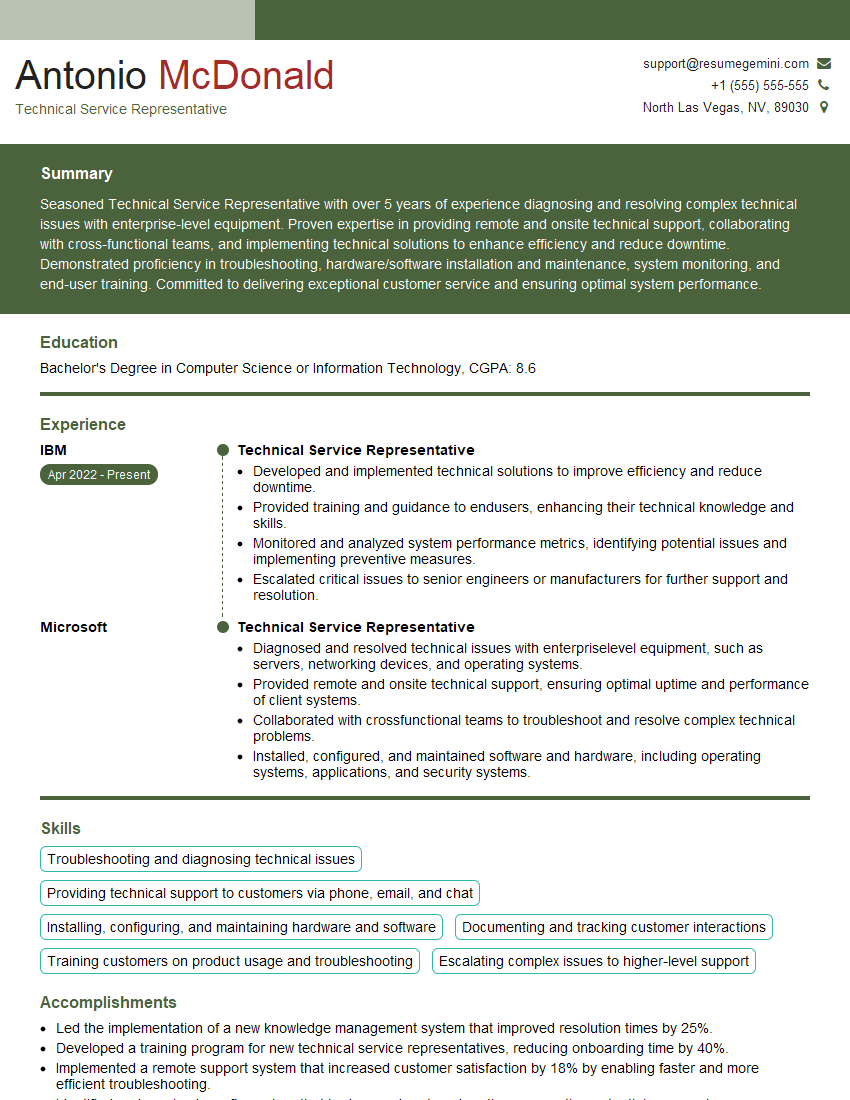
Mastering the intricacies of Exposure to Gravure Printing in flexible packaging opens doors to exciting career opportunities in a dynamic industry. A strong understanding of this field will significantly enhance your value to potential employers. To increase your chances of landing your dream role, it’s crucial to present your skills and experience effectively. Creating an ATS-friendly resume is essential in today’s competitive job market. ResumeGemini is a trusted resource to help you build a professional and impactful resume that highlights your expertise. We provide examples of resumes tailored to Exposure to Gravure Printing in flexible packaging to guide you through the process. Invest time in crafting a compelling resume; it’s your first impression and a key step toward your successful career journey.
Explore more articles
Users Rating of Our Blogs
Share Your Experience
We value your feedback! Please rate our content and share your thoughts (optional).
What Readers Say About Our Blog
Very informative content, great job.
good