Cracking a skill-specific interview, like one for Eyewitness Interviewing, requires understanding the nuances of the role. In this blog, we present the questions you’re most likely to encounter, along with insights into how to answer them effectively. Let’s ensure you’re ready to make a strong impression.
Questions Asked in Eyewitness Interviewing Interview
Q 1. Describe the cognitive interview technique and its benefits.
The Cognitive Interview is a technique designed to enhance the recall of eyewitnesses by guiding them through their memory using four key principles: context reinstatement, report everything, recall in reverse order, and change perspective.
Context reinstatement encourages the witness to mentally return to the scene of the event, recreating the environment, emotions, and sensory details as accurately as possible. This helps trigger associated memories. For example, asking about the weather, sounds, and smells present during the event can unlock otherwise inaccessible details.
Report everything emphasizes the importance of even seemingly insignificant details. Witnesses are instructed to recount everything they remember, regardless of how trivial it may seem, as even small details can be crucial pieces of a larger puzzle. Even fragmented or uncertain memories might trigger other recollections.
Recall in reverse order involves asking the witness to recount the events in reverse chronological order. This disrupts the habitual, linear way memories are usually accessed, potentially revealing details overlooked during a typical linear recounting. This approach helps to avoid the influence of schema (pre-existing knowledge structures) on memory retrieval.
Change perspective asks the witness to recall the event from different viewpoints – their own, other people’s perspectives, or even from an inanimate object’s perspective (like a lamppost). This technique aims to break free from their ingrained perspective and trigger alternative memory pathways.
Benefits of the Cognitive Interview include increased accuracy and completeness of eyewitness accounts compared to standard interviewing methods, reduced suggestibility, and retrieval of more contextual information, ultimately leading to more effective investigations.
Q 2. Explain the importance of establishing rapport during an eyewitness interview.
Establishing rapport is paramount in eyewitness interviewing because it fosters trust and encourages the witness to cooperate fully and honestly. A relaxed and comfortable witness is more likely to provide accurate and detailed information. Think of it like this: you’re far more likely to confide in a friend you trust than a stranger. Similarly, a witness is more likely to open up to an interviewer they perceive as empathetic and understanding.
Building rapport involves active listening, demonstrating genuine empathy, and showing respect for the witness’s experience. Simple techniques like making eye contact, using open body language, and addressing the witness by name can create a positive and trusting environment. The interviewer should also validate the witness’s feelings and acknowledge the challenging nature of recounting traumatic events. By creating this safe space, the witness feels empowered to share their story accurately and completely.
Q 3. How do you handle a reluctant or uncooperative witness?
Handling reluctant or uncooperative witnesses requires patience, understanding, and a flexible approach. First, it’s essential to understand the reasons behind their reluctance. Are they fearful, anxious, mistrustful, or perhaps simply overwhelmed?
Addressing their concerns is crucial. This might involve explaining the importance of their testimony, assuring them of confidentiality (within legal limits), and demonstrating genuine respect for their time and feelings. Offering breaks, changing the interview setting if possible, or utilizing different communication styles (e.g., more informal language) can be beneficial. In some cases, the presence of a trusted support person, like a family member or advocate, can significantly help alleviate their discomfort and increase their willingness to cooperate. It’s important to remember that persistence is key, but always respecting their boundaries is paramount. Pushing too hard can lead to further resistance and potentially invalidate any information they eventually provide. Sometimes, it might be better to reschedule and approach the situation differently at a later time.
Q 4. What are some common memory distortions that can affect eyewitness accounts?
Eyewitness memory is surprisingly fallible. Several factors can lead to distortions:
- Suggestibility: Leading questions or suggestive comments from investigators or others can unintentionally implant false memories or alter existing ones. For example, asking ‘Did you see the blue car?’ when the car was actually red can lead the witness to incorrectly remember it as blue.
- Misinformation effect: Exposure to inaccurate information after the event can contaminate the original memory. This can happen through discussions with other witnesses, media reports, or even well-meaning questions from investigators.
- Memory decay: Memories fade over time, particularly details that were not highly salient at the time of the event. The longer the time elapsed, the less reliable the memory is likely to be.
- Stress and anxiety: High levels of stress or anxiety during the event can negatively impact memory encoding and retrieval. The ‘weapon focus effect’ is an example: witnesses under high stress often focus on the weapon, neglecting details of the perpetrator’s appearance.
- Reconstructive memory: Memories are not perfect recordings but are reconstructed each time we recall them, potentially incorporating inferences, expectations, and other information that may not be entirely accurate.
Q 5. What techniques do you use to minimize suggestion and bias during an interview?
Minimizing suggestion and bias requires a structured and carefully controlled interview approach. Here are some key techniques:
- Open-ended questions: Start with open-ended questions like ‘Tell me what happened’ to allow the witness to recount the event in their own words, without prompting.
- Avoid leading questions: Refrain from asking questions that suggest a particular answer. Instead of asking ‘Did the suspect have a beard?’, ask ‘What can you tell me about the suspect’s facial hair?’
- Neutral tone and body language: Maintain a neutral tone of voice and avoid displaying any preconceived notions or biases through body language.
- Sequential questioning: Encourage the witness to describe the events chronologically to avoid confabulation (mixing up memories from different events).
- Independent verification: Whenever possible, corroborate information obtained from the eyewitness with other evidence, such as forensic data or other witness accounts. This helps to separate accurate information from potential distortions.
- Memory refreshing techniques (with caution): Consider using memory-refreshing techniques such as photo lineups, but always avoid using techniques that can lead to biased recall.
It’s vital to document every aspect of the interview, including any potential sources of bias, to enhance the transparency and credibility of the investigation.
Q 6. Explain the difference between open-ended and closed-ended questions in eyewitness interviewing.
Open-ended and closed-ended questions serve distinct purposes in eyewitness interviewing:
Open-ended questions encourage detailed, narrative responses. They begin with words like ‘What,’ ‘Tell me,’ ‘Describe,’ or ‘Explain.’ For example, ‘Tell me everything you remember about the incident.’ These questions elicit a more complete and spontaneous account, minimizing interviewer bias.
Closed-ended questions elicit short, specific answers. They often begin with words like ‘Did,’ ‘Is,’ ‘Was,’ or ‘Are.’ For example, ‘Was the suspect wearing a hat?’ These are useful for clarifying specific details or verifying information already provided. However, overuse can lead to truncated and less accurate accounts.
Effective interviewing combines both types. The interview should begin with open-ended questions to capture the overall narrative, followed by closed-ended questions to clarify specific points and details.
Q 7. How do you assess the credibility of an eyewitness account?
Assessing the credibility of an eyewitness account is a complex process that involves several factors. There is no single metric for determining credibility. Instead, the interviewer should consider:
- Consistency: Does the account remain consistent across multiple interviews? Inconsistencies can indicate inaccuracies, but it’s important to distinguish between genuine memory lapses and deliberate falsehoods.
- Details: A credible account often includes rich sensory details, beyond the typical narrative. The level of detail provided is not always a perfect indicator, however, because some witnesses have more naturally detailed recall than others. Unusual, specific details that can be verified can provide stronger support.
- Accuracy of detail: Verifiable details of the incident support credibility. For example, a witness accurately recalling a license plate number or a distinctive tattoo on the perpetrator strengthens their account. The interviewer must be cautious about inadvertently influencing details.
- Witness characteristics: While not always reliable, factors such as the witness’s proximity to the event, visibility conditions, and their mental state during the incident can influence the reliability of their testimony.
- Interview demeanor and behavior: The witness’s demeanor during the interview, including honesty, confidence, and emotional responses, can provide insights into the reliability of the account, though caution should be used to avoid misinterpreting anxiety as deception.
Ultimately, the credibility assessment is a holistic process involving careful consideration of all available information, including the witness’s account, corroborating evidence, and the interviewer’s professional judgment. It’s critical to avoid making judgments based solely on intuition or biases.
Q 8. Describe your approach to documenting an eyewitness interview.
My approach to documenting an eyewitness interview prioritizes accuracy, completeness, and admissibility in court. I begin by establishing a detailed record of the interview’s circumstances – date, time, location, and the identities of all present. I then employ a combination of methods:
- Detailed written notes: I take comprehensive notes throughout the interview, capturing both the witness’s statements and my own observations about their demeanor and any potential inconsistencies. These notes are kept contemporaneous, meaning I write them during the interview.
- Audio recording: I always audio record the interview with the witness’s informed consent. This provides a complete and verifiable record of the testimony.
- Video recording (when possible): If feasible and appropriate, video recording adds another layer of detail, capturing nonverbal cues that may be missed in audio or written notes. It can also enhance the credibility and admissibility of the testimony.
- Witness statement: Following the interview, I work with the witness to create a formal written statement summarizing their testimony. The statement is reviewed and signed by the witness, ensuring they understand and agree with its contents. This statement serves as a concise summary that can be easily referenced.
This multi-faceted approach minimizes the potential for errors and omissions, ensuring a thorough and reliable record of the eyewitness account. For example, I might note if a witness hesitates before answering a question, or if their tone of voice changes significantly, details that a written summary alone might miss.
Q 9. How do you deal with conflicting eyewitness testimonies?
Conflicting eyewitness testimonies are common and require careful analysis. Instead of immediately dismissing any testimony as unreliable, I approach it methodically:
- Detailed Review of each account: I carefully examine each individual account, noting any discrepancies in detail, time, or sequence of events. I also consider the witness’s position relative to the event, their visual acuity, and any potential biases they might have.
- Identifying potential explanations for discrepancies: Differences in memory are normal. Witnesses can misinterpret what they saw, or their memory can be affected by stress, trauma, or subsequent information (e.g., news reports). I attempt to find reasonable explanations for the differences.
- Analyzing the reliability of each witness: I evaluate each witness’s credibility by considering their level of attention, opportunity to observe the event, and their past reliability. Factors such as stress levels, pre-existing conditions, and any potential bias are considered.
- Reconciling inconsistencies (if possible): I try to reconcile inconsistencies where possible. Some differences may be insignificant, while others may point to a crucial element of the truth. For instance, one witness might remember the car’s color more accurately, while another remembers the license plate.
- Presenting all accounts impartially: Ultimately, I document and present all accounts impartially, acknowledging the discrepancies and allowing the investigator to weigh the evidence and make an informed judgment. I explain the possible explanations for these variances to avoid biases influencing the outcome.
Imagine two witnesses describing a robbery. One remembers the robber wearing a blue jacket, while the other says it was green. This discrepancy doesn’t necessarily invalidate both accounts; it might be a simple case of poor lighting or individual perception errors. A thorough analysis of all aspects, including environmental factors and witness characteristics, helps understand the nuances.
Q 10. What are the ethical considerations in conducting eyewitness interviews?
Ethical considerations are paramount in eyewitness interviewing. My primary concerns include:
- Informed consent: Witnesses must be informed about the purpose of the interview, the process, and their rights, including the right to refuse to answer any questions. I also ensure they understand the recording process and where the information will be used.
- Minimizing suggestion and coercion: I avoid leading questions or suggestions that might influence the witness’s recall. The interview should be conducted in a neutral and non-judgmental manner, ensuring they feel comfortable sharing their recollection without any external pressure.
- Respect for the witness’s vulnerability: Witnesses may be emotionally fragile, especially in cases involving trauma. I handle them with sensitivity, ensuring their comfort and well-being. Taking breaks if needed is crucial.
- Maintaining confidentiality: I respect the confidentiality of the witness’s information, sharing it only with authorized personnel and in accordance with relevant laws and regulations.
- Avoiding biased questioning: Interview questions must be impartial, avoiding any suggestion or preconceived notions about the event’s specifics.
A breach of ethics can severely damage a case. For instance, pressuring a witness to conform to a specific narrative undermines the entire interview process and can lead to an unjust outcome.
Q 11. Explain the importance of using neutral language during an interview.
Neutral language is crucial to avoid influencing the witness’s recollection. Leading questions, loaded language, or suggestive phrasing can distort the information received. Neutral phrasing ensures the witness’s responses are spontaneous and unbiased. For example, instead of asking, “Did you see the man wearing a red shirt?”, I would ask, “What was the shirt worn by the man like?” or “Can you describe the man’s shirt?”
Using neutral language means avoiding words that carry emotional connotations, such as adjectives that imply guilt or innocence. Instead of describing someone as ‘sneaky’, I would use ‘stealthy’ or ‘quiet’. This allows the witness to give their unfiltered account of the incident without feeling pressured to align their testimony with the interviewer’s preconceptions.
In practice, this helps reduce the risk of creating false memories or biasing the recall process. For instance, if I were to use leading questions such as, “Was the car speeding?” I might subconsciously prompt a yes response even if it was not indeed speeding.
Q 12. How do you handle an emotionally distressed witness?
Handling an emotionally distressed witness requires patience, sensitivity, and understanding. The priority is to create a safe and supportive environment. I would:
- Ensure their safety and comfort: Find a quiet and private location. Offer water or tissues, and give them time to compose themselves.
- Build rapport and trust: Use a calm and reassuring tone. Show empathy and genuine concern for their well-being. Avoid rushing the interview.
- Allow for breaks: If the witness becomes overwhelmed, I allow them to take breaks to regain composure. The interview can be resumed later.
- Focus on their emotional state: It’s acceptable to acknowledge their feelings, rather than simply trying to move on to the next question. Phrases like “That must have been very upsetting for you” can foster trust.
- Use open-ended questions: Open-ended questions, like “Can you tell me what happened?” encourage the witness to recount events in their own words without leading them towards a specific answer.
- Employ active listening techniques: Active listening displays engagement and care. By nodding and reflecting the witness’s emotions through your responses, you can reduce the pressure to answer quickly and accurately.
If the distress is severe or if the witness is unable to provide coherent information, I would delay the interview until they have received appropriate support from mental health professionals or a trusted family member.
Q 13. What are the limitations of eyewitness testimony?
Eyewitness testimony, while valuable, has limitations. It’s not always perfectly accurate, reliable, or complete. Factors influencing this include:
- Memory distortion: Memory is fallible. Stress, time elapsed since the event, and other factors can distort or alter memories.
- Weapon focus effect: When a weapon is involved, attention may be focused on the weapon, reducing the clarity of other details.
- Cross-racial identification: Individuals are often less accurate at identifying people from different racial backgrounds.
- Suggestibility: Leading questions, suggestions, or other forms of influence can alter a witness’s recollection.
- Stress and trauma: Extreme stress during the event can impair memory.
- Unconscious transference: A witness may misidentify a familiar face as the perpetrator.
For example, in a high-stress situation like a bank robbery, a witness might focus primarily on the gun and struggle to recall details about the robber’s appearance, leading to an inaccurate description.
Q 14. Describe the steps you would take to prepare for a complex eyewitness interview.
Preparing for a complex eyewitness interview requires meticulous planning and preparation. The steps I take include:
- Thorough background research: I review all relevant case files, including police reports, crime scene photos, and any other available evidence.
- Developing a structured interview plan: I create a detailed interview plan, outlining the topics to be covered in a logical sequence. This minimizes the chances of missing crucial details.
- Choosing the appropriate interview location: The environment should be comfortable, private, and free from distractions. I want to ensure the witness feels safe and relaxed.
- Anticipating potential challenges: In a complex case, I anticipate challenges, such as emotional distress, conflicting testimonies, or complex factual narratives. I think about strategies for handling these before they arise.
- Reviewing best practices: I review best practices in eyewitness interviewing and memory retrieval techniques to ensure I apply the most effective strategies.
- Ensuring necessary resources are available: I make sure that audio and video recording equipment is functional and that all supporting documentation is readily available.
- Reviewing relevant legal guidelines: I understand the legal limits and requirements of conducting such an interview and always proceed according to legal standards.
For a complex case involving multiple witnesses and intricate details, the level of preparation will be considerably higher. For example, I might rehearse my opening statement to build rapport and prepare specific, neutral questions addressing various aspects of the event based on the available evidence.
Q 15. How do you ensure the accuracy and completeness of the interview record?
Ensuring the accuracy and completeness of an interview record is paramount. It’s the cornerstone of a reliable investigation. We achieve this through a multi-faceted approach:
- Detailed Note-Taking: I meticulously record everything – the witness’s statements, their nonverbal cues, even the environment. I use a structured format, timestamping key points. For example, if a witness describes a vehicle, I note the make, model, color, license plate number, and any distinguishing features separately, rather than as a single running sentence. This allows for easier analysis and prevents information loss.
- Audio/Video Recording (When Permitted): Whenever legally and ethically permissible, I record interviews. This provides a comprehensive, irrefutable record, minimizing the chance of errors or omissions in transcription. Any gaps in the recording are carefully noted.
- Verification and Clarification: I regularly clarify ambiguous statements or inconsistencies by gently probing for more detail. For instance, if a witness mentions ‘a large dog,’ I’ll ask clarifying questions about the breed, size, and color to ensure clarity. I also summarize key points at the end of the interview, giving the witness a chance to correct any inaccuracies before we conclude.
- Review and Transcription (If Recorded): Following the interview, I thoroughly review notes and recordings, ensuring accuracy and completeness. If a recording is used, a verbatim transcript is created, allowing for meticulous scrutiny.
This layered approach minimizes human error and ensures a dependable record for investigation and potential court proceedings.
Career Expert Tips:
- Ace those interviews! Prepare effectively by reviewing the Top 50 Most Common Interview Questions on ResumeGemini.
- Navigate your job search with confidence! Explore a wide range of Career Tips on ResumeGemini. Learn about common challenges and recommendations to overcome them.
- Craft the perfect resume! Master the Art of Resume Writing with ResumeGemini’s guide. Showcase your unique qualifications and achievements effectively.
- Don’t miss out on holiday savings! Build your dream resume with ResumeGemini’s ATS optimized templates.
Q 16. What is the significance of body language in eyewitness interviewing?
Body language plays a crucial, often overlooked, role in eyewitness interviewing. It can reveal inconsistencies or inconsistencies with the verbal account, providing valuable insights into a witness’s truthfulness and emotional state.
- Inconsistencies: A witness might claim calmness, but fidgeting, excessive blinking, or avoiding eye contact could suggest nervousness or deception. For example, a witness confidently recounting an event while simultaneously shifting their weight and avoiding eye contact creates a red flag that warrants further investigation.
- Emotional State: Body language can reveal the emotional impact of the event on the witness. Signs of distress, such as trembling hands or rapid breathing, might indicate a traumatic experience. Conversely, a lack of emotional response might suggest something is amiss.
- Confirmation/corroboration: Sometimes, nonverbal cues support the verbal account, adding credibility. For instance, a witness’s confident posture and direct eye contact while providing detailed information can enhance the believability of their testimony.
It’s essential to interpret body language cautiously, however. Cultural background and individual personalities influence nonverbal communication. I use body language observations to guide further questioning, not as definitive proof of truth or deception.
Q 17. How do you identify and address leading questions during an interview?
Leading questions, which subtly suggest a desired answer, are detrimental to the accuracy of an interview. Identifying and addressing them requires vigilance and training.
- Recognition: I’m trained to spot leading questions – phrasing like, ‘Didn’t you see a red car?’, or ‘Wasn’t he wearing a blue jacket?’ suggests a particular answer. Neutral phrasing is preferred, such as, ‘What color was the car?’, or ‘Can you describe the jacket he was wearing?’.
- Mitigation: When I accidentally ask a leading question, I immediately correct myself, rephrase it neutrally, and emphasize the importance of the witness answering honestly without feeling pressured. I might say something like, ‘My apologies, that was a leading question. Let’s try again: What is your best recollection of the car’s color?’
- Open-Ended Questions: I favor open-ended questions that encourage detailed responses and avoid limiting the witness’s answers. Questions starting with ‘what,’ ‘how,’ ‘when,’ and ‘where’ generally yield more comprehensive information.
The goal is to create a safe and neutral environment where witnesses feel comfortable sharing their recollections without feeling influenced.
Q 18. What is your experience with different interview styles (e.g., PEACE model)?
My experience encompasses various interview styles, with a strong preference for the PEACE model. The PEACE model (Planning and Preparation, Engage and Explain, Account, Closure, and Evaluation) provides a structured, ethical framework.
- PEACE Model: I find the PEACE model particularly effective because it prioritizes building rapport, understanding the witness’s perspective, and obtaining a comprehensive account in a non-accusatory manner. I’m adept at adapting the model to the specific circumstances and the witness’s personality.
- Other Styles: I have experience with more traditional interview styles, but I find the PEACE model’s emphasis on rapport-building and minimizing interviewer bias superior in eliciting accurate and complete information.
- Practical Application: In a case involving a robbery, I might use the PEACE model to build a connection with the witness before gently guiding them through their recollection, clarifying details without interrupting their narrative. The closing stage would involve summarizing the key information, ensuring the witness feels heard and understood.
Continuous professional development keeps my skills updated and ensures I employ the most effective and ethical techniques. I believe the PEACE model is currently the gold standard for investigative interviewing, particularly when dealing with vulnerable or traumatized witnesses.
Q 19. How do you handle interruptions or distractions during an interview?
Interruptions and distractions are inevitable, but they can severely compromise the accuracy of an interview. I employ several strategies to minimize their impact:
- Environment Control: Whenever possible, I conduct interviews in a quiet, private setting, minimizing distractions. This helps the witness focus and allows for a more productive interview.
- Addressing Interruptions: If interruptions occur, I politely address them and request that they wait until a suitable break in the interview. If necessary, I will reschedule to ensure an uninterrupted session. For example, if a phone call interrupts, I might say, ‘Excuse me, I’ll need to address this quickly, and then we’ll resume our discussion.’
- Maintaining Focus: I work to gently redirect the witness’s attention if they are distracted. I might restate the last question or summarize the key points to re-establish the flow of the conversation.
- Documentation: Any interruptions and how they were handled are carefully documented in my notes or the interview record.
A carefully planned and well-executed interview minimizes disruptions and ensures a focused and productive exchange.
Q 20. What are some common pitfalls to avoid in eyewitness interviewing?
Several pitfalls can significantly impact the accuracy and reliability of eyewitness accounts. Avoiding them is crucial:
- Leading Questions: As discussed earlier, leading questions can taint a witness’s recollection.
- Interrupting: Interrupting disrupts the witness’s flow of thought, leading to incomplete or inaccurate responses.
- Premature Judgment: Forming preconceived notions about the witness or the event can bias questioning and interpretation.
- Suggestibility: Using suggestive language or body language can influence the witness’s recall.
- Memory Distortion: Memories are fallible. Time, stress, and other factors can distort recall. I employ techniques to mitigate this, such as using open-ended questions and avoiding repeated questioning that might reinforce inaccurate memories.
- Lack of Preparation: Insufficient preparation before the interview can lead to missed opportunities to gather crucial information.
By being aware of these pitfalls and employing best practices, I can greatly increase the likelihood of obtaining reliable, accurate eyewitness testimony.
Q 21. How do you ensure the confidentiality of witness information?
Confidentiality is paramount. Maintaining witness confidentiality is an ethical and often legal obligation. I adhere to the following practices:
- Data Security: All interview records, whether written or recorded, are stored securely, using password protection and access controls, following established agency protocols.
- Limited Access: Access to interview materials is restricted to authorized personnel only, strictly adhering to ‘need-to-know’ principles.
- Anonymity (When Possible): When legally and ethically permissible, I may work to protect the witness’s identity to minimize any potential risks or repercussions.
- Informed Consent: I always obtain informed consent from the witness, explaining how their information will be used and stored. I clearly outline their rights concerning confidentiality and data privacy.
- Legal Compliance: I strictly adhere to all relevant laws and regulations regarding data privacy and confidentiality, including those related to data protection and witness protection programs.
Protecting witness confidentiality is not just a procedural matter; it is a cornerstone of building trust and ensuring the safety and cooperation of witnesses, thereby enabling more thorough and effective investigations.
Q 22. Describe your experience with interviewing children or vulnerable adults.
Interviewing children and vulnerable adults requires a specialized approach, significantly different from interviewing adult witnesses. It’s crucial to build rapport and trust before even beginning to ask about the event. My experience involves employing techniques like the Narrative Approach, where I encourage the witness to tell their story in their own words without interruption. This allows for a natural flow of information and minimizes the risk of leading questions. I also utilize age-appropriate language and visual aids, such as dolls or drawings, to help them communicate more effectively. For vulnerable adults, understanding their cognitive abilities and potential communication challenges is paramount. I might adjust the pacing of the interview, provide frequent breaks, and use simpler language. I also ensure the environment is comfortable and safe, minimizing any pressure or intimidation. For example, when interviewing a child about a playground incident, I might start by playing with them for a few minutes to ease their anxiety before starting the formal interview, and utilize child-sized dolls to help them act out the event.
Confidentiality and safeguarding are always my top priorities. I adhere to strict ethical guidelines and legal requirements, ensuring that the interview process is trauma-informed and respects the witness’s dignity and autonomy.
Q 23. How do you deal with a witness who changes their story?
Inconsistencies in a witness’s statement are common and shouldn’t automatically discredit their testimony. My approach involves carefully exploring the reasons for the change. I avoid confrontation and instead employ a calm and non-judgmental manner. I might ask open-ended questions such as, ‘I noticed a difference in your statement; can you help me understand how you remember the event now compared to how you remembered it before?’ This approach acknowledges the discrepancy without making accusations. The change might be due to several factors: improved recall with time, influence from others, misunderstandings, or even stress-related memory distortion. I thoroughly document all statements, noting the discrepancies and any potential influences.
I might also use memory aids like timelines or maps to help the witness reconstruct the events, ensuring they feel supported and not judged for their changing recollection. The goal isn’t to ‘trap’ the witness but to gather the most complete and accurate information possible, understanding that human memory is fallible.
Q 24. Explain the concept of ‘memory contamination’.
Memory contamination refers to the distortion or alteration of a memory due to exposure to misleading information after the event. This ‘post-event information’ can come from various sources, such as discussions with others, media reports, or even leading questions during an interview. It essentially contaminates the original memory, making it less reliable. For instance, if a witness to a car accident discusses the event with another witness who mentions a broken headlight, the first witness might later falsely remember seeing the broken headlight even if it wasn’t present. This phenomenon is well documented in cognitive psychology and highlights the malleability of memory.
To minimize memory contamination, it’s crucial to interview witnesses as soon as possible after an event, before they are exposed to potentially biasing information. Using open-ended questions rather than leading questions and avoiding repeated questioning on the same details are additional preventative measures. It’s also important to remain aware of the potential for contamination and document thoroughly any potential sources of influence on the witness’s memory.
Q 25. What are the best practices for using visual aids in an interview?
Visual aids can be incredibly helpful in eyewitness interviews, especially with children or those who struggle with verbal expression. However, the use of visual aids requires careful consideration. The best practices revolve around using them to support the witness’s narrative, not to lead them. For example, a simple sketch of the crime scene should only be used after the witness has given their account, to assist their recall. Avoid overly detailed or suggestive visuals. I would use a blank map to mark locations, rather than a pre-filled map showing all buildings. Photos should only be used cautiously and after the witness has described the scene in their own words. Using drawings, maps, or timelines can help the witness reconstruct events chronologically, identify key locations, and place objects accurately.
The selection of appropriate visual aids is key. They need to be relevant to the witness’s description, clear, simple, and easy to understand. I always ensure that the witness is comfortable with the visual aids before using them, and I constantly monitor their reactions to see if the aids are helpful or causing confusion or undue stress. The aim is to use visuals as a supplementary tool, not a primary means of eliciting information.
Q 26. How do you manage your own biases when conducting an interview?
Managing personal biases is critical for conducting objective interviews. We are all susceptible to biases, whether conscious or unconscious. My training emphasizes recognizing my own potential biases and taking steps to mitigate their influence. This involves actively listening to the witness without interruption, and making conscious efforts to avoid leading questions. I try to create a neutral and non-judgmental atmosphere, focusing on creating a safe space for the witness. Regularly reviewing interview recordings helps identify any unintentional leading questions or biased interpretations that might have crept into my approach. I continuously reflect on my interviewing techniques to ensure neutrality and objectivity.
Maintaining a structured interview approach, following established protocols, and meticulous documentation of all aspects of the interview helps to minimize the impact of bias. Having a second interviewer observe the process can also help identify and address potential biases, providing valuable feedback for future interviews.
Q 27. How do you differentiate between factual recall and speculation from a witness?
Distinguishing between factual recall and speculation requires careful attention to the witness’s language and demeanor. Factual recall is usually expressed with confidence and detail, grounded in specific sensory experiences: ‘I saw a blue car,’ ‘The man had a scar above his eyebrow.’ Speculation, on the other hand, often involves qualifiers like ‘I think,’ ‘Maybe,’ or ‘It seemed like.’ For example, ‘I think the car was blue’ or ‘It seemed like he was nervous.’ Speculation might be based on inference rather than direct observation.
During the interview, I carefully listen for these linguistic markers and probe further when unsure about the basis of a statement. ‘Can you tell me more about why you think the car was blue?’ or ‘What specifically made you think he was nervous?’ This helps to understand the witness’s thought process and to differentiate between observed facts and inferred conclusions. Thorough documentation of both statements and the witness’s justifications for them are crucial in building a complete and accurate picture.
Q 28. What resources do you utilize to enhance your skills in eyewitness interviewing?
Staying current in eyewitness interviewing requires continuous professional development. I utilize a range of resources, including attending specialized training courses and workshops, reading peer-reviewed research articles on cognitive psychology and memory, and participating in professional networks and conferences. These resources provide exposure to cutting-edge techniques and best practices in the field.
I also actively seek feedback from colleagues and supervisors on my interviewing techniques, engaging in peer review to enhance my ability to identify and manage biases and to refine the quality of my questioning. Staying up-to-date with advancements in relevant technologies and their implications on memory and information gathering is also crucial. For example, recent studies on the reliability of facial recognition technology have implications for the way eyewitness testimony is evaluated and weighed.
Key Topics to Learn for Eyewitness Interviewing Interview
- Understanding Cognitive Processes in Memory Recall: Explore the psychological factors influencing eyewitness accuracy, including memory distortion, suggestibility, and the impact of stress on recollection.
- Effective Interviewing Techniques: Practice using open-ended questions, active listening, and nonverbal communication to elicit detailed and reliable information from witnesses. Learn to manage challenging interviewees and navigate sensitive topics with professionalism and empathy.
- Minimizing Bias and Contamination: Develop strategies to avoid leading questions, unintentional influence, and the contamination of witness accounts through pre-interview information. Understand how to handle potential biases in your own questioning and interpretation.
- Statement Analysis and Evaluation: Learn how to critically analyze witness statements, identify inconsistencies, and evaluate the credibility of information provided. Understand the importance of corroborating evidence and contextual factors.
- Legal and Ethical Considerations: Familiarize yourself with legal guidelines and ethical standards related to conducting eyewitness interviews, including maintaining confidentiality, respecting witness rights, and ensuring fair procedures.
- Case Study Application: Practice applying theoretical concepts to hypothetical or real-world scenarios to develop problem-solving skills and refine your interviewing techniques. Consider how different interview approaches might yield varying results.
- Technological Applications: Explore the use of technology in eyewitness interviewing, such as video recording, computer-aided analysis, and other relevant tools. Understand the benefits and limitations of these technologies.
Next Steps
Mastering eyewitness interviewing opens doors to exciting career opportunities in law enforcement, forensic science, and investigative journalism. A strong resume is crucial for showcasing your skills and experience to potential employers. Building an ATS-friendly resume is essential for maximizing your job prospects. ResumeGemini can help you create a professional and impactful resume that highlights your qualifications effectively. ResumeGemini offers examples of resumes tailored to Eyewitness Interviewing positions, providing you with valuable templates and guidance to help you stand out from the competition. Take the next step towards your dream career today!
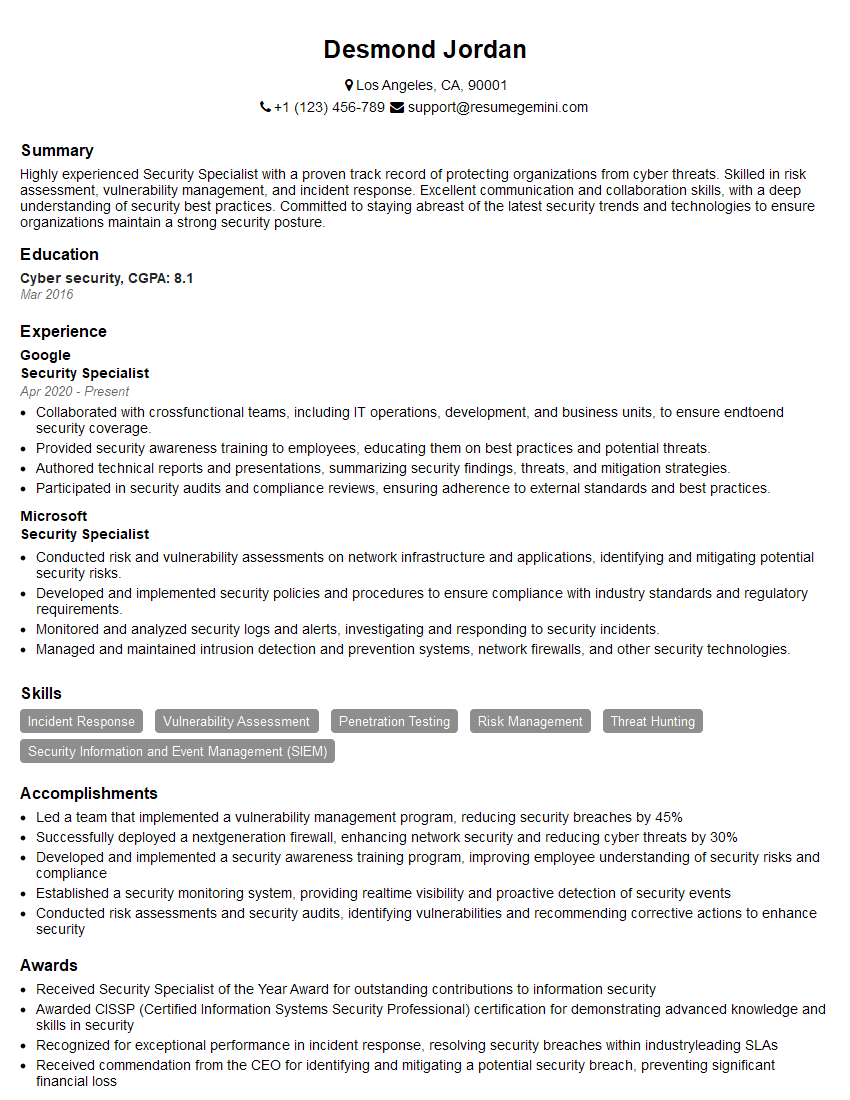
Security Specialist Resume Sample
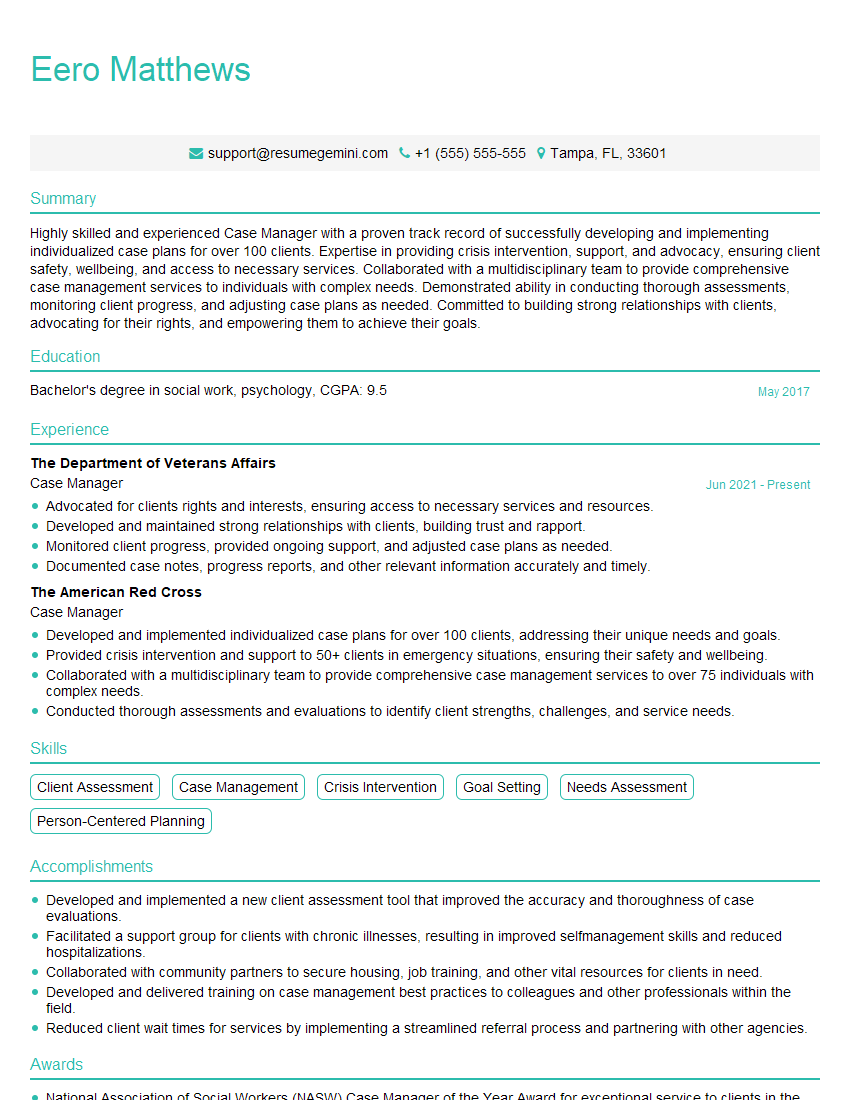
Case Manager Resume Sample
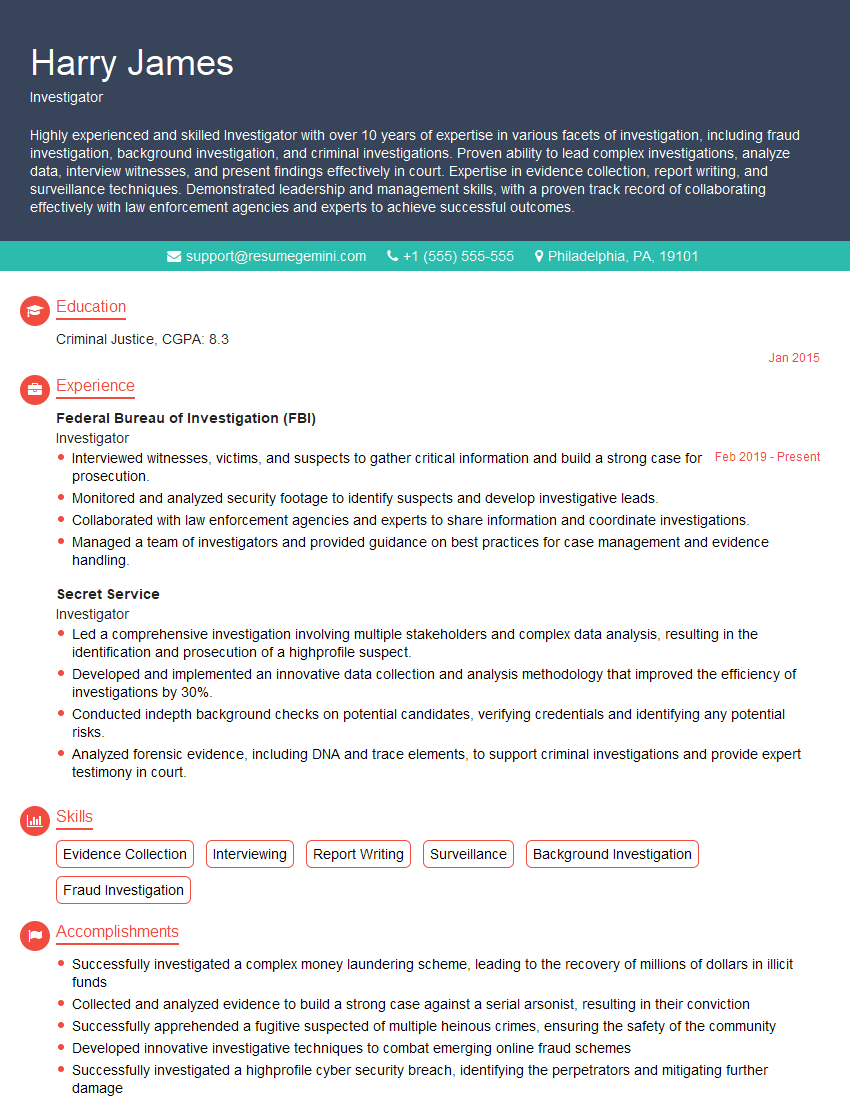
Investigator Resume Sample
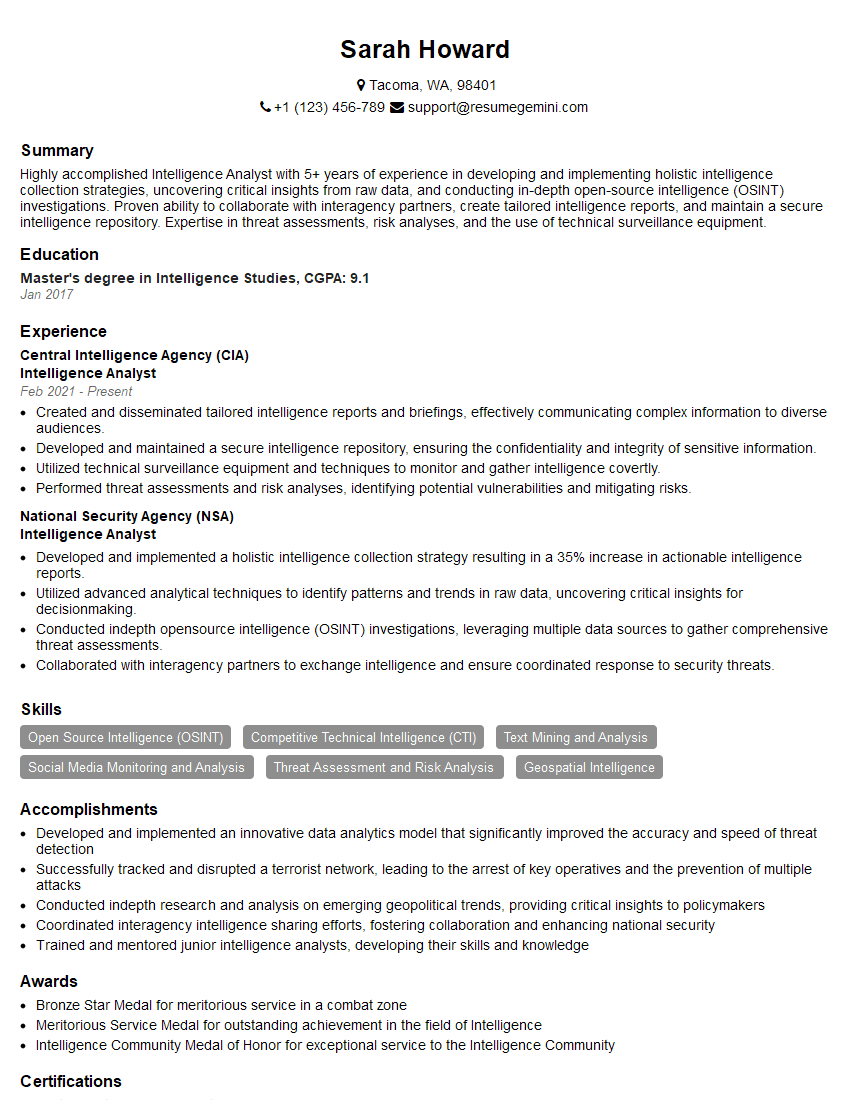
Intelligence Analyst Resume Sample
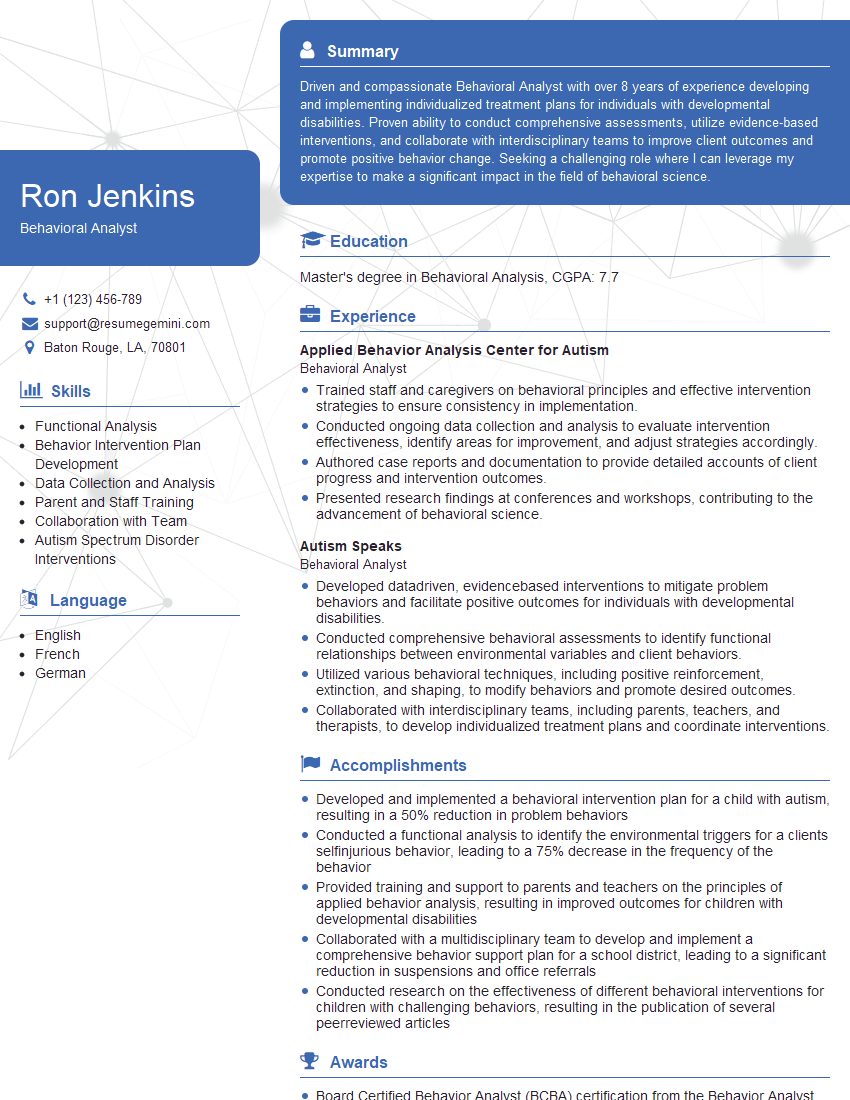
Behavioral Analyst Resume Sample
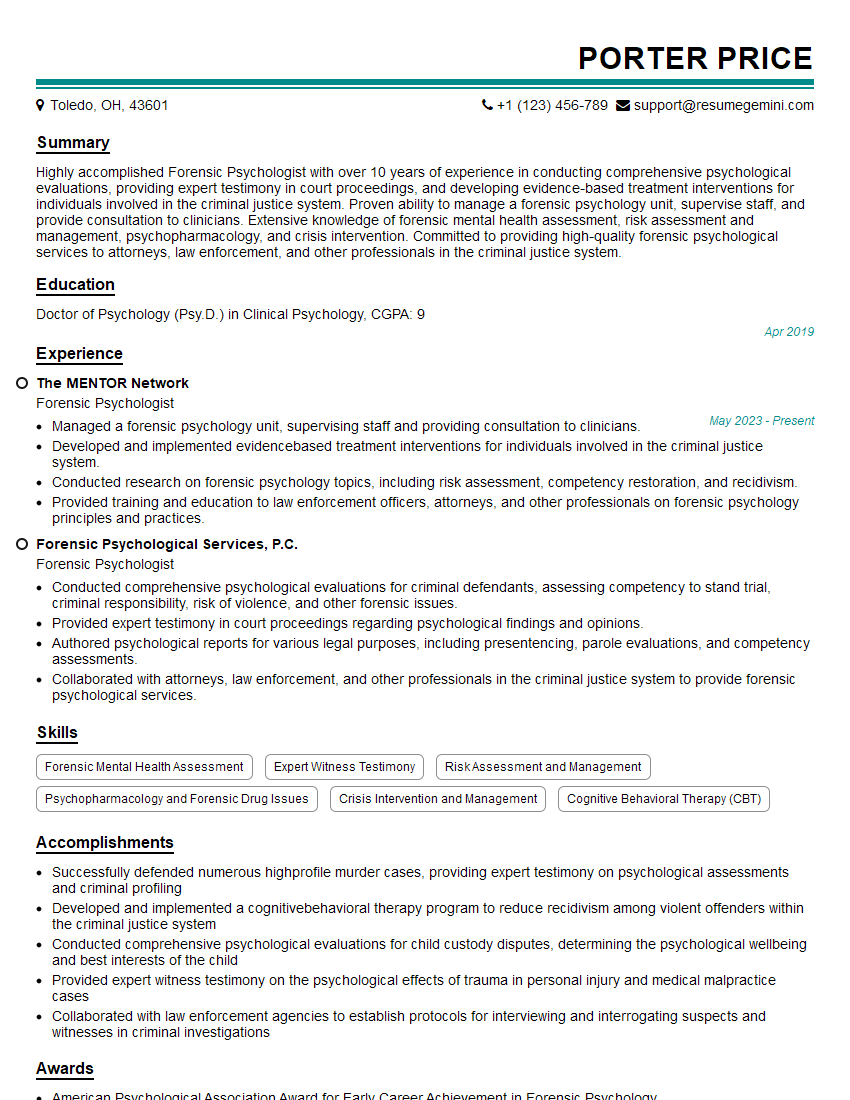
Forensic Psychologist Resume Sample
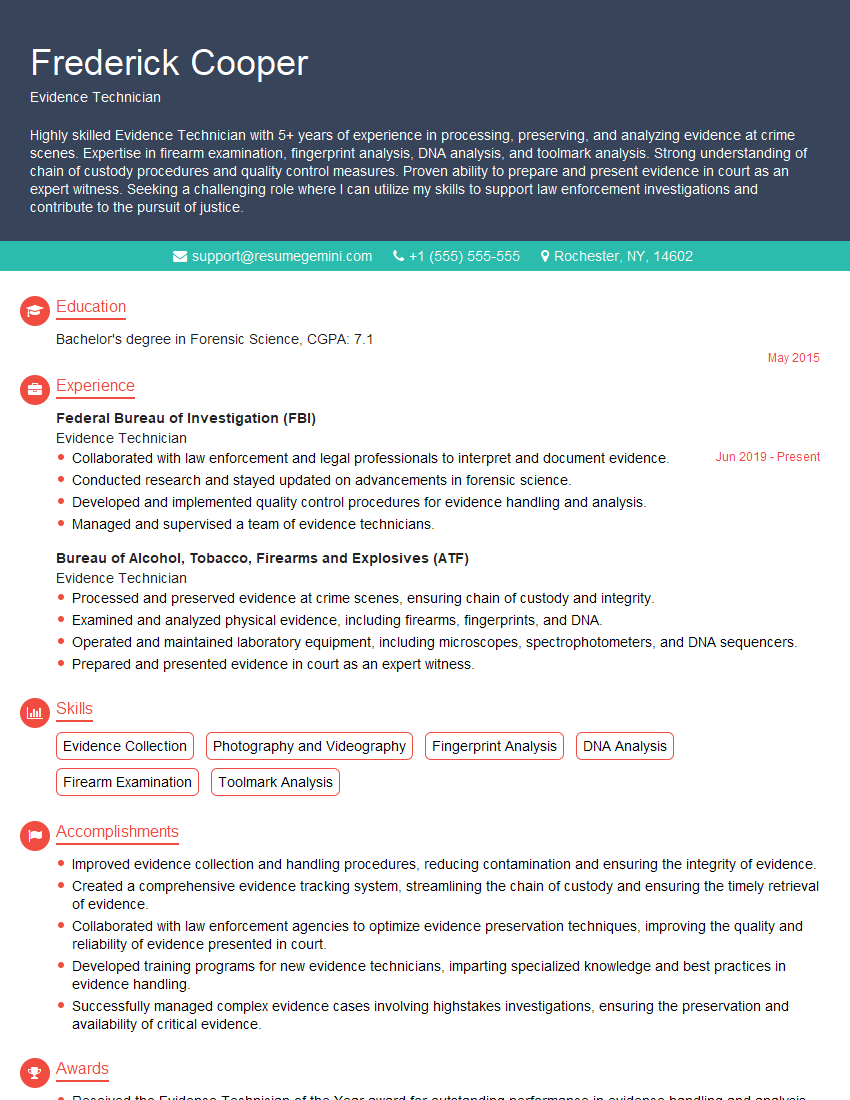
Evidence Technician Resume Sample
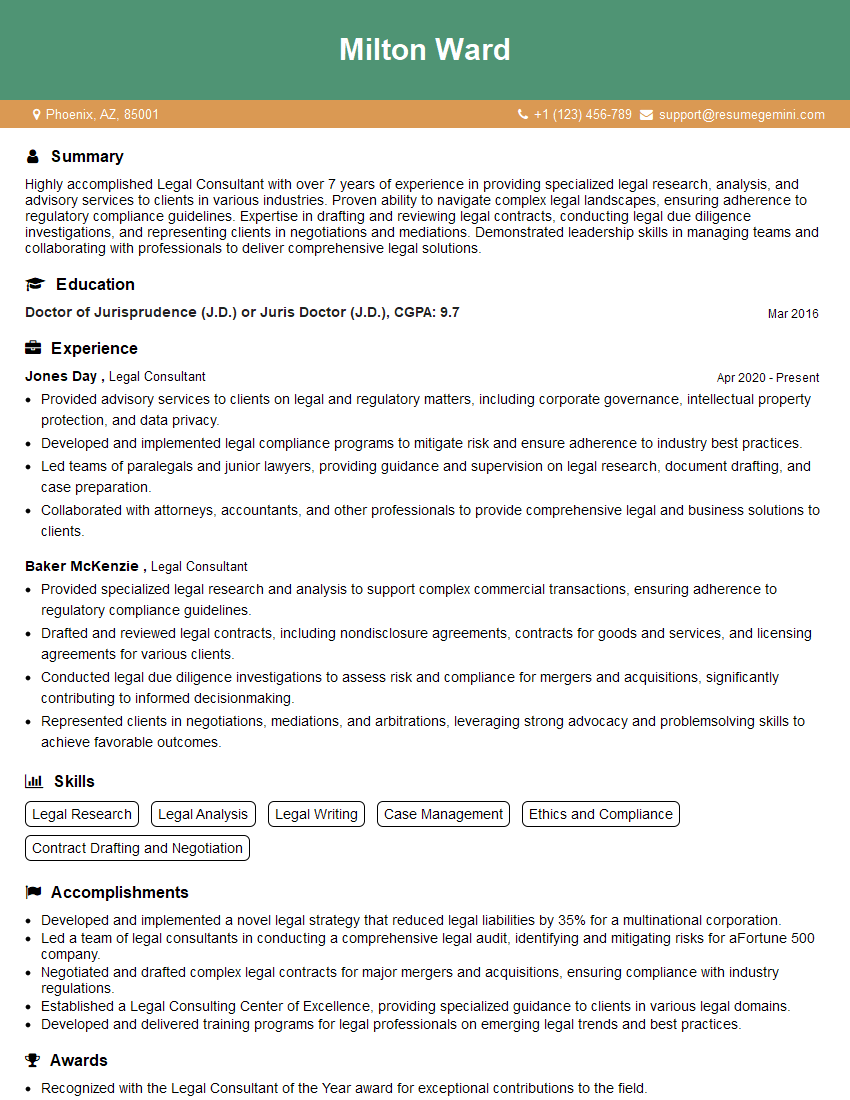
Legal Consultant Resume Sample
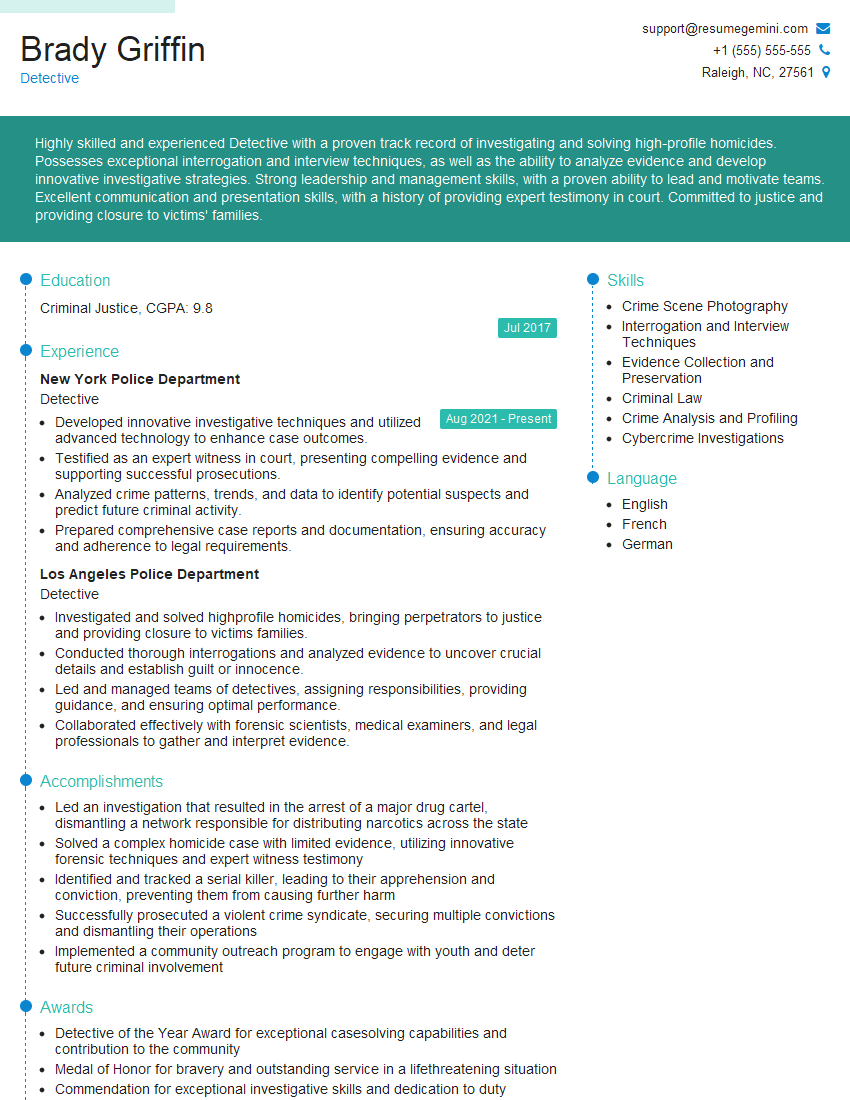
Detective Resume Sample
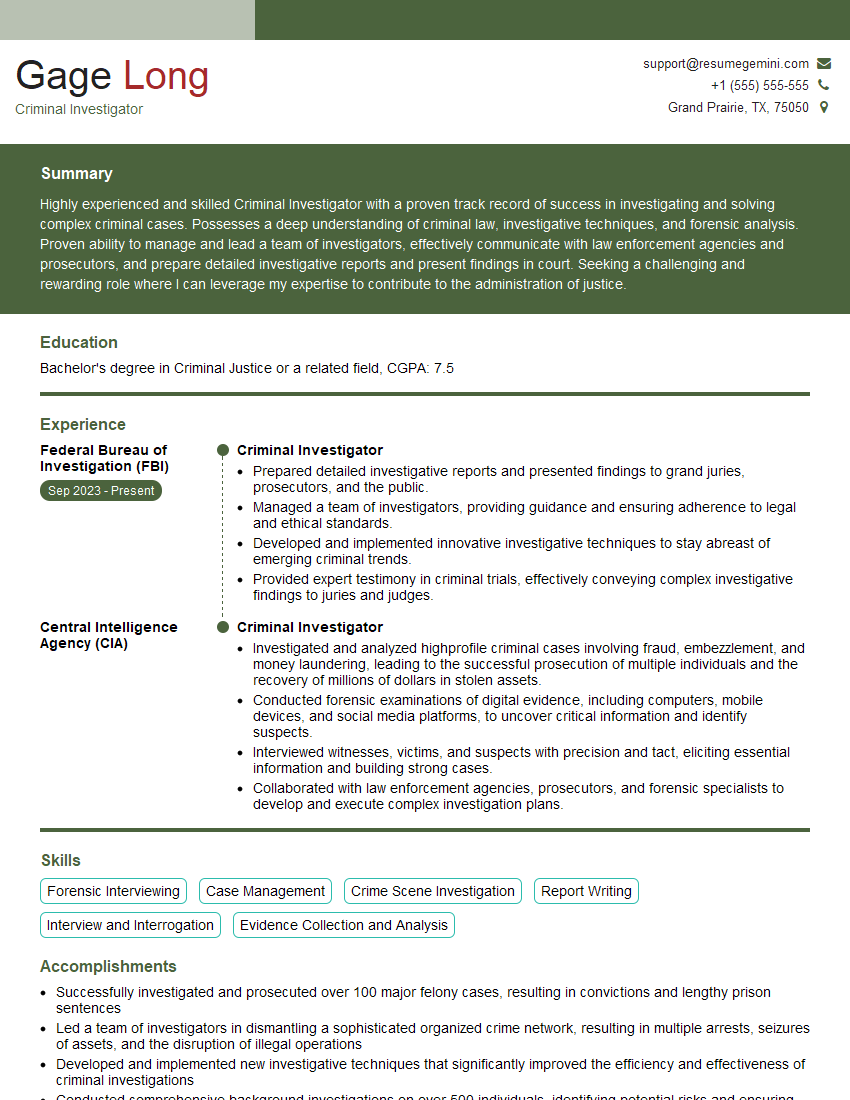
Criminal Investigator Resume Sample
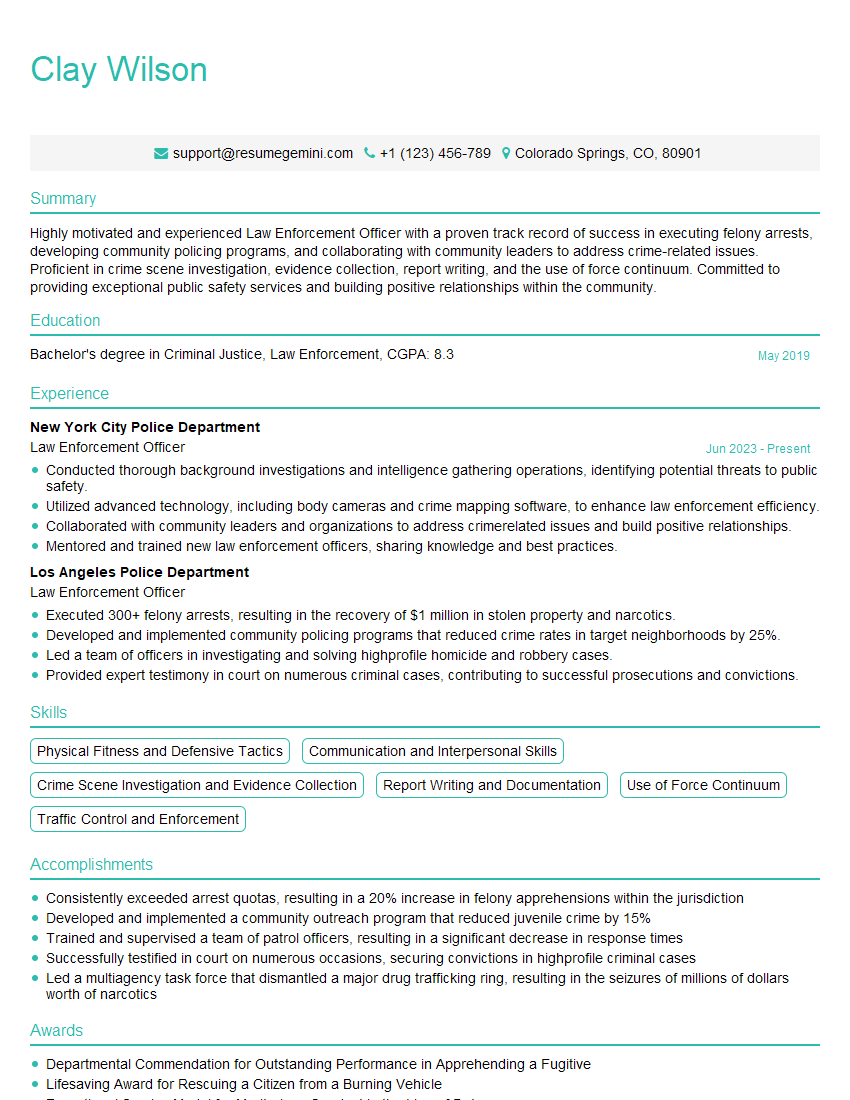
Law Enforcement Officer Resume Sample
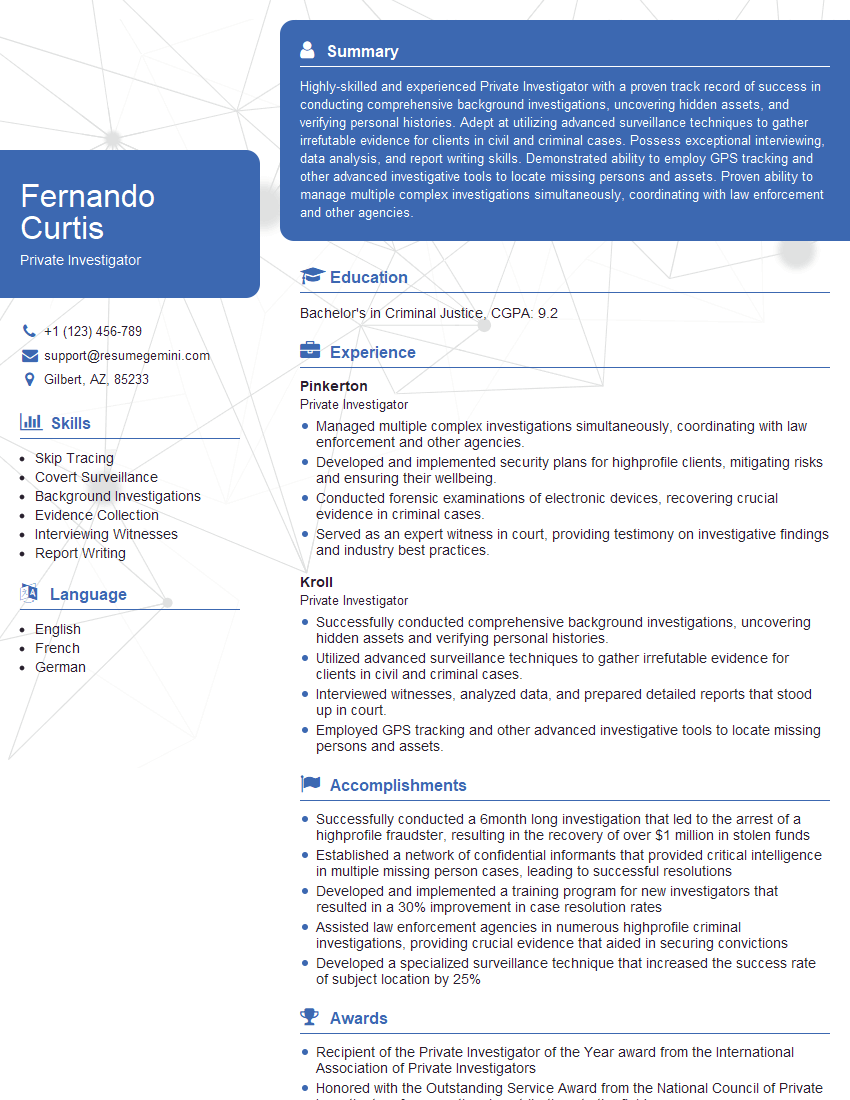
Private Investigator Resume Sample
Explore more articles
Users Rating of Our Blogs
Share Your Experience
We value your feedback! Please rate our content and share your thoughts (optional).
What Readers Say About Our Blog
Very informative content, great job.
good