Feeling uncertain about what to expect in your upcoming interview? We’ve got you covered! This blog highlights the most important FAA Certifications interview questions and provides actionable advice to help you stand out as the ideal candidate. Let’s pave the way for your success.
Questions Asked in FAA Certifications Interview
Q 1. Explain the differences between Part 65 and Part 145 maintenance.
Part 65 and Part 145 regulations govern different aspects of aircraft maintenance within the FAA framework. Part 65 focuses on the certification and qualification of maintenance personnel, outlining the requirements for mechanics, inspectors, and repairmen. Think of it as the ‘who’ of maintenance – who’s qualified to do the work. Part 145, on the other hand, defines the requirements for repair stations – the ‘where’ of maintenance. It dictates the standards a repair station must meet to be approved by the FAA to perform maintenance, alterations, and repairs on aircraft. It covers things like facilities, equipment, personnel qualifications, and quality control systems.
In essence: Part 65 certifies the people; Part 145 certifies the places.
- Part 65: Focuses on individual mechanic certifications (e.g., Airframe and Powerplant mechanic certificates), outlining the necessary training, experience, and testing.
- Part 145: Focuses on the operational standards and approval of repair stations, ensuring they maintain a high level of quality and safety in their maintenance operations.
Example: A Part 65-certified mechanic can perform maintenance at a Part 145 repair station or, under certain circumstances, at an aircraft owner’s facility. However, a repair station without Part 145 certification cannot legally perform maintenance on aircraft for commercial purposes.
Q 2. Describe your experience with FAA Form 337.
FAA Form 337 is used to document major repairs or alterations to aircraft that affect its airworthiness. My experience involves completing these forms accurately and meticulously, ensuring all required information is included, such as the aircraft’s identification, the nature of the work performed, and the parts used. I’m familiar with the specific requirements for each section, including the need for detailed descriptions, accompanying photographs, and the signatures of both the performing mechanic and the owner or operator. I’ve handled numerous Form 337s over the years, ranging from simple installations of new equipment to more complex structural repairs. My attention to detail is paramount, as these forms are critical for maintaining the aircraft’s airworthiness records.
In one instance, I encountered a situation where a previous Form 337 lacked crucial details about the material used in a repair. This could have had serious safety implications, so I initiated a thorough review and correction, making sure the updated form completely reflected the work performed and ensured compliance with all relevant regulations.
Q 3. What are the key elements of a proper maintenance log entry?
A proper maintenance log entry is the cornerstone of accurate aircraft maintenance records. It should be clear, concise, and unambiguous, providing enough information for anyone reviewing the logbook to understand the work performed. Key elements include:
- Date of Maintenance: Clearly stating when the work was done.
- Aircraft Identification: Precisely identifying the aircraft (N-number).
- Type of Work Performed: A detailed description of the maintenance action. For example, instead of ‘checked engine,’ it should be ‘inspected engine for oil leaks, compression tested all cylinders, results within acceptable limits’.
- Parts Used: Including part numbers and manufacturer if applicable.
- Mechanic’s Certification: Signature, certificate number, and type of certification (e.g., A&P).
- Next Inspection Due: If applicable, specifying when the next related inspection should occur.
Example of a good entry: 10/26/2024, N123AB, Replaced left main landing gear shock strut, part number: 12345-ABC, Manufacturer: XYZ, Airworthiness Directive compliance: AD 2023-12-5, Next inspection due: 10/26/2025, John Doe, A&P #1234567
Q 4. How do you handle discrepancies found during an inspection?
Discrepancies found during an inspection must be handled systematically and thoroughly. My approach follows these steps:
- Document the Discrepancy: Carefully record the exact nature, location, and severity of the discrepancy, using clear and concise language and, if applicable, photographs or sketches.
- Determine the Severity: Classify the discrepancy as minor, major, or critical based on its impact on airworthiness. Minor discrepancies may not require immediate action; however, major and critical discrepancies require immediate attention.
- Consult Applicable Regulations: Review ADs, service bulletins, and the aircraft’s maintenance manual to determine whether the discrepancy is addressed in these documents.
- Develop a Corrective Action Plan: Establish a plan to correct the discrepancy, including the necessary parts, tools, and procedures.
- Implement the Corrective Action: Execute the plan, ensuring all work is performed in accordance with applicable regulations and the highest safety standards.
- Document the Correction: Record all corrective actions in the aircraft’s maintenance logbook, including details of the work performed and the parts used.
- Re-Inspection: After correcting the discrepancy, a re-inspection is crucial to verify that the corrective action was effective.
Example: If a crack is found in a control cable, it would be classified as a critical discrepancy, requiring immediate grounding of the aircraft until it is repaired and verified by a qualified mechanic. The repair would be documented thoroughly with a Form 337, if necessary.
Q 5. Explain the process of obtaining an 8130-3?
An 8130-3 is a certification document that accompanies an aircraft part, verifying its airworthiness and tracing its history. The process of obtaining one depends on who’s involved: it could be issued by a manufacturer, a repair station, or even an owner under certain circumstances. Essentially, the process involves thoroughly inspecting the part to ensure it meets airworthiness standards. The issuer verifies the part’s identity, history, and conformity to applicable regulations. Once the inspection is complete, and the part conforms, the 8130-3 is generated. The document lists the part’s details, including the part number, serial number, any applicable ADs compliance, and the certifying entity’s information. The importance lies in providing a clear chain of custody and airworthiness certification, helping to prevent the use of unapproved or unsafe parts.
Key steps usually include:
- Part Identification: Verifying the part number and serial number.
- Inspection: Thoroughly inspecting the part for damage, wear, or any other defects.
- Records Review: Reviewing any historical records associated with the part (if applicable).
- AD Compliance Check: Ensuring that all relevant Airworthiness Directives have been addressed.
- Certification: Issuing the 8130-3, including all necessary details and signatures.
Q 6. What are the different types of airworthiness directives (ADs)?
Airworthiness Directives (ADs) are mandatory actions issued by the FAA to address safety issues with aircraft or aircraft components. There isn’t a formal classification of *types* of ADs, but they are categorized based on the action they require. They can broadly be classified by the urgency and the nature of the required action:
- Emergency ADs: These are issued immediately to address a critical safety issue that requires immediate action to prevent an accident. They often require immediate inspection or grounding of the aircraft.
- Standard ADs: These are more common and address safety issues that are less urgent, allowing for a reasonable timeframe to comply.
- ADs requiring repair/replacement: These mandate the repair or replacement of a specific part or component.
- ADs requiring inspection: These require the inspection of a specific part or component for potential defects.
- ADs requiring modification: These mandate a modification to an aircraft or component to improve safety.
The way an AD is worded dictates the specific action required, the timeframe for compliance, and other relevant details.
Q 7. How do you determine the applicability of an AD to a specific aircraft?
Determining the applicability of an AD to a specific aircraft involves a careful and systematic approach. The AD itself contains specific information outlining the affected aircraft models, serial numbers, engines, and components. I would follow these steps:
- Identify the Aircraft: Determine the aircraft’s make, model, serial number, and engine type.
- Locate the Applicable AD: Use the FAA’s website or other reliable sources to find the specific AD.
- Review the Applicability Section: Carefully read the AD’s applicability section, which clearly specifies the aircraft, components, and other criteria that are affected. It will commonly list specific model numbers, serial number ranges, and other identifying characteristics. This is often found in the ‘applicability’ section or the introduction.
- Compare Aircraft Information to the AD: Match the aircraft’s information with the criteria specified in the AD. If all criteria match, the AD is applicable.
- Check for Superseding ADs: Ensure that the AD being considered isn’t superseded by a later AD that may modify or cancel the previous one.
Example: If an AD applies to ‘Boeing 737-800 aircraft, serial numbers 30000-35000’ and your aircraft is a Boeing 737-800 with a serial number of 32500, then the AD applies to your aircraft.
Q 8. Describe your experience with troubleshooting aircraft systems.
Troubleshooting aircraft systems requires a systematic approach combining technical knowledge, diagnostic skills, and a deep understanding of FAA regulations. My experience involves using a combination of methods, starting with a thorough review of the aircraft’s documentation, including the maintenance manual, service bulletins, and any relevant airworthiness directives.
For instance, if an aircraft experiences a sudden loss of engine power, I wouldn’t immediately start replacing parts. Instead, I’d follow a logical process: First, I’d check the obvious – fuel supply, ignition system, and fuel pressure. I’d use onboard diagnostic systems to pinpoint potential issues. If the problem isn’t immediately apparent, I’d consult the maintenance manual’s troubleshooting flowchart, systematically checking components and sensors. This ensures I address the root cause rather than treating symptoms, ultimately ensuring safety and compliance.
I have extensive experience with various aircraft systems, including hydraulics, pneumatics, electrical systems, and avionics. I am proficient in using diagnostic tools and interpreting sensor data to isolate malfunctions. For example, I once successfully identified a faulty fuel pump sensor using its output data compared to engine performance indicators, preventing a potential catastrophic failure. Documenting each step, findings, and corrective actions is crucial, ensuring traceability and complying with FAA regulations.
Q 9. What are the limitations of your FAA certifications?
The limitations of my FAA certifications are clearly defined within the certification itself. For example, my Airframe and Powerplant (A&P) license allows me to perform maintenance on specific aircraft types and systems, as endorsed on my certificate. I cannot work on aircraft types or systems not listed on my license. Furthermore, certain specialized maintenance tasks, such as working on turbine engines or performing major repairs, may require additional specialized endorsements or ratings beyond my current certifications. This means that I must always adhere to the limitations of my certificate to ensure I’m performing maintenance within the scope of my legally authorized competencies.
Staying within these limitations is not just a matter of following rules; it’s paramount for aircraft safety. Overstepping these boundaries could lead to serious consequences, including legal repercussions and compromise the airworthiness of the aircraft. Therefore, responsible maintenance technicians always meticulously check their limitations and seek appropriate supervision or authorization when needed.
Q 10. How do you stay current with FAA regulations?
Staying current with FAA regulations is a continuous process that requires diligence and proactive engagement. I primarily utilize several key resources:
- FAA’s website: This is my primary source for the latest regulations, advisories, and airworthiness directives (ADs).
- Subscription services: I subscribe to industry newsletters and publications that provide updates and interpretations of FAA regulations.
- Industry conferences and workshops: Attending these events allows me to network with other professionals and learn about best practices and evolving regulatory landscapes.
- Continuing education courses: I regularly participate in continuing education courses to maintain my certifications and stay abreast of new technologies and maintenance techniques.
Moreover, I actively engage in self-study by reviewing relevant sections of the FARs (Federal Aviation Regulations) on a regular basis to ensure a thorough understanding of the applicable rules and regulations. This commitment ensures I always perform maintenance in compliance with the highest safety standards.
Q 11. Explain the concept of risk management in aviation maintenance.
Risk management in aviation maintenance is a proactive approach to identify, assess, and mitigate potential hazards that could compromise aircraft safety and airworthiness. It’s not just about reacting to problems; it’s about preventing them. The process generally involves:
- Hazard Identification: Systematically identifying potential hazards throughout the maintenance process. This includes human factors (fatigue, complacency), environmental factors (extreme temperatures), and technical factors (tool failures, incorrect part installation).
- Risk Assessment: Evaluating the likelihood and severity of each identified hazard. This often involves using a risk matrix to categorize risks as low, medium, or high.
- Risk Mitigation: Implementing control measures to reduce or eliminate the identified risks. This could involve using safety checklists, improved training programs, enhanced tooling, or changes in maintenance procedures.
- Risk Monitoring and Review: Regularly reviewing the effectiveness of the implemented controls and adjusting the risk management plan as needed.
For example, before starting a complex maintenance task, I might conduct a pre-job briefing with my team to review the procedures, identify potential hazards, and discuss mitigation strategies. This proactive approach helps ensure a safe and efficient maintenance process, reducing the likelihood of errors and accidents.
Q 12. Describe your experience with quality control procedures.
Quality control procedures are integral to ensuring the airworthiness of an aircraft. My experience encompasses various aspects of quality control, including:
- Adherence to maintenance manuals and FAA regulations: Every maintenance action follows the prescribed procedures, ensuring compliance.
- Thorough inspections: Performing meticulous inspections at every stage of maintenance to identify and rectify any discrepancies. This includes visual inspections, functional tests, and using specialized tools.
- Documentation and record-keeping: Maintaining accurate and complete maintenance records, including logbook entries and inspection reports. Accurate documentation is crucial for demonstrating compliance.
- Calibration of tools and equipment: Ensuring all measuring tools and test equipment are properly calibrated to maintain accuracy and reliability.
- Use of checklists: Employing checklists to ensure all necessary steps are completed during inspections and maintenance.
A specific example would be the meticulous inspection performed after a major component replacement. This would involve cross-referencing parts, verifying correct installation, and then performing functional tests to ensure that the component is working correctly and doesn’t negatively affect other systems. Any discrepancies are immediately documented and addressed before the aircraft is released for service.
Q 13. How do you handle conflict with other maintenance personnel?
Conflicts among maintenance personnel can arise due to various factors, including workload pressures, differing opinions on maintenance procedures, or personality clashes. My approach to resolving conflicts involves:
- Open and respectful communication: Addressing the issue directly and calmly, listening to all perspectives without interruption.
- Focus on the problem, not personalities: Maintaining a professional demeanor, refraining from personal attacks or assigning blame.
- Collaborative problem-solving: Working together to find a mutually acceptable solution that ensures aircraft safety and regulatory compliance.
- Seeking mediation if necessary: If a resolution cannot be reached, involving a supervisor or other authority figure to mediate.
For example, if there’s a disagreement on the proper repair method, we would consult the maintenance manual and potentially relevant service bulletins to identify the appropriate procedure. If still unresolved, we would seek a second opinion from a senior technician or supervisor before proceeding. Maintaining a positive working environment is vital for a safe and productive maintenance operation.
Q 14. What are your strengths and weaknesses as a maintenance technician?
Strengths: My key strengths include my methodical and detail-oriented approach to maintenance, my comprehensive knowledge of FAA regulations and aircraft systems, and my ability to work effectively both independently and as part of a team. My problem-solving skills and ability to remain calm under pressure have been invaluable in many situations, especially when dealing with unexpected equipment malfunctions.
Weaknesses: While I strive for perfection, sometimes my meticulousness can slow down the process. I am working on improving my time management skills to enhance efficiency without compromising quality. I also recognize the need to consistently update my knowledge on new technologies and emerging maintenance practices, which is an area I am continuously focusing on through ongoing education and training.
Q 15. How do you prioritize tasks in a high-pressure maintenance environment?
Prioritizing tasks in a high-pressure maintenance environment requires a systematic approach. I utilize a combination of techniques including the urgency/importance matrix (Eisenhower Matrix) and a risk-based approach. This means I first identify tasks critical to flight safety (e.g., a reported fuel leak) and prioritize those immediately. I then assess the remaining tasks based on their urgency and their potential impact on the aircraft’s airworthiness. For example, a minor cosmetic defect would have a lower priority than a malfunctioning component impacting performance. I also consider the availability of parts and personnel resources when scheduling tasks. Effective communication with the maintenance control center and pilots is vital to ensure all parties are aware of the priorities and any potential delays.
Imagine a scenario where we have a reported hydraulic leak, a required AD (Airworthiness Directive) inspection, and a minor paint scratch. The hydraulic leak demands immediate attention because it directly impacts flight safety. The AD is next, as non-compliance carries legal and safety implications. The paint scratch is then addressed, once the higher priority tasks are completed. This ensures a safe and efficient workflow, even under pressure.
Career Expert Tips:
- Ace those interviews! Prepare effectively by reviewing the Top 50 Most Common Interview Questions on ResumeGemini.
- Navigate your job search with confidence! Explore a wide range of Career Tips on ResumeGemini. Learn about common challenges and recommendations to overcome them.
- Craft the perfect resume! Master the Art of Resume Writing with ResumeGemini’s guide. Showcase your unique qualifications and achievements effectively.
- Don’t miss out on holiday savings! Build your dream resume with ResumeGemini’s ATS optimized templates.
Q 16. Describe your experience working with different types of aircraft.
Throughout my career, I’ve worked on a diverse range of aircraft, from light single-engine piston aircraft like Cessna 172s to complex multi-engine turboprops such as the Beechcraft King Air and even large transport category aircraft like the Boeing 737. This experience has broadened my understanding of various aircraft systems, maintenance procedures, and regulatory requirements. Each aircraft type presents unique challenges and requires specialized knowledge, emphasizing the importance of thorough training and staying current with the latest maintenance manuals and service bulletins.
Working on a Cessna 172 requires a hands-on approach to basic systems maintenance, while maintaining a Boeing 737 involves complex systems diagnostics and adherence to strict regulatory compliance. I’ve found that the fundamental principles of maintenance – meticulous attention to detail, precise record-keeping, and unwavering adherence to safety regulations – remain consistent across all aircraft types. The differences primarily lie in the scale and complexity of the systems involved.
Q 17. Explain the importance of safety in aviation maintenance.
Safety in aviation maintenance is paramount; it’s not just a priority, it’s the foundation upon which our industry is built. A single oversight can have catastrophic consequences. My approach is rooted in a proactive safety culture, emphasizing meticulous attention to detail, precise adherence to regulations, and continuous improvement. This includes rigorous adherence to manufacturer’s instructions, thorough inspections, accurate record-keeping, and proactive identification and mitigation of potential hazards. We use checklists, regularly review our procedures, and participate in safety training to maintain a high safety standard.
Think of it like building a house: We don’t cut corners on the foundation. Similarly, shortcuts in aviation maintenance compromise safety. A small missed detail, like a loose bolt or a faulty connection, could lead to a catastrophic failure during flight. Therefore, every step in the maintenance process must be executed with precision and unwavering attention to detail.
Q 18. Describe your understanding of human factors in aviation.
Human factors in aviation encompass the psychological, physiological, and organizational influences impacting human performance in aviation. Understanding human factors is crucial because human error contributes significantly to aviation accidents. In maintenance, this means recognizing that fatigue, stress, time pressure, and inadequate training can lead to mistakes. To mitigate these risks, we employ strategies like standardized procedures, effective communication, teamwork, and robust risk management systems. Proper lighting, comfortable working conditions, and regular breaks also play a critical role in minimizing human error.
For example, a fatigued mechanic might miss a critical detail during an inspection, leading to a potential in-flight failure. By providing adequate rest periods, employing robust checklists, and fostering a culture of reporting near misses, we can proactively mitigate the risk of human error and ensure the highest levels of safety.
Q 19. How do you handle a maintenance discrepancy that you cannot resolve?
When faced with a maintenance discrepancy I cannot resolve, my first step is to thoroughly document the issue, including all troubleshooting steps taken and observations made. I then consult the aircraft’s maintenance manual, service bulletins, and relevant technical publications. I may also seek assistance from senior mechanics or engineering personnel. If the problem remains unresolved, I escalate the issue to the appropriate supervisor, providing them with all available information. The aircraft will be grounded until the discrepancy is resolved, ensuring it remains airworthy. It’s vital to follow established procedures for reporting and resolving discrepancies to maintain safety and regulatory compliance.
Imagine encountering a complex electrical fault. After exhausting all troubleshooting measures and consulting relevant documentation, the problem still persists. My responsibility is to clearly and concisely document my findings, relay the situation to my supervisor, and cooperate in finding a qualified specialist to diagnose and repair the issue. The safety of the aircraft and the passengers always takes precedence.
Q 20. What are the different types of aircraft inspections?
Aircraft inspections are categorized in several ways, primarily by their frequency and scope. We have scheduled inspections (A-checks, B-checks, C-checks, etc.), which are routine inspections performed at regular intervals based on flight hours or calendar time, each progressively more extensive. Unscheduled inspections are triggered by discrepancies, incidents, or maintenance actions. There are also special inspections, such as Airworthiness Directives (ADs) mandated by regulatory authorities to address specific safety issues. Finally, there are pre-flight inspections, which are a quick check before each flight, and post-flight inspections, which happen after each flight to identify any potential problems.
A-checks are usually relatively quick, focusing on visual checks and basic system checks. B-checks are more extensive, involving partial disassembly and more in-depth inspection of various components. C-checks are major overhauls involving extensive disassembly, inspection, repair, and replacement. ADs can range in complexity and may involve specific actions dictated by the FAA.
Q 21. What is your experience with non-destructive testing (NDT)?
My experience with Non-Destructive Testing (NDT) includes proficiency in several methods, such as liquid penetrant inspection (LPI), magnetic particle inspection (MPI), and ultrasonic testing (UT). LPI is used to detect surface-breaking cracks in non-porous materials, while MPI is applied to ferromagnetic materials to detect surface and near-surface cracks. Ultrasonic testing uses high-frequency sound waves to detect internal flaws in various materials. I understand the limitations of each method and adhere to the strict procedures and standards for each technique to ensure accurate and reliable results. NDT is a critical aspect of maintenance, helping to identify hidden defects before they become safety hazards.
For example, using MPI, we can detect cracks in engine components that might not be visible to the naked eye. This allows for preventative maintenance, avoiding potential failures during flight. Accurate interpretation of NDT results requires specialized training and understanding of the materials being tested.
Q 22. Explain your understanding of weight and balance calculations.
Weight and balance calculations are crucial for safe flight operations. They ensure the aircraft remains within its certified center of gravity (CG) limits, preventing handling difficulties and potential accidents. The process involves calculating the total weight of the aircraft, including fuel, passengers, cargo, and the aircraft itself, and determining the location of the CG. This is usually done using a weight and balance chart provided by the aircraft manufacturer.
The calculation involves determining the arm (distance from the datum – a reference point on the aircraft) for each item’s weight. Then, the moment (weight multiplied by arm) for each item is calculated. The total moment is then divided by the total weight to find the CG location. For instance, if we have a 100 lb item with an arm of 10 feet, the moment is 1000 lb-ft. This is then compared to the aircraft’s CG limits specified in the aircraft’s Pilot Operating Handbook (POH).
Exceeding these limits can lead to poor handling characteristics, difficulty controlling the aircraft, and potentially catastrophic structural damage. Therefore, accurate weight and balance calculations are performed before every flight, especially when dealing with significant changes in load.
Q 23. Describe your experience with aircraft performance calculations.
Aircraft performance calculations are critical for flight planning and execution, ensuring safe and efficient operations. These calculations predict aircraft behavior under various conditions, such as altitude, temperature, weight, and wind. They are primarily based on principles of aerodynamics, engine performance, and weight and balance.
My experience includes using performance charts and software to determine takeoff and landing distances, fuel requirements, climb rates, and cruise speeds. For example, I’ve used software such as Jeppesen to calculate flight times and fuel requirements based on weather conditions and route specifics. I’ve also conducted manual calculations using the aircraft’s POH in situations where software was unavailable, emphasizing understanding the fundamental principles behind the calculations. This ensures safe margins are maintained, and that the flight is conducted within the aircraft’s capabilities.
Accurate performance calculations are essential to avoid exceeding the aircraft’s operational limits. Failing to accurately calculate takeoff and landing distances, for example, could lead to accidents. Similarly, underestimating fuel requirements can result in fuel exhaustion mid-flight, a life-threatening situation.
Q 24. How do you ensure compliance with all applicable FAA regulations?
Ensuring compliance with FAA regulations is paramount in aviation. This involves a multi-faceted approach encompassing thorough understanding of relevant regulations, meticulous record-keeping, and proactive maintenance of aircraft and documentation. I meticulously review all applicable FARs (Federal Aviation Regulations) before every flight, ensuring compliance with airworthiness directives, operational limitations, and safety regulations.
This includes maintaining accurate flight logs, meticulously documenting aircraft maintenance, and ensuring all required inspections are completed on time. Any deviations or incidents are reported immediately and appropriately. Furthermore, I am always up-to-date on any newly issued advisories or changes in regulations. Regular training and continuing education play a significant role in maintaining this compliance. This proactive approach reduces the risk of non-compliance and potential safety hazards.
Q 25. What is your familiarity with the FAA’s Advisory Circulars?
FAA Advisory Circulars (ACs) provide valuable guidance and recommendations on various aspects of aviation. While not legally binding like FARs, ACs offer practical insights and best practices for compliance and safe operations. My familiarity with ACs stems from regular review of publications relevant to my specific aircraft type and operational activities. I use ACs to enhance my understanding of regulations and to stay abreast of industry best practices.
For example, I often consult ACs related to flight planning, emergency procedures, and specific maintenance procedures. These documents often provide valuable context and clarification on regulations, helping to anticipate and avoid potential issues. Using ACs helps to ensure operations are conducted not just legally, but also safely and efficiently, reflecting a commitment to exceeding the minimum compliance requirements.
Q 26. Explain your understanding of the principles of flight.
Understanding the principles of flight is fundamental for any pilot. It involves a strong grasp of four primary forces: lift, weight, thrust, and drag. Lift is the upward force generated by the wings, overcoming the weight of the aircraft. Thrust propels the aircraft forward, while drag opposes its motion. The interplay of these forces determines the aircraft’s flight path and maneuverability.
I understand how these forces are affected by various factors, such as airspeed, angle of attack, and altitude. For example, increasing the angle of attack increases lift, but beyond a critical angle, it leads to a stall. Similarly, increasing airspeed increases lift and thrust, while increasing altitude reduces air density, impacting lift and thrust. This knowledge allows me to anticipate and react to changes in flight conditions, maintaining safe and controlled flight.
My comprehension extends to concepts like Bernoulli’s principle (explaining lift generation) and stability and control of aircraft (understanding how the aircraft responds to pilot inputs). This is not only theoretical knowledge but also translates to practical skills in handling the aircraft in varied conditions.
Q 27. Describe your experience with flight planning and navigation.
Flight planning and navigation are critical for safe and efficient air travel. My experience includes utilizing various tools and techniques to plan and execute flights, encompassing route selection, fuel calculations, weather analysis, and navigation strategies.
I’m proficient in using electronic flight bags (EFBs), flight planning software, and navigational charts. I routinely utilize sources like NOAA weather forecasts to assess weather conditions along the planned route. I carefully consider factors such as wind speed, direction, and potential weather hazards in developing a safe and efficient flight plan. I also incorporate contingency plans to address unexpected situations such as weather diversions or mechanical issues. This proactive approach minimizes risks and ensures a smooth and safe flight. I have extensive experience navigating using VORs, GPS, and other navigational aids.
Q 28. How do you handle emergency situations during flight?
Handling emergency situations requires rapid assessment, decisive action, and a calm demeanor. My training and experience have equipped me with the necessary skills and knowledge to manage various emergency scenarios.
My approach involves following established emergency procedures as outlined in the aircraft’s emergency checklist and the FAA regulations. This includes prioritizing immediate actions to ensure the safety of passengers and the aircraft, such as initiating emergency communications, executing appropriate maneuvers, and carrying out emergency landing procedures if necessary. For example, I’ve practiced dealing with engine failures, instrument malfunctions, and emergency landings. Regular training and recurrent simulator sessions ensure I am prepared and proficient in handling unexpected circumstances.
Beyond technical skills, maintaining a calm and collected demeanor is paramount during emergencies. Clear communication with air traffic control and passengers is vital. In such situations, prioritizing safety while effectively communicating my actions instills confidence, and ultimately, ensures successful resolution.
Key Topics to Learn for FAA Certifications Interview
- Regulations and Compliance: Understanding the intricacies of FAA regulations and how they apply to various aviation roles. This includes knowing how to interpret and apply these regulations in practical scenarios.
- Safety Procedures and Risk Management: Demonstrate a deep understanding of safety protocols, risk assessment methodologies, and incident reporting procedures. Be prepared to discuss how you’d handle specific safety-critical situations.
- Aviation Meteorology: Familiarize yourself with weather phenomena relevant to aviation, including interpreting weather reports and their impact on flight operations. Be prepared to explain how you would make informed decisions based on weather information.
- Navigation Systems and Procedures: Show proficiency in various navigation systems (GPS, VOR, etc.) and demonstrate an understanding of flight planning and procedures. Prepare to discuss different navigation challenges and solutions.
- Aircraft Systems and Maintenance: Depending on your specific certification, possess a strong understanding of relevant aircraft systems, their operation, and potential maintenance issues. Be ready to troubleshoot hypothetical problems.
- Human Factors in Aviation: Understanding the impact of human factors (stress, fatigue, communication) on safety and operational efficiency is crucial. Be prepared to discuss strategies to mitigate risks related to human error.
- Communication and Teamwork: Effective communication and teamwork are paramount in aviation. Be ready to discuss your experience collaborating with teams and communicating effectively under pressure.
Next Steps
Mastering FAA certifications significantly enhances your career prospects in the aviation industry, opening doors to higher-paying roles and increased responsibilities. To maximize your chances of landing your dream job, crafting an ATS-friendly resume is essential. This ensures your application gets noticed by recruiters and hiring managers. ResumeGemini can help you build a professional, impactful resume tailored to the aviation industry. We provide examples of resumes specifically designed for candidates with FAA certifications to give you a head start. Take the next step in your career journey today.
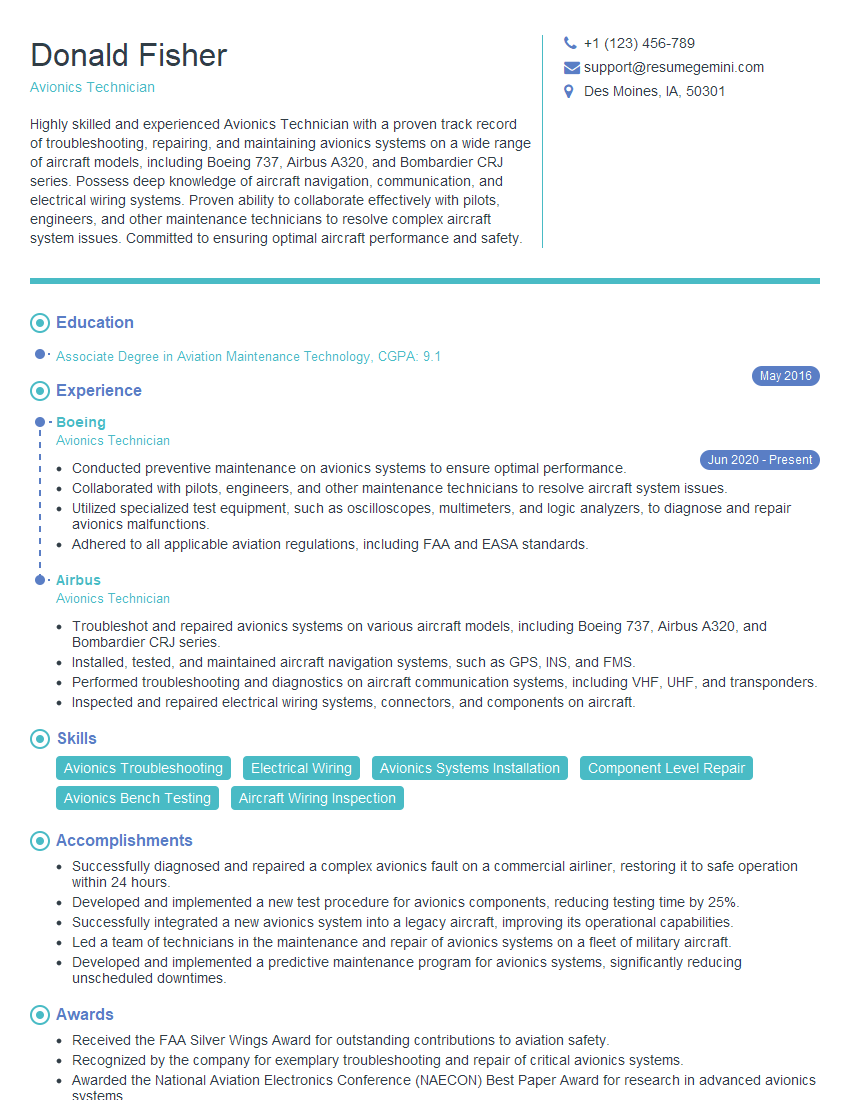
Avionics Technician Resume Sample
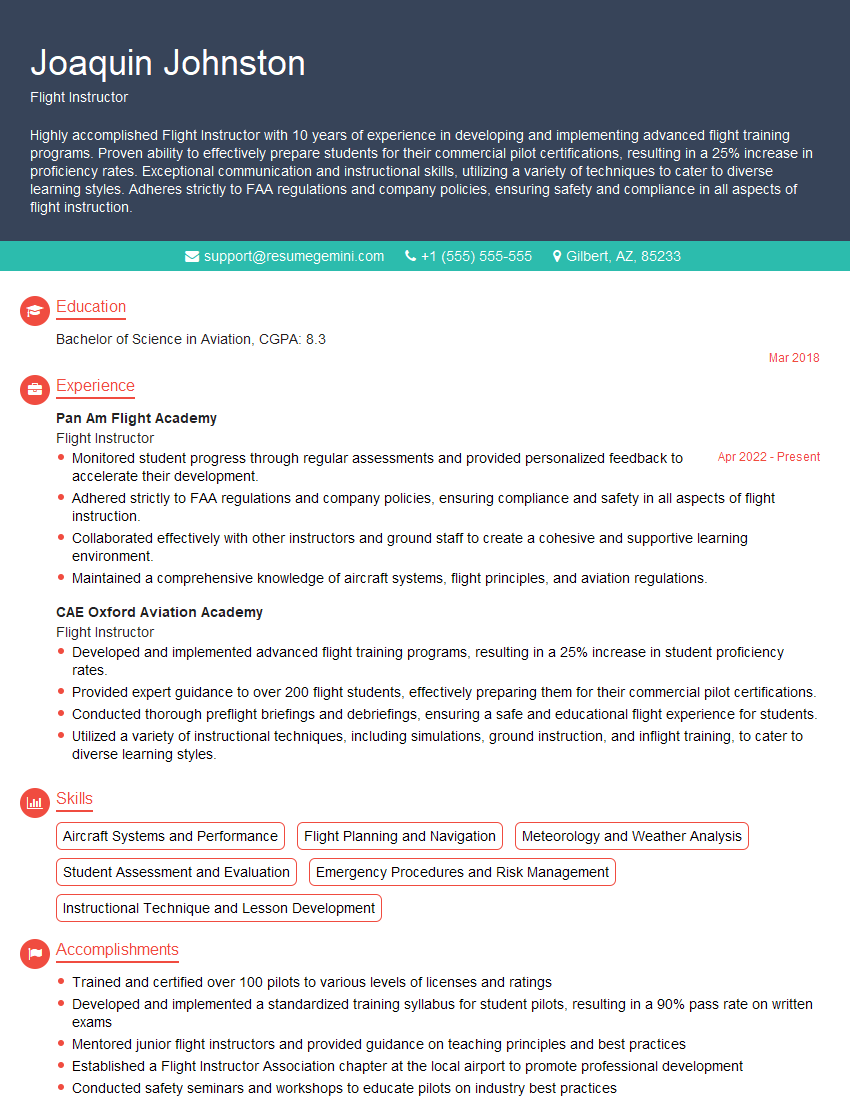
Flight Instructor Resume Sample
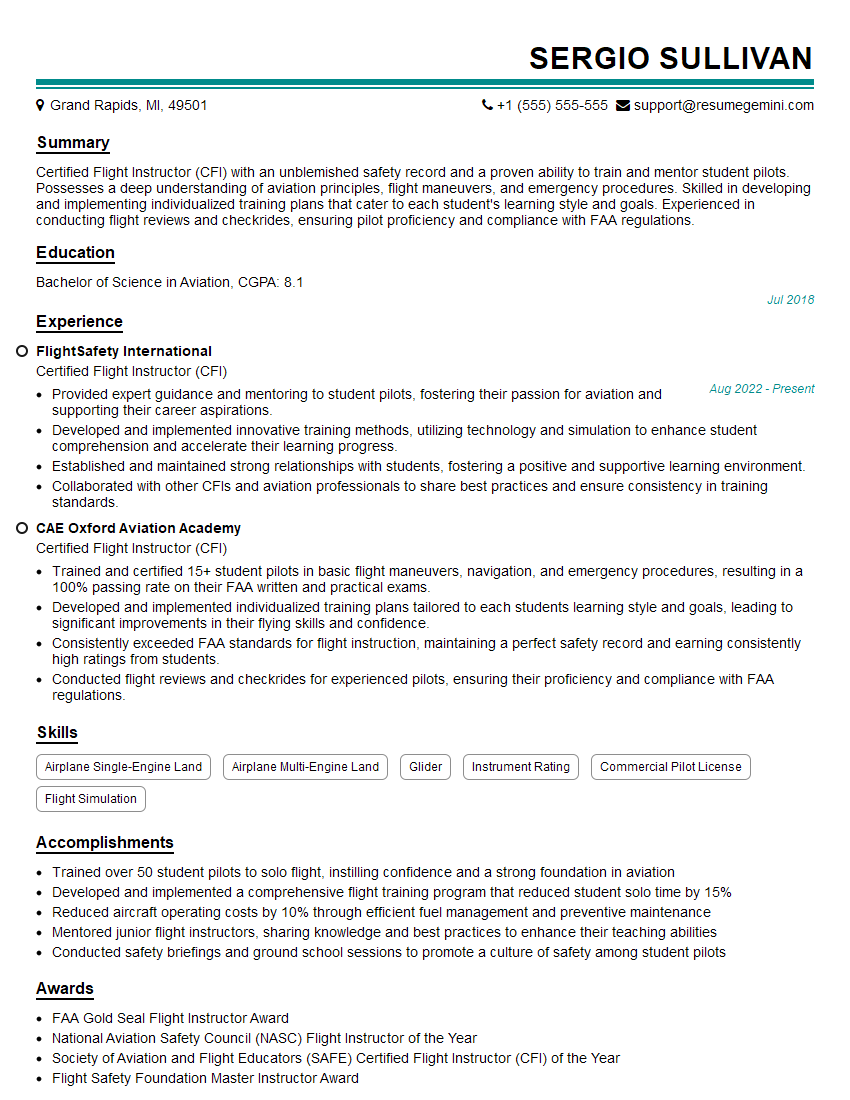
Certified Flight Instructor (CFI) Resume Sample
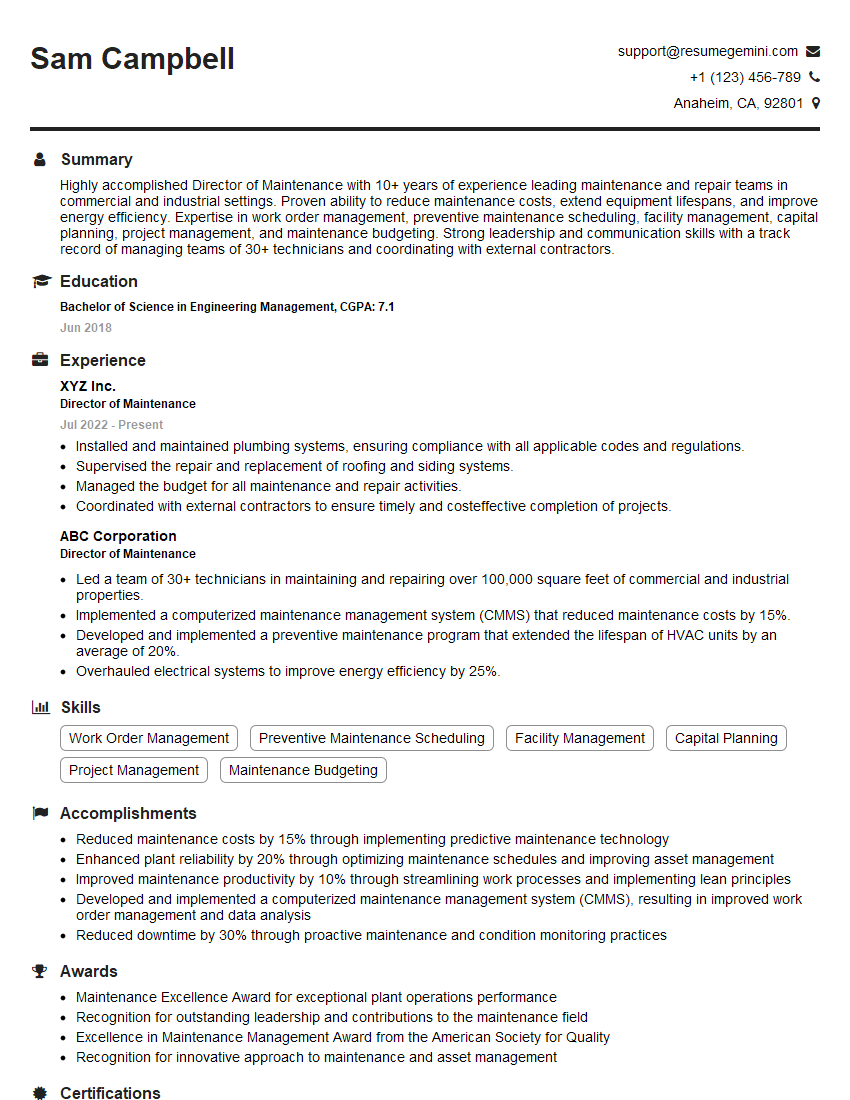
Director of Maintenance Resume Sample
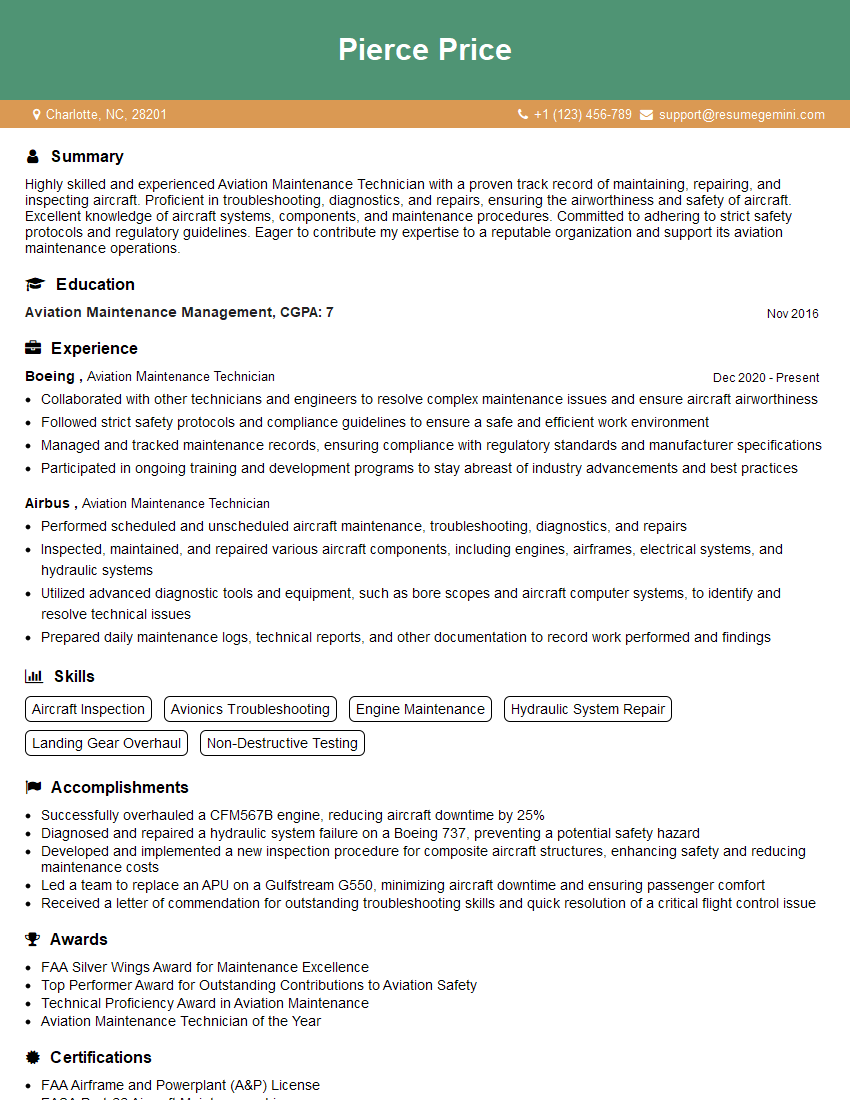
Aviation Maintenance Technician Resume Sample
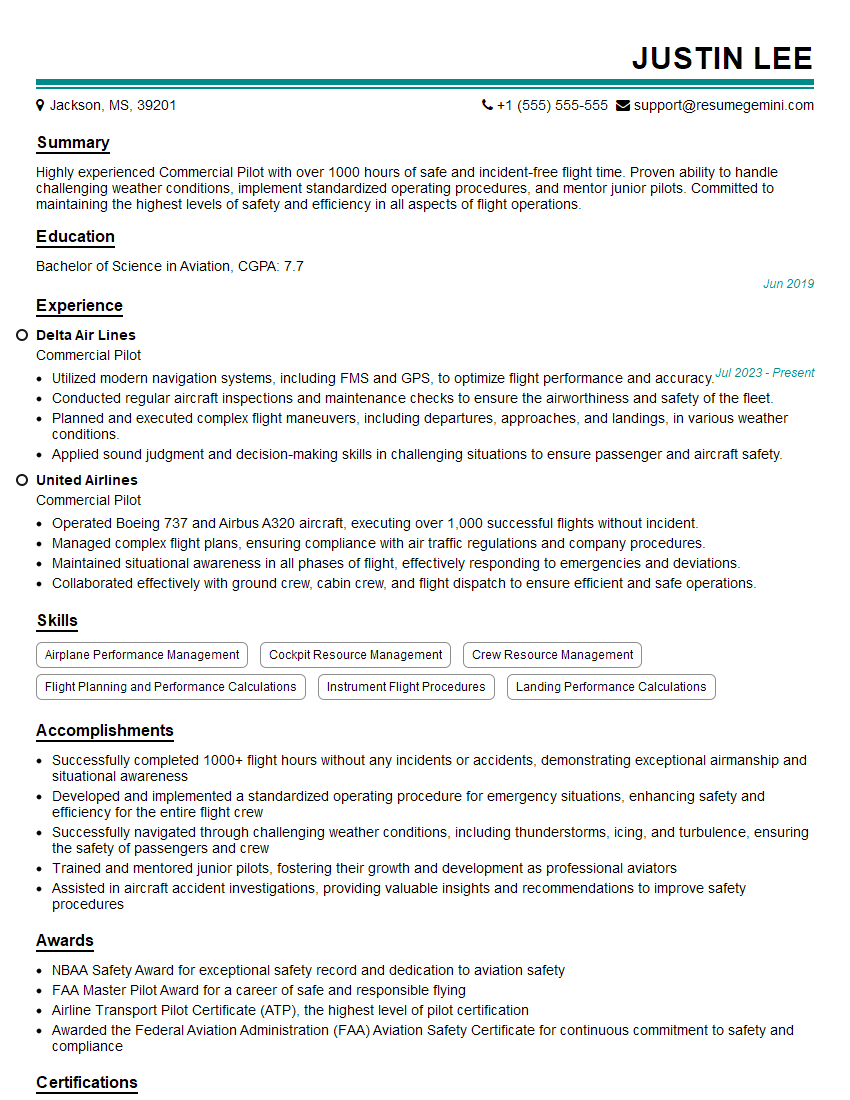
Commercial Pilot Resume Sample
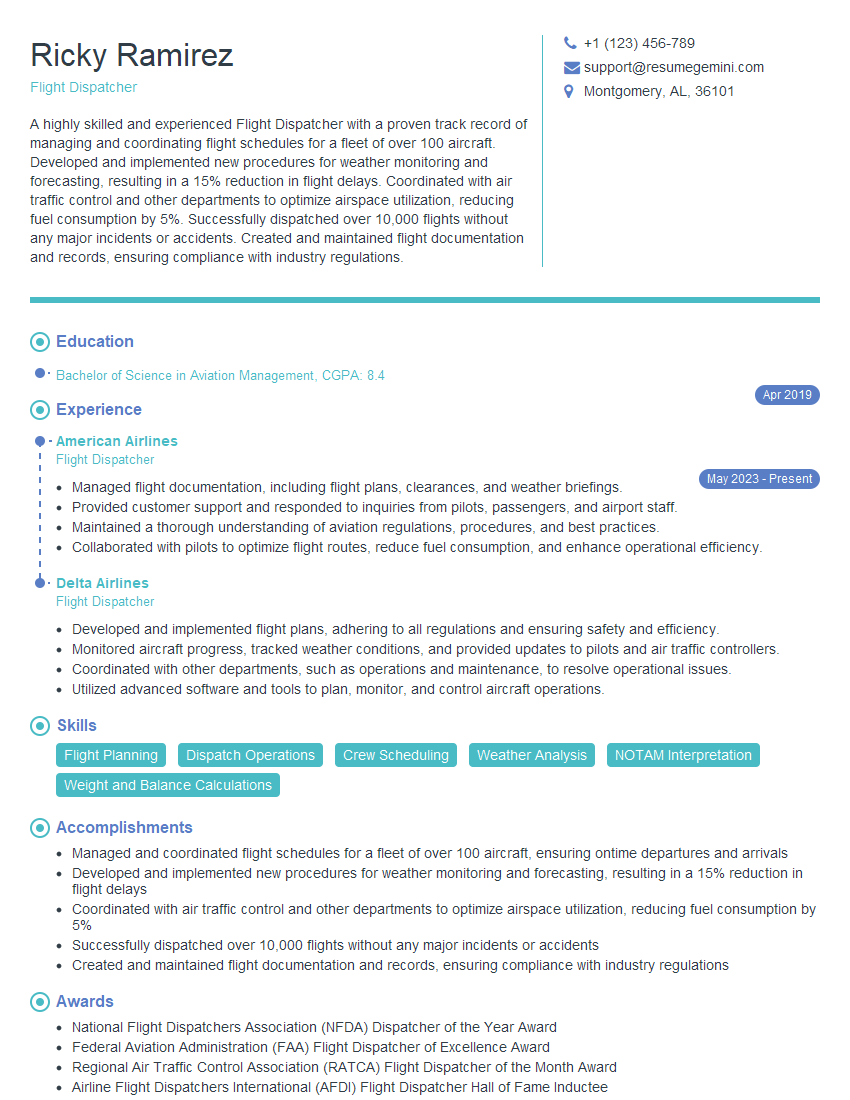
Flight Dispatcher Resume Sample
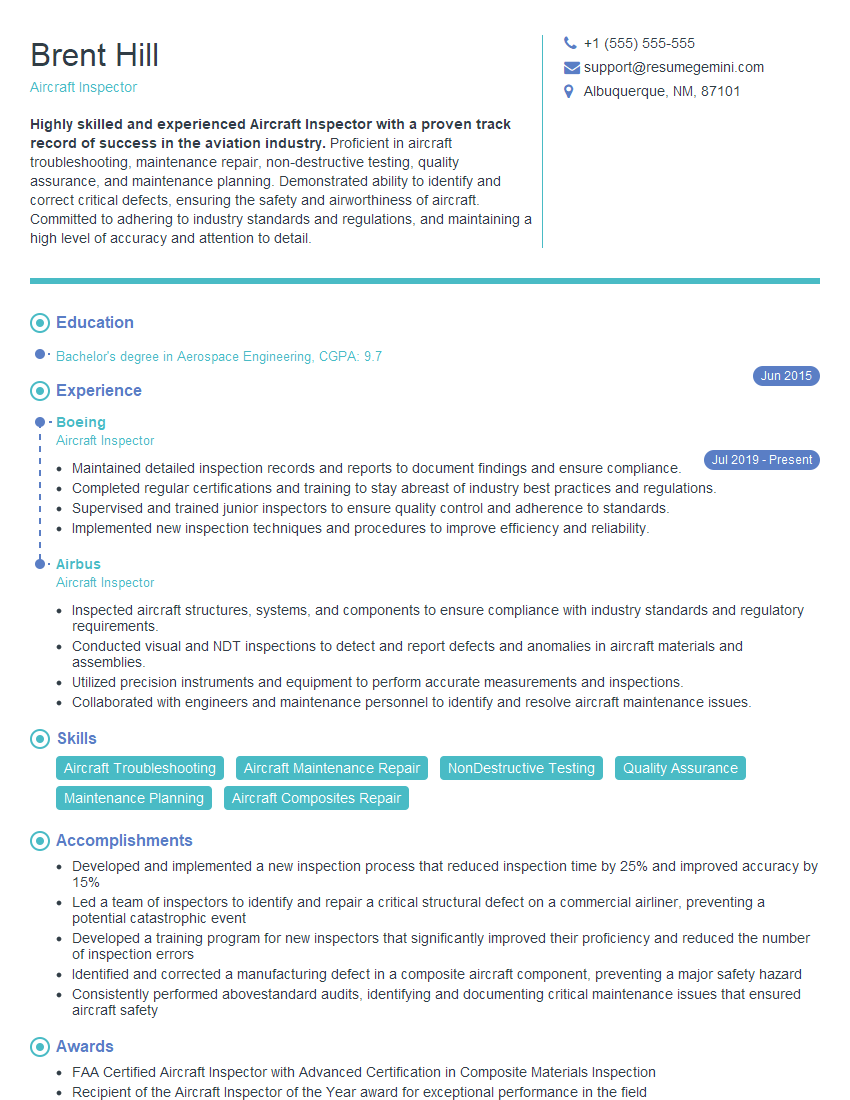
Aircraft Inspector Resume Sample
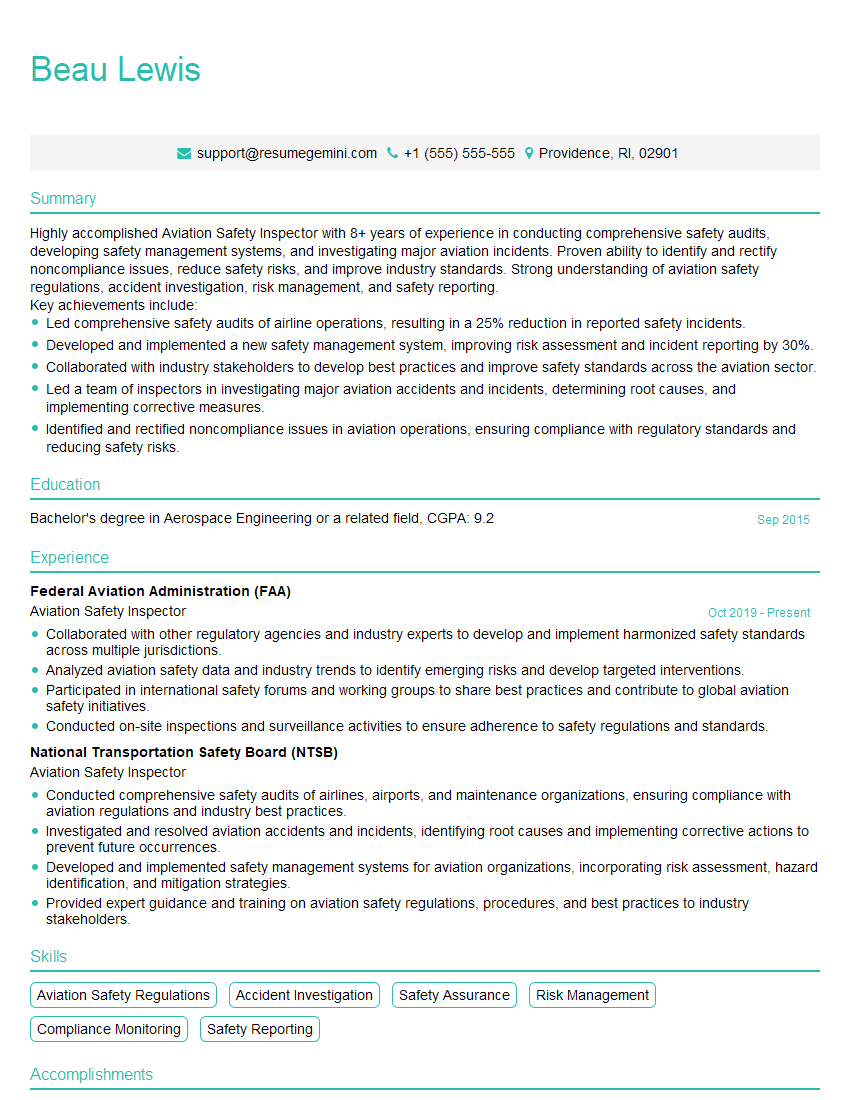
Aviation Safety Inspector Resume Sample
Explore more articles
Users Rating of Our Blogs
Share Your Experience
We value your feedback! Please rate our content and share your thoughts (optional).
What Readers Say About Our Blog
Very informative content, great job.
good