Preparation is the key to success in any interview. In this post, we’ll explore crucial Fabric Handling and Control interview questions and equip you with strategies to craft impactful answers. Whether you’re a beginner or a pro, these tips will elevate your preparation.
Questions Asked in Fabric Handling and Control Interview
Q 1. Describe your experience with different fabric types and their handling requirements.
My experience encompasses a wide range of fabric types, from delicate silks and fine wools to robust cottons and synthetics like polyester and nylon. Each fabric demands a unique approach to handling. For instance, delicate fabrics like silk require gentle handling to prevent snags or tears. They need to be handled carefully during unwinding, inspected for flaws under soft lighting, and stored flat to avoid creasing. In contrast, more durable fabrics like cotton can withstand more rigorous handling, but even with these, proper techniques are crucial to prevent excessive abrasion or damage during cutting or sewing. Synthetics like polyester, while often strong, can be prone to static cling, requiring anti-static measures during processing and storage. I’ve developed expertise in identifying the specific needs of each fabric type through years of hands-on experience and continuous study of textile science. For example, I’ve learned to adjust the tension on unwinding machines based on the fabric’s weight and drape, and to use specific cleaning agents based on the fabric’s composition to remove stains without causing damage.
Q 2. Explain the importance of proper fabric storage and its impact on quality.
Proper fabric storage is paramount to maintaining fabric quality. Improper storage can lead to a multitude of problems, including discoloration, mildew growth, moth damage, and weakening of fibers. Imagine storing a beautiful cashmere sweater in a damp, unventilated area; it’s almost guaranteed to attract moths and develop musty odors. To prevent this, we use climate-controlled storage facilities maintaining stable temperature and humidity levels to prevent damage. Fabrics are stored in clean, dust-free areas away from direct sunlight and heat sources. Delicate fabrics are often stored flat, while more durable fabrics can be folded or hung depending on their characteristics. We utilize acid-free tissue paper to separate layers and prevent color bleeding or abrasion. Regular inspections are critical to catch any signs of damage or pest infestation early, allowing for timely remediation and minimizing losses.
Q 3. How do you identify and address fabric defects during the handling process?
Identifying and addressing fabric defects is an integral part of quality control. We use a multi-stage approach. First, visual inspection is crucial. Trained personnel carefully examine rolls or bolts of fabric for flaws such as holes, discoloration, weaving inconsistencies, or stains. We use specialized lighting to highlight subtle imperfections. Second, we use tools like magnifying glasses to examine intricate details of weave structure and identify minute flaws. Finally, in case of doubt, laboratory testing can be used to analyze fiber strength and integrity. Addressing defects involves several strategies. Minor flaws might be trimmed or repaired manually. Significant defects may lead to rejection of the entire batch. Documentation of all defects, their location, and the resolution taken is meticulously maintained to ensure traceability and improve future handling practices.
Q 4. What are your methods for preventing fabric damage during transport and storage?
Preventing fabric damage during transport and storage involves several key steps. Proper packaging is essential, using appropriate materials to protect against moisture, abrasion, and impact damage. For instance, we use protective covers and cushioning materials during transit to prevent crushing and tearing. For long-term storage, fabrics are often rolled onto cardboard cores to prevent creases. Climate-controlled transportation is crucial, especially for delicate fabrics. Temperature and humidity levels should be closely monitored to avoid damage during transit. Proper handling during loading and unloading is critical to prevent abrasion or stretching. We train staff on correct lifting and handling techniques to avoid accidental damage.
Q 5. Describe your experience with automated fabric handling systems.
I have extensive experience with automated fabric handling systems, including automated guided vehicles (AGVs), robotic cutting systems, and automated storage and retrieval systems (AS/RS). AGVs, for example, transport large quantities of fabric efficiently and safely across the factory floor, eliminating manual handling and improving throughput. Robotic cutting systems ensure precision and consistency, reducing waste and improving the quality of cut pieces. AS/RS systems optimize storage space and retrieval times, minimizing the risk of damage and improving inventory management. These systems significantly improve efficiency and reduce labor costs. My experience includes the implementation, maintenance, and optimization of these systems, from troubleshooting malfunctions to integrating them with existing factory systems. I’m proficient in using software to monitor system performance and identify areas for improvement.
Q 6. How do you ensure the efficient flow of fabric through the production process?
Efficient fabric flow is achieved through careful planning and coordination of several aspects of the production process. This involves using lean manufacturing principles such as Kanban systems to control material flow and prevent bottlenecks. Proper sequencing of production orders is crucial to ensure that the right fabrics are available at the right time. Real-time tracking of fabric movement through the facility, using barcode scanning or RFID technology, is essential to monitor progress and identify potential delays. We use software to manage the entire workflow, from initial receiving to final shipping. Careful layout of the factory floor, optimizing the flow of fabric from one stage of production to the next, is also a critical element. Continuous improvement methodologies are employed to identify and address inefficiencies in the workflow, leading to optimized fabric flow and improved productivity.
Q 7. Explain your understanding of fabric quality control procedures.
Fabric quality control procedures are multi-faceted, starting from the initial inspection of raw materials and extending through each stage of processing. We use standardized tests to measure various properties such as fiber strength, colorfastness, shrinkage, and abrasion resistance. These tests help identify any defects or inconsistencies early in the process. Statistical process control (SPC) methods are employed to monitor production parameters and detect any deviations from established norms. Regular audits of our processes ensure compliance with industry standards and internal quality control procedures. Our commitment to quality extends beyond the production floor; we also implement stringent procedures for inspecting finished goods before they are shipped to customers. All quality control data is meticulously documented and analyzed to identify areas for improvement and maintain consistent high quality.
Q 8. How do you maintain accurate inventory records for fabric materials?
Maintaining accurate fabric inventory is crucial for efficient production and cost control. It involves a multi-pronged approach combining physical checks with digital record-keeping. We utilize a robust inventory management system, typically a specialized software solution integrated with our cutting and sewing machines. This system tracks fabric from the moment it arrives, recording details like the type, quantity, lot number (essential for traceability), and purchase date.
Physical inventory checks are conducted regularly, often using barcode scanners to verify the system’s accuracy against the physical stock on hand. Any discrepancies are immediately investigated to identify the cause – whether it’s a data entry error, theft, or damage. We also implement a system of first-in, first-out (FIFO) to ensure older fabrics are used first, minimizing storage costs and potential spoilage. For particularly valuable or delicate fabrics, we may opt for more frequent checks and tighter security measures. Regular audits further ensure data integrity and help identify areas for improvement.
Q 9. Describe your experience with different fabric handling equipment.
My experience encompasses a wide range of fabric handling equipment, from basic manual handling aids to sophisticated automated systems. I’m proficient with various types of material handling carts – specifically those designed for minimizing fabric wrinkles and maximizing space efficiency. I have extensive experience with automated cutting systems that integrate with our inventory management software. These systems ensure accurate cutting and reduce material waste.
I’m also familiar with different types of conveyors used for moving fabric efficiently within the production floor, including roller conveyors, belt conveyors, and overhead conveyors. Further, I’ve worked with specialized equipment for handling specific fabric types, such as delicate silks or heavy-duty canvas, employing different techniques for each to prevent damage. Understanding the capabilities and limitations of each piece of equipment is vital to ensuring safe and efficient operations.
Q 10. How do you handle discrepancies in fabric counts or quality?
Discrepancies in fabric counts or quality are addressed through a structured investigation process. First, we verify the discrepancy using multiple sources – checking the original purchase order, the inventory management system, and performing a physical count of the affected fabric rolls. If the discrepancy is confirmed, we initiate a root cause analysis to determine the source of the problem.
Possible causes include errors in receiving, incorrect cutting, damage during handling, or quality issues from the supplier. We document all findings meticulously, involving relevant departments like quality control, purchasing, and production. Depending on the nature and severity of the discrepancy, corrective actions might include adjustments to inventory records, returns to the supplier, re-cutting of fabric, or even adjustments to production plans. Clear communication throughout the process is key to resolving the issue quickly and efficiently and preventing similar problems in the future. For example, a discrepancy in dye lot could mean halting production until the issue is fully understood.
Q 11. What safety measures do you implement when handling fabrics?
Safety is paramount in fabric handling. We implement a comprehensive safety program that includes regular training for all personnel on proper lifting techniques, use of material handling equipment, and awareness of potential hazards. This training covers safe handling practices for different fabric types, including avoiding sharp edges or loose threads, appropriate use of personal protective equipment (PPE), and procedures for reporting accidents or near misses.
Our workspace is designed with safety in mind, including good lighting, clear walkways, and proper storage of materials to prevent tripping hazards. We use appropriate signage to warn against potential hazards and maintain a clean and organized working environment. Regular safety inspections ensure compliance with all safety regulations. We also utilize safety equipment such as gloves, safety shoes and, where necessary, eye protection to minimize risks associated with specific fabrics or processes. For example, handling heavy bolts requires trained personnel and the use of lifting devices to prevent back injuries.
Q 12. Explain your experience with fabric testing and analysis.
My experience with fabric testing and analysis includes both qualitative and quantitative methods. I am proficient in using standard testing equipment to assess fabric properties like tensile strength, tear strength, abrasion resistance, colorfastness, and shrinkage. This involves following established industry standards and maintaining accurate records of all test results.
I also have experience interpreting test data to identify potential quality issues and make informed decisions about fabric suitability for specific applications. For example, identifying a fabric’s propensity to shrink is crucial in planning the cutting process, while understanding its tensile strength is critical for selecting fabrics suitable for heavy-duty garments. In addition to physical tests, I’m familiar with using digital image analysis for evaluating fabric texture and color consistency.
Q 13. How do you manage fabric waste and reduce material losses?
Minimizing fabric waste is a top priority. We use several strategies to achieve this. First, we optimize cutting layouts using computer-aided design (CAD) software to minimize fabric off-cuts. This software allows us to nest patterns efficiently, reducing the overall material used per garment. We also meticulously track fabric usage and identify areas where waste is occurring to make improvements.
We implement strict quality control measures to reduce fabric defects throughout the manufacturing process, preventing the need for re-cutting or discarding damaged materials. Off-cuts, when suitable, are repurposed for smaller items, samples, or even donated to schools for craft projects. Regular training on efficient cutting and handling techniques further reduces waste. By implementing a comprehensive approach involving technology, process improvement, and a commitment to waste reduction, we are able to significantly minimize material losses and contribute to a more sustainable manufacturing process.
Q 14. Describe your problem-solving skills in relation to fabric handling challenges.
My approach to problem-solving in fabric handling is systematic and data-driven. I use a structured problem-solving methodology that begins with clearly defining the problem, gathering data through observation and analysis, and identifying potential root causes.
For example, if we experience an unusually high rate of fabric damage during transportation, I would first gather data on the type of damage, frequency of occurrence, and conditions during shipping. I would then analyze this data to identify patterns and potential causes, such as improper packaging, inadequate handling, or issues with the transportation carrier. Based on this analysis, I would develop and implement solutions, which might include improvements to packaging procedures, training for handling personnel, or selecting a more reliable shipping partner. The effectiveness of these solutions is then monitored and evaluated through ongoing data collection and analysis, allowing for continuous improvement.
Q 15. How do you prioritize tasks when faced with multiple fabric handling demands?
Prioritizing fabric handling tasks requires a structured approach. I use a system that combines urgency and importance. I start by identifying tasks with immediate deadlines or those that could significantly impact downstream processes, like preparing fabrics for a crucial order with a tight turnaround time. Then, I categorize tasks based on their impact—high-impact tasks, such as ensuring the quality of fabrics for a high-profile client, take precedence over routine tasks like inventory organization. Finally, I utilize a project management tool to schedule and track my progress, allowing for adjustments as new priorities emerge. Think of it like a triage system in a hospital; the most critical cases get immediate attention.
For example, if a machine malfunctions and threatens a large order, that overrides routine cleaning, even if the cleaning was scheduled. I use a combination of Kanban boards and prioritization matrices to visually represent the workflow and make sure nothing falls through the cracks.
Career Expert Tips:
- Ace those interviews! Prepare effectively by reviewing the Top 50 Most Common Interview Questions on ResumeGemini.
- Navigate your job search with confidence! Explore a wide range of Career Tips on ResumeGemini. Learn about common challenges and recommendations to overcome them.
- Craft the perfect resume! Master the Art of Resume Writing with ResumeGemini’s guide. Showcase your unique qualifications and achievements effectively.
- Don’t miss out on holiday savings! Build your dream resume with ResumeGemini’s ATS optimized templates.
Q 16. Explain your experience working within a team environment in fabric handling.
Teamwork is fundamental in fabric handling. In my previous role, we worked collaboratively using a lean manufacturing approach. We had clearly defined roles—some team members focused on material intake, others on processing, and still others on quality control. Effective communication was key. We held daily stand-up meetings to discuss challenges, coordinate tasks, and ensure a smooth workflow. We also practiced continuous improvement, regularly reviewing our processes and identifying areas for optimization. For instance, we reduced fabric waste by 15% by implementing a more efficient cutting technique after a team brainstorming session. A collaborative environment allows for skill-sharing, improved efficiency, and a higher quality outcome.
Q 17. How do you adapt your fabric handling techniques to different production needs?
Adaptability is crucial in fabric handling. I adjust my techniques based on factors like fabric type (delicate silks versus sturdy cottons), production volume (mass production versus bespoke orders), and finishing requirements (dyeing, printing, or simple pre-treatment). For delicate fabrics, gentler handling methods are necessary, like using specialized equipment and avoiding harsh movements. For large-scale production, I optimize processes for speed and efficiency, perhaps employing automated machinery. For specific finishing requirements, I coordinate with the finishing team to ensure the fabrics are handled appropriately before and after treatment. Essentially, I tailor my approach to the specific needs of each project.
For example, handling a large batch of denim requires different machinery and techniques than handling a small batch of lace. I ensure my team members are trained on all techniques and adapt their skills based on the project demands.
Q 18. Describe your familiarity with various fabric finishing techniques.
I’m familiar with a wide range of fabric finishing techniques, including dyeing (reactive, acid, vat), printing (rotary, screen, digital), and various treatments like bleaching, mercerization, and coating. I understand the impact of each technique on fabric properties like colorfastness, drape, and durability. My knowledge extends to understanding the appropriate handling methods for each finished fabric. For instance, freshly dyed fabrics might require careful handling to prevent staining, while coated fabrics need protection from abrasion.
This knowledge helps me anticipate potential issues and adapt my handling techniques accordingly. For example, I would know to avoid harsh folding techniques on a fabric that has undergone a delicate printing process to avoid cracking the print.
Q 19. What are your strategies for maintaining a clean and organized fabric handling area?
Maintaining a clean and organized fabric handling area is paramount for efficiency and quality. We utilize a 5S methodology (Sort, Set in Order, Shine, Standardize, Sustain). We regularly sort and dispose of unnecessary materials, organize fabrics by type and color, keep the work area spotless, and standardize storage and handling procedures. We also invest in appropriate storage solutions like labeled shelves, racks, and bins to prevent fabric damage and contamination. Regular cleaning schedules and team participation in maintaining cleanliness ensures a safe and efficient workspace. A clean, well-organized space contributes to fewer errors and faster workflow.
Q 20. Explain your understanding of relevant industry regulations for fabric handling.
My understanding of industry regulations for fabric handling encompasses several key areas, including OSHA regulations for workplace safety, environmental regulations concerning waste disposal, and industry-specific standards relating to fabric quality and handling procedures. This involves a thorough understanding of safety protocols such as proper use of machinery, personal protective equipment (PPE), and safe lifting techniques to prevent injuries. Furthermore, I am familiar with regulations concerning the disposal of textile waste to minimize environmental impact. Adherence to these regulations ensures a safe and compliant work environment.
Q 21. How do you communicate effectively regarding fabric quality issues?
Effective communication about fabric quality issues requires a structured approach. I use a detailed defect reporting system, including photographic evidence and clear descriptions of the issue, its location, and potential cause. This report is shared promptly with relevant stakeholders, including quality control, production management, and potentially the supplier. I use clear, concise language avoiding technical jargon unless the recipient understands it. Active listening is also crucial to understand the perspectives of all involved parties. I favor a collaborative approach to problem-solving, working with the team to identify root causes and implement corrective actions. Transparency is key to maintaining trust and ensuring issues are resolved effectively.
Q 22. Describe your experience with using inventory management software for fabrics.
My experience with inventory management software for fabrics is extensive. I’ve worked with various systems, from simple spreadsheet-based solutions to sophisticated ERP (Enterprise Resource Planning) systems like SAP and Infor. A key aspect is understanding the specific needs of fabric inventory. Unlike general inventory, fabrics require detailed tracking of attributes like color, fiber content, width, and weight. For example, in one role, we implemented a system that integrated our inventory management with our cutting room software. This allowed for real-time tracking of fabric usage, reducing waste and improving forecasting accuracy. We also used the system to manage dye lots, ensuring color consistency across different production runs. This prevented costly errors and ensured consistent quality.
Another crucial aspect is accurate data entry and regular audits. Inaccurate data renders even the best software useless. We employed a system of barcodes and RFID tags to minimize manual data entry errors and improve the speed and accuracy of inventory checks. We also performed regular cycle counts to reconcile physical inventory with the system’s records, ensuring data integrity.
Q 23. How do you ensure traceability of fabrics throughout the production process?
Traceability is paramount in fabric handling. We achieve this through a multi-layered approach. Firstly, each fabric bale or roll receives a unique identification number upon arrival, often combined with barcodes or RFID tags. This number is then tracked throughout the entire production process, from receiving and storage to cutting, dyeing, sewing, and finally, finished goods. This unique identifier is recorded at every stage in a centralized database.
Secondly, detailed records are kept of every process step, including the machines used, operators involved, and any adjustments made. This allows us to pinpoint any potential issues or defects back to their source. For example, if a batch of garments has a color inconsistency, we can trace it back to the specific dye lot and even the specific dye machine used. Finally, we leverage software to automate the tracking process as much as possible, minimizing the chance of human error and ensuring comprehensive traceability.
Q 24. What is your experience with different types of fabric cutting and preparation?
My experience encompasses various fabric cutting and preparation methods, from traditional manual cutting to automated systems using spreaders and cutting plotters. Manual cutting, while requiring skilled labor, offers flexibility for smaller production runs and intricate designs. Automated systems are significantly more efficient for large-scale production, resulting in consistent cuts and reduced labor costs.
Preparation methods vary depending on fabric type. For instance, delicate fabrics like silk or lace might require careful pre-treatment before cutting, such as preshrinking or stabilization to prevent distortion. Heavier fabrics like denim may require different techniques to prevent fraying. I have hands-on experience with using different types of cutting knives, spreaders, and associated equipment to ensure efficient and quality cutting across various fabrics.
I’m also proficient in implementing nesting software to optimize fabric layouts and minimize waste, which I’ll discuss in more detail in the next question.
Q 25. Describe your experience with optimizing fabric layouts for minimal waste.
Optimizing fabric layouts for minimal waste is critical for cost-effectiveness. This involves using specialized software that employs nesting algorithms to arrange patterns efficiently on the fabric. These algorithms consider fabric width, pattern shapes, and the grain line to minimize fabric usage. The goal is to reduce the amount of fabric that ends up as scraps.
My experience includes using different nesting software packages, each with its own strengths and weaknesses. Some software packages are highly sophisticated, allowing for advanced nesting techniques to optimize for specific fabrics and cutting styles. I regularly evaluate different nesting techniques to find the most efficient solution for each production run, considering factors such as fabric cost, pattern complexity, and order volume. Even seemingly small improvements in nesting efficiency can add up to significant savings over time.
For instance, in a previous role, by implementing a more advanced nesting algorithm, we achieved a 5% reduction in fabric waste, which translated to significant cost savings annually.
Q 26. How familiar are you with different fabric dyeing processes and their impact on handling?
I have a strong understanding of various fabric dyeing processes and their impact on handling. Different dyeing methods, such as reactive dyeing, vat dyeing, and pigment dyeing, affect the fabric’s properties, including its strength, wettability, and susceptibility to damage. Understanding these effects is crucial for selecting appropriate handling techniques to prevent damage during and after dyeing.
Reactive dyeing, for example, can weaken the fabric, requiring gentler handling to avoid tearing. Vat dyeing involves multiple processing steps, each requiring careful attention to timing and temperature. Pigment dyeing can leave the fabric more susceptible to rubbing, requiring appropriate handling during packaging and shipping. This knowledge helps us develop effective handling protocols to protect the fabric and prevent defects.
Experience with pre- and post-dyeing handling is equally important. Prior to dyeing, fabrics need to be properly prepared and inspected to ensure proper dye absorption. After dyeing, the fabric needs to be rinsed, dried, and inspected for color consistency and defects.
Q 27. Explain your experience with implementing and maintaining fabric handling best practices.
Implementing and maintaining fabric handling best practices is a continuous process requiring a structured approach. This starts with establishing clear procedures for every stage of the process, from receiving and storage to cutting, sewing, and finishing. These procedures should detail specific handling techniques for different fabric types, emphasizing safety and preventing damage.
Regular training for all personnel involved is crucial. Training should focus on proper lifting techniques, safe equipment operation, and the identification and prevention of common handling issues. We also implement visual aids and checklists to reinforce best practices.
Regular audits and inspections are critical to ensure adherence to procedures and to identify areas for improvement. This includes inspecting equipment regularly for damage or malfunctions and regularly reviewing handling procedures for effectiveness. Finally, continuous improvement is an ongoing effort, and we use data analysis to identify bottlenecks and areas where efficiency or safety can be enhanced.
Q 28. How do you continuously improve your knowledge and skills in fabric handling and control?
Continuous improvement is central to my approach. I actively pursue knowledge enhancement through various methods. I regularly attend industry conferences and workshops to stay updated on the latest technologies and best practices. I also actively participate in online communities and forums where I can discuss challenges and share knowledge with other professionals in the field.
I maintain subscriptions to relevant industry publications and research papers. This keeps me informed on new materials, processes, and regulatory changes impacting fabric handling. Furthermore, I actively seek feedback from colleagues and supervisors and utilize this feedback to refine my techniques and approaches. I also participate in internal training programs and seek opportunities for mentorship to continually enhance my expertise.
Key Topics to Learn for Fabric Handling and Control Interview
- Fabric Properties and Characteristics: Understanding fiber types, yarn structures, fabric weaves, and their impact on handling and processing.
- Material Handling Equipment: Familiarize yourself with various machinery used in fabric handling, including conveyors, automated guided vehicles (AGVs), and robotic systems. Discuss their operational principles and limitations.
- Process Optimization and Efficiency: Explore methods for improving workflow, minimizing fabric damage, and maximizing throughput in fabric handling processes. Consider lean manufacturing principles and waste reduction strategies.
- Quality Control and Inspection: Learn about different quality control techniques used to ensure fabric integrity throughout the handling process. This includes identifying defects and implementing corrective actions.
- Safety Procedures and Regulations: Understand and explain relevant safety protocols and regulations pertaining to fabric handling, including personal protective equipment (PPE) and hazard mitigation.
- Automation and Robotics in Fabric Handling: Explore the role of automation and robotics in modern fabric handling systems. Discuss advantages, challenges, and future trends.
- Problem-Solving and Troubleshooting: Practice identifying and resolving common issues encountered in fabric handling, such as jams, fabric damage, and equipment malfunctions. Develop your analytical and problem-solving skills.
- Data Analysis and Reporting: Learn how data is used to monitor and improve fabric handling processes. Familiarize yourself with relevant metrics and reporting methods.
Next Steps
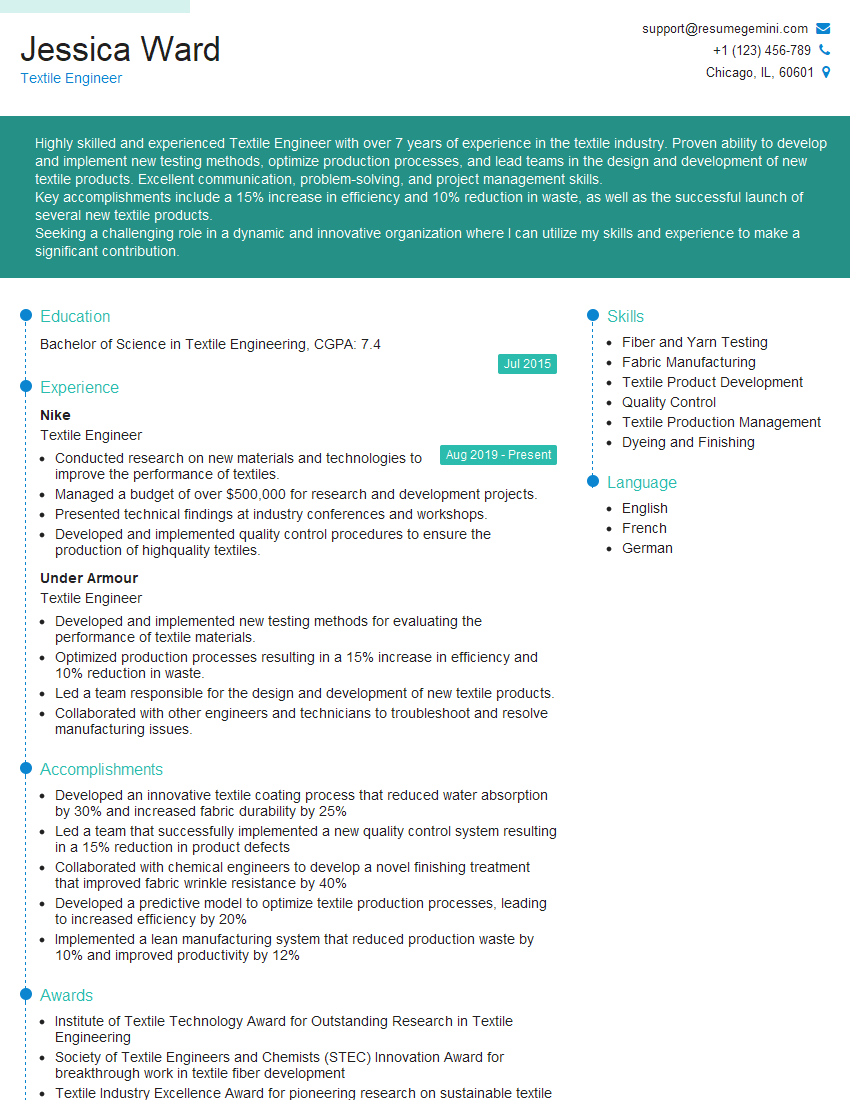
Mastering Fabric Handling and Control opens doors to rewarding careers in textile manufacturing, apparel production, and related industries. Demonstrating expertise in this field significantly enhances your job prospects and allows you to contribute meaningfully to process improvement and efficiency. To stand out, create an ATS-friendly resume that effectively highlights your skills and experience. We highly recommend using ResumeGemini to build a professional and impactful resume that catches the attention of recruiters. ResumeGemini offers valuable tools and resources, including examples of resumes tailored specifically to Fabric Handling and Control, to help you present yourself in the best possible light.

Explore more articles
Users Rating of Our Blogs
Share Your Experience
We value your feedback! Please rate our content and share your thoughts (optional).
What Readers Say About Our Blog
Very informative content, great job.
good