Interviews are more than just a Q&A session—they’re a chance to prove your worth. This blog dives into essential Familiar with Aircraft Ground Handling Procedures interview questions and expert tips to help you align your answers with what hiring managers are looking for. Start preparing to shine!
Questions Asked in Familiar with Aircraft Ground Handling Procedures Interview
Q 1. Describe the process of aircraft pushback.
Aircraft pushback is the process of moving an aircraft away from the gate using a specialized vehicle, typically a pushback tractor, rather than the aircraft’s own engines. This is crucial for safety and efficiency on the apron.
The process typically involves:
- Communication: The ground crew communicates with the pilot via radio to coordinate the pushback procedure, confirming the direction and speed.
- Positioning: The pushback tractor is carefully positioned in front of the aircraft’s nose gear, connecting to a tow bar.
- Pushback Execution: The tractor slowly pushes the aircraft backward, guided by the ground crew and pilot. The pilot usually remains in the cockpit controlling the nose wheel steering.
- Disconnection: Once the aircraft is clear of the gate, the tow bar is disconnected, and the tractor moves away.
Think of it like carefully backing a large trailer out of a parking space—it requires precision and coordination to avoid any damage to the aircraft or surrounding infrastructure. Failing to communicate effectively could result in collisions or damage.
Q 2. Explain the importance of pre-flight inspections for ground support equipment.
Pre-flight inspections for ground support equipment (GSE) are critical for ensuring the safety of both personnel and the aircraft. A malfunctioning piece of GSE can lead to accidents, delays, and significant financial losses.
These inspections typically cover:
- Tires and Brakes: Checking for proper inflation and wear, ensuring braking systems are functional.
- Lights and Signals: Verifying that all lights and warning signals are working correctly to ensure visibility and communication.
- Hydraulic Systems: Inspecting for leaks and ensuring the smooth operation of hydraulic components, which are often critical to GSE functionality.
- Tow Bars and Connectors: Checking for damage, wear, and secure attachment mechanisms.
- Fueling Systems (for fuel trucks): Inspecting lines, nozzles, and meters to prevent leaks or spills.
Imagine a pushback tractor with faulty brakes—this could easily lead to a collision with the aircraft or nearby structures. Regular pre-flight inspections are akin to performing a safety check on your car before a long drive – you want to be confident everything is functioning as expected.
Q 3. What are the safety procedures for handling baggage and cargo?
Safe handling of baggage and cargo is paramount to prevent damage, injury, and delays. Key safety procedures include:
- Proper Lifting Techniques: Using dollies, conveyors, and other equipment to avoid manual lifting of heavy items, and following proper lifting techniques when manual handling is unavoidable.
- Weight Limits: Adhering to weight limits for baggage and cargo containers to prevent overloading equipment or causing structural damage.
- Secure Loading: Utilizing straps, nets, and other restraints to secure items to prevent shifting during movement. Loose items are a serious hazard during taxiing and flight.
- Hazardous Materials Handling: Following specific procedures for the handling of dangerous goods (e.g., flammables, corrosives), including proper labeling, storage, and segregation.
- Personal Protective Equipment (PPE): Using appropriate PPE, such as gloves and safety shoes, to minimize risks of cuts, abrasions, and other injuries.
Failure to follow these procedures could result in damage to the aircraft, injury to personnel, and potentially even a security breach. For example, improperly secured cargo could shift during flight, compromising stability and potentially causing damage.
Q 4. How do you ensure the correct weight and balance of an aircraft during loading?
Correct weight and balance are essential for safe and efficient aircraft operation. An aircraft that is overloaded or improperly balanced can experience handling difficulties, reduced performance, and even structural damage.
This is achieved through:
- Weight Records: Accurately recording the weight of passengers, baggage, cargo, and fuel.
- Center of Gravity (CG) Calculation: Determining the aircraft’s CG using specialized software or charts, taking into account the location and weight of each item.
- Weight and Balance Limits: Ensuring that the total weight and CG remain within the aircraft’s certified limits. These limits are specified in the aircraft’s flight manual.
- Load Planning: Strategically planning the loading of baggage and cargo to achieve the optimal weight distribution and maintain the CG within the allowed range.
Imagine an aircraft overloaded towards the rear – this could lead to difficulties during takeoff and landing. Precise weight and balance calculations are crucial to ensure safety and optimal aircraft performance. Any deviation from these requirements could lead to serious consequences.
Q 5. What are the different types of ground support equipment (GSE) and their uses?
Ground support equipment (GSE) is a diverse range of vehicles and tools used to support aircraft operations on the ground. Some key examples include:
- Pushback Tractors: Used to move aircraft away from the gate.
- Baggage Tractors: Used to transport baggage and cargo to and from the aircraft.
- Aircraft Stairs: Provide access to the aircraft cabin.
- Belt Loaders: Used for efficient loading and unloading of baggage and cargo.
- Fuel Trucks: Refuel aircraft.
- De-icing/Anti-icing Trucks: Apply fluids to remove or prevent ice accumulation on aircraft surfaces.
- Power Units (GPU): Provide electrical power to aircraft while on the ground.
- Air Start Units (ASU): Provide compressed air to start aircraft engines.
Each piece of GSE plays a vital role in ensuring the smooth and efficient operation of the airport. Think of it as the support cast for the star of the show (the aircraft).
Q 6. Describe the procedures for refueling an aircraft.
Refueling an aircraft is a precise and safety-critical operation. It involves transferring large quantities of fuel, often highly flammable jet fuel, into the aircraft’s tanks.
The process typically involves:
- Pre-flight Inspection: Checking the fuel truck for leaks, proper functioning of meters and nozzles, and ensuring appropriate safety precautions.
- Grounding: Properly grounding both the aircraft and the fuel truck to prevent static electricity buildup, a major fire hazard.
- Connection: Connecting the fuel truck’s nozzle to the aircraft’s fueling receptacle, ensuring a secure connection.
- Fuel Transfer: Transferring the fuel at a controlled rate, monitoring fuel levels closely.
- Disconnection: Carefully disconnecting the nozzle once the required amount of fuel has been transferred.
- Post-fueling Inspection: Checking for leaks or spills.
Improper refueling procedures can lead to fires, explosions, and environmental damage. Every step is carefully designed to mitigate these risks. Consider the high energy density of jet fuel – strict adherence to safety protocols is absolutely paramount.
Q 7. Explain the process of aircraft de-icing and anti-icing.
De-icing and anti-icing are crucial processes to ensure the safe operation of aircraft in icy or freezing conditions. Ice accumulation on aircraft surfaces can significantly affect aerodynamic performance, potentially leading to dangerous situations.
De-icing is the removal of existing ice from the aircraft’s surfaces. This usually involves applying a specialized type of fluid that melts the ice and then is later washed away.
Anti-icing is the application of a fluid that prevents ice from forming on the aircraft’s surfaces. This fluid creates a barrier, preventing ice from adhering to the aircraft. The fluid is applied before the aircraft departs and is designed to be effective for a specific timeframe.
The process typically involves:
- Assessment: Determining the severity of ice accumulation and choosing the appropriate type and amount of fluid.
- Application: Applying the de-icing/anti-icing fluid using specialized trucks with high-pressure spray systems, ensuring complete coverage of critical areas.
- Inspection: Carefully inspecting the aircraft’s surfaces after the fluid application to ensure that all ice has been removed or that adequate anti-icing protection has been applied.
Failure to properly de-ice or anti-ice an aircraft can have severe consequences, leading to reduced lift, increased drag, and even engine failure. This is a critical safety procedure in cold weather operations.
Q 8. What are the communication protocols used during ground handling operations?
Effective communication is paramount in ground handling, preventing accidents and ensuring smooth operations. We primarily use two-way radios, adhering to standardized phraseology to avoid misinterpretations. For example, ‘Ground Control, this is Ramp Agent 3, requesting pushback for flight UA123.’ This ensures clarity and a standardized communication protocol. Additionally, we utilize aviation-specific terminology and utilize written communication for sensitive information such as load manifests and dangerous goods declarations. Detailed pre-flight briefings also ensure all parties understand the plan for the aircraft and any potential issues.
Different teams have designated communication channels. For instance, the baggage handlers might have a separate channel than the pushback team, preventing congestion and improving clarity. This segmented approach optimizes the flow of information and improves efficiency. We also use digital systems like flight data systems for real-time updates on aircraft status, gate assignments, and baggage tracking.
Q 9. How do you handle a situation where a piece of GSE malfunctions?
Malfunctioning GSE (Ground Support Equipment) is a serious safety concern. My first step is to immediately secure the area, ensuring no personnel are in harm’s way. We immediately report the malfunction to the relevant maintenance team and supervisors, providing a detailed description of the issue and its location. Following established safety procedures is critical. Depending on the nature of the malfunction, we may need to employ alternative equipment or reschedule the operation, prioritizing safety over operational speed.
For instance, if a faulty tug renders a pushback impossible, we’d immediately contact maintenance and consider using a backup tug or manually pushing the aircraft (if permissible and safe for the aircraft type). Thorough documentation of the incident, including photographs if applicable, is crucial for maintenance and investigation purposes. Preventing recurrence and mitigating risks are always priorities. We follow a strict process for reporting, investigating, and resolving GSE malfunctions to ensure safety and operational efficiency.
Q 10. What are the safety regulations regarding working near aircraft?
Safety around aircraft is paramount. We strictly adhere to regulations like maintaining a safe distance from rotating propellers and jet engines. The use of safety cones and designated walking paths is mandatory, especially during aircraft movements. High-visibility clothing and standardized safety training are essential to prevent accidents. Before beginning any task near an aircraft, a thorough risk assessment is performed to identify potential hazards.
We are trained to identify potential hazards, like un-secured baggage, fuel spills, or damaged equipment. Furthermore, we follow strict procedures for entering and exiting the aircraft, always using the designated access points. Clear communication and adherence to safety protocols are central to prevent accidents. Specific regulations regarding working around specific aircraft types (e.g., tailstrike prevention procedures) are always adhered to, and we regularly attend refresher courses on safety.
Q 11. Describe your experience with load planning and manifest preparation.
Load planning and manifest preparation are crucial for efficient and safe aircraft operations. I’m experienced in using specialized software to balance weight and center of gravity (CG) within the aircraft’s limitations. This includes correctly distributing cargo weight to maintain stability during flight. I’m familiar with different aircraft types and their specific weight restrictions.
My experience includes preparing detailed manifests, documenting cargo details, weight, and dimensions. This is crucial for customs and regulatory compliance. I understand the importance of accurately recording dangerous goods declarations and ensuring they adhere to IATA regulations. This process involves double-checking the manifest against actual loaded cargo for accuracy. I’m also experienced in addressing last-minute changes to the load plan while maintaining safety and regulatory compliance.
Q 12. How do you manage multiple tasks and priorities during peak hours?
Peak hours demand efficient prioritization. I utilize effective time management techniques, prioritizing tasks based on urgency and impact. For example, I would tackle tasks related to departing flights first, ensuring timely departures. I utilize checklists and task management tools to maintain organization, reducing errors and maximizing efficiency.
Effective delegation, when appropriate, is crucial. I proactively communicate with my team and supervisors about workload and any potential challenges. This transparency ensures that resources are used effectively. Staying calm and focused under pressure is essential to maintain operational efficiency and safety during busy periods. Prioritizing and streamlining processes through automation or team coordination is key to success.
Q 13. Explain your understanding of dangerous goods regulations in air cargo.
Dangerous goods regulations in air cargo are complex and crucial for safety. I have a thorough understanding of IATA (International Air Transport Association) regulations governing the transportation of hazardous materials. This includes knowing how to classify, package, label, and document dangerous goods according to their hazard class (explosives, flammable liquids, etc.).
My understanding includes the required documentation, such as the Shipper’s Declaration for Dangerous Goods. I’m aware of the restrictions and prohibitions on the transportation of certain hazardous materials, as well as the specific requirements for their handling and storage. I’m trained to identify mislabeled or improperly packaged dangerous goods and take the appropriate corrective actions, which includes contacting the relevant authorities if necessary. Maintaining up-to-date knowledge of these regulations is an ongoing responsibility.
Q 14. What are the procedures for handling hazardous materials on the ramp?
Handling hazardous materials on the ramp requires strict adherence to safety regulations. Specialized equipment and personal protective equipment (PPE) are utilized based on the specific hazard class. This includes appropriate respirators, gloves, and eye protection. Designated storage areas for different hazard classes are followed, ensuring proper segregation to prevent dangerous interactions.
We have detailed procedures for loading and unloading hazardous materials, emphasizing careful handling to avoid damage to containers or spills. All personnel involved in handling such materials receive specialized training and must be certified to handle hazardous materials according to local and international regulations. Any spills or accidents are reported immediately and handled using established emergency response protocols, including containment and cleanup procedures.
Q 15. How do you ensure the safety of passengers and crew during ground handling operations?
Ensuring passenger and crew safety during ground handling is paramount. It’s a multi-layered approach encompassing meticulous adherence to Standard Operating Procedures (SOPs), constant vigilance, and proactive risk mitigation.
- Pre-flight Inspections: Thorough checks of the aircraft’s exterior for any potential hazards, including loose baggage, damaged components, or obstructions. We also inspect the surrounding area for any debris or potential dangers.
- Ground Support Equipment (GSE) Safety: Regular maintenance and inspections of all GSE, such as pushback tugs, baggage carts, and stairs, are crucial. Malfunctioning equipment is immediately reported and taken out of service. We also ensure proper training and certification for all personnel operating this equipment.
- Communication and Coordination: Clear and concise communication between ground crew, pilots, and air traffic control is vital. This helps prevent collisions and ensures smooth operations. Using standardized terminology eliminates ambiguity.
- Passenger Flow Management: Efficient and organized passenger boarding and deplaning procedures help prevent accidents and congestion. Clearly marked pathways and guidance from ground crew minimize the risk of slips, trips, and falls.
- Emergency Preparedness: Having a well-rehearsed emergency plan and readily available emergency equipment is essential for prompt and effective response to any unforeseen situations.
For example, during a heavy snowfall, we’d prioritize de-icing the aircraft and clearing walkways before passenger boarding, and we’d use extra caution during GSE operations on potentially slippery surfaces.
Career Expert Tips:
- Ace those interviews! Prepare effectively by reviewing the Top 50 Most Common Interview Questions on ResumeGemini.
- Navigate your job search with confidence! Explore a wide range of Career Tips on ResumeGemini. Learn about common challenges and recommendations to overcome them.
- Craft the perfect resume! Master the Art of Resume Writing with ResumeGemini’s guide. Showcase your unique qualifications and achievements effectively.
- Don’t miss out on holiday savings! Build your dream resume with ResumeGemini’s ATS optimized templates.
Q 16. Describe your experience with aircraft marshalling.
I have extensive experience in aircraft marshalling, having conducted hundreds of operations with various aircraft types. Marshalling requires precision, clear communication, and a strong understanding of aircraft dimensions and movement capabilities. It’s not just about guiding the aircraft; it’s about ensuring the safety of the aircraft and ground personnel.
My experience encompasses all phases of marshalling, from receiving the aircraft at the gate to guiding it to the assigned parking position. I’m proficient in using standardized hand signals, and I always confirm my instructions with the pilot before initiating any movement. I’m particularly adept at managing marshalling in challenging conditions, such as low visibility or strong winds. I always prioritize safety and ensure that the aircraft remains clear of obstructions and other ground vehicles.
For instance, I once had to marshal a large wide-body aircraft into a tight parking space during a period of heavy rain. Maintaining clear communication with the pilot was critical, and I used my knowledge of the aircraft’s turning radius to smoothly guide it into place.
Q 17. What are the standard operating procedures (SOPs) for your specific ground handling tasks?
Standard Operating Procedures (SOPs) for my ground handling tasks are rigorously defined and strictly adhered to. These SOPs cover all aspects of my work, ensuring consistency, efficiency, and, most importantly, safety.
- Baggage Handling: SOPs dictate the proper techniques for loading and unloading baggage, ensuring it’s securely stowed and properly tagged to prevent damage or loss. We follow strict weight and balance procedures.
- Catering Services: Detailed procedures ensure that catering supplies are loaded safely and efficiently, with strict temperature controls maintained to preserve food quality.
- Aircraft Cleaning: SOPs specify the cleaning agents and techniques to use, ensuring both the safety of personnel and the preservation of the aircraft’s interior.
- Fueling Procedures: Fueling operations adhere to stringent safety protocols, including grounding procedures, static electricity discharge, and precise fuel quantity checks to prevent spills and fires.
- De-icing/Anti-icing: Specific procedures are followed depending on the type of aircraft and the weather conditions. We always ensure complete removal of ice to prevent potential engine damage or reduced lift.
Deviation from these SOPs is strictly documented and investigated, and retraining is provided as needed to ensure continued compliance.
Q 18. How do you deal with challenging or difficult passengers?
Handling challenging passengers requires patience, diplomacy, and a clear understanding of de-escalation techniques. My approach is always professional and empathetic.
- Active Listening: I carefully listen to the passenger’s concerns to understand the root cause of their frustration.
- Empathy and Understanding: I acknowledge their feelings and strive to understand their perspective.
- Clear Communication: I clearly and calmly explain airport procedures and policies.
- Problem-Solving: I work to find a solution that addresses the passenger’s concerns within the constraints of safety and operational requirements.
- Seeking Assistance: In cases of aggressive or disruptive behavior, I immediately seek assistance from airport security or other relevant authorities.
For example, if a passenger is upset about a delayed flight, I’ll apologize for the inconvenience and provide them with updates on the situation. If necessary, I will connect them with the airline representative to address their specific concerns. In extreme cases, I will involve airport security personnel to ensure the safety and security of other passengers and ground crew.
Q 19. What are the signs of potential GSE malfunctions and how do you report them?
Identifying potential GSE malfunctions is a crucial aspect of my job. Regular visual inspections are carried out before and after each use. Signs of potential malfunctions can include unusual noises, leaks, smoke, or unusual vibrations. Any signs of damage, such as dents, cracks, or loose parts, are also carefully noted.
Specific examples include:
- Pushback Tug: Unusual hydraulic noises, steering difficulty, or brake issues.
- Baggage Cart: Worn tires, damaged wheels, or malfunctioning brakes.
- Aircraft Stairs: Loose steps, damaged handrails, or malfunctioning hydraulics.
- Power Unit: Unusual noises, smoke, or leaks of oil or other fluids.
Reporting procedures involve immediately notifying my supervisor, filling out the necessary incident report forms, and ensuring the equipment is taken out of service until repaired by qualified personnel. All malfunctions are documented, including the nature of the malfunction, the time and location, and the actions taken. This ensures that the issue is addressed promptly and prevents further incidents.
Q 20. What safety measures are in place to prevent bird strikes?
Preventing bird strikes is a crucial aspect of aviation safety. Several measures are implemented to minimize the risk:
- Bird Hazard Assessments: Regular assessments of the airport environment identify areas attracting birds, such as water sources, garbage dumps, or vegetation.
- Habitat Modification: Measures are taken to modify the habitat, such as removing vegetation that attracts birds, and managing water sources to reduce their appeal.
- Bird Scaring Techniques: Various techniques are used to scare birds away, including visual deterrents like flags and reflective devices, acoustic deterrents, and trained birds of prey.
- Regular Cleaning: Maintaining a clean environment by regularly removing food scraps and garbage helps to reduce the attractiveness of the airport area to birds.
- Aircraft Inspection: Thorough pre-flight inspections check for bird remains or other debris on the aircraft.
These measures are vital to protect aircraft from damage and ensure the safety of both passengers and crew. For instance, during migratory seasons, increased vigilance and additional bird-scaring measures are employed.
Q 21. Describe your knowledge of various aircraft types and their specific ground handling requirements.
My knowledge of various aircraft types and their specific ground handling requirements is extensive. I’m familiar with the differences in size, weight, and operational characteristics among various aircraft families, from narrow-body jets like the Airbus A320 family and Boeing 737 family to wide-body aircraft such as the Airbus A380 and Boeing 747. This knowledge influences procedures such as pushback, towing, and baggage handling.
For example, handling an Airbus A380 requires specialized equipment and more personnel due to its size and weight compared to a smaller regional jet. Understanding the location of various access points, fuel points, and emergency exits is crucial for efficient and safe operations. I also understand the specific procedures for handling different types of cargo and the safety implications associated with the handling of hazardous materials.
My training includes familiarity with aircraft manuals and operational documentation, allowing me to adapt to new aircraft types quickly and efficiently while maintaining the highest safety standards.
Q 22. How do you ensure the efficient and timely turnaround of aircraft?
Efficient aircraft turnaround hinges on meticulous planning and coordination. Think of it like a well-orchestrated ballet – every movement needs to be precise and timely. We achieve this through several key strategies. First, pre-flight planning is crucial; this involves reviewing the flight plan, anticipating the needs of the crew and passengers, and coordinating with various ground handling agents, such as catering, baggage handling, and fueling. Second, we utilize standardized procedures and checklists to ensure that all tasks are completed consistently and efficiently. This helps avoid unnecessary delays and potential errors. Third, effective communication between all involved parties – pilots, ground crew, maintenance personnel, and air traffic control – is paramount. Using clear and concise communication channels helps eliminate confusion and delays. Finally, continuous monitoring and optimization of processes are vital. Analyzing turnaround times, identifying bottlenecks, and implementing improvements based on data-driven insights are essential for continuous improvement.
For example, in a busy airport, a delay in baggage handling can create a domino effect, causing delays for other aircraft. By carefully tracking each step of the turnaround process and identifying potential bottlenecks, we can proactively address such issues.
Q 23. What are your methods for maintaining accurate records and documentation?
Maintaining accurate records is non-negotiable in aviation – safety and regulatory compliance depend on it. We utilize a combination of digital and paper-based systems to ensure complete and accurate documentation. For instance, digital systems such as dedicated ground handling software (more on this in the next answer) track aircraft movements, maintenance records, fuel consumption, and other crucial data. This data is stored securely and is easily accessible for audits and analysis. We also maintain paper-based records, especially for critical tasks where digital access might be temporarily unavailable, ensuring a backup system. Each record is meticulously maintained, including date, time, personnel involved, and any significant observations. This is crucial for tracing events if any issue arises. All documents are carefully stored in accordance with established retention policies, adhering to both internal and regulatory requirements.
For example, meticulously kept fuel records are critical for preventing fuel imbalances, while accurate maintenance logs are essential for aircraft safety.
Q 24. Explain your experience with using ground handling software or systems.
My experience with ground handling software is extensive. I’ve worked with several systems, including AODB (Airport Operational Database) and various specialized ground handling management systems. These systems streamline operations significantly, allowing for real-time tracking of aircraft movements, resource allocation, and task management. For example, AODB integrates flight schedules, gate assignments, and ground handling requirements, providing a centralized platform for efficient coordination. Specialized software helps manage tasks such as baggage handling, catering, cleaning, and de-icing, often integrating with other airport systems to provide seamless data exchange. These systems also generate reports that provide valuable data for performance analysis and continuous improvement, such as turnaround time statistics and resource utilization metrics. This helps identify bottlenecks and areas needing optimization. I’m proficient in using these systems to not only manage my tasks but to identify and resolve issues proactively.
For example, a system alert indicating a potential delay in baggage handling allows me to reroute resources and mitigate the impact on the aircraft’s turnaround time.
Q 25. How do you contribute to a safe and efficient teamwork environment on the ramp?
Safety and efficiency go hand-in-hand on the ramp, and achieving both requires strong teamwork. I actively contribute to a safe and efficient environment by leading by example, adhering strictly to safety procedures, and communicating effectively with colleagues. This includes consistently employing standardized communication protocols, such as using hand signals correctly and employing clear radio communication. Proactive risk assessment and hazard identification are vital. Before commencing any task, I evaluate potential risks, such as the proximity of moving vehicles or the presence of hazardous materials. I always ensure that my team is aware of these risks and collaborates to minimize them. A positive and supportive team environment fosters open communication and proactive problem-solving; team members feel comfortable raising concerns and sharing solutions.
For example, if I notice a team member making an unsafe action, I immediately intervene, not to criticize, but to correct the behavior and offer training or guidance.
Q 26. Describe a time you had to solve a problem related to aircraft ground handling.
During a particularly busy day, we faced an unexpected issue with a late arrival of catering for an international flight. This threatened to delay the departure, causing significant disruption and potential passenger inconvenience. My first step was to assess the situation and understand the extent of the delay. Then, I collaborated with the catering supplier, flight operations, and the on-board crew to find a solution. We explored alternate catering options, including sourcing supplies from another provider, but this was ruled out due to time constraints and potential inconsistencies in the meal quality. Ultimately, we coordinated with the flight crew to adjust the menu slightly, using existing on-board provisions to minimize the impact of the missing items. We communicated transparently with passengers, explaining the situation and ensuring they understood the reasons for the slight meal alterations. The flight departed with minimal delay, and the situation was resolved smoothly thanks to effective teamwork and swift decision-making.
Q 27. What are your strategies for preventing and managing ground handling incidents?
Preventing and managing ground handling incidents requires a proactive and multi-layered approach. We start with robust training programs that cover all aspects of safety, emergency procedures, and risk management. This is combined with regular safety audits and inspections to identify potential hazards and areas for improvement. We use checklists and standard operating procedures (SOPs) to ensure consistency and reduce the likelihood of human error. Furthermore, a strong reporting system is in place – all incidents, no matter how minor, are reported, investigated, and analyzed to identify root causes and prevent recurrence. Regular safety briefings and training reinforce safety awareness among team members, and open communication channels ensure that concerns are addressed promptly. This proactive approach is far better than merely reacting to incidents as they occur.
For example, if a near-miss incident occurred involving a baggage tug and an aircraft, we would thoroughly investigate the incident, review training, and potentially adjust SOPs to prevent similar incidents in the future.
Q 28. How do you stay updated on the latest ground handling regulations and best practices?
Staying updated on ground handling regulations and best practices requires continuous effort. I actively participate in industry conferences and workshops, attending seminars and training sessions to stay abreast of the latest developments. I subscribe to relevant industry publications and online resources, staying informed about updates to safety standards and regulatory changes. I actively monitor the websites of regulatory bodies, such as the FAA (Federal Aviation Administration) or EASA (European Union Aviation Safety Agency), depending on the region of operation. This ensures we remain compliant with all regulations and adopt the latest safety improvements. Furthermore, I actively seek opportunities to participate in industry groups and forums, engaging with fellow professionals to exchange ideas and share experiences on best practices.
Regular self-assessment and review of current processes help us adapt to changing circumstances and ensure we remain at the forefront of best practices.
Key Topics to Learn for Familiar with Aircraft Ground Handling Procedures Interview
- Safety Regulations and Procedures: Understanding and applying safety protocols for all ground handling operations, including pre-flight inspections, baggage handling, pushback procedures, and aircraft fueling.
- Aircraft Towing and Pushback: Mastering the techniques and safety considerations involved in safely towing and pushing back aircraft, including communication protocols and emergency procedures.
- Passenger Boarding and Deplaning: Familiarizing yourself with efficient and safe passenger boarding and deplaning procedures, including managing passenger flow and assisting passengers with special needs.
- Baggage Handling and Loading: Understanding the proper techniques for loading and unloading baggage, ensuring adherence to weight and balance regulations and preventing damage to baggage and aircraft.
- Cargo Handling and Loading: Knowledge of procedures for handling and loading cargo, including securement techniques and adherence to weight and balance regulations.
- Aircraft Fueling Procedures: Understanding the safe and efficient procedures for fueling aircraft, including safety precautions, fuel types, and emergency response procedures.
- Ground Support Equipment (GSE) Operation and Maintenance: Familiarity with various types of ground support equipment and their safe operation, including troubleshooting basic malfunctions.
- Communication and Teamwork: Understanding the importance of clear and effective communication within the ground handling team, as well as with pilots and other airport personnel.
- Emergency Procedures: Knowledge of emergency procedures, including fire safety, evacuation plans, and handling of security incidents.
- Documentation and Reporting: Understanding the importance of accurate and timely documentation of all ground handling operations, including incident reporting.
Next Steps
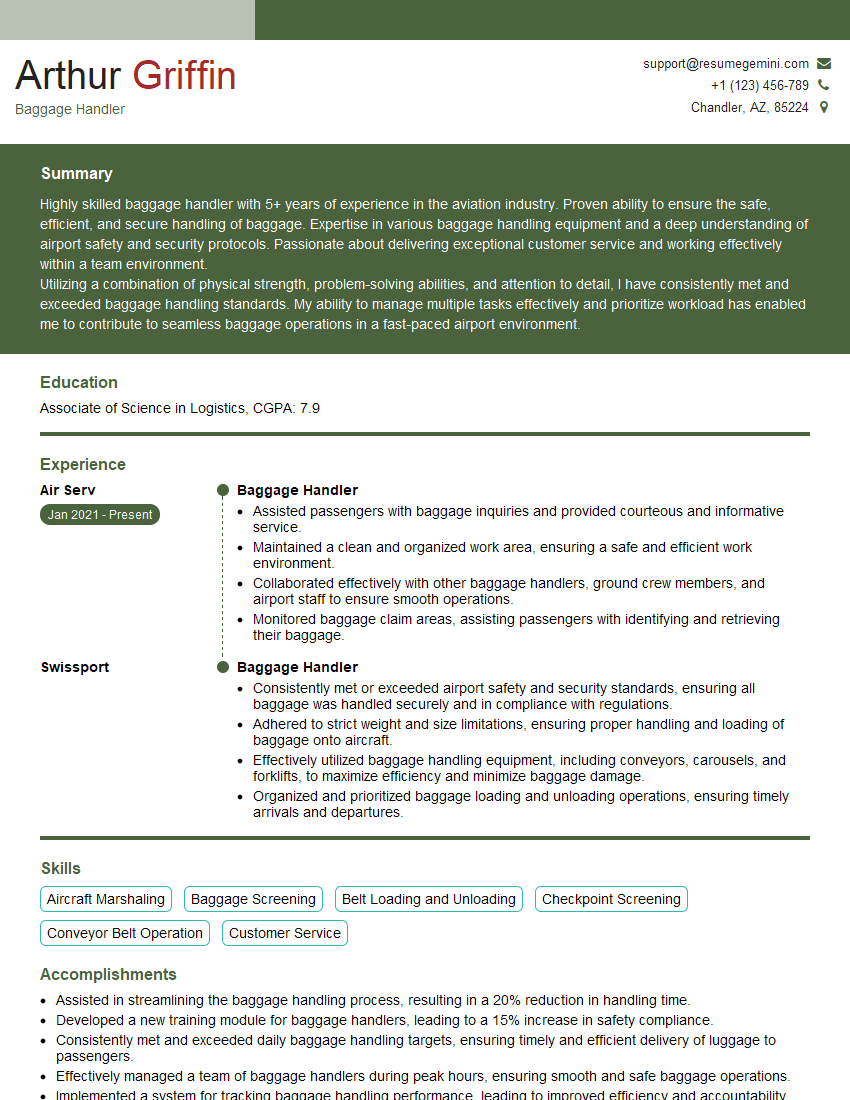
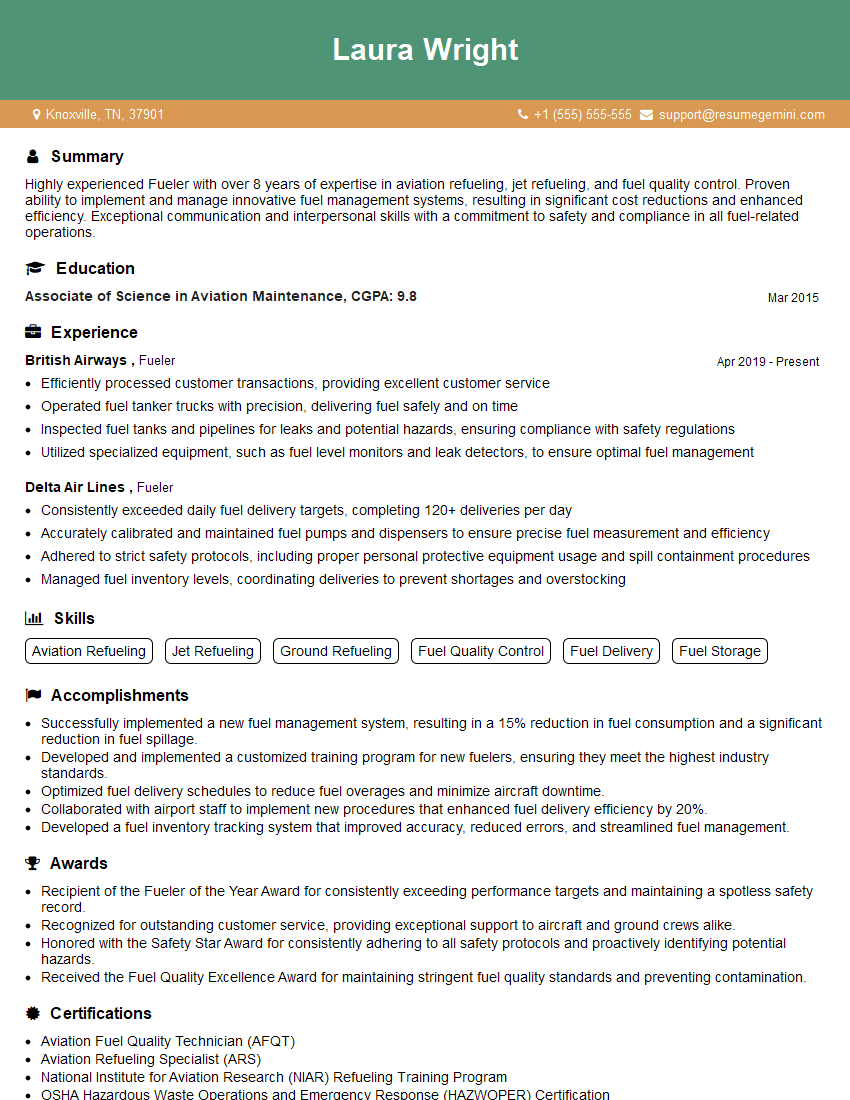
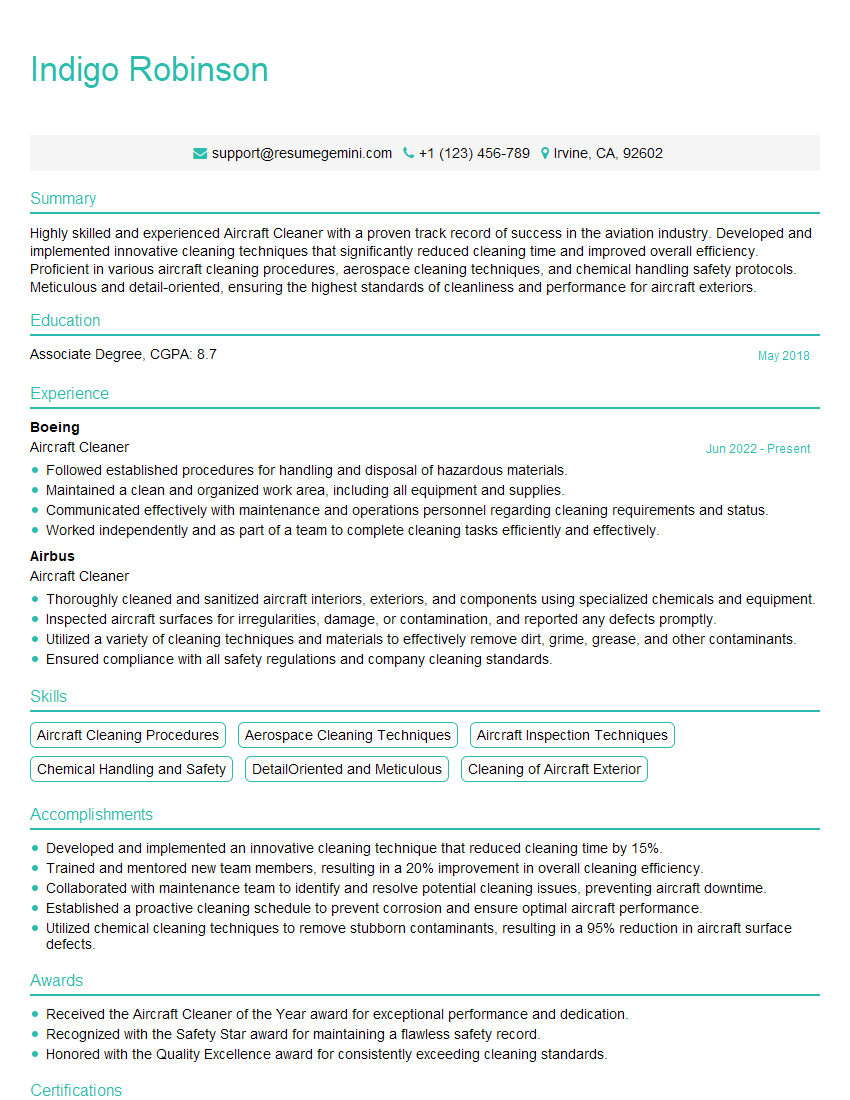
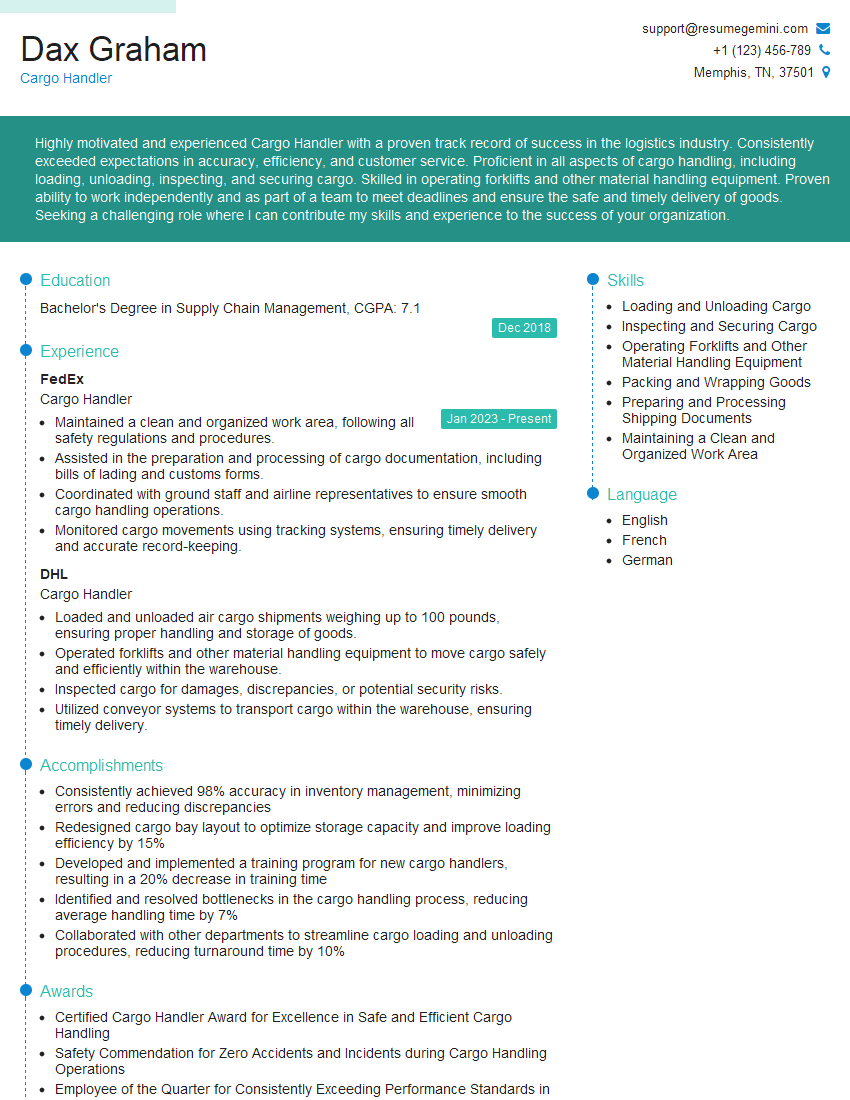
Mastering aircraft ground handling procedures is crucial for a successful career in aviation, opening doors to various roles and advancements. A strong understanding of these procedures demonstrates competence and commitment to safety, vital attributes employers seek. To significantly enhance your job prospects, focus on building an ATS-friendly resume that highlights your skills and experience effectively. ResumeGemini is a trusted resource that can help you create a professional and impactful resume tailored to the aviation industry. Examples of resumes specifically tailored to showcasing expertise in Familiar with Aircraft Ground Handling Procedures are available to guide you. Take the next step toward your dream aviation career today!
Explore more articles
Users Rating of Our Blogs
Share Your Experience
We value your feedback! Please rate our content and share your thoughts (optional).
What Readers Say About Our Blog
Very informative content, great job.
good