Cracking a skill-specific interview, like one for Familiarity with Blueprint Reading, requires understanding the nuances of the role. In this blog, we present the questions you’re most likely to encounter, along with insights into how to answer them effectively. Let’s ensure you’re ready to make a strong impression.
Questions Asked in Familiarity with Blueprint Reading Interview
Q 1. What are the different types of lines used on blueprints and what do they represent?
Blueprints utilize a variety of lines to convey different information. Think of them as a visual language for construction. Each line type has a specific meaning, ensuring clarity and precision.
- Object Lines: These thick, solid lines define the outlines of objects and structures. For example, the perimeter of a building or the shape of a window would be shown using object lines.
- Hidden Lines: Represented by dashed lines, these indicate parts of an object that are concealed from the view shown in the drawing. Imagine a wall with a door – the door’s frame might be shown with object lines, while the studs behind the wall’s finished surface would be depicted with dashed lines.
- Center Lines: Thin, long and short dashed lines usually found in the center of symmetrical objects. They are invaluable for locating the center point of things such as pipes, doors, and columns, crucial for precise construction.
- Dimension Lines: These lines, with arrowheads at each end, indicate the measurements of objects. They’re typically accompanied by numerical values.
- Section Lines (Hatching): These lines, often diagonal and closely spaced, are used to represent the interior or cross-section of an object or material to show its composition. For instance, various hatching patterns might represent different materials like concrete, wood, or steel.
- Break Lines: Short, wavy lines used to shorten long objects such as a long wall to avoid excessive length on the drawing, making it more manageable.
- Cutting Plane Lines: These lines indicate where the imaginary cut is made to create a section view of the structure. They are typically thick and are often accompanied by letters identifying the section.
Understanding these line types is fundamental to accurately interpreting blueprints, preventing costly mistakes during construction.
Q 2. Explain the significance of dimensions and scales on a blueprint.
Dimensions and scales are crucial for translating the blueprint’s representation into the real-world structure. They provide the precise measurements and proportions necessary for accurate construction.
Dimensions: Numerical values indicating the length, width, and height of components, along with distances between elements. These are critical for ordering materials and ensuring proper fit during assembly. For example, a dimension might state “10’0” indicating a length of ten feet.
Scales: The ratio of the drawing’s size to the actual size of the object. A common scale might be 1:50, meaning 1 unit on the drawing equals 50 units in reality. This allows architects to represent large buildings on manageable-sized sheets. Without a scale, the blueprint is essentially useless, as dimensions alone wouldn’t represent real-world proportions.
In my experience, I’ve found that verifying dimensions against the stated scale is a crucial step in quality assurance. This often avoids costly errors and ensures the project proceeds smoothly.
Q 3. How do you interpret symbols and abbreviations commonly found on blueprints?
Blueprints rely heavily on symbols and abbreviations to convey information efficiently. These often follow industry standards but can also be project-specific. Familiarity with standard symbols and project-specific notes is crucial for effective interpretation. A good resource is the AIA (American Institute of Architects) standard symbols guide.
For instance, a circle with a cross might represent a plumbing fixture, while a square might denote a light switch. Abbreviations are widespread, with “R.O.” possibly indicating “roof opening.” Knowing the meaning of symbols like these is vital for correctly understanding the plans.
Interpreting symbols and abbreviations requires a combination of knowledge, experience, and sometimes collaboration with other team members. A key step is always to consult any project-specific legend, which usually defines any non-standard symbols or abbreviations used.
Q 4. Describe your experience identifying different building components on architectural blueprints.
Throughout my career, I have extensively worked with architectural blueprints, identifying various building components. My experience encompasses identifying structural elements such as foundations, walls, columns, beams, and roofs; building services like plumbing, electrical, and HVAC systems; as well as architectural features like doors, windows, stairs, and interior partitions.
For example, in a recent project, I had to quickly locate the placement of electrical conduits, which involved carefully examining the electrical drawings and their correlation with the floor plan. Another instance required distinguishing between different foundation types, comparing cross-sections to identify the appropriate construction methodology. I frequently refer to legends and detailing drawings to confirm the exact specifications of components before making decisions.
Q 5. How do you use a blueprint to understand the relationship between different building systems?
Blueprints are excellent tools for understanding the interplay between different building systems. They showcase how structural, mechanical, electrical, and plumbing (MEP) systems interact. For example, studying a blueprint reveals how plumbing pipes might run within walls indicated on the structural drawings, or where HVAC ducts are positioned in relation to the ceiling structure.
My approach involves a systematic review, examining different sets of drawings simultaneously: structural, architectural, MEP, and even landscape plans. Overlaying these plans (either physically or digitally) often helps visualize relationships and potential clashes between systems. This helps to avoid construction problems early in the design process.
For instance, I once identified a potential conflict between a planned ductwork run and a structural beam during a project review. By flagging this early, we were able to adjust the ductwork design, preventing costly rework later in the construction phase.
Q 6. Explain your process for interpreting elevation drawings.
Elevation drawings provide a clear external view of a building from a specific side. To interpret them effectively, I look for key elements to accurately represent the building’s exterior appearance. Imagine taking a photograph of a building’s façade—that’s essentially what an elevation drawing shows.
My interpretation process starts by identifying the view direction (North, South, East, or West). Then I examine details like: rooflines, window and door placements, exterior finishes, heights, and landscaping features. I pay attention to notations indicating materials, dimensions, and any significant design features. For example, I’d distinguish between brickwork, siding, or stucco by their indicated patterns or notations. Detailed annotations might point out specific slopes on the roof or highlight the height and type of windows.
Elevation drawings are instrumental in understanding the building’s overall aesthetic and ensuring external dimensions meet the design intent.
Q 7. How do you use section drawings to understand the internal structure of a building?
Section drawings are like slicing through a building to reveal its interior structure. They are invaluable for understanding the building’s construction methods and the relationship between different elements. Think of it like cutting a cake to see the layers inside. Section drawings reveal exactly that.
To interpret a section drawing, I first identify the cutting plane (the imaginary line showing where the ‘cut’ has been made). Then, I analyze the resulting view, paying close attention to the materials, dimensions, and structural elements shown. These may include wall thicknesses, floor heights, framing details, and the location of services like electrical wiring, ductwork, and pipes.
I often use section drawings to understand how different building systems integrate. For instance, I might examine how a foundation connects to the walls or how a roof structure is supported. This helps me understand load-bearing structures and ensure proper structural integrity. Section drawings are critical in understanding details often obscured in floor plans.
Q 8. How familiar are you with different types of blueprint formats (e.g., AutoCAD, Revit)?
My experience encompasses a wide range of blueprint formats. I’m highly proficient in interpreting drawings created using AutoCAD, a ubiquitous industry standard known for its precision and versatility. I’m also comfortable working with Revit, a Building Information Modeling (BIM) software that provides a 3D model alongside the 2D blueprints, offering richer contextual information. I understand the nuances of both formats, including their respective layer structures, annotation styles, and data management capabilities. For example, in AutoCAD, I’m adept at utilizing layer filters to isolate specific elements, while in Revit, I can navigate the model to understand spatial relationships and potential clashes before construction begins. Beyond these two, I possess familiarity with other formats as well, allowing me to adapt quickly to different project requirements.
Q 9. Can you explain the importance of following building codes and regulations when interpreting blueprints?
Adherence to building codes and regulations is paramount when interpreting blueprints. These codes dictate minimum safety standards, accessibility requirements, and construction methods. Ignoring these can lead to serious consequences, including structural failure, legal liabilities, and even injury or death. My approach involves a thorough review of the relevant codes alongside the blueprints. For instance, I’ll cross-reference the blueprint’s specifications for fire-resistant materials with the local fire code to ensure compliance. I also check for compliance with accessibility standards like ADA requirements (Americans with Disabilities Act), verifying the dimensions of doorways, ramps, and other accessibility features. Ultimately, ensuring compliance with building codes is integral to a safe and legally sound project.
Q 10. How would you identify potential conflicts or errors on a blueprint?
Identifying potential conflicts or errors on a blueprint is a critical skill. I employ a systematic approach, starting with a visual inspection for inconsistencies. This might involve checking for discrepancies between dimensions on different drawings, verifying that plumbing and electrical systems don’t clash, and ensuring that structural elements align properly. For example, I might notice a conflicting dimension where a wall shown on the floor plan is shorter than the same wall on an elevation drawing. I also check for missing information, such as unspecified materials or unclear details. After the visual inspection, I proceed with a more detailed quantitative check, using software tools to detect potential clashes in 3D models (if available) and cross-checking specifications against building codes and industry standards. This multi-faceted approach helps to identify and flag issues before they become costly problems during construction.
Q 11. Describe your experience using blueprints to estimate materials and costs.
I have extensive experience using blueprints to accurately estimate materials and costs. My process begins with a detailed takeoff—a systematic measurement of quantities of materials needed from the blueprints. For example, I would calculate the square footage of flooring needed from the floor plans and then multiply that by the cost per square foot of the chosen material. I use specialized software to assist this process, streamlining calculations and generating comprehensive material lists. Beyond materials, I consider labor costs, accounting for the complexity of construction details shown on the blueprints. Factors such as the number of windows, the intricacy of the trim, and the presence of unusual structural elements all factor into the labor cost estimate. Finally, I factor in contingency for unforeseen expenses and potential material price fluctuations, ensuring a realistic and reliable overall budget.
Q 12. How do you ensure that the blueprints you are working from are up-to-date and accurate?
Ensuring blueprints are up-to-date and accurate is crucial for successful project execution. I always verify the revision date on the drawings and request the latest versions from the architect or engineer. I also look for revision clouds or notes indicating changes. In many cases, project management software is utilized to track revisions and ensure everyone is working from the same set of up-to-date documents. Beyond checking revision dates, I also cross-reference the drawings with other project documents, such as specifications and material lists, looking for any discrepancies. Finally, I communicate directly with the design team to clarify any ambiguities or uncertainties, making sure I fully understand the intent behind the design.
Q 13. How would you communicate complex information from a blueprint to someone with limited technical understanding?
Communicating complex blueprint information to someone without technical expertise requires a clear and concise approach. I avoid technical jargon and opt for plain language. I use visual aids like simplified sketches or diagrams to illustrate key points. For example, instead of saying “the structural member requires a 6×6 post,” I might say “we need a very strong, square wooden beam here” and then show a simple sketch of it. I break down complex systems into smaller, more manageable pieces, explaining their function in simple terms. I also actively seek feedback to ensure they understand the information, answering questions patiently and using analogies to clarify difficult concepts. A collaborative approach involving visual aids and plain language is key to effective communication.
Q 14. Describe a situation where you had to interpret a complex or ambiguous blueprint.
In a recent project, I encountered a situation where the plumbing layout on a set of blueprints was ambiguous. The pipes for a bathroom sink and shower were shown in close proximity, but the exact connections and routing weren’t clearly defined. To resolve this, I first carefully reviewed all related drawings, searching for additional information or details. I then contacted the plumbing engineer directly, clarifying the ambiguity and obtaining clarification on the intended configuration. This collaborative approach resolved the issue, preventing potential problems during construction. This experience underscores the importance of proactive communication and the value of seeking clarification when encountering ambiguities in blueprints.
Q 15. How do you use blueprints to coordinate work with different trades on a construction site?
Blueprints are the central communication tool on any construction site. To coordinate different trades, I meticulously review the drawings to identify overlapping tasks and potential conflicts. For example, the plumber’s work might need to be completed before the drywallers start, as pipes might be embedded within the walls. I’d highlight these interdependencies in a schedule, using the blueprints to create a detailed timeline that considers each trade’s requirements and dependencies. This often involves using different colored markers or digital annotation tools to track progress and identify potential clashes. Regular meetings with trade supervisors are key to ensuring everyone is working from the same set of drawings and understands the sequencing.
Specifically, I use the blueprints to pinpoint the location of utilities (plumbing, electrical, HVAC) to make sure that each trade has enough space to work and avoids damaging other systems. For instance, electricians would use the blueprints to locate conduit runs to ensure they don’t accidentally drill through gas lines. The structural plans would be crucial in understanding load-bearing walls, ensuring trades work around supporting structures and avoid damaging them.
Career Expert Tips:
- Ace those interviews! Prepare effectively by reviewing the Top 50 Most Common Interview Questions on ResumeGemini.
- Navigate your job search with confidence! Explore a wide range of Career Tips on ResumeGemini. Learn about common challenges and recommendations to overcome them.
- Craft the perfect resume! Master the Art of Resume Writing with ResumeGemini’s guide. Showcase your unique qualifications and achievements effectively.
- Don’t miss out on holiday savings! Build your dream resume with ResumeGemini’s ATS optimized templates.
Q 16. Explain the difference between an architectural drawing and a structural drawing.
Architectural drawings focus on the aesthetic and functional aspects of a building’s design, such as the layout of rooms, window placement, and exterior finishes. They’re essentially the visual representation of the building’s overall look and feel. Think of them as the ‘what’ of the building. In contrast, structural drawings delve into the building’s skeleton: the supporting framework of beams, columns, foundations, and other structural elements that ensure stability. They emphasize the ‘how’ of the building’s construction – ensuring it can withstand loads and environmental forces. You can think of the architectural drawings as the design and the structural drawings as the engineering behind making the design a reality.
A simple analogy is a house: the architectural drawings show the bedroom placement, kitchen size, and window views. The structural drawings show the size and placement of load-bearing walls, foundation details, and the structural framing which ensures the roof doesn’t collapse.
Q 17. What are the key elements of a detail drawing?
Detail drawings provide a magnified view of specific construction elements that require clarification beyond what’s shown in the floor plans or elevations. They are crucial for ensuring precision and consistency in construction. Key elements include:
- Specific Dimensions and Measurements: These are often shown with tolerances (allowable variations). For example, a detail might specify the exact dimensions of a window frame with a tolerance of +/- 1/16th of an inch.
- Material Specifications: The detail clearly states the type of material to be used (e.g., ‘6×6 pressure treated lumber’, ‘Type X drywall’).
- Assembly Methods: The drawing shows how different components fit together. For example, it might show how flashing overlaps to prevent water leaks.
- Construction Techniques: It illustrates specific processes, such as the way different layers of waterproofing are applied.
- Callouts and References: It often calls out components shown in other drawings, ensuring everything connects properly.
Think of it like a zoomed-in instruction manual for a specific part of the building. Without detail drawings, critical elements may be misinterpreted, leading to errors and rework.
Q 18. How familiar are you with plumbing and electrical symbols on blueprints?
I am very familiar with plumbing and electrical symbols. My experience includes interpreting various symbols and their specifications on blueprints from different design firms. For plumbing, I can readily identify symbols for pipes (size and material indicated), fittings (elbows, tees, valves), fixtures (toilets, sinks, showers), and drainage systems. For electrical, I can interpret symbols for circuits, outlets, switches, lighting fixtures, panel boards, conduit runs, and grounding systems. These symbols are often shown in legends on the blueprints and I also have access to industry standards and reference books to clarify any ambiguities.
For instance, a circle with a cross inside would indicate an electrical outlet, and different sizes of lines may represent the amperage of a circuit. Likewise, a plumbing symbol with numbers and letters would denote the size and type of pipe and the direction of flow.
Q 19. How do you interpret mechanical and HVAC information on blueprints?
Mechanical and HVAC information on blueprints involves understanding the layout and specifications of heating, ventilation, and air conditioning systems. I’m proficient in interpreting symbols for ductwork (size, shape, material), equipment locations (air handlers, furnaces, chillers), piping diagrams (refrigerant lines, water supply and return lines), and other components like dampers, filters, and vents. I can interpret flow rates, pressure drops, and other critical parameters from schedules and specifications linked to the drawings. This is important for the proper installation and operation of these systems.
In one project, I relied on the HVAC drawings to help coordinate the placement of ductwork with the ceiling design. This collaboration ensured that the HVAC systems were efficiently placed while maintaining the aesthetic integrity of the ceiling layout. The blueprints also helped the installer locate crucial elements like access panels, making maintenance work straightforward.
Q 20. Describe your experience using blueprints in field work or construction.
I have extensive experience using blueprints in field work during my years in the construction industry. This involved everything from verifying dimensions and locations of features on site to detecting discrepancies between drawings and the actual constructed elements. This included daily use of the drawings to guide my work and the work of my team. I’ve used blueprints on projects ranging from residential renovations to large-scale commercial builds. My experience also involves the use of digital blueprints, including using software to annotate and coordinate the information, and the ability to make field changes on the digital drawings that are then relayed back to the office.
One specific example was on a multi-story apartment complex, where using the blueprints during framing allowed me to identify a miscalculation in the window placement on the third floor. By carefully reviewing the drawings on-site, I flagged this to the contractor and prevented a costly mistake that could have caused major delays and rework.
Q 21. How do you use blueprints for quality control during construction?
Blueprints are indispensable for quality control during construction. I utilize them to verify that the work being done conforms to the design specifications and relevant building codes. This process involves comparing the ‘as-built’ conditions to the blueprints at various stages of construction. Discrepancies are flagged and addressed promptly, preventing costly errors later in the process. This typically involves checking dimensions, material types, and construction techniques against the blueprint details. Using a checklist based on the blueprints helps ensure thoroughness. Documentation, including photos and annotations, is vital for recording discrepancies and the implemented solutions.
For example, during a recent project, I regularly checked the placement of electrical outlets and switches against the blueprints to ensure they met the specified requirements and were correctly positioned according to the codes. This prevented errors and saved time during the final inspections. Regular quality control using the blueprints also aids in improving communication between the design team and construction crews.
Q 22. Explain your proficiency in using measuring tools based on blueprint specifications (tape measure, level, etc.)
Accuracy is paramount when using measuring tools based on blueprint specifications. My proficiency involves a systematic approach, starting with careful review of the blueprint’s scale and relevant dimensions. I utilize a tape measure for linear measurements, ensuring proper alignment and accounting for any tolerances specified. For verifying levelness and plumbness, I employ a level, checking against designated planes or reference points detailed in the blueprint. I always double-check measurements and use multiple reference points to minimize errors.
For example, when installing a window frame, the blueprint will specify dimensions including height, width, and the distance from the adjacent wall. I’d first verify the wall’s plumbness with a level, then carefully measure the opening using a tape measure, cross-checking several times. Any discrepancies, however small, are noted and investigated further to ensure they’re not a critical error before proceeding.
Similarly, when laying out foundation footings, precise measurements are crucial. The blueprint will detail the exact positioning and dimensions of each footing. I’d use a combination of tape measure, and potentially a transit for larger projects to ensure accuracy. Each measurement would be carefully recorded and compared to the blueprint to prevent issues later.
Q 23. What are some common challenges in interpreting blueprints and how do you overcome them?
Interpreting blueprints presents several challenges. Ambiguous notations, missing details, and inconsistencies between different drawing sets are common. Scale discrepancies can also lead to misinterpretations. Outdated revisions or conflicting information among various drawings present another hurdle.
To overcome these challenges, I employ a multi-faceted strategy. Firstly, I thoroughly review all available documentation, including specifications, notes, and any relevant addendums. This helps to identify potential ambiguities upfront. I carefully check for revisions and ensure I’m using the latest version. I also utilize different views of the blueprint (e.g., plans, sections, elevations) to corroborate information and gain a comprehensive understanding. If any doubt remains, I actively communicate with the architect or engineer to clarify any uncertainties before proceeding with any work. Finally, I meticulously record all interpretations and decisions, documenting any assumptions made.
For instance, if a drawing shows conflicting dimensions for a wall, I would contact the architect to clarify the correct measurement. Similarly, if a notation is unclear, I wouldn’t guess; instead, I’d seek clarification to prevent costly mistakes down the line.
Q 24. How do you stay up-to-date with current industry standards and practices related to blueprints?
Staying current with industry standards and best practices in blueprint reading is continuous process. I actively participate in professional development opportunities, including workshops and seminars focused on construction drawings and relevant software. I subscribe to industry publications and online resources that feature articles on updated codes and practices. I also network with other professionals in the field to share knowledge and stay abreast of new technologies and techniques.
Furthermore, I frequently review relevant building codes and standards, such as those published by organizations like the International Code Council (ICC), to ensure my understanding aligns with the latest regulations. Staying updated prevents misinterpretations, ensures compliance, and fosters best practices throughout the project lifecycle.
Q 25. Describe your experience working with different types of blueprint software.
My experience encompasses several blueprint software packages, including AutoCAD, Revit, and Bluebeam Revu. AutoCAD, I’m proficient in utilizing its tools for creating, editing, and annotating drawings. Revit’s building information modeling (BIM) capabilities are also familiar to me, offering a 3D model-based approach for a holistic view of the project. Bluebeam Revu’s mark-up and collaboration features are invaluable for reviewing and annotating blueprints, streamlining team communication and facilitating effective design coordination.
I’m adept at navigating the specific functionalities of each program, understanding their strengths and limitations, and adapting my workflow accordingly. My experience working with these diverse platforms allows me to seamlessly integrate various project data and effectively contribute to projects using different software preferences.
Q 26. How do you handle revisions and updates to blueprints during a project?
Handling revisions and updates to blueprints demands meticulous attention to detail and a robust system for tracking changes. Upon receiving an updated blueprint set, I first compare it meticulously to the previous version, identifying all modifications, additions, or deletions. I utilize tools such as revision clouds within the software to highlight the changes clearly. I then update my working drawings, ensuring all team members are notified and informed about the changes.
A critical aspect is maintaining a comprehensive version control system to trace the evolution of the blueprints throughout the project. This ensures everyone works from the most current and accurate documents, preventing confusion and construction errors.
For instance, if a change order alters the placement of an electrical outlet, I would highlight the change using a revision cloud on the blueprint and update my working drawings accordingly. Then, I would notify the electrician about the change order and provide them with the revised document.
Q 27. How would you identify discrepancies between the blueprints and the actual construction?
Identifying discrepancies between blueprints and actual construction requires a methodical approach. I begin by performing a thorough site survey, carefully comparing the physical construction elements against the corresponding blueprint details. I use measuring tools to verify dimensions, positions, and levels. Any inconsistencies are meticulously documented, including photographic evidence where appropriate.
The process includes verifying:
- Dimensions of structural elements (walls, beams, columns).
- Locations of utilities (pipes, conduits, HVAC ducts).
- Elevation and leveling of components.
- Material specifications.
Significant discrepancies are flagged immediately and reported to the relevant project stakeholders to initiate corrective actions. The process requires clear communication and documentation to prevent further issues.
For instance, if a wall is constructed 6 inches out of alignment compared to the blueprint, it’s immediately documented with photographs and measurements, and the issue is escalated to the relevant parties for resolution before additional work that depends on the wall’s position is started. This prevents significant rework later.
Q 28. Explain your approach to problem-solving when faced with unclear or incomplete blueprint information.
Encountering unclear or incomplete blueprint information necessitates a systematic problem-solving approach. The initial step involves thoroughly reviewing all available drawings and specifications, looking for clues or alternative representations that might clarify the ambiguous section. I would then attempt to deduce the missing information using logical reasoning and industry best practices. If deductions are necessary, I always document the assumptions made and any uncertainties.
If the missing information is critical, I proactively contact the architect or engineer for clarification, providing specific details about the unclear aspects and outlining my interpretations. This collaborative approach minimizes errors and ensures the project progresses without compromising quality. Open communication and proactive problem-solving are essential to avoid costly mistakes later in the project.
For example, if a detail regarding a crucial connection isn’t clear, I’d discuss it with the engineer to confirm the best way to proceed. I wouldn’t assume or make an incorrect connection that would jeopardize the structural integrity. Collaboration is key to navigating uncertainties and avoiding costly errors.
Key Topics to Learn for Familiarity with Blueprint Reading Interviews
- Blueprint Fundamentals: Understanding scales, dimensions, annotations, and symbols used in various blueprint types (architectural, mechanical, electrical).
- Interpreting Views: Mastering the ability to interpret plan, elevation, section, and detail views to visualize the 3D structure from 2D representations.
- Material Identification: Recognizing symbols and notations representing different materials (e.g., concrete, steel, wood) and their implications for construction or manufacturing.
- Dimensioning and Tolerances: Understanding how dimensions are specified, including tolerances and their impact on accuracy and precision during construction or manufacturing.
- Practical Application: Ability to use blueprint information to understand assembly procedures, component relationships, and spatial arrangements.
- Problem-Solving Scenarios: Practice identifying potential discrepancies, inconsistencies, or ambiguities within blueprints and devising solutions or clarifications.
- Common Blueprint Conventions: Familiarity with industry-standard practices, conventions, and terminology related to blueprint creation and interpretation.
- Advanced Blueprint Elements (as applicable): Depending on the role, this could include understanding specifications related to piping, HVAC systems, or other specialized areas.
Next Steps
Mastering blueprint reading is crucial for career advancement in many technical fields, opening doors to more specialized roles and higher earning potential. A strong resume is your key to unlocking these opportunities. Make sure your resume is ATS-friendly to ensure it gets seen by hiring managers. ResumeGemini is a trusted resource for building professional and effective resumes tailored to your specific skills and experience. We offer examples of resumes specifically designed for candidates showcasing their Familiarity with Blueprint Reading, helping you present your qualifications in the best possible light. Take the next step in your career journey today!
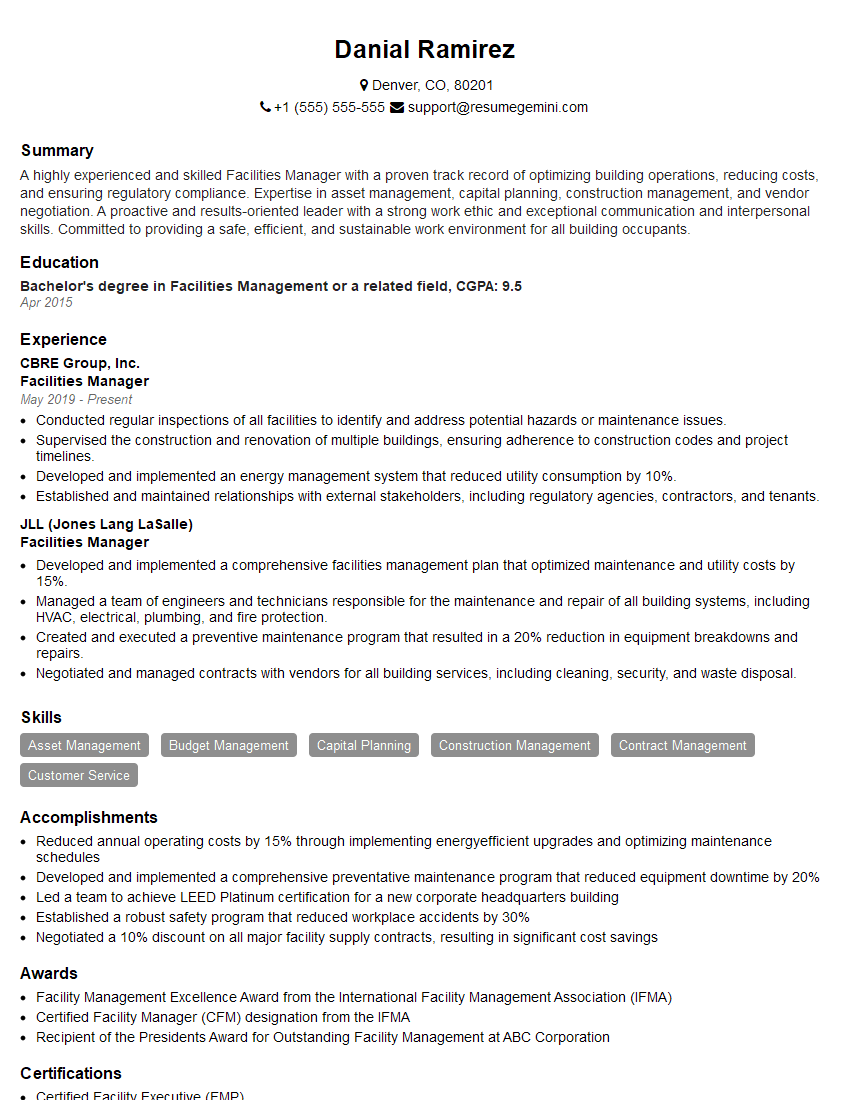
Facilities Manager Resume Sample
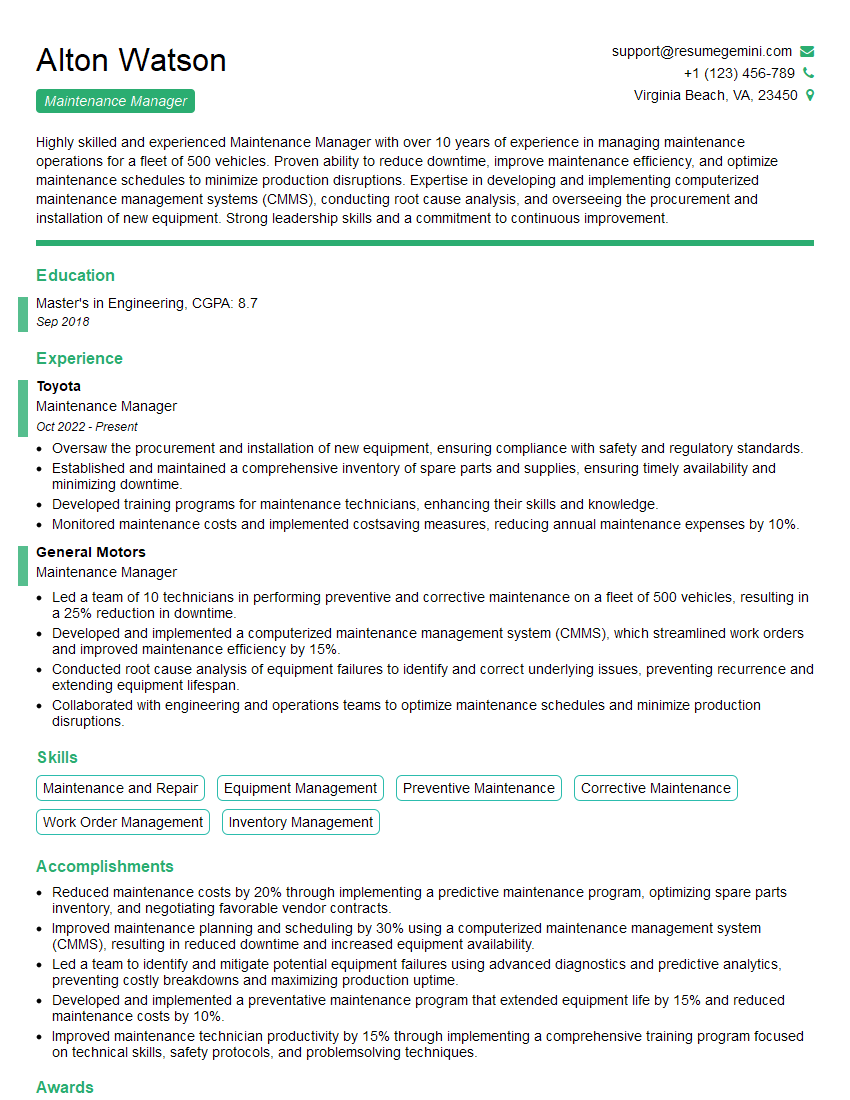
Maintenance Manager Resume Sample
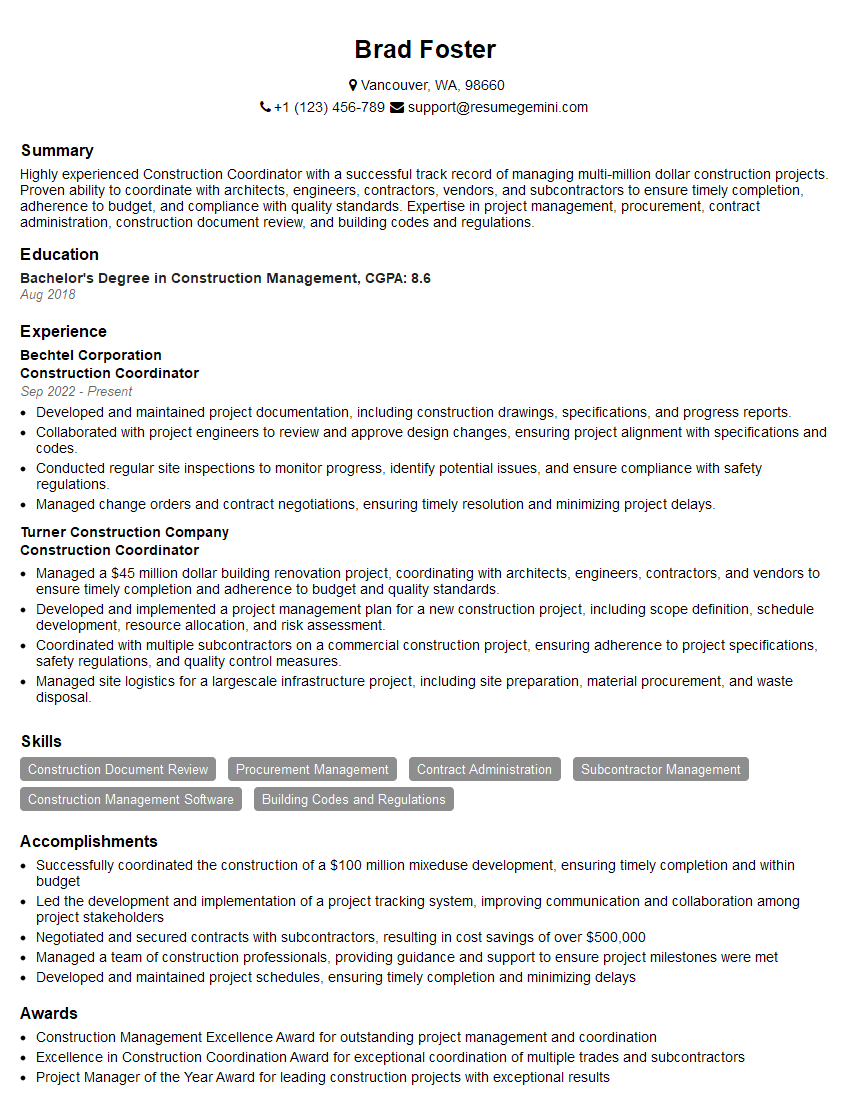
Construction Coordinator Resume Sample
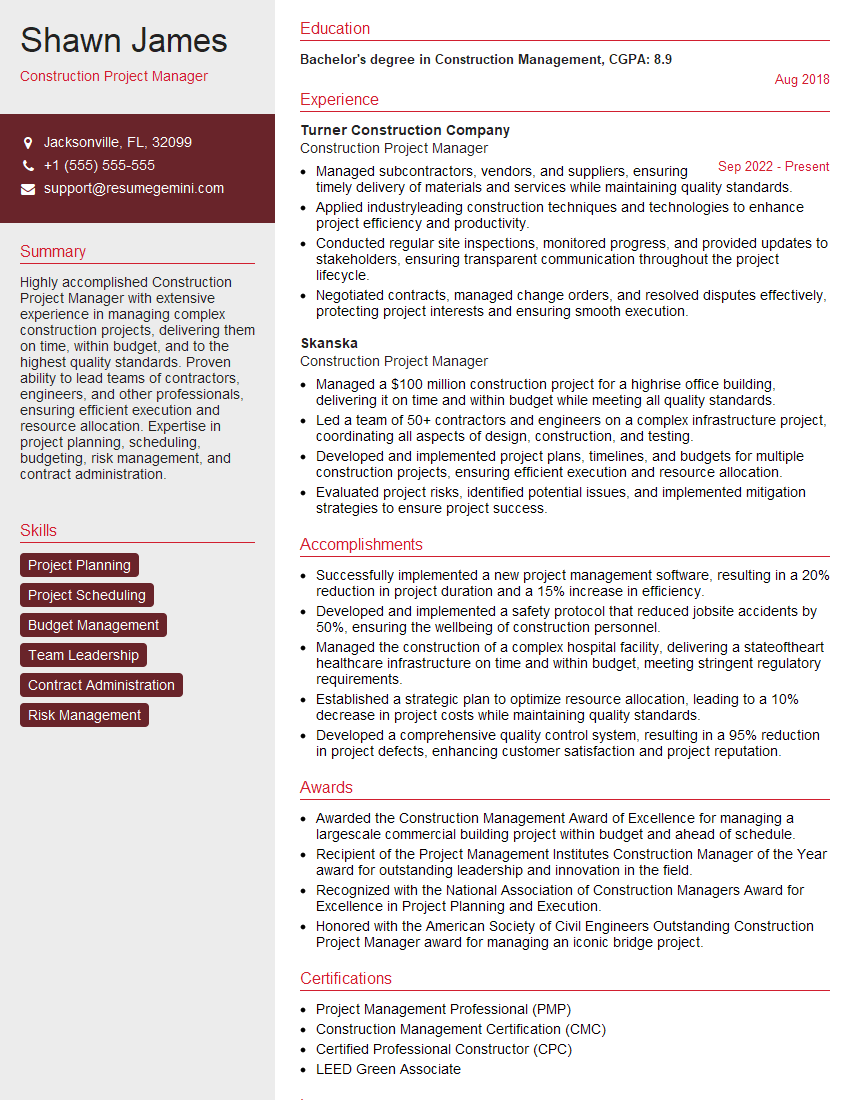
Construction Project Manager Resume Sample

Construction Superintendent Resume Sample
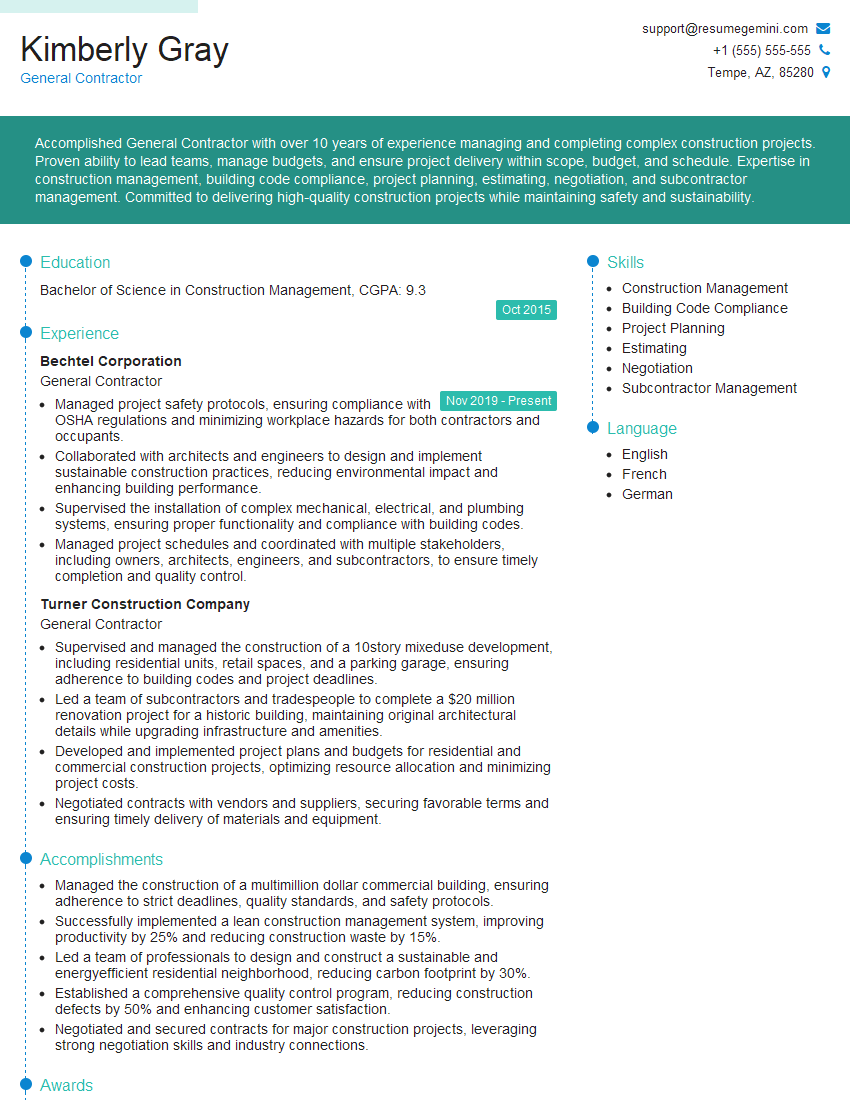
General Contractor Resume Sample

Project Engineer Resume Sample
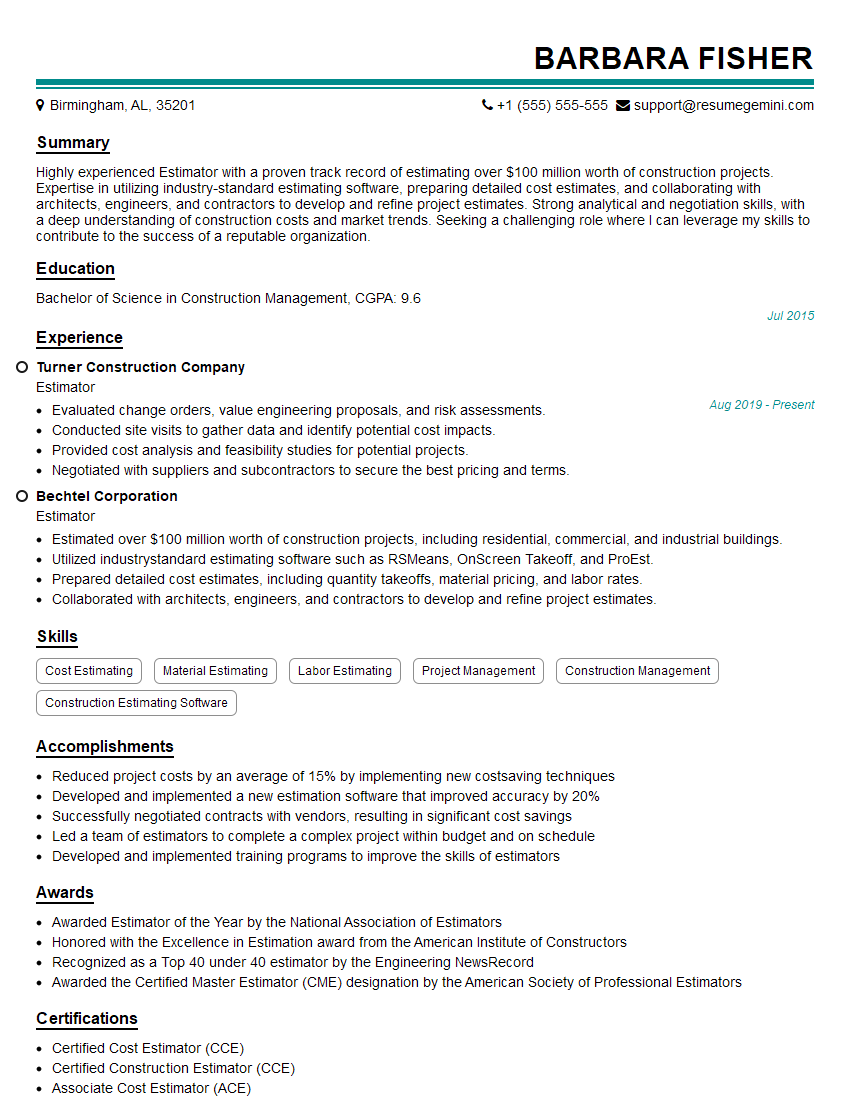
Estimator Resume Sample
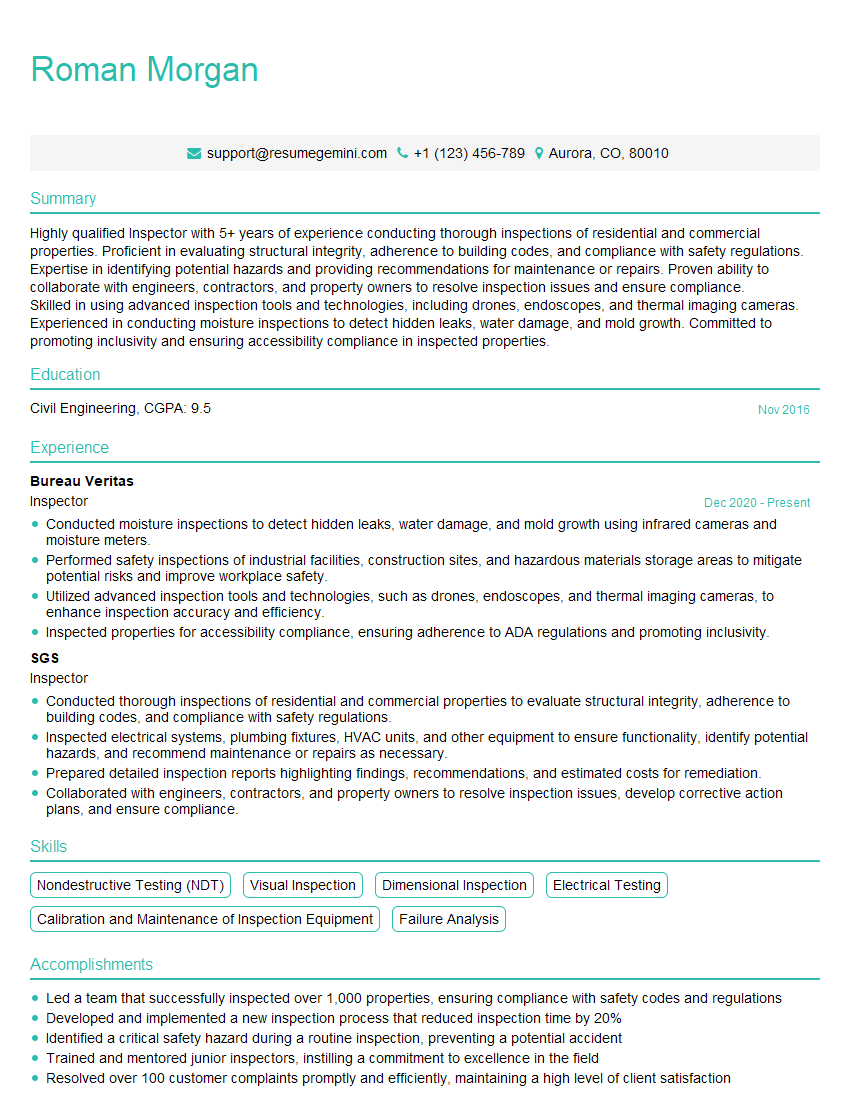
Inspector Resume Sample
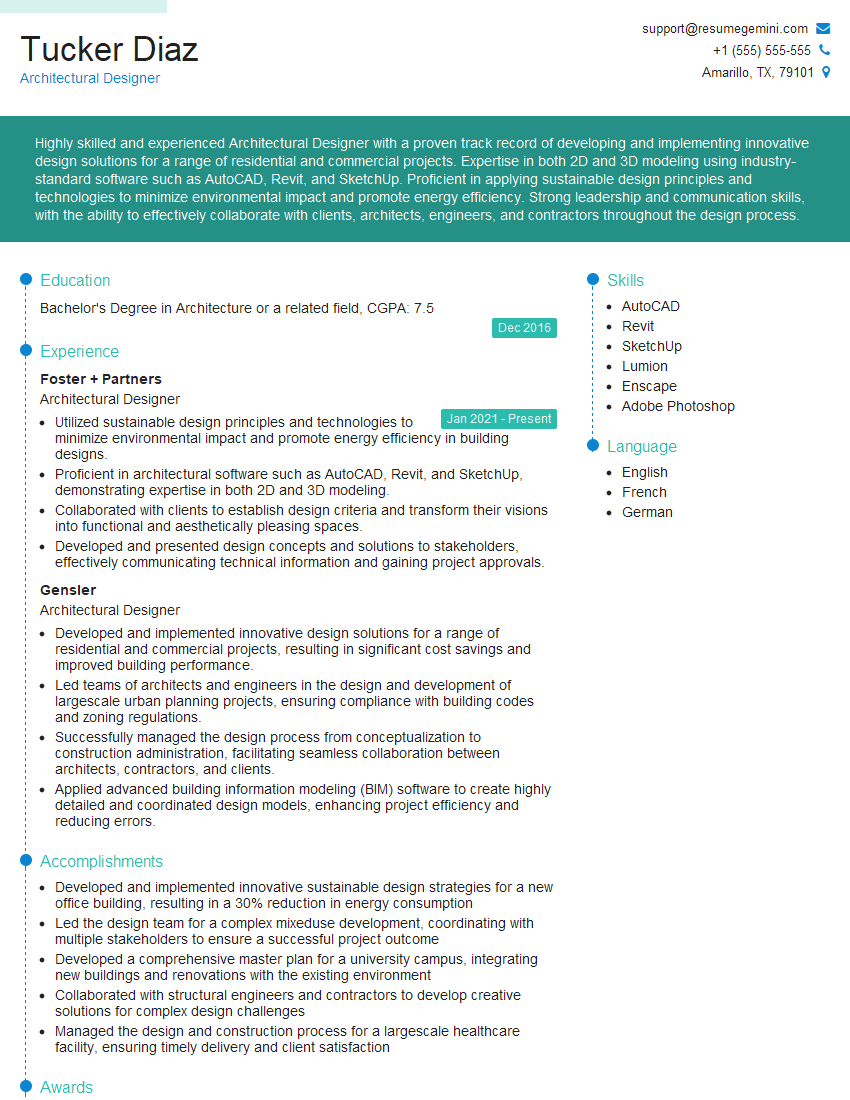
Architectural Designer Resume Sample
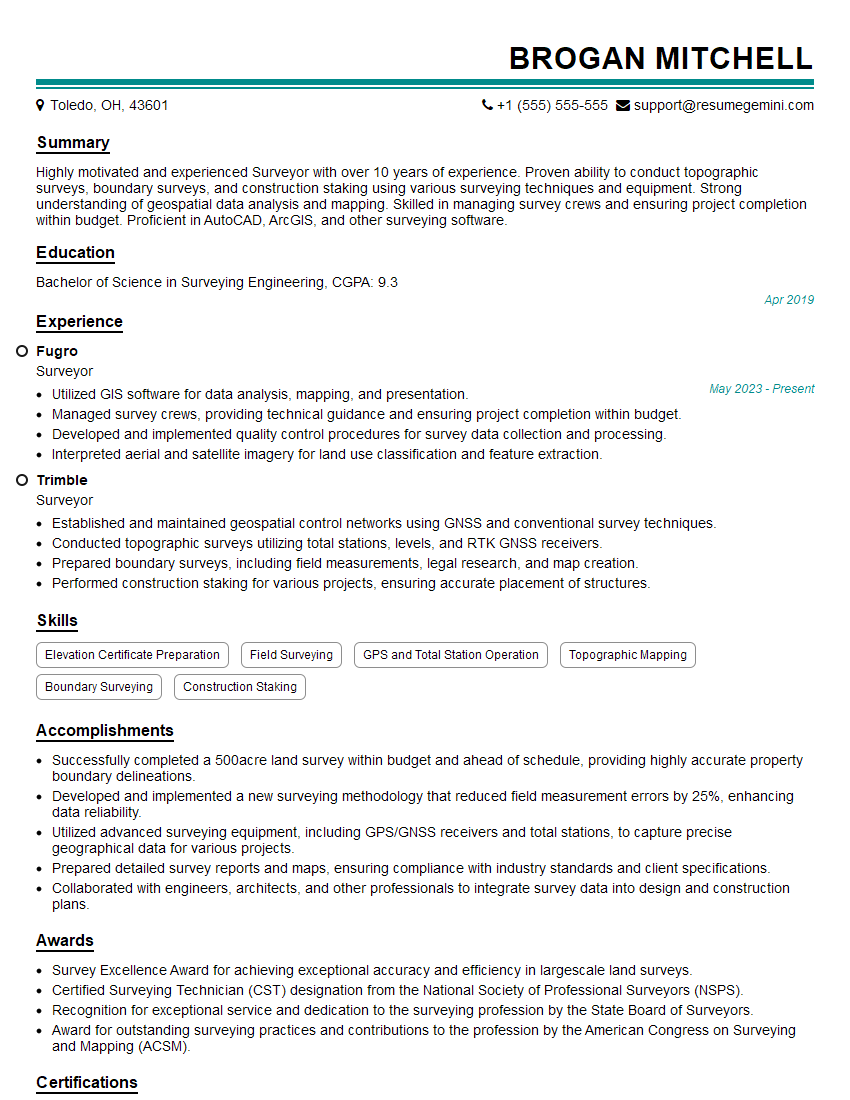
Surveyor Resume Sample
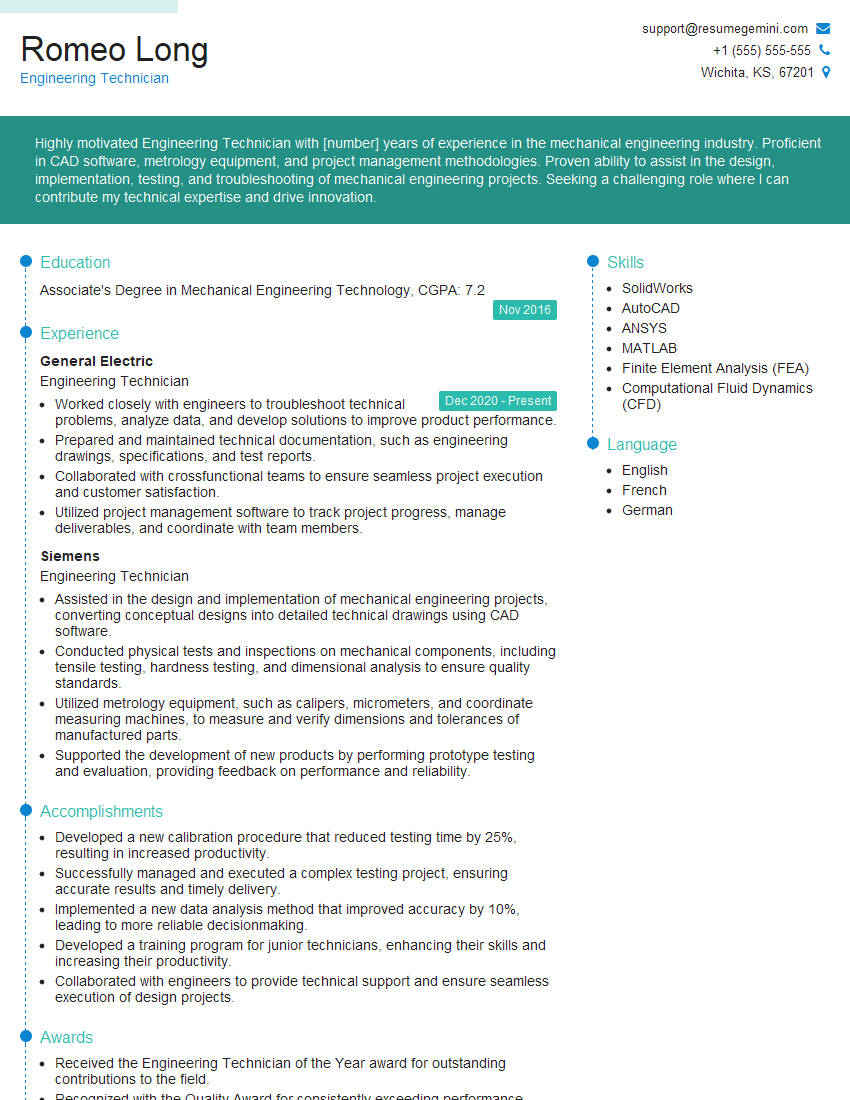
Engineering Technician Resume Sample
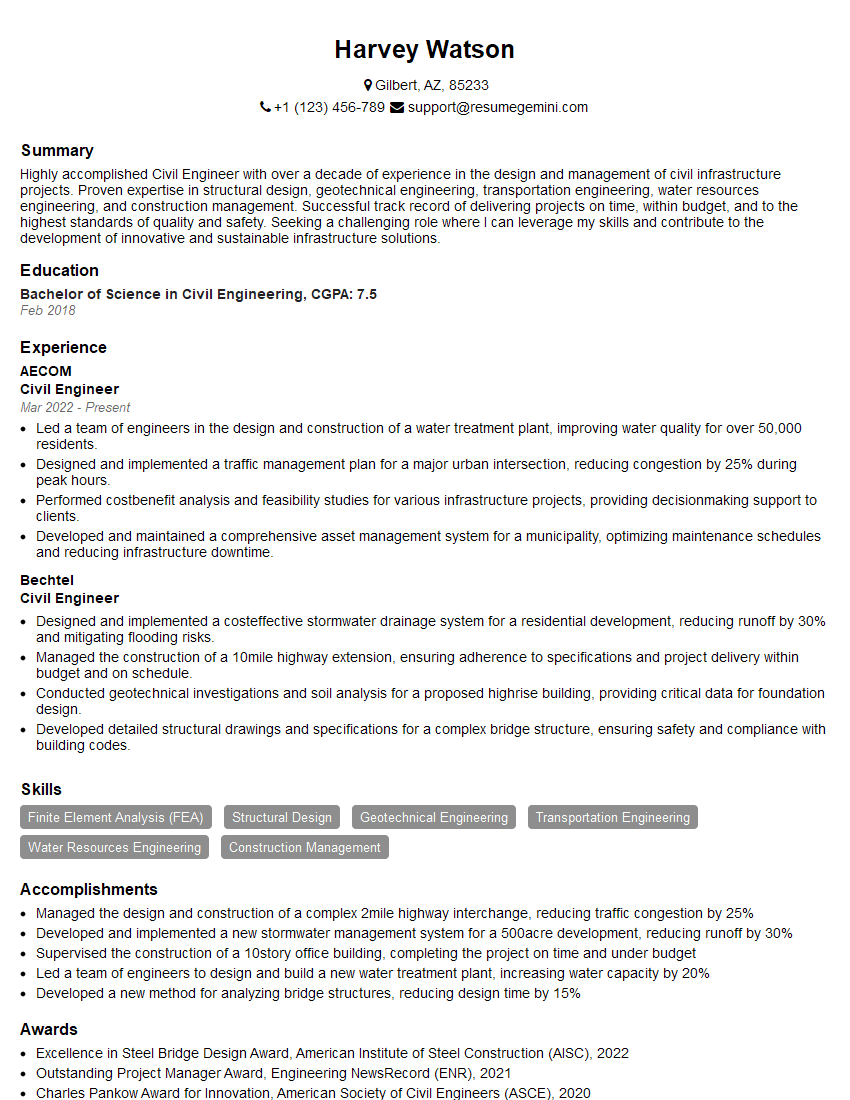
Civil Engineer Resume Sample
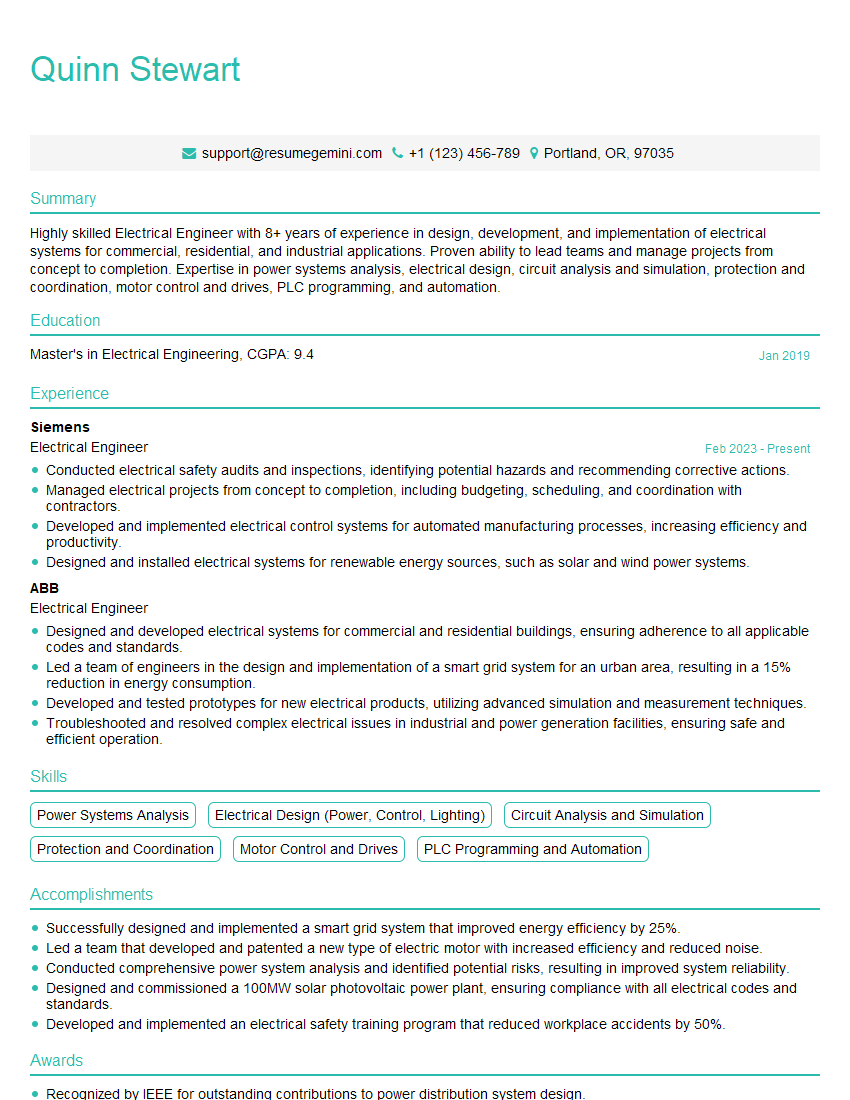
Electrical Engineer Resume Sample
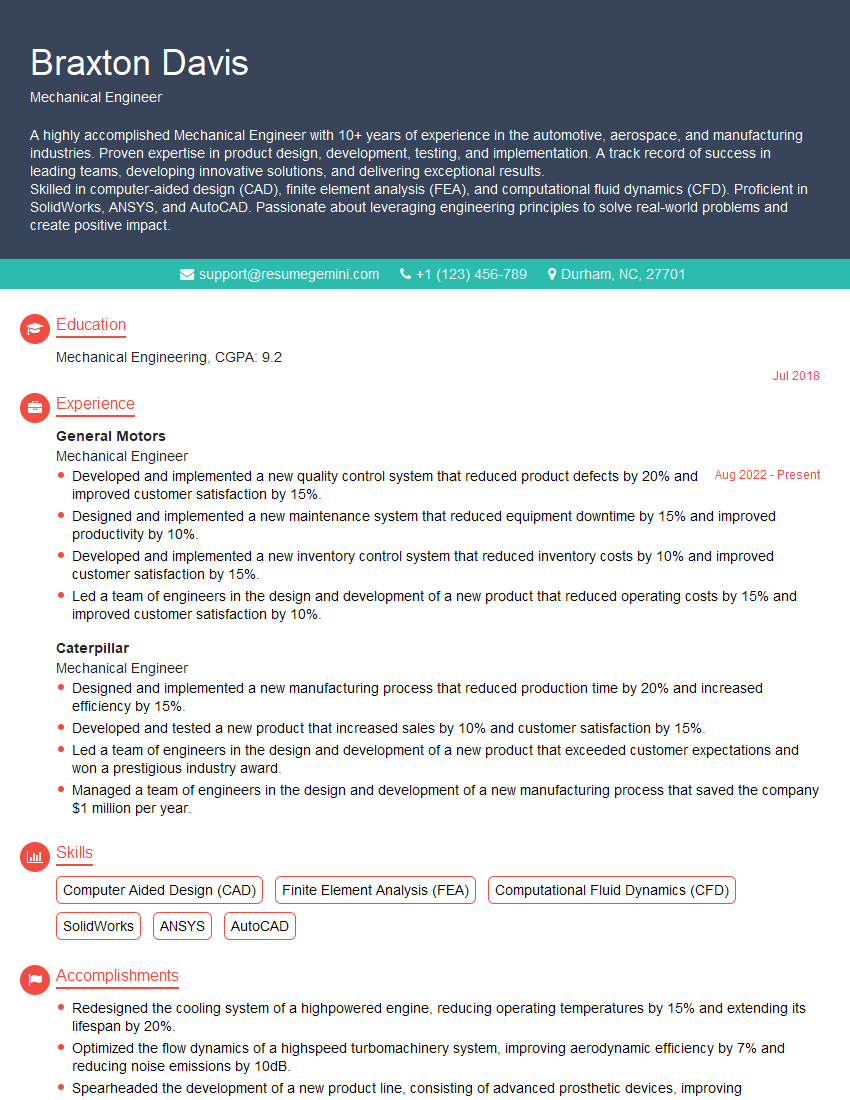
Mechanical Engineer Resume Sample
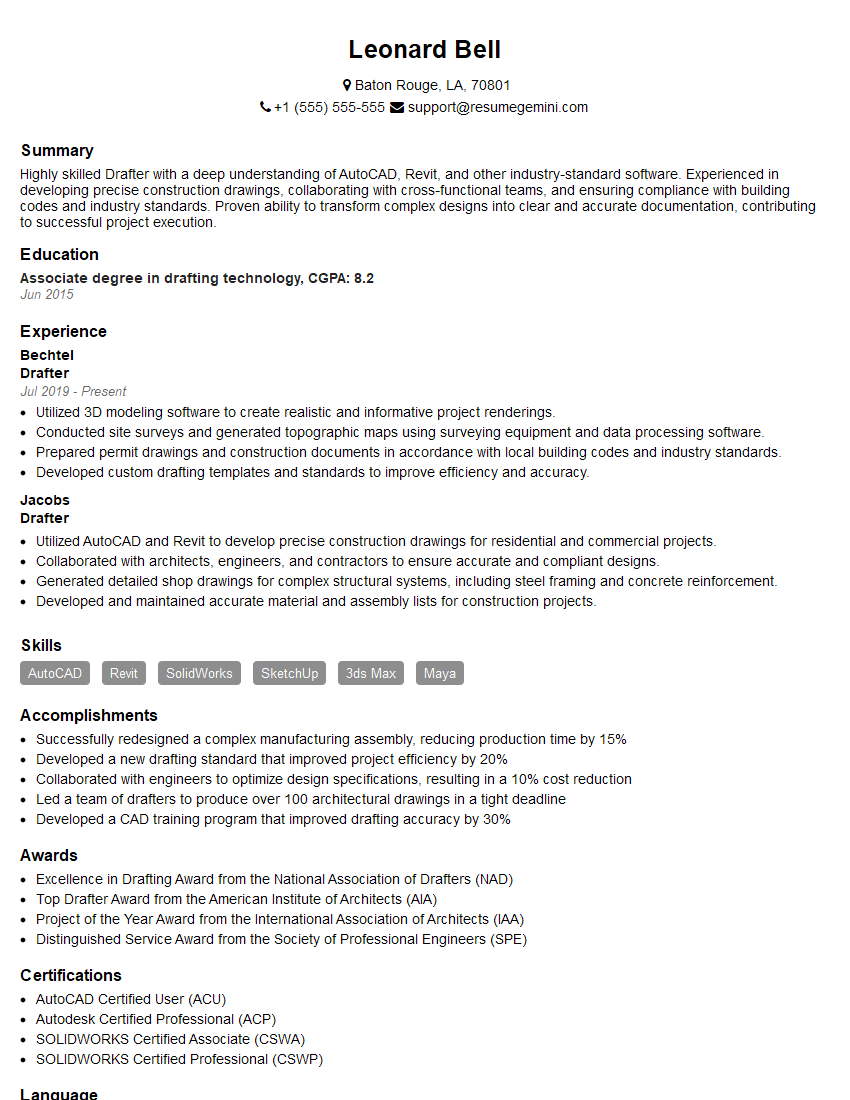
Drafter Resume Sample
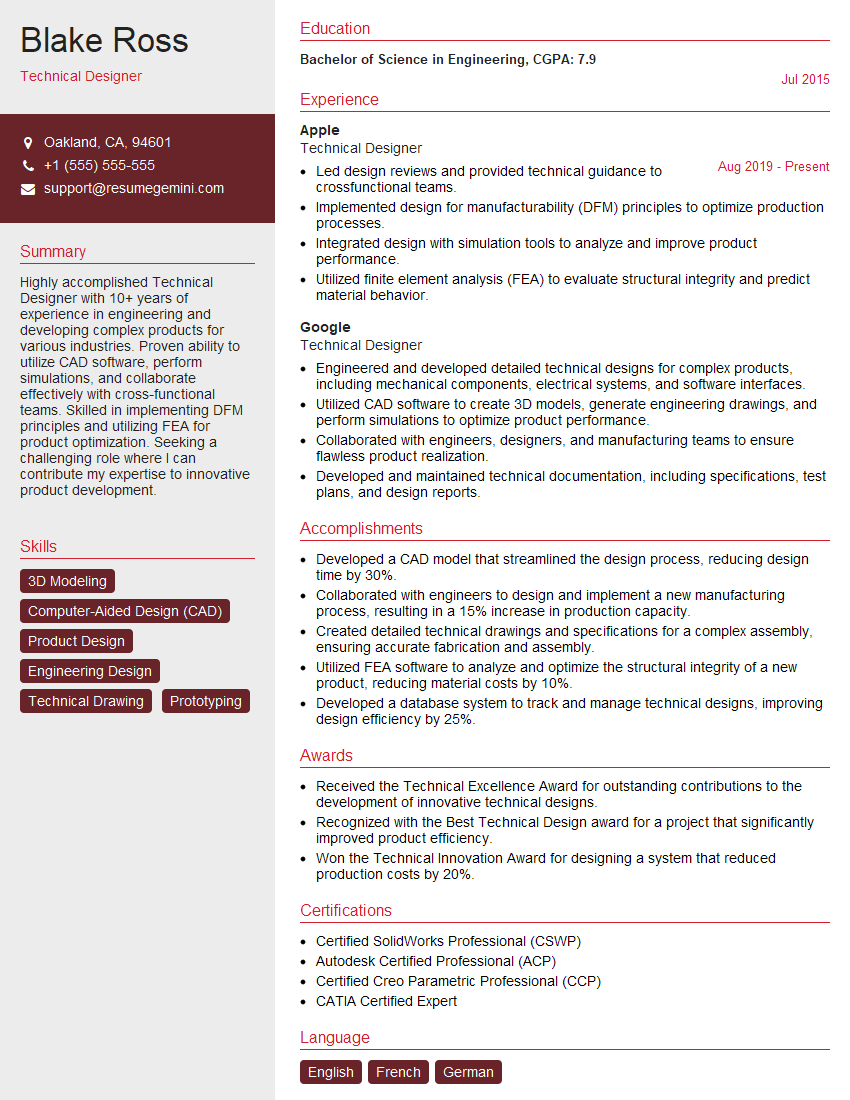
Technical Designer Resume Sample
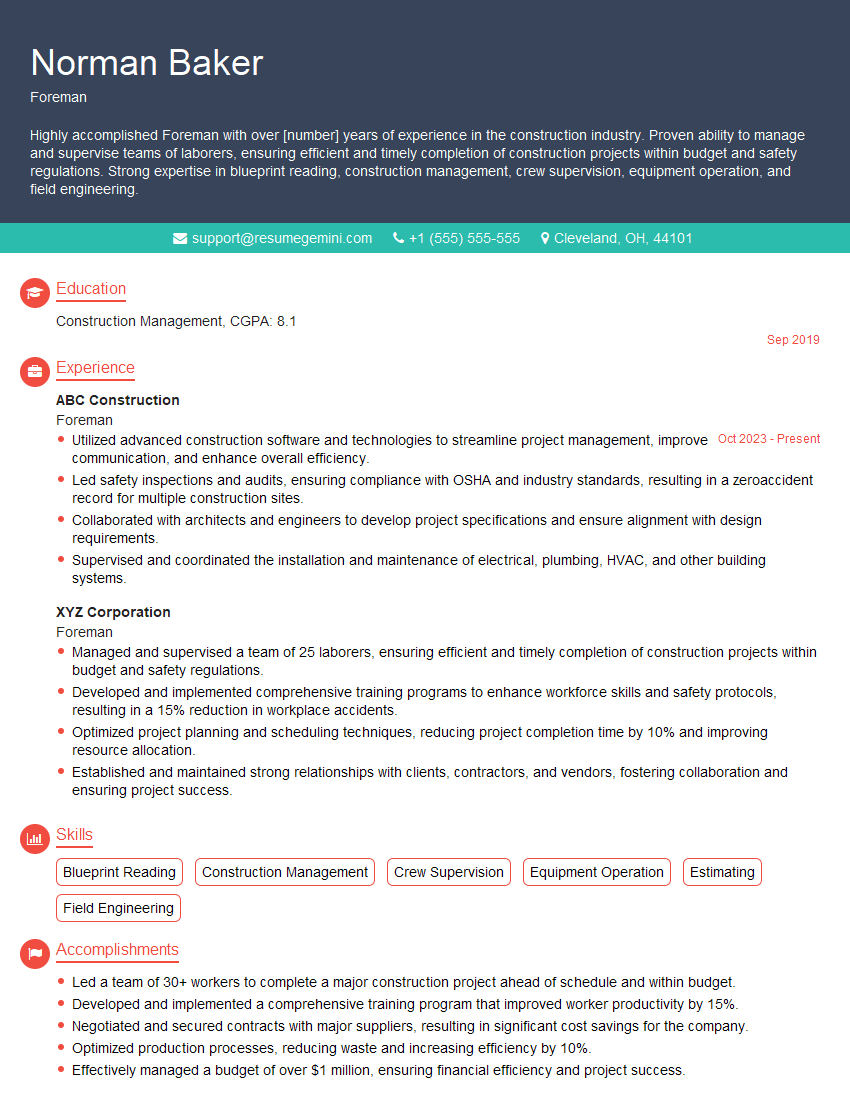
Foreman Resume Sample
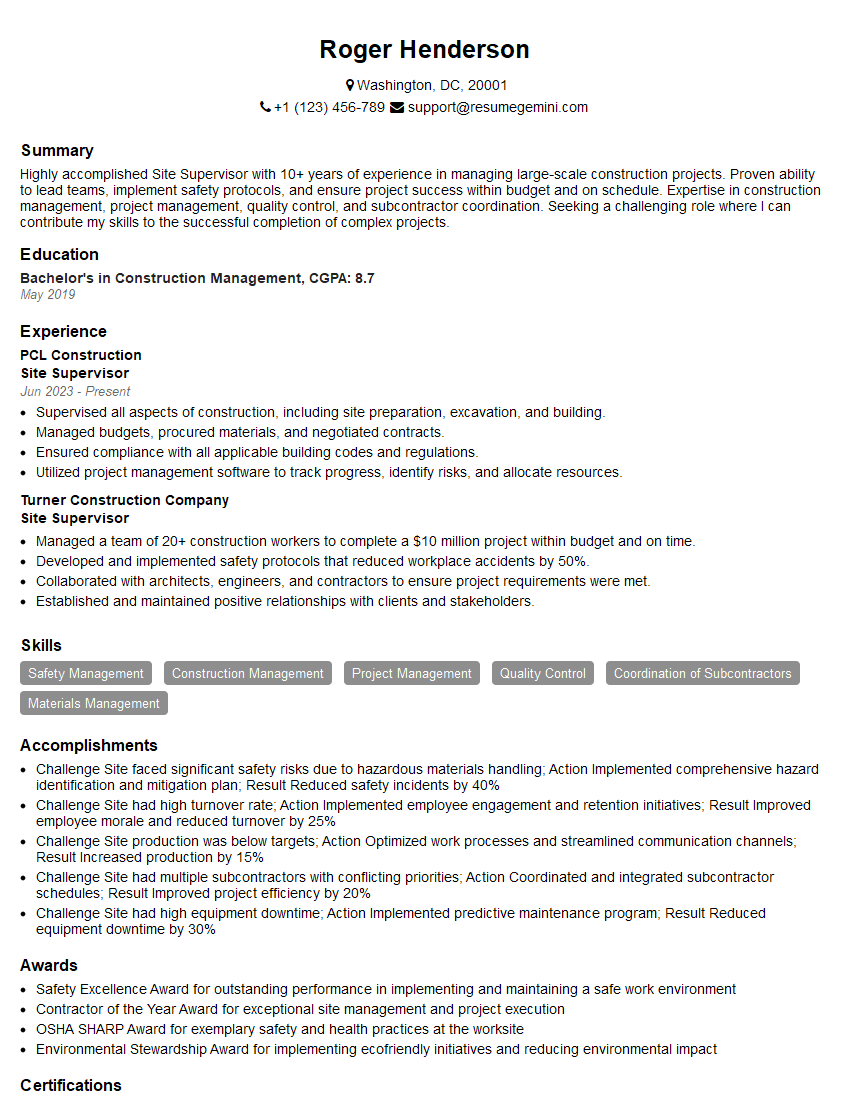
Site Supervisor Resume Sample
- Facilities Manager
- Maintenance Manager
- Construction Coordinator
- Construction Project Manager
- Construction Superintendent
- General Contractor
- Project Engineer
- Estimator
- Inspector
- Architectural Designer
- Surveyor
- Engineering Technician
- Civil Engineer
- Electrical Engineer
- Mechanical Engineer
- Drafter
- Technical Designer
- Foreman
- Site Supervisor
Explore more articles
Users Rating of Our Blogs
Share Your Experience
We value your feedback! Please rate our content and share your thoughts (optional).
What Readers Say About Our Blog
Very informative content, great job.
good