The right preparation can turn an interview into an opportunity to showcase your expertise. This guide to Farm Safety Procedures interview questions is your ultimate resource, providing key insights and tips to help you ace your responses and stand out as a top candidate.
Questions Asked in Farm Safety Procedures Interview
Q 1. Describe your experience developing and implementing farm safety programs.
Developing and implementing farm safety programs requires a multi-faceted approach. My experience involves a thorough understanding of the farm’s operations, identifying potential hazards, and creating tailored safety protocols. This begins with a comprehensive risk assessment, identifying high-risk areas like machinery operation, pesticide handling, and livestock management. I then develop a program that includes written safety policies, employee training tailored to their specific roles, and regular safety inspections. For example, I worked on a dairy farm where we implemented a new milking parlor safety protocol, including improved access points to reduce slips, trips, and falls. This included retraining staff on proper equipment usage and emergency procedures. We also installed a new emergency shut-off system for the milking equipment, significantly reducing the risk of injury. Finally, the effectiveness of the program is continually monitored through regular audits and incident reporting, leading to ongoing improvements and refinements.
Q 2. What are the key elements of a comprehensive farm safety risk assessment?
A comprehensive farm safety risk assessment is the cornerstone of any effective safety program. It involves systematically identifying potential hazards, evaluating their risks, and determining control measures. Key elements include:
- Hazard Identification: This involves a thorough walkthrough of the farm, identifying all potential hazards – from machinery to chemicals to livestock. For instance, we would identify unguarded PTO shafts on tractors, slippery surfaces near livestock pens, and improper chemical storage.
- Risk Assessment: This step involves evaluating the likelihood and severity of each hazard. For example, a faulty tractor PTO shaft poses a high likelihood of a serious injury. We would use a risk matrix to score each hazard based on these factors.
- Control Measures: Once risks are assessed, appropriate control measures are implemented. This could include things like machine guarding, improved housekeeping, personal protective equipment (PPE), safety training, or engineering controls. For the faulty PTO shaft, the control measure would be guarding the shaft or replacing the tractor.
- Documentation: All findings, assessments, and control measures should be meticulously documented to ensure accountability and track progress.
- Regular Review: The risk assessment isn’t a one-time event. It should be regularly reviewed and updated to reflect changes in the farm’s operations, technology, and regulations.
Q 3. Explain your understanding of OSHA regulations related to agriculture.
My understanding of OSHA regulations related to agriculture is extensive. OSHA’s agricultural standards, while less comprehensive than those for other industries, still mandate numerous safety requirements. These include, but aren’t limited to, requirements for:
- Machinery safety: Safeguarding power take-off (PTO) shafts, roll-over protection structures (ROPS) on tractors, and proper machine guarding are crucial.
- Hazardous materials handling: Proper storage, use, and disposal of pesticides, herbicides, and other chemicals are strictly regulated, including the provision of appropriate personal protective equipment (PPE).
- Grain handling: Safe procedures for entering and working within grain bins, including the use of appropriate safety equipment and procedures, are vital to preventing engulfment hazards.
- Emergency response planning: Farmers are required to have plans in place to handle accidents and emergencies, including communication procedures and first aid provisions.
- Employee training: OSHA requires employers to provide adequate safety training to their employees, covering all aspects of farm work.
It’s important to remember that OSHA regulations are complex and vary depending on the specific farm operation. Staying updated with the latest changes and guidelines is essential for compliance.
Q 4. How would you handle a workplace accident involving farm machinery?
Handling a workplace accident involving farm machinery requires a systematic and prompt response. The first step is to ensure the safety of everyone involved. This means turning off the machinery, securing the area, and providing first aid if necessary. Next, emergency services (911) should be contacted immediately. While waiting for emergency responders, documentation begins. This involves taking photos of the scene, noting witness statements, and documenting the extent of any injuries. The incident should be reported to OSHA within the required timeframe, as detailed in their regulations. Following the immediate response, a thorough investigation is conducted to determine the root cause of the accident. This might involve examining the machine itself, reviewing training records, and interviewing witnesses. The investigation’s findings inform corrective actions, preventing similar incidents in the future. Finally, the accident provides an opportunity for reassessment of existing safety procedures and the implementation of additional measures to prevent recurrence.
Q 5. What are the common hazards associated with pesticide application?
Pesticide application presents numerous hazards. The most significant include:
- Acute toxicity: Direct exposure can lead to immediate health problems, ranging from skin irritation and respiratory issues to more severe effects, depending on the pesticide.
- Chronic health effects: Long-term exposure to certain pesticides has been linked to various cancers, neurological disorders, and reproductive problems.
- Environmental contamination: Improper handling and disposal can contaminate soil, water, and air, harming beneficial organisms and posing risks to human health.
- Equipment hazards: Equipment malfunction, improper calibration, and lack of maintenance can lead to spills, exposure, and injuries.
- Exposure routes: Pesticides can enter the body through inhalation, skin absorption, or ingestion.
Mitigating these hazards requires rigorous adherence to safety protocols, including proper PPE (respirators, gloves, protective clothing), careful calibration and application, and proper disposal of empty containers. Training workers in safe handling and application techniques is critical.
Q 6. Describe your experience with training farm workers on safety procedures.
Training farm workers on safety procedures is a crucial aspect of my role. I believe in a multi-pronged approach combining classroom instruction, hands-on demonstrations, and regular reinforcement. For example, when training workers on tractor operation, I start with classroom sessions covering safety regulations, pre-operation checks, and emergency procedures. This is then followed by hands-on training in a controlled environment where trainees can practice operating the machinery under supervision. Regular refresher courses and on-the-job coaching ensure that knowledge is maintained and updated. I also utilize various training aids like videos, manuals, and interactive simulations to enhance engagement and comprehension. Furthermore, feedback is actively sought from workers, incorporating their suggestions and ensuring the training is relevant and practical. The ultimate goal is to foster a safety-conscious culture where workers are empowered to identify and report hazards.
Q 7. How do you ensure compliance with farm safety regulations?
Ensuring compliance with farm safety regulations is an ongoing process that involves multiple strategies. First, thorough documentation of all safety procedures, training records, and incident reports is essential. Regular safety inspections are conducted to identify any non-compliance issues, and corrective actions are immediately implemented. This could include updating equipment, modifying procedures, or providing additional training. Furthermore, I maintain open communication with workers, encouraging them to report any safety concerns without fear of reprisal. Finally, staying informed about current regulations and industry best practices is crucial. This includes regular review of OSHA guidelines and participation in relevant training programs to ensure that the farm’s safety program is up to date and effective. Ultimately, a proactive approach that prioritizes safety and continuous improvement is critical for maintaining compliance.
Q 8. What are your strategies for preventing slips, trips, and falls on a farm?
Preventing slips, trips, and falls on a farm requires a multi-pronged approach focusing on environmental control and personal responsibility. Think of it like creating a safe pathway for everyone and making sure everyone understands how to navigate it safely.
Good Housekeeping: Regularly cleaning up debris like spilled grain, mud, or tools is paramount. Imagine a farmer rushing to get work done and tripping over a loose board—that’s preventable with consistent cleaning.
Proper Lighting: Adequate lighting, especially in barns and around machinery, reduces the risk of falls, especially in low-light conditions like dawn or dusk. Imagine trying to navigate a dimly lit barn at night; sufficient lighting eliminates that risk.
Stable Surfaces: Repairing uneven surfaces, damaged flooring, and broken steps is crucial. Think of patching potholes in a driveway – the same principle applies to farm walkways and floors.
Appropriate Footwear: Providing and encouraging the use of sturdy, non-slip boots and shoes is critical. Imagine the difference between working in well-worn boots and slippery sneakers.
Handrails and Guardrails: Installing handrails on stairs and guardrails around elevated work areas greatly minimizes fall hazards. Think of guardrails around a silo, a significant safety measure to protect workers from a potentially fatal fall.
Q 9. Explain your knowledge of personal protective equipment (PPE) used in agriculture.
Personal Protective Equipment (PPE) is essential in agriculture to mitigate risks from various hazards. Think of PPE as a farmer’s second skin, providing protection against various hazards.
Eye Protection: Safety glasses or goggles are vital when working with machinery, chemicals, or livestock, protecting against flying debris or splashes.
Hearing Protection: Earplugs or earmuffs are needed when operating loud machinery like tractors or combines to prevent hearing damage. Prolonged exposure to loud noises can cause permanent hearing loss.
Respiratory Protection: Respirators are necessary when handling pesticides or working in dusty environments to prevent inhaling harmful substances. Imagine the risk of inhaling pesticide dust without a respirator – it could be fatal.
Head Protection: Hard hats are essential when working near overhead hazards or operating machinery. A falling object could cause serious head injuries, but a hard hat significantly mitigates that risk.
Hand Protection: Gloves protect hands from cuts, abrasions, chemicals, and extreme temperatures. Choosing the right glove for the task is crucial; handling livestock requires different gloves than handling chemicals.
Foot Protection: Sturdy, steel-toed boots are vital for protecting feet from crushing injuries or puncture wounds from sharp objects. A falling object or a nail can cause severe injuries without proper foot protection.
Protective Clothing: Flame-resistant clothing should be worn when working with welding equipment or near open flames. Long sleeves and pants provide additional protection from abrasions and pesticide contact.
Q 10. How do you manage emergency situations on a farm?
Managing emergencies on a farm requires preparedness, swift action, and a well-defined plan. It’s like having a detailed playbook for every potential scenario.
Emergency Contact List: Keeping an updated list of emergency contacts, including local emergency services, veterinarians, and neighbors, is crucial.
First Aid Kit: A well-stocked first aid kit should be readily accessible, with regular checks to ensure all supplies are present and in good condition. Knowing basic first aid is also essential.
Emergency Communication System: Having reliable communication methods, such as cell phones, radios, or a designated emergency contact person, ensures quick response in case of an accident.
Emergency Response Plan: Developing a comprehensive plan detailing emergency procedures for various situations, such as fire, chemical spills, or animal emergencies, is paramount. Regular drills ensure everyone knows their roles and responsibilities.
Training and Education: Providing regular safety training and education to all farm workers on emergency procedures is crucial to ensure a coordinated and efficient response to any emergency. This includes CPR and first aid training.
Q 11. What are the specific safety precautions for operating tractors and other heavy machinery?
Operating tractors and heavy machinery necessitates strict adherence to safety protocols. Think of it like piloting a large aircraft – precision and caution are paramount.
Pre-Operation Checks: Conducting thorough pre-operation checks of the machinery’s components, including brakes, lights, tires, and fluid levels, is crucial. Ignoring this step is inviting disaster.
Proper Training: Operators must receive adequate training and possess the necessary certifications before operating any heavy machinery. Improper handling can lead to serious accidents.
Safe Operating Procedures: Adhering to safe operating procedures, including maintaining a safe speed, avoiding distractions, and staying alert to surroundings, is paramount. Distracted driving is just as dangerous on a farm as it is on a highway.
Protective Clothing: Wearing appropriate PPE, including safety glasses, hearing protection, and sturdy clothing, is essential. The consequences of not wearing these items can range from minor injuries to fatalities.
Maintenance and Servicing: Regularly maintaining and servicing the machinery is crucial to preventing malfunctions and accidents. Regular maintenance helps keep the machinery in top condition and prevent unexpected failures.
Environmental Awareness: Being aware of the environment and other workers is crucial; ensure clear visibility and communication when operating heavy machinery in close proximity to others.
Q 12. Describe your experience with grain bin safety procedures.
Grain bin safety is critical, as these environments present serious entrapment and asphyxiation hazards. Think of a grain bin as a potential death trap if safety isn’t prioritized.
Entry Permit Systems: Implementing entry permit systems, where workers obtain permission before entering a grain bin, is crucial. This system allows for monitoring and prevents unauthorized entry.
Lockout/Tagout Procedures: Using lockout/tagout procedures to prevent unexpected machinery starts before entering is paramount. This ensures that the machinery remains switched off and cannot be accidentally restarted.
Grain Bin Monitoring Systems: Utilizing grain bin monitoring systems, such as level sensors and gas detectors, provides early warning of potential hazards. These systems detect oxygen levels and warn of potential asphyxiation risks.
Rescue Equipment: Having readily available rescue equipment, including harnesses, ropes, and a rescue plan, is essential in case of an entrapment. Time is of the essence in grain bin rescues.
Training and Education: Regular training and education on grain bin safety procedures are crucial for all workers. This includes understanding the dangers of grain engulfment and proper rescue techniques.
Q 13. How do you conduct regular safety inspections on a farm?
Regular safety inspections are crucial for identifying and mitigating potential hazards. Think of it like a doctor’s checkup for the farm; regular checks help prevent bigger problems down the road.
Scheduled Inspections: Establishing a regular inspection schedule, perhaps weekly or monthly, for all farm areas and equipment is key.
Checklist System: Utilizing a comprehensive checklist to ensure all areas are inspected systematically helps maintain consistency and prevents oversight. The checklist covers potential hazards in each area.
Documentation: Maintaining thorough documentation of the inspections, including identified hazards and corrective actions, is critical for tracking progress and compliance. This helps demonstrate due diligence in maintaining a safe environment.
Corrective Actions: Implementing prompt corrective actions for identified hazards is paramount to prevent accidents. Delaying action can lead to more significant problems.
Employee Involvement: Including farm workers in the inspection process increases awareness and promotes a culture of safety. This encourages everyone to take responsibility for safety.
Q 14. What are the best practices for livestock handling safety?
Livestock handling safety requires knowledge, patience, and a respect for animal behavior. Think of it like building a positive relationship where both you and the animals are safe.
Proper Facilities: Using well-designed and maintained livestock handling facilities, such as chutes, alleys, and loading ramps, greatly reduces the risks to both animals and handlers. Proper facility design minimizes stress for both animal and handler.
Understanding Animal Behavior: Understanding the behavior of different animals and their responses to stress is crucial for safe handling. Knowing when an animal is frightened or stressed allows you to adapt your approach.
Quiet and Calm Handling: Using quiet and calm handling techniques, avoiding sudden movements or loud noises, minimizes stress and reduces the likelihood of injury to both animals and humans. A calm approach is less likely to provoke aggressive behavior.
Protective Clothing: Wearing appropriate PPE, including sturdy clothing, gloves, and footwear, protects handlers from injuries. Cuts and bites are common injuries when handling livestock.
Training and Education: Regular training and education on safe livestock handling techniques are crucial for preventing accidents and ensuring animal welfare. Training should include practical demonstrations and real-life scenarios.
Q 15. Explain your understanding of farm vehicle safety regulations.
Farm vehicle safety regulations are crucial for preventing accidents and injuries. These regulations often cover aspects like vehicle maintenance, operator training, and safe operating procedures. They dictate things like mandatory seatbelt use, regular inspections of brakes, lights, and tires, and restrictions on operating vehicles while fatigued or under the influence of alcohol or drugs. Specific regulations vary by jurisdiction, but common themes include:
- Operator Licensing and Training: Many regions require operators of certain farm vehicles (e.g., tractors, ATVs) to have appropriate licenses or certifications demonstrating competency.
- Vehicle Maintenance: Regular inspections and maintenance are mandated to ensure vehicles are in safe operating condition. This includes regular servicing, timely repairs, and adherence to manufacturer recommendations.
- Safe Operating Procedures: Regulations often outline safe operating procedures, such as speed limits in specific areas, rules for transporting passengers, and procedures for operating vehicles on public roads.
- Protective Equipment: Regulations may mandate the use of personal protective equipment (PPE) like seatbelts, rollover protection structures (ROPS) on tractors, and high-visibility clothing.
For example, a farmer operating a tractor without a functioning ROPS is violating safety regulations and putting themselves at significant risk in the event of a rollover. Similarly, failing to properly maintain brakes could lead to a serious accident.
Career Expert Tips:
- Ace those interviews! Prepare effectively by reviewing the Top 50 Most Common Interview Questions on ResumeGemini.
- Navigate your job search with confidence! Explore a wide range of Career Tips on ResumeGemini. Learn about common challenges and recommendations to overcome them.
- Craft the perfect resume! Master the Art of Resume Writing with ResumeGemini’s guide. Showcase your unique qualifications and achievements effectively.
- Don’t miss out on holiday savings! Build your dream resume with ResumeGemini’s ATS optimized templates.
Q 16. How do you address employee concerns regarding safety issues?
Addressing employee concerns regarding safety is paramount. I believe in creating a culture of open communication where employees feel comfortable raising safety issues without fear of reprisal. My approach involves:
- Open-Door Policy: I encourage regular, informal conversations about safety. This allows employees to voice concerns in a relaxed setting.
- Formal Reporting System: A documented system for reporting hazards, near misses, and incidents ensures issues are addressed promptly and systematically.
- Immediate Action: When a safety concern is raised, I prioritize immediate investigation and resolution, taking appropriate corrective action.
- Employee Involvement: I actively involve employees in identifying and evaluating hazards, developing solutions, and implementing safety improvements. This fosters a sense of ownership and responsibility.
- Training and Education: Regular safety training and refresher courses keep employees updated on best practices and new regulations.
For instance, if an employee expresses concern about the lack of lighting in a particular area, I would immediately investigate, potentially install improved lighting, and follow up to ensure the employee feels the issue has been addressed effectively.
Q 17. Describe your approach to investigating and reporting farm accidents.
Investigating and reporting farm accidents involves a methodical approach to determine the cause, prevent recurrence, and comply with legal requirements. My approach includes:
- Immediate Response: Prioritize first aid and emergency services if necessary.
- Secure the Scene: Prevent further injury and preserve evidence.
- Gather Information: Document the accident thoroughly, including witness statements, photos, and any damaged equipment.
- Identify Contributing Factors: Analyze the incident to pinpoint the root cause and any contributing factors, such as equipment malfunction, unsafe practices, or environmental conditions.
- Develop Corrective Actions: Implement measures to eliminate or mitigate the hazards that led to the accident.
- Report to Authorities: Comply with all legal reporting requirements, notifying relevant agencies as necessary (e.g., OSHA, insurance company).
- Follow-up and Evaluation: Monitor the effectiveness of corrective actions and make further adjustments if needed.
For example, if a worker suffers a hand injury while using a piece of equipment, I would investigate to determine if the equipment was properly guarded, if the worker received adequate training, and whether any procedural changes are needed to prevent similar incidents in the future. A detailed report would be compiled, including photos of the injury, the equipment, and the work area.
Q 18. What are the common causes of farm injuries?
Farm injuries stem from a variety of sources, often involving a combination of factors. Some common causes include:
- Machinery Accidents: Tractor rollovers, entanglement in power take-off (PTO) shafts, and crushing injuries are common.
- Livestock Accidents: Injuries from kicks, bites, or falls from animals.
- Slips, Trips, and Falls: Uneven terrain, slippery surfaces, and inadequate lighting contribute to these accidents.
- Exposure to Hazardous Materials: Pesticides, herbicides, and fertilizers can cause poisoning or other health problems if mishandled.
- Heat Stress and Exhaustion: Working in extreme weather conditions can lead to heat-related illnesses.
- Lack of Training and Awareness: Inadequate training on safe operating procedures and lack of awareness of potential hazards are major contributors.
For example, a lack of training on PTO shaft safety can lead to serious injuries or fatalities. Similarly, inadequate lighting in barns can increase the risk of slips, trips, and falls.
Q 19. How do you ensure the proper storage and handling of hazardous materials?
Proper storage and handling of hazardous materials are vital for preventing accidents and protecting the environment. My approach involves:
- Designated Storage Areas: Hazardous materials are stored in clearly marked, secure areas away from ignition sources and incompatible substances. Storage areas should be well-ventilated and protected from weather.
- Proper Labeling and Identification: All containers are clearly labeled with the name of the material, hazard warnings, and handling instructions. Safety Data Sheets (SDS) are readily available.
- Appropriate Containment: Materials are stored in appropriate containers to prevent leaks or spills. Spill kits are readily accessible in case of an accident.
- Employee Training: Employees receive comprehensive training on the safe handling, storage, and disposal of hazardous materials.
- Regular Inspections: Storage areas are regularly inspected to ensure compliance with safety standards and to identify any potential hazards.
- Disposal Procedures: Hazardous waste is disposed of according to regulations, often requiring specialized disposal services.
For example, pesticides are stored in a locked cabinet in a well-ventilated area, far from food or feed. Employees are trained on proper donning and doffing of PPE and follow a strict procedure for mixing and applying these materials.
Q 20. Explain your knowledge of emergency response plans for farms.
A comprehensive emergency response plan is essential for handling various incidents on a farm. This plan should:
- Identify Potential Hazards: Assess the farm’s unique risks, such as fire, chemical spills, machinery accidents, and medical emergencies.
- Establish Emergency Procedures: Detail step-by-step procedures for handling each type of emergency, including evacuation procedures, first aid, and contacting emergency services.
- Communication System: Outline methods for communicating during an emergency, such as using radios, cell phones, or designated personnel.
- Emergency Contacts: Maintain a list of emergency contacts, including local emergency services, medical personnel, and relevant farm personnel.
- Training and Drills: Regular training and drills ensure that employees are familiar with the plan and can respond effectively in an emergency.
- Equipment and Resources: Ensure adequate first aid supplies, fire extinguishers, and other essential equipment are readily available and regularly inspected.
For example, the plan might detail how to respond to a tractor rollover, including procedures for rescuing the operator, contacting emergency services, and securing the scene. Regular drills would familiarize employees with these procedures.
Q 21. What are your strategies for promoting a positive safety culture on a farm?
Promoting a positive safety culture requires a multifaceted approach. It’s not just about rules; it’s about embedding safety into the very fabric of the farm’s operations. My strategies include:
- Leadership Commitment: Visible and consistent commitment from farm leadership is crucial. Safety must be a top priority, reflected in decisions and actions.
- Open Communication: Create a culture where employees feel comfortable reporting safety concerns without fear of retribution.
- Employee Involvement: Engage employees in developing and implementing safety procedures; their input is invaluable.
- Regular Training and Education: Consistent safety training programs tailored to specific roles and hazards keep safety at the forefront.
- Incentive Programs: Recognize and reward employees for safe work practices; this reinforces positive behaviors.
- Regular Safety Meetings: Discuss safety issues, share best practices, and highlight near misses to foster awareness.
- Incident Investigation: Thoroughly investigate incidents and near misses to understand the root causes and prevent recurrence.
For example, we might have a monthly safety meeting where employees share near misses and brainstorm solutions to potential hazards, reinforcing a collaborative approach to safety. Rewards might be given to teams that consistently maintain a spotless safety record.
Q 22. Describe your experience with farm safety audits and inspections.
Farm safety audits and inspections are crucial for identifying hazards and ensuring compliance with regulations. My experience encompasses conducting thorough walkthroughs of farms, evaluating machinery, livestock handling practices, storage facilities, and employee work areas. I use checklists tailored to specific farm types and operations, documenting findings with photographs and detailed reports. For example, I’ve identified inadequately secured grain bins, leading to a recommendation for structural improvements, and uncovered missing personal protective equipment (PPE) resulting in mandatory PPE training for all staff. I also assess emergency response plans, ensuring they are well-defined and practiced regularly. My goal is not just to find problems, but to provide actionable recommendations for improvement, leading to a safer work environment.
Q 23. How do you ensure the effectiveness of farm safety training programs?
Effective farm safety training goes beyond simply delivering information; it involves active participation and demonstrable skill acquisition. I ensure effectiveness by using a blended learning approach combining online modules, hands-on demonstrations, practical exercises, and regular refresher courses. For example, we use interactive simulations for operating machinery safely, followed by practical sessions using real equipment under supervision. Post-training assessments and regular on-the-job observation are crucial for evaluating understanding and identifying areas needing further attention. We also actively solicit feedback from trainees to tailor future programs and ensure relevance and engagement. Ultimately, successful training translates into observable changes in behavior and a demonstrated reduction in incidents.
Q 24. What are the legal responsibilities of a farm manager regarding safety?
A farm manager has significant legal responsibilities concerning safety. These include providing a safe working environment, complying with all relevant regulations (OSHA, state-specific regulations), ensuring adequate training for all employees, maintaining proper equipment and machinery, implementing and enforcing safety procedures, and promptly investigating and reporting all accidents and incidents. Failure to meet these responsibilities can lead to significant penalties, including fines, lawsuits, and even criminal charges. It’s essential to document all safety-related activities, including training records, inspections, and incident reports. Think of it like this: the farm manager is legally responsible for the safety and well-being of every worker on the farm, and this responsibility necessitates proactive and diligent management.
Q 25. Describe your experience with developing farm safety manuals and procedures.
Developing farm safety manuals and procedures requires a systematic approach. I begin by identifying all potential hazards associated with the farm’s operations. Then, I develop specific procedures to mitigate these hazards. These procedures are clearly written, easy to understand, and accessible to all workers, regardless of their literacy level. For example, a procedure for operating a tractor might include pre-operation checks, safe operating practices, and emergency procedures. The manuals include information on PPE, emergency response, chemical handling, and livestock safety. I ensure the manuals are regularly reviewed and updated to reflect changes in regulations or farm operations. The use of visuals such as diagrams and photographs significantly improves comprehension and reduces potential misunderstandings.
Q 26. How do you adapt safety procedures to different farming operations?
Adapting safety procedures to different farming operations requires flexibility and a thorough understanding of the unique hazards associated with each operation. For example, the safety procedures for a dairy farm will differ significantly from those for a grain farm. A dairy farm will focus heavily on animal handling, milking procedures, and biosecurity, while a grain farm will emphasize machinery safety, grain storage, and pesticide application. I tailor safety training and procedures to the specific equipment, animals, and processes used on each farm. This often involves conducting site-specific risk assessments, identifying control measures, and developing specific operational procedures to address the identified risks. Regular review and updates are essential to ensure that the procedures remain relevant and effective.
Q 27. What is your experience with heat stress prevention in agriculture?
Heat stress prevention in agriculture is critically important, as prolonged exposure to high temperatures can lead to serious health consequences for workers. My experience involves implementing strategies such as providing access to shaded areas, encouraging frequent breaks in cool environments, providing adequate hydration (water, electrolyte drinks), and promoting the use of appropriate clothing (light-colored, loose-fitting clothing). I also educate workers about recognizing the symptoms of heat stress and the importance of seeking medical attention when necessary. Implementing strategies like early morning or evening work schedules, especially during heatwaves, is crucial. Using technology like real-time heat index monitoring can help in making informed decisions about work schedules and preventative measures. I emphasize the importance of monitoring workers’ conditions and providing appropriate rest and rehydration to mitigate the risks of heatstroke.
Q 28. How do you stay current on changes in farm safety regulations and best practices?
Staying current on farm safety regulations and best practices is an ongoing process. I subscribe to relevant industry publications, attend conferences and workshops, and actively participate in professional organizations focused on agricultural safety. I maintain a network of contacts within regulatory agencies and other safety professionals. I regularly review updates to OSHA standards and other applicable legislation. The use of online resources and databases provides instant access to new information and updates. Continuous professional development ensures that I remain up-to-date on emerging hazards, advancements in safety technology, and best practices in the field, allowing me to provide the most effective and up-to-date safety guidance.
Key Topics to Learn for Farm Safety Procedures Interview
- Hazard Identification and Risk Assessment: Understanding methods for identifying potential hazards on a farm (machinery, livestock, chemicals, etc.) and assessing the associated risks. Practical application involves conducting a thorough farm safety audit and developing mitigation strategies.
- Personal Protective Equipment (PPE): Knowing the types of PPE required for various farm tasks (e.g., hearing protection, eye protection, respirators, safety footwear). Practical application includes selecting and properly using appropriate PPE for different scenarios.
- Machinery Safety: Understanding safe operating procedures for tractors, combines, and other farm equipment, including pre-operational checks, lockout/tagout procedures, and safe handling practices. Practical application involves demonstrating knowledge of machinery maintenance and emergency shutdown protocols.
- Livestock Handling: Safe and humane handling techniques for various livestock, including stress reduction strategies and understanding animal behavior. Practical application includes demonstrating knowledge of safe restraint methods and emergency procedures.
- Chemical Handling and Storage: Safe storage, handling, and application of pesticides, fertilizers, and other chemicals, including understanding relevant regulations and safety data sheets (SDS). Practical application involves demonstrating knowledge of proper disposal procedures and spill response.
- Emergency Procedures: Developing and implementing emergency response plans for various scenarios (e.g., fire, injury, chemical spill). Practical application involves demonstrating knowledge of first aid and emergency contact procedures.
- Environmental Safety: Understanding environmental regulations and best practices related to farm operations, including waste management and water conservation. Practical application involves demonstrating knowledge of sustainable farming practices.
- Record Keeping and Compliance: Maintaining accurate records of safety procedures, training, and incidents. Practical application involves understanding relevant legislation and reporting requirements.
Next Steps
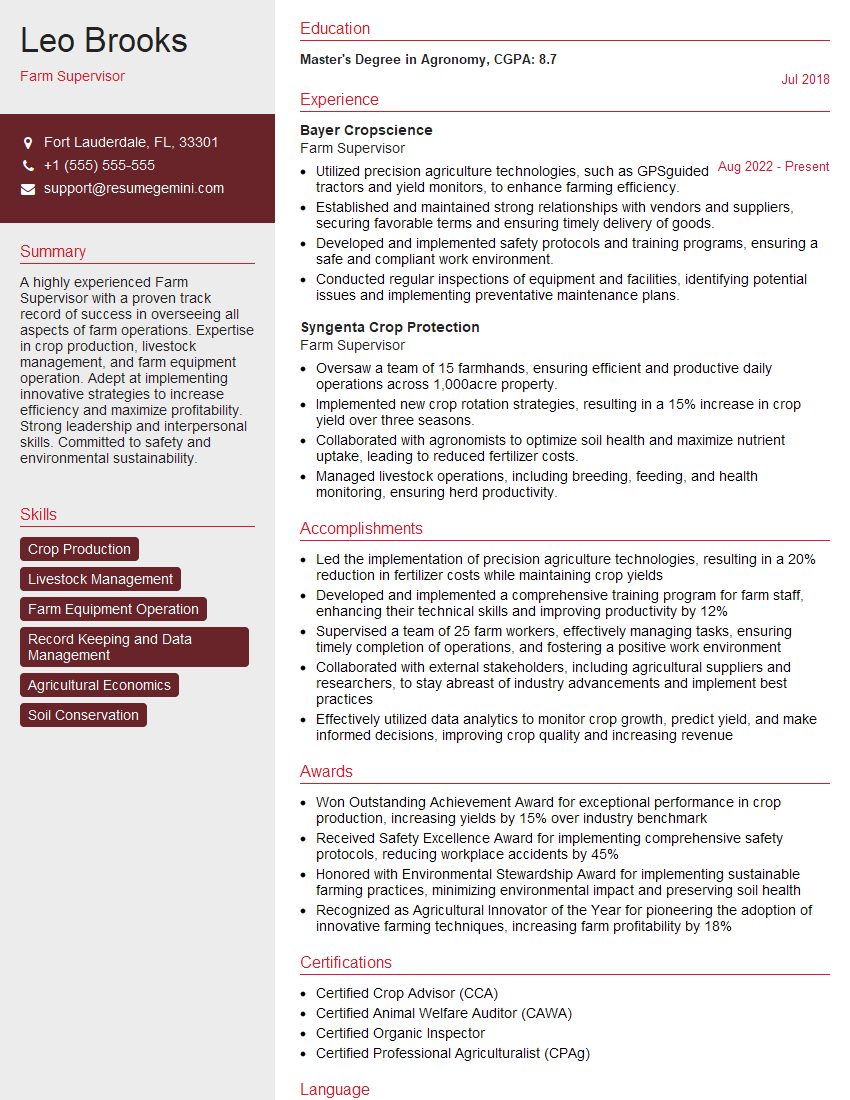
Mastering Farm Safety Procedures demonstrates a commitment to responsible and efficient farming, significantly enhancing your career prospects. A strong understanding of these procedures is highly valued by employers and showcases your dedication to a safe working environment. To increase your chances of landing your dream role, focus on building an ATS-friendly resume that highlights your skills and experience. ResumeGemini is a trusted resource that can help you create a professional and impactful resume. We provide examples of resumes tailored to Farm Safety Procedures to guide you through the process. Invest in your future – build a winning resume with ResumeGemini today!

Explore more articles
Users Rating of Our Blogs
Share Your Experience
We value your feedback! Please rate our content and share your thoughts (optional).
What Readers Say About Our Blog
Very informative content, great job.
good