Cracking a skill-specific interview, like one for Fashion Business Analysis, requires understanding the nuances of the role. In this blog, we present the questions you’re most likely to encounter, along with insights into how to answer them effectively. Let’s ensure you’re ready to make a strong impression.
Questions Asked in Fashion Business Analysis Interview
Q 1. Explain the difference between qualitative and quantitative data analysis in the fashion industry.
In fashion business analysis, both qualitative and quantitative data are crucial, but they offer different insights. Quantitative data analysis focuses on numerical data, allowing for objective measurement and statistical analysis. Think of sales figures, website traffic, inventory levels, and customer demographics – all easily expressed in numbers. This type of analysis helps us understand market size, sales trends, and customer preferences in a measurable way. For example, analyzing sales data might reveal that red dresses consistently outperform blue ones in a particular season.
Qualitative data analysis, on the other hand, delves into descriptive information like customer feedback, social media comments, and focus group discussions. It provides richer context and understanding of consumer motivations, brand perception, and emotional responses to products. For example, analyzing customer reviews might reveal that while a particular dress sells well, customers find the fabric uncomfortable. Combining these two approaches gives a comprehensive understanding of your market and customer base.
Essentially, quantitative data tells you *what* is happening, while qualitative data tells you *why*.
Q 2. Describe your experience with fashion trend forecasting and analysis.
My experience in fashion trend forecasting involves a multi-faceted approach. I leverage both quantitative and qualitative data sources. Quantitatively, I analyze sales data from previous seasons, track competitor performance, and monitor social media trends using tools that measure hashtag usage and sentiment analysis. Qualitatively, I conduct trend research by attending fashion weeks, studying runway shows, reviewing street style photography, and monitoring fashion blogs and magazines.
For example, I recently identified an emerging trend towards sustainable and ethically sourced clothing by analyzing a combination of social media mentions of related keywords and sales data showing a growing demand for eco-friendly materials. I then created detailed trend reports predicting the growth trajectory of this segment, which was instrumental in influencing product development and marketing strategies.
Q 3. How do you use data to identify profitable product categories?
Identifying profitable product categories relies heavily on data-driven decision-making. I begin by analyzing sales data, focusing on metrics like gross margin, sell-through rate, and average order value for each category. For instance, if a particular category boasts a high sell-through rate (percentage of inventory sold) and a strong gross margin, it signals high profitability. Further analysis can then delve into customer segmentation – determining which customer groups are driving sales in each category.
Beyond sales, I integrate data from other sources, like website analytics (which products are most viewed, added to cart, and ultimately purchased), customer feedback (what features are highly valued), and even competitor analysis to see what’s performing well in the broader market. This holistic view helps predict future demand and optimize inventory management to maximize profitability.
Q 4. What are the key performance indicators (KPIs) you monitor for successful fashion retail?
In fashion retail, successful performance is measured through several key performance indicators (KPIs). Some critical KPIs include:
- Sales Revenue: Total revenue generated, often broken down by channel (online, retail stores) and product category.
- Gross Margin: The difference between revenue and the cost of goods sold (COGS), indicating profitability.
- Sell-Through Rate: The percentage of inventory sold within a specific period.
- Inventory Turnover: How quickly inventory is sold and replenished, indicating efficiency.
- Customer Acquisition Cost (CAC): The cost of attracting a new customer.
- Customer Lifetime Value (CLTV): The predicted revenue a customer will generate throughout their relationship with the brand.
- Website Traffic and Conversion Rates: For online retailers, these metrics measure website performance and effectiveness of marketing campaigns.
- Return Rate: Percentage of items returned, offering insights into product fit, quality and customer satisfaction.
Monitoring these KPIs helps track business performance, identify areas for improvement, and make data-backed decisions.
Q 5. How would you assess the financial performance of a particular clothing line?
Assessing the financial performance of a clothing line requires a comprehensive analysis. I’d begin by calculating the line’s gross profit, which is revenue minus COGS. This reveals the profitability of the line before considering operating expenses. Next, I’d examine the net profit, which takes into account all operating expenses, such as marketing, salaries, and rent.
Further analysis would include calculating key ratios like the gross profit margin (gross profit / revenue) and the net profit margin (net profit / revenue) to compare performance across different lines and periods. I’d also analyze sales data by product, identifying best-sellers and underperforming items. This granular analysis allows for informed decisions regarding pricing, inventory management, and product development.
Finally, an analysis of return on investment (ROI) would help determine the overall effectiveness of the line and whether the financial returns justify the initial investment.
Q 6. How familiar are you with various forecasting methods used in the fashion business?
I am very familiar with various forecasting methods used in the fashion business. These methods range from simple moving averages to more sophisticated techniques. Simple moving averages smooth out sales data to identify trends, but they are less effective at predicting future fluctuations. Exponential smoothing assigns greater weight to more recent data, making it more responsive to changes. Regression analysis helps uncover relationships between variables, for example, sales and marketing spend. Qualitative methods, such as expert panels and trend reports, also play a crucial role in forecasting.
More advanced methods include ARIMA (Autoregressive Integrated Moving Average) models for time series analysis, and machine learning algorithms that can analyze vast datasets to identify patterns and predict future demand. The choice of method depends on factors such as data availability, the desired level of accuracy, and the time horizon of the forecast.
Q 7. Explain your understanding of supply chain management in the apparel industry.
Supply chain management in the apparel industry is a complex process encompassing the entire journey of a garment, from raw material sourcing to delivery to the end customer. It’s crucial for efficiency, cost control, and sustainability. Effective supply chain management involves:
- Sourcing: Identifying and selecting reliable suppliers of raw materials, such as fabrics, trims, and buttons.
- Production: Overseeing the manufacturing process, ensuring quality control, and managing production schedules.
- Logistics: Managing the transportation of goods, from raw materials to finished products, ensuring timely delivery.
- Inventory Management: Optimizing inventory levels to meet demand while minimizing storage costs and waste.
- Distribution: Getting the finished products to retailers or directly to consumers.
A well-managed supply chain ensures timely delivery, reduces waste, and minimizes costs. Technological advancements like RFID tagging and data analytics are increasingly used to improve traceability, optimize inventory levels, and predict demand.
Q 8. Describe your experience with inventory management and optimization.
Effective inventory management is the backbone of a successful fashion business. It’s about balancing supply and demand to minimize holding costs while ensuring sufficient stock to meet customer needs. My experience encompasses the entire process, from forecasting demand based on historical sales data, seasonality, and market trends, to optimizing stock levels using techniques like ABC analysis (classifying inventory based on value and consumption) and Just-in-Time (JIT) inventory management. I’ve also worked extensively with inventory tracking systems, ensuring accurate data on stock levels, location, and movement. For example, at my previous role at [Previous Company Name], I implemented a new inventory management system that reduced stockouts by 15% and excess inventory by 10%, resulting in significant cost savings. This involved not only the technological implementation but also training staff on the new system and establishing clear processes for data entry and reporting.
Furthermore, I’m experienced in optimizing inventory placement, considering factors like store size, customer demographics, and product popularity. For example, fast-moving items would be strategically positioned near entrances or high-traffic areas. Regular stock audits are also crucial for identifying discrepancies and preventing losses, a process I meticulously manage.
Q 9. How do you identify and analyze market trends impacting fashion retail?
Identifying and analyzing market trends in fashion retail requires a multi-faceted approach. It begins with staying informed about current events and socio-cultural shifts. This includes reading industry publications (like Women’s Wear Daily and Vogue Business), attending trade shows, monitoring social media trends (identifying emerging hashtags and viral styles), and analyzing competitor strategies. I also utilize market research reports and data analytics tools to understand consumer behavior, purchasing patterns, and emerging style preferences.
Analyzing these trends involves using statistical tools and data visualization techniques to identify patterns and predict future demand. For instance, I might analyze sales data to see which colors, styles, and sizes are selling the fastest, and then use this information to predict future demand for similar items. This could involve using time series analysis or regression models to forecast sales. A crucial element is understanding the nuances of different demographics and the specific preferences of different customer segments, allowing for targeted product development and marketing efforts. Finally, connecting these trends with the brand’s overall strategy and positioning is critical to ensure that any response is both commercially viable and aligned with the brand’s identity.
Q 10. How would you analyze the effectiveness of a recent marketing campaign?
Analyzing the effectiveness of a marketing campaign involves a thorough examination of its key performance indicators (KPIs). This isn’t just about looking at the overall sales figures, but also at the various stages of the customer journey. For example, I’d assess:
- Website traffic: Did the campaign drive significant traffic to the website or e-commerce platform? This can be tracked via Google Analytics.
- Conversion rates: What percentage of website visitors made a purchase? A low conversion rate may signal issues with website design or product presentation.
- Customer acquisition cost (CAC): How much did it cost to acquire each new customer? This helps determine the campaign’s return on investment (ROI).
- Social media engagement: How many likes, shares, and comments did the campaign generate on social media platforms? This provides insights into the campaign’s reach and resonance with the target audience.
- Brand awareness: Did the campaign increase brand visibility and recognition? This might be measured through surveys or social listening tools.
By comparing the pre-campaign and post-campaign data for each KPI, and comparing the performance against the set targets, I can create a comprehensive analysis of the campaign’s effectiveness. This data-driven approach helps to identify what worked, what didn’t, and what can be improved in future campaigns. A case study might even involve A/B testing different versions of the campaign creative to see which resonates most strongly with customers. Then, I can present this data to stakeholders in a clear and concise manner, offering actionable recommendations for future campaigns.
Q 11. What tools and software are you proficient in using for fashion business analysis?
My toolset for fashion business analysis is comprehensive and includes both quantitative and qualitative methods. I am proficient in using statistical software packages such as SPSS and R for data analysis and forecasting. For data visualization, I utilize Tableau and Power BI to create insightful dashboards and reports. Excel and Google Sheets are essential for daily data manipulation and analysis. For market research and competitor analysis, I leverage tools like SimilarWeb and SEMrush.
Beyond software, I am also adept at qualitative data analysis techniques, including conducting consumer surveys and focus groups, and analyzing qualitative data from social media and customer reviews. I understand the importance of combining quantitative and qualitative insights for a holistic understanding of the market and customer behavior. This integrated approach to data analysis ensures a robust and reliable foundation for business decisions.
Q 12. How do you present your findings to stakeholders in a clear and concise manner?
Presenting findings to stakeholders requires clear, concise, and visually appealing communication. I tailor my presentations to the audience, ensuring the information is easily understandable, regardless of their level of expertise in fashion business analysis. I start with a clear executive summary highlighting the key findings and recommendations. I then use data visualization techniques (charts, graphs, and tables) to present complex data in an easily digestible format. My presentations are story-driven, connecting the data to the broader business context and explaining the implications of the findings. I use a combination of narrative and visual storytelling to emphasize key takeaways. For example, a well-designed graph can communicate trends far more effectively than a dense table of numbers. I always ensure I’m available for Q&A, fostering a collaborative discussion to ensure stakeholders understand the implications of the analysis and feel comfortable acting on the recommendations.
Q 13. Describe a time you identified an issue and developed a solution in a fashion business context.
At [Previous Company Name], we noticed a significant drop in sales of a particular line of women’s dresses during the summer season. Initially, we attributed this to general market slowdowns. However, upon closer investigation, through analysis of sales data, customer reviews, and competitor offerings, I identified that the dresses’ fabric was unsuitable for warm weather. Customers were complaining about the heavy material and lack of breathability. This wasn’t immediately obvious from the initial sales figures alone.
My solution involved several steps: First, I presented my findings to the design team, supported by data from customer feedback and sales trend analysis. Second, we collaborated on developing a new line of dresses using lighter, more breathable fabrics, incorporating customer feedback on desired styles and colors. Third, we implemented a targeted marketing campaign highlighting the new fabric and its suitability for summer weather. The result was a significant increase in sales of the redesigned dresses, illustrating the importance of closely monitoring customer feedback and adapting product offerings accordingly. This proactive approach not only salvaged the sales of that particular line but also strengthened our reputation for responsive and customer-centric product development.
Q 14. How do you prioritize tasks when dealing with multiple projects in a fast-paced environment?
Prioritizing tasks in a fast-paced environment requires a structured approach. I use a combination of methods, including:
- Prioritization matrices: I utilize matrices like Eisenhower Matrix (urgent/important) to categorize tasks based on their urgency and importance. This helps to focus on high-impact tasks first.
- Project management software: Tools like Asana or Trello help me track progress, set deadlines, and collaborate effectively with team members on multiple projects simultaneously. The ability to assign deadlines and visualize workflows is immensely helpful.
- Time blocking: I allocate specific time slots for working on different projects. This focused approach enhances productivity and helps avoid task-switching, which can decrease efficiency.
- Regular review and adjustment: I regularly review my to-do list and adjust priorities as needed, based on new information or changes in deadlines. Flexibility and adaptability are key in a dynamic setting.
The key is to maintain a clear overview of all projects, understanding their interdependencies and deadlines. By proactively managing my time and resources, I ensure that high-priority tasks are addressed efficiently, contributing to overall team success.
Q 15. How do you stay current on trends and best practices in the fashion business analytics field?
Staying ahead in fashion business analytics requires a multi-pronged approach. I consistently leverage several key resources. Firstly, I subscribe to and actively read industry-leading publications like Women’s Wear Daily (WWD), Business of Fashion (BoF), and relevant academic journals. These provide in-depth analysis and insights into market trends, technological advancements, and emerging business models. Secondly, I actively participate in industry conferences and webinars, networking with peers and experts to learn about cutting-edge practices and innovative solutions. Events like the Fashion Tech Summit and various analytics-focused conferences offer invaluable opportunities for knowledge sharing. Thirdly, I regularly monitor online resources like market research reports from firms such as McKinsey and Bain & Company, and actively follow key influencers and thought leaders on platforms like LinkedIn and Twitter. Finally, I dedicate time to continuous learning through online courses offered by platforms like Coursera and edX, focusing on areas like data visualization, predictive modeling, and advanced analytics techniques. This holistic approach allows me to stay current with the ever-evolving landscape of fashion business analytics.
Career Expert Tips:
- Ace those interviews! Prepare effectively by reviewing the Top 50 Most Common Interview Questions on ResumeGemini.
- Navigate your job search with confidence! Explore a wide range of Career Tips on ResumeGemini. Learn about common challenges and recommendations to overcome them.
- Craft the perfect resume! Master the Art of Resume Writing with ResumeGemini’s guide. Showcase your unique qualifications and achievements effectively.
- Don’t miss out on holiday savings! Build your dream resume with ResumeGemini’s ATS optimized templates.
Q 16. What is your experience with creating and presenting business reports and presentations?
I have extensive experience in crafting and delivering impactful business reports and presentations. My approach focuses on clarity, conciseness, and data visualization to effectively communicate key findings and recommendations. I’m proficient in using various data visualization tools, including Tableau and Power BI, to create visually compelling dashboards and charts. For instance, in my previous role, I developed a comprehensive report analyzing the impact of a new marketing campaign on sales conversion rates. This report included detailed charts showing sales performance by customer segment, geographic region, and product category. The presentation itself used a storytelling approach, starting with the campaign objectives, then highlighting key results, and finally providing actionable insights for future campaigns. I’ve also presented to both executive leadership and cross-functional teams, tailoring my communication style and level of detail to suit the audience’s expertise and interests. My presentations always aim to be data-driven, yet easy to understand, ensuring that critical insights are clearly conveyed and actionable recommendations are readily apparent.
Q 17. Describe your understanding of customer segmentation and its application in the fashion industry.
Customer segmentation is the process of dividing a broad consumer base into smaller, more manageable groups based on shared characteristics. This is crucial in the fashion industry because it enables businesses to tailor their marketing strategies, product offerings, and overall customer experience to resonate more effectively with specific segments. For example, a fashion retailer might segment its customers based on demographics (age, income, location), psychographics (lifestyle, values, attitudes), behavioral characteristics (purchase history, brand loyalty), and even stylistic preferences (e.g., classic, trendy, bohemian). Understanding these segments allows for targeted marketing campaigns. A luxury brand might focus on high-net-worth individuals with a preference for classic styles through exclusive events and personalized styling services, while a fast-fashion retailer could target younger consumers with trendy styles through social media marketing and influencer collaborations. Effective segmentation drives efficiency in marketing spend, boosts conversion rates, and cultivates stronger customer relationships. By analyzing sales data, website traffic, and social media engagement, we can develop rich profiles of each segment, enabling data-driven decisions across all aspects of the business.
Q 18. How do you use data to optimize pricing strategies for apparel products?
Data plays a pivotal role in optimizing pricing strategies. I use a variety of data points to inform pricing decisions, including: cost of goods sold (COGS), competitor pricing, historical sales data, customer demand elasticity (how much demand changes with price fluctuations), and promotional effectiveness. For instance, we can use time series analysis to understand price sensitivity across different seasons. If sales data shows that demand for a particular dress is highly elastic (sensitive to price changes) during the off-season, we might apply a larger discount to clear inventory. Conversely, if a highly desirable new item shows inelastic demand (less sensitive to price changes), we might maintain a higher price to maximize profit margins. Advanced techniques like machine learning can also predict optimal pricing based on various factors, enabling dynamic pricing strategies that adjust automatically based on real-time conditions such as inventory levels, competitor pricing, and seasonal trends. The key is to find the balance between maximizing revenue and maintaining healthy sales volume.
Q 19. Explain your approach to conducting market research for a new fashion line.
My approach to market research for a new fashion line is systematic and comprehensive. It begins with defining the target audience. We’ll use qualitative and quantitative methods to ensure a deep understanding of consumer preferences, needs, and purchasing behaviors within the target demographic. This may involve:
- Surveys: Gathering broad data on preferences, needs, and purchase intentions.
- Focus groups: Conducting in-depth discussions to understand motivations and concerns.
- Competitive analysis: Evaluating the strengths and weaknesses of existing products in the market.
- Trend analysis: Investigating upcoming fashion trends using sources like WWD and social media platforms.
- Social media listening: Monitoring online conversations to identify emerging trends and customer sentiment.
Q 20. What are some of the challenges in forecasting demand for fashion products?
Forecasting demand for fashion products is notoriously challenging due to the industry’s inherent volatility and susceptibility to rapidly changing trends. Several factors contribute to this difficulty.
- Trend unpredictability: Fashion trends are inherently unpredictable. A style that’s highly popular today could become obsolete very quickly.
- Seasonality: Demand fluctuates significantly depending on the season.
- Marketing and promotion effectiveness: The impact of marketing campaigns is hard to predict precisely.
- Competition: Competitor actions can significantly affect demand.
- External factors: Economic conditions and global events can influence consumer spending.
Q 21. How do you handle conflicting data or inconsistent information during your analysis?
Handling conflicting or inconsistent data is a common challenge in data analysis. My approach involves a systematic investigation to identify the root cause of the discrepancies. This process involves:
- Data validation: Scrutinizing the data sources to identify potential errors or inconsistencies. This may involve checking data entry, comparing data from multiple sources, and assessing data quality.
- Data cleaning: Addressing inconsistencies through techniques like outlier detection and removal, imputation of missing values, and data transformation.
- Root cause analysis: Determining the source of the conflict. This might involve reviewing data collection methods, investigating potential biases, or consulting with data providers.
- Sensitivity analysis: Assessing the impact of the conflicting data on the overall analysis. This helps to understand the implications of different approaches to resolving the conflict.
- Documentation: Maintaining clear documentation of the data validation, cleaning, and resolution processes. Transparency in handling data inconsistencies is vital.
Q 22. Explain the concept of gross margin and its importance in fashion retail.
Gross margin is a crucial profitability metric in fashion retail, representing the percentage of revenue left after deducting the cost of goods sold (COGS). It essentially shows how efficiently a retailer is managing its inventory and pricing strategies. A higher gross margin indicates greater profitability, allowing for more investment in other areas like marketing, customer service, and research & development.
Calculation: Gross Margin = (Revenue – COGS) / Revenue * 100%
Importance: In the competitive fashion industry, understanding gross margin is paramount. A retailer might achieve high sales volume but still have a low gross margin if COGS are too high due to high material costs, inefficient production, or excessive markdowns. Conversely, a retailer might have a lower sales volume but a healthy gross margin if they’re successfully pricing their products to cover costs and generate profit. For example, a luxury brand might have a higher gross margin than a fast-fashion retailer due to its pricing strategy and premium materials, even if its sales volume is lower.
Practical Application: Fashion retailers use gross margin analysis to evaluate the profitability of individual products, product lines, and even entire seasons. This information informs pricing decisions, inventory management strategies, and sourcing choices. A declining gross margin could signal the need for adjustments to the supply chain, marketing campaigns, or product development.
Q 23. Describe your experience with using data visualization tools to present insights.
I have extensive experience using various data visualization tools to effectively communicate complex fashion business insights to both technical and non-technical audiences. My proficiency spans tools like Tableau, Power BI, and Python libraries such as Matplotlib and Seaborn.
For instance, in a previous role, I used Tableau to create interactive dashboards showcasing sales trends, customer segmentation, and inventory performance across different retail channels. These dashboards allowed stakeholders to quickly identify key performance indicators (KPIs), such as best-selling products, regional sales variations, and the effectiveness of promotional campaigns. I also leveraged Python’s data visualization capabilities to generate insightful charts and graphs illustrating the correlation between marketing spend and customer acquisition cost.
Beyond simply creating visualizations, I focus on storytelling with data. I believe a strong visual representation should be accompanied by a clear narrative that contextualizes the findings and offers actionable recommendations. This ensures that the insights are not just understood but also effectively utilized for strategic decision-making.
Q 24. How familiar are you with different retail channels (e.g., brick-and-mortar, e-commerce)?
I’m highly familiar with various retail channels, understanding their unique characteristics and the strategic implications for fashion businesses. My experience encompasses:
- Brick-and-Mortar: This includes analyzing foot traffic, in-store conversion rates, visual merchandising effectiveness, and the role of store location and layout in driving sales. I understand the importance of managing inventory, staff training, and customer service to maximize profitability in physical stores.
- E-commerce: This involves analyzing website traffic, conversion rates, bounce rates, average order value, and customer acquisition costs. I have experience working with various e-commerce platforms, understanding the nuances of online marketing, search engine optimization (SEO), and social media marketing in driving online sales. I also have expertise in analyzing data related to online customer experience and retention.
- Omnichannel: I understand the complexities of integrating both online and offline retail strategies to create a seamless customer journey. This involves analyzing the data from multiple channels to optimize inventory management, personalize marketing efforts, and build stronger customer relationships.
My understanding of these channels allows me to develop holistic strategies that leverage the strengths of each to maximize overall business performance.
Q 25. Explain how you would use data to identify opportunities for improving customer retention.
Improving customer retention is crucial for sustainable growth in the fashion industry. I would use data to identify opportunities by employing a multi-faceted approach:
- Customer Segmentation: I would begin by segmenting customers based on various attributes like purchase history, demographics, and engagement with marketing campaigns. This allows for targeted interventions.
- Churn Analysis: I would analyze customer churn rate to pinpoint factors contributing to customer loss. This might involve examining the time elapsed between purchases, reasons for returns, and customer feedback.
- RFM Analysis (Recency, Frequency, Monetary Value): This classic approach helps to identify high-value customers who require focused retention efforts and low-value customers who might need reactivation strategies.
- Personalized Communication: Data enables personalized email marketing, targeted product recommendations, and loyalty programs tailored to individual customer preferences, boosting engagement and retention.
- Customer Feedback Analysis: Analyzing customer reviews, surveys, and social media mentions provides valuable insights into customer satisfaction and areas for improvement.
By systematically analyzing these data points, I can develop targeted strategies such as personalized promotions, loyalty programs, and improved customer service to reduce churn and increase lifetime customer value.
Q 26. Describe your experience with analyzing competitor activities in the fashion industry.
Analyzing competitor activities is a critical component of a successful fashion business strategy. My approach involves a combination of quantitative and qualitative analysis:
- Market Share Analysis: I would track competitors’ market share to understand their performance and identify areas of strength and weakness.
- Pricing Strategies: Analyzing competitors’ pricing strategies helps understand their positioning and profitability. This might involve comparing pricing across different product categories and retail channels.
- Product Assortment: Regularly reviewing competitors’ product assortments helps identify trends, gaps in the market, and potential opportunities for differentiation.
- Marketing & Communication: Analyzing competitors’ marketing campaigns, social media strategies, and public relations efforts provides insight into their target audience and marketing effectiveness.
- Supply Chain Analysis (where possible): Understanding competitors’ sourcing and manufacturing processes can reveal potential cost advantages or disadvantages.
By combining these analyses, I can develop a comprehensive competitive landscape assessment, identifying opportunities for innovation, differentiation, and strategic advantage. For example, I might identify a gap in a competitor’s product line that presents an opportunity for a new product launch, or a weakness in their marketing that can be exploited.
Q 27. How would you measure the success of a new product launch?
Measuring the success of a new product launch requires a multi-faceted approach that goes beyond simply tracking sales figures. Key metrics include:
- Sales Performance: Tracking sales volume, revenue generated, and sell-through rate (percentage of inventory sold) provides a clear indication of market demand.
- Customer Feedback: Gathering feedback through surveys, reviews, and social media monitoring helps understand customer perception and identify areas for improvement.
- Return Rate: A high return rate might indicate quality issues or a mismatch between customer expectations and product features.
- Marketing ROI: Analyzing the return on investment for marketing campaigns associated with the product launch helps evaluate marketing effectiveness.
- Inventory Management: Monitoring inventory levels to ensure sufficient stock to meet demand while avoiding excess inventory helps to balance supply and demand.
- Brand Awareness: Measuring changes in brand awareness through social media engagement, website traffic, and media mentions can gauge the impact of the launch on brand perception.
Combining these metrics provides a comprehensive picture of the product launch’s success and identifies areas for optimization in future launches.
Q 28. How do you adapt your analysis techniques to different fashion segments (e.g., luxury, fast fashion)?
Adapting analysis techniques to different fashion segments requires a nuanced understanding of each segment’s unique characteristics. For instance:
- Luxury Fashion: Analysis in this segment focuses heavily on brand image, exclusivity, and customer lifetime value. Metrics like average order value, customer retention rate, and brand sentiment are crucial. Detailed qualitative analysis of customer preferences and purchasing behavior is essential.
- Fast Fashion: This segment prioritizes speed, volume, and cost-effectiveness. Analysis focuses on inventory turnover, sales velocity, markdown rates, and the responsiveness of the supply chain to changing trends. Quantitative data analysis is paramount to make rapid, data-driven decisions.
My approach involves tailoring the metrics and analytical frameworks to each segment. For luxury, more qualitative data might be crucial, while for fast fashion, speed and efficiency in data analysis are critical. Regardless of the segment, a deep understanding of the target customer is vital to inform all analyses and strategic decisions. For example, a luxury brand’s analysis will dive deep into the unique preferences of affluent consumers, while a fast-fashion analysis would concentrate on identifying trends among price-sensitive shoppers and reacting quickly.
Key Topics to Learn for Fashion Business Analysis Interview
- Market Research & Trend Analysis: Understanding consumer behavior, market segmentation, and predicting upcoming trends. Practical application: Analyzing sales data to identify best-selling items and inform future collections.
- Financial Analysis in Fashion: Profit & Loss statements, budgeting, forecasting, and key performance indicators (KPIs) relevant to the fashion industry. Practical application: Developing a business plan for a new clothing line, including projected costs and revenue.
- Supply Chain Management: Understanding the complexities of sourcing, production, distribution, and logistics within the fashion supply chain. Practical application: Evaluating the efficiency and sustainability of different manufacturing processes.
- Merchandising & Product Development: Concept creation, product costing, assortment planning, and managing the product lifecycle. Practical application: Developing a product line based on market research and projected demand.
- Competitive Analysis: Identifying key competitors, analyzing their strengths and weaknesses, and developing strategies to gain a competitive advantage. Practical application: Creating a SWOT analysis for a competitor brand.
- Data Analysis & Interpretation: Utilizing data visualization tools and statistical methods to interpret fashion industry data and extract actionable insights. Practical application: Using sales data to identify underperforming products and recommend strategies for improvement.
- Retail Operations & Omnichannel Strategies: Understanding the role of retail in the fashion business, including store operations, visual merchandising, and online sales strategies. Practical application: Developing a plan to improve the customer experience across multiple channels.
Next Steps
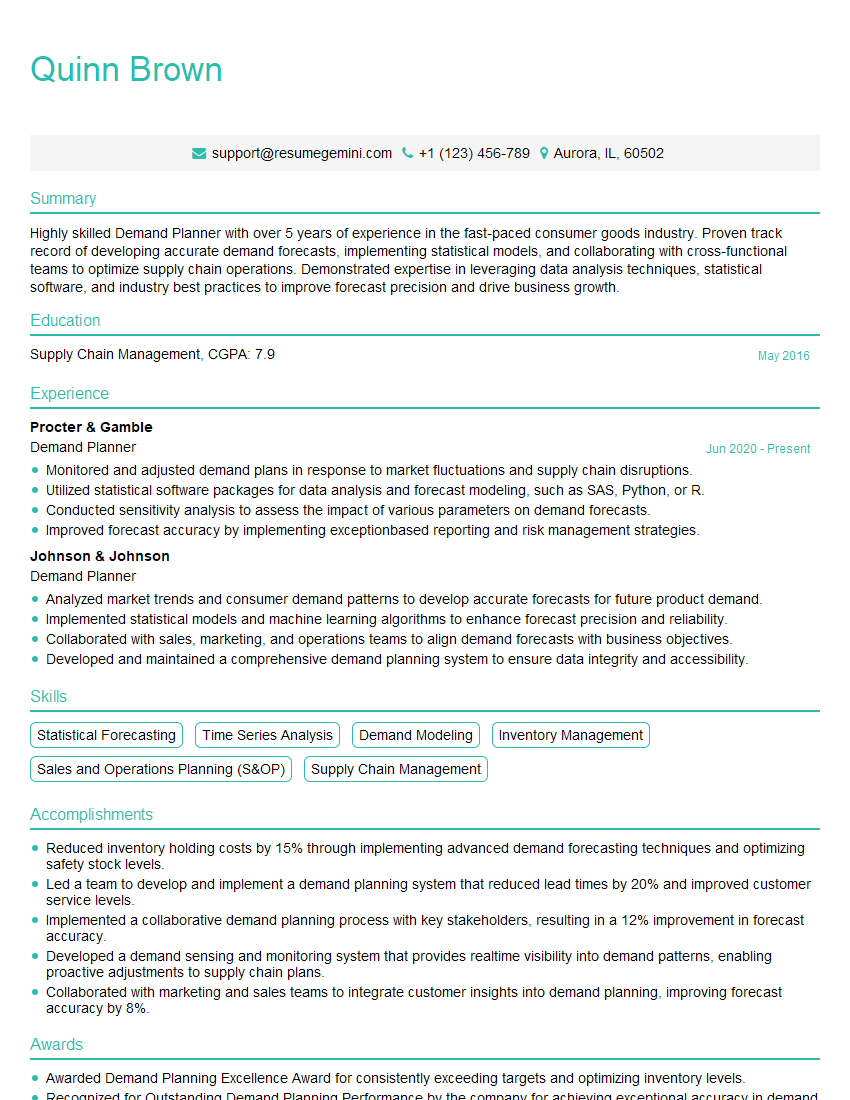
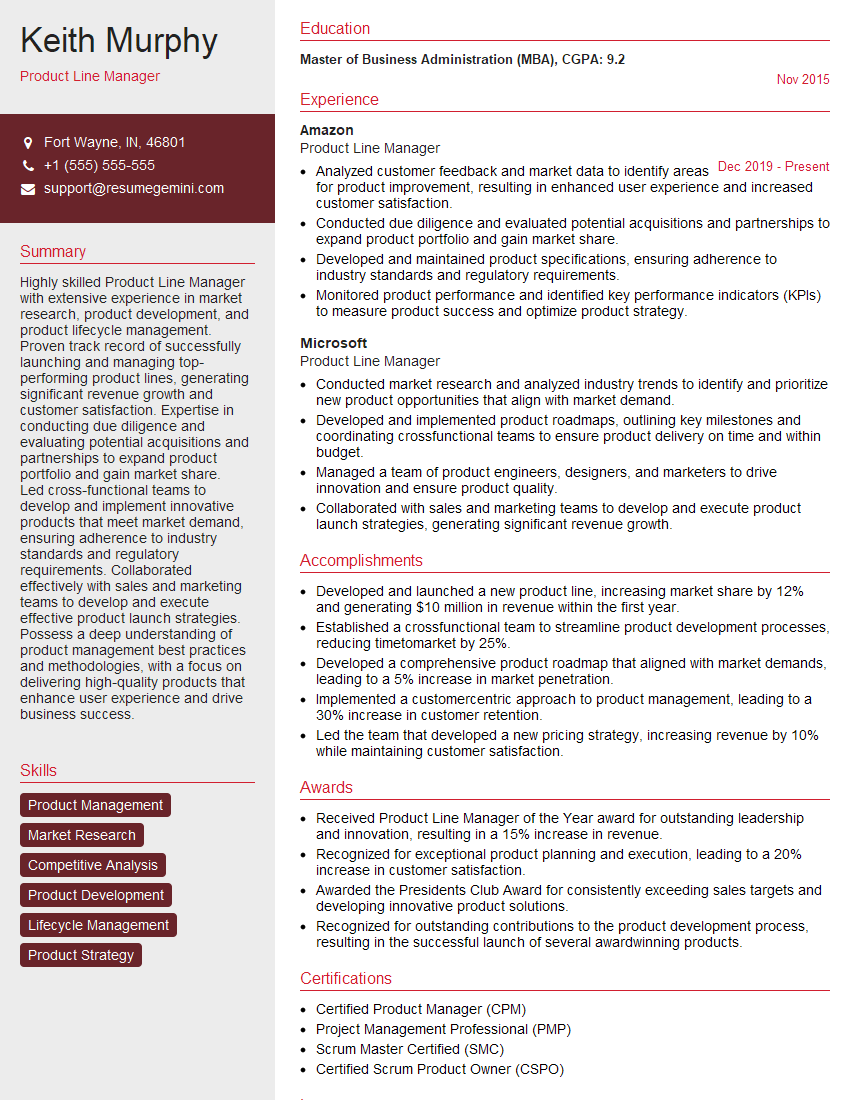
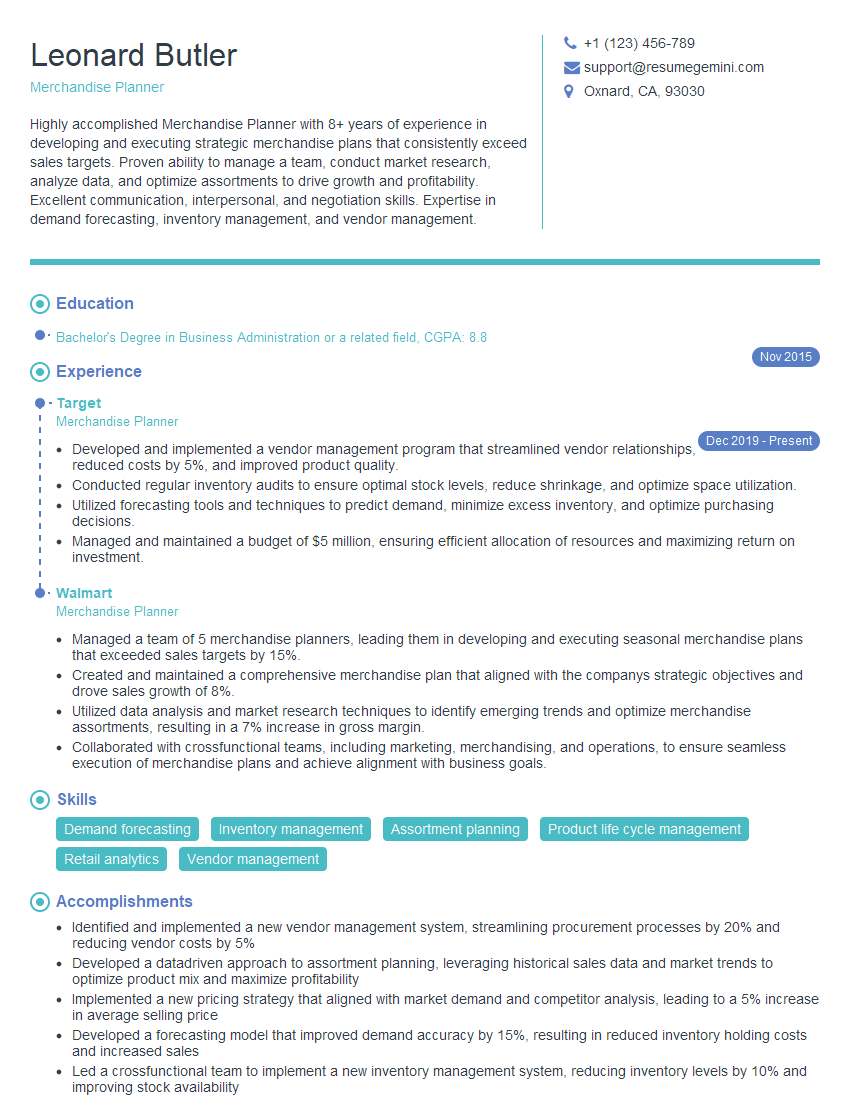
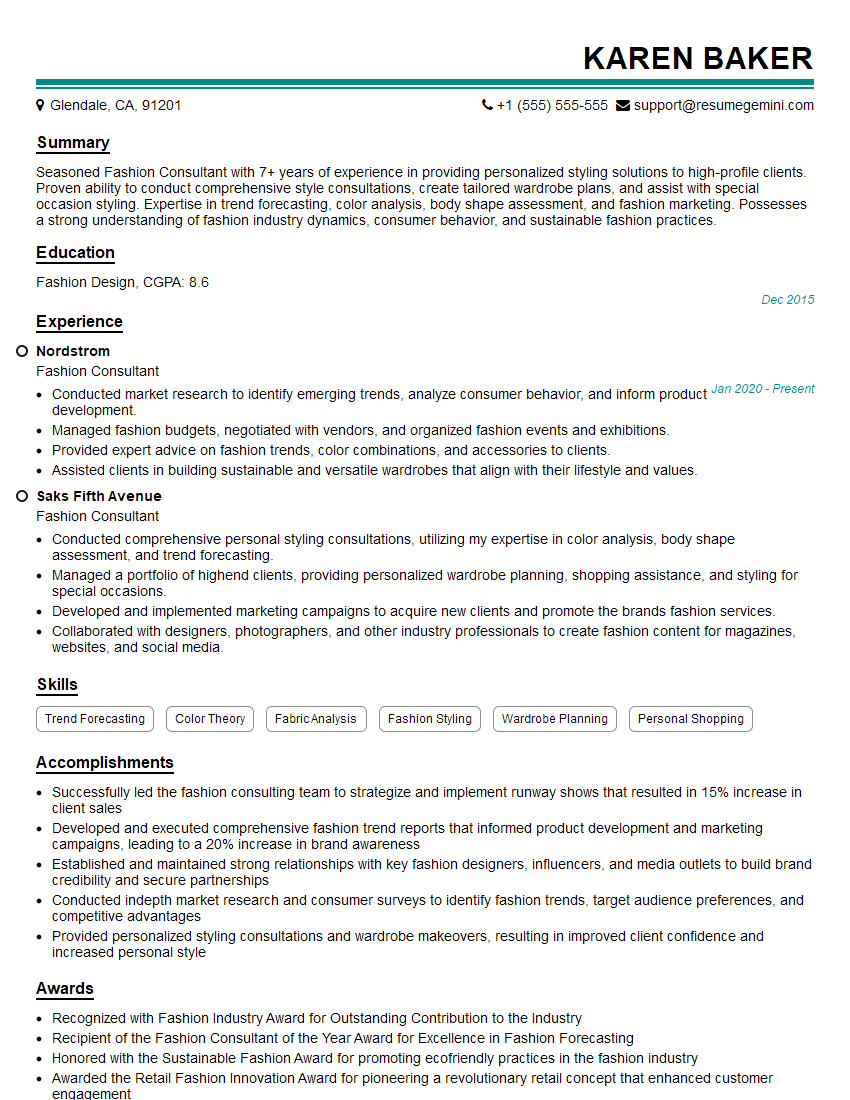
Mastering Fashion Business Analysis is crucial for career advancement in this dynamic industry. A strong understanding of these concepts will significantly enhance your problem-solving abilities and strategic thinking, making you a valuable asset to any fashion company. To maximize your job prospects, crafting a compelling and ATS-friendly resume is paramount. ResumeGemini is a trusted resource that can help you build a professional and impactful resume, showcasing your skills and experience effectively. Examples of resumes tailored to Fashion Business Analysis are available to help guide you.
Explore more articles
Users Rating of Our Blogs
Share Your Experience
We value your feedback! Please rate our content and share your thoughts (optional).
What Readers Say About Our Blog
Very informative content, great job.
good