Every successful interview starts with knowing what to expect. In this blog, we’ll take you through the top Fashion Design Management interview questions, breaking them down with expert tips to help you deliver impactful answers. Step into your next interview fully prepared and ready to succeed.
Questions Asked in Fashion Design Management Interview
Q 1. Describe your experience in managing a fashion design team.
Managing a fashion design team requires a blend of creative vision and strong leadership. My experience involves guiding teams through the entire design process, from initial concept development to final production. This includes fostering collaboration, delegating tasks effectively, and providing constructive feedback to ensure the team’s creative potential is fully realized. For example, in my previous role at [Previous Company Name], I led a team of five designers in the creation of our Spring/Summer collection. I established clear communication channels, using daily stand-up meetings to track progress and address challenges proactively. I also implemented a system of regular design reviews, providing individual feedback and fostering a culture of constructive criticism. This approach not only improved the quality of the designs but also strengthened team cohesion and morale. The result was a collection that exceeded sales projections by 15%.
Q 2. How do you stay updated on current fashion trends?
Staying abreast of current fashion trends is crucial in this dynamic industry. My approach is multifaceted. Firstly, I religiously follow key fashion publications like Vogue, Elle, and Harper’s Bazaar, both print and digital versions. I also attend industry events such as fashion weeks in New York, London, Milan, and Paris, observing runway shows and presentations firsthand. Secondly, I leverage online resources such as trend forecasting websites and social media platforms like Pinterest and Instagram to identify emerging styles and consumer preferences. Finally, I actively network with other designers, stylists, and industry professionals to gain diverse perspectives and insights. This holistic approach allows me to identify not only the dominant trends but also the subtle shifts and nuances that could potentially influence future collections.
Q 3. Explain your process for developing a new fashion collection.
Developing a new fashion collection is a systematic process. It begins with extensive trend research, as discussed earlier, to identify the key themes and aesthetics for the upcoming season. Next, I generate mood boards, sketching initial concepts and gathering inspiration from various sources. This stage is followed by detailed design development, where I create technical sketches and specifications for each garment. Once the designs are finalized, I work closely with the pattern makers and sample machinists to produce prototypes. These prototypes undergo rigorous fitting sessions, ensuring the garments fit perfectly and meet the desired aesthetic. Finally, the collection is presented to the relevant stakeholders, with final adjustments made based on feedback. For example, in developing our Autumn/Winter collection, the initial theme was ‘Urban Bohemian.’ This translated into designs featuring rich textures, earthy tones, and comfortable silhouettes, while maintaining a modern and stylish aesthetic. Each stage involved detailed documentation and revisions, guaranteeing a polished and cohesive final collection.
Q 4. How do you manage deadlines and budgets effectively?
Effective deadline and budget management is essential for success in fashion design. I utilize project management tools like Gantt charts to visually represent tasks, deadlines, and dependencies. This allows for clear visibility of the entire process and facilitates proactive identification and resolution of potential delays. For budget management, I develop detailed cost breakdowns for each aspect of the collection, from material sourcing to production and marketing. Regular monitoring of expenses against the budget ensures that any deviations are flagged early, allowing for timely corrective action. For example, in managing the budget for a previous collection, I identified a potential cost overrun in fabric sourcing. By exploring alternative suppliers and negotiating favorable pricing, we were able to stay within the allocated budget without compromising the quality of materials.
Q 5. Describe your experience with sourcing and production.
My experience with sourcing and production encompasses both domestic and international suppliers. I have established relationships with a network of reputable factories known for their quality and ethical production practices. I meticulously evaluate potential suppliers based on several criteria including quality control measures, lead times, production capacity, and ethical standards. The selection process is often influenced by the specific requirements of the collection. For instance, for high-end garments requiring intricate details, I will prioritize factories specializing in artisanal craftsmanship, while for mass-market production, I choose factories with high-volume manufacturing capabilities. Throughout the production process, I maintain regular communication with the factories, ensuring adherence to quality standards and timely delivery. Regular quality checks and inspections are carried out to guarantee the final products meet our exacting standards.
Q 6. How do you handle conflict within a design team?
Conflict within a design team is inevitable, but it can be managed constructively. My approach focuses on open communication and active listening. I encourage team members to express their views freely, creating a safe space for differing opinions. When conflicts arise, I facilitate mediation sessions, focusing on understanding the root causes of the disagreement. The goal is not to impose solutions but to help team members find mutually acceptable resolutions. For example, when a disagreement arose regarding the color palette for a particular garment, I facilitated a discussion where each designer presented their rationale. This led to a compromise that incorporated elements from both viewpoints, resulting in a design that was both aesthetically pleasing and commercially viable.
Q 7. What software programs are you proficient in (e.g., CAD, Illustrator)?
I am proficient in a range of software programs crucial for fashion design management. These include Adobe Illustrator for creating technical sketches and illustrations, Adobe Photoshop for image editing and manipulation, and CLO 3D for virtual 3D garment design and prototyping. I also have experience with other design programs such as CorelDRAW and various CAD software used for pattern making and grading. Proficiency in these programs is fundamental to efficient and high-quality design development, enabling accurate communication and seamless collaboration with various stakeholders.
Q 8. How do you ensure quality control throughout the design process?
Quality control in fashion design is a multifaceted process that begins with the initial design concept and continues through production and delivery. It’s not just about catching flaws; it’s about proactively preventing them. My approach involves a multi-stage system:
Design Stage: I meticulously review design specifications, including technical drawings, material specifications, and construction details. This involves checking for potential issues like pattern inconsistencies or impractical construction techniques. For example, I’d ensure a complex draping technique is feasible for mass production, or that the chosen fabric is appropriate for the intended garment style and functionality.
Sampling Stage: This is crucial. I create prototypes (samples) to test design viability and identify manufacturing challenges early on. We assess fit, durability, and overall quality. Adjustments are made iteratively based on feedback from fit models, pattern makers, and myself. One time, a seemingly minor detail—the placement of a pocket—caused significant issues during production. The sample highlighted this, allowing for a timely adjustment.
Production Stage: Regular quality checks are conducted throughout the production process. This may involve inspecting materials upon arrival, checking workmanship at various stages (e.g., cutting, sewing, finishing), and performing final inspections before packaging. This often involves working closely with production teams both locally and internationally, to ensure standards are met. I use check sheets and quality control reports to track and manage these processes.
Post-Production Stage: Even after production, quality control persists. I review feedback from customers and retail outlets to identify and address any lingering issues. This feedback loop is crucial for continuous improvement.
This systematic approach minimizes defects, enhances brand reputation, and ultimately saves costs by preventing costly rework or returns.
Q 9. Explain your experience with market research and trend forecasting.
Market research and trend forecasting are essential for creating commercially successful and relevant fashion collections. My experience involves a multi-pronged approach:
Trend Analysis: I meticulously analyze fashion trends using various sources, including runway shows, trade publications (like WWD and Vogue), social media platforms, and market reports. I look beyond fleeting trends to identify lasting shifts in consumer preferences and lifestyle.
Consumer Research: Understanding target customers is key. I utilize methods such as surveys, focus groups, and competitive analysis to gather insights into their needs, preferences, purchasing behavior, and price points. This allows for creating designs that resonate with the intended audience. For example, understanding the need for sustainable options amongst millennials guided a collection design focused on eco-friendly fabrics.
Competitive Analysis: Analyzing competitors’ collections, pricing strategies, and marketing efforts provides valuable context. It helps to identify opportunities to differentiate our brand and create a unique market positioning. For example, a competitive analysis revealed a gap in the market for affordable, ethically sourced clothing.
Data Analysis: I leverage data analytics tools to analyze sales data, website traffic, and social media engagement to assess the success of previous collections and gain insights into future design decisions. This helps refine our understanding of what’s working and what needs improvement.
By combining these approaches, I develop a comprehensive understanding of the market landscape, which informs all aspects of the design process, from concept development to final production.
Q 10. Describe your experience in presenting design concepts to clients or stakeholders.
Presenting design concepts effectively is crucial for gaining client buy-in. My approach combines strong visual communication with compelling storytelling:
Mood Boards & Lookbooks: I create visually appealing mood boards and lookbooks that showcase the collection’s aesthetic direction, key pieces, color palettes, and fabrics. These provide a clear visual representation of the overall concept.
Presentation Skills: I deliver presentations that are concise, engaging, and tailored to the audience. I use strong visuals, data points (e.g., market research findings), and compelling narratives to communicate the collection’s value proposition. I always anticipate client questions and concerns and prepare answers in advance.
Storytelling: I frame each collection with a strong narrative, tying the designs to a specific theme or inspiration. This adds emotional depth and resonance, making the presentation more memorable and impactful. For instance, one collection was inspired by the natural beauty of the Scottish Highlands, which I communicated through imagery, fabrics, and design details.
Interactive Presentations: Where appropriate, I incorporate interactive elements into presentations, such as allowing clients to touch and feel the fabrics, or using 3D renderings to showcase garment details. This enhances client engagement and provides a more immersive experience.
Feedback & Iteration: I always actively solicit feedback from clients during and after the presentation, using it to refine the design concept and ensure alignment with their expectations.
Ultimately, a successful presentation is about creating a shared vision between myself and the client, fostering collaboration, and ultimately creating a collection that meets both aesthetic and commercial goals.
Q 11. How do you prioritize tasks and manage competing demands?
Prioritizing tasks and managing competing demands in fashion design is a constant juggle. I rely on a combination of techniques:
Prioritization Matrix: I use a prioritization matrix (like Eisenhower Matrix – Urgent/Important) to categorize tasks based on urgency and importance. This helps me focus on high-impact tasks first and delegate or postpone lower-priority ones. This is especially useful when facing tight deadlines.
Project Management Tools: I utilize project management software (e.g., Asana, Trello) to track tasks, deadlines, and progress. These tools enhance collaboration within design teams and help keep everything organized.
Time Blocking: I allocate specific time blocks for different tasks, ensuring dedicated focus and minimizing distractions. This method improves efficiency and helps avoid task-switching.
Delegation: I effectively delegate tasks to team members, leveraging their skills and expertise to maximize productivity. This allows me to focus on high-level tasks that require my specific design expertise.
Communication: Maintaining clear and consistent communication with stakeholders is vital. Regular updates and open dialogue ensure everyone is aligned and informed of progress, challenges, and potential roadblocks.
By implementing these strategies, I effectively manage multiple projects simultaneously, maintain a high level of quality, and meet deadlines efficiently.
Q 12. What is your understanding of sustainable fashion practices?
Sustainable fashion practices are no longer a niche concept; they are integral to the future of the industry. My understanding encompasses several key aspects:
Ethical Sourcing: Prioritizing ethical sourcing of materials, ensuring fair wages and safe working conditions for garment workers. This often involves collaborating with suppliers who adhere to strict ethical and environmental standards.
Eco-Friendly Fabrics: Utilizing sustainable and eco-friendly fabrics, such as organic cotton, recycled materials (e.g., recycled polyester), Tencel, or innovative plant-based alternatives. Understanding the environmental impact of various fabrics is paramount.
Reduced Waste: Implementing design strategies that minimize fabric waste during the production process. This can involve careful pattern design, efficient cutting techniques, and innovative construction methods.
Circular Economy Principles: Embracing the principles of a circular economy, promoting garment longevity, recyclability, and upcycling. This could involve designing for durability, offering repair services, and exploring garment take-back programs.
Water Conservation & Reduced Chemical Use: Selecting fabric dyeing and finishing methods that minimize water consumption and the use of harmful chemicals. This involves research into low-impact dyes and treatments.
Sustainability is not just a trend; it’s a responsibility. Integrating these principles into every stage of the design process is essential for building a more ethical and environmentally responsible fashion industry.
Q 13. How do you measure the success of a fashion collection?
Measuring the success of a fashion collection is multifaceted and goes beyond simply looking at sales figures. A holistic approach is required:
Sales Data: Analyzing sales figures across different channels (e.g., retail stores, online sales) to determine the collection’s overall commercial performance. This includes analyzing sell-through rates, average order value, and return rates.
Customer Feedback: Gathering customer feedback through surveys, reviews, and social media monitoring to gauge customer satisfaction and identify areas for improvement in future collections.
Brand Awareness & Engagement: Tracking brand awareness and engagement metrics, such as social media mentions, website traffic, and media coverage, to assess the collection’s impact on brand perception.
Inventory Management: Analyzing inventory levels to determine the efficiency of production and distribution processes. Effective inventory management minimizes waste and maximizes profit margins.
Profitability: Assessing the collection’s profitability by comparing sales revenue to production costs, marketing expenses, and other related expenses.
By integrating these various metrics, I gain a comprehensive understanding of a collection’s success, not just in terms of sales, but also in its contribution to brand building and overall business goals. This helps inform design decisions for future collections and refine the overall business strategy.
Q 14. Describe your experience with working with different fabrics and materials.
My experience working with different fabrics and materials is extensive and spans a wide range of textures, weights, and compositions. Understanding the properties of different fabrics is crucial for successful design:
Natural Fibers: I am highly proficient in working with various natural fibers, including cotton (organic and conventional), silk, wool, linen, and cashmere. I understand their drape, breathability, durability, and care requirements. For example, I’d choose a fine merino wool for a luxurious winter coat, while a lighter linen would be suitable for a summer dress.
Synthetic Fibers: I have significant experience with synthetic fibers like polyester, nylon, and rayon. I understand their properties and how to incorporate them responsibly into collections, keeping in mind their environmental impacts. Recycled polyester, for instance, offers a more sustainable alternative.
Fabric Development: I have collaborated with textile mills to develop custom fabrics tailored to specific design needs. This has involved working closely with technical designers and manufacturers to create unique textures, prints, and finishes.
Fabric Blends: I am adept at working with fabric blends, understanding how combining different fibers can enhance the performance and aesthetic qualities of a garment. For example, a blend of cotton and spandex offers both comfort and stretch.
Technological Innovation: I am also familiar with innovative fabrics and technologies, such as smart fabrics, biodegradable materials, and innovative weaving techniques, and how they can be incorporated into designs.
This comprehensive understanding of fabrics allows me to make informed decisions during the design process, ensuring the final product is not only aesthetically pleasing but also functional, durable, and ideally, sustainable.
Q 15. How familiar are you with the manufacturing process of garments?
My understanding of the garment manufacturing process is comprehensive, encompassing everything from initial pattern making and fabric selection to final quality control and packaging. I’m familiar with various manufacturing techniques, including cut-and-sew, knitwear production, and the use of specialized machinery.
For example, I’ve worked extensively with factories in both domestic and international settings, overseeing the production of various apparel items ranging from simple t-shirts to complex structured dresses. This experience allows me to effectively communicate with manufacturers, manage timelines, and ensure quality control at every stage of production. I understand the importance of sourcing ethical and sustainable materials, and I actively seek out manufacturers who share these values. I am also familiar with different production methods, such as mass production, made-to-order, and bespoke production, and understand how the choice of method impacts cost, quality, and lead times.
- Pattern Making and Grading: I understand how patterns are created and adjusted for different sizes and body types.
- Fabric Selection and Sourcing: I’m knowledgeable about various fabrics, their properties, and appropriate sourcing methods.
- Production Methods: I’m adept at managing cut-and-sew, knitwear, and other garment-making processes.
- Quality Control: I understand the importance of rigorous quality checks at each step of production.
Career Expert Tips:
- Ace those interviews! Prepare effectively by reviewing the Top 50 Most Common Interview Questions on ResumeGemini.
- Navigate your job search with confidence! Explore a wide range of Career Tips on ResumeGemini. Learn about common challenges and recommendations to overcome them.
- Craft the perfect resume! Master the Art of Resume Writing with ResumeGemini’s guide. Showcase your unique qualifications and achievements effectively.
- Don’t miss out on holiday savings! Build your dream resume with ResumeGemini’s ATS optimized templates.
Q 16. What is your experience with managing fashion budgets?
Managing fashion budgets requires a meticulous and strategic approach. My experience involves forecasting costs, negotiating with vendors, and monitoring expenses throughout the entire design and production process. I utilize budgeting software and spreadsheets to track spending across various categories like fabric, labor, marketing, and overhead.
For instance, when working on a recent collection, I successfully reduced material costs by 15% by exploring alternative, equally high-quality fabrics and negotiating better rates with suppliers. This involved detailed research into fabric markets, comparative cost analysis, and strong communication with suppliers. I’m also adept at prioritizing budget allocations based on the collection’s strategic goals and market analysis, ensuring maximum return on investment. This includes contingency planning for unexpected costs and consistently monitoring the budget’s performance to make informed adjustments along the way.
Q 17. How do you adapt your design process to different client needs?
Adapting to different client needs is crucial in fashion design. My approach involves in-depth consultations to understand their vision, style preferences, target audience, and budget constraints. This collaborative process includes mood board creation, sketching, sampling, and revisions to ensure the final design meets their specific requirements.
For example, when working with a luxury brand, my focus is on high-quality materials, intricate detailing, and a sophisticated aesthetic. Conversely, when working with a fast-fashion retailer, my emphasis shifts to trend-driven designs, cost-effective materials, and efficient production timelines. I’m equally adept at working with individual clients, tailoring designs to reflect their personal style and body type.
Q 18. Describe your approach to problem-solving in a fast-paced environment.
In fast-paced environments, I employ a structured approach to problem-solving that prioritizes efficiency and clear communication. This includes identifying the core problem, gathering relevant information, brainstorming potential solutions, selecting the most effective option, and executing it swiftly. Regular progress checks and proactive communication with team members are vital to maintaining momentum and addressing any emerging issues promptly.
For instance, when faced with a last-minute production delay, I immediately assess the impact, explore alternative solutions like expedited shipping or sourcing from a different manufacturer, and promptly communicate the updated timeline to all stakeholders. This proactive approach, combined with a calm and decisive demeanor, prevents minor setbacks from escalating into major crises. My experience has honed my ability to work under pressure and deliver successful outcomes even in high-stress situations.
Q 19. How do you handle criticism of your designs?
I view criticism as a valuable tool for growth and improvement. I actively seek constructive feedback on my designs, considering it an opportunity to refine my work and enhance my understanding of the market and client preferences. My response involves careful listening, thoughtful consideration of the feedback, and a willingness to adjust or iterate the design as needed.
Instead of viewing criticism as personal attack, I aim to learn from it, asking clarifying questions if needed and carefully analyzing the validity and value of the criticism provided. This constructive approach has led to significant improvements in my designs and strengthened my professional relationships.
Q 20. What is your experience with international collaborations?
I have extensive experience in international collaborations, working with designers, manufacturers, and clients across various countries. This involves adapting to different cultural contexts, communication styles, and legal frameworks. Strong intercultural communication skills and a keen awareness of global trends are crucial for effective international collaborations. I am proficient in navigating international logistics, ensuring timely delivery and maintaining high-quality standards throughout the process.
For example, I successfully collaborated with a design team in Italy on a high-end collection. This required careful planning and communication to manage differences in time zones, design preferences, and manufacturing processes. The project’s success relied heavily on my ability to build strong relationships with the Italian team, overcome communication challenges, and seamlessly integrate diverse cultural perspectives into the final product.
Q 21. How do you maintain brand consistency across different product lines?
Maintaining brand consistency across different product lines is essential for building a strong brand identity. My strategy involves developing a comprehensive brand style guide that outlines the core design elements, including color palettes, typography, logos, and materials. This guide serves as a reference point for all designers and ensures visual cohesion across the entire product range.
For instance, I worked on a project where I designed a style guide that stipulated specific color combinations and fabric textures for all products, guaranteeing consistency across clothing, accessories, and home goods. Regular reviews of this style guide and its adherence across product lines are crucial for maintaining brand integrity and preventing inconsistencies that could dilute the brand’s image. Furthermore, I make sure that the brand’s story and message are clearly and consistently communicated across all aspects of its output.
Q 22. What is your understanding of intellectual property rights in the fashion industry?
Intellectual property rights (IPR) in fashion are crucial for protecting the unique designs and branding of a company. This encompasses several key areas: Copyright protects the original design of a garment, including its shape, pattern, and ornamentation. This protection arises automatically upon creation, but registration can strengthen claims. Trademarks protect brand names, logos, and other distinctive brand identifiers, preventing others from using confusingly similar marks. Design Patents offer a stronger form of protection for the overall aesthetic design of a product for a set period (typically 15 years). Trade Secrets can protect confidential design information, such as unique manufacturing processes or pattern cuts, that provide a competitive edge. Finally, passing off is a legal claim to protect against unfair competition where a company uses a design, name, or branding that leads consumers to confuse it with another established brand. For example, a company copying a distinctive designer’s print would infringe on copyright, while using a similar brand name would constitute trademark infringement. Successfully navigating IPR involves proactive registration, diligent monitoring, and decisive enforcement of rights to prevent counterfeiting and protect brand value.
Q 23. Describe your experience in developing a brand strategy.
Developing a brand strategy is like creating a blueprint for a successful fashion house. It involves defining a clear brand identity – the unique personality and essence of the brand. This includes the brand’s mission, vision, values, and target audience. For example, a brand might aim to be sustainable and ethically sourced, targeting environmentally conscious young adults. Next, a detailed market analysis is crucial, identifying competitors, market trends, and opportunities. Then, a branding strategy is developed, including the brand name, logo, visual identity (colors, fonts, imagery), and messaging. This is followed by marketing and distribution strategies which will determine where and how the brand’s products are sold – through online channels, brick-and-mortar stores, or both. Finally, a robust communication plan outlines how to engage with target customers across social media, PR, advertising and other channels. I was involved in developing a brand strategy for a startup ethical clothing line where we focused on creating a strong visual identity centered around natural materials and minimalist design, using influencer marketing on Instagram to reach our target audience and emphasizing ethical sourcing in our communication strategy.
Q 24. How do you use data analytics to inform your design decisions?
Data analytics plays a critical role in evidence-based design decision-making. We leverage various data sources, including sales data (what’s selling, where, when), website analytics (customer behavior, popular items, browsing patterns), social media analytics (engagement rates, trending hashtags, customer sentiment), and market research data (consumer preferences, competitor offerings). This data helps us understand customer preferences, identify trends, predict demand, and optimize our designs. For example, analyzing sales data might reveal that a specific color or style is consistently outperforming others, informing future design choices. Website analytics can pinpoint which design elements resonate most with customers. Social media listening helps understand customer feedback and preferences regarding new styles or upcoming trends. This data-driven approach allows for minimizing risks and maximizing the chance of creating commercially successful designs.
Q 25. What is your experience with digital marketing in the fashion industry?
Digital marketing is indispensable for reaching today’s fashion consumers. My experience encompasses a wide range of strategies including social media marketing (creating engaging content, running targeted ad campaigns on platforms like Instagram, Facebook, and Pinterest), email marketing (building email lists and sending targeted promotions, newsletters, and updates), search engine optimization (SEO) (optimizing website content to rank higher in search results), pay-per-click (PPC) advertising (running targeted ad campaigns on search engines like Google and social media platforms), and influencer marketing (collaborating with key influencers to promote products and reach a wider audience). For a previous employer, I managed a social media campaign focused on generating user-generated content and leveraging Instagram stories to showcase behind-the-scenes glimpses of the design process. This resulted in a significant increase in brand engagement and follower growth.
Q 26. Describe your understanding of pricing strategies for fashion products.
Pricing strategies for fashion products are multifaceted and depend on various factors, including brand positioning, target market, production costs, and competitor pricing. Common strategies include cost-plus pricing (calculating costs and adding a markup), value-based pricing (setting prices based on perceived value to the customer), competitive pricing (pricing in line with or slightly above/below competitors), and premium pricing (charging a higher price to signal high quality and exclusivity). For instance, a luxury brand might employ premium pricing, whereas a fast-fashion brand might opt for competitive pricing. Understanding the customer’s willingness to pay is crucial for determining the optimal pricing strategy. It’s often advisable to test different pricing models to determine what resonates best with the target market.
Q 27. How do you ensure that your designs are commercially viable?
Ensuring designs are commercially viable involves a holistic approach combining creativity with business acumen. This starts with thorough market research to understand trends, identify target audiences, and analyze competitor offerings. Cost analysis is paramount – evaluating fabric costs, manufacturing costs, and other production expenses to ensure profitability. Design feasibility is assessed to ensure designs are producible within budget and timeline constraints. Trend forecasting helps predict the future popularity of designs. Prototyping and testing are crucial for refining designs and assessing customer feedback before mass production. Finally, supply chain management is important to secure reliable sourcing, efficient manufacturing, and timely delivery. I was once part of a team that reworked a design due to high production costs, replacing an expensive fabric with a more affordable alternative without compromising the overall aesthetic, ensuring its commercial viability.
Q 28. What are your career aspirations within fashion design management?
My career aspirations involve leveraging my skills and experience to lead and mentor teams within a progressive and innovative fashion house. I envision myself in a senior management role, ideally as a Creative Director or Head of Design, where I can contribute to the strategic direction of a brand, shaping its aesthetic identity and guiding its growth. I’m passionate about fostering a collaborative environment that blends creativity, technology, and sustainability, building brands that resonate with consumers while upholding ethical practices. I also aspire to contribute to industry initiatives promoting sustainability and ethical manufacturing in fashion.
Key Topics to Learn for Your Fashion Design Management Interview
- Brand Management & Marketing: Understanding brand identity, target audience analysis, marketing strategies (digital and traditional), and campaign development. Practical application: Developing a marketing plan for a new clothing line, analyzing a competitor’s brand strategy.
- Production & Sourcing: Knowledge of the supply chain, manufacturing processes, material sourcing, quality control, and ethical considerations. Practical application: Evaluating the cost-effectiveness and sustainability of different production methods.
- Financial Management: Budgeting, forecasting, profit & loss analysis, pricing strategies, and understanding key financial metrics within the fashion industry. Practical application: Creating a budget for a fashion show or collection launch.
- Team Management & Leadership: Effective communication, delegation, conflict resolution, and motivating design teams. Practical application: Describing your experience leading a team project or managing a creative process.
- Trend Forecasting & Analysis: Identifying emerging trends, understanding market research methodologies, and predicting future fashion directions. Practical application: Presenting a trend report based on current market data.
- Legal & Regulatory Compliance: Understanding intellectual property rights, contract law, and relevant industry regulations. Practical application: Explaining the importance of copyright protection for original designs.
- Sustainability & Ethical Practices: Knowledge of sustainable materials, ethical manufacturing practices, and the social impact of the fashion industry. Practical application: Discussing your approach to incorporating sustainable practices into design and production.
Next Steps
Mastering Fashion Design Management is crucial for accelerating your career trajectory. A strong understanding of these areas demonstrates your ability to not only create beautiful designs but also navigate the complexities of the business side of fashion, leading to greater success and opportunities. To significantly boost your job prospects, creating an ATS-friendly resume is essential. This ensures your application gets noticed by recruiters and hiring managers. We highly recommend leveraging ResumeGemini, a trusted resource, to build a professional and impactful resume that highlights your skills and experience effectively. ResumeGemini provides examples of resumes tailored specifically to Fashion Design Management, ensuring your application stands out from the competition.
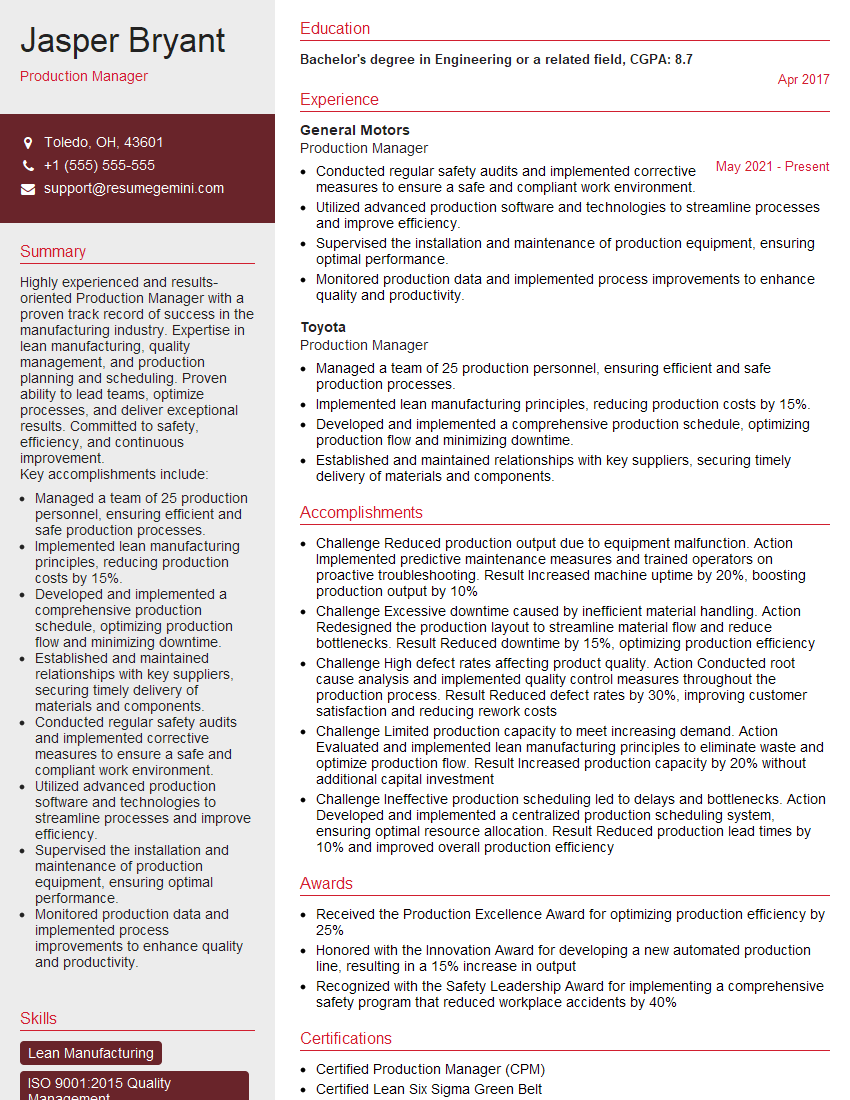
Production Manager Resume Sample

Creative Director Resume Sample
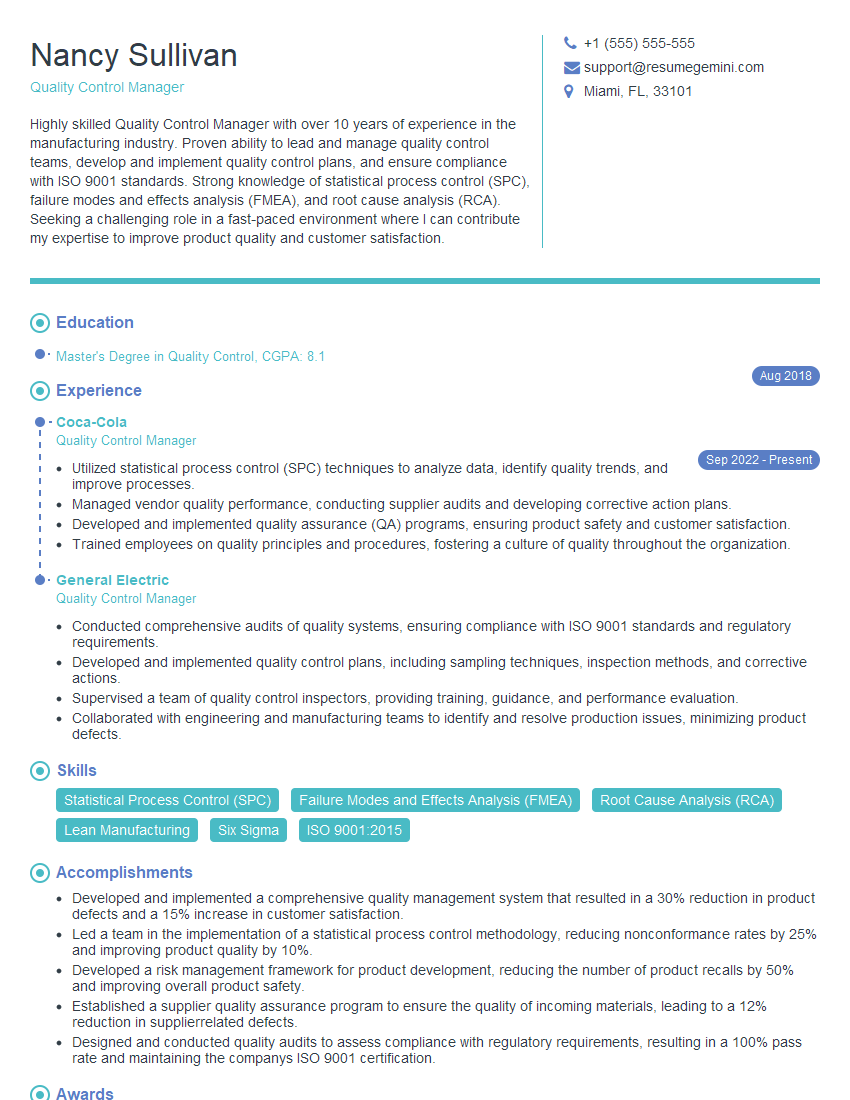
Quality Control Manager Resume Sample
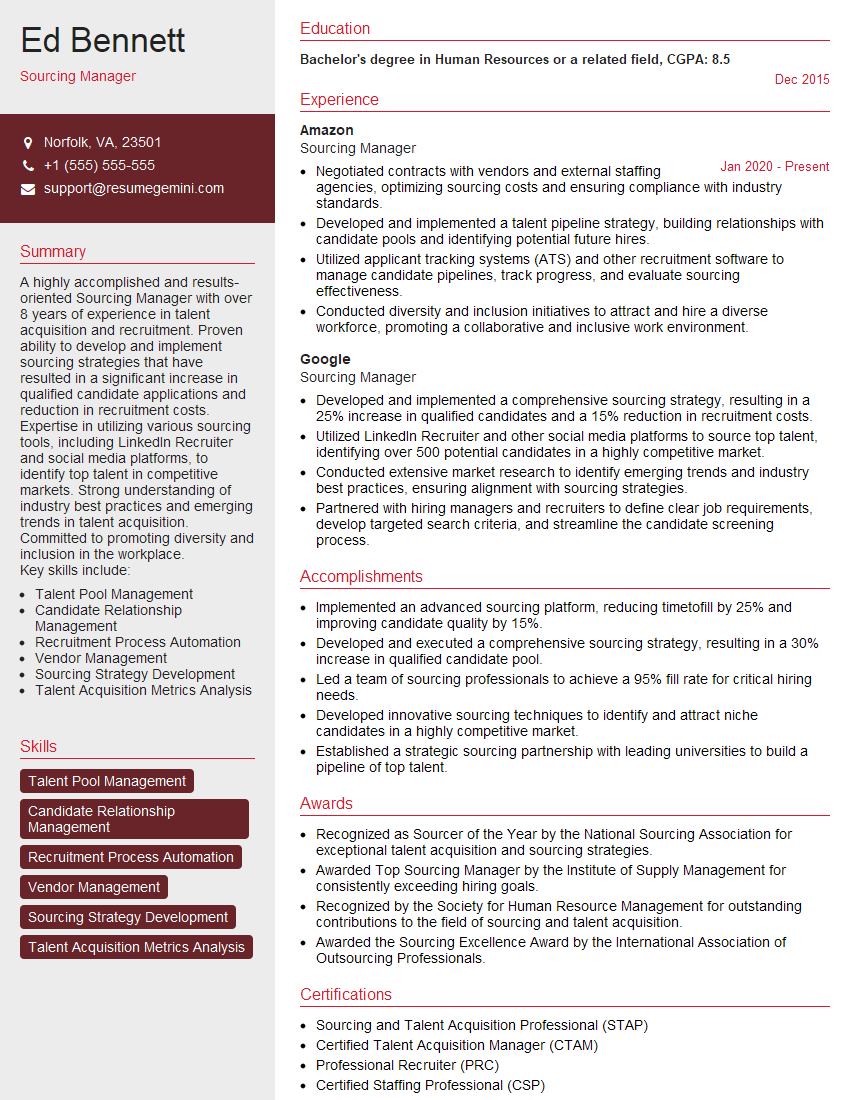
Sourcing Manager Resume Sample
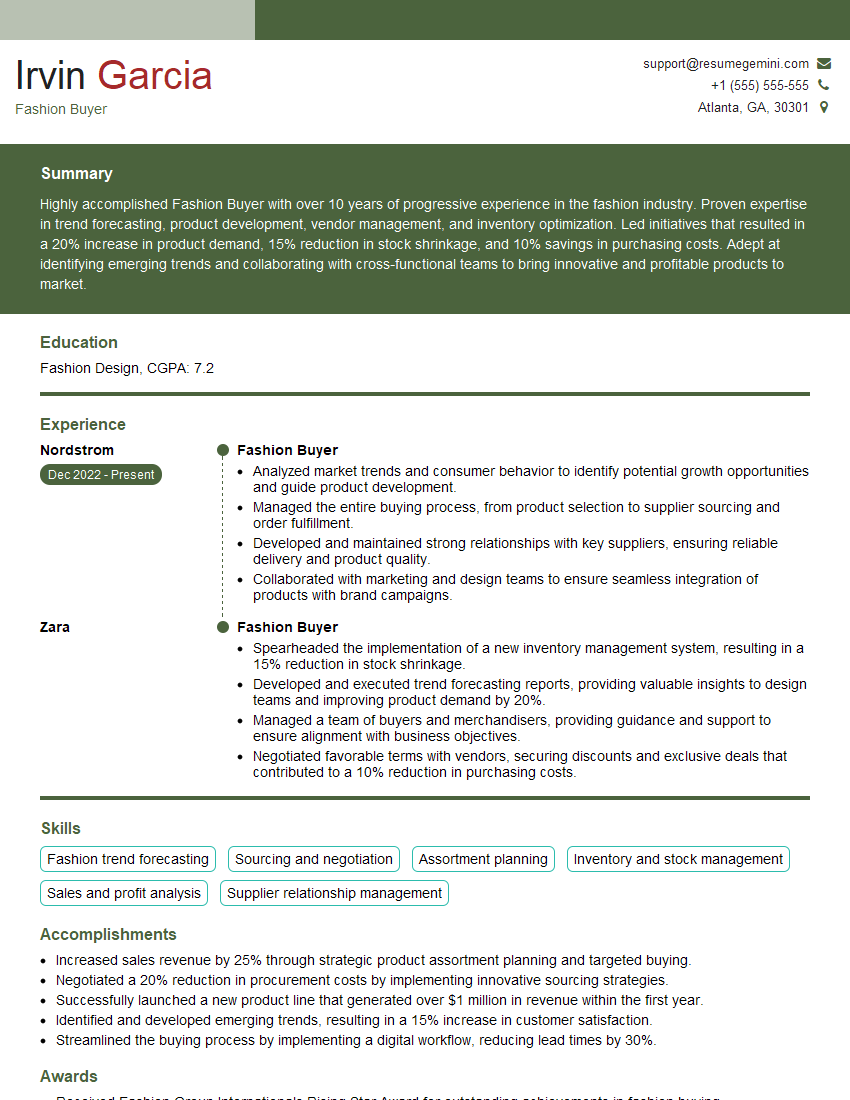
Fashion Buyer Resume Sample
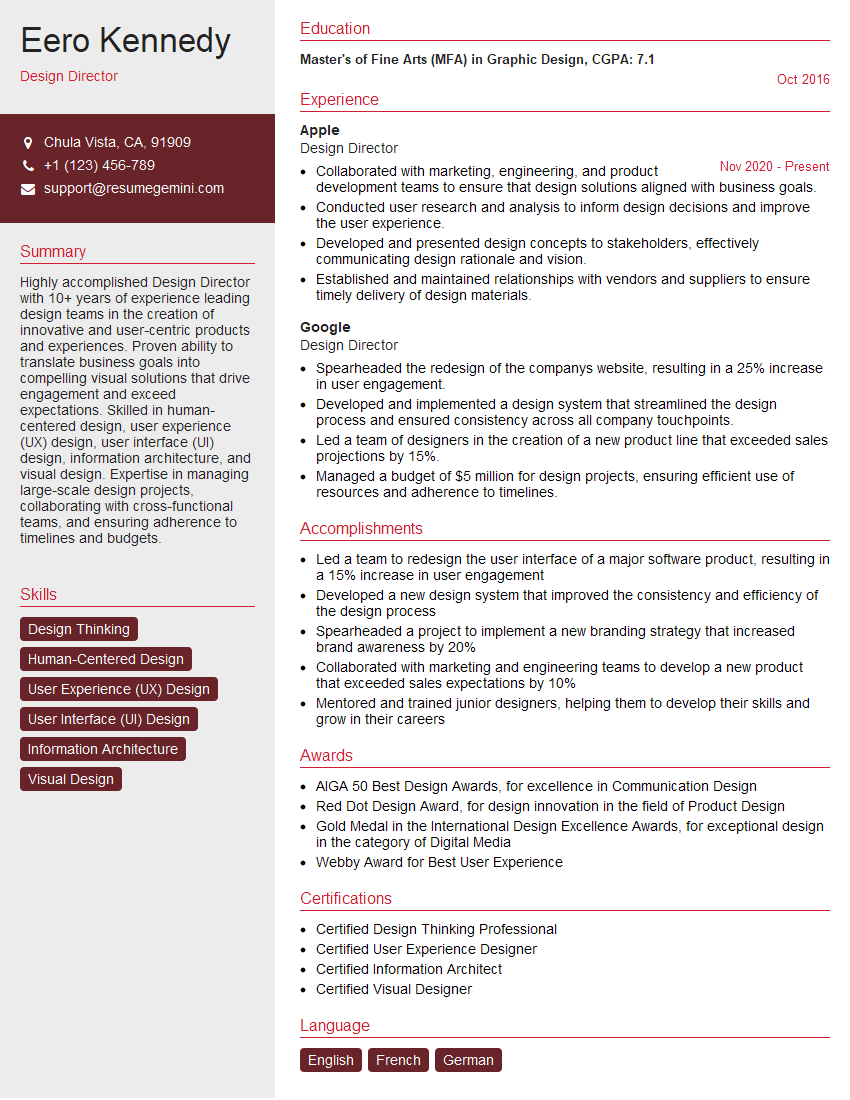
Design Director Resume Sample
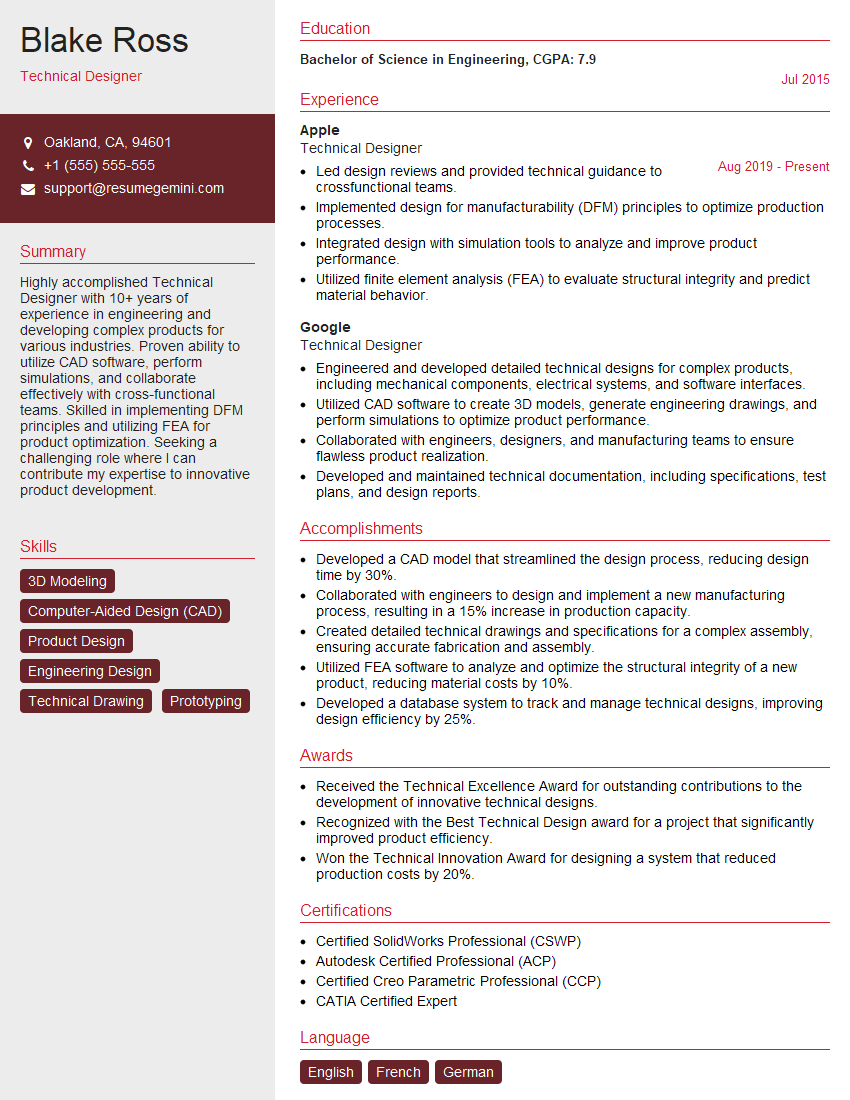
Technical Designer Resume Sample
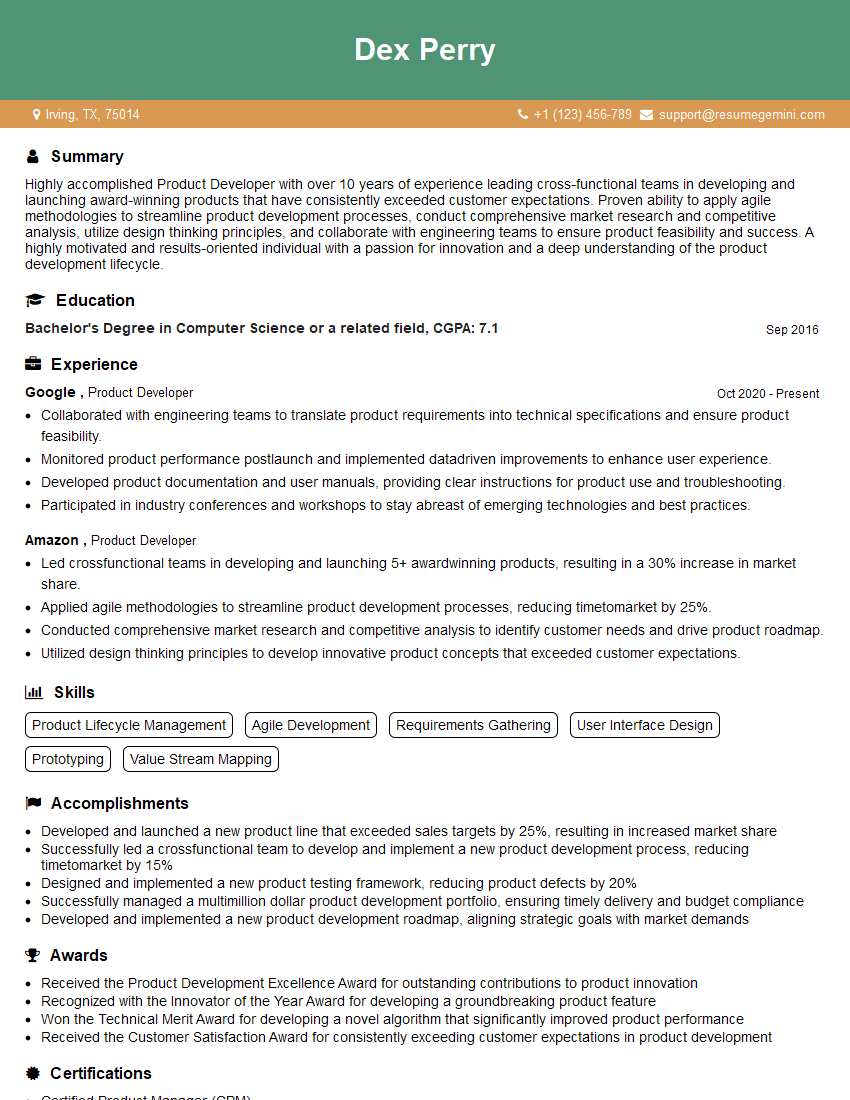
Product Developer Resume Sample
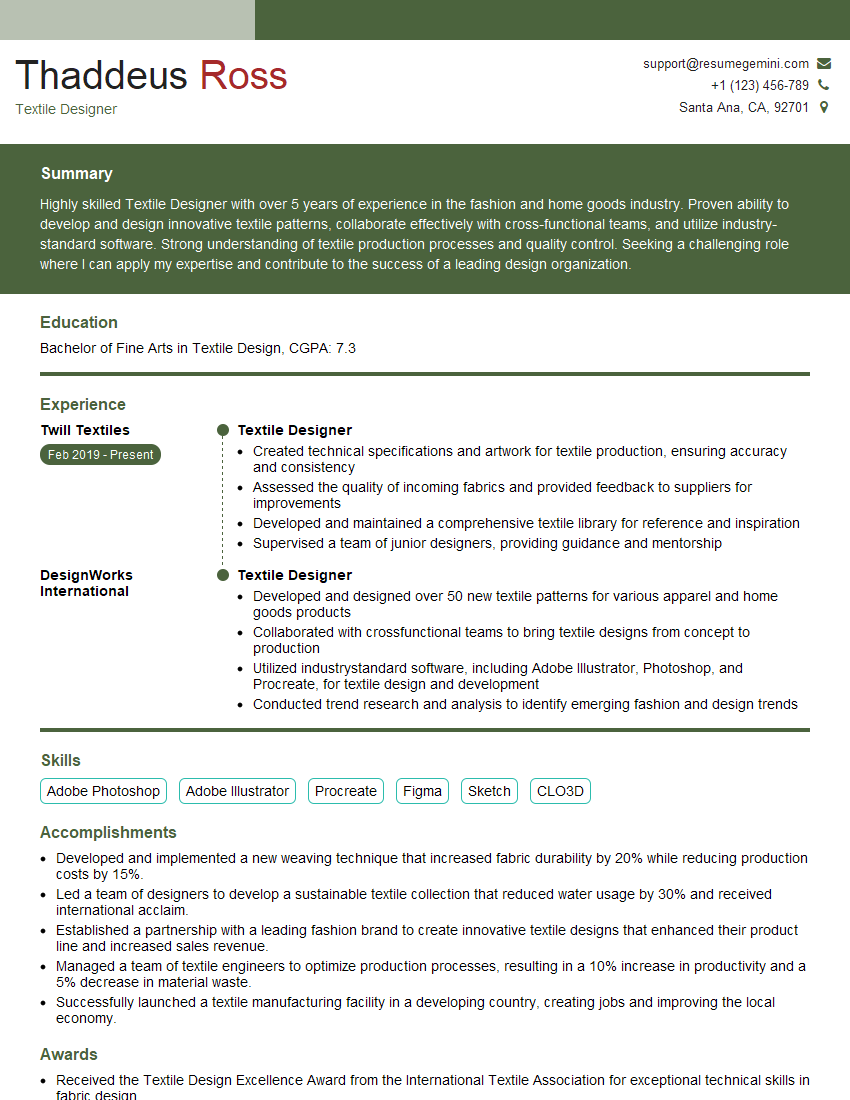
Textile Designer Resume Sample
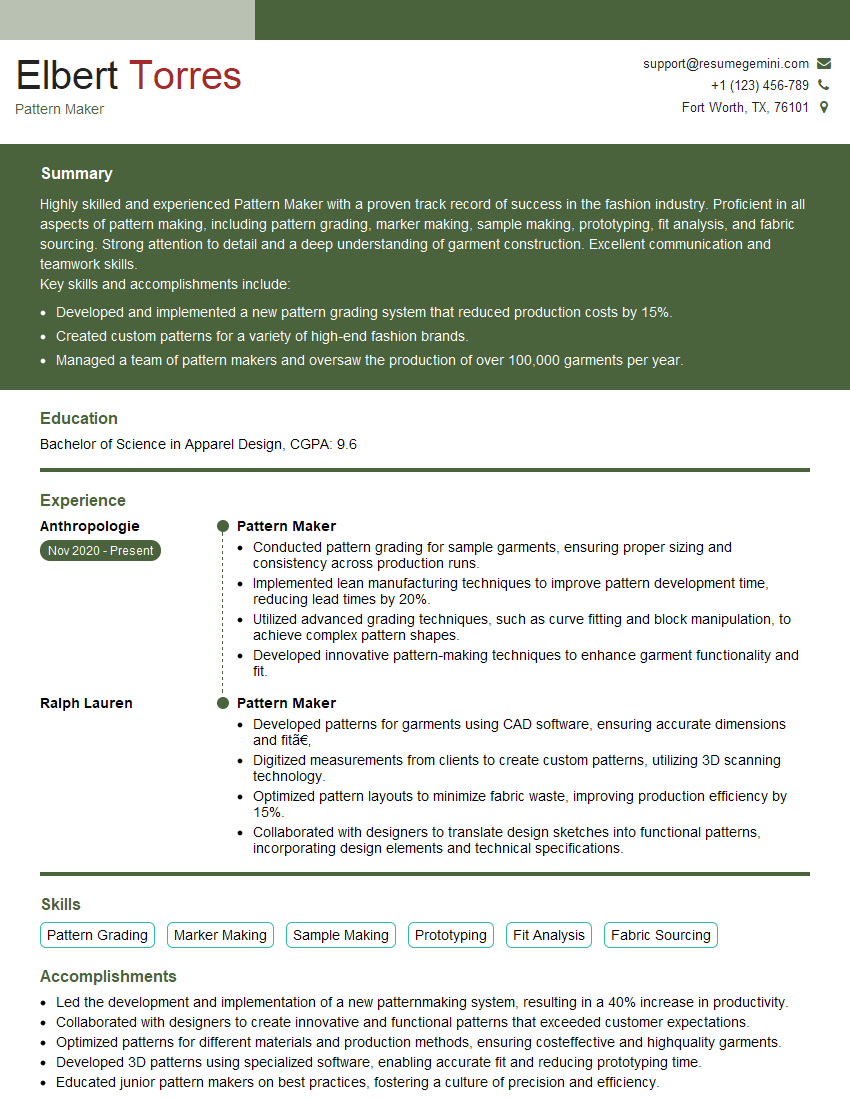
Pattern Maker Resume Sample
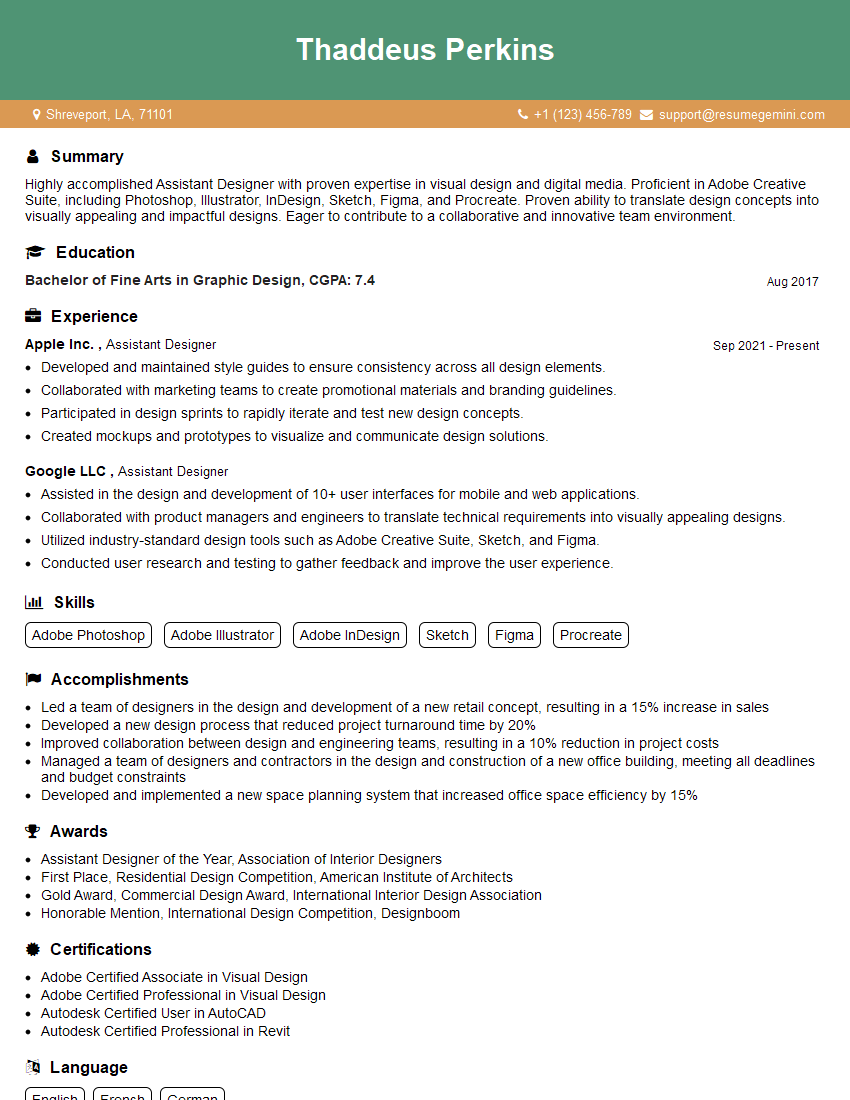
Assistant Designer Resume Sample
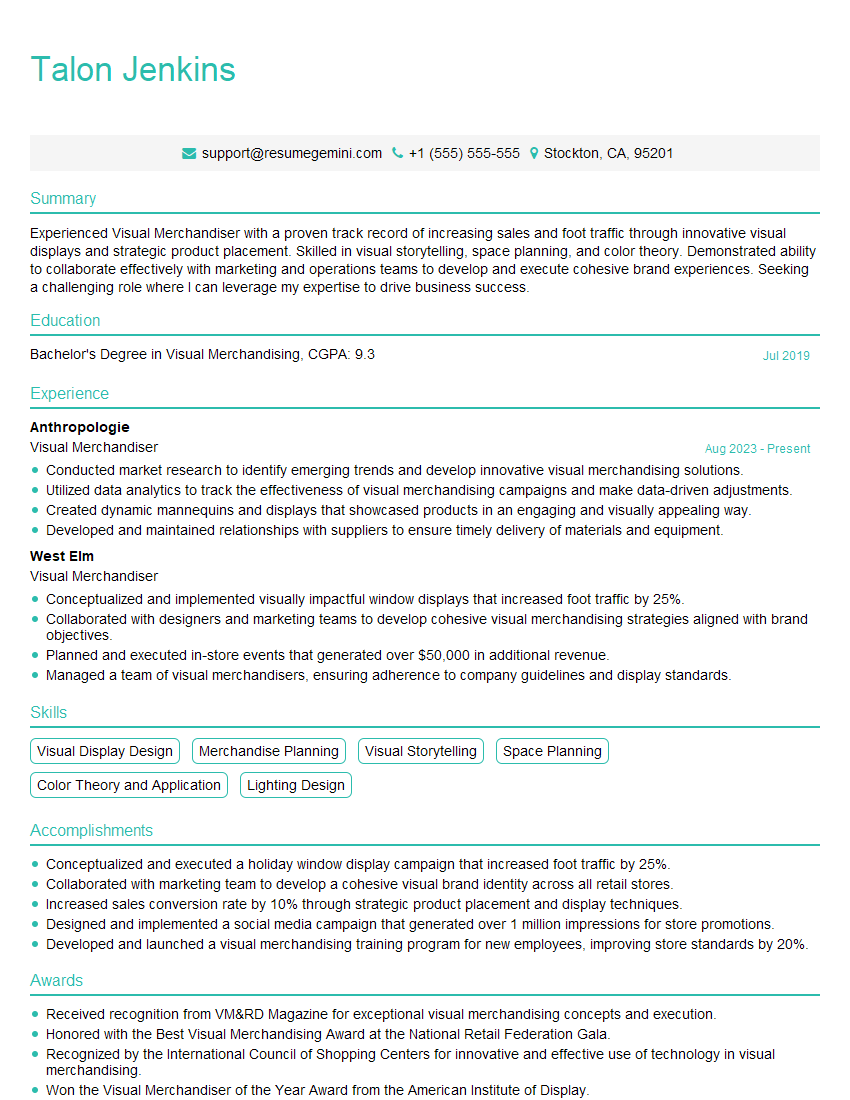
Visual Merchandiser Resume Sample
Explore more articles
Users Rating of Our Blogs
Share Your Experience
We value your feedback! Please rate our content and share your thoughts (optional).
What Readers Say About Our Blog
Very informative content, great job.
good