Are you ready to stand out in your next interview? Understanding and preparing for Fast decision-making interview questions is a game-changer. In this blog, we’ve compiled key questions and expert advice to help you showcase your skills with confidence and precision. Let’s get started on your journey to acing the interview.
Questions Asked in Fast decision-making Interview
Q 1. Describe your process for making a high-stakes decision under time pressure.
My process for high-stakes, time-pressured decisions relies on a structured approach that blends rapid assessment with controlled execution. It’s not about rushing, but about prioritizing efficiency.
- Rapid Assessment: I first identify the core problem and the absolute must-have elements of a solution. This often involves asking clarifying questions to get the crucial facts quickly.
- Prioritize Criteria: I determine the most important factors for success and rank them in order of importance. For example, if minimizing financial loss is paramount, that takes precedence over minor aesthetic details.
- Generate Options: I brainstorm a small number of viable options, focusing on those that directly address the key criteria. Overthinking at this stage is detrimental.
- Quick Evaluation: I quickly weigh the pros and cons of each option against the prioritized criteria, using a mental checklist if necessary.
- Decision & Execution: I choose the option with the best risk-reward profile and immediately start implementing it. Simultaneously, I anticipate potential issues and have a backup plan ready.
- Post-Decision Review: Even with time pressure, I make a point of reviewing my decision’s effectiveness afterward. This helps me refine my process for future high-stakes situations.
Imagine a scenario where a critical server crashes. My approach wouldn’t be to panic and try everything at once, but to swiftly determine the source of the failure (network, hardware, software), select the most likely fix (restart, manual intervention, fallback server), and implement it, ensuring I have a secondary option prepared in case the first fails.
Q 2. Explain a time you had to make a quick decision with incomplete information.
During a product launch, we faced a critical bug just hours before the release. We had incomplete information about the bug’s root cause and the potential impact. My team and I had to decide whether to delay the launch or proceed with a limited fix.
We followed a risk-assessment model, weighing the impact of a delayed launch (lost revenue, damaged reputation) against the potential consequences of a bug in the released product (customer dissatisfaction, security risks). We chose to apply a temporary fix, which reduced the risk of a catastrophic failure, while informing customers of the known issues and planned mitigation strategy. While not ideal, this minimized immediate damage and bought us time for a comprehensive fix in a subsequent release. The decision highlighted the importance of transparent communication with clients during uncertain times.
Q 3. How do you balance speed and accuracy in your decision-making?
Balancing speed and accuracy is crucial in fast decision-making. It’s not a compromise but a delicate dance between the two. This involves several techniques:
- Structured Thinking: Following a clear decision-making framework (as described in the previous question) helps ensure that no crucial steps are skipped, promoting both speed and accuracy.
- Prioritization: Focusing on the most critical information first—and knowing what information is truly critical—reduces analysis paralysis.
- Heuristics: Using mental shortcuts (heuristics) based on past experience can speed up the decision-making process, provided these heuristics are reliable and relevant to the current situation. It’s important to check the heuristic’s validity.
- Contingency Planning: Anticipating potential problems and having backup plans can mitigate the impact of errors, allowing for quick adaptation if the initial decision proves flawed.
- Iteration & Feedback: Accepting that initial decisions might be imperfect and learning from outcomes is essential. Regularly reviewing decisions and their consequences allows for improvement over time.
Think of it like a surgeon operating – speed is crucial, but accuracy is paramount. They employ established procedures, focus on the essentials, and anticipate potential complications during the procedure.
Q 4. What strategies do you use to mitigate risk when making rapid decisions?
Mitigating risk when making rapid decisions involves a multi-pronged strategy:
- Scenario Planning: Thinking through potential outcomes—both positive and negative—for each option helps identify risks before they materialize.
- Risk Assessment Matrices: Employing quantitative or qualitative risk assessment tools (like a simple probability/impact matrix) allows for a structured evaluation of potential problems.
- Redundancy & Backup Plans: Implementing redundant systems or having backup plans ensures that if one decision goes wrong, there’s a fallback option.
- Seeking Diverse Input: Consulting others with different perspectives can expose blind spots and potentially reveal hidden risks.
- Data-Driven Decisions: Whenever possible, using data and analytics to inform decisions reduces reliance on assumptions and guesswork, thereby lowering risk.
- Limiting Exposure: Taking a cautious approach when the potential losses are high can involve smaller, more controlled experiments rather than large-scale, high-risk gambles.
For instance, if launching a new product feature, rolling it out in stages (A/B testing, for example) allows for early detection of problems and minimizes the impact of any failures.
Q 5. How do you identify and prioritize critical information in a fast-paced environment?
Identifying and prioritizing critical information in a fast-paced environment is a skill honed through experience and practice. It requires:
- Focus on the Goal: Constantly reminding yourself of the overall objective clarifies what information is truly relevant. Ignore distractions and focus on what moves you toward the goal.
- Information Filtering Techniques: Develop methods for separating important from unimportant information. This might involve using keywords, summarization techniques, or relying on trusted sources.
- Data Visualization: Using charts, graphs, or other visual aids can help identify patterns and prioritize information quickly.
- Cognitive Biases Awareness: Recognizing personal biases can prevent crucial information from being overlooked due to preconceived notions.
- Effective Communication: Clearly communicate your needs to others to obtain the necessary information efficiently.
Think of a fire fighter entering a burning building. They don’t have time to observe every detail; their focus is on locating trapped individuals and extinguishing the flames. They prioritize information that helps them achieve those objectives.
Q 6. Describe a situation where a quick decision prevented a negative outcome.
During a stock market downturn, I noticed a rapid decline in a specific sector’s stock prices based on emerging news. My quick decision to implement protective measures for our firm’s investments in that sector, including partial divestment, prevented significant financial losses for our company. While the market recovered, our immediate response reduced the negative impact significantly. This decision highlighted the importance of both staying informed and acting decisively on timely information.
Q 7. How do you handle the pressure of making decisions with significant consequences?
Handling the pressure of high-consequence decisions involves developing mental resilience and employing coping mechanisms:
- Preparation & Training: Thorough preparation and past experience significantly reduce anxiety. This includes practicing decision-making scenarios and refining one’s decision-making process.
- Mindfulness & Stress Management Techniques: Techniques like deep breathing or meditation help manage stress and improve clarity under pressure.
- Trusting Intuition (with Caution): While relying solely on intuition is risky, years of experience can cultivate a good gut feeling that complements data-driven approaches.
- Seeking Support: Talking to trusted colleagues or mentors can provide different perspectives and reduce the burden of decision-making.
- Self-Compassion: Acknowledging that mistakes are inevitable and learning from them is crucial for mental well-being. It’s important to avoid self-criticism and to focus on continuous improvement.
Maintaining a sense of perspective and recognizing that even with the best intentions, not every decision will be perfect, is essential. The focus should be on the process of making informed decisions, not solely on the outcomes.
Q 8. How do you adapt your decision-making process to different situations and contexts?
My approach to decision-making is highly adaptable, relying on a flexible framework rather than a rigid process. I assess the situation’s urgency, complexity, and risk tolerance before choosing a strategy. For instance, a low-stakes, routine decision like approving a standard expense report might involve a quick check against established guidelines. Conversely, a high-stakes strategic decision, such as launching a new product, requires a more thorough process, possibly involving data analysis, stakeholder consultations, and risk assessment. The key is context awareness: understanding the specific variables at play dictates the level of detail and analysis required.
I utilize a combination of intuitive judgment (based on experience) and analytical thinking (based on available data). The balance between these shifts depending on the context. In time-sensitive scenarios, intuition often plays a larger role, informed by past experiences and mental models. In situations requiring more precision, I lean heavily on data and analytical frameworks. This flexibility allows me to make swift, informed decisions across a wide range of circumstances.
Q 9. What are the potential downsides of making decisions too quickly?
Rushing decisions carries significant risks. The most obvious is increased error rates: without sufficient consideration, you might overlook critical details or unintended consequences. For example, hastily choosing a vendor without thorough due diligence could result in significant financial losses or reputational damage. Furthermore, quick decisions can damage relationships. Failing to consult relevant stakeholders or adequately consider their viewpoints can lead to resentment and decreased collaboration in the long run. Finally, hasty decisions can also erode trust and credibility. If stakeholders perceive decisions as impulsive and ill-considered, their confidence in your judgment and leadership can be undermined.
Consider the analogy of a surgeon: a surgeon wouldn’t perform a complex operation without proper planning and preparation. Similarly, important decisions demand careful consideration to minimize risks and ensure the best possible outcomes.
Q 10. How do you ensure your decisions are aligned with organizational goals?
Aligning decisions with organizational goals is paramount. I achieve this through a multi-pronged approach. Firstly, I maintain a clear understanding of the organization’s strategic objectives and key performance indicators (KPIs). This involves actively participating in strategic planning sessions, regularly reviewing company documents, and maintaining open communication with leadership. Secondly, I frame my decision-making process within this broader context. Before making a decision, I ask myself: ‘How does this decision contribute to the achievement of our strategic goals?’ and ‘What are the potential implications of this decision on our KPIs?’
Thirdly, I incorporate feedback mechanisms to ensure accountability and continuous improvement. I regularly review the outcomes of my decisions, assess their impact on organizational goals, and adjust my strategies as needed. This iterative process guarantees that my decisions consistently support and further the organization’s overall strategic direction.
Q 11. How do you delegate tasks effectively when time is of the essence?
Effective delegation under time pressure requires careful selection of team members and clear communication. I begin by identifying individuals with the necessary skills and experience for the task at hand. I then provide them with precise instructions, including clear deadlines, expected deliverables, and the overall context of the task within the larger objective. I empower them with the authority to make decisions within specified parameters, minimizing the need for constant oversight.
Furthermore, I leverage readily available technology for streamlined communication. Project management tools like Asana or Trello can help visualize tasks, track progress, and facilitate quick updates. Regular, concise check-ins, perhaps even just brief status updates via instant messaging, help maintain momentum and address any emergent issues promptly. Finally, trust and open communication are crucial. Delegating effectively hinges on trust in the abilities of my team. By fostering a culture of transparency, we can address challenges efficiently and ensure deadlines are met.
Q 12. Describe your approach to evaluating the success of a quick decision.
Evaluating the success of a quick decision requires a pragmatic approach. I don’t wait for long-term results; instead, I establish clear, measurable criteria *before* making the decision. These criteria should reflect the key objectives the decision aimed to address. For example, if a quick decision involved choosing a specific marketing strategy, my success metrics might include website traffic increases, lead generation, and conversion rates within a predefined timeframe (e.g., the following week or month).
Post-decision, I monitor these metrics closely and compare the actual outcomes against the initial expectations. This involves both quantitative data analysis (using relevant tools and dashboards) and qualitative feedback (e.g., customer surveys, team debriefs). Any significant deviations from expectations prompt a thorough analysis to understand the contributing factors, whether positive or negative. This iterative process allows for continuous learning and improvement in my decision-making capabilities.
Q 13. How do you handle conflicting information when making a time-sensitive decision?
Conflicting information under time pressure demands a structured approach. My first step is to identify the source and credibility of each piece of information. I assess the reliability and potential biases of each source. Next, I prioritize the most credible and relevant information, focusing on data from reliable and trusted sources. If there’s a significant discrepancy, I may need to quickly gather additional data to resolve the conflict, perhaps by consulting another expert or cross-referencing with independent sources.
If time truly doesn’t allow for thorough reconciliation, I make a decision based on the best available evidence, acknowledging the uncertainty and potential risks. Transparency is key in this case: I communicate the decision-making process and uncertainties to relevant stakeholders, building shared understanding and preparedness for potential contingencies. Finally, I build in flexibility to adjust course should new information emerge.
Q 14. What frameworks or models do you use to structure your rapid decision-making?
Several frameworks assist my rapid decision-making. One is the Decision Matrix, a simple yet powerful tool for evaluating multiple options against predefined criteria. This helps prioritize options systematically, especially when multiple factors are at play. Another helpful framework is the Pareto Principle (80/20 rule), which helps focus on the most impactful aspects of a problem. This allows me to prioritize high-value activities and delegate or defer lower-priority ones, saving valuable time.
In highly uncertain situations, the Decision Tree provides a structured way to visualize possible outcomes and associated probabilities, allowing for a more informed decision even with limited information. Ultimately, my choice of framework depends heavily on the specific context and the level of complexity involved. The goal is to select the simplest, most effective framework that helps me reach a sound decision quickly and efficiently.
Q 15. How do you ensure that you’re not overlooking important factors when making quick decisions?
Making quick decisions doesn’t mean making reckless ones. To avoid overlooking crucial factors, I employ a structured approach combining intuition with a checklist of key considerations. This checklist is tailored to the specific context but generally includes aspects like:
- Stakeholder Impact: Who will this decision affect, and how? I consider both immediate and long-term consequences for all involved parties.
- Resource Availability: Do I have the necessary resources (time, budget, personnel) to implement this decision effectively?
- Risk Assessment: What are the potential downsides and how likely are they? I often use a quick risk matrix to visually assess potential risks and their impact.
- Ethical Considerations: Is this decision ethically sound and aligned with my values and the organization’s code of conduct?
- Data Availability: Is there relevant data to support this decision, or is it based on intuition and experience?
For example, in a fast-paced negotiation, my checklist might prioritize immediate stakeholder needs and potential risks associated with different negotiation strategies. By systematically reviewing these key factors, even in a time-constrained environment, I minimize the chances of overlooking something important.
Career Expert Tips:
- Ace those interviews! Prepare effectively by reviewing the Top 50 Most Common Interview Questions on ResumeGemini.
- Navigate your job search with confidence! Explore a wide range of Career Tips on ResumeGemini. Learn about common challenges and recommendations to overcome them.
- Craft the perfect resume! Master the Art of Resume Writing with ResumeGemini’s guide. Showcase your unique qualifications and achievements effectively.
- Don’t miss out on holiday savings! Build your dream resume with ResumeGemini’s ATS optimized templates.
Q 16. How do you manage your stress levels when making high-pressure decisions?
High-pressure decision-making inevitably leads to stress, but managing it is crucial for effective performance. My approach is multi-faceted:
- Preparation: Thorough preparation significantly reduces stress. Knowing the facts, understanding the context, and having a plan in place for various scenarios helps build confidence and reduces anxiety.
- Mindfulness Techniques: I use deep breathing exercises and mindfulness techniques to center myself before and during critical decisions. This helps maintain clarity and focus amidst the pressure.
- Time Management: Effective time management is critical. Prioritizing tasks and delegating when possible reduces my workload and the pressure to make quick decisions on everything.
- Physical Well-being: Maintaining a healthy lifestyle outside of work is paramount. Regular exercise, proper sleep, and a balanced diet enhance resilience and stress management capabilities.
- Seeking Support: I’m not afraid to ask for help or advice from trusted colleagues when facing overwhelming pressure. A fresh perspective can often be invaluable.
For instance, before a crucial product launch, I would prioritize my preparation by reviewing all the data, rehearsing my presentation, and ensuring my team is adequately briefed. Then, during the launch, I’d use deep breathing exercises to maintain focus and composure in case of unexpected issues.
Q 17. How do you use data and analytics to inform your quick decisions?
Data and analytics are indispensable tools for informing quick decisions, even when time is limited. I leverage them by:
- Pre-emptive Data Gathering: I proactively collect and organize relevant data so it’s readily available when needed. This might involve establishing dashboards, automated reports, or key performance indicators (KPIs) relevant to common decision-making scenarios.
- Data Visualization: I utilize clear and concise visualizations like charts and graphs to quickly grasp key insights from complex datasets. This enables rapid interpretation and pattern recognition.
- Predictive Modeling (where applicable): Where feasible and time permits, I may use predictive modeling to forecast outcomes based on historical data and trends. This helps anticipate potential challenges and guide decision-making.
- A/B Testing: For smaller, iterative decisions, A/B testing allows me to quickly evaluate different options and choose the most effective strategy based on real-time data.
For example, when deciding which marketing campaign to launch, I would analyze past campaign performance data, looking at key metrics like click-through rates and conversion rates. A quick look at a visualized dashboard would quickly show me which campaign type has historically performed better, allowing me to make an informed, quick decision.
Q 18. How do you communicate your decisions effectively to others?
Effective communication is vital when conveying quick decisions. My strategy focuses on clarity, transparency, and empathy:
- Concise Communication: I avoid unnecessary jargon and get straight to the point. I clearly state the decision, the rationale behind it, and the next steps.
- Transparency: I explain the key factors that influenced the decision, highlighting the data or insights used. Transparency builds trust and buy-in.
- Active Listening: After communicating the decision, I actively listen to questions and concerns, addressing them directly and honestly. This shows respect and allows for collaborative problem-solving.
- Visual Aids: When appropriate, using visuals like flowcharts or presentations enhances understanding and simplifies complex information.
- Follow-up: I ensure timely follow-up to address any lingering questions or provide updates on the implementation process.
For instance, when announcing a sudden change in project direction, I would use a short, clear email outlining the rationale based on recent market data, followed by a brief Q&A session to address immediate concerns.
Q 19. How do you learn from past decisions, both successful and unsuccessful?
Learning from past decisions, both successful and unsuccessful, is essential for continuous improvement in decision-making. My approach involves:
- Post-Decision Reviews: I conduct regular reviews of past decisions, analyzing what worked well, what could have been improved, and what lessons were learned. This might involve creating a simple decision log.
- Feedback Mechanisms: I actively solicit feedback from stakeholders affected by my decisions. Constructive criticism helps identify blind spots and areas for improvement.
- Data Analysis: I track the outcomes of my decisions and analyze the data to understand the correlation between my choices and the results. This helps refine my decision-making process over time.
- Reflection: I take time for self-reflection, considering my biases, emotional influences, and any cognitive biases that may have affected my decision-making.
For example, if a marketing campaign underperformed, I’d analyze the data to understand why, perhaps discovering that the target audience wasn’t correctly identified. This would inform my future marketing decisions, leading to better targeting and better campaign results.
Q 20. Describe a time you had to revise a quick decision due to unforeseen circumstances.
During a product launch, we made a quick decision to prioritize a specific feature based on initial user feedback. However, unforeseen circumstances arose when a critical third-party API experienced unexpected downtime, rendering that feature unusable. We had to quickly revise our decision.
The revision involved:
- Acknowledging the problem: We immediately communicated the API issue to the team and stakeholders.
- Assessing the impact: We evaluated the impact of the downtime on the overall user experience.
- Developing alternative solutions: We explored alternative features or temporary workarounds to mitigate the issue.
- Communicating the revised plan: We transparently explained the situation and the revised plan to users and stakeholders.
This experience highlighted the importance of having contingency plans and being adaptable when unforeseen circumstances arise. While the initial decision was sound based on the available information, the ability to quickly adapt and revise the strategy minimized the negative impact of the API failure.
Q 21. How do you build consensus quickly when multiple stakeholders are involved?
Building consensus quickly with multiple stakeholders requires a structured approach emphasizing communication, collaboration, and compromise:
- Clearly Define the Problem: Ensure everyone understands the problem requiring a solution. This sets a common goal.
- Identify Key Stakeholders: Identify all relevant stakeholders and their perspectives. This may involve a simple stakeholder map.
- Prioritize Options: Present a limited number of well-defined options to avoid overwhelming the group. Focus on options that address the key concerns of the stakeholders.
- Facilitate Open Dialogue: Encourage open and respectful dialogue where each stakeholder’s perspective is heard and considered.
- Seek Common Ground: Actively search for common ground and areas of agreement among stakeholders. Compromise may be necessary.
- Document the Decision: Once a consensus is reached, document the decision and the rationale behind it. Share this document with all stakeholders.
For example, during an emergency meeting involving different departments to address a critical system failure, I would start by clearly stating the problem and its impact. Then, I would present two or three viable solutions and facilitate a discussion among the stakeholders, focusing on the pros and cons of each option and ensuring each voice is heard before reaching a consensus.
Q 22. What is your approach to identifying and addressing biases in your decision-making?
Identifying and mitigating biases in fast decision-making is crucial for effective leadership. My approach involves a multi-step process. First, I’m acutely aware of common cognitive biases like confirmation bias (seeking information confirming existing beliefs), anchoring bias (over-relying on initial information), and availability heuristic (overestimating the likelihood of easily recalled events). Second, I actively seek diverse perspectives. Before making a decision, I deliberately consult with individuals who hold differing viewpoints or possess different expertise, creating a more balanced information landscape. Third, I employ structured decision-making frameworks. Techniques like using checklists, scoring systems, or decision matrices help to systematize the process and reduce the influence of unconscious biases. Finally, I regularly reflect on my past decisions, analyzing where biases might have influenced the outcome and learning from my mistakes. This continuous self-assessment is key to refining my decision-making process over time.
Q 23. How do you balance the need for speed with the need for collaboration?
Balancing speed and collaboration in decision-making is a delicate act, often requiring context-dependent strategies. For urgent, time-sensitive decisions, a more centralized, rapid approach might be necessary. However, for complex problems requiring diverse expertise, collaboration is paramount. I employ a tiered approach: For high-stakes, complex decisions, I prioritize collaboration, perhaps utilizing brainstorming sessions or collaborative software to gather input. For simpler decisions, where speed is essential, I might make a preliminary decision independently, then consult with key stakeholders for feedback and validation. Effective communication is key – clearly articulating the time constraints and decision-making process ensures everyone is on the same page. Furthermore, fostering a culture of trust and open communication ensures that even quick decisions made independently are transparent and well-received.
Q 24. How do you stay calm and focused under pressure?
Maintaining calm and focus under pressure is a skill honed through practice and self-awareness. My approach involves several key strategies. Firstly, I prioritize physical and mental well-being. Sufficient sleep, regular exercise, and mindfulness techniques help build resilience to stress. Secondly, I employ structured breathing exercises to manage physiological responses to pressure. Deep, slow breaths help regulate heart rate and reduce anxiety. Thirdly, I break down complex problems into smaller, manageable tasks. This approach makes the overall situation less daunting and allows for more focused attention on individual components. Finally, I maintain a positive mindset, focusing on my strengths and the resources available to me, rather than dwelling on potential negative outcomes. This proactive approach prevents being overwhelmed by the pressure.
Q 25. Describe a time you made a fast decision that you later regretted. What did you learn?
In a previous role, I had to quickly decide whether to launch a new marketing campaign based on preliminary data. While the early numbers looked promising, I lacked comprehensive market research. I opted for the rapid launch, believing speed to market was crucial. Unfortunately, the campaign failed to achieve the projected results because the data was insufficient and lacked a deep understanding of the target audience. I learned a valuable lesson: the need for speed shouldn’t compromise the quality of information gathering and due diligence. Now, I insist on thorough research, even if it requires postponing a launch slightly. A well-informed decision, even a slightly delayed one, is far better than a hasty, ill-informed one.
Q 26. How do you use intuition and experience to guide your quick decisions?
Intuition and experience are invaluable in fast decision-making, but they must be carefully balanced with data and analysis. Intuition, essentially pattern recognition developed through years of experience, provides a rapid initial assessment. This helps me quickly identify potential pitfalls or promising avenues. However, I never rely solely on intuition. I use my experience to guide data collection and analysis, making sure to actively seek out information that might challenge my initial hunch. A structured approach combines the speed of intuition with the rigor of data analysis. For instance, I might quickly assess a situation based on experience, then systematically collect data to confirm or refute my initial assessment before making a final decision.
Q 27. How do you use technology to support your rapid decision-making process?
Technology plays a pivotal role in supporting rapid decision-making. Data visualization tools allow me to quickly grasp complex information and identify trends. Real-time dashboards and data feeds provide up-to-the-minute insights, crucial in dynamic environments. Collaborative platforms allow for rapid information sharing and feedback gathering among team members. Predictive analytics and AI tools can help anticipate potential outcomes and guide decision-making. For example, using a data visualization tool, I can quickly compare the performance of different marketing campaigns and identify the most effective strategies, enabling quick resource allocation decisions.
Q 28. How do you ensure the ethical implications of your decisions are considered, even under time constraints?
Ensuring ethical considerations are addressed, even under time constraints, requires a proactive and systematic approach. I integrate ethical considerations into my decision-making framework from the outset. This involves identifying potential ethical dilemmas early in the process, rather than as an afterthought. I use ethical decision-making frameworks, such as the “Four Principles Approach” (autonomy, beneficence, non-maleficence, and justice), to guide my thinking. I actively seek advice from ethical committees or legal counsel when necessary, particularly for complex cases. Finally, I document my ethical considerations and decision-making process. This transparency is crucial for accountability and helps to mitigate potential risks.
Key Topics to Learn for Fast Decision-Making Interviews
- Understanding the Decision-Making Process: Explore frameworks like the DECIDE model (Define, Establish, Consider, Identify, Develop, Evaluate) and understand how to apply them in high-pressure situations. This includes recognizing biases that may cloud judgment.
- Gathering and Analyzing Information Quickly: Learn effective techniques for swiftly assessing relevant information, identifying key data points, and filtering out noise. Practice prioritizing information and recognizing patterns.
- Risk Assessment and Mitigation: Develop strategies for evaluating potential risks and consequences associated with different choices. Learn how to weigh potential benefits against potential drawbacks efficiently.
- Communication and Collaboration in Decision-Making: Understand how to effectively communicate decisions and rationale to others, especially in team settings. Practice active listening and incorporating diverse perspectives.
- Adaptability and Course Correction: Learn how to adapt your decision-making approach based on new information or changing circumstances. Practice strategies for reviewing and adjusting decisions when necessary.
- Practical Application: Consider case studies involving fast-paced scenarios – such as emergency response, crisis management, or quick problem-solving in a business context. Practice applying the concepts to hypothetical situations.
- Developing Intuition: While data-driven decisions are crucial, explore the role of intuition and experience in informing rapid judgments. Recognize when to trust your gut feeling, but always have a reasoned basis to support your decisions.
Next Steps
Mastering fast decision-making is crucial for career advancement, demonstrating your ability to handle pressure, solve problems efficiently, and contribute effectively in dynamic environments. A strong resume highlighting these skills is essential for attracting recruiters. To increase your chances of securing interviews, craft an ATS-friendly resume that showcases your capabilities. ResumeGemini is a trusted resource to help you build a professional and impactful resume that stands out. Examples of resumes tailored to highlight fast decision-making skills are available, helping you present your qualifications effectively.
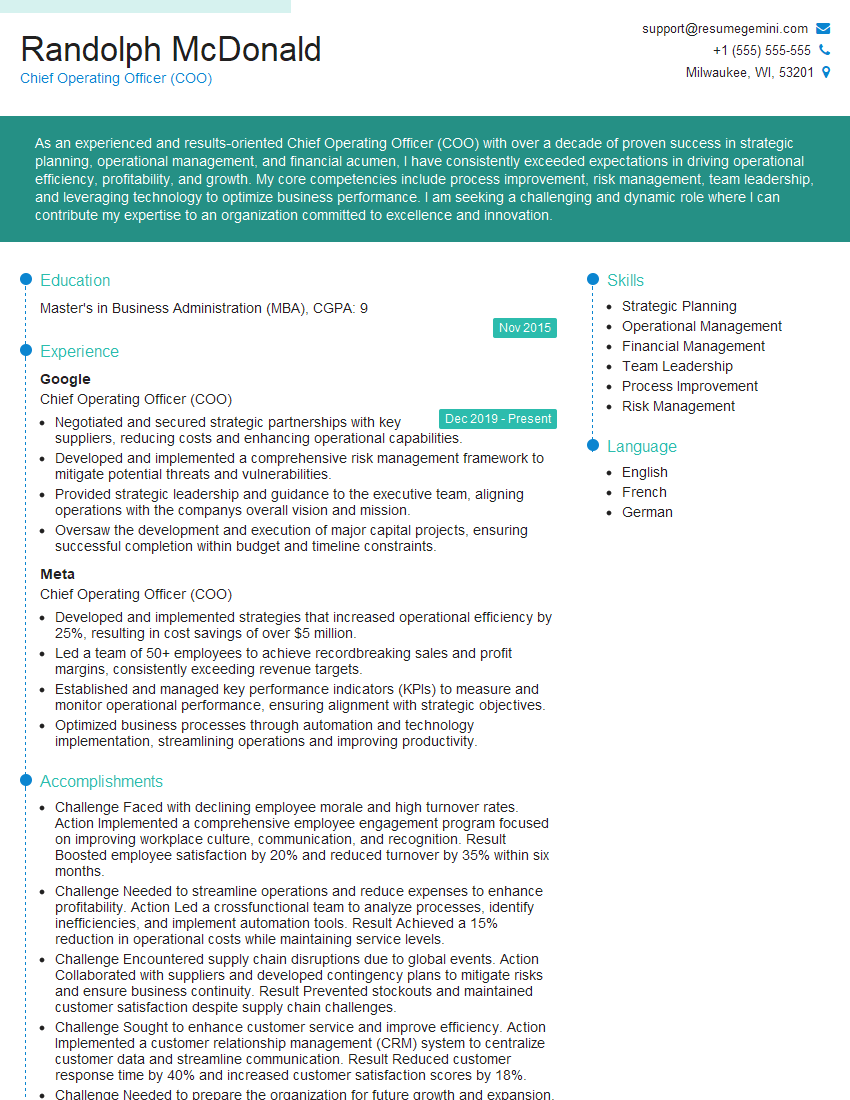
Chief Operating Officer (COO) Resume Sample

Operations Manager Resume Sample
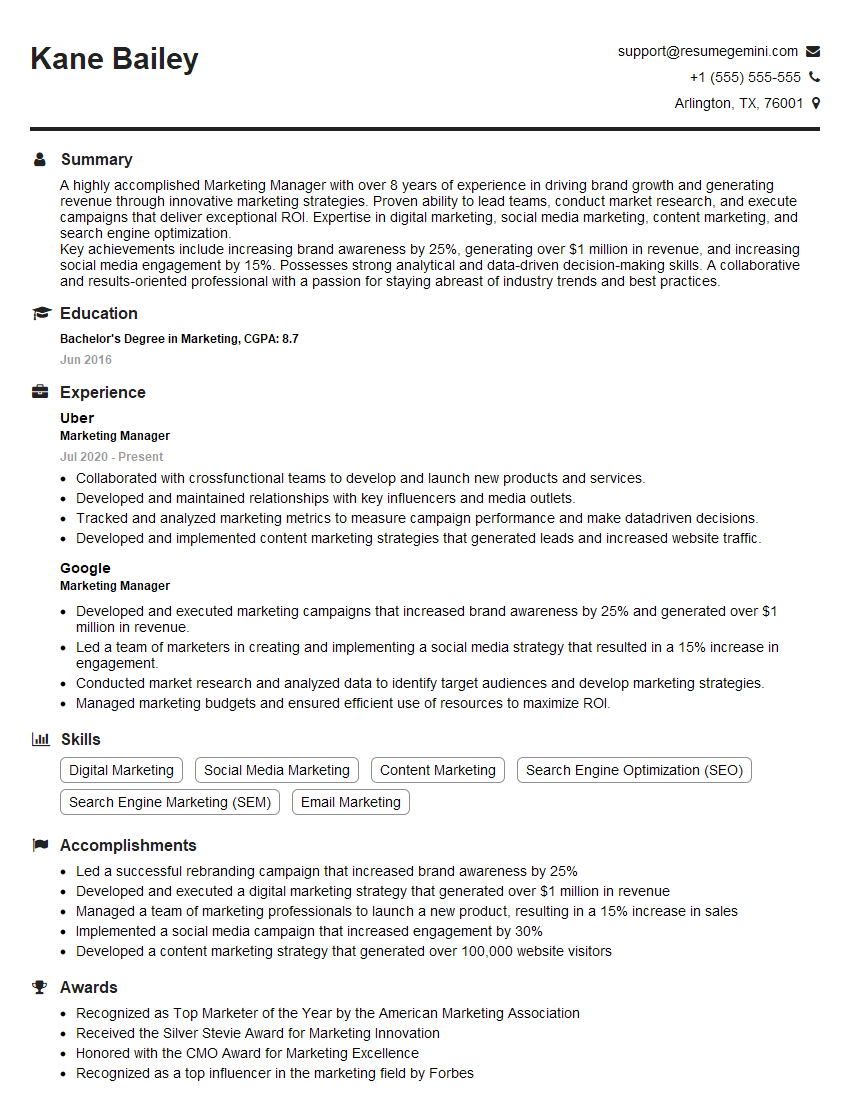
Marketing Manager Resume Sample
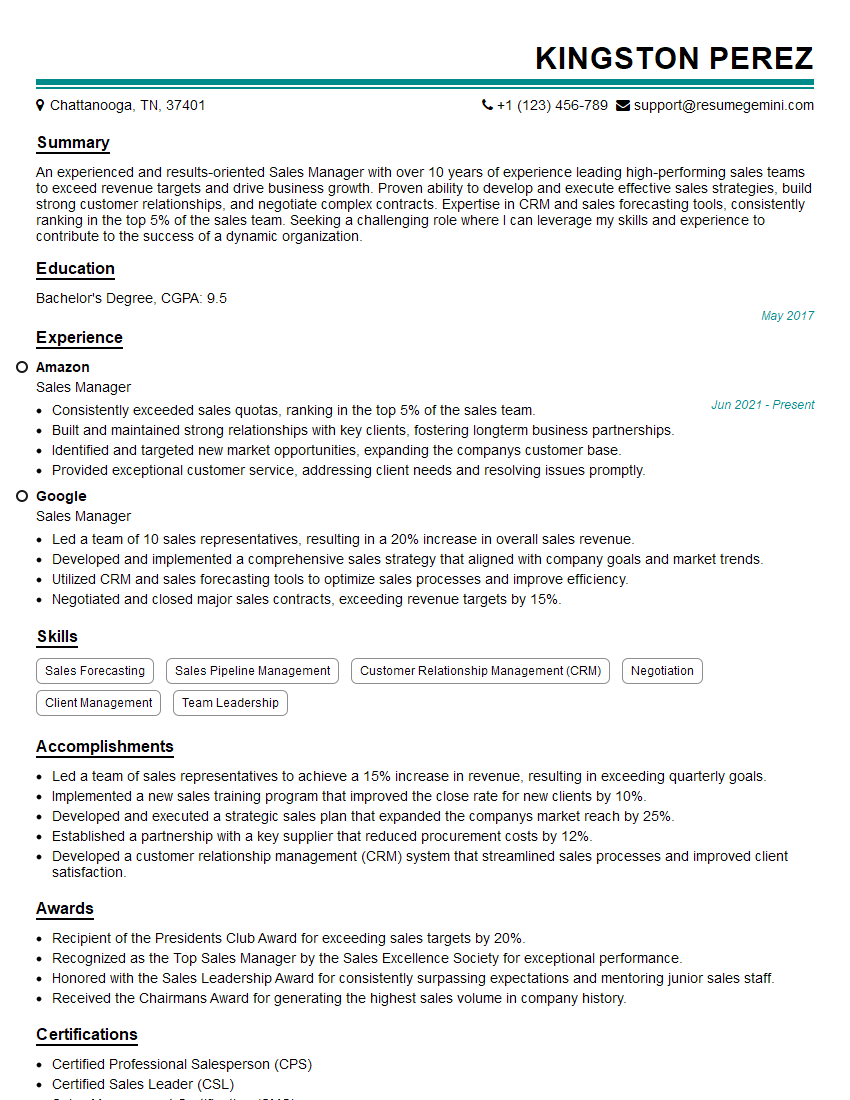
Sales Manager Resume Sample
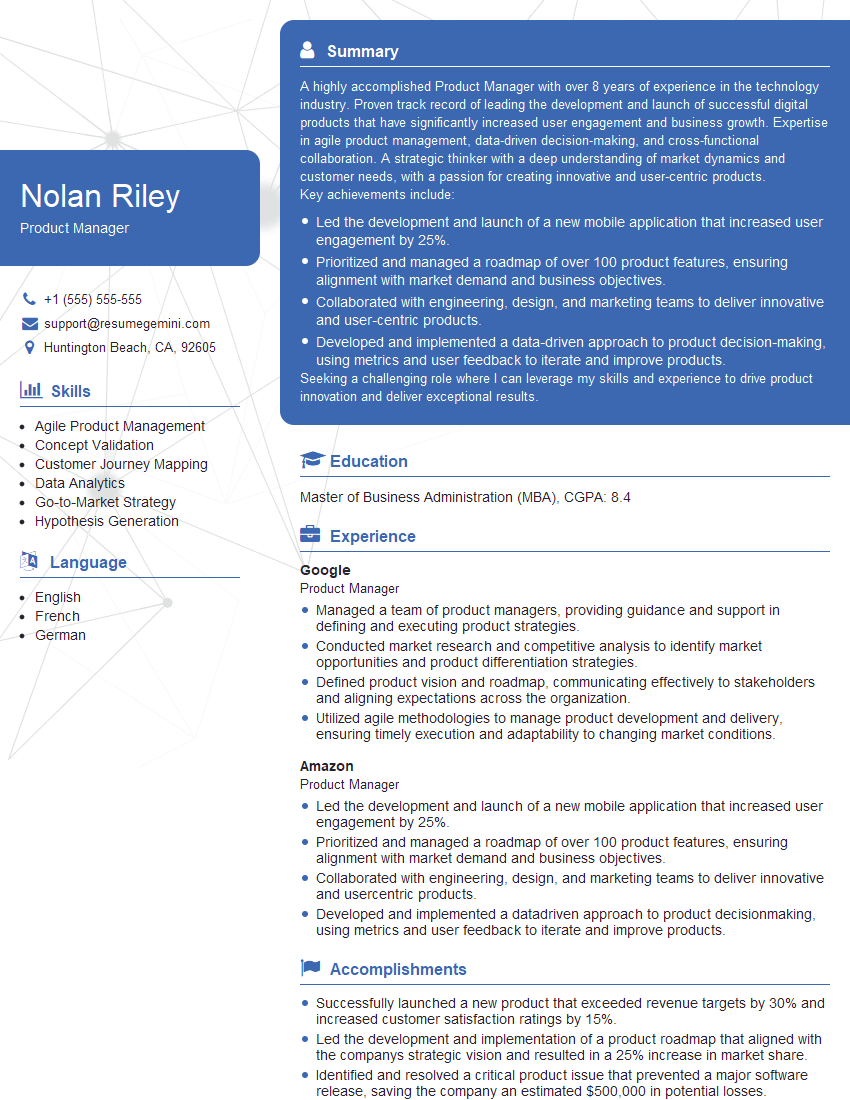
Product Manager Resume Sample
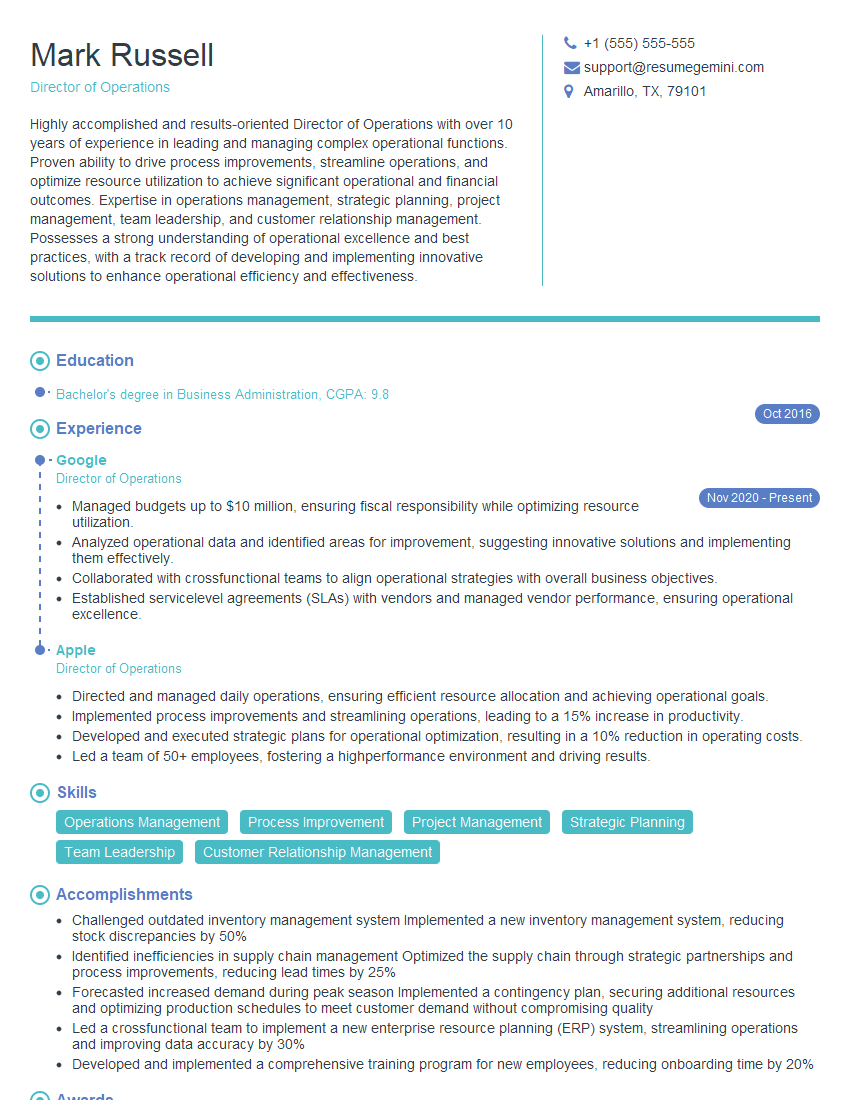
Director of Operations Resume Sample

Supply Chain Manager Resume Sample

Project Manager Resume Sample
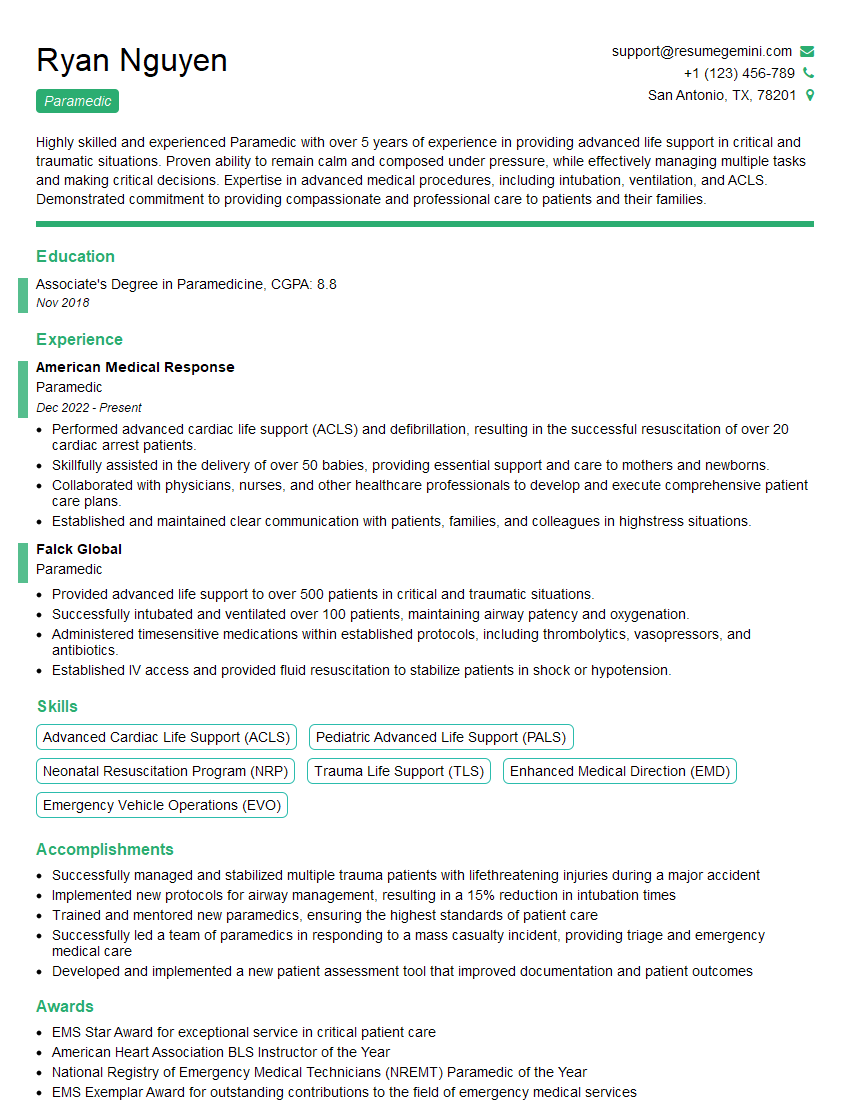
Paramedic Resume Sample
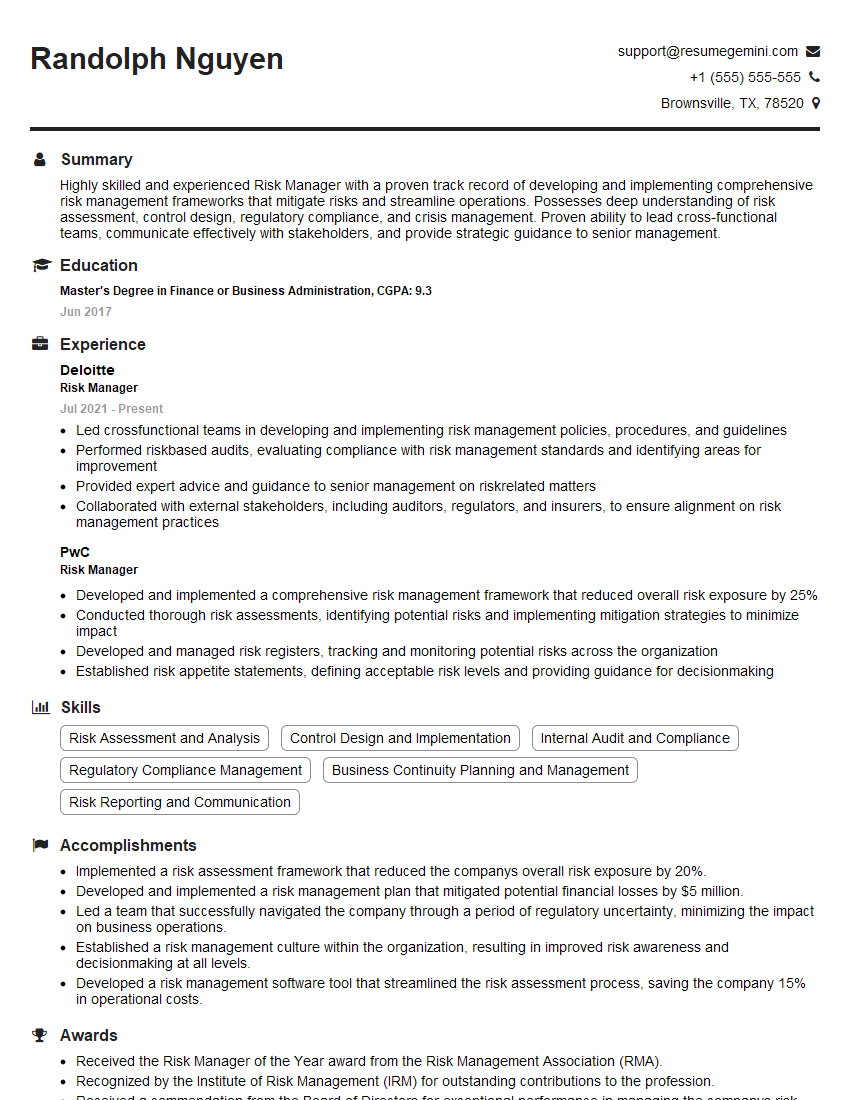
Risk Manager Resume Sample
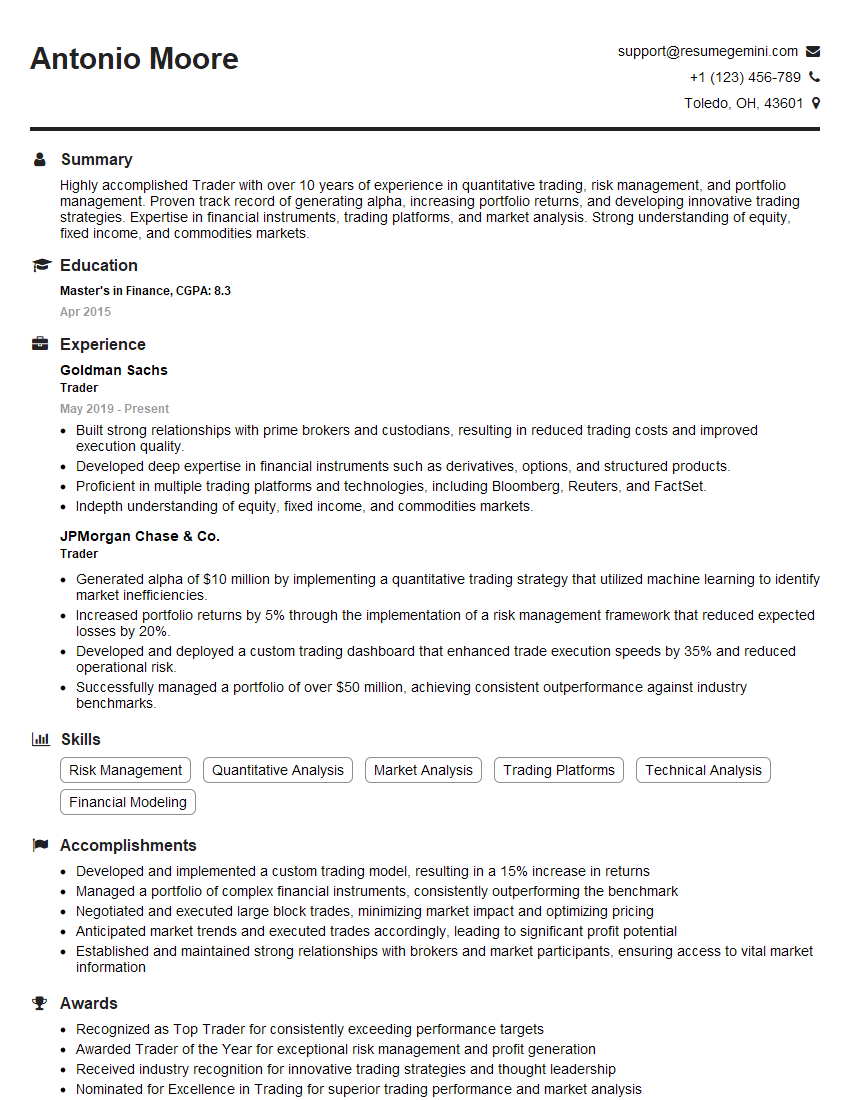
Trader Resume Sample
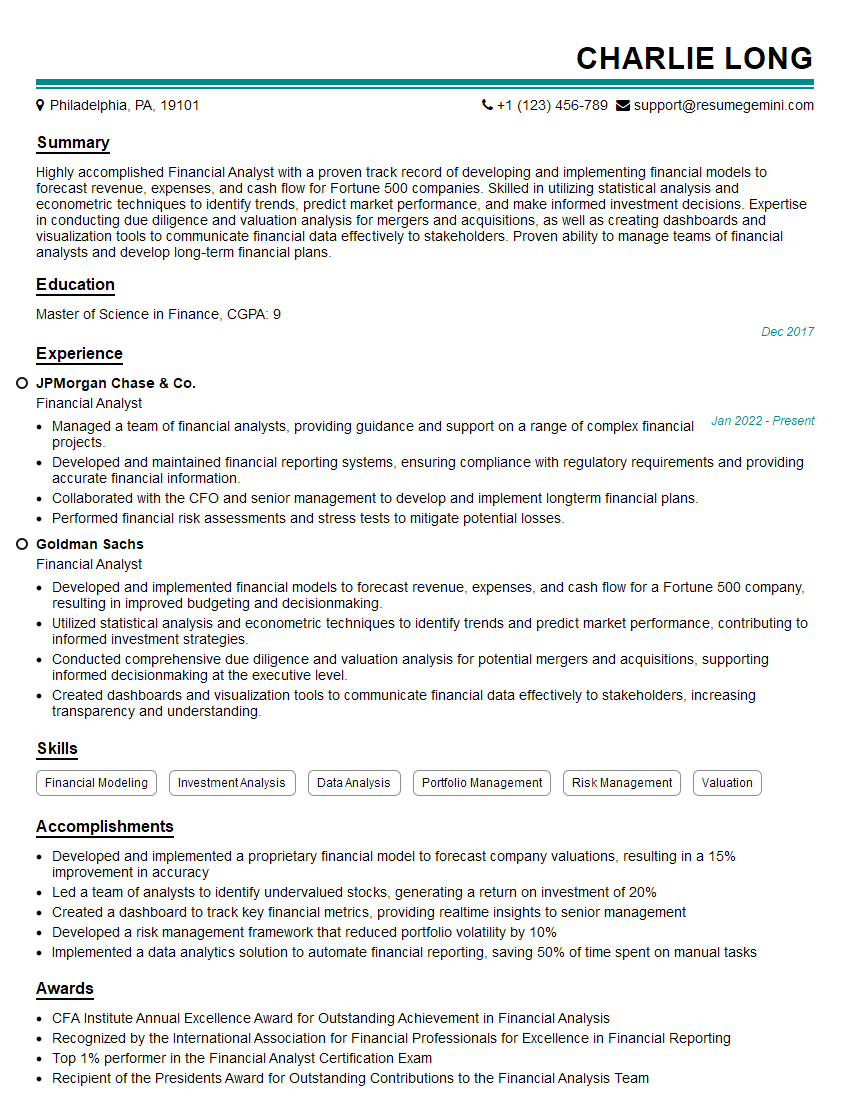
Financial Analyst Resume Sample
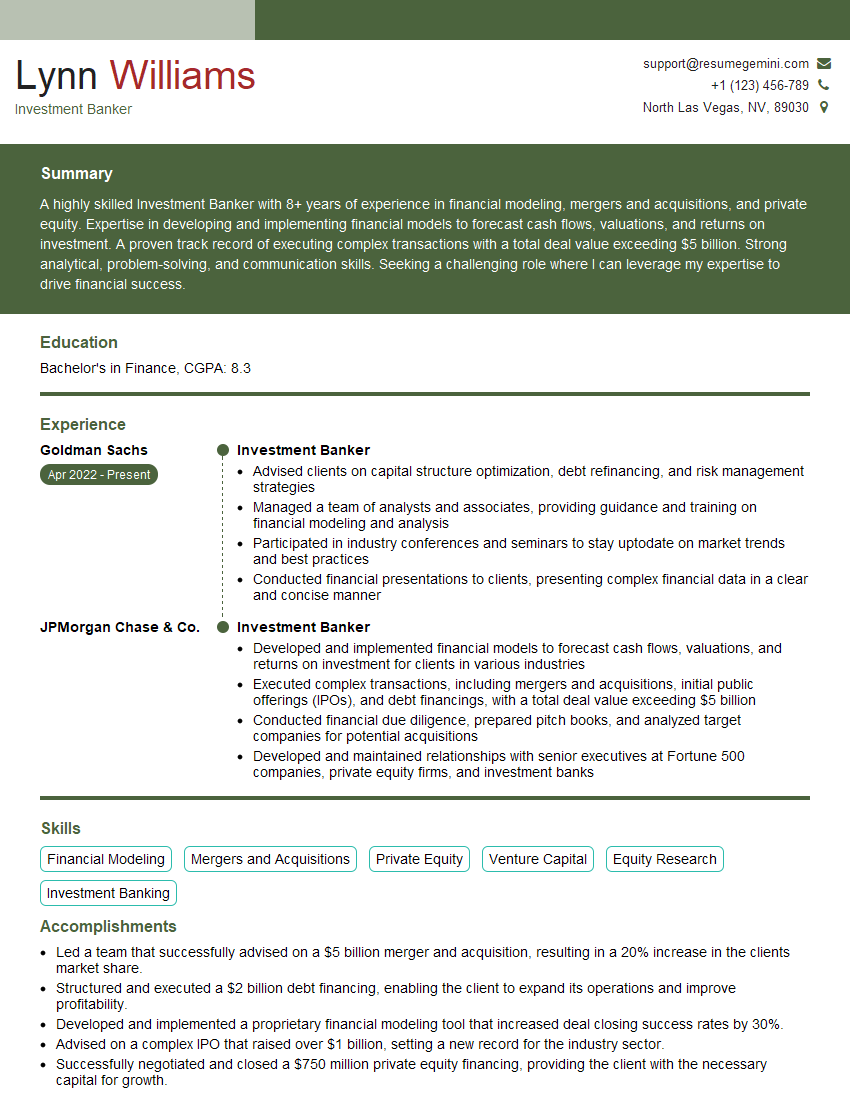
Investment Banker Resume Sample
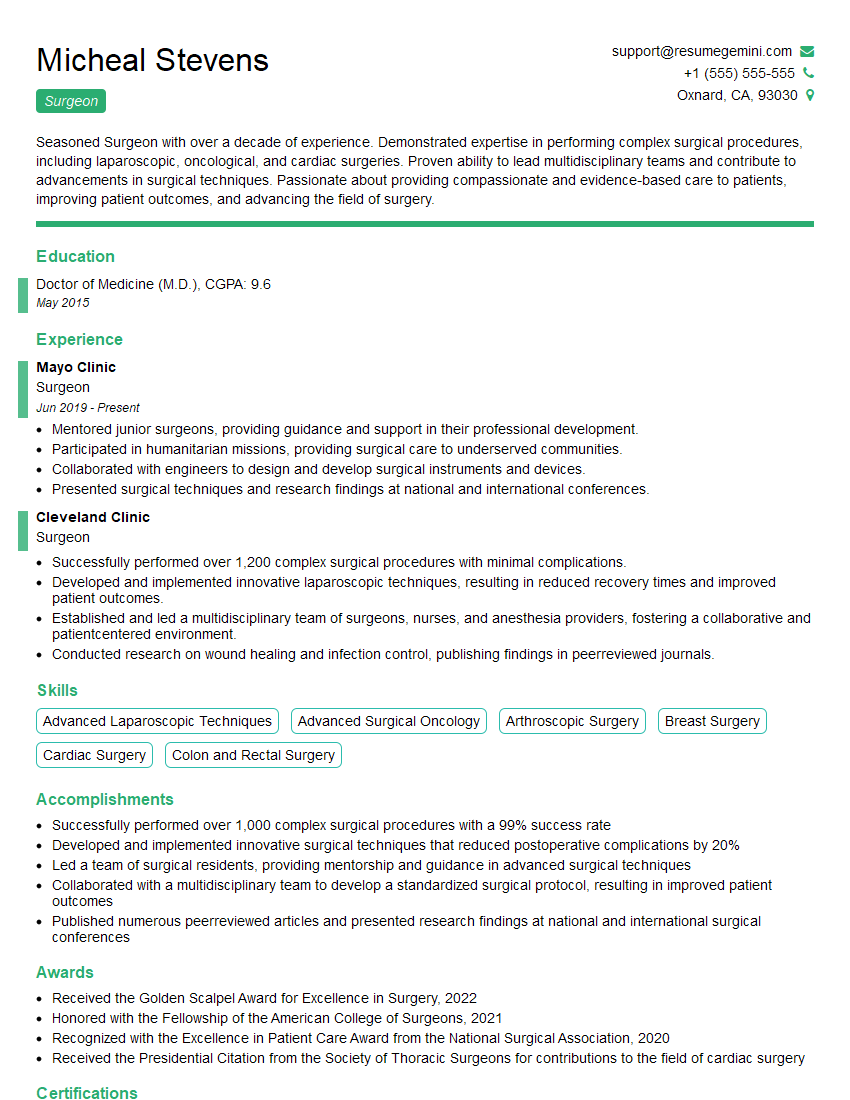
Surgeon Resume Sample
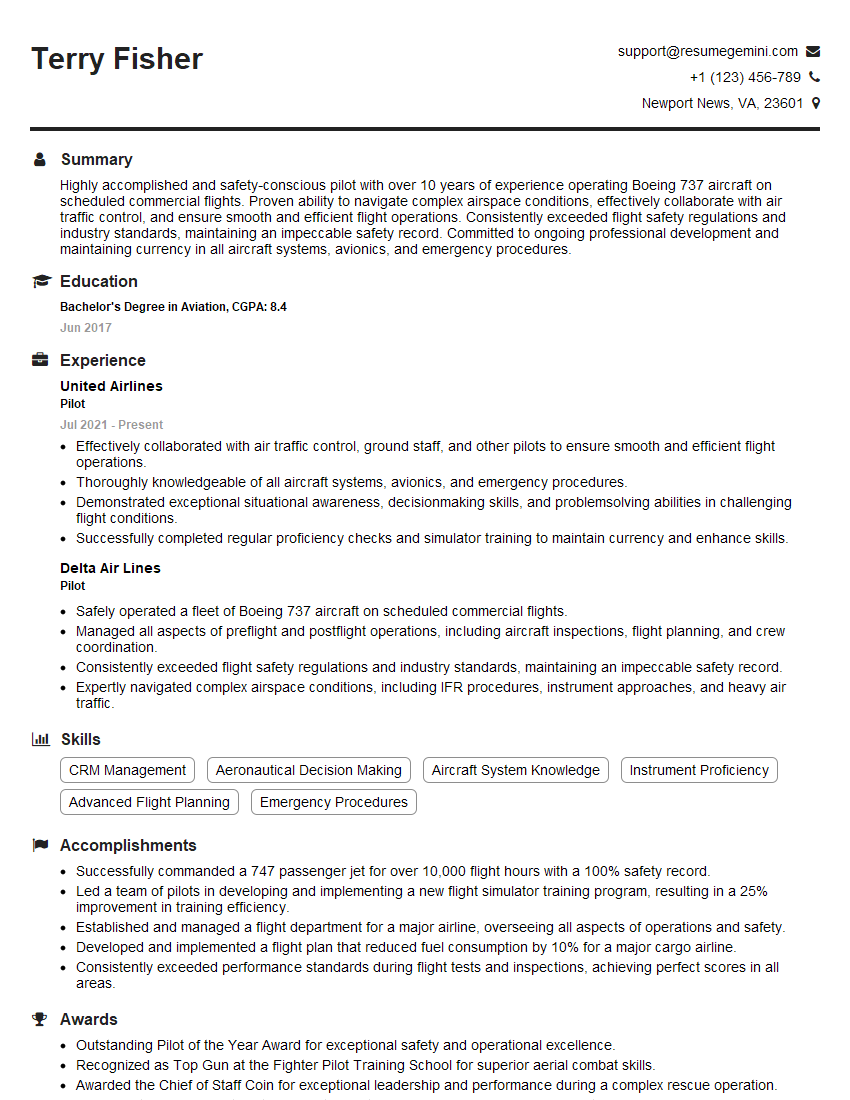
Pilot Resume Sample
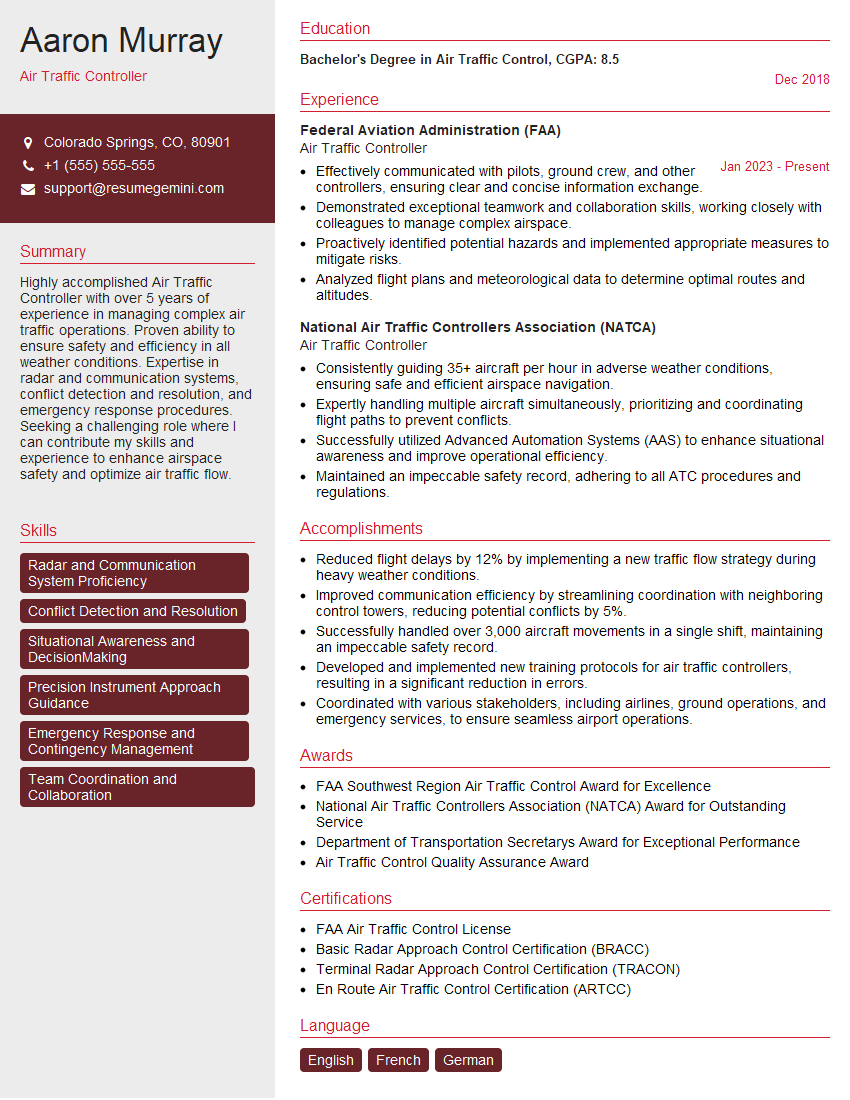
Air Traffic Controller Resume Sample
Explore more articles
Users Rating of Our Blogs
Share Your Experience
We value your feedback! Please rate our content and share your thoughts (optional).
What Readers Say About Our Blog
Very informative content, great job.
good