The right preparation can turn an interview into an opportunity to showcase your expertise. This guide to FastPaced Environment interview questions is your ultimate resource, providing key insights and tips to help you ace your responses and stand out as a top candidate.
Questions Asked in FastPaced Environment Interview
Q 1. Describe your experience working in a high-pressure, fast-paced environment.
Throughout my career, I’ve thrived in high-pressure, fast-paced environments. My experience in [mention specific industry/role, e.g., financial trading, emergency medical services, software development during product launches] has consistently exposed me to demanding deadlines, rapidly changing priorities, and significant pressure to deliver results under tight constraints. I’ve learned to not only survive but excel in these situations, developing a keen ability to focus, prioritize, and remain calm under pressure.
For instance, during [mention a specific project or situation], we faced a critical deadline with several unforeseen complications. By maintaining clear communication with the team, proactively identifying potential roadblocks, and leveraging my problem-solving skills, we successfully delivered the project on time and met all key performance indicators.
Q 2. How do you prioritize tasks in a demanding workload?
Prioritizing tasks in a demanding workload is crucial for success. I employ a multi-faceted approach that combines urgency, impact, and dependency analysis. I utilize methods such as the Eisenhower Matrix (urgent/important), prioritizing tasks based on their impact on overall goals, and identifying tasks that are dependent on others to create a clear workflow.
I often use project management tools like [mention specific tools, e.g., Jira, Asana, Trello] to visually track progress and re-prioritize as needed. Regularly reviewing my to-do list and adjusting based on new information and changing priorities is vital. This ensures I’m focusing my energy on the most critical and impactful tasks first.
Q 3. Give an example of a time you had to adapt to a sudden change in priorities.
In one instance, a major client requested an immediate shift in project scope and deliverables midway through a critical project. The new requirements completely altered the project timeline and resource allocation. My immediate response was to assess the situation calmly, gathering all relevant information from the client and my team. We then held a quick brainstorming session to re-evaluate the project plan, adjusting timelines, reassigning tasks, and communicating the changes transparently to the client and the team. We successfully adapted to the sudden change and delivered a revised product that met the client’s revised needs, demonstrating agility and responsiveness.
Q 4. How do you handle multiple competing deadlines?
Managing multiple competing deadlines requires a structured approach. I start by creating a detailed project schedule and identifying all dependencies between tasks. This allows me to visualize the critical path and identify potential conflicts early on. I regularly review and update this schedule, using tools like Gantt charts to monitor progress and proactively address any delays.
Communication is key. I keep all stakeholders informed of potential roadblocks and collaborate to find solutions. If necessary, I may need to renegotiate deadlines with clients or internal teams to ensure realistic expectations. Ultimately, a proactive and transparent approach is vital for successfully navigating multiple competing deadlines.
Q 5. Describe a situation where you had to make a quick decision under pressure.
During a system outage, we had less than an hour to identify and resolve the issue before causing significant financial losses for the company. The pressure was immense. I quickly assessed the situation, delegating tasks to my team based on their expertise, while simultaneously focusing on identifying the root cause of the problem. By leveraging my troubleshooting skills and working collaboratively with the team, we pinpointed the issue—a misconfiguration in a network device—and implemented a fix within 45 minutes, averting a major crisis. This situation highlighted the importance of quick thinking, decisive action, and effective team collaboration in high-stakes environments.
Q 6. How do you manage stress effectively in a fast-paced environment?
Stress management in a fast-paced environment is paramount for both productivity and well-being. I prioritize several key strategies. Firstly, I focus on maintaining a healthy work-life balance, making time for activities that help me relax and recharge, such as [mention specific activities, e.g., exercise, spending time with family, pursuing hobbies].
Secondly, I utilize mindfulness techniques like deep breathing exercises or meditation to manage immediate stress responses. Finally, I practice effective communication, ensuring open dialogue with my team and management to address concerns and prevent issues from escalating. Proactive communication helps prevent unnecessary stress caused by misunderstandings or lack of information.
Q 7. What strategies do you use to stay organized and efficient?
Staying organized and efficient requires a combination of tools and techniques. I rely heavily on digital task management systems [mention specific tools e.g., Asana, Trello, Todoist] to track my tasks, deadlines, and progress. I break down large projects into smaller, manageable tasks, assigning specific deadlines and responsibilities. This helps to prevent feeling overwhelmed and ensures that progress is consistently made.
Regular time blocking and prioritizing tasks based on urgency and importance are also critical. I also utilize color-coded calendars and visual dashboards to maintain a clear overview of my workload and identify potential conflicts. Regularly reviewing and updating these systems ensures I maintain focus and efficiency even in a demanding environment.
Q 8. How do you maintain your focus and productivity when facing interruptions?
Maintaining focus and productivity in a fast-paced environment with constant interruptions is a crucial skill. It’s like trying to navigate a busy city street – you need a strategy to avoid getting lost in the chaos. My approach is multifaceted:
- Time Blocking: I dedicate specific blocks of time to focused work, minimizing distractions. For example, I might schedule two hours for writing a report, silencing notifications and closing unnecessary tabs.
- Prioritization: Using methods like the Eisenhower Matrix (urgent/important), I identify tasks that demand immediate attention and tackle those first. This prevents me from feeling overwhelmed by less critical tasks.
- Communication Boundaries: I set clear expectations with my colleagues about when I’m available for interruptions and when I need uninterrupted focus time. This could involve closing my door, using a ‘Do Not Disturb’ status, or simply letting them know I’ll be checking emails at specific intervals.
- Mindfulness and Breaks: Short, regular breaks help me reset and regain focus. A 5-10 minute walk or a quick meditation session can be remarkably effective in clearing mental clutter and enhancing concentration.
For instance, during a particularly hectic project launch, I used time blocking to dedicate mornings to writing critical documentation while reserving afternoons for responding to urgent queries and team collaborations. This structured approach prevented me from feeling overwhelmed and ensured timely completion of all tasks.
Q 9. How do you collaborate effectively with others in a fast-paced team?
Effective collaboration in a fast-paced team requires clear communication, shared goals, and a willingness to adapt. It’s like a well-orchestrated orchestra – each member plays their part, but the conductor ensures harmony and efficiency.
- Clear Communication: I favor tools that facilitate quick and transparent communication, such as Slack or Microsoft Teams, for updates, discussions, and task assignments. Regular stand-up meetings help maintain project momentum and address roadblocks promptly.
- Shared Goals and Understanding: Before embarking on any project, I make sure everyone understands the objectives, individual responsibilities, and deadlines. This prevents confusion and conflicting interpretations.
- Active Listening and Feedback: I actively listen to my team members’ ideas and provide constructive feedback. This fosters trust and ensures everyone feels heard and valued.
- Agile Methodologies: Utilizing agile frameworks (e.g., Scrum) allows for quick iterations, flexible adjustments, and continuous collaboration. Regular sprint reviews ensure everyone is on the same page and allows for prompt adaptation to changing priorities.
In a recent project, we employed daily stand-up meetings and a shared project management platform (Asana). This enabled us to quickly identify and resolve bottlenecks, making adjustments as needed. The result was a successful launch well ahead of schedule.
Q 10. Describe a time you had to delegate tasks effectively under pressure.
Delegating effectively under pressure requires trust, clear instructions, and monitoring. It’s akin to a skilled general assigning tasks to his troops – he needs to choose the right people for the job and ensure they are equipped for success.
During a major website redesign, we faced a tight deadline. I had to delegate tasks across several team members, each with varying skill sets. My strategy involved:
- Identifying Skill Sets: I assessed each team member’s strengths and assigned tasks accordingly. This ensured that individuals worked on areas where they excelled, maximizing efficiency and minimizing errors.
- Clear and Concise Instructions: I provided clear, concise instructions, including deadlines and expected outcomes. This ensured everyone understood their responsibilities and avoided misunderstandings.
- Regular Check-ins: I scheduled regular check-ins to monitor progress, offer support, and address any challenges. This proactive approach prevented minor issues from escalating into major roadblocks.
- Empowerment: I empowered team members to make decisions within their scope of responsibility. This fostered ownership and reduced bottlenecks.
The result was a successful launch despite the immense pressure. The key was assigning tasks strategically, communicating effectively, and actively supporting the team members.
Q 11. How do you handle conflicting requests or instructions?
Handling conflicting requests or instructions requires diplomacy, prioritization, and clear communication. It’s similar to being a referee in a game – you need to listen to both sides, understand the rules, and make a fair decision.
- Clarification: I start by clarifying the requests, seeking further information from each source to understand the context, urgency, and implications of each request.
- Prioritization: I determine the priority of each request based on organizational goals, impact, and deadlines. This often involves using a prioritization matrix or framework.
- Negotiation and Compromise: Where possible, I negotiate with stakeholders to find a mutually acceptable solution that addresses the core needs of each request. This may involve compromising on timelines or modifying the scope of work.
- Escalation: If a resolution cannot be reached internally, I escalate the conflict to a higher authority for mediation or decision-making.
In one instance, I received conflicting priorities from the sales and marketing teams regarding a product launch campaign. After clarification, I prioritized based on deadlines and overall sales targets, explaining my reasoning to both teams. This transparent approach minimized friction and ultimately resulted in a successful launch.
Q 12. How do you ensure accuracy and attention to detail in a high-pressure situation?
Ensuring accuracy and attention to detail in high-pressure situations requires meticulous planning, robust processes, and self-awareness. It’s like performing a complex surgery – precision and focus are critical.
- Checklists and Templates: I utilize checklists and templates to ensure consistency and minimize errors, particularly for repetitive tasks. This helps to streamline processes and reduce the chance of overlooking critical details.
- Peer Review: I involve colleagues in a peer review process, particularly for crucial documents or code, to catch errors or inconsistencies that I might have missed under pressure.
- Double-Checking: I employ a double-checking system for critical tasks, verifying results and cross-referencing information to ensure accuracy.
- Mindfulness and Breaks: Regular breaks help maintain focus and avoid fatigue, which can lead to errors. This prevents mental lapses that can impact accuracy.
During a critical financial report, we implemented a detailed checklist and a peer review process. This ensured the report was accurate and free from errors, despite the tight deadline.
Q 13. How do you learn and adapt quickly to new technologies or processes?
Adapting to new technologies and processes quickly involves a combination of proactive learning, hands-on experience, and a growth mindset. It’s similar to learning a new instrument – it requires dedication, practice, and the willingness to make mistakes.
- Targeted Learning: I prioritize learning through practical application and hands-on experience. I utilize online courses, tutorials, and documentation tailored to the specific technology or process.
- Mentorship and Collaboration: I seek guidance from colleagues experienced with the new technology or process. Collaboration and knowledge-sharing accelerate the learning curve.
- Experimentation and Iteration: I embrace a trial-and-error approach, experimenting with the new technology or process while documenting my progress and learnings.
- Continuous Improvement: I constantly seek ways to refine my skills and knowledge through ongoing learning and feedback.
When our team adopted a new project management software, I quickly immersed myself in its features through online tutorials and practical application. By collaborating with experienced users and actively seeking feedback, I became proficient in using the software within a short period, significantly improving team efficiency.
Q 14. How do you proactively identify and address potential problems?
Proactively identifying and addressing potential problems requires a combination of foresight, analytical skills, and attention to detail. It’s like a captain navigating a ship – constantly monitoring the environment and anticipating potential hazards.
- Risk Assessment: I regularly conduct risk assessments, identifying potential problems before they arise. This involves analyzing potential risks, assessing their likelihood and impact, and developing mitigation strategies.
- Data Analysis: I leverage data analysis to identify trends, patterns, and anomalies that may indicate potential problems. This proactive monitoring helps identify early warning signs.
- Communication and Collaboration: I foster open communication with my team and stakeholders to encourage the reporting of potential issues and foster a culture of proactive problem-solving.
- Continuous Improvement: I use lessons learned from past incidents to refine my approach to problem identification and mitigation. This feedback loop continually enhances my ability to anticipate and address future problems.
In a previous project, by analyzing usage data, I identified a potential bottleneck in the system before it impacted users. This allowed us to proactively address the issue, preventing a significant disruption to our services.
Q 15. How do you maintain a positive attitude and motivation in a demanding role?
Maintaining a positive attitude and motivation in a demanding role requires a proactive approach. It’s not about ignoring the pressure, but about managing it effectively. Think of it like training for a marathon – you need a strategy to get through the tough miles.
- Prioritize self-care: This isn’t selfish; it’s essential. Adequate sleep, healthy eating, and regular exercise are fundamental to resilience. Even short breaks throughout the day can make a difference.
- Celebrate small wins: In a fast-paced environment, it’s easy to lose sight of accomplishments. Actively acknowledging and celebrating each milestone, no matter how small, reinforces positive momentum.
- Seek support: Don’t be afraid to lean on your team, mentors, or even friends and family for encouragement and perspective. Talking through challenges can alleviate stress and provide fresh insights.
- Set realistic goals and expectations: Trying to do everything at once is a recipe for burnout. Break down large tasks into smaller, manageable steps, and prioritize based on importance and urgency.
- Practice mindfulness: Taking a few minutes each day to practice mindfulness, such as deep breathing or meditation, can help center you and reduce stress.
For example, during a particularly hectic project launch, I made a conscious effort to take short walking breaks every hour. This helped clear my head and return to my tasks with renewed focus. I also celebrated hitting each key milestone with a small team lunch, fostering camaraderie and maintaining positive energy.
Career Expert Tips:
- Ace those interviews! Prepare effectively by reviewing the Top 50 Most Common Interview Questions on ResumeGemini.
- Navigate your job search with confidence! Explore a wide range of Career Tips on ResumeGemini. Learn about common challenges and recommendations to overcome them.
- Craft the perfect resume! Master the Art of Resume Writing with ResumeGemini’s guide. Showcase your unique qualifications and achievements effectively.
- Don’t miss out on holiday savings! Build your dream resume with ResumeGemini’s ATS optimized templates.
Q 16. Describe a time you successfully managed a crisis in a fast-paced situation.
During a major software release, a critical bug was discovered just hours before the scheduled launch. This was a true crisis in a fast-paced environment. My immediate response was to activate our crisis management plan.
- Assemble the team: I gathered the developers, QA testers, and project managers in an emergency meeting.
- Assess the situation: We quickly determined the scope of the problem and its potential impact.
- Develop a solution: We prioritized fixing the bug while exploring contingency plans in case a complete fix wasn’t possible in time.
- Communicate transparently: We kept stakeholders informed about the progress and potential delays, managing expectations and preventing misinformation.
- Execute and monitor: The developers worked tirelessly to resolve the issue, while the QA team rigorously tested the fix. I closely monitored the progress, offering support and addressing roadblocks as they arose.
Ultimately, we managed to deploy a fix within the revised timeframe, minimizing the impact on the launch. This success highlighted the importance of a well-defined crisis management plan, clear communication, and a strong, collaborative team.
Q 17. How do you handle setbacks or unexpected challenges?
Setbacks are inevitable in a fast-paced environment. My approach is to view them as learning opportunities rather than failures. Think of it like a scientific experiment – sometimes the hypothesis is wrong, and that’s okay; it guides you toward a better understanding.
- Analyze the situation: Objectively assess what went wrong. Avoid blame; focus on identifying the root causes.
- Adapt and adjust: Based on your analysis, revise your approach, strategies, or plans.
- Seek feedback: Talk to colleagues, mentors, or supervisors to gain different perspectives and insights.
- Learn from the experience: Document the lessons learned to prevent similar issues in the future.
- Maintain perspective: Keep the setback in context. It’s one event in a larger project or career, not a reflection of your overall competence.
For instance, I once missed a critical deadline due to an unforeseen technical issue. Instead of panicking, I analyzed the problem, identified the weakness in our process, and implemented a new system for better risk management. This experience made us more resilient and efficient in the long run.
Q 18. What are your strategies for managing your workload and avoiding burnout?
Workload management is crucial in preventing burnout. It’s about being strategic, not just busy. Think of it as conducting an orchestra – each instrument needs to play its part at the right time, in harmony.
- Prioritization: Use methods like the Eisenhower Matrix (urgent/important) to prioritize tasks. Focus on high-impact activities first.
- Time Blocking: Allocate specific time blocks for particular tasks to create structure and focus.
- Delegation: If possible, delegate tasks to others to share the workload and build team skills.
- Automation: Explore using tools and software to automate repetitive tasks.
- Regular breaks: Schedule short breaks throughout the day to rest and recharge. Step away from your workspace completely.
- Set boundaries: Establish clear boundaries between work and personal life. Avoid checking emails or working late nights consistently.
I personally use a combination of time blocking and a task management app to keep track of my workload. This allows me to visualize my schedule, prioritize tasks, and ensure I have dedicated time for both work and personal activities. It’s essential to remember that sustainable productivity isn’t about working harder, it’s about working smarter.
Q 19. How do you effectively communicate updates and progress in a fast-paced environment?
Effective communication is paramount in fast-paced environments. It’s about providing concise, accurate, and timely updates. Think of it as being a clear, concise weather reporter – people need to know the essentials, quickly and accurately.
- Regular updates: Establish a consistent communication rhythm (daily stand-ups, weekly reports, etc.).
- Concise messaging: Use clear and direct language, avoiding unnecessary jargon.
- Visual aids: Use charts, graphs, and dashboards to present data effectively.
- Multiple channels: Use a variety of communication channels (email, instant messaging, project management software) to ensure information reaches the right people.
- Active listening: Encourage questions and feedback to ensure everyone is on the same page.
In my previous role, we implemented a daily stand-up meeting using a project management tool that allowed for visual progress tracking and immediate feedback. This ensured everyone was aware of current progress, roadblocks, and upcoming tasks. The combination of visual progress and brevity kept meetings short and efficient.
Q 20. Describe your experience using project management tools or methodologies.
I have extensive experience using various project management tools and methodologies. My experience spans Agile (Scrum, Kanban), Waterfall, and hybrid approaches.
- Agile (Scrum): I’ve successfully managed several projects using Scrum, leveraging sprint planning, daily stand-ups, sprint reviews, and retrospectives. This iterative approach allows for flexibility and rapid adaptation to changing requirements in fast-paced settings.
- Kanban: I’ve utilized Kanban boards for visualizing workflow, managing bottlenecks, and improving efficiency. Its visual nature makes it ideal for tracking progress in a dynamic environment.
- Project Management Software: I’m proficient in using tools like Jira, Asana, and Trello for task management, collaboration, and progress tracking. These tools facilitate communication and ensure everyone has the same level of information.
For example, in a recent project, we used Jira to manage tasks, track progress using Kanban boards, and facilitate communication through comments and notifications. This allowed us to adapt quickly to changing priorities while maintaining transparency and accountability.
Q 21. How do you balance speed and quality in your work?
Balancing speed and quality is a constant challenge in fast-paced environments. It’s not about sacrificing one for the other; it’s about optimizing both. Think of it like a high-performance race car – you need speed but also reliable engineering.
- Prioritize critical aspects: Focus on the most important features and functionalities first, ensuring high quality in those core areas.
- Automation and efficiency: Utilize automation tools and processes to reduce manual work and improve efficiency without compromising quality.
- Continuous integration/continuous delivery (CI/CD): Employ CI/CD pipelines to streamline the development and release process, enabling quicker iterations and earlier quality checks.
- Rigorous testing: Implement robust testing procedures throughout the development lifecycle to identify and resolve defects early.
- Teamwork and communication: Foster a collaborative environment where team members can share best practices, identify potential issues, and ensure consistent quality.
In a previous project, we adopted a CI/CD pipeline coupled with automated testing. This allowed us to release updates frequently with high confidence in the quality, enabling rapid iteration and response to user feedback while maintaining stability and reliability.
Q 22. How do you assess risk and make informed decisions under pressure?
In high-pressure situations, effective risk assessment is paramount. My approach involves a structured process: first, I quickly identify potential risks using a combination of experience and intuition. This involves considering factors such as project deadlines, resource availability, and potential technical challenges. Then, I prioritize these risks based on their likelihood and potential impact, utilizing a matrix if necessary. Finally, I develop mitigation strategies for the high-priority risks, always keeping the overarching goals in mind. This prioritization ensures we address the most critical issues first, preventing cascading failures.
For example, during a recent project launch, we identified a potential server overload risk. By prioritizing this risk and proactively scaling our infrastructure, we successfully avoided a major service disruption. Making informed decisions under pressure often involves accepting calculated risks – a crucial skill in a fast-paced environment. I embrace a data-driven approach, relying on available data and seeking input from colleagues to ensure my decisions are well-informed and minimize unforeseen consequences.
Q 23. How do you stay informed and up-to-date on industry trends and best practices?
Staying current in a dynamic field like this requires a multi-faceted approach. I actively participate in industry conferences and webinars, attending sessions relevant to my area of expertise and networking with other professionals. I subscribe to relevant newsletters and industry publications, both online and print, ensuring a steady stream of information on the latest trends. Furthermore, I engage in continuous learning through online courses, focusing on emerging technologies and best practices. Finally, I actively monitor industry blogs, forums, and social media groups for insights and discussions.
For instance, I recently completed a course on cloud-native application development, significantly improving my understanding of modern architecture. This continuous learning ensures that I’m not only keeping up with the pace but also proactively seeking out opportunities to enhance my skills and knowledge base.
Q 24. How do you utilize technology to improve efficiency and productivity?
Technology is crucial for maximizing efficiency and productivity in a fast-paced setting. I utilize a range of tools and technologies depending on the specific tasks and project requirements. For instance, project management software like Jira or Asana helps streamline workflows, manage tasks, and track progress effectively. Collaboration tools like Slack or Microsoft Teams foster seamless communication and ensure everyone stays informed. Automation tools such as scripting languages (e.g., Python) can automate repetitive tasks, freeing up valuable time for more complex problem-solving. Data analytics tools enable informed decision-making based on factual data.
In a previous project, we significantly improved our deployment process by implementing a Continuous Integration/Continuous Deployment (CI/CD) pipeline. This automated the build, testing, and deployment stages, reducing deployment time by 75% and minimizing errors. This exemplifies how the strategic adoption of technology can dramatically enhance efficiency.
Q 25. Give an example of a time you had to troubleshoot a problem quickly and efficiently.
During a critical system outage, we experienced an unexpected surge in database queries leading to a complete system freeze. My initial response involved quickly isolating the problem by analyzing system logs and monitoring key performance indicators. We determined the root cause to be an inefficient query being repeatedly executed within a specific application module. We immediately implemented a temporary fix by disabling the faulty module, restoring service within minutes, while simultaneously working on a long-term solution. The long-term solution involved optimizing the query and adding better error handling to prevent future occurrences.
The key to successful troubleshooting in a fast-paced environment lies in a calm and systematic approach. Rapidly identifying the core problem and implementing a quick, albeit temporary, fix before addressing the root cause minimizes the downtime and its impact. Thorough documentation of the incident and its resolution is also crucial for preventing similar issues.
Q 26. How do you identify and resolve conflicts within a team?
Conflict resolution requires a proactive and empathetic approach. My first step is to listen carefully to all parties involved, understanding their perspectives and the root cause of the conflict. I encourage open communication and strive to create a safe space where everyone feels heard. I then work towards finding a mutually agreeable solution through collaborative problem-solving, focusing on shared goals and outcomes rather than placing blame.
In one instance, a disagreement arose between developers and designers regarding the user interface. By facilitating a meeting where both sides presented their viewpoints and actively listened to each other’s concerns, we reached a compromise that incorporated elements from both proposals. Effective conflict resolution requires strong communication skills, impartiality, and a commitment to finding solutions that satisfy all parties involved.
Q 27. How do you handle feedback, both positive and negative, in a fast-paced environment?
Feedback is invaluable, especially in a fast-paced environment where rapid adaptation is key. I actively solicit feedback from colleagues, supervisors, and clients, treating it as an opportunity for continuous improvement. Positive feedback is acknowledged with gratitude, and serves as motivation to maintain high standards. Negative feedback is received constructively; I analyze the criticism to identify areas for improvement, focusing on the specific points raised and seeking clarification if needed. I develop action plans to address the issues highlighted and proactively share my progress with the relevant parties.
For example, if I receive feedback indicating a need for improved communication, I implement strategies such as more frequent updates and better documentation. The ability to handle both positive and negative feedback efficiently and positively is crucial for ongoing development and success.
Q 28. Describe your experience with agile methodologies or similar frameworks.
I have extensive experience working within Agile methodologies, specifically Scrum and Kanban. I understand the principles of iterative development, sprints, daily stand-ups, sprint reviews, and retrospectives. In Scrum, I’ve participated in roles such as Scrum Master and Development Team member, focusing on delivering incremental value within short cycles. My experience with Kanban has involved utilizing Kanban boards to visualize workflow, limit work in progress, and improve efficiency. I’m adept at adapting to different Agile frameworks and tailoring them to specific project needs.
In a recent project, we used Scrum to manage the development of a new feature. Through daily stand-ups, we ensured transparent communication and identified potential roadblocks early. Sprint reviews provided regular opportunities to gather feedback and adjust our approach. The use of Agile methodologies allowed us to deliver the feature on time and to the client’s satisfaction, highlighting the effectiveness of iterative development in a fast-paced setting.
Key Topics to Learn for Fast-Paced Environment Interviews
- Adaptability and Flexibility: Understanding the need to quickly adjust priorities and strategies in response to changing demands. Practical application: Discuss examples from past experiences where you successfully navigated unexpected changes or shifting priorities.
- Prioritization and Time Management: Mastering techniques to effectively manage multiple tasks and deadlines simultaneously. Practical application: Explain your approach to prioritizing tasks, mentioning tools or methods you use to stay organized and on track in demanding situations.
- Problem-Solving under Pressure: Developing quick and effective problem-solving strategies for high-pressure situations. Practical application: Describe a scenario where you successfully solved a complex problem under tight deadlines, emphasizing your analytical thinking and decision-making process.
- Communication and Collaboration: Effective and concise communication skills for collaborative team environments. Practical application: Illustrate your ability to communicate complex information clearly and concisely, highlighting your experience working effectively within teams.
- Resilience and Stress Management: Developing coping mechanisms to manage stress and maintain productivity in demanding environments. Practical application: Discuss strategies you employ to manage workload stress and maintain focus and composure under pressure.
- Proactive Approach: Anticipating potential problems and taking initiative to find solutions. Practical application: Provide examples where you proactively identified and addressed issues before they escalated.
- Technological Proficiency: Depending on the role, demonstrating familiarity with relevant software and tools for efficient workflow. Practical application: Highlight any relevant software or tools you’re proficient in and how they contribute to productivity.
Next Steps
Mastering the skills needed to thrive in a fast-paced environment is crucial for career advancement and opens doors to exciting opportunities. To maximize your chances of landing your dream job, focus on creating an ATS-friendly resume that highlights your relevant accomplishments and abilities. ResumeGemini is a trusted resource that can help you build a professional and impactful resume. We offer examples of resumes tailored to fast-paced environments to help guide you. Take advantage of these resources to present yourself effectively and secure your next career success!

Operations Manager Resume Sample
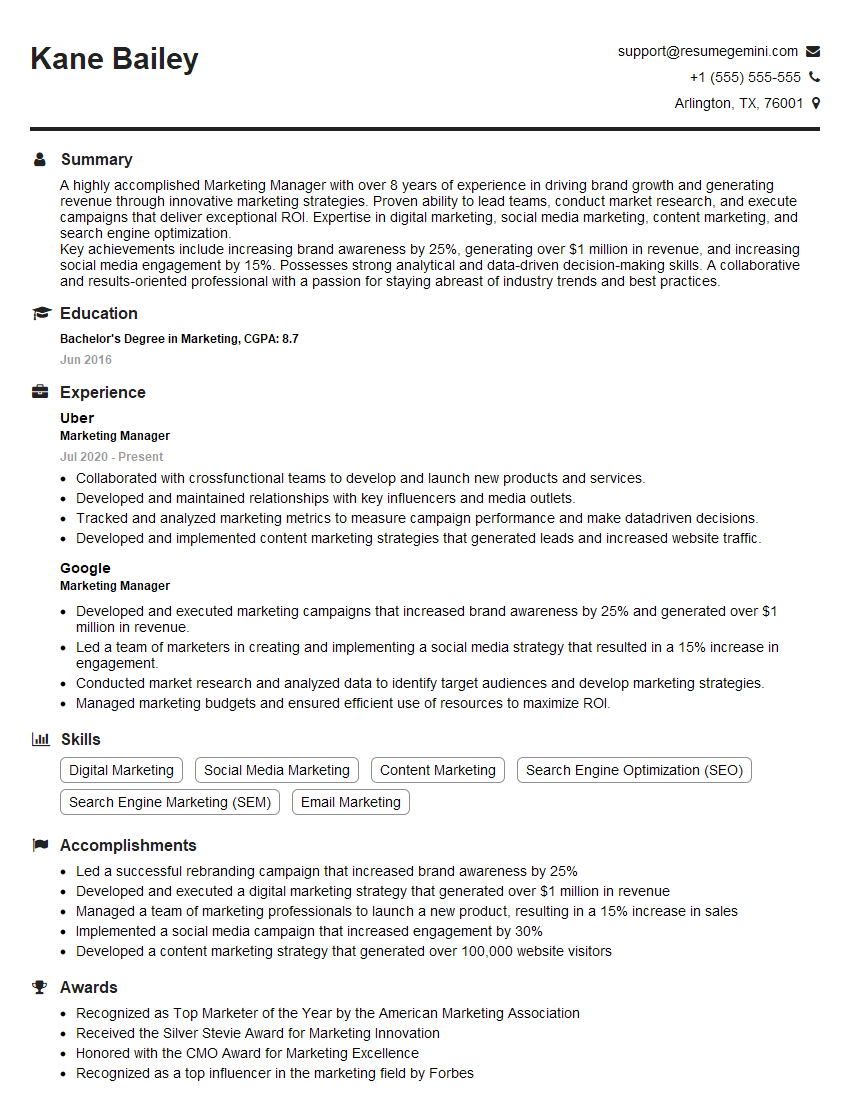
Marketing Manager Resume Sample
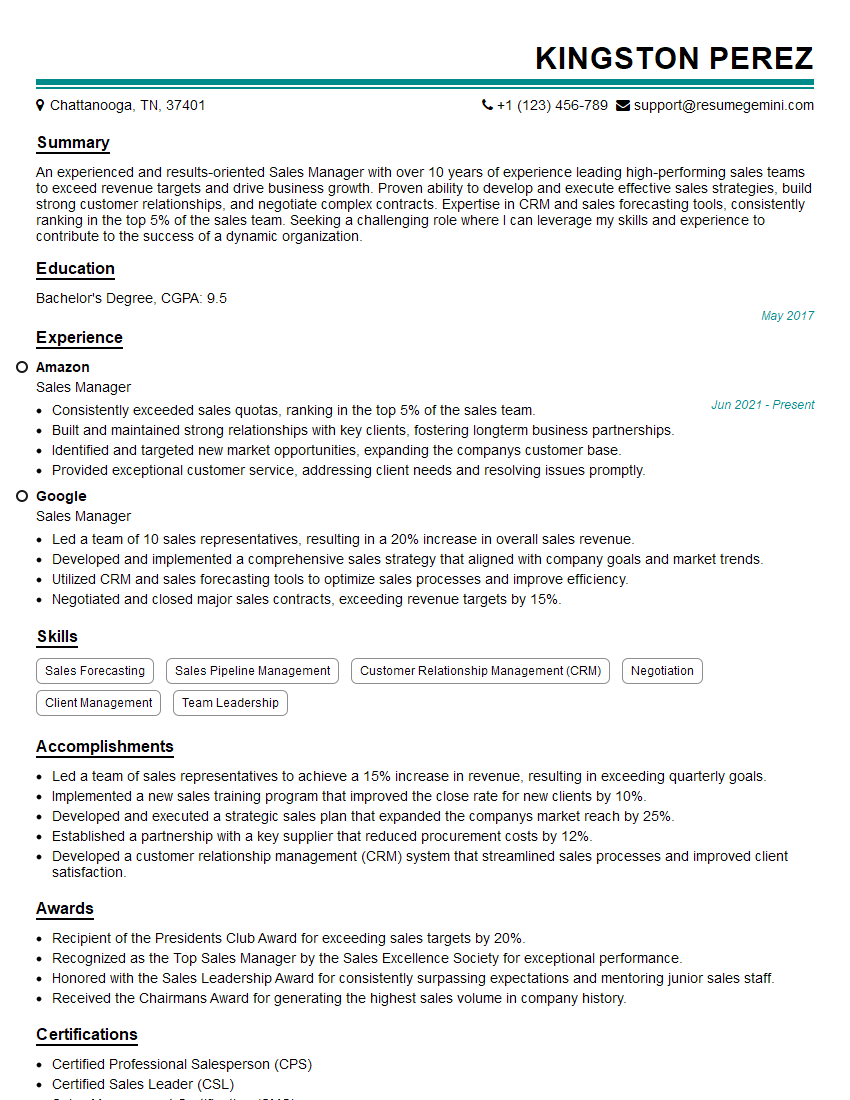
Sales Manager Resume Sample
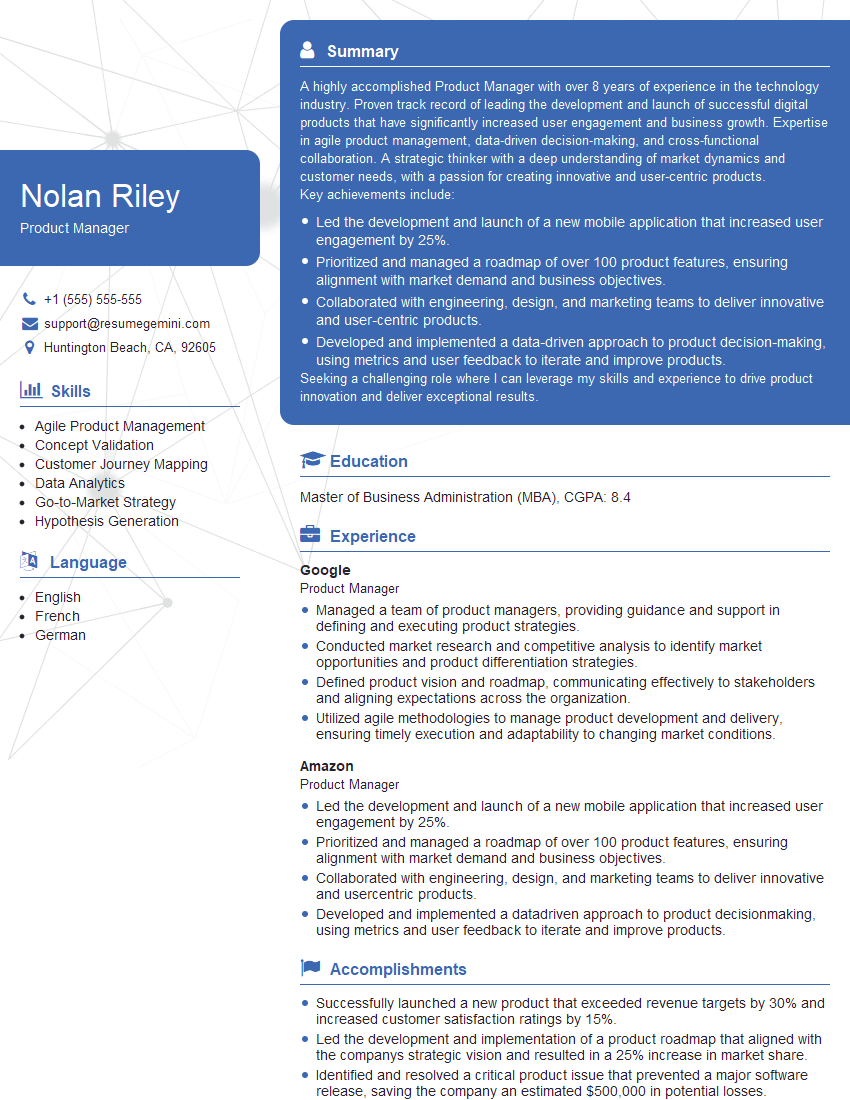
Product Manager Resume Sample

Project Manager Resume Sample
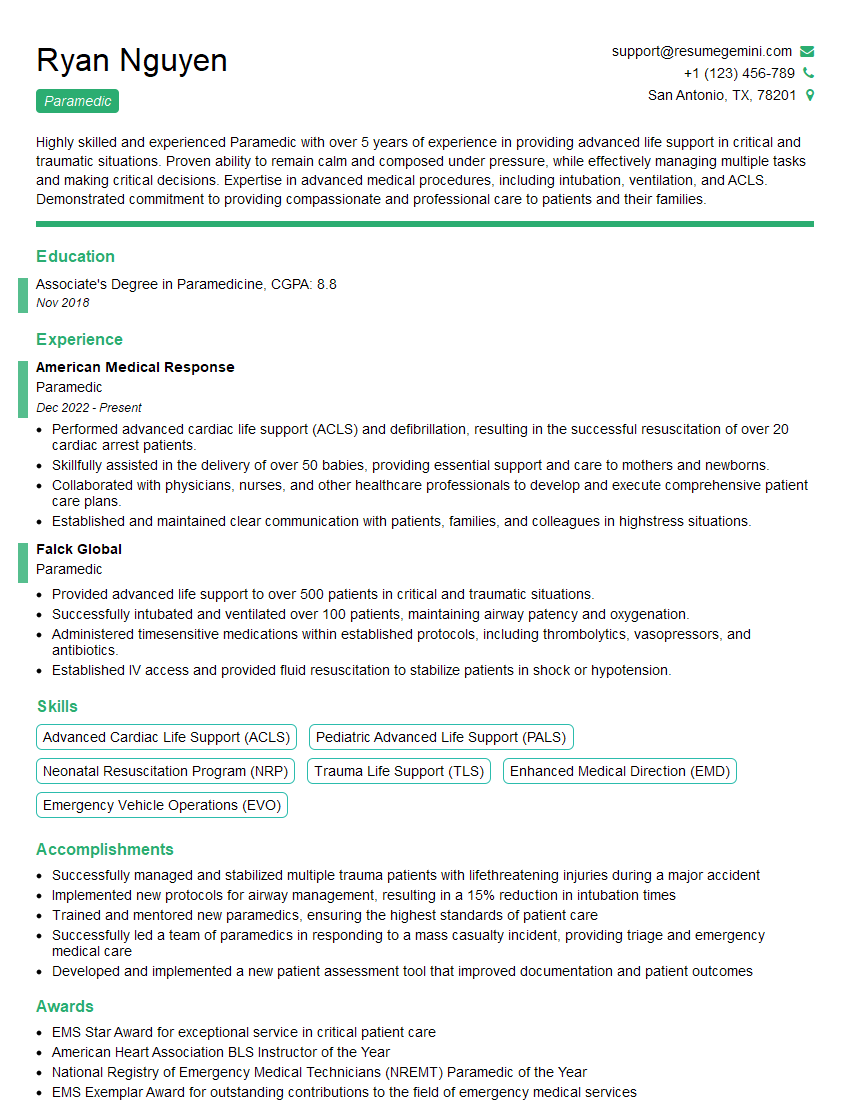
Paramedic Resume Sample
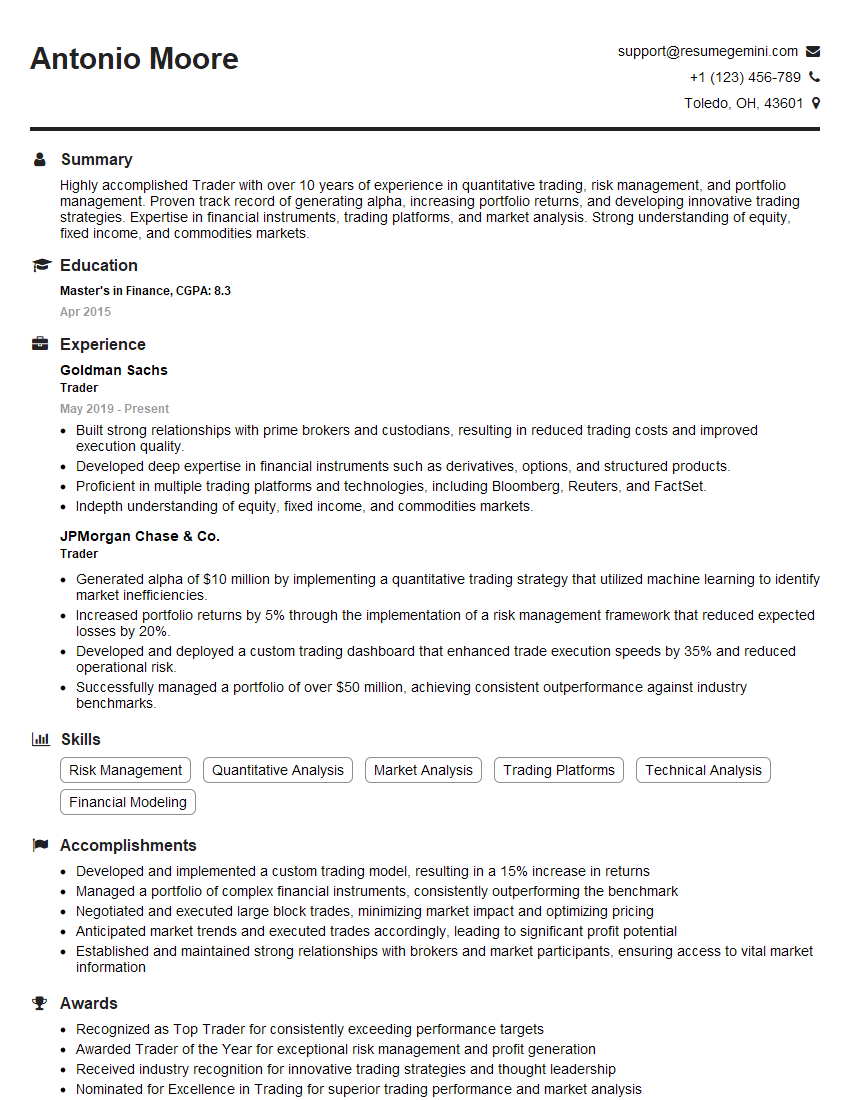
Trader Resume Sample
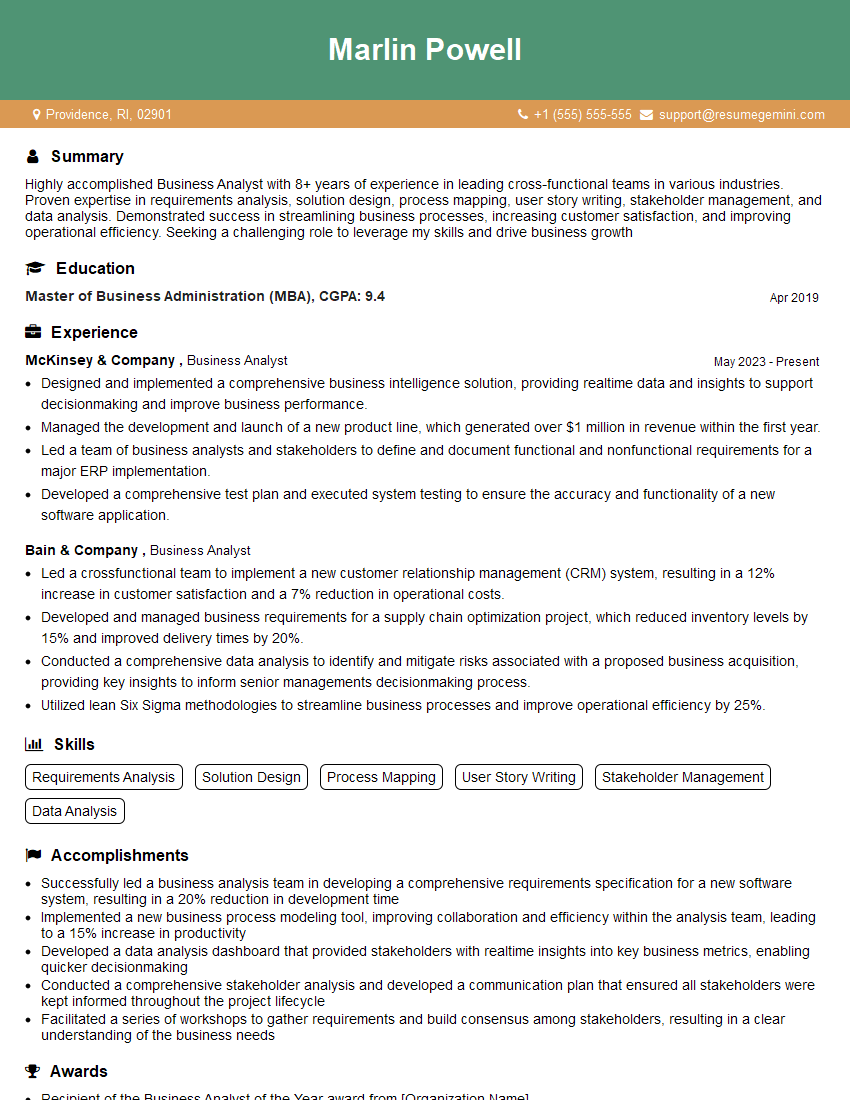
Business Analyst Resume Sample
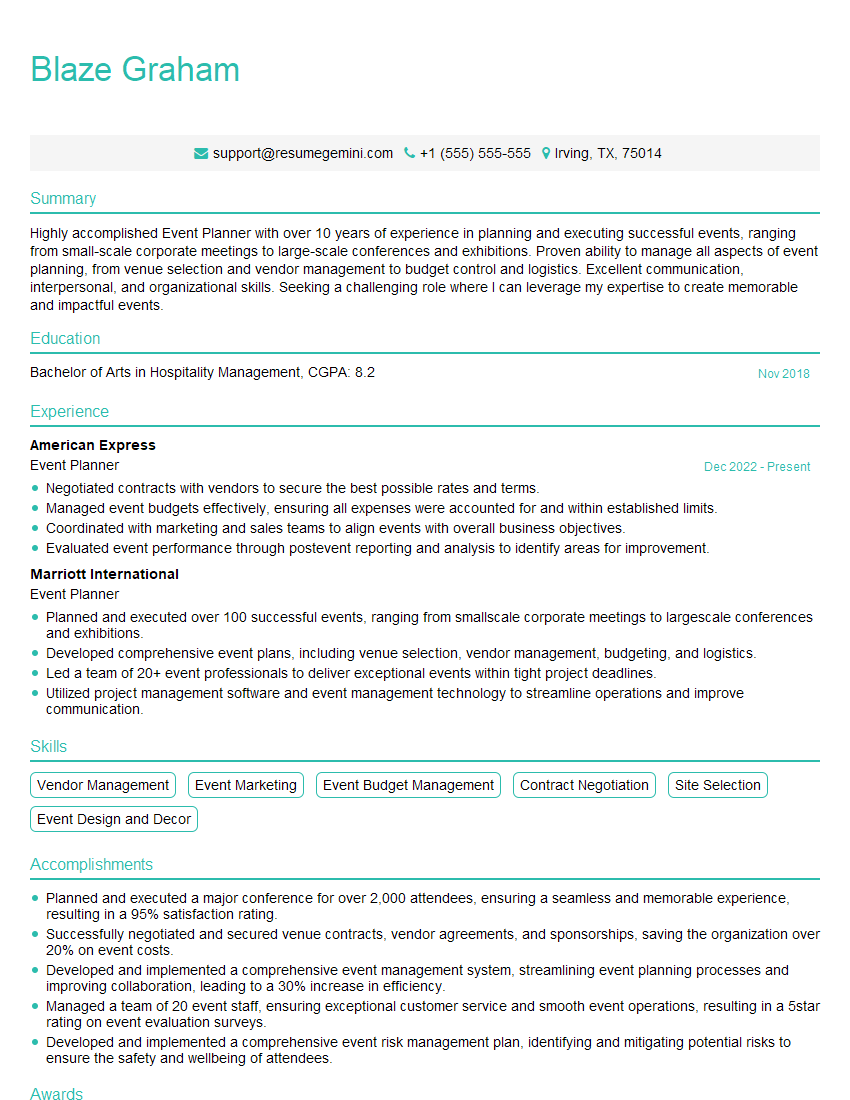
Event Planner Resume Sample

Social Media Manager Resume Sample
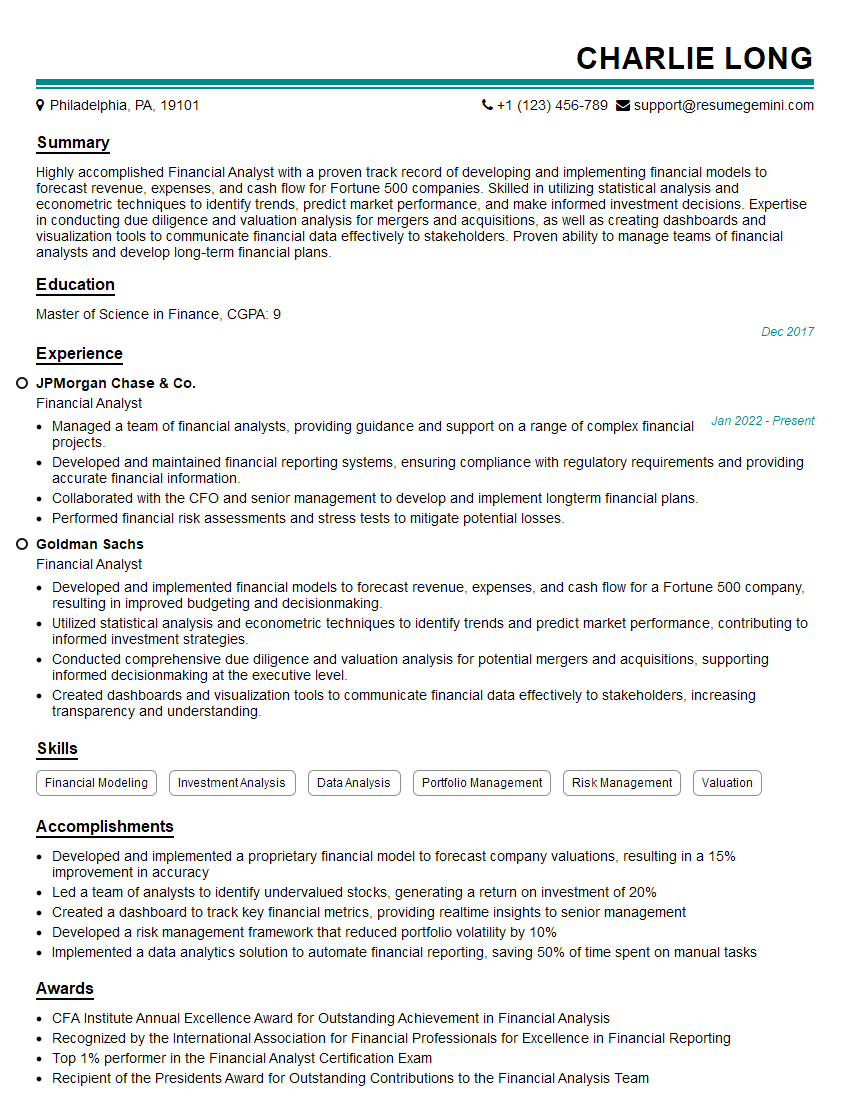
Financial Analyst Resume Sample
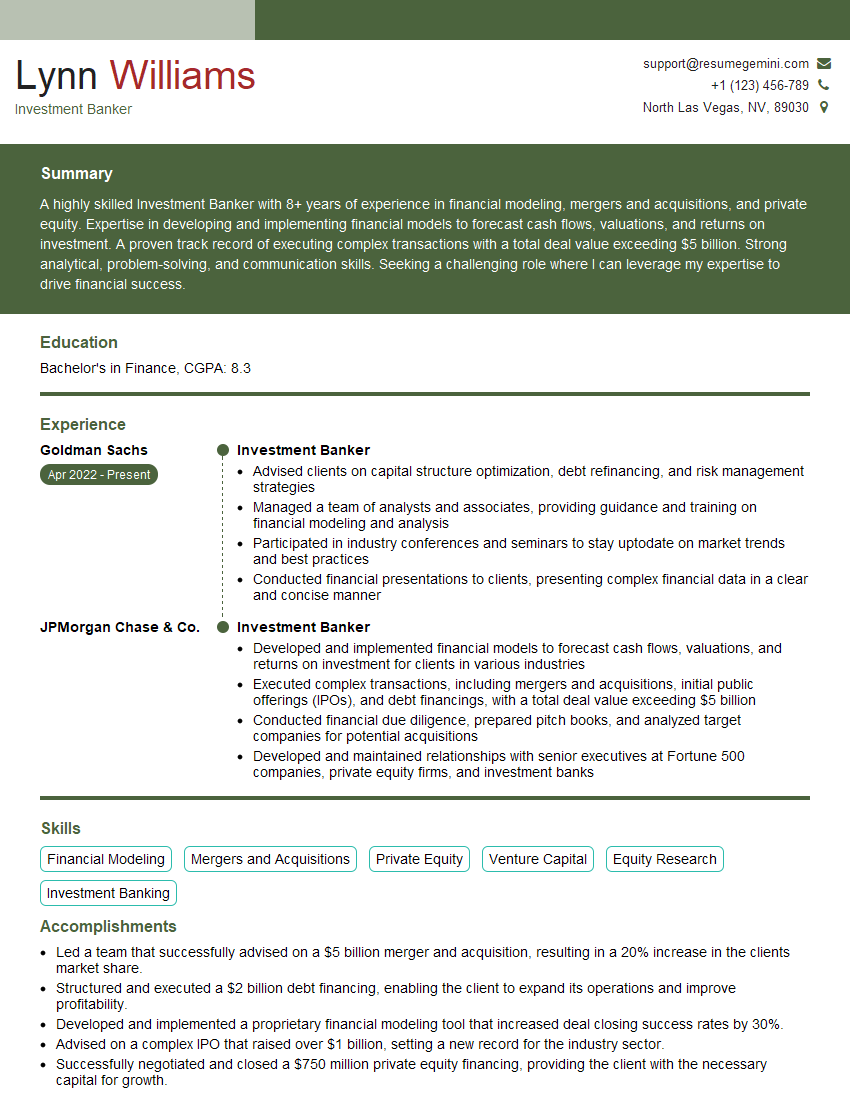
Investment Banker Resume Sample
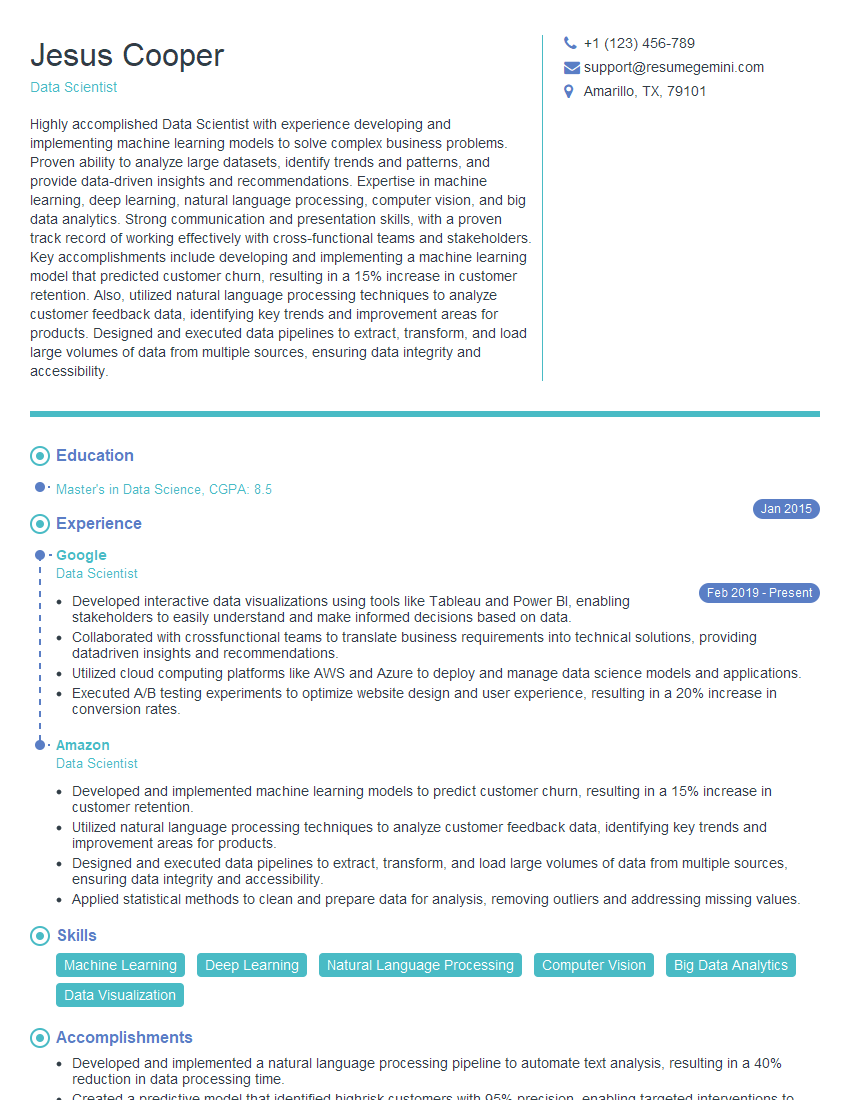
Data Scientist Resume Sample
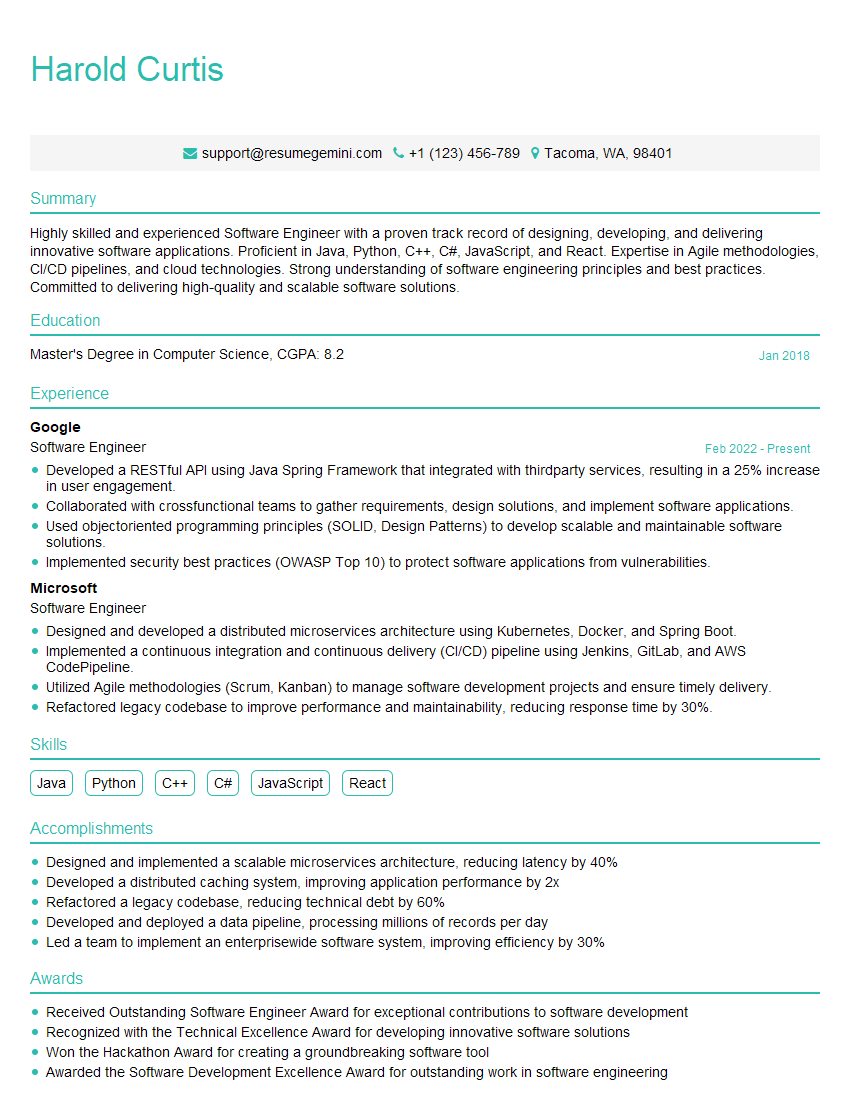
Software Engineer Resume Sample
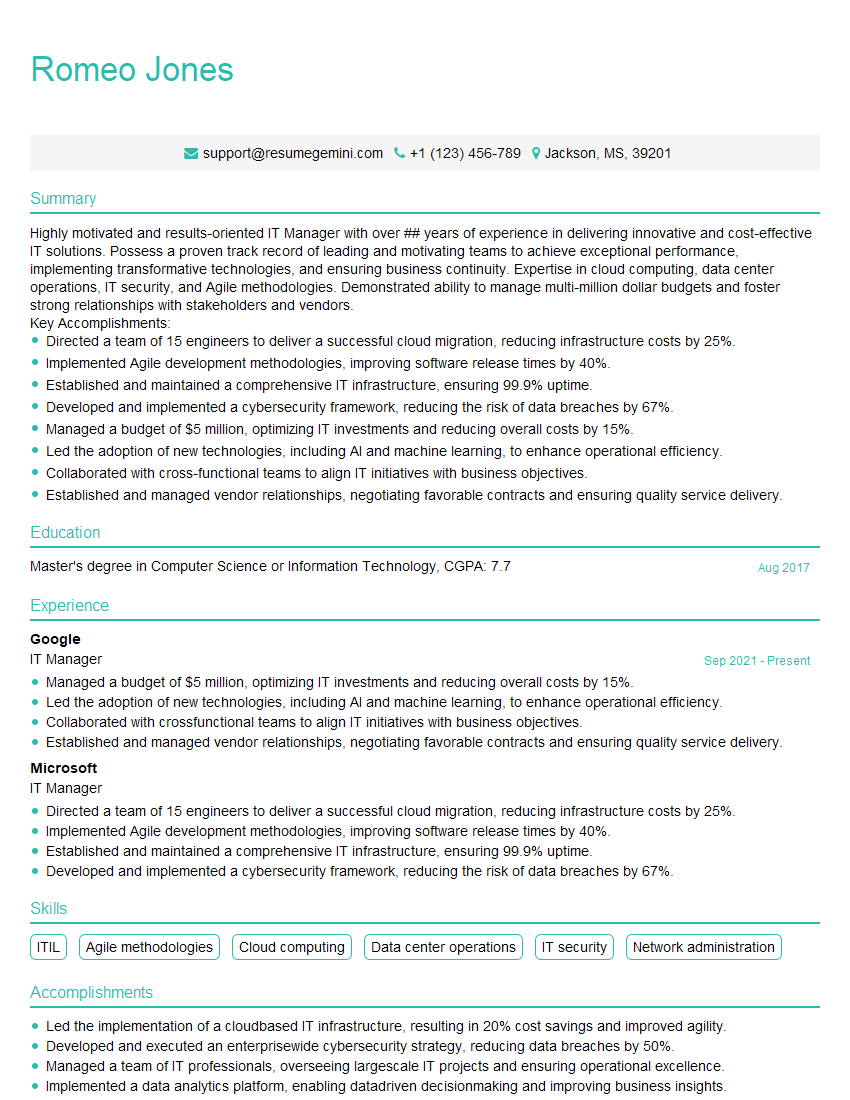
IT Manager Resume Sample
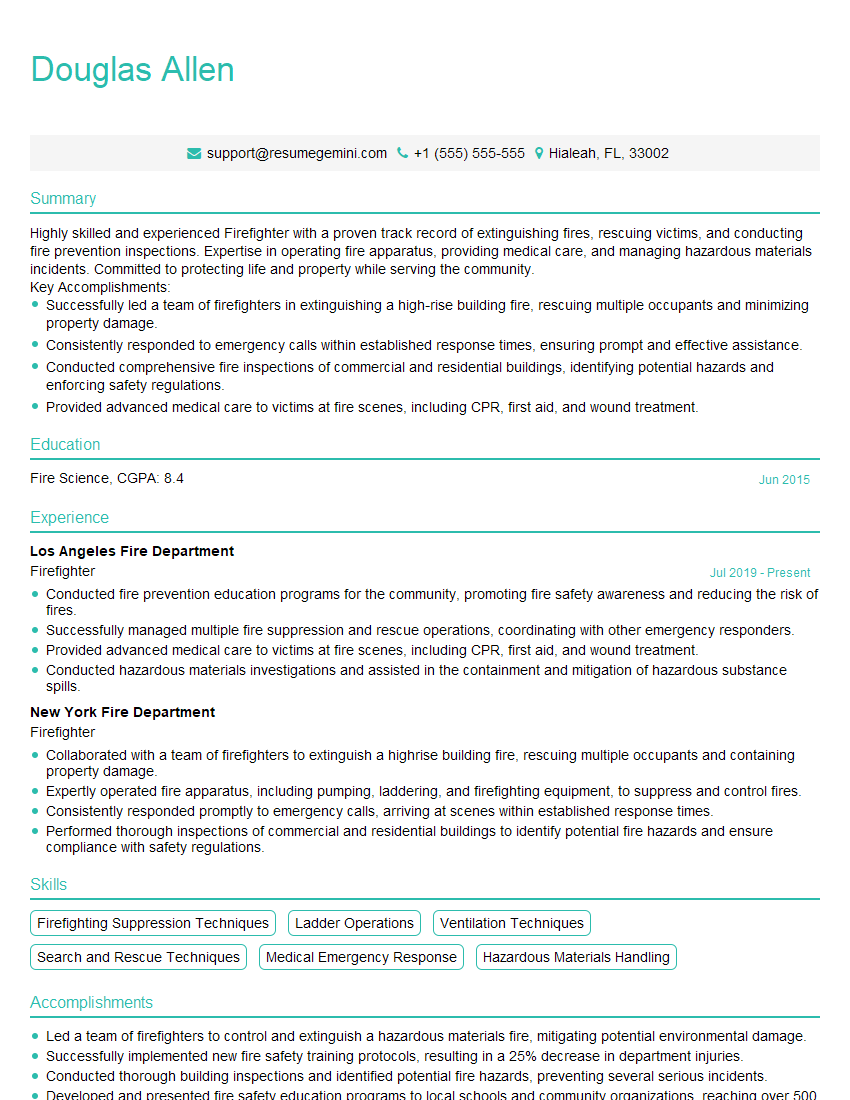
Firefighter Resume Sample
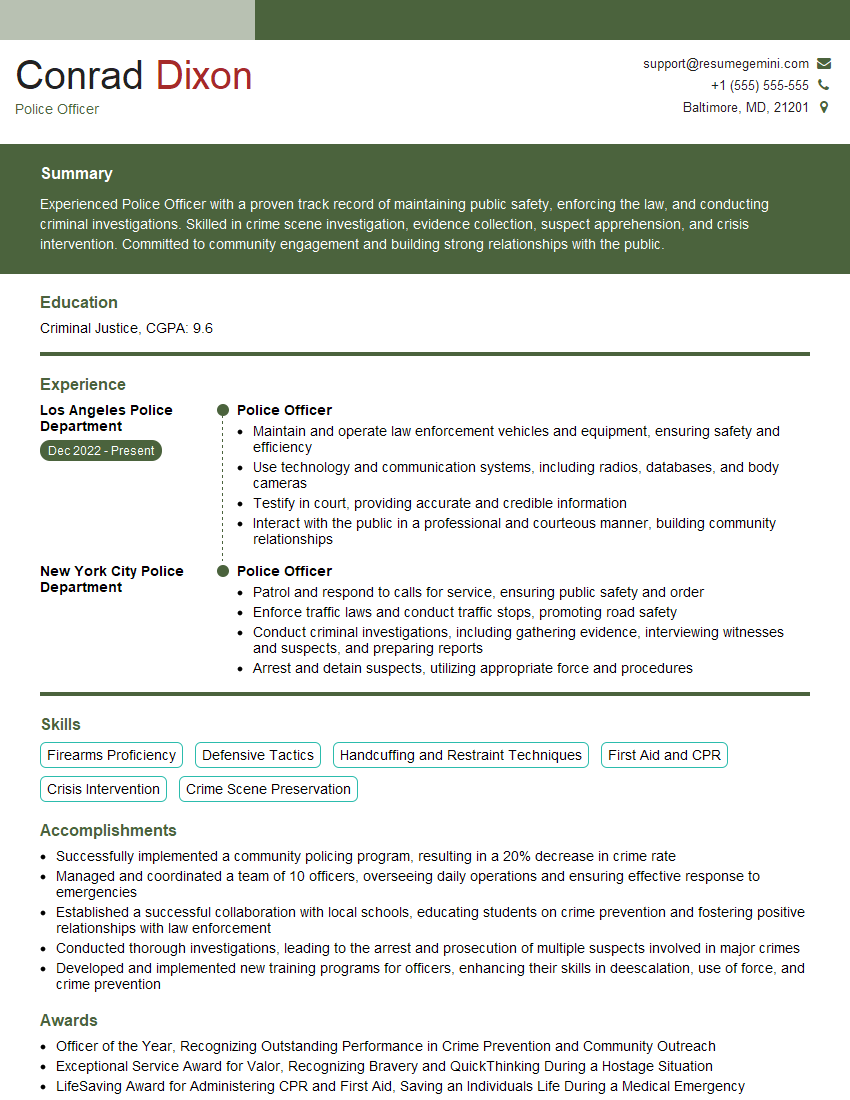
Police Officer Resume Sample
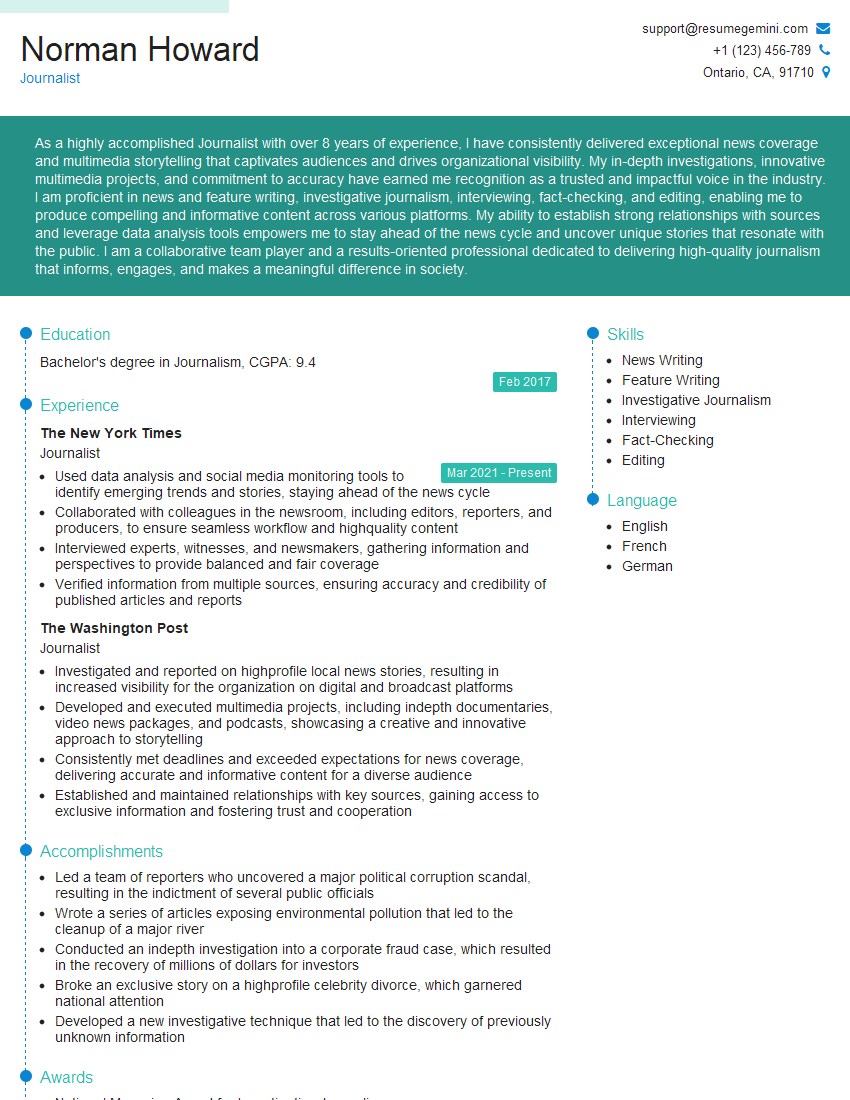
Journalist Resume Sample
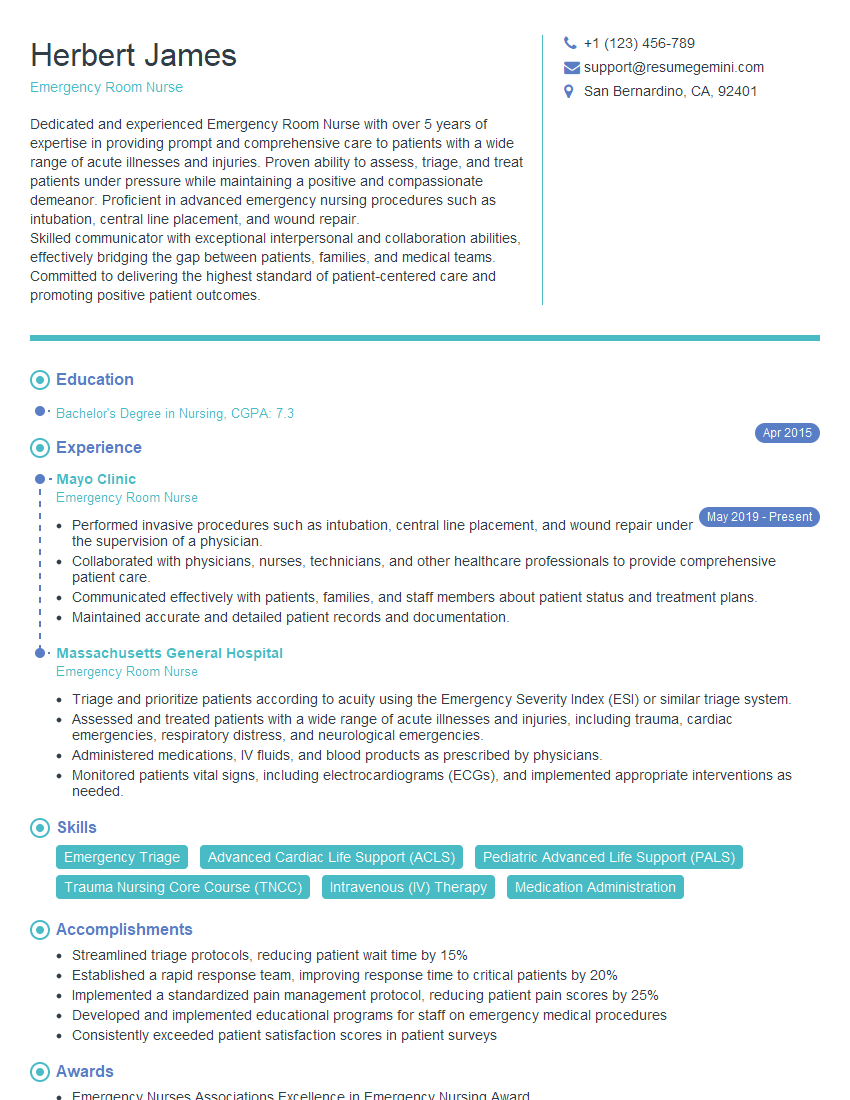
Emergency Room Nurse Resume Sample
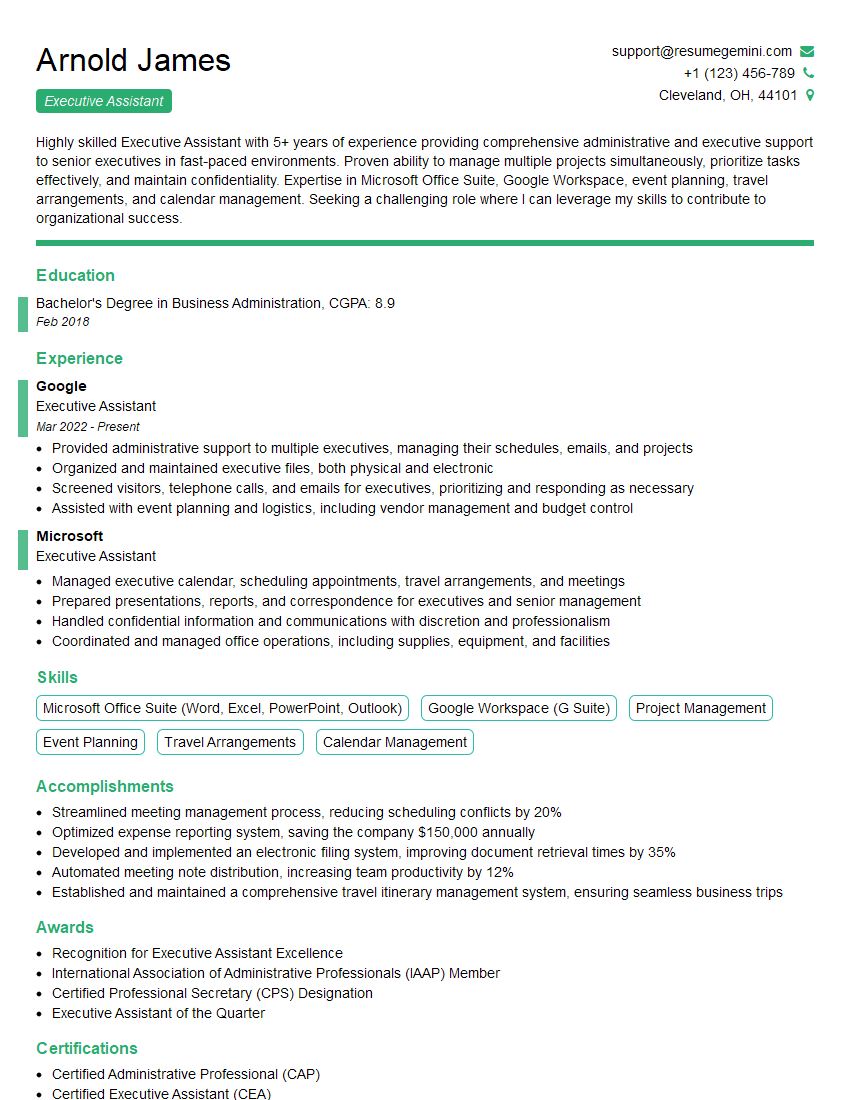
Executive Assistant Resume Sample
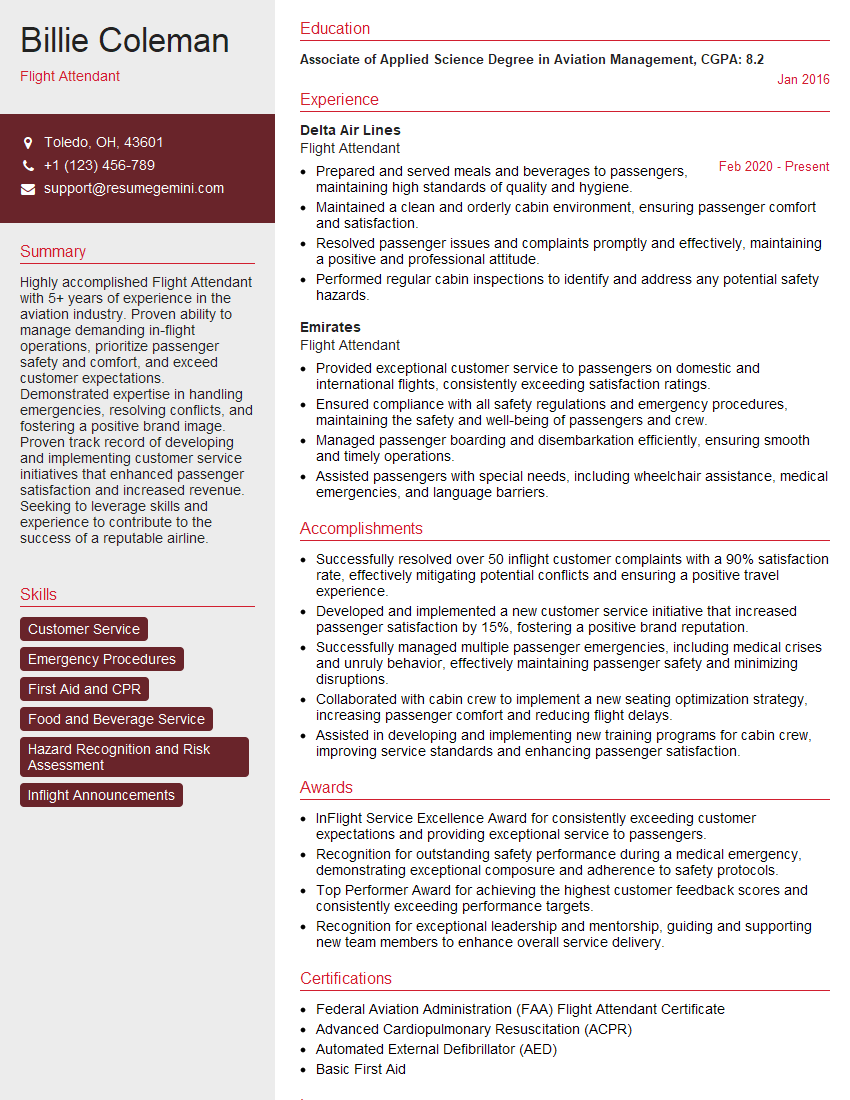
Flight Attendant Resume Sample
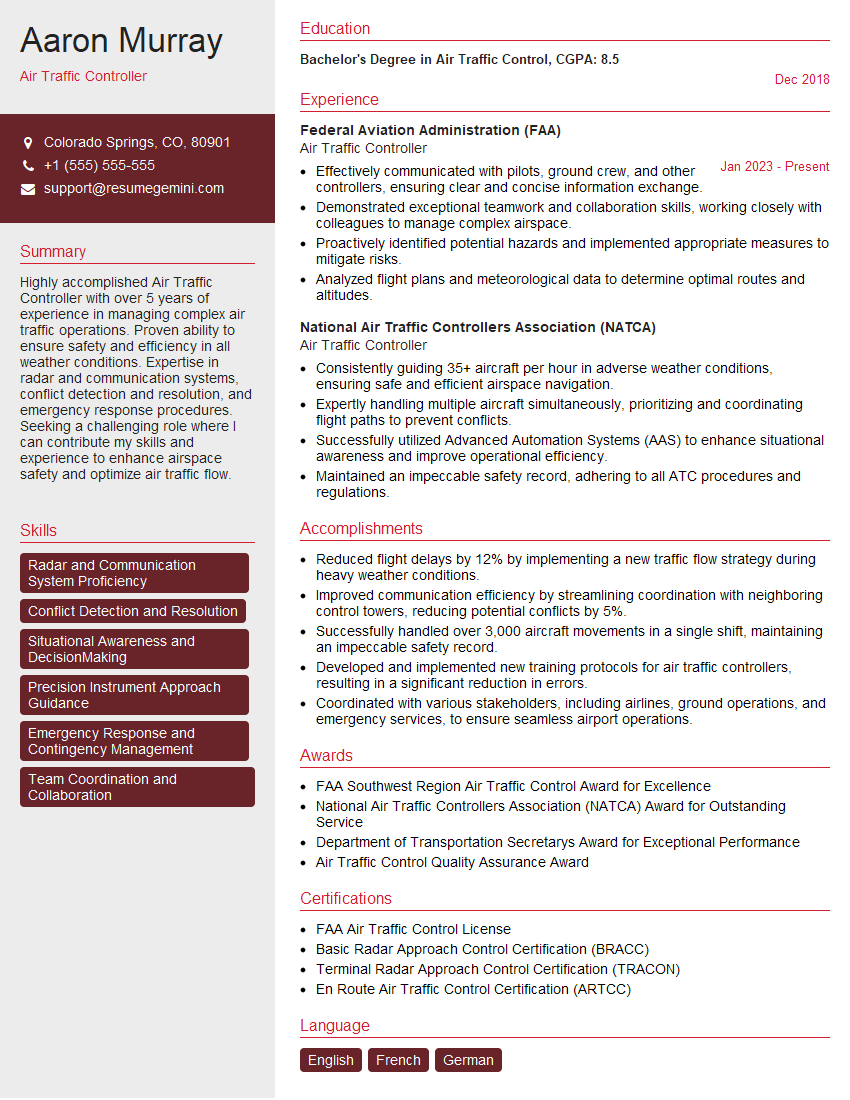
Air Traffic Controller Resume Sample
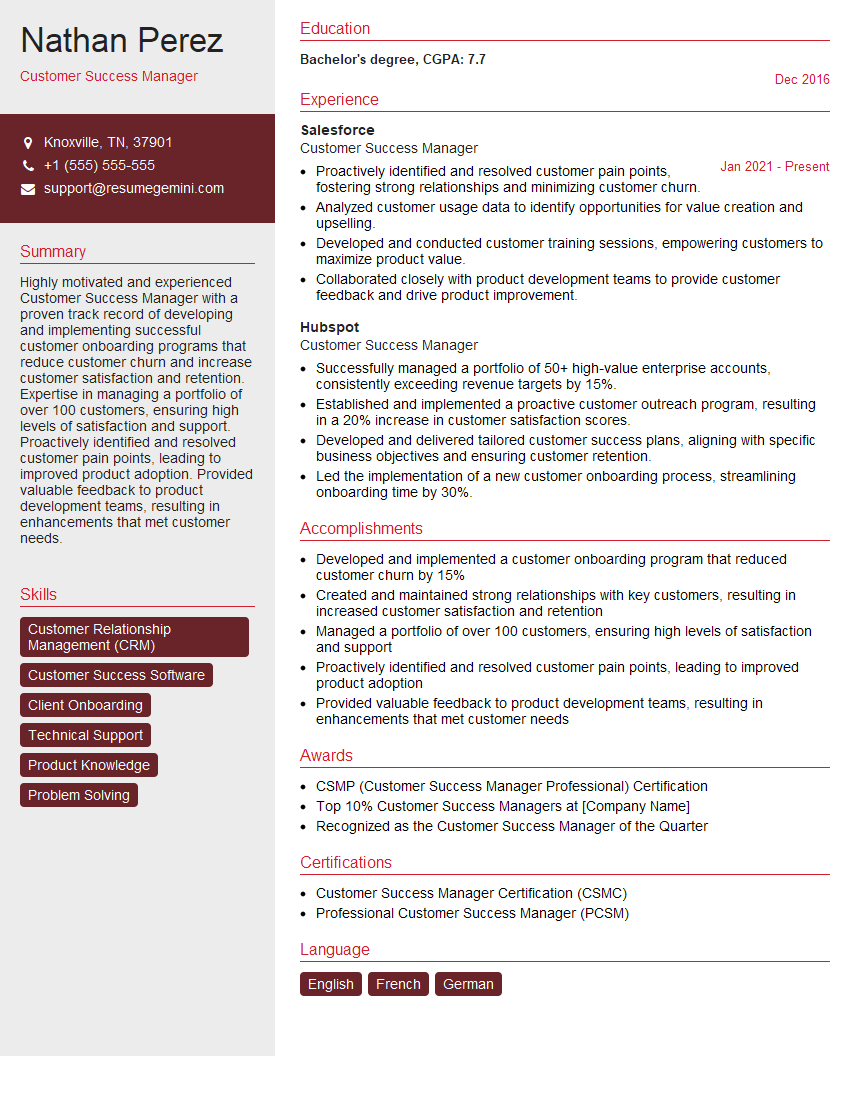
Customer Success Manager Resume Sample
- Operations Manager
- Marketing Manager
- Sales Manager
- Product Manager
- Project Manager
- Paramedic
- Trader
- Business Analyst
- Event Planner
- Social Media Manager
- Financial Analyst
- Investment Banker
- Data Scientist
- Software Engineer
- IT Manager
- Firefighter
- Police Officer
- Journalist
- Emergency Room Nurse
- Executive Assistant
- Flight Attendant
- Air Traffic Controller
- Customer Success Manager
Explore more articles
Users Rating of Our Blogs
Share Your Experience
We value your feedback! Please rate our content and share your thoughts (optional).
What Readers Say About Our Blog
Very informative content, great job.
good