Preparation is the key to success in any interview. In this post, we’ll explore crucial Fate and Transport Modeling interview questions and equip you with strategies to craft impactful answers. Whether you’re a beginner or a pro, these tips will elevate your preparation.
Questions Asked in Fate and Transport Modeling Interview
Q 1. Explain the difference between advection and dispersion in contaminant transport.
Advection and dispersion are two key processes governing contaminant transport in the environment. Think of it like dropping a dye into a flowing river. Advection is the movement of the contaminant due to bulk fluid flow – the dye being carried downstream by the river’s current. It’s a deterministic process; if you know the flow velocity, you can predict the contaminant’s movement precisely. Dispersion, on the other hand, is the spreading of the contaminant due to random variations in flow velocity and molecular diffusion. Imagine some dye particles moving faster than others, or some spreading out due to mixing. This is a stochastic process, adding uncertainty to the contaminant’s location over time.
In short: Advection is the bulk movement, while dispersion is the spreading out.
Q 2. Describe the assumptions behind the advection-dispersion equation (ADE).
The Advection-Dispersion Equation (ADE) relies on several key assumptions:
- Continuum assumption: The contaminant is treated as a continuous entity, not as individual particles. This works well when dealing with a large number of particles.
- Homogeneous and isotropic medium: The porous medium (e.g., soil, aquifer) through which the contaminant is moving has uniform properties in all directions. This simplifies the math but is rarely perfectly true in real-world scenarios.
- Linear equilibrium isotherm: The contaminant’s sorption (attachment to soil particles) is linearly related to its concentration in the water. This means the amount of contaminant adsorbed is proportional to the amount in solution. Non-linear sorption, common with some organic contaminants, violates this assumption.
- One-dimensional flow: In its simplest form, the ADE assumes flow in only one direction. More complex forms can handle two or three dimensions, but this adds computational complexity.
- Constant porosity and velocity: The porosity (amount of pore space in the medium) and flow velocity are constant over space and time. Variations in these parameters complicate the solution.
These assumptions make the ADE mathematically tractable, but their validity needs to be carefully considered when applying the model to real-world situations. Deviations from these assumptions can lead to significant errors in predictions.
Q 3. What are the limitations of the ADE, and when might it be inappropriate to use?
The ADE, while powerful, has limitations:
- Non-linear processes: The ADE struggles to handle non-linear processes such as non-linear sorption, biodegradation kinetics that are not first-order, or chemical reactions between contaminants.
- Heterogeneous media: The ADE assumes homogeneity, which is rarely the case in real-world settings. Highly variable soils, fractured rock, or complex aquifer structures can lead to significant errors.
- Multiphase flow: The ADE primarily deals with aqueous transport. In cases involving significant partitioning between air, water, and soil phases, it may not accurately reflect the contaminant’s fate.
- Numerical instability: Numerical methods used to solve the ADE can become unstable under certain conditions (e.g., high Peclet numbers). This can lead to unrealistic solutions.
The ADE is inappropriate when dealing with situations involving strong non-linearity, significant heterogeneity, multiphase flow, or situations where the assumptions are grossly violated. In such cases, more sophisticated models or numerical techniques may be required, such as stochastic models or high-resolution numerical simulations.
Q 4. How do you account for retardation in Fate and Transport models?
Retardation refers to the slowing down of contaminant transport due to sorption onto soil or sediment particles. Imagine a contaminant molecule bouncing around in the soil, sometimes sticking to a particle, then desorbing back into the water. This reduces the effective velocity of the contaminant. In Fate and Transport models, retardation is accounted for by modifying the advective velocity in the ADE. The retardation factor (R) is defined as:
R = 1 + (ρbKd)/θwhere:
- ρb is the bulk density of the soil
- Kd is the distribution coefficient (a measure of the contaminant’s affinity for the soil)
- θ is the volumetric water content
The advective velocity in the ADE is then divided by the retardation factor (v/R) to account for the delayed movement of the contaminant. This adjusts the model to reflect the slower, retarded movement in the soil.
Q 5. Explain the concept of biodegradation and its role in contaminant fate.
Biodegradation is the breakdown of organic contaminants by microorganisms (bacteria, fungi, etc.). It’s a crucial process affecting contaminant fate, reducing concentrations and potentially rendering them less harmful. The rate of biodegradation depends on several factors including the type of contaminant, the presence of appropriate microorganisms, environmental conditions (temperature, oxygen availability, nutrient levels), and the contaminant’s bioavailability (its accessibility to the microbes).
In Fate and Transport models, biodegradation is often represented by a first-order decay term in the ADE. This term accounts for the decrease in contaminant concentration over time due to microbial activity. The rate constant in this decay term depends on the specific contaminant and environmental conditions and is usually determined through laboratory experiments or field observations. For example, a first order decay term in the ADE could look like: -kC, where k is the first-order rate constant and C is the concentration.
Q 6. Describe different types of numerical methods used to solve the ADE (e.g., finite difference, finite element).
Several numerical methods can solve the ADE, each with strengths and weaknesses:
- Finite Difference Method (FDM): This method approximates the derivatives in the ADE using difference quotients at discrete grid points. It’s relatively simple to implement but can struggle with complex geometries and boundary conditions.
- Finite Element Method (FEM): This method divides the domain into smaller elements and solves the ADE within each element. It’s more flexible than FDM, handling complex geometries and boundary conditions more easily, but is computationally more intensive.
- Finite Volume Method (FVM): This method conserves mass within each control volume. It’s robust and well-suited for advection-dominated problems, but it can be challenging to implement for very complex problems.
The choice of method depends on the specific problem and the desired level of accuracy. For simple problems, FDM may suffice. For complex problems with irregular boundaries or heterogeneous properties, FEM or FVM are often preferred.
Q 7. What are the key parameters needed to calibrate a Fate and Transport model?
Calibrating a Fate and Transport model involves adjusting model parameters to best match observed field data. Key parameters include:
- Hydraulic conductivity (K): Controls the rate of groundwater flow.
- Porosity (n): The fraction of the soil volume occupied by pores.
- Dispersivity (α): Represents the spreading of the contaminant plume.
- Distribution coefficient (Kd): Describes contaminant sorption.
- Biodegradation rate constant (k): Represents the rate of microbial breakdown.
- Initial and boundary conditions: Specify the initial contaminant distribution and inflow/outflow conditions.
Calibration usually involves iterative adjustments of these parameters using optimization techniques, comparing model predictions to measured concentrations of the contaminant at various locations and times. This often involves sophisticated software and statistical methods to ensure a good fit between the model and observations.
Q 8. How do you validate a Fate and Transport model?
Validating a Fate and Transport model is crucial to ensure its predictions are reliable. It’s like testing a recipe – you wouldn’t serve a dish without tasting it first! We validate models by comparing their predictions to independent observations from the real world. This often involves a multi-step process:
- Data Comparison: We compare model outputs (e.g., contaminant concentrations at specific locations and times) with measured field data. Statistical methods, such as regression analysis and goodness-of-fit tests (e.g., R-squared, RMSE), quantify the agreement between model predictions and observations.
- Sensitivity Analysis: We systematically vary model inputs (e.g., hydraulic conductivity, degradation rates) to assess their impact on model outputs. This helps identify critical parameters that need accurate estimation and highlights potential uncertainties.
- Predictive Performance: A robust validation involves testing the model’s ability to predict conditions not used during calibration. This might involve using a portion of the data for calibration and the remainder for validation. This ensures that the model generalizes well beyond the specific conditions used for fitting.
- Expert Judgment: Experienced modelers use their knowledge and understanding of the system to critically evaluate the model’s performance and identify potential flaws or limitations. This qualitative assessment complements quantitative validation metrics.
For example, in a groundwater contamination scenario, we might compare the model-predicted plume extent with the actual extent determined from groundwater sampling. Discrepancies could highlight areas requiring further investigation or model refinement.
Q 9. What are common sources of uncertainty in Fate and Transport modeling?
Uncertainty in Fate and Transport modeling stems from numerous sources. Think of it like building a sandcastle – even with the best intentions, shifting sands and unpredictable tides (data limitations) can affect the outcome. Common sources include:
- Data Uncertainty: Limited or inaccurate measurements of parameters like hydraulic conductivity, porosity, and degradation rates. These parameters are often estimated based on sparse data or indirect measurements, leading to uncertainty.
- Model Conceptualization: Simplifications and assumptions inherent in the model structure (e.g., assuming homogeneous aquifer properties when in reality they are heterogeneous). The selected model itself can introduce uncertainty.
- Spatial Variability: Heterogeneity in soil properties, geology, and contaminant distribution can significantly impact transport processes. Models often struggle to capture these complexities.
- Parameter Interactions: Multiple parameters can interact in complex ways, making it difficult to isolate the effect of individual parameters on model predictions. For instance, changes in hydraulic conductivity can have cascading effects on flow patterns and contaminant transport.
- Process Representation: The simplified representation of complex physical and chemical processes (e.g., sorption, biodegradation) in the model can lead to uncertainty.
Addressing these uncertainties often involves probabilistic methods, like Monte Carlo simulation, which explore the range of possible outcomes considering the uncertainties in model inputs.
Q 10. How do you handle data uncertainty in model calibration?
Handling data uncertainty during model calibration is critical for obtaining reliable results. We can’t just ignore the fact that our measurements aren’t perfect. Several techniques help us account for this:
- Data Weighting: Assign different weights to data points based on their quality or reliability. More reliable data receives higher weight during calibration.
- Bayesian Methods: These methods incorporate prior information about parameters (e.g., from literature or expert judgment) along with observed data to estimate posterior parameter distributions. This approach accounts for uncertainty in both data and prior information.
- Ensemble Methods: Run multiple model calibrations with different parameter sets drawn from probability distributions representing parameter uncertainty. This approach generates a range of possible model outputs, reflecting the data uncertainty.
- Geostatistical Methods: Techniques like kriging are used to interpolate sparse data and estimate spatially distributed parameters, accounting for spatial uncertainty.
For example, if we have some groundwater concentration measurements with known high uncertainty, we might downweight them in the calibration process, preventing them from unduly influencing the parameter estimates.
Q 11. Explain the concept of sensitivity analysis in the context of Fate and Transport modeling.
Sensitivity analysis determines how much model outputs change in response to changes in model inputs. It’s like testing which ingredients most significantly affect the taste of a cake – do you need to adjust flour levels by a lot to see a change, or is a tiny change in salt enough to cause a noticeable difference? In Fate and Transport modeling, we use it to:
- Identify critical parameters: Pinpoint the parameters that most strongly influence model predictions. This helps focus on the parameters that require the most accurate estimation.
- Reduce model complexity: By identifying non-influential parameters, we can simplify the model without significantly affecting its predictive capabilities.
- Quantify uncertainty: Understand how input uncertainties propagate through the model to affect output uncertainty.
Common methods include:
- One-at-a-time (OAT) analysis: Vary one parameter at a time, while holding others constant.
- Global sensitivity analysis: Explore the impact of parameter uncertainties across their entire range, capturing interactions between parameters (e.g., Sobol method, Morris method).
For example, a sensitivity analysis might reveal that the degradation rate of a contaminant is a much more influential parameter than the dispersion coefficient in determining its concentration at a specific location. This knowledge allows us to focus our efforts on improving the estimate of the degradation rate.
Q 12. Describe different types of boundary conditions used in groundwater modeling.
Boundary conditions define the conditions at the edges of the model domain. They are essential for solving the governing equations of groundwater flow and solute transport, and can be analogous to setting the temperature of an oven for baking a cake – it determines how the cake will bake. Common types include:
- Constant Head: Specifies a fixed hydraulic head (water pressure) at the boundary. Think of a large lake or river that maintains a relatively constant water level.
- No-Flow: Specifies zero flow across the boundary. This represents an impermeable boundary, such as a geological formation or a perfectly sealed wall.
- Specified Flux: Specifies a known rate of water flow across the boundary (e.g., recharge from rainfall).
- Cauchy Boundary: A combination of specified head and specified flux. It’s useful for representing boundaries where both head and flow rate are partially known.
- Seawater Boundary: Specifically used in coastal aquifers, defining the interaction with the sea water.
Q 13. How do you select appropriate boundary conditions for a specific problem?
Selecting appropriate boundary conditions depends critically on the specific problem’s geological setting and hydrological characteristics. It’s a crucial decision that significantly influences the model’s accuracy. Here’s a step-by-step approach:
- Geological understanding: Thoroughly investigate the site geology and hydrogeology to identify potential boundaries (e.g., rivers, faults, impermeable layers).
- Data availability: Assess the availability of data at or near the boundaries (e.g., water levels, flow rates). This will help determine which type of boundary condition is most feasible.
- Model scale: Consider the scale of the model relative to the larger hydrological system. Are the boundaries far enough from the area of interest that they won’t significantly influence the solution? If not, more care needs to be taken in defining the boundary conditions.
- Conceptual model: Develop a clear conceptual model of the groundwater system to guide the selection of appropriate boundary conditions. This model outlines the dominant flow paths and interactions within the system.
- Sensitivity analysis: Conduct a sensitivity analysis to determine the influence of different boundary conditions on the model outputs.
For instance, if modeling contamination near a river, a constant-head boundary condition might be appropriate for the river itself, while a no-flow boundary might be used for a distant impermeable bedrock layer. In cases where data is sparse, a sensitivity analysis will show whether the choice of the boundary conditions significantly impacts the key model outputs.
Q 14. What are some common software packages used for Fate and Transport modeling?
Many software packages are used for Fate and Transport modeling, each with strengths and weaknesses. The choice depends on the specific needs of the project, the user’s expertise, and the problem’s complexity. Some common examples include:
- MODFLOW: A widely used code for groundwater flow simulation. It’s often coupled with transport codes like MT3DMS or RT3D to simulate contaminant transport.
- FEFLOW: A finite element-based modeling software that can handle complex geometries and heterogeneous properties.
- Visual MODFLOW: A user-friendly graphical interface for building and running MODFLOW models.
- OpenGeoSys: An open-source finite element code for subsurface flow and transport simulations.
- HydroGeoSphere: A coupled groundwater-surface water model capable of handling complex interactions between different hydrological components.
The best software for a given problem depends on the specific requirements, but familiarity with at least one of these tools is essential for a professional in Fate and Transport modeling.
Q 15. Explain your experience with a particular Fate and Transport modeling software (e.g., MODFLOW, MT3DMS).
My extensive experience with fate and transport modeling heavily involves MODFLOW and MT3DMS. MODFLOW, the Modular Groundwater Flow Model, is the cornerstone for simulating groundwater flow. I’ve used it extensively to model complex aquifer systems, including those with multiple layers, varying hydraulic conductivities, and recharge/discharge zones. Think of it as the plumbing system of the subsurface – it tells us how water moves. MT3DMS, the Modular Three-Dimensional Multi-Species Transport Model, then builds upon this by simulating the movement of dissolved contaminants within that flow field. I’ve used it to model the migration of various pollutants, from conservative tracers to reactive chemicals, assessing their spread over time and space. For instance, in a recent project involving a leaking underground storage tank, I used MODFLOW to model the groundwater flow regime and then coupled it with MT3DMS to predict the plume extent of the released gasoline, helping determine the best remediation strategy.
Beyond just running the models, I’m proficient in preprocessing data (creating grids, defining boundary conditions), post-processing results (creating contour maps, visualizing plume movement), and ensuring the model is properly calibrated to accurately reflect real-world conditions.
Career Expert Tips:
- Ace those interviews! Prepare effectively by reviewing the Top 50 Most Common Interview Questions on ResumeGemini.
- Navigate your job search with confidence! Explore a wide range of Career Tips on ResumeGemini. Learn about common challenges and recommendations to overcome them.
- Craft the perfect resume! Master the Art of Resume Writing with ResumeGemini’s guide. Showcase your unique qualifications and achievements effectively.
- Don’t miss out on holiday savings! Build your dream resume with ResumeGemini’s ATS optimized templates.
Q 16. Describe your experience with model calibration and parameter estimation techniques.
Model calibration and parameter estimation are crucial for ensuring accuracy. It’s like fine-tuning a musical instrument to get the right sound. I typically employ a combination of techniques. For example, I frequently utilize inverse modeling approaches, where observed data (like groundwater levels or contaminant concentrations from monitoring wells) is compared to model predictions. The model parameters (e.g., hydraulic conductivity, dispersivity) are then adjusted iteratively to minimize the differences between observed and simulated data. I often use optimization algorithms like least-squares regression or more sophisticated methods like Markov Chain Monte Carlo (MCMC) to achieve this. MCMC, in particular, is useful for quantifying the uncertainty associated with the estimated parameters. Furthermore, I utilize sensitivity analysis to determine which parameters have the most significant impact on model predictions, focusing my calibration efforts on those critical parameters. This efficient approach saves time and improves the model’s reliability.
For example, in a project involving a landfill leachate plume, we used MCMC to calibrate the model, obtaining probability distributions for key parameters like hydraulic conductivity and retardation factors. This not only gave us best-estimate values but also a measure of our confidence in those estimates.
Q 17. How do you incorporate spatial variability of soil properties in your models?
Ignoring spatial variability in soil properties can lead to inaccurate predictions. It’s like trying to understand a painting by looking at only one brushstroke. I incorporate spatial variability through several methods, depending on the data availability. If high-resolution data is available (e.g., from detailed soil surveys or geophysical investigations), I can create spatially-distributed parameter fields directly within the model. This could involve assigning unique hydraulic conductivity values to each grid cell based on the available data. If data is limited, I employ geostatistical techniques (kriging, co-kriging) to interpolate data from sparsely sampled locations and create a continuous representation of the parameter field. These techniques account for the spatial correlation of soil properties. Finally, I often use stochastic simulations to represent uncertainty in the spatial distribution of parameters. This helps in understanding the range of potential outcomes.
For instance, in a recent agricultural runoff model, we used kriging to interpolate soil hydraulic conductivity values from point measurements, and then ran multiple simulations with slightly perturbed parameter fields to account for the uncertainty in our estimations.
Q 18. How do you handle the complexities of multiphase flow in subsurface systems?
Multiphase flow in subsurface systems – where water, air, and potentially non-aqueous phase liquids (NAPLs) coexist – adds significant complexity. Simple models are insufficient. I handle this by using specialized software packages capable of simulating multiphase flow, which often involve solving coupled equations for each phase. These models account for fluid properties like density, viscosity, and interfacial tension. I carefully consider the relevant physical processes: saturation, capillary pressure, and relative permeability. These factors govern how the different fluids interact and move through the subsurface.
For NAPLs, the process often involves simulating the dissolution of the NAPL into the groundwater, which then adds another layer of complexity that requires coupling multiphase flow with reactive transport models. This detailed approach gives a more accurate representation of the system dynamics, which is crucial for effective remediation design.
Q 19. Explain your understanding of reactive transport modeling.
Reactive transport modeling expands on traditional fate and transport by incorporating chemical reactions within the subsurface. It’s like adding a chemical dimension to the movement of contaminants. This is crucial because many contaminants undergo transformations in the subsurface, affecting their mobility and toxicity. I use software capable of solving coupled transport equations along with reaction kinetics. These reactions can be biogeochemical (e.g., biodegradation, redox reactions) or abiotic (e.g., adsorption, precipitation). Defining these reactions requires understanding the geochemical properties of the contaminants and the subsurface environment. This allows to simulate the fate of contaminants, considering both their physical transport and chemical transformations.
For instance, in assessing the fate of a chlorinated solvent plume, I would incorporate biodegradation reactions into my model to predict the rate of attenuation of the plume based on microbial activity and environmental conditions. This allows for more accurate risk assessment.
Q 20. Describe the concept of risk assessment related to contaminant transport.
Risk assessment related to contaminant transport involves determining the probability and magnitude of adverse effects resulting from contaminant migration. It’s about quantifying the potential harm. This typically entails identifying potential exposure pathways (e.g., ingestion of contaminated groundwater, inhalation of volatilized contaminants), characterizing contaminant concentrations in the environment, and estimating the health or ecological risks associated with those concentrations. Risk assessment is rarely an exact science, as it involves inherent uncertainties in model parameters, exposure pathways, and dose-response relationships. Therefore, sensitivity analyses and probabilistic methods are important parts of the process.
A common framework involves using risk assessment to identify the potential for human health impacts (cancer risk, non-cancer effects) or ecological impacts (effects on plant and animal life).
Q 21. How would you assess the risk of contaminant migration to a drinking water source?
Assessing the risk of contaminant migration to a drinking water source is a critical application of fate and transport modeling. It involves several steps. First, detailed site characterization is necessary to define the hydrogeological setting, including aquifer properties, well locations, and contaminant sources. Then, a fate and transport model (like MODFLOW-MT3DMS) is developed to simulate contaminant migration under various scenarios. The model needs to be rigorously calibrated and validated. Next, simulations are used to project contaminant concentrations at the drinking water well over time. Finally, the simulated concentrations are compared to drinking water standards. If the modeled concentrations exceed these standards, additional steps are needed to mitigate the risks. This might involve developing remediation strategies, adjusting well pumping rates, or establishing protective zones around the well.
For example, one might simulate scenarios with different groundwater flow rates or contaminant release rates to evaluate the sensitivity of the drinking water well to potential contamination. This would contribute to a comprehensive risk assessment for drinking water safety.
Q 22. What are your experiences with different types of remediation strategies?
My experience encompasses a wide range of remediation strategies, from the relatively straightforward to the highly complex. I’ve worked on projects involving pump and treat systems, where groundwater is extracted, treated, and reinjected; bioremediation, using naturally occurring microorganisms to break down contaminants; and in-situ chemical oxidation (ISCO) and in-situ chemical reduction (ISCR), where reactive chemicals are injected directly into the contaminated zone to chemically transform the pollutants. I also have experience with phytoremediation, using plants to extract or stabilize contaminants, and natural attenuation, which relies on natural processes to degrade contaminants over time. The choice of remediation strategy depends heavily on factors such as the type and concentration of contaminants, the hydrogeology of the site, and regulatory requirements. For example, a site with volatile organic compounds (VOCs) might be best suited for pump and treat, while a site with heavy metals might benefit from phytoremediation. Each strategy presents unique modeling challenges in terms of predicting efficacy and long-term performance.
- Pump and treat: Modeling involves simulating groundwater flow and contaminant transport to optimize well placement and pumping rates.
- Bioremediation: Modeling focuses on simulating microbial activity and contaminant degradation rates.
- ISCO/ISCR: Modeling accounts for chemical reactions and the spatial distribution of reactants.
Q 23. How do you incorporate monitoring data into model calibration and validation?
Incorporating monitoring data is crucial for accurate model calibration and validation. This is an iterative process. First, we use a preliminary model based on site characterization data (e.g., soil properties, hydraulic conductivity). Then, we compare model predictions to measured concentrations of contaminants from groundwater monitoring wells and soil samples. Discrepancies between the model and the data highlight areas where the model needs improvement. We adjust model parameters (e.g., hydraulic conductivity, degradation rates, dispersivity) to reduce these discrepancies, a process known as calibration. We often use optimization techniques like least-squares regression or more advanced methods to find the best-fitting parameters. Once calibrated, the model is validated using an independent dataset – data not used during calibration. This ensures the model accurately predicts contaminant behavior in unseen scenarios. A successful validation demonstrates that the model is reliable for predicting future contaminant transport and informing remediation strategies. For instance, if monitoring data reveals unexpectedly high contaminant concentrations in a specific area, it may indicate a previously unknown source or preferential flow path, which would need to be incorporated into the revised model.
Q 24. Explain your understanding of regulatory guidelines related to contaminant transport.
My understanding of regulatory guidelines related to contaminant transport is extensive. I’m familiar with regulations such as the Resource Conservation and Recovery Act (RCRA), the Comprehensive Environmental Response, Compensation, and Liability Act (CERCLA), and state-specific regulations. These regulations often dictate acceptable levels of contaminants in soil and groundwater, and they influence the selection and design of remediation strategies. For example, RCRA establishes standards for hazardous waste management, including requirements for monitoring and modeling contaminant transport from landfills and other waste disposal sites. CERCLA addresses the cleanup of contaminated sites, with regulations concerning risk assessment, remediation planning, and long-term monitoring. Compliance with these regulations necessitates accurate and defensible fate and transport modeling to demonstrate the effectiveness of remediation efforts and to predict future contaminant behavior. I am adept at interpreting these guidelines and ensuring that our modeling efforts comply with all relevant legal requirements. Understanding the specific requirements of each regulatory agency is paramount, as they may vary in their interpretation of standards and data requirements.
Q 25. How do you communicate complex technical information to non-technical audiences?
Communicating complex technical information to non-technical audiences requires clear and concise language, avoiding jargon. I employ several techniques: I use analogies to explain complex concepts in simple terms. For instance, I might compare groundwater flow to water flowing through a sponge to illustrate the concept of hydraulic conductivity. I create visually appealing presentations with charts and graphs to illustrate key findings. I prioritize storytelling, incorporating real-world examples and case studies to make the information more relatable. I focus on the ‘so what?’ – emphasizing the implications of the findings for decision-making. Finally, I encourage questions and feedback to ensure understanding. For example, when explaining model results related to a remediation strategy, I would focus on the predicted improvement in water quality and the associated health and environmental benefits, rather than getting bogged down in technical details of the model itself.
Q 26. Describe a challenging modeling project you encountered and how you overcame the challenges.
One challenging project involved modeling contaminant transport at a site with highly heterogeneous soil conditions. The variability in soil properties made it difficult to accurately predict groundwater flow paths and contaminant migration. To overcome this, we used a high-resolution site characterization dataset, incorporating detailed geological information into the model. We employed advanced geostatistical techniques to represent the spatial variability of soil properties, creating a more realistic representation of the subsurface. We also conducted a sensitivity analysis to identify the parameters most influential on model predictions, focusing our calibration efforts on these critical parameters. This iterative approach, combining detailed data with sophisticated modeling techniques and rigorous sensitivity analysis, allowed us to develop a robust and reliable model that accurately captured the complex hydrogeological conditions and contaminant transport patterns at the site, providing invaluable information for effective remediation planning.
Q 27. What are your experiences with data visualization and presentation of modeling results?
I have extensive experience with data visualization and presentation of modeling results. I use a variety of software tools, including GIS, to create maps showing contaminant plumes, groundwater flow patterns, and the locations of monitoring wells. I also use specialized software packages for creating graphs and charts illustrating contaminant concentrations over time and space. My presentations are designed to be clear, concise, and visually appealing, with a focus on conveying key findings effectively to both technical and non-technical audiences. For instance, I use color-coded maps to visually represent contaminant concentrations, making it easy to identify areas of high contamination. Interactive dashboards that allow users to explore different scenarios and model outputs are also a powerful tool in my arsenal.
Q 28. What are your future goals and career aspirations in environmental modeling?
My future goals include expanding my expertise in advanced modeling techniques, such as machine learning and agent-based modeling, to improve the accuracy and efficiency of fate and transport predictions. I also aim to contribute to the development of more sustainable and cost-effective remediation strategies. I aspire to take on leadership roles in larger projects, mentoring junior modelers and sharing my knowledge with others. Ultimately, my career aspiration is to make significant contributions to environmental protection by providing accurate and insightful modeling support to address complex environmental challenges, leading to cleaner and healthier environments.
Key Topics to Learn for Fate and Transport Modeling Interview
- Advection-Dispersion Equation (ADE): Understanding the theoretical basis of ADE and its application in simulating solute transport in various environmental media (soil, water, air).
- Reactive Transport Modeling: Explore how chemical reactions (e.g., degradation, sorption) influence the fate and transport of contaminants. Practical applications include assessing the remediation of contaminated sites.
- Model Selection and Calibration: Learn the criteria for choosing appropriate models based on the specific problem and available data. Understand techniques for calibrating and validating models to ensure accuracy.
- Numerical Methods: Familiarize yourself with numerical techniques used to solve the ADE, such as finite difference and finite element methods. Understand their strengths and limitations.
- Data Analysis and Interpretation: Mastering data visualization and statistical analysis is crucial for interpreting model outputs and drawing meaningful conclusions.
- Environmental Fate Processes: Develop a strong understanding of key processes impacting contaminant fate, including volatilization, degradation, biotransformation, and partitioning.
- Software Proficiency: Showcase your experience with relevant modeling software (e.g., MODFLOW, FEFLOW, Hydrus). Highlight your ability to build, run, and interpret results from these tools.
- Uncertainty Analysis: Understand the importance of quantifying uncertainty in model predictions and how to incorporate it into decision-making processes.
- Case Studies and Real-World Applications: Review case studies demonstrating the application of fate and transport modeling in addressing real-world environmental challenges.
Next Steps
Mastering Fate and Transport Modeling opens doors to exciting career opportunities in environmental consulting, regulatory agencies, and research institutions. A strong understanding of these concepts significantly enhances your employability and allows you to contribute meaningfully to environmental protection efforts. To maximize your job prospects, crafting an ATS-friendly resume is essential. ResumeGemini is a trusted resource that can help you build a professional and effective resume tailored to the specific requirements of Fate and Transport Modeling positions. Examples of resumes tailored to this field are available to help guide you.
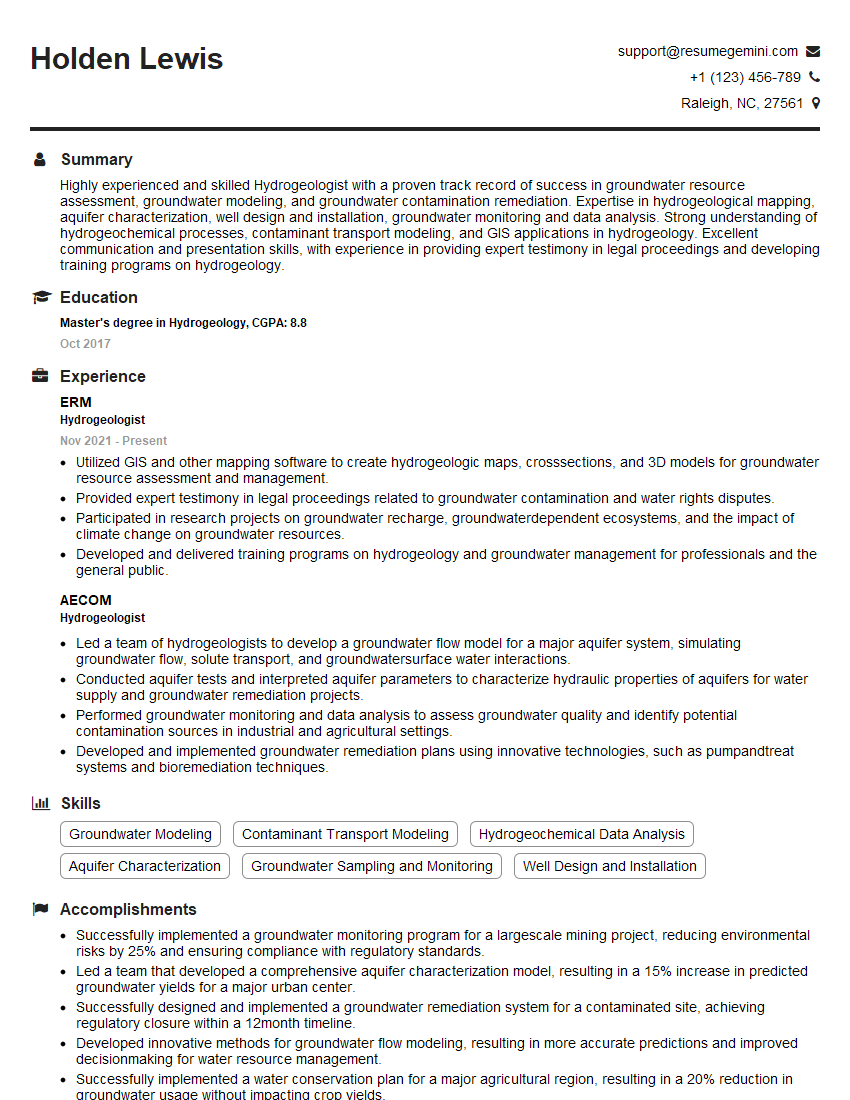
Hydrogeologist Resume Sample

Environmental Remediation Specialist Resume Sample
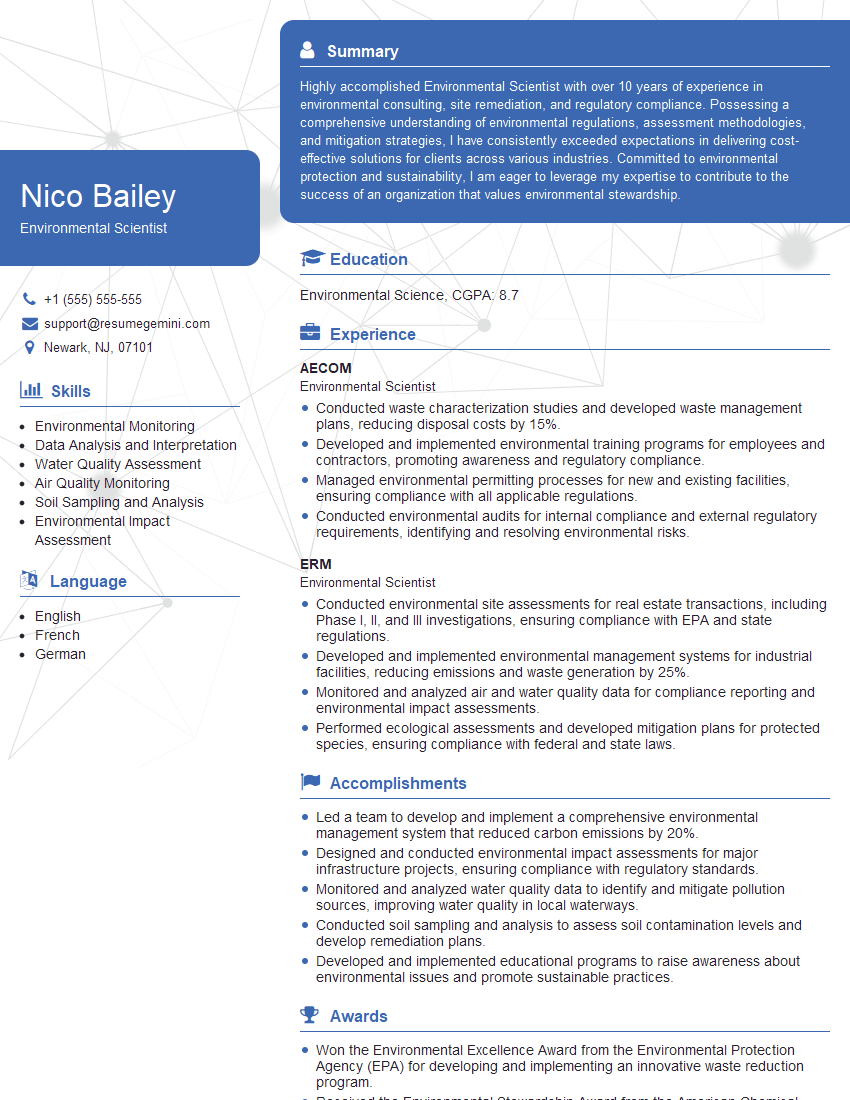
Environmental Scientist Resume Sample
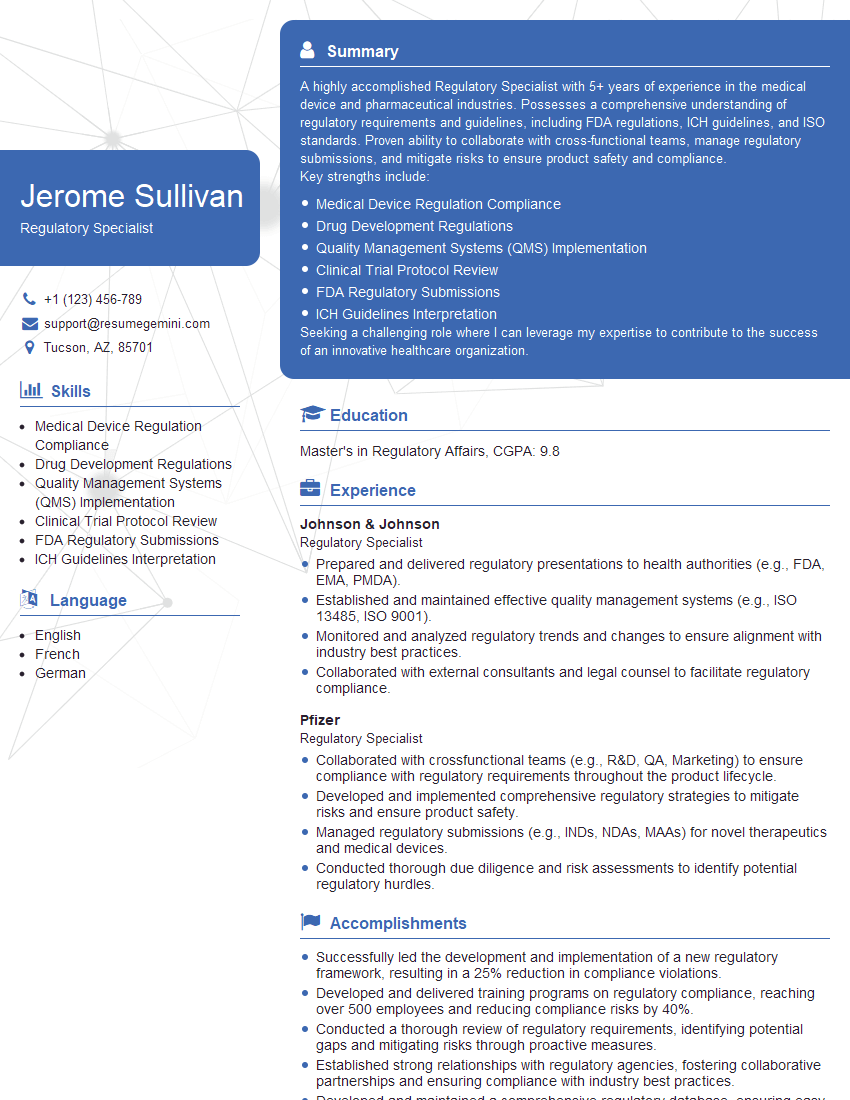
Regulatory Specialist Resume Sample
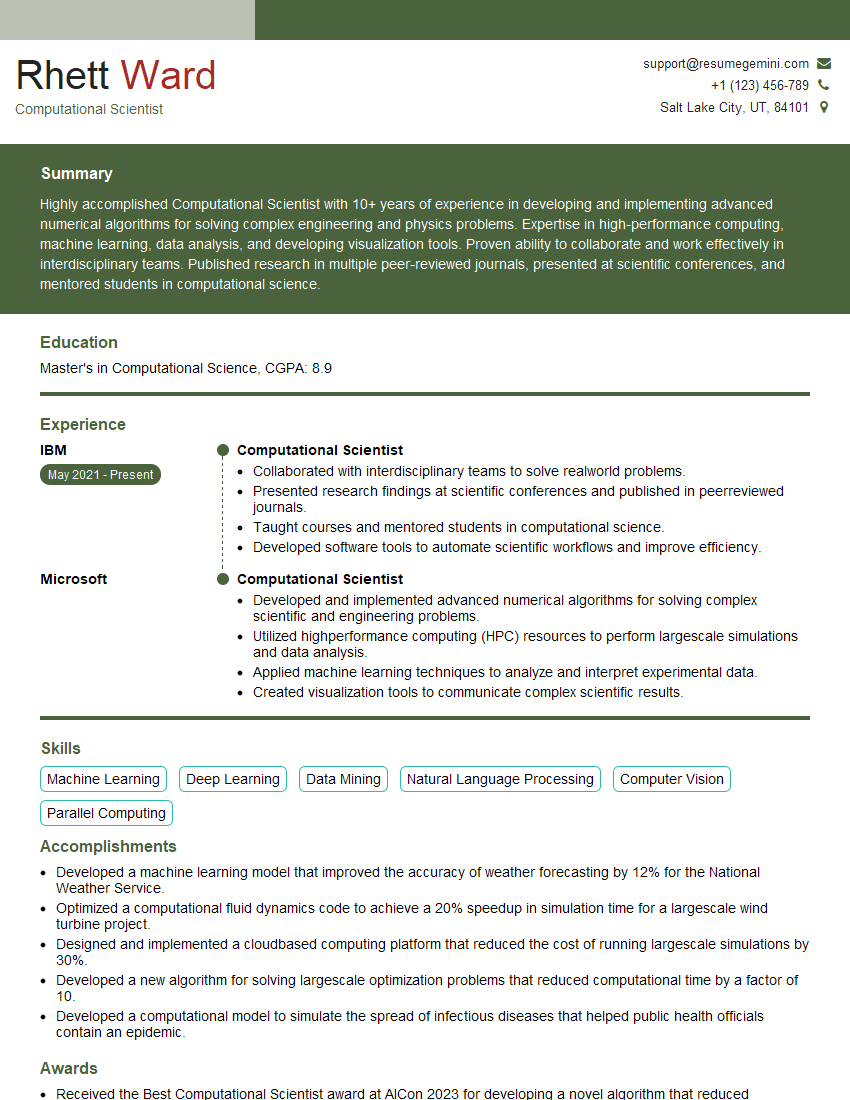
Computational Scientist Resume Sample
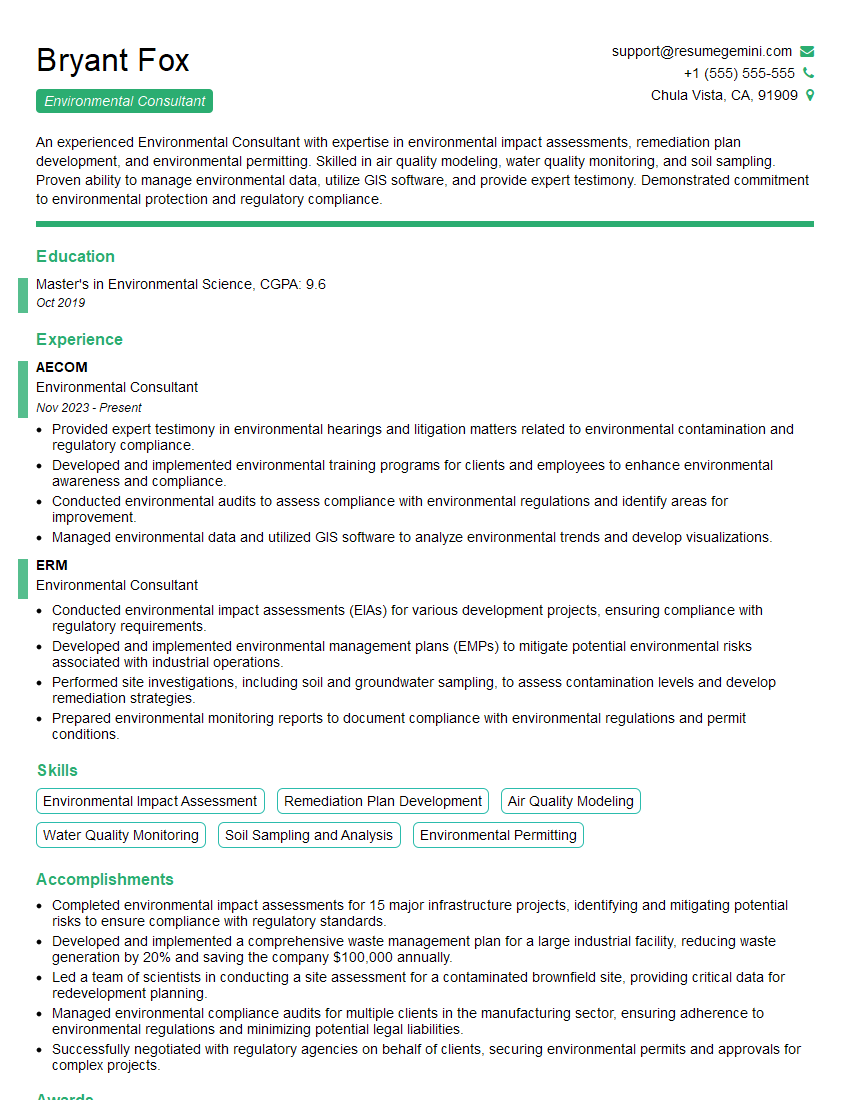
Environmental Consultant Resume Sample
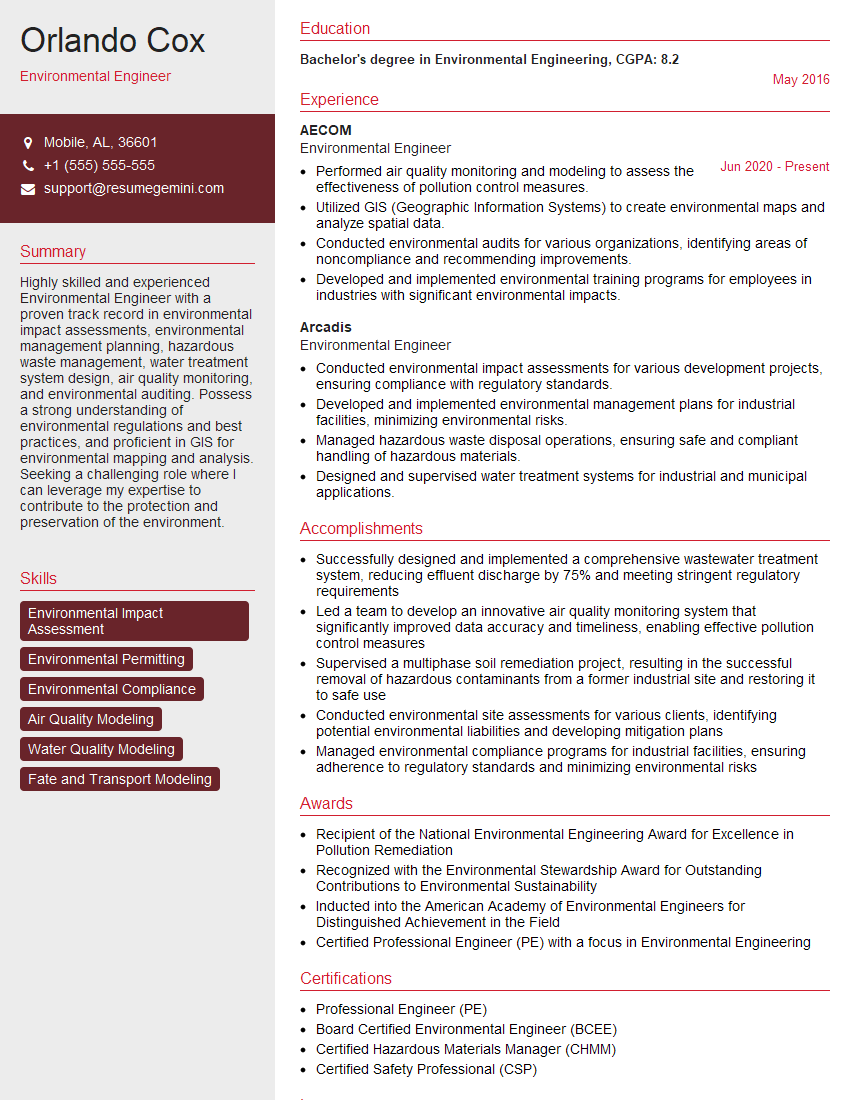
Environmental Engineer Resume Sample
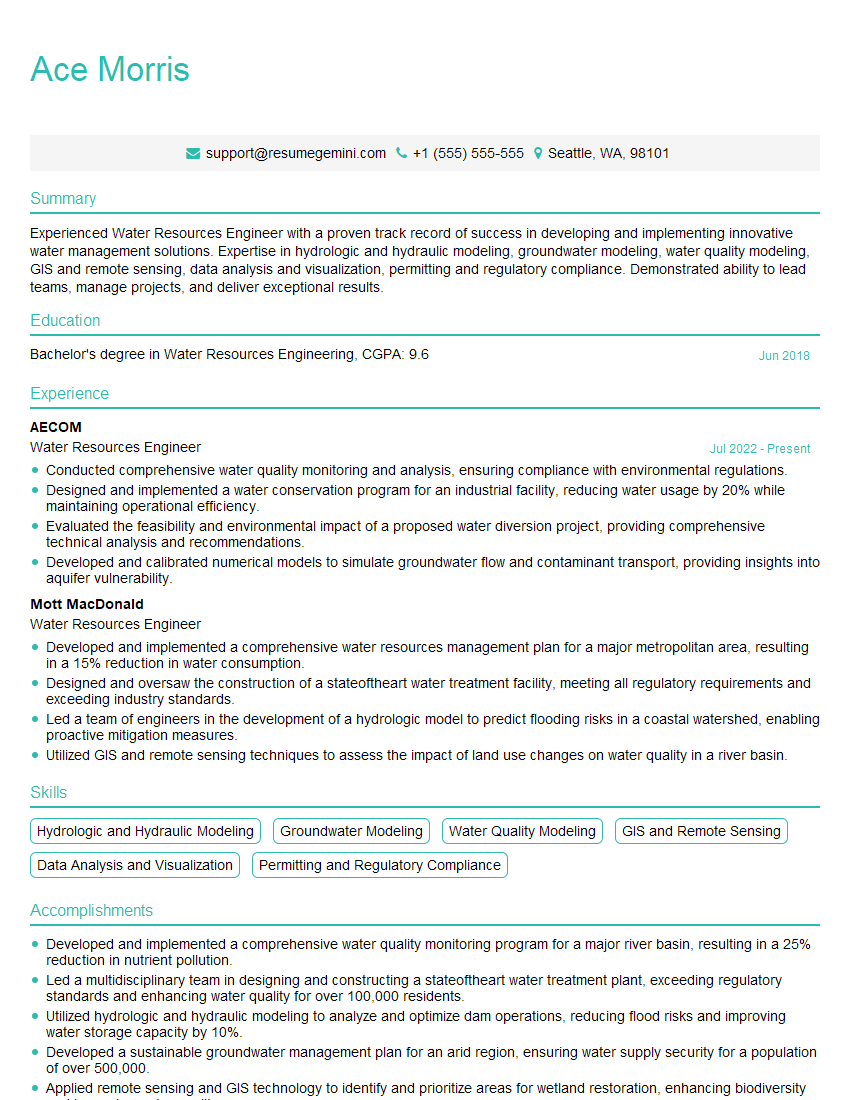
Water Resources Engineer Resume Sample
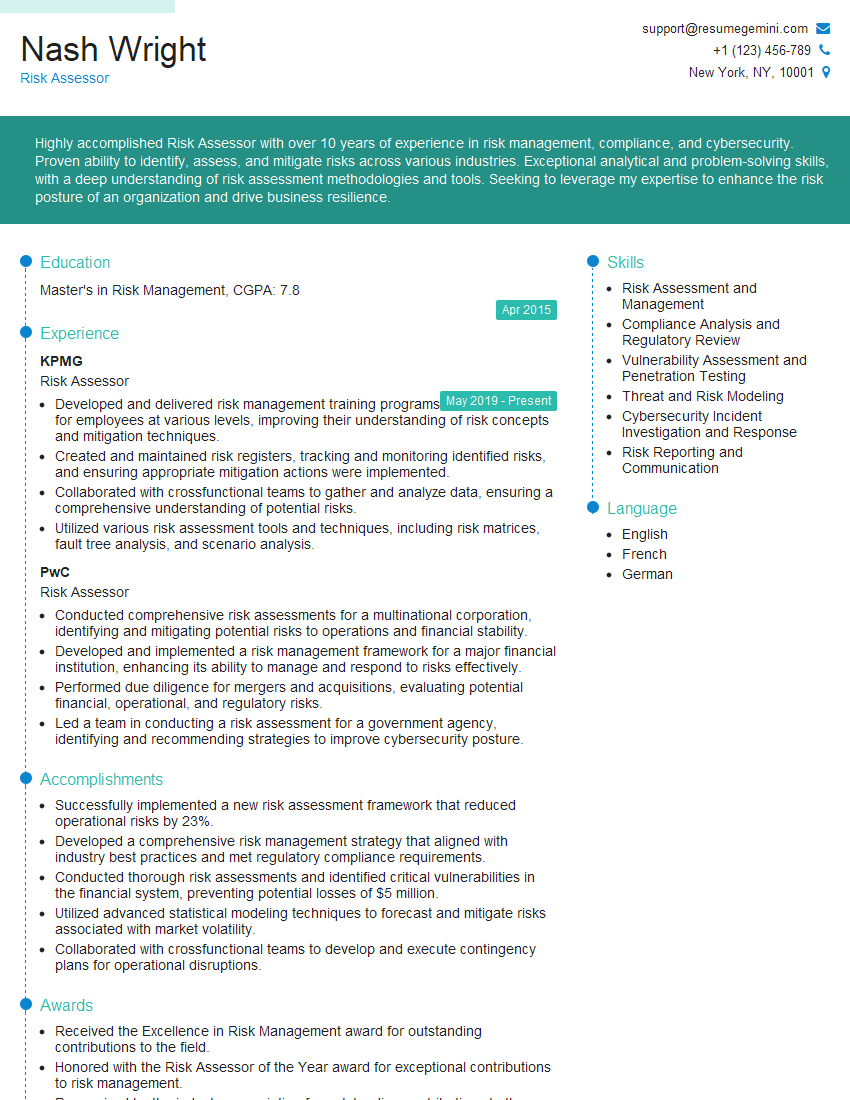
Risk Assessor Resume Sample
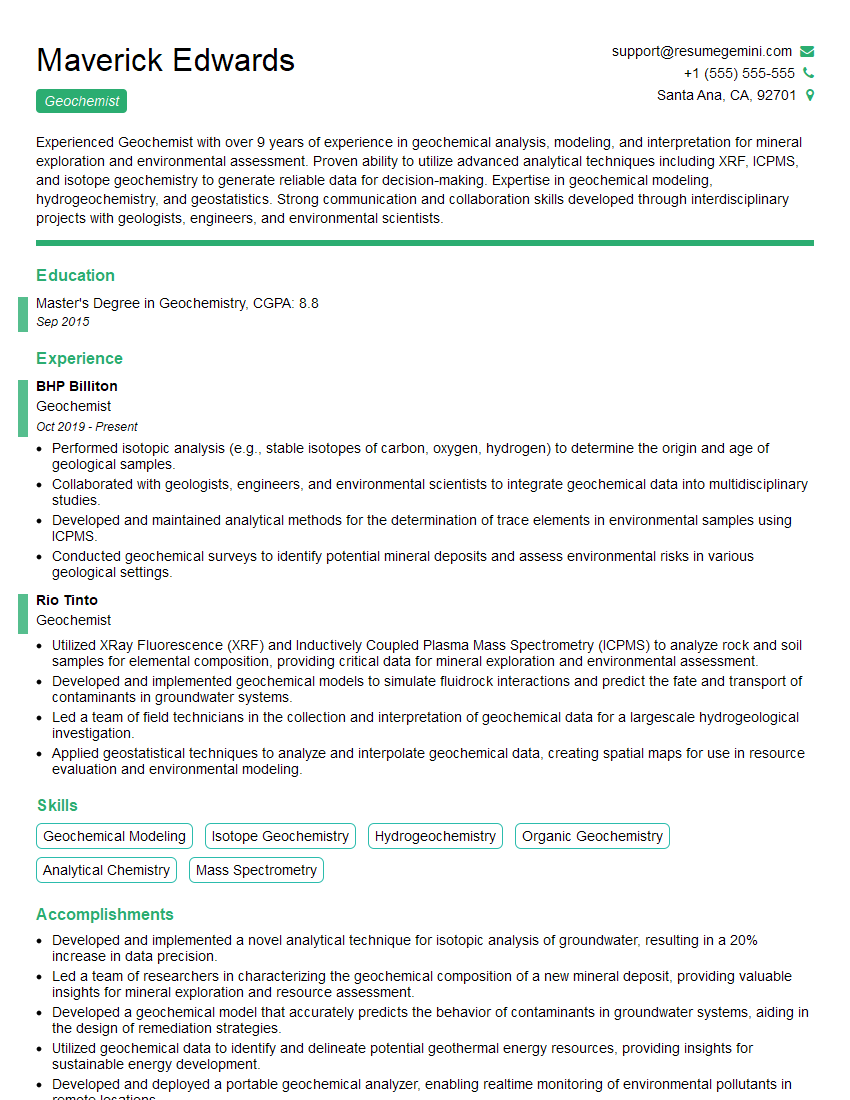
Geochemist Resume Sample
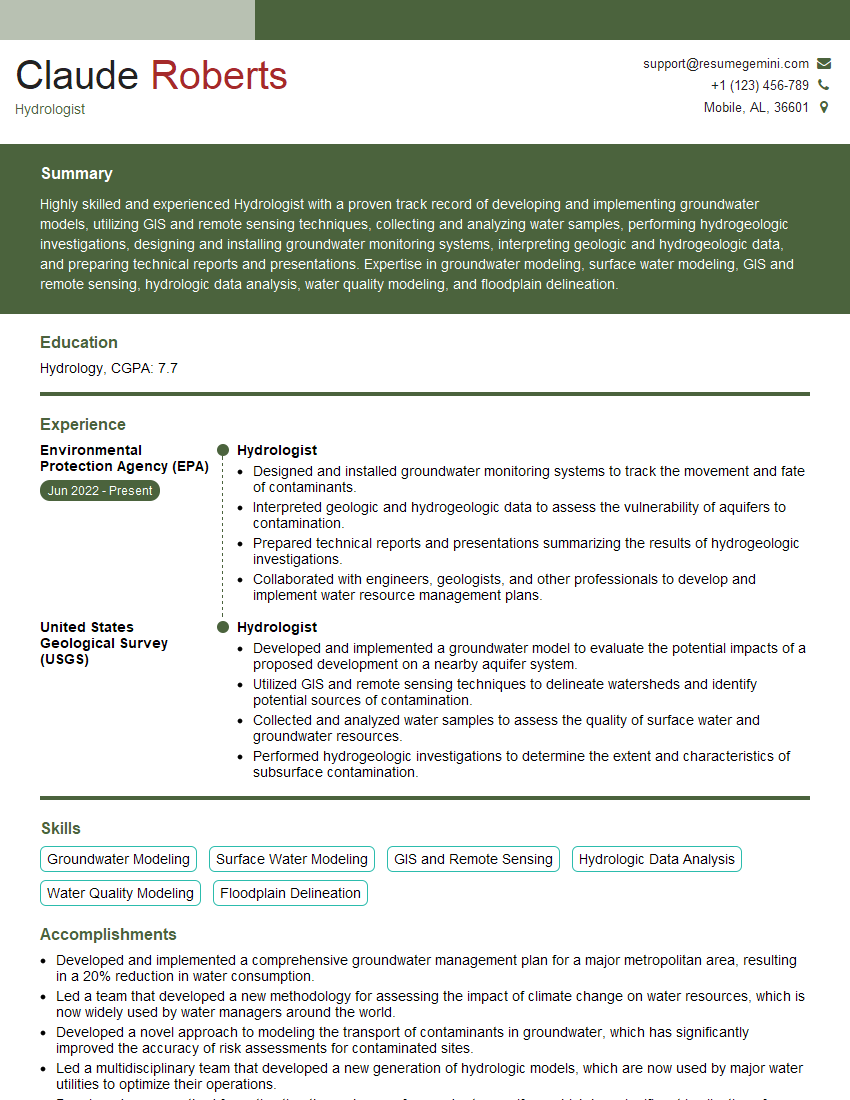
Hydrologist Resume Sample
Explore more articles
Users Rating of Our Blogs
Share Your Experience
We value your feedback! Please rate our content and share your thoughts (optional).
What Readers Say About Our Blog
Very informative content, great job.
good