Feeling uncertain about what to expect in your upcoming interview? We’ve got you covered! This blog highlights the most important Fencing and Yard Maintenance interview questions and provides actionable advice to help you stand out as the ideal candidate. Let’s pave the way for your success.
Questions Asked in Fencing and Yard Maintenance Interview
Q 1. Describe your experience with different types of fence materials (e.g., wood, vinyl, chain link).
My experience encompasses a wide range of fence materials, each with its own advantages and disadvantages. Wood offers a classic, natural look and can be stained or painted for customization, but requires regular maintenance to prevent rot and insect damage. I’ve worked extensively with various wood types, from pressure-treated pine for durability to cedar for its natural rot resistance. Vinyl fencing is low-maintenance and durable, resisting rot and insect infestation, but it can be more expensive upfront and less aesthetically versatile than wood. Finally, chain link is the most economical option, ideal for securing perimeters and providing visibility, but it’s less aesthetically pleasing and offers less privacy than wood or vinyl. Choosing the right material depends heavily on the client’s budget, desired aesthetic, and the specific needs of the property.
- Wood: Requires regular staining/sealing, susceptible to rot and insect damage, but offers a natural aesthetic.
- Vinyl: Low maintenance, durable, and long-lasting, but can be expensive and less design-flexible.
- Chain Link: Cost-effective, provides visibility and security, but lacks aesthetic appeal and privacy.
Q 2. Explain the process of installing a post and rail fence.
Installing a post and rail fence involves several key steps. First, we establish the fence line and dig holes for the posts, ensuring proper depth and spacing based on the rail length and local soil conditions. The holes are typically filled with concrete to ensure stability. Next, we set the posts, ensuring they’re plumb (perfectly vertical) using a level. Once the concrete sets, we attach the rails, typically using strong screws or lag bolts. The number of rails and their spacing depend on the fence height and desired strength. Finally, we check the fence for alignment and make any necessary adjustments. Proper post setting is critical to preventing fence sagging or leaning over time. I always check local building codes for proper post depth requirements.
- Site Preparation: Marking the fence line and digging holes to the correct depth.
- Post Setting: Setting posts plumb (perfectly vertical) and ensuring proper concrete setting.
- Rail Attachment: Attaching rails securely to posts using appropriate fasteners.
- Final Inspection: Checking alignment and making any necessary adjustments.
Q 3. How do you handle uneven terrain when installing a fence?
Uneven terrain presents a challenge, but it’s manageable with careful planning and execution. We use a combination of techniques to address this. For minor undulations, we can adjust the post depth to compensate, placing shorter posts in higher areas and longer posts in lower areas. For significant changes in elevation, we might use steps or terraces, building sections of the fence at different levels. Sometimes, we’ll even need to excavate and create a level base for each post. Accurate measurements and careful planning are crucial to create a structurally sound and aesthetically pleasing fence on uneven ground.
Think of it like building a staircase – each step is a section of level fence, carefully aligned and connected to create a continuous line across the varying terrain. Precision is key!
Q 4. What are the common issues encountered when repairing a damaged fence?
Common fence repair issues include damaged or rotted posts, broken rails, sagging sections, and loose fasteners. Rotted posts require replacement, often necessitating digging out the old concrete and setting new posts. Broken rails can usually be replaced by cutting out the damaged section and splicing in a new piece. Sagging sections often indicate insufficient post support or incorrectly spaced posts. Addressing these requires reinforcing the posts, possibly adding additional bracing or replacing posts if necessary. Loose fasteners should be tightened or replaced to ensure the fence’s structural integrity.
- Post Repair/Replacement: Addressing rot, damage, or instability.
- Rail Repair/Replacement: Replacing broken or damaged rails.
- Sagging Repair: Addressing structural issues causing sagging.
- Fastener Repair: Tightening or replacing loose screws and bolts.
Q 5. Describe your experience with various lawn care techniques (e.g., mowing, fertilization, weed control).
My lawn care experience covers a wide spectrum of techniques. Mowing involves selecting the appropriate cutting height for the grass type and using sharp blades to prevent tearing. Over-fertilizing can lead to excessive growth and weed issues, while under-fertilizing can lead to weak, unhealthy grass. I carefully apply fertilizers based on soil testing results to get the right balance of nutrients. Weed control includes both preventative measures, like proper mowing and fertilization, and targeted applications of herbicides to kill unwanted weeds. I always choose the most environmentally friendly approach.
- Mowing: Maintaining appropriate cutting height and using sharp blades.
- Fertilization: Applying balanced fertilizers to promote healthy growth.
- Weed Control: Using a combination of preventative measures and targeted herbicides.
Q 6. What types of fertilizers are best suited for different grass types?
Different grass types have different nutrient requirements. For example, cool-season grasses like fescue and ryegrass thrive with higher nitrogen levels in the spring and fall, while warm-season grasses like Bermuda and Zoysia benefit more from nitrogen applications during the summer. A soil test is crucial to determine the exact nutrient balance needed for a specific lawn. The type of fertilizer used, whether it is granular, liquid, or slow-release, also influences how the nutrients are absorbed by the grass. Using the wrong type of fertilizer for your grass can lead to inefficient nutrient uptake, nutrient burn, or other problems. I always recommend consulting local extension services or lawn care professionals for customized advice.
Q 7. Explain your knowledge of pest and disease control in landscaping.
My approach to pest and disease control emphasizes integrated pest management (IPM), a sustainable approach that minimizes pesticide use while maximizing effectiveness. IPM involves identifying the pest or disease, understanding its life cycle, and implementing strategies to control it using the least-toxic methods. This could involve cultural practices like proper mowing, watering, and fertilization; biological controls like beneficial insects; or targeted pesticide applications only when absolutely necessary and only using environmentally responsible products. Preventing problems through proactive lawn care is always the best strategy. For example, good drainage can prevent fungal diseases. Proper mowing avoids stress to the plant and weakens the plant’s resistance to pests and disease.
Q 8. How do you determine the proper amount of fertilizer or pesticide to use?
Determining the proper amount of fertilizer or pesticide is crucial for healthy plants and a safe environment. It’s never a one-size-fits-all approach; it depends on several factors.
- Type of plant: Different plants have different nutrient needs and sensitivities to pesticides. A rose bush requires a different fertilizer blend than a lawn.
- Soil type: Sandy soil drains quickly, requiring more frequent watering and potentially more fertilizer application than clay soil, which retains moisture and nutrients longer.
- Soil test results: A professional soil test will reveal the existing nutrient levels in your soil. This is the most accurate way to determine what your plants need.
- Product label instructions: Always follow the manufacturer’s instructions meticulously. The label will specify the application rate per unit area (e.g., square foot, square meter).
- Pest identification: Before using pesticides, accurately identify the pest. Using the wrong pesticide can be ineffective or even harmful to beneficial insects.
For example, if a soil test reveals a nitrogen deficiency, you’ll need to apply a fertilizer high in nitrogen. The label will give you the correct application rate based on the area you’re treating. Never exceed the recommended rate, as this can harm plants or pollute the environment.
Q 9. What is your experience with operating and maintaining landscaping equipment?
I have extensive experience operating and maintaining a wide range of landscaping equipment, including:
- Mowers: From push mowers to riding mowers, both gas-powered and electric. I’m proficient in blade sharpening, engine maintenance (oil changes, air filter replacements), and troubleshooting common mechanical issues.
- String trimmers/weed eaters: I’m skilled in using both gas and electric models, including understanding the proper techniques for effective trimming and preventing damage to plants.
- Blowers: I have experience with both backpack and handheld blowers for efficient leaf removal and cleanup.
- Hedge trimmers: I know how to use both electric and gas-powered hedge trimmers for precise shaping and maintenance of shrubs and hedges.
- Chainsaws: I’m certified in safe chainsaw operation and have experience in tree trimming and removal (under appropriate circumstances and within my scope of expertise).
My maintenance experience includes regular cleaning, lubrication, and minor repairs. I also understand the importance of scheduling preventative maintenance to prolong equipment life and minimize downtime.
Q 10. How do you ensure the safety of yourself and others while operating landscaping equipment?
Safety is paramount when operating landscaping equipment. My safety practices include:
- Proper personal protective equipment (PPE): This includes safety glasses, hearing protection, gloves, and sturdy footwear. For tasks involving chainsaws, additional protective gear like chaps is crucial.
- Equipment inspections: Before each use, I inspect the equipment for any damage, loose parts, or fuel leaks. I ensure all guards and safety features are in place and functioning properly.
- Awareness of surroundings: I’m always mindful of my surroundings, including the presence of people, pets, and obstacles. I maintain a safe distance from others while operating equipment.
- Proper operating techniques: I use equipment according to the manufacturer’s instructions, avoiding unsafe practices such as using dull blades or operating equipment at excessive speeds.
- Regular maintenance: Keeping equipment well-maintained minimizes the risk of malfunctions and accidents. Regular blade sharpening and engine servicing are key.
Think of it like this: safety isn’t just a checkbox; it’s an integrated part of every task. By consistently applying these practices, I ensure the safety of both myself and those around me.
Q 11. Describe your experience with irrigation system installation and maintenance.
My experience with irrigation system installation and maintenance is comprehensive. I’ve worked on various projects ranging from small residential systems to larger commercial installations. This includes:
- System design: I can help design an efficient and effective irrigation system based on factors like the size and type of landscape, soil conditions, and water availability.
- Pipe installation: I’m experienced in installing different types of piping, including PVC, polyethylene, and other materials, ensuring proper slope and connection for optimal water flow.
- Sprinkler head installation: I understand the different types of sprinkler heads and how to select and place them for even water distribution across the landscape.
- Valve installation and maintenance: I know how to install and maintain valves, ensuring proper operation and preventing leaks.
- Controller programming: I’m proficient in programming irrigation controllers to optimize watering schedules based on weather conditions and plant needs.
- System troubleshooting and repair: I’m adept at identifying and resolving various irrigation system issues, from leaks and clogged lines to malfunctioning valves and controllers.
I’ve worked with both drip irrigation and sprinkler systems, ensuring they are tailored to the specific requirements of each project.
Q 12. How do you troubleshoot problems in an irrigation system?
Troubleshooting irrigation problems requires a systematic approach. I typically follow these steps:
- Visual inspection: I begin by thoroughly inspecting the entire system, looking for obvious problems like leaks, broken sprinkler heads, or damaged pipes.
- Check the controller: I verify that the controller is properly programmed and functioning correctly, checking the watering schedule and zone settings.
- Inspect valves: I test each valve individually to ensure it’s opening and closing properly.
- Check water pressure: I measure the water pressure at various points in the system to identify any pressure drops that might indicate a blockage or leak.
- Test the sprinkler heads: I examine the spray patterns of each sprinkler head to ensure even water distribution.
- Use a leak detector: For hard-to-find leaks, I may use a specialized leak detection tool.
For example, if a particular zone isn’t watering, I’ll first check the valve for that zone, then the sprinkler heads within that zone, and finally the piping itself. This methodical approach usually helps pinpoint the source of the problem quickly and efficiently.
Q 13. What are the different types of irrigation systems and their pros and cons?
There are several types of irrigation systems, each with its own set of advantages and disadvantages.
- Sprinkler systems: These use sprinklers to water a larger area. They are efficient for lawns and open areas.
Pros: Covers large areas quickly.
Cons: Can lead to water waste through evaporation and runoff, less efficient for smaller or irregularly shaped areas. - Drip irrigation: This delivers water directly to the roots of plants through a network of tubes and emitters.
Pros: Highly efficient, minimizes water waste, ideal for flowerbeds and gardens.
Cons: More complex to install, requires more maintenance to clear clogs. - Soaker hoses: These porous hoses slowly release water along their length.
Pros: Simple to install, good for smaller areas, relatively inexpensive.
Cons: Can be less efficient than drip irrigation, not suitable for all plant types. - Subsurface drip irrigation: Water is delivered through buried tubing.
Pros: Less visible, reduces evaporation, good for water conservation.
Cons: More expensive to install, difficult to repair if leaks occur.
The best system depends on the specific needs of the landscape, budget considerations, and water conservation goals. A well-designed system maximizes efficiency and minimizes waste.
Q 14. What is your experience with tree trimming and pruning?
I have extensive experience in tree trimming and pruning. My approach focuses on promoting the health and longevity of the tree while maintaining its aesthetic appeal. This includes:
- Proper pruning techniques: I use clean, sharp tools and follow proper pruning techniques to avoid damaging the tree. This includes making clean cuts at the branch collar, avoiding stubs, and using appropriate pruning saws for different sizes of branches.
- Understanding tree growth habits: I understand how different tree species grow and prune accordingly, taking into account factors like branching structure, dominant leaders, and potential hazards.
- Safety precautions: Safety is always paramount. I use appropriate safety equipment like harnesses and ropes when working at heights and follow all safety guidelines.
- Disease and pest identification: I can identify signs of disease and pests and take appropriate measures, such as removing diseased branches or consulting with an arborist for more serious issues.
- Assessing tree health: I know how to assess the overall health of a tree and determine the necessary pruning techniques.
For example, when pruning a young tree, I might focus on shaping the crown and removing competing branches to establish a strong central leader. For mature trees, I might focus on removing dead, diseased, or crossing branches to improve air circulation and light penetration.
Q 15. Describe the proper techniques for safely removing hazardous trees or branches.
Removing hazardous trees or branches requires a systematic approach prioritizing safety. Never attempt this without proper training and equipment. It’s crucial to assess the risk before commencing any work. This includes evaluating the tree’s health, the surrounding environment (power lines, buildings, etc.), and weather conditions.
- Assessment: Thoroughly inspect the tree for signs of rot, disease, or structural weakness. Use a climbing harness and ropes for larger, more precarious branches.
- Planning: Determine the best felling direction, considering obstacles and the tree’s natural lean. Clear the area around the target branch or tree of any obstructions.
- Equipment: Appropriate safety gear is paramount – this includes a helmet, eye protection, gloves, sturdy boots, and potentially a chainsaw with a safety chain brake. For very large trees, professional arborists with specialized equipment are necessary.
- Execution: Use appropriate cutting techniques to avoid kickback (for chainsaws). For large branches, make a series of cuts to control the fall. If unsure, always consult a certified arborist. Never attempt to fell a large tree yourself if you lack the skills and experience.
- Cleanup: After felling, carefully remove branches and debris. Properly dispose of or recycle the wood.
For example, I once had to remove a large oak branch overhanging a client’s house. I meticulously assessed its structural integrity, cleared the area, utilized proper cutting techniques with my chainsaw and safety harness, and ensured a controlled fall away from the house. Safety is always my top priority.
Career Expert Tips:
- Ace those interviews! Prepare effectively by reviewing the Top 50 Most Common Interview Questions on ResumeGemini.
- Navigate your job search with confidence! Explore a wide range of Career Tips on ResumeGemini. Learn about common challenges and recommendations to overcome them.
- Craft the perfect resume! Master the Art of Resume Writing with ResumeGemini’s guide. Showcase your unique qualifications and achievements effectively.
- Don’t miss out on holiday savings! Build your dream resume with ResumeGemini’s ATS optimized templates.
Q 16. How do you identify different types of trees and shrubs?
Identifying trees and shrubs involves observing several key characteristics. It’s a bit like a detective case, gathering clues to deduce the identity!
- Leaves: Note the shape (needle-like, broadleaf), arrangement on the stem (alternate, opposite, whorled), margins (smooth, toothed, lobed), and texture (smooth, hairy, leathery).
- Bark: Examine the bark’s texture (smooth, rough, furrowed), color, and pattern. Different tree species have uniquely patterned bark.
- Branches: Observe the branching pattern (alternate, opposite, whorled) and the angle at which branches emerge from the trunk.
- Flowers/Fruits/Seeds: The presence and characteristics of flowers, fruits, or seeds are highly diagnostic. Take pictures if possible for later identification.
- Overall Shape and Size: The overall shape of the tree (pyramidal, rounded, weeping) and its mature size are also valuable indicators.
Field guides, tree identification apps (like iNaturalist), and online resources are invaluable tools. For instance, the distinctive palmate leaves and lobed appearance immediately identify a maple tree, while the needle-like leaves and conical shape point towards a pine.
Q 17. Explain your knowledge of landscaping design principles.
Landscaping design principles guide the creation of beautiful and functional outdoor spaces. It’s an art and a science, combining aesthetics with practicality.
- Unity and Harmony: The design should feel cohesive, with elements working together to create a unified whole. This can be achieved through repeated colors, textures, or shapes.
- Balance: This refers to the visual weight distribution in the landscape. Symmetrical balance creates formality, while asymmetrical balance offers a more natural, relaxed feel.
- Scale and Proportion: Elements should be sized appropriately relative to the space and surrounding structures. A tiny fountain in a large yard would look out of place.
- Emphasis: A focal point draws the eye and anchors the design. This could be a striking tree, a water feature, or an architectural element.
- Rhythm and Line: The use of lines, curves, and repetitions creates a sense of movement and visual interest. Paths, walls, and planting beds can all contribute to rhythm.
- Color and Texture: Color palettes and textures should be carefully considered to enhance the visual appeal. Varying textures and colors keep things interesting.
For example, I recently designed a garden using a predominantly blue and green color palette for a calming effect, incorporating diverse textures (smooth paving stones, rough bark, soft foliage) to prevent monotony and create a unified, relaxing space.
Q 18. How do you create a detailed landscape plan based on client needs?
Creating a detailed landscape plan involves a collaborative process with the client, starting with a thorough understanding of their needs and preferences.
- Initial Consultation: I begin with a detailed discussion to understand the client’s vision, budget, lifestyle, and maintenance preferences. I also note any specific needs like accessibility for children or pets.
- Site Analysis: I thoroughly assess the property, including soil type, sun exposure, existing vegetation, drainage, and any existing structures. I often take detailed photos and measurements.
- Design Development: Based on the client’s input and the site analysis, I create conceptual sketches and preliminary designs. These show the overall layout, plant placement, hardscaping elements (patios, walkways), and potential water features. I use landscape design software to visualize these designs more effectively.
- Plan Refinement: I present the preliminary designs to the client, incorporating their feedback and revisions. The final plan includes detailed drawings, plant lists, and materials specifications.
- Presentation: I typically present the final plan with visual aids (renderings, 3D models) to provide a realistic representation of the completed project.
For instance, a recent client wanted a low-maintenance backyard with a seating area for entertaining. Through discussion and site analysis, we incorporated drought-tolerant plants, a simple patio made of durable materials, and a small water feature for ambiance. The plan detailed specific plant species, material choices, and installation methods.
Q 19. How do you manage multiple projects simultaneously?
Managing multiple projects requires strong organizational skills and effective time management techniques.
- Prioritization: I prioritize tasks based on deadlines and urgency, ensuring that critical elements of each project receive timely attention.
- Scheduling: I use project management software to schedule tasks, allocate resources (equipment, personnel), and track progress. This helps to avoid conflicts and keeps everything on track.
- Delegation: When appropriate, I delegate tasks to qualified team members to improve efficiency and distribute workloads effectively.
- Communication: Maintaining clear communication with clients and team members is essential. Regular updates keep everyone informed and address any potential issues promptly.
- Regular Review: Periodic review of project schedules and progress allows for course correction as needed, preventing delays or overruns.
I often use a Kanban board system to visualize project progress and easily identify tasks that need attention. This keeps all projects organized and allows me to quickly switch between projects as needed.
Q 20. Describe your experience with budgeting and estimating costs for landscaping projects.
Accurate budgeting and cost estimating are crucial for project success. I approach this systematically.
- Detailed Material List: I start by creating a detailed list of all materials needed, including plants, hardscaping materials, soil amendments, and other supplies. I source these materials from reliable suppliers and obtain quotes.
- Labor Costs: I estimate labor costs based on the scope of work, the number of workers needed, and the hourly rates for different tasks.
- Contingency Planning: I always include a contingency buffer in the budget (typically 10-15%) to account for unforeseen expenses or delays.
- Profit Margin: I factor in a reasonable profit margin to ensure the financial viability of the project.
- Client Review: I review the detailed cost breakdown with the client, explaining each item and answering any questions.
For example, when creating a budget for a patio installation, I would specify the type and quantity of pavers, the type of base material, the labor hours required, and include a contingency for potential unexpected issues (like encountering underground utilities). Transparency is key to maintaining client trust.
Q 21. How do you handle customer complaints or concerns?
Handling customer complaints or concerns is an important aspect of providing excellent service. I approach this with empathy and a focus on finding solutions.
- Active Listening: I listen attentively to the client’s concerns, allowing them to fully express their feelings without interruption.
- Empathy and Understanding: I try to understand the client’s perspective and acknowledge their frustration. Showing empathy builds trust and facilitates problem-solving.
- Problem Identification: I clearly identify the root cause of the complaint. This requires careful analysis and questioning, if necessary.
- Solution Development: I work collaboratively with the client to develop a solution that addresses their concerns. This may involve making repairs, providing replacements, or offering a partial refund.
- Follow-up: After implementing a solution, I follow up with the client to ensure their satisfaction.
For instance, a client once complained about a few plants that died shortly after installation. I investigated the situation, determined they were not properly watered during an unexpected heatwave, apologized for the oversight, replaced the plants, and provided additional watering guidance to prevent future problems. Resolving issues effectively builds positive client relationships.
Q 22. What are your methods for ensuring the quality of your work?
Ensuring the quality of my work is paramount. It’s a multi-faceted approach that begins even before the first post is driven into the ground. I meticulously plan each project, considering factors like soil conditions, client preferences, and the long-term durability of the materials.
- Detailed Site Assessments: I always conduct a thorough site analysis, taking detailed measurements and noting any potential obstacles, like underground utilities or sloping terrain. This prevents costly rework and ensures a smooth installation.
- Material Selection: I use only high-quality materials from reputable suppliers, carefully matching fence types and materials (e.g., cedar, vinyl, metal) to the client’s needs and the environment. For example, if the site is prone to high winds, I’ll recommend a stronger, more robust fence design.
- Precision Installation: I adhere to strict installation standards, ensuring that all components are properly aligned and secured. I utilize precision measuring tools and always double-check my work. Even slight misalignments can compromise the fence’s structural integrity over time.
- Post-Installation Inspection: After the project is complete, I perform a thorough inspection, looking for any imperfections or areas needing adjustment. This final check ensures client satisfaction and guarantees a professionally finished product.
- Client Communication: Open communication throughout the entire process is crucial. I keep clients informed of progress, address any concerns, and proactively solve problems. This collaborative approach fosters trust and guarantees quality outcomes.
Q 23. Describe your experience with working in various weather conditions.
Working outdoors means adapting to diverse weather conditions. My experience spans everything from scorching summers to freezing winters, and everything in between.
- Heat: In extreme heat, I schedule work for the cooler parts of the day, stay hydrated, and take frequent breaks to avoid heat exhaustion. I also adjust my work methods to minimize physical exertion during the hottest periods. For example, I may pre-assemble fence sections in a shaded area before installing them.
- Cold: In cold weather, I prioritize safety by dressing in layers and using appropriate cold-weather gear like gloves and hats. I also modify techniques to accommodate frozen ground, possibly using specialized equipment to ensure proper post setting.
- Rain: While rain can halt some aspects of work, it’s important to be prepared for it. I always protect materials from water damage, and postpone certain tasks (like painting or staining) until the weather is more suitable.
- Wind: Strong winds require extra precautions to maintain safety and avoid damaging materials. I use extra bracing during installation and may postpone work if the conditions are too hazardous.
Adaptability is key. I’ve learned to anticipate weather changes and plan accordingly. I always check the forecast and adjust my schedule as needed to maximize efficiency and safety.
Q 24. What safety measures do you implement on job sites?
Safety is my top priority. I follow a strict safety protocol on every job site.
- Personal Protective Equipment (PPE): I always wear appropriate PPE, including safety glasses, gloves, steel-toed boots, and hearing protection when using power tools. The type of PPE will vary depending on the specific task. For example, a face shield is necessary when using an angle grinder.
- Tool Safety: I meticulously maintain all my tools and equipment, ensuring that they are in good working order and properly inspected before each use. I also use appropriate safety measures for each tool, including lockout/tagout procedures when working with electricity.
- Site Safety: I establish a safe work zone, clearly marking hazards and ensuring that the area is free from obstructions. I also make sure to adhere to traffic laws and regulations if working near roads.
- Emergency Preparedness: I have a well-defined emergency plan in place, including knowing the location of first aid kits and emergency contact information. For large projects, I ensure appropriate communication devices and potentially even a spotter to monitor workers and surrounding areas.
- Training and Compliance: I regularly undergo safety training to stay updated on best practices and comply with all relevant regulations and local building codes.
Q 25. How do you deal with challenging clients or unexpected situations?
Dealing with challenging clients or unexpected situations requires patience, communication, and problem-solving skills.
- Active Listening: I always actively listen to client concerns and try to understand their perspective. This helps me address their issues effectively and build a strong working relationship.
- Clear Communication: I communicate clearly and concisely, keeping clients informed about every stage of the project and any potential issues. I use clear language, avoiding jargon, and welcome questions.
- Problem-Solving: When faced with unexpected situations, such as encountering underground utilities or material delays, I immediately assess the problem, find creative solutions, and keep the client informed every step of the way. This transparent approach prevents misunderstandings and maintains trust.
- Professionalism: I always maintain a professional demeanor, even in stressful situations. I remain calm and composed, focusing on finding solutions instead of getting caught up in conflict. For example, a particularly difficult client might require extra communication, and perhaps a follow-up to solidify the project understanding.
Through consistent professionalism, clear communication, and a focus on finding mutually acceptable solutions, I have successfully navigated many challenging situations.
Q 26. What is your experience with different types of soil and their properties?
Understanding soil properties is crucial for successful fencing and landscaping. Different soil types require different approaches to post installation and overall project planning.
- Clay Soil: Clay soil is dense and can be difficult to work with. It can retain too much water, leading to post rot. I often amend clay soils by adding organic matter to improve drainage and aeration before installing fence posts. Auger-style post hole diggers are often ideal for this dense soil.
- Sandy Soil: Sandy soil drains quickly, which can be a problem for post stability. I address this by using larger posts or adding gravel to the hole before setting the post to create a more stable base.
- Loam Soil: Loam is an ideal soil type because it’s a mix of sand, silt, and clay, providing good drainage and stability. It’s easier to work with, and fence posts are less likely to rot or shift.
- Rocky Soil: Rocky soil can be extremely challenging. I often use a post-hole digger with a rock-breaking attachment or even consider alternative methods for post installation to account for this condition.
I always test the soil before beginning a project to determine its composition and adjust my techniques accordingly. Soil testing allows for more accurate planning, leading to superior results and long-term durability.
Q 27. Describe your understanding of sustainable landscaping practices.
Sustainable landscaping is about creating beautiful, functional spaces that minimize environmental impact. My approach involves:
- Water Conservation: I incorporate water-wise landscaping techniques, such as using drought-tolerant plants and efficient irrigation systems. Xeriscaping (landscaping that reduces or eliminates the need for supplemental irrigation) is a prime example.
- Native Plants: I prioritize the use of native plants, which require less maintenance and are better adapted to the local climate. Native plants are better suited to the local climate and require less water and fertilizer.
- Reduced Chemical Use: I minimize the use of chemical fertilizers and pesticides, opting for organic alternatives whenever possible. This protects both the environment and human health.
- Waste Reduction: I strive to reduce waste by reusing or recycling materials whenever practical and selecting materials with minimal environmental impact.
- Composting: I often incorporate compost into the soil to improve fertility and reduce the need for chemical fertilizers. Compost improves soil health and reduces waste.
By incorporating these sustainable practices, I help create landscapes that are both aesthetically pleasing and environmentally responsible.
Q 28. Explain your experience with using CAD software for landscaping design.
While I don’t personally use CAD software for *every* landscaping design (smaller jobs may not necessitate it), I am proficient in using CAD software, specifically Autocad, for larger and more complex projects. It allows me to create detailed and accurate plans, including:
- Site Plans: I create precise site plans that show the location of fences, gates, plants, and other features. This detailed layout ensures accurate materials calculations and prevents costly mistakes during installation.
- 3D Models: For more elaborate designs, I can create 3D models that allow clients to visualize the final product before the work begins. This helps manage expectations and ensures that the end result meets the client’s vision.
- Material Lists: The software automatically generates material lists, which simplifies purchasing and minimizes waste.
- Construction Drawings: I create detailed construction drawings that guide the installation process, ensuring that the final product meets the design specifications.
CAD software isn’t a replacement for on-site assessment, but rather a powerful tool that improves accuracy, planning, and client communication, especially on intricate or large-scale landscaping projects.
Key Topics to Learn for Fencing and Yard Maintenance Interview
- Fencing Materials & Installation: Understanding different fence types (wood, vinyl, chain link), their pros/cons, installation techniques, and proper post setting.
- Fence Repair & Maintenance: Practical knowledge of common fence problems (damaged panels, loose posts, gate issues), repair methods, and preventative maintenance strategies.
- Yard Maintenance Tools & Equipment: Familiarity with various tools (mowers, trimmers, blowers, etc.), their safe operation, and maintenance procedures.
- Lawn Care Techniques: Understanding mowing techniques, fertilization, weed control, pest management, and irrigation systems.
- Landscape Design Basics: Fundamental knowledge of plant selection, soil types, and basic landscape design principles for creating visually appealing yards.
- Safety Procedures & Regulations: Awareness of safety protocols for operating machinery, handling chemicals, and working at heights. Understanding relevant local regulations and permits.
- Customer Service & Communication: Effective communication skills to interact with clients, understand their needs, and address concerns professionally.
- Problem-Solving & Troubleshooting: Ability to diagnose and resolve issues related to fencing and yard maintenance efficiently and effectively.
- Estimating & Budgeting: Understanding how to estimate project costs, including materials and labor, and creating accurate budgets.
Next Steps
Mastering Fencing and Yard Maintenance opens doors to a rewarding career with opportunities for growth, from entry-level positions to supervisory roles and even business ownership. A strong resume is crucial for showcasing your skills and experience to potential employers. Creating an ATS-friendly resume significantly improves your chances of getting your application noticed. ResumeGemini is a trusted resource to help you build a professional and impactful resume that highlights your abilities. Examples of resumes tailored to Fencing and Yard Maintenance are provided to guide you in crafting your own compelling application. Invest time in building a strong resume – it’s your first impression on a potential employer.
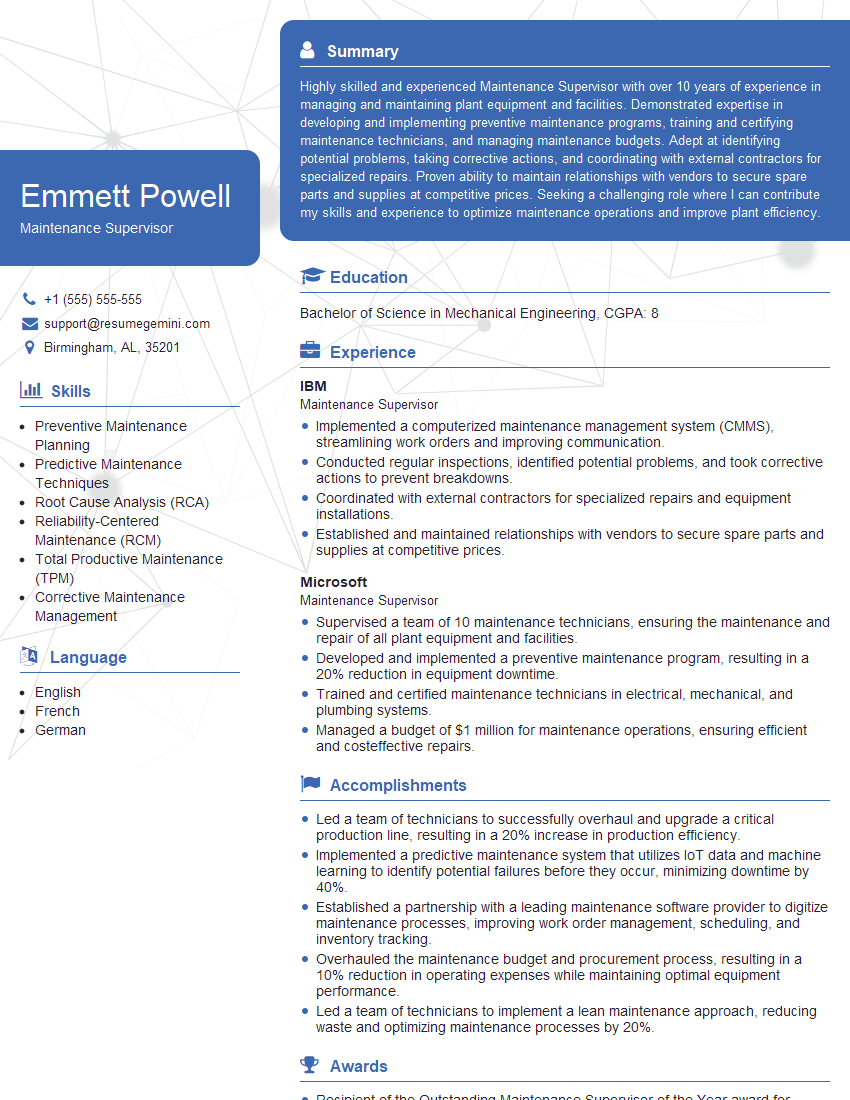
Maintenance Supervisor Resume Sample
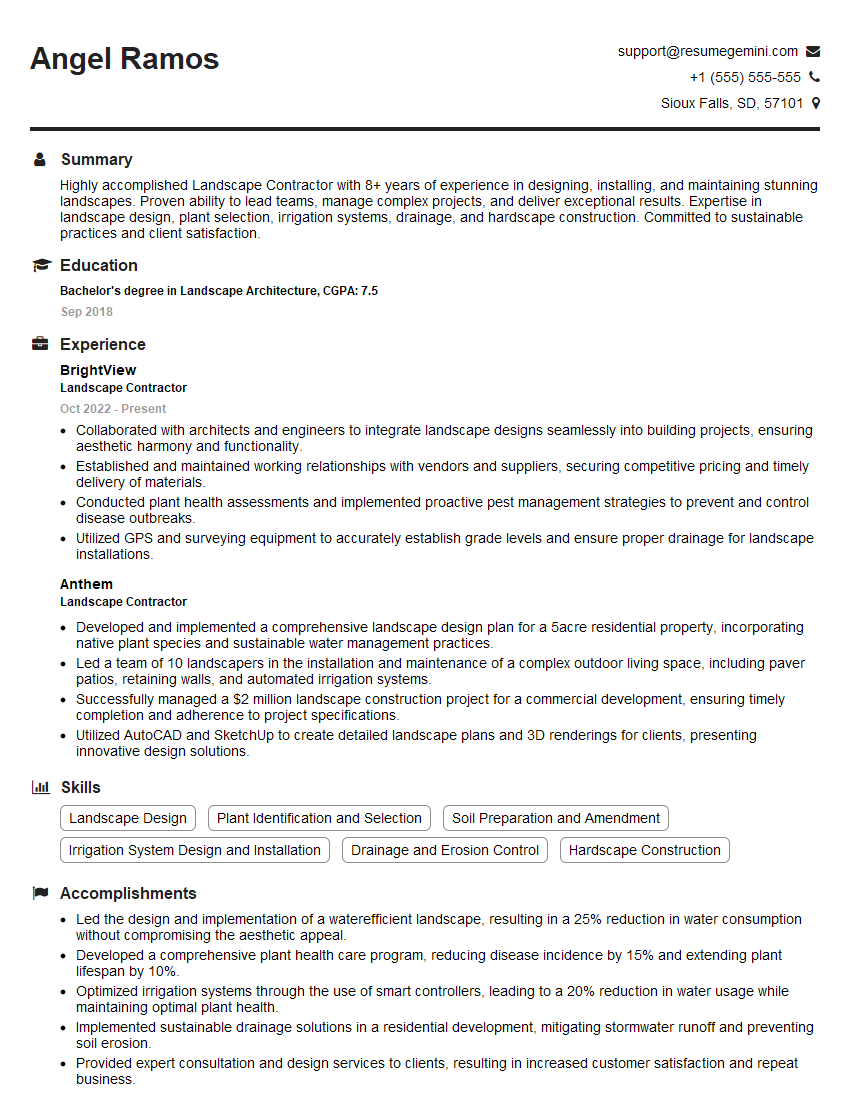
Landscape Contractor Resume Sample
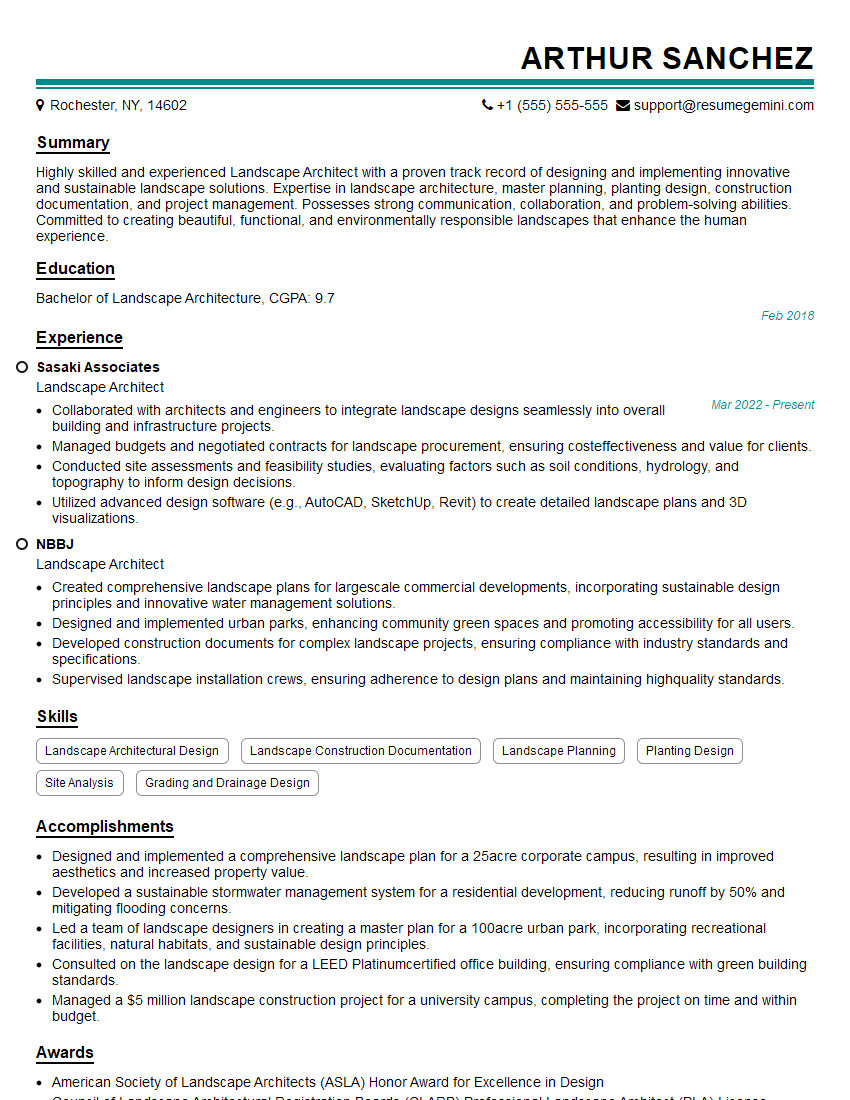
Landscape Architect Resume Sample
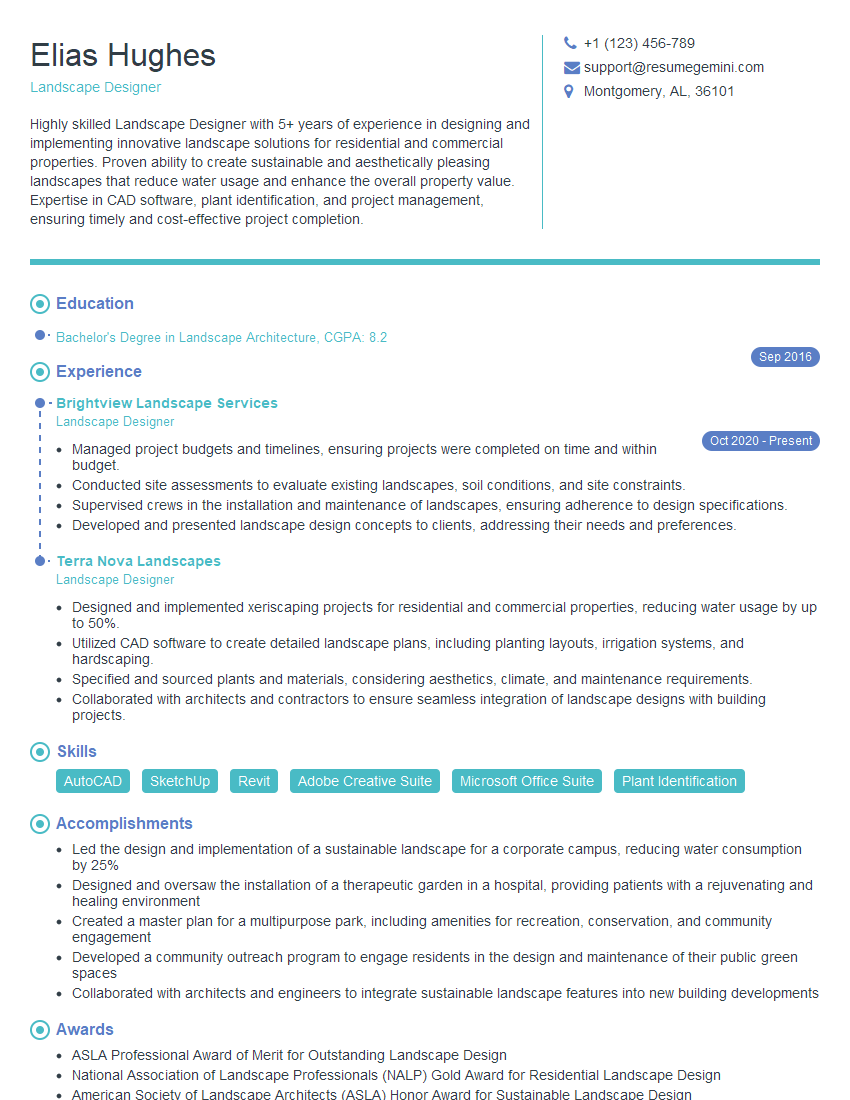
Landscape Designer Resume Sample

Arborist Resume Sample
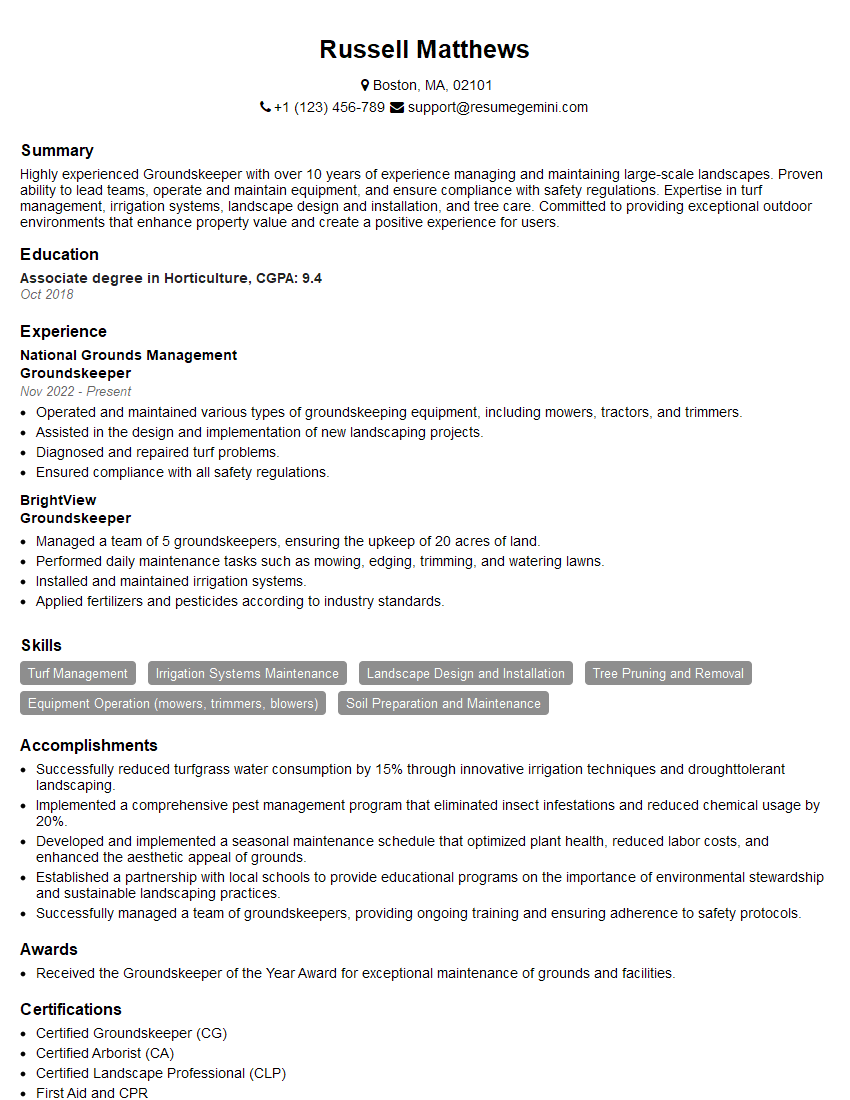
Groundskeeper Resume Sample
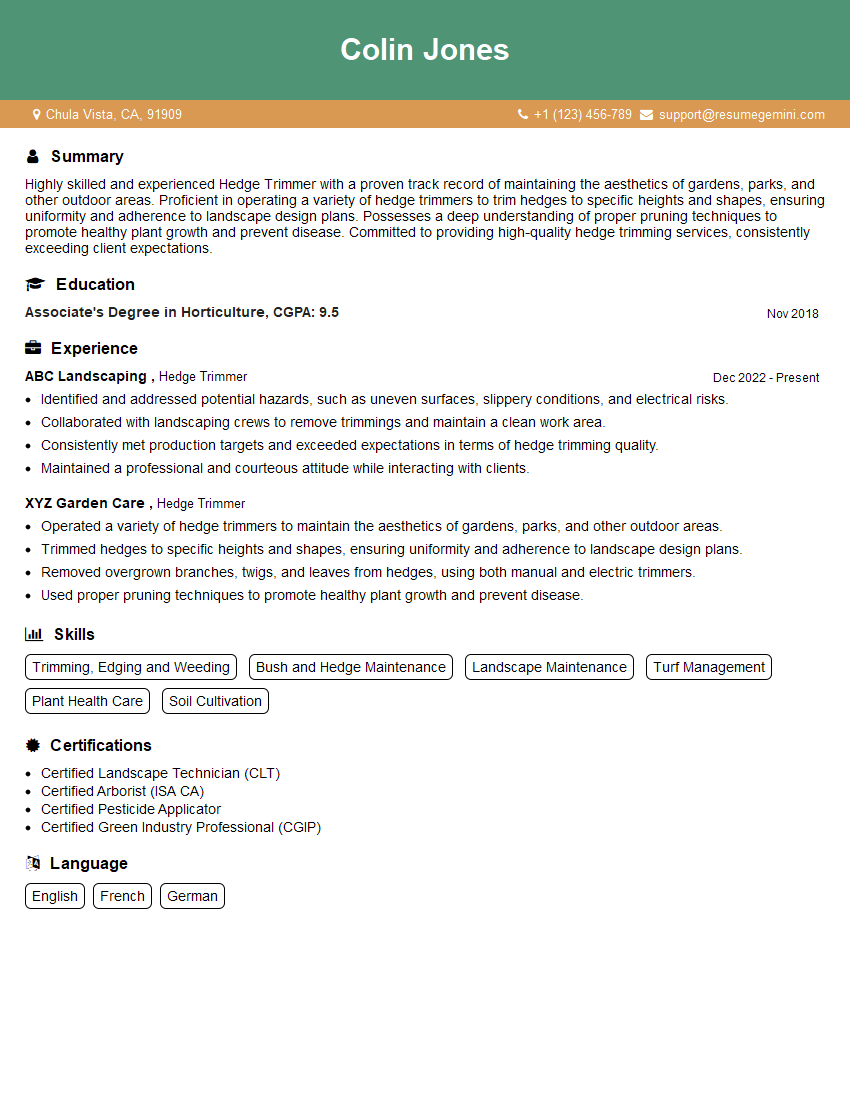
Hedge Trimmer Resume Sample
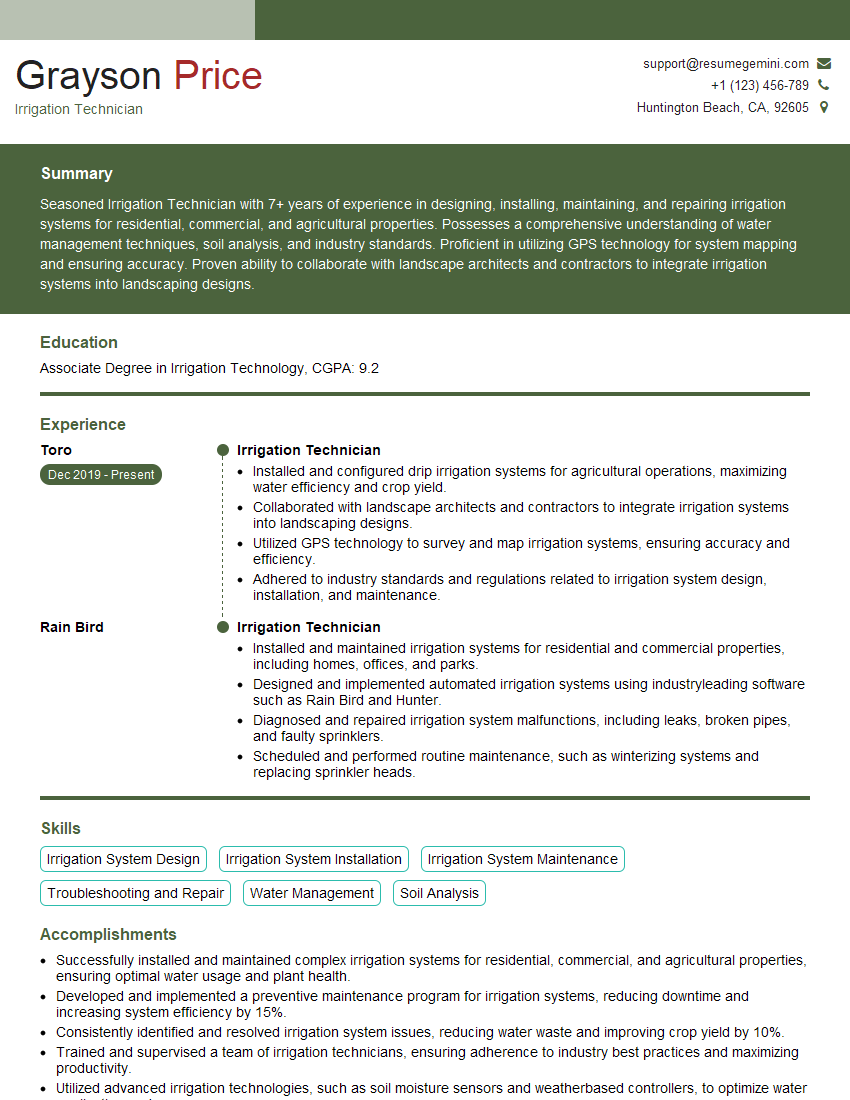
Irrigation Technician Resume Sample
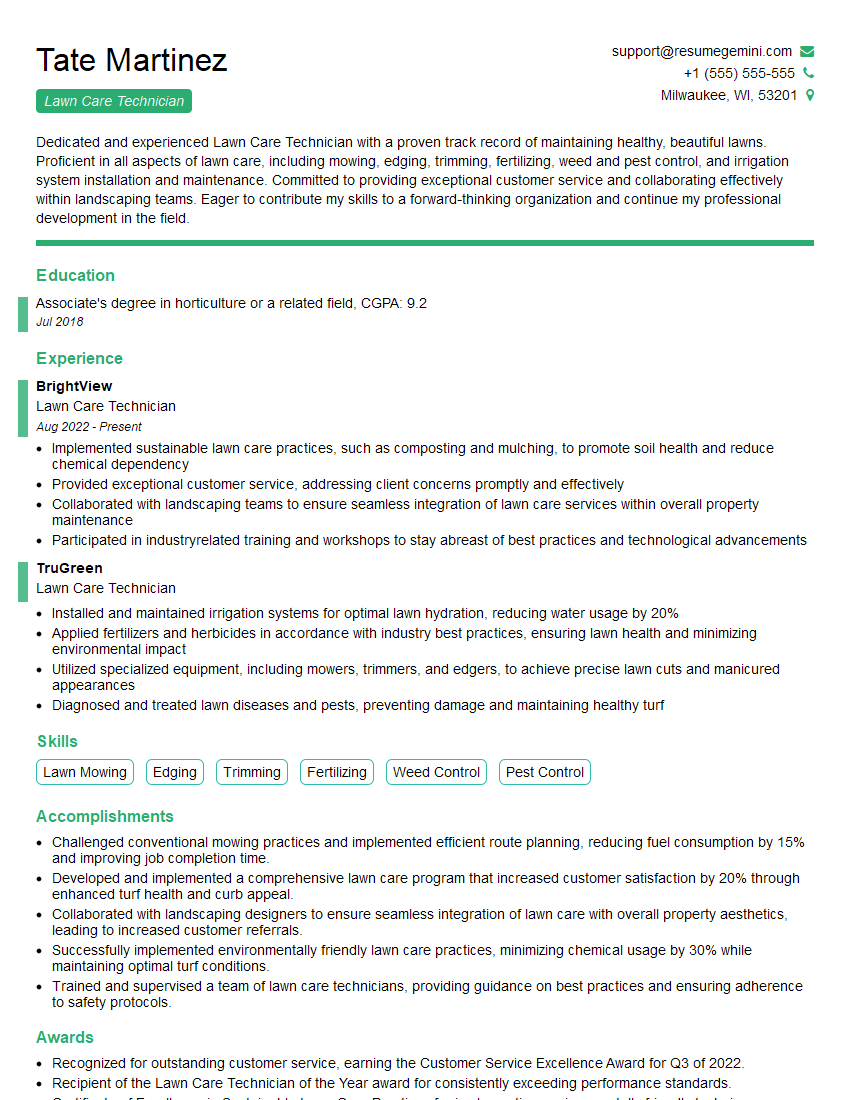
Lawn Care Technician Resume Sample
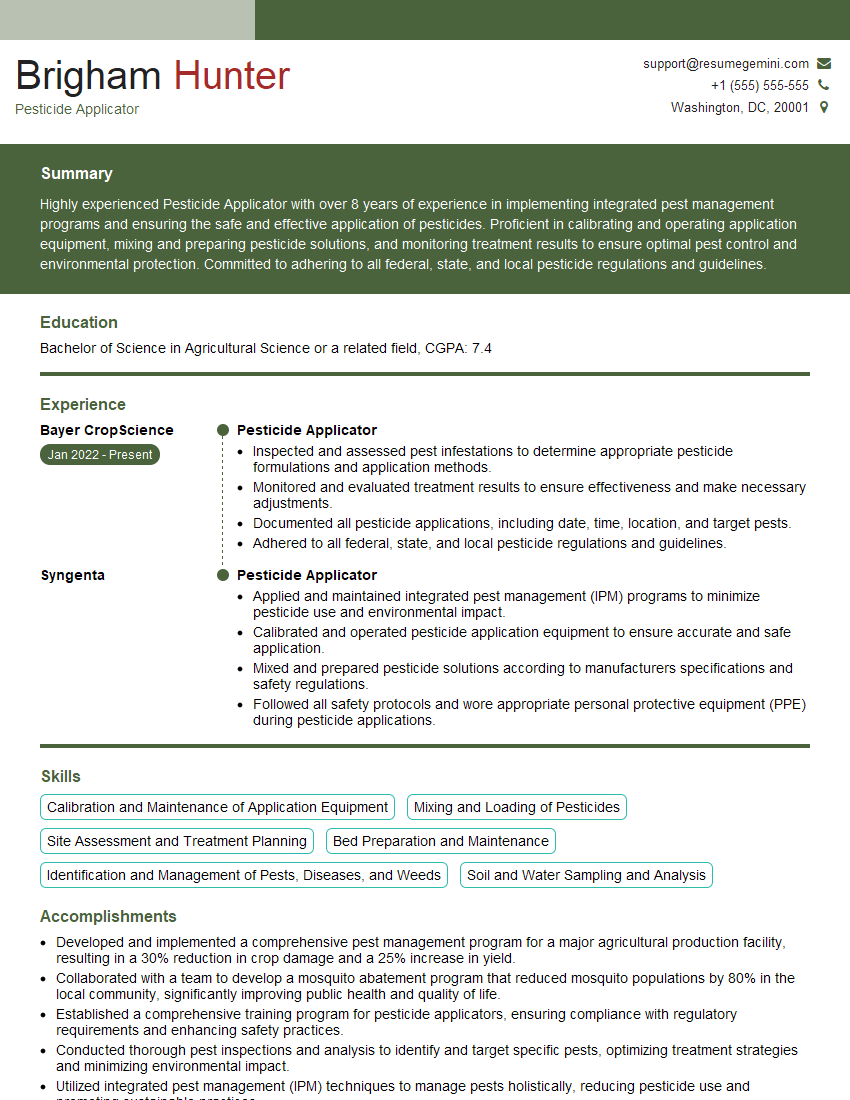
Pesticide Applicator Resume Sample
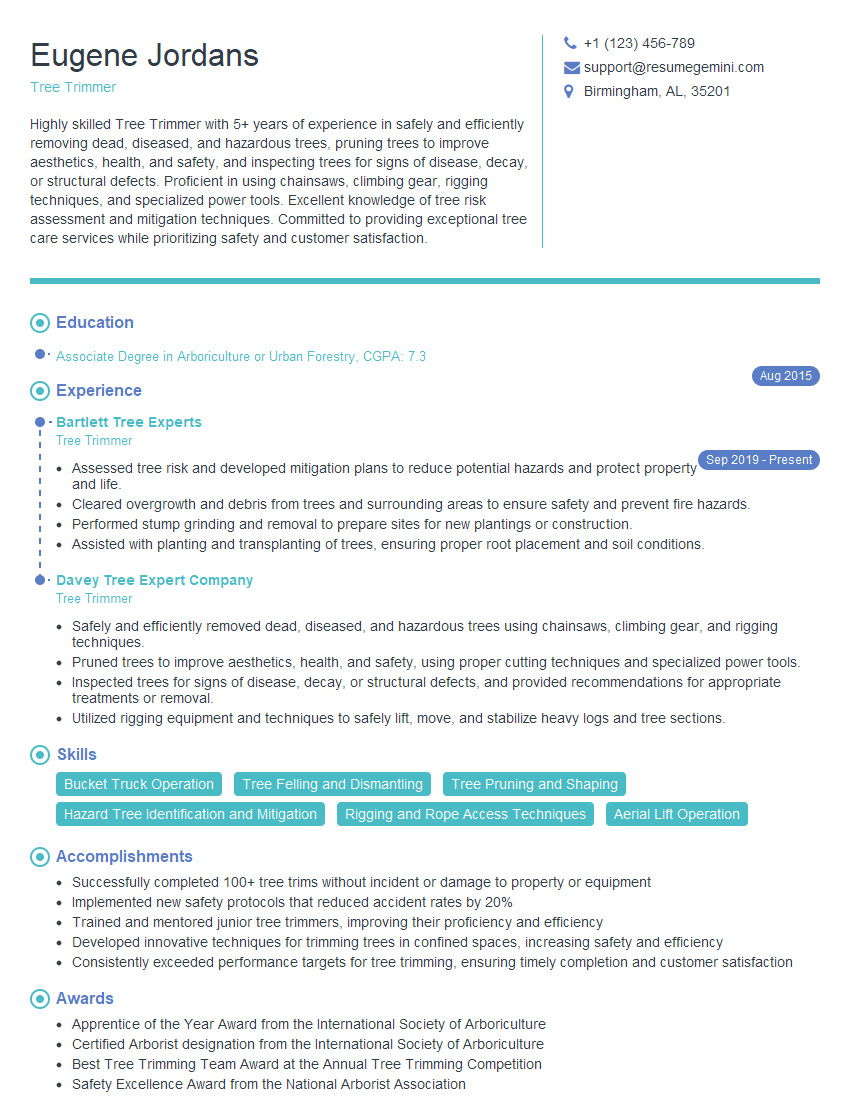
Tree Trimmer Resume Sample
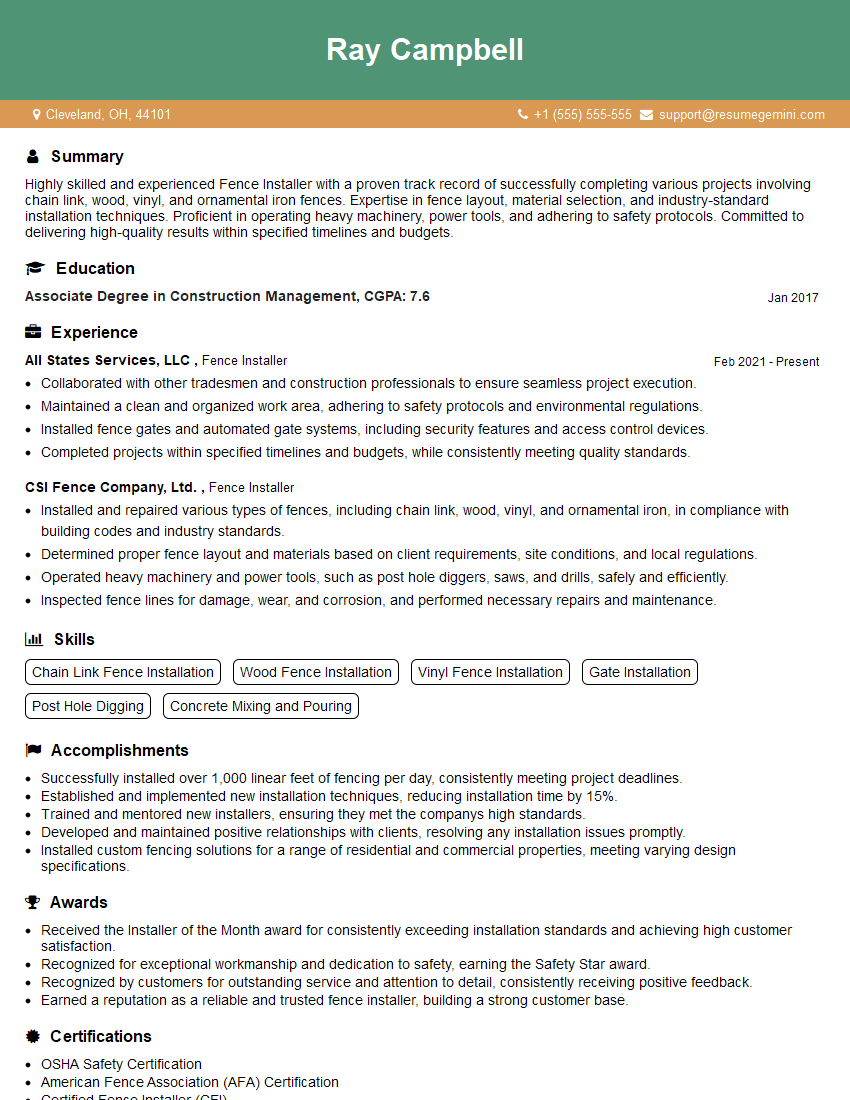
Fence Installer Resume Sample
Explore more articles
Users Rating of Our Blogs
Share Your Experience
We value your feedback! Please rate our content and share your thoughts (optional).
What Readers Say About Our Blog
Very informative content, great job.
good