Feeling uncertain about what to expect in your upcoming interview? We’ve got you covered! This blog highlights the most important Fertilization and Watering interview questions and provides actionable advice to help you stand out as the ideal candidate. Let’s pave the way for your success.
Questions Asked in Fertilization and Watering Interview
Q 1. Explain the different types of irrigation systems and their suitability for various plant types.
Irrigation systems deliver water to plants, and the best choice depends heavily on the plant type, available resources, and the scale of the operation. Here are a few common types:
- Drip Irrigation: Delivers water directly to the plant roots through a network of tubes and emitters. This is highly efficient, minimizing water waste and ideal for plants with shallow root systems like strawberries or vegetables. It’s also excellent for orchards and vineyards.
- Sprinkler Irrigation: Uses sprinklers to distribute water over a larger area. This is suitable for larger fields or lawns but can be less efficient due to evaporation and runoff. It works well for plants with more extensive root systems like grasses or certain shrubs.
- Flood Irrigation: Floods the entire field with water. This is the least efficient method, prone to significant water loss and not suitable for plants sensitive to excessive moisture or those with shallow roots. It’s mostly used in large-scale rice paddies or other specific situations.
- Subsurface Irrigation: Water is applied beneath the soil surface, minimizing evaporation and improving water use efficiency. This method is suitable for various plants but requires careful installation and management to avoid waterlogging.
Choosing the right system requires careful consideration of factors such as water availability, soil type, plant water requirements, topography, and budget.
Q 2. Describe the process of soil testing and how it informs fertilization strategies.
Soil testing is crucial for determining nutrient levels and pH, guiding fertilizer application. The process typically involves collecting representative soil samples from different areas of the field or garden. These samples are then sent to a laboratory for analysis. The lab report provides information on:
- pH: Indicates soil acidity or alkalinity, impacting nutrient availability. Ideal pH ranges vary by plant.
- Nutrient Levels: Provides concentrations of essential nutrients like nitrogen (N), phosphorus (P), and potassium (K), along with micronutrients. Low levels indicate the need for fertilization.
- Organic Matter: Indicates the amount of organic material present, crucial for soil structure and nutrient retention.
This data allows for a tailored fertilization plan, avoiding over-fertilization and ensuring efficient nutrient uptake by plants. For example, if soil tests reveal low phosphorus, a fertilizer high in phosphorus can be selected. Conversely, if nitrogen levels are high, reducing nitrogen application is recommended.
Q 3. What are the key factors to consider when selecting fertilizers for different crops or plants?
Selecting the right fertilizer depends on several key factors:
- Crop Needs: Different plants have different nutrient requirements. For example, leafy vegetables need more nitrogen for growth, while fruiting plants require more phosphorus and potassium for fruit development. A soil test helps determine these specific needs.
- Soil Test Results: As mentioned earlier, soil testing provides a baseline of existing nutrients, guiding fertilizer selection to address deficiencies.
- Fertilizer Type: Fertilizers come in various forms: organic (compost, manure), inorganic (synthetic), and slow-release. The choice depends on factors like cost, environmental concerns, and the specific needs of the plant.
- Nutrient Ratio: Fertilizers are labeled with an NPK ratio (e.g., 10-10-10), representing the percentage of nitrogen, phosphorus, and potassium. The ratio must align with the plant’s needs and soil test results.
- Application Method: The chosen application method (broadcasting, banding, fertigation) also affects fertilizer selection. For example, slow-release fertilizers are well-suited for broadcasting, while soluble fertilizers are ideal for fertigation.
For instance, a tomato plant needing more phosphorus and potassium might benefit from a fertilizer with a higher P and K ratio, like 5-10-10, compared to a lettuce plant which may need more nitrogen (e.g., 20-10-10).
Q 4. How do you calculate the appropriate amount of fertilizer to apply based on soil test results?
Calculating fertilizer application rates requires careful consideration of soil test results, fertilizer analysis, and the desired nutrient level. A common method involves using the following formula:
Amount of fertilizer (lbs/acre) = (lbs nutrient needed per acre) / (% nutrient in fertilizer)
For example, let’s say a soil test shows a need for 50 lbs of nitrogen per acre, and you are using a fertilizer with 20% nitrogen. The calculation would be:
Amount of fertilizer = 50 lbs / 0.20 = 250 lbs/acre
This means you would need to apply 250 lbs of the 20% nitrogen fertilizer per acre to meet the nitrogen requirement. Remember to always follow the fertilizer label instructions and local regulations. It’s always best to work with an agricultural consultant for accurate calculation in complex situations.
Q 5. Explain the concept of nutrient deficiencies and their symptoms in plants.
Nutrient deficiencies occur when plants lack essential nutrients, impacting growth and development. Symptoms vary depending on the deficient nutrient:
- Nitrogen (N): Stunted growth, yellowing of older leaves (chlorosis), and reduced yield.
- Phosphorus (P): Dark green or purplish leaves, stunted growth, delayed maturity, and poor root development.
- Potassium (K): Yellowing and browning of leaf margins, leaf curling, and reduced disease resistance.
- Magnesium (Mg): Interveinal chlorosis (yellowing between leaf veins), leaf curling.
- Iron (Fe): Interveinal chlorosis, particularly in young leaves.
Identifying these visual symptoms allows for corrective measures, such as applying fertilizers containing the deficient nutrient. For instance, if you see interveinal chlorosis, it may indicate an iron deficiency, prompting the application of an iron supplement.
Q 6. Describe various methods for applying fertilizers (e.g., broadcasting, banding, fertigation).
Several methods exist for applying fertilizers, each with its advantages and disadvantages:
- Broadcasting: Spreading fertilizer evenly over the soil surface. This is simple and suitable for slow-release fertilizers but may lead to nutrient loss through runoff or leaching.
- Banding: Placing fertilizer in bands alongside or below the seed or plant. This concentrates nutrients near the roots, improving efficiency but requiring specialized equipment.
- Fertigation: Injecting liquid fertilizers into the irrigation system. This method provides precise nutrient application, consistent delivery, and improved uptake, ideal for hydroponics or soilless culture.
- Foliar Application: Spraying fertilizers directly onto the leaves. This is a quick way to address immediate nutrient deficiencies, particularly micronutrients, but efficacy can depend on weather conditions.
The best method depends on the specific situation, considering factors like fertilizer type, plant type, soil conditions, and available equipment. For example, broadcasting is suited for large areas, while fertigation is ideal for precise nutrient management in controlled environments.
Q 7. What are the potential environmental impacts of over-fertilization?
Over-fertilization poses significant environmental risks:
- Water Pollution: Excess nutrients, particularly nitrogen and phosphorus, leach into groundwater and surface water, causing eutrophication (algae blooms) which depletes oxygen levels, harming aquatic life.
- Soil Degradation: High salt concentrations from fertilizers can damage soil structure, reducing water infiltration and aeration.
- Greenhouse Gas Emissions: Certain fertilizers release nitrous oxide (N2O), a potent greenhouse gas contributing to climate change.
- Air Pollution: Ammonia volatilization from fertilizers can contribute to air pollution and respiratory problems.
Sustainable fertilization practices, including soil testing, precise application, and the use of efficient fertilizer types, are crucial to mitigate these environmental impacts. Practicing responsible fertilizer management protects both the environment and long-term agricultural productivity.
Q 8. How can you prevent fertilizer runoff and protect water quality?
Preventing fertilizer runoff is crucial for protecting water quality and the environment. Runoff occurs when excess fertilizer isn’t absorbed by the soil and is carried away by rainwater or irrigation water into nearby waterways. This leads to eutrophication, harming aquatic life and ecosystems. Several strategies can mitigate this.
Proper Fertilizer Application: Apply fertilizers at the recommended rate and time. Avoid over-fertilizing, which is a common cause of runoff. Use slow-release fertilizers, which release nutrients gradually, reducing the risk of leaching.
Soil Testing: Before applying fertilizer, conduct a soil test to determine the nutrient levels. This allows for precise fertilization, avoiding unnecessary application.
Appropriate Irrigation Techniques: Drip irrigation or subsurface irrigation minimizes water and fertilizer runoff compared to flood irrigation. These methods deliver water and nutrients directly to the plant roots, reducing losses.
Buffer Strips: Planting vegetation along the edges of fields acts as a buffer, trapping sediment and nutrients before they reach water bodies.
Cover Crops: Planting cover crops between main crops helps to improve soil health, increase water infiltration, and reduce nutrient runoff.
Precision Agriculture Techniques: Utilizing technologies like GPS-guided applicators for fertilizer distribution allows for targeted application, minimizing waste and runoff.
For example, imagine a farmer using flood irrigation and applying excessive nitrogen fertilizer. Much of this fertilizer would likely wash away into a nearby stream, causing algal blooms and potentially harming fish populations. By switching to drip irrigation and using soil testing to guide fertilizer application, the farmer significantly reduces the risk of runoff and protects the water quality.
Q 9. Explain the importance of water quality for irrigation.
Water quality is paramount for irrigation because the water’s composition directly impacts plant health and soil conditions. Poor water quality can hinder plant growth, damage soil structure, and even contaminate crops. Key aspects include:
Salinity: High salinity (salt content) can damage plant roots and impede nutrient uptake, leading to stunted growth and reduced yields. This is a major issue in arid and semi-arid regions.
pH: The water’s pH level affects nutrient availability. Extreme pH levels (too acidic or alkaline) can limit the uptake of essential nutrients, impacting plant health.
Nutrient Content: Excessive levels of certain nutrients can lead to imbalances, harming plant growth. Conversely, insufficient essential nutrients in the water reduce plant vigor.
Turbidity: High turbidity (cloudiness) can clog irrigation systems, reducing efficiency and potentially introducing pathogens.
Contaminants: The presence of heavy metals, pesticides, or other harmful substances can be detrimental to plant health and ultimately contaminate the food supply.
Think of it like this: you wouldn’t water your houseplants with salty water – it would harm them. Similarly, using poor-quality irrigation water can have devastating effects on crops and soil in the long run. Regular water quality testing is essential for effective irrigation management.
Q 10. What are the different types of water sources used for irrigation?
Various water sources are utilized for irrigation, each with its own advantages and disadvantages:
Surface Water: Rivers, lakes, and reservoirs are common sources, offering large volumes of water. However, these can be subject to seasonal variations, water quality issues, and potential competition for water resources.
Groundwater: Wells tap into underground aquifers, providing a relatively reliable source. However, over-extraction can lead to groundwater depletion and land subsidence. Water quality can also be an issue, with high salinity or mineral content in some areas.
Rainwater Harvesting: Collecting rainwater through cisterns or ponds is an environmentally friendly approach. It reduces reliance on other water sources and can provide high-quality water. However, it’s dependent on rainfall patterns and requires storage capacity.
Treated Wastewater (Reclaimed Water): After appropriate treatment, wastewater can be a sustainable irrigation source. This reduces pressure on freshwater resources. However, careful monitoring and treatment are essential to ensure the water is safe for irrigation and doesn’t contaminate crops.
Desalinated Water: In coastal regions, desalination plants remove salt from seawater, providing a reliable source of freshwater. However, it’s an energy-intensive process with high costs.
The choice of water source depends on factors like availability, cost, water quality, and environmental impact. A comprehensive water resource assessment is crucial before deciding on an irrigation strategy.
Q 11. How do you determine the appropriate irrigation scheduling for different plants and climates?
Determining appropriate irrigation scheduling involves considering several factors to ensure efficient water use and optimal plant growth. It’s not a one-size-fits-all solution.
Plant Type: Different plants have varying water requirements. For example, drought-tolerant plants need less frequent watering than water-intensive crops.
Soil Type: Sandy soils drain quickly, requiring more frequent irrigation than clay soils, which retain water longer.
Climate: Temperature, humidity, wind, and rainfall significantly influence evapotranspiration (water loss from plants and soil) and irrigation needs. Hot, windy conditions require more frequent watering.
Plant Stage: Water requirements change throughout a plant’s life cycle. Young seedlings generally need more frequent, lighter watering than mature plants.
Soil Moisture Monitoring: Regular monitoring of soil moisture levels using tools like soil moisture sensors or the ‘feel’ method provides valuable insights for scheduling.
One practical approach is to use a combination of weather data, soil characteristics, and plant water requirements to create an irrigation schedule. This could involve using a scheduling program or developing a calendar based on historical data. Regularly assessing soil moisture and adjusting the schedule as needed is essential to avoid both under-watering and over-watering.
Q 12. Describe the principles of drip irrigation and its advantages and disadvantages.
Drip irrigation is a micro-irrigation method that delivers water directly to plant roots through a network of tubes and emitters. This highly efficient system minimizes water waste and maximizes water use efficiency.
Principles: Water is released slowly and precisely at the base of plants, allowing for controlled moisture application. This reduces evaporation and runoff significantly.
Advantages:
- High water use efficiency
- Reduced weed growth due to targeted watering
- Improved nutrient application through fertigation (adding fertilizers to irrigation water)
- Suitable for various terrains and crops
- Reduced labor costs compared to other methods
Disadvantages:
- Higher initial investment costs compared to simpler methods like flood irrigation
- Potential for clogging of emitters, especially with poor water quality
- Requires careful maintenance and regular cleaning
- May not be suitable for all terrains (e.g., extremely rocky areas)
For example, a vineyard owner might choose drip irrigation to precisely control water and fertilizer application to each vine, ensuring optimal fruit production while minimizing water waste. However, they would need to budget for the initial investment and plan for regular system maintenance.
Q 13. Explain the concept of evapotranspiration and its role in irrigation management.
Evapotranspiration (ET) is the combined process of evaporation from the soil surface and transpiration from plants. It represents the total water loss from a plant-soil system to the atmosphere. Understanding ET is crucial for effective irrigation management because it helps determine the amount of water needed to replenish soil moisture and maintain plant health.
Several factors influence ET, including:
- Temperature
- Humidity
- Wind speed
- Solar radiation
- Plant type and density
- Soil type and moisture content
Irrigation scheduling often involves estimating or measuring ET and supplying enough water to compensate for this loss. Various methods exist for estimating ET, including weather-based models and on-site measurements using evapotranspiration pans or sensors. Accurately estimating ET enables irrigators to apply the precise amount of water needed, avoiding over-irrigation and water waste.
For instance, if ET is high due to hot, sunny, and windy conditions, a farmer would need to irrigate more frequently or apply more water per irrigation event to keep up with water loss from the crop.
Q 14. How do you monitor soil moisture levels and adjust irrigation accordingly?
Monitoring soil moisture levels is key to optimizing irrigation scheduling and preventing both under-watering and over-watering. Several methods exist for monitoring soil moisture:
Soil Moisture Sensors: These devices measure the volumetric water content of the soil directly. They provide accurate, real-time data that can be used to trigger irrigation automatically or to inform irrigation scheduling decisions.
Tensiometers: These instruments measure the soil water tension, reflecting the soil’s water availability. They are useful for assessing the availability of water to plants.
Neutron Probes: These probes measure the amount of water in the soil using neutron scattering. They provide readings across a larger soil volume.
The ‘Feel’ Method: This involves manually checking the soil moisture by feeling the soil in your hand. While less precise, it can give a quick assessment in the absence of more sophisticated tools. A good rule of thumb is to irrigate when the top inch of soil is dry.
Once soil moisture levels are monitored, irrigation is adjusted accordingly. If the sensor data indicates a lower than optimal moisture level, irrigation is initiated. Similarly, if soil moisture is already sufficient, irrigation is delayed. This adaptive approach ensures efficient water use and optimal plant growth. For instance, a grower using soil moisture sensors might adjust an automated irrigation system based on real-time soil moisture data, optimizing watering frequency and duration.
Q 15. What are the signs of overwatering and underwatering in plants?
Recognizing overwatering and underwatering is crucial for plant health. Think of it like Goldilocks and the Three Bears – you need the water ‘just right’.
Overwatering: Plants suffering from overwatering often exhibit yellowing lower leaves, which may become mushy or brown. The soil remains soggy, even days after watering, and you might see a lack of new growth. Roots become deprived of oxygen in waterlogged soil, leading to root rot, a fatal condition. You may even notice a foul odor emanating from the soil.
Underwatering: On the other hand, underwatered plants show signs of wilting, especially during the warmest parts of the day. The soil will be dry to the touch, even several inches below the surface. Leaves may curl or droop and their edges might turn brown and crisp. Growth will be stunted, and the plant may look generally stressed.
Example: Imagine a tomato plant. If overwatered, its lower leaves will yellow and the plant might succumb to fungal diseases. If underwatered, the leaves will wilt dramatically, and the fruits will be small and less flavorful.
Career Expert Tips:
- Ace those interviews! Prepare effectively by reviewing the Top 50 Most Common Interview Questions on ResumeGemini.
- Navigate your job search with confidence! Explore a wide range of Career Tips on ResumeGemini. Learn about common challenges and recommendations to overcome them.
- Craft the perfect resume! Master the Art of Resume Writing with ResumeGemini’s guide. Showcase your unique qualifications and achievements effectively.
- Don’t miss out on holiday savings! Build your dream resume with ResumeGemini’s ATS optimized templates.
Q 16. What are the benefits and drawbacks of using organic versus synthetic fertilizers?
The choice between organic and synthetic fertilizers hinges on your priorities and gardening philosophy. Both offer nutrients plants need, but they differ significantly in their composition, impact, and environmental footprint.
Organic Fertilizers: These are derived from natural sources like compost, manure, or bone meal. They release nutrients slowly, providing a sustained feed for plants. This gradual release minimizes the risk of nutrient burn. They improve soil structure, enhancing water retention and aeration. However, they are often less potent than synthetics, requiring larger application amounts, and their nutrient content can vary. They can also introduce weed seeds or pathogens if not properly composted.
Synthetic Fertilizers: These are manufactured from inorganic chemicals, precisely formulated for specific nutrient ratios (e.g., NPK – Nitrogen, Phosphorus, Potassium). They offer a rapid and concentrated source of nutrients, leading to quicker plant growth. Application is easier, and they are generally cheaper per unit of nutrient. However, they can burn plants if not applied carefully, their overuse can disrupt soil ecology, and they often lack the soil-improving properties of organic fertilizers. Furthermore, runoff can contribute to water pollution.
Example: For a fast-growing lettuce crop, a synthetic fertilizer might be preferred for its rapid effect. For long-term soil health and a more sustainable approach in a vegetable garden, organic fertilizers are often favored.
Q 17. Describe the role of micronutrients in plant nutrition.
Micronutrients, unlike macronutrients (nitrogen, phosphorus, potassium), are needed in smaller quantities, but they are equally essential for plant health. These trace elements play vital roles in various metabolic processes, enzyme functions, and overall plant development. A deficiency, even in small amounts, can have significant consequences.
Key Micronutrients and their roles:
- Iron (Fe): Crucial for chlorophyll production (photosynthesis).
- Manganese (Mn): Involved in photosynthesis and enzyme activation.
- Zinc (Zn): Important for enzyme function and auxin (plant hormone) synthesis.
- Copper (Cu): Plays a role in photosynthesis and enzyme activity.
- Boron (B): Essential for cell wall formation and sugar transport.
- Molybdenum (Mo): Needed for nitrogen metabolism.
- Chlorine (Cl): Involved in photosynthesis and stomatal regulation.
Deficiency Symptoms: Micronutrient deficiencies often manifest as interveinal chlorosis (yellowing between leaf veins), stunted growth, or unusual leaf coloration. The specific symptoms vary depending on the deficient nutrient.
Example: Iron deficiency often leads to yellowing between the veins of young leaves, especially in alkaline soils.
Q 18. How do you troubleshoot common irrigation system problems?
Troubleshooting irrigation problems requires a systematic approach. Start by identifying the problem – is there insufficient water, uneven distribution, or total system failure?
Step-by-Step Troubleshooting:
- Check Water Source: Ensure adequate water pressure and flow from the main source (well, municipal supply, etc.).
- Inspect Valves and Pipes: Look for leaks, blockages, or damaged sections of pipes and valves. Repair or replace as needed.
- Examine Emitters/Nozzles: Check for clogs, wear, or misalignment of emitters (drip irrigation) or nozzles (sprinkler irrigation). Clean or replace as needed. Low pressure might also indicate a clogged filter.
- Test Pressure: Use a pressure gauge to measure the water pressure at different points in the system. Low pressure suggests leaks or restrictions.
- Check Pump (if applicable): If using a pump, ensure it’s functioning correctly and providing sufficient pressure. Check for priming issues or low power.
- Inspect Timer/Controller: Verify the timer or controller is programmed correctly and functioning properly. Ensure the correct zones are activated at the appropriate times.
- Examine Soil Conditions: Poor drainage can lead to issues. Improve soil drainage if necessary.
Example: If only part of a field is receiving water, a clogged valve or emitter in the affected zone is a likely culprit.
Q 19. What are the safety precautions to consider when handling fertilizers and pesticides?
Handling fertilizers and pesticides demands strict adherence to safety protocols to protect both your health and the environment. Always refer to the product label for specific instructions.
Key Precautions:
- Wear Protective Gear: Always wear gloves, eye protection, and a respirator when handling these materials. Long sleeves and pants are also recommended.
- Proper Mixing and Application: Mix fertilizers and pesticides according to label instructions. Avoid spills and use appropriate application equipment.
- Storage: Store fertilizers and pesticides in their original containers, in a cool, dry, and secure location, out of reach of children and pets. Never store them near food or water sources.
- Disposal: Dispose of empty containers and leftover materials responsibly, following local regulations. Do not pour them down the drain or into the trash unless instructed to do so.
- First Aid: Be prepared for emergencies. Know where to find the safety data sheets (SDS) for the products you’re using and have a first-aid kit readily available.
- Environmental Protection: Apply fertilizers and pesticides strategically to minimize drift and runoff. Avoid spraying during windy conditions or when it’s likely to rain.
Example: If fertilizer spills, immediately contain the spill with an absorbent material. Avoid contact with skin and follow the manufacturer’s instructions for cleanup.
Q 20. Explain the principles of precision irrigation and its benefits.
Precision irrigation utilizes technology to deliver the precise amount of water needed by plants, at the precise time and location. This contrasts with traditional irrigation methods which often involve broad applications, leading to water waste and potential environmental damage.
Principles:
- Soil Moisture Sensors: Sensors monitor soil moisture levels, providing real-time data to control irrigation systems.
- Variable Rate Irrigation: Water application rates are adjusted based on plant needs and soil conditions, delivering more water to areas requiring it and less to areas that are already adequately hydrated.
- GPS and GIS Technology: Mapping tools create precise irrigation schedules based on field characteristics and plant requirements.
- Weather Data Integration: Irrigation schedules are optimized using real-time weather information (temperature, rainfall) to minimize water usage.
Benefits:
- Water Conservation: Significantly reduces water consumption.
- Improved Crop Yields: Provides optimal hydration leading to healthier and more productive plants.
- Reduced Fertilizer Runoff: Precise water application minimizes fertilizer leaching.
- Environmental Protection: Less water and fertilizer usage reduces environmental impact.
- Cost Savings: Efficient water usage translates to reduced operational costs.
Example: A vineyard using a precision irrigation system with soil moisture sensors can tailor water application to each individual vine based on its needs and location within the vineyard, optimizing both water use and grape yield.
Q 21. How do you maintain irrigation equipment to ensure optimal performance?
Regular maintenance of irrigation equipment is vital for ensuring optimal performance, extending its lifespan, and preventing costly repairs. A well-maintained system also saves water and improves efficiency.
Maintenance Tasks:
- Regular Flushing: Flush the entire irrigation system periodically to remove sediment and debris that can clog pipes and emitters.
- Inspect Pipes and Fittings: Check for leaks, cracks, or loose connections. Repair or replace any damaged components.
- Clean Emitters/Nozzles: Inspect and clean emitters or nozzles regularly to ensure proper water distribution. Replace worn-out components.
- Check Valves: Verify that valves open and close correctly. Lubricate as needed.
- Filter Maintenance: Regularly clean or replace filters to prevent debris from entering the system.
- Pump Maintenance (if applicable): Follow manufacturer’s recommendations for pump maintenance, including lubrication and inspections.
- Winterization (in cold climates): Properly winterize the system to protect against freezing temperatures.
- Timer/Controller Check: Regularly check the timer/controller programming to ensure it’s delivering water at the correct times and to the correct zones.
Example: A monthly inspection of the entire irrigation system, including cleaning the filters and checking for leaks, is a good practice for maintaining its efficiency and prolonging its lifespan.
Q 22. Describe different methods of water conservation in irrigation.
Water conservation in irrigation is crucial for sustainable agriculture and responsible water management. It involves implementing strategies to deliver the right amount of water to plants at the right time, minimizing waste. This can be achieved through various methods:
- Drip Irrigation: Delivers water directly to the plant roots through a network of tubes and emitters, minimizing evaporation and runoff. Think of it like giving plants a sip of water directly at their roots, rather than flooding the entire area.
- Micro-sprinklers: These emitters deliver water in a small radius, offering a more targeted approach than traditional sprinklers. It’s like using a fine mist rather than a showerhead.
- Soaker Hoses: These porous hoses deliver water slowly and directly to the root zone, reducing evaporation and minimizing water loss.
- Mulching: Applying mulch (organic material like straw or wood chips) around plants helps retain soil moisture by reducing evaporation. It’s like creating a blanket to keep the soil cool and moist.
- Water Harvesting: Collecting rainwater for later use in irrigation significantly reduces reliance on municipal water supplies.
- Soil Moisture Sensors: These technologies monitor soil moisture levels, allowing for precise irrigation scheduling, avoiding overwatering or underwatering. They are like giving you a heads-up before the plant needs water.
- Improved Irrigation Scheduling: Using data-driven approaches and weather information to optimize irrigation timing and frequency minimizes water waste. This is all about being smart about when and how much you water, not just how often.
For example, in a large vineyard, implementing drip irrigation significantly reduces water consumption compared to flood irrigation, resulting in cost savings and a reduced environmental impact.
Q 23. How do you adapt irrigation strategies based on weather conditions?
Adapting irrigation strategies based on weather conditions is paramount for efficient water use and optimal plant growth. Factors like temperature, humidity, wind speed, rainfall, and solar radiation all impact evapotranspiration (water loss from plants and soil).
Here’s how we adapt:
- Increased Temperatures & Wind: Higher temperatures and strong winds increase evapotranspiration, necessitating more frequent and/or longer irrigation cycles. We might switch to a more frequent watering schedule and potentially increase the water quantity slightly.
- High Humidity: High humidity can reduce evapotranspiration, so irrigation frequency might be reduced. We might even skip a day depending on soil moisture levels.
- Rainfall: Rainfall significantly impacts irrigation needs. We would adjust our irrigation schedule to compensate for the water received. Sometimes we may skip irrigating entirely.
- Soil Type: Different soil types retain water differently. Sandy soils require more frequent watering than clay soils. We factor this into our irrigation plan.
We often use weather data from local stations or weather forecasting services combined with soil moisture sensor readings to make accurate decisions. For example, if the forecast predicts a significant rainfall event, we may delay or completely cancel scheduled irrigation to avoid overwatering.
Q 24. What are the common pests and diseases related to overwatering or improper fertilization?
Overwatering and improper fertilization are significant contributors to various plant pests and diseases. Excess moisture creates ideal conditions for fungal growth and attracts pests.
- Root Rot: Caused by fungal pathogens thriving in waterlogged soil, leading to root decay and plant death. The plants may wilt despite having access to water.
- Pythium and Phytophthora: These soilborne pathogens cause various root and stem diseases, exacerbated by excessive moisture.
- Powdery Mildew: A fungal disease favored by humid conditions, resulting in a white powdery coating on leaves, hindering photosynthesis.
- Aphids and other insects: These pests are attracted to succulent, water-stressed plants, and over-fertilized plants can become weak and more susceptible to attacks.
- Nutrient Burn: Using excessive fertilizer salts can damage the roots and foliage, leaving plants vulnerable to other issues.
For instance, a tomato plant with overly lush, dark green foliage (a sign of excessive nitrogen) may be more susceptible to fungal diseases.
Q 25. How do you interpret data from soil moisture sensors and other irrigation monitoring technologies?
Soil moisture sensors and other irrigation monitoring technologies provide valuable data for precise irrigation management. These sensors measure volumetric water content (VWC) in the soil, providing a quantitative measure of soil moisture.
Interpretation involves:
- Calibration: Ensuring the sensors are accurately calibrated for the specific soil type is crucial for accurate readings.
- Threshold Setting: Defining appropriate trigger points for irrigation based on the plant’s water requirements and soil properties. For example, you might set a lower limit at 30% VWC, initiating irrigation when the sensor reading falls below this point.
- Data Analysis: Using data logging capabilities of the sensors, long-term trends can be analyzed to optimize irrigation schedules across various seasons.
- Integration with other systems: Many sensors can be integrated with irrigation controllers for automated irrigation based on the real-time data.
For example, I might use data from multiple sensors across a field to create a zone-specific irrigation schedule to account for variations in soil conditions. This method reduces water waste and provides plants with only the water they need.
Q 26. Explain the difference between fertigation and conventional fertilization methods.
Fertigation and conventional fertilization methods differ primarily in how nutrients are delivered to plants.
- Conventional Fertilization: Involves applying fertilizers directly to the soil surface, relying on the soil’s ability to dissolve and transport the nutrients to plant roots. Think of this as spreading fertilizer on the ground for the plant to take up.
- Fertigation: Involves injecting fertilizers directly into the irrigation water, allowing for a controlled and precise delivery of nutrients to the plant roots. This is like adding nutrients directly to the plant’s drink.
Advantages of fertigation include:
- Precision: Allows for accurate control over nutrient application, reducing waste.
- Efficiency: Nutrients are delivered directly to the root zone, improving uptake.
- Flexibility: Allows for easy adjustment of nutrient ratios to meet changing plant needs.
For example, using fertigation in a greenhouse allows for very precise control over nutrient delivery for optimal plant growth, reducing waste and environmental impact. Meanwhile, conventional fertilization in a large field may be easier to implement but leads to potential loss due to run-off and leaching.
Q 27. Describe your experience with different types of irrigation controllers.
My experience encompasses various types of irrigation controllers, ranging from simple, manually operated systems to sophisticated, computer-controlled systems.
- Time-clock controllers: These basic controllers use pre-programmed schedules to activate irrigation valves. They are suitable for simple applications but lack flexibility.
- Pressure-compensating controllers: These maintain consistent water flow rates across different zones, ensuring even distribution. Useful in uneven terrain.
- Smart controllers: These controllers integrate weather data, soil moisture sensor readings, and evapotranspiration estimates to optimize irrigation schedules. This approach delivers higher accuracy and efficiency.
- Wireless controllers: These offer remote monitoring and control capabilities, allowing adjustments to be made from anywhere with an internet connection. This is convenient for large or remote operations.
In my previous role, we used a weather-based smart controller that saved approximately 25% of our water consumption. The system automatically adjusts irrigation based on real-time weather data, which is efficient and environmentally friendly.
Key Topics to Learn for Fertilization and Watering Interview
- Nutrient Uptake and Plant Physiology: Understanding how plants absorb nutrients and the factors influencing this process (e.g., soil pH, root health).
- Types of Fertilizers: Knowledge of different fertilizer types (organic, inorganic, slow-release), their composition, and appropriate application methods for various plants and soil conditions.
- Fertilizer Calculations and Application Techniques: Mastering the ability to calculate fertilizer ratios and apply them correctly to achieve optimal plant growth, avoiding over- or under-fertilization.
- Soil Testing and Interpretation: Understanding the importance of soil testing to determine nutrient deficiencies and adjust fertilization strategies accordingly. Interpreting soil test results and developing tailored fertilization plans.
- Irrigation Methods and Water Management: Familiarity with various irrigation techniques (drip, sprinkler, flood) and their suitability for different environments and plant types. Understanding water conservation strategies and efficient water use practices.
- Water Quality and its Impact on Plants: Knowledge of the effects of water salinity, pH, and other parameters on plant health and nutrient uptake. Methods for improving water quality for irrigation.
- Pest and Disease Management in Relation to Fertilization and Watering: Understanding how fertilization and watering practices can impact plant susceptibility to pests and diseases. Implementing integrated pest management strategies.
- Troubleshooting Plant Nutrient Deficiencies and Water Stress: Diagnosing symptoms of nutrient deficiencies and water stress, and implementing corrective measures to restore plant health.
- Sustainable Fertilization and Irrigation Practices: Understanding environmentally friendly approaches to fertilization and irrigation, minimizing waste and negative environmental impacts.
- Record Keeping and Data Analysis: Maintaining detailed records of fertilization and watering schedules, and analyzing data to optimize future practices and improve efficiency.
Next Steps
Mastering fertilization and watering techniques is crucial for career advancement in horticulture, agriculture, and related fields. A strong understanding of these principles demonstrates your practical skills and commitment to sustainable practices, making you a highly desirable candidate. To maximize your job prospects, it’s vital to create a professional, ATS-friendly resume that highlights your key skills and experience. ResumeGemini is a trusted resource that can help you build a compelling resume tailored to the specific requirements of Fertilization and Watering roles. Examples of resumes tailored to this field are provided to further assist you in crafting a winning application.
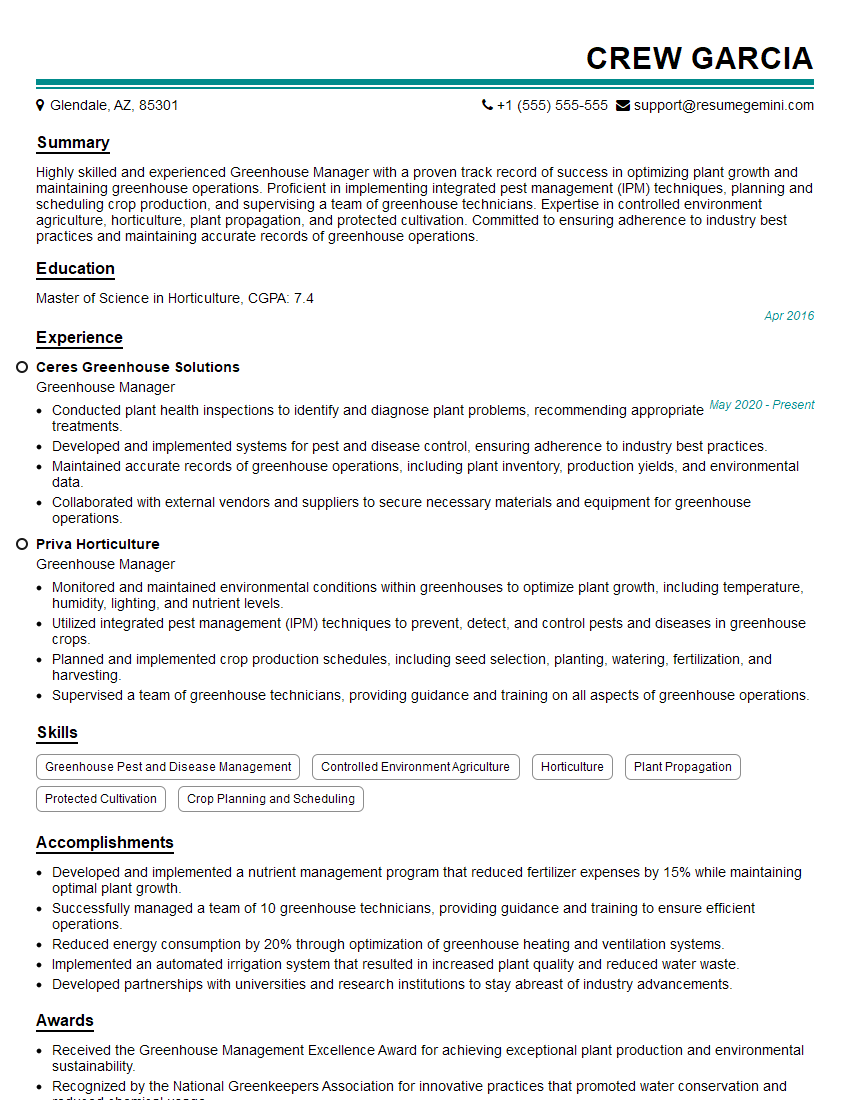
Greenhouse Manager Resume Sample

Nursery Manager Resume Sample

Water Resource Manager Resume Sample

Water Quality Technician Resume Sample
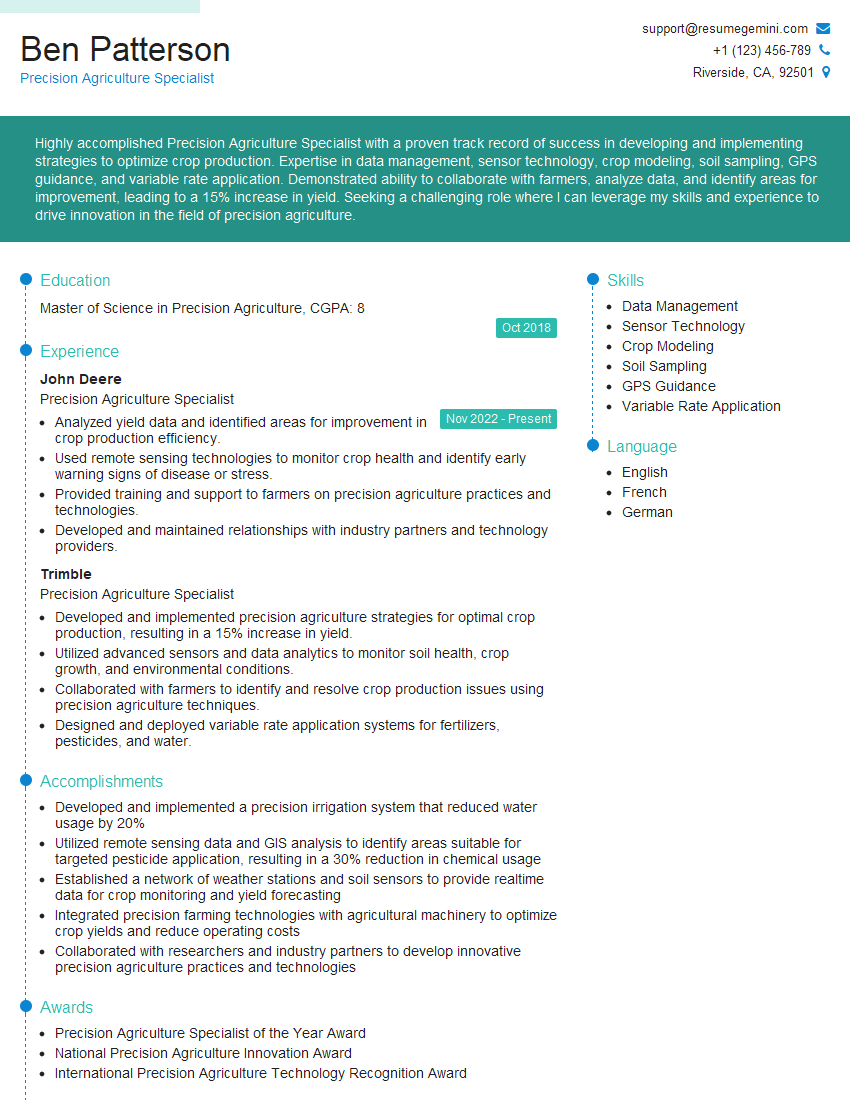
Precision Agriculture Specialist Resume Sample

Golf Course Superintendent Resume Sample
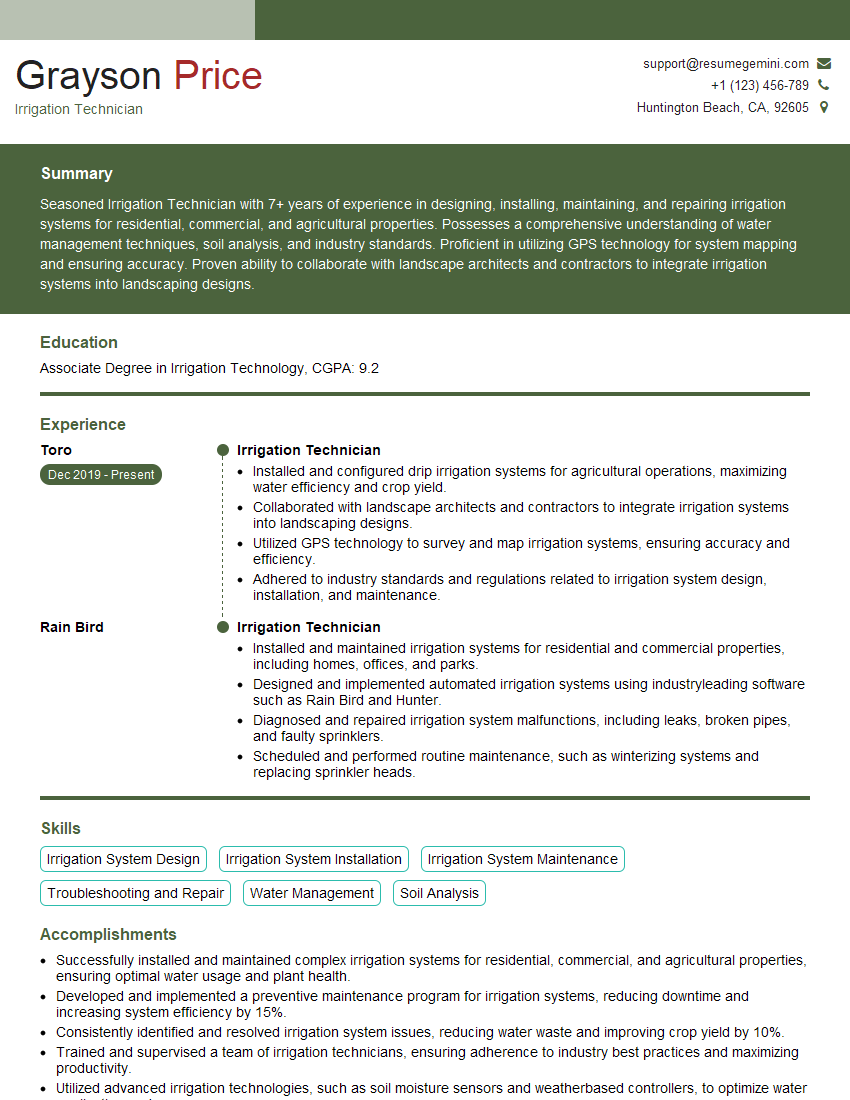
Irrigation Technician Resume Sample
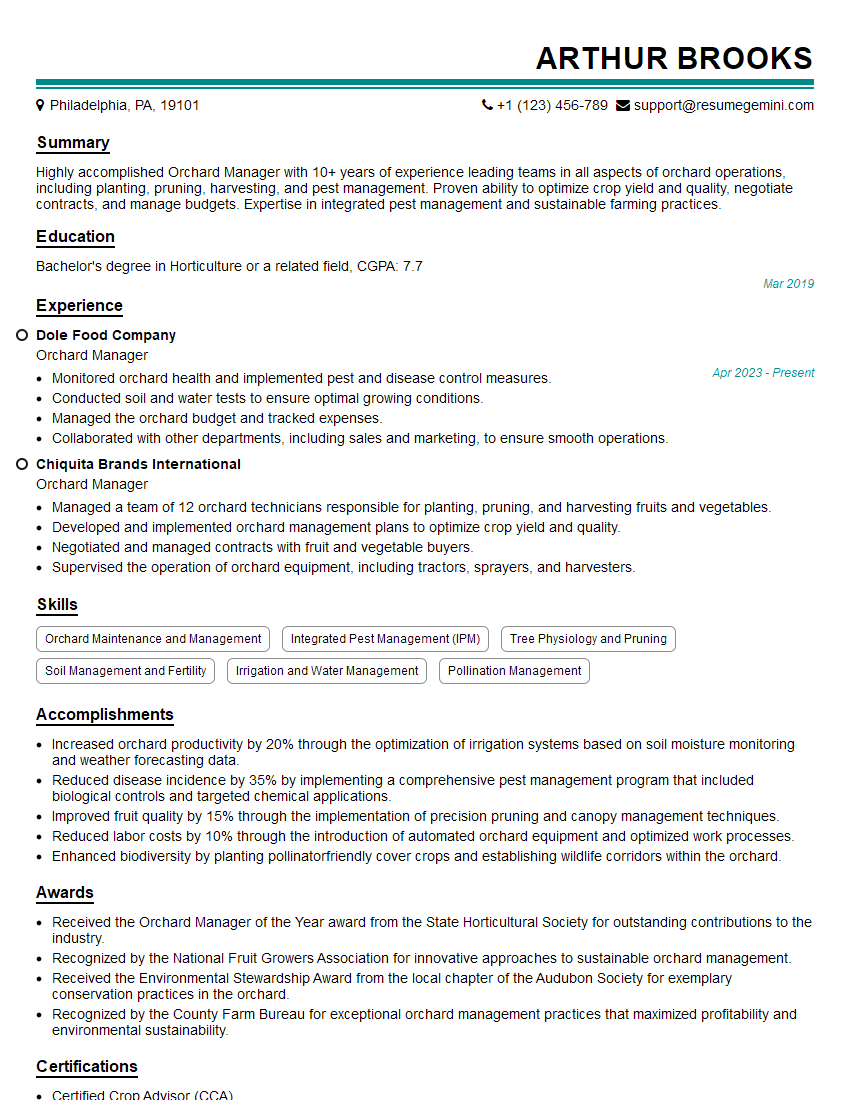
Orchard Manager Resume Sample
Explore more articles
Users Rating of Our Blogs
Share Your Experience
We value your feedback! Please rate our content and share your thoughts (optional).
What Readers Say About Our Blog
Very informative content, great job.
good