Cracking a skill-specific interview, like one for Field Inspection and Diagnostic, requires understanding the nuances of the role. In this blog, we present the questions you’re most likely to encounter, along with insights into how to answer them effectively. Let’s ensure you’re ready to make a strong impression.
Questions Asked in Field Inspection and Diagnostic Interview
Q 1. Describe your experience with different types of inspection methods.
My experience encompasses a wide range of inspection methods, from visual inspections—the most fundamental—to more sophisticated techniques. Visual inspections involve a thorough, systematic examination using the naked eye, supplemented by basic tools like measuring tapes and flashlights. This is crucial for identifying readily apparent defects. For example, I’ve used this extensively in assessing the condition of pipelines, checking for corrosion, dents, or leaks. Beyond visual inspections, I’m proficient in non-destructive testing (NDT) methods such as ultrasonic testing (UT) for detecting internal flaws in materials like welds, magnetic particle inspection (MPI) for surface cracks in ferromagnetic materials, and liquid penetrant testing (LPT) to reveal surface-breaking defects in non-porous materials. I’ve successfully employed UT in verifying the integrity of pressure vessels and MPI in examining the condition of critical components in machinery. Furthermore, my expertise extends to thermal imaging, which allows me to identify heat signatures indicating potential problems like insulation failures or electrical short circuits. For structural inspections, I utilize advanced techniques like laser scanning to create highly detailed 3D models of the structure facilitating precise measurements and defect detection.
Q 2. Explain your process for documenting inspection findings.
My documentation process is meticulous and follows a standardized format to ensure clarity and consistency. I always begin by clearly identifying the inspection site, date, time, and personnel involved. I then use a combination of methods to record findings. Photographs, often with calibrated scales for reference, are crucial for visual documentation. I use detailed checklists that I fill out on the spot, marking any deviation from expected conditions. For more complex issues, I create detailed written reports with clear descriptions, diagrams (sometimes hand-drawn on-site, sometimes using software), and measurements. Crucially, I always prioritize objective descriptions, avoiding subjective language. Finally, all documentation, including photographic evidence, is carefully filed electronically and backed up. This detailed approach ensures consistent and verifiable records, a vital element for safety and potential legal proceedings.
Q 3. How do you prioritize inspection tasks when faced with multiple issues?
Prioritization during inspections hinges on a risk-based approach. I assess each issue based on its potential impact on safety, functionality, and operational costs. My framework uses a simple matrix: Severity (Low, Medium, High) and Urgency (Low, Medium, High). Issues with a high severity and high urgency, such as imminent structural failures or active leaks, naturally take precedence. This method helps me clearly distinguish between immediate threats and issues that can be addressed later, minimizing disruption and ensuring efficient resource allocation. I then create a prioritized task list, often using software tools that allow for dynamic updating as new information emerges during the inspection process. A great example would be prioritising a cracked pressure valve (High Severity, High Urgency) over a minor surface scratch on equipment (Low Severity, Low Urgency) during a plant inspection.
Q 4. What software or tools are you proficient in using for field inspections?
I’m proficient in several software and tools commonly used in field inspections and diagnostics. I frequently use data collection apps on mobile devices that allow me to easily input data directly in the field, coupled with GPS location tagging to pin-point specific issues. For generating reports and diagrams, I regularly employ Microsoft Office Suite (Word, Excel, PowerPoint), as well as specialized software like AutoCAD for creating technical drawings and 3D modelling from laser scan data. For analysis of ultrasonic or thermal data, I use dedicated NDT analysis software, able to interpret complex results in a clear and understandable format. Proficiency in these tools ensures efficient data management and a timely generation of comprehensive, accurate reports. I am also experienced in utilizing cloud-based platforms for data sharing and collaboration.
Q 5. Describe a time you identified a critical safety hazard during an inspection.
During a routine inspection of a chemical processing plant, I discovered a significant leak in a high-pressure pipe carrying a highly corrosive substance. The leak was initially subtle, a small weeping point, but a closer examination with a thermal camera revealed a much larger issue hidden beneath the insulation. The thermal imagery showed a considerable temperature difference along the pipe, indicating a substantial loss of pressure and potential for catastrophic failure. I immediately reported the finding to my supervisor and the plant manager, halting operations in the affected area. Emergency repair work was initiated, preventing a potential major accident. The incident emphasized the critical role of proactive inspections and use of advanced diagnostic tools in identifying latent safety hazards.
Q 6. How do you handle disagreements with other team members regarding inspection results?
Disagreements are a normal part of any collaborative process. When facing differences of opinion concerning inspection results, I approach the situation with a focus on open communication and objective evidence. I first ensure that all members understand the criteria for assessing the specific item under review. If the disagreement persists, I propose a re-examination of the area in question, potentially involving a third party with relevant expertise. I always prioritize finding common ground based on the data and evidence available. My approach emphasizes respect for all viewpoints while upholding the highest standards of accuracy and safety. A documented record of the discussion, including the differing opinions and the resolution, ensures transparency and clarity for all involved.
Q 7. Explain your experience with diagnostic tools and techniques.
My experience with diagnostic tools and techniques is extensive and spans several areas. As mentioned previously, I’m adept at using non-destructive testing (NDT) methods like UT, MPI, and LPT, complemented by the use of thermal imaging and laser scanning. Beyond these techniques, I’m also experienced in utilizing vibration analysis for diagnosing mechanical problems in rotating equipment. This involves using sensors to measure vibrations, then analyzing the data to pinpoint imbalances, misalignments, or bearing defects. I also possess a strong understanding of data analysis methods, crucial for interpreting the outputs from these diagnostic tools. I can transform raw data into meaningful insights, using statistical analysis to correlate findings and support conclusions. This holistic approach, combining practical skills with advanced analysis techniques, enables me to provide comprehensive and actionable diagnostic reports.
Q 8. Describe your process for troubleshooting equipment malfunctions.
Troubleshooting equipment malfunctions follows a systematic approach. I begin with a thorough visual inspection, noting any obvious signs of damage or unusual activity. This is followed by checking for power, proper connections, and verifying the operational parameters against the manufacturer’s specifications. I then utilize diagnostic tools specific to the equipment type – this could range from multimeters and oscilloscopes to specialized software interfaces. My process involves a series of tests, systematically eliminating potential causes. For example, if a pump isn’t working, I’d check the power supply, then the motor, then the impeller, before considering more complex issues like control system failures. Documenting each step is critical, allowing me to retrace my actions and avoid repeating mistakes. If the problem persists, I consult technical manuals, online resources, or even contact the manufacturer’s support.
For instance, I once encountered a malfunctioning industrial oven where the heating elements weren’t activating. After a visual inspection ruled out obvious damage, I used a multimeter to test the power supply to the elements. It turned out the main circuit breaker had tripped due to an overload. A simple reset resolved the issue. This highlights the importance of checking the basics before delving into complex diagnostics.
Q 9. How do you determine the root cause of a recurring problem?
Identifying the root cause of recurring problems requires a more in-depth investigation than simply fixing immediate symptoms. I use a combination of techniques including detailed record-keeping of past repairs, analyzing historical data (e.g., equipment logs, maintenance records), and employing statistical process control methods. The 5 Whys technique is particularly effective – repeatedly asking “Why?” to drill down to the fundamental cause. For example, if a piece of machinery keeps failing, asking “Why did it fail?” might lead to answers about poor maintenance, leading to “Why was the maintenance inadequate?” potentially revealing issues with training or resource allocation. This iterative process helps unearth underlying systemic problems rather than just addressing surface-level symptoms.
In one case, we had repeated failures of a specific component in a complex assembly line. Simply replacing the component was a temporary fix. By meticulously documenting each failure, including the operational conditions at the time and analyzing the replacement part’s lifespan, we discovered a vibration issue stemming from an improperly balanced motor that was putting undue stress on the component. Addressing the root cause (the motor imbalance) completely eliminated the recurring failures. This emphasized the importance of looking beyond immediate symptoms.
Q 10. How do you communicate complex technical information to non-technical audiences?
Communicating complex technical information to non-technical audiences requires clear, concise, and relatable language. I avoid technical jargon whenever possible, using analogies and visual aids to illustrate concepts. For example, instead of saying “The impedance mismatch caused a signal attenuation,” I might explain, “Imagine trying to pour water from a large container into a small one – some water will spill over. Similarly, the system couldn’t handle the signal because the parts weren’t compatible.” I focus on the impact of the issue and the solution, emphasizing the key takeaways without overwhelming them with technical details. Using simple diagrams, charts, and even short videos can greatly enhance understanding.
For example, when explaining a software glitch to a client, instead of delving into coding specifics, I explained it using the analogy of a traffic jam. I described how certain actions within the software created a bottleneck, much like a traffic jam, causing a disruption to the overall system. This made it easy for them to grasp the problem and the steps involved in resolving it.
Q 11. What is your experience with preventative maintenance inspections?
Preventative maintenance inspections are crucial for maximizing equipment lifespan and minimizing downtime. My experience includes developing and implementing preventative maintenance schedules based on manufacturers’ recommendations, operational conditions, and historical data. This involves regular inspections to identify potential problems before they lead to major failures. These inspections cover visual checks, functional testing, and lubrication schedules. I also document all findings and recommendations, creating a detailed history of the equipment’s health. This proactive approach significantly reduces the likelihood of unexpected breakdowns and enhances overall operational efficiency.
For instance, a regular lubrication schedule on rotating machinery is crucial. A simple task that can prevent significant damage down the line. Similarly, regular inspection of electrical connections to ensure they are clean and secure can prevent dangerous faults.
Q 12. How do you ensure the accuracy and reliability of your inspection reports?
Ensuring the accuracy and reliability of inspection reports is paramount. I adhere to a rigorous methodology including using calibrated instruments, employing checklists to ensure consistency, and double-checking all findings. I include detailed photographic and video evidence to support my observations and conclusions. My reports follow a standardized format, including clear descriptions of the equipment, the inspection process, the findings, and recommendations. I also ensure that all data is accurately recorded and that my findings are objective and unbiased.
For example, I always use a calibrated thermometer to measure temperature to avoid subjectivity. I also number and label all photographs for easy reference. A clear, well-structured format helps with quality control and avoids misinterpretations.
Q 13. Describe your understanding of relevant safety regulations and standards.
My understanding of relevant safety regulations and standards is comprehensive and constantly updated. I’m familiar with OSHA (Occupational Safety and Health Administration) guidelines, NFPA (National Fire Protection Association) codes, and industry-specific safety standards relevant to the equipment I inspect. This includes understanding lockout/tagout procedures, proper use of personal protective equipment (PPE), and hazard identification and risk assessment techniques. I prioritize safe working practices in all my inspections, ensuring adherence to all applicable regulations and standards to prevent accidents and injuries.
For example, before inspecting high-voltage equipment, I always ensure that the lockout/tagout procedure is strictly followed to prevent accidental energization. I also always use appropriate PPE such as safety glasses, gloves, and hearing protection as required by the situation.
Q 14. How do you manage your time effectively during field inspections?
Effective time management during field inspections is crucial. I prioritize tasks based on urgency and importance, using checklists to guide my inspections and ensuring I don’t miss critical steps. I plan my route efficiently, considering travel time and potential delays. I also utilize mobile devices to document findings and communicate with colleagues, saving time on paperwork later. Regular breaks help maintain focus and prevent fatigue. Proper preparation before the inspection, including reviewing relevant documentation and gathering necessary tools, also contributes to efficient time management.
For example, I utilize a digital checklist on my tablet which makes it easy to mark off completed tasks and helps keep me organized. This saves me significant time compared to using a paper checklist.
Q 15. Describe a time you had to adapt your inspection methods due to unexpected challenges.
Adaptability is crucial in field inspection. During an inspection of a large offshore wind turbine, we encountered unexpectedly severe weather conditions that prevented the use of our planned drone inspection. The drone’s flight stability was compromised by the high winds, posing a significant safety risk.
Instead of abandoning the inspection, we immediately pivoted to a hybrid approach. We utilized high-resolution binoculars and specialized long-range cameras for visual inspection of accessible areas, supplemented by a thorough review of the turbine’s operational data and sensor readings. This combination allowed us to identify several critical issues, including blade erosion and minor mechanical anomalies. We later revisited the site under more favorable conditions to complete the drone survey, providing a comprehensive assessment.
This experience highlighted the importance of having contingency plans and being proficient in various inspection techniques. The ability to quickly assess the situation and utilize alternative methods ensured the project’s timely completion while maintaining safety.
Career Expert Tips:
- Ace those interviews! Prepare effectively by reviewing the Top 50 Most Common Interview Questions on ResumeGemini.
- Navigate your job search with confidence! Explore a wide range of Career Tips on ResumeGemini. Learn about common challenges and recommendations to overcome them.
- Craft the perfect resume! Master the Art of Resume Writing with ResumeGemini’s guide. Showcase your unique qualifications and achievements effectively.
- Don’t miss out on holiday savings! Build your dream resume with ResumeGemini’s ATS optimized templates.
Q 16. How familiar are you with different types of diagnostic software?
My familiarity with diagnostic software spans a wide range, from simple data loggers and analysis tools to sophisticated predictive maintenance platforms. I’m proficient in using software for vibration analysis (e.g., analyzing FFT data to detect bearing failures), infrared thermography analysis (identifying hotspots indicative of overheating components), and ultrasonic testing software (detecting cracks or corrosion in materials).
I also have experience with condition monitoring systems that collect and analyze data from various sensors in real-time, enabling proactive maintenance decisions. For example, I’ve used software that analyzes vibration signatures to predict bearing failure weeks in advance, allowing for planned downtime and avoiding costly emergency repairs. Furthermore, I’m adept at using specialized software to analyze data from non-destructive testing (NDT) methods such as radiography and magnetic particle inspection.
Q 17. What are some common causes of equipment failures you have encountered?
Equipment failures stem from various sources, and identifying the root cause is key to effective maintenance. Some of the most common causes I’ve encountered include:
- Wear and Tear: This is a natural consequence of equipment operation, especially in harsh environments. Examples include bearing wear, erosion of moving parts, and fatigue cracking of structural components.
- Corrosion: Exposure to moisture, chemicals, or extreme temperatures can lead to corrosion, weakening materials and causing failures. This is particularly prevalent in coastal or industrial environments.
- Lubrication Issues: Insufficient lubrication leads to friction and increased wear, eventually causing catastrophic failures. I’ve seen multiple instances where inadequate lubrication resulted in seizing of rotating parts.
- Overloading and Misuse: Operating equipment beyond its design limits or using it improperly can lead to premature failure. For instance, overloading a motor can lead to overheating and burnout.
- Poor Maintenance: Lack of regular inspections and preventative maintenance significantly increases the likelihood of equipment failure. Simple issues often overlooked can evolve into critical problems.
Understanding these causes allows me to develop targeted inspection plans and identify potential issues before they lead to major failures.
Q 18. How do you stay up-to-date with the latest industry standards and best practices?
Staying current in this field requires a multi-pronged approach. I regularly attend industry conferences and workshops organized by relevant professional bodies, like ASME (American Society of Mechanical Engineers) and API (American Petroleum Institute), to learn about the latest techniques, technologies and safety standards.
I also actively participate in online professional communities and subscribe to industry publications and journals. This keeps me updated on new research findings, best practices, and regulatory changes. Continuous professional development is crucial, and I actively pursue training courses to enhance my expertise in specialized areas such as advanced NDT methods or software applications for predictive maintenance.
Q 19. Describe your experience with data analysis related to inspection findings.
Data analysis is integral to my work. After collecting data from inspections, I utilize statistical methods and data visualization tools to identify trends and patterns. This helps me to pinpoint areas requiring immediate attention and to predict future maintenance needs.
For instance, using statistical process control (SPC) charts, I can monitor the performance of critical equipment over time and detect any significant deviations from normal operating parameters. This allows for proactive intervention and prevents unexpected failures. I also use data analysis to determine the effectiveness of implemented maintenance strategies by tracking key performance indicators (KPIs) like Mean Time Between Failures (MTBF) and Mean Time To Repair (MTTR).
Software like Excel and specialized statistical packages are commonly employed for this analysis. The ability to effectively interpret and present data to stakeholders is equally important, as it informs decision-making regarding maintenance budgets and resource allocation.
Q 20. How do you balance the need for thoroughness with the constraints of time and resources?
Balancing thoroughness with time and resource constraints requires careful planning and prioritization. My approach involves a risk-based inspection strategy. I begin by identifying the critical components and systems that pose the highest risk of failure. These high-risk areas receive the most thorough inspection.
For lower-risk areas, I may adjust the inspection frequency or scope to optimize resource allocation. This approach ensures that critical issues are addressed while avoiding unnecessary expenditures of time and resources on less critical components. Effective use of inspection tools and technologies, such as drones or automated data collection systems, can also significantly improve efficiency and reduce inspection time.
Clear communication with stakeholders is essential to manage expectations and set realistic timelines. This includes providing regular updates on progress and any identified challenges.
Q 21. What is your experience with different types of inspection equipment?
My experience encompasses a wide array of inspection equipment, both conventional and advanced. This includes:
- Visual Inspection Tools: High-resolution cameras, binoculars, borescopes, and endoscopes for detailed visual examination of both accessible and inaccessible areas.
- Non-Destructive Testing (NDT) Equipment: Ultrasonic flaw detectors for detecting internal flaws, infrared cameras for detecting heat anomalies, magnetic particle inspection equipment for detecting surface and near-surface cracks, and radiographic equipment for detecting internal defects.
- Vibration Analysis Equipment: Accelerometers and data acquisition systems for measuring vibrations and analyzing frequency spectra to detect bearing defects and other mechanical problems.
- Data Acquisition Systems: A variety of data loggers and handheld devices for collecting operational data from sensors and equipment.
- Drones and UAVs: Equipped with high-resolution cameras and thermal imaging capabilities for inspection of hard-to-reach areas such as tall structures or offshore platforms.
Proficiency in using these tools allows me to conduct comprehensive and accurate inspections across a wide range of applications.
Q 22. How do you handle situations where you lack the expertise to resolve a particular issue?
Honesty and proactive communication are key when facing an issue beyond my expertise. I wouldn’t pretend to know something I don’t. Instead, I’d first thoroughly document the problem, including observations, data collected, and any initial troubleshooting steps I’ve taken. Then, I’d immediately escalate the issue to the appropriate senior engineer or specialist within the team, providing them with all the gathered information. This ensures a timely and accurate resolution, preventing further damage or delays. For instance, if I encountered a complex electrical fault in a piece of machinery during an inspection that involved specialized circuitry I wasn’t familiar with, I’d document the observed symptoms (e.g., erratic readings, burnt smell), take clear photos, and immediately contact our electrical engineer for assistance, providing them with the detailed documentation. Collaboration is crucial; it’s better to seek help than to risk making an incorrect diagnosis.
Q 23. Describe your experience with creating and presenting inspection reports.
Creating inspection reports is a crucial part of my role. I always follow a standardized format ensuring clarity and consistency. My reports begin with a clear summary of the inspection’s purpose and scope. Next, I provide a detailed description of the findings, using both textual descriptions and visual aids like photos and diagrams to pinpoint problem areas. I use clear, objective language, avoiding subjective terms and focusing on factual observations. For example, instead of saying ‘The equipment is in poor condition,’ I’d say ‘The equipment shows significant surface corrosion on the casing, and three fasteners are missing.’ Quantitative data, like measurements and readings from testing equipment, is incorporated where relevant. Finally, I conclude with recommendations for repairs or preventative maintenance, prioritizing those based on safety and urgency. These reports are then presented to the client in a clear, concise manner, often through a formal presentation where I can explain the findings in detail and answer any questions. I’ve found that clear communication and well-structured reports lead to quicker and more effective problem resolution.
Q 24. How do you ensure the confidentiality of sensitive information discovered during inspections?
Confidentiality is paramount in my work. I adhere strictly to company policies and any relevant legal regulations regarding data protection. Sensitive information obtained during inspections, such as proprietary designs, client financial data, or safety-critical information, is handled with the utmost discretion. This includes using secure storage for physical documents and digital files, restricting access to reports only to authorized personnel, and employing strong passwords and encryption when dealing with electronic data. Furthermore, I never discuss sensitive information outside of official channels or with unauthorized individuals. If dealing with particularly sensitive information, I will always ensure all my digital and physical materials are safely stored and disposed of per company policy to mitigate risk of a breach. Treating sensitive information with the proper respect helps build trust and maintains the integrity of my work and my company.
Q 25. Describe a time you successfully identified and resolved a complex diagnostic issue.
During an inspection of a large industrial compressor, I encountered a recurring pressure drop issue that baffled the on-site maintenance team. They had attempted various fixes without success. My approach involved systematically analyzing the system. I started by carefully reviewing the historical maintenance logs and operational data. Then, I performed a thorough visual inspection, checking for leaks, wear, and damage. I noticed a subtle but consistent vibration in one of the connecting pipes. This led me to suspect a fatigue crack, invisible to the naked eye. Using ultrasonic testing equipment, I confirmed the presence of a hairline fracture within the pipe. This was the root cause of the pressure drop. The recommendation to replace the affected pipe was immediately implemented, resolving the problem and preventing a potential catastrophic failure. This case highlights the importance of detailed investigation, leveraging different diagnostic tools, and thinking outside of the box to arrive at the correct solution. It reinforced the value of combining practical experience with advanced diagnostic techniques.
Q 26. How do you prioritize repairs based on urgency and cost-effectiveness?
Prioritizing repairs involves a multi-faceted approach combining urgency, cost, and risk assessment. I employ a risk-based prioritization matrix, considering factors such as safety implications, operational impact, and the potential for further damage. Safety-critical issues, such as faulty wiring or leaks posing an immediate safety risk, are always prioritized first, regardless of cost. Next, I consider repairs affecting the operational efficiency of the equipment or system. For example, a malfunctioning component impacting production output might be prioritized ahead of purely cosmetic repairs. Finally, I weigh the cost-effectiveness of different repairs, looking for optimal solutions that balance immediate needs and long-term cost-savings. I may present multiple options to the client, outlining the trade-offs between speed of repair, cost, and long-term implications. This collaborative decision-making process ensures that resources are used wisely and that repairs are addressed effectively.
Q 27. Explain your experience with calibration and maintenance of inspection equipment.
Maintaining the accuracy of inspection equipment is crucial for reliable results. I’m proficient in the calibration and maintenance of various inspection tools, including ultrasonic testing equipment, thermal cameras, and precision measurement instruments. Calibration procedures are performed according to manufacturer guidelines and industry standards, using certified calibration standards. Regular maintenance includes cleaning, inspecting for wear and tear, and replacing worn components to ensure optimal performance. Accurate record-keeping is essential; I meticulously document all calibration and maintenance activities, including dates, results, and any necessary adjustments. This ensures traceability and allows us to monitor the overall health and performance of the equipment over time, preventing inaccurate readings and unreliable results that could lead to misdiagnosis or improper repairs. This proactive approach minimizes downtime and ensures that inspections are performed consistently and reliably.
Q 28. Describe your experience working independently and as part of a team.
I’m comfortable working both independently and as part of a team. When working independently, I’m highly self-motivated and capable of managing my time effectively to complete inspections efficiently and accurately. I am also adept at using my initiative to problem-solve without immediate supervision. On the other hand, I’m also a strong team player; I collaborate effectively with colleagues, sharing knowledge, providing support, and contributing to a positive work environment. Teamwork is particularly important when dealing with complex projects or when specialized expertise is required. For example, during a large-scale project involving multiple inspectors, engineers, and technicians, we all worked together to effectively manage the project according to our respective specializations. In this case, open communication and a collective approach allowed us to meet deadlines and efficiently resolve potential issues that arose.
Key Topics to Learn for Field Inspection and Diagnostic Interview
- Inspection Techniques: Mastering visual inspection, non-destructive testing (NDT) methods, and the use of specialized equipment. Understand the limitations of each technique and when to apply them.
- Diagnostic Problem Solving: Developing a systematic approach to troubleshooting, including data analysis, root cause identification, and the creation of effective diagnostic reports. Practice applying the scientific method to field challenges.
- Safety Procedures and Regulations: Demonstrate a thorough understanding of relevant safety protocols, industry standards (e.g., OSHA), and legal compliance in field inspection work. Be prepared to discuss specific safety measures you’ve taken.
- Data Acquisition and Analysis: Discuss your experience with data collection tools and software. Be ready to explain how you interpret and present data to support your findings and recommendations.
- Report Writing and Communication: Practice concise and clear technical report writing, emphasizing the ability to communicate complex technical information to both technical and non-technical audiences.
- Specific Industry Knowledge: Depending on the specific industry (e.g., construction, manufacturing, energy), review relevant codes, standards, and best practices. Showcase your understanding of industry-specific challenges and solutions.
- Troubleshooting Common Issues: Prepare examples of past experiences where you successfully diagnosed and resolved problems in a field inspection setting. Focus on the process, not just the outcome.
Next Steps
Mastering Field Inspection and Diagnostic skills opens doors to exciting career opportunities with significant growth potential. To maximize your chances of landing your dream role, a strong and ATS-friendly resume is crucial. ResumeGemini is a trusted resource that can help you craft a professional resume that highlights your skills and experience effectively. Take advantage of their tools and resources, including examples of resumes tailored specifically for Field Inspection and Diagnostic professionals, to showcase your expertise and land that interview.
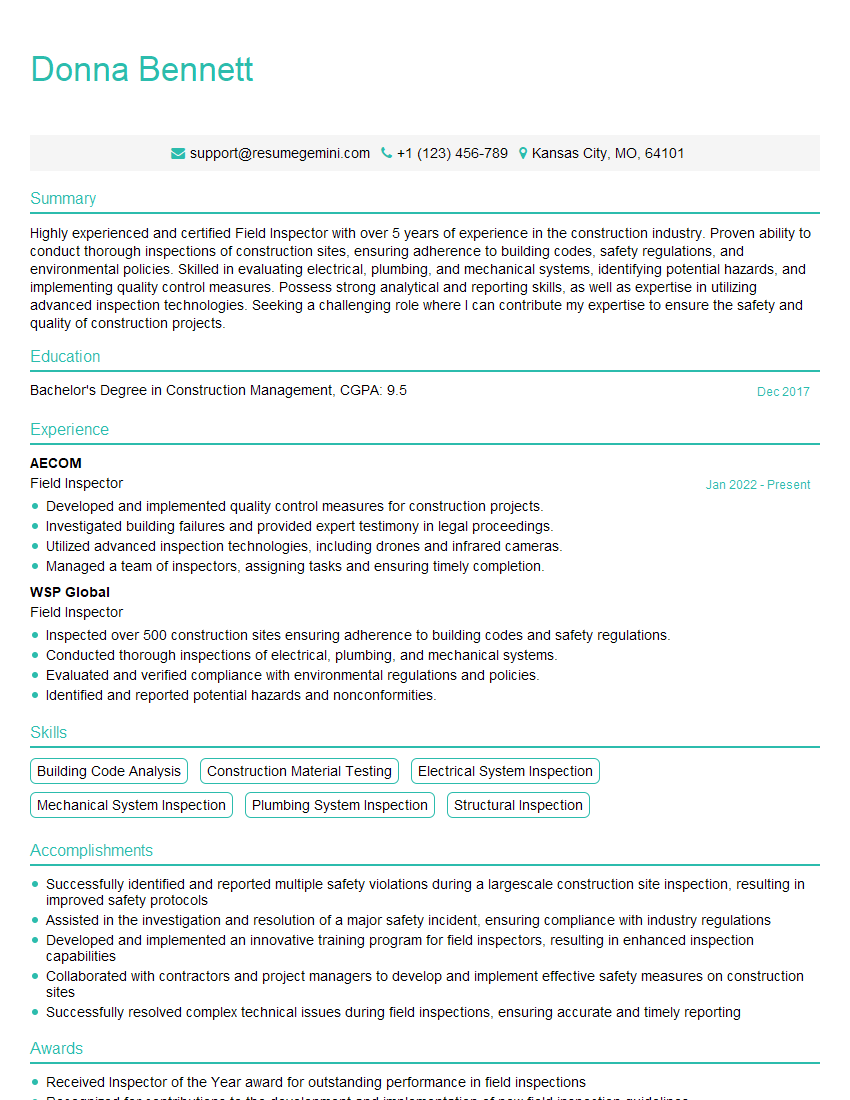
Field Inspector Resume Sample
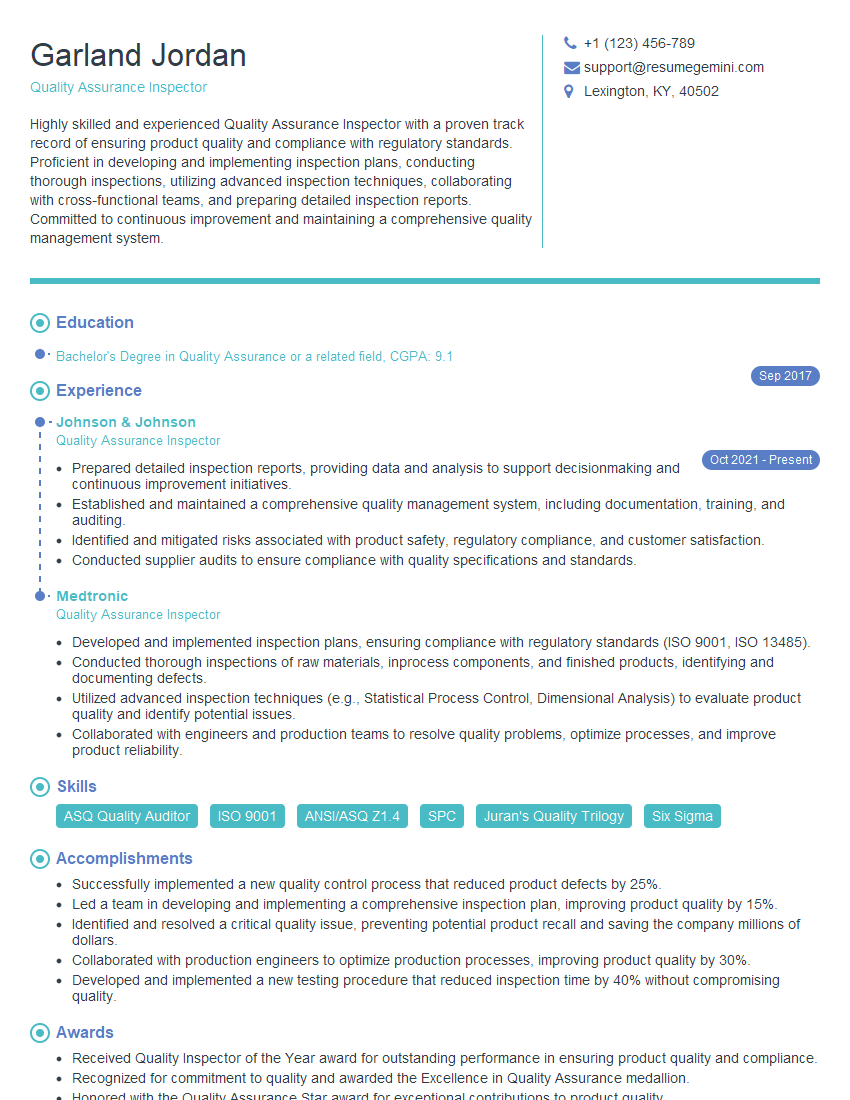
Quality Assurance Inspector Resume Sample
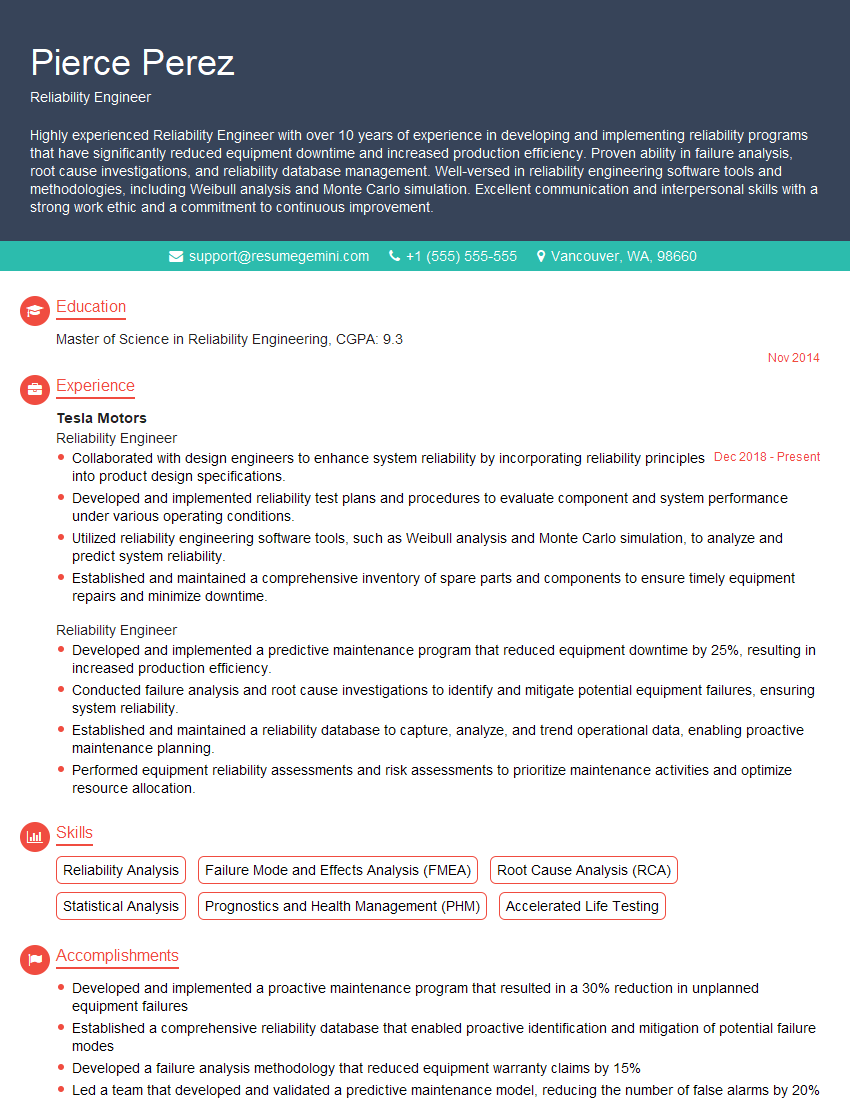
Reliability Engineer Resume Sample
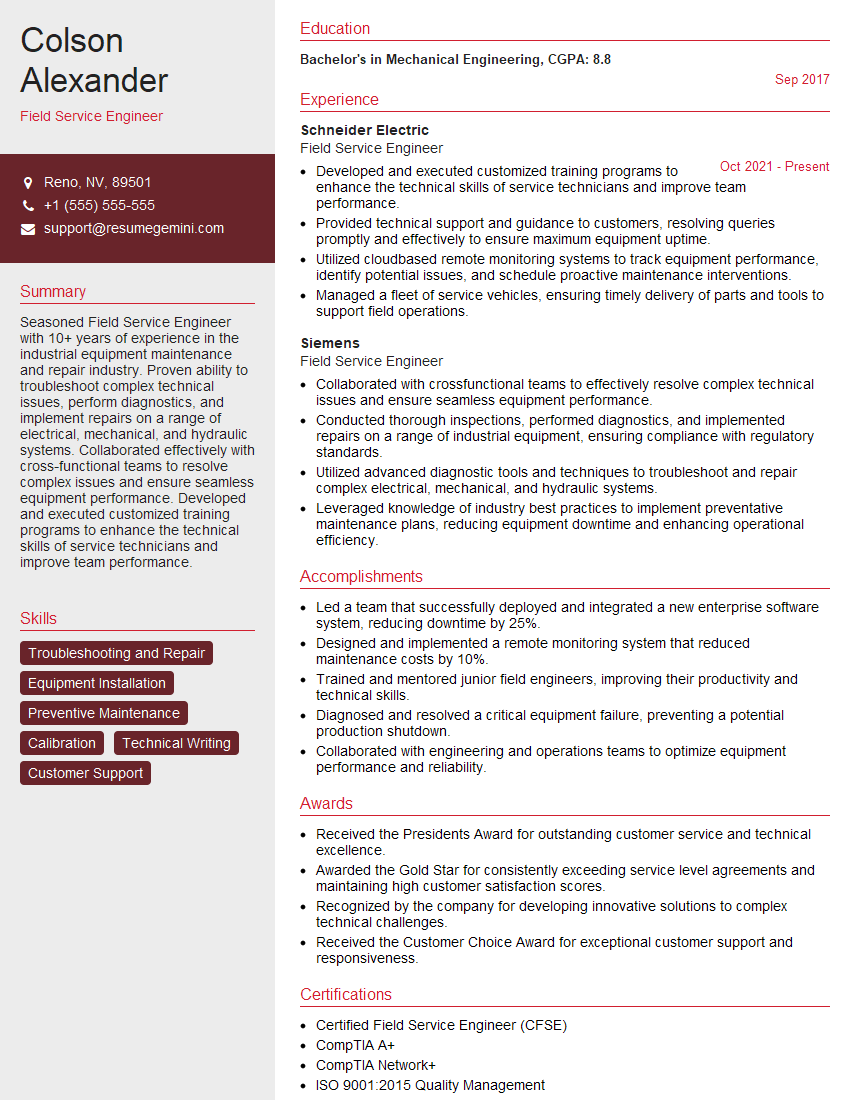
Field Service Engineer Resume Sample
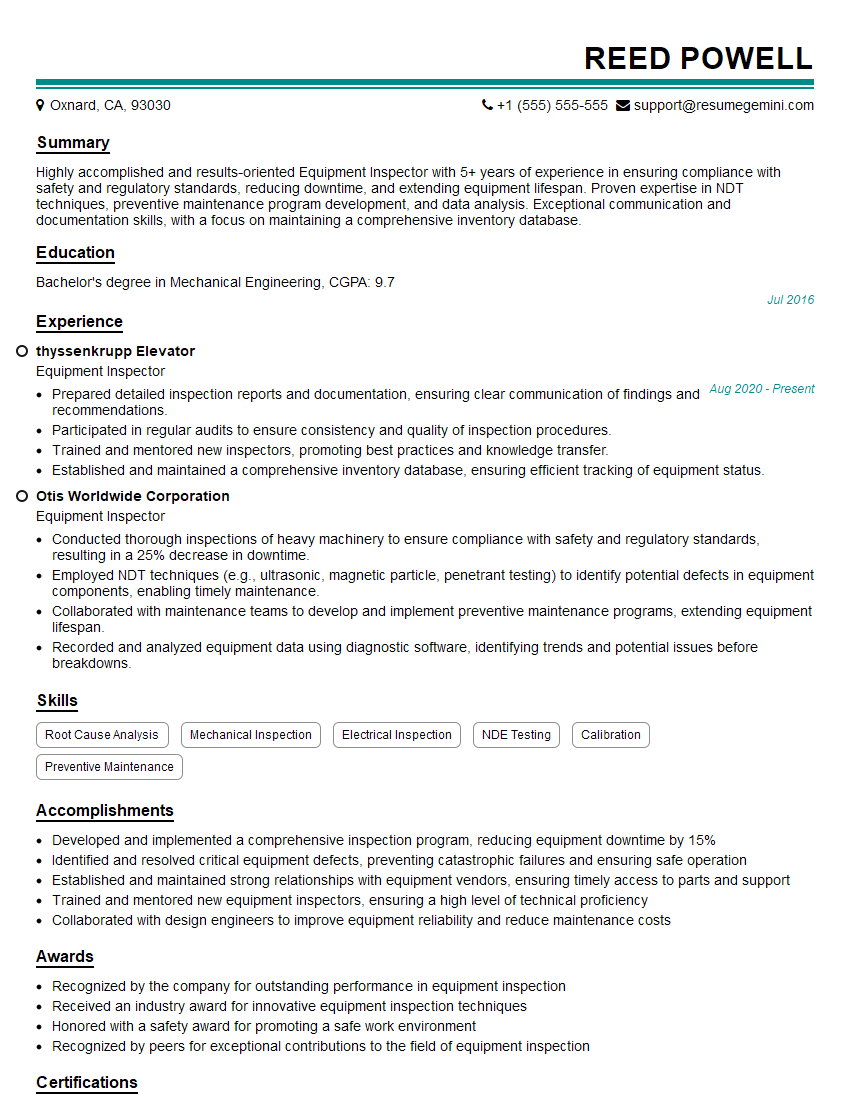
Equipment Inspector Resume Sample
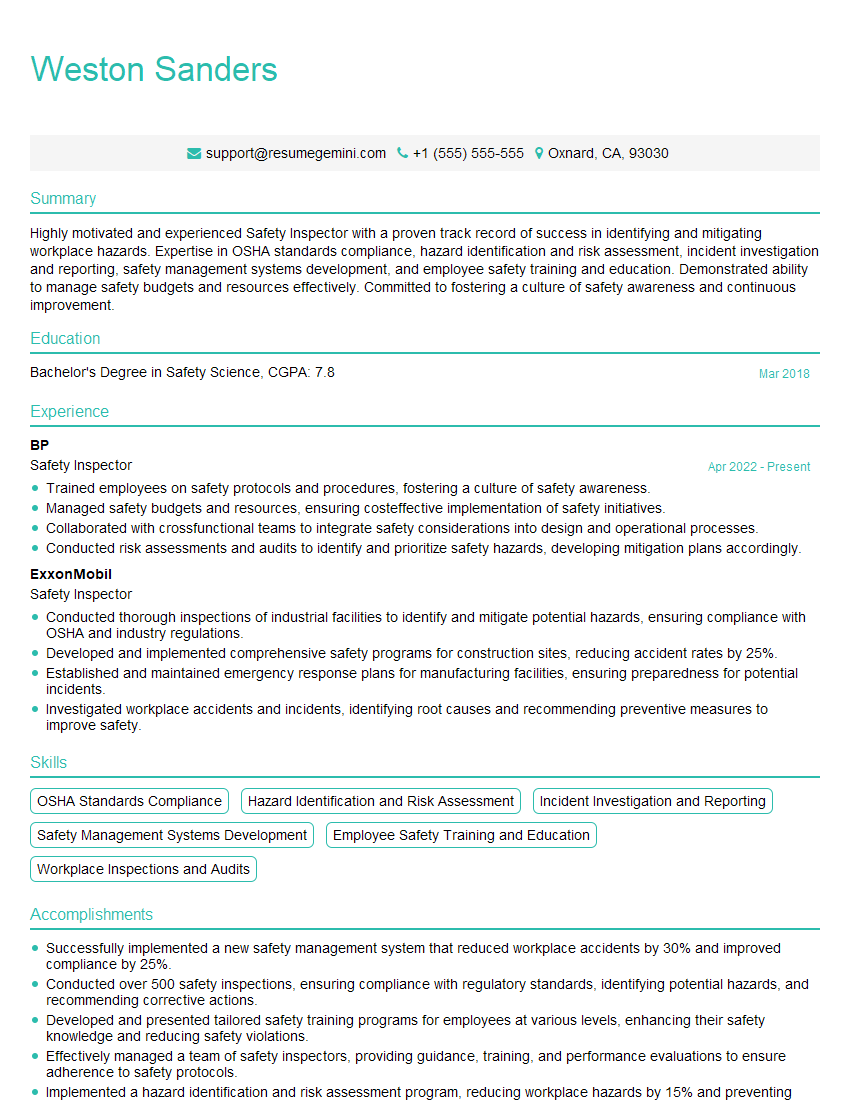
Safety Inspector Resume Sample
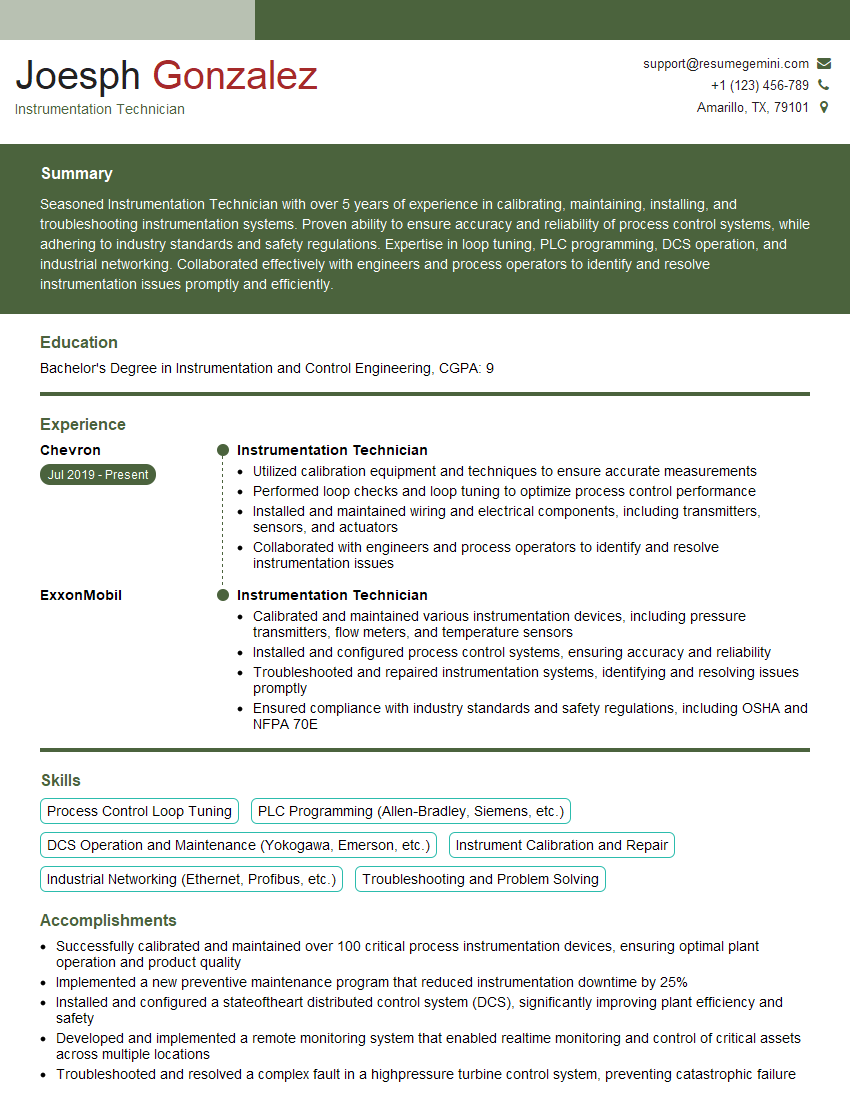
Instrumentation Technician Resume Sample
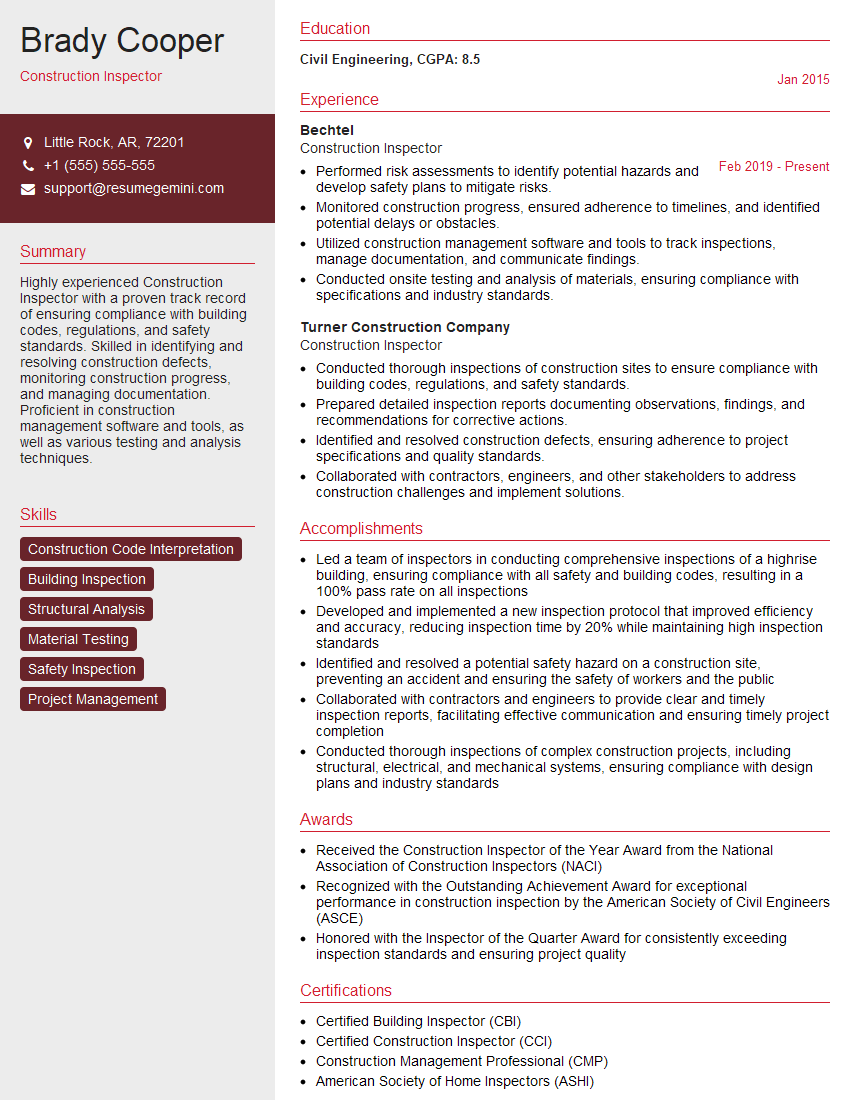
Construction Inspector Resume Sample
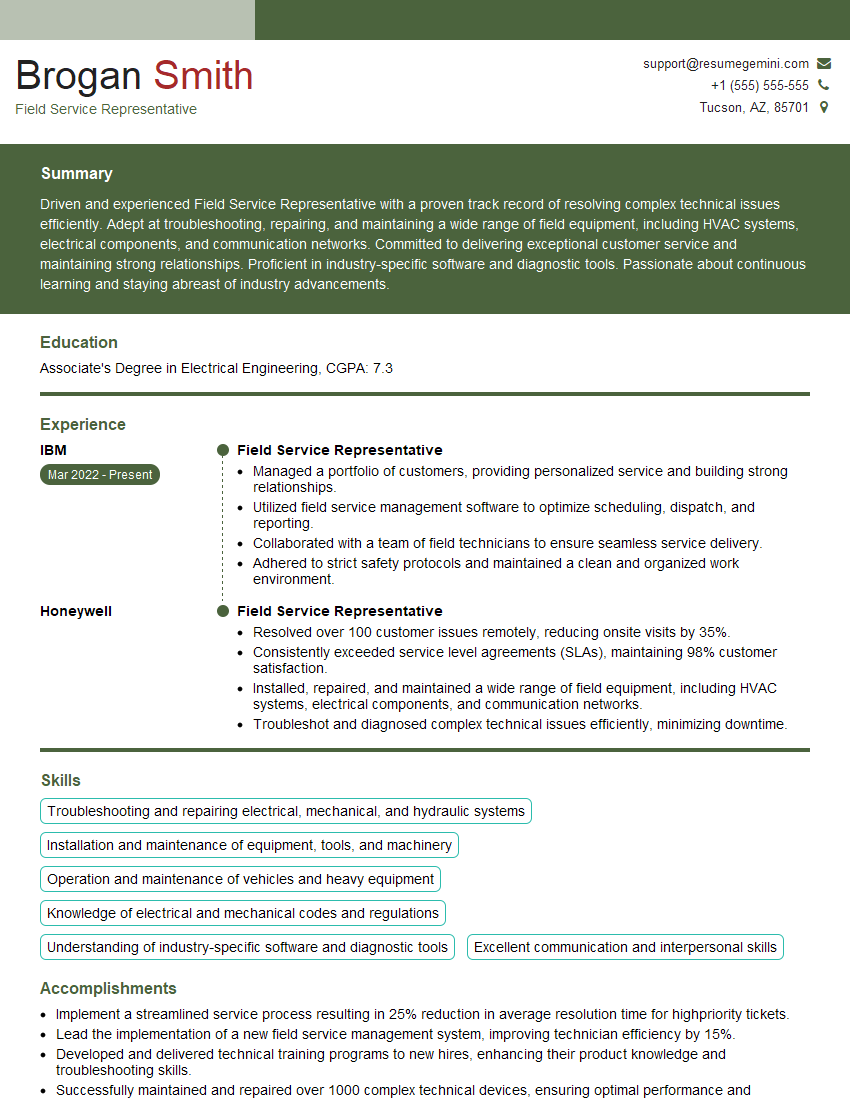
Field Service Representative Resume Sample
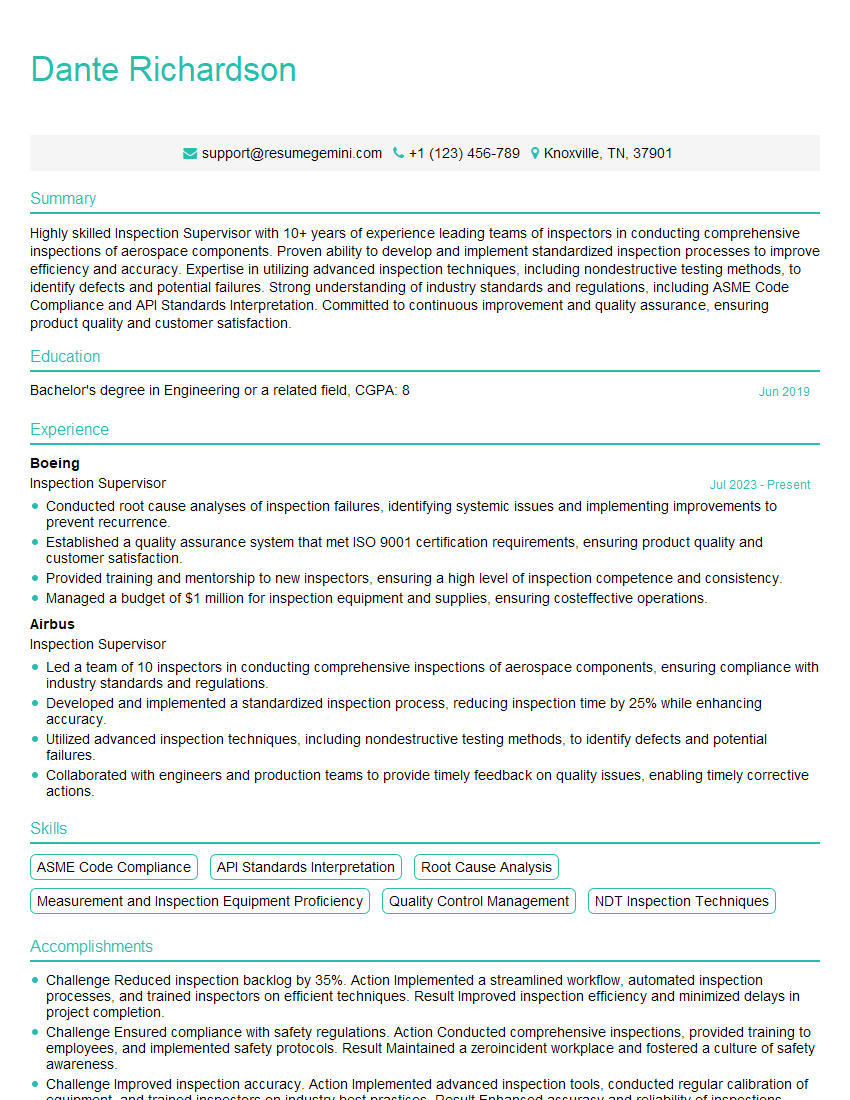
Inspection Supervisor Resume Sample
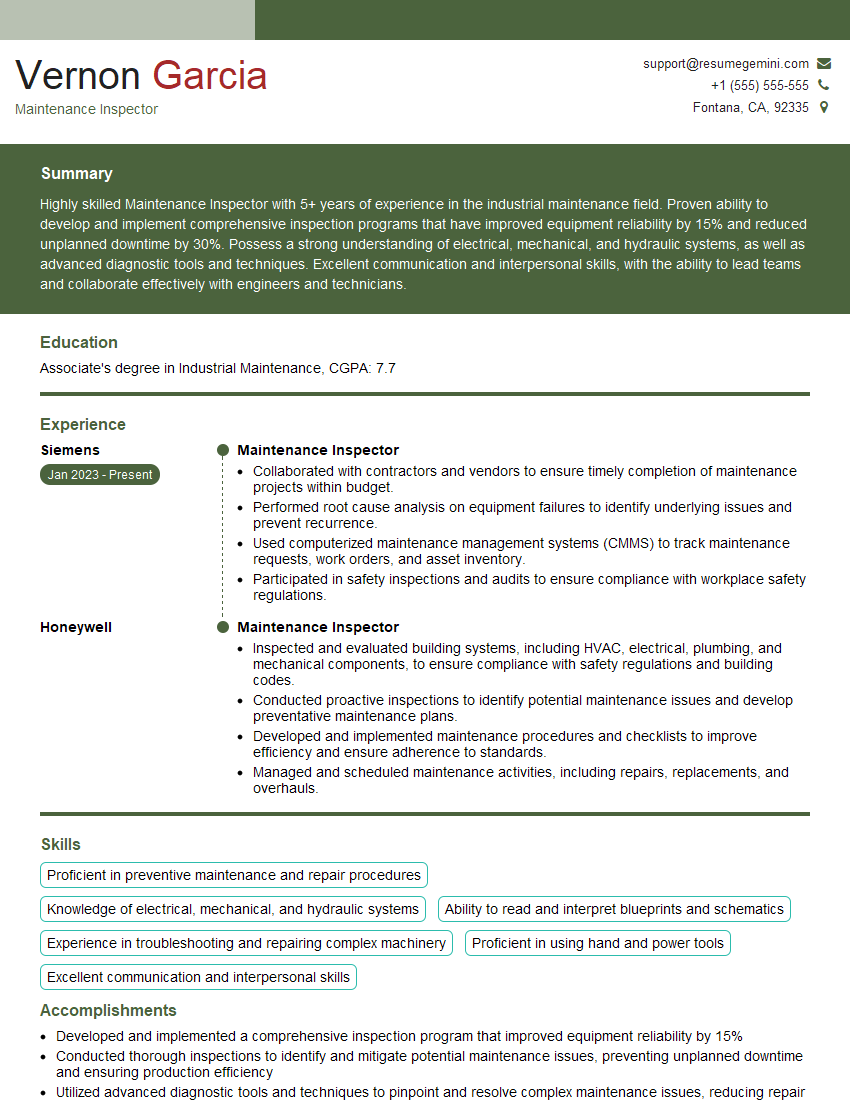
Maintenance Inspector Resume Sample

Quality Control Inspector Resume Sample
Explore more articles
Users Rating of Our Blogs
Share Your Experience
We value your feedback! Please rate our content and share your thoughts (optional).
What Readers Say About Our Blog
Very informative content, great job.
good