Are you ready to stand out in your next interview? Understanding and preparing for Field Logistics Coordination interview questions is a game-changer. In this blog, we’ve compiled key questions and expert advice to help you showcase your skills with confidence and precision. Let’s get started on your journey to acing the interview.
Questions Asked in Field Logistics Coordination Interview
Q 1. Explain your experience with different transportation modes (road, rail, sea, air).
My experience spans all major transportation modes – road, rail, sea, and air – each with its own unique logistical considerations. Road transport, for instance, offers flexibility and speed for shorter distances, but can be susceptible to traffic congestion and higher fuel costs. I’ve extensively managed road freight operations, negotiating rates with carriers and optimizing routes using route planning software like MapPoint and OptiRoute to minimize transit times and costs. Rail transport excels in cost-effectiveness and high volume for longer distances, especially bulk goods. I’ve worked on projects involving coordinating rail shipments, including ensuring seamless transitions between rail and road transport at intermodal terminals. Sea freight is crucial for global trade, offering the lowest cost per unit for large volumes. My expertise here includes managing container shipping, handling documentation (like Bills of Lading), and mitigating risks associated with port congestion and potential delays. Finally, air freight offers unparalleled speed for time-sensitive goods, albeit at a premium cost. I have experience in managing air freight shipments, prioritizing speed and security while ensuring compliance with stringent regulations. For example, during a project involving the delivery of vital medical supplies, I successfully leveraged air freight to ensure timely delivery to a remote location despite severe weather challenges in the area. Each mode requires different expertise; I’ve developed a strong understanding of each, enabling me to select the optimal mode based on factors like cost, time, and product type.
Q 2. Describe your experience managing inventory levels and warehouse operations.
Efficient inventory management and warehouse operations are paramount in field logistics. My experience includes managing inventory levels using various techniques such as Just-in-Time (JIT) and Vendor Managed Inventory (VMI) to minimize storage costs and reduce waste. I’ve used inventory management systems such as SAP WM and Oracle Inventory Management to track inventory in real-time, generate reports on stock levels, and predict future demand. This allows for proactive ordering and prevents stockouts. In terms of warehouse operations, I’ve overseen warehouse layout optimization, implementing efficient picking and packing strategies, and managing warehouse staff. For instance, in one project, we implemented a new warehouse management system (WMS) which reduced picking times by 20% through optimized workflows and improved technology. This involved extensive training for warehouse personnel and careful planning to minimise disruption during the transition. I’m also proficient in warehouse safety protocols, ensuring compliance with OSHA and other relevant regulations to maintain a safe working environment.
Q 3. How do you prioritize tasks in a high-pressure, fast-paced environment?
Prioritization in a fast-paced environment requires a structured approach. I use a combination of techniques, including the Eisenhower Matrix (urgent/important), to categorize tasks. High-impact, urgent tasks are tackled immediately. Important but not urgent tasks are scheduled. Less important tasks are delegated or eliminated if possible. I also utilize project management software like Microsoft Project and Asana to track tasks, set deadlines, and monitor progress. For example, during a period of unexpected high demand, I used the Eisenhower Matrix to prioritize urgent orders while strategically delegating less critical tasks to ensure all deadlines were met. Clear communication and transparency with my team are essential. Regular team meetings, updates, and clear task assignments prevent bottlenecks and ensure everyone understands the priorities.
Q 4. What software or systems are you proficient in for logistics management?
I’m proficient in various logistics management software systems, including Transportation Management Systems (TMS) such as Oracle Transportation Management and Blue Yonder Luminate; Warehouse Management Systems (WMS) like SAP WM and Manhattan Associates WMS; and Enterprise Resource Planning (ERP) systems such as SAP ERP and Oracle E-Business Suite. My skills extend to Geographic Information Systems (GIS) software, using tools like ArcGIS for route optimization and mapping. I’m also comfortable using data analysis tools such as Microsoft Excel and Tableau to analyze logistics data, identify trends, and make data-driven decisions. The ability to integrate data seamlessly between different systems is a key strength of mine.
Q 5. Explain your experience with route optimization and delivery scheduling.
Route optimization and delivery scheduling are critical for efficiency and cost-effectiveness. I utilize various techniques, including Geographic Information Systems (GIS) software and specialized route optimization algorithms to determine the most efficient routes, considering factors like distance, traffic patterns, delivery windows, and driver availability. I’ve used tools such as Route4Me and RoadWarrior to optimize routes and create delivery schedules. For instance, in a project involving multi-stop deliveries across a large metropolitan area, we implemented a new route optimization algorithm that reduced the total delivery time by 15%, leading to significant cost savings. This involved analyzing historical delivery data to identify patterns and refine the algorithm for optimal performance. Accurate forecasting and proactive scheduling are crucial for avoiding delays and ensuring timely deliveries.
Q 6. How do you handle unexpected delays or disruptions in the supply chain?
Handling unexpected delays or disruptions requires a proactive and flexible approach. My strategy involves first identifying the root cause of the disruption—whether it’s weather, port congestion, or a transportation issue. Once identified, I implement contingency plans. This might involve rerouting shipments, finding alternative transportation modes, or negotiating with vendors to adjust delivery schedules. Open communication with all stakeholders – customers, suppliers, and transportation providers – is vital to managing expectations and mitigating negative impacts. For example, when a major port strike caused significant delays in one project, I proactively communicated the situation to our customers and explored alternative routes and shipping options. This ensured transparency and minimized disruptions to the supply chain. Proactive risk management and contingency planning are key to minimizing the impact of these events.
Q 7. Describe your experience with customs regulations and international shipping.
Experience with customs regulations and international shipping is essential for global logistics. I’m familiar with various international trade regulations, including HS Codes (Harmonized System Codes) used for classifying goods, import/export documentation requirements, and customs procedures in different countries. I’ve worked with freight forwarders and customs brokers to ensure smooth and compliant international shipments. Understanding Incoterms (International Commercial Terms) is crucial; I’m proficient in interpreting and applying them to various shipping contracts. I also have experience navigating the complexities of sanctions and trade restrictions, ensuring all shipments comply with applicable regulations. In one instance, I successfully managed the export of goods to a country with stringent regulatory requirements, ensuring all documentation was prepared correctly and submitted in a timely manner, avoiding potential delays and fines.
Q 8. How do you track and monitor shipments throughout the entire process?
Tracking and monitoring shipments involves a multi-faceted approach leveraging technology and established procedures. It begins with assigning a unique identifier to each shipment – think of it like a passport for your goods. This identifier is then tracked across various stages, from origin to destination, using a Transportation Management System (TMS).
The process typically includes:
- Real-time GPS tracking: This allows for precise location updates throughout transit, providing visibility into potential delays or deviations.
- Electronic Data Interchange (EDI): EDI facilitates automated data exchange between different parties involved in the shipment, such as carriers, warehouses, and customs authorities. This creates a seamless flow of information.
- Barcode/RFID scanning: These technologies are crucial for accurate inventory management and tracking individual packages within larger shipments. Imagine scanning a barcode at each checkpoint, updating the shipment’s status in real-time.
- Shipment Visibility Platforms: These centralized platforms aggregate data from various sources, providing a single pane of glass view of all shipments. Think of it as a command center for your logistics operations.
- Automated alerts: The system triggers notifications for exceptions like delays, missed deliveries, or temperature deviations, allowing for proactive intervention.
For example, in a previous role, we used a TMS integrated with GPS tracking to monitor the temperature-sensitive pharmaceuticals we shipped. The system alerted us to a potential temperature breach during transit, allowing us to intervene with the carrier and prevent spoilage, saving thousands of dollars.
Q 9. What metrics do you use to measure the efficiency of logistics operations?
Measuring the efficiency of logistics operations requires a balanced scorecard approach, tracking key performance indicators (KPIs) across various aspects. It’s not just about speed; it’s about cost-effectiveness, reliability, and customer satisfaction.
Key metrics include:
- On-time delivery rate: The percentage of shipments delivered on or before the scheduled delivery date. This is a crucial indicator of reliability.
- Order fulfillment cycle time: The time taken from order placement to delivery. Reducing this time enhances customer satisfaction.
- Inventory turnover rate: Measures how efficiently inventory is managed and sold. A higher rate generally indicates better efficiency.
- Freight costs per unit: Tracks the cost of transportation relative to the volume shipped. This helps identify areas for cost optimization.
- Damage rate: The percentage of shipments damaged during transit. A low damage rate indicates improved handling and packaging.
- Customer satisfaction rating: Measures customer perception of the logistics service. Feedback loops are vital here.
We regularly analyze these metrics to identify bottlenecks and areas for improvement. For instance, a low on-time delivery rate might indicate a need for improved route optimization or carrier selection.
Q 10. Explain your experience with vendor management and negotiations.
Vendor management is a critical aspect of field logistics. It encompasses selecting, negotiating with, and overseeing the performance of various suppliers, such as carriers, warehouse operators, and packaging providers. My experience involves building strong relationships based on trust and mutual benefit. This includes:
- Vendor selection: A thorough process evaluating factors like reputation, capacity, pricing, and technology capabilities. I often employ a weighted scoring system to objectively assess different vendors.
- Negotiation: Achieving mutually beneficial agreements that meet our needs while considering the vendor’s capabilities and market conditions. This involves strategic planning and clear communication.
- Performance monitoring: Regularly tracking vendor performance against agreed-upon KPIs and providing constructive feedback. This is critical for continuous improvement.
- Relationship management: Building strong, long-term relationships with key vendors through open communication, collaboration, and mutual respect. This fosters trust and reliability.
In a past project, I successfully negotiated a long-term contract with a carrier that resulted in a 15% reduction in freight costs due to improved volume and strategic route planning.
Q 11. How do you ensure compliance with safety regulations and procedures?
Ensuring compliance with safety regulations is paramount. It protects our employees, the environment, and the integrity of our shipments. We establish a comprehensive safety program that incorporates:
- Regular training: Employees receive regular training on safety protocols, including hazard identification, proper handling of materials, and emergency procedures.
- Safety audits: Regular audits assess our processes and identify potential hazards or areas for improvement. This is often conducted by both internal and external teams.
- Compliance with regulations: We strictly adhere to all relevant safety regulations and industry standards, including those related to hazardous materials transportation, workplace safety, and environmental protection. This involves close monitoring of updates and legal changes.
- Documentation: Meticulous record-keeping of safety training, audits, and incidents is essential for demonstrating compliance. This helps us identify patterns and trends.
- Incident reporting and investigation: A clear process for reporting and investigating any safety incidents, followed by corrective actions to prevent recurrence. This is vital for continuous improvement.
For instance, we utilize a safety management system that tracks all training records and permits, ensuring all personnel are appropriately certified and trained for handling potentially hazardous materials.
Q 12. Describe your experience with risk assessment and mitigation in logistics.
Risk assessment and mitigation are crucial for proactive management in logistics. It’s about identifying potential disruptions and implementing strategies to minimize their impact. My approach involves a structured process:
- Identification: Identifying potential risks across the entire supply chain, such as natural disasters, political instability, transportation delays, and security breaches. We often employ brainstorming sessions and SWOT analysis.
- Analysis: Assessing the likelihood and potential impact of each risk. This involves considering factors like the probability of occurrence and potential financial or reputational consequences.
- Mitigation: Developing strategies to mitigate identified risks. This might include alternative transportation routes, contingency plans, insurance, or improved security measures. For example, diversifying our supply base reduces dependency on a single vendor.
- Monitoring: Continuously monitoring identified risks and adapting mitigation strategies as needed. This is a dynamic process requiring constant vigilance.
In one instance, we anticipated potential port congestion due to a major infrastructure project. By proactively securing alternative shipping routes and increasing our inventory buffer, we avoided significant delays and minimized cost impacts.
Q 13. How do you build and maintain effective relationships with stakeholders?
Building and maintaining effective relationships with stakeholders is essential for successful field logistics. It’s about fostering collaboration and trust among various parties, including clients, carriers, warehouse operators, and internal teams. My approach emphasizes:
- Communication: Open, transparent, and timely communication is crucial. This includes regular updates, feedback mechanisms, and proactive engagement with stakeholders.
- Collaboration: Working collaboratively with stakeholders to achieve shared goals. This involves active listening, understanding their perspectives, and finding mutually beneficial solutions.
- Trust: Building trust through consistent reliability, ethical conduct, and demonstrating expertise. This is built over time.
- Problem-solving: Proactively identifying and addressing challenges collaboratively. This requires clear communication and a willingness to find solutions that benefit all involved parties.
For example, I regularly conduct meetings with key clients to discuss their logistics needs, understand their expectations, and address any concerns, resulting in enhanced satisfaction and long-term partnerships.
Q 14. What is your experience with Lean or Six Sigma methodologies?
I have significant experience with Lean methodologies, focusing on eliminating waste and maximizing efficiency in logistics processes. Lean principles are invaluable in identifying and removing non-value-added activities. This includes:
- Value stream mapping: Analyzing the entire logistics process to identify bottlenecks and areas for improvement. This visual representation helps pinpoint waste.
- 5S methodology: Implementing a structured approach to workplace organization to enhance efficiency and safety.
- Kaizen events: Conducting continuous improvement workshops to involve all stakeholders in identifying and resolving operational issues.
For example, through value stream mapping, we identified redundant steps in our warehouse operations, leading to a 20% reduction in processing time. While I don’t have direct Six Sigma certification, the principles of data-driven decision-making and continuous improvement are integral to my approach. I have utilized statistical process control (SPC) to monitor key logistics processes and identify deviations from expected performance.
Q 15. How do you handle conflicting priorities among different stakeholders?
Handling conflicting priorities among stakeholders in field logistics requires a structured approach emphasizing clear communication and collaborative decision-making. It’s like conducting an orchestra – each instrument (stakeholder) has its own part, but they must harmonize for a successful performance.
Prioritization Matrix: I use a prioritization matrix to rank stakeholder needs based on urgency and importance. This helps visualize the conflicts and identify the most critical areas.
Open Communication: I facilitate open and transparent communication among all stakeholders, ensuring everyone understands the overall goals and constraints. This often involves regular meetings and progress reports.
Negotiation and Compromise: Inevitably, compromises need to be made. I approach negotiations with a collaborative spirit, seeking solutions that satisfy most stakeholder needs while minimizing negative impacts.
Data-Driven Decisions: I rely on data to support decisions, demonstrating objectively why certain choices are necessary. This strengthens transparency and minimizes biases.
Escalation Protocol: A clear escalation protocol is vital for resolving conflicts that cannot be resolved at lower levels. This ensures timely intervention from senior management when needed.
For instance, during a disaster relief operation, I once had conflicting priorities between speed of delivery and the safety of the delivery team. Using a prioritization matrix, we determined that while speed was important, the safety of our team was paramount. This led to prioritizing a slightly slower, but safer, route.
Career Expert Tips:
- Ace those interviews! Prepare effectively by reviewing the Top 50 Most Common Interview Questions on ResumeGemini.
- Navigate your job search with confidence! Explore a wide range of Career Tips on ResumeGemini. Learn about common challenges and recommendations to overcome them.
- Craft the perfect resume! Master the Art of Resume Writing with ResumeGemini’s guide. Showcase your unique qualifications and achievements effectively.
- Don’t miss out on holiday savings! Build your dream resume with ResumeGemini’s ATS optimized templates.
Q 16. Describe a time you had to solve a complex logistical problem.
During a large-scale infrastructure project, a critical shipment of specialized equipment was delayed due to unexpected port congestion. The delay threatened to significantly impact the project timeline and budget. This was a true test of logistical problem-solving.
Problem Definition: I first clearly defined the problem: a 7-day delay in equipment delivery with potential cascading effects on the project.
Root Cause Analysis: We investigated the root cause of the delay, discovering that the port was experiencing unexpected congestion due to a backlog of ships.
Alternative Solutions: We explored alternative solutions, including air freight, rerouting through another port, and negotiating with the port authorities for expedited clearance.
Solution Selection: Considering cost, time, and risk, we opted for a combination of air freight for the most time-sensitive components and negotiating with the port authority for priority handling of the remaining shipment.
Implementation and Monitoring: We closely monitored the progress of both the air freight and the port shipment, implementing real-time tracking and communication. This allowed for immediate adjustments as needed.
Post-Incident Review: After the crisis, we conducted a post-incident review to identify lessons learned and implement preventive measures to avoid similar delays in the future.
This situation highlighted the importance of having contingency plans, strong relationships with suppliers and logistics partners, and the ability to adapt quickly to unforeseen circumstances.
Q 17. How do you utilize technology to improve efficiency in logistics?
Technology is paramount in improving efficiency in field logistics. Think of it as upgrading from a horse and carriage to a high-speed train.
Transportation Management Systems (TMS): TMS software optimizes routes, tracks shipments in real-time, and manages carrier relationships, reducing transportation costs and improving delivery times. For example, a TMS can automatically select the most cost-effective shipping route based on factors like distance, fuel prices, and traffic.
Warehouse Management Systems (WMS): WMS automates warehouse operations, improving inventory accuracy, order fulfillment speed, and warehouse space utilization. Think of it as a highly efficient librarian, instantly locating books (inventory) and directing the retrieval process.
Global Positioning Systems (GPS): GPS tracking allows for real-time monitoring of vehicle location, improving delivery predictability and enhancing security. This minimizes delays and improves communication between the field and the central office.
Data Analytics: Analyzing logistical data helps identify trends, predict future demand, and optimize processes. We can leverage machine learning to improve forecasting accuracy and route optimization.
By integrating these systems, we gain a comprehensive view of the logistics operation, leading to informed decision-making and significant efficiency improvements.
Q 18. What is your experience with forecasting and demand planning?
Forecasting and demand planning are critical for efficient logistics. It’s like predicting the weather—not perfectly, but accurately enough to make informed decisions.
Time Series Analysis: I use time series analysis to identify patterns and trends in historical demand data. This helps predict future demand based on seasonal variations, trends, and cyclical patterns.
Statistical Forecasting Models: I employ statistical forecasting models, such as ARIMA or exponential smoothing, to quantify these patterns and generate quantitative demand forecasts.
Qualitative Forecasting: Qualitative methods, such as market research and expert opinions, are also incorporated, particularly for new products or in situations with limited historical data. This provides valuable insights alongside quantitative data.
Demand Planning Software: I have experience using demand planning software to integrate various data sources, automate forecasting processes, and generate demand plans that align with business objectives.
Scenario Planning: I also employ scenario planning to anticipate potential disruptions and develop contingency plans. This might involve simulating different market conditions to assess the impact on demand and logistics operations.
For example, in anticipation of a large promotional campaign, I used time series analysis and statistical forecasting models to predict the increase in demand for a particular product. This allowed us to proactively adjust inventory levels and transportation capacity, avoiding stockouts and delays.
Q 19. How do you manage budgets and control costs in logistics?
Managing budgets and controlling costs in logistics requires a multifaceted approach that blends strategic planning with operational efficiency.
Budgeting and Forecasting: I start with developing a detailed budget that incorporates all anticipated costs, including transportation, warehousing, inventory, and labor. This budget is regularly reviewed and adjusted based on actual performance and changing market conditions.
Cost-Benefit Analysis: Before implementing any new logistics initiatives or technologies, I conduct a thorough cost-benefit analysis. This ensures that the potential benefits outweigh the costs.
Negotiation and Procurement: I negotiate favorable rates with carriers, suppliers, and other logistics partners. This includes leveraging volume discounts and competitive bidding to achieve cost savings.
Inventory Optimization: Maintaining optimal inventory levels reduces storage costs and minimizes the risk of obsolescence or spoilage. This requires careful demand forecasting and efficient inventory management techniques.
Route Optimization: Efficient routing reduces fuel consumption and transportation time, leading to significant cost savings. Technology plays a major role here.
Performance Monitoring and Reporting: I regularly monitor key performance indicators (KPIs) such as cost per unit shipped, on-time delivery rate, and inventory turnover. This helps identify areas for improvement and ensures that the budget remains on track.
For instance, by negotiating better rates with a key carrier, we were able to reduce our transportation costs by 15% in one quarter.
Q 20. Explain your experience with implementing new logistics processes or technologies.
Implementing new logistics processes or technologies requires a phased and structured approach to minimize disruption and maximize the chances of success.
Needs Assessment: The first step is a thorough assessment of current processes and the identification of areas for improvement. This involves analyzing data, gathering stakeholder input, and benchmarking best practices.
Solution Selection: Based on the needs assessment, I select appropriate processes or technologies, carefully considering factors such as cost, feasibility, and integration with existing systems.
Pilot Program: Before full-scale implementation, I recommend a pilot program to test the new processes or technologies in a controlled environment. This allows for identifying and addressing potential issues before they impact the entire operation.
Training and Change Management: Implementing new systems or processes requires training for all affected personnel. A robust change management plan is critical to ensure smooth adoption and minimize resistance to change.
Monitoring and Evaluation: Post-implementation, the new processes or technologies must be closely monitored and evaluated to ensure that they are achieving the desired outcomes. This usually involves tracking key performance indicators and making adjustments as necessary.
For example, I recently led the implementation of a new TMS, which resulted in a 10% reduction in transportation costs and a 5% improvement in on-time delivery rates within six months of implementation. The key was a well-planned pilot program that allowed us to address integration issues before going live company-wide.
Q 21. Describe your experience with different warehousing and storage solutions.
My experience encompasses various warehousing and storage solutions, catering to different needs and budgets. It’s like choosing the right house – size, features, and location all matter.
Public Warehousing: This is suitable for businesses with fluctuating storage needs or those that prefer not to own and manage their warehouses. It’s cost-effective for smaller volumes or seasonal peaks.
Private Warehousing: Owning and managing a private warehouse provides greater control and customization, particularly for businesses with high volumes or specialized storage needs. However, it entails higher upfront costs and ongoing operational expenses.
Contract Warehousing: This combines the benefits of both public and private warehousing, offering a customized solution with tailored services provided by a third-party logistics (3PL) provider. The 3PL manages the warehouse, providing flexibility while avoiding the burden of ownership.
Automated Warehousing: Automated systems, such as automated guided vehicles (AGVs) and robotic systems, significantly increase efficiency and accuracy in high-volume operations. These systems typically demand a higher initial investment but can lead to significant long-term savings.
The choice of warehousing solution depends on several factors, including volume, product type, budget, and business requirements. For example, in one project, we optimized warehouse space by implementing a cross-docking strategy, eliminating the need for long-term storage of certain products, significantly reducing storage and handling costs.
Q 22. How do you ensure accurate and timely data entry and reporting?
Accurate and timely data entry and reporting are the cornerstones of efficient field logistics. Think of it like the foundation of a house – if it’s weak, the whole structure suffers. I ensure this through a multi-pronged approach.
Standardized Procedures: We implement clear, documented procedures for data entry, using standardized formats and templates. This eliminates ambiguity and reduces errors. For example, we might use a specific software with pre-populated fields for things like delivery dates, recipient information, and product details. This consistency minimizes manual input and potential for mistakes.
Data Validation Checks: We build in checks and balances at every stage. This could range from simple drop-down menus limiting incorrect data entry to sophisticated algorithms cross-checking data against other systems for inconsistencies. For instance, a system might automatically flag if the quantity of goods delivered doesn’t match the quantity recorded as shipped.
Real-time Reporting Dashboards: We utilize real-time dashboards to monitor key performance indicators (KPIs) like on-time delivery rates, inventory levels, and mileage. These dashboards give us immediate insights into potential problems and allow for proactive intervention. Imagine seeing a sudden drop in delivery rates – this immediately alerts us to investigate and address the root cause.
Regular Audits and Training: We conduct regular audits of data accuracy and provide ongoing training to our team on best practices and the use of our systems. Keeping our team up-to-date ensures everyone understands the importance of accuracy and how to maintain it. This also allows us to identify and address training gaps.
Q 23. What is your experience with contract negotiation and management?
Contract negotiation and management are crucial for securing favorable terms and managing risks. My experience involves a thorough understanding of industry-standard contracts, a keen eye for detail, and a collaborative approach.
Due Diligence: Before entering any negotiation, I thoroughly research the potential vendor, analyzing their reputation, financial stability, and past performance. This due diligence helps us anticipate potential challenges and negotiate from a position of strength.
Strategic Negotiation: I leverage my understanding of the market to negotiate competitive rates and favorable terms, focusing on elements like payment schedules, performance metrics, and dispute resolution mechanisms. For example, I might negotiate for performance-based incentives to ensure quality of service.
Contract Management: Once a contract is signed, my focus shifts to monitoring performance against agreed-upon metrics. This involves regular communication with the vendor, tracking key milestones, and identifying potential issues early. We also meticulously document all communications and agreements to prevent future disputes.
Risk Mitigation: I build in clauses to mitigate potential risks, such as force majeure clauses for unforeseen circumstances or clear escalation procedures for disputes. This proactive approach protects our interests and minimizes potential disruptions.
Q 24. How do you handle customer complaints and resolve issues effectively?
Handling customer complaints is an opportunity to demonstrate our commitment to service excellence. My approach is based on empathy, prompt action, and effective communication.
Active Listening: I begin by actively listening to the customer, understanding their perspective and acknowledging their frustration. This sets the tone for a constructive dialogue.
Prompt Response: I ensure a timely response to every complaint. Delay only exacerbates the issue. I aim to acknowledge the complaint within 24 hours and provide a concrete plan of action within 48 hours.
Problem Solving: Once I understand the issue, I work collaboratively with the customer to find a solution. This might involve expediting a delivery, offering a refund, or adjusting the service agreement. The goal is to reach a mutually agreeable resolution.
Documentation: I meticulously document every step of the complaint resolution process, including the initial complaint, the actions taken, and the final outcome. This is crucial for tracking performance and identifying areas for improvement.
Follow-up: I follow up with the customer after the resolution to ensure they are satisfied and to gauge their overall experience. This demonstrates our continued commitment to their satisfaction.
Q 25. Describe your experience with different types of logistics documentation.
My experience encompasses a wide range of logistics documentation, from Bills of Lading and packing slips to customs declarations and transportation manifests. These documents are crucial for tracking shipments, ensuring compliance, and managing risk.
Bills of Lading (BOL): These legally binding documents act as contracts of carriage, outlining the terms and conditions of the shipment. They detail the goods being shipped, the origin and destination, and the responsibilities of the involved parties.
Packing Lists: These detailed lists specify the contents of each package within a shipment, including item descriptions, quantities, weights, and dimensions. They are essential for accurate inventory management and customs clearance.
Commercial Invoices: These documents detail the goods sold, the price, and other relevant commercial information, such as payment terms. They are vital for customs procedures and financial tracking.
Customs Declarations: These documents provide customs authorities with necessary information about the goods being imported or exported, including the classification, value, and origin. Accurate and complete declarations are crucial for avoiding delays and penalties.
Transportation Manifests: These documents list all shipments being transported on a particular vehicle, helping to track goods throughout the transportation process.
My experience includes both paper-based and electronic documentation, with a strong preference for digital systems to enhance efficiency and accuracy.
Q 26. How do you stay current with industry best practices and technologies?
Staying current in the dynamic field of logistics requires continuous learning and adaptation. I employ several strategies to remain at the forefront of industry best practices and technologies.
Professional Development: I actively participate in industry conferences, webinars, and workshops to learn about the latest trends, technologies, and regulations. This allows me to stay informed about innovations and best practices.
Industry Publications: I subscribe to relevant industry publications and journals to stay updated on the latest research, analysis, and case studies. This provides a deeper understanding of evolving challenges and opportunities.
Networking: I actively network with peers and professionals in the field through industry associations and online communities. This provides access to a wealth of knowledge and different perspectives.
Online Courses and Certifications: I regularly undertake online courses and pursue relevant certifications to deepen my expertise in specific areas, such as supply chain management software or specific logistics certifications.
Q 27. What is your experience with sustainability initiatives in logistics?
Sustainability is no longer a niche concern; it’s a crucial aspect of modern logistics. My experience involves integrating sustainable practices into operational strategies to minimize our environmental impact.
Route Optimization: We employ route optimization software to minimize fuel consumption and reduce carbon emissions. This involves using algorithms to find the most efficient routes, reducing unnecessary mileage and improving delivery times.
Fuel-Efficient Vehicles: We favor fuel-efficient vehicles and explore alternative fuels, such as biodiesel or electric vehicles, wherever feasible. This minimizes our reliance on fossil fuels and reduces our carbon footprint.
Sustainable Packaging: We actively seek out sustainable packaging options that minimize waste and utilize recycled materials. This reduces the amount of packaging waste that ends up in landfills.
Carbon Offsetting: We explore options for carbon offsetting to neutralize the unavoidable emissions from our operations. This can involve investing in renewable energy projects or supporting carbon reduction initiatives.
Collaboration: We actively collaborate with our partners and suppliers to promote sustainable practices throughout the supply chain. This involves working with vendors who share our commitment to sustainability.
Q 28. How do you ensure data accuracy and integrity in logistics operations?
Data accuracy and integrity are paramount in logistics. Errors can lead to costly delays, lost shipments, and damaged customer relationships. My approach is proactive and multi-faceted.
Data Validation: We employ rigorous data validation techniques at every stage of the process, including automated checks, cross-referencing, and manual verification. This minimizes the risk of human error and ensures consistency.
Data Governance Policies: We have established clear data governance policies that define roles, responsibilities, and procedures for handling data. This ensures everyone understands their responsibilities and how to maintain data accuracy.
Regular Data Audits: We conduct regular data audits to identify and rectify any discrepancies or inconsistencies. These audits help us assess the effectiveness of our controls and identify areas for improvement.
Data Backup and Recovery: We have robust data backup and recovery systems in place to prevent data loss and ensure business continuity. This safeguards our data from unforeseen events and protects against disruption.
Technology: We leverage technology to improve data accuracy and reduce manual intervention. This could include using barcode scanners, RFID tracking, and automated data entry systems.
Key Topics to Learn for Field Logistics Coordination Interview
- Supply Chain Management Fundamentals: Understanding the entire flow of goods, from origin to delivery, including procurement, warehousing, transportation, and inventory management. Practical application: Analyzing a supply chain map to identify potential bottlenecks and propose solutions.
- Transportation Planning & Optimization: Route planning, mode selection (truck, rail, air, sea), fleet management, and cost optimization strategies. Practical application: Developing a transportation plan for a time-sensitive delivery, considering factors like distance, cost, and delivery deadlines.
- Inventory Management & Control: Techniques for maintaining optimal inventory levels, minimizing storage costs, and preventing stockouts or overstocking. Practical application: Implementing a just-in-time inventory system to reduce waste and improve efficiency.
- Warehouse Management & Operations: Understanding warehouse layout, receiving, putaway, picking, packing, and shipping processes. Practical application: Designing a warehouse layout to optimize workflow and minimize travel time.
- Risk Management & Contingency Planning: Identifying and mitigating potential risks within the field logistics process, including weather delays, equipment malfunctions, and security threats. Practical application: Developing a contingency plan to address potential disruptions to the supply chain.
- Communication & Collaboration: Effective communication with internal and external stakeholders, including suppliers, carriers, and customers. Practical application: Managing communication during a crisis to ensure timely updates and minimize negative impacts.
- Technology & Software Proficiency: Familiarity with logistics software, GPS tracking systems, and other relevant technologies. Practical application: Utilizing logistics software to track shipments in real-time and optimize delivery routes.
- Data Analysis & Reporting: Analyzing logistics data to identify trends, measure performance, and make data-driven decisions. Practical application: Creating reports to track key performance indicators (KPIs) and identify areas for improvement.
Next Steps
Mastering Field Logistics Coordination opens doors to exciting career advancements, offering opportunities for increased responsibility, higher earning potential, and greater influence within your organization. To maximize your job prospects, invest in creating a compelling and ATS-friendly resume that highlights your skills and experience. ResumeGemini is a trusted resource that can help you build a professional resume that stands out from the competition. Examples of resumes tailored to Field Logistics Coordination are available to guide you. Take the next step towards your dream career today!

Operations Manager Resume Sample
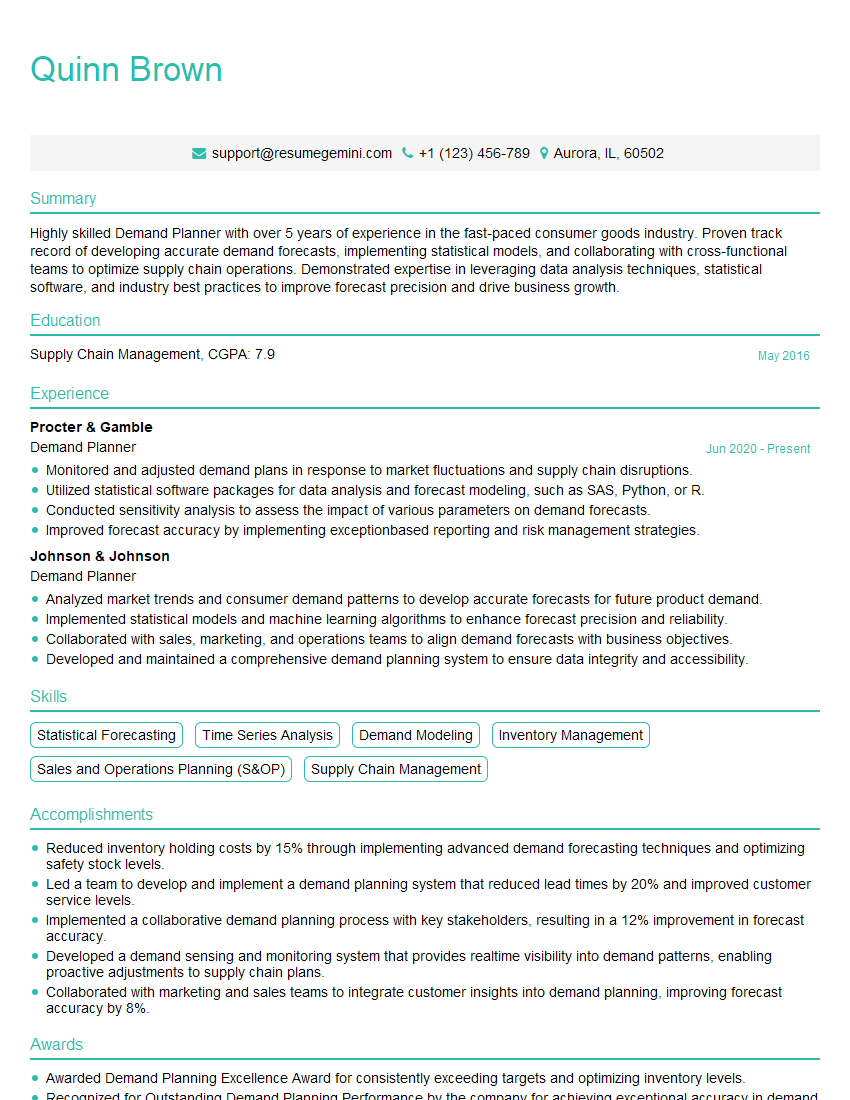
Demand Planner Resume Sample
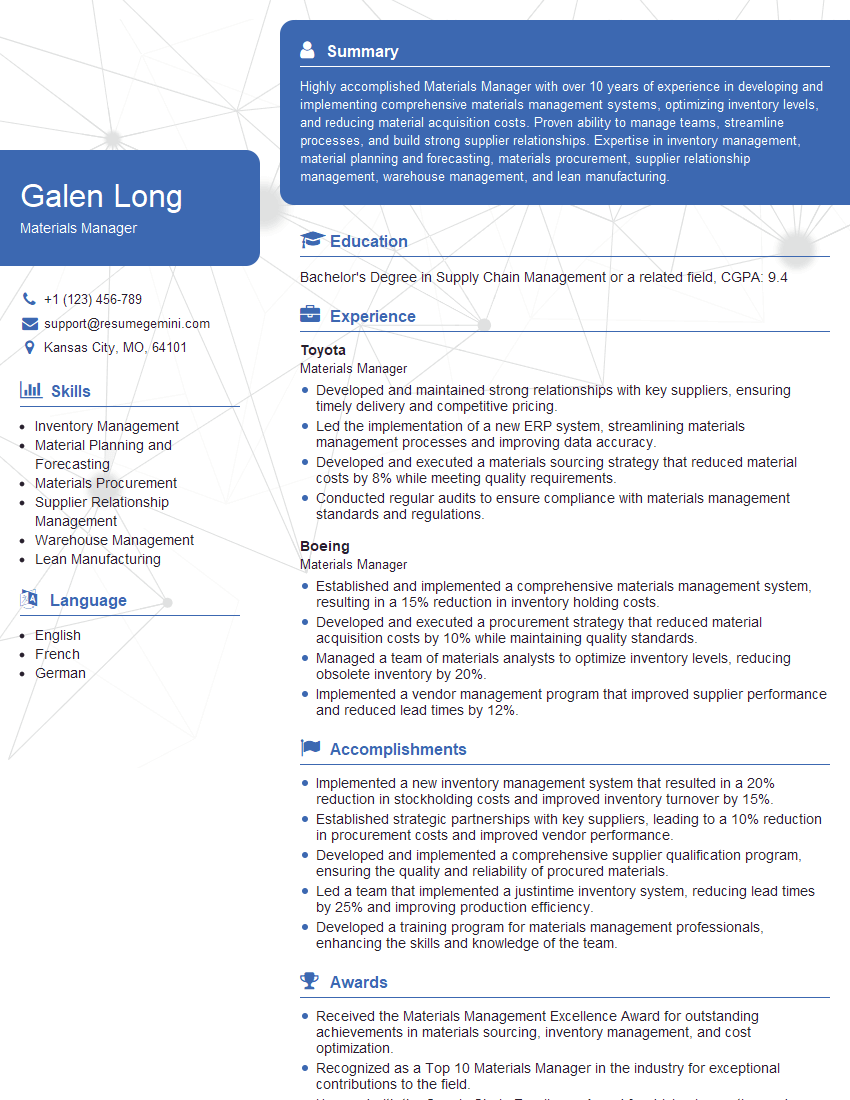
Materials Manager Resume Sample

Procurement Manager Resume Sample
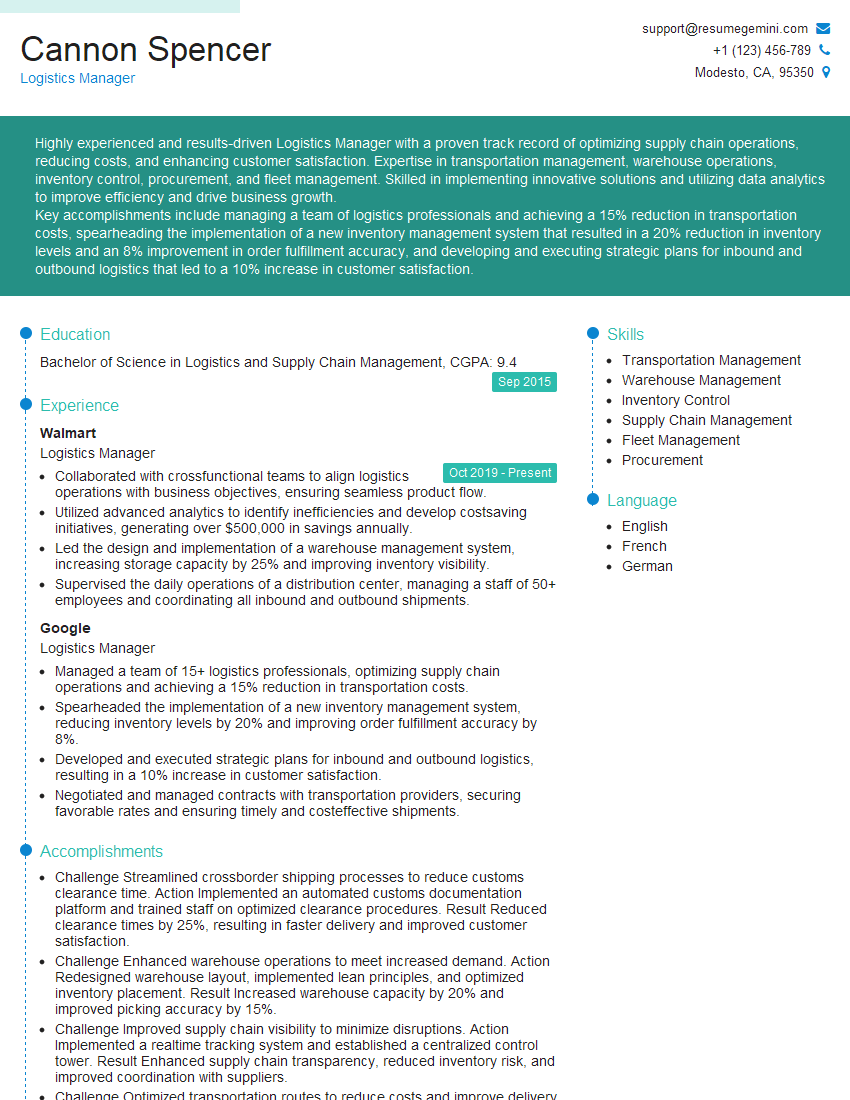
Logistics Manager Resume Sample
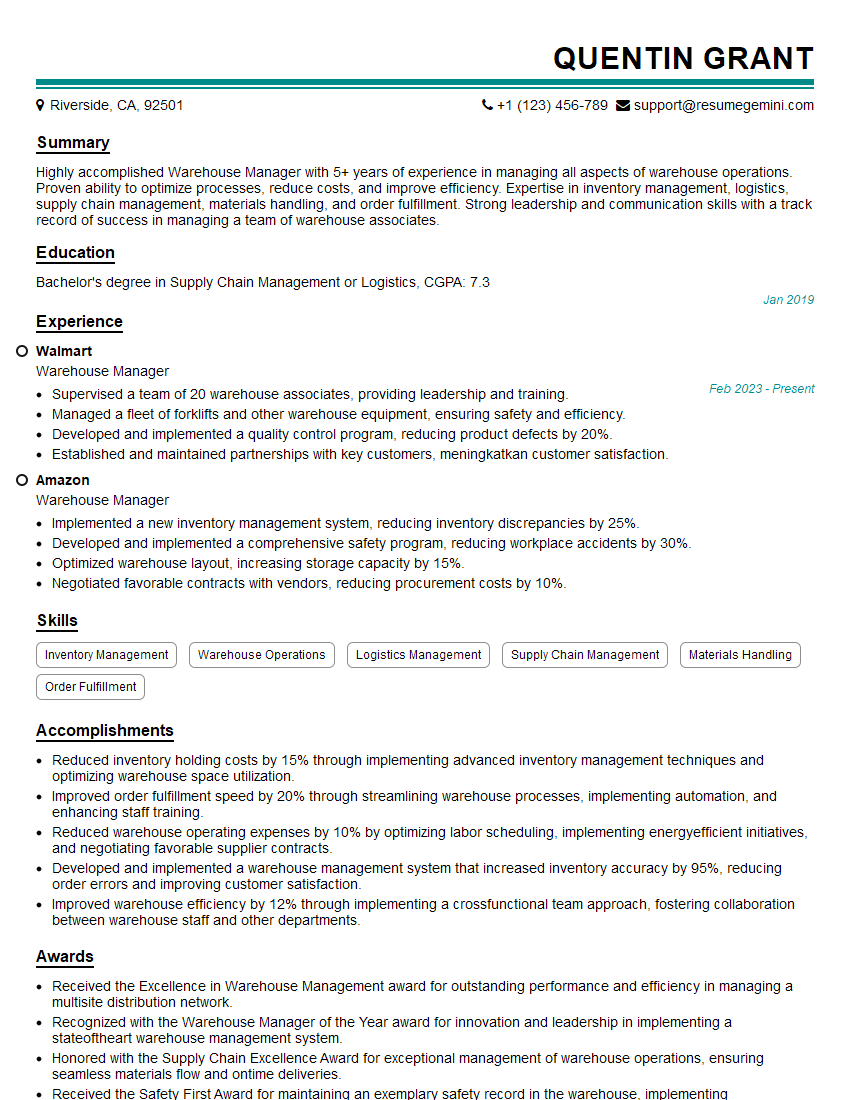
Warehouse Manager Resume Sample
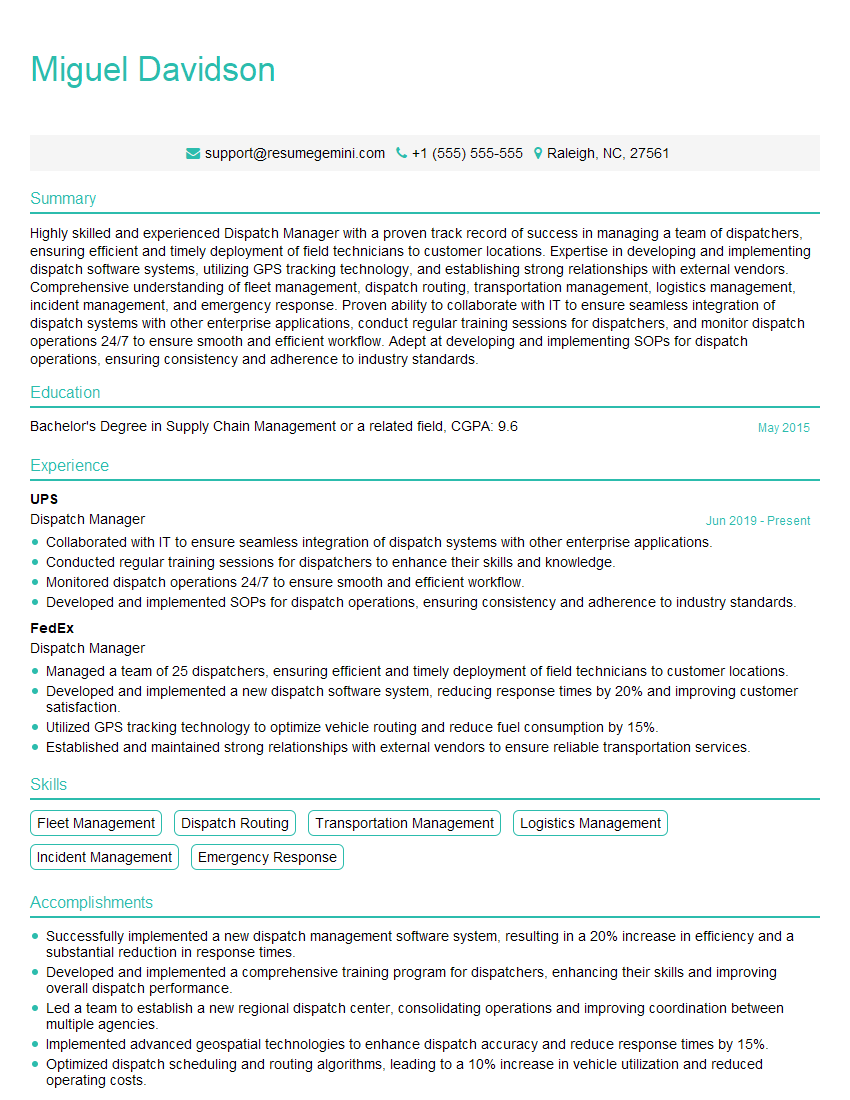
Dispatch Manager Resume Sample
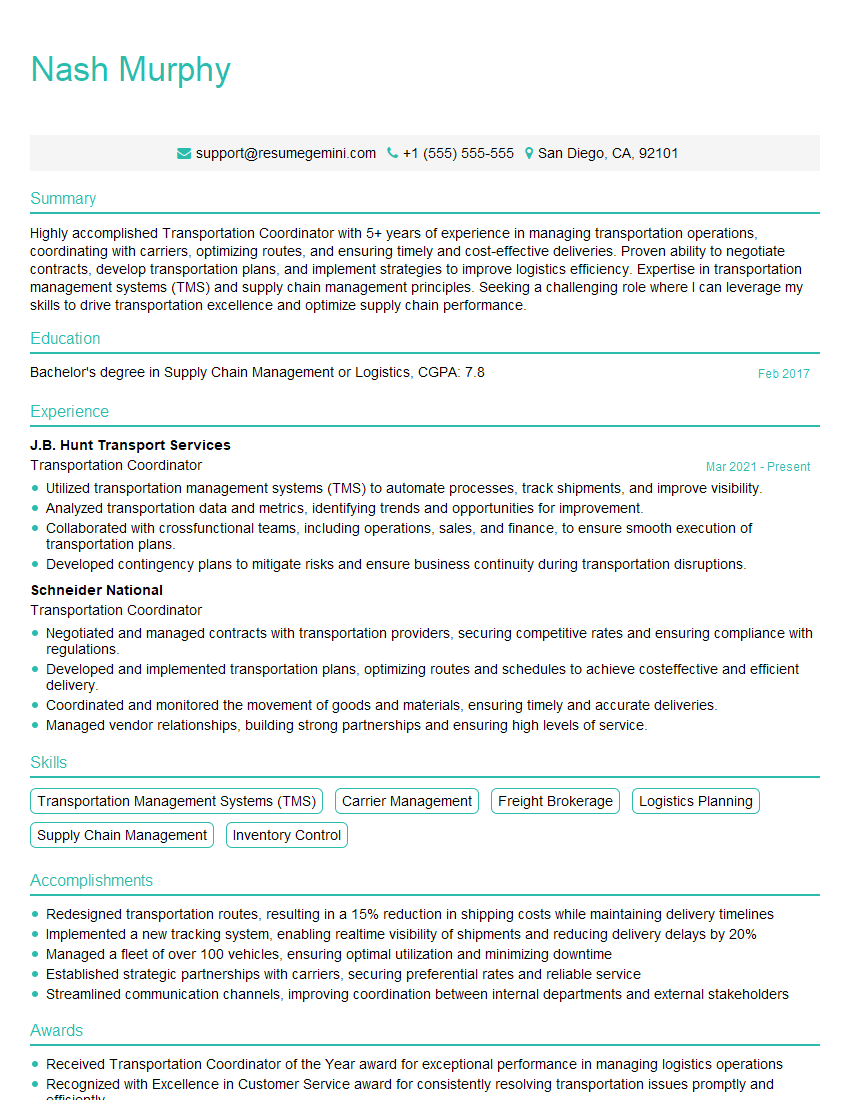
Transportation Coordinator Resume Sample
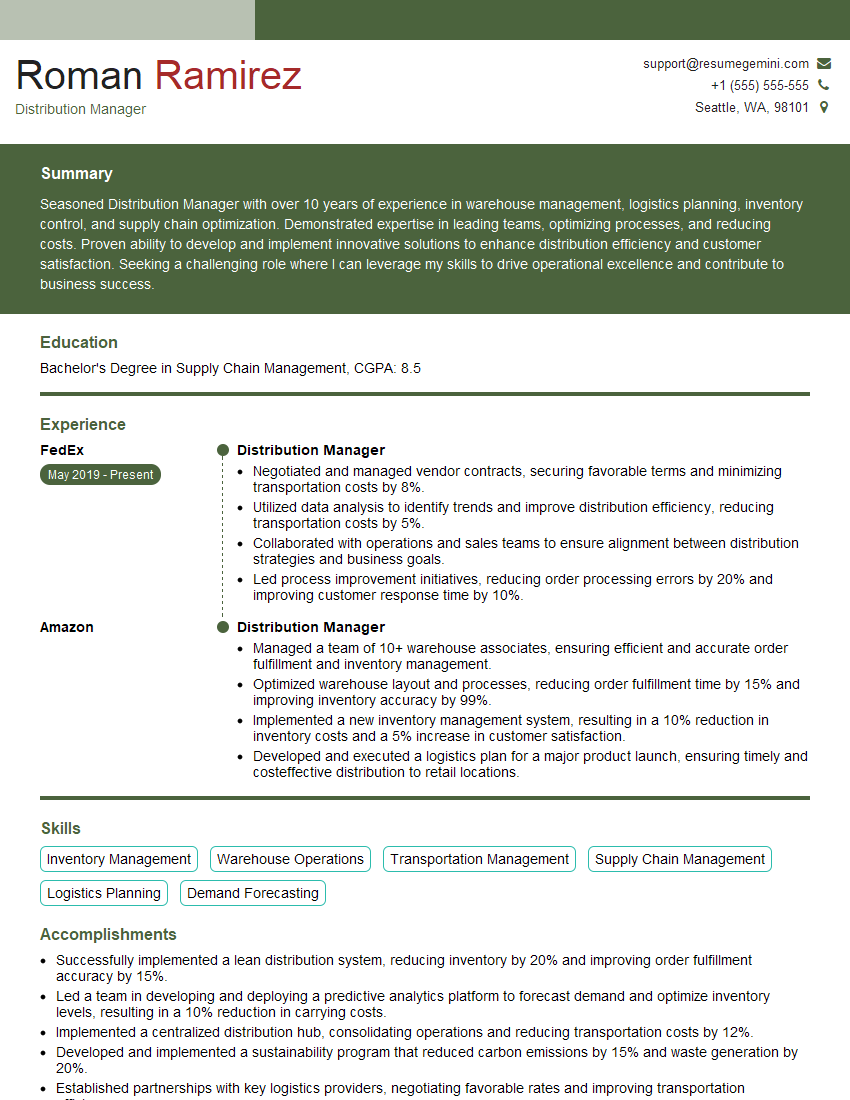
Distribution Manager Resume Sample
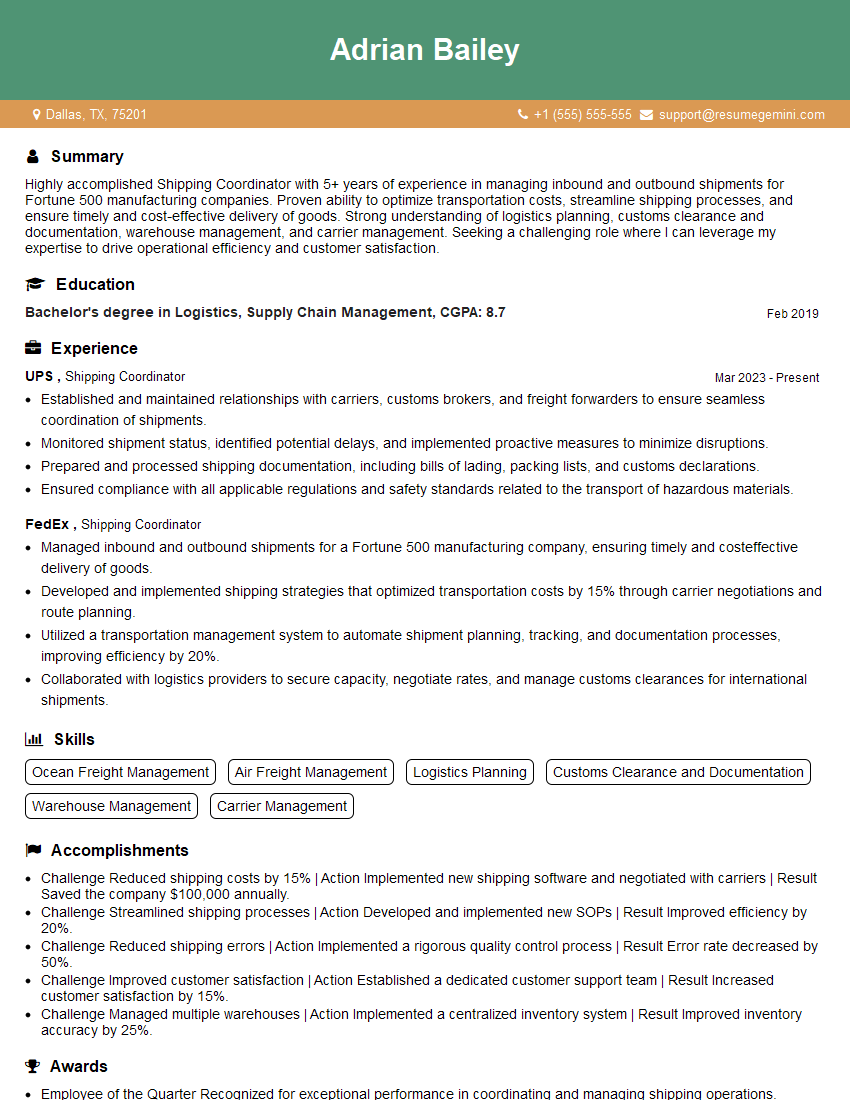
Shipping Coordinator Resume Sample
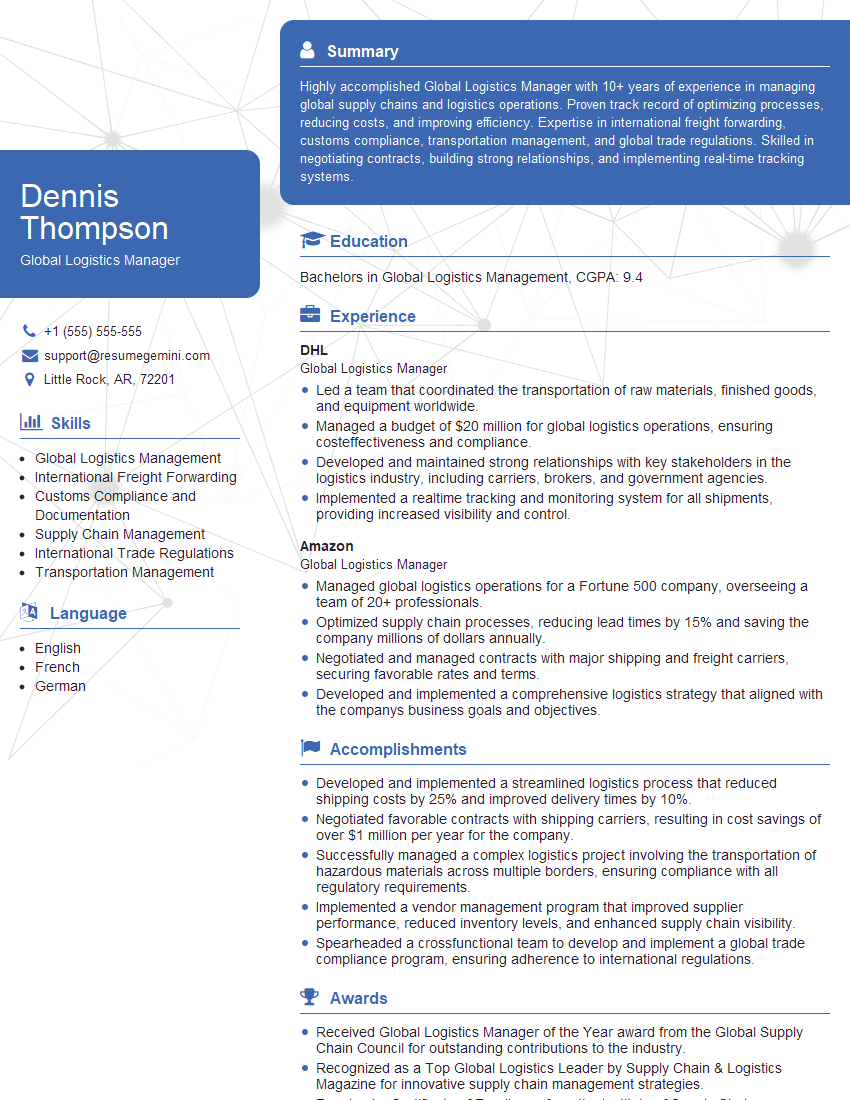
Global Logistics Manager Resume Sample
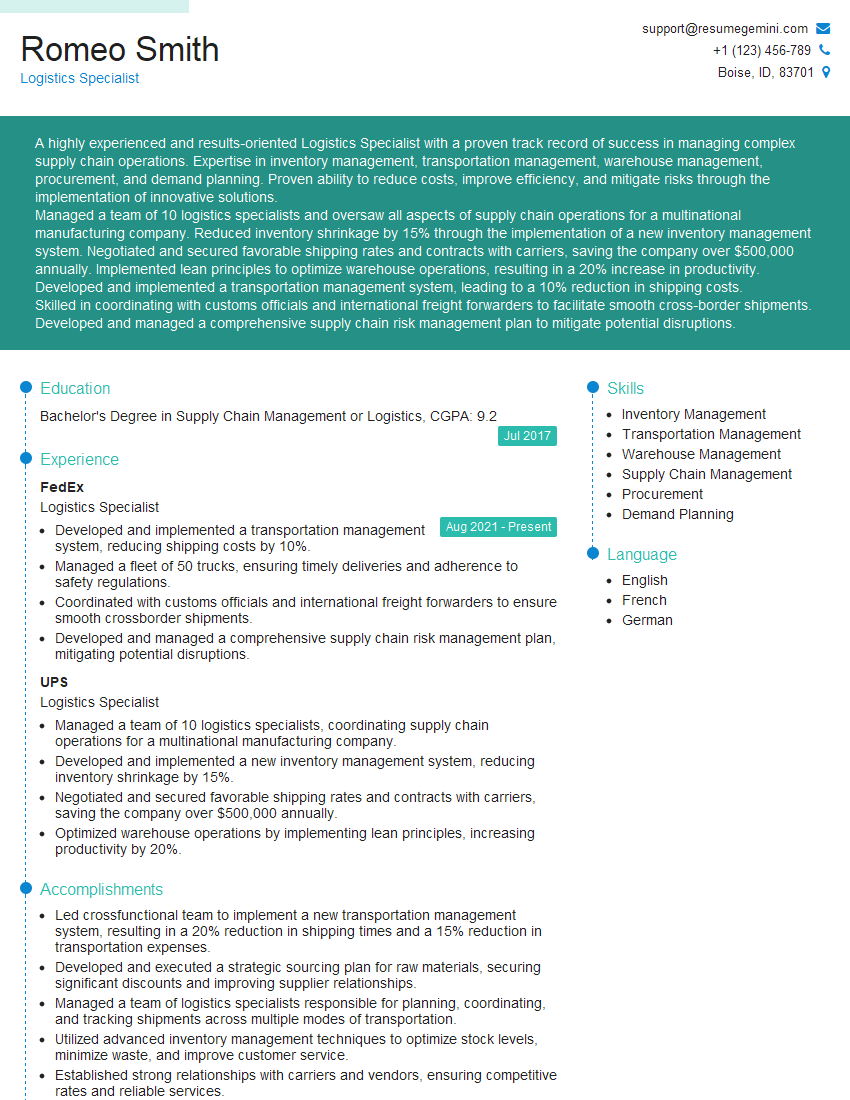
Logistics Specialist Resume Sample
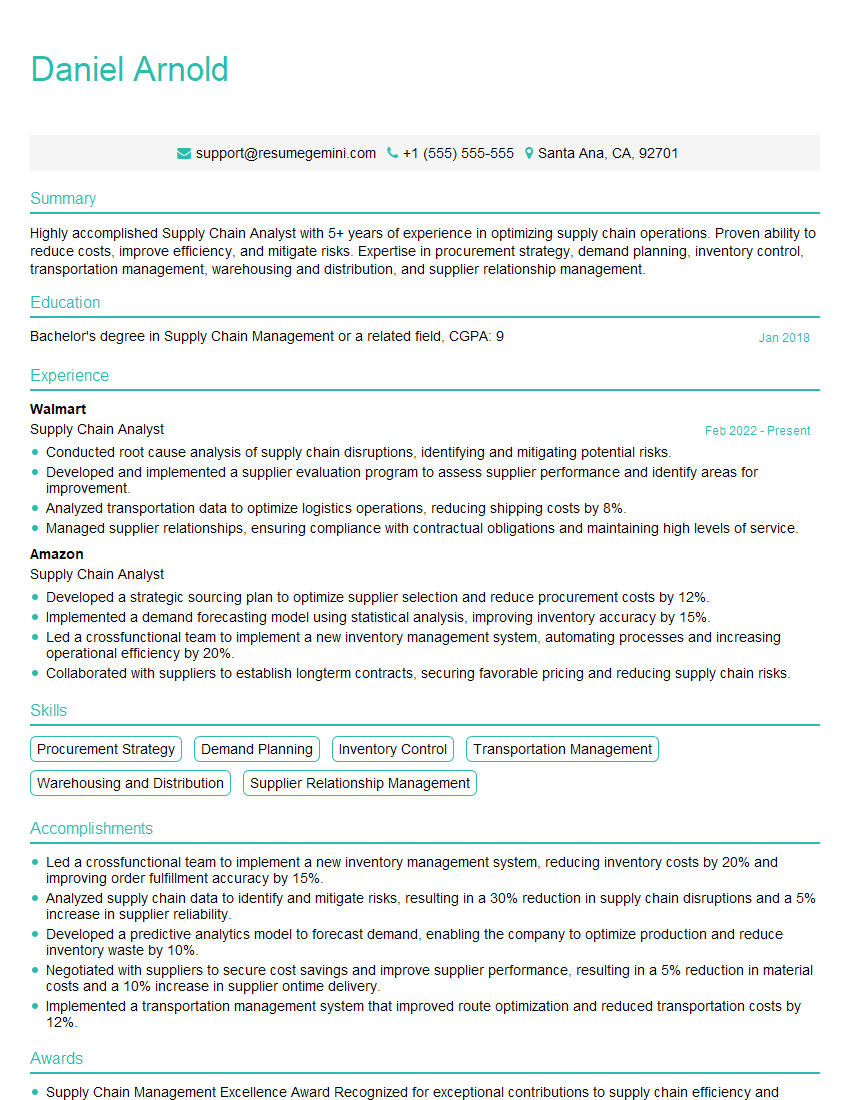
Supply Chain Analyst Resume Sample
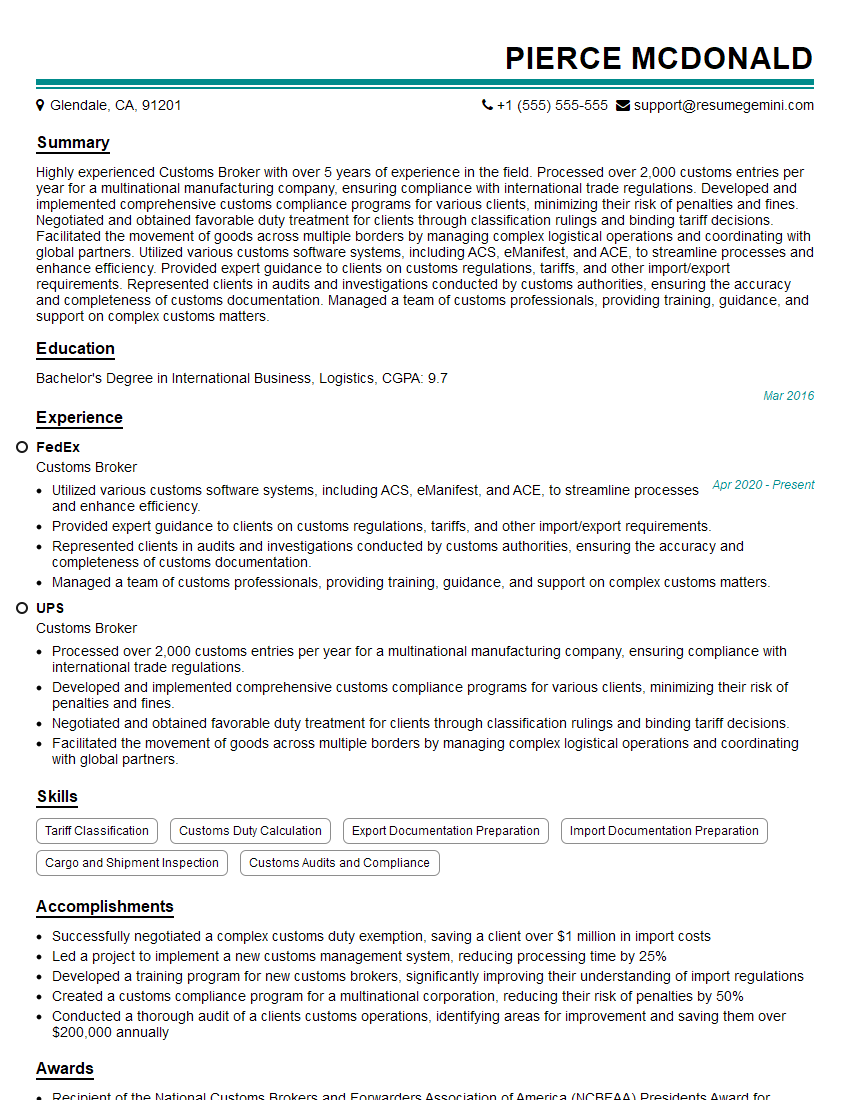
Customs Broker Resume Sample
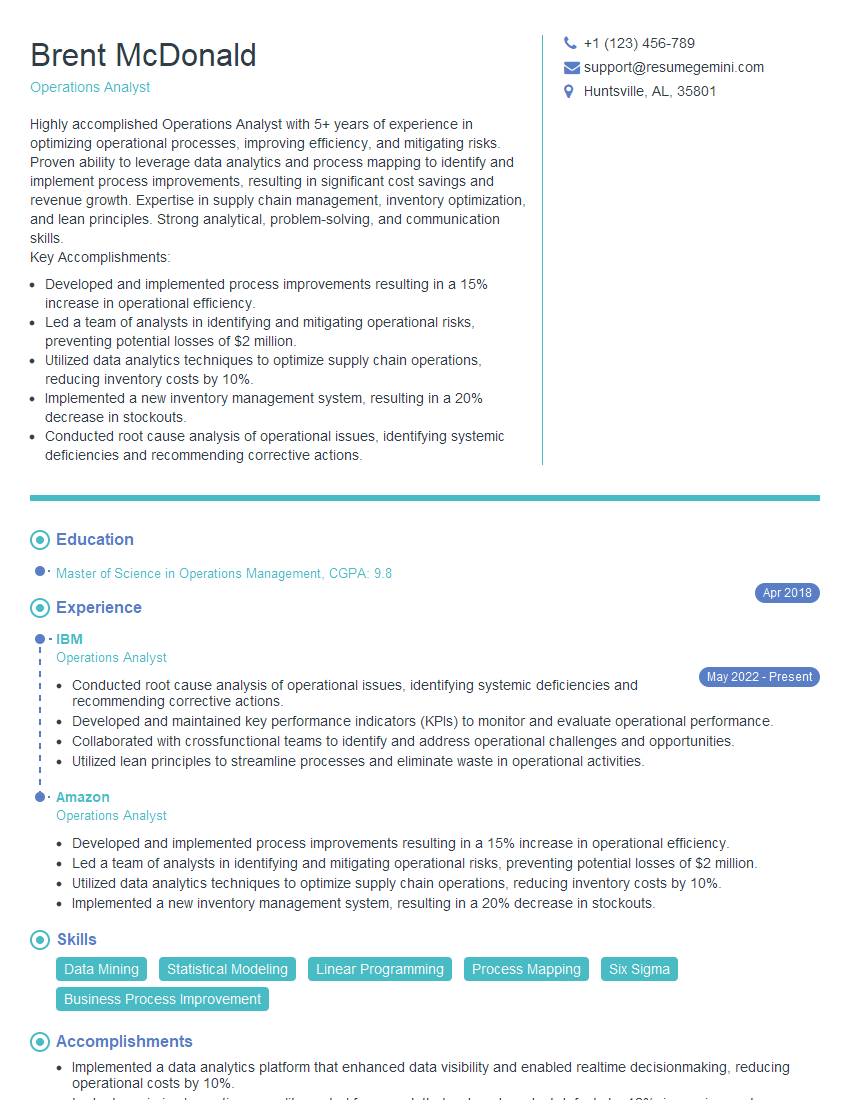
Operations Analyst Resume Sample
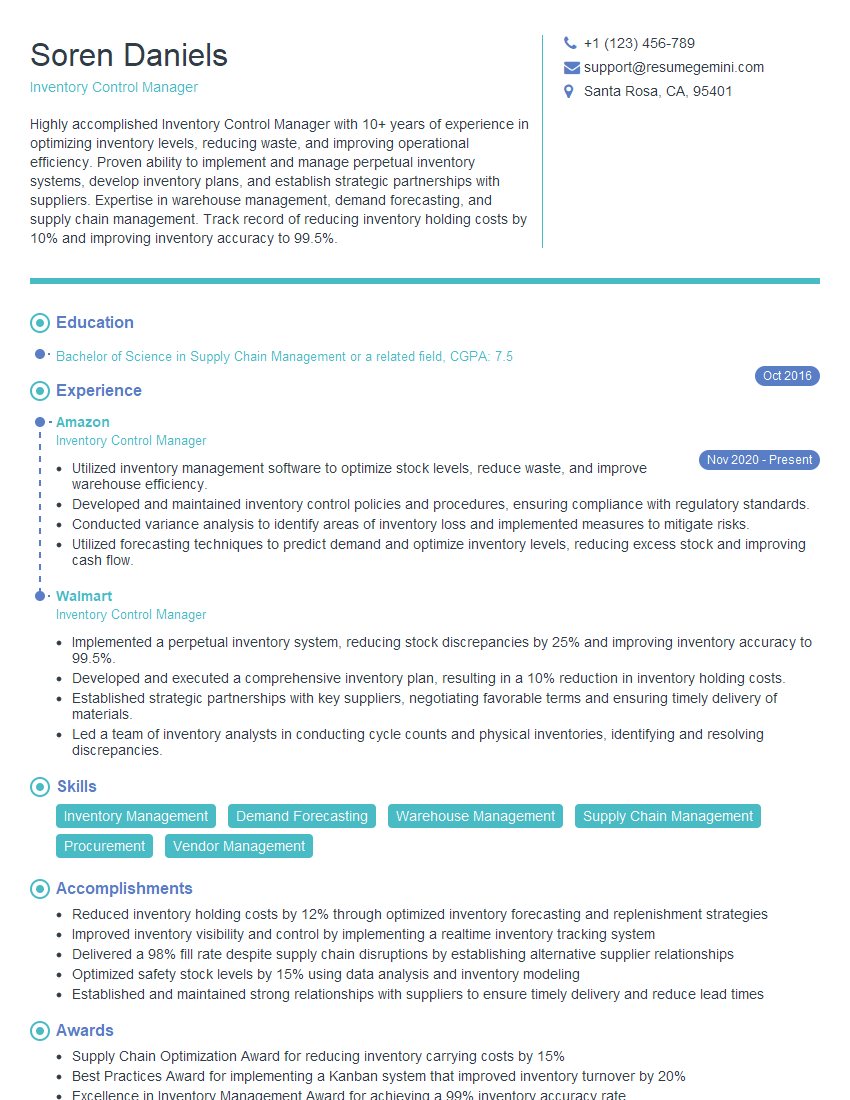
Inventory Control Manager Resume Sample
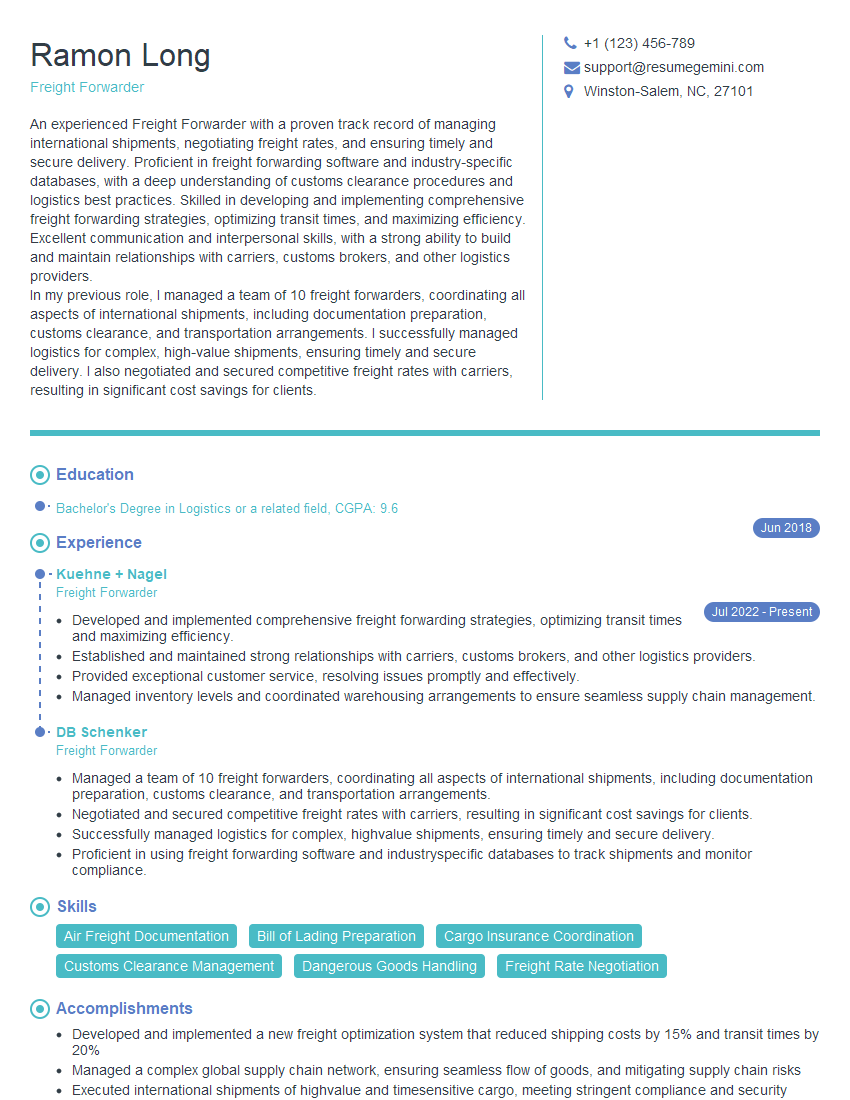
Freight Forwarder Resume Sample
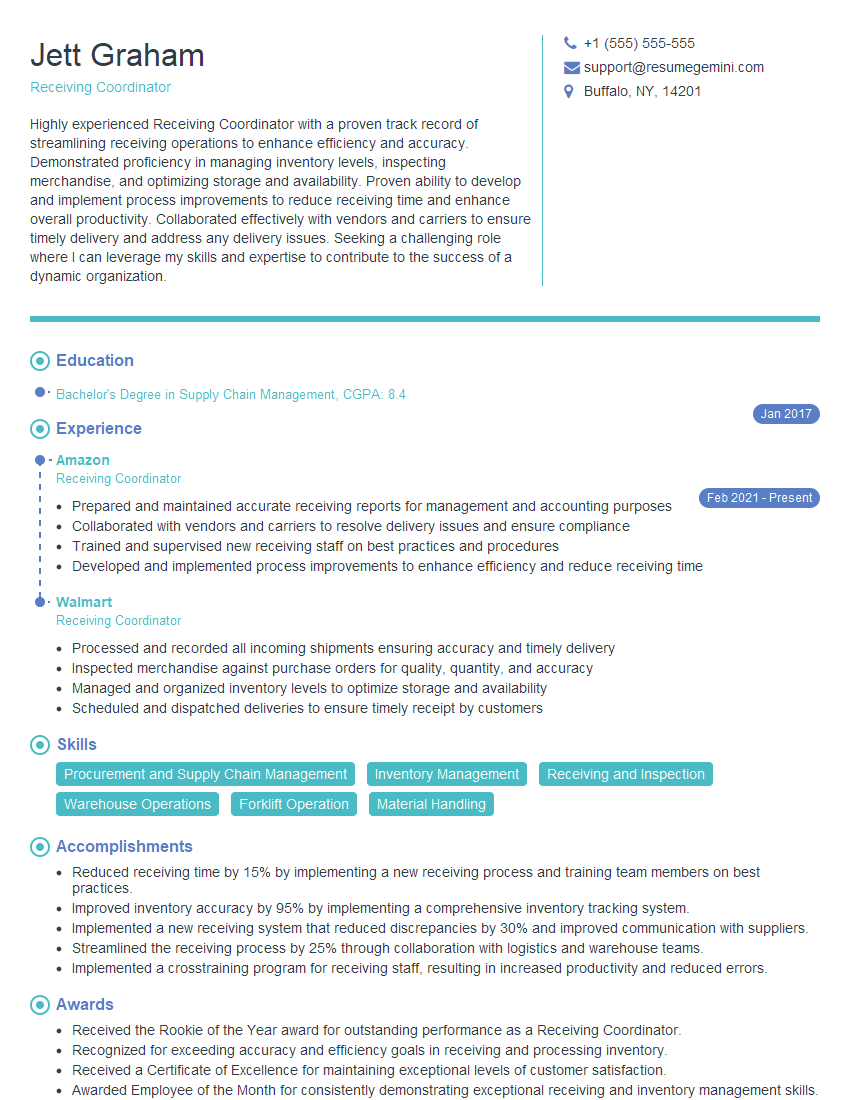
Receiving Coordinator Resume Sample
- Operations Manager
- Demand Planner
- Materials Manager
- Procurement Manager
- Logistics Manager
- Warehouse Manager
- Dispatch Manager
- Transportation Coordinator
- Distribution Manager
- Shipping Coordinator
- Global Logistics Manager
- Logistics Specialist
- Supply Chain Analyst
- Customs Broker
- Operations Analyst
- Inventory Control Manager
- Freight Forwarder
- Receiving Coordinator
Explore more articles
Users Rating of Our Blogs
Share Your Experience
We value your feedback! Please rate our content and share your thoughts (optional).
What Readers Say About Our Blog
Very informative content, great job.
good