Feeling uncertain about what to expect in your upcoming interview? We’ve got you covered! This blog highlights the most important Field Safety and Emergency Procedures interview questions and provides actionable advice to help you stand out as the ideal candidate. Let’s pave the way for your success.
Questions Asked in Field Safety and Emergency Procedures Interview
Q 1. Describe your experience conducting risk assessments.
Conducting thorough risk assessments is paramount to preventing workplace incidents. My approach involves a systematic process, starting with identifying potential hazards. This includes a detailed walkthrough of the worksite, considering all aspects – machinery, chemicals, working heights, ergonomics, and even environmental factors like weather conditions. I then evaluate the likelihood of these hazards causing harm and the severity of the potential consequences. This is often represented using a risk matrix, which helps prioritize hazards based on their risk level (likelihood x severity). For example, a high likelihood of minor cuts from a sharp object might be less of a priority than a low likelihood of a severe injury from a malfunctioning machine.
Following the hazard identification and risk evaluation, I develop control measures to mitigate the risks. These controls can be hierarchical – elimination, substitution, engineering controls, administrative controls, and lastly, personal protective equipment (PPE). For instance, if a machine poses a risk of crushing, elimination (removing the machine) is ideal, followed by substitution (using a safer machine), engineering controls (adding safety guards), administrative controls (implementing safe work procedures), and finally PPE (providing safety gloves and eye protection).
Finally, the assessment is documented and regularly reviewed, ensuring it remains relevant and effective. Changes in the workplace or new information might necessitate updates to the risk assessment. I always involve workers in the process, as their firsthand experience provides invaluable insights.
Q 2. Explain your process for developing and implementing safety procedures.
Developing and implementing safety procedures is a collaborative effort that begins with clearly defined objectives. We start by consulting relevant legislation, industry best practices, and risk assessments to identify the specific needs and hazards. For instance, if we’re working with hazardous chemicals, we’ll need procedures covering storage, handling, use, and disposal, referencing the Safety Data Sheets (SDS) for each chemical.
The procedures are then drafted in clear, concise, and easy-to-understand language, avoiding jargon. Visual aids, like flowcharts or diagrams, often enhance understanding and retention. We ensure the procedures are readily accessible to all workers, perhaps using a digital system or prominently displayed posters. Crucially, the procedures must be practical and feasible – employees must be able to follow them without significant disruption to their workflow.
Implementing procedures requires training and communication. Workers are trained on the procedures, their rationale, and the consequences of non-compliance. Regular drills and refresher training reinforce knowledge and ensure everyone is up-to-date. Feedback mechanisms are vital – employees should feel comfortable reporting any issues or suggesting improvements to the procedures. Ongoing monitoring and evaluation help ensure the effectiveness of the safety procedures and highlight any areas needing adjustment.
Q 3. How do you ensure compliance with relevant safety regulations?
Ensuring compliance with safety regulations is an ongoing process, not a one-time event. It begins with a thorough understanding of all applicable laws, regulations, and standards. This could range from OSHA regulations in the US to equivalent standards in other countries. We maintain a comprehensive database of relevant legislation, regularly updating it to reflect changes and new developments.
Compliance involves not only knowing the regulations but also actively implementing them. This necessitates regular inspections and audits of the workplace to identify any deviations from established safety standards. We utilize checklists, documentation reviews, and site walks to pinpoint potential issues. Corrective actions are implemented promptly, and records are maintained to demonstrate compliance. Employee training and awareness play a crucial role; they must understand the regulations and their importance in preventing accidents.
Proactive engagement with regulatory bodies is also key. This can include attending workshops, seminars, and participating in inspections. Open communication facilitates early identification of potential non-compliance issues and allows for timely remedial actions. A strong safety culture, where compliance is valued and prioritized, is essential for long-term success.
Q 4. What methods do you use to investigate workplace incidents?
Investigating workplace incidents is a crucial aspect of improving safety. My approach follows a structured methodology, starting with securing the scene to prevent further harm and preserve evidence. This often involves taking photographs, documenting witness statements, and collecting any relevant physical evidence.
Next, I conduct a thorough investigation, identifying the root causes of the incident, not just the immediate cause. For example, an employee falling from a ladder might be the immediate cause, but the root cause could be inadequate ladder maintenance or a lack of training on safe ladder usage. I use various tools such as fault tree analysis and ‘5 Whys’ to drill down to the underlying reasons. This often involves interviewing witnesses, reviewing documentation like maintenance logs, and analyzing incident reports.
The findings are then compiled into a comprehensive report, detailing the incident, the contributing factors, and the recommended corrective actions. The report also identifies any systemic issues that might require changes to safety procedures, training, or equipment. Finally, preventive measures are implemented to prevent similar incidents from occurring in the future. The entire process emphasizes learning from mistakes and continually improving safety protocols.
Q 5. How would you handle a workplace emergency (e.g., fire, injury)?
Handling a workplace emergency, such as a fire or injury, requires a calm, decisive, and coordinated response. My first priority is the safety of personnel. This involves immediately activating the emergency response plan, which should be readily accessible and clearly communicated to all employees. The plan dictates actions for specific emergencies, including evacuation procedures, first aid response, and communication protocols.
In the case of a fire, the initial steps include activating the alarm system, ensuring everyone evacuates safely, and contacting emergency services. If an injury occurs, immediate first aid is administered, and emergency medical services are called. The scene is secured to prevent further injury and preserve evidence for investigation later.
Effective communication is paramount. Clear instructions should be given to employees during the emergency, and regular updates should be provided to keep them informed. Post-emergency procedures include documenting the event, conducting a thorough investigation to determine the cause and identify preventive measures, and reviewing the emergency response plan to identify areas for improvement. Regular drills and simulations help ensure that employees are prepared to act effectively in a crisis.
Q 6. Explain your knowledge of emergency response plans and procedures.
Emergency response plans are crucial for minimizing the impact of workplace emergencies. A well-developed plan must be comprehensive, covering various potential scenarios – fire, chemical spills, medical emergencies, natural disasters, and so on. It should be tailored to the specific workplace and its unique hazards. The plan should clearly outline the roles and responsibilities of different personnel, including designated emergency response teams, first aid providers, and communication officers.
Procedures should detail specific actions to be taken in each emergency scenario, including evacuation routes, assembly points, communication protocols, and emergency contact information. The plan should be easily accessible to all employees, and regular training and drills are necessary to ensure everyone understands their roles and responsibilities. The plan should also include post-emergency procedures, such as securing the site, accounting for all personnel, conducting damage assessment, and initiating investigations.
Regular review and updates to the plan are essential to ensure its effectiveness and relevance. This should involve input from all stakeholders, including workers, supervisors, and emergency responders. The plan should also comply with all relevant legal and regulatory requirements.
Q 7. What are the key elements of a comprehensive safety program?
A comprehensive safety program is multifaceted and includes several key elements, working together to create a safe and healthy work environment.
- Leadership commitment: Strong, visible support from senior management is essential. Safety must be a priority at all levels.
- Hazard identification and risk assessment: Proactive identification of potential hazards and assessment of their risks is fundamental.
- Safe work procedures and training: Detailed, easy-to-understand procedures and thorough training for all employees.
- Emergency response planning: A comprehensive plan with regular drills and training.
- Personal protective equipment (PPE): Provision of appropriate PPE and training on its correct use.
- Incident investigation and reporting: A system for investigating incidents, identifying root causes, and implementing corrective actions.
- Health and wellbeing programs: Focus on promoting physical and mental well-being of workers.
- Communication and consultation: Open communication channels and regular consultation with workers.
- Monitoring and review: Regular monitoring of safety performance and review of the safety program.
These elements work together to foster a strong safety culture where safety is everyone’s responsibility. A successful safety program doesn’t just prevent accidents; it improves morale, productivity, and overall workplace performance. It’s a continuous improvement cycle, not a one-time initiative.
Q 8. Describe your experience with safety training and education.
My experience in safety training and education spans over 15 years, encompassing both the design and delivery of programs across diverse industries. I’ve developed and delivered training on topics ranging from basic hazard recognition to advanced emergency response protocols. This includes hands-on training, classroom instruction, and online modules. For example, I developed a comprehensive safety training program for a construction company, resulting in a 30% reduction in workplace incidents within a year. The program incorporated interactive simulations and realistic scenarios to enhance engagement and knowledge retention. My approach emphasizes practical application and personalized feedback, ensuring trainees understand how safety procedures translate into real-world situations. I also have extensive experience in updating and revising training materials to reflect changes in legislation, best practices, and technological advancements. This includes incorporating new technologies like VR simulations for more immersive learning experiences.
Q 9. How do you communicate safety information effectively to workers?
Effective communication is paramount in safety. I employ a multi-faceted approach, tailoring my methods to the audience and the message. This includes utilizing clear, concise language, avoiding jargon, and using visuals like diagrams, videos, and real-life examples to illustrate key points. For instance, when explaining lockout/tagout procedures, I use a combination of visual aids, hands-on demonstrations, and role-playing to ensure workers understand the process thoroughly. I also emphasize two-way communication – encouraging questions, feedback, and open discussions. Regular safety meetings, toolbox talks, and informal conversations are crucial for ensuring understanding and addressing concerns. Different communication channels are used to reach diverse workforces: for example, text messages for quick reminders, posters for visual cues, and online platforms for accessing training materials.
Q 10. Explain your understanding of hazard identification and control.
Hazard identification and control is a systematic process that begins with proactively identifying potential hazards in the workplace. This involves regular workplace inspections, job hazard analyses (JHAs), and utilizing incident investigation reports to pinpoint areas needing improvement. Once a hazard is identified, the next step is evaluating its risk – considering the likelihood of occurrence and the severity of potential consequences. Based on this risk assessment, appropriate control measures are implemented. These measures follow a hierarchy of controls, starting with elimination (removing the hazard entirely), followed by substitution (replacing it with a safer alternative), engineering controls (modifying equipment or processes), administrative controls (changes to work practices or procedures), and finally, personal protective equipment (PPE) as a last resort. For example, if a hazard is identified as slippery floors, control measures could involve engineering controls (installing non-slip flooring), administrative controls (implementing a cleaning schedule), and PPE (providing anti-slip footwear).
Q 11. How do you manage safety in a remote or challenging work environment?
Managing safety in remote or challenging environments requires meticulous planning and proactive measures. This starts with comprehensive risk assessments that specifically address unique challenges like extreme weather, terrain, isolation, and limited access to resources. Prior to any work commencing, I ensure that robust communication systems, emergency response plans, and adequate supplies are in place. Regular communication checks, GPS tracking, and satellite phones are essential for maintaining contact and providing rapid assistance in emergencies. Workers must receive specialized training on survival skills, first aid, and wilderness rescue techniques. Regular health checks and stress management strategies are also crucial to mitigate risks in physically or emotionally demanding conditions. A well-defined emergency evacuation plan, practiced regularly, is vital. For example, when working in a remote mining operation, I’d ensure that each team has a comprehensive emergency plan, including designated escape routes, emergency contact numbers, and sufficient supplies to last until rescue.
Q 12. What are your strategies for promoting a positive safety culture?
Promoting a positive safety culture is a continuous effort, not a one-time event. It involves fostering a shared understanding and commitment to safety at all levels of the organization. This includes leadership demonstrating visible commitment to safety, actively participating in safety initiatives, and holding employees accountable. Open communication, regular safety meetings, and employee involvement in safety programs are crucial. Recognizing and rewarding safe behavior helps reinforce positive actions. Providing safety training that is engaging and relevant helps instill a sense of ownership. Investigating incidents thoroughly and using them as learning opportunities helps prevent future occurrences. Regular audits and inspections ensure that safety measures are being followed and that the culture of safety remains strong. Encouraging a culture of reporting, where employees feel safe to report near misses or unsafe conditions without fear of repercussions, is vital.
Q 13. How do you measure the effectiveness of safety programs?
Measuring the effectiveness of safety programs involves tracking key indicators such as the number and severity of accidents, near misses, and lost-time injuries. Analyzing these metrics over time provides insights into the program’s effectiveness. Other important metrics include employee safety awareness scores from training assessments, the number of safety suggestions received from employees, participation rates in safety training, and the number of safety inspections conducted. These data points provide a comprehensive picture of the safety climate. Benchmarking against industry standards helps evaluate performance relative to similar organizations. Regular audits and safety surveys help identify areas for improvement. Furthermore, leading indicators such as the number of safety observations and safety training hours are used to predict future performance.
Q 14. Describe your experience with incident reporting and documentation.
My experience with incident reporting and documentation includes developing and implementing standardized procedures that comply with all relevant regulations. This involves promptly documenting all incidents, near misses, and unsafe conditions using a consistent format and ensuring that all relevant information, such as date, time, location, witnesses’ statements, and any contributing factors, is accurately recorded. Photographs and videos can be incorporated for better understanding. Incident investigations are conducted to determine root causes, and corrective actions are documented and implemented to prevent similar incidents from occurring in the future. The documentation process is crucial for legal purposes and for continuous improvement of safety measures. Regular review of incident reports helps identify trends and potential hazards that might have been overlooked. Using incident reports to improve safety training enhances the overall effectiveness of the safety program.
Q 15. How would you address a conflict between safety requirements and production goals?
Addressing conflicts between safety and production is a crucial aspect of effective safety management. It’s about finding a balance, not a compromise where safety is sacrificed. My approach involves a collaborative, data-driven strategy. First, I’d clearly define the specific safety requirements and the production goals, quantifying them whenever possible. For example, if a safety procedure adds 15 minutes to a process, I’d explore if that delay can be offset through process optimization elsewhere or whether the risk associated with the shortcut outweighs the production gain. Next, I’d engage in open communication with all stakeholders – from production managers to line workers – to understand everyone’s perspectives and concerns. This helps identify potential solutions collaboratively, fostering buy-in and reducing resistance to change. Then, I’d evaluate alternative solutions, weighing the trade-offs between safety and production efficiency. This might involve investing in new technologies that enhance safety without compromising output or redesigning the workflow to improve both. Finally, I’d implement the chosen solution, monitor its effectiveness, and make adjustments as necessary. Regularly reviewing safety performance indicators alongside production metrics is essential to ensuring the long-term balance.
For example, in a previous role, we faced pressure to increase output on a manufacturing line. A proposed shortcut risked worker exposure to hazardous chemicals. Instead of compromising safety, we implemented a new automated system that increased efficiency while completely eliminating chemical exposure. This increased both safety and production, demonstrating that prioritizing safety doesn’t necessarily hinder production goals.
Career Expert Tips:
- Ace those interviews! Prepare effectively by reviewing the Top 50 Most Common Interview Questions on ResumeGemini.
- Navigate your job search with confidence! Explore a wide range of Career Tips on ResumeGemini. Learn about common challenges and recommendations to overcome them.
- Craft the perfect resume! Master the Art of Resume Writing with ResumeGemini’s guide. Showcase your unique qualifications and achievements effectively.
- Don’t miss out on holiday savings! Build your dream resume with ResumeGemini’s ATS optimized templates.
Q 16. What are your skills in using safety management software?
I’m proficient in several safety management software packages, including [Software Name 1], [Software Name 2], and [Software Name 3]. My skills encompass data entry, report generation, incident investigation tracking, and risk assessment analysis. I’m particularly skilled at using these tools to identify trends, predict potential hazards, and demonstrate the effectiveness of safety interventions. I can leverage the reporting and analytical features of these systems to communicate safety performance data clearly and concisely to both management and employees. I’m also comfortable learning new software and adapting my skills to different systems as needed. For example, in a previous role, I used [Software Name 1] to develop a comprehensive database of near-miss incidents, which we then analyzed to implement targeted training and preventative measures. This resulted in a significant reduction in workplace accidents.
Q 17. Describe your experience with personal protective equipment (PPE).
My experience with personal protective equipment (PPE) is extensive. I understand the critical role PPE plays in mitigating workplace hazards. This includes selecting the appropriate PPE based on the identified risk, ensuring proper fit and training on its correct use, and enforcing its consistent use. I’m familiar with a wide range of PPE, including but not limited to safety glasses, hearing protection, respirators, gloves, safety footwear, and fall protection equipment. I’ve developed and delivered training programs on the selection, fit testing, inspection, and proper use of PPE. I’m also knowledgeable about relevant regulations and standards for PPE selection and maintenance. For example, I’ve overseen the implementation of a comprehensive PPE program in a construction environment, reducing workplace injuries by 20% within a year. This involved not only providing the right equipment but also ensuring employees understood the importance of using it correctly.
Q 18. How do you ensure the proper use and maintenance of safety equipment?
Ensuring proper use and maintenance of safety equipment is paramount. My approach involves a multi-faceted strategy. First, I ensure that all safety equipment is inspected regularly, following a predetermined schedule. This includes visual inspections and functional tests. Second, I provide comprehensive training to employees on the proper use, limitations, and maintenance of the equipment specific to their roles. Third, I implement a system for reporting damaged or malfunctioning equipment, ensuring prompt repair or replacement. Fourth, I maintain detailed records of all inspections, training, and repairs, ensuring compliance with all applicable regulations. Fifth, I frequently review the effectiveness of the maintenance program, adapting it as necessary to address emerging needs. Think of it like maintaining a vehicle – regular maintenance prevents costly repairs and ensures safe operation.
For instance, in a previous role, I implemented a color-coded system for identifying equipment needing inspection or replacement, making it immediately clear to employees which items required attention. This visual system significantly improved compliance with maintenance procedures.
Q 19. What is your understanding of lockout/tagout procedures?
Lockout/Tagout (LOTO) procedures are crucial for preventing accidental energy release during maintenance or repair activities. My understanding of LOTO encompasses all aspects, from identifying energy sources to verifying isolation and ensuring safe return-to-service. I’m familiar with various LOTO devices and the importance of proper training in their use. I know that a successful LOTO procedure requires clear communication among all personnel involved, adherence to established protocols, and a thorough understanding of the equipment being serviced. This process needs to be meticulously documented at each stage to ensure accountability. Furthermore, I’m aware of the importance of regular audits and inspections to ensure compliance with LOTO procedures and to identify any areas of improvement. LOTO procedures aren’t just about following steps; it’s about a culture of safety where everyone takes ownership of the process.
I’ve personally overseen the implementation of comprehensive LOTO programs in various industrial settings, resulting in a significant reduction in energy-related incidents. For example, I helped develop a standardized LOTO procedure for a chemical processing plant, significantly reducing the risk of accidental releases.
Q 20. Describe your experience conducting safety audits and inspections.
I have extensive experience conducting safety audits and inspections, covering various industrial settings. My approach is systematic, involving pre-audit planning, detailed on-site inspections, and comprehensive reporting with recommendations for corrective actions. During an inspection, I meticulously examine all aspects of the work environment, including equipment, procedures, and employee practices, to identify potential hazards or non-compliance issues. I use checklists and standardized procedures to ensure consistency and thoroughness. My reports detail all findings, include photographs and supporting documentation where necessary, and offer actionable recommendations for improvements. I also follow up to ensure that corrective actions are implemented effectively and verify their success. A critical aspect of my approach is providing constructive feedback and working with personnel to foster a culture of continuous safety improvement.
In a previous role, I conducted regular safety audits of a manufacturing facility, identifying and correcting several potential hazards, such as faulty wiring and inadequate machine guarding, leading to a demonstrable reduction in workplace accidents. My detailed reports, coupled with follow-up discussions and training, were instrumental in fostering a more proactive safety culture within the organization.
Q 21. How do you identify and address potential safety hazards?
Identifying and addressing potential safety hazards is a proactive process, not a reactive one. My approach involves a combination of methods, including regular safety inspections, hazard identification techniques (like Job Hazard Analysis (JHA) and HAZOP), and incident reporting and analysis. I also utilize leading indicators, such as near-miss reports, to anticipate potential problems before they escalate into accidents. I believe in fostering a culture where employees feel comfortable reporting hazards, near misses, and unsafe conditions without fear of reprisal. Once a hazard is identified, I follow a systematic process to address it: analyzing the risk, determining appropriate control measures (elimination, substitution, engineering controls, administrative controls, PPE), implementing the controls, and monitoring their effectiveness. The key is to move beyond simply identifying hazards to implementing practical solutions to mitigate the risks.
For instance, during a routine inspection, I identified a potential trip hazard due to uneven flooring in a warehouse. By working with the facility management, we implemented a straightforward solution by repairing the floor and adding appropriate warning signs. This prevented potential injuries and demonstrated a commitment to proactive safety management.
Q 22. Explain your knowledge of emergency evacuation procedures.
Emergency evacuation procedures are crucial for ensuring the safety of personnel during unforeseen events like fires, chemical spills, or natural disasters. A well-defined plan minimizes risks and facilitates a swift, orderly exit. My experience encompasses developing and implementing these plans, considering factors such as building layouts, potential hazards, and the number of occupants.
A robust plan typically involves:
- Designated assembly points: Clearly marked locations outside the building where everyone gathers after evacuation.
- Evacuation routes: Clearly marked and well-lit escape paths, free from obstructions.
- Emergency exits: Regularly inspected and unobstructed exits, including emergency doors and stairwells.
- Communication systems: Alarms, public address systems, and designated communication personnel to guide evacuation.
- Training and drills: Regular practice drills to familiarize personnel with the procedures and address any potential issues.
- Accountability: Methods to ensure everyone is accounted for after evacuation.
For example, in my previous role at a chemical processing plant, I developed an evacuation plan that incorporated specific procedures for handling chemical spills, including designated decontamination areas and specialized equipment. Regular drills ensured personnel were proficient in following these procedures.
Q 23. How do you manage the reporting and investigation of near misses?
Managing the reporting and investigation of near misses is critical for proactive safety management. A near miss, an incident that could have resulted in injury or damage but did not, provides valuable insights into potential hazards. My approach involves a structured process:
- Reporting System: A simple, accessible system (e.g., online form, dedicated reporting hotline) for employees to report near misses without fear of reprisal.
For instance, a near miss involving a dropped tool near a live electrical cable led to the implementation of a new tool-handling procedure and additional safety training on working around electrical equipment.
Q 24. What are your skills in conducting safety training?
My safety training skills encompass designing, delivering, and evaluating effective training programs. I tailor training to the specific needs and roles of the audience, using a combination of methods for optimal learning.
My approach includes:
- Needs Assessment: Identifying specific safety hazards and training gaps through risk assessments and job hazard analyses.
- Curriculum Development: Designing engaging and interactive training materials, including presentations, videos, and hands-on exercises.
- Delivery Methods: Utilizing various delivery methods such as classroom-based training, online modules, and on-the-job training, depending on the subject matter and audience.
- Evaluation and Feedback: Assessing training effectiveness through quizzes, practical demonstrations, and post-training surveys to ensure knowledge retention and skill development.
For example, I developed a comprehensive confined space entry training program, including hands-on practice with safety equipment and simulated emergency scenarios. The program resulted in a significant improvement in employee competency and confidence in working within confined spaces.
Q 25. Explain your understanding of different types of safety permits (e.g., hot work, confined space).
Safety permits are crucial for controlling hazards in high-risk activities. Different permits cater to specific types of work.
- Hot Work Permits: Authorize activities involving sources of ignition (e.g., welding, cutting, soldering) near flammable materials. These permits specify fire prevention measures, such as fire watches, fire extinguishers, and removal of combustible materials.
- Confined Space Permits: Control entry into confined spaces (e.g., tanks, vessels, trenches) with potential hazards like oxygen deficiency, toxic gases, or engulfment. These permits outline procedures for atmospheric testing, ventilation, rescue plans, and entry/exit procedures.
- Other Permits: Other permits may exist for tasks such as working at heights, lockout/tagout procedures (de-energizing equipment), and working with hazardous chemicals.
Each permit requires a thorough risk assessment, outlining the hazards, necessary precautions, and designated personnel responsible for oversight. Non-compliance can lead to severe consequences. For example, failure to obtain a hot work permit and follow specified fire prevention measures can easily lead to a fire.
Q 26. How do you ensure that safety procedures are followed consistently?
Ensuring consistent safety procedure adherence requires a multi-faceted approach combining robust systems, leadership, and a strong safety culture.
- Clear Procedures and Documentation: Develop and maintain comprehensive, easily understandable safety procedures, ensuring they are readily available to all employees.
- Training and Competency: Provide thorough training to ensure employees understand and can competently implement procedures.
- Supervision and Monitoring: Implement regular supervisory checks to ensure adherence to procedures. This may involve observation, audits, and review of work permits.
- Accountability and Consequences: Establish a clear accountability system with consequences for non-compliance. This doesn’t necessarily mean punitive actions; it can include retraining or improvement initiatives.
- Incentives and Recognition: Encourage safe behavior through positive reinforcement and recognition programs.
- Incident Reporting and Investigation: Investigate incidents and near misses to identify areas for improvement and reinforce procedures.
- Continuous Improvement: Regularly review and update procedures based on experience, changes in legislation, and technological advancements.
A strong safety culture, where safety is a core value embraced by all employees from top management to frontline workers, is crucial for consistent adherence. This is fostered through open communication, active employee participation, and a commitment to continuous improvement.
Q 27. Describe your experience with developing and delivering safety presentations.
I have extensive experience in developing and delivering engaging safety presentations tailored to various audiences. My presentations typically incorporate a blend of theory, practical examples, and interactive elements to maximize impact.
My approach to presentation development includes:
- Audience Analysis: Identifying the knowledge level, interests, and specific needs of the target audience to tailor content effectively.
- Content Structuring: Organizing the information logically, using clear headings, concise points, and visual aids to enhance understanding.
- Interactive Elements: Incorporating quizzes, group discussions, or case studies to promote active learning and engagement.
- Visual Aids: Utilizing visually appealing slides, videos, and real-life examples to make the information more memorable.
- Feedback Mechanisms: Gathering feedback through questions and answers, surveys, or follow-up discussions to assess understanding and identify areas for improvement.
For example, I recently developed and delivered a presentation on hazard identification and risk assessment to a group of new employees. Using interactive scenarios and group discussions, the session resulted in greater employee engagement and a better grasp of the subject matter.
Q 28. Explain your experience with emergency communication systems.
Effective emergency communication systems are critical for coordinating responses and ensuring personnel safety during emergencies. My experience includes working with various systems, including:
- Public Address Systems (PA): These systems provide widespread communication within a facility for announcements, warnings, and instructions during emergencies.
- Two-Way Radios: Portable radios allow for real-time communication between personnel in different locations, enabling quick coordination and response.
- Emergency Notification Systems (ENS): These systems use various methods such as SMS, email, or mobile apps to quickly notify personnel about emergencies and provide crucial information.
- Control Rooms/Dispatch Centers: Centralized locations with monitoring systems to coordinate emergency responses and communicate with emergency services.
It’s essential to regularly test and maintain these systems to ensure reliability. For example, in my experience at a large construction site, we used a combination of two-way radios, PA systems, and an ENS to facilitate effective communication during a severe weather event, enabling a swift and orderly evacuation.
Key Topics to Learn for Field Safety and Emergency Procedures Interview
- Hazard Identification and Risk Assessment: Understanding methods for identifying potential hazards in various field environments and applying appropriate risk assessment techniques, including using tools like HAZOP and JSA.
- Emergency Response Planning: Developing and implementing comprehensive emergency response plans, considering different scenarios and communication protocols. Practical application includes creating site-specific emergency plans and conducting drills.
- Personal Protective Equipment (PPE): Knowledge of various PPE types, their selection criteria based on identified hazards, proper use, and limitations. Practical application includes demonstrating knowledge of selecting appropriate PPE for specific tasks.
- Incident Investigation and Reporting: Mastering techniques for investigating incidents, collecting evidence, and preparing comprehensive reports. This includes understanding root cause analysis and preventative measures.
- Emergency Communication Systems: Familiarity with various communication systems used in field operations, including their limitations and best practices for effective communication during emergencies.
- First Aid and CPR: Demonstrating knowledge of basic first aid and CPR procedures relevant to the field environment and workplace safety regulations.
- Regulatory Compliance: Understanding relevant safety regulations and legislation pertaining to field operations and emergency procedures. This includes staying updated on industry best practices.
- Working at Heights and Confined Spaces: Understanding safety procedures and precautions for working in high-risk environments such as heights and confined spaces.
- Environmental Awareness: Understanding environmental considerations and potential hazards related to field operations and waste management.
- Problem-Solving and Decision-Making under Pressure: Demonstrating the ability to think critically and make sound decisions in high-pressure emergency situations.
Next Steps
Mastering Field Safety and Emergency Procedures is crucial for career advancement in many industries. A strong understanding of these principles demonstrates commitment to safety and responsibility, making you a highly valuable asset to any organization. To significantly increase your job prospects, focus on creating a compelling and ATS-friendly resume that highlights your skills and experience effectively. ResumeGemini is a trusted resource to help you build a professional and impactful resume that showcases your expertise. They provide examples of resumes tailored to Field Safety and Emergency Procedures to help guide your resume creation. Take the next step in your career journey and craft a resume that reflects your unique skills and experience!
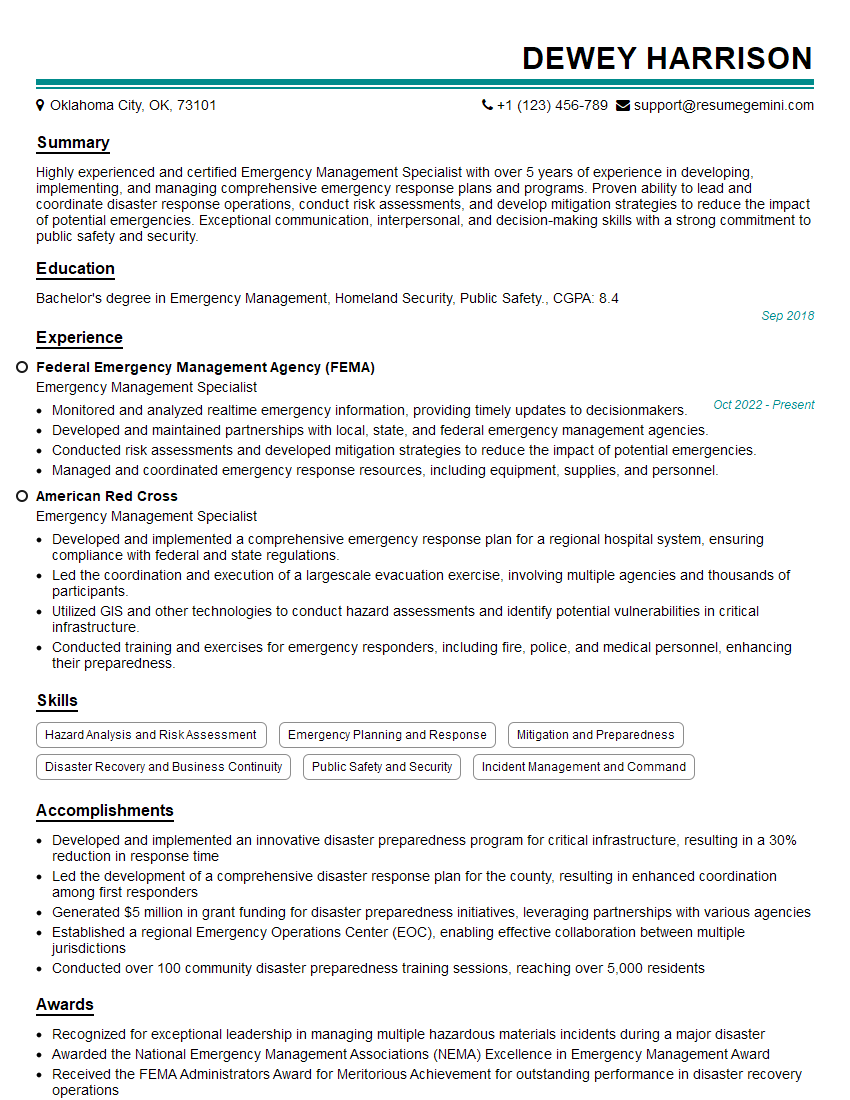
Emergency Management Specialist Resume Sample
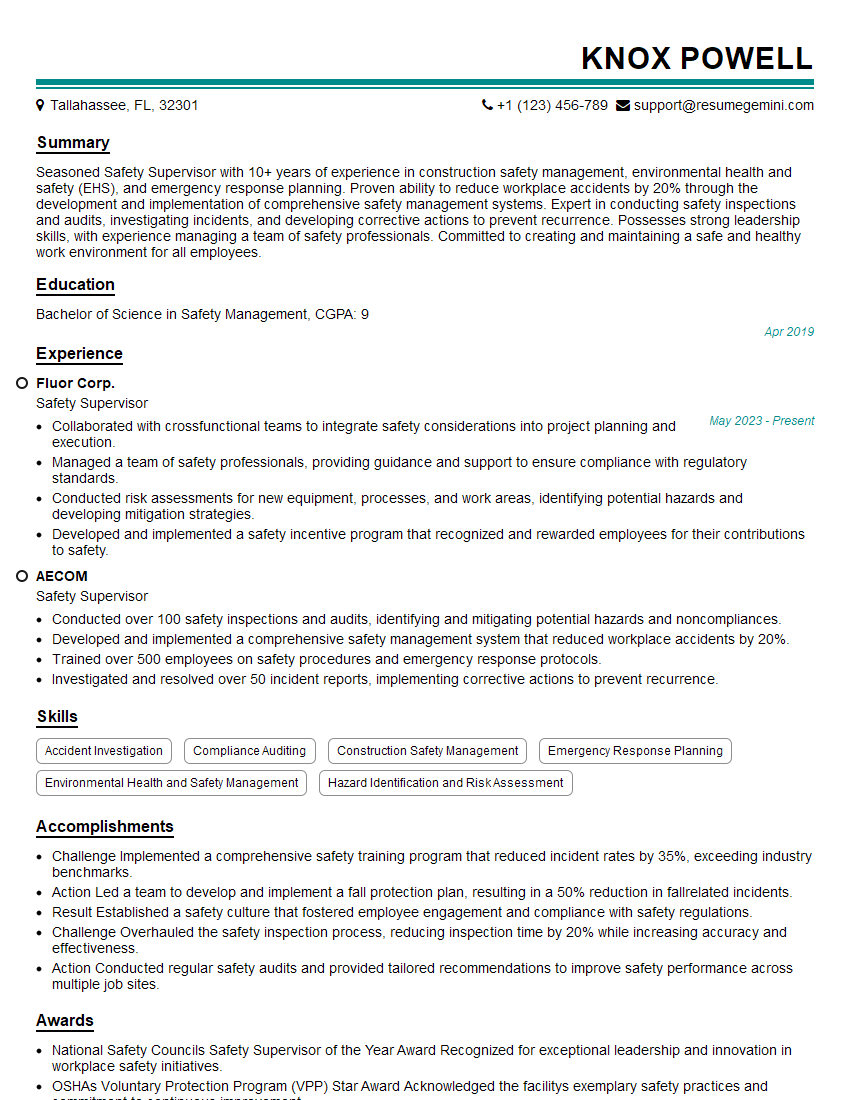
Safety Supervisor Resume Sample

Compliance Officer Resume Sample
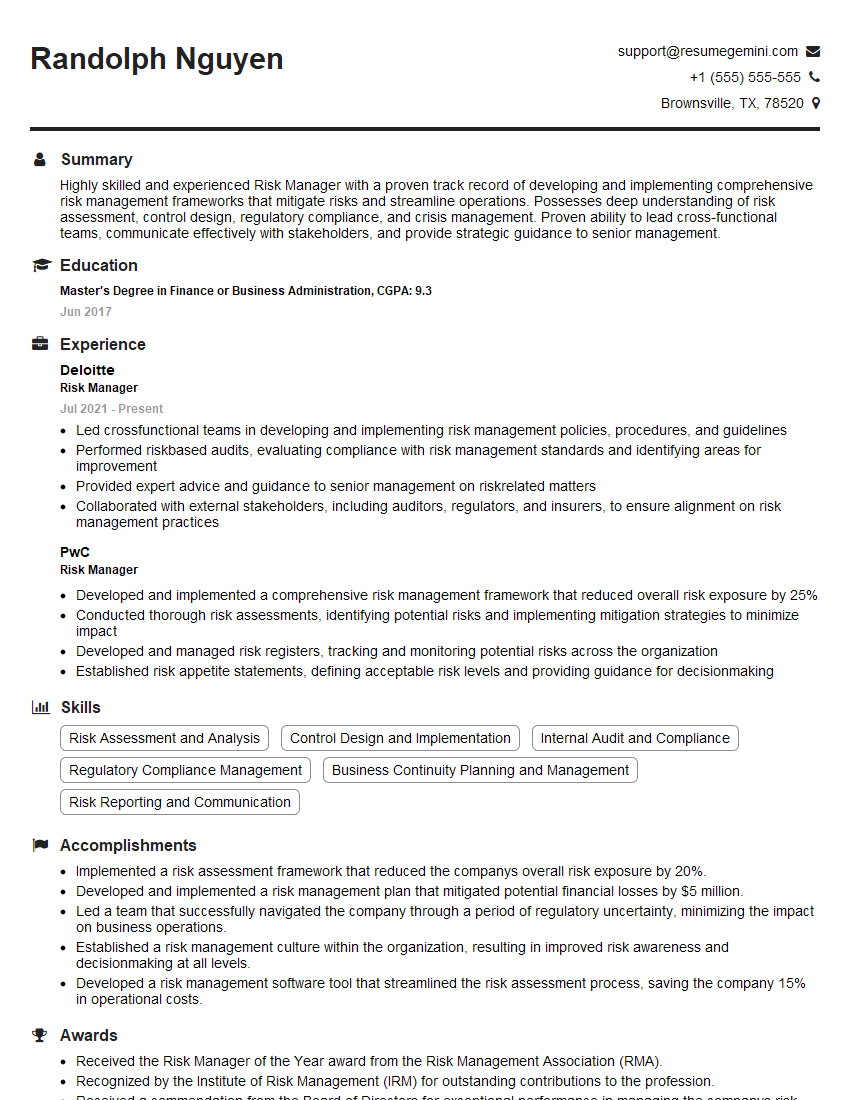
Risk Manager Resume Sample
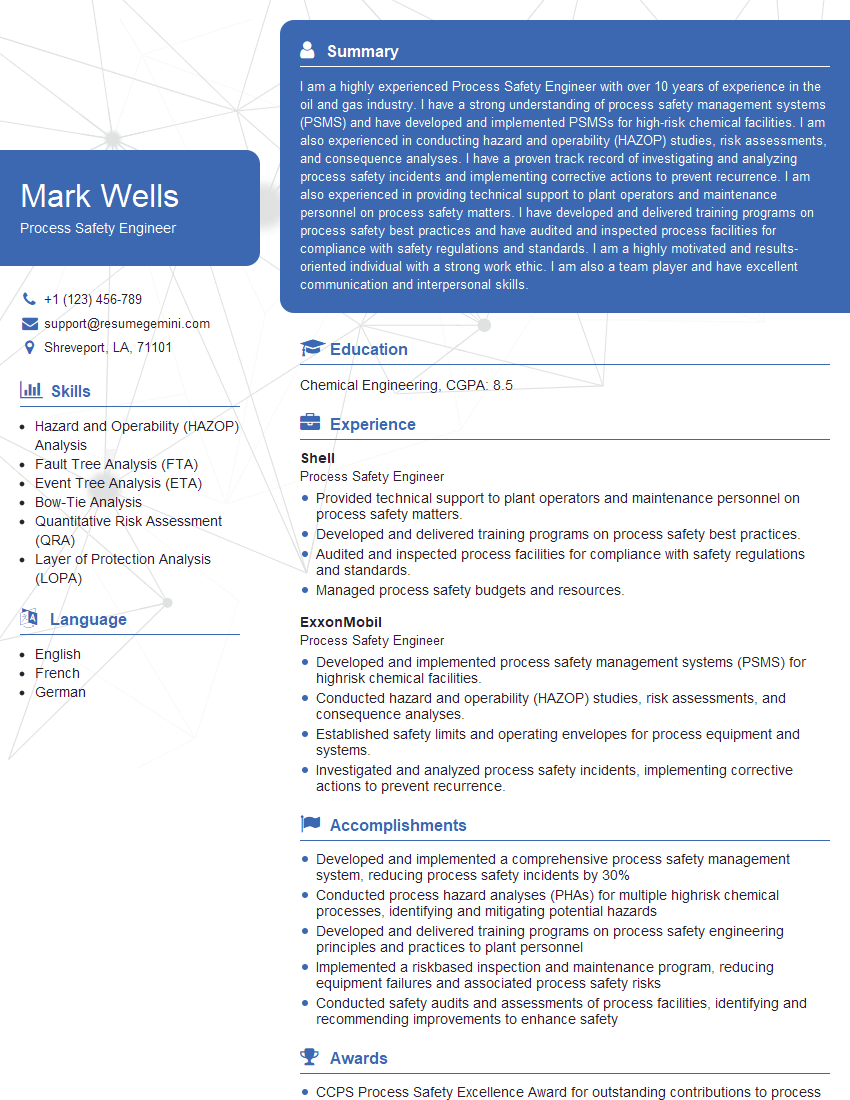
Process Safety Engineer Resume Sample
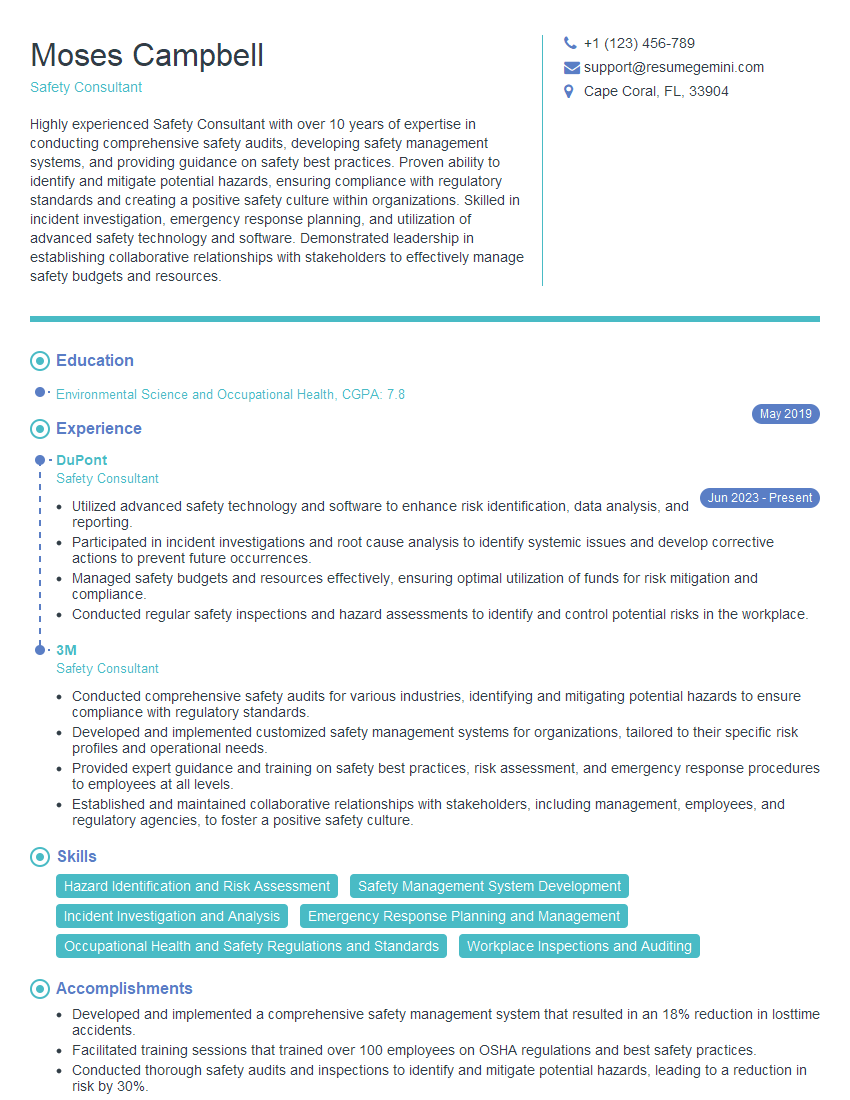
Safety Consultant Resume Sample
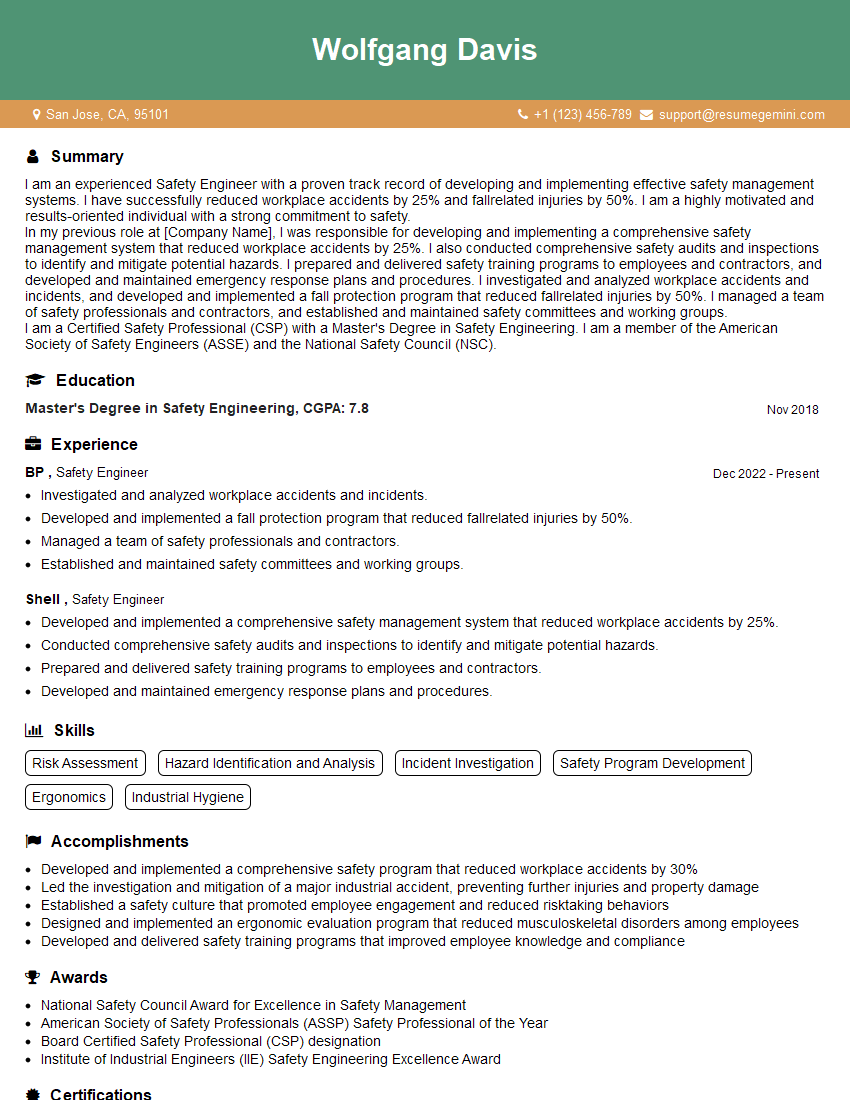
Safety Engineer Resume Sample
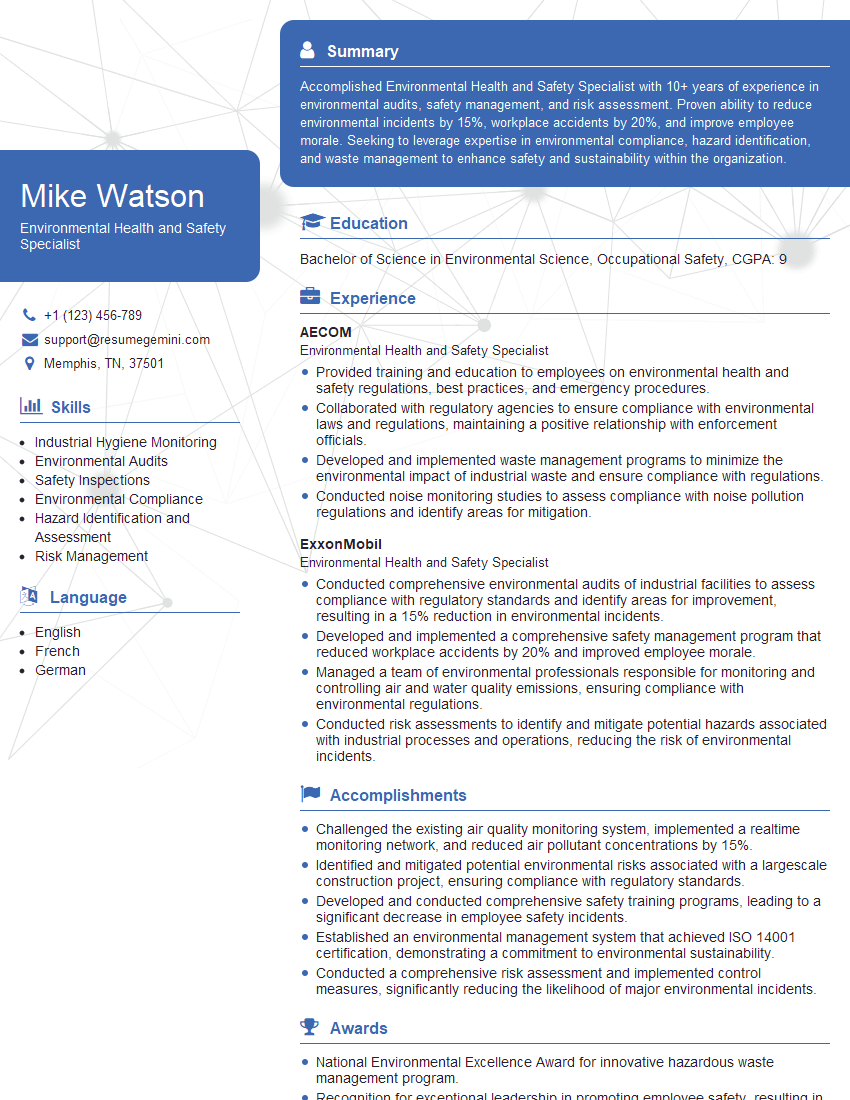
Environmental Health and Safety Specialist Resume Sample
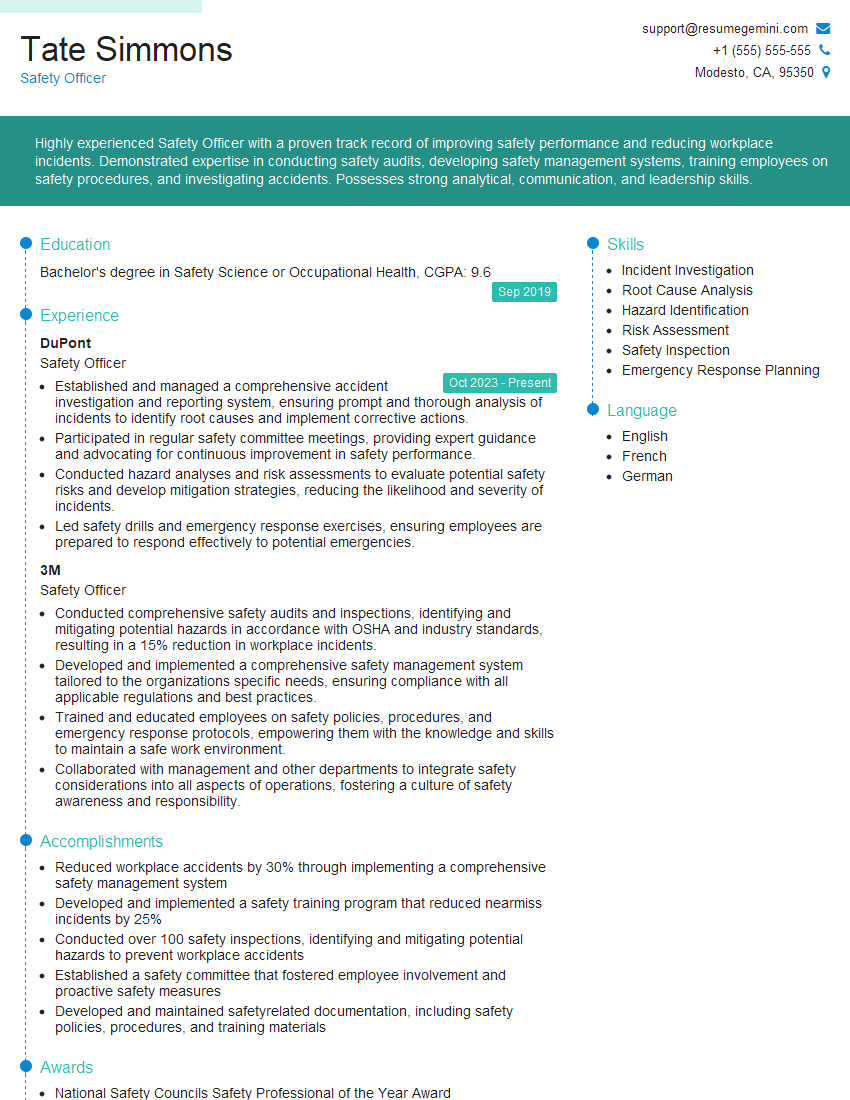
Safety Officer Resume Sample
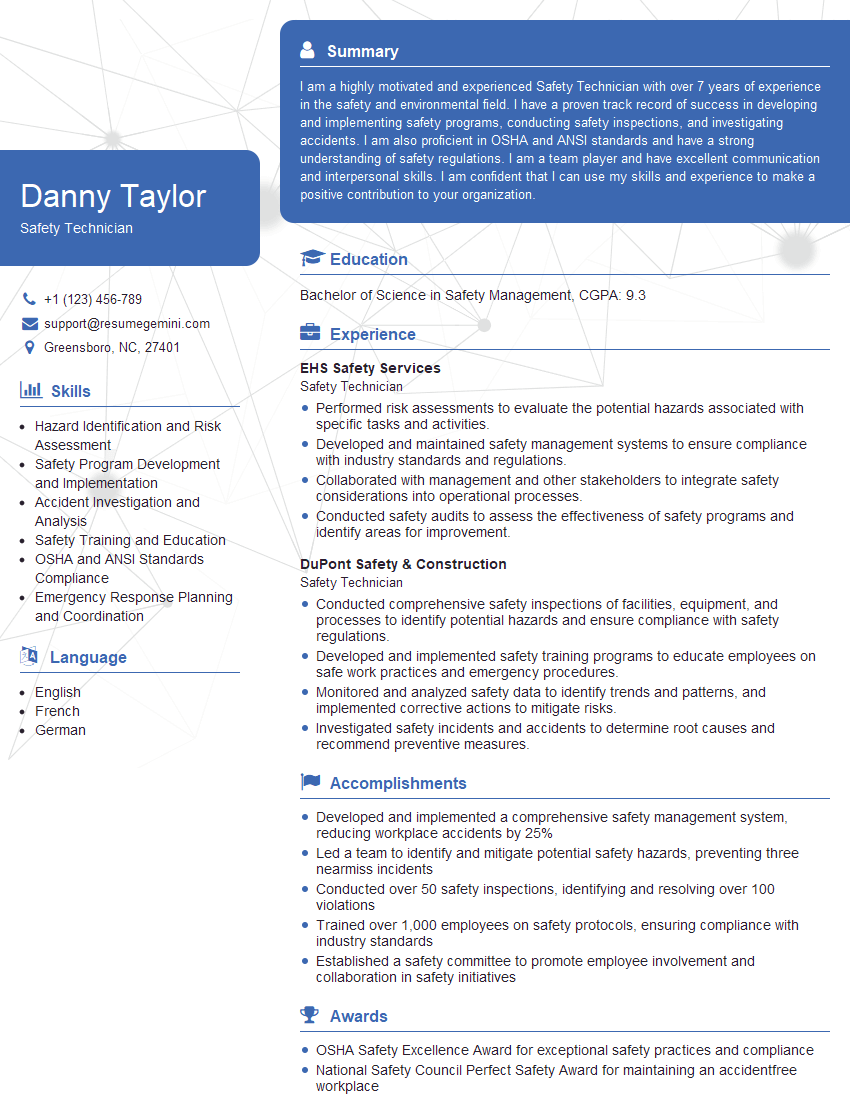
Safety Technician Resume Sample
Explore more articles
Users Rating of Our Blogs
Share Your Experience
We value your feedback! Please rate our content and share your thoughts (optional).
What Readers Say About Our Blog
Very informative content, great job.
good