Interviews are opportunities to demonstrate your expertise, and this guide is here to help you shine. Explore the essential Financial Analysis and Investment Planning interview questions that employers frequently ask, paired with strategies for crafting responses that set you apart from the competition.
Questions Asked in Financial Analysis and Investment Planning Interview
Q 1. Explain the difference between debt and equity financing.
Debt and equity financing are two primary ways companies raise capital. Debt financing involves borrowing money that must be repaid with interest, while equity financing involves selling ownership shares in the company. Think of it like this: borrowing money from a bank is debt financing; selling stock is equity financing.
- Debt Financing: This increases a company’s financial leverage (debt/equity ratio). Examples include bank loans, bonds, and lines of credit. Debt holders have a senior claim on the company’s assets in case of bankruptcy, but they don’t share in the profits.
- Equity Financing: This dilutes the ownership of existing shareholders but doesn’t require repayment. Examples include issuing common stock or preferred stock. Equity holders share in the profits (through dividends or capital appreciation), but their claims are subordinate to debt holders in bankruptcy.
The choice between debt and equity depends on various factors, including the company’s financial health, risk tolerance, and growth strategy. A stable company with strong cash flow might prefer debt financing to leverage its assets, while a high-growth startup might favor equity financing to avoid taking on significant debt early in its development.
Q 2. What are the key financial statements, and how are they used in financial analysis?
The three key financial statements are the Income Statement, the Balance Sheet, and the Statement of Cash Flows. They provide a comprehensive view of a company’s financial performance and position.
- Income Statement: Shows a company’s revenues and expenses over a period (e.g., a quarter or a year), resulting in net income or net loss. We use it to assess profitability, revenue growth, and expense management.
- Balance Sheet: Presents a snapshot of a company’s assets, liabilities, and equity at a specific point in time. It helps us analyze a company’s liquidity (ability to meet short-term obligations), solvency (ability to meet long-term obligations), and capital structure. The fundamental accounting equation is always maintained: Assets = Liabilities + Equity.
- Statement of Cash Flows: Tracks the movement of cash in and out of a company during a period. It’s categorized into operating, investing, and financing activities. This statement is crucial for understanding a company’s liquidity and its ability to generate cash from its operations.
In financial analysis, these statements are used together to provide a holistic picture. For instance, we might use the income statement’s profitability metrics in conjunction with the balance sheet’s asset values to calculate return on assets (ROA). The statement of cash flows helps assess the sustainability of reported profits.
Q 3. Describe your experience with financial modeling. What software are you proficient in?
I have extensive experience building and using financial models for various purposes, including valuation, forecasting, and scenario analysis. My experience includes developing models for mergers and acquisitions, leveraged buyouts, and corporate restructuring. I’m proficient in several software packages, most notably:
- Microsoft Excel: This remains the industry standard. I’m adept at creating complex models with sophisticated formulas, data tables, and scenario managers. I’m also comfortable using VBA for automation.
- Financial Modeling Prep (FMP): I regularly leverage this platform for efficient data collection and analysis supporting model development.
- Bloomberg Terminal: I utilize this for real-time financial data and market analysis directly within my models for a dynamic and updated perspective.
For example, I recently built a detailed three-statement model for a private equity firm evaluating a potential acquisition target. The model incorporated various assumptions about revenue growth, operating margins, and capital expenditures to project the target’s future cash flows and ultimately determine its fair value.
Q 4. How do you evaluate the intrinsic value of a company?
Evaluating a company’s intrinsic value is the process of determining its true worth based on its fundamental characteristics and future cash flows, independent of its market price. This involves a deep dive into the company’s financial statements, industry dynamics, and competitive landscape.
My approach is a multifaceted one, integrating qualitative and quantitative analyses. I start by comprehensively analyzing its financial statements to assess its profitability, efficiency, and financial health. I then consider its competitive advantages, management quality, and growth prospects. This qualitative aspect is just as important as the quantitative metrics. Finally, I apply various valuation methodologies (discussed in the next question) to estimate its intrinsic value. The goal is to arrive at a range of values, not a single point estimate, acknowledging inherent uncertainties.
A good example would be analyzing a technology company’s intrinsic value. You’d not only focus on its current revenue and profitability but also its growth potential, intellectual property, market share, and the overall technology landscape. A company with strong future growth prospects and a clear competitive advantage might justify a higher valuation despite lower current profitability.
Q 5. What are the different valuation methods, and when would you use each?
Several valuation methods exist, each with its strengths and weaknesses, and the choice depends on the specific circumstances of the company being valued. I commonly use a combination of methods to arrive at a robust valuation.
- Discounted Cash Flow (DCF) Analysis: This is my preferred method for mature businesses with relatively stable cash flows. It projects future free cash flows and discounts them back to their present value using a discount rate that reflects the risk involved.
- Relative Valuation: This compares the company’s valuation multiples (e.g., Price-to-Earnings ratio, Enterprise Value/EBITDA) to those of its peers. It’s useful for quickly benchmarking a company’s valuation, particularly for companies with less predictable cash flows.
- Asset-Based Valuation: This assesses the value of a company’s underlying assets, less its liabilities. It’s most appropriate for companies with significant tangible assets, such as real estate or manufacturing firms.
- Precedent Transactions: This method analyzes the prices paid for similar companies in past transactions. It’s helpful in valuing companies undergoing M&A, providing a market-based valuation benchmark.
For example, in valuing a start-up with high growth potential but uncertain future cash flows, relative valuation using comparable companies might be more appropriate than a DCF analysis. However, for a mature, established business, a DCF analysis is often preferred.
Q 6. Explain the concept of discounted cash flow (DCF) analysis.
Discounted Cash Flow (DCF) analysis is a core valuation method that estimates the present value of a company’s future free cash flows. The underlying principle is that money received in the future is worth less than money received today due to the time value of money. We discount the projected cash flows back to their present value to determine their current worth.
The process involves several key steps:
- Project Future Free Cash Flows (FCF): This involves creating a detailed financial forecast, typically for 5-10 years, projecting revenue, expenses, capital expenditures, and working capital changes.
- Determine the Terminal Value: This accounts for the cash flows beyond the explicit forecast period. Common methods include the perpetuity growth method or the exit multiple method.
- Select a Discount Rate: This reflects the risk associated with the investment. It’s often calculated using the Weighted Average Cost of Capital (WACC).
- Discount the Cash Flows: The projected free cash flows and the terminal value are discounted back to their present value using the discount rate.
- Sum the Present Values: The sum of the present values of the projected free cash flows and the terminal value represents the estimated intrinsic value of the company.
Example: Present Value = FCF / (1 + Discount Rate)^n where n is the number of years.
DCF analysis is powerful but requires careful consideration of assumptions, particularly the discount rate and growth rates used in the projection. Sensitivity analysis is crucial to understanding the impact of changes in these key inputs on the final valuation.
Q 7. How do you assess the creditworthiness of a company or individual?
Assessing creditworthiness involves evaluating the ability of a company or individual to repay their debts. This requires a comprehensive analysis of various factors. For companies, I’d typically look at:
- Financial Ratios: Key ratios like the debt-to-equity ratio, current ratio, and interest coverage ratio provide insights into the company’s leverage, liquidity, and ability to service its debt.
- Cash Flow Analysis: Examining the statement of cash flows is critical to understand the company’s cash generation capabilities and its ability to make debt payments.
- Credit History: A company’s historical payment patterns, as reported by credit rating agencies (e.g., Moody’s, S&P, Fitch), are vital indicators of credit risk.
- Industry and Economic Factors: The overall health of the company’s industry and the broader economy can significantly impact its ability to repay debt.
For individuals, the assessment process is similar, but focuses on elements like:
- Credit Score: A numerical representation of credit history based on payment behavior.
- Debt-to-Income Ratio: Measures the proportion of income used to service debt obligations.
- Income and Employment Stability: Consistent income and stable employment are key indicators of repayment ability.
- Assets and Liabilities: The net worth provides insight into the borrower’s financial capacity.
In both cases, a thorough analysis is required. I often employ scoring models or credit rating methodologies to quantify credit risk and arrive at a credit rating or score that reflects the probability of default.
Q 8. What are the key ratios used in financial analysis, and what do they indicate?
Financial ratios are crucial tools for analyzing a company’s performance and financial health. They provide insights into profitability, liquidity, solvency, and efficiency. Key ratios fall into several categories:
- Profitability Ratios: These assess a company’s ability to generate earnings. Examples include:
Gross Profit Margin = (Revenue - Cost of Goods Sold) / Revenue: Shows the profitability of sales after deducting direct costs.Net Profit Margin = Net Income / Revenue: Shows the percentage of revenue that translates into profit after all expenses.Return on Equity (ROE) = Net Income / Shareholders' Equity: Measures how effectively a company uses shareholder investments to generate profit.- Liquidity Ratios: These measure a company’s ability to meet its short-term obligations. Examples include:
Current Ratio = Current Assets / Current Liabilities: Indicates whether a company has enough short-term assets to cover its short-term debts.Quick Ratio = (Current Assets - Inventory) / Current Liabilities: A more conservative measure of liquidity, excluding inventory which may not be easily converted to cash.- Solvency Ratios: These assess a company’s ability to meet its long-term obligations. Examples include:
Debt-to-Equity Ratio = Total Debt / Shareholders' Equity: Shows the proportion of financing from debt compared to equity.Times Interest Earned = Earnings Before Interest and Taxes (EBIT) / Interest Expense: Indicates a company’s ability to cover its interest payments.- Efficiency Ratios: These measure how effectively a company manages its assets and resources. Examples include:
Inventory Turnover = Cost of Goods Sold / Average Inventory: Shows how many times a company sells and replaces its inventory during a period.Asset Turnover = Revenue / Total Assets: Measures how effectively a company uses its assets to generate sales.
Analyzing these ratios together paints a comprehensive picture of a company’s financial standing. For example, a high ROE but a low current ratio might suggest high profitability but potential short-term liquidity issues.
Q 9. Explain the concept of capital budgeting and its importance.
Capital budgeting is the process a company uses to evaluate potential major projects or investments. It involves analyzing the financial viability of long-term investments, such as purchasing new equipment, building a new facility, or launching a new product line. Its importance lies in ensuring that a company allocates its resources effectively to projects that will generate the highest returns and contribute to long-term growth.
The process typically involves:
- Identifying potential projects: This involves brainstorming and evaluating various investment opportunities aligned with the company’s strategic goals.
- Estimating cash flows: This crucial step involves projecting the future cash inflows and outflows associated with each project, considering factors like initial investment, operating costs, and revenues.
- Evaluating investment proposals: Various techniques are employed, including Net Present Value (NPV), Internal Rate of Return (IRR), and Payback Period. NPV considers the time value of money, determining the present value of future cash flows minus the initial investment. A positive NPV suggests a profitable investment. IRR represents the discount rate that makes the NPV of a project zero.
- Making the investment decision: Based on the evaluation, the company decides which projects to undertake, prioritizing those with the highest returns and lowest risk.
- Monitoring and post-audit: After implementation, the project’s performance is monitored, comparing actual results to projected outcomes. This helps refine future capital budgeting decisions.
A classic example is a manufacturing company deciding whether to invest in a new automated production line. By carefully evaluating the projected cost savings, increased efficiency, and potential revenue gains, the company can determine the financial feasibility of the investment.
Q 10. How do you manage risk in an investment portfolio?
Risk management in an investment portfolio is crucial for achieving financial goals while mitigating potential losses. A diversified approach is key. This involves spreading investments across different asset classes (stocks, bonds, real estate, etc.), sectors, and geographies. Diversification reduces the impact of poor performance in any single asset on the overall portfolio.
Other risk management strategies include:
- Asset Allocation: This involves determining the proportion of your portfolio allocated to different asset classes based on your risk tolerance, investment horizon, and financial goals. A younger investor with a longer time horizon might tolerate higher risk and allocate more to stocks, while an older investor closer to retirement may prefer a more conservative approach with a higher bond allocation.
- Regular Rebalancing: As market conditions change, asset allocations can drift from their target levels. Rebalancing involves periodically adjusting your portfolio to maintain the desired asset allocation, selling assets that have outperformed and buying assets that have underperformed.
- Hedging: This involves using financial instruments, such as options or futures contracts, to protect against potential losses from adverse market movements.
- Stop-Loss Orders: These are instructions to your broker to sell a security when it reaches a specific price, limiting potential losses.
- Stress Testing: This involves simulating various market scenarios (e.g., economic recession, market crash) to evaluate the potential impact on your portfolio and adjust your strategy accordingly.
For instance, an investor might diversify their portfolio by investing in a mix of large-cap and small-cap stocks, government bonds and corporate bonds, and potentially some real estate. Regular rebalancing would ensure that the portfolio maintains a balance that aligns with their risk tolerance.
Q 11. What are the different types of investment risk?
Investment risk encompasses the potential for an investment to lose value. Several types exist:
- Market Risk (Systematic Risk): This is the risk associated with overall market fluctuations. Events like economic recessions or geopolitical uncertainty can impact all investments, regardless of their individual characteristics. This is also known as undiversifiable risk.
- Company-Specific Risk (Unsystematic Risk): This is the risk associated with an individual company or investment. Factors like poor management, financial difficulties, or changing consumer preferences can negatively impact a particular stock or bond. This risk is largely diversifiable.
- Interest Rate Risk: This primarily affects fixed-income investments like bonds. Changes in interest rates can affect the value of bonds, as higher rates make existing bonds less attractive.
- Inflation Risk: This is the risk that inflation will erode the purchasing power of returns on your investments. If inflation rises faster than your investment returns, your real return will be lower.
- Currency Risk: This applies to international investments. Fluctuations in exchange rates can affect the value of your investments when converted back to your home currency.
- Liquidity Risk: This is the risk that you may not be able to sell an investment quickly without incurring a significant loss. This is particularly relevant for investments in less liquid markets.
- Credit Risk (Default Risk): This is the risk that the issuer of a bond or loan will default on their payments.
Understanding these different types of risks is crucial for building a well-diversified and appropriately managed portfolio.
Q 12. Describe your understanding of market efficiency.
Market efficiency refers to the speed and accuracy with which new information is reflected in asset prices. The Efficient Market Hypothesis (EMH) suggests that markets are generally efficient, meaning that asset prices fully reflect all available information. There are different levels of market efficiency:
- Weak Form Efficiency: Past price data cannot be used to predict future price movements. Technical analysis, which relies on past price patterns, is therefore ineffective.
- Semi-Strong Form Efficiency: All publicly available information, including past price data and fundamental analysis (financial statements, industry trends), is already reflected in asset prices. Fundamental analysis is also deemed ineffective.
- Strong Form Efficiency: All information, including private or insider information, is reflected in asset prices. No one, even with insider knowledge, can consistently outperform the market.
In reality, most financial markets exhibit some degree of efficiency, but perfect efficiency is unlikely. Market inefficiencies, or anomalies, can arise due to behavioral biases, information asymmetries, and transaction costs. While consistently outperforming the market is difficult, skilled investors can potentially exploit these inefficiencies.
For example, if a company announces unexpectedly strong earnings, the stock price will likely jump quickly, reflecting the new information in a semi-strong form efficient market.
Q 13. How do you interpret financial ratios in the context of industry benchmarks?
Interpreting financial ratios in the context of industry benchmarks is critical for a comprehensive analysis. Simply looking at a company’s ratios in isolation can be misleading. Comparing them to industry averages provides a relative perspective on the company’s performance and identifies potential strengths and weaknesses.
The process involves:
- Identifying relevant benchmarks: Determine the appropriate industry or peer group for comparison. The choice of benchmark is crucial. A company in a niche market may not be accurately compared to the broader industry average.
- Gathering industry data: Obtain industry average ratios from reliable sources like financial databases (e.g., Bloomberg, Thomson Reuters), industry reports, or regulatory filings.
- Comparing ratios: Compare the company’s ratios to the industry averages, paying close attention to any significant deviations. For example, a company with a significantly higher debt-to-equity ratio than its peers may be taking on excessive risk.
- Analyzing deviations: Investigate the reasons behind any significant deviations. Is the company performing better or worse than its peers? Are there strategic reasons for the difference, such as a different business model or growth strategy?
For example, if a retail company’s inventory turnover ratio is significantly lower than the industry average, this could indicate inefficient inventory management, potentially leading to higher storage costs and obsolete inventory. This allows comparison to identify areas needing improvement and to highlight where the company may outperform its peers.
Q 14. What are some common pitfalls in financial modeling?
Financial modeling, while a powerful tool, is susceptible to several pitfalls:
- Incorrect assumptions: The accuracy of a financial model depends heavily on the underlying assumptions. Unrealistic or poorly researched assumptions can lead to inaccurate projections and flawed conclusions. For example, overly optimistic revenue growth assumptions can significantly inflate projected profitability.
- Data errors: Inaccurate or incomplete data will inevitably lead to inaccurate results. Careful data validation and quality control are essential.
- Ignoring interdependencies: Financial statements are interconnected. A change in one area will often have ripple effects elsewhere. Models must account for these interdependencies to provide a realistic representation of the company’s financial performance.
- Oversimplification: Models should be detailed enough to capture the essential aspects of the business but not overly complex to the point of being unwieldy or difficult to understand.
- Lack of sensitivity analysis: A good model should include sensitivity analysis to assess the impact of changes in key assumptions on the model’s output. This helps understand the range of possible outcomes and the robustness of the model’s conclusions.
- Misinterpretation of results: Even with a well-constructed model, the results need to be carefully interpreted. The model is only a tool; it does not replace sound judgment and experience.
For instance, an overly simplified model might not account for seasonality in sales, leading to inaccurate projections. A comprehensive sensitivity analysis would help to identify the impact of different assumptions about sales growth on the overall financial outcomes.
Q 15. How do you handle conflicting information from different financial sources?
Handling conflicting financial information requires a systematic approach. It’s rarely a case of one source being definitively ‘right’ and another ‘wrong.’ Instead, discrepancies often arise from differing methodologies, data limitations, or even reporting lags. My process involves several key steps:
- Source Verification: I first assess the credibility of each source. This includes looking at the source’s reputation, methodology transparency, and potential biases. For example, I’d place more trust in data from a reputable research firm like Moody’s or S&P than a less-known blog.
- Data Reconciliation: I try to identify the reasons for the discrepancies. Are the figures reported using different accounting standards? Are the time periods being compared consistent? Are there any significant methodological differences?
- Triangulation: I seek corroboration from multiple, independent sources. If several reputable sources report similar figures, despite minor variations, it strengthens the reliability of that information. If a discrepancy persists, I will investigate further by searching for primary data sources to confirm figures independently.
- Qualitative Analysis: Beyond the numbers, I consider qualitative factors that could impact the financial picture. For instance, a company’s recent merger or a change in industry regulations might affect reported earnings, irrespective of the quantitative data.
- Sensitivity Analysis: Finally, I perform sensitivity analyses to determine the impact of the conflicting data on investment decisions. This helps me understand the range of potential outcomes and allows for informed decision-making, even in the presence of uncertainty.
In essence, it’s not about finding the ‘single truth,’ but about constructing a comprehensive understanding by carefully weighing multiple perspectives.
Career Expert Tips:
- Ace those interviews! Prepare effectively by reviewing the Top 50 Most Common Interview Questions on ResumeGemini.
- Navigate your job search with confidence! Explore a wide range of Career Tips on ResumeGemini. Learn about common challenges and recommendations to overcome them.
- Craft the perfect resume! Master the Art of Resume Writing with ResumeGemini’s guide. Showcase your unique qualifications and achievements effectively.
- Don’t miss out on holiday savings! Build your dream resume with ResumeGemini’s ATS optimized templates.
Q 16. Describe your experience with data analysis and visualization tools.
I’m proficient in a range of data analysis and visualization tools. My experience spans from statistical software packages like R and Python (with libraries like Pandas, NumPy, and Scikit-learn) to industry-standard platforms such as Bloomberg Terminal and Refinitiv Eikon.
For instance, in my previous role, I used Python to build automated scripts for scraping financial data from multiple websites, cleaning it, and then analyzing it using regression models to predict future stock prices. I then used tools like Tableau and Power BI to create interactive dashboards visualizing key performance indicators (KPIs) and investment portfolio performance for our clients.
My experience extends to using SQL for database management and querying large financial datasets. Visualization is crucial for communicating complex findings effectively, and I’m comfortable using a variety of charting techniques – from simple bar charts and line graphs to more sophisticated visualizations like heatmaps and treemaps – depending on the specific insights I want to communicate.
Q 17. Explain the concept of CAPM (Capital Asset Pricing Model).
The Capital Asset Pricing Model (CAPM) is a financial model that calculates the expected rate of return for an asset or investment. It’s based on the idea that an asset’s return is linearly related to its systematic risk.
The formula is: E(Ri) = Rf + βi * [E(Rm) - Rf]
E(Ri): Expected return of the assetRf: Risk-free rate of return (e.g., government bond yield)βi: Beta of the asset (a measure of its systematic risk relative to the market)E(Rm): Expected return of the market
Essentially, CAPM suggests that investors demand a higher return for taking on more risk. The risk-free rate represents the return an investor could earn with zero risk. Beta quantifies how much the asset’s return fluctuates with the overall market. A beta of 1 indicates the asset moves in line with the market, while a beta greater than 1 indicates higher volatility than the market.
Example: If the risk-free rate is 2%, the market’s expected return is 10%, and an asset has a beta of 1.5, the expected return of that asset, according to CAPM, would be: 2% + 1.5 * (10% - 2%) = 14%
While CAPM is a widely used model, it has limitations. It assumes efficient markets, a constant beta, and ignores unsystematic risk (which can be diversified away).
Q 18. How do you assess the impact of macroeconomic factors on investments?
Assessing the impact of macroeconomic factors on investments is crucial. I use a multi-faceted approach, combining quantitative and qualitative analysis:
- Monitoring Key Indicators: I closely track macroeconomic indicators like inflation rates, interest rates, GDP growth, unemployment levels, currency exchange rates, and commodity prices. Changes in these indicators can significantly impact various asset classes.
- Scenario Planning: I develop different economic scenarios (e.g., recession, growth, stagflation) and assess their potential impacts on different investment portfolios. This involves considering how different asset classes (stocks, bonds, real estate, etc.) might perform under each scenario.
- Industry Analysis: I analyze the sensitivity of specific industries to macroeconomic changes. For example, a rise in interest rates might negatively affect sectors with high levels of debt, while inflation might benefit commodity-producing industries.
- Comparative Analysis: I compare the current economic environment with historical data and identify potential parallels or divergences. This helps to contextualize the current situation and anticipate potential market reactions.
- Expert Opinions: I consider insights from economists and market strategists to gain diverse perspectives and refine my analysis. This helps to understand the implications of current events and policy changes.
For example, anticipating a period of high inflation might lead me to favor investments in real assets (like real estate or commodities) which tend to hold their value or appreciate during inflationary periods, while reducing exposure to fixed-income securities.
Q 19. How do you identify and mitigate potential investment risks?
Risk management is fundamental to sound investment planning. My approach involves a multi-stage process:
- Identification: I systematically identify potential risks, categorized as market risk (e.g., market downturns), credit risk (e.g., borrower default), liquidity risk (e.g., inability to sell assets quickly), operational risk (e.g., management failures), and regulatory risk (e.g., changes in regulations).
- Assessment: I assess the likelihood and potential impact of each identified risk using quantitative and qualitative methods. This might involve using historical data, stress testing, and expert judgment.
- Mitigation: I develop and implement strategies to mitigate identified risks. This might include diversification (spreading investments across different asset classes), hedging (using derivatives to protect against specific risks), setting stop-loss orders (to limit losses), due diligence (thoroughly researching investments), and scenario planning (anticipating future risks).
- Monitoring and Review: I regularly monitor the effectiveness of risk mitigation strategies and adjust them as needed. This is an ongoing process, as the investment landscape is constantly evolving.
For example, to mitigate market risk, I might diversify an investment portfolio across different asset classes and geographies, or implement hedging strategies using derivatives.
Q 20. What is your experience with financial forecasting and budgeting?
Financial forecasting and budgeting are integral parts of my work. My experience involves developing both short-term and long-term financial plans, using a variety of techniques:
- Data Gathering: I start by collecting historical financial data, market forecasts, and relevant economic information.
- Model Selection: I select appropriate forecasting models based on the available data and the nature of the prediction. This could range from simple time-series models to more complex econometric models.
- Forecasting: I generate forecasts for key financial variables like revenue, expenses, profits, and cash flows.
- Budgeting: I develop budgets based on the forecasts and allocate resources accordingly. This includes setting targets for different departments and monitoring progress regularly.
- Sensitivity Analysis: I perform sensitivity analysis to test the robustness of my forecasts against different assumptions and potential changes in economic conditions.
- Reporting and Monitoring: I regularly monitor actual performance against the budget and forecasts, providing updates and making adjustments as needed.
I’ve used these skills to develop financial plans for both individual investors and corporations, optimizing their investment strategies and resource allocation to achieve their financial objectives.
Q 21. Describe your process for developing an investment strategy.
Developing an investment strategy is a tailored process, dependent on the client’s individual circumstances, risk tolerance, and financial goals. My process is generally as follows:
- Client Consultation: I begin with a thorough discussion to understand the client’s financial situation, investment goals (e.g., retirement planning, education funding), risk tolerance, and time horizon.
- Risk Profiling: I assess the client’s risk tolerance using questionnaires and discussions, categorizing them as conservative, moderate, or aggressive investors.
- Financial Planning: I create a comprehensive financial plan that outlines the client’s current financial situation, their goals, and the necessary steps to achieve them.
- Asset Allocation: I determine the optimal allocation of assets across different classes (stocks, bonds, real estate, etc.) based on the risk profile, time horizon, and financial goals. This typically involves using modern portfolio theory to construct a diversified portfolio that maximizes returns for a given level of risk.
- Investment Selection: I select specific investments within each asset class, considering factors like valuation, growth potential, and risk. This may involve selecting individual stocks or bonds, or investing in mutual funds or ETFs.
- Performance Monitoring and Rebalancing: I regularly monitor the portfolio’s performance and rebalance it as needed to maintain the desired asset allocation. This ensures the strategy remains aligned with the client’s goals and risk tolerance.
The entire process is iterative. Regular reviews ensure the strategy remains relevant and responsive to market changes and client needs.
Q 22. How do you evaluate the performance of an investment portfolio?
Evaluating an investment portfolio’s performance requires a multi-faceted approach, going beyond simple returns. We need to consider several key metrics and factors to gain a comprehensive understanding.
- Return on Investment (ROI): This fundamental metric measures the percentage return on the initial investment. A higher ROI generally indicates better performance. However, it’s crucial to consider the time horizon; a 10% ROI over 1 year is vastly different from a 10% ROI over 10 years.
- Sharpe Ratio: This ratio measures risk-adjusted return, considering the portfolio’s volatility (standard deviation). A higher Sharpe ratio suggests better risk-adjusted performance, indicating more return for the level of risk taken. For instance, a portfolio with a Sharpe ratio of 1.5 is generally considered better than one with a ratio of 0.5.
- Alpha: Alpha measures the portfolio’s excess return compared to a benchmark (e.g., a market index like the S&P 500). A positive alpha suggests the portfolio outperformed the benchmark, while a negative alpha indicates underperformance.
- Beta: Beta measures the portfolio’s volatility relative to the benchmark. A beta of 1 indicates that the portfolio’s price moves in line with the market, while a beta greater than 1 suggests higher volatility and a beta less than 1 indicates lower volatility.
- Standard Deviation: This measures the dispersion of returns around the average return. A higher standard deviation indicates higher volatility and risk.
- Downside Deviation: This focuses on the negative deviations from the average return, providing a more accurate picture of downside risk.
- Maximum Drawdown: This represents the largest percentage drop from a peak to a trough in the portfolio’s value. It reveals the potential for significant losses.
In practice, I’d use a combination of these metrics to assess performance, tailoring the approach to the specific investment goals and risk tolerance of the client. For a conservative investor, downside risk metrics might be more important than pure return, while a growth-oriented investor might focus more on alpha and ROI.
Q 23. Explain your understanding of different asset classes.
Asset classes represent broad categories of investments with similar characteristics. Understanding these distinctions is crucial for portfolio diversification and risk management.
- Equities (Stocks): Represent ownership in a company. They offer high growth potential but also carry significant risk.
- Fixed Income (Bonds): Represent debt instruments issued by governments or corporations. They generally offer lower returns but are considered less risky than equities.
- Real Estate: Includes residential, commercial, or industrial properties. It can provide both income (rental yields) and capital appreciation, but is typically less liquid than stocks or bonds.
- Cash and Cash Equivalents: Highly liquid assets such as money market accounts and short-term Treasury bills. They offer low returns but provide safety and liquidity.
- Commodities: Raw materials such as gold, oil, and agricultural products. Their prices are often subject to significant fluctuations.
- Alternative Investments: A diverse category including hedge funds, private equity, and infrastructure investments. They typically require higher minimum investments and have limited liquidity.
Different asset classes have different risk-return profiles. A well-diversified portfolio typically includes a mix of asset classes to balance risk and reward, aligning with the client’s specific investment objectives and risk tolerance. For example, a young investor with a long time horizon might allocate a larger portion to equities, whereas an older investor nearing retirement might prefer a more conservative allocation with a higher proportion of fixed income.
Q 24. How do you stay up-to-date with current financial market trends?
Staying current in the dynamic financial markets requires a multi-pronged approach. I utilize a variety of resources and strategies.
- Financial News and Publications: I regularly read reputable financial news sources such as the Wall Street Journal, Financial Times, Bloomberg, and Reuters to stay informed about market trends, economic indicators, and geopolitical events.
- Industry Research Reports: I access reports from investment banks, research firms, and consulting agencies to gain in-depth insights into specific sectors and companies.
- Economic Data and Indicators: I closely monitor key economic indicators such as GDP growth, inflation rates, interest rates, and unemployment figures to understand the overall economic climate.
- Networking and Conferences: Attending industry conferences and networking with peers allows me to share knowledge and learn from leading experts in the field.
- Investment Databases and Platforms: I utilize sophisticated financial databases and analytical platforms to track market performance, screen investments, and perform quantitative analysis.
This holistic approach allows me to build a comprehensive understanding of the financial markets and make informed investment decisions for my clients.
Q 25. Describe a time you had to make a difficult investment decision. What was the outcome?
One challenging decision involved recommending a client shift a significant portion of their portfolio from established blue-chip stocks to emerging market equities. The client was initially hesitant due to the perceived higher risk. The rationale was that emerging markets offered potentially higher growth, but with greater volatility. After thorough discussions outlining the risk and reward profile, presenting diversification benefits, and demonstrating a robust risk management strategy, the client agreed.
The initial period saw significant market fluctuations, causing some anxiety. However, over a three-year horizon, the emerging market investments significantly outperformed the blue-chip holdings. The client’s overall portfolio grew considerably, exceeding initial expectations. The success of this decision reinforced the importance of thorough due diligence, clear communication, and a long-term investment perspective. This experience taught me the value of patience and maintaining open dialogue with clients, particularly during periods of market uncertainty.
Q 26. What is your investment philosophy?
My investment philosophy centers on a long-term, value-oriented approach emphasizing diversification and risk management. I believe in building portfolios tailored to individual client needs, goals, and risk tolerance.
Value Investing: I focus on identifying undervalued assets with strong fundamentals, aiming for long-term capital appreciation rather than short-term gains. This involves rigorous fundamental analysis of companies to understand their intrinsic value.
Diversification: I advocate for diversifying across various asset classes, sectors, and geographies to mitigate risk and improve portfolio resilience. This approach reduces the impact of any single investment performing poorly.
Risk Management: Thorough risk assessment and management is integral to my approach. This includes understanding and quantifying potential risks, employing appropriate risk mitigation strategies, and regularly monitoring portfolio performance to adjust the strategy as needed. This ensures the portfolio aligns with client risk profiles and investment goals.
Long-Term Perspective: I encourage a long-term perspective, emphasizing that market fluctuations are normal and that focusing on short-term movements can be detrimental to long-term wealth creation.
Q 27. How do you handle pressure and tight deadlines?
Handling pressure and tight deadlines is a crucial part of my role. My approach involves a combination of efficient time management, prioritization, and proactive communication.
- Prioritization: I focus on the most critical tasks first, using tools like project management software to organize my workload effectively.
- Time Management: I employ time-blocking techniques to allocate specific time slots for particular tasks, ensuring efficient use of my time.
- Delegation: When appropriate, I delegate tasks to team members to streamline workflows and improve efficiency.
- Proactive Communication: I keep clients and colleagues updated on progress, addressing any potential issues proactively to prevent delays.
- Stress Management: I understand that high-pressure situations can be stressful. I prioritize my well-being by incorporating stress-reducing activities like exercise and mindfulness into my routine.
I thrive in dynamic environments and am comfortable working under pressure to meet deadlines and deliver high-quality results.
Q 28. What are your salary expectations?
My salary expectations are commensurate with my experience, skills, and the responsibilities of this role. I am open to discussing a competitive compensation package based on the specific details of the position and the overall compensation structure of the firm. I’m confident my contributions will significantly benefit your organization.
Key Topics to Learn for Financial Analysis and Investment Planning Interview
- Financial Statement Analysis: Understanding and interpreting balance sheets, income statements, and cash flow statements. Practical application: Analyzing a company’s profitability, liquidity, and solvency to assess its financial health.
- Valuation Techniques: Mastering discounted cash flow (DCF) analysis, comparable company analysis, and precedent transactions. Practical application: Determining the intrinsic value of a company or investment opportunity.
- Investment Strategies: Understanding various investment approaches, including value investing, growth investing, and passive investing. Practical application: Developing an investment portfolio aligned with specific risk tolerance and return objectives.
- Risk Management: Identifying and mitigating financial risks, including market risk, credit risk, and operational risk. Practical application: Developing strategies to protect investments from potential losses.
- Portfolio Construction and Optimization: Building diversified portfolios using asset allocation strategies and modern portfolio theory (MPT). Practical application: Constructing a portfolio that maximizes returns while minimizing risk.
- Financial Modeling: Building and interpreting financial models to forecast future performance and evaluate investment decisions. Practical application: Using models to assess the impact of various scenarios on a company’s financial health.
- Industry Analysis: Understanding industry trends, competitive landscapes, and regulatory environments. Practical application: Identifying attractive investment opportunities within specific industries.
- Economic Principles: Understanding macroeconomic factors and their impact on financial markets. Practical application: Analyzing the influence of interest rates, inflation, and economic growth on investment decisions.
Next Steps
Mastering Financial Analysis and Investment Planning is crucial for a successful and rewarding career in finance. It opens doors to exciting opportunities and positions you for significant career growth. To maximize your job prospects, creating a strong, ATS-friendly resume is essential. ResumeGemini is a trusted resource to help you build a professional and impactful resume that highlights your skills and experience effectively. Examples of resumes tailored to Financial Analysis and Investment Planning are available within ResumeGemini to help guide your process. Take the next step toward your dream career today!
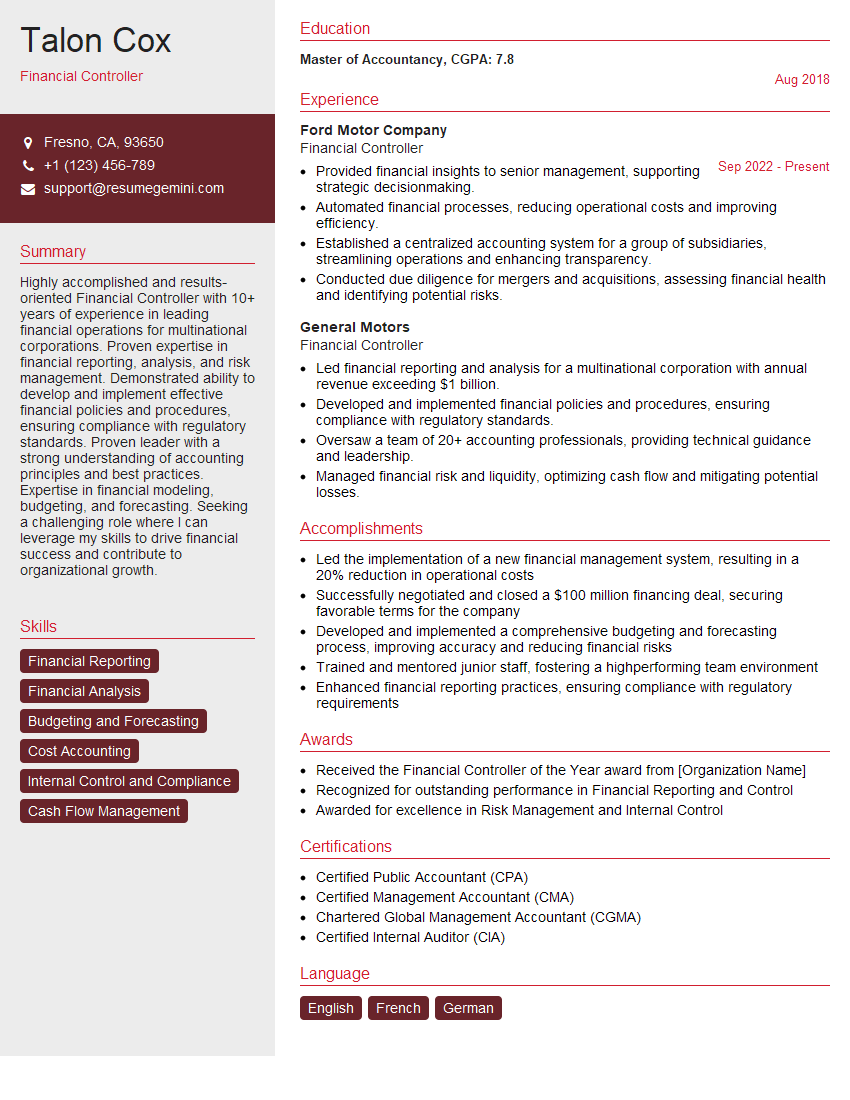
Financial Controller Resume Sample
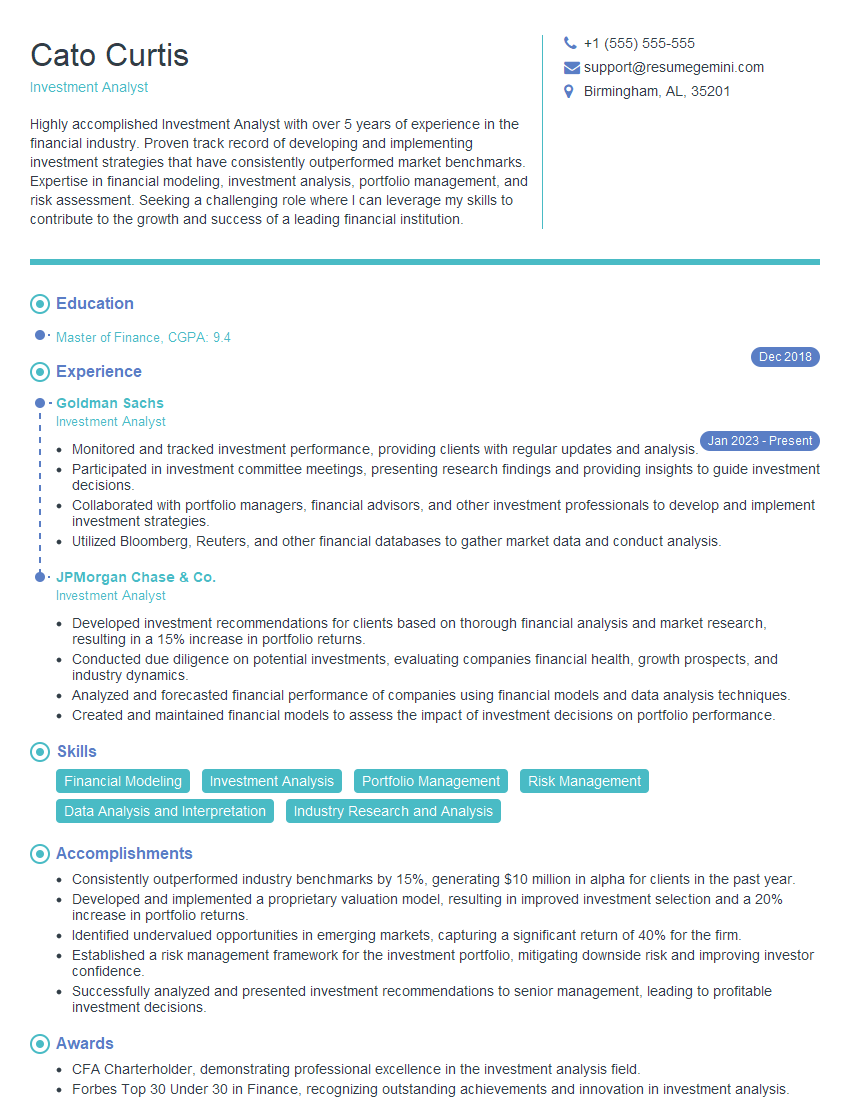
Investment Analyst Resume Sample
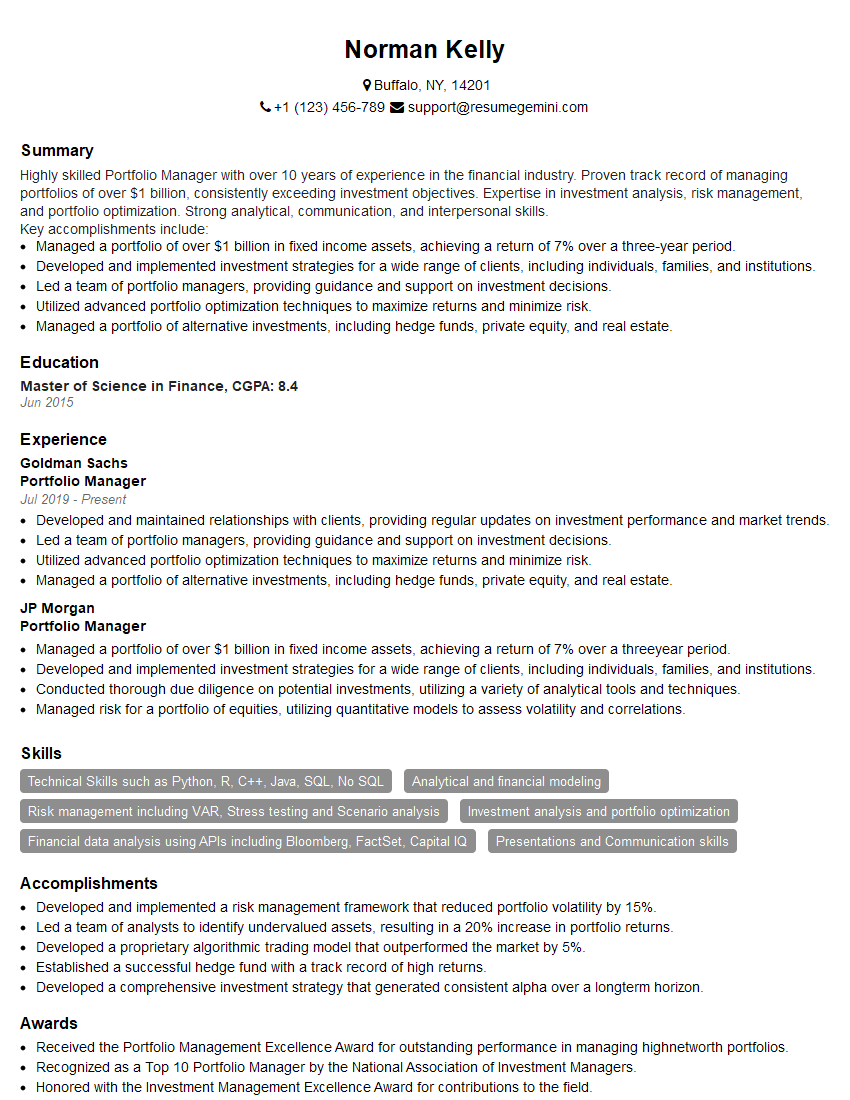
Portfolio Manager Resume Sample
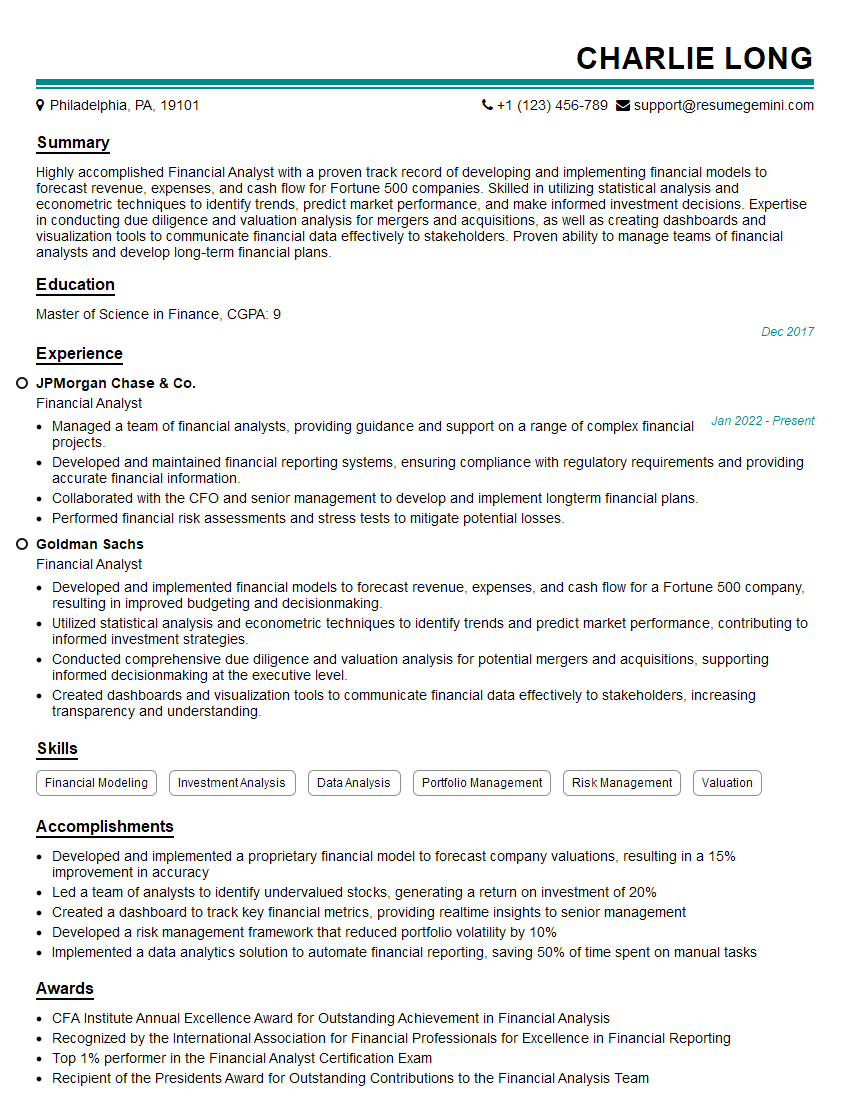
Financial Analyst Resume Sample
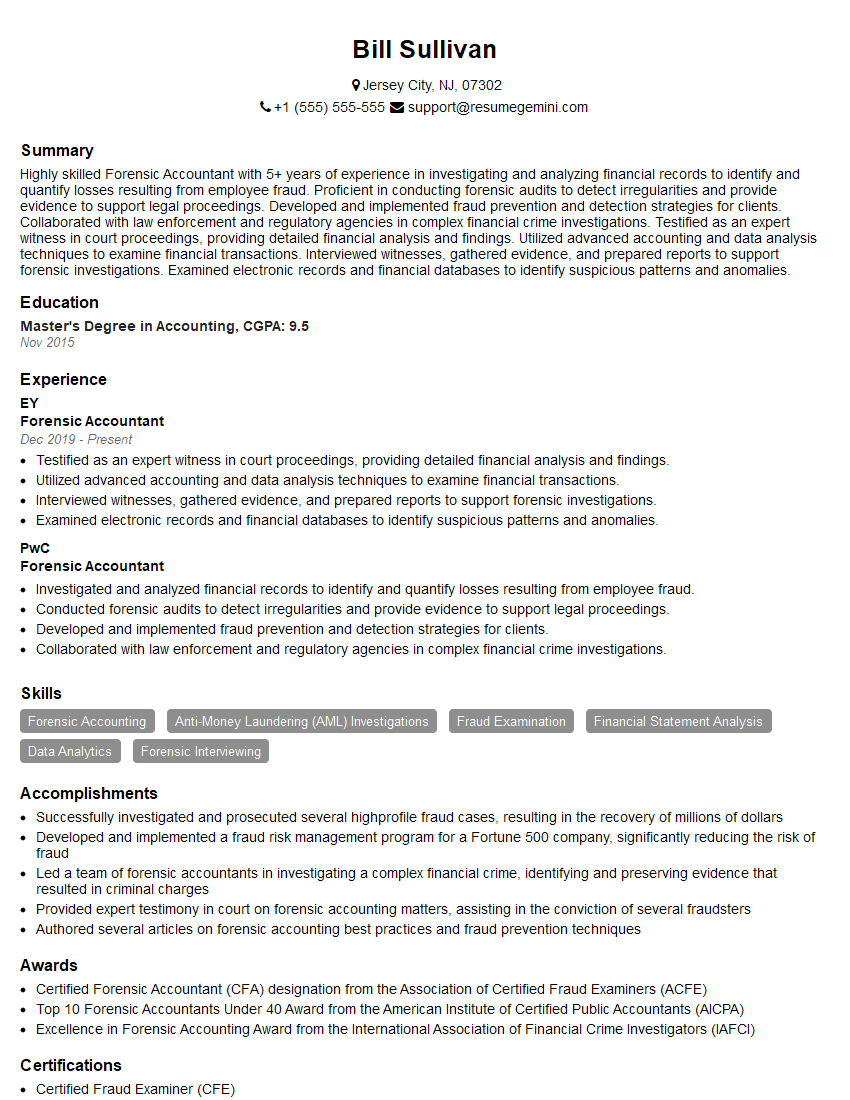
Forensic Accountant Resume Sample
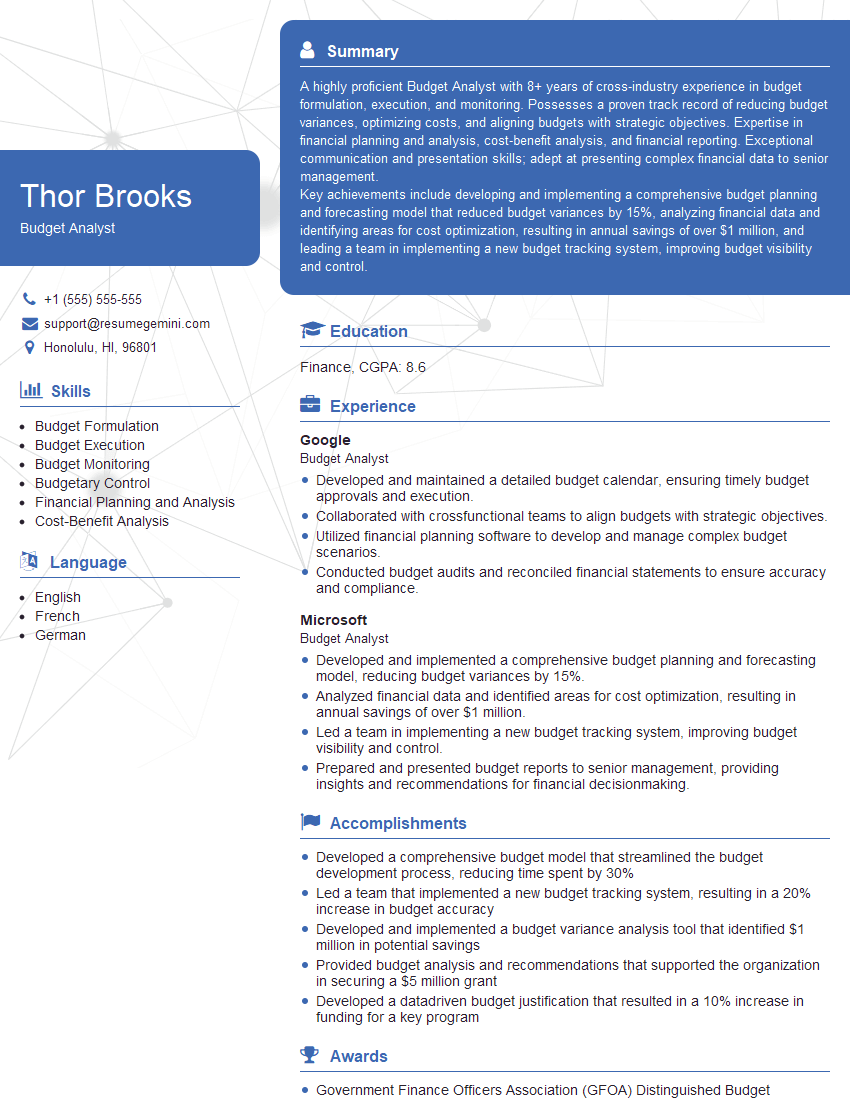
Budget Analyst Resume Sample
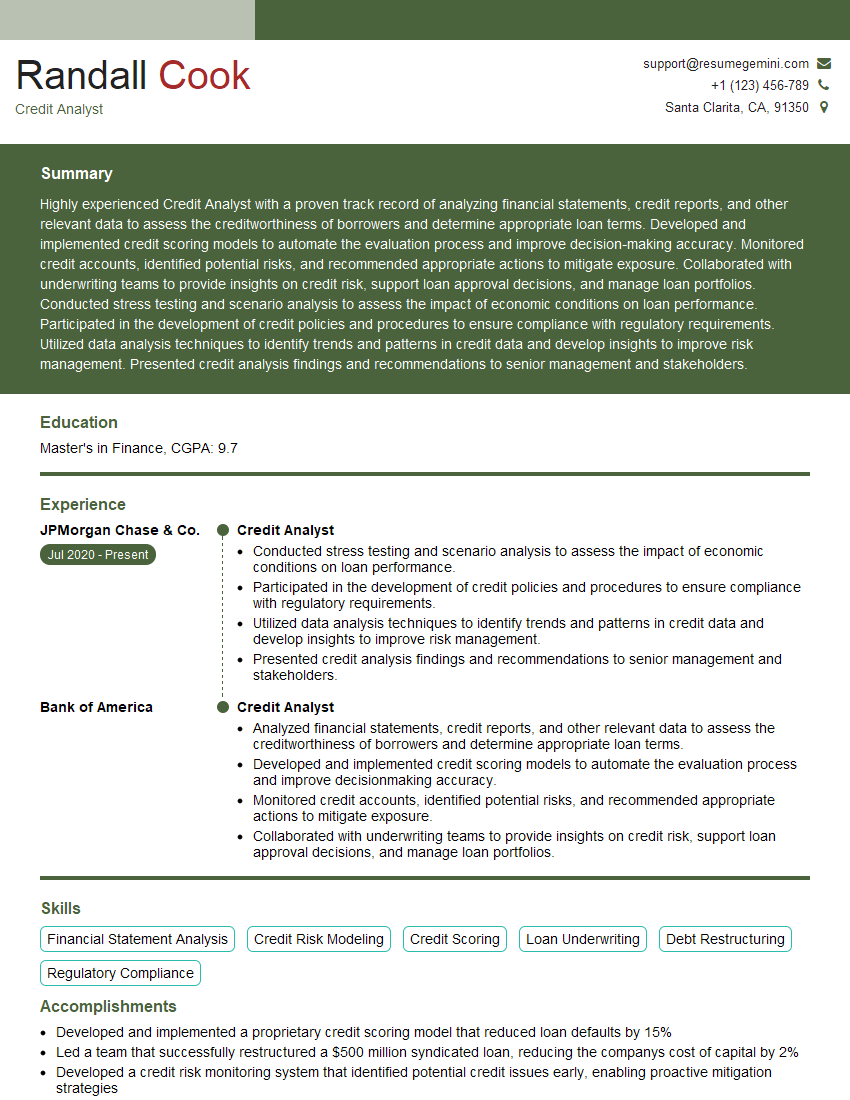
Credit Analyst Resume Sample
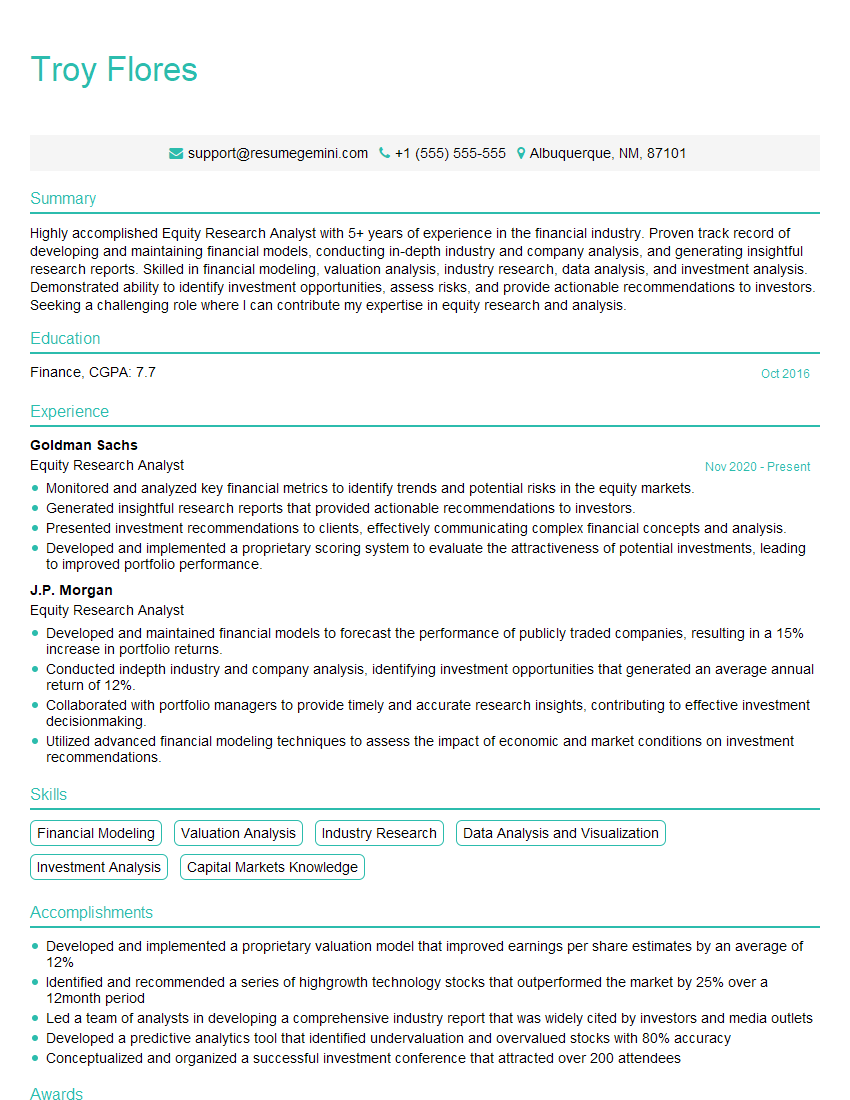
Equity Research Analyst Resume Sample
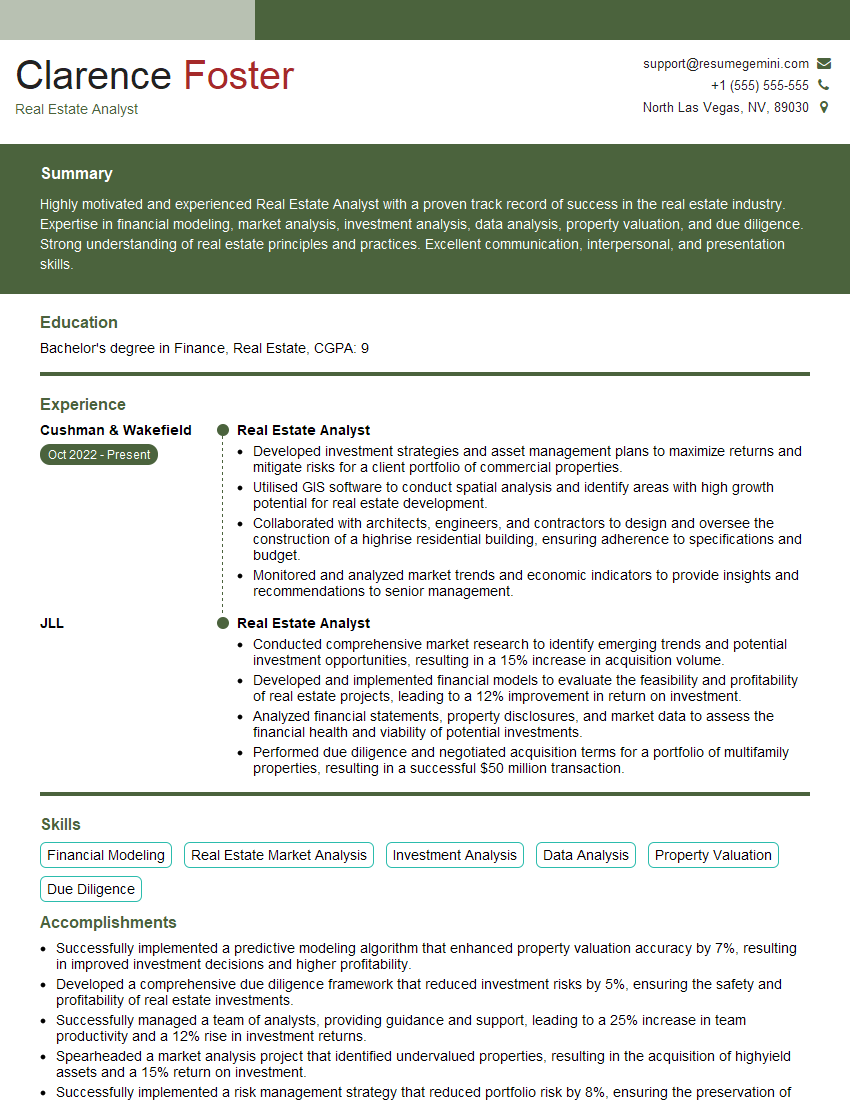
Real Estate Analyst Resume Sample
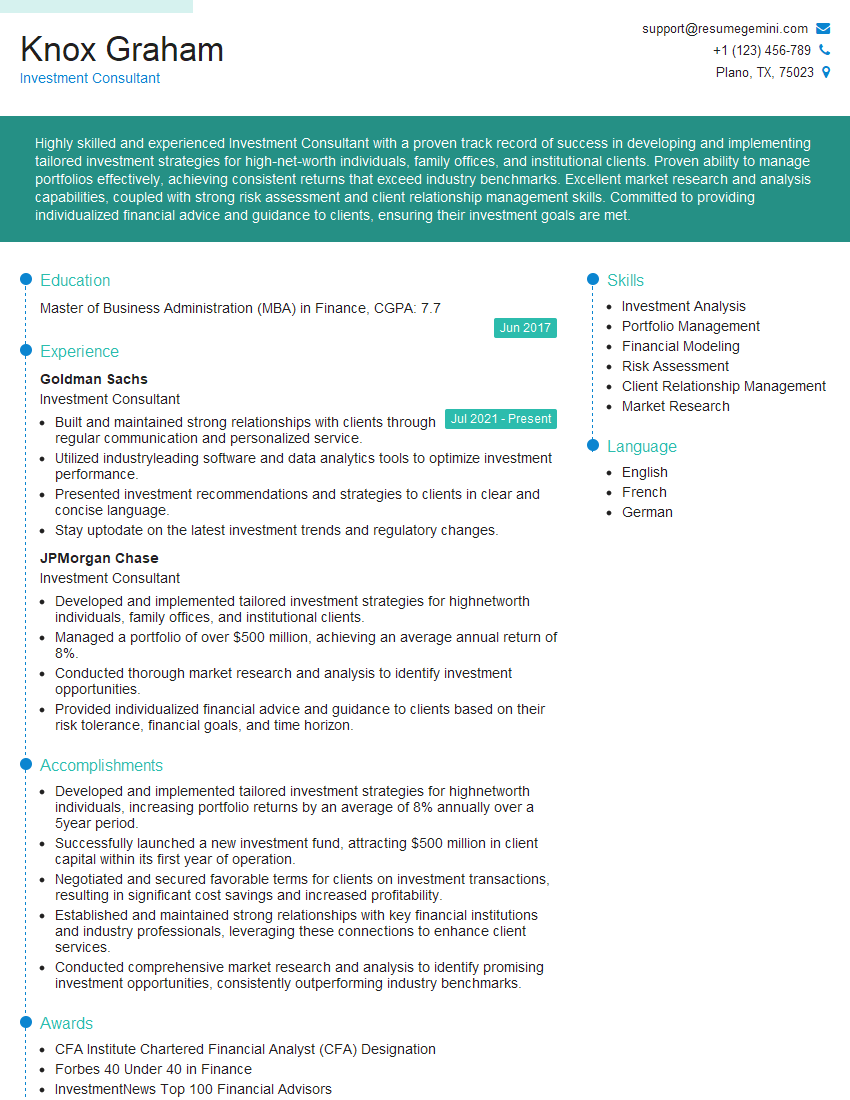
Investment Consultant Resume Sample
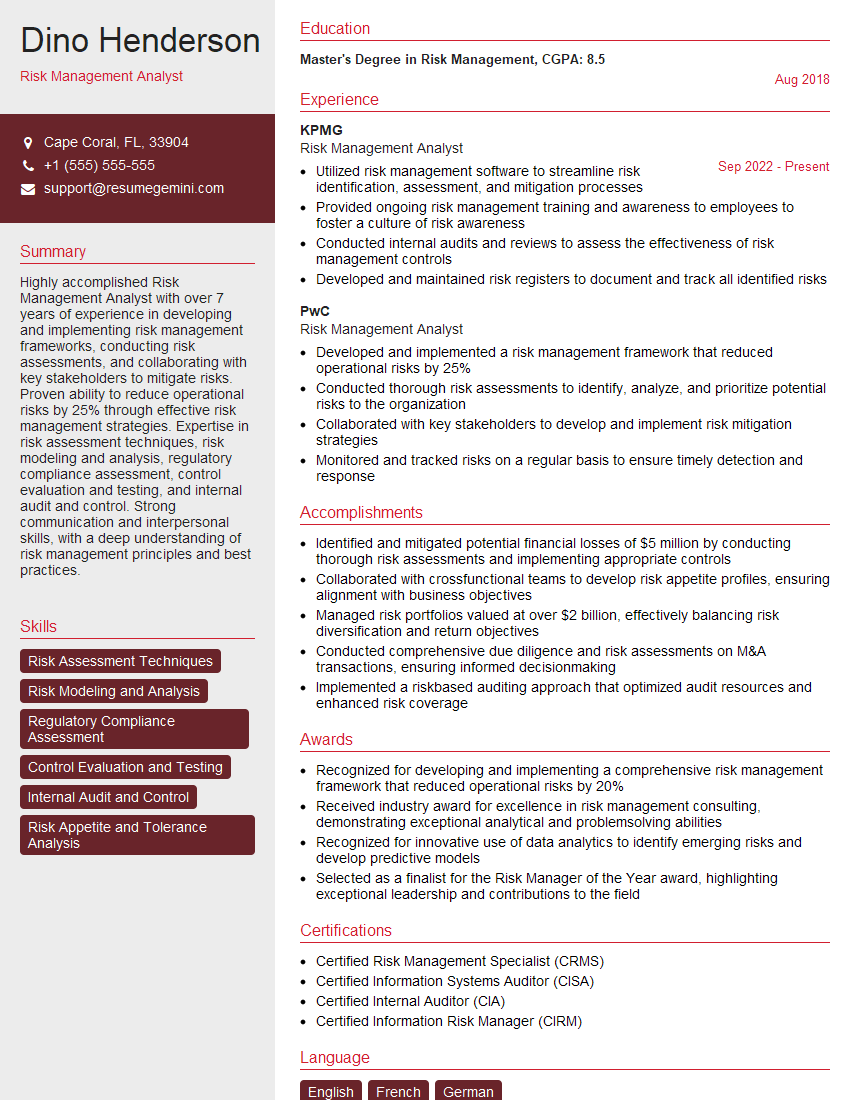
Risk Management Analyst Resume Sample
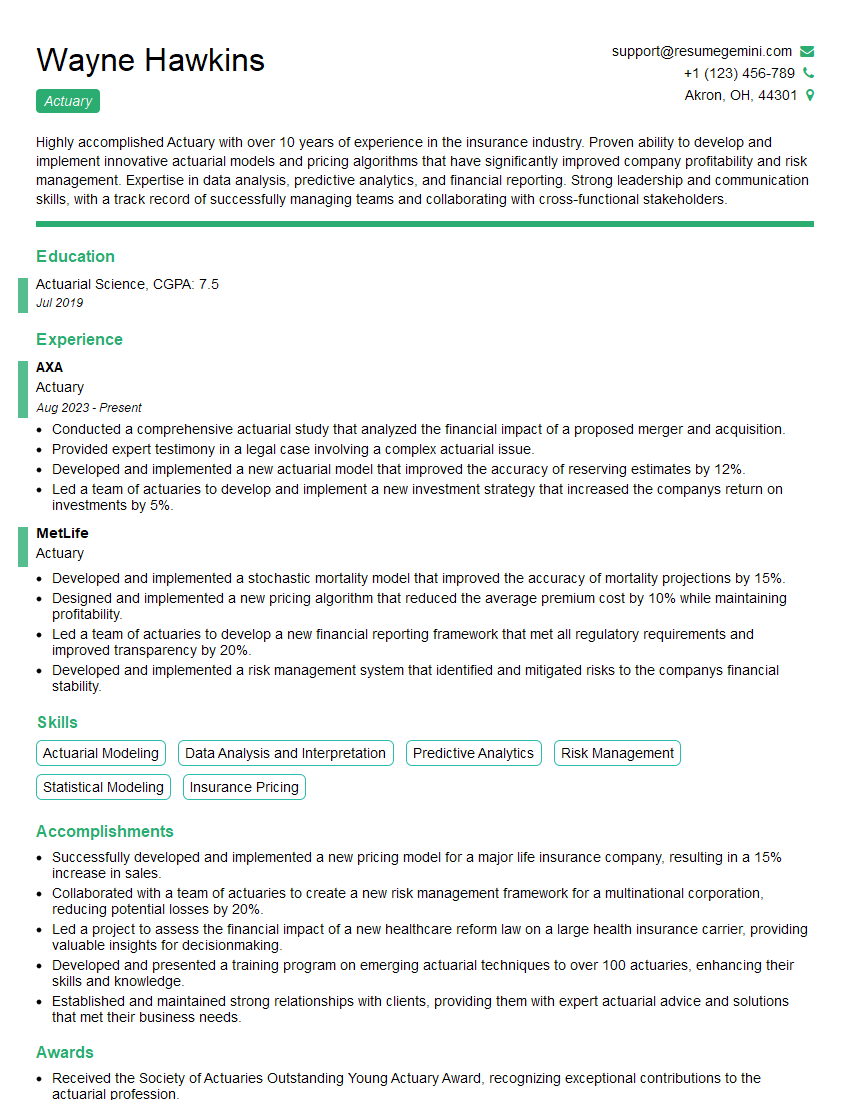
Actuary Resume Sample
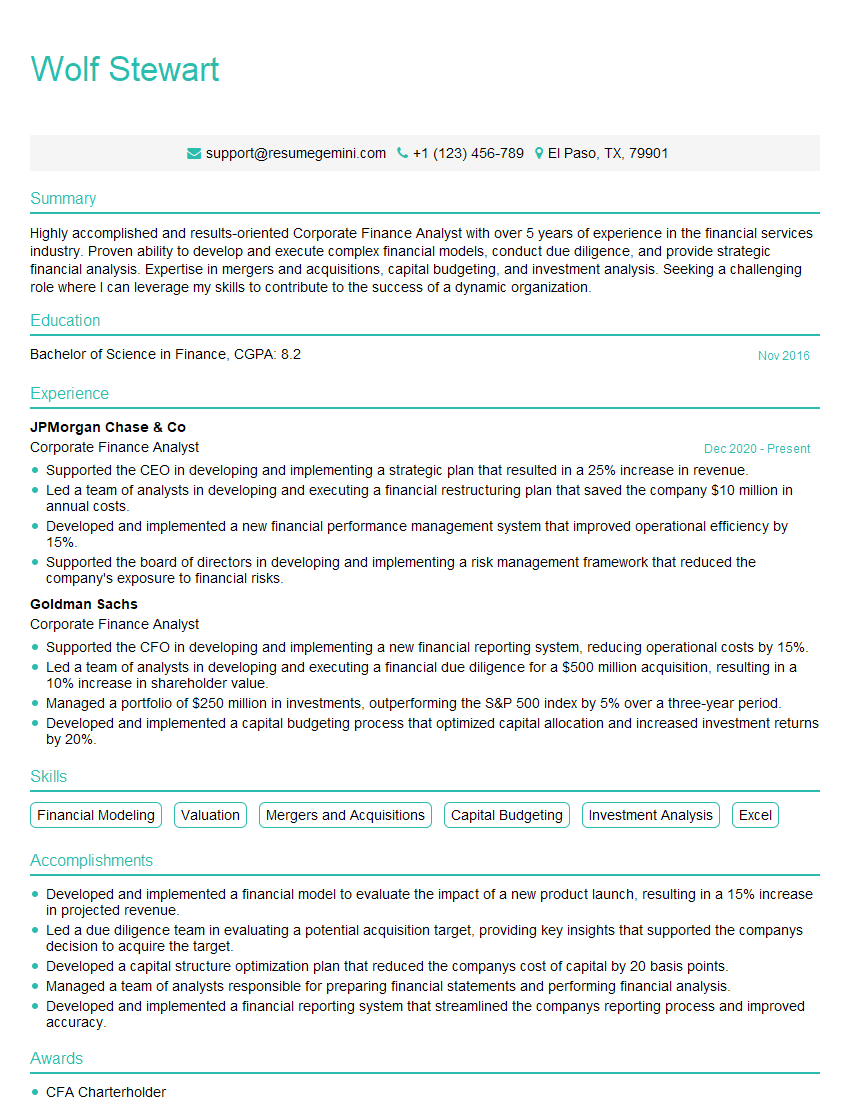
Corporate Finance Analyst Resume Sample
Explore more articles
Users Rating of Our Blogs
Share Your Experience
We value your feedback! Please rate our content and share your thoughts (optional).
What Readers Say About Our Blog
Very informative content, great job.
good