The thought of an interview can be nerve-wracking, but the right preparation can make all the difference. Explore this comprehensive guide to Fine Art interview questions and gain the confidence you need to showcase your abilities and secure the role.
Questions Asked in Fine Art Interview
Q 1. Describe your experience with different art movements.
My experience spans a wide range of art movements, from the Renaissance’s meticulous realism exemplified in Michelangelo’s David to the Impressionists’ revolutionary approach to light and color as seen in Monet’s water lilies. I have a deep understanding of the underlying philosophies and techniques that define each movement. For instance, I’ve studied the Cubist fragmentation of form in Picasso’s works, contrasting it with the Surrealist exploration of the subconscious as portrayed by Dali. My knowledge extends to more contemporary movements, such as Pop Art’s engagement with popular culture (think Warhol’s soup cans) and Minimalism’s focus on essential forms. This broad exposure allows me to appreciate the diverse expressions of human creativity and contextualize individual artworks within their historical and artistic lineage.
- Renaissance: Characterized by realism, humanism, and classical ideals.
- Impressionism: Focused on capturing fleeting moments and the effects of light.
- Cubism: Emphasized the fragmentation of form and multiple perspectives.
- Surrealism: Explored the subconscious and dreamscapes.
- Pop Art: Engaged with popular culture and mass media.
- Minimalism: Emphasized simplicity and essential forms.
Q 2. Explain your understanding of art conservation techniques.
Art conservation is a multifaceted field requiring meticulous attention to detail and a deep understanding of materials and techniques. My expertise encompasses both preventative conservation – measures taken to slow deterioration – and restorative conservation – the process of repairing damaged artworks. Preventative techniques include proper environmental controls (temperature, humidity, light exposure), secure storage, and appropriate handling procedures. Restorative techniques are highly specialized and may involve cleaning, consolidation (strengthening weakened materials), filling losses, and retouching. For instance, I’ve worked on projects involving the cleaning of oil paintings, where the careful removal of varnish layers is crucial to reveal the artist’s original intention without damaging the underlying paint. Each art material (canvas, paper, wood, pigments) demands unique approaches and necessitates ongoing research and adaptation of techniques. The ethical considerations are paramount; interventions should always be reversible and documented thoroughly.
Q 3. How would you curate an exhibition on a specific theme?
Curating an exhibition involves a strategic and creative process. Let’s say the theme is ‘Portraits of Power’. My approach would begin with rigorous research, defining ‘power’ in its various forms – political, social, economic, personal. I’d then select artworks across diverse periods and styles that reflect these facets of power. The selection wouldn’t just be aesthetically driven; it would tell a narrative, exploring how artists have depicted power throughout history. The exhibition design would complement the narrative. The chronological arrangement might be interspersed with thematic groupings, perhaps comparing different artistic representations of female versus male power. Detailed labels and wall texts would provide context and interpretation, engaging the audience intellectually and emotionally. The choice of venue would also be crucial; a stark, minimalist space might better suit powerful minimalist portraits, while a more opulent setting could enhance Baroque-style portrayals.
For example, the exhibition could feature:
- A Renaissance portrait of a wealthy merchant, showcasing the power of the burgeoning mercantile class.
- A Baroque painting of a monarch, emphasizing the power of absolute rule.
- A 20th-century photograph of a political activist, illustrating the power of social change.
The exhibition catalogue would include scholarly essays and artist biographies, providing in-depth analysis and broadening public understanding.
Q 4. Discuss the challenges of art appraisal and valuation.
Art appraisal and valuation are complex processes fraught with challenges. The subjective nature of art makes objective valuation difficult; what one person considers a masterpiece, another might find unremarkable. Authenticity is a major challenge. Proven provenance (history of ownership) is crucial but frequently incomplete or contested. Market fluctuations influence value, as do shifts in artistic trends and critical opinions. Furthermore, the condition of an artwork significantly affects its value; a damaged piece, however historically significant, will be worth less than a pristine one. Establishing value often requires considering various factors: the artist’s reputation, the artwork’s rarity, its historical importance, its aesthetic merit, and its current market demand. Appraisers rely on a combination of expertise, market research, and comparable sales data. It is a delicate balancing act between objective analysis and subjective judgment.
Q 5. What are the ethical considerations in art dealing?
Ethical considerations in art dealing are paramount. Transparency and honesty are fundamental. Art dealers have a responsibility to provide accurate information about the artwork’s provenance, condition, and authenticity. Concealing information, misrepresenting facts, or engaging in practices that could deceive buyers is unethical and potentially illegal. Fair pricing practices are essential. Exploiting artists or buyers due to their lack of knowledge is unacceptable. Respecting intellectual property rights and ensuring the lawful acquisition of artworks are also crucial ethical considerations. Furthermore, responsible dealers actively contribute to the preservation of cultural heritage by supporting conservation efforts and promoting ethical collecting practices.
Q 6. Explain your approach to art handling and storage.
My approach to art handling and storage prioritizes the preservation of artworks. Proper handling techniques, minimizing physical contact and using appropriate supports, are essential. Storage conditions must be carefully controlled to maintain stable temperature and humidity levels, protect against light damage, and prevent pest infestations. Works on paper should be stored in acid-free materials, while paintings require careful environmental control to avoid cracking or fading. Sculptures might require specialized supports or climate control depending on their materials. Detailed documentation of handling and storage conditions is critical for insurance purposes and to ensure the long-term preservation of the artworks. Regular inspections are crucial to identify and address any potential issues proactively.
Q 7. How do you utilize art therapy techniques in practice?
Art therapy utilizes the creative process to facilitate emotional expression, self-discovery, and healing. I utilize various art mediums—painting, sculpting, collage—to help clients explore their thoughts and feelings nonverbally. The process itself is therapeutic; the act of creating can be incredibly cathartic. For instance, a client struggling with trauma might use painting to express their emotions without having to articulate them directly. I guide clients in a supportive environment, encouraging self-reflection and exploring the symbolism within their artwork. The focus is not on producing ‘good’ art, but on using the creative process for personal growth and well-being. This approach can be incredibly effective in addressing issues like anxiety, depression, and trauma, fostering self-awareness, and promoting emotional resilience. It’s important to note that I work collaboratively with other healthcare professionals, and this approach would be one tool within a broader treatment plan.
Q 8. Describe your experience with various art materials and their properties.
My experience with art materials spans decades, encompassing a wide range from traditional to contemporary mediums. Understanding the properties of each material is crucial for achieving the desired artistic effect and ensuring the longevity of the artwork.
Paints: I’m proficient with oils (known for their richness and slow drying time, requiring specific solvents and mediums), acrylics (water-based, fast-drying, versatile), watercolors (transparent, delicate, requiring specific paper), and gouache (opaque watercolor, ideal for illustrations).
Drawing Media: I have extensive experience with graphite pencils (varying hardness for different effects), charcoal (expressive, smudgeable), pastels (vibrant, requiring fixative), and inks (precise lines, requires specialized pens and papers).
Sculpting Materials: My expertise includes working with clay (both earthenware and porcelain, requiring specific firing techniques), bronze (requiring casting processes), stone (requiring specialized carving tools and techniques), and wood (requiring knowledge of different wood types and their properties).
Other Materials: My knowledge also extends to mixed media, incorporating found objects, collage elements, and digital technologies, understanding how different materials interact and behave is essential for successful artwork creation. For example, the choice of canvas (linen vs. cotton) impacts the paint’s absorption and texture.
Q 9. Discuss your expertise in a specific art medium (e.g., painting, sculpture).
My expertise lies primarily in painting, specifically in the realm of oil painting. I’ve spent years mastering the techniques of layering, glazing, and impasto – achieving depth, luminosity, and texture within the artwork. I find oil paints particularly rewarding due to their versatility and the rich depth they offer.
For instance, I recently completed a series of landscapes where I employed glazing techniques to create a sense of atmospheric perspective and depth. This involved applying thin, transparent layers of color over previously dried layers, gradually building up the image and creating a subtle luminosity. The slow drying time of oils was crucial in this process, allowing for blending and adjustments over several days. Understanding the chemical interactions between pigments and mediums is paramount for achieving desired effects and ensuring archival quality.
My work often explores the interplay of light and shadow, using a combination of realistic observation and expressive brushwork. I believe that mastering the technical aspects of oil painting – from preparing the canvas to applying the final varnish – is essential for achieving the artistic vision.
Q 10. How would you manage a budget for an art project?
Budget management for an art project is critical, ensuring the project’s successful completion within the allocated resources. I approach budgeting systematically, breaking down costs into distinct categories:
Materials: This includes the cost of paints, canvases, brushes, sculpting materials, or any other necessary supplies. I meticulously research prices from different suppliers to find the best value.
Labor: This covers the time dedicated to the project, including research, design, creation, and any required assistance. For larger projects, I might factor in potential studio assistant fees.
Equipment: Depending on the project, this could include the rental of equipment like kilns (for ceramics), specialized tools, or software.
Marketing & Promotion: If the project is intended for sale, a budget must be allocated for marketing, photography, framing, and potential gallery commissions.
Contingency: It’s essential to include a contingency fund (typically 10-15% of the total budget) to cover unforeseen expenses or material shortages.
I typically use spreadsheets to track expenses, ensuring transparency and accountability throughout the project. Regular monitoring against the budget allows for adjustments and prevents overspending.
Q 11. Explain your knowledge of art history and its impact on contemporary art.
Art history is fundamentally intertwined with contemporary art; it serves as both a foundation and a springboard for innovation. Understanding historical movements, techniques, and artistic philosophies provides a context for interpreting and creating contemporary work.
For example, knowing the impact of Impressionism on the development of color theory allows contemporary artists to manipulate color in novel ways. Similarly, understanding the conceptual shifts of Dadaism and Surrealism can inform current explorations of abstraction and the subconscious. A deep understanding of historical art helps artists to identify their place within the ongoing dialogue of art, breaking new ground while acknowledging the achievements of those who came before. The study of art history allows for a more critical understanding of stylistic choices, conceptual underpinnings, and aesthetic preferences. It empowers artists to develop their own unique perspectives by understanding how art is perpetually influenced by social, political, and cultural currents.
Q 12. Discuss your experience with art restoration techniques.
My experience with art restoration is limited, focusing primarily on the preventative conservation of my own work and offering guidance to collectors. However, I have a strong understanding of the principles involved. I understand that art restoration requires specialized knowledge and training, often involving scientific analysis and meticulous techniques to repair damaged artworks. I know that the ethical considerations are paramount, prioritizing the preservation of the artwork’s integrity and originality over unnecessary intervention. I am familiar with methods for cleaning, repairing, and stabilizing paintings, sculptures, and other artworks. I understand the critical role of environmental control in preventing further deterioration.
Q 13. How would you market an artist’s work?
Marketing an artist’s work requires a multi-faceted approach, combining online and offline strategies.
Online Presence: A professional website showcasing the artist’s portfolio is essential. Social media platforms like Instagram and Facebook can be powerful tools for reaching a wider audience. Using high-quality images and engaging captions is crucial.
Networking: Attending art fairs, gallery openings, and artist meetups is vital for building connections and gaining visibility.
Gallery Representation: Working with a reputable gallery can significantly enhance exposure and sales opportunities.
Press Releases and Media Outreach: Generating positive press coverage through articles and features in relevant publications can improve credibility and visibility.
Direct Sales: Exploring direct sales channels, such as online shops or private commissions, can provide additional income streams.
Effective marketing involves understanding the target audience, tailoring the message accordingly, and consistently promoting the artist’s work across various platforms.
Q 14. Describe your experience with grant writing or fundraising for art projects.
I have experience in grant writing, securing funding for several personal projects and collaborations. My approach is strategic, involving meticulous research to identify relevant funding opportunities that align with my artistic vision.
The process typically involves:
Identifying Funding Sources: Researching grant opportunities from organizations such as arts councils, foundations, and government agencies.
Developing a Strong Proposal: Crafting a compelling narrative that clearly articulates the project’s goals, methodology, and impact. This includes a detailed budget justification and a timeline.
Building Relationships: Networking with grant reviewers and program officers to enhance the chances of securing funding.
Following Up: Following up with grant organizations to check on the application status and address any questions.
Strong grant proposals highlight the project’s artistic merit, its potential social impact, and the artist’s qualifications. Detailed budgets are crucial, demonstrating careful planning and responsible use of funds.
Q 15. Explain your understanding of art copyright and intellectual property.
Art copyright and intellectual property are crucial aspects of the art world, protecting artists’ rights and ensuring they receive proper compensation for their creative work. Copyright, specifically, grants the creator exclusive rights to reproduce, distribute, display, and create derivative works from their art. This protection typically lasts for the life of the artist plus 70 years. Intellectual property is a broader term encompassing various forms of creative expression, including copyrights, patents, and trademarks. In the art world, this could include not just the painting itself, but also the artist’s name and signature, which are forms of branding protected under intellectual property law.
For example, a photographer owns the copyright to their photograph and has the sole right to print and sell copies. Unauthorized reproduction constitutes copyright infringement, which can lead to legal action. Similarly, an artist’s unique style and distinctive brushstrokes can be considered aspects of their intellectual property, providing further protection against forgery or unauthorized imitation.
Understanding these legal frameworks is vital for both artists and galleries. Artists must register their works to establish clear ownership, while galleries are legally obligated to respect these rights when representing and selling artwork.
Career Expert Tips:
- Ace those interviews! Prepare effectively by reviewing the Top 50 Most Common Interview Questions on ResumeGemini.
- Navigate your job search with confidence! Explore a wide range of Career Tips on ResumeGemini. Learn about common challenges and recommendations to overcome them.
- Craft the perfect resume! Master the Art of Resume Writing with ResumeGemini’s guide. Showcase your unique qualifications and achievements effectively.
- Don’t miss out on holiday savings! Build your dream resume with ResumeGemini’s ATS optimized templates.
Q 16. How would you handle a conflict between an artist and a gallery owner?
Conflicts between artists and gallery owners are unfortunately common. Effective resolution requires open communication and a clear understanding of the contracts in place. Mediation, often involving a neutral third party, is a highly recommended approach. This allows both parties to express their concerns and find mutually acceptable solutions without resorting to litigation.
My approach would begin with carefully reviewing the artist’s contract with the gallery. This contract should clearly stipulate commission rates, payment terms, marketing strategies, and exhibition details. If the conflict stems from a breach of contract, for example, the gallery not paying the artist as agreed, legal action may be necessary. However, I would always prioritize mediation first. If mediation is unsuccessful, then we would explore all available legal avenues.
It’s crucial to consider the relationship between the artist and gallery. Repairing the relationship might be beneficial in the long run, even if the initial conflict requires legal intervention. Open dialogue, empathy, and a commitment to finding a fair resolution are paramount.
Q 17. Discuss your proficiency in art software or digital tools.
My proficiency in art software and digital tools is extensive, covering a wide range of applications relevant to both traditional and digital art practices. I am adept at using Adobe Photoshop, Illustrator, and InDesign for image manipulation, vector graphics creation, and layout design. This includes retouching, color correction, creating high-resolution images for print and web, and designing exhibition catalogs. My skills also extend to 3D modeling software such as Blender, allowing me to create digital sculptures and environments for virtual exhibitions.
Further, I’m familiar with various digital painting programs such as Procreate and Clip Studio Paint, and I understand the nuances of digital printmaking and animation techniques. I believe that integrating digital tools into artistic practice can enhance creativity and reach a wider audience while maintaining the integrity and artistic merit of the final artwork.
Q 18. How do you assess the authenticity of an artwork?
Assessing the authenticity of an artwork is a complex process demanding expertise and a multi-faceted approach. It’s often not a matter of a single test but a combination of techniques. This includes a careful visual examination to identify the artist’s unique style, brushstrokes, and use of materials. I would analyze the canvas or paper for inconsistencies, checking for signs of aging or restoration. Scientific techniques such as pigment analysis (using techniques like X-ray fluorescence or microscopy) are sometimes necessary.
Provenance research is critical. This involves tracing the artwork’s history through documentation such as exhibition records, sales catalogs, and private collections. I would examine any accompanying certificates of authenticity, verifying their legitimacy. Consulting with experts in the artist’s style and period is often essential, particularly for older or less-documented works. It is important to be cautious of forgeries, which can be remarkably sophisticated. A holistic approach that combines visual analysis, scientific testing, and historical research is vital to determine authenticity with confidence.
Q 19. Explain your understanding of art criticism and its role.
Art criticism plays a crucial role in shaping our understanding and appreciation of art. It’s not simply about offering subjective opinions but about engaging in a reasoned analysis of an artwork’s formal qualities, its historical context, and its cultural significance. A good art critic brings a deep understanding of art history, theory, and aesthetics to their work.
Art critics interpret the artist’s intentions, examine the techniques used, and place the work within broader artistic movements. Their analysis might address elements such as composition, color palette, symbolism, and the emotional impact of the piece. They also consider the social and political context in which the artwork was created. Their writing helps to educate the public, stimulate debate, and increase awareness of important works of art.
Effective art criticism is rigorous, thoughtful, and well-supported, avoiding overly simplistic judgments or personal biases. It contributes to a more informed and sophisticated public engagement with art, fostering a deeper understanding and appreciation of its value.
Q 20. Describe your experience with art education or public outreach.
My experience in art education and public outreach is extensive and spans various formats. I have given numerous lectures and workshops on diverse aspects of art history and theory at museums, universities, and community centers. I’ve developed and delivered educational programs for children and adults, focusing on hands-on art-making activities combined with theoretical explorations. My goal is always to make art accessible and engaging for all audiences, regardless of their background or prior knowledge.
I have also curated and led museum tours, tailoring the experience to the specific interests of the participants. I actively participate in public discussions and debates regarding current issues in the art world. My experience demonstrates a consistent commitment to promoting art appreciation and understanding within a wide range of communities.
Q 21. How would you develop a strategic plan for a museum or gallery?
Developing a strategic plan for a museum or gallery requires a multifaceted approach. It begins with a clear articulation of the institution’s mission and vision. What is its unique contribution to the art world? Who is its target audience? The plan should include a comprehensive marketing and outreach strategy, engaging various communication channels to reach the target demographic. This could involve social media campaigns, website development, collaborations with other organizations, and public relations efforts.
Financial planning is crucial. This involves developing a budget, identifying funding sources (grants, donations, ticket sales), and implementing strategies for long-term financial sustainability. Collection management is also critical, encompassing the acquisition, preservation, and cataloging of artwork. The plan should address issues of accessibility and inclusivity, ensuring the institution serves a diverse audience. A strong leadership team, with expertise in various areas (curation, education, administration, fundraising), is indispensable for successful implementation of the plan.
Regular evaluation and adaptation are key. The strategic plan should be reviewed and updated regularly to assess progress, identify challenges, and adjust strategies as needed. Success depends on continuous monitoring and flexibility in responding to evolving circumstances.
Q 22. How do you assess the market value of an artwork?
Assessing the market value of an artwork is a complex process that requires a multifaceted approach. It’s not a simple formula, but rather a careful consideration of various factors.
- Artist’s Reputation and Market History: The most significant factor is the artist’s established reputation within the art world. Works by renowned artists like Picasso or Warhol command significantly higher prices than those by lesser-known artists. Past auction records for similar works by the same artist provide a crucial benchmark.
- Rarity and Uniqueness: Limited edition prints, unique pieces, or works from a specific period in an artist’s career often fetch higher prices due to their scarcity. For example, a painting from an artist’s early career, before they achieved widespread recognition, might be more valuable than a later, more prolific piece.
- Condition and Provenance: The artwork’s condition is paramount. Damage, restoration, or improper storage significantly impacts value. Provenance, or the documented history of ownership, adds authenticity and desirability, potentially increasing value.
- Size and Medium: The dimensions of the artwork and the medium used (oil on canvas, watercolor, sculpture, etc.) all influence value. Larger works, especially in highly sought-after mediums, generally command higher prices.
- Current Market Trends and Demand: The art market fluctuates based on current trends, economic conditions, and collector interest. A surge in popularity for a particular artistic movement or style can dramatically affect prices.
- Expert Appraisal: Seeking an appraisal from a reputable art specialist or auction house is crucial for an accurate valuation. These professionals consider all the factors mentioned above and offer a professional opinion.
For example, a relatively unknown artist’s work might be valued based on its artistic merit and potential future appreciation, while a well-established artist’s work would be valued primarily based on auction history and market demand. The process often involves researching comparable sales, analyzing current market trends, and considering the artwork’s unique characteristics.
Q 23. Explain your knowledge of different art markets (local, national, international).
The art market exists at various levels, each with its own characteristics and challenges.
- Local Markets: These markets typically consist of local galleries, art fairs, and individual artists selling their work within a specific geographic area. They often feature emerging artists and more affordable works, catering to a local clientele. Competition is often less intense, but reaching a wider audience can be more challenging.
- National Markets: National markets encompass a larger geographical area, with more established galleries, museums, auction houses, and a broader range of artists represented. Prices tend to be higher, and competition is more significant. A strong national presence is often a stepping stone to international recognition.
- International Markets: The international art market is highly competitive and globalized. Major auction houses like Christie’s and Sotheby’s play a central role, with sales reaching millions of dollars for significant works. International art fairs like Art Basel connect artists, collectors, and galleries worldwide. This market is influenced by global economic factors, cultural trends, and the complex interplay of international buyers and sellers.
Understanding the nuances of each level is vital for successful navigation. For instance, an artist might start building their reputation in the local market before seeking representation in the national and international arenas. Similarly, a collector might focus on specific regional artists in a local market but broaden their collection to incorporate internationally recognized names over time.
Q 24. Discuss your understanding of the art world’s business practices.
The art world’s business practices are diverse and intricate, encompassing various aspects of buying, selling, exhibiting, and preserving art.
- Galleries and Dealers: Galleries act as intermediaries, representing artists, showcasing their work, and facilitating sales to collectors. Dealers often specialize in specific periods, movements, or artists.
- Auction Houses: Auction houses like Christie’s and Sotheby’s conduct public auctions where artworks are sold to the highest bidder. They play a significant role in establishing market values and driving price appreciation.
- Collectors and Patrons: Collectors acquire artworks for personal enjoyment, investment, or philanthropy. Patrons support artists financially, often commissioning new works or acquiring existing pieces.
- Museums and Institutions: Museums acquire, conserve, and exhibit art, contributing to the preservation and dissemination of artistic heritage. They often rely on donations, grants, and acquisitions to expand their collections.
- Art Advisors: Art advisors assist collectors in navigating the art market, providing guidance on acquisitions, valuations, and investment strategies. They act as trusted consultants.
- Art Law and Contracts: The art world involves complex legal and contractual agreements covering aspects such as ownership, copyright, authentication, and sales transactions.
Understanding these aspects is crucial. For example, a gallery’s commission structure, an artist’s contract terms, and the authenticity guarantees offered by an auction house are all key elements in the art business.
Q 25. How would you handle damage to a piece of art during transportation or exhibition?
Handling damage to artwork during transportation or exhibition requires meticulous planning and swift action.
- Preventive Measures: Prior to transportation, artworks should be professionally packed using archival-quality materials, custom-built crates, and climate-controlled transport. Insurance coverage is crucial.
- Documentation: Thorough documentation, including photographs and condition reports, should be prepared before and after transportation or exhibition. This serves as evidence in case of damage.
- Immediate Response: If damage occurs, promptly document the damage with photographs and written reports. Contact the insurance provider, conservators, and relevant parties.
- Conservation: Consult with a qualified art conservator to assess the damage and determine the appropriate restoration process. Restoration should always be undertaken by professionals.
- Insurance Claim: File an insurance claim following established procedures, providing all relevant documentation.
For instance, a fragile sculpture might require specialized cushioning and climate control during transit. If a painting is damaged during an exhibition, immediate photography, a detailed report, and contact with the insurer and conservator are crucial steps.
Q 26. Describe your experience with art collection management.
Art collection management involves the careful oversight and preservation of artworks. It encompasses several critical aspects.
- Inventory Management: Maintaining a detailed inventory of artworks, including accurate descriptions, condition reports, and provenance information is essential.
- Storage and Handling: Proper storage conditions, such as climate control and security measures, are crucial for preserving artwork. Handling should be done with utmost care, using appropriate techniques and equipment.
- Insurance and Appraisal: Maintaining comprehensive insurance coverage is essential to protect against loss or damage. Regular appraisals help track the value of the collection over time.
- Conservation and Restoration: Regular condition checks and timely conservation interventions are necessary to maintain the quality of artworks. This includes preventative measures and restoration services.
- Documentation and Archiving: Maintaining meticulous records, including photographs, condition reports, and provenance documentation, ensures the long-term preservation of the collection’s history.
- Legal Compliance: Adherence to relevant regulations related to ownership, import/export, and taxation is important.
For example, I’ve been involved in creating detailed inventory databases for private collections, arranging climate-controlled storage facilities, and overseeing the restoration of damaged pieces. The goal is always to ensure the long-term preservation and appreciation of the collection.
Q 27. Explain your understanding of art installation and display techniques.
Art installation and display techniques depend on the type of artwork and the exhibition space. The goal is to showcase the work effectively while ensuring its safety and preservation.
- Environmental Considerations: Light levels, temperature, and humidity must be carefully controlled to prevent damage. Certain works may require specialized environmental conditions.
- Mounting and Hanging: Appropriate hanging systems, such as picture wire, D-rings, or specialized mounts, should be used based on the artwork’s size and weight.
- Framing and Matting: Proper framing and matting protect the artwork and enhance its presentation. Archival-quality materials are essential to avoid damage.
- Lighting: Strategic lighting highlights the artwork’s features while minimizing light damage. UV filtering is often required.
- Security: Security measures such as alarms, surveillance systems, and controlled access protect the artworks from theft or vandalism.
- Presentation and Context: The arrangement of the artworks within the space, the use of wall text, and the overall design should enhance the visitor experience and provide context for the work.
For instance, a large-scale sculpture might require a specially designed base and support structure, whereas a delicate watercolor painting needs controlled lighting and humidity. The installation should always prioritize the safety and presentation of the artwork.
Q 28. How would you engage diverse audiences in an art exhibition?
Engaging diverse audiences in an art exhibition requires a multifaceted approach focusing on accessibility, inclusivity, and relevance.
- Accessibility: Ensure physical accessibility through features like ramps, elevators, and wheelchair-accessible restrooms. Provide audio descriptions, tactile tours, and large-print materials for visitors with disabilities.
- Multilingual Materials: Offer exhibition materials in multiple languages to cater to a diverse linguistic audience.
- Community Engagement: Collaborate with local community groups and organizations to create programs and events that resonate with different communities.
- Educational Programs: Offer workshops, lectures, and guided tours that cater to various levels of art knowledge and interest.
- Interactive Elements: Incorporate interactive elements such as digital displays, touchscreens, and hands-on activities to engage visitors.
- Diverse Programming: Host events that appeal to diverse interests, such as film screenings, music performances, or poetry readings that complement the exhibition themes.
- Inclusive Marketing: Use marketing materials that reflect the diversity of the community and promote inclusivity.
For example, an exhibition about indigenous art could include storytelling events featuring indigenous artists, workshops on traditional techniques, and multilingual labels. This approach creates a welcoming and inclusive environment, enriching the visitor experience for all.
Key Topics to Learn for Your Fine Art Interview
- Art History & Theory: Understanding major movements, influential artists, and key theoretical frameworks (e.g., formalism, postmodernism) will demonstrate your foundational knowledge and critical thinking skills.
- Studio Practice & Techniques: Be prepared to discuss your preferred mediums, processes, and artistic approaches. Highlight your technical skills and problem-solving abilities within your chosen practice. Examples include proficiency in specific software or traditional methods.
- Conceptual Development & Artistic Intent: Articulate your creative process, explaining how you develop concepts, execute your vision, and communicate meaning through your work. Discuss your artistic influences and inspirations.
- Portfolio Presentation & Critique: Practice presenting your portfolio confidently and concisely. Be ready to discuss the strengths and weaknesses of individual pieces and your overall artistic trajectory. Anticipate thoughtful questions regarding your creative choices.
- Professional Practice & Collaboration: Discuss your experience with galleries, exhibitions, collaborations, and the business aspects of being an artist (e.g., grant applications, marketing, networking).
- Contemporary Art & its Context: Demonstrate awareness of current trends and discussions within the contemporary art world. Show your engagement with broader cultural and societal issues as they relate to your art.
Next Steps
Mastering the fundamentals of Fine Art is crucial for career progression, opening doors to diverse opportunities in galleries, studios, museums, education, and more. A strong, ATS-friendly resume is your key to unlocking these possibilities. To build a resume that truly showcases your unique artistic talents and experience, leverage the power of ResumeGemini. ResumeGemini provides the tools and resources to craft a compelling narrative, highlighting your skills and achievements effectively. Examples of resumes tailored specifically to Fine Art professionals are available to help guide you.
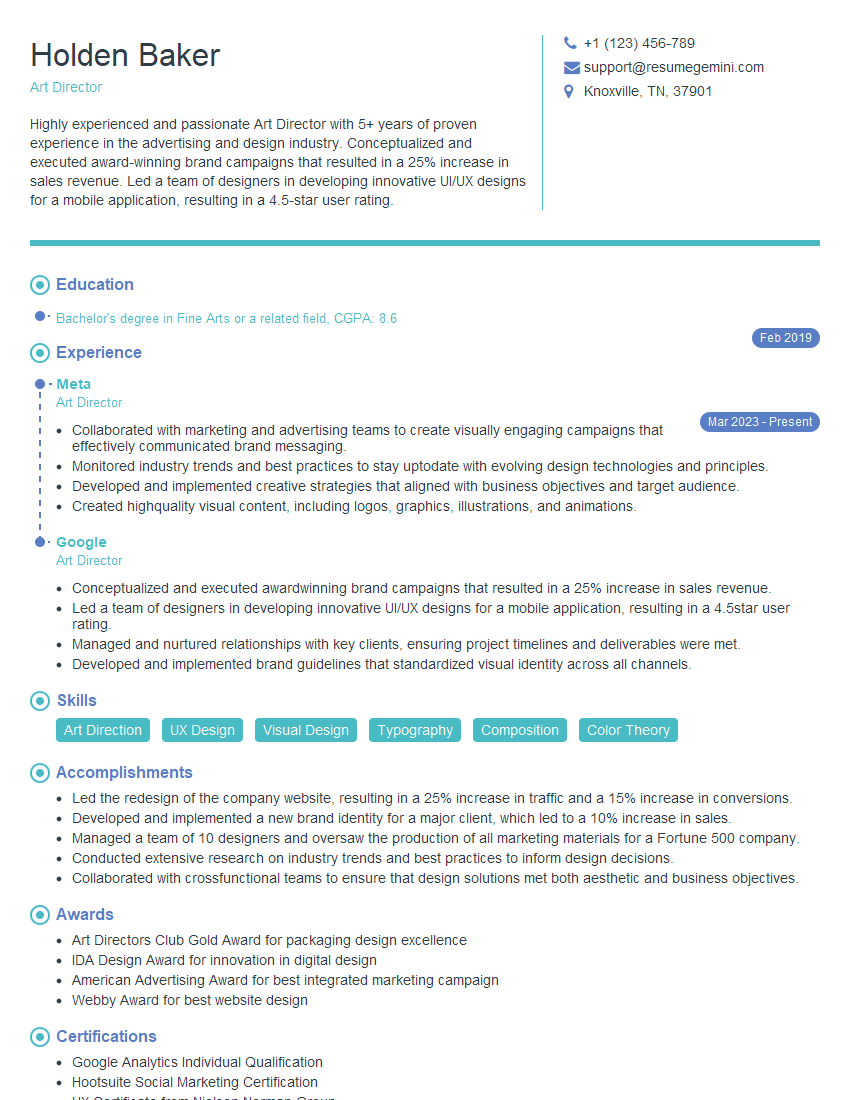
Art Director Resume Sample
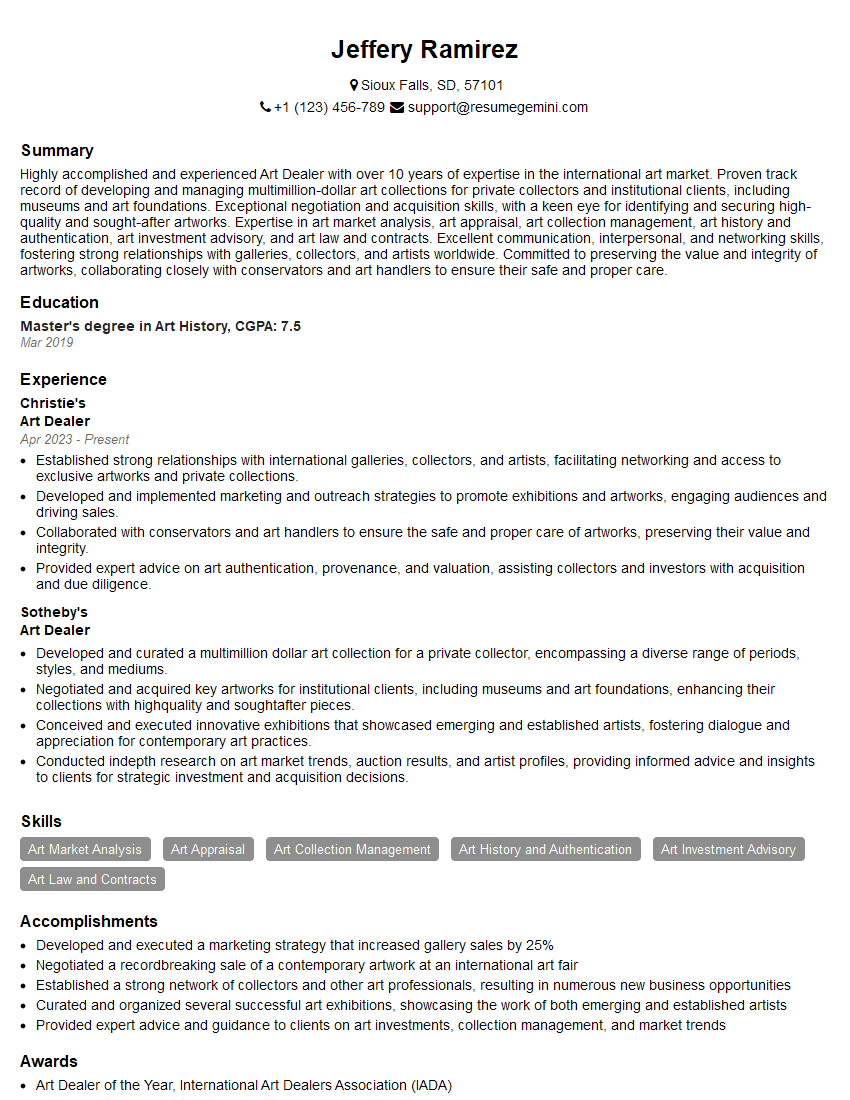
Art Dealer Resume Sample
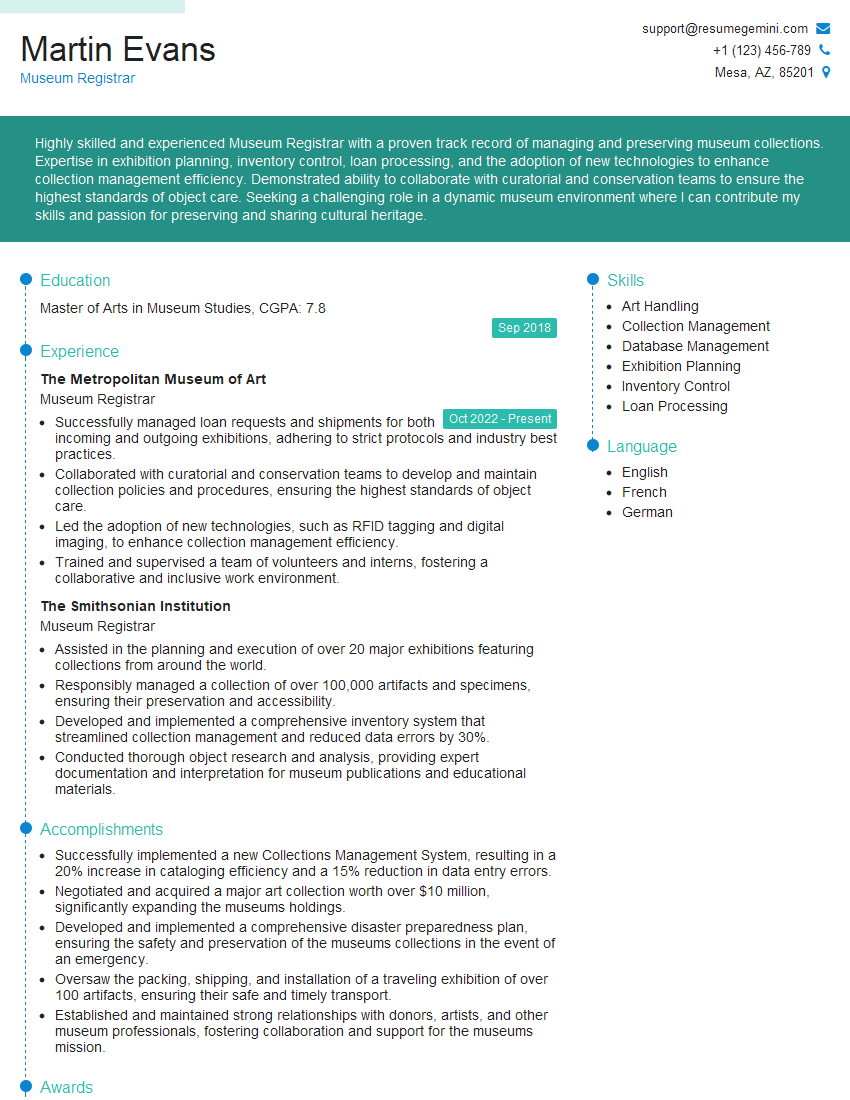
Museum Registrar Resume Sample
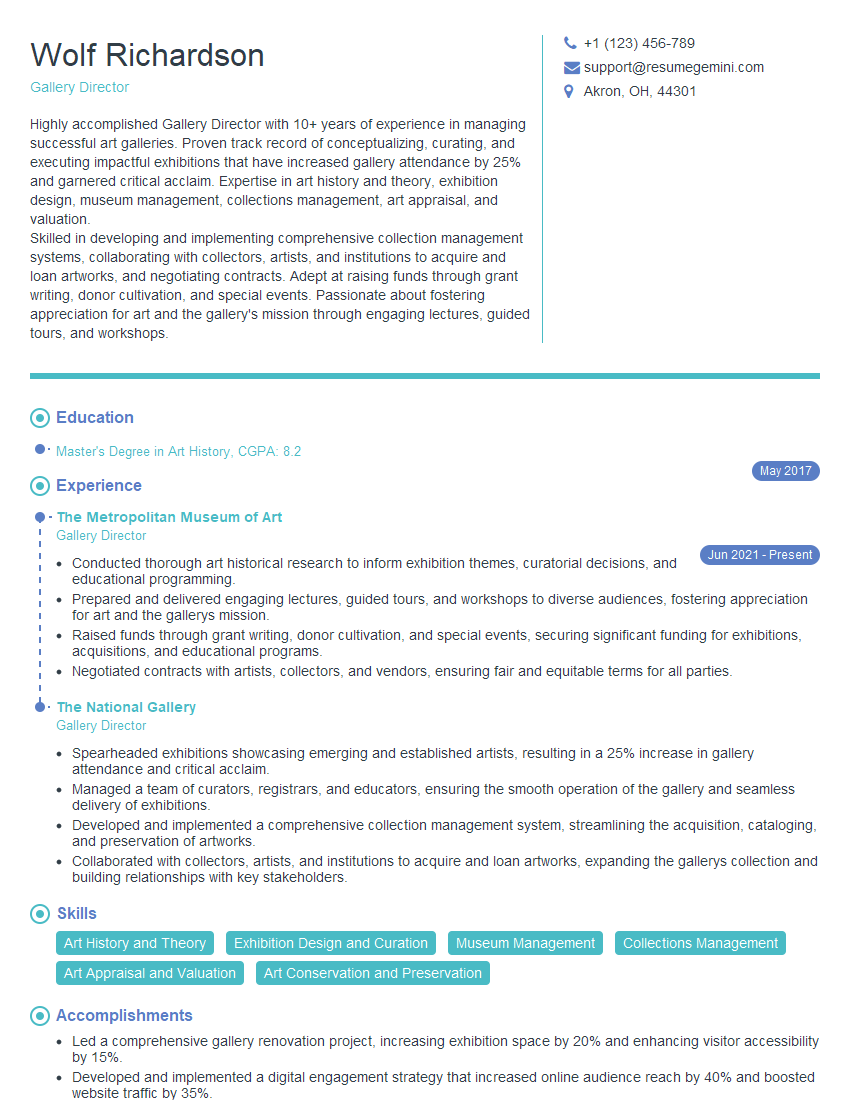
Gallery Director Resume Sample
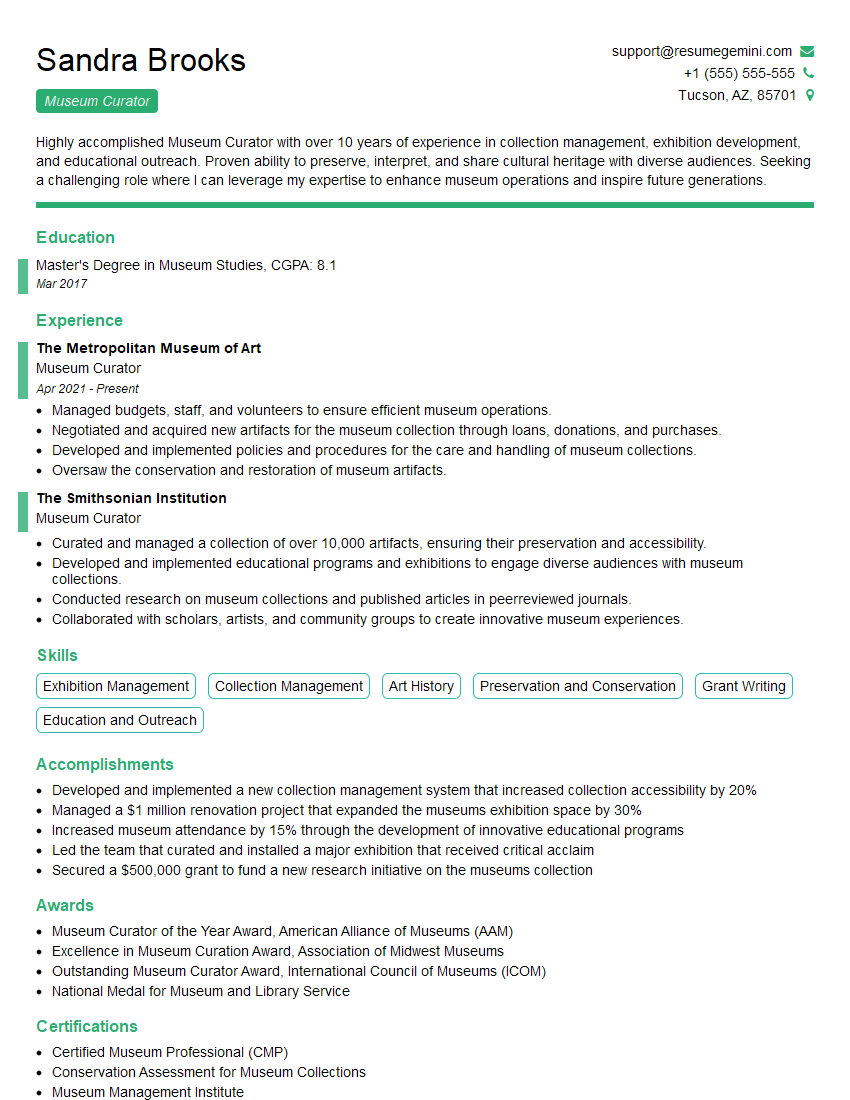
Museum Curator Resume Sample
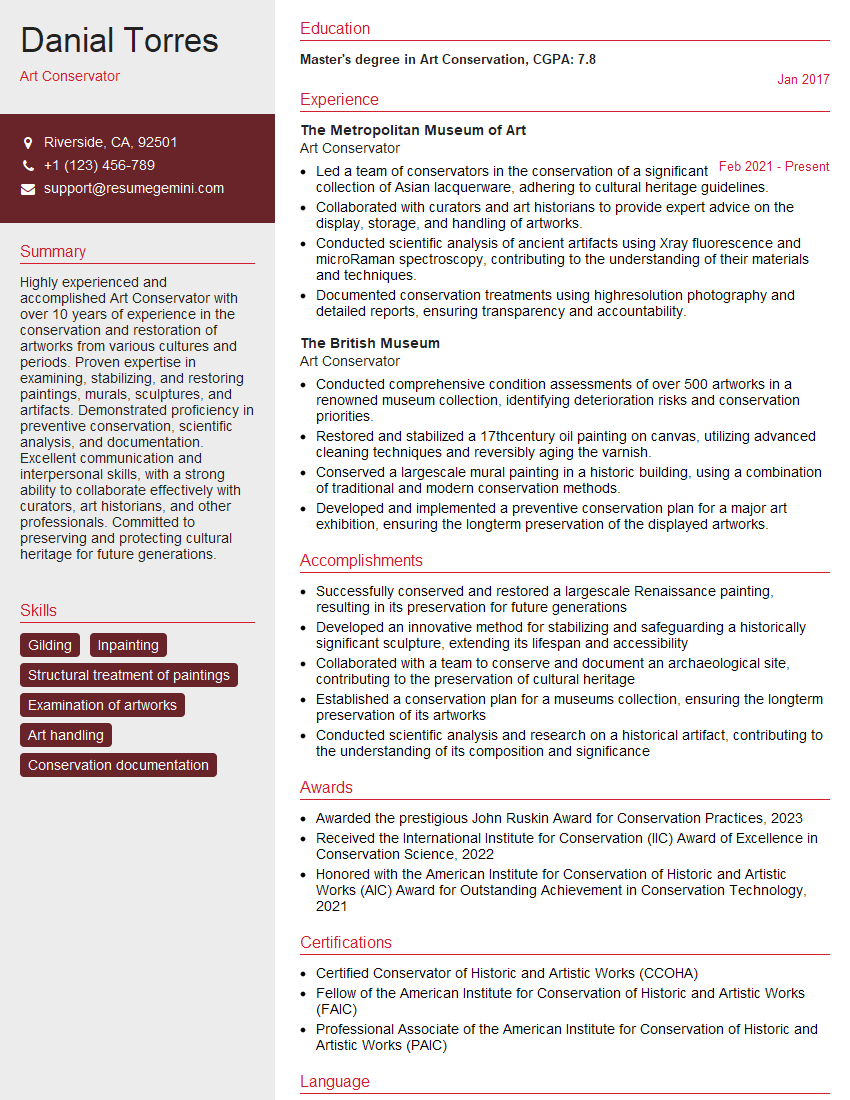
Art Conservator Resume Sample
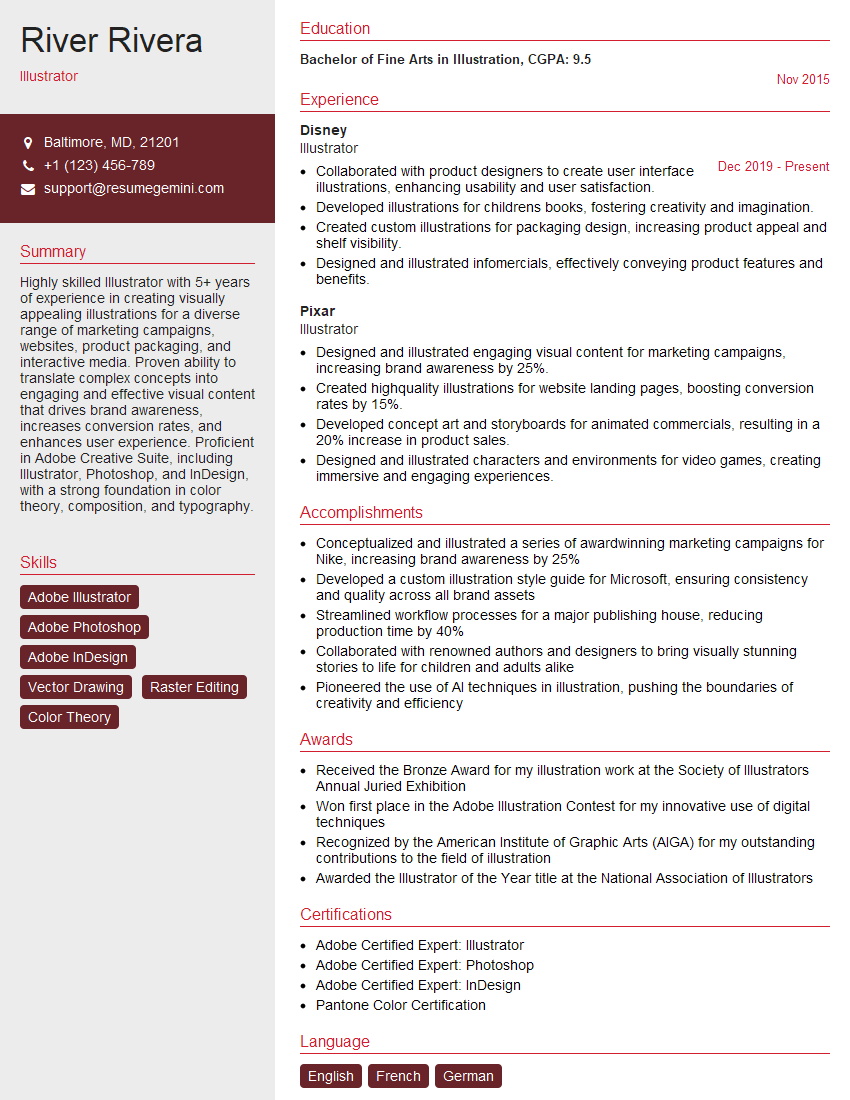
Illustrator Resume Sample
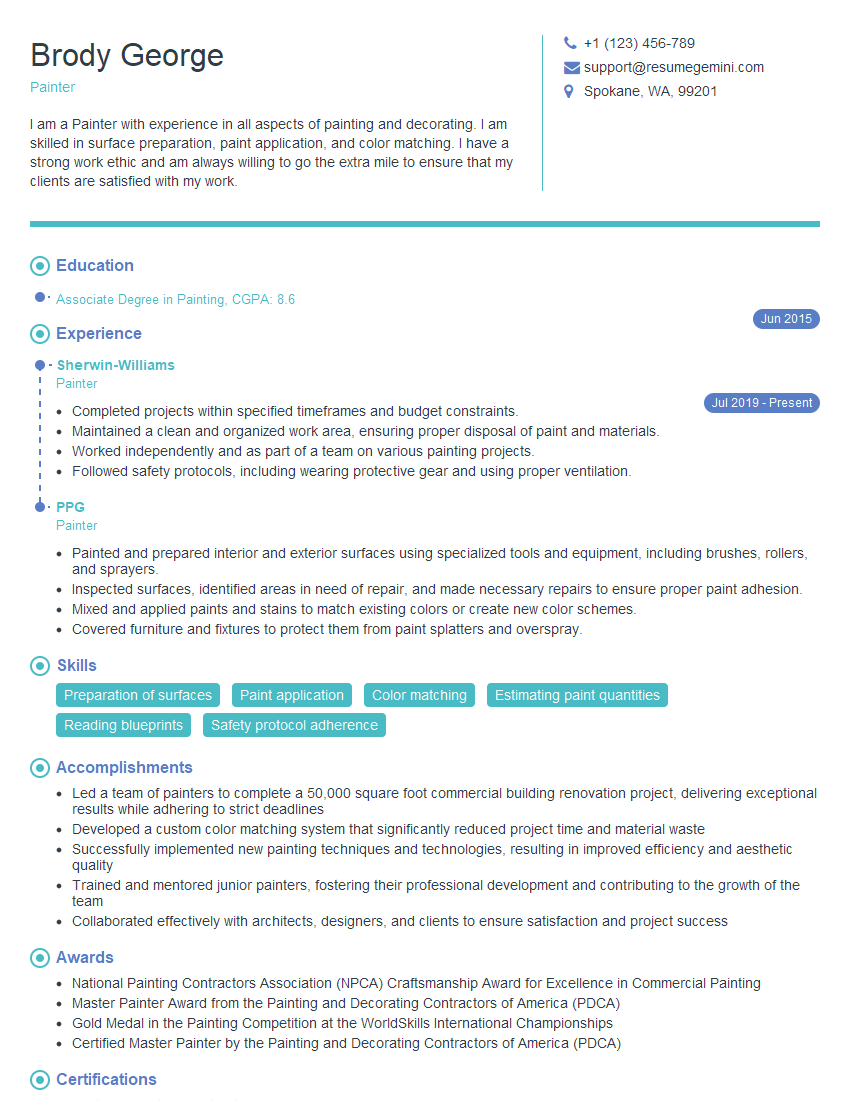
Painter Resume Sample
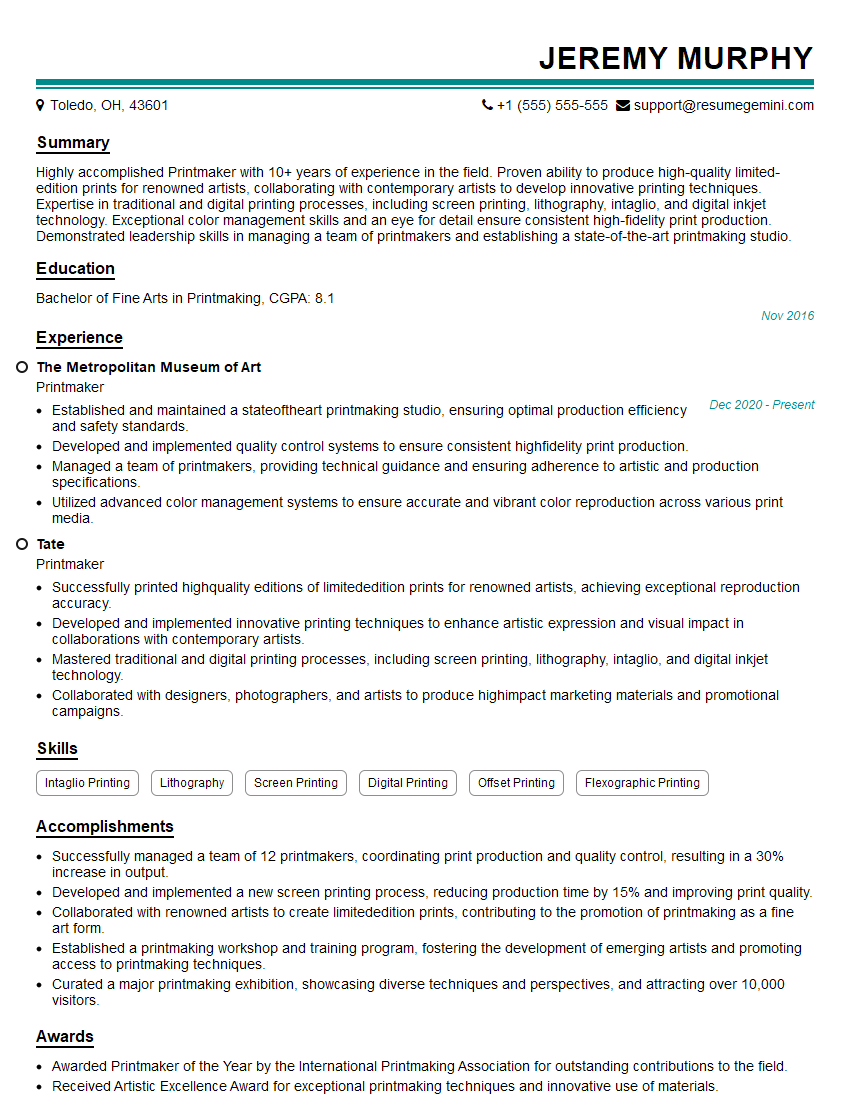
Printmaker Resume Sample
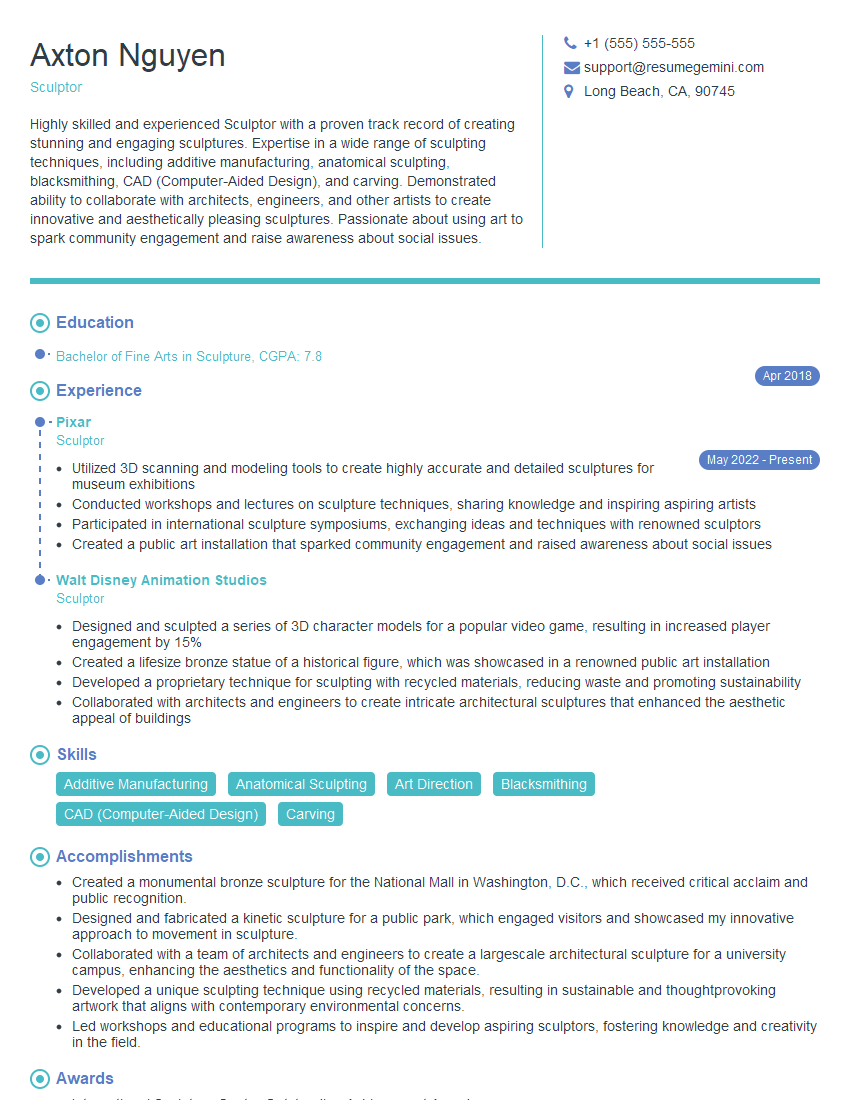
Sculptor Resume Sample
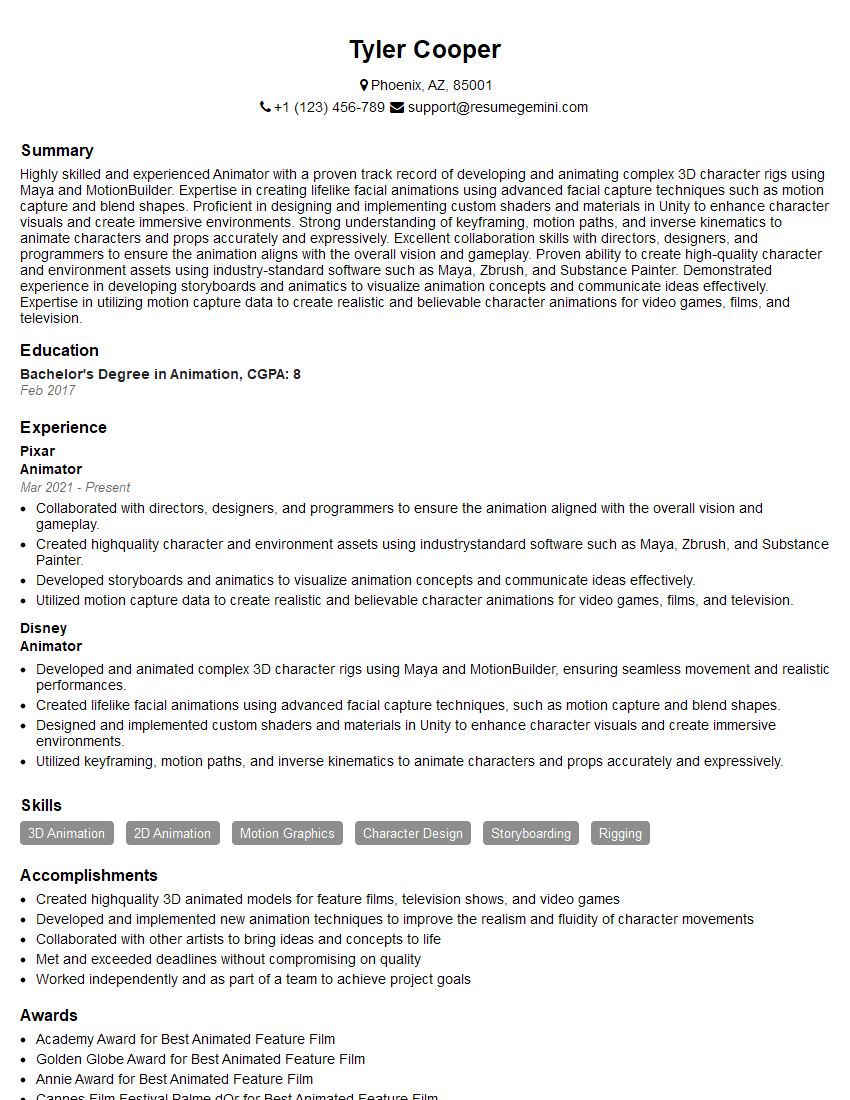
Animator Resume Sample
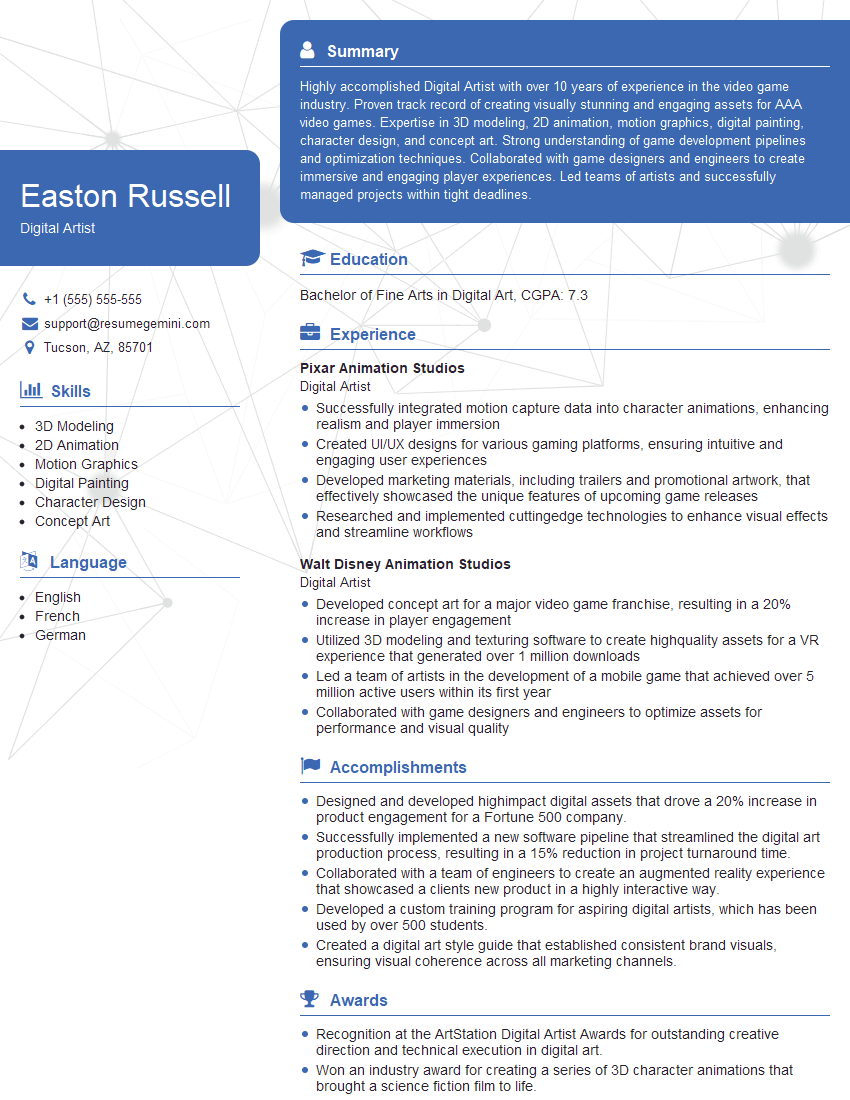
Digital Artist Resume Sample
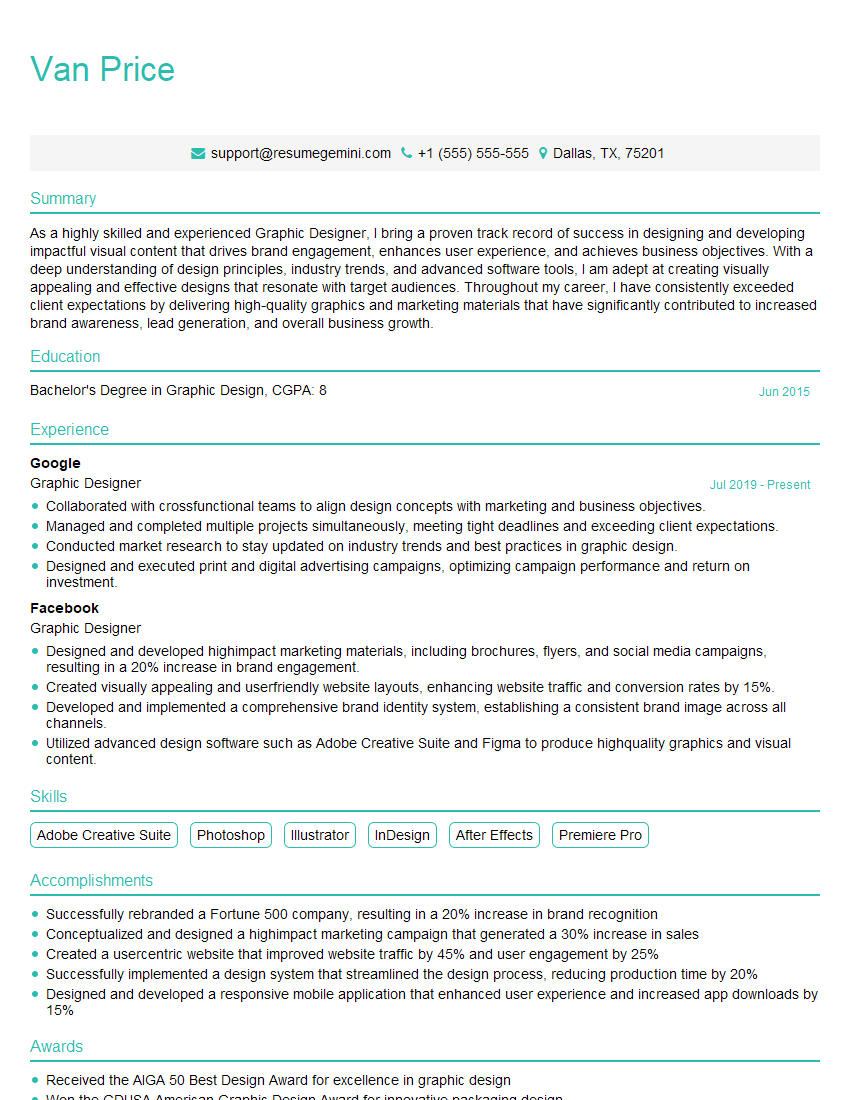
Graphic Designer Resume Sample
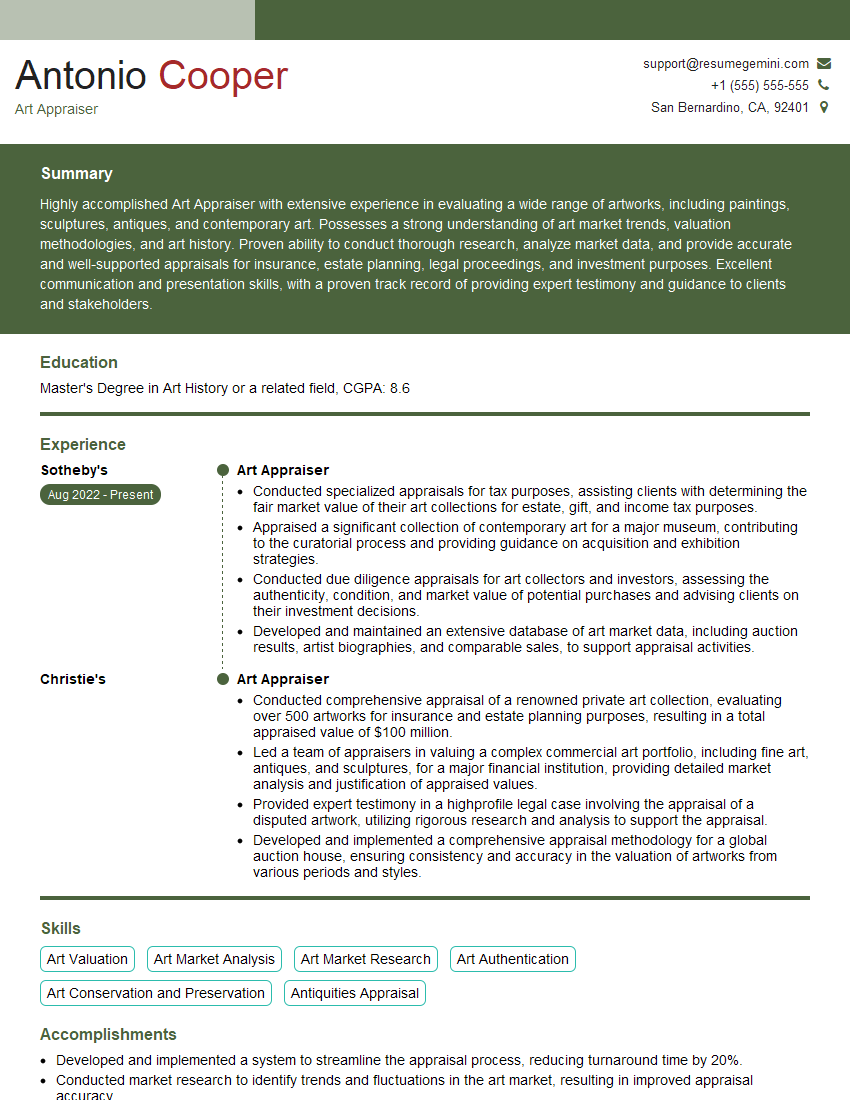
Art Appraiser Resume Sample
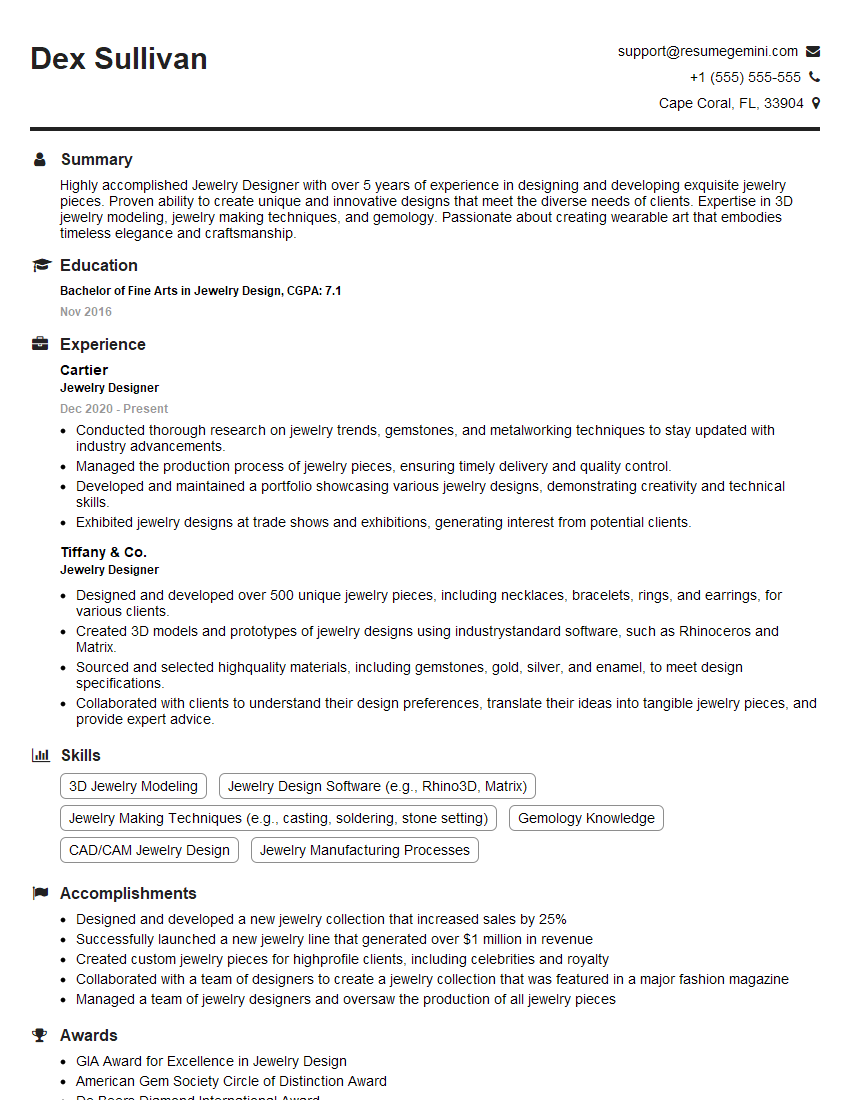
Jewelry Designer Resume Sample
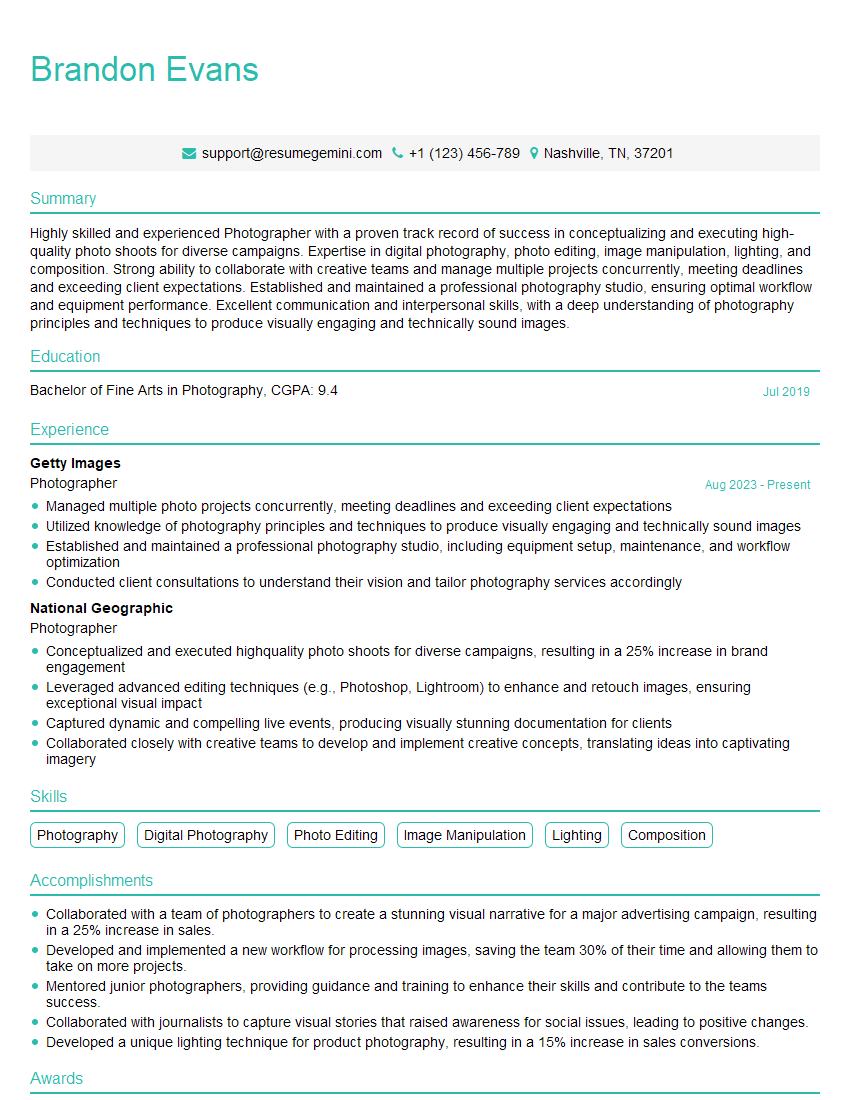
Photographer Resume Sample
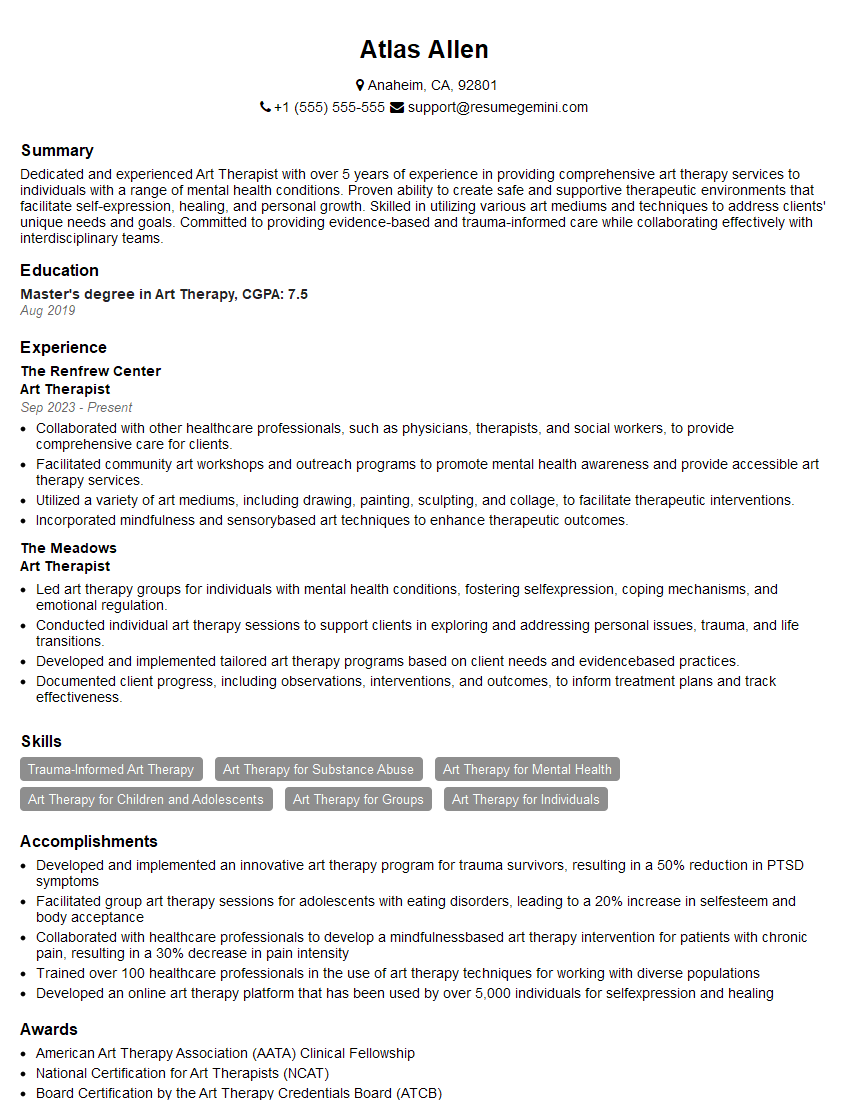
Art Therapist Resume Sample
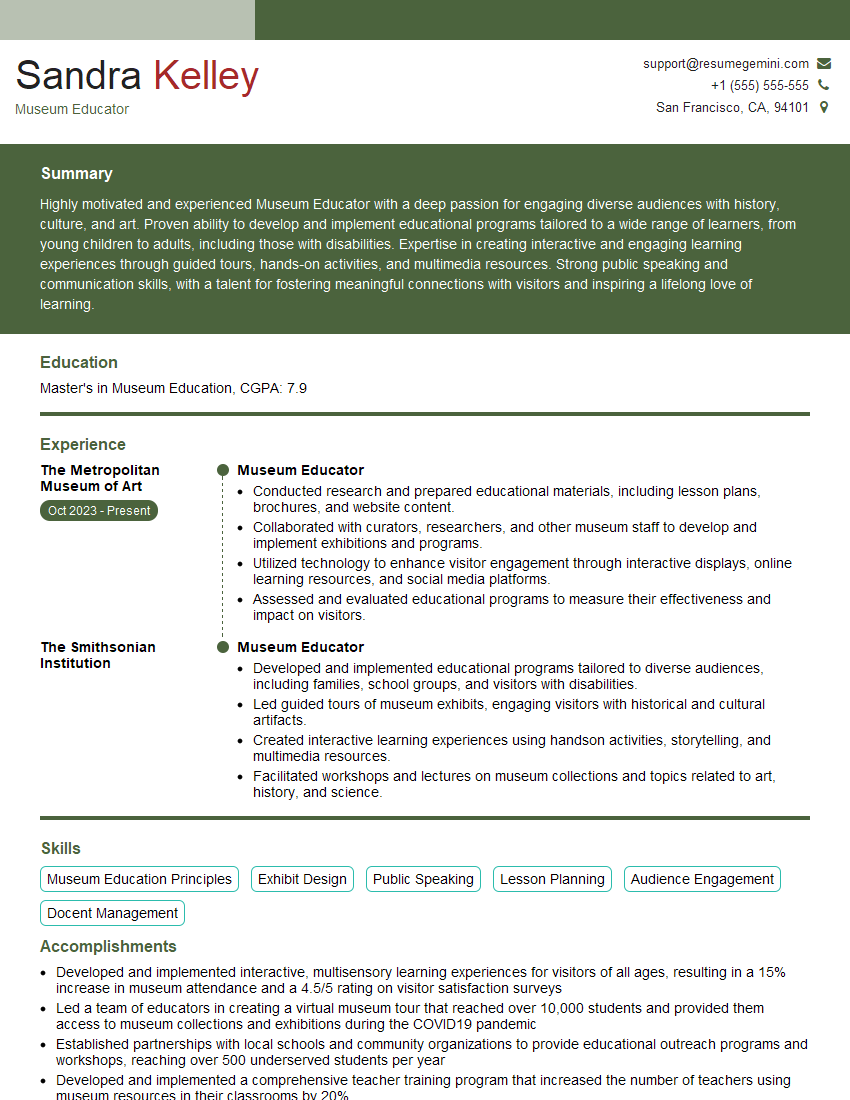
Museum Educator Resume Sample
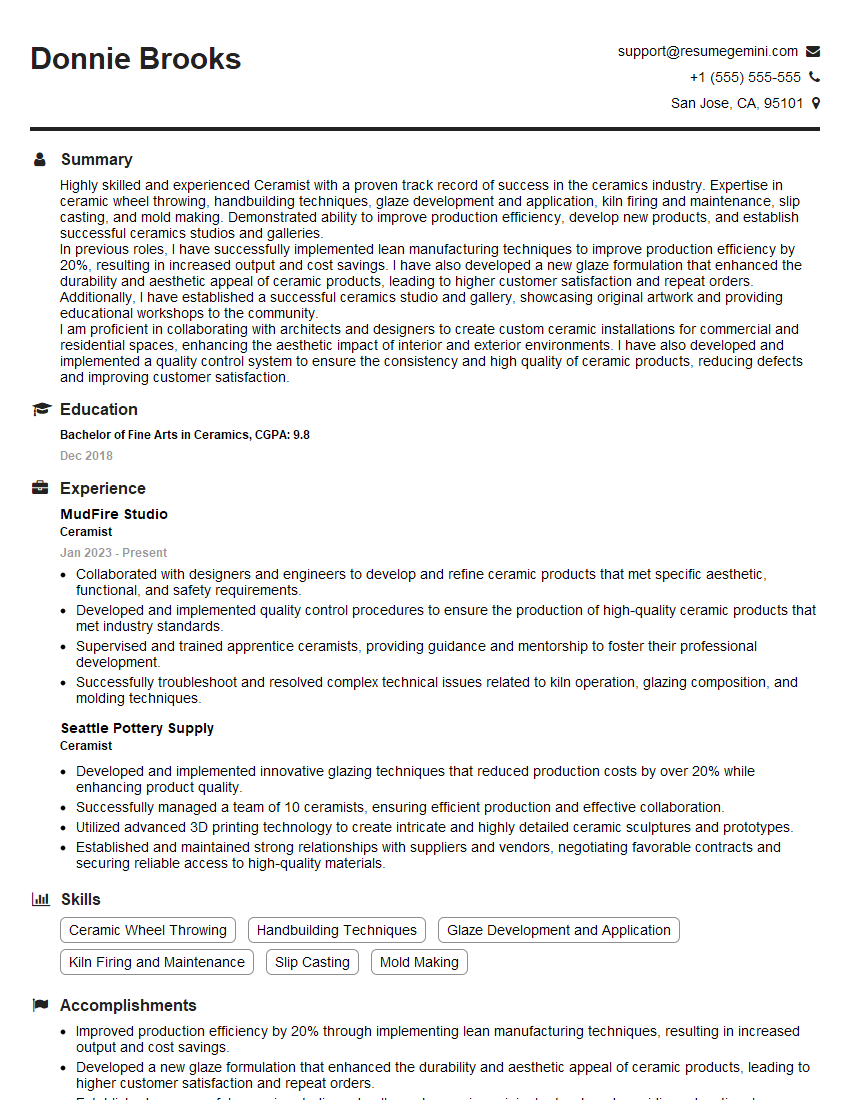
Ceramist Resume Sample
Explore more articles
Users Rating of Our Blogs
Share Your Experience
We value your feedback! Please rate our content and share your thoughts (optional).
What Readers Say About Our Blog
Very informative content, great job.
good