Unlock your full potential by mastering the most common Fire Safety Planning interview questions. This blog offers a deep dive into the critical topics, ensuring you’re not only prepared to answer but to excel. With these insights, you’ll approach your interview with clarity and confidence.
Questions Asked in Fire Safety Planning Interview
Q 1. Describe your experience in developing and implementing fire safety plans.
Developing and implementing fire safety plans involves a systematic approach, starting with a thorough risk assessment and culminating in regular inspections and training. My experience spans diverse settings, from high-rise office buildings to manufacturing plants and healthcare facilities. I’ve led teams in conducting comprehensive site surveys, identifying potential hazards, and designing plans that comply with all applicable codes and regulations. For instance, in a recent project for a large manufacturing facility, we identified a critical lack of fire suppression in a highly flammable materials storage area. Our plan included the installation of a sprinkler system, enhanced emergency lighting, and the implementation of a robust evacuation procedure, resulting in a significant reduction in the facility’s overall fire risk.
This process also includes creating detailed evacuation plans with clearly marked exits, assembly points, and designated personnel responsibilities. We also develop training programs for staff, educating them on procedures for fire prevention, detection, and response. Crucially, plans are tailored to each building’s unique layout, occupancy, and potential hazards, ensuring effectiveness and efficiency during emergencies. Finally, regular drills and inspections verify the plan’s efficacy and allow for adjustments based on any identified shortcomings.
Q 2. Explain the different types of fire suppression systems and their applications.
Fire suppression systems are critical for mitigating fire damage. Different systems address various types of fires and environments. Here are a few examples:
- Sprinkler Systems: These systems use water to extinguish or suppress fires. They are incredibly effective in many settings but can cause water damage. There are various types, including wet pipe (always pressurized), dry pipe (pressurized only when a fire is detected), and deluge (designed for large areas and rapid fire spread).
- Fire Extinguishers: Portable devices containing extinguishing agents such as water, foam, dry chemical, or CO2. Proper training on extinguisher selection and use is essential for effective fire suppression.
- Foam Systems: Used for flammable liquid fires, these systems create a layer of foam that smothers the fire and prevents reignition. They’re common in areas with significant fuel storage, such as airports or oil refineries.
- Clean Agent Systems: These systems use chemical agents that don’t leave behind residue, making them ideal for sensitive environments like computer server rooms or museums. They suppress fires by interrupting the chemical chain reaction.
- CO2 Systems: Used for electrical fires, these systems displace oxygen, suffocating the fire. They require proper ventilation afterwards due to the asphyxiation risk.
The choice of system depends on the specific hazards present and the building’s occupancy. A comprehensive fire safety plan should consider all applicable options and justify the selection based on risk assessment.
Q 3. How do you conduct a fire risk assessment?
A fire risk assessment is a systematic process to identify potential fire hazards and evaluate their risk levels. It’s a critical first step in developing a comprehensive fire safety plan. The process usually involves:
- Identifying Potential Hazards: This includes flammable materials, ignition sources (electrical equipment, smoking areas), building construction, occupancy type and density, and potential escape routes.
- Assessing the Likelihood and Severity of a Fire: This involves considering factors like the amount of combustible material, the effectiveness of existing fire safety measures, and the building’s layout.
- Determining the Level of Risk: This involves combining the likelihood and severity to determine the overall risk level of each hazard. A qualitative or quantitative analysis may be employed here.
- Implementing Control Measures: Based on the risk assessment, appropriate control measures are implemented, such as installing fire suppression systems, improving building design, or providing fire safety training.
- Reviewing and Updating: The risk assessment should be regularly reviewed and updated to reflect any changes in the building or its occupancy.
For example, a high-rise office building would require a more detailed assessment than a small retail store, focusing on factors like high-occupancy levels and potential for rapid fire spread. Using this methodology ensures that resources are focused on the most critical areas.
Q 4. What are the key components of a comprehensive fire safety plan?
A comprehensive fire safety plan is more than just an evacuation plan. It’s a multifaceted document that integrates various crucial components to ensure safety. Key elements include:
- Fire Risk Assessment: As previously discussed, this identifies and prioritizes potential hazards.
- Evacuation Plan: Detailed maps showing escape routes, assembly points, and designated personnel responsibilities.
- Fire Prevention Measures: Strategies to minimize the risk of fire, such as proper storage of flammable materials, regular maintenance of electrical systems, and enforcing no-smoking policies.
- Fire Suppression Systems: Specification and maintenance schedules for fire extinguishers, sprinkler systems, and other suppression systems.
- Fire Alarm System: Description of the alarm system, testing and maintenance schedules.
- Emergency Procedures: Clear instructions for staff and occupants on how to respond to a fire, including the use of fire extinguishers and evacuation procedures.
- Training Programs: Regular training for staff and occupants on fire safety procedures and the use of emergency equipment.
- Emergency Response Plan: Procedures for contacting emergency services and coordinating with emergency responders.
A well-defined plan minimizes confusion and chaos in an emergency, improving the chances of safe evacuation and minimizing damage.
Q 5. Explain your understanding of fire codes and regulations.
My understanding of fire codes and regulations is comprehensive, encompassing both national and local standards. I am familiar with codes such as NFPA (National Fire Protection Association) standards in the US, and equivalent standards internationally. These codes address a wide range of aspects, including building construction, fire detection and suppression systems, evacuation planning, and employee training. Specific regulations vary significantly based on building type, occupancy, and local jurisdictions. For instance, a hospital will have much stricter requirements than a small retail store due to the higher occupancy and potential vulnerabilities.
Staying updated on the latest revisions and amendments to these codes is critical. This includes understanding the specific requirements for different classes of occupancy, the implications of building materials, and the appropriate design and installation of fire protection systems. This knowledge is crucial for developing legally compliant and effective fire safety plans.
Q 6. How do you ensure compliance with fire safety regulations?
Ensuring compliance with fire safety regulations requires a proactive and multifaceted approach. It starts with a thorough understanding of the applicable codes and regulations specific to the location and building type. Regular inspections are crucial to identify any deficiencies and ensure that all fire safety systems are functioning correctly. This includes testing fire alarms, sprinkler systems, and fire extinguishers according to established schedules and documentation.
Maintenance records must be meticulously kept and readily available for inspection by authorities. Employee training is a critical aspect, ensuring that everyone understands their roles and responsibilities during a fire emergency. Finally, regular audits and reviews are necessary to identify any areas for improvement and address any emerging issues. Non-compliance can lead to significant penalties and put lives at risk; therefore, diligent adherence to regulations is paramount.
Q 7. Describe your experience with fire alarm systems and their maintenance.
My experience with fire alarm systems includes design, installation, inspection, and maintenance. I understand the different types of alarm systems, such as conventional, addressable, and wireless systems, and their applications in various settings. I’m familiar with the testing procedures, including weekly, monthly, and annual tests, and the importance of maintaining accurate records. Regular maintenance is crucial to ensure system reliability and prevent false alarms. This includes inspecting sensors, control panels, and signaling devices for any damage or malfunction. In one instance, I identified a faulty sensor during a routine inspection that could have prevented the timely detection of a fire. Immediate replacement ensured the system’s continued efficacy.
Beyond routine maintenance, I also have experience in troubleshooting system malfunctions, coordinating repairs, and ensuring compliance with relevant standards. A well-maintained fire alarm system provides early warning, potentially saving lives and minimizing property damage.
Q 8. How do you conduct a fire evacuation drill?
Conducting a successful fire evacuation drill involves meticulous planning and execution. It’s not just about getting people out; it’s about ensuring they do so safely and efficiently, learning the procedures in a controlled environment.
- Planning Phase: This begins with a thorough risk assessment of the building, identifying potential bottlenecks, vulnerable populations (elderly, disabled), and areas needing extra attention. We’ll create a detailed evacuation plan specifying assembly points, escape routes, and responsibilities for designated wardens. We’ll also coordinate with emergency services, informing them of the drill.
- Drill Execution: The drill itself involves activating the fire alarm system (preferably a simulated alarm to avoid unnecessary panic), guiding occupants to their designated assembly points via clear signage and verbal instructions, and verifying everyone’s safe evacuation. Wardens play a critical role in assisting those who need help, ensuring no one is left behind.
- Post-Drill Debrief: After the drill, a thorough debrief is crucial. We analyze the drill’s effectiveness, identify areas for improvement, and update the evacuation plan accordingly. This might include improving signage, refining evacuation routes, or providing further training for wardens. This stage is often where we discover and address hidden weaknesses in the plan, ensuring we’re well-prepared for a real emergency.
For example, in a recent drill at a large office complex, we discovered a hidden fire door that was frequently left propped open. The debrief allowed us to address this hazard immediately, adding a crucial layer of safety.
Q 9. What are the common causes of fires in buildings?
Fires in buildings are often caused by a combination of factors, but some common culprits stand out. Understanding these root causes is vital for preventative measures.
- Electrical Faults: Overloaded circuits, faulty wiring, and damaged appliances are frequent ignition sources. Think of an old space heater left running unattended or a frayed electrical cord sparking in a dusty area.
- Heating Equipment: Improperly maintained or placed heating equipment, such as furnaces, space heaters, and fireplaces, can easily ignite nearby combustible materials. Leaving space heaters too close to curtains is a common mistake.
- Cooking Accidents: Unattended cooking is a leading cause of kitchen fires. Leaving a pan on the stove unattended or failing to properly dispose of hot grease can have disastrous consequences.
- Smoking Materials: Discarding cigarettes improperly is a leading cause of residential fires. Cigarettes often ignite furniture or bedding, especially when left unattended.
- Arson: Intentional setting of fires, sadly, accounts for a significant portion of building fires and demands a strong security and investigative response.
It’s important to note that many fires are preventable through proper maintenance, responsible behavior, and adherence to fire safety regulations.
Q 10. How do you identify and mitigate fire hazards?
Identifying and mitigating fire hazards is a systematic process that involves regular inspections, risk assessments, and proactive measures.
- Inspections: Regular inspections are essential, focusing on electrical systems, heating equipment, storage areas (checking for the presence of flammable materials), and escape routes. We look for anything that might pose a fire risk – damaged wiring, blocked exits, improper storage of flammables.
- Risk Assessment: A comprehensive risk assessment identifies potential hazards and assigns priorities for mitigation. This considers the type of building, its occupancy, and the presence of high-risk materials.
- Mitigation Strategies: Once hazards are identified, we implement mitigation strategies. This might include replacing faulty wiring, improving ventilation to prevent the build-up of flammable gases, installing fire suppression systems (sprinklers), or providing proper training to building occupants.
- Maintenance: Ongoing maintenance is critical. Regular servicing of heating and electrical systems, cleaning of ventilation ducts, and ensuring that fire extinguishers are inspected and maintained are part of this continuous process.
Imagine discovering a buildup of flammable dust in a workshop. Mitigating this hazard would involve regular cleaning of the area, proper ventilation, and potentially installing an explosion-proof ventilation system.
Q 11. Describe your experience with fire investigations.
My experience in fire investigations involves a methodical approach to determining the origin, cause, and circumstances of a fire. It’s more than just finding the point of origin; it’s about reconstructing the events leading up to the fire.
- Scene Assessment: The first step is carefully documenting the scene—photographing the damage, noting the patterns of burn, and collecting potential evidence.
- Witness Interviews: Gathering statements from witnesses, firefighters, and building occupants is critical to understand the timeline of events and identify any potential contributing factors.
- Evidence Collection: This includes carefully collecting and preserving samples (such as debris and accelerants) for laboratory analysis. Proper chain of custody is crucial to maintain the integrity of the evidence.
- Report Writing: The final stage involves compiling a comprehensive report detailing the findings of the investigation, including the cause of the fire and any recommendations for preventing similar incidents in the future.
For example, I once investigated a fire in a restaurant kitchen that initially appeared accidental. However, through meticulous analysis of burn patterns and witness testimony, we uncovered evidence of arson, leading to a successful prosecution.
Q 12. What are the different classes of fire and the appropriate extinguishing agents?
Fires are classified into different classes based on the type of fuel involved, and each class requires a specific extinguishing agent for effective suppression.
- Class A: Ordinary combustible materials (wood, paper, cloth). Extinguished with water.
- Class B: Flammable liquids (gasoline, oil, grease). Extinguished with CO2, dry chemical, or foam.
- Class C: Energized electrical equipment. Extinguished with CO2 or dry chemical (never water!).
- Class D: Combustible metals (magnesium, titanium). Extinguished with specialized dry powders.
- Class K: Cooking oils and fats. Extinguished with wet chemical agents.
Using the wrong extinguishing agent can be ineffective or even dangerous. For instance, using water on a Class B fire could spread the flames, while using water on a Class C fire could cause electrocution.
Q 13. How do you communicate fire safety procedures to building occupants?
Communicating fire safety procedures effectively is critical to ensuring building occupants know what to do in an emergency. This involves a multi-pronged approach.
- Fire Safety Training: Conducting regular fire safety training sessions for all occupants is paramount. This training should cover evacuation procedures, the location of fire extinguishers and alarms, and what to do in different emergency situations.
- Clear Signage: Installing clear and visible fire safety signage throughout the building is crucial. This includes exit signs, assembly point indicators, and instructions on using fire extinguishers.
- Emergency Procedures Manual: A readily accessible manual outlining emergency procedures, including evacuation routes and contact information for emergency services, should be available to all occupants.
- Regular Drills: Conducting regular fire drills helps familiarize occupants with evacuation procedures and reinforces the importance of fire safety.
- Multi-Lingual Communication: In diverse settings, it’s critical to provide information in multiple languages to ensure everyone understands the procedures.
For example, in a high-rise building, we’d use a combination of floor-specific evacuation plans, visual aids such as maps, and regular drills with building wardens to ensure everyone knows how to reach the safe assembly points efficiently.
Q 14. Explain your understanding of passive fire protection measures.
Passive fire protection measures are those that don’t require any active intervention to function. They’re designed to prevent the spread of fire and protect building occupants by providing time for evacuation.
- Fire-Resistant Walls and Floors: These structural elements are designed to withstand fire for a specified period, preventing the spread of fire to adjacent areas.
- Fire Doors and Dampers: Fire doors and dampers automatically close when activated by heat or smoke, containing the fire and preventing its spread through openings.
- Fire-Resistant Coatings: These coatings applied to structural elements enhance their fire resistance, extending the time it takes for them to fail under fire conditions.
- Compartmentalization: Dividing a building into separate fire compartments restricts the spread of fire within the building, buying occupants valuable time.
- Smoke Control Systems: These systems help prevent the spread of smoke, improving visibility and enhancing safe evacuation.
Think of a fire-rated door as a crucial part of passive fire protection. Its ability to withstand fire for a certain amount of time allows firefighters to arrive and effectively contain the blaze. It’s a silent guardian working to protect lives.
Q 15. What is your experience with fire modelling software?
My experience with fire modeling software spans several years and includes proficiency in widely used programs like Pathfinder, FDS (Fire Dynamics Simulator), and PyroSim. I’ve used these tools to simulate fire spread in various building types, from high-rise complexes to industrial facilities. For example, I recently used FDS to model the evacuation of a large warehouse, identifying potential bottlenecks and informing the development of improved escape routes. This involved inputting detailed building geometry, material properties, and occupancy scenarios to predict smoke movement, temperature rise, and visibility conditions. The results helped us optimize the placement of fire suppression systems and emergency exits, ensuring a safer environment.
Beyond simulations, I understand the limitations of these models and the importance of validating results against real-world data and engineering judgment. It’s not just about running the software; it’s about interpreting the output and making informed decisions based on its insights.
Career Expert Tips:
- Ace those interviews! Prepare effectively by reviewing the Top 50 Most Common Interview Questions on ResumeGemini.
- Navigate your job search with confidence! Explore a wide range of Career Tips on ResumeGemini. Learn about common challenges and recommendations to overcome them.
- Craft the perfect resume! Master the Art of Resume Writing with ResumeGemini’s guide. Showcase your unique qualifications and achievements effectively.
- Don’t miss out on holiday savings! Build your dream resume with ResumeGemini’s ATS optimized templates.
Q 16. How do you develop and implement emergency response procedures?
Developing and implementing emergency response procedures requires a systematic approach. It begins with a thorough risk assessment, identifying potential fire hazards and vulnerabilities within a building or facility. This involves considering factors like building layout, occupancy levels, and the presence of flammable materials. Think of it like creating a detailed map of potential problems.
- Hazard Identification: Pinpointing specific hazards, such as faulty wiring, improperly stored chemicals, or inadequate fire exits.
- Evacuation Planning: Designing clear and well-marked escape routes, designating assembly points, and practicing drills. This includes accounting for people with disabilities.
- Emergency Response Teams: Training and equipping designated personnel to handle initial fire response, including using fire extinguishers and activating alarm systems.
- Communication Systems: Ensuring reliable communication channels, such as public address systems and emergency alert systems.
- Documentation: Creating detailed written procedures, including diagrams and flowcharts for easy reference during an emergency.
Once developed, these procedures are rigorously tested through drills and simulations. Regular reviews and updates ensure they remain current and effective, adapting to changes in occupancy or building modifications. For instance, we recently updated our emergency procedures for a hospital following the installation of new fire suppression equipment.
Q 17. How do you train employees on fire safety procedures?
Training employees on fire safety procedures is crucial and involves a multi-faceted approach. We use a combination of methods to ensure comprehensive understanding and retention.
- Classroom Instruction: Interactive sessions covering fire hazards, prevention techniques, and emergency response procedures. We use real-life examples and case studies to make the training engaging.
- Hands-on Training: Practical exercises, such as using fire extinguishers and practicing evacuation drills. This ensures employees develop muscle memory and confidence in their responses.
- Online Modules: Supplemental online courses provide accessible reinforcement and cater to diverse learning styles.
- Regular Drills: Scheduled fire drills simulate real-life scenarios, testing the effectiveness of procedures and employee response. We debrief after each drill to identify areas for improvement.
- Documentation & Testing: Employees are required to acknowledge their understanding of procedures through signed confirmations and periodic quizzes to confirm knowledge retention.
We tailor training to the specific needs and roles of employees, ensuring that everyone receives the appropriate level of instruction. For example, building maintenance staff receive more in-depth training on fire alarm system maintenance than office personnel.
Q 18. What is your experience with fire safety audits?
My experience with fire safety audits is extensive. I’ve conducted numerous audits across diverse settings, including hospitals, schools, high-rise buildings, and industrial facilities. A typical audit involves a thorough inspection of the premises, reviewing existing fire safety documentation, and interviewing key personnel. I follow a structured methodology to ensure a comprehensive assessment.
- Inspection: A visual inspection of fire protection systems (sprinklers, alarms, extinguishers), emergency exits, and the general condition of the building to identify deficiencies.
- Documentation Review: Examination of plans, permits, training records, and maintenance logs to ensure compliance with regulations and standards.
- Interviews: Discussions with building management and staff to gain insights into their understanding and application of fire safety procedures.
- Reporting: Detailed reports highlighting findings, identified hazards, and recommendations for corrective actions. These reports are prioritized based on severity and urgency.
I emphasize a collaborative approach, working with facility management to develop practical solutions to address deficiencies. My goal isn’t just to identify problems, but to facilitate improvements that enhance safety and compliance.
Q 19. How do you manage fire safety documentation?
Managing fire safety documentation is critical for maintaining compliance and facilitating effective emergency response. I utilize a digital document management system to ensure accessibility, organization, and version control. The system stores all relevant documentation, including:
- Fire Risk Assessments: Detailed evaluations of potential fire hazards and associated risks.
- Emergency Response Plans: Comprehensive procedures outlining actions during fire emergencies.
- Training Records: Proof of employee participation in fire safety training programs.
- Inspection Reports: Detailed records of fire safety inspections and corrective actions.
- Maintenance Logs: Records of routine maintenance performed on fire protection systems.
This digital system provides easy access to documents for authorized personnel, facilitates efficient auditing, and ensures that all records are up-to-date and readily available during inspections or emergencies. Version control helps track changes and amendments to documents, maintaining accountability.
Q 20. Describe your experience with fire safety inspections.
Fire safety inspections are a crucial part of maintaining a safe environment. My experience includes conducting both planned inspections and those prompted by incidents or concerns. A systematic inspection involves:
- Verification of Systems: Testing fire alarm systems, sprinklers, fire extinguishers, and emergency lighting to ensure they are functioning correctly. This might involve using specialized testing equipment.
- Exit Path Assessment: Checking the clarity and accessibility of escape routes, ensuring adequate signage, and verifying that doors are unlocked and unobstructed.
- Hazard Identification: Identifying potential fire hazards, such as improperly stored materials, blocked corridors, or overloaded electrical outlets.
- Compliance Checks: Verifying compliance with relevant fire codes, regulations, and standards. This often involves referencing local building codes and industry best practices.
- Documentation: Creating a detailed report that documents the inspection findings, including photographs, and recommending corrective actions.
A key aspect of my approach is to identify not just immediate dangers, but also potential future problems. This proactive approach helps prevent incidents before they occur. For example, during a recent inspection, I identified potential issues with the storage of flammable liquids, leading to recommendations for improved storage practices.
Q 21. How do you handle fire safety emergencies?
Handling fire safety emergencies effectively requires a calm and decisive approach. My response protocol is based on established procedures and prioritizes the safety of occupants and first responders. It follows these key steps:
- Activate Alarm System: Immediately activate the building’s fire alarm system to alert occupants.
- Evacuate the Area: Initiate the evacuation process, following established escape routes and ensuring the safe assembly of personnel at designated areas.
- Contact Emergency Services: Call emergency services (911 or equivalent) and provide them with accurate and concise information about the location, extent, and nature of the fire.
- Support First Responders: Cooperate with first responders, providing them with access to building plans and assisting with the evacuation of any remaining occupants.
- Post-Incident Actions: Once the emergency is under control, collaborate with authorities in an investigation of the incident and implement necessary corrective actions to prevent similar events in the future.
Regular training and drills are critical to effective emergency response. The goal is to ensure a coordinated and efficient response, minimizing risks and protecting life and property.
Q 22. What is your approach to risk assessment in fire safety planning?
My approach to risk assessment in fire safety planning is systematic and thorough, following a structured methodology. It begins with identifying potential fire hazards – this could range from the obvious, like flammable materials in a warehouse, to less apparent risks such as faulty electrical wiring or inadequate escape routes. Next, I analyze the likelihood of each hazard leading to a fire and the potential severity of the consequences if a fire does occur. This involves considering factors like the building’s occupancy, the presence of vulnerable individuals, and the potential for rapid fire spread. I use a combination of qualitative and quantitative methods, including checklists, site inspections, and fire modeling software where appropriate. This data allows me to prioritize risks, focusing resources on the most critical areas. The final step is developing and implementing control measures, ranging from simple changes in housekeeping to installing advanced fire suppression systems. The entire process is documented and regularly reviewed to ensure its ongoing effectiveness. For example, in a hospital, patient rooms might require a higher level of fire safety protection than a storage room, necessitating a tailored approach.
Q 23. How do you incorporate sustainability into fire safety planning?
Incorporating sustainability into fire safety planning is crucial for minimizing environmental impact. This involves selecting fire-resistant materials with low embodied carbon, prioritizing energy-efficient fire detection and suppression systems, and optimizing the design to reduce water consumption in fire suppression. For example, using recycled materials in construction where fire safety standards are met, choosing LED lighting for emergency exits to reduce energy consumption, and installing water-efficient sprinkler systems are all key strategies. Furthermore, sustainable practices extend to the operational phase. This includes efficient waste management of fire-related debris, responsible disposal of hazardous materials like fire extinguishers, and employee training programs that emphasize environmental responsibility. The aim is to achieve a balance between robust fire safety and reduced environmental footprint. We can think of it like this: a truly sustainable fire safety plan doesn’t just prevent fires, it does so in an environmentally conscious way.
Q 24. Explain your knowledge of different types of fire detectors.
Fire detectors are essential components of a fire safety system. There are several types, each with specific strengths and weaknesses.
- Smoke detectors: These detect smoke particles produced by a fire. They come in two main varieties: ionization detectors, which are sensitive to fast-flaming fires, and photoelectric detectors, which are better at detecting smoldering fires. Choosing the right type depends on the specific application.
- Heat detectors: These trigger an alarm when a certain temperature threshold is reached. They are less sensitive than smoke detectors but are useful in environments where there’s a high risk of false alarms from smoke, such as kitchens.
- Flame detectors: These detectors identify the infrared or ultraviolet radiation emitted by flames. They are very quick to respond but can be prone to false alarms from other sources of light.
- Gas detectors: These are specifically designed to detect flammable gases such as methane or propane, which can be a major fire hazard in certain industrial settings.
Q 25. How do you stay updated with the latest fire safety regulations and best practices?
Staying current with fire safety regulations and best practices is paramount. I achieve this through several avenues:
- Professional memberships: I actively participate in professional organizations such as the National Fire Protection Association (NFPA) and attend their conferences and workshops to network and learn about the latest advancements.
- Industry publications and journals: I regularly read publications specializing in fire safety engineering and technology to keep abreast of new research and regulations.
- Online resources and training courses: I utilize online resources and participate in continuing education courses to expand my knowledge and update my certifications.
- Regulatory agency websites: I closely monitor the websites of relevant regulatory bodies to ensure I am compliant with all applicable laws and regulations.
Q 26. How do you collaborate with other professionals involved in fire safety?
Collaboration is crucial in fire safety planning. I work closely with a multidisciplinary team which may include architects, engineers, building owners, contractors, and emergency responders. Effective communication and coordination are vital throughout the entire process. For instance, during the design phase of a building, I consult with architects to ensure that the building design incorporates fire safety features from the outset. I collaborate with engineers to ensure that fire suppression systems are correctly designed and installed, and that structural elements can withstand the effects of fire. Throughout the project lifecycle, regular meetings, clear documentation, and proactive communication keep all stakeholders informed and aligned, ensuring a successful outcome.
Q 27. Describe a challenging fire safety project and how you successfully managed it.
One challenging project involved designing a fire safety system for a historic building undergoing renovations. The building’s age and unique architectural features presented significant obstacles. The original design had numerous non-code compliant aspects. To overcome these challenges, I employed a phased approach, combining meticulous historical research with advanced fire modeling techniques to determine the optimal placement of fire detection and suppression systems while preserving the building’s historical integrity. We utilized innovative solutions like minimally invasive sprinkler systems and advanced smoke detection technology. Furthermore, we worked closely with historical preservation specialists to balance fire safety requirements with historical preservation mandates. Through careful planning, innovative solutions, and effective collaboration with the construction team, we successfully completed the project, ensuring both the safety of occupants and the preservation of the building’s historical value. It was a rewarding experience demonstrating the ability to creatively solve complex issues while adhering to stringent safety standards.
Q 28. How do you evaluate the effectiveness of existing fire safety measures?
Evaluating the effectiveness of existing fire safety measures requires a multi-faceted approach. I use a combination of methods, including:
- Regular inspections and testing: This involves conducting periodic inspections of fire detection and suppression systems, ensuring they are functioning correctly. This also includes examining emergency exits and escape routes for obstructions.
- Fire drills and emergency response exercises: These help to identify weaknesses in the evacuation plan and the effectiveness of emergency response procedures. This allows for improvements to processes and training.
- Review of fire incident reports: Analyzing past fire incidents reveals patterns and helps identify areas for improvement. This data-driven approach allows for proactive mitigation strategies.
- Analysis of fire safety data: This might involve looking at data from fire alarm systems to understand the frequency and types of alarms, and data from sprinkler systems to understand their effectiveness in suppressing fires.
Key Topics to Learn for Fire Safety Planning Interview
- Building Codes and Regulations: Understand the relevant codes and regulations (e.g., NFPA, IBC) governing fire safety design and implementation in different building types.
- Fire Risk Assessment: Learn how to conduct thorough risk assessments, identifying potential hazards and vulnerabilities within a building or facility. This includes understanding the different types of occupancy and their associated risks.
- Evacuation Planning: Master the principles of designing effective evacuation plans, including the use of egress routes, signage, and emergency lighting. Consider practical applications such as designing for people with disabilities.
- Fire Suppression Systems: Gain a comprehensive understanding of various fire suppression systems (sprinklers, fire alarms, smoke detectors) and their limitations. Be prepared to discuss their design, maintenance, and testing.
- Fire Protection Systems Design: Learn about the practical application of designing and implementing fire protection systems, including the selection of appropriate equipment and the integration of different systems.
- Life Safety Systems: Understand the importance of integrating life safety systems into the overall fire safety plan, including emergency lighting, public address systems, and communication systems.
- Fire Prevention Strategies: Discuss the importance of proactive fire prevention measures, such as regular inspections, employee training, and fire drills.
- Emergency Response Planning: Learn how to develop and implement comprehensive emergency response plans, including coordination with first responders and emergency services.
- Post-Incident Analysis: Understand how to conduct thorough post-incident analysis to identify areas for improvement and prevent future incidents.
- Communication and Collaboration: Highlight your ability to effectively communicate fire safety plans to various stakeholders, including building owners, occupants, and emergency responders.
Next Steps
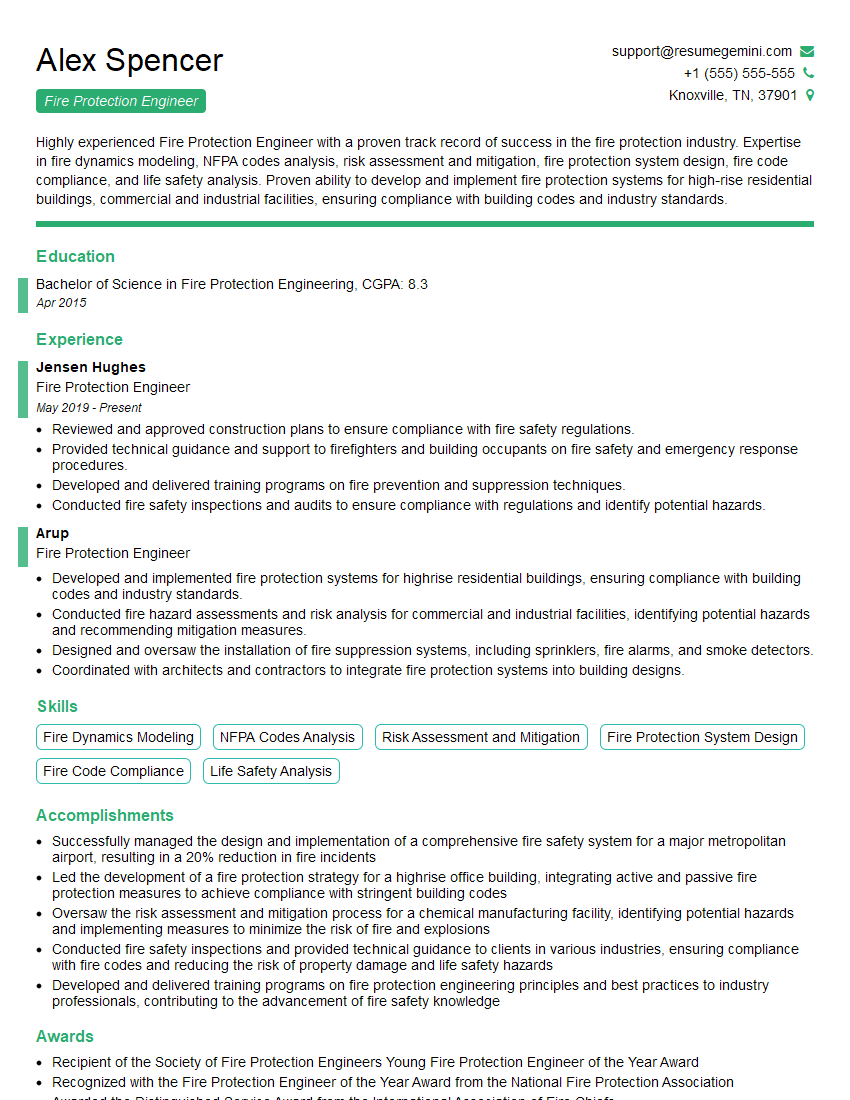
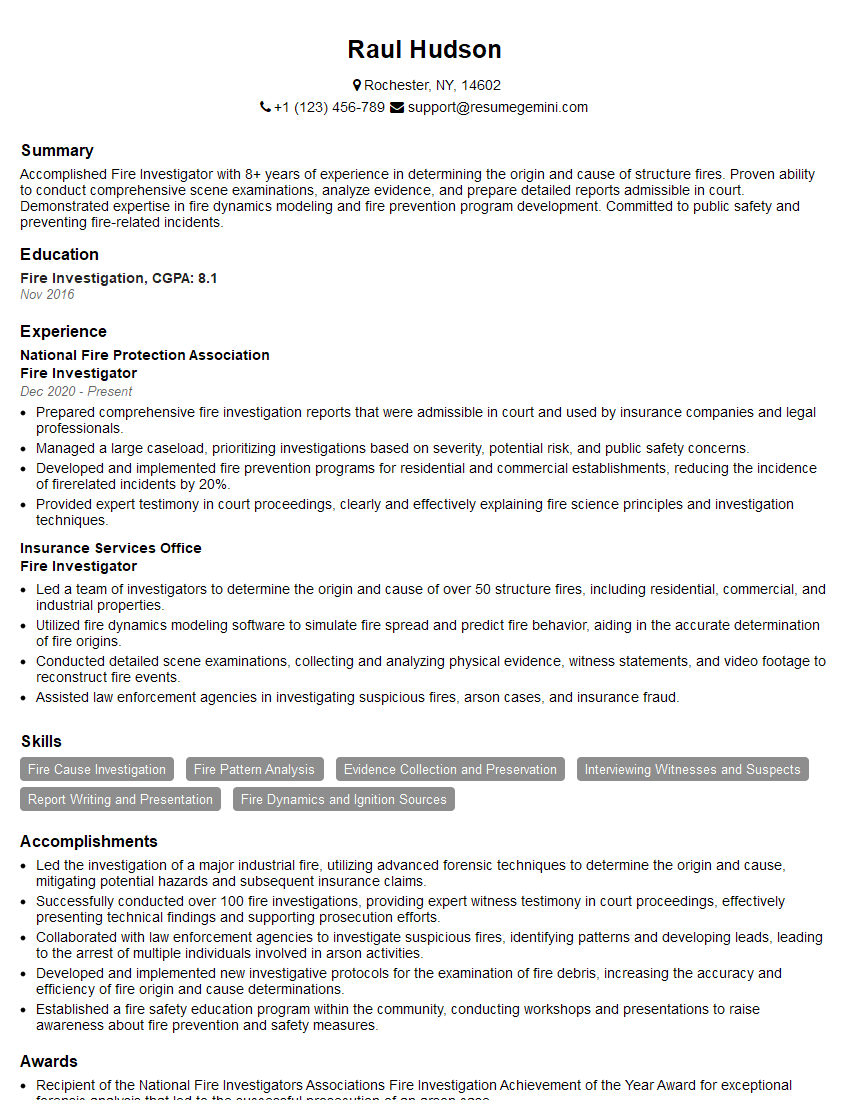
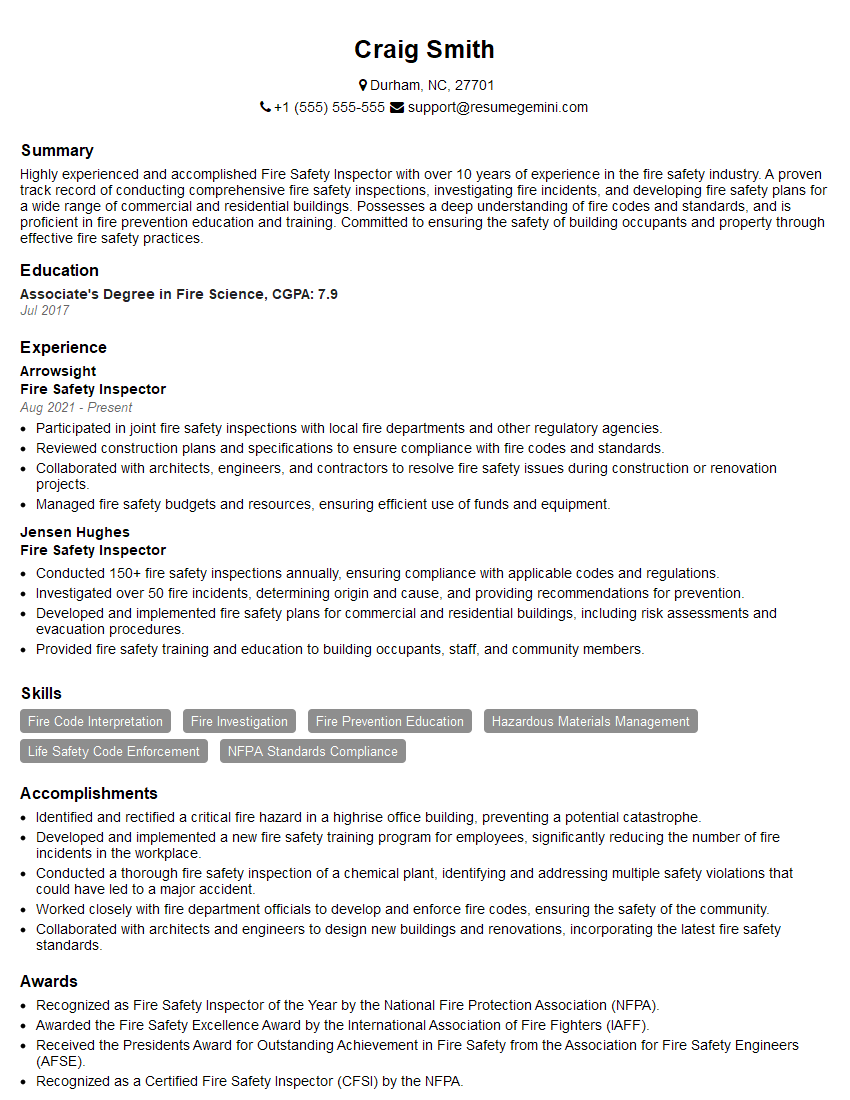
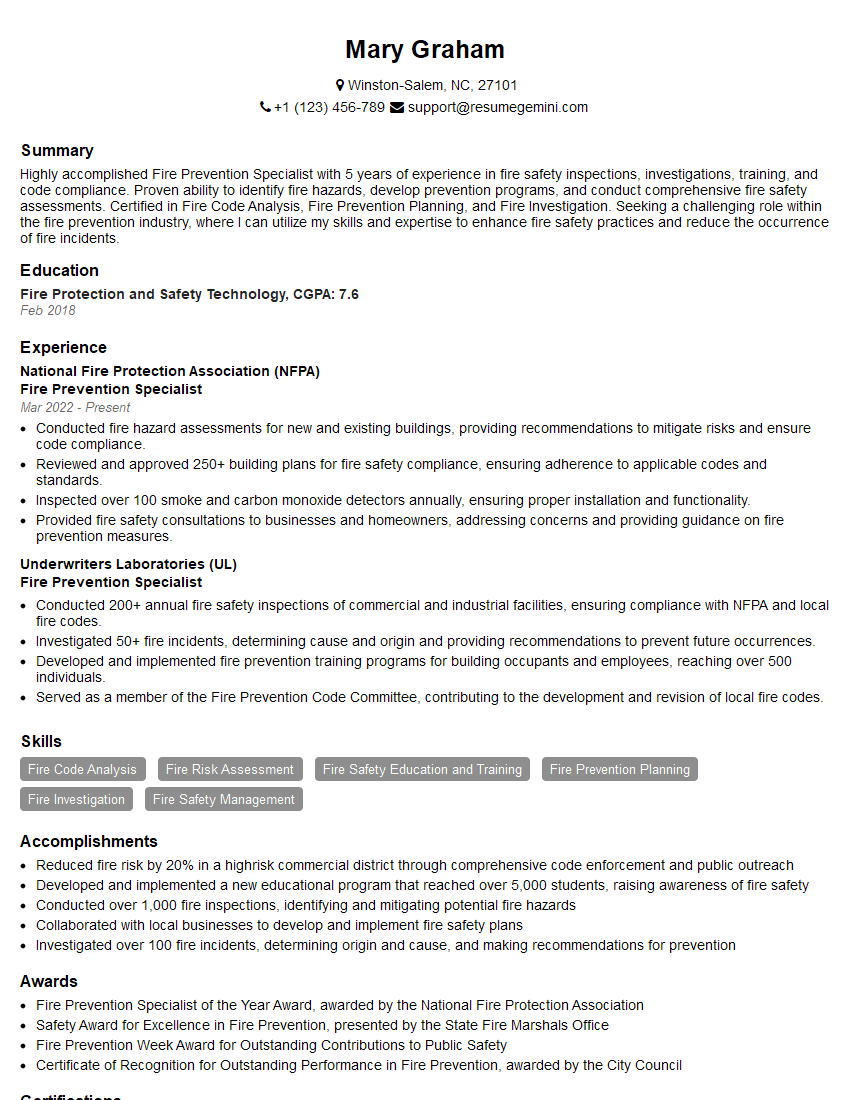
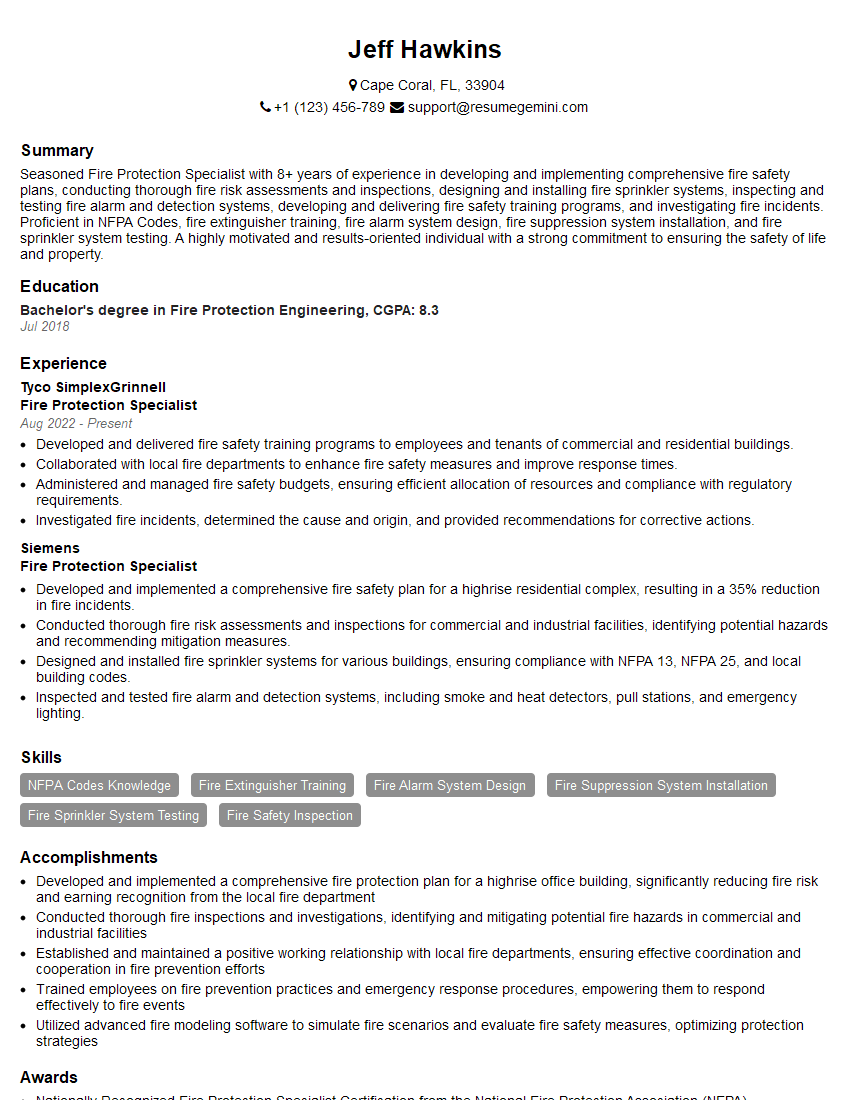
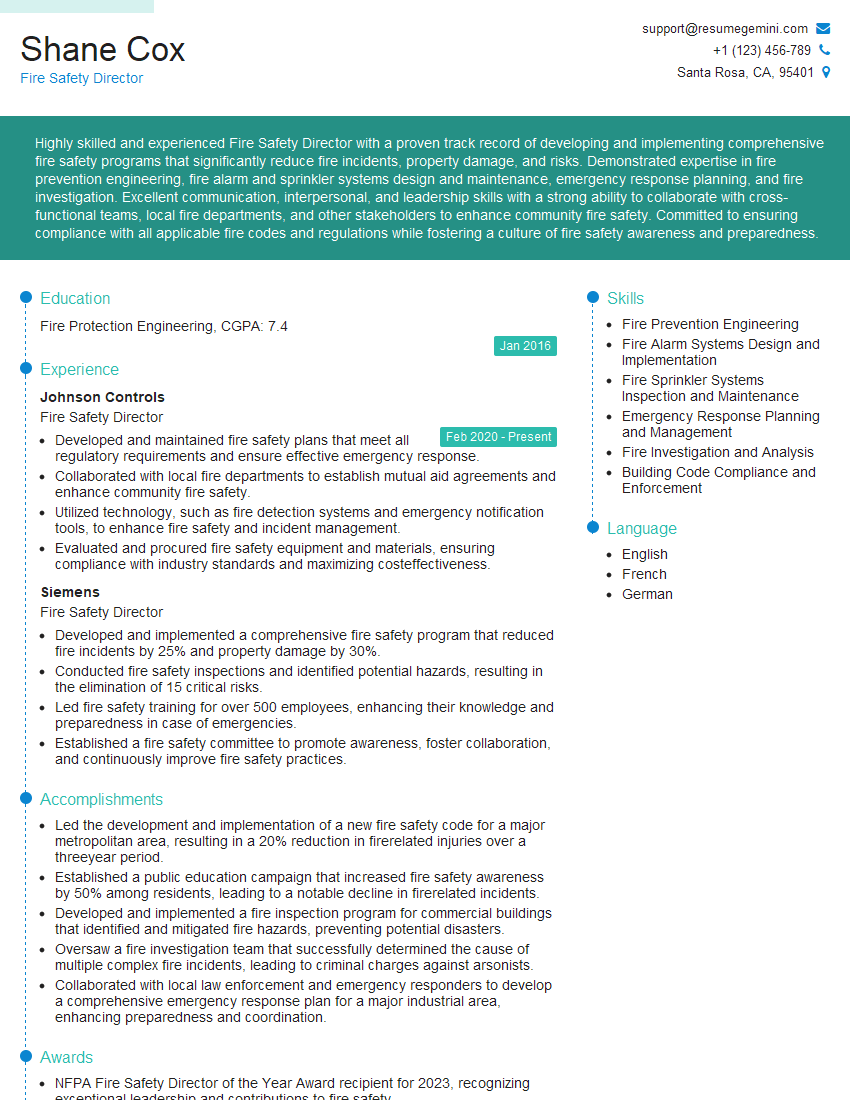
Mastering Fire Safety Planning is crucial for career advancement in this vital field. A strong understanding of these concepts will significantly enhance your interview performance and open doors to exciting opportunities. To maximize your job prospects, creating an ATS-friendly resume is essential. ResumeGemini is a trusted resource that can help you build a professional and impactful resume. Examples of resumes tailored to Fire Safety Planning are available to guide you, ensuring your application stands out from the competition. Invest in your future – invest in your resume.
Explore more articles
Users Rating of Our Blogs
Share Your Experience
We value your feedback! Please rate our content and share your thoughts (optional).
What Readers Say About Our Blog
Very informative content, great job.
good