Interviews are opportunities to demonstrate your expertise, and this guide is here to help you shine. Explore the essential First Aid and Basic Medical Care interview questions that employers frequently ask, paired with strategies for crafting responses that set you apart from the competition.
Questions Asked in First Aid and Basic Medical Care Interview
Q 1. Describe the steps involved in performing CPR on an adult.
Performing CPR (Cardiopulmonary Resuscitation) on an adult is a life-saving technique used when someone stops breathing or their heart stops beating. It involves a combination of chest compressions and rescue breaths to circulate blood and oxygen to the vital organs until professional medical help arrives.
- Check for Responsiveness: Gently shake the person and shout, “Are you okay?”
- Call for Help: Immediately call emergency services (911 or your local equivalent).
- Chest Compressions: Position yourself with your hands interlocked in the center of their chest, just below the nipple line. Push hard and fast, at a rate of 100-120 compressions per minute, allowing the chest to fully recoil between compressions. Depth should be at least 2 inches (5 cm) for adults.
- Rescue Breaths: After 30 chest compressions, give two rescue breaths. Ensure a proper seal over the person’s mouth and nose and deliver each breath over one second, watching for chest rise.
- Continue CPR: Continue the cycle of 30 compressions and 2 breaths until help arrives or the person shows signs of recovery (such as breathing normally).
Important Note: Proper training is crucial for performing CPR effectively and safely. Hands-on training with a qualified instructor is recommended. This description is for informational purposes only and does not substitute for professional training.
Q 2. What are the signs and symptoms of a stroke?
A stroke, also known as a cerebrovascular accident (CVA), occurs when blood supply to part of the brain is interrupted. Recognizing the signs quickly is vital for timely intervention, as early treatment can significantly improve outcomes.
Common signs and symptoms of a stroke include (remember the acronym FAST):
- Facial drooping: One side of the face may droop or be numb.
- Arm weakness: Weakness or numbness in one arm.
- Speech difficulty: Slurred speech or difficulty understanding speech.
- Time: Time is crucial. If you observe any of these symptoms, call emergency services immediately.
Other potential symptoms include sudden severe headache, confusion, vision problems, loss of balance, and dizziness. It’s important to remember that stroke symptoms can vary, and not everyone experiences all of them.
Q 3. How would you treat a severe bleeding injury?
Severe bleeding requires immediate attention to prevent life-threatening blood loss. The primary goal is to control the bleeding and call for emergency medical help.
- Direct Pressure: Apply direct pressure to the wound using a clean cloth or dressing. Press firmly and continuously, preferably with your hand.
- Elevation: If possible, elevate the injured limb above the heart to help slow blood flow.
- Pressure Points: If direct pressure doesn’t control the bleeding, consider applying pressure to major pressure points (e.g., brachial artery in the upper arm or femoral artery in the groin). However, only use this if you have been trained in proper pressure point application. Incorrect application can cause further damage.
- Tourniquet (Last Resort): As a last resort, if bleeding is uncontrollable, a tourniquet may be necessary. This should only be done by trained professionals as improper use can result in limb loss.
- Call for Help: Always call emergency services immediately.
Example: Imagine a deep laceration on the arm. Apply direct pressure with a clean cloth, elevating the arm above the heart. Continue applying pressure while waiting for emergency medical services.
Q 4. Explain the difference between a first-degree, second-degree, and third-degree burn.
Burns are classified into three degrees based on the depth of tissue damage.
- First-Degree Burn (Superficial): Damages only the outer layer of skin (epidermis). It’s characterized by redness, pain, and mild swelling. Sunburn is a common example.
- Second-Degree Burn (Partial Thickness): Damages both the epidermis and part of the dermis (the deeper layer of skin). It’s characterized by redness, blisters, swelling, and significant pain.
- Third-Degree Burn (Full Thickness): Damages all layers of the skin and may extend to underlying tissues like muscle or bone. The skin may appear charred, white, or leathery. Pain may be absent because nerve endings are destroyed.
The treatment varies depending on the degree of the burn. First-degree burns usually require simple home care like cool compresses. Second and third-degree burns require immediate medical attention.
Q 5. How do you assess a patient’s airway, breathing, and circulation (ABCs)?
Assessing a patient’s ABCs (Airway, Breathing, Circulation) is a fundamental step in any emergency situation. It helps determine the immediate life threats and guides your initial response.
- Airway: Check if the airway is open and clear. Look for obstructions like vomit, blood, or loose objects. If necessary, gently tilt the head back and lift the chin to open the airway.
- Breathing: Observe the chest for rise and fall. Listen for breath sounds. Feel for breath on your cheek. If the person is not breathing normally, begin rescue breathing.
- Circulation: Check for a pulse. Locate the carotid pulse (neck) or femoral pulse (groin). If there’s no pulse, start CPR. Assess skin color for pallor (pale), cyanosis (blue), or other abnormalities indicating poor circulation.
The order of assessing ABCs can be modified in certain situations (e.g., catastrophic bleeding may require immediate attention to circulation before airway). However, the assessment of ABCs remains a crucial process.
Q 6. What is the recovery position and when is it used?
The recovery position is a side-lying position used to help maintain an open airway and prevent choking in an unconscious but breathing person. It’s crucial to ensure the person is breathing adequately before placing them in this position.
How to perform the recovery position:
- Extend the person’s arm closest to you straight out.
- Bend their other arm at the elbow and place their hand against their cheek.
- Bend the knee farthest from you and pull it up toward their hip. Gently roll the person onto their side.
- Ensure the person remains in a comfortable position to maintain the open airway and prevent choking.
The recovery position is used when a person is unconscious but still breathing. This helps to prevent aspiration of vomit or other fluids into the lungs.
Q 7. Describe the proper technique for splinting a fractured limb.
Splinting a fractured limb helps to stabilize the injury, reducing pain and preventing further damage to surrounding tissues. Proper splinting techniques are essential to avoid causing additional harm.
- Assess the Injury: Check for any open wounds or significant bleeding before splinting. Control any bleeding first.
- Immobilize the Joint Above and Below: The splint needs to immobilize the joint above and below the fracture site. This provides stability to the injured area.
- Padding: Place padding around the injury site to prevent pressure points and ensure comfort. You can use soft materials like towels or clothing.
- Applying the Splint: Securely fasten the splint using bandages or other appropriate materials. Make sure it is snug but not too tight, to prevent cutting off circulation.
- Check Circulation: After splinting, check the distal pulse to ensure proper blood flow below the splint. Look for any changes in the skin’s color or temperature.
Types of splints: Various materials can be used as splints – rigid splints (boards, sticks), soft splints (towels, blankets), and even the injured limb itself can be splinted (buddy splinting) against an uninjured limb. The choice depends on the availability of resources and the nature of the injury.
Important Note: Improper splinting can worsen the injury. It’s always best to seek professional medical assistance after performing first aid.
Q 8. How do you manage an unconscious casualty?
Managing an unconscious casualty is a critical situation requiring immediate action. The first step is to ensure your own safety before approaching the person. Check the scene for any dangers. Then, gently check for responsiveness by tapping their shoulder and shouting their name. If there’s no response, call emergency services immediately (911 or your local equivalent).
Next, you’ll need to check their ABCs: Airway, Breathing, and Circulation. Open their airway using the head-tilt-chin-lift maneuver (unless a neck injury is suspected, in which case you should use a jaw thrust). Check for breathing by looking, listening, and feeling for breath for no more than 10 seconds. If they’re not breathing, begin CPR immediately. If they are breathing but unconscious, place them in the recovery position to keep their airway open and prevent choking on vomit or secretions. Monitor their breathing and pulse until emergency services arrive.
Example: Imagine finding an elderly person collapsed in a park. After ensuring the scene is safe, you check for responsiveness, call for help, then check their ABCs, initiating CPR if necessary. If breathing, you carefully place them in the recovery position to maintain their airway.
Q 9. What are the signs and symptoms of anaphylactic shock?
Anaphylactic shock is a severe, life-threatening allergic reaction. It occurs when the body’s immune system overreacts to a substance (allergen) such as peanuts, bee stings, medications, or certain foods. Signs and symptoms can develop rapidly and include:
- Skin reactions: Hives (urticaria), itching, swelling (angioedema), especially around the face, lips, and tongue
- Respiratory problems: Difficulty breathing, wheezing, shortness of breath, feeling of tightness in the chest or throat
- Cardiovascular symptoms: Rapid pulse, low blood pressure, dizziness, fainting
- Gastrointestinal issues: Nausea, vomiting, abdominal cramps
- General symptoms: Feeling of impending doom, anxiety, confusion
The severity of symptoms can vary, but any combination of these signs necessitates immediate medical attention.
Example: Someone eating peanuts suddenly develops hives, starts wheezing, and feels dizzy – these are classic signs of anaphylaxis.
Q 10. Explain the use of an EpiPen.
An EpiPen is an auto-injector containing epinephrine (adrenaline), a medication used to treat anaphylactic shock. It’s designed for self-administration or administration by a bystander in an emergency.
How to use an EpiPen:
- Remove the EpiPen from its protective case.
- Hold the EpiPen with the orange tip pointing downwards.
- Swing and firmly jab the orange tip into the outer thigh at a 90-degree angle.
- Hold it in place for about 10 seconds to ensure the full dose is delivered.
- Massage the injection site for 10 seconds.
- Call emergency medical services immediately, even after administering the injection, as a second dose might be necessary.
Important Note: An EpiPen is a life-saving medication, but it doesn’t replace professional medical attention. Even after administering an EpiPen, the casualty still needs immediate emergency medical care.
Q 11. How would you handle a choking victim?
Handling a choking victim requires immediate action. First, determine if the person can cough or speak. If they can, encourage them to keep coughing. If they cannot cough or speak, and are conscious, perform the Heimlich maneuver.
Heimlich Maneuver (for adults and children over 1 year):
- Stand behind the victim.
- Wrap your arms around their waist.
- Make a fist with one hand and place it slightly above their navel.
- Grasp your fist with your other hand and give quick, upward thrusts into their abdomen.
- Continue until the object is dislodged or the victim becomes unconscious.
If the victim becomes unconscious: Carefully lower them to the ground, call for emergency services, and start CPR, including chest compressions.
For infants (under 1 year): Lay the infant face down along your forearm, supporting their head and neck. Give five back blows between the shoulder blades with the heel of your hand. Turn the infant face up and give five chest thrusts using two fingers in the center of the chest. Repeat until the object is dislodged or the infant becomes unconscious.
Q 12. What are the steps in treating a suspected heart attack?
Suspected heart attack requires immediate action. A heart attack (myocardial infarction) occurs when blood flow to a part of the heart is blocked. Symptoms can vary but commonly include:
- Chest pain or discomfort (pressure, squeezing, fullness, or pain)
- Pain radiating to the arm, jaw, neck, or back
- Shortness of breath
- Sweating
- Nausea or vomiting
- Lightheadedness or dizziness
Treatment Steps:
- Call emergency medical services immediately (911 or your local equivalent).
- Help the person to rest and sit or lie down comfortably.
- Loosen any tight clothing around their neck and chest.
- Monitor their breathing and pulse. Begin CPR if they stop breathing or their pulse becomes absent.
- Do not give them anything to eat or drink.
- Do not try to transport them yourself unless absolutely necessary.
Aspirin: If the person is conscious and has no allergies to aspirin, and it is medically advisable, you can offer them a dose of low-dose aspirin (chewable, if available) to help prevent further blood clotting. But this should only be given on the advice of a medical professional.
Q 13. How do you assess for spinal injury?
Assessing for spinal injury requires a cautious approach, as improper handling can worsen the injury. The primary concern is to stabilize the neck and spine to prevent further damage to the spinal cord.
Assessment:
- Check for responsiveness and ABCs.
- Look for signs of injury: Deformity, tenderness, swelling, bruising, or bleeding around the neck or spine.
- Ask about the mechanism of injury: How did the injury occur? Falls, car accidents, and sports injuries are common causes of spinal injuries.
- Observe for neurological deficits: Check for numbness, tingling, weakness, or paralysis in the extremities. Assess their ability to move their arms and legs.
- Maintain manual stabilization of the head and neck: Do not move the person unless absolutely necessary. If you need to reposition them, use several people to do so carefully, taking care to keep the head, neck, and spine aligned.
Important Note: If you suspect a spinal injury, do not attempt to move the person without proper training and equipment. Call for emergency medical services immediately. Maintaining spinal immobilization is crucial until they arrive.
Q 14. How would you treat a patient experiencing heat stroke?
Heat stroke is a life-threatening condition caused by prolonged exposure to high temperatures. It occurs when the body’s cooling mechanisms fail. Signs and symptoms include:
- High body temperature (above 103°F or 39.4°C)
- Rapid pulse
- Headache
- Dizziness
- Nausea and vomiting
- Confusion or altered mental status
- Seizures
- Loss of consciousness
Treatment Steps:
- Call emergency medical services immediately.
- Move the person to a cool place.
- Remove any excess clothing.
- Cool the body by applying cool water or ice packs to the neck, armpits, and groin.
- Fan the person to aid evaporative cooling.
- Give fluids if they are conscious and able to swallow (water or sports drinks).
- Monitor their vital signs (breathing, pulse).
Important Note: Heat stroke is a medical emergency. Rapid cooling and immediate medical attention are critical to prevent severe complications or death.
Q 15. How would you treat a patient experiencing hypothermia?
Treating hypothermia, or dangerously low body temperature, requires a systematic approach focusing on gentle rewarming and supportive care. It’s crucial to remember that rapid rewarming can be harmful, potentially causing cardiac arrhythmias.
Mild hypothermia (body temperature between 90-95°F or 32-35°C) is managed by moving the patient to a warm environment, providing warm, sweet drinks (avoiding alcohol and caffeine), and applying warm blankets or clothing. Monitor vital signs closely.
Moderate to severe hypothermia (body temperature below 90°F or 32°C) needs immediate medical attention. While transporting to a hospital, gently remove wet clothing, wrap the patient in warm blankets, and apply heat packs to the groin, armpits, and neck – areas with major blood vessels. Avoid direct heat to the extremities. Passive rewarming, allowing the body’s own mechanisms to gradually raise temperature, is usually preferred over active methods (such as hot water baths) to prevent dangerous temperature fluctuations. Intravenous fluids and oxygen may be necessary. CPR may be required if the patient stops breathing or has no pulse. Always prioritize careful monitoring of heart rhythm.
Example: I once assisted a hiker suffering from mild hypothermia after a night in the mountains. We provided warm fluids and blankets, and after a few hours in a warm car, he recovered completely. A more severe case required immediate transport and advanced medical care.
Career Expert Tips:
- Ace those interviews! Prepare effectively by reviewing the Top 50 Most Common Interview Questions on ResumeGemini.
- Navigate your job search with confidence! Explore a wide range of Career Tips on ResumeGemini. Learn about common challenges and recommendations to overcome them.
- Craft the perfect resume! Master the Art of Resume Writing with ResumeGemini’s guide. Showcase your unique qualifications and achievements effectively.
- Don’t miss out on holiday savings! Build your dream resume with ResumeGemini’s ATS optimized templates.
Q 16. What are the common causes of seizures?
Seizures, sudden, uncontrolled electrical disturbances in the brain, have many causes. They range from benign, temporary issues to life-threatening conditions.
- Epilepsy: This is a neurological disorder characterized by recurrent seizures. Various genetic, developmental, or acquired brain injuries can cause epilepsy.
- Head Trauma: Concussions or more severe brain injuries can trigger seizures, sometimes immediately or days/weeks later.
- Stroke: A stroke, caused by blockage or bleeding in the brain, can lead to seizures.
- High Fever (Febrile Seizures): Common in young children, these are often triggered by a sudden, high fever and typically resolve without long-term consequences.
- Low Blood Sugar (Hypoglycemia): Especially in diabetics, severely low blood sugar can cause seizures.
- Infection: Meningitis, encephalitis, and other infections affecting the brain can cause seizures.
- Drug Withdrawal: Withdrawal from alcohol or certain medications can trigger seizures.
- Brain Tumors: Tumors pressing on brain tissue can cause seizures.
It’s essential to note that a single seizure doesn’t automatically mean epilepsy. A thorough medical evaluation is always necessary to determine the underlying cause.
Q 17. Describe your experience with wound care.
My wound care experience encompasses a wide range of injuries, from minor abrasions to deep lacerations. I’m proficient in assessing wound severity, cleaning and debriding (removing dead tissue) wounds, applying appropriate dressings, and providing patient education on wound care at home.
I have experience with various wound types, including:
- Abrasions (scrapes): These are cleaned gently, and covered with a sterile dressing to prevent infection.
- Lacerations (cuts): These require careful assessment to determine if stitches are needed. Control bleeding, clean the wound, and apply a sterile dressing.
- Puncture Wounds: These carry a high risk of infection and may require medical attention for evaluation and possible prophylactic antibiotics. Never attempt to clean deep inside a puncture wound.
- Burns: Burn care depends on the severity of the burn. Minor burns are cooled with water, and major burns need immediate medical attention.
I’m trained in recognizing signs of infection (redness, swelling, pus, increased pain) and advising patients on appropriate follow-up care.
Example: I helped a child who had a deep laceration on their knee after a fall. I controlled the bleeding, cleaned the wound, and applied a sterile dressing before transporting them to the hospital for stitches.
Q 18. Explain your knowledge of different types of bandages and dressings.
Bandages and dressings play a crucial role in wound management, protecting wounds from further injury, preventing infection, and promoting healing.
- Gauze Pads: These are absorbent and used for cleaning and covering wounds.
- Adhesive Bandages: These are convenient for minor wounds.
- Non-Adherent Dressings: These prevent dressings from sticking to the wound bed, minimizing pain and trauma during dressing changes.
- Hydrocolloids: These create a moist wound environment, promoting healing and reducing pain. Useful for minor burns and pressure sores.
- Alginates: Highly absorbent dressings, ideal for wounds with heavy exudate (fluid).
- Foam Dressings: Used for moderate to heavily exuding wounds. They are highly absorbent and provide cushioning.
- Transparent Film Dressings: These are semi-permeable and allow for wound monitoring while keeping it moist. Perfect for superficial wounds.
The choice of dressing depends on the type, size, and depth of the wound, as well as the amount of drainage.
Q 19. What is your understanding of infection control and prevention?
Infection control and prevention are paramount in first aid and basic medical care. They prevent the spread of disease to both the patient and the first aider.
- Hand Hygiene: Thorough handwashing with soap and water or using an alcohol-based hand sanitizer is the most effective way to prevent infection. This should be done before and after any contact with a patient or wound.
- Personal Protective Equipment (PPE): Gloves, eye protection, and masks should be used when there’s a risk of exposure to blood or bodily fluids.
- Wound Cleaning: Wounds should be cleaned gently with clean water or saline solution before applying a dressing.
- Proper Waste Disposal: Contaminated materials (dressings, gloves) should be disposed of in appropriate biohazard containers.
- Equipment Sterilization: Any reusable equipment should be sterilized properly before reuse.
- Vaccination: First aiders should be up-to-date on their vaccinations, including tetanus.
Example: Always using gloves when handling a bleeding wound prevents the transfer of pathogens.
Q 20. How do you handle a situation where a patient refuses treatment?
When a patient refuses treatment, respecting their autonomy is crucial. However, it’s equally important to assess the situation and ensure their safety.
First, I would attempt to understand the reasons for refusal, ensuring clear and respectful communication. I would explain the potential risks of not receiving treatment. If the patient’s decision seems to put them in immediate danger, I would contact emergency medical services and explain the situation, emphasizing the patient’s right to refuse care while outlining the potential risks.
If the patient is competent and understands the implications of their decision, their refusal must be respected. Documentation of the incident, including the patient’s statement and the actions taken, is essential.
Example: I once encountered a patient who refused transport to the hospital after a minor fall. After a thorough explanation of the potential for complications, the patient remained firm in their refusal. I documented the incident and ensured they were comfortable and safe.
Q 21. What are the legal and ethical considerations in providing first aid?
Legal and ethical considerations are essential in providing first aid. The primary ethical principle is beneficence – acting in the best interest of the patient. This includes providing appropriate care, respecting patient autonomy, and maintaining confidentiality.
Legally, first aid providers generally have the legal right to act in an emergency if the situation is life-threatening, following a duty of care based on the standards of reasonable practice. However, actions must be within the scope of the provider’s training and competence. Improper actions can have legal ramifications.
Key legal considerations include:
- Consent: Obtaining consent from a conscious and competent adult before administering any treatment is crucial. In cases of unconsciousness or inability to consent, implied consent is assumed based on the life-threatening nature of the situation.
- Negligence: Failure to provide reasonable care or causing harm through gross negligence can result in legal action.
- Abandonment: Once care has been started, it cannot be abandoned unless another equally or better-trained person takes over.
Example: While performing CPR on an unconscious person, one must act within the limits of one’s training and avoid procedures not learned in the first aid certification. Detailed documentation and reports are necessary for legal protection.
Q 22. Describe your experience working in a high-pressure environment.
Working in emergency medical services inherently involves high-pressure situations. My experience as a wilderness first responder frequently exposed me to scenarios requiring immediate action under duress, such as responding to trauma incidents in remote locations with limited resources. For instance, during a multi-vehicle accident on a mountain trail, I had to quickly assess multiple patients with varying injuries, prioritize care based on the severity of their conditions, and coordinate with other responders while managing the logistical challenges of a difficult terrain. The pressure to make quick, life-saving decisions amidst chaos and uncertainty is something I’ve become accustomed to and effectively manage.
Another example is managing a sudden cardiac arrest in a busy public place. The pressure to maintain calm, execute life-saving procedures like CPR and defibrillation efficiently, and communicate clearly with bystanders and emergency medical services while managing anxious observers is immense. This experience honed my ability to work effectively in high-stress environments.
Q 23. How do you prioritize multiple casualties in an emergency?
Prioritizing multiple casualties, often referred to as triage, is crucial in mass casualty incidents (MCIs). I use the START (Simple Triage And Rapid Treatment) method, a widely accepted system. It prioritizes patients based on their immediate need for care. The system focuses on respiration, perfusion (circulation), and mental status.
- Immediate (Red): Patients with life-threatening injuries who need immediate attention (e.g., severe bleeding, respiratory arrest, compromised airway).
- Delayed (Yellow): Patients with serious injuries that require medical attention, but are not immediately life-threatening (e.g., fractures, burns).
- Minor (Green): Patients with minor injuries who can wait for treatment (e.g., abrasions, sprains).
- Expectant (Black): Patients who are unlikely to survive despite intervention (e.g., extensive trauma, fatal injuries).
The process is fast and efficient, allowing for the rapid assessment and prioritization of care to those most critically injured. In practice, I work quickly but systematically to identify which patients need help first to save the most lives.
Q 24. Explain your understanding of patient confidentiality.
Patient confidentiality is paramount and is governed by ethical codes and legal frameworks like HIPAA (in the US). I understand that all patient information, including their identity, medical history, and treatment details, is private and must be protected. I only share information with other healthcare professionals directly involved in the patient’s care and only when necessary for their treatment. I would never disclose patient information to unauthorized individuals or for personal reasons. I am committed to following all relevant confidentiality protocols to safeguard patient privacy and build trust.
In practical terms, this means ensuring all records are kept securely, using coded identifiers when necessary, and being cautious about conversations in public places where patient information could be overheard.
Q 25. What are your strengths and weaknesses as a first aider?
My strengths include a calm demeanor under pressure, effective communication skills, and a thorough understanding of first aid and basic life support techniques. I can quickly assess situations, prioritize actions, and effectively delegate tasks when necessary. I am also proactive in seeking further training and keeping my skills updated.
One area I am working on improving is my ability to handle particularly emotionally distressing situations, particularly those involving children. While I am compassionate and empathetic, I recognize the importance of developing more specific strategies to manage my own emotional responses and to provide the most effective support in such circumstances. I am actively seeking mentorship and additional training in this area.
Q 26. How do you stay updated on the latest first aid guidelines?
Staying current with first aid guidelines is crucial for providing the best possible care. I achieve this through several methods:
- Professional Development Courses: I regularly participate in continuing education courses and workshops offered by recognized organizations such as the American Red Cross or the American Heart Association.
- Professional Journals and Publications: I review peer-reviewed journals and publications that focus on emergency medical services and first aid to keep abreast of the latest research and best practices.
- Online Resources and Webinars: Reputable online resources and webinars provide updates on protocols and techniques.
- Professional Networks: Networking with other first aid professionals allows for the exchange of information and experiences.
By combining these methods, I ensure that my knowledge and skills align with the most up-to-date guidelines and recommendations.
Q 27. Describe a time you had to make a quick decision in a medical emergency.
During a hiking trip, a member of our group suffered a severe allergic reaction to a bee sting. He exhibited symptoms of anaphylaxis – difficulty breathing, swelling of the throat, and a rapid drop in blood pressure. I had to make a quick decision: administer his epinephrine auto-injector (EpiPen) immediately. Knowing the potential life-threatening consequences of delay, I assessed his condition, ensured the correct medication was used, and administered it promptly. Afterward, I contacted emergency services and continued monitoring his vital signs until paramedics arrived. His quick recovery was a direct result of that prompt decision.
Q 28. How do you handle stressful situations during a medical emergency?
Handling stressful situations effectively is a critical skill for any first aider. My approach relies on several strategies:
- Controlled Breathing: Deep, slow breaths help regulate my heart rate and reduce anxiety.
- Systematic Assessment: Focusing on a systematic approach to assessment and treatment helps me maintain order and avoid being overwhelmed.
- Clear Communication: Communicating clearly with the patient, bystanders, and other responders reduces confusion and enhances teamwork.
- Delegation: Assigning tasks efficiently to others reduces the burden on myself and ensures all crucial steps are taken.
- Post-Incident Debriefing: Reflecting on the situation afterward helps identify areas for improvement and manage any lingering stress.
These strategies help me stay focused, organized, and efficient even during highly stressful medical emergencies.
Key Topics to Learn for First Aid and Basic Medical Care Interview
- Primary Assessment: Understanding the ABCDE approach (Airway, Breathing, Circulation, Disability, Exposure) and its practical application in various emergency scenarios. This includes recognizing and managing life-threatening conditions.
- Wound Management: Differentiating between various wound types (abrasions, lacerations, punctures), proper cleaning and dressing techniques, and recognizing signs of infection. Practical application includes demonstrating correct bandaging methods.
- Bleeding Control: Mastering techniques for controlling external bleeding, including direct pressure, elevation, and tourniquet application (understanding appropriate use and limitations). This includes knowing when to seek immediate medical attention.
- Shock Management: Recognizing the signs and symptoms of shock, understanding the underlying physiological mechanisms, and implementing appropriate first aid measures such as maintaining body temperature and positioning the casualty.
- Fracture and Sprain Management: Differentiating between fractures and sprains, the principles of splinting, and the importance of immobilization to prevent further injury. Practical application includes demonstrating proper splinting techniques.
- CPR and AED Use: Demonstrating proficiency in performing CPR (cardiopulmonary resuscitation) for adults, children, and infants, and the proper use of an Automated External Defibrillator (AED). This includes understanding the steps and rhythm recognition.
- Emergency Response Protocols: Understanding the importance of calling emergency services, providing clear and concise information, and following instructions from dispatchers. This also includes knowing when to initiate first aid before professional help arrives.
- Legal and Ethical Considerations: Understanding the limitations of your scope of practice, obtaining informed consent, and the importance of maintaining patient confidentiality. This includes understanding Good Samaritan laws.
- Common Medical Emergencies: Recognizing and responding to common medical emergencies such as allergic reactions, strokes, heart attacks, and seizures. This includes knowing when and how to initiate emergency response.
Next Steps
Mastering First Aid and Basic Medical Care is crucial for career advancement in healthcare and related fields, demonstrating your commitment to patient safety and well-being. A strong, ATS-friendly resume is key to showcasing your skills and experience effectively to potential employers. ResumeGemini can help you craft a compelling resume that highlights your qualifications. Use ResumeGemini to build a professional resume that stands out and increases your chances of landing your dream job. Examples of resumes tailored to First Aid and Basic Medical Care are available to help you get started.
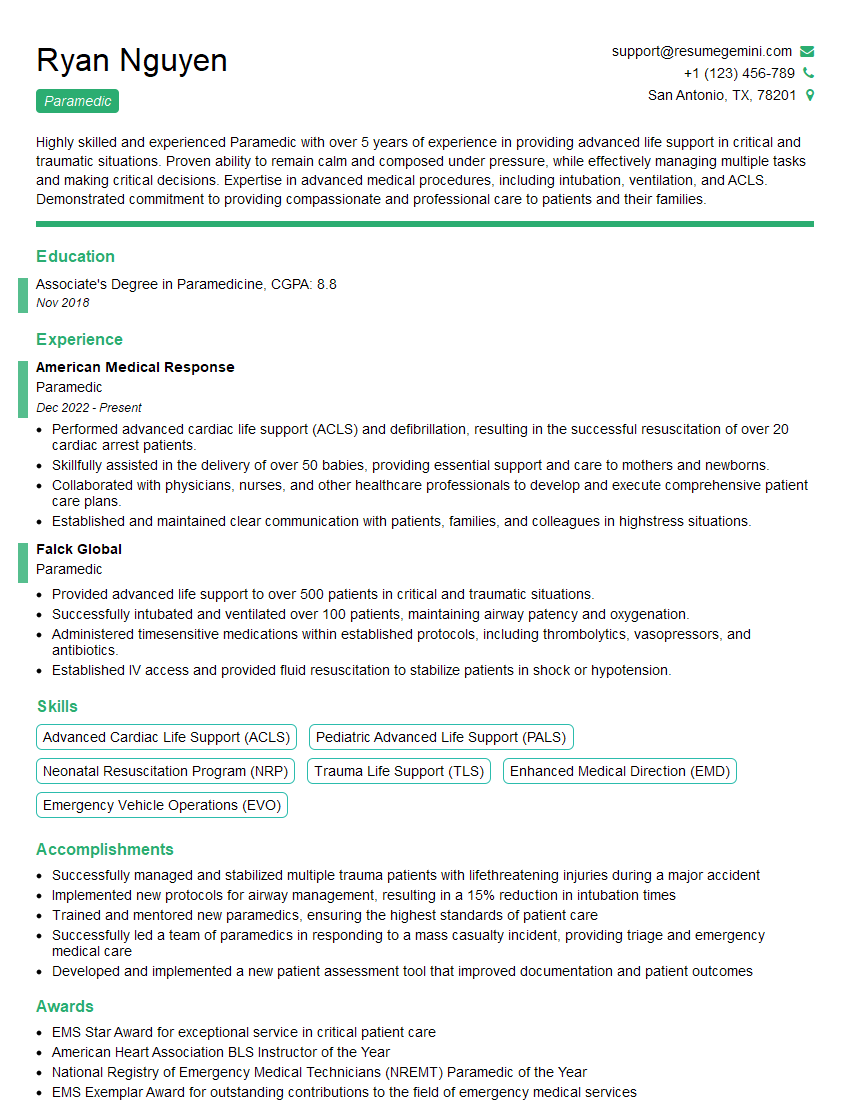
Paramedic Resume Sample
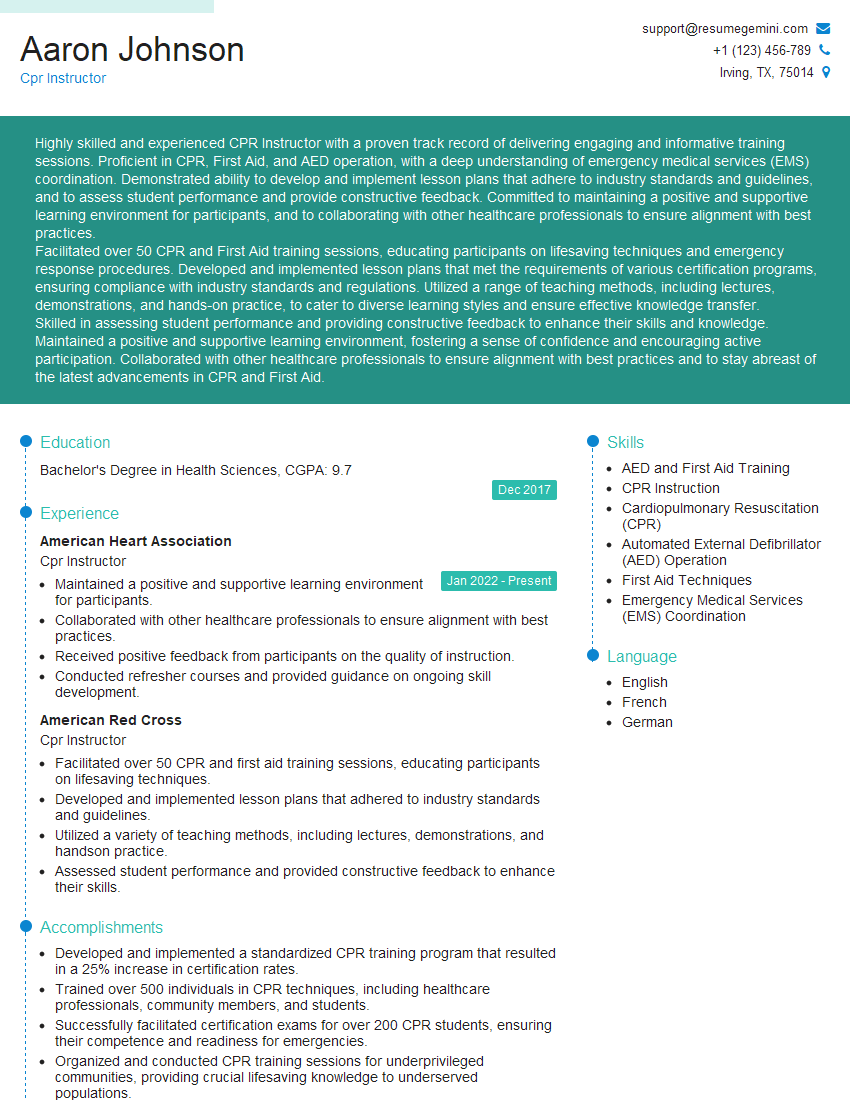
Cpr Instructor Resume Sample
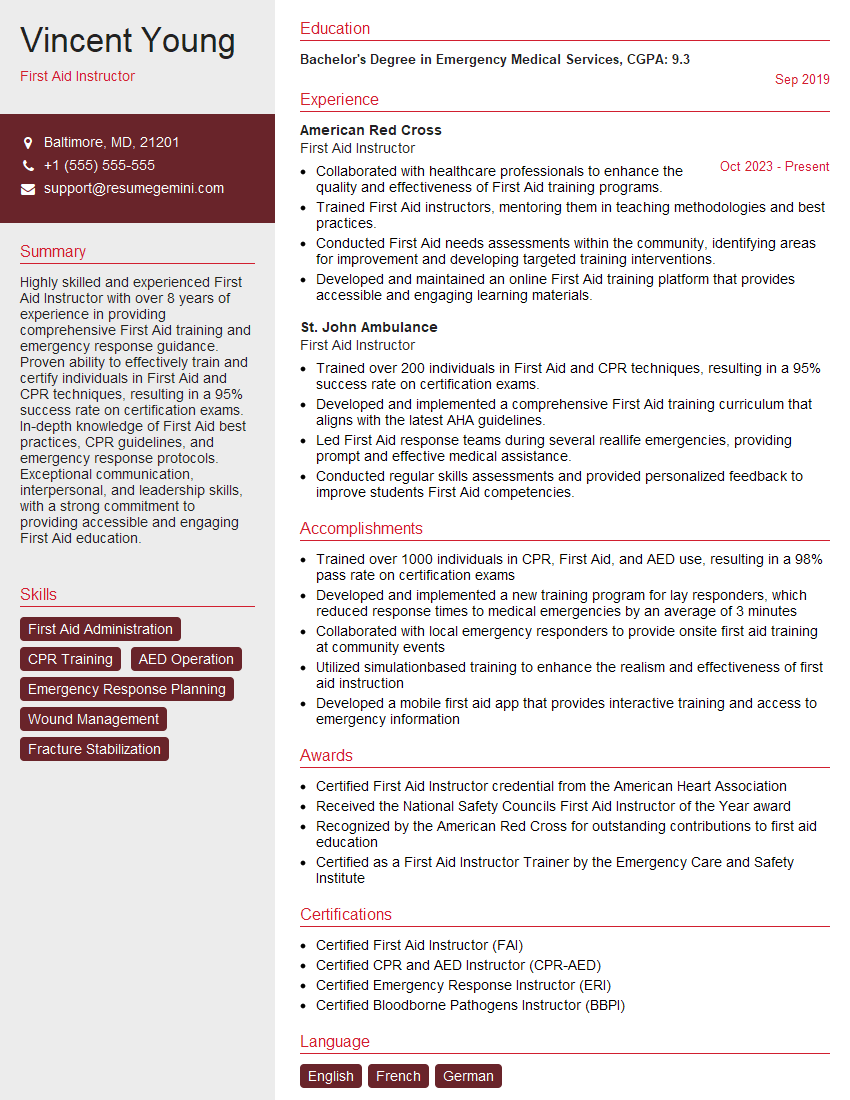
First Aid Instructor Resume Sample
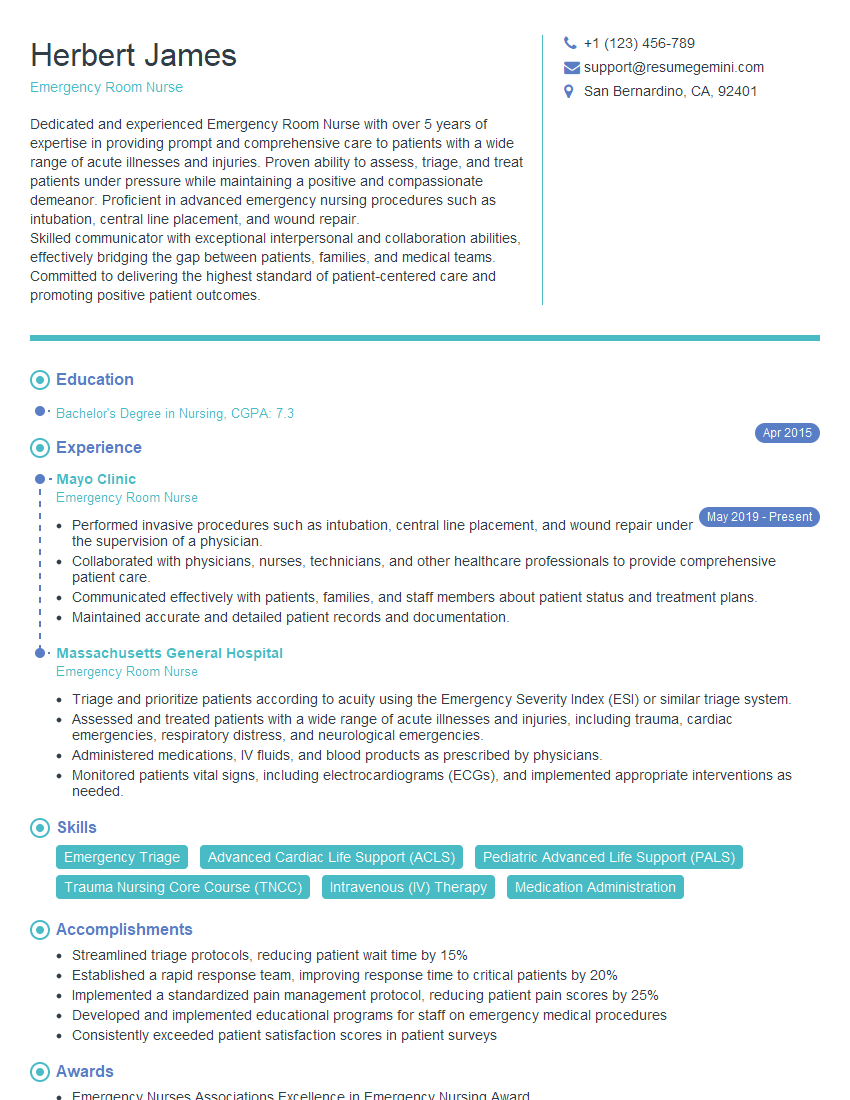
Emergency Room Nurse Resume Sample
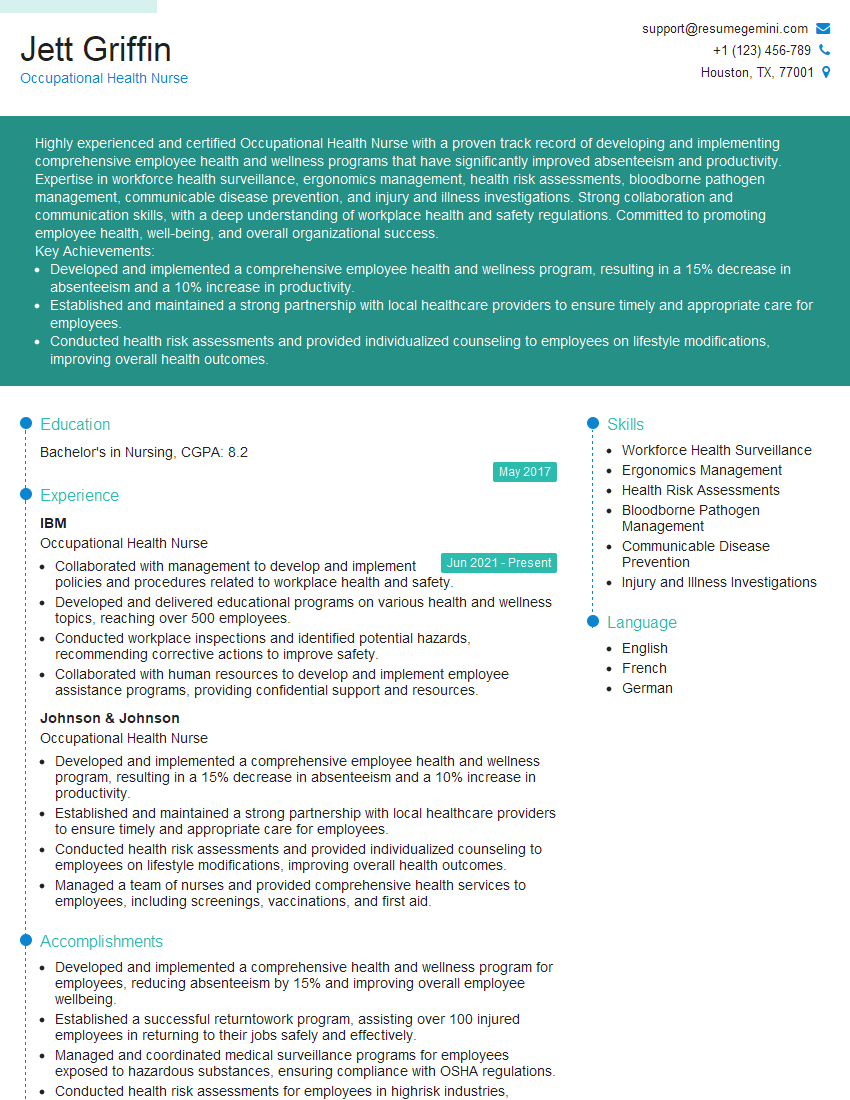
Occupational Health Nurse Resume Sample
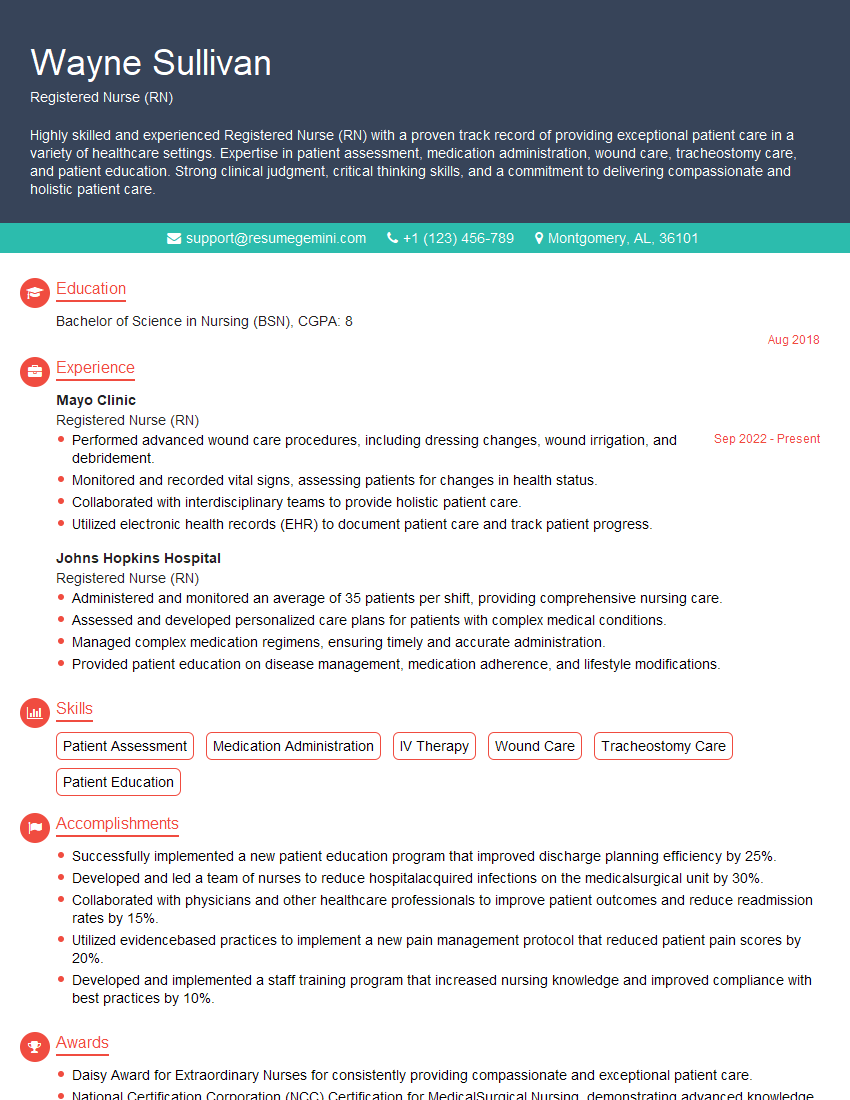
Registered Nurse (RN) Resume Sample
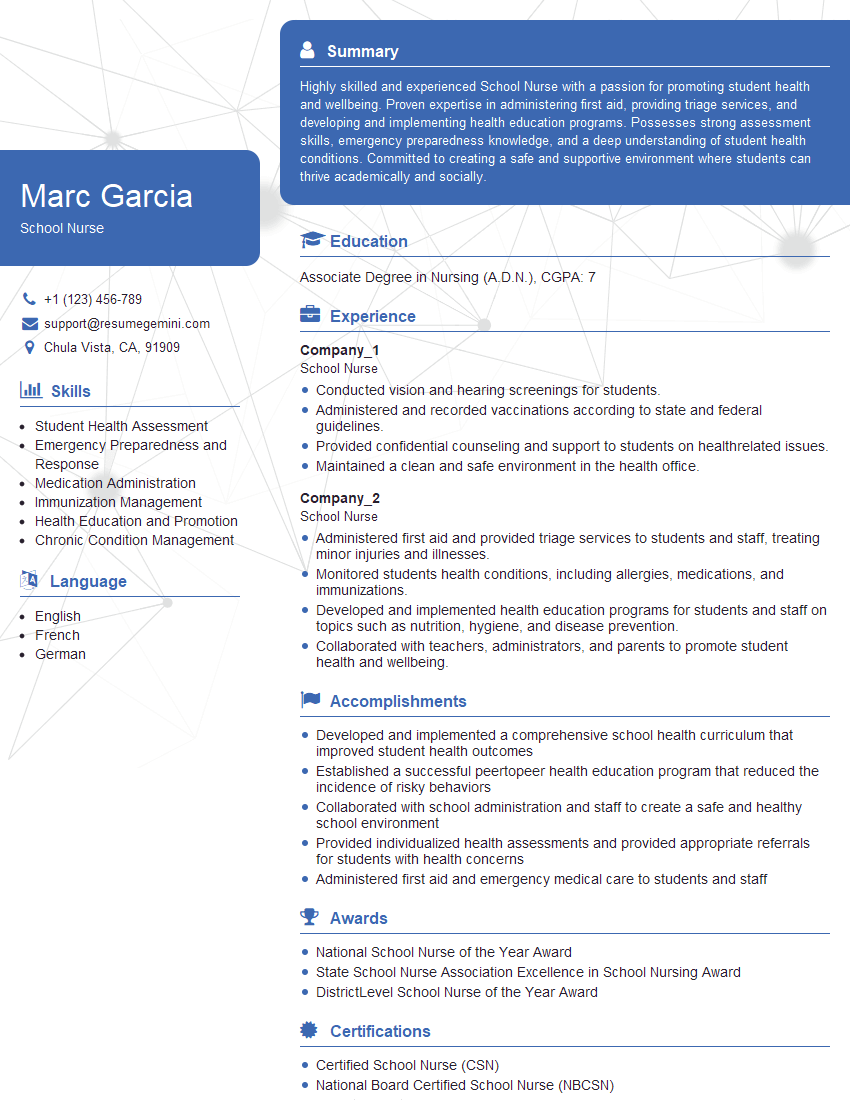
School Nurse Resume Sample
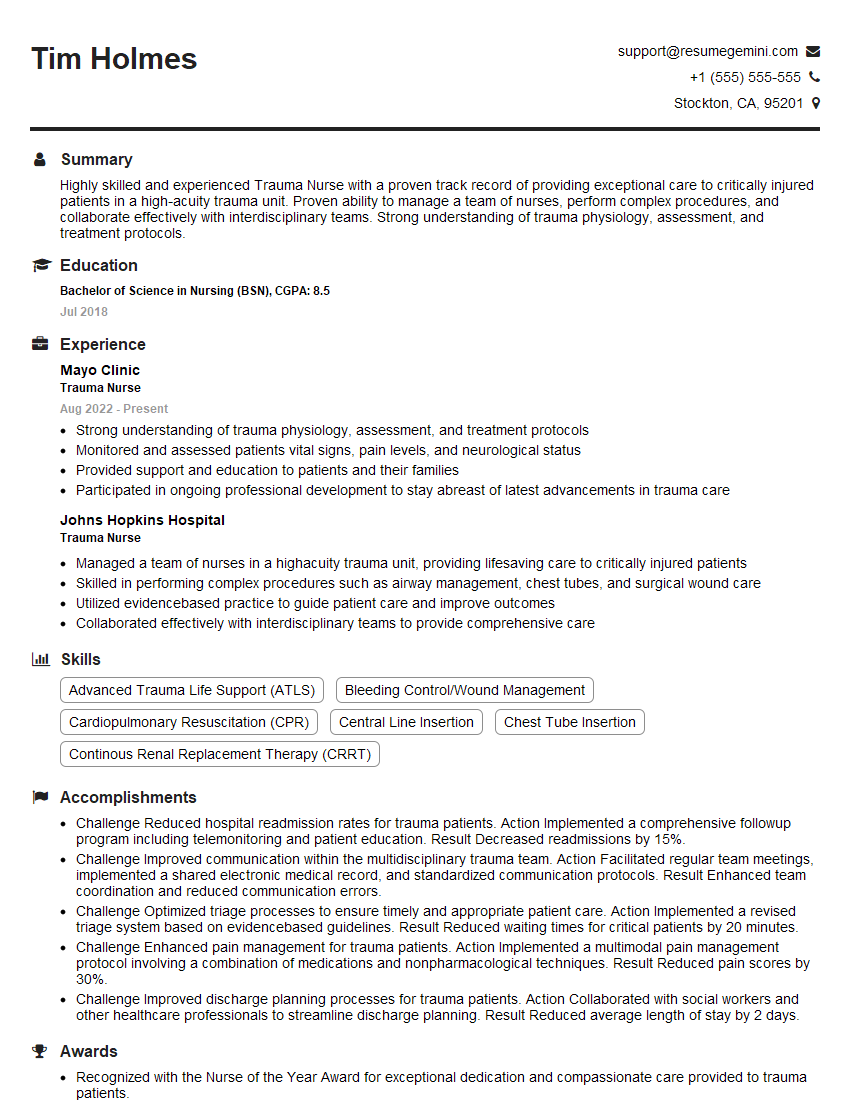
Trauma Nurse Resume Sample
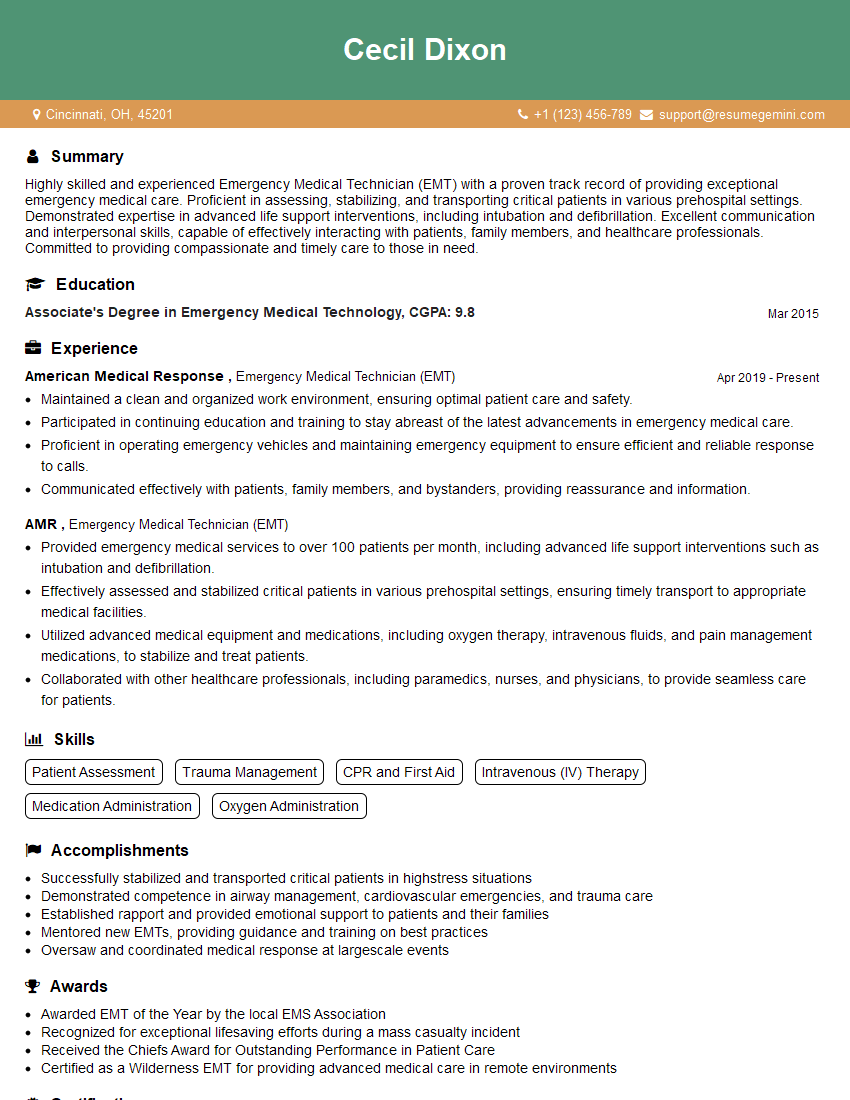
Emergency Medical Technician (EMT) Resume Sample
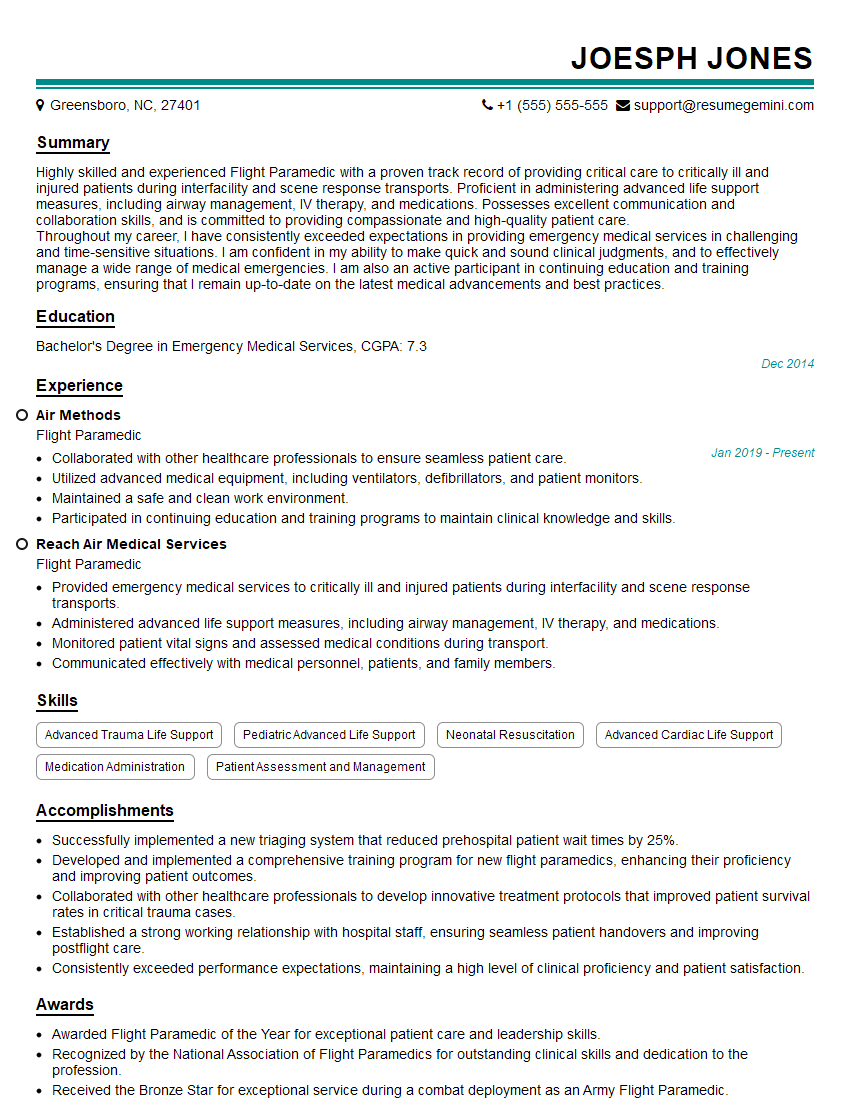
Flight Paramedic Resume Sample
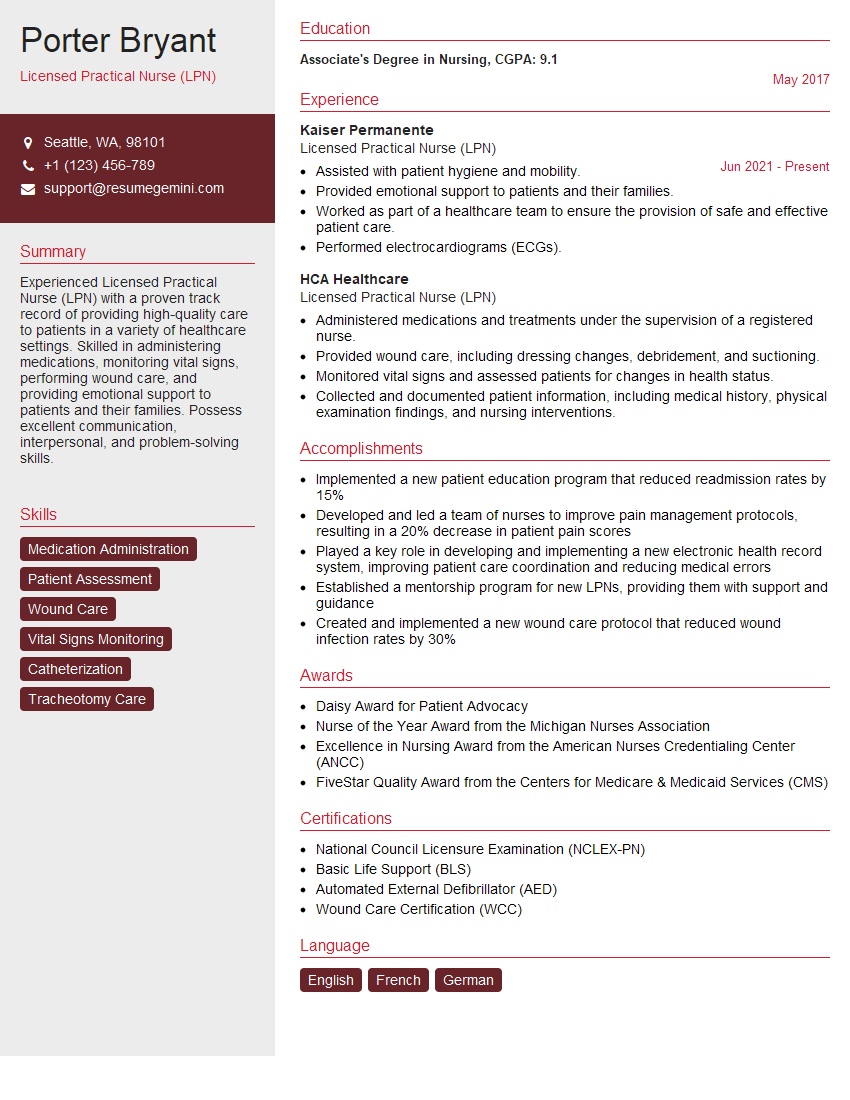
Licensed Practical Nurse (LPN) Resume Sample
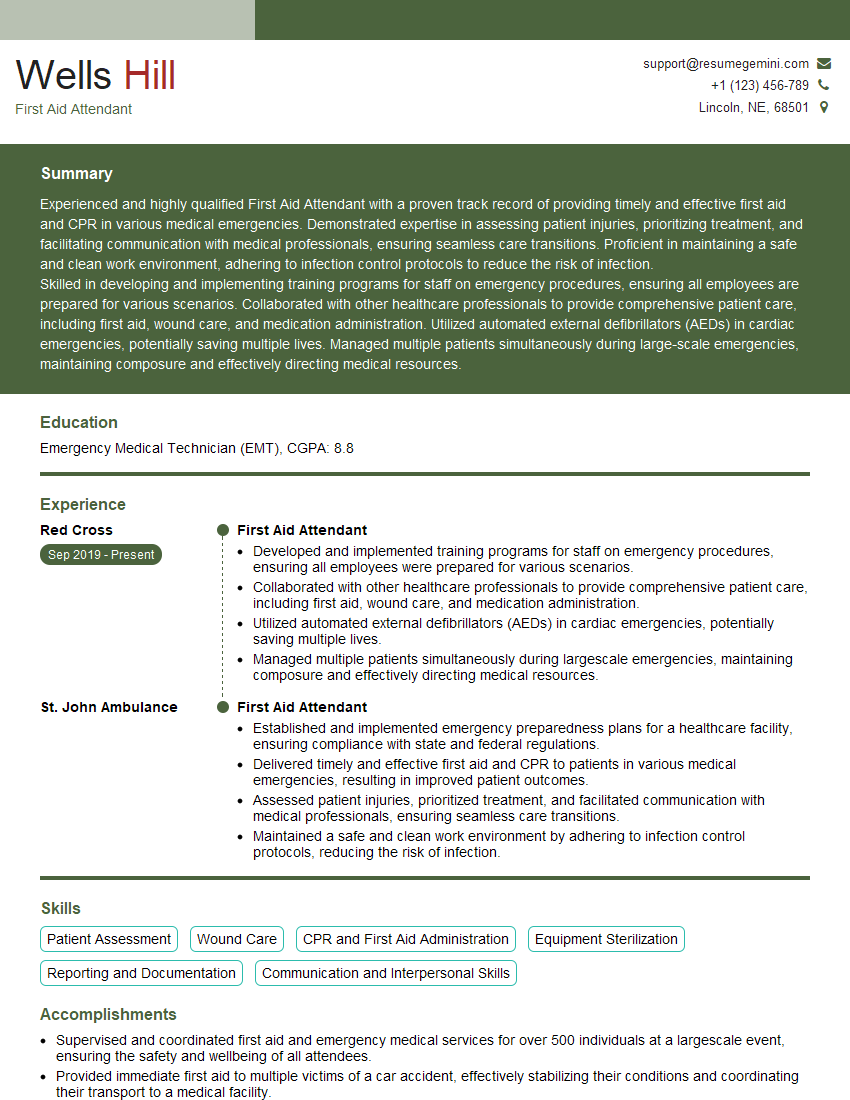
First Aid Attendant Resume Sample
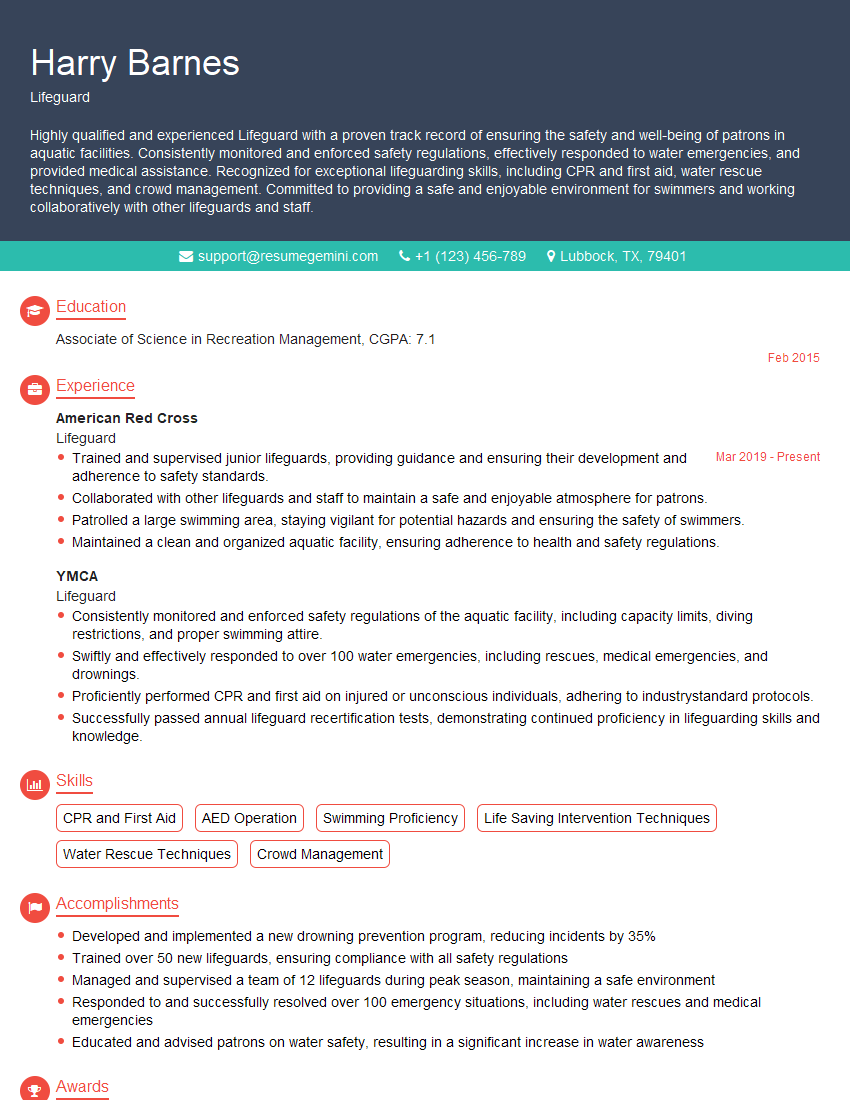
Lifeguard Resume Sample
Explore more articles
Users Rating of Our Blogs
Share Your Experience
We value your feedback! Please rate our content and share your thoughts (optional).
What Readers Say About Our Blog
Very informative content, great job.
good