Preparation is the key to success in any interview. In this post, we’ll explore crucial First Aid and Field Safety Procedures interview questions and equip you with strategies to craft impactful answers. Whether you’re a beginner or a pro, these tips will elevate your preparation.
Questions Asked in First Aid and Field Safety Procedures Interview
Q 1. Describe the steps involved in performing CPR.
Cardiopulmonary resuscitation (CPR) is a life-saving technique used when someone’s breathing or heartbeat has stopped. It combines chest compressions and rescue breaths to circulate blood and oxygen to the brain and other vital organs. It’s crucial to act quickly.
- Check for responsiveness: Gently shake the person and shout, “Are you okay?” If there’s no response, call for emergency medical services (EMS).
- Call for help: Dial your local emergency number (911 in the US). If you’re alone, perform two minutes of CPR before calling.
- Check for breathing: Look, listen, and feel for normal breathing for no more than 10 seconds. If not breathing normally, start chest compressions.
- Chest compressions: Position your hands on the center of the chest, interlacing fingers. Push hard and fast at a rate of at least 100 compressions per minute, allowing the chest to fully recoil between compressions. The depth should be at least 2 inches for adults.
- Rescue breaths (optional depending on training and comfort level): After 30 chest compressions, give two rescue breaths by tilting the head back and lifting the chin, sealing your mouth over the person’s mouth, and gently blowing. Look for chest rise.
- Continue CPR: Repeat cycles of 30 chest compressions and two rescue breaths until help arrives or the person shows signs of life.
Example: Imagine finding a collapsed hiker in the woods. After ensuring your own safety, you’d check for responsiveness, call for help using a satellite phone, and then begin CPR, switching between compressions and breaths until EMS arrives.
Q 2. Explain the difference between a sprain and a strain.
Both sprains and strains are musculoskeletal injuries involving damage to muscles, ligaments, and tendons. However, they affect different tissues:
- Sprain: A sprain involves an injury to a ligament, a band of tissue connecting two bones at a joint. It occurs when a joint is forced beyond its normal range of motion, often due to a sudden twisting or stretching movement. Ankle sprains are very common.
- Strain: A strain is an injury to a muscle or tendon. This occurs when a muscle is overstretched or torn, often due to overuse, sudden force, or poor conditioning. A hamstring strain during a sprint is a good example.
Think of it this way: a sprain affects the joint’s stability (ligaments), while a strain affects the muscle’s ability to contract (muscles and tendons).
Q 3. What are the signs and symptoms of a stroke?
A stroke occurs when blood supply to part of the brain is interrupted, causing brain cells to die. Recognizing the signs and symptoms quickly is crucial for effective treatment. Use the acronym FAST:
- Face Drooping: Does one side of the face droop or numb?
- Arm Weakness: Is one arm weak or numb?
- Speech Difficulty: Is speech slurred or strange?
- Time to call 911: If you observe any of these signs, call emergency services immediately.
Other symptoms can include sudden severe headache, dizziness, confusion, vision problems (blurred or double vision), and loss of balance or coordination.
Example: If you notice someone suddenly unable to speak clearly, with a drooping face and weakness on one side, you should suspect a stroke and immediately dial 911.
Q 4. How would you treat a nosebleed?
A nosebleed, or epistaxis, is a common occurrence. The primary goal is to control bleeding and prevent aspiration (inhalation) of blood.
- Sit upright and lean forward: This prevents blood from running down the throat and causing choking.
- Pinch the nostrils: Apply firm pressure to the soft part of the nose, just below the bridge, for at least 10 minutes. Don’t check repeatedly.
- Apply cold compresses: A cold compress to the bridge of the nose can help constrict blood vessels.
- Avoid blowing your nose: This could dislodge clots and restart bleeding.
- Seek medical attention: If bleeding persists for more than 20 minutes, is heavy, or accompanied by other symptoms, seek medical advice.
Example: If a child has a nosebleed, have them sit upright, leaning forward, and gently pinch their nostrils for 10 minutes while applying a cool cloth. If it doesn’t stop, seek medical help.
Q 5. What are the steps for controlling bleeding?
Controlling bleeding, or hemorrhage, is essential to prevent shock and death. The steps depend on the type and severity of the wound.
- Direct Pressure: This is the most important step. Apply firm, direct pressure to the wound using a clean cloth or dressing. Hold the pressure continuously for at least 10 minutes.
- Elevation: If possible, elevate the injured body part above the heart to reduce blood flow.
- Pressure Points: If direct pressure is insufficient, you might apply pressure to pressure points (e.g., brachial artery for arm bleeds, femoral artery for leg bleeds). This should only be performed if trained.
- Tourniquet (Last Resort): A tourniquet is only used as a last resort for severe, life-threatening bleeding that cannot be controlled by other methods. It should be applied only by trained personnel, as incorrect use can cause serious injury.
- Seek Medical Attention: Always seek medical attention after controlling bleeding, even if it seems minor.
Example: A deep laceration on the arm requires direct pressure using a clean cloth for at least 10 minutes, and then elevation of the arm. If the bleeding persists, a trained first responder might consider a pressure point or, as a last resort, a tourniquet.
Q 6. How do you assess the scene of an accident?
Scene assessment is the first and crucial step in any emergency response. It’s about ensuring your safety and the safety of others, while gathering information about the situation.
- Personal Safety: Is the scene safe? Are there hazards like fire, downed power lines, or traffic? If not, do not approach until it’s safe.
- Number of Victims: How many people are injured or in need of help? This influences your priorities.
- Mechanism of Injury: How did the injury happen? This helps to understand the potential severity of the injuries.
- Bystanders: Are there bystanders who can assist? Can they call for help or provide information?
- Nature of the Injury/Illness: What appears to be wrong with the victim(s)? This helps you prioritize care.
Example: At a car accident, you’d first assess for hazards (traffic, leaking fuel), then count the number of victims, note any obvious injuries, and determine if the scene is safe to approach before providing aid. If it’s unsafe, wait for emergency services.
Q 7. What is the acronym used to remember the steps in managing an emergency?
The most widely used acronym for managing emergencies is SAMPLE. This helps to gather crucial information about the patient’s history.
- Signs and Symptoms: What are the patient’s observable symptoms and what does the patient feel?
- Allergies: Does the patient have any allergies (medications, food, environment)?
- Medications: What medications is the patient currently taking (prescription, over-the-counter)?
- Past medical history: Does the patient have any significant past medical conditions?
- Last oral intake: When did the patient last eat or drink anything?
- Events leading to the incident: What happened before the incident?
While not strictly a procedural acronym like in CPR, SAMPLE provides a structured approach to gathering vital information to better inform your response and aid medical professionals.
Q 8. Describe the different types of burns and their treatment.
Burns are classified into three main degrees based on the depth of tissue damage: first, second, and third-degree burns. First-degree burns affect only the outer layer of skin (epidermis), causing redness, pain, and mild swelling. Think of a mild sunburn. Second-degree burns damage the epidermis and part of the dermis (the layer beneath), resulting in blisters, significant pain, and swelling. Imagine a burn from touching a hot stove. Third-degree burns, also known as full-thickness burns, destroy the epidermis and dermis completely, sometimes reaching underlying tissues like muscle or bone. These burns can appear charred, white, or leathery and may not be painful initially due to nerve damage.
Treatment varies depending on the severity. First-degree burns are typically treated with cool water and over-the-counter pain relievers. Second-degree burns may require professional medical attention, often including cleaning the wound, applying antiseptic ointments, and covering with sterile dressings. Third-degree burns are always medical emergencies requiring immediate professional care, often involving hospitalization, specialized wound care, and possibly skin grafts.
- Cool the burn: Immediately immerse the burned area in cool (not ice) water for 10-20 minutes. This helps reduce pain and swelling.
- Remove constricting clothing or jewelry: These may constrict blood flow as the area swells.
- Cover the burn: Loosely cover the burn with a clean, sterile dressing or a clean cloth to protect it from infection.
- Do not apply ice, butter, or other home remedies: These can actually damage the skin further.
- Seek medical attention: For second and third-degree burns, or if a first-degree burn covers a large area, seek immediate medical help.
Q 9. How would you handle a person experiencing anaphylaxis?
Anaphylaxis is a severe, life-threatening allergic reaction. It’s a medical emergency requiring immediate action. Symptoms can include difficulty breathing, swelling of the throat or tongue, hives, dizziness, and a rapid, weak pulse. The key is recognizing the signs quickly.
Handling Anaphylaxis:
- Call emergency services immediately (911 or your local equivalent).
- Administer epinephrine (adrenaline) if the person has an EpiPen or similar auto-injector. This is crucial, as it can be life-saving. Follow the instructions on the auto-injector carefully.
- Help the person lie down and elevate their legs. This helps maintain blood flow to the vital organs.
- Monitor their breathing and pulse. Be prepared to perform CPR if necessary.
- Stay with the person until emergency medical help arrives. Continue to monitor their vital signs and provide reassurance.
Remember, time is critical in anaphylaxis. Prompt action can save a life. Even after administering epinephrine, continuous monitoring and emergency medical attention are necessary.
Q 10. What are the procedures for using an AED?
An Automated External Defibrillator (AED) is a portable device that analyzes the heart rhythm and delivers an electric shock to restore a normal heartbeat in case of sudden cardiac arrest. AEDs are designed for use by lay rescuers and are relatively easy to operate.
- Turn on the AED. Follow the device’s voice prompts.
- Attach the pads to the person’s chest. The AED will provide visual instructions showing the correct placement of the pads (usually one on the right upper chest and one on the lower left side).
- Ensure no one is touching the person. This is crucial for safety.
- Allow the AED to analyze the heart rhythm. The AED will analyze the heart rhythm and determine if a shock is needed.
- If a shock is advised, the AED will tell you to push the shock button. Ensure everyone is clear of the person before delivering the shock.
- Immediately begin CPR after the shock. Continue CPR until emergency medical services arrive or the person shows signs of recovery.
Important Note: Always follow the specific instructions provided by the AED. Different models may have slight variations in their operation. Regular training on AED use is highly recommended.
Q 11. What are the key elements of a fire safety plan?
A comprehensive fire safety plan is vital for any workplace or building to protect lives and property. It should include:
- Fire hazard identification and risk assessment: Identifying potential fire sources and assessing the risks associated with them.
- Evacuation plan: Clearly defined escape routes, assembly points, and responsible persons for guiding evacuees.
- Fire prevention measures: Procedures for maintaining equipment, housekeeping, and handling of flammable materials.
- Fire detection and alarm systems: Regular inspection and testing of smoke detectors, fire alarms, and sprinkler systems.
- Fire suppression systems: Knowledge of the use of fire extinguishers and other suppression equipment.
- Emergency response procedures: Specific actions to take during a fire, including contact information for emergency services and designated roles.
- Training and drills: Regular fire drills to familiarize occupants with procedures and evacuation routes.
- Regular inspections and maintenance: Maintaining fire safety equipment and systems in good working order.
A well-documented and practiced fire safety plan increases the chances of a swift and safe evacuation, minimizing potential loss of life and property damage.
Q 12. Explain the importance of hazard identification and risk assessment.
Hazard identification and risk assessment are fundamental to a proactive safety culture. Hazard identification involves systematically identifying potential dangers in the workplace or environment. Risk assessment takes this further by evaluating the likelihood and severity of these hazards occurring, leading to the development of control measures.
Importance:
- Injury and illness prevention: By identifying and mitigating risks, you reduce the potential for accidents and injuries.
- Increased productivity: A safe environment boosts employee morale and reduces lost workdays due to accidents.
- Legal compliance: Many industries have stringent safety regulations, and a proper hazard identification and risk assessment demonstrate compliance.
- Reduced costs: Preventing accidents is significantly cheaper than dealing with their consequences (medical expenses, legal fees, etc.).
Example: In a construction site, identifying hazards like unguarded machinery and uneven ground is crucial. Risk assessment involves determining the likelihood of accidents, severity of potential injuries, and then implementing safety measures like guarding the machinery and providing proper scaffolding.
Q 13. How would you respond to a chemical spill?
Responding to a chemical spill requires a cautious and systematic approach to prevent further harm. The first priority is to ensure the safety of yourself and others.
- Evacuate the area: Immediately clear the area of all personnel. Establish a safety perimeter to prevent further exposure.
- Call emergency services: Report the spill and provide details about the chemical involved and the location.
- Contain the spill: If safe to do so, use appropriate materials (e.g., absorbent pads, spill kits) to contain the spread of the chemical.
- Protect yourself: Wear appropriate personal protective equipment (PPE), such as gloves, eye protection, and respirators, depending on the chemical involved.
- Follow the manufacturer’s instructions: Consult the Safety Data Sheet (SDS) for the chemical to learn about its hazards and recommended cleanup procedures.
- Do not attempt to clean up the spill yourself unless you are trained and equipped to do so. Leave the cleanup to trained professionals if necessary.
Always prioritize safety. Never attempt to handle a chemical spill without proper training and equipment.
Q 14. What are the regulations for personal protective equipment (PPE)?
Regulations for Personal Protective Equipment (PPE) vary depending on the industry and specific hazards, but some general principles apply. PPE is designed to protect individuals from various workplace hazards. These regulations often come from national and industry-specific standards and legislation.
- Appropriate selection: PPE must be selected based on the specific hazards identified in the risk assessment. This might include gloves, safety glasses, respirators, hard hats, high-visibility clothing, hearing protection, and safety footwear.
- Proper fit and use: PPE must fit properly and be used correctly to ensure effectiveness. Training on the proper use of PPE is crucial.
- Maintenance and inspection: PPE should be regularly inspected and maintained in good condition. Damaged or worn-out PPE should be replaced immediately.
- Storage and disposal: Appropriate storage and disposal procedures are necessary to maintain the integrity and safety of PPE.
- Compliance with standards: PPE must comply with relevant safety standards and regulations.
Failure to comply with PPE regulations can lead to significant injury, legal penalties, and company liability. The correct selection and use of appropriate PPE are crucial for maintaining a safe working environment.
Q 15. What is your experience with lockout/tagout procedures?
Lockout/Tagout (LOTO) procedures are critical for preventing accidental energization of equipment during maintenance or repair. It’s a safety process where energy sources – electrical, hydraulic, pneumatic, mechanical – are isolated and rendered incapable of being unexpectedly activated. My experience encompasses implementing and enforcing LOTO procedures across various industrial settings, including manufacturing and construction.
This involves verifying the energy isolation, applying personal lockout devices (locks and tags), verifying the isolation again before starting work, and ensuring the safe removal of all lockout devices once work is complete and the equipment is inspected. I’ve personally trained numerous colleagues on proper LOTO procedures, emphasizing the importance of individual responsibility and thorough documentation. A specific instance involved stopping a production line to safely change a faulty pump. We followed the LOTO procedure meticulously, ensuring everyone’s safety. Failure to follow this would have risked severe injury or even fatality.
My approach is always to emphasize a multi-person check, ensuring no single person is solely responsible for the safety of the team. Clear communication and a comprehensive understanding of the equipment’s energy sources are paramount. I also ensure that regular audits are performed to ensure procedures are effectively followed and all devices are in good working order.
Career Expert Tips:
- Ace those interviews! Prepare effectively by reviewing the Top 50 Most Common Interview Questions on ResumeGemini.
- Navigate your job search with confidence! Explore a wide range of Career Tips on ResumeGemini. Learn about common challenges and recommendations to overcome them.
- Craft the perfect resume! Master the Art of Resume Writing with ResumeGemini’s guide. Showcase your unique qualifications and achievements effectively.
- Don’t miss out on holiday savings! Build your dream resume with ResumeGemini’s ATS optimized templates.
Q 16. Describe your knowledge of confined space entry protocols.
Confined space entry protocols are vital safety measures for protecting workers entering enclosed areas with limited access and egress, such as tanks, vessels, or trenches. These spaces often pose risks of oxygen deficiency, toxic atmospheres, and engulfment hazards. My knowledge of these protocols includes understanding the permit-required confined space entry process, atmospheric monitoring, ventilation procedures, and rescue plans.
Before any entry, a thorough hazard assessment is mandatory. This involves identifying potential hazards and implementing appropriate controls. Atmospheric testing is crucial to measure oxygen levels, flammable gases, and toxic substances. Proper ventilation is needed to ensure a safe working atmosphere. A detailed entry permit, including the specific hazards, control measures, and emergency procedures, is vital. Furthermore, a standby attendant remains outside the confined space, monitoring conditions and prepared for immediate rescue. I’ve actively participated in many confined space entries in the past, always adhering strictly to these protocols. One project involved inspecting the interior of a large water tank. We meticulously followed the atmospheric monitoring procedure, ensuring oxygen levels remained within acceptable parameters before entry, thus avoiding a potentially lethal situation.
Q 17. Explain the importance of incident reporting and investigation.
Incident reporting and investigation are crucial for preventing future incidents and improving workplace safety. Accurate and timely reporting of any incident, however minor, is essential to identify underlying causes and implement corrective actions. Thorough investigations help us understand the root cause of events, not just the immediate causes.
My experience involves creating detailed incident reports, documenting all relevant information – date, time, location, personnel involved, witnesses, and a comprehensive description of the event. This includes collecting evidence like photographs, witness statements, and equipment inspection reports. The investigative process is systematic, involving analyzing the sequence of events, identifying contributing factors (human error, equipment malfunction, inadequate training), and recommending corrective actions. I’ve used several investigation techniques, including fault tree analysis and root cause analysis to understand the cause and effect of incidents, leading to improved safety standards.
For example, a near-miss incident involving a falling object highlighted a weakness in our personal protective equipment (PPE) storage. The incident report and subsequent investigation led to improved storage solutions and a refresher training on PPE usage.
Q 18. How would you handle a workplace injury?
Handling a workplace injury requires a rapid, systematic response. My approach begins with ensuring the safety of both the injured person and those around them. First aid is provided immediately according to my training and certification, prioritizing assessment and stabilization of injuries.
Then, emergency medical services (EMS) are contacted immediately, providing them with precise information regarding the location, nature of the injury, and the injured person’s condition. The scene is secured to prevent further injury and to preserve any evidence for investigation. I follow established procedures for reporting the injury to management and relevant authorities. Finally, I participate in the post-incident investigation to understand the factors leading to the injury and to recommend preventative measures.
In a past incident, a colleague suffered a laceration from a sharp object. I immediately stopped the bleeding, ensuring they were comfortable and called for an ambulance. While EMS was en route, I secured the area and documented the incident with photographs. This quick and methodical approach ensured the colleague received timely medical care, which was ultimately crucial.
Q 19. Describe your experience with emergency evacuation procedures.
Emergency evacuation procedures are vital for ensuring the safety of personnel during emergencies such as fires, natural disasters, or hazardous material releases. My experience includes designing, implementing, and practicing evacuation plans, ensuring that everyone understands their roles and responsibilities.
These procedures must clearly outline evacuation routes, assembly points, and communication methods. Regular drills and training exercises are essential to familiarize employees with the plans. This includes designating trained personnel to assist those with disabilities. I also ensure that emergency exits are clearly marked, unobstructed, and regularly inspected. Furthermore, clear communication during evacuation is paramount, ensuring everyone receives timely and accurate information. A clear understanding of building layouts, alarm systems, and communication systems is crucial.
During a recent fire drill, I assisted in guiding people to safety and making sure everyone accounted for at the designated assembly point. The drill highlighted the effectiveness of our evacuation plan and highlighted areas requiring minor improvement.
Q 20. What are common workplace hazards in your industry?
Common workplace hazards vary depending on the specific industry, but in general, they include physical hazards (noise, vibration, slips, trips, falls), chemical hazards (exposure to toxic substances), biological hazards (infectious agents), ergonomic hazards (repetitive motions, improper lifting techniques), and psychosocial hazards (stress, violence).
Specific hazards in a particular environment might include electricity, machinery, heavy equipment, and confined spaces. For example, in a manufacturing setting, workers may face risks from moving machinery, sharp objects, and hazardous materials. In a construction environment, falls, electrocution, and struck-by hazards are common concerns. Identifying and controlling these hazards through appropriate risk assessments, engineering controls, administrative controls, and PPE are crucial for maintaining a safe work environment.
In every work environment I’ve been in, I’ve emphasized proactive hazard identification, using techniques like job safety analyses and risk assessments, and developing a strong safety culture where workers feel empowered to report and address hazards.
Q 21. What is your understanding of OSHA regulations?
My understanding of OSHA regulations is comprehensive. OSHA (Occupational Safety and Health Administration) sets and enforces standards to ensure workplace safety and health. My knowledge spans a wide range of OSHA standards, including those related to hazard communication, personal protective equipment (PPE), lockout/tagout, confined space entry, fall protection, machine guarding, and emergency action plans.
I understand the importance of complying with all applicable OSHA standards and regularly review updates and changes to these standards. This includes understanding employee rights, employer responsibilities, and the process of reporting workplace hazards and injuries. I am familiar with OSHA’s recordkeeping requirements and the process of conducting workplace inspections to identify and correct hazards. Knowing the specific standards applicable to various workplaces is crucial and aids in ensuring a safer work environment. I understand that negligence in following OSHA regulations can lead to serious consequences, including fines, shutdowns, and even criminal charges.
For example, I ensure all employees are aware of the Hazard Communication Standard and are properly trained on the hazards associated with the chemicals they handle. I’ve also regularly audited our safety programs to ensure compliance with all relevant OSHA regulations.
Q 22. How would you conduct a safety training program?
Conducting a comprehensive safety training program involves a multi-stage approach, focusing on both theoretical knowledge and practical skills. I begin by needs assessment – identifying specific hazards and risks within the work environment. This involves reviewing incident reports, conducting workplace observations, and consulting with employees at all levels.
Next, I design the training curriculum, tailoring it to the identified needs. This includes interactive modules covering relevant safety regulations, hazard identification techniques, proper use of personal protective equipment (PPE), and emergency response procedures. For example, a program for construction workers would heavily focus on fall protection, while a program for a laboratory would emphasize chemical handling and spill response.
The training itself uses a blended learning approach. This means incorporating classroom instruction, hands-on simulations, and practical demonstrations. Role-playing scenarios allow participants to practice responding to emergencies in a safe environment. I always emphasize active participation, encouraging questions and discussions. Post-training assessments, including written tests and practical evaluations, ensure comprehension and competency. Finally, ongoing reinforcement is crucial. Regular refresher training, toolbox talks, and safety audits are essential to maintain a strong safety culture.
Q 23. How do you prioritize safety in a fast-paced environment?
Prioritizing safety in a fast-paced environment requires a proactive and systematic approach. The key is to embed safety into every aspect of the workflow, not treat it as an afterthought. This involves clearly defined roles and responsibilities for safety, coupled with easily accessible and regularly updated safety procedures. Think of it like an orchestra – each player (employee) needs to know their part, and the conductor (supervisor) needs to ensure everyone is following the score (safety procedures).
I utilize visual aids, such as color-coded hazard warnings and clear signage, to quickly communicate critical information. Regular safety briefings at the start of shifts highlight immediate concerns and reinforce best practices. Furthermore, empowering employees to stop work if they identify an unsafe condition is vital. This means fostering a culture of open communication and ensuring that reporting unsafe practices won’t result in retribution. Implementing a robust system for reporting and investigating near misses and incidents allows us to learn from potential problems before they cause harm.
Q 24. Explain your experience working with various safety equipment.
My experience encompasses a wide range of safety equipment, from basic PPE like safety glasses, gloves, and high-visibility clothing to more specialized equipment such as respirators, fall arrest systems, and fire extinguishers. I’m proficient in selecting, inspecting, maintaining, and properly using this equipment. For instance, I’ve trained construction crews on the proper use of harnesses and fall arrest systems, ensuring they understand the inspection procedures and limitations of the equipment. In a laboratory setting, I’ve provided training on the selection and use of appropriate respirators for handling different chemicals, emphasizing the importance of fit testing and proper maintenance. I also have experience with safety monitoring devices, such as gas detectors and noise dosimeters, and understand the importance of their regular calibration and inspection.
Beyond using the equipment, I’m familiar with relevant regulations and standards surrounding their use, ensuring compliance with all applicable guidelines. For example, I’m knowledgeable about OSHA regulations and ANSI standards for PPE and other safety equipment.
Q 25. How do you stay updated on current safety standards and regulations?
Staying updated on safety standards and regulations is an ongoing process. I actively participate in professional development courses and workshops, attending conferences and webinars related to occupational safety and health. Many professional organizations, such as the National Safety Council (NSC) and the American Society of Safety Professionals (ASSP), offer excellent resources and continuing education opportunities. I subscribe to relevant industry publications and journals to stay abreast of the latest research and best practices. Furthermore, I regularly review changes to governmental regulations and standards through online resources and official publications. This ensures that our safety procedures and training programs remain current and compliant. I also maintain a network of colleagues and professionals in the field, sharing information and best practices to stay ahead of the curve.
Q 26. Describe your problem-solving approach to safety incidents.
My approach to solving safety incidents begins with a thorough investigation, applying a structured methodology. I start by securing the scene, ensuring the safety of all personnel involved. Next, I gather information from eyewitnesses, review relevant documentation, and analyze physical evidence. This often involves taking photographs, creating sketches, and collecting samples. I use a root cause analysis technique, such as the “5 Whys” method, to identify the underlying causes of the incident, going beyond simply identifying immediate causes. For example, if a worker fell from a ladder, instead of stopping at “the worker fell,” I’d delve deeper: Why did the worker fall? (The ladder was unstable). Why was the ladder unstable? (It wasn’t properly secured). Why wasn’t it secured? (The worker lacked training). Why was the worker untrained? (Lack of adequate training program). This allows us to implement corrective actions that prevent similar incidents from occurring in the future.
Following the investigation, I develop and implement corrective actions, which might include retraining employees, modifying equipment, improving procedures, or enhancing the physical work environment. I also ensure that appropriate documentation is maintained throughout the entire process.
Q 27. What is your understanding of risk management?
Risk management is the systematic process of identifying, assessing, and controlling hazards to minimize potential losses. It involves a proactive approach to safety, aiming to prevent incidents before they occur rather than simply reacting to them. The process typically begins with hazard identification—systematically searching for potential sources of harm within a work environment. This might involve checklists, safety audits, job hazard analyses, or brainstorming sessions. Next, risk assessment involves evaluating the likelihood and severity of each identified hazard. This helps prioritize risks, focusing on the most significant ones. The final stage is risk control, which involves implementing measures to eliminate, reduce, or mitigate identified hazards. This could include engineering controls (e.g., implementing machine guards), administrative controls (e.g., implementing safe work procedures), and personal protective equipment (PPE).
Effective risk management is a continuous cycle. Regular monitoring and review of the implemented controls are essential to ensure their ongoing effectiveness and to adapt to changing circumstances. This iterative process ensures that safety is constantly improved and that the organization remains proactive in managing potential hazards. Think of it like a gardener tending to a garden; regular weeding and pruning are crucial for maintaining a healthy and productive environment.
Key Topics to Learn for First Aid and Field Safety Procedures Interview
- Assessment of the Scene and Casualty: Understanding the importance of scene safety before approaching an injured person, prioritizing your own safety, and performing a quick but thorough primary survey.
- Basic Life Support (BLS): Practical application of CPR techniques, including chest compressions and rescue breaths, recognizing signs of cardiac arrest, and understanding the recovery position.
- Wound Management: Different types of wounds (abrasions, lacerations, punctures), appropriate cleaning and dressing techniques, recognizing signs of infection, and when to seek further medical attention.
- Bleeding Control: Methods for controlling various types of bleeding (direct pressure, elevation, tourniquet application), understanding the limitations of tourniquets, and recognizing signs of shock.
- Fracture Management: Recognizing signs and symptoms of fractures, proper splinting techniques (improvised and standard), and the importance of immobilization.
- Emergency Response Procedures: Understanding emergency protocols, activating emergency medical services (EMS), and effectively communicating with dispatchers and first responders.
- Field Safety Procedures: Hazard identification and risk assessment in various field settings, proper use of personal protective equipment (PPE), emergency communication systems, and evacuation procedures.
- Legal and Ethical Considerations: Understanding the legal implications of providing first aid, obtaining consent, and maintaining patient confidentiality (HIPAA).
- Specific Field Safety Protocols (Depending on Industry): Research and prepare for industry-specific safety protocols (e.g., working at heights, confined spaces, hazardous materials handling).
- Problem-solving scenarios: Practice analyzing realistic scenarios, prioritizing actions based on the situation and available resources, and demonstrating decision-making skills under pressure.
Next Steps
Mastering First Aid and Field Safety Procedures demonstrates crucial skills highly valued by employers across various sectors. These skills not only showcase your commitment to safety but also highlight your ability to handle emergencies effectively and responsibly, boosting your career prospects significantly. To increase your chances of landing your dream role, create a compelling and ATS-friendly resume that emphasizes your qualifications and experience. ResumeGemini is a trusted resource to help you build a professional and impactful resume. They offer examples of resumes specifically tailored to First Aid and Field Safety Procedures roles, helping you present your skills and experience in the best possible light. Take advantage of this valuable tool and elevate your job search today.
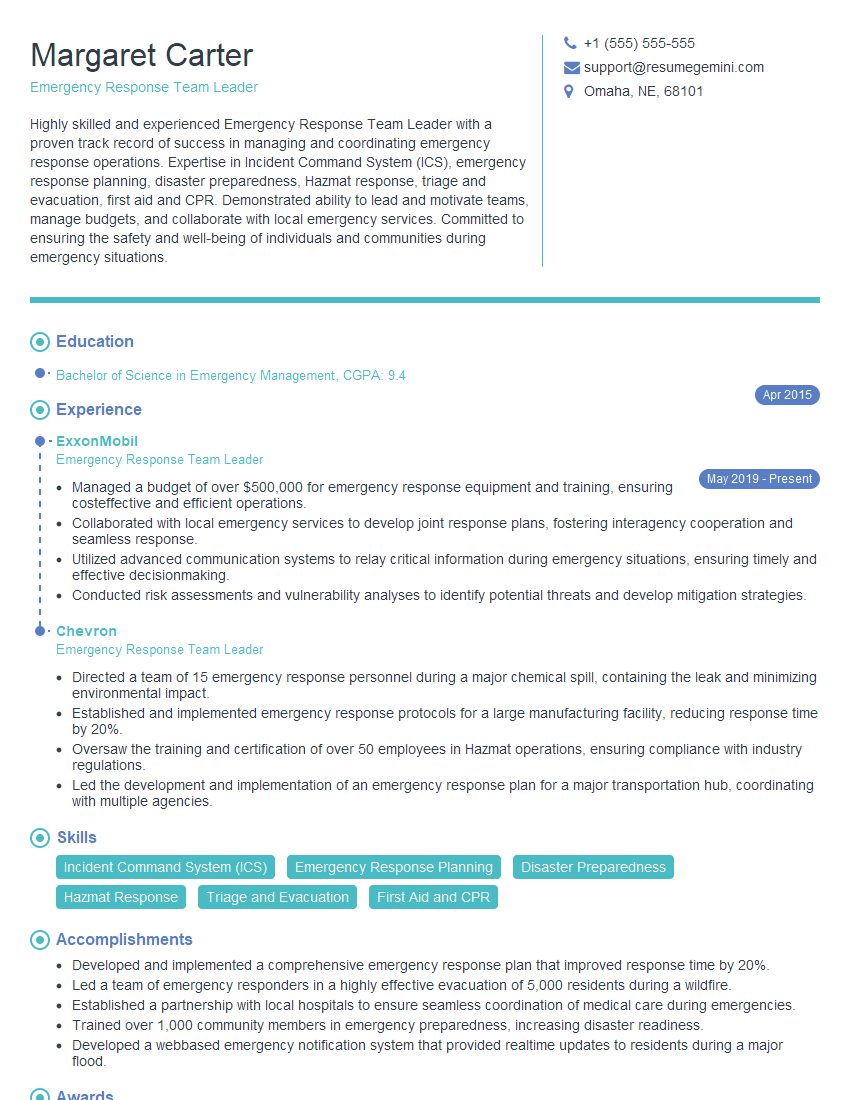
Emergency Response Team Leader Resume Sample
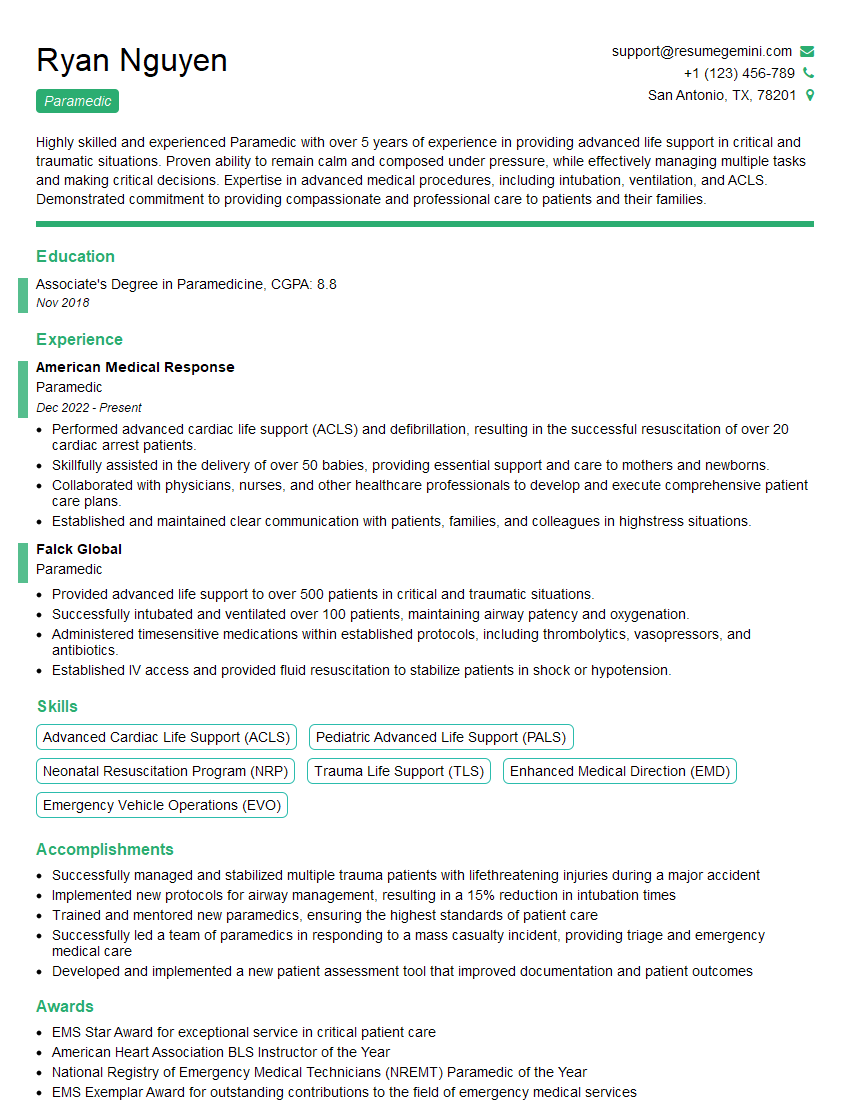
Paramedic Resume Sample
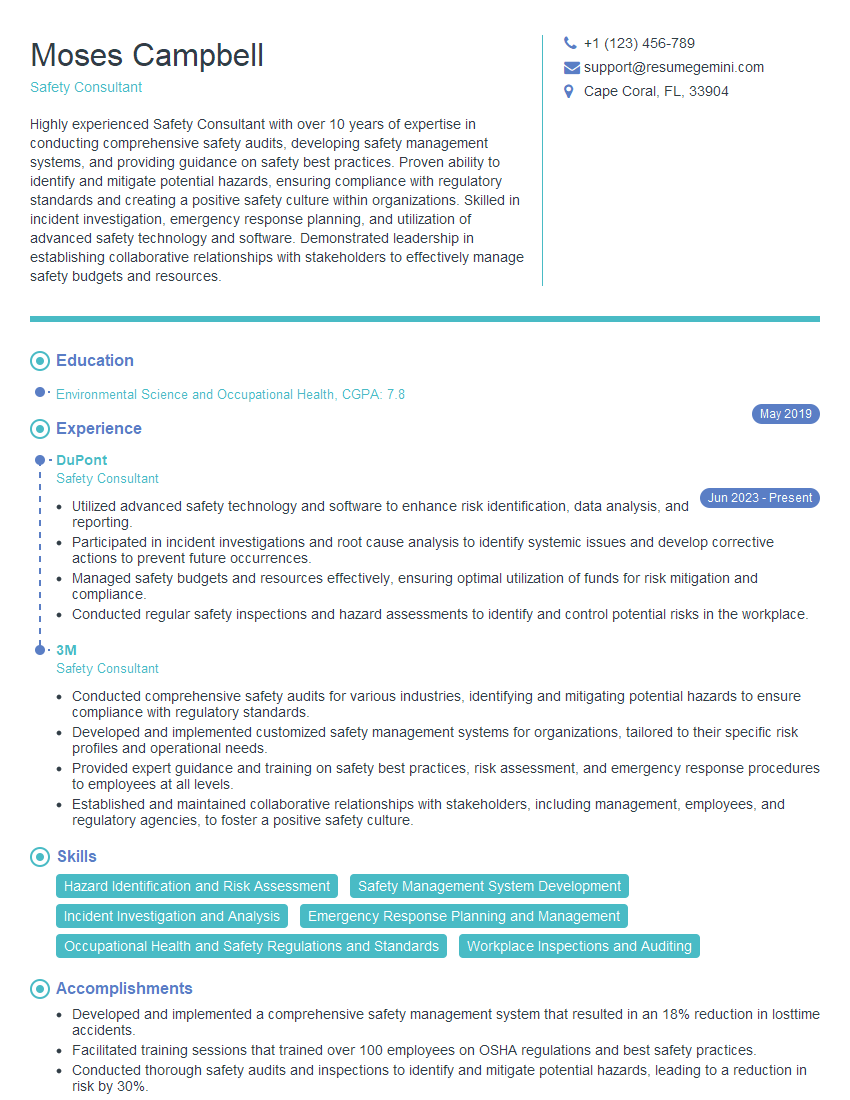
Safety Consultant Resume Sample
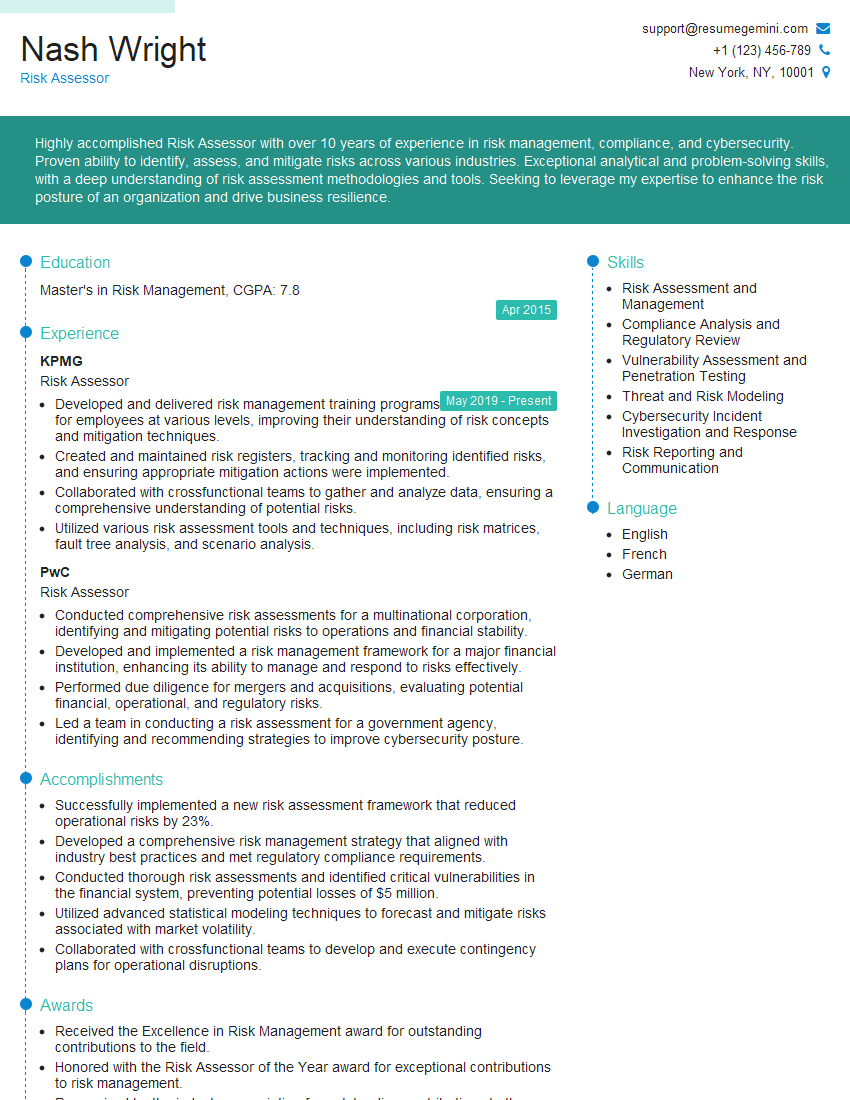
Risk Assessor Resume Sample
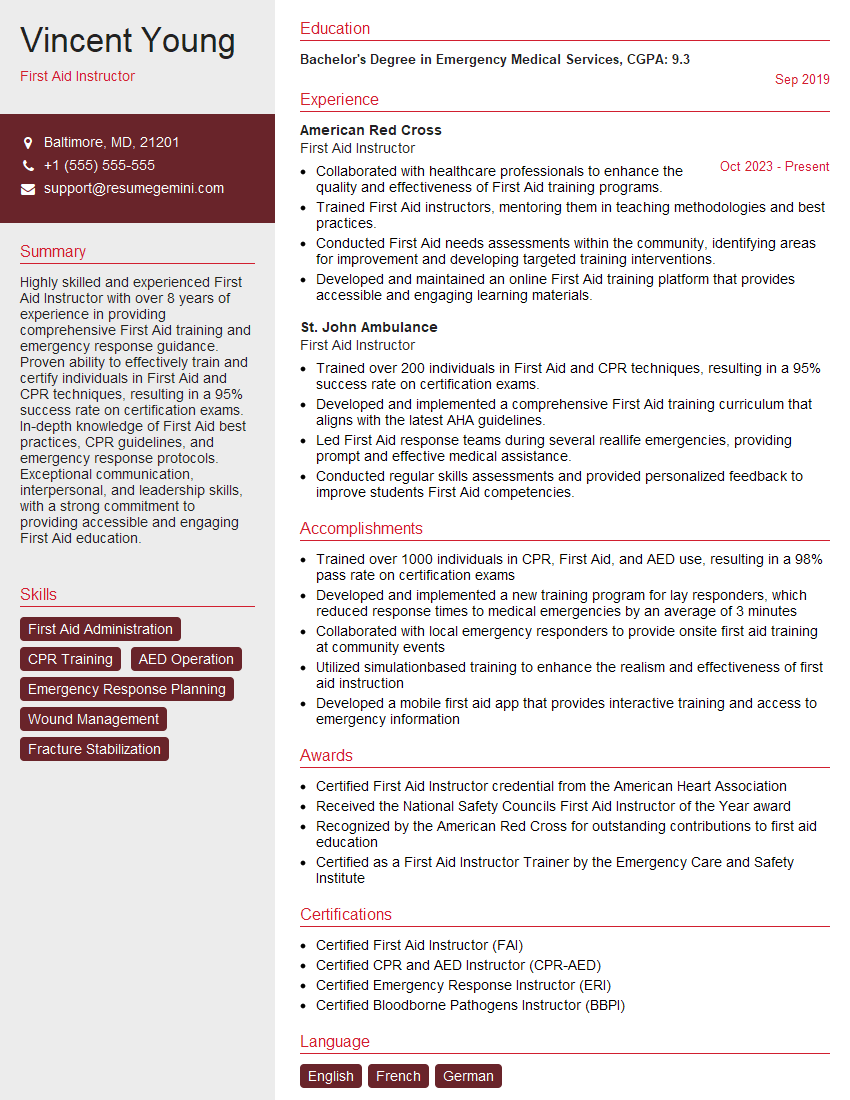
First Aid Instructor Resume Sample
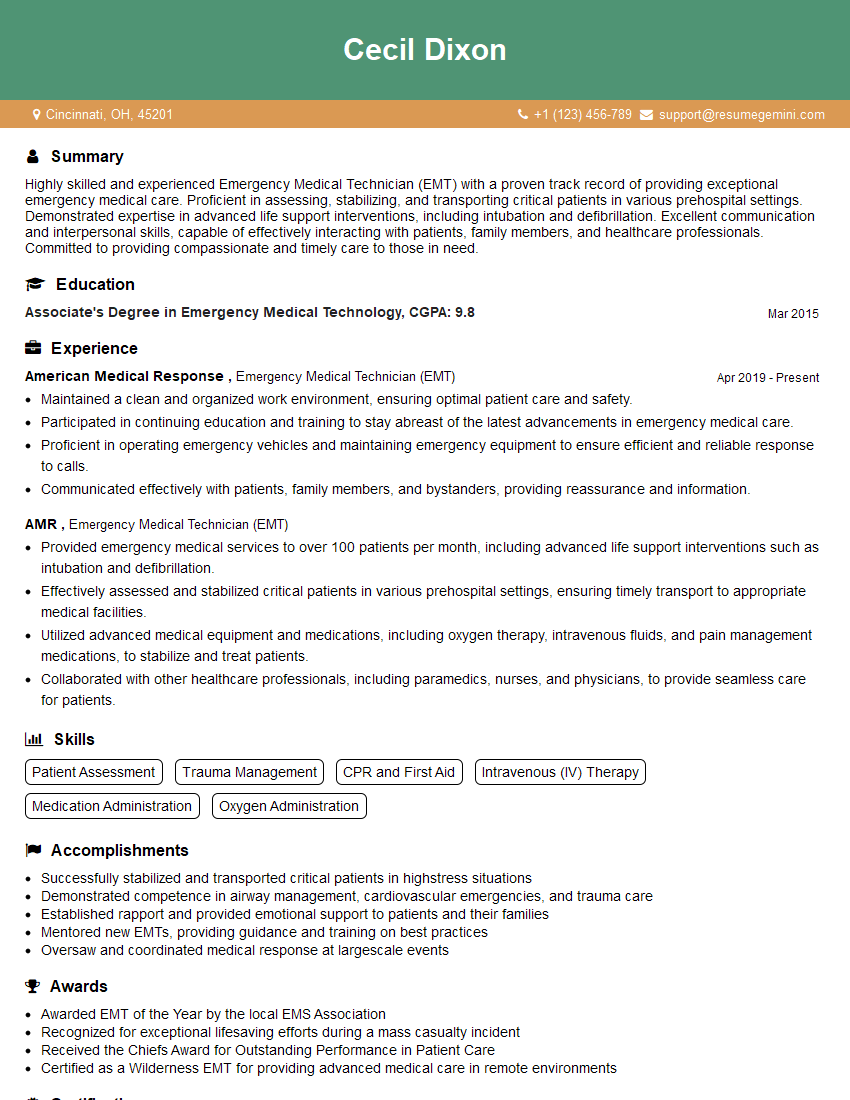
Emergency Medical Technician (EMT) Resume Sample
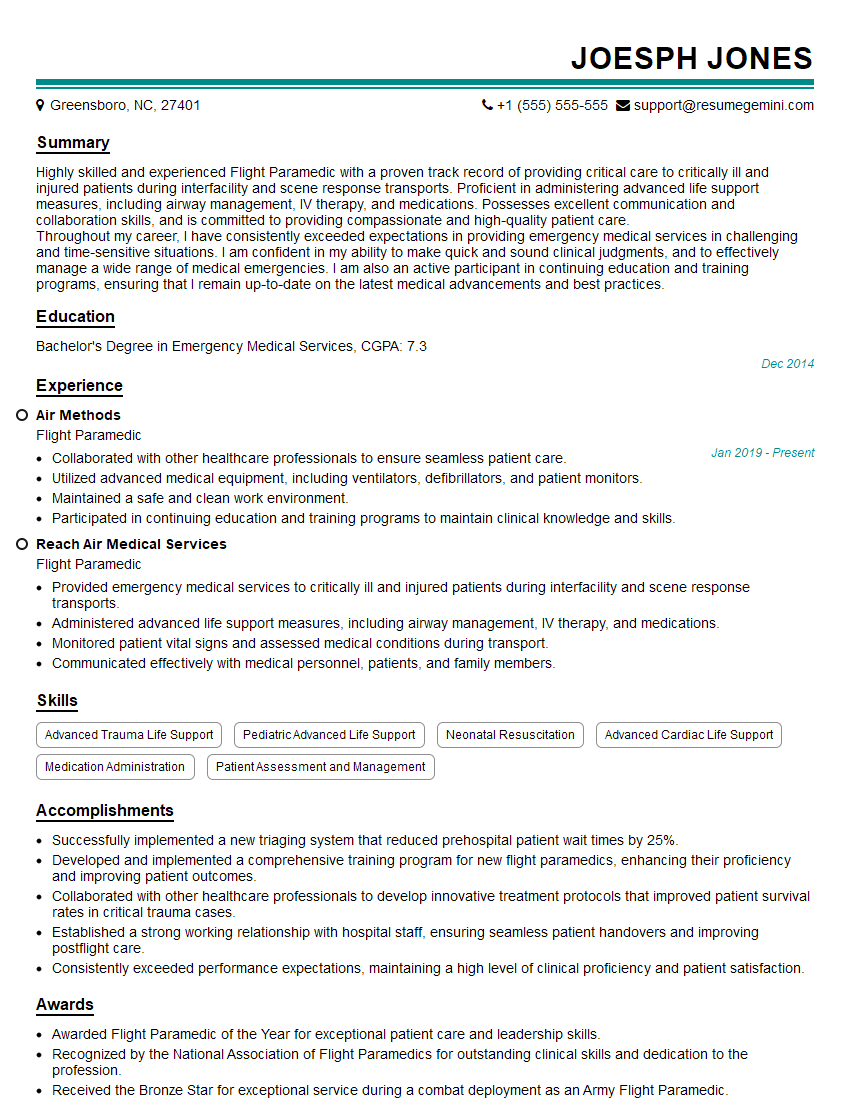
Flight Paramedic Resume Sample
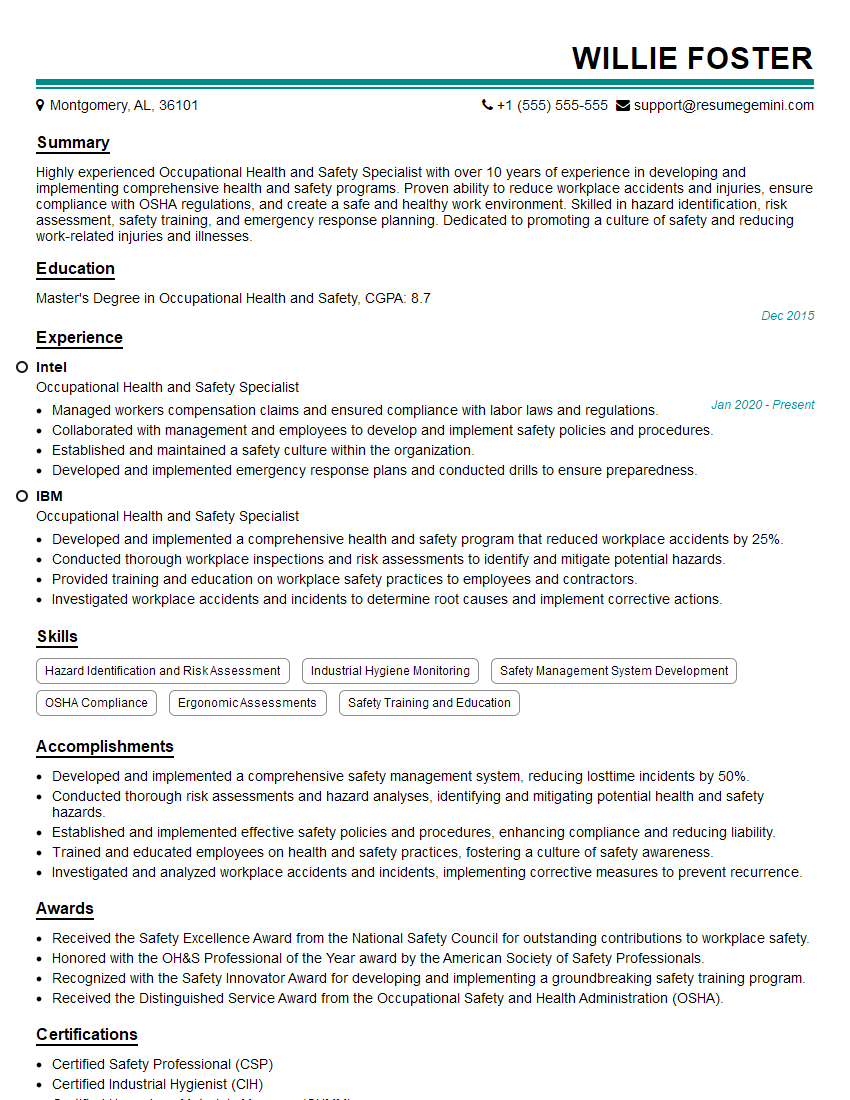
Occupational Health and Safety Specialist Resume Sample
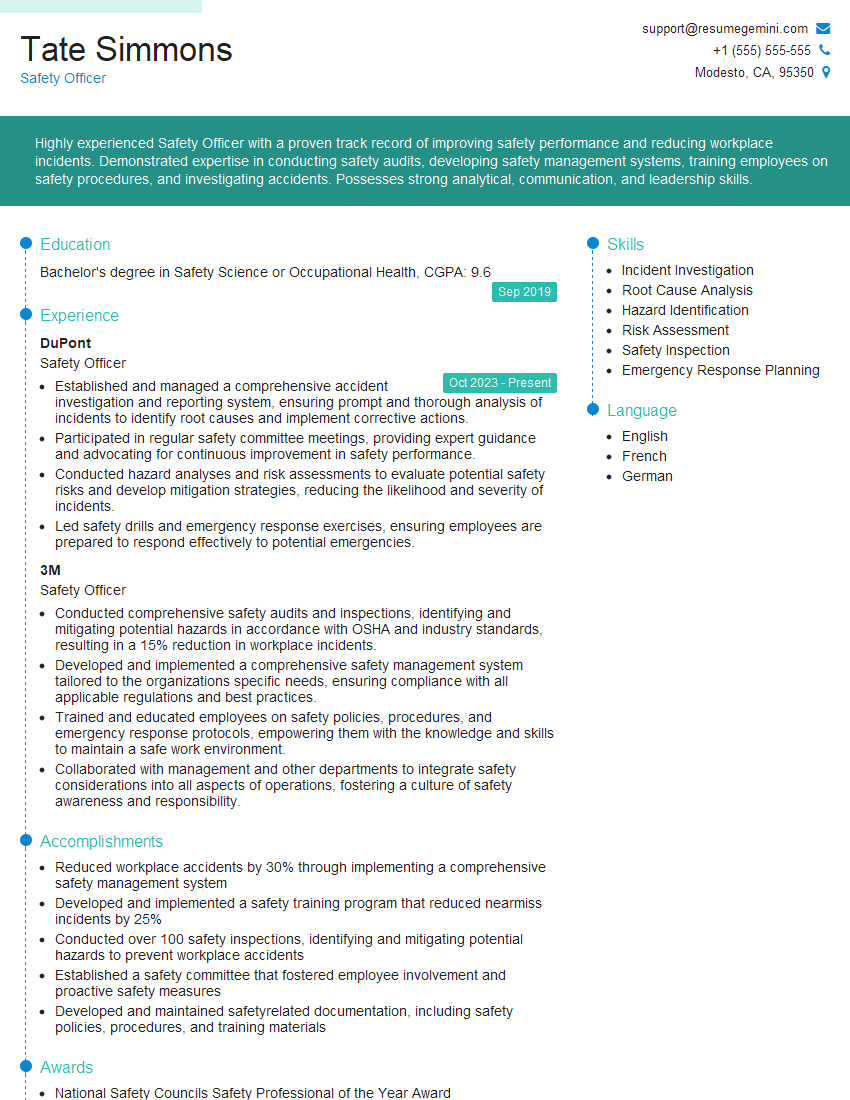
Safety Officer Resume Sample
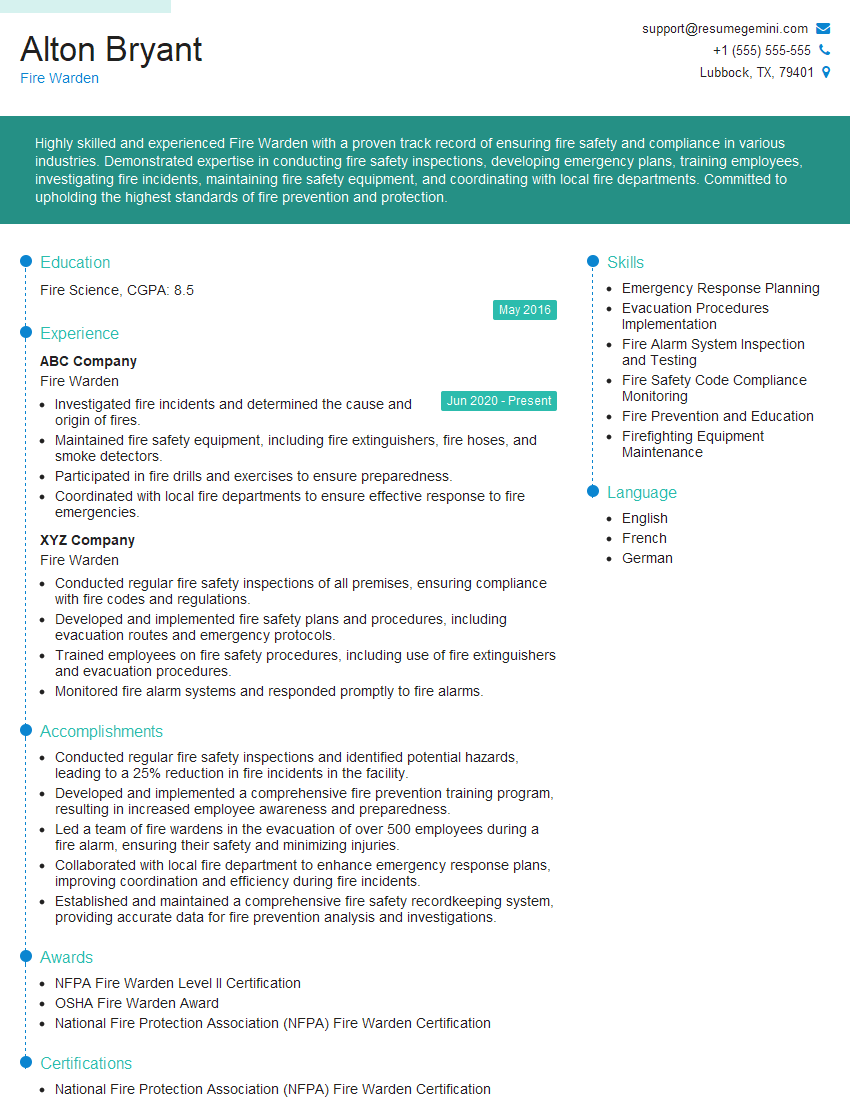
Fire Warden Resume Sample
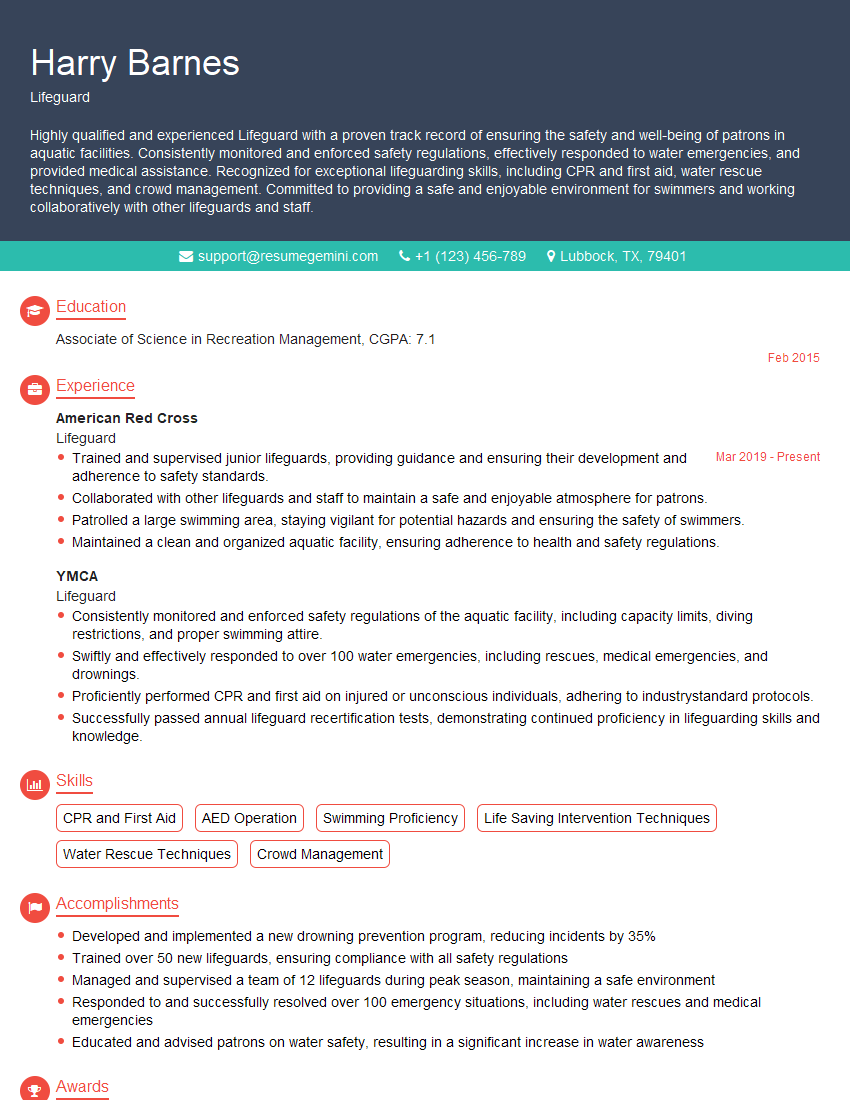
Lifeguard Resume Sample
Explore more articles
Users Rating of Our Blogs
Share Your Experience
We value your feedback! Please rate our content and share your thoughts (optional).
What Readers Say About Our Blog
Very informative content, great job.
good