Are you ready to stand out in your next interview? Understanding and preparing for First Aid and Medical Response interview questions is a game-changer. In this blog, we’ve compiled key questions and expert advice to help you showcase your skills with confidence and precision. Let’s get started on your journey to acing the interview.
Questions Asked in First Aid and Medical Response Interview
Q 1. Describe the steps you would take to assess a patient’s airway, breathing, and circulation (ABCs).
Assessing a patient’s Airway, Breathing, and Circulation (ABCs) is the cornerstone of any emergency response. It’s a systematic approach to quickly identify life-threatening conditions and prioritize treatment. Think of it as a rapid check-up to buy yourself time before more advanced medical help arrives.
Airway: First, check if the airway is open and clear. Look for obvious obstructions like vomit, blood, or a foreign body. If the patient is unresponsive, gently tilt their head back and lift their chin (head-tilt-chin-lift maneuver) to open the airway. If there is a suspected neck injury, use the jaw-thrust maneuver instead to avoid further damage. Listen for any sounds indicating difficulty breathing like gurgling or snoring.
Breathing: Once the airway is clear, assess breathing. Look for chest rise and fall, listen for breath sounds, and feel for air movement on your cheek near the patient’s mouth. Count the breaths per minute – a normal rate is typically 12-20 breaths per minute. Check for the quality of breathing – is it shallow, labored, or gasping?
Circulation: Finally, check the circulation. Feel for a carotid pulse (on the neck) for no more than 10 seconds. If a pulse is absent, immediately begin CPR. Check the skin color – is it pale, cyanotic (blueish), or flushed? Check for capillary refill time (press on the nail bed and see how quickly it returns to its normal pink color – should be less than 2 seconds). Significant bleeding should also be immediately addressed.
Remember, the ABCs are a quick assessment, not a thorough examination. Your priority is identifying immediate life threats and taking appropriate action.
Q 2. Explain the proper technique for performing chest compressions during CPR.
Effective chest compressions are crucial during CPR and can significantly improve survival rates. The technique requires proper hand placement, depth, rate, and recoil. Imagine you are pumping a heart.
Hand Placement: Position the heel of one hand in the center of the chest, between the nipples. Place the other hand on top, interlacing your fingers. Keep your arms straight and shoulder-width apart.
Depth: Compress the chest at least 2 inches (5 cm) for adults. For children, compress about 2 inches (5 cm) for children and 1.5 inches (4 cm) for infants.
Rate: Aim for a rate of 100-120 compressions per minute. A metronome or CPR app can help maintain the correct rhythm.
Recoil: Allow the chest to fully recoil after each compression. Don’t let your hands hover over the chest; this prevents efficient blood flow. The chest should fully return to its normal position before the next compression.
Continuous, effective chest compressions are vital to maintain blood flow to the brain and other organs until advanced medical help arrives. Regular training and practice are crucial for proficiency.
Q 3. How would you control bleeding from a deep laceration?
Controlling bleeding from a deep laceration requires immediate action to prevent excessive blood loss. The priority is to stop the bleeding quickly and safely.
Direct Pressure: Apply direct pressure to the wound using a clean cloth or dressing. Press firmly and continuously for at least 5-10 minutes, even if the bleeding seems to stop temporarily. Do not remove the dressing even if it becomes soaked with blood. Instead, add another layer on top.
Elevation: If possible, elevate the injured limb above the heart to help reduce blood flow to the area.
Pressure Points: If direct pressure and elevation are insufficient, consider applying pressure to a pressure point, such as the brachial artery (inner elbow) or femoral artery (groin). However, this should only be done if direct pressure is ineffective.
Tourniquet: Use a tourniquet only as a last resort, and only if direct pressure isn’t controlling the bleeding. Apply it 2-3 inches above the wound, and tighten it until the bleeding stops. Remember to note the time of tourniquet application.
Once bleeding is controlled, seek immediate medical attention. Deep lacerations often require stitches or further treatment to prevent infection and ensure proper healing.
Q 4. What are the signs and symptoms of a stroke?
A stroke occurs when blood flow to part of the brain is interrupted. Recognizing the signs and symptoms quickly is crucial because early treatment can significantly improve outcomes. Remember the acronym FAST:
Face drooping: Does one side of the face droop or is it numb?
Arm weakness: Is one arm weak or numb?
Speech difficulty: Is speech slurred or hard to understand? Is the person unable to speak or understand what others are saying?
Time to call 911: If you observe any of these signs, call emergency services immediately.
Other symptoms can include sudden severe headache, vision changes (blurred vision, double vision, loss of vision), confusion, dizziness, and loss of balance or coordination. Time is brain when it comes to stroke, so immediate medical attention is critical.
Q 5. How would you treat a person experiencing a seizure?
Treating someone experiencing a seizure requires protecting them from injury and monitoring their condition until the seizure subsides.
Protect the Person: Move any nearby objects that could cause injury. Gently guide the person to the floor and protect their head by placing a soft object like a rolled-up jacket under it. Do not restrain them, as this can cause injury. Turn them on their side to help prevent choking on vomit or saliva.
Monitor and Time: Time the seizure. Call emergency services if the seizure lasts longer than 5 minutes, or if it’s the person’s first seizure.
Post-Seizure Care: Once the seizure ends, monitor their breathing and pulse. Stay with them until they are fully conscious and alert. Place them in the recovery position (on their side) if they are unconscious. Help them rest and offer reassurance.
Do not put anything in their mouth, as this is a myth and can cause injury. If the person has a medical alert bracelet or card, note the medication they are on.
Q 6. Describe the different types of shock and their treatment.
Shock is a life-threatening condition where the body’s tissues and organs aren’t getting enough blood flow. There are several types, each with its own causes and symptoms:
Hypovolemic Shock: Caused by significant blood or fluid loss (e.g., severe bleeding, dehydration). Symptoms include rapid, weak pulse, low blood pressure, pale skin, cool and clammy skin, rapid breathing, and thirst.
Cardiogenic Shock: Caused by the heart’s inability to pump enough blood (e.g., heart attack, heart failure). Symptoms include weak, rapid pulse, low blood pressure, shortness of breath, chest pain, and pale skin.
Anaphylactic Shock: A severe allergic reaction. Symptoms include difficulty breathing, swelling of the throat or tongue, hives, itching, and a rapid pulse. This is a medical emergency requiring immediate epinephrine administration.
Septic Shock: Caused by an overwhelming infection. Symptoms can include fever, chills, rapid heart rate, low blood pressure, confusion, and rapid breathing.
Neurogenic Shock: Caused by damage to the nervous system, often from spinal cord injury. Symptoms include low blood pressure, slow heart rate, and warm, dry skin.
Treatment of Shock: Treatment depends on the cause but generally involves maintaining the airway, controlling bleeding, providing oxygen, keeping the patient warm, and elevating their legs (except in cardiogenic shock). Immediate medical attention is critical.
Q 7. Explain the proper use of an automated external defibrillator (AED).
An Automated External Defibrillator (AED) is a portable device that can analyze a heart rhythm and deliver an electric shock (defibrillation) to restore a normal heartbeat. Using an AED is relatively straightforward, but proper training is crucial.
Turn On: Turn on the AED and follow the voice prompts.
Attach Pads: Attach the adhesive pads to the patient’s bare chest, as per the AED’s instructions. One pad goes on the upper right chest, and the other on the lower left side.
Analyze Rhythm: The AED will analyze the heart rhythm. It will let you know if a shock is advised.
Administer Shock (if advised): If the AED advises a shock, ensure no one is touching the patient. Press the shock button.
Begin CPR: After the shock, immediately begin CPR, continuing compressions and breaths until emergency services arrive or the patient shows signs of life.
AEDs are designed to be user-friendly and provide clear instructions. However, proper training is essential to ensure safe and effective use. It’s vital to remember that AEDs are intended to be used in conjunction with CPR.
Q 8. How would you handle a patient with a suspected spinal injury?
Suspected spinal injuries require immediate and cautious management to prevent further damage. The primary goal is to immobilize the spine, minimizing movement that could worsen the injury. This is achieved through a process called spinal stabilization.
Initial Assessment: Quickly assess the patient’s airway, breathing, and circulation (ABCs). Look for obvious signs of injury, such as deformity or pain. Maintain a calm demeanor and reassure the patient.
Manual Stabilization: Before moving the patient, manually stabilize their head and neck. This involves gently supporting the head and preventing any movement. This often involves using your hands to provide gentle support and alignment. Imagine you’re holding a very delicate object.
Calling for Assistance: Immediately call for emergency medical services (EMS). Describe the situation and the suspected spinal injury. The more details you provide, the better prepared EMS will be.
Immobilization: Once EMS arrives, they will use a spinal board and neck collar to fully immobilize the patient’s spine. This is crucial to prevent further damage during transport.
Ongoing Monitoring: Continuously monitor the patient’s vital signs and level of consciousness. Be prepared to address any changes.
Example: I once responded to a motorcycle accident where the rider had a suspected spinal injury. I immediately stabilized his head and neck, called 911, and maintained his airway while awaiting EMS, minimizing any unnecessary movement. The timely intervention helped prevent further complications.
Q 9. What are the steps involved in managing a patient with a suspected fracture?
Managing a suspected fracture involves careful handling to prevent further injury and pain. The primary steps focus on immobilization and pain management. The type of fracture and the location will influence the specific steps taken, but general principles remain consistent.
Assessment: Assess the area for deformity, swelling, bruising, pain, and loss of function. Gently check for tenderness and crepitus (a grating sound).
Immobilization: Immobilize the injured area using splints, slings, or other appropriate methods to prevent movement. This helps reduce pain and further injury. Ensure that the immobilization is above and below the fracture site, and check the pulse distal to the fracture site.
Pain Management: Administer pain relief as appropriate (if trained and permitted). This might involve elevation, ice, or simple analgesics.
Monitoring: Monitor the patient’s vital signs, particularly circulation distal to the injury site, for signs of compromise.
Transportation: Transport the patient to the appropriate medical facility for definitive care.
Example: Imagine a patient with a suspected leg fracture. We would immobilize the leg using a splint, ensuring proper alignment and avoiding any twisting. We would elevate the leg to reduce swelling and regularly check the foot’s circulation to ensure adequate blood flow.
Q 10. How would you treat a patient experiencing anaphylaxis?
Anaphylaxis is a life-threatening allergic reaction. Treatment is immediate and involves administering epinephrine and supportive care.
Recognition: Anaphylaxis manifests with symptoms like hives, swelling (especially of the face and throat), difficulty breathing, and a rapid, weak pulse. These can progress rapidly.
Epinephrine Administration: This is the most crucial step. If the patient has an epinephrine auto-injector (EpiPen), assist them in using it according to the instructions. If trained and permitted, administer the injection yourself.
Maintaining Airway: Ensure a patent airway. If breathing is compromised, consider advanced airway techniques if trained. This might involve assisting breathing or even performing CPR.
911 Activation: Immediately call for emergency medical services. Anaphylaxis requires urgent hospital care for ongoing monitoring and treatment.
Supportive Care: While waiting for EMS, provide supportive care, including monitoring vital signs, maintaining a calm environment, and addressing any other urgent needs.
Example: In a case of anaphylaxis caused by a bee sting, I immediately helped the patient use their EpiPen, then monitored their breathing and pulse while calling 911. Continuous support and quick response to this critical condition were essential for a positive outcome.
Q 11. Explain the difference between a stable and unstable patient.
The terms ‘stable’ and ‘unstable’ describe a patient’s overall condition and their likelihood of experiencing further deterioration. It’s crucial for prioritizing care.
Stable Patient: A stable patient is conscious, breathing adequately, has a stable pulse, and shows no signs of immediate life threat. Their condition is not expected to worsen rapidly.
Unstable Patient: An unstable patient exhibits signs of a life-threatening condition such as difficulty breathing, severe bleeding, altered mental status (unconsciousness or confusion), or shock. Their condition requires immediate intervention to prevent death or further decline.
Example: A patient with a minor laceration is typically stable. They’re conscious, breathing well, and the bleeding can be controlled easily. An unconscious patient with no pulse, however, is acutely unstable and requires immediate resuscitation.
Q 12. What are the key components of a patient assessment?
A thorough patient assessment is critical for effective treatment and is a systematic approach, generally following a specific order.
Scene Safety: Always ensure the scene is safe before approaching any patient.
Initial Assessment (ABCDE): This involves assessing the patient’s Airway, Breathing, Circulation, Disability (neurological status), and Exposure (removing clothing to check for injuries).
History Taking: Gather information from the patient (or bystanders) about the incident, medical history, allergies, medications, and any pertinent details (SAMPLE: Symptoms, Allergies, Medications, Past Medical History, Last Meal, Events leading to the incident).
Physical Examination: Perform a head-to-toe assessment to identify any injuries or abnormalities. Observe any unusual findings.
Vital Signs: Assess the patient’s vital signs, including pulse, respiration rate, blood pressure, temperature, and oxygen saturation (SpO2).
Example: When assessing a patient involved in a car accident, I would first check for scene safety, then assess their airway and breathing. I would then gather information about the collision, the patient’s medical history, allergies, and obtain vital signs. Finally, I would carry out a systematic head-to-toe examination looking for injuries.
Q 13. Describe your experience with documenting patient care.
Accurate and detailed documentation is paramount in healthcare. It protects both the patient and the provider. My documentation includes factual information, chronological order, and clear, concise language, free of subjective opinions.
Method: I use standardized forms and electronic health records (EHRs) to ensure complete and consistent documentation. Free-text entries follow specific medical terminology and clarity to minimize any misinterpretation.
Content: My documentation includes the patient’s vital signs, assessment findings, interventions provided, the patient’s response to those interventions, and any changes in their condition over time. Observations are carefully documented. I always include the time of each event, for instance: ’14:30 Patient conscious and alert, complaining of chest pain.’
Accuracy: I strive for accuracy and completeness. Any errors are corrected using proper methods of amendment, and no information is erased.
Example: In my previous role, I was responsible for meticulously recording each step taken during patient resuscitation, including medication dosages, response to interventions, and changes in vital signs. This documentation helped in analyzing the case later.
Q 14. How would you prioritize multiple patients in a mass casualty incident?
Prioritizing multiple patients in a mass casualty incident (MCI) requires a systematic approach using triage. This allows the allocation of limited resources to those most in need.
START Triage: One commonly used method is the START (Simple Triage And Rapid Treatment) method. This system categorizes patients based on their respiratory status, perfusion, and mental status.
Categorization: Patients are categorized into four groups: Immediate (red), Delayed (yellow), Minimal (green), and Expectant (black). Immediate need immediate attention, delayed need care but can wait, minimal need minimal care, and expectant have little chance of survival.
Rapid Assessment: Rapid assessment of each patient based on respiratory rate, perfusion, and mental status is done during the triage process.
Resource Allocation: Once patients are categorized, resources (personnel, equipment, and transport) are allocated based on the severity of their injuries and their chances of survival. Those with the highest chance of survival are treated first.
Example: In a simulated MCI drill, I utilized the START method to quickly assess patients, prioritizing those with compromised airways and severe bleeding (red tags), before attending to patients with minor injuries (green tags).
Q 15. What are the legal and ethical considerations related to patient care?
Legal and ethical considerations in patient care are paramount, forming the bedrock of responsible medical practice. They encompass a broad range of issues, from maintaining patient confidentiality (HIPAA in the US) to ensuring informed consent before any procedure. Negligence, resulting in harm due to a breach of duty of care, carries significant legal ramifications. Ethical considerations involve respecting patient autonomy, beneficence (acting in the patient’s best interest), non-maleficence (avoiding harm), and justice (fair and equitable treatment).
- Confidentiality: Sharing patient information without consent is a serious breach. Imagine accidentally disclosing a patient’s HIV status – the legal and ethical consequences would be severe. Strict adherence to privacy regulations is crucial.
- Informed Consent: Before any treatment, the patient must understand the procedure, potential risks, and benefits. This involves clear, concise communication tailored to the patient’s level of understanding. For example, explaining a complex surgical procedure to a layperson requires careful simplification.
- Duty of Care: This means providing a standard of care that a reasonably competent professional would provide in the same situation. Failing to do so can lead to negligence claims. For instance, failing to properly immobilize a spinal injury could be considered negligence.
- Ethical Dilemmas: Situations arise where ethical principles conflict. For example, a patient may refuse life-saving treatment, creating a conflict between autonomy and beneficence. Careful consideration, often involving consultation with colleagues and ethical committees, is necessary.
Career Expert Tips:
- Ace those interviews! Prepare effectively by reviewing the Top 50 Most Common Interview Questions on ResumeGemini.
- Navigate your job search with confidence! Explore a wide range of Career Tips on ResumeGemini. Learn about common challenges and recommendations to overcome them.
- Craft the perfect resume! Master the Art of Resume Writing with ResumeGemini’s guide. Showcase your unique qualifications and achievements effectively.
- Don’t miss out on holiday savings! Build your dream resume with ResumeGemini’s ATS optimized templates.
Q 16. Describe your experience with communicating with patients and their families.
Effective communication is the cornerstone of successful patient care. My experience includes interacting with patients from diverse backgrounds, ages, and health literacy levels. I’ve learned to adapt my communication style accordingly – using plain language, visual aids when necessary, and actively listening to their concerns. I’ve also developed skills in communicating with anxious or distressed families, offering reassurance and providing honest updates about their loved one’s condition.
For example, I once had to explain a complex diagnosis to a family whose first language wasn’t English. Using a translator and simple diagrams, I was able to convey the information clearly and answer their questions, helping them feel more informed and less overwhelmed.
Furthermore, I always prioritize empathy and respect. This means actively listening, validating their feelings, and creating a safe space for open communication, even during stressful situations. With families, I make sure to keep them updated, answer their questions honestly (even if the news isn’t positive), and offer emotional support.
Q 17. How do you handle stressful situations in a medical emergency?
Handling stressful situations in medical emergencies requires a calm, systematic approach. My training emphasizes prioritizing the immediate needs of the patient, using a structured assessment and treatment plan. This reduces the chaos and allows for focused action. I also prioritize teamwork; clear communication with colleagues ensures everyone is on the same page.
During high-pressure moments, my focus shifts to the ABCs (Airway, Breathing, Circulation), maintaining a calm demeanor despite the urgency. Mental preparation and practice through simulations help build resilience and confidence in managing stressful scenarios effectively. For example, during a cardiac arrest, remaining calm and directing the team efficiently is paramount to a positive outcome. Taking deep breaths and focusing on the task at hand helps manage my own stress levels and ensures I can make rational decisions.
Q 18. Explain your understanding of infection control protocols.
Infection control protocols are fundamental to preventing the spread of infectious diseases. These protocols involve a series of steps to minimize the risk of contamination, including hand hygiene, personal protective equipment (PPE) use, proper waste disposal, and environmental cleaning. Understanding and adhering to these protocols is crucial for both patient and provider safety.
- Hand Hygiene: This is the single most effective method of infection control. Proper handwashing with soap and water or using alcohol-based hand rub is crucial before and after patient contact.
- PPE: Appropriate PPE such as gloves, gowns, masks, and eye protection should be worn when there’s a risk of exposure to bodily fluids or infectious agents.
- Waste Disposal: Sharps and other contaminated materials must be disposed of according to established protocols to prevent accidental needlesticks and contamination.
- Environmental Cleaning: Regular cleaning and disinfection of surfaces are essential to minimize the presence of pathogens.
For example, if I’m dealing with a patient with a suspected infectious disease, I’d always wear appropriate PPE, following the guidelines for donning and doffing to avoid self-contamination. And after treating the patient, meticulous hand hygiene and surface disinfection would be essential.
Q 19. How would you respond to a patient exhibiting aggressive behavior?
Responding to aggressive behavior requires a calm, de-escalation approach. My priority is to ensure the safety of myself, the patient, and others present. This involves maintaining a safe distance, speaking calmly and reassuringly, avoiding confrontational body language, and attempting to understand the underlying cause of the aggression.
I would assess the situation, trying to determine if the aggression stems from pain, fear, disorientation, or a mental health condition. I’d try to build rapport, offering empathy and understanding. If de-escalation fails, seeking assistance from security personnel or law enforcement might be necessary. In such instances, I would always prioritize the patient’s safety while ensuring the safety of others. For example, I’ve had experience with patients experiencing delirium who became aggressive. In that scenario, creating a calm and quiet environment, while gently redirecting their behavior proved more effective than confrontation.
Q 20. Describe your experience with different types of medical equipment.
My experience encompasses a wide range of medical equipment, from basic first aid supplies (bandages, splints, AEDs) to more advanced equipment such as intravenous (IV) lines, oxygen delivery systems, and suction devices. I am proficient in operating and maintaining these, understanding their limitations and appropriate usage in different scenarios.
My experience also includes using monitoring equipment like ECG machines and pulse oximeters, interpreting the data obtained, and using this information to inform treatment decisions. I am familiar with various types of airways and ventilation equipment, including bag-valve masks and endotracheal tubes, and their proper use in airway management.
For instance, I’m adept at using an AED (Automated External Defibrillator) in a cardiac arrest scenario, following the device’s instructions and coordinating with the emergency medical team. Proper operation of such life-saving equipment requires both technical skill and a clear understanding of its application within a critical situation.
Q 21. What are your strengths and weaknesses in a medical emergency response setting?
My strengths lie in my calm demeanor under pressure, quick thinking, efficient problem-solving skills, and ability to effectively communicate and collaborate with others in high-stress environments. I am a quick learner, adapt easily to changing circumstances, and am committed to continuous professional development.
My weakness, if I must identify one, would be my occasional perfectionism, which can sometimes slow down my decision-making process in critical situations. I am actively working to mitigate this by focusing on prioritization and timely decision-making, even if it means accepting a slightly less-than-perfect solution under extreme time constraints. It’s a constant process of refinement, learning from mistakes and honing my abilities to operate effectively under pressure.
Q 22. How do you stay updated on the latest medical advancements and protocols?
Staying current in the rapidly evolving field of medicine is paramount. I employ a multi-pronged approach. Firstly, I subscribe to and actively read peer-reviewed journals like the New England Journal of Medicine and The Lancet, focusing on articles related to emergency medicine, trauma, and critical care. Secondly, I participate in continuing medical education (CME) courses and workshops offered by organizations like the American Heart Association (AHA) and the American College of Emergency Physicians (ACEP). These courses provide hands-on training and updates on the latest resuscitation techniques and treatment guidelines. Finally, I actively participate in professional networks and online communities, engaging in discussions and staying abreast of the latest research and case studies. This combination ensures I maintain a high level of competency and knowledge.
Q 23. Describe a time you had to make a quick decision in a medical emergency.
During a volunteer shift at a local marathon, a runner collapsed exhibiting signs of severe anaphylaxis – rapid swelling of the face and throat, difficulty breathing, and a weak pulse. I immediately recognized the life-threatening nature of the situation. While my colleague called emergency medical services (EMS), I acted swiftly. First, I assessed airway, breathing, and circulation (ABCs) and initiated epinephrine administration via an auto-injector (EpiPen), as per the established protocol for anaphylactic shock. Simultaneously, I placed the runner in a recovery position to maintain an open airway and monitored vital signs. My quick action, prioritizing immediate intervention based on my assessment, was crucial in stabilizing the patient before EMS arrival. Fortunately, the runner recovered fully.
Q 24. How do you handle disagreements with colleagues in a high-pressure environment?
Disagreements are inevitable in high-pressure situations. My approach focuses on respectful communication and collaborative problem-solving. I believe in openly expressing my concerns, clearly stating my reasoning based on evidence and protocols, and actively listening to my colleagues’ perspectives. The ultimate goal is patient safety, and finding common ground is paramount. If a consensus can’t be reached immediately, I advocate for a brief time-out to de-escalate tensions, collect our thoughts, and approach the issue systematically, prioritizing the best course of action for the patient. In situations involving serious disagreements, I would escalate the matter to a senior medical professional for mediation.
Q 25. Explain your understanding of HIPAA and patient confidentiality.
HIPAA (Health Insurance Portability and Accountability Act) is the cornerstone of patient privacy in the United States. It mandates strict confidentiality regarding protected health information (PHI), encompassing all individually identifiable health data. This includes medical records, diagnoses, treatment plans, and even conversations about a patient’s condition. My understanding of HIPAA involves adhering to strict protocols for accessing, using, disclosing, and securing PHI. This includes only accessing information relevant to my role, using secure communication methods, and immediately reporting any breaches of confidentiality. Patient confidentiality is not just a legal requirement; it’s an ethical obligation, crucial for building trust and ensuring patients feel comfortable sharing sensitive information.
Q 26. Describe your experience with working as part of a team in a medical emergency.
During a multi-vehicle accident, I was part of a team responding to a chaotic scene. Effective teamwork was critical. Our team comprised paramedics, EMTs, and firefighters. Our leader established clear roles and responsibilities, prioritizing immediate life-saving interventions. I focused on assessing and treating patients with the most critical injuries, while other team members handled triage, transportation, and communication with dispatch and hospital staff. Clear communication, through verbal updates and a coordinated system, ensured seamless coordination and efficient use of resources. The team’s synchronized actions enabled us to efficiently manage the multiple casualties, minimizing potential delays and ensuring optimal patient care.
Q 27. How would you manage a patient with a suspected heart attack?
Suspected heart attack (myocardial infarction) requires immediate action. The first step involves assessing the patient’s ABCs (airway, breathing, circulation) and checking for responsiveness. If the patient is unresponsive, CPR should be initiated immediately. Simultaneously, I would call for EMS and relay the patient’s condition. While awaiting EMS, I would administer oxygen, if available, and monitor vital signs. Based on the patient’s symptoms (chest pain, shortness of breath, sweating), I’d initiate treatment according to established protocols, potentially including aspirin (if no contraindications exist) to reduce blood clotting. Accurate and timely communication with EMS is critical, providing them with crucial information to ensure a smooth transition to the hospital for further intervention, such as thrombolytic therapy or angioplasty.
Q 28. What is your experience with administering medications?
My experience with medication administration is extensive, encompassing both emergency and non-emergency settings. I am certified in Advanced Cardiac Life Support (ACLS) and Pediatric Advanced Life Support (PALS), which include administering medications like epinephrine, atropine, and amiodarone under specific circumstances and within established protocols. Furthermore, I possess proficiency in administering medications according to physician’s orders in controlled environments, adhering to strict protocols concerning dosages, routes of administration (oral, intravenous, intramuscular), and monitoring for adverse reactions. Each medication administration involves verifying the five rights: right patient, right medication, right dose, right route, and right time. Accurate documentation of administered medications, dosages, times, and patient responses is vital.
Key Topics to Learn for First Aid and Medical Response Interview
- Primary Assessment: Understanding the ABCDE approach (Airway, Breathing, Circulation, Disability, Exposure) and its practical application in various emergency situations. This includes recognizing life-threatening conditions and prioritizing interventions.
- CPR and Automated External Defibrillator (AED) Use: Mastering the techniques of chest compressions, rescue breaths, and AED operation, including recognizing shockable rhythms and appropriate defibrillation procedures. Practice scenarios involving different age groups and underlying health conditions are crucial.
- Bleeding Control: Knowing how to effectively control various types of bleeding using direct pressure, elevation, tourniquets, and wound dressings. Understanding the implications of different types of wounds and appropriate treatment protocols is vital.
- Shock Management: Recognizing the signs and symptoms of shock, and implementing appropriate first aid measures, including maintaining body temperature and seeking immediate medical assistance. Understanding the different types of shock and their causes enhances your preparedness.
- Fracture and Sprain Management: Proper splinting techniques for various fractures and immobilization methods for sprains. Understanding anatomical considerations and potential complications is crucial.
- Emergency Medical Services (EMS) System Activation: Knowing when and how to activate the EMS system, providing clear and concise information to dispatchers to ensure effective response. This involves understanding your role in facilitating a smooth handover to paramedics.
- Legal and Ethical Considerations: Understanding the legal implications of providing first aid, including consent, Good Samaritan laws, and maintaining patient confidentiality. This theoretical understanding is essential for responsible practice.
- Trauma Management: Understanding the principles of managing various types of trauma, including head injuries, spinal injuries, and abdominal injuries. Knowing when to stabilize and when to move a patient is a vital skill.
- Specific Patient Populations: Adapting your first aid approach to different patient populations, such as children, the elderly, and individuals with disabilities. This requires a nuanced understanding of age-specific needs and challenges.
Next Steps
Mastering First Aid and Medical Response is crucial for career advancement in healthcare and related fields, demonstrating your commitment to patient safety and well-being. A strong, ATS-friendly resume is your key to unlocking opportunities. To build a professional resume that highlights your skills and experience effectively, leverage the power of ResumeGemini. ResumeGemini offers a user-friendly platform and provides examples of resumes tailored to First Aid and Medical Response roles, ensuring your application stands out. Take the next step towards your dream career today!
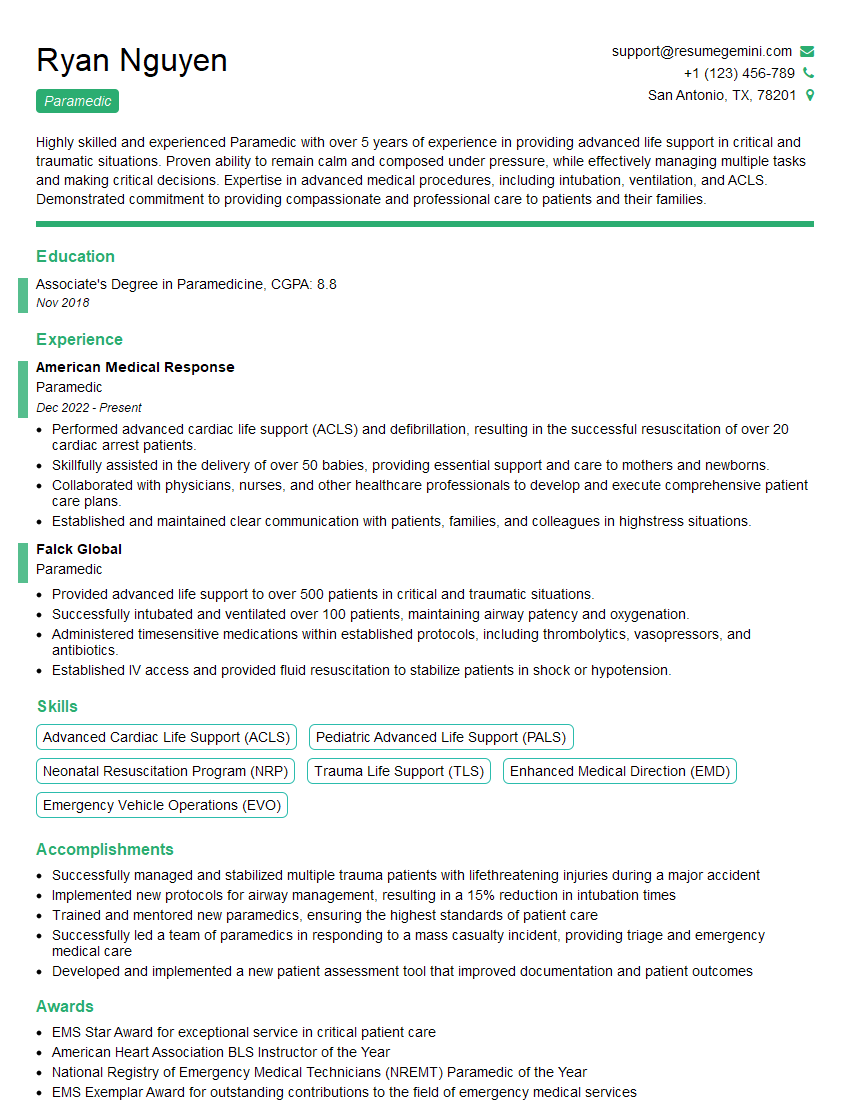
Paramedic Resume Sample
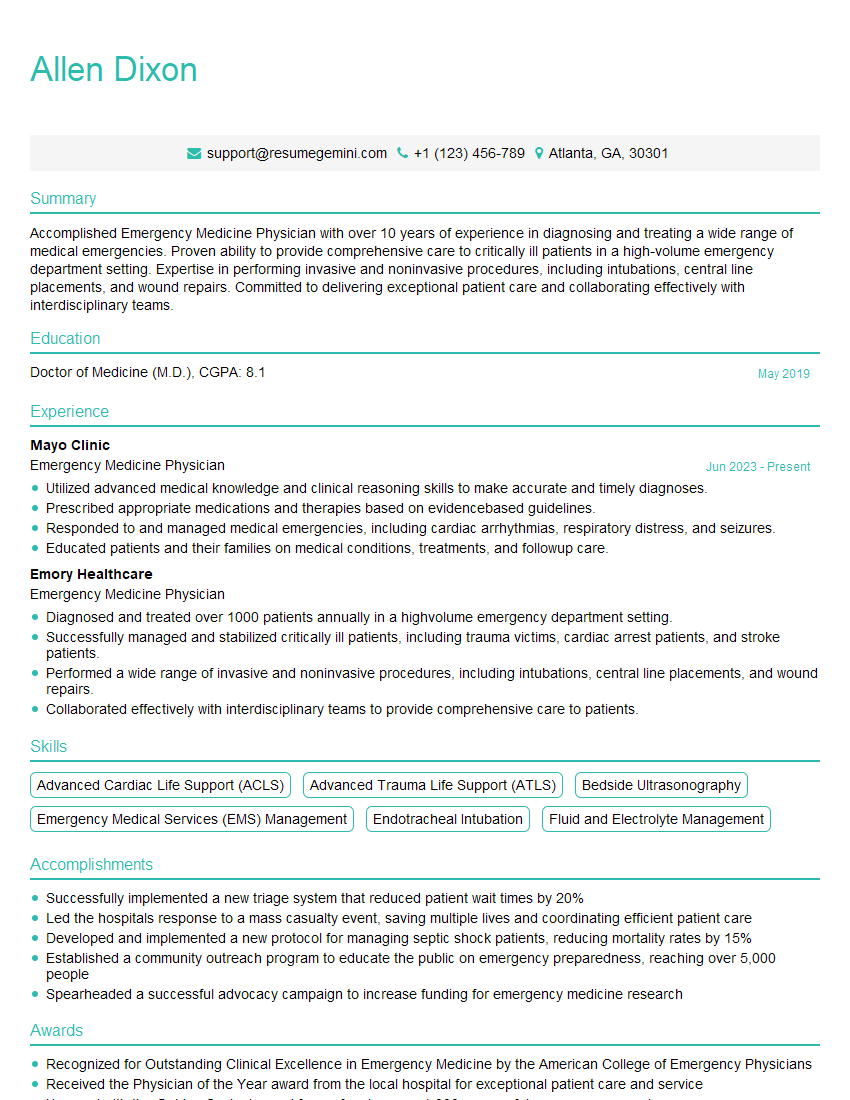
Emergency Medicine Physician Resume Sample
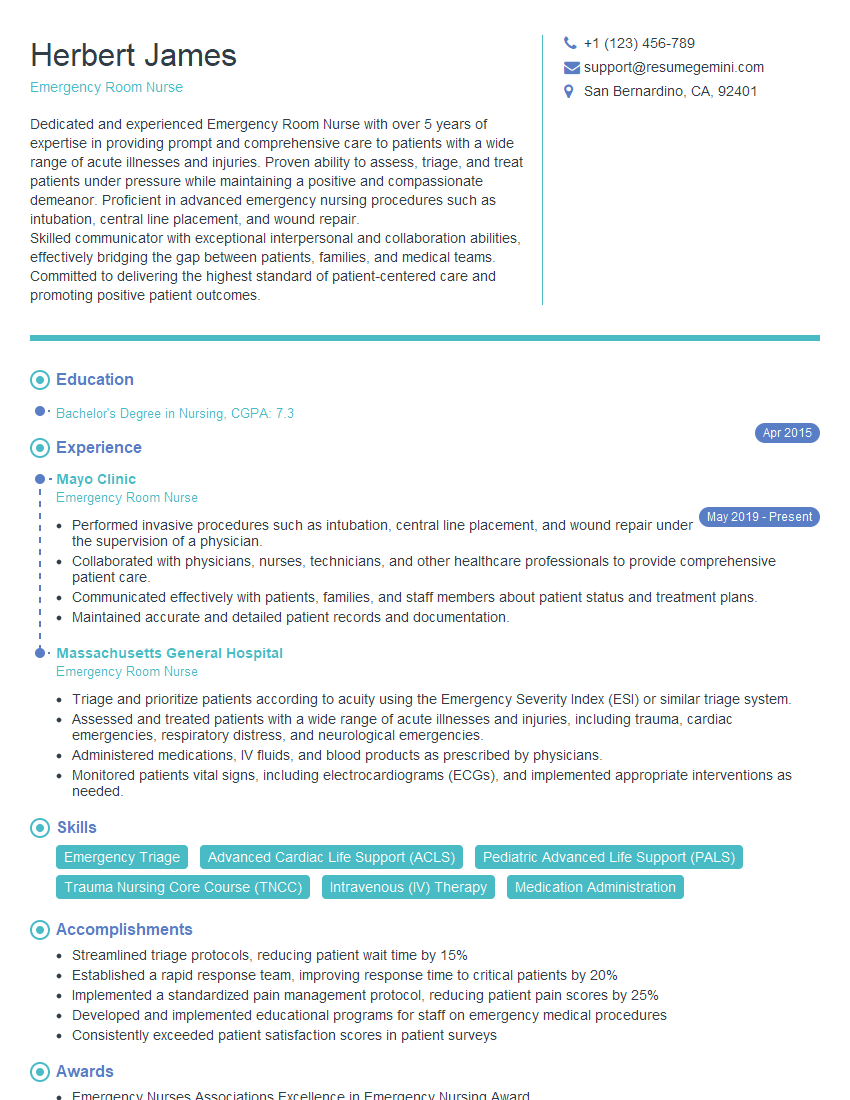
Emergency Room Nurse Resume Sample
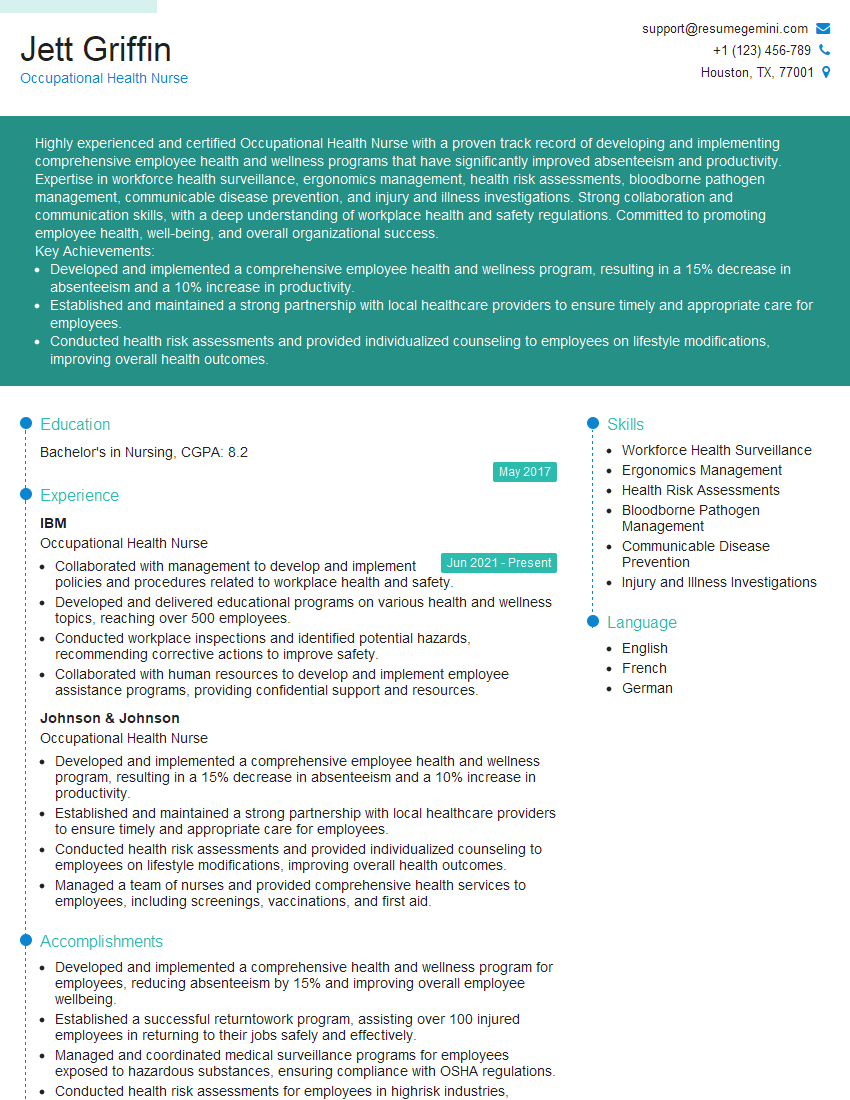
Occupational Health Nurse Resume Sample
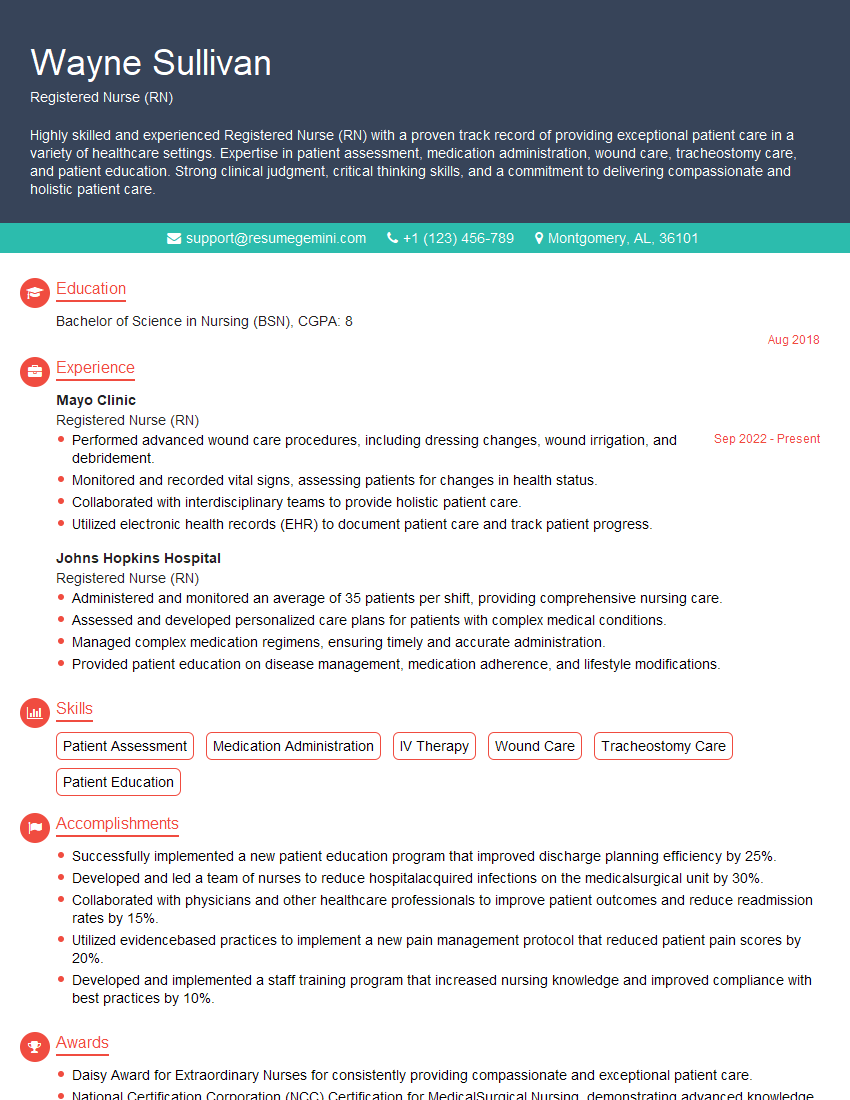
Registered Nurse (RN) Resume Sample
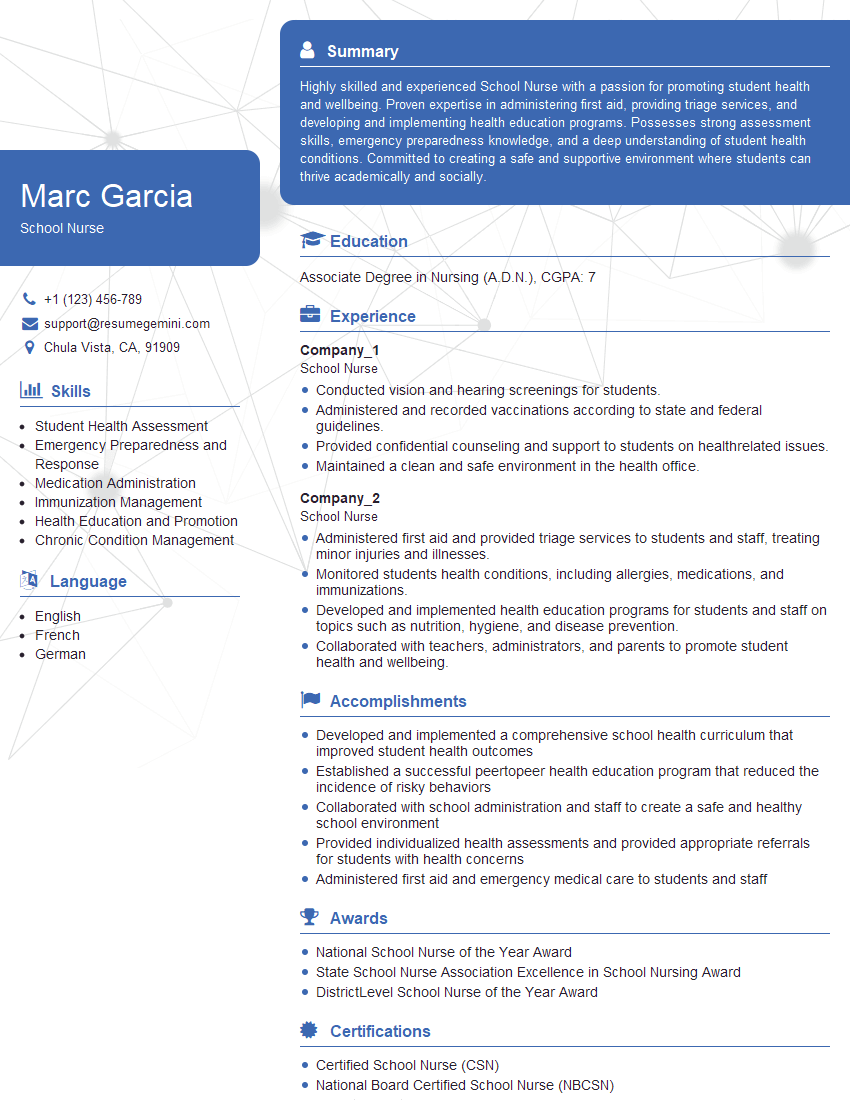
School Nurse Resume Sample
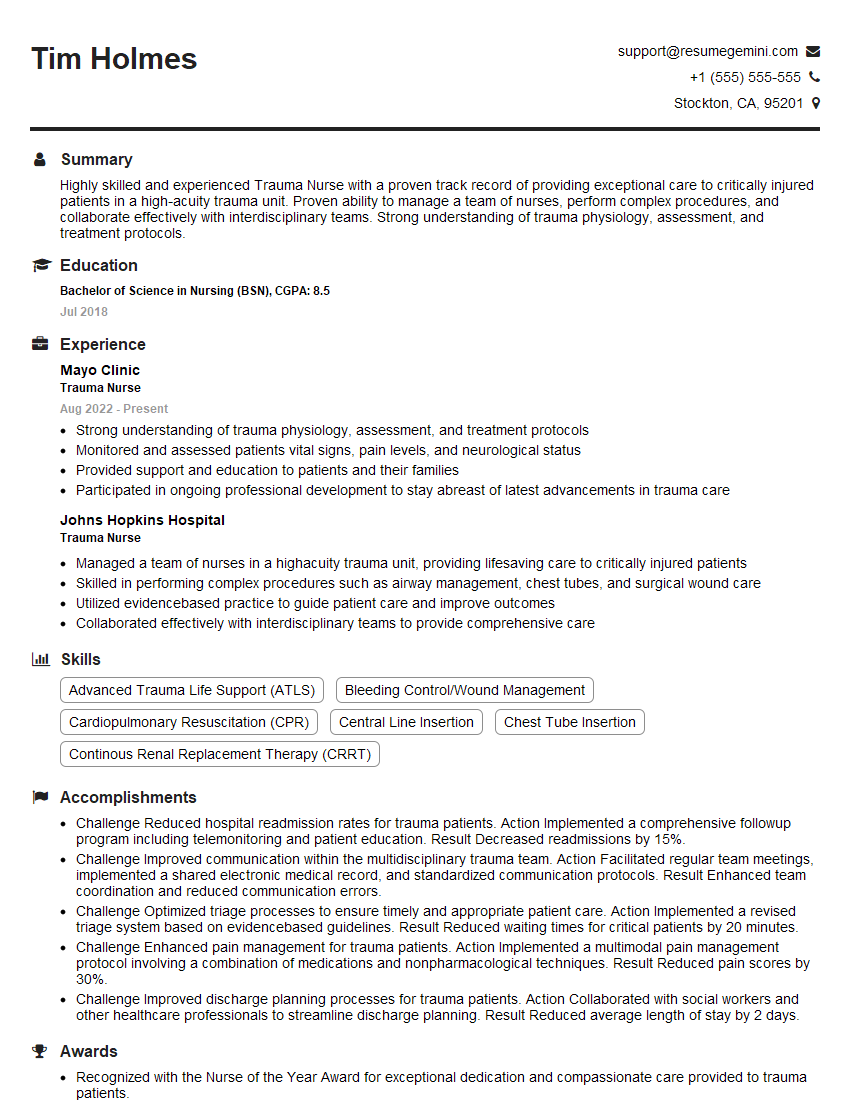
Trauma Nurse Resume Sample
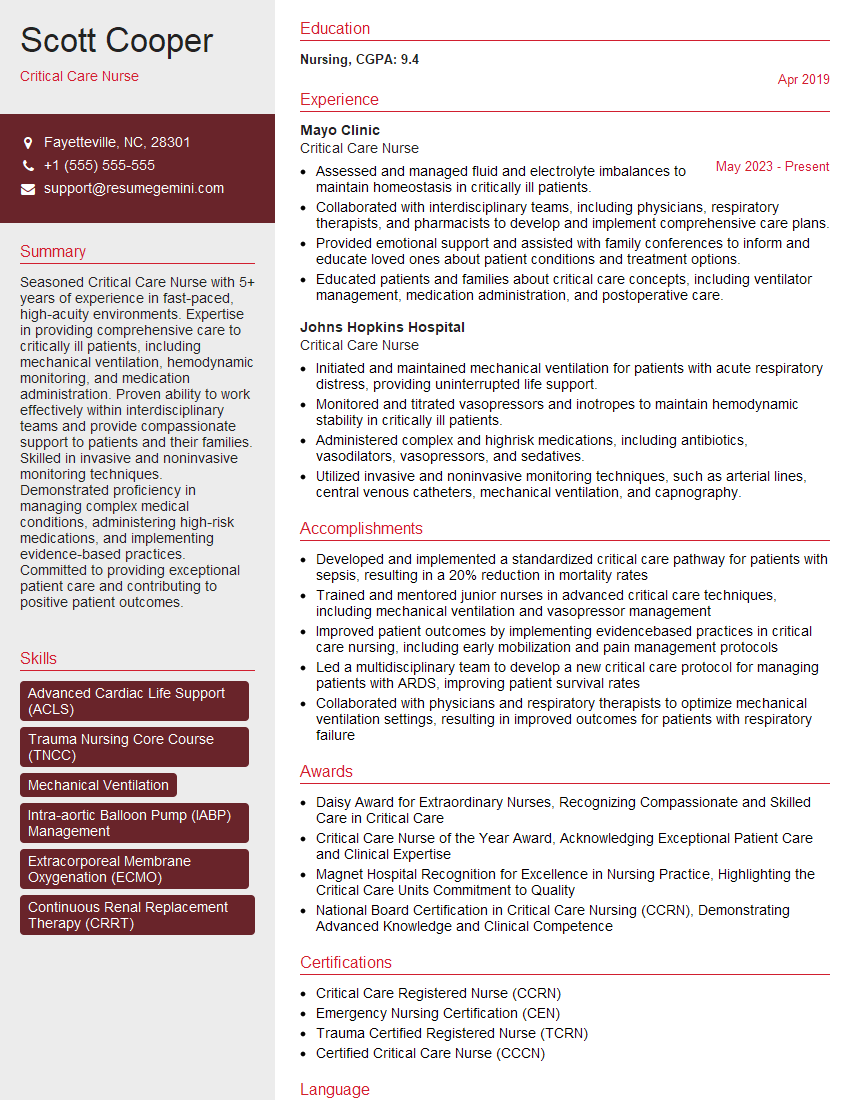
Critical Care Nurse Resume Sample
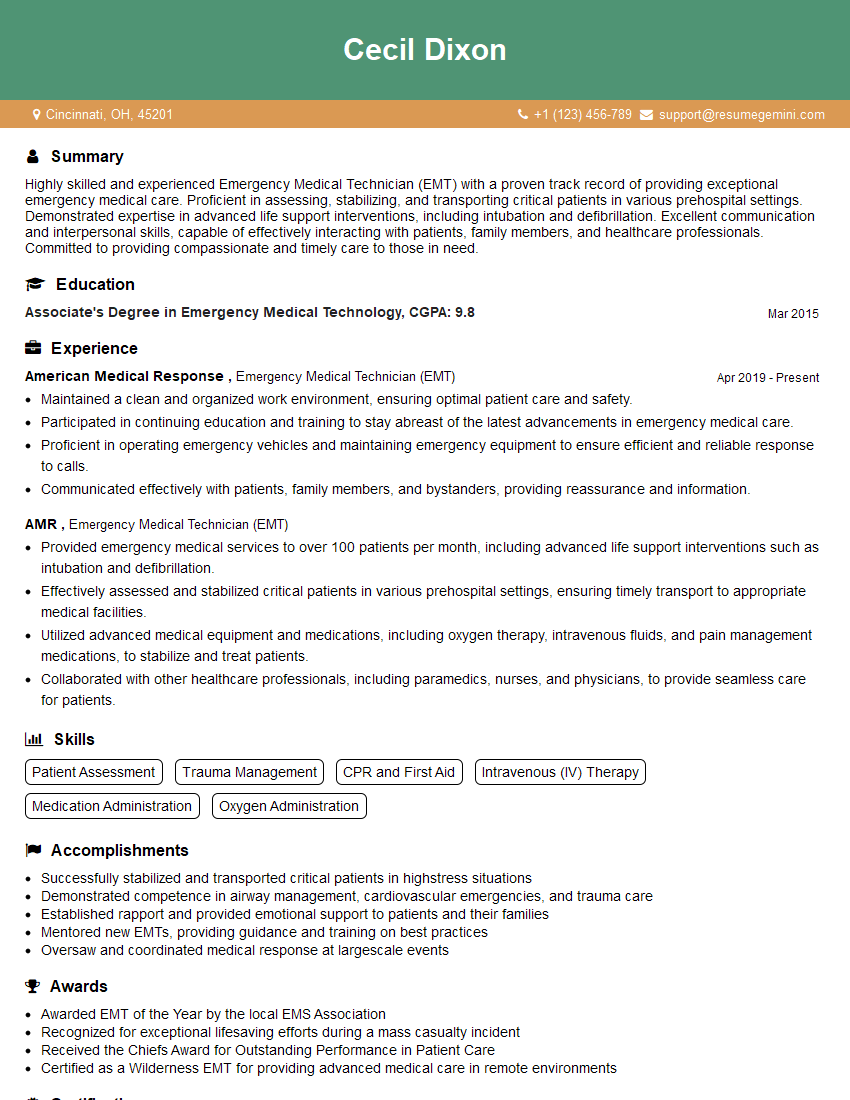
Emergency Medical Technician (EMT) Resume Sample
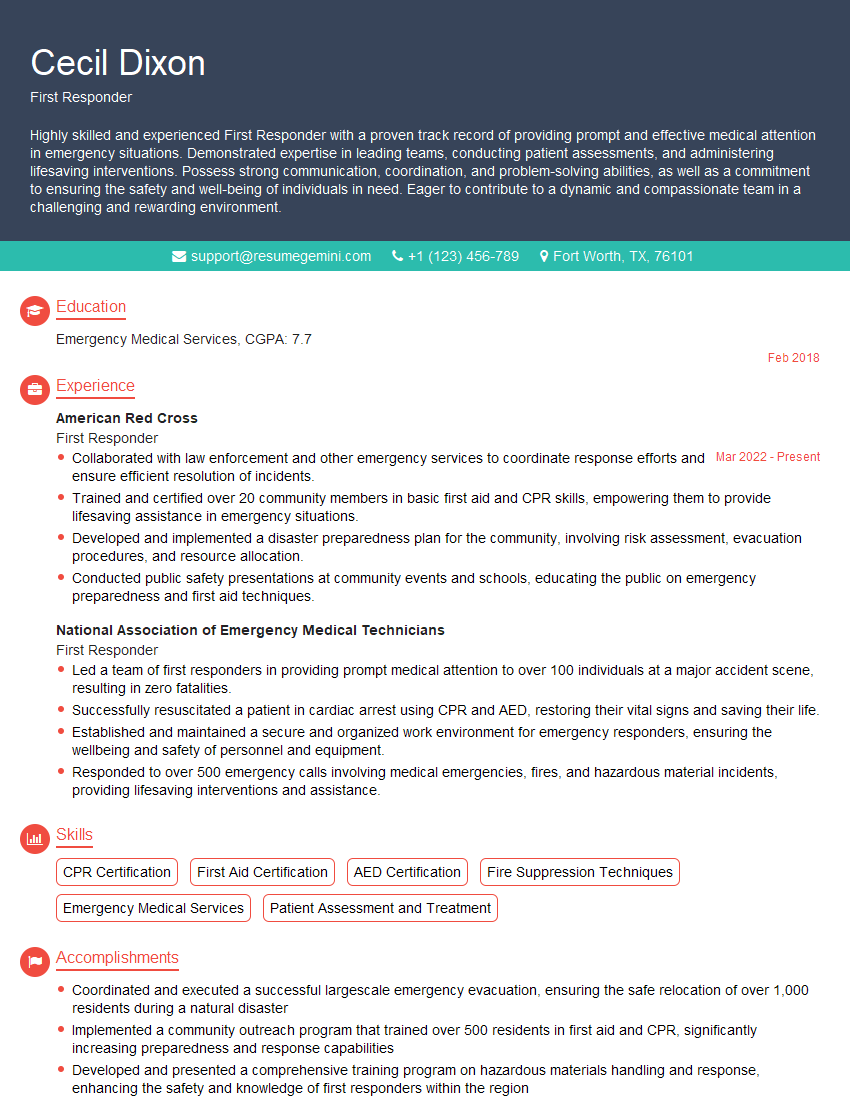
First Responder Resume Sample
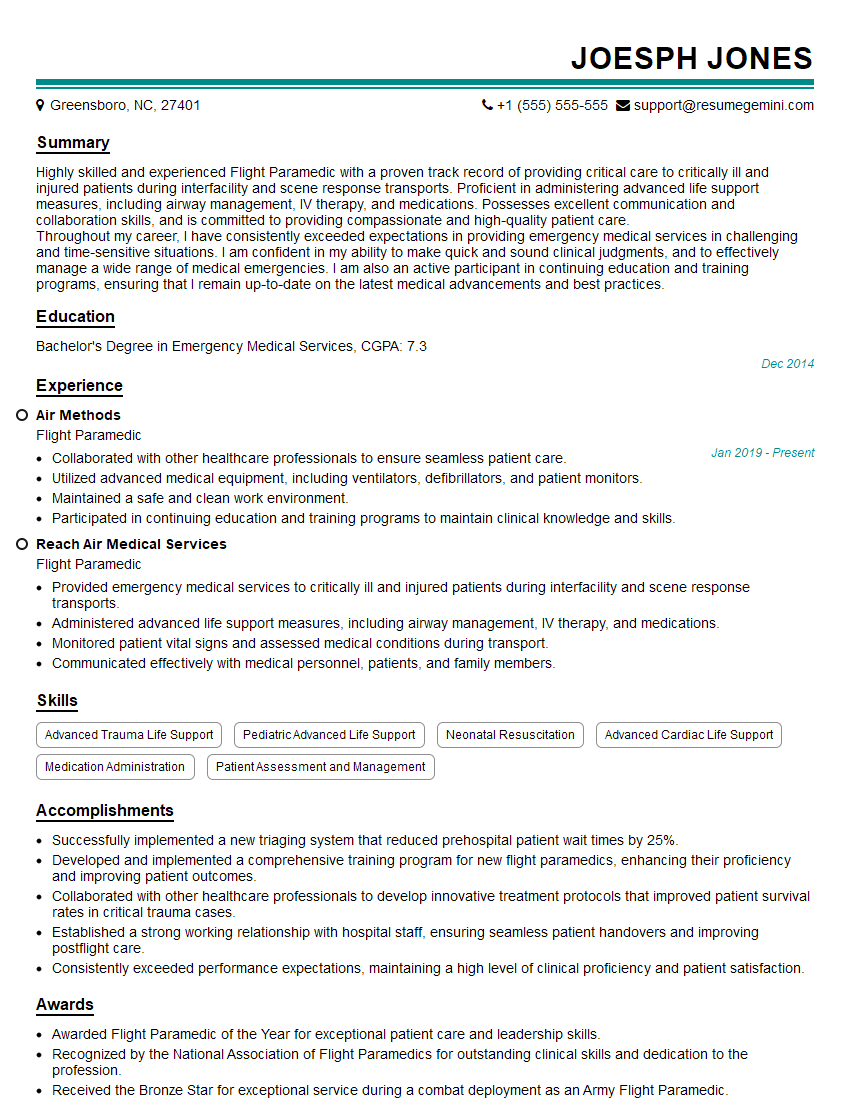
Flight Paramedic Resume Sample
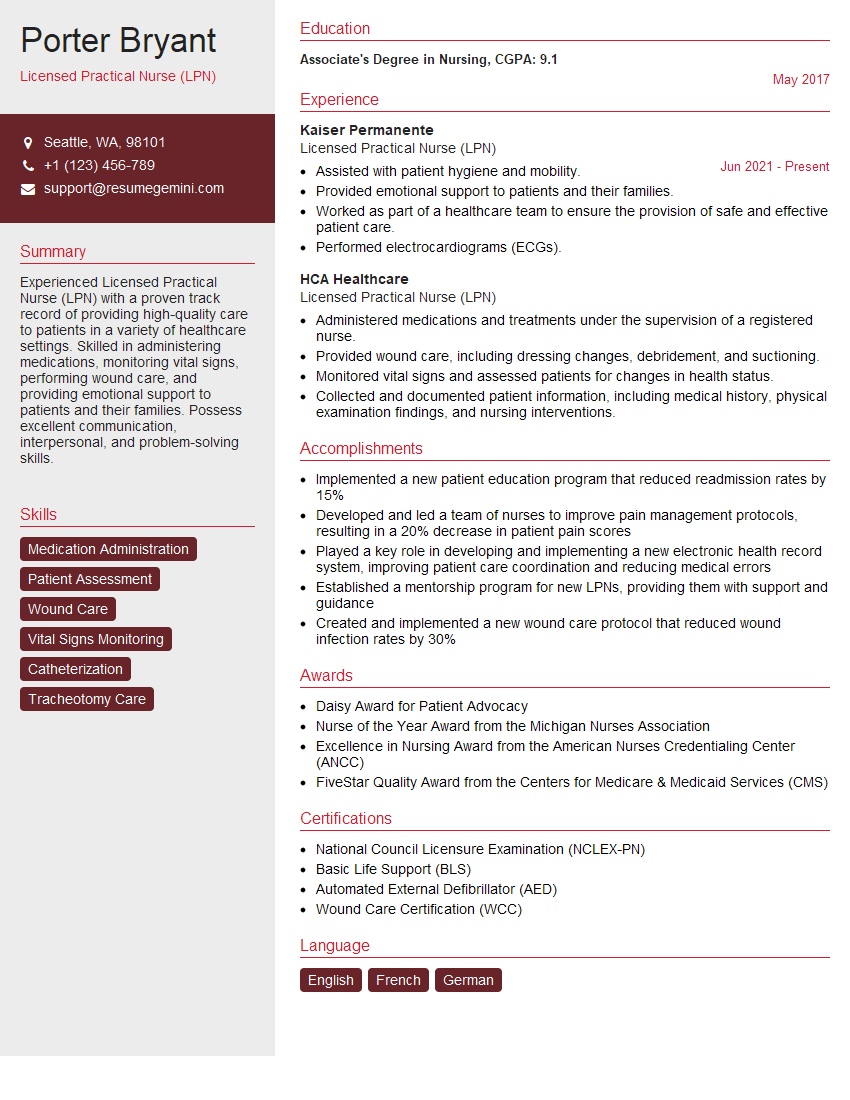
Licensed Practical Nurse (LPN) Resume Sample
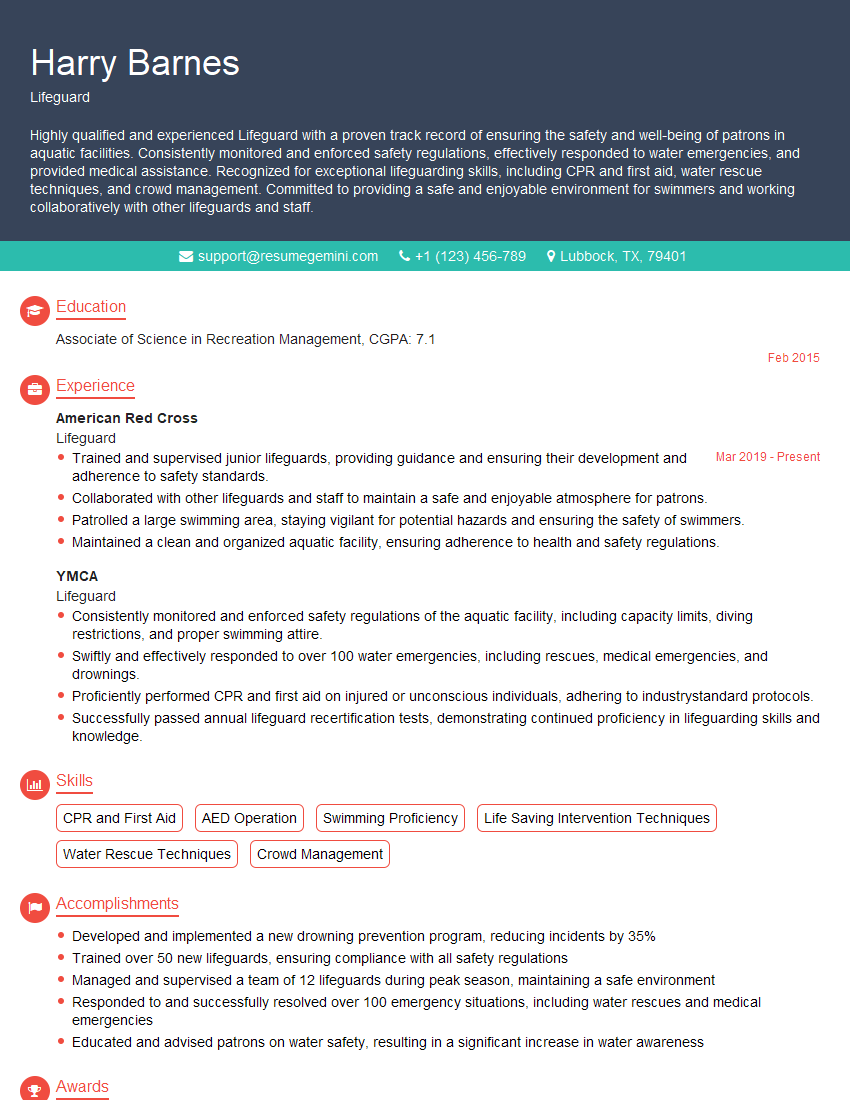
Lifeguard Resume Sample
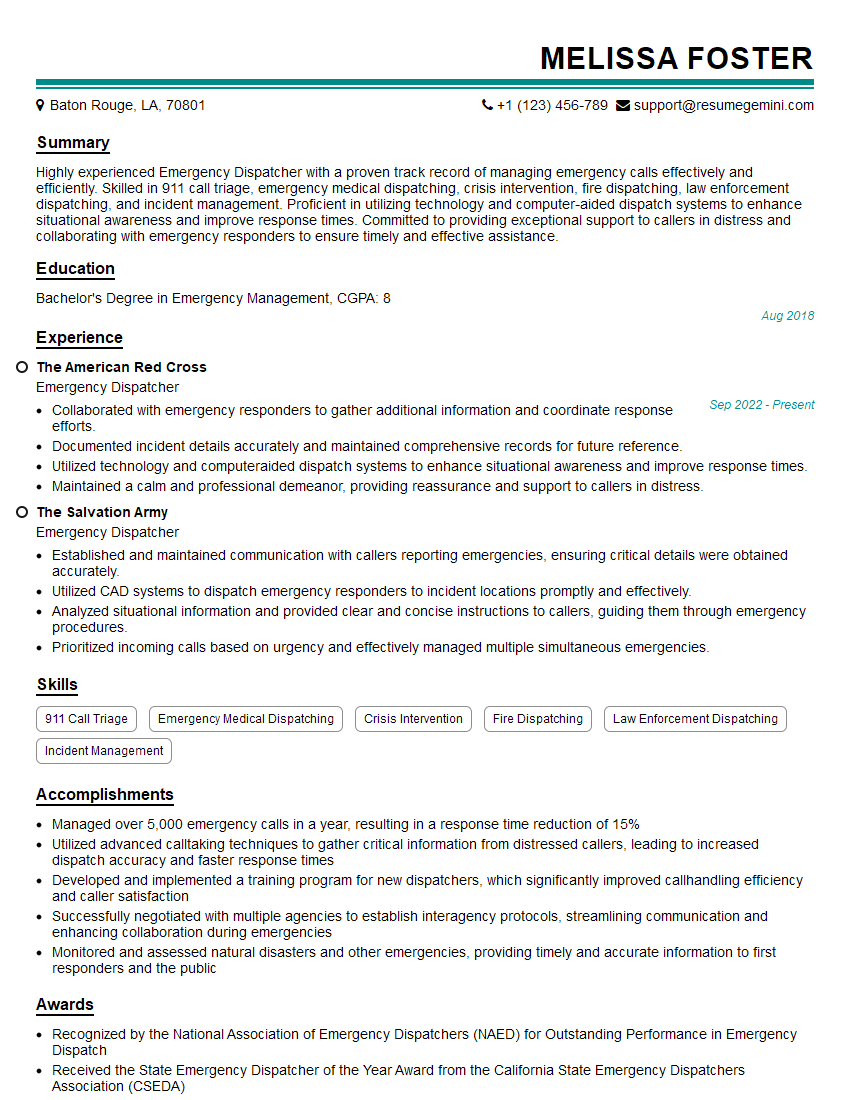
Emergency Dispatcher Resume Sample
Explore more articles
Users Rating of Our Blogs
Share Your Experience
We value your feedback! Please rate our content and share your thoughts (optional).
What Readers Say About Our Blog
good