Are you ready to stand out in your next interview? Understanding and preparing for Fitness Training interview questions is a game-changer. In this blog, we’ve compiled key questions and expert advice to help you showcase your skills with confidence and precision. Let’s get started on your journey to acing the interview.
Questions Asked in Fitness Training Interview
Q 1. Explain the principles of training adaptations (overload, progression, specificity, individualization).
Training adaptations are the physiological changes our bodies undergo in response to exercise. Four fundamental principles guide effective training:
- Overload: This means consistently challenging your body beyond its current capabilities. Think of it like this: if you always lift the same weight, your muscles won’t grow stronger. You need to gradually increase the weight, reps, or sets to stimulate growth. For example, if you’re bench pressing 100 pounds for 8 reps, you might progress to 105 pounds for 8 reps, or 100 pounds for 10 reps.
- Progression: This builds upon overload. It’s the systematic and gradual increase in training demands over time. It’s not just about increasing weight; it also includes manipulating other variables like sets, reps, rest periods, and exercise selection. A runner, for instance, might start with a 5k and gradually progress to a 10k over several weeks.
- Specificity: This principle highlights the importance of training in a way that’s directly relevant to your goals. If you want to improve your marathon time, you need to focus on endurance running, not strength training (though some strength work can be beneficial). A basketball player needs to train their agility and jumping ability, not just their bench press.
- Individualization: Every individual is unique, with varying genetics, training histories, and lifestyles. Training programs must be tailored to the specific needs and goals of the individual, considering their strengths, weaknesses, and limitations. A beginner will have a vastly different program than an advanced athlete.
Q 2. Describe different training methods (e.g., circuit training, interval training, plyometrics).
Several training methods exist, each with its own benefits:
- Circuit Training: This involves moving rapidly between a series of exercises with minimal rest. It’s great for improving cardiovascular fitness and muscular endurance. For example, a circuit could include squats, push-ups, rows, and burpees, performed one after the other with little rest between exercises.
- Interval Training: This alternates high-intensity bursts of exercise with periods of active recovery or complete rest. This is highly effective for improving both cardiovascular and muscular power. A common example is high-intensity interval training (HIIT), where you might sprint for 30 seconds followed by 60 seconds of jogging, repeated for several rounds.
- Plyometrics: These exercises focus on explosive movements that utilize the stretch-shortening cycle of muscles. They are excellent for improving power and agility. Examples include box jumps, jump squats, and medicine ball throws.
Other methods include strength training (focus on building muscle mass and strength), endurance training (building stamina and aerobic capacity), flexibility training (improving range of motion), and balance training (improving stability).
Q 3. How do you assess a client’s fitness level before designing a program?
Assessing a client’s fitness level is crucial before designing a program. My approach involves a multi-faceted assessment:
- Health History Questionnaire: This identifies any pre-existing medical conditions, injuries, or limitations.
- Resting Heart Rate and Blood Pressure: These provide baseline cardiovascular data.
- Body Composition Assessment: Methods like skinfold calipers, bioelectrical impedance analysis (BIA), or DEXA scans can help determine body fat percentage and lean muscle mass.
- Movement Screen: Observing the client’s posture, balance, and range of motion helps identify potential movement dysfunctions.
- Fitness Tests: Depending on the client’s goals, I might use tests such as a 1-mile run, push-up test, sit-up test, or other relevant assessments to evaluate their cardiovascular fitness, muscular strength and endurance.
This comprehensive approach helps me understand the client’s current fitness level and tailor a safe and effective program.
Q 4. What are the key components of a well-designed fitness program?
A well-designed fitness program should include:
- Specific Goals: Clearly defined goals, whether it’s weight loss, muscle gain, improved endurance, or increased flexibility.
- Progressive Overload: A structured plan that gradually increases the training demands over time.
- Variety: A mix of exercises to prevent boredom and plateauing. This also helps to target different muscle groups.
- Specificity of Training: Exercises directly related to the client’s goals.
- Proper Warm-up and Cool-down: Preparing the body for exercise and promoting recovery.
- Rest and Recovery: Adequate rest days to allow the body to recover and rebuild.
- Monitoring and Evaluation: Regularly tracking progress and making adjustments to the program as needed.
- Nutrition Guidance: Recommendations for a healthy diet to support the training program (often in collaboration with a registered dietitian).
Q 5. Explain the importance of proper warm-up and cool-down routines.
Proper warm-up and cool-down routines are crucial for injury prevention and optimal performance.
- Warm-up: This prepares the body for exercise by increasing blood flow to the muscles, raising body temperature, and increasing flexibility. A dynamic warm-up, involving movements like arm circles, leg swings, and torso twists is preferred over static stretching.
- Cool-down: This helps the body gradually transition back to a resting state. It lowers the heart rate, reduces muscle soreness, and improves flexibility. Cool-downs typically include light cardio and static stretches (holding a stretch for 15-30 seconds).
Neglecting warm-up can lead to muscle strains and tears, while skipping cool-down can increase muscle soreness and hinder recovery.
Q 6. How do you modify exercises for clients with different fitness levels or limitations?
Modifying exercises for clients with different fitness levels or limitations is essential for safety and effectiveness. Modifications can include:
- Reducing the weight or resistance: Using lighter weights, resistance bands, or bodyweight exercises.
- Changing the range of motion: Modifying the depth of a squat or the height of a jump.
- Altering the exercise: Substituting a more challenging exercise with a simpler alternative. For example, replacing a barbell squat with a bodyweight squat or chair squat.
- Increasing rest periods: Allowing more rest between sets or exercises.
- Using assistive devices: Using chairs, walls, or other support to aid in performing exercises.
For clients with limitations, I would always consult with their doctor or physical therapist to ensure the modifications are safe and appropriate.
Q 7. How do you handle client resistance or lack of motivation?
Client resistance or lack of motivation can be challenging, but addressing it directly is crucial for success. My approach involves:
- Open Communication: Creating a safe space for the client to express concerns or frustrations. Understanding the root cause of their resistance is vital.
- Goal Re-evaluation: Sometimes, goals are unrealistic or not motivating enough. Working collaboratively to redefine goals can re-ignite enthusiasm.
- Finding Enjoyable Activities: Incorporating activities the client genuinely enjoys can make the process more enjoyable and sustainable.
- Progress Tracking and Positive Reinforcement: Celebrating milestones and highlighting achievements helps maintain motivation.
- Providing Support and Encouragement: Offering words of encouragement and support can be highly effective.
- Referral: In some cases, referral to a therapist or counselor might be necessary to address underlying emotional or psychological factors.
Building rapport and trust with the client is paramount in overcoming resistance and fostering long-term adherence.
Q 8. What are the common signs of overtraining?
Overtraining, in simple terms, is when you exercise too much without giving your body adequate time to recover. It’s like constantly pushing your car at full throttle without ever refilling the gas tank – eventually, it will break down. Common signs can be broadly categorized into physical and mental symptoms.
- Physical Signs: Persistent muscle soreness (that doesn’t improve with rest), increased resting heart rate, decreased performance despite increased training, frequent illness, unexplained weight loss, insomnia, and chronic fatigue.
- Mental Signs: Irritability, lack of motivation, feelings of depression or anxiety, reduced concentration, and a general loss of enjoyment in training.
For example, I once worked with a marathon runner who was pushing too hard, resulting in persistent shin splints and a complete burnout. We had to significantly reduce her training volume and incorporate active recovery strategies before she could safely resume training.
Q 9. How do you ensure client safety during training sessions?
Client safety is my top priority. I ensure safety through a multi-pronged approach:
- Thorough Health Screening: Before starting any program, I conduct a comprehensive health screening, including reviewing medical history and any pre-existing conditions. This helps me tailor a program that’s safe and effective.
- Proper Warm-up and Cool-down: Every session starts with a dynamic warm-up to prepare the body for exercise and ends with a cool-down to promote recovery and reduce muscle soreness. This is crucial in injury prevention.
- Proper Form and Technique: I meticulously supervise clients’ form throughout each exercise to ensure proper technique. Poor form is a major cause of injuries. I often use mirrors and video recordings to provide visual feedback.
- Progressive Overload: We gradually increase the intensity and volume of training to prevent sudden strain and allow the body to adapt. This is like climbing a mountain, step by step.
- Personalized Programming: Every program is tailored to the individual’s fitness level, goals, and limitations. This ensures that the client isn’t pushed beyond their capabilities.
- Emergency Preparedness: I’m familiar with basic first aid and have readily available emergency contact information.
Q 10. What is your experience with designing nutrition plans?
I have extensive experience in designing nutrition plans, which are always personalized. I don’t believe in ‘one-size-fits-all’ approaches. My approach involves understanding the client’s dietary preferences, lifestyle, and specific goals.
For example, I’ve created plans for athletes needing increased protein intake to support muscle growth, plans for individuals aiming for weight loss, and plans focusing on managing specific dietary needs or restrictions like diabetes management or allergies. I work closely with clients to ensure the plans are practical, sustainable, and tailored to their individual needs. This includes tracking progress, adjusting plans based on results and providing ongoing support and education.
Q 11. How familiar are you with different types of fitness equipment?
My familiarity with fitness equipment encompasses a wide range, including:
- Cardio equipment: Treadmills, elliptical trainers, stationary bikes, stair climbers, rowing machines.
- Strength training equipment: Free weights (dumbbells, barbells), weight machines, resistance bands, kettlebells, medicine balls.
- Functional training equipment: Suspension trainers (TRX), balance boards, agility ladders.
I am proficient in using this equipment safely and effectively and can adapt workout routines to utilize available equipment effectively, whether in a fully equipped gym or a home setting with limited resources.
Q 12. Describe your experience with creating and implementing fitness programs for various populations (e.g., seniors, athletes, pregnant women).
My experience spans a variety of populations, demanding different approaches:
- Seniors: Focus is on maintaining functional fitness, improving balance, flexibility, and strength to enhance daily life. Exercises are modified to account for age-related changes and potential limitations. Examples include low-impact cardio and strength training with lighter weights.
- Athletes: Programs focus on enhancing performance, injury prevention, and recovery. This involves periodization – cycling intensity and volume to optimize training around competitions.
- Pregnant Women: Programs emphasize modifications to accommodate physiological changes during pregnancy. Exercises focus on core stability, maintaining posture, and preparing for labor and delivery. Intense exercise is avoided in the latter stages.
Each population requires careful consideration of their specific needs and limitations. I always prioritize safety and work collaboratively with clients to ensure progress is sustainable and enjoyable.
Q 13. How would you handle a client who experiences an injury during a workout?
If a client experiences an injury during a workout, my response is immediate and follows a clear protocol:
- Immediate Assessment: I assess the severity of the injury. Is it a minor strain, or something more serious?
- First Aid: I provide basic first aid if needed (RICE – Rest, Ice, Compression, Elevation).
- Referral: If the injury seems significant, I immediately recommend seeking professional medical attention (doctor or physical therapist).
- Communication: I maintain open communication with the client, providing support and guidance throughout the recovery process.
- Program Modification: Once the client is cleared by a medical professional, we modify the training program to avoid re-injury and facilitate safe rehabilitation.
For instance, if a client sprains an ankle, immediate action includes first aid, a recommendation for medical evaluation, and later, modification of the training program to include exercises that strengthen the ankle without putting stress on the injured area.
Q 14. What is your knowledge of common exercise-related injuries and their prevention?
My knowledge of common exercise-related injuries and their prevention is comprehensive. Many injuries stem from improper form, overuse, and inadequate warm-up.
- Common Injuries: Muscle strains, sprains (ankle, knee, wrist), tendonitis, runner’s knee, shin splints, lower back pain.
- Prevention Strategies: Proper warm-up and cool-down routines, maintaining proper exercise form, gradual increase in training intensity and volume, using appropriate equipment, incorporating rest and recovery days, paying attention to body signals (pain), and addressing muscle imbalances.
I actively educate my clients about injury prevention techniques and encourage them to listen to their bodies. Understanding biomechanics is key to designing safe and effective programs, and I constantly update my knowledge on injury prevention techniques.
Q 15. How do you track client progress and make adjustments to their programs?
Tracking client progress is crucial for effective fitness training. It allows me to measure the efficacy of the program and make necessary adjustments to optimize results. I utilize a multi-faceted approach combining various methods.
- Regular assessments: I conduct initial assessments to establish baseline fitness levels, including body composition analysis, strength testing, and cardiovascular fitness evaluations. These assessments are repeated periodically (e.g., every 4-6 weeks) to monitor improvements.
- Progress tracking sheets/apps: Clients record their workouts, including sets, reps, weight lifted, and perceived exertion. I use this data, often entered into a shared digital platform like a spreadsheet or dedicated fitness app, to analyze trends. This gives a clear picture of their adherence and progress against goals.
- Client feedback: Regular check-ins are vital. We discuss progress, challenges, and any modifications needed. I actively listen to their feedback regarding how they feel physically and emotionally, incorporating this into program adjustments. This might include modifying exercise intensity or introducing active recovery.
- Visual progress (photos/measurements): Where appropriate (and with client consent), I use progress photos and measurements to visually track changes in body composition. This is especially motivating for clients and provides objective data to support subjective feelings.
For example, if a client is struggling to increase weight on a particular exercise, we might analyze their form, reduce the weight temporarily to focus on proper technique, or explore alternative exercises to target the same muscle group.
Career Expert Tips:
- Ace those interviews! Prepare effectively by reviewing the Top 50 Most Common Interview Questions on ResumeGemini.
- Navigate your job search with confidence! Explore a wide range of Career Tips on ResumeGemini. Learn about common challenges and recommendations to overcome them.
- Craft the perfect resume! Master the Art of Resume Writing with ResumeGemini’s guide. Showcase your unique qualifications and achievements effectively.
- Don’t miss out on holiday savings! Build your dream resume with ResumeGemini’s ATS optimized templates.
Q 16. Describe your experience with using fitness technology and software.
I’m proficient in utilizing various fitness technologies and software to enhance client experiences and track progress. This includes:
- Fitness tracking apps (e.g., MyFitnessPal, Strava): These apps help clients monitor their nutrition and activity levels outside of training sessions. Integrating this data into the overall fitness plan allows for a holistic approach.
- Workout scheduling and management software: I use software to schedule client sessions, manage training programs, and communicate with clients. This allows for efficient management of my schedule and improved client communication.
- Body composition analysis tools (e.g., DEXA scans, bioelectrical impedance analysis): These tools provide objective measurements of body fat percentage, muscle mass, and other relevant metrics. This information is essential for tailored program design and monitoring progress towards client goals.
- Online training platforms: I use platforms to deliver online coaching programs, which include workout videos, educational materials, and progress tracking features. This expands my reach and provides flexibility for clients.
For instance, I might use a specific app to create custom workout plans that automatically adjust based on the client’s recorded progress. Or, I could use an online platform to provide clients with instructional videos for proper exercise form, ensuring safety and effectiveness.
Q 17. How would you adapt a workout plan for someone with a specific medical condition?
Adapting workout plans for clients with specific medical conditions requires careful consideration and collaboration with healthcare professionals. It’s crucial to prioritize safety and work within the limitations imposed by the condition.
- Physician consultation: Before designing any program, I always seek clearance and guidance from the client’s physician or other relevant healthcare provider. This ensures the plan is safe and appropriate for their condition.
- Understanding the condition: I thoroughly research the specific medical condition and its potential impact on exercise. This involves understanding potential limitations, contraindications, and recommended exercise modifications.
- Modified exercises and intensity: I modify exercises to accommodate limitations. This might involve substituting high-impact exercises for low-impact alternatives or focusing on range of motion rather than intensity. For example, someone with arthritis might benefit from water aerobics instead of running.
- Gradual progression: Program progression must be gradual to avoid injury or exacerbation of the condition. I start with low intensity and gradually increase the duration and intensity of workouts as tolerated.
- Close monitoring: I closely monitor the client’s response to the exercise program and make adjustments as needed. Regular communication with the client and their physician is essential.
For example, a client with diabetes may need to adjust their carbohydrate intake before and after workouts to manage blood sugar levels. The training program itself might focus on improving insulin sensitivity through moderate-intensity cardiovascular exercise.
Q 18. How do you stay current with the latest fitness trends and research?
Staying current with the latest fitness trends and research is vital for providing effective and safe training. I employ several strategies:
- Professional development: I regularly attend conferences, workshops, and seminars focused on fitness, exercise science, and related fields. This allows me to learn from leading experts and stay updated on new techniques and research.
- Peer networking: I actively engage with other fitness professionals through professional organizations and online communities. Sharing knowledge and experiences with colleagues keeps me informed about best practices.
- Scientific literature: I regularly read peer-reviewed journals and research articles on exercise physiology, sports medicine, and nutrition. This ensures my training practices are evidence-based.
- Continuing education courses: I actively pursue certifications and continuing education courses to maintain and expand my knowledge. These courses often cover emerging trends and innovative techniques.
- Following reputable sources: I follow leading fitness professionals, researchers, and organizations on social media and through their publications to stay abreast of current trends and research findings.
For instance, recent research on the benefits of high-intensity interval training (HIIT) has influenced my approach to designing cardiovascular programs for clients with time constraints.
Q 19. What are the ethical considerations in fitness training?
Ethical considerations are paramount in fitness training. Maintaining the highest ethical standards builds trust and ensures client safety and well-being.
- Confidentiality: Client information, including health history, goals, and progress, is treated with strict confidentiality. I adhere to relevant privacy regulations and only share information with authorized individuals (like physicians) with client consent.
- Competence: I only provide services within my scope of expertise and refer clients to specialists for services outside my qualifications. This ensures that clients receive appropriate and safe guidance.
- Informed consent: Clients are fully informed about the training program, including potential risks and benefits, before starting. This includes explaining the training approach, the expected time commitment, and the realistic outcomes.
- Avoiding harmful practices: I do not promote or engage in any unsafe or harmful training practices, such as extreme dieting or overly aggressive training techniques that may cause injury.
- Professional boundaries: Maintaining appropriate professional boundaries with clients is crucial. This means avoiding dual relationships (e.g., social or romantic), and ensuring interactions remain focused on professional matters.
For example, if a client expresses unrealistic expectations, I work with them to set achievable goals and avoid making promises I cannot keep.
Q 20. How do you build rapport with your clients?
Building rapport with clients is essential for a successful training relationship. It fosters trust, motivation, and adherence.
- Active listening: I actively listen to my clients, paying attention to both their verbal and nonverbal communication. This shows respect and helps me understand their needs, goals, and concerns.
- Empathy and understanding: I try to understand my clients’ perspectives and empathize with their challenges. This creates a supportive environment where clients feel comfortable sharing their experiences.
- Personalized approach: I create tailored programs that align with each client’s individual goals, preferences, and limitations. This shows that I care about their specific needs.
- Positive reinforcement: I provide positive reinforcement and celebrate accomplishments, big and small. This keeps clients motivated and engaged throughout their journey.
- Open communication: I maintain open and honest communication with my clients. This allows for the efficient exchange of information and the prompt resolution of any issues or concerns.
For example, I might start a session by asking how their week went and listen attentively to their response before discussing the planned workout.
Q 21. How do you effectively communicate exercise techniques and safety procedures?
Effective communication of exercise techniques and safety procedures is crucial for preventing injuries and maximizing results. I employ a layered approach.
- Demonstrations: I demonstrate each exercise correctly, emphasizing proper form and technique. This allows clients to visually understand the movement pattern.
- Verbal explanations: I provide clear and concise verbal explanations of each exercise, including the target muscles, the proper movement sequence, and common mistakes to avoid. I use simple language and avoid jargon.
- Visual aids: I utilize visual aids such as diagrams, pictures, or videos to further clarify exercise techniques and safety procedures.
- Hands-on adjustments: Where appropriate and with client consent, I provide hands-on adjustments to correct posture and technique during exercises. This ensures safe and efficient movement patterns.
- Regular feedback: I provide regular feedback on client form and technique throughout the workout. This helps identify and correct any mistakes early on.
- Written instructions: I provide written instructions for each workout, including exercise descriptions, sets, reps, and rest periods. This serves as a helpful guide for clients between sessions.
For example, when teaching a squat, I might use a mirror so the client can see their form, provide verbal cues about knee alignment, and offer physical guidance to ensure proper technique.
Q 22. What are your strengths and weaknesses as a fitness trainer?
My greatest strength as a fitness trainer lies in my ability to build strong rapport with clients and tailor programs to their individual needs and goals. I excel at understanding their motivations, limitations, and preferences, ensuring they feel supported and empowered throughout their fitness journey. I am also highly knowledgeable in exercise science, nutrition, and program design, allowing me to create safe and effective plans that deliver results. For example, I recently helped a client with a history of knee injuries achieve her goal of running a 5k by incorporating low-impact exercises and gradually increasing intensity.
However, like everyone, I have areas for improvement. Sometimes I struggle to say ‘no’ to taking on additional clients, potentially leading to overcommitment and burnout. I’m actively working on improving my time management skills and delegating tasks when necessary to maintain a healthy work-life balance and ensure consistent client service.
Q 23. What are your salary expectations?
My salary expectations are commensurate with my experience and qualifications, and competitive within the current market for certified personal trainers with my skill set and years of experience. I am open to discussing a specific range after learning more about the role’s responsibilities and benefits package.
Q 24. What are your career goals in fitness?
My long-term career goals in fitness involve establishing myself as a leading expert in functional fitness and injury prevention. I aspire to build a successful private practice, potentially incorporating online coaching and educational content to reach a wider audience. Ultimately, I aim to make a significant impact on individuals’ health and well-being through evidence-based training and education. I envision myself mentoring and training other fitness professionals, sharing my knowledge and experience to elevate the standards of the industry.
Q 25. Describe a time you had to problem-solve a client’s fitness plateau.
One client hit a plateau after several months of consistent progress. We initially focused on strength training and saw great results. However, progress on his weight loss goal stalled. To problem-solve, I conducted a thorough reassessment. We analyzed his dietary habits, sleep patterns, and stress levels—factors often overlooked. It turned out he was unintentionally overeating due to increased stress at work. We adjusted his program to incorporate active recovery techniques, introduced mindfulness exercises to manage stress, and fine-tuned his nutrition plan. I also incorporated High-Intensity Interval Training (HIIT) to boost his metabolism and break through his plateau. Within a month, he started losing weight again, and we maintained momentum by tracking his progress regularly and making adjustments as needed. This experience highlighted the importance of holistic coaching that goes beyond just exercise programming.
Q 26. How would you handle a conflict with a client?
Handling conflict with a client requires a calm and professional approach. My first step is to listen actively and empathetically to understand their concerns. I would validate their feelings, even if I don’t agree with their perspective. Then, I would explain my position clearly and respectfully, focusing on facts and evidence-based practices. If the disagreement persists, I would suggest finding a mutually agreeable solution, perhaps involving a compromise. In extreme cases, where the client’s behavior is disruptive or unsafe, I would terminate the professional relationship, ensuring a respectful and professional exit strategy.
Q 27. What is your marketing and client acquisition strategy?
My marketing strategy focuses on building a strong online presence and leveraging word-of-mouth referrals. I utilize social media platforms like Instagram to showcase my expertise through educational content, client success stories, and behind-the-scenes glimpses of my work. I would also participate in local community events and partner with complementary businesses, like nutritionists or physical therapists. Client acquisition relies on providing exceptional service, building trust, and encouraging satisfied clients to refer new ones. I also believe in the power of offering free consultations or introductory sessions to build rapport and demonstrate my value.
Q 28. Describe your experience with business operations and client management.
My experience with business operations includes managing client scheduling, invoicing, and communication through a dedicated system. I’m proficient in using client management software to track progress, maintain client records, and ensure seamless communication. I’m familiar with marketing strategies, creating targeted content, and understanding client acquisition costs. My client management approach focuses on personalized attention, consistent communication, and providing a supportive and encouraging environment. I ensure clients understand their programs, feel comfortable asking questions, and are consistently motivated and engaged.
Key Topics to Learn for Your Fitness Training Interview
- Exercise Physiology: Understanding the body’s response to exercise, including metabolic adaptations, cardiovascular changes, and muscular adaptations. Practical application: Designing personalized workout programs based on client goals and fitness levels.
- Program Design & Periodization: Developing structured training plans that incorporate progressive overload, variation, and periodization principles. Practical application: Creating effective training programs for different populations (e.g., athletes, seniors, individuals with specific health conditions).
- Nutritional Guidance: Understanding the role of nutrition in athletic performance and overall health. Practical application: Educating clients on healthy eating habits and providing dietary recommendations that support their fitness goals.
- Biomechanics & Kinesiology: Analyzing movement patterns to identify potential injury risks and improve exercise technique. Practical application: Correcting client form during exercises to prevent injuries and optimize results.
- Client Communication & Motivation: Building rapport with clients, setting realistic goals, and providing effective feedback and support. Practical application: Motivating clients to adhere to their training programs and achieve their fitness goals.
- Safety & Risk Management: Identifying and mitigating potential risks associated with exercise and training. Practical application: Creating a safe and effective training environment and addressing client concerns promptly.
- Legal & Ethical Considerations: Understanding the legal and ethical responsibilities of a fitness professional. Practical application: Maintaining client confidentiality, obtaining informed consent, and adhering to professional standards of conduct.
- Specialized Training Modalities (Optional): Depending on the role, you may need knowledge of specific areas such as strength and conditioning, yoga, Pilates, or group fitness instruction.
Next Steps
Mastering these key areas of Fitness Training significantly enhances your career prospects, opening doors to rewarding roles with diverse opportunities for growth and development. To make a strong impression, a well-crafted, ATS-friendly resume is crucial. This ensures your application is effectively screened by Applicant Tracking Systems and reaches the hiring manager. We strongly recommend using ResumeGemini to build a powerful, professional resume that highlights your skills and experience. ResumeGemini provides valuable tools and resources, including examples of resumes tailored specifically for Fitness Training professionals, to help you present your qualifications effectively and secure your dream job.
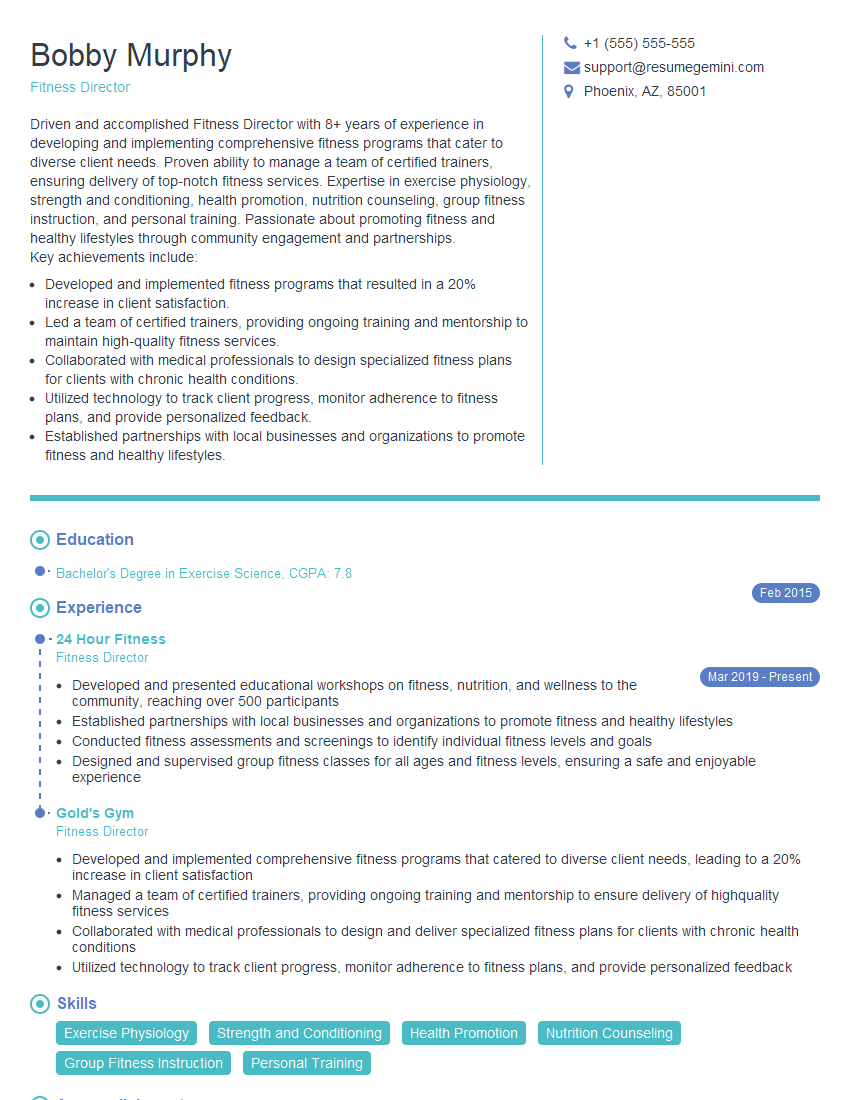
Fitness Director Resume Sample

Wellness Coach Resume Sample
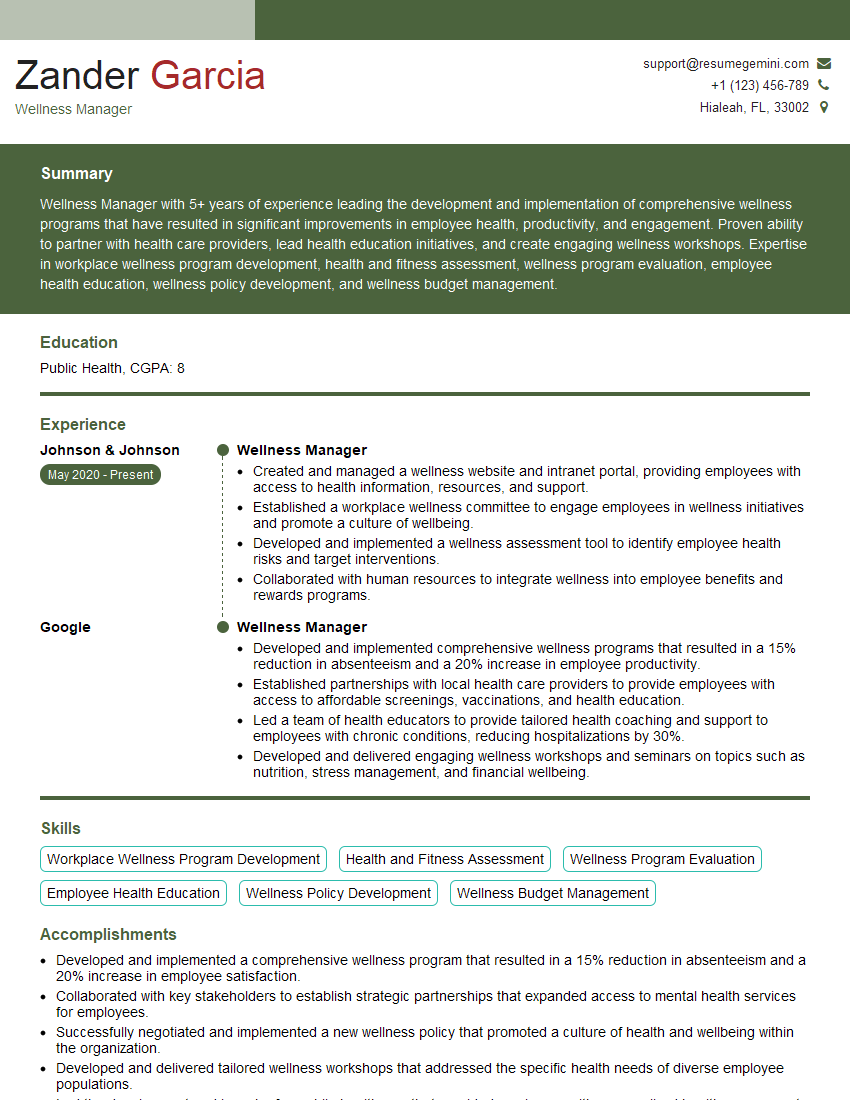
Wellness Manager Resume Sample
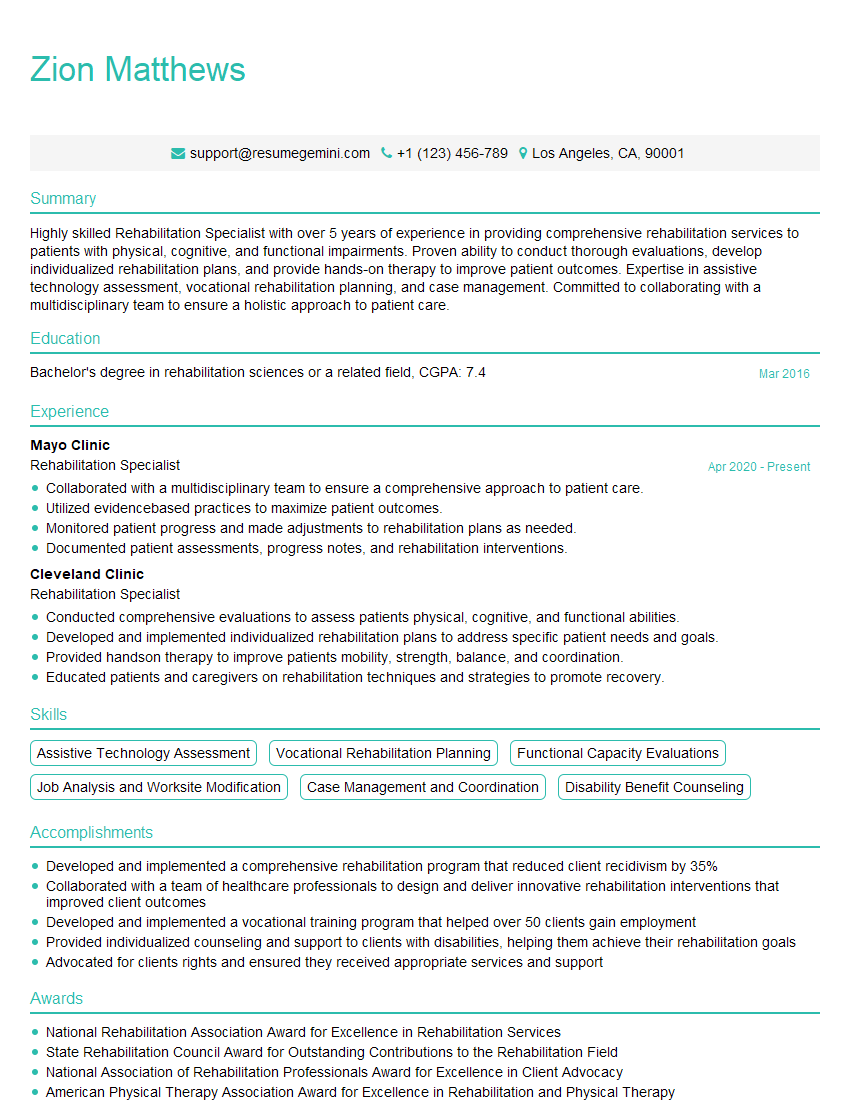
Rehabilitation Specialist Resume Sample
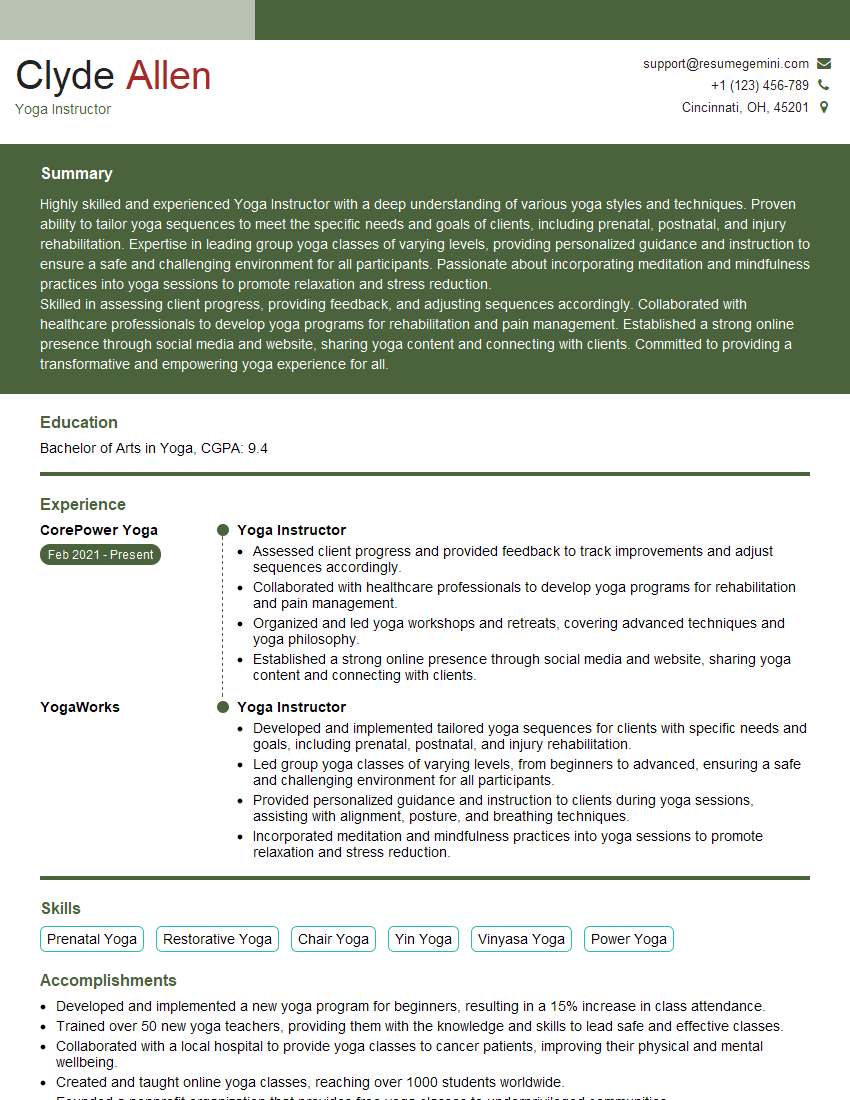
Yoga Instructor Resume Sample
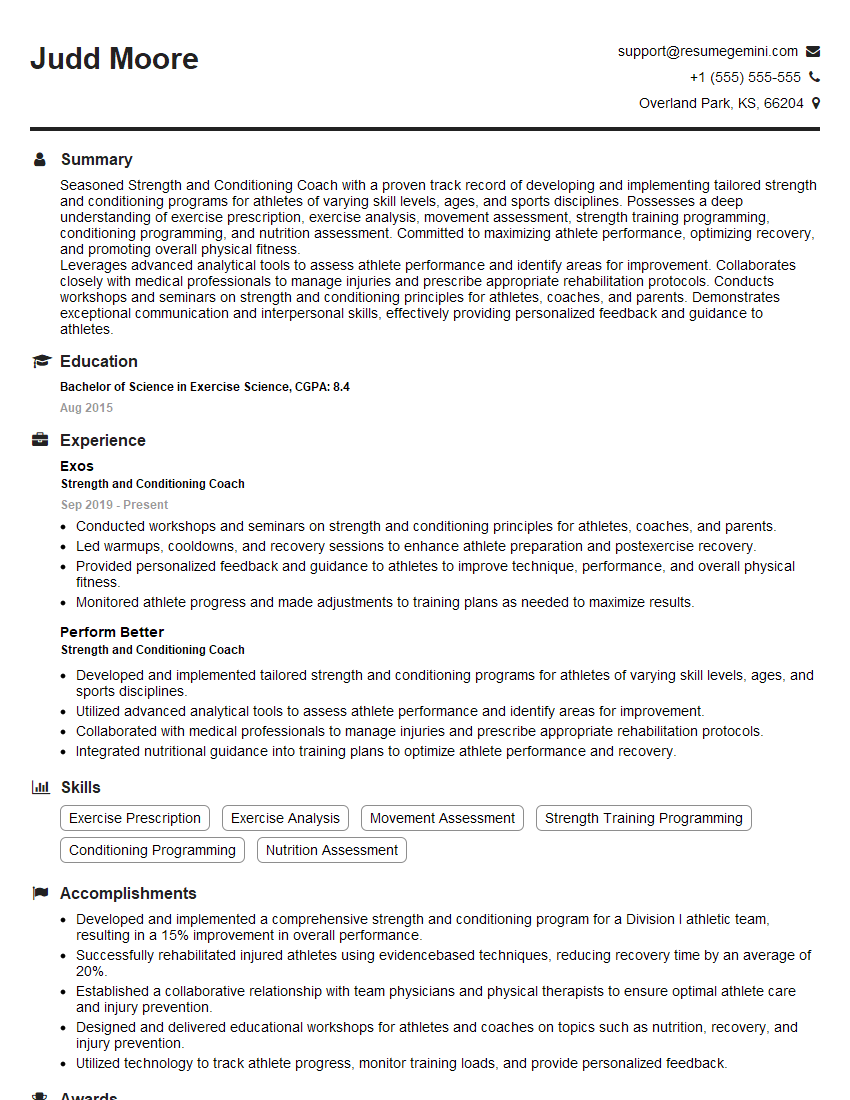
Strength and Conditioning Coach Resume Sample
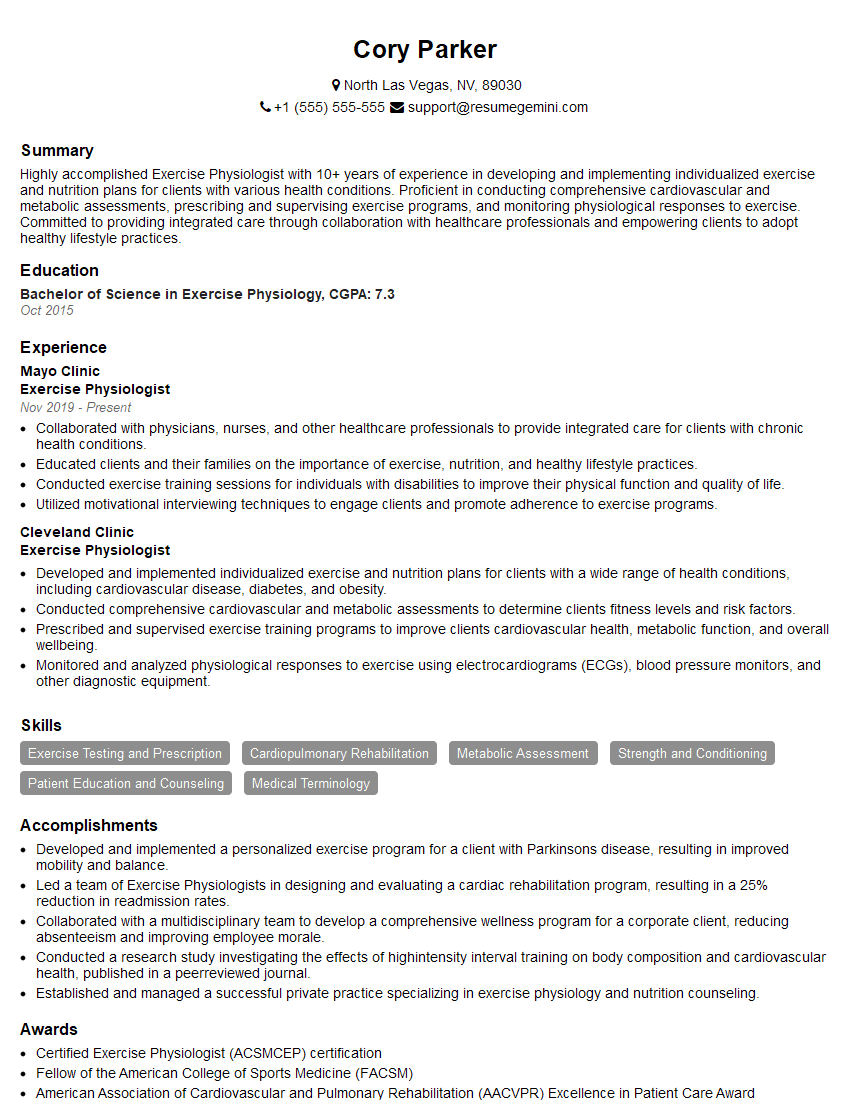
Exercise Physiologist Resume Sample
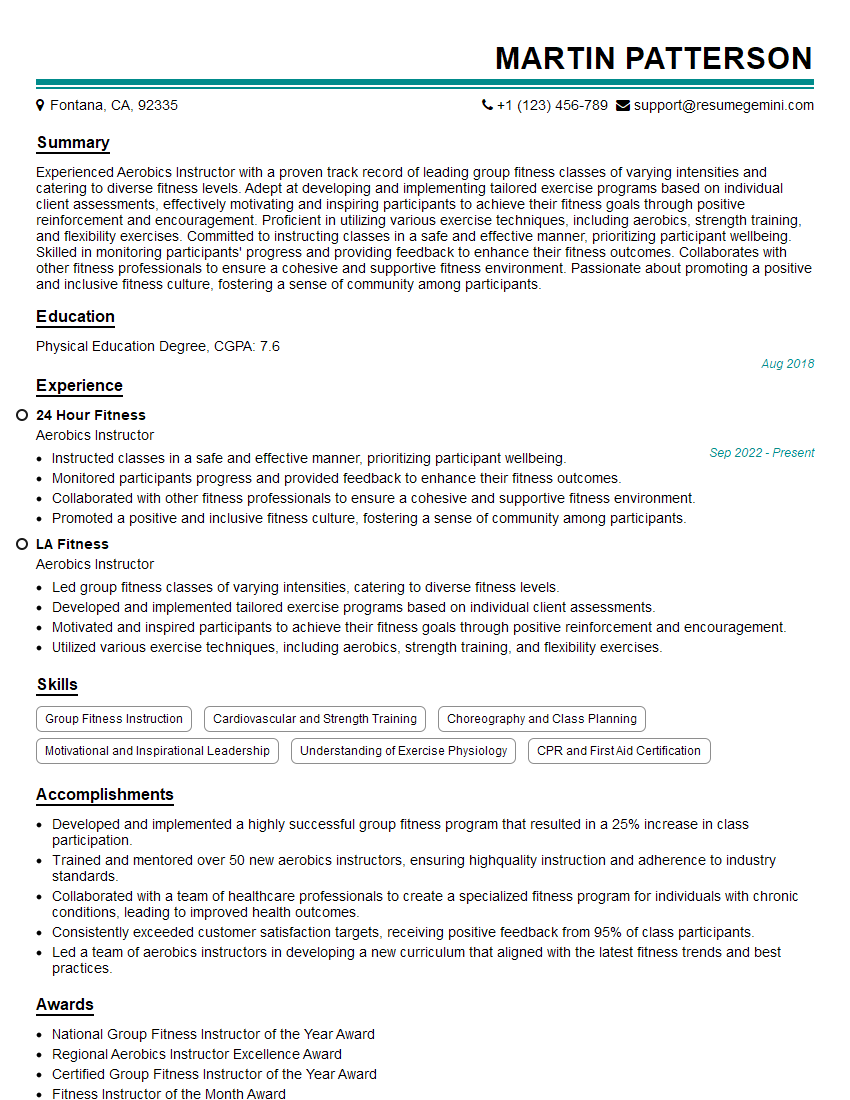
Aerobics Instructor Resume Sample
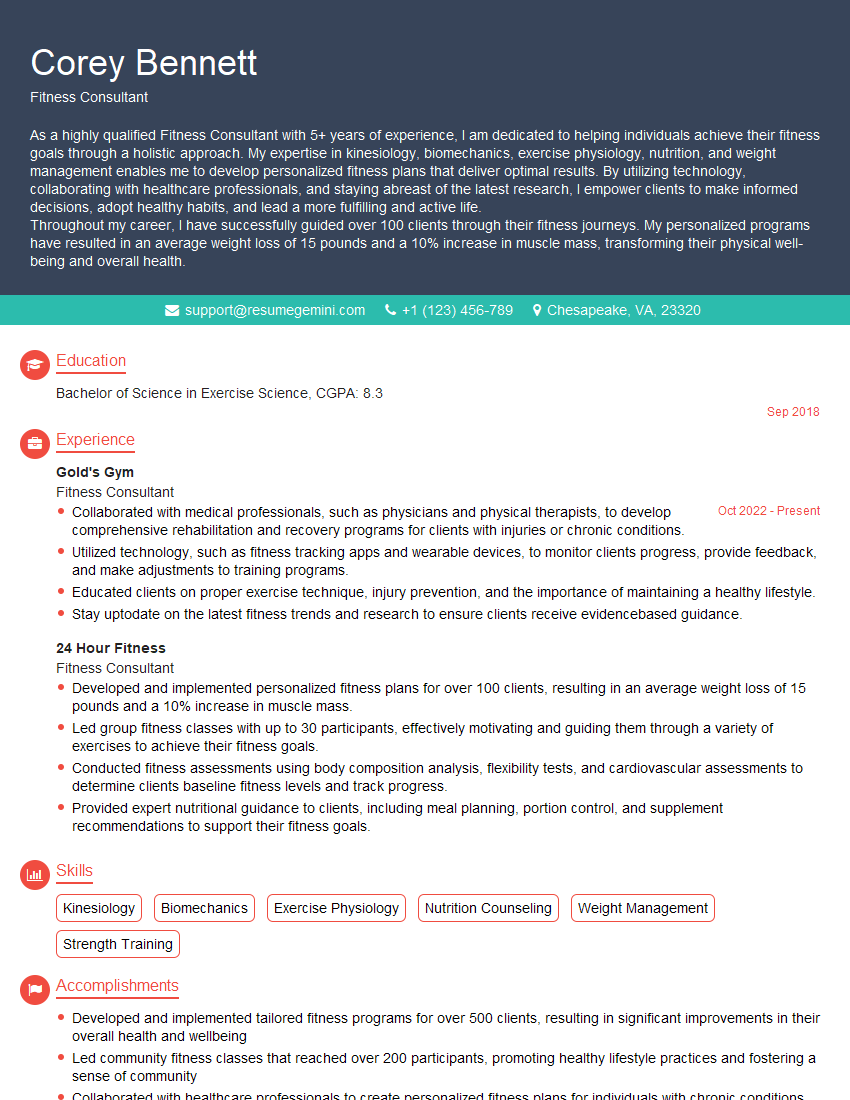
Fitness Consultant Resume Sample
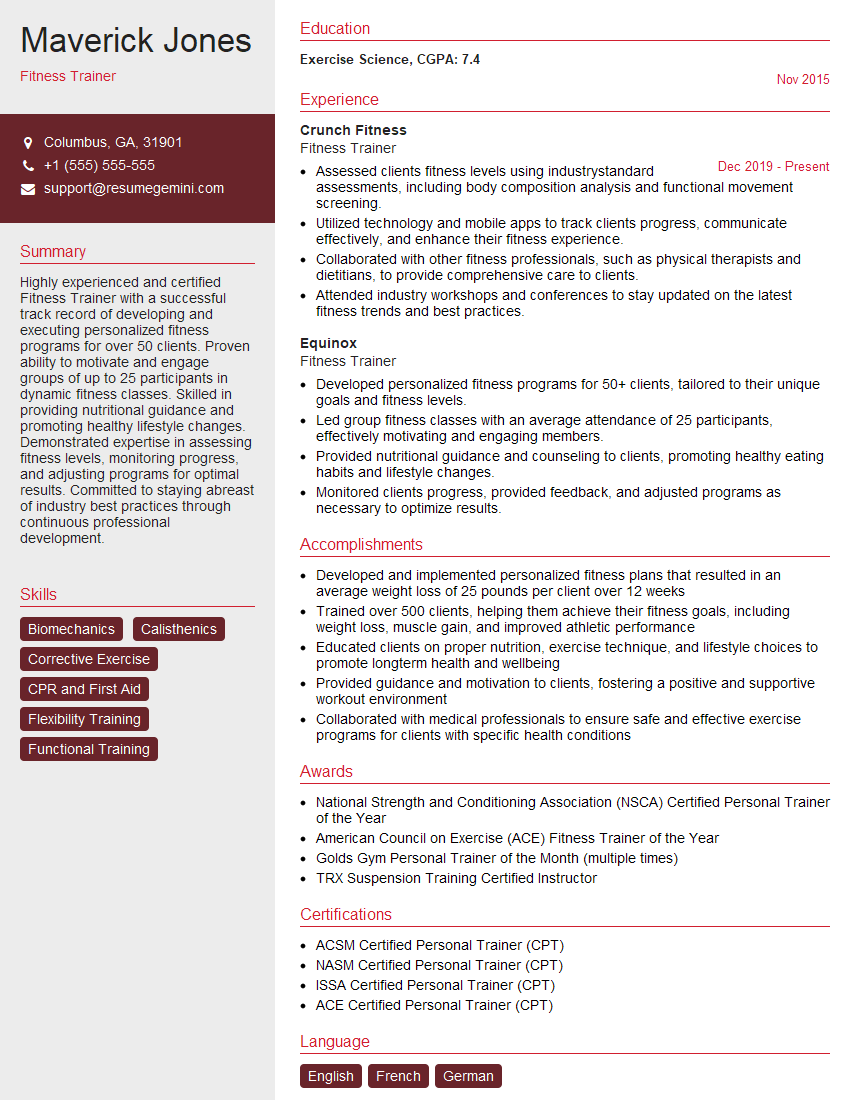
Fitness Trainer Resume Sample
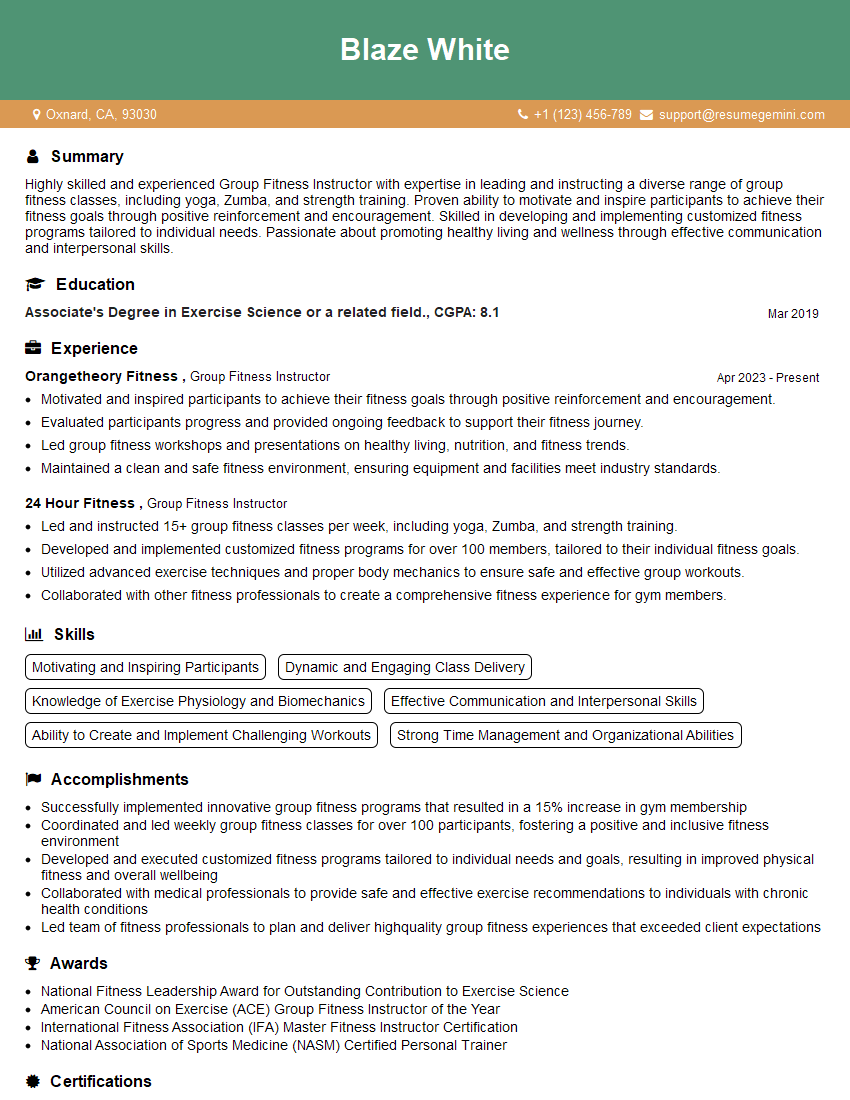
Group Fitness Instructor Resume Sample
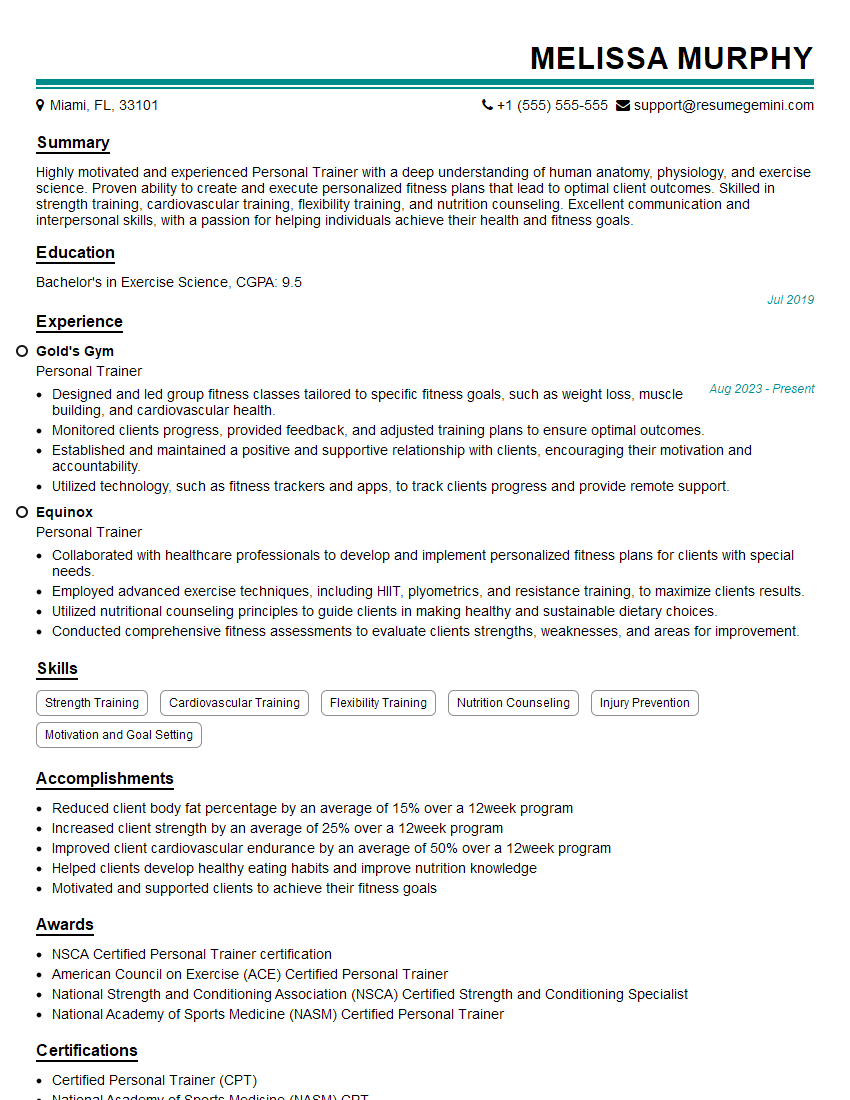
Personal Trainer Resume Sample
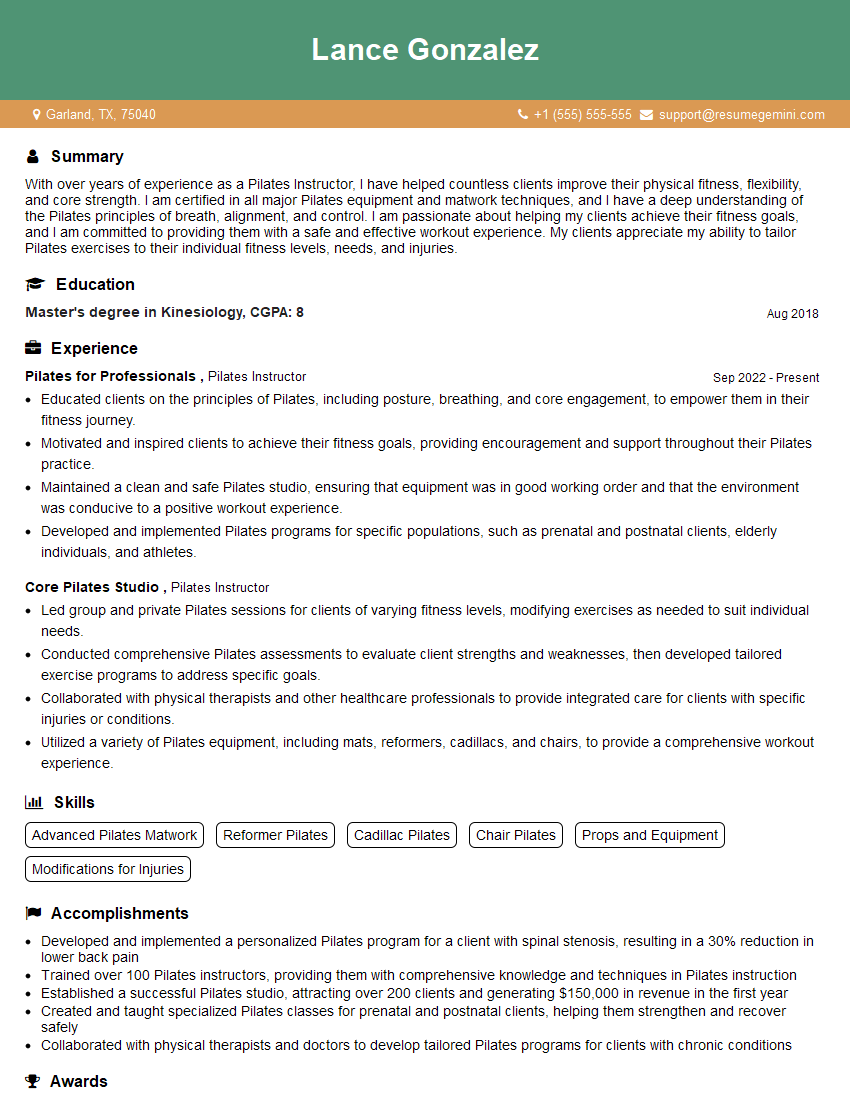
Pilates Instructor Resume Sample
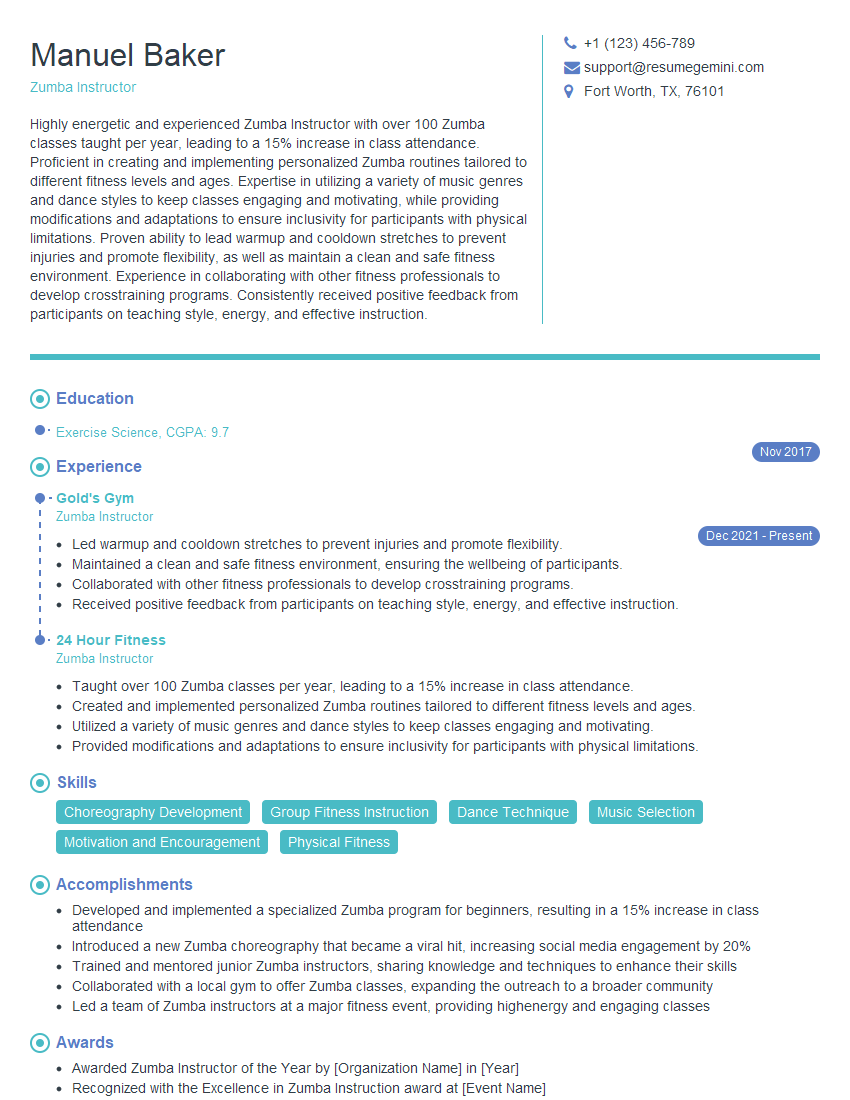
Zumba Instructor Resume Sample
Explore more articles
Users Rating of Our Blogs
Share Your Experience
We value your feedback! Please rate our content and share your thoughts (optional).
What Readers Say About Our Blog
Very informative content, great job.
good