Interviews are more than just a Q&A session—they’re a chance to prove your worth. This blog dives into essential Flammability interview questions and expert tips to help you align your answers with what hiring managers are looking for. Start preparing to shine!
Questions Asked in Flammability Interview
Q 1. Explain the different flammability classifications (e.g., UL, ASTM).
Flammability classifications are standardized tests that assess a material’s resistance to ignition and the rate at which it burns. Different organizations, like Underwriters Laboratories (UL) and the American Society for Testing and Materials (ASTM), develop and maintain these standards. They aren’t interchangeable; a material passing one test doesn’t guarantee it will pass another. The choice of standard depends heavily on the application and the specific hazards involved.
- UL 94: Focuses on the flammability of plastics, primarily for components in electrical equipment. It categorizes materials based on how quickly the flame spreads and whether dripping burning material poses an additional hazard.
- ASTM D635: Another common standard for plastics, this test uses a Bunsen burner to assess burning behavior. Results are expressed in terms of how quickly the flame spreads, and whether the material self-extinguishes.
- ASTM E84 (Steiner Tunnel Test): Used for building materials, measuring the surface burning characteristics and smoke development. This is crucial for fire safety regulations in buildings.
- NFPA 255: Standard methods of fire tests of materials and construction.
Each standard has specific procedures, sample preparation methods, and criteria for classification, making direct comparisons between them sometimes challenging. For example, a material might receive a V-0 rating under UL 94, indicating excellent flame resistance, but its performance under ASTM D635 might be different depending on the thickness and the specific formulation of the plastic.
Q 2. Describe the process of conducting a flammability test according to a specific standard (e.g., UL 94).
Let’s walk through a UL 94 flammability test. This test evaluates the flammability of plastic materials by exposing them to a flame under controlled conditions. The key parameters are how quickly the flame spreads and whether burning drips occur.
- Sample Preparation: The material is cut into specific dimensions as defined by the standard. The dimensions are critical for consistent results.
- Test Setup: The sample is mounted vertically in a test apparatus. A standardized flame (usually a Bunsen burner) is applied to the top of the sample for a set time.
- Ignition and Burning: The flame’s behavior is closely observed. The time it takes for the flame to extinguish after removal of the ignition source is measured, as is the behavior after the flame is removed (self-extinguishing or continued burning).
- Dripping: The presence and characteristics of dripping burning material are noted. Burning drips contribute significantly to the overall hazard and influence the final classification.
- Classification: Based on the duration of burning and dripping, the material is assigned a classification, such as V-0, V-1, V-2, or HB. V-0 is the highest rating, indicating that the sample self-extinguishes quickly without dripping.
Imagine testing a plastic housing for an electrical device. A V-0 rating would be essential to ensure safety, while a lower rating might necessitate additional fire-retardant measures within the device design.
Q 3. What are the key factors influencing the flammability of a material?
Many factors influence a material’s flammability. It’s not just about the material’s inherent properties but also the surrounding environment.
- Chemical Composition: The types and ratios of chemical elements within a material significantly impact its flammability. Some elements actively promote combustion, while others act as flame retardants.
- Physical State: Solids, liquids, and gases exhibit different flammability behaviors. Gases typically ignite and spread flames faster than solids or liquids.
- Surface Area: A larger surface area increases the contact with oxygen, promoting faster burning.
- Temperature: Higher temperatures accelerate chemical reactions, increasing the likelihood of ignition and faster burning.
- Oxygen Availability: The amount of available oxygen affects combustion intensity. Higher oxygen concentration results in more rapid and vigorous burning.
- Ignition Source: The intensity and duration of the ignition source (e.g., spark, flame, heat) influence whether the material ignites and how readily it burns.
- Presence of Additives: Flame retardants, plasticizers, and other additives intentionally added to materials can alter their flammability.
Consider wood, for instance. Dry wood is far more flammable than damp wood because of its moisture content.
Q 4. How does material composition affect flammability?
Material composition is paramount. The chemical makeup dictates how easily a material will ignite, how quickly it will burn, and the intensity of combustion.
- Organic Materials: Materials rich in carbon and hydrogen, like wood, plastics, and fabrics, typically burn readily. The presence of specific functional groups in the molecules further influences flammability.
- Inorganic Materials: Materials like metals and ceramics generally have high ignition temperatures and lower flammability. Exceptions exist, however, such as magnesium, which is highly flammable.
- Polymer Structure: In polymers, the type of monomer units, the degree of polymerization, and the cross-linking structure significantly affect flammability. Highly branched polymers often burn more readily than linear polymers.
- Fillers and Additives: Incorporating flame retardants or fillers (like minerals) can substantially reduce a material’s flammability. This is widely practiced in the plastics and textiles industries.
For example, polyethylene (PE) is a highly flammable plastic, while polyethylene terephthalate (PET) is less so due to differences in their chemical structures and inherent properties. Adding halogenated flame retardants to PE can significantly reduce its flammability.
Q 5. Explain the concept of Limiting Oxygen Concentration (LOC).
The Limiting Oxygen Concentration (LOC) is the minimum concentration of oxygen in a mixture of oxygen and combustible gas or vapor that will just support combustion. Below the LOC, even if a spark or flame is present, a fire cannot be sustained.
Imagine trying to light a candle in a room with very little oxygen. Below a certain oxygen level (the LOC), the candle won’t stay lit because there isn’t enough oxygen to sustain the combustion process. This principle is used in many fire safety applications, such as designing enclosures with reduced oxygen atmospheres to suppress fires.
The LOC varies considerably depending on the combustible material. It’s a crucial parameter for assessing the fire hazard potential of materials and for designing fire suppression strategies. Accurate determination of LOC often requires specialized testing techniques.
Q 6. Describe different methods for measuring flammability.
Numerous methods measure flammability, each designed to capture different aspects of a material’s burning behavior.
- Cone Calorimetry: This method exposes a material to a controlled heat flux and measures the heat release rate, mass loss rate, and smoke production. It provides detailed information about the material’s combustion characteristics.
- Small-Scale Flammability Tests: These tests (like UL 94 and ASTM D635, as discussed earlier) provide a simplified and practical assessment of flammability, offering a quick classification based on specific criteria.
- Oxygen Index (OI) Test: This test determines the minimum oxygen concentration required to sustain combustion in a mixture of oxygen and nitrogen. A higher OI value indicates better resistance to burning.
- Flammability Chamber Tests: These larger-scale tests are employed to simulate real-world scenarios, measuring the spread of flames and smoke production in larger volumes.
- Microscale Combustion Calorimetry (MCC): Used for analyzing the combustion of small samples to gain insights into the thermal decomposition behavior of materials.
The choice of method depends on the specific requirements of the application. For instance, a large-scale flammability chamber might be used for evaluating building materials, while a small-scale test might suffice for assessing components within an electrical device.
Q 7. What are the differences between flash point, fire point, and autoignition temperature?
Flash point, fire point, and autoignition temperature are all related to ignition, but they represent different stages in the process.
- Flash Point: The lowest temperature at which a liquid will produce enough flammable vapors to ignite momentarily when exposed to an ignition source (but will not sustain combustion). It’s a measure of the likelihood of ignition under certain conditions.
- Fire Point: The lowest temperature at which a liquid will produce vapors that will continue to burn after being ignited. It indicates the temperature at which sustained combustion can be achieved. It is typically a few degrees higher than the flash point.
- Autoignition Temperature: The lowest temperature at which a material will ignite spontaneously in normal atmosphere without an external ignition source (such as a spark or flame). It is the temperature at which the material’s exothermic oxidation reactions become self-sustaining.
Imagine gasoline. Its flash point is relatively low, meaning it can easily produce flammable vapors at ambient temperatures. Its fire point is slightly higher, indicating that sustained combustion will occur at a slightly higher temperature. Its autoignition temperature is much higher, meaning it won’t spontaneously ignite at room temperature but will ignite if subjected to a high enough temperature.
Understanding these differences is crucial for hazard assessment and appropriate safety procedures, especially in industries dealing with flammable liquids and gases. They directly influence storage, handling, and processing procedures.
Q 8. How do you interpret flammability test results?
Interpreting flammability test results requires a thorough understanding of the specific test method used and the material being tested. Results typically indicate how readily a material ignites, how quickly it burns, and the intensity of the fire. For example, a test might measure the material’s flammability rating using a scale like UL-94 (Underwriters Laboratories standard), which classifies materials based on their burning behavior in a vertical flame test. A UL-94 V-0 rating indicates the best performance, with minimal flame spread and no dripping. Lower ratings, like V-2, allow for more burning and dripping. Other tests, like the Limiting Oxygen Index (LOI) test, measure the minimum oxygen concentration in the air needed to sustain combustion. A higher LOI indicates better flammability resistance. Beyond the numerical ratings, the visual observations during testing, such as smoke production, flame height, and time to extinguish are also crucial in the overall interpretation and hazard assessment.
Consider a scenario involving a new plastic component for an appliance. If the UL-94 test reveals a V-2 rating, the design engineers might need to incorporate flame retardants or consider an alternative material with a higher rating to meet safety standards and prevent potential fire hazards. Interpreting the data accurately and contextually is essential for making informed decisions regarding material selection and product safety.
Q 9. Explain the role of flame retardants in reducing flammability.
Flame retardants are chemical substances added to materials to reduce their flammability or slow the spread of fire. They work through various mechanisms, primarily by interfering with the chemical processes involved in combustion. Some flame retardants interrupt the chain reaction of free radicals that fuel the fire, effectively quenching the flame. Others work by releasing inert gases that dilute the flammable gases, preventing sustained combustion. Still others form a char layer on the surface of the material, acting as a physical barrier to heat and oxygen. The effectiveness of a flame retardant depends on its chemical structure, concentration in the material, and the type of material being treated.
Imagine a furniture manufacturer using flame-retardant treated foam in their upholstery. The flame retardant inhibits the rapid spread of fire, giving occupants more time to escape in the event of a fire, and minimizing the severity of the fire’s impact. This significantly improves fire safety compared to using untreated foam.
Q 10. What are some common flame retardant chemistries and their limitations?
Several chemistries are used as flame retardants, each with its own advantages and limitations. Halogenated flame retardants, such as polybrominated diphenyl ethers (PBDEs) and organophosphate esters, were widely used but have faced increasing restrictions due to environmental and health concerns. They are effective but can persist in the environment and accumulate in living organisms. Phosphorous-based flame retardants are another common class, generally considered less environmentally harmful than halogenated ones. They work by dehydrating the burning material and forming a char layer. Nitrogen-containing flame retardants, like melamine, are also used, often in combination with other types. Inorganic flame retardants include materials like alumina trihydrate (ATH), which releases water vapor during combustion to cool the material and dilute the flammable gases.
The limitations include potential toxicity (especially with halogenated compounds), environmental persistence, and effectiveness limitations: a flame retardant may work well in one type of polymer but not in another. Regulatory scrutiny is also a key limitation, as new regulations and restrictions are frequently introduced, requiring manufacturers to continually adapt their formulations.
Q 11. Describe the different types of fire suppression systems.
Fire suppression systems aim to prevent or control fires through various methods. Water-based systems are the most common, utilizing sprinklers, hoses, or water spray systems to cool the burning material and reduce its flammability. Foam systems create a layer of foam that blankets the fire, cutting off its oxygen supply. Gas suppression systems use inert gases like carbon dioxide (CO2) or argon to displace oxygen, suffocating the fire. Dry chemical systems discharge powder-like chemicals that interrupt the combustion process. Finally, wet chemical systems are specifically designed for grease or oil fires, forming a stable blanket that inhibits the flames.
Choosing the right system depends on several factors, including the type of fire risk, the size of the protected area, and the nature of the materials involved. A kitchen, for example, might require a wet chemical system, whereas a server room might use a gas suppression system due to potential water damage.
Q 12. How do you assess the fire risk of a product or process?
Fire risk assessment involves identifying potential fire hazards, evaluating the likelihood and consequences of fire incidents, and implementing appropriate preventative measures. This process typically involves: (1) Hazard Identification: Identifying all potential ignition sources (sparks, flames, heat), flammable materials, and potential escape routes. (2) Risk Analysis: Assessing the probability and severity of fires occurring, considering factors like occupancy, material properties, and building design. (3) Risk Reduction: Implementing measures to mitigate the risks, such as installing fire detection and suppression systems, providing adequate exits, storing flammable materials safely and implementing staff training and fire drills. (4) Documentation: Thoroughly documenting the assessment findings, risk levels, and mitigation measures.
A thorough risk assessment might involve inspecting a factory floor for potential ignition sources, reviewing the flammability properties of all materials used in production, evaluating the existing fire protection systems, and assessing the effectiveness of evacuation procedures. This structured approach enables the implementation of effective fire safety strategies.
Q 13. Explain the concept of fire triangle/tetrahedron.
The fire triangle illustrates the three elements necessary for fire: fuel, heat, and oxygen. Remove any one of these, and the fire will extinguish. The fire tetrahedron expands on this by adding a fourth element: a self-sustaining chain reaction of free radicals. This chain reaction keeps the fire going, even when the initial ignition source is removed. Understanding the tetrahedron is essential because it shows that simply removing oxygen (like with a blanket) might not be enough to stop a well-established fire unless the chain reaction is also broken.
Consider a campfire. Wood is the fuel, the match provides the initial heat, and the surrounding air supplies oxygen. The flames then generate heat, continuing the cycle. Putting out the fire involves removing one or more elements: water cools the wood (removes heat), sand smothers the flames (reduces oxygen), or separating the burning wood (removing fuel). A fire extinguisher might work by cooling (water), smothering (CO2), or chemically interrupting the chain reaction.
Q 14. What are the common hazards associated with flammable materials?
Flammable materials present several hazards, including:
- Fire and burns: The most obvious hazard, leading to property damage, injury, or even fatalities.
- Explosions: Certain flammable materials, especially gases or liquids under pressure, can explode upon ignition.
- Toxic fumes: Many flammable materials produce toxic gases during combustion, causing respiratory problems or other health issues.
- Asphyxiation: Fires consume oxygen, potentially leading to asphyxiation in enclosed spaces.
- Environmental damage: Fires can cause significant environmental damage, including air and water pollution.
For instance, improper handling of gasoline can lead to a fire or explosion, potentially causing serious burns and releasing toxic fumes. Similarly, a fire involving electrical equipment might produce smoke containing toxic compounds. Understanding these hazards allows for implementing appropriate safety precautions, such as proper storage, handling, and emergency response planning.
Q 15. Describe your experience with hazard identification and risk assessment related to flammability.
Hazard identification and risk assessment for flammability involves a systematic process to pinpoint potential fire hazards and evaluate their associated risks. This begins with a thorough walkthrough of the facility, identifying materials, processes, and equipment that pose a fire risk. We look at factors like the presence of flammable liquids, gases, or dusts; the use of ignition sources like heat, sparks, or flames; and the potential for rapid fire spread.
For example, in a chemical plant, we would assess the flammability of stored chemicals, the potential for leaks, the adequacy of ventilation, and the presence of appropriate fire suppression systems. We’d then quantify the risk using a matrix that considers the likelihood of ignition and the potential severity of the consequences (e.g., property damage, injury, environmental impact).
Risk assessment isn’t just a one-time exercise. Regular inspections, updated safety data sheets (SDS), and changes in processes all necessitate re-evaluation of the risks. The goal is to prioritize hazards and implement control measures to mitigate risks to an acceptable level – often expressed as ALARP (As Low As Reasonably Practicable).
Career Expert Tips:
- Ace those interviews! Prepare effectively by reviewing the Top 50 Most Common Interview Questions on ResumeGemini.
- Navigate your job search with confidence! Explore a wide range of Career Tips on ResumeGemini. Learn about common challenges and recommendations to overcome them.
- Craft the perfect resume! Master the Art of Resume Writing with ResumeGemini’s guide. Showcase your unique qualifications and achievements effectively.
- Don’t miss out on holiday savings! Build your dream resume with ResumeGemini’s ATS optimized templates.
Q 16. How do you ensure compliance with relevant flammability regulations?
Ensuring compliance with flammability regulations is a multi-faceted undertaking. It begins with a comprehensive understanding of all applicable local, national, and international regulations. These might include OSHA standards in the US, or equivalent regulations in other countries. We must stay updated on revisions and amendments to these codes. For example, we carefully examine NFPA (National Fire Protection Association) codes related to specific industries or materials.
Compliance is demonstrated through rigorous documentation. This includes maintaining updated SDS for all hazardous materials, implementing and documenting regular fire safety inspections, conducting employee training on fire prevention and response, and maintaining meticulous records of any incident investigations. Proper installation, maintenance and testing of fire suppression systems are essential. We frequently conduct mock drills and emergency response exercises to ensure preparedness. Finally, we engage with regulatory authorities through inspections and reporting to ensure continuous compliance. Think of it like a continual improvement cycle where we monitor, assess, improve, and verify our performance.
Q 17. Explain your understanding of NFPA codes related to flammability.
NFPA codes are the cornerstone of fire safety standards in many parts of the world. They provide detailed guidance on various aspects of fire protection, including the handling, storage, and use of flammable materials. My understanding encompasses several key NFPA codes. For instance, NFPA 30 covers flammable and combustible liquids, specifying storage requirements, dispensing procedures, and fire prevention measures. NFPA 496 addresses the use of explosives and blasting agents. NFPA 70, the National Electrical Code (NEC), addresses electrical safety and fire hazards stemming from electrical systems.
Understanding these codes is crucial for designing, installing and maintaining safe facilities. The codes are not just regulations; they represent best practices developed over many years based on scientific research and real-world experience. For example, NFPA 30 will specify the required separation distances between flammable liquid tanks and ignition sources, and will dictate the type and installation of fire protection systems.
Q 18. What are the different types of combustion?
Combustion, simply put, is a rapid chemical reaction between a fuel, an oxidant (usually oxygen), and a source of ignition. There are several types of combustion, each characterized by different burning patterns and conditions:
- Flaming Combustion: This is the most common type, characterized by a visible flame. It requires a gaseous fuel, often produced by the vaporization of a liquid or solid fuel. The flame is a zone of rapid oxidation where heat and light are released.
- Smoldering Combustion: This is a slower, less intense form of combustion, without a visible flame. It occurs when a fuel reacts with oxygen at a relatively low temperature, often producing smoke and glowing embers. Think of a slowly burning cigarette or a pile of damp leaves.
- Explosion: This involves a very rapid expansion of gases due to combustion, resulting in a significant pressure increase. Explosions can be caused by the rapid combustion of gases, dusts, or vapors in a confined space.
- Spontaneous Combustion: This occurs when a material ignites without any external ignition source. It happens when the material undergoes slow oxidation, generating heat that builds up until it reaches the ignition temperature. Examples include oily rags left in a pile or improperly stored hay bales.
Q 19. Describe the process of developing a fire safety plan.
Developing a comprehensive fire safety plan is a systematic process that must involve a collaborative effort across all levels of an organization. The first step is a thorough hazard identification and risk assessment, as previously discussed. This identifies potential fire hazards and evaluates the associated risks. The plan then outlines preventative measures such as proper storage of flammable materials, regular maintenance of fire suppression systems, and regular inspection of electrical equipment.
The plan should detail emergency procedures including evacuation routes, assembly points, communication protocols, and emergency response procedures. It needs to outline the roles and responsibilities of all personnel in the event of a fire. This includes designated fire wardens, emergency response teams, and emergency contacts. Finally, the plan requires regular review and updates to reflect changes in the facility, processes or regulatory requirements. A well-drafted fire safety plan is not merely a document; it is a living roadmap, regularly updated, reviewed, and drilled to keep a workplace safe.
Q 20. How would you investigate the cause of a fire involving flammable materials?
Investigating a fire involving flammable materials requires a systematic and scientific approach to determine the origin and cause. This often involves a multidisciplinary team including fire investigators, engineers, and potentially law enforcement. The process begins with securing the scene to prevent further damage or contamination. The next step is a thorough examination of the area, meticulously documenting the damage patterns, and identifying the point of origin.
We look for clues such as burn patterns, the type and extent of damage to different materials, and the presence of any accelerants. The use of specialized equipment, including gas detectors, thermal imaging cameras, and accelerant detection kits, may be necessary. Interviews with witnesses, examination of security footage, and review of maintenance records are crucial for piecing together the sequence of events. A comprehensive report outlining the findings and conclusions is produced, often specifying contributing factors and outlining recommendations to prevent similar incidents in the future. The process is often akin to solving a complex puzzle, demanding a careful and methodical approach.
Q 21. What are some common causes of fires in industrial settings?
Fires in industrial settings are often caused by a combination of factors, often involving human error and inadequate safety precautions. Some common causes include:
- Electrical Faults: Overloaded circuits, faulty wiring, and inadequate grounding can generate sparks and heat, igniting flammable materials.
- Hot Work: Activities such as welding, cutting, and grinding produce sparks and intense heat, posing risks if proper precautions like fire watch and fire suppression systems are not in place.
- Flammable Liquids and Gases: Leaks, spills, and improper handling of flammable liquids and gases can lead to ignitions.
- Combustible Dusts: The accumulation of combustible dusts in the air can create explosive mixtures that can be ignited by sparks or flames.
- Smoking and Open Flames: Improper disposal of smoking materials, and the presence of open flames in areas with flammable materials contribute significantly to industrial fires.
- Lack of Maintenance: Inadequate maintenance of equipment and fire protection systems increases the risk of malfunctions and failures that could lead to a fire.
Often, a single ignition source interacting with a flammable material, in an environment lacking adequate safeguards, creates the perfect storm for a fire.
Q 22. Explain your experience with analyzing fire incident reports.
Analyzing fire incident reports involves a systematic approach to understand the root cause, contributing factors, and potential preventative measures. My experience encompasses reviewing reports from various industries, including chemical processing, manufacturing, and oil & gas. I meticulously examine details like ignition sources, fuel sources (flammable materials), and the sequence of events. For example, in one case, analyzing a report of a warehouse fire revealed inadequate fire suppression systems and improper storage of flammable materials as the primary causes. This led to recommendations for improved storage practices, updated fire safety training, and the installation of a sprinkler system.
This analysis often involves identifying failures in existing safety protocols, such as insufficient employee training, lack of regular inspections, or inadequate emergency response plans. I utilize data analysis techniques to identify recurring patterns and trends in incident reports to highlight common vulnerabilities and inform the development of more effective safety measures. My reports often include detailed findings, root cause analysis diagrams, and actionable recommendations to prevent similar incidents from occurring in the future.
Q 23. How would you design a safe process for handling flammable materials?
Designing a safe process for handling flammable materials requires a layered approach that incorporates engineering controls, administrative controls, and personal protective equipment (PPE). The process starts with a thorough hazard assessment to identify all potential ignition sources and flammable materials present. Think of it like building a fortress around the flammable materials; you’re not just relying on one thing to keep everything safe.
- Engineering Controls: This involves implementing physical barriers and technologies to minimize the risk. Examples include using intrinsically safe equipment, installing explosion-proof vents, implementing inerting systems, and providing adequate ventilation to prevent the accumulation of flammable vapors. Imagine designing a chemical plant with a fully enclosed system to prevent any exposure of flammable liquids to the air.
- Administrative Controls: These involve establishing clear procedures and training programs. This includes implementing strict work permits for handling flammable materials, establishing lockout/tagout procedures for equipment maintenance, and providing comprehensive training to all personnel on the proper handling, storage, and emergency procedures. Think of this as the rules of engagement for safely operating within the plant.
- Personal Protective Equipment (PPE): PPE serves as the final layer of defense. This includes items such as flame-resistant clothing, safety glasses, respiratory protection (depending on the materials), and appropriate footwear. These are your last lines of defense if other measures fail.
The entire process must adhere to relevant codes and regulations, such as OSHA and NFPA standards. Regular inspections and audits are crucial to ensure the continued effectiveness of the safety measures.
Q 24. Describe your experience with the use of personal protective equipment (PPE) in fire-prone environments.
My experience with PPE in fire-prone environments spans many years and various contexts. I’ve worked with teams involved in everything from oil refinery operations to hazardous waste disposal. Proper selection and use of PPE is paramount. It’s not just about wearing the gear; it’s about understanding what each piece offers and limitations.
I’ve overseen training programs emphasizing the correct selection of PPE based on the specific hazards involved. For instance, in situations involving splashes of flammable liquids, workers require flame-resistant coveralls and chemical-resistant gloves. Working with welding sparks necessitates the addition of face shields and appropriate eye protection. Furthermore, I’ve ensured proper inspection and maintenance of PPE. Damaged or expired equipment is immediately replaced. Regular training refreshes knowledge about proper donning and doffing procedures and emphasizes the importance of PPE as a critical safety measure, not just an accessory.
Beyond the practical application, I’ve also focused on fostering a safety culture that values PPE. This includes promoting open communication about PPE-related issues and ensuring that employees feel comfortable reporting any concerns or defects. One time, a worker’s concern about a damaged glove led to an investigation that prevented a potential incident involving a flammable chemical.
Q 25. How do you ensure the safe storage and handling of flammable liquids?
Safe storage and handling of flammable liquids hinges on adhering to strict guidelines to prevent fires and explosions. This begins with selecting appropriate containers. Metal containers are generally preferred due to their strength and resistance to punctures. Glass containers should generally be avoided due to their fragility.
- Storage Location: Flammable liquids must be stored in designated areas, away from ignition sources (heat, sparks, open flames) and incompatible materials. These areas should be well-ventilated to prevent the build-up of flammable vapors. Think of a dedicated flammable liquids storage room, separated from the main workspace.
- Secondary Containment: Storage areas should have secondary containment—a tray or diked area—to catch spills or leaks, preventing the spread of flammable materials. This is like a safety net in case of a spill.
- Labeling and Identification: Containers must be clearly labeled with the name of the substance, hazard warnings, and appropriate NFPA hazard diamonds. This allows for immediate identification and proper handling procedures.
- Inventory Management: Regular inventory checks are necessary to monitor stock levels and prevent overstocking, which could increase the risk of a major incident.
Furthermore, appropriate spill kits must be readily available and personnel trained in their use. Regular inspections of storage areas are also crucial to ensure compliance with safety regulations and to identify any potential hazards before they escalate.
Q 26. What are the safety precautions to take when working with flammable gases?
Working with flammable gases demands an even higher level of caution than with liquids because gases can disperse more readily and form explosive mixtures with air. The key is prevention – keeping the gas from escaping and mixing with an ignition source.
- Leak Detection: Regular leak checks using soap solution are vital. Never use an open flame to detect leaks!
- Ventilation: Adequate ventilation is essential to prevent the build-up of flammable gas concentrations. Proper ventilation dilutes the gases, reducing the risk of explosion.
- Grounding and Bonding: Flammable gas cylinders and equipment must be properly grounded to prevent static electricity buildup, which could potentially ignite the gas. Think of it like equalizing electrical potential, preventing sparks.
- Ignition Sources: Eliminating all potential ignition sources (sparks, flames, hot surfaces) is paramount. This includes using explosion-proof electrical equipment and ensuring all sources of heat are well away from the storage and handling areas.
- Emergency Shutdown Procedures: Having well-defined emergency shutdown procedures in place is critical, including clear instructions on how to quickly shut off gas supplies in case of a leak.
Remember that even small leaks can be dangerous. A culture of vigilance and immediate attention to any sign of a potential problem is key to ensuring safety.
Q 27. Explain your experience with emergency response procedures related to fire incidents.
My experience with emergency response procedures related to fire incidents involves both theoretical knowledge and practical application. I’ve participated in numerous fire drills and emergency response exercises, which refined my understanding of effective response strategies and the importance of clear communication.
I’m proficient in the use of various fire extinguishers and understand their limitations, which is key to effective and safe use. I’ve also been trained on emergency evacuation procedures, understanding safe escape routes and assembly points. In addition, I know how to use fire alarm systems and to communicate clearly and efficiently with emergency services.
Furthermore, my experience includes post-incident investigations. After a fire, I help gather data, investigate the cause, and contribute to the preparation of a comprehensive incident report outlining the sequence of events, root causes, and recommendations for improved safety protocols. This helps prevent future incidents and improve the overall safety culture within the organization. One particular incident involved a flash fire in a laboratory setting. My involvement in the investigation highlighted deficiencies in emergency response training and resulted in the implementation of improved procedures and better risk assessments for future experiments involving flammable materials.
Q 28. Describe your experience with conducting flammability risk assessments using software tools (e.g., PHAST).
I have extensive experience conducting flammability risk assessments using software tools like PHAST (Process Hazard Analysis Software Tool). PHAST allows for sophisticated modeling of various scenarios, aiding in proactive risk mitigation. The software allows us to simulate the behavior of flammable materials under various conditions, such as release scenarios, dispersion patterns, and potential ignition events.
My work with PHAST involves defining the system geometry, specifying the properties of flammable materials, and setting up various release scenarios – from a small leak to a catastrophic rupture of a storage tank. The software then simulates the dispersion of the released material, predicting flammable zones and potential consequences, including blast overpressure, thermal radiation, and the potential for ignition. This gives us quantitative data about the risk, allowing for informed decision-making regarding safety measures.
The results of the PHAST analysis are then used to inform the design of emergency response plans, the selection of appropriate safety equipment, and the development of operational procedures. For example, a PHAST simulation of a potential propane leak from a storage tank might reveal a large flammable cloud extending beyond the facility boundary. This would necessitate the implementation of a larger emergency exclusion zone and more extensive public warning systems. The software assists in identifying critical vulnerabilities and recommending the most effective preventative and protective measures, enhancing overall safety and security.
Key Topics to Learn for Flammability Interview
- Fundamental Concepts: Understanding the fire triangle (fuel, oxidizer, heat), different modes of heat transfer (conduction, convection, radiation), and the various stages of combustion.
- Flammability Limits and Parameters: Learn about lower and upper flammability limits (LFL & UFL), autoignition temperature, flash point, and how these parameters influence fire behavior and risk assessment.
- Material Properties and Flammability: Explore how material composition, physical state, and surface area affect flammability. Understand the role of additives and treatments in modifying flammability characteristics.
- Flammability Testing and Standards: Familiarize yourself with common flammability testing methods (e.g., cone calorimeter, limiting oxygen index) and relevant safety standards (e.g., UL, ASTM).
- Fire Suppression and Prevention: Understand the principles behind fire suppression techniques (e.g., cooling, smothering, fuel removal) and various fire prevention strategies (e.g., hazard analysis, fire safety engineering).
- Case Studies and Practical Applications: Review real-world examples of flammability incidents and how understanding flammability principles can aid in prevention and mitigation. This includes applications in various industries like chemical processing, aerospace, and building construction.
- Problem-Solving and Analytical Skills: Practice analyzing flammability scenarios, identifying potential hazards, and proposing solutions to mitigate fire risks. Develop your ability to interpret data from flammability tests and apply it to practical situations.
Next Steps
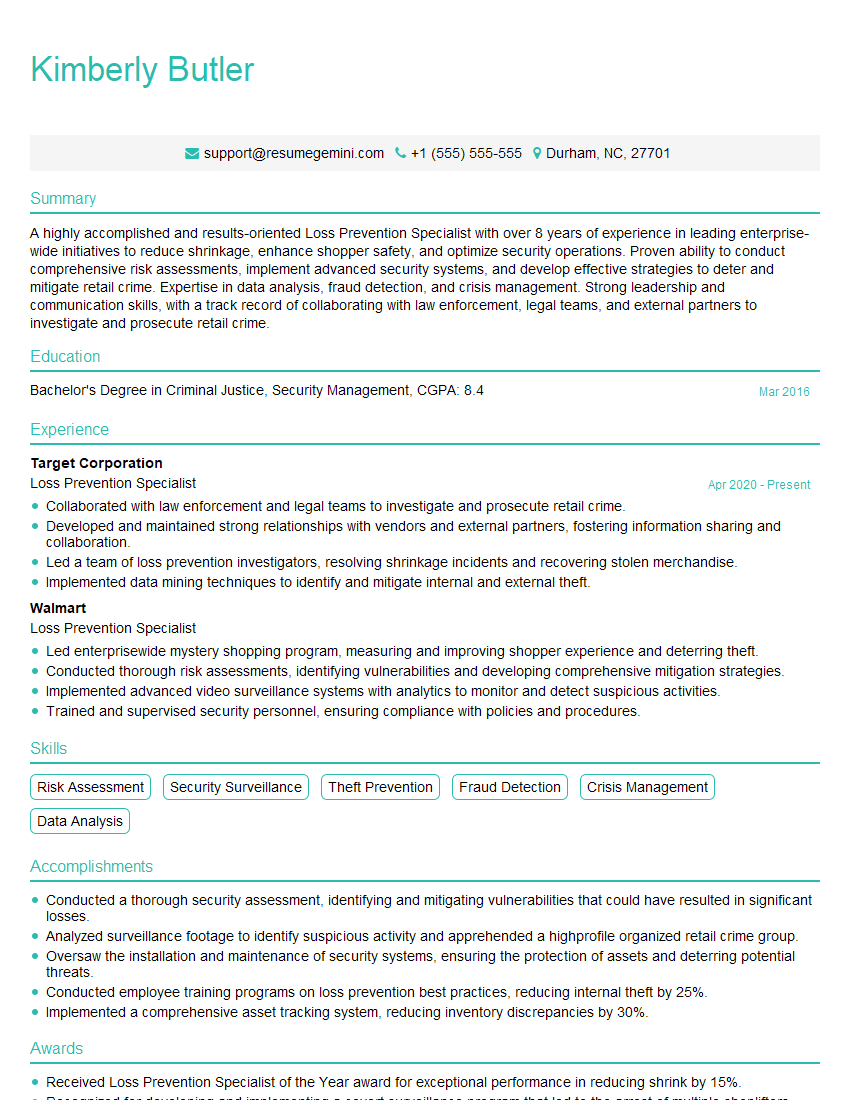
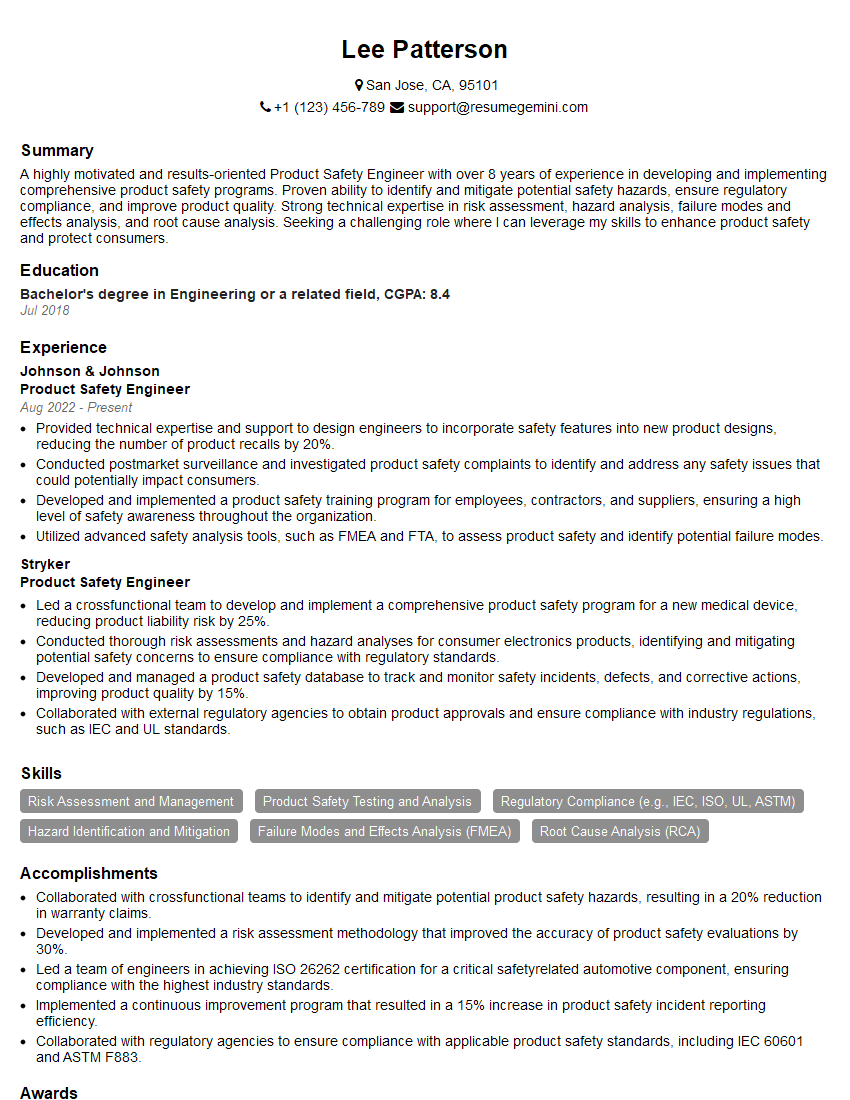
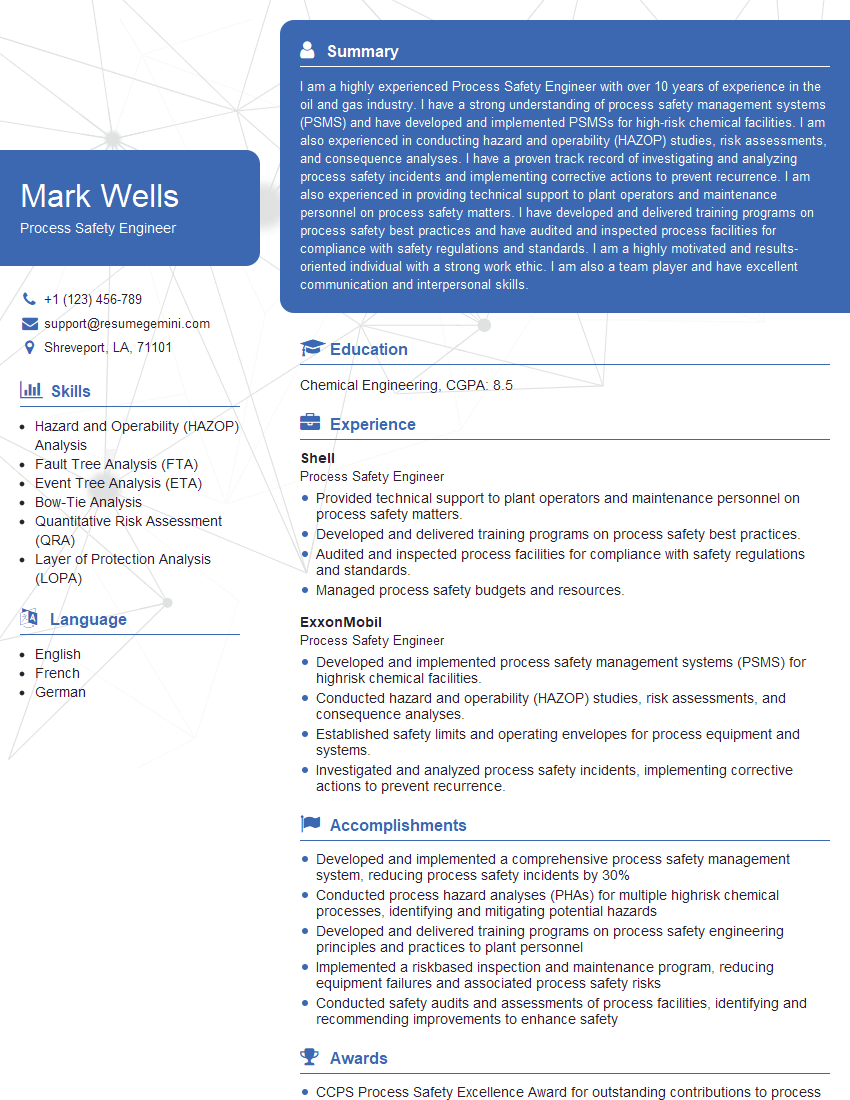
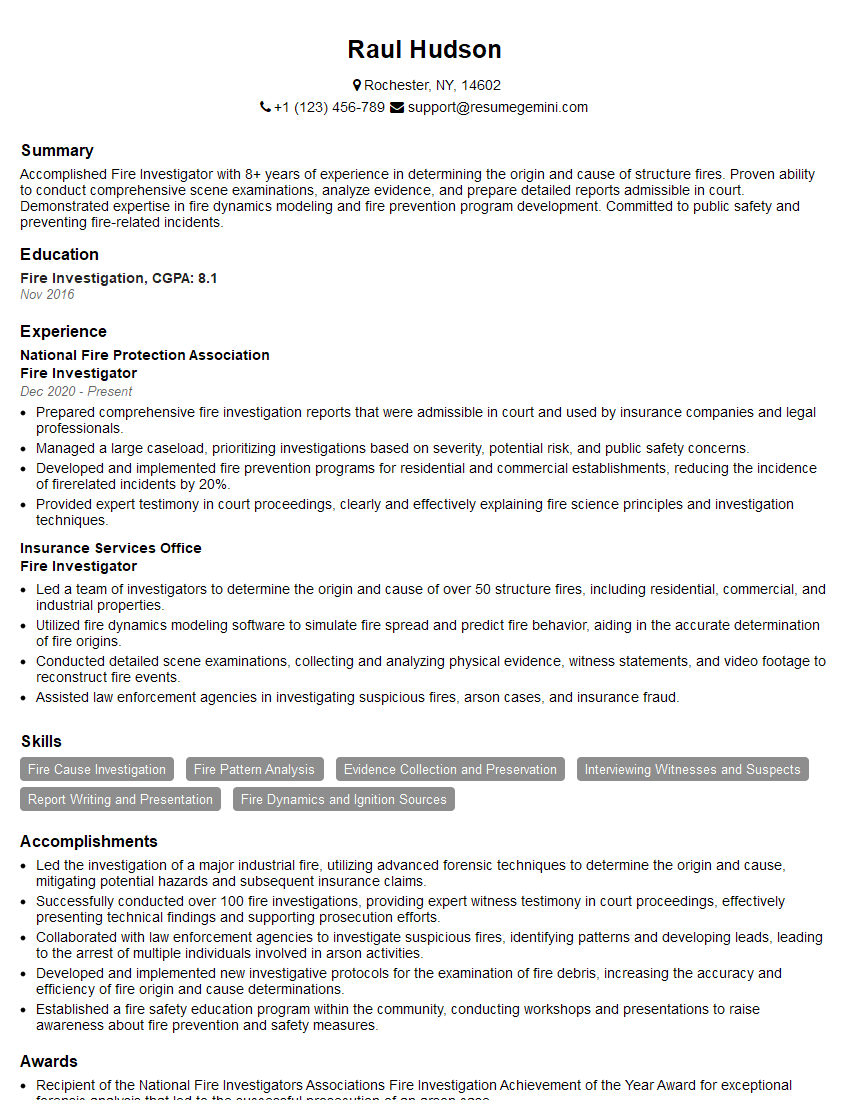
Mastering flammability is crucial for career advancement in numerous safety-critical industries. A strong understanding of fire science and prevention techniques significantly enhances your value as a professional. To boost your job prospects, create an ATS-friendly resume that effectively showcases your skills and experience. We strongly recommend using ResumeGemini to build a professional and impactful resume. ResumeGemini provides a streamlined process and offers examples of resumes tailored to Flammability, helping you present your qualifications in the best possible light.

Explore more articles
Users Rating of Our Blogs
Share Your Experience
We value your feedback! Please rate our content and share your thoughts (optional).
What Readers Say About Our Blog
Very informative content, great job.
good