Feeling uncertain about what to expect in your upcoming interview? We’ve got you covered! This blog highlights the most important Fleet Management and Coordination interview questions and provides actionable advice to help you stand out as the ideal candidate. Let’s pave the way for your success.
Questions Asked in Fleet Management and Coordination Interview
Q 1. Describe your experience with fleet routing optimization software.
Fleet routing optimization software is crucial for maximizing efficiency and minimizing costs. I have extensive experience using several leading software platforms, including [mention specific software, e.g., Route4Me, Samsara, or similar]. These platforms leverage algorithms to analyze various factors – real-time traffic conditions, driver locations, delivery deadlines, and vehicle capacity – to generate the most efficient routes. This goes beyond simple map directions; it considers things like avoiding toll roads, minimizing idling time, and optimizing delivery sequences.
For instance, in my previous role at [Previous Company Name], we implemented a new routing software that reduced our delivery times by 15% and fuel consumption by 10%. This was achieved by dynamically adjusting routes based on real-time traffic data and driver availability. The software also provided detailed reporting on route performance, allowing us to identify areas for further improvement and make data-driven decisions.
My expertise includes not only selecting and implementing the right software but also training drivers on its effective use and ensuring the data integrity of the system for accurate reporting and analysis.
Q 2. How do you manage driver hours of service compliance?
Managing driver hours of service (HOS) compliance is paramount for safety and legal reasons. We utilize Electronic Logging Devices (ELDs) integrated with our fleet management software. These ELDs automatically track driving time, on-duty time, and off-duty time, ensuring compliance with regulations such as the FMCSA’s Hours of Service rules. Beyond simple tracking, the system provides alerts to drivers and dispatchers when approaching HOS limits, preventing violations.
Our process involves regular audits of driver logs, proactive communication with drivers about their remaining hours, and implementing strategies to prevent fatigue. This might include scheduling breaks strategically, optimizing routes to minimize driving time, and encouraging drivers to take adequate rest. We also provide comprehensive training to drivers on HOS regulations and the use of ELDs. Failure to comply with HOS regulations can result in hefty fines and safety risks; therefore, proactive management is critical.
Q 3. Explain your approach to preventative vehicle maintenance.
Preventative vehicle maintenance is a cornerstone of a successful fleet management strategy. It’s far more cost-effective to prevent problems than to react to breakdowns. My approach is based on a combination of scheduled maintenance and condition-based monitoring. This involves creating a detailed preventative maintenance schedule for each vehicle, based on manufacturer recommendations and our historical maintenance data. This schedule includes regular oil changes, tire rotations, fluid checks, and inspections of key components.
We leverage telematics data to monitor vehicle health in real-time. Sensors provide information on engine performance, fuel consumption, and other critical parameters. Any anomalies detected trigger alerts, allowing us to schedule maintenance before a minor issue escalates into a major breakdown. This data-driven approach is much more efficient than relying solely on odometer readings or scheduled inspections. Think of it like regular check-ups at the doctor – it’s much better to catch potential issues early rather than waiting for a crisis.
Q 4. What metrics do you use to track fleet performance?
Tracking fleet performance requires a multifaceted approach using a variety of key performance indicators (KPIs). Some of the most important metrics I use include:
- Fuel efficiency (gallons per mile or liters per kilometer): This helps identify areas for improvement in driver behavior or vehicle maintenance.
- Vehicle uptime: The percentage of time vehicles are operational versus downtime due to maintenance or repairs. Higher uptime translates to higher productivity.
- On-time delivery rate: Measures the percentage of deliveries completed on schedule, reflecting the efficiency of our routing and dispatching.
- Driver safety record: Tracking accidents, speeding incidents, and harsh braking events to ensure driver safety and reduce liability.
- Maintenance costs per vehicle: Helps us monitor the effectiveness of our preventative maintenance program and identify areas for cost savings.
- Total cost of ownership (TCO): A comprehensive measure encompassing all expenses related to the fleet, including fuel, maintenance, insurance, and driver salaries.
Regularly analyzing these metrics allows us to pinpoint areas for improvement and make data-driven decisions to optimize fleet operations.
Q 5. How do you handle unexpected vehicle breakdowns or delays?
Unexpected vehicle breakdowns or delays are inevitable, but having a robust plan in place is crucial to minimizing their impact. Our response involves a multi-step process:
- Immediate notification: Drivers are required to report breakdowns immediately through our telematics system, providing location and details of the issue.
- Dispatching roadside assistance: We have contracts with reliable roadside assistance providers to ensure rapid response times.
- Alternative vehicle assignment (if necessary): If the repair is expected to take a significant amount of time, we re-route deliveries using available vehicles to minimize disruptions.
- Real-time communication with customers: We inform affected customers about the delay and provide an estimated time of arrival.
- Repair coordination: We oversee the repair process, ensuring timely completion and proper documentation.
- Root cause analysis: Following the repair, we conduct a thorough analysis to determine the cause of the breakdown and prevent similar incidents in the future.
This systematic approach ensures that we can minimize downtime, maintain customer satisfaction, and learn from each incident to improve our overall fleet reliability.
Q 6. What strategies do you employ to improve fuel efficiency?
Improving fuel efficiency is a major focus, given its significant impact on operating costs and environmental impact. Our strategies include:
- Driver training programs: We train drivers on fuel-efficient driving techniques, such as smooth acceleration and braking, maintaining optimal speed, and avoiding idling.
- Route optimization: Using routing software to generate routes that minimize distance and avoid traffic congestion significantly reduces fuel consumption.
- Vehicle maintenance: Regular maintenance, including proper tire inflation and engine tune-ups, ensures optimal vehicle performance and fuel economy.
- Telematics monitoring: We use telematics to monitor fuel consumption patterns, identifying drivers or vehicles with excessive fuel use for targeted training or maintenance.
- Vehicle selection: When purchasing new vehicles, we prioritize fuel-efficient models with advanced features such as hybrid technology or alternative fuels where appropriate.
Implementing these strategies collectively leads to substantial savings on fuel costs and reduced environmental footprint.
Q 7. Describe your experience with GPS tracking and telematics systems.
GPS tracking and telematics systems are indispensable tools in modern fleet management. My experience encompasses the selection, implementation, and ongoing management of these systems. We utilize systems that provide real-time tracking of vehicle location, speed, and other critical data. This allows us to monitor driver behavior, optimize routes, and respond quickly to emergencies. Beyond basic tracking, our telematics system provides valuable insights into vehicle performance, fuel consumption, and driver habits.
The data collected is used for various purposes including: optimizing routes, identifying areas for driver training, scheduling preventative maintenance, improving safety, and generating detailed reports for compliance and operational analysis. I’m proficient in interpreting the data provided by these systems to identify trends, anomalies, and areas for improvement in fleet operations. For example, we identified a pattern of excessive idling at certain delivery locations using telematics data. Addressing this issue through driver training and route adjustments resulted in significant fuel cost savings.
Q 8. How do you manage driver safety and training programs?
Driver safety is paramount in fleet management. My approach is multifaceted, focusing on proactive training and ongoing monitoring. It starts with a robust onboarding program covering defensive driving techniques, vehicle inspection procedures, and company safety policies. We utilize online training modules supplemented by hands-on workshops and regular refresher courses. For example, we’ve recently implemented a simulator training program to practice emergency braking and hazard avoidance in a safe environment. Beyond initial training, we employ telematics systems to monitor driver behavior, such as speeding, harsh braking, and idling time. Data analysis helps identify high-risk drivers who then receive targeted coaching and further training. We also conduct regular vehicle inspections and ensure our vehicles are properly maintained to minimize mechanical failures that could compromise safety. Finally, a strong safety culture is fostered through open communication, rewarding safe driving practices, and promptly addressing any safety concerns.
- Onboarding: Comprehensive training covering defensive driving, vehicle inspections, and company policies.
- Telematics Monitoring: Tracking driver behavior (speeding, braking, idling) to identify high-risk drivers.
- Refresher Courses: Regular updates on safety regulations and best practices.
- Simulator Training: Hands-on practice in a safe environment.
Q 9. How do you handle driver disciplinary actions?
Disciplinary actions are a necessary part of fleet management, but I believe in a progressive approach that prioritizes coaching and improvement. Our process begins with a formal written warning for minor infractions like minor speeding violations or minor safety rule breaches. Subsequent offenses may lead to suspensions, with the severity and duration depending on the nature and frequency of the violation. Serious offenses, such as reckless driving or violations resulting in accidents, may result in immediate termination. Throughout the process, documentation is crucial. Each step is carefully documented, including the infraction, the disciplinary action taken, and the driver’s response. Furthermore, we provide resources and support to help drivers improve their performance, such as additional training or counseling. Transparency and fairness are key to maintaining a positive and productive working environment.
For example, a driver who consistently exceeds speed limits receives a verbal warning initially, followed by a written warning. If the pattern continues, a suspension follows. This system provides clear expectations and allows for improvement before resorting to more severe measures.
Q 10. What is your experience with different types of vehicle maintenance contracts?
My experience encompasses various vehicle maintenance contracts, including full-service contracts, preventative maintenance contracts, and pay-as-you-go options. Full-service contracts provide comprehensive coverage, including parts, labor, and routine maintenance. This is often the most cost-effective option in the long run, offering predictable budgeting and minimizing unexpected repair costs. Preventative maintenance contracts focus on scheduled maintenance to prevent major breakdowns, often involving regular inspections and servicing. Pay-as-you-go options, while offering flexibility, can be less predictable regarding costs, as repairs are only covered as they occur. The choice of contract depends on various factors including budget, vehicle age, and operational needs. For instance, a newer fleet may benefit from a preventative maintenance contract to maximize its lifespan, while an older fleet might be better suited to a full-service contract to manage potential repair costs. I’ve successfully negotiated and managed contracts across these models, always prioritizing value and aligning the contract type to the specific needs of the fleet.
Q 11. How do you optimize routes for multi-stop deliveries?
Optimizing routes for multi-stop deliveries is critical for efficiency and timely delivery. I leverage route optimization software and algorithms that consider various factors such as delivery locations, time windows, traffic patterns, and driver availability. These systems typically use advanced algorithms like Dijkstra’s algorithm or more sophisticated heuristics to generate the most efficient routes, minimizing travel time and distance. For example, we use software that integrates real-time traffic data to dynamically adjust routes in response to unexpected delays. Manually creating routes for a large number of deliveries is inefficient and prone to errors. The software allows us to input all delivery locations, delivery time windows, and any other constraints, and the system provides an optimized route map for each driver. Regular monitoring and adjustments are crucial to ensure the route remains efficient. We continuously monitor the routes in real-time, making changes if needed due to unforeseen circumstances like accidents or road closures.
Q 12. Describe your experience with managing a large fleet budget.
Managing a large fleet budget requires meticulous planning and control. My approach involves a three-stage process: budgeting, monitoring, and optimization. The budgeting phase involves forecasting all potential costs, including fuel, maintenance, insurance, driver salaries, and vehicle acquisition. We utilize historical data, industry benchmarks, and projected growth to create a realistic budget. In the monitoring phase, we track actual expenses against the budget, identifying any variances and investigating their causes. We utilize various reporting tools to track key performance indicators (KPIs) like fuel consumption per mile, maintenance costs per vehicle, and delivery costs per unit. Finally, the optimization phase focuses on identifying areas for cost reduction. This can involve negotiating better fuel contracts, implementing fuel-efficient driving practices, optimizing maintenance schedules, and exploring alternative transportation options. For example, by implementing a driver training program focused on fuel-efficient driving techniques, we were able to reduce our overall fuel costs by 15% within six months. Continuous monitoring and adjustment are key to keeping the fleet budget under control.
Q 13. How do you handle customer complaints related to deliveries?
Handling customer complaints related to deliveries requires a swift and empathetic response. Our process involves a three-step approach: acknowledgement, investigation, and resolution. Upon receiving a complaint, we immediately acknowledge it and express our commitment to resolving the issue. We then thoroughly investigate the complaint, gathering information from drivers, dispatchers, and any relevant tracking systems. The investigation helps determine the root cause of the problem, be it a delivery delay, damaged goods, or incorrect delivery address. Finally, we work towards a resolution, which may involve issuing a refund, reshipping the goods, or offering a discount on future services. We strive to communicate transparently with the customer throughout the process, keeping them informed of our progress. A key aspect is to learn from each complaint to prevent similar issues in the future. We analyze recurring complaints to identify patterns and implement corrective actions, such as improving training, enhancing communication protocols, or refining delivery processes.
Q 14. What is your experience with different transportation modes (truck, rail, air)?
My experience spans various transportation modes, including trucking, rail, and air freight. Trucking is our primary mode, and I’ve extensive experience managing large trucking fleets, optimizing routes, and coordinating deliveries. I’ve successfully implemented and managed logistics systems for last-mile delivery and regional distribution networks using truck fleets. Rail transportation offers cost-effective solutions for long-distance, high-volume shipments. My experience here includes coordinating with rail carriers, managing intermodal transfers, and optimizing rail schedules to integrate seamlessly with our trucking operations. Air freight is used for time-sensitive deliveries or smaller, high-value shipments. My expertise in this area involves selecting appropriate air carriers, managing air freight documentation, and ensuring timely and secure delivery. The choice of transportation mode depends on factors like distance, time sensitivity, shipment size and value, and overall cost. For instance, we might utilize rail transport for bulk materials over long distances and air freight for urgent medical supplies.
Q 15. Explain your process for selecting and onboarding new drivers.
Selecting and onboarding new drivers is a crucial process that impacts safety, efficiency, and compliance. It begins with a rigorous application screening process, checking for valid licenses, driving records (MVRs), and background checks. We also assess candidates’ experience, qualifications, and their understanding of our safety protocols.
After initial screening, successful candidates undergo comprehensive interviews focusing on their driving history, customer service skills, and knowledge of relevant regulations, like hours-of-service (HOS). We conduct practical driving assessments to evaluate their skills and adherence to safety regulations. This often involves a road test evaluating their competence and defensive driving techniques.
Onboarding includes detailed training on our company’s operational procedures, safety policies, use of our fleet management software, and customer service expectations. We provide ongoing training and support, utilizing both classroom sessions and online modules. This continuous improvement approach ensures our drivers are consistently updated on best practices and regulatory changes. Regular performance reviews are a critical component, ensuring alignment with company standards and providing opportunities for development.
Career Expert Tips:
- Ace those interviews! Prepare effectively by reviewing the Top 50 Most Common Interview Questions on ResumeGemini.
- Navigate your job search with confidence! Explore a wide range of Career Tips on ResumeGemini. Learn about common challenges and recommendations to overcome them.
- Craft the perfect resume! Master the Art of Resume Writing with ResumeGemini’s guide. Showcase your unique qualifications and achievements effectively.
- Don’t miss out on holiday savings! Build your dream resume with ResumeGemini’s ATS optimized templates.
Q 16. How do you ensure compliance with DOT regulations?
Ensuring DOT (Department of Transportation) compliance is paramount. We maintain meticulous records of driver qualifications, vehicle maintenance, and safety performance. This involves regular driver vehicle inspection reports (DVIRs), thorough pre- and post-trip inspections, and adherence to HOS regulations, which we track using electronic logging devices (ELDs). We utilize a robust system for monitoring driver hours and automatically alerting us to potential violations.
Compliance also extends to vehicle maintenance. We maintain detailed maintenance records for each vehicle, ensuring all scheduled maintenance is performed on time. This not only prevents breakdowns but also minimizes the risk of accidents caused by mechanical failures. We conduct regular safety training and refresher courses for our drivers, regularly updating them on changes in DOT regulations. Furthermore, we conduct random drug and alcohol testing as mandated by DOT regulations. Compliance is a continuous process of monitoring, documentation, and proactive preventative measures.
Q 17. Describe your experience with fleet asset management software.
My experience with fleet asset management software is extensive. I’ve worked with several systems, including Samsara, Geotab, and KeepTruckin. These platforms provide real-time vehicle tracking, driver behavior monitoring, automated maintenance scheduling, and fuel consumption analysis.
For example, using Geotab, we can remotely monitor vehicle location, speed, and engine diagnostics. This enables proactive maintenance, preventing costly breakdowns and reducing downtime. The software also automatically generates reports on fuel efficiency, enabling us to identify areas for improvement and optimize routes. These systems are invaluable for improving operational efficiency and reducing costs while enhancing safety. Furthermore, the data collected aids in performance evaluations and provides valuable insights for improving driver training programs.
Q 18. How do you manage driver performance and productivity?
Managing driver performance and productivity is a multifaceted process. We use key performance indicators (KPIs) like on-time delivery rates, fuel efficiency, safety record, and customer satisfaction scores to evaluate performance. Data from our fleet management software provides objective metrics.
We provide regular feedback through driver performance reviews, highlighting areas of strength and areas needing improvement. We use coaching and mentoring to address performance gaps. Recognition and rewards for exceptional performance are critical for motivation and retention. For example, drivers consistently exceeding on-time delivery targets might receive bonuses or other incentives. We also use driver scorecards to visualize progress and identify trends. This allows for targeted interventions when necessary and proactively addresses issues that could impact productivity and safety.
Q 19. How do you handle vehicle accidents and insurance claims?
Handling vehicle accidents and insurance claims requires a systematic approach. Immediately after an accident, we ensure the safety of all involved parties and contact emergency services if necessary. We then collect all relevant information, including police reports, driver statements, and witness accounts. We photograph the damage to all vehicles involved and the accident scene.
Our insurance provider is notified immediately. We cooperate fully with the investigation and provide all necessary documentation. We handle claims through our designated insurance provider, ensuring all necessary steps are taken to ensure a timely resolution. Furthermore, we conduct internal investigations to determine contributing factors, using this information to improve safety training and procedures. The focus is on a thorough and transparent process that protects our drivers, the company, and the parties involved.
Q 20. What is your experience with implementing new fleet technologies?
Implementing new fleet technologies requires careful planning and execution. It begins with identifying business needs and selecting technologies that align with those needs. We assess the technology’s compatibility with existing systems, consider the costs involved (hardware, software, training), and develop a detailed implementation plan.
This includes training drivers and staff on the new technology, ensuring a smooth transition. For example, when implementing ELDs, we provided extensive training to drivers, addressing any concerns and ensuring they understood how to use the system correctly. We also implemented a phased rollout to minimize disruption. Post-implementation, we monitor the effectiveness of the new technology, making adjustments as needed, and continuously gather feedback from drivers to identify areas for improvement. This iterative approach ensures that the technology effectively meets our operational needs and maximizes its value.
Q 21. How do you track and analyze key performance indicators (KPIs)?
Tracking and analyzing KPIs is central to effective fleet management. We use our fleet management software to track key metrics, including fuel consumption, vehicle mileage, maintenance costs, driver performance, and on-time delivery rates. These are presented in dashboards and reports.
We analyze this data to identify trends, areas for improvement, and potential problems. For instance, a sudden spike in fuel consumption might indicate a problem with a specific vehicle or driver behavior. We use data-driven decision-making to optimize routes, improve driver training, and implement cost-saving measures. Regular reporting and analysis provide valuable insights into the overall effectiveness of our fleet operations and allow for proactive adjustments to optimize performance and reduce costs.
Q 22. Describe your experience with load planning and optimization.
Load planning and optimization is the art and science of maximizing cargo space and vehicle utilization while adhering to safety regulations and delivery deadlines. It involves strategically assigning shipments to vehicles based on factors like weight, volume, destination, and delivery windows.
In my experience, I’ve utilized advanced route optimization software that considers real-time traffic, weather conditions, and driver availability. For instance, I once managed a fleet delivering perishable goods across a large geographical area. By implementing a dynamic load planning system, we reduced our delivery times by 15% and minimized spoilage. This involved using algorithms that analyzed historical data to predict optimal routes and load configurations, dynamically adjusting to unforeseen circumstances like road closures.
Another key aspect is utilizing consolidation strategies. Instead of sending multiple smaller vehicles to different locations, we consolidated shipments destined for similar areas, reducing the overall number of vehicles on the road and lowering fuel consumption. Think of it like a well-organized Tetris game – fitting as many pieces (shipments) as efficiently as possible into each vehicle.
Q 23. How do you ensure the security of fleet vehicles and cargo?
Ensuring fleet and cargo security is paramount. It’s a multi-layered approach combining technological solutions with robust operational procedures.
- GPS Tracking and Telematics: Real-time tracking of vehicle location, speed, and other parameters helps deter theft and enables immediate response in case of incidents. We also use geofencing to set virtual boundaries; alerts are triggered if a vehicle leaves a predefined area without authorization.
- Driver Training and Background Checks: Thorough background checks and comprehensive driver training on security protocols are crucial. Drivers are educated on identifying and reporting suspicious activity, securing cargo properly, and maintaining vehicle security.
- Physical Security Measures: This includes using tamper-proof seals, cargo locks, and vehicle immobilizers. Regular vehicle inspections are also essential to identify and address potential vulnerabilities.
- Insurance and Risk Management: Comprehensive insurance coverage for vehicles and cargo is a must. A robust risk management plan outlines procedures for dealing with theft, accidents, and other potential security breaches.
For example, we implemented a system where drivers must scan a unique barcode at each delivery point, creating an audit trail that verifies the secure handover of goods. This significantly reduced instances of cargo loss or damage.
Q 24. What is your experience with managing driver payroll and expenses?
Managing driver payroll and expenses requires accuracy and compliance with labor laws and regulations. I’ve used both manual and automated systems depending on the size and complexity of the fleet.
For smaller fleets, we used spreadsheets to track hours worked, mileage, and other expenses. For larger fleets, we implemented dedicated payroll software that integrated with our time tracking system. This automation significantly reduced manual errors and the time spent on payroll processing. The software calculates wages accurately, factoring in overtime, bonuses, and deductions. It also generates reports that are essential for tax purposes and regulatory compliance. Expense tracking was streamlined through the use of corporate fuel cards and integrated expense reporting modules.
One important aspect is ensuring compliance with regulations concerning driver hours of service (HOS). We used electronic logging devices (ELDs) that automatically record driver duty status, helping us stay compliant and avoid penalties. Maintaining accurate records is critical, not only for payroll but also for managing driver performance and ensuring overall operational efficiency.
Q 25. How do you maintain accurate records for fleet maintenance and repairs?
Accurate fleet maintenance records are essential for maximizing vehicle lifespan, minimizing downtime, and controlling maintenance costs. I’ve used Computerized Maintenance Management Systems (CMMS) to track maintenance activities, schedules, and costs.
A CMMS allows for preventative maintenance scheduling based on vehicle mileage, hours of operation, or manufacturer recommendations. It enables the tracking of parts used, labor costs, and repair history for each vehicle. This data allows for informed decisions regarding repairs versus replacement, leading to cost savings in the long run. We also used the system to generate reports that help identify trends, such as frequently failing components, enabling proactive maintenance to prevent major breakdowns.
For example, by analyzing CMMS data, we identified a recurring issue with a particular engine component. This allowed us to implement a proactive maintenance strategy – replacing the component before failure – significantly reducing costly roadside repairs and downtime.
Q 26. How do you identify and address potential risks to fleet operations?
Identifying and addressing potential risks is a crucial aspect of fleet management. This involves a proactive approach combining risk assessment with robust mitigation strategies.
- Regular Safety Audits: Conducting routine safety inspections of vehicles and driver performance helps identify potential hazards and areas for improvement.
- Driver Behavior Monitoring: Analyzing driver data such as speed, braking, and acceleration patterns helps identify risky driving behaviors that can lead to accidents. We use telematics data for this purpose.
- Predictive Maintenance: Utilizing data analytics to predict potential vehicle failures allows for preventative maintenance, minimizing downtime and safety risks.
- Compliance Monitoring: Regularly checking compliance with regulations related to driver hours of service, safety standards, and environmental regulations ensures smooth operations and avoids penalties.
- Emergency Response Plans: Having well-defined emergency response plans for incidents like accidents, breakdowns, or security breaches ensures a swift and efficient response.
For instance, by analyzing accident data, we identified a particular route segment with a high accident rate. We adjusted driver routes and implemented additional safety training for drivers operating in that area, significantly reducing accident frequency.
Q 27. How do you leverage data analytics to improve fleet efficiency?
Data analytics is transformative for fleet efficiency. It allows for informed decision-making based on real-time and historical data.
We use telematics data to analyze fuel consumption, identify areas for improvement in driver behavior, and optimize routes. For example, we can identify drivers who consistently exceed speed limits or engage in harsh braking, leading to increased fuel consumption and higher maintenance costs. We then provide targeted training to improve their driving habits. Similarly, route optimization software uses real-time traffic and geographical data to suggest the most efficient routes, minimizing fuel consumption and delivery times.
Analyzing maintenance data reveals patterns in vehicle breakdowns, allowing us to schedule preventative maintenance and reduce downtime. This reduces unexpected costs and improves vehicle lifespan. Ultimately, data-driven insights empower us to streamline operations, reduce costs, and improve overall fleet performance.
Q 28. Describe your experience with negotiating contracts with transportation providers.
Negotiating contracts with transportation providers requires a strategic approach that balances cost-effectiveness with service quality and reliability.
My experience involves understanding the market landscape, assessing different providers’ capabilities, and negotiating favorable terms. This includes analyzing pricing structures, service level agreements (SLAs), and contract terms to ensure they align with our business needs. I focus on building strong relationships with providers, fostering open communication, and establishing clear expectations for performance.
For example, when negotiating contracts for long-haul transportation, I focused on securing volume discounts and guaranteed service levels. We also included clauses addressing fuel surcharges and potential delays, protecting us from unforeseen cost increases and disruptions. The key is to have a clear understanding of your requirements, thoroughly vet potential providers, and negotiate terms that are mutually beneficial.
Key Topics to Learn for Fleet Management and Coordination Interview
- Fleet Optimization Strategies: Understanding and applying techniques to minimize operational costs, improve efficiency, and enhance route planning. Consider exploring different routing software and their applications.
- Vehicle Maintenance and Repair Management: Developing and implementing preventative maintenance schedules, managing repair costs, and ensuring compliance with safety regulations. Practical application involves understanding predictive maintenance and its benefits.
- GPS Tracking and Telematics: Utilizing GPS data for real-time vehicle tracking, driver behavior monitoring, and fuel consumption analysis. Consider exploring the analysis of this data to improve efficiency and safety.
- Driver Management and Compliance: Implementing driver training programs, managing driver schedules, and ensuring compliance with all relevant regulations (e.g., Hours of Service). Focus on effective communication strategies and performance management techniques.
- Fuel Management and Cost Control: Strategies for minimizing fuel consumption, negotiating fuel contracts, and implementing fuel-efficient driving practices. Practical application includes understanding fuel card systems and their impact on cost control.
- Risk Management and Safety: Developing and implementing safety protocols, managing accident reports, and ensuring compliance with safety regulations. Consider exploring different risk assessment methodologies and their application in fleet management.
- Budgeting and Financial Reporting: Developing and managing fleet budgets, tracking expenses, and preparing financial reports. Practical application includes understanding key performance indicators (KPIs) and their use in decision-making.
- Technology and Software Applications: Familiarity with various fleet management software and technologies (e.g., dispatching software, route optimization tools). Explore the advantages and disadvantages of different software solutions.
Next Steps
Mastering Fleet Management and Coordination opens doors to exciting career advancements, offering opportunities for increased responsibility and higher earning potential. A strong, ATS-friendly resume is crucial for showcasing your skills and experience to potential employers. To build a compelling resume that highlights your qualifications effectively, leverage the power of ResumeGemini. ResumeGemini provides a user-friendly platform to craft professional resumes, and offers examples of resumes tailored specifically to Fleet Management and Coordination roles, ensuring your application stands out from the competition.
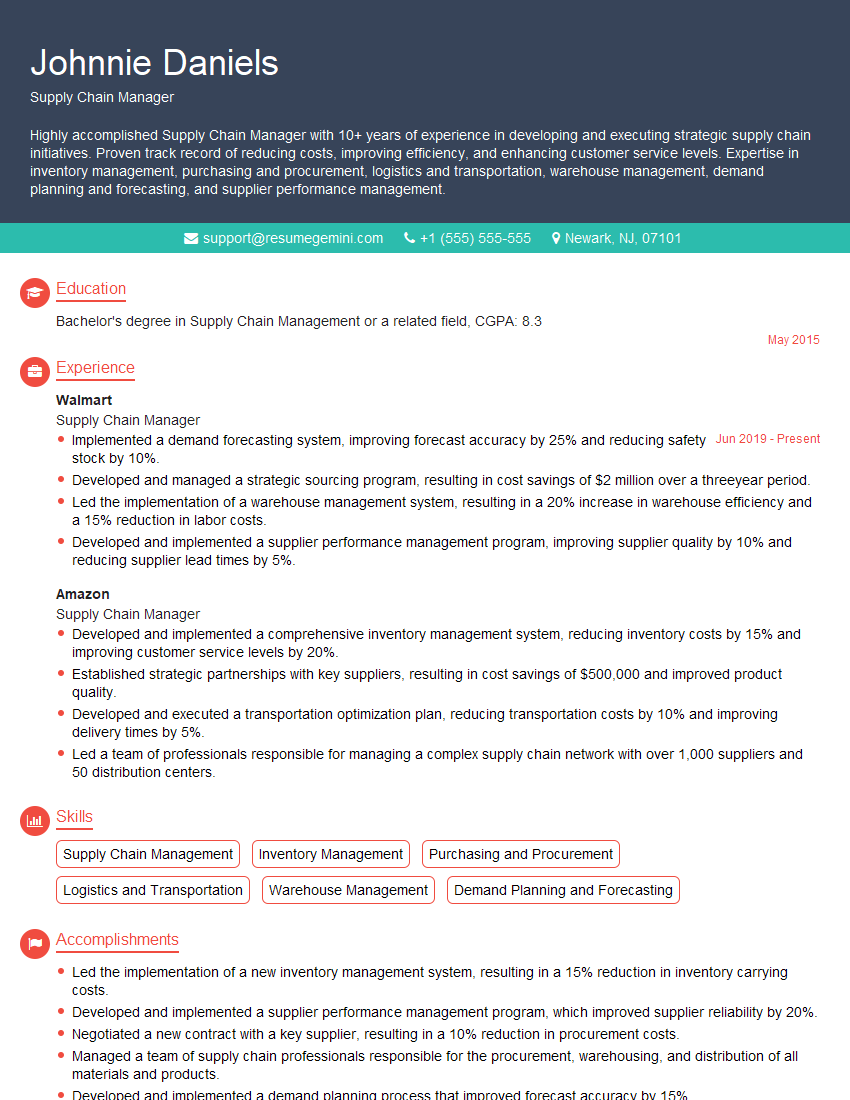
Supply Chain Manager Resume Sample
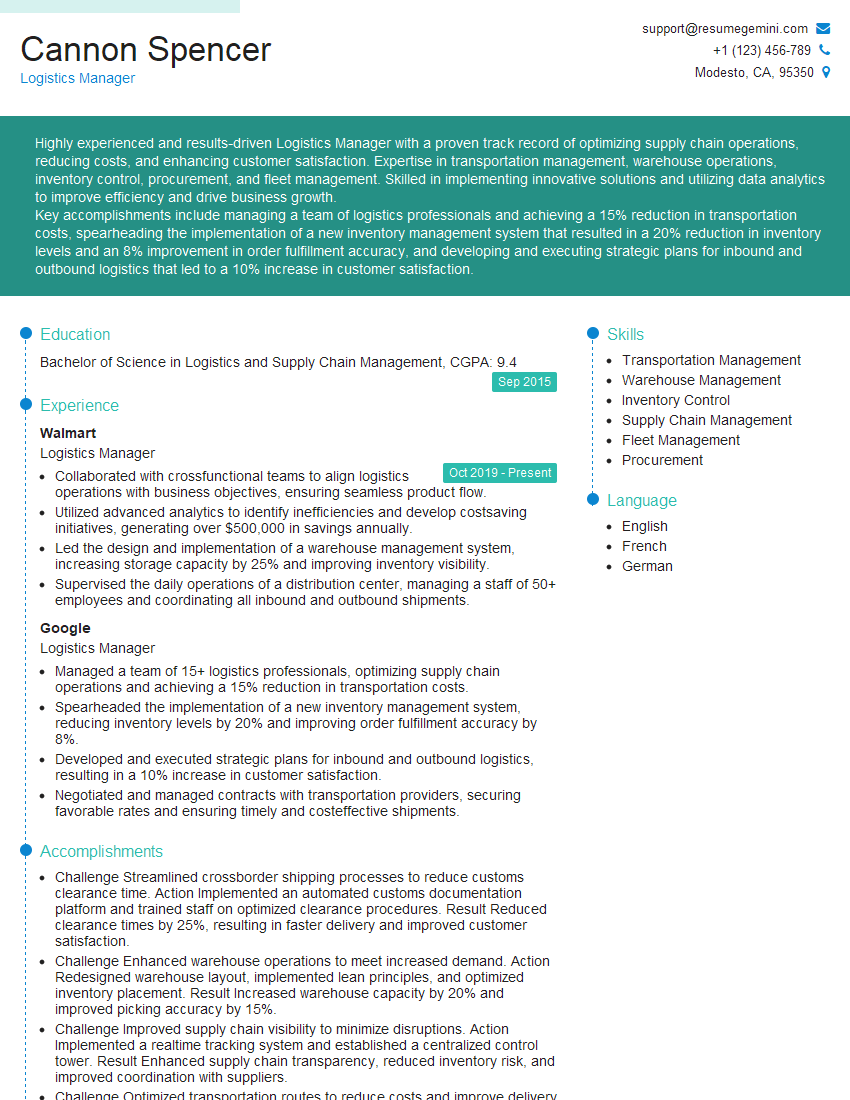
Logistics Manager Resume Sample
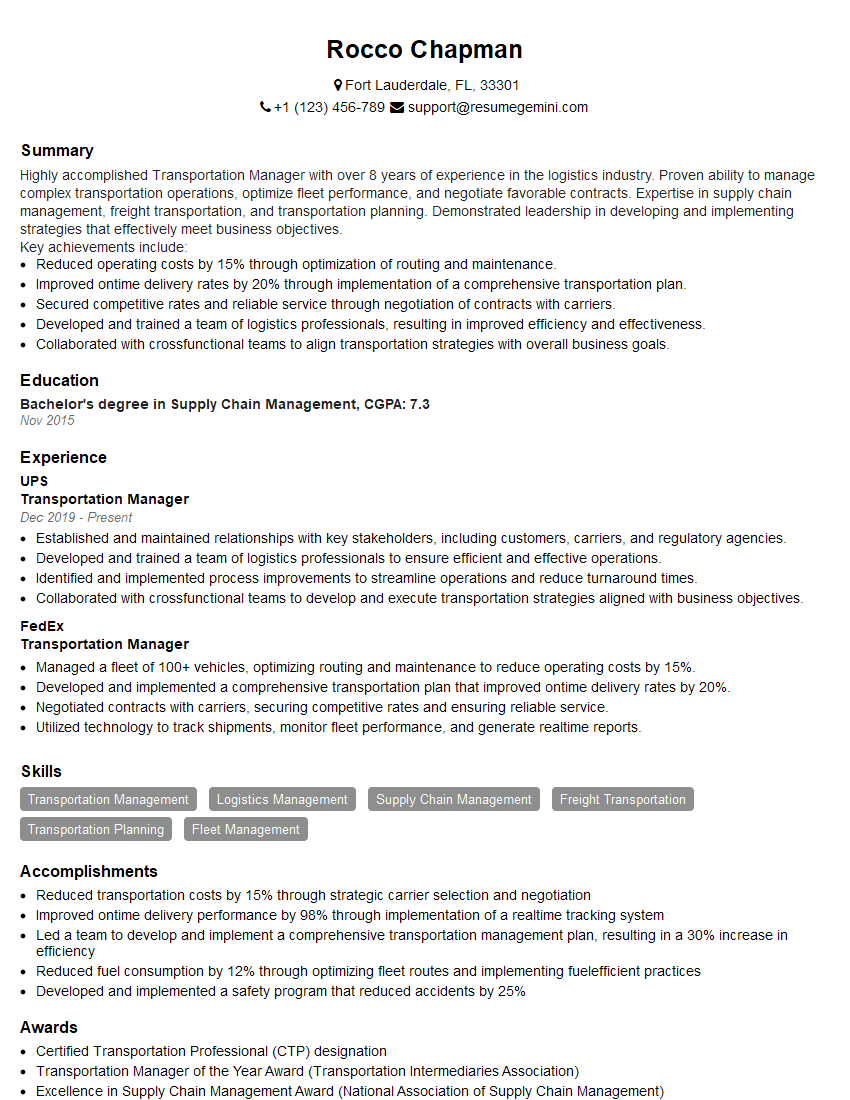
Transportation Manager Resume Sample
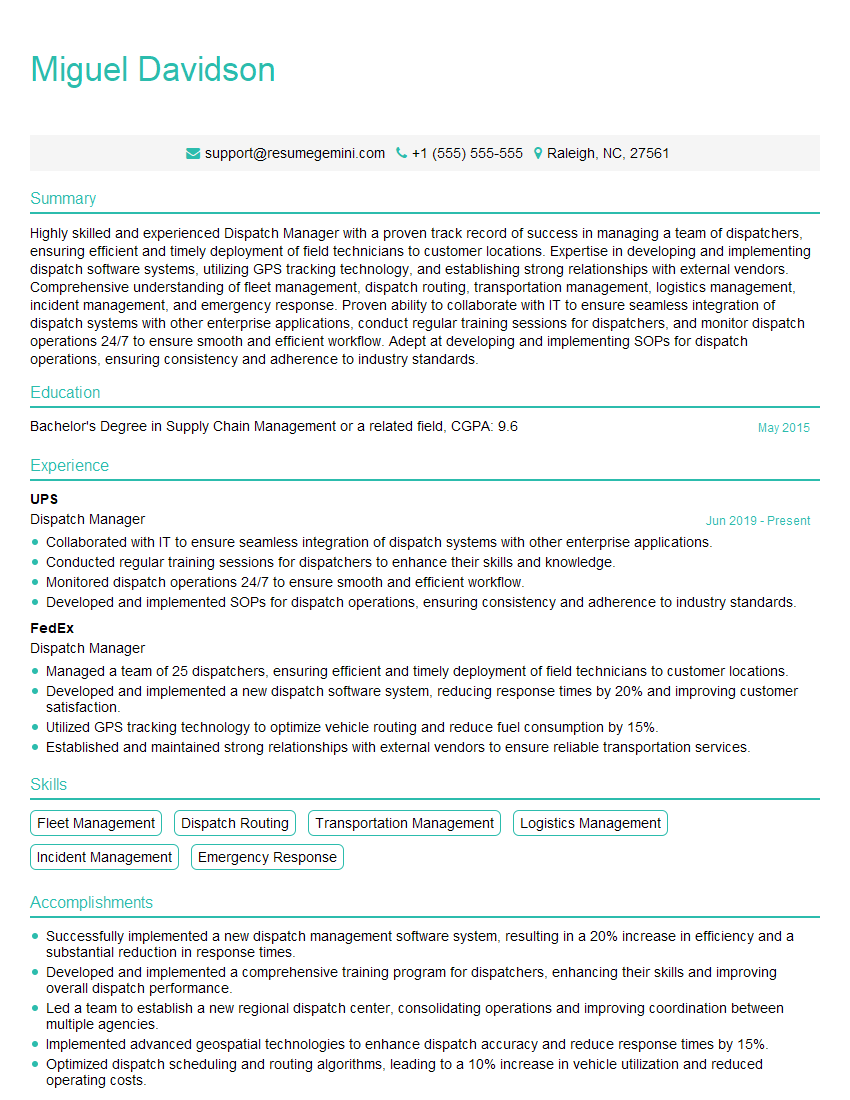
Dispatch Manager Resume Sample
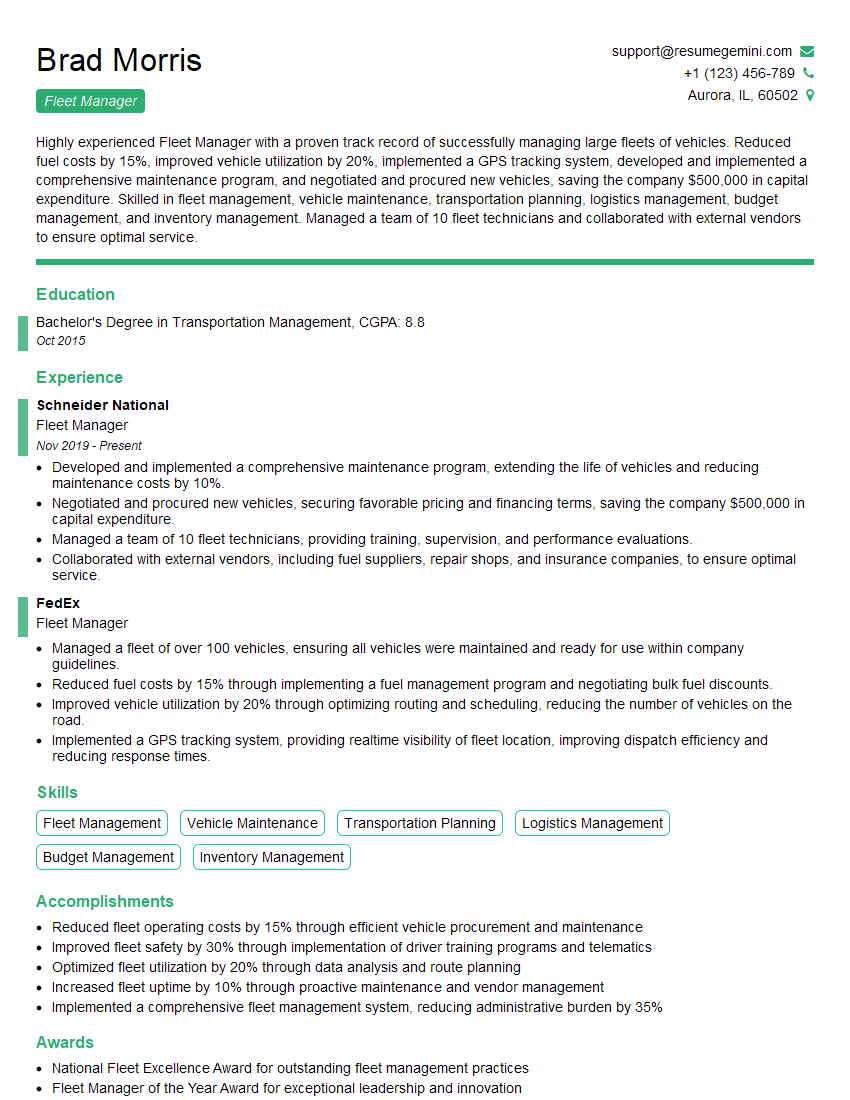
Fleet Manager Resume Sample
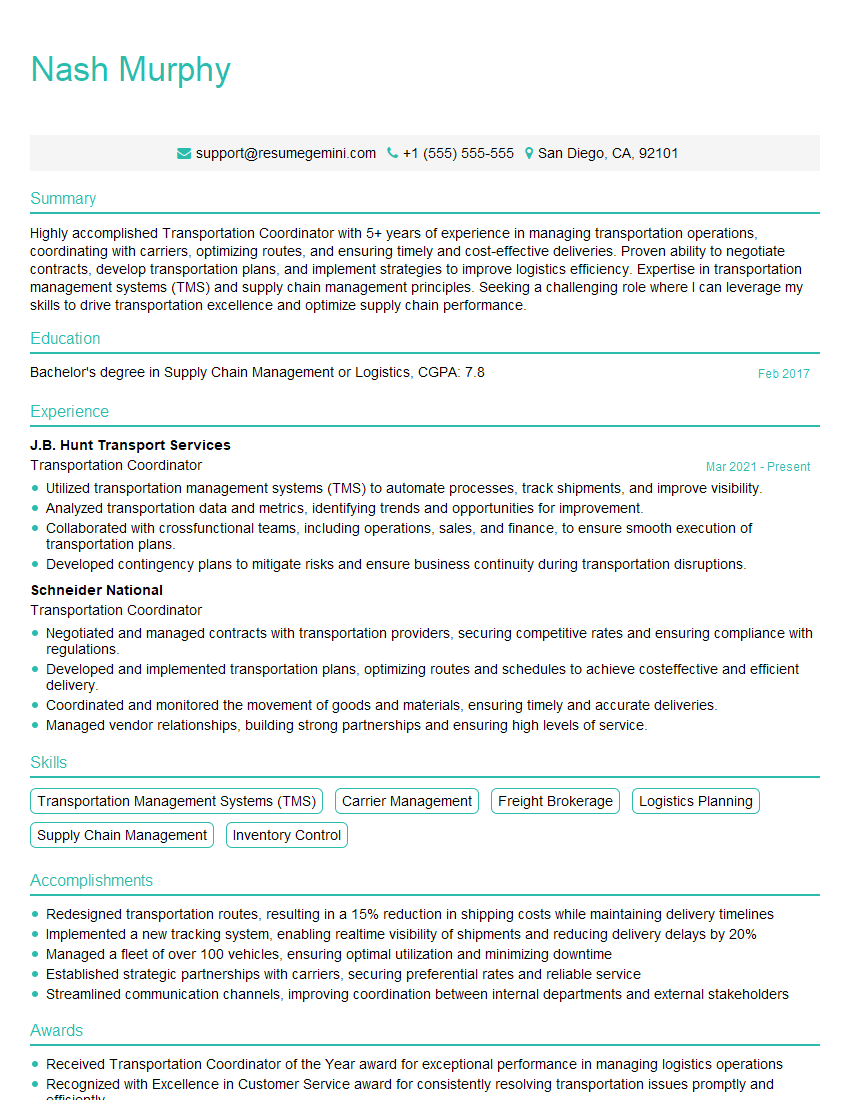
Transportation Coordinator Resume Sample
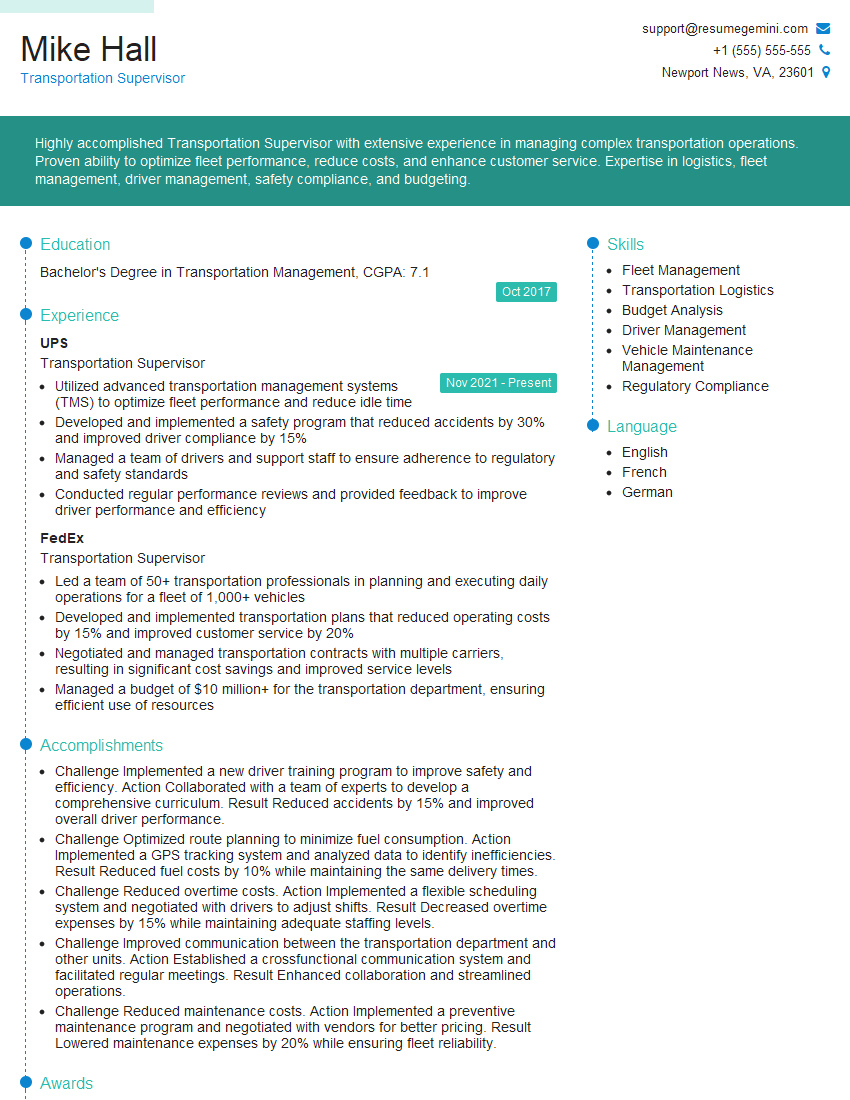
Transportation Supervisor Resume Sample
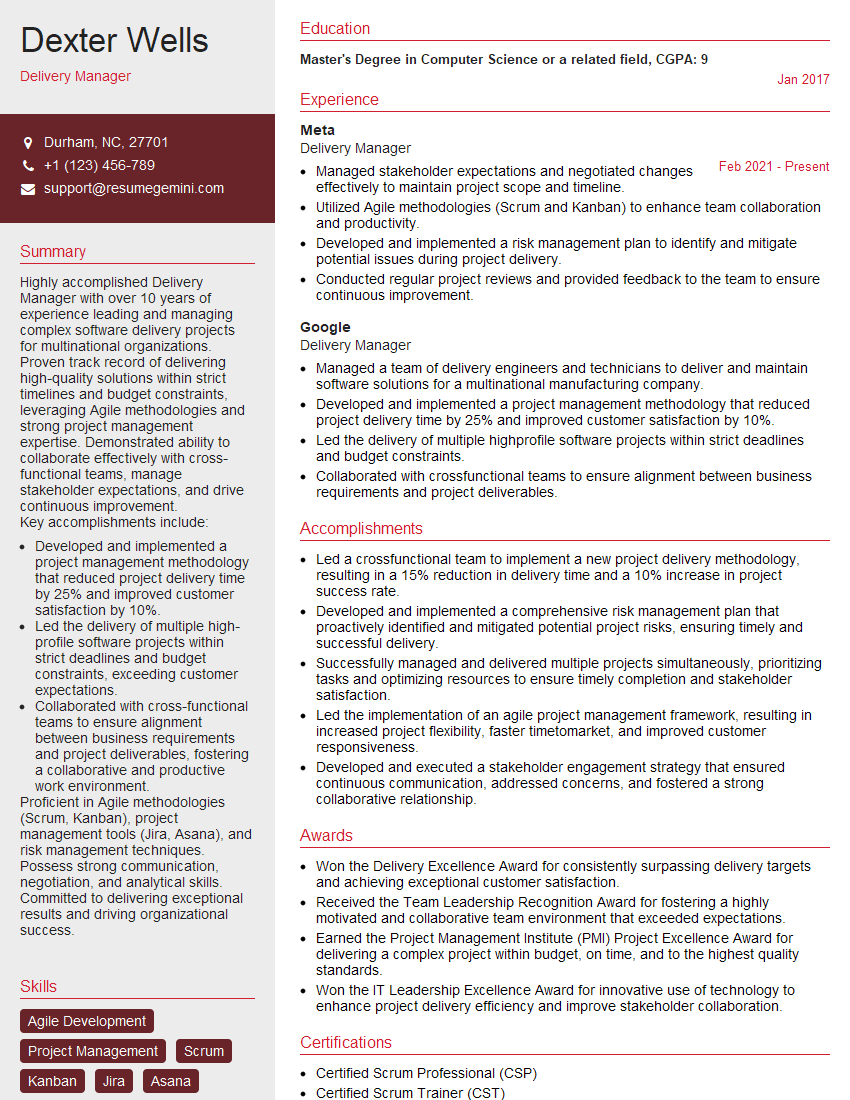
Delivery Manager Resume Sample
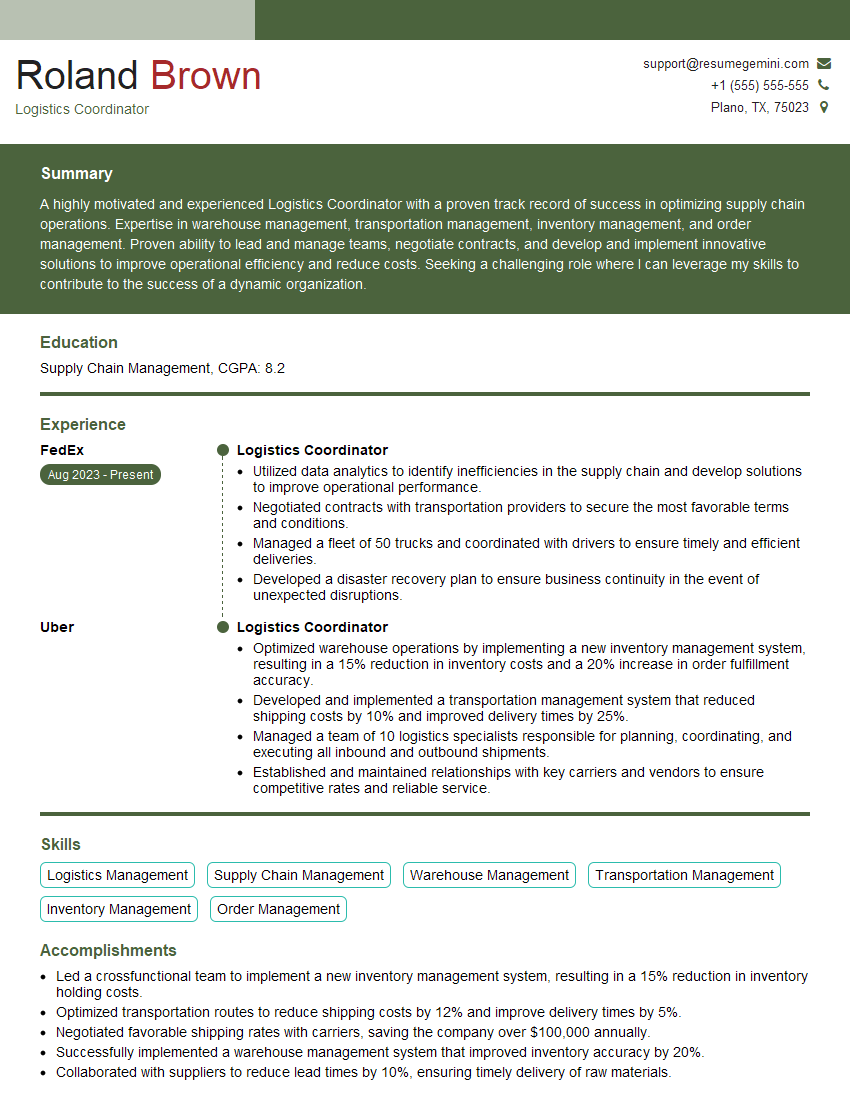
Logistics Coordinator Resume Sample
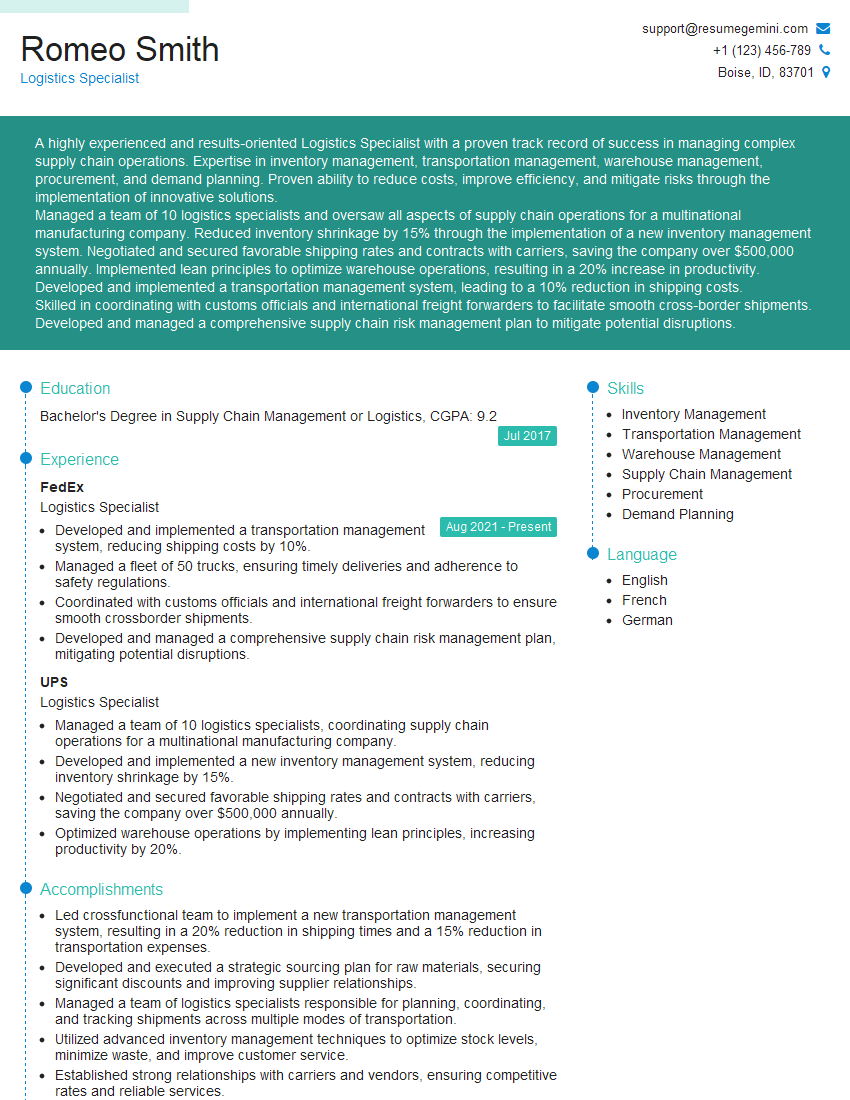
Logistics Specialist Resume Sample
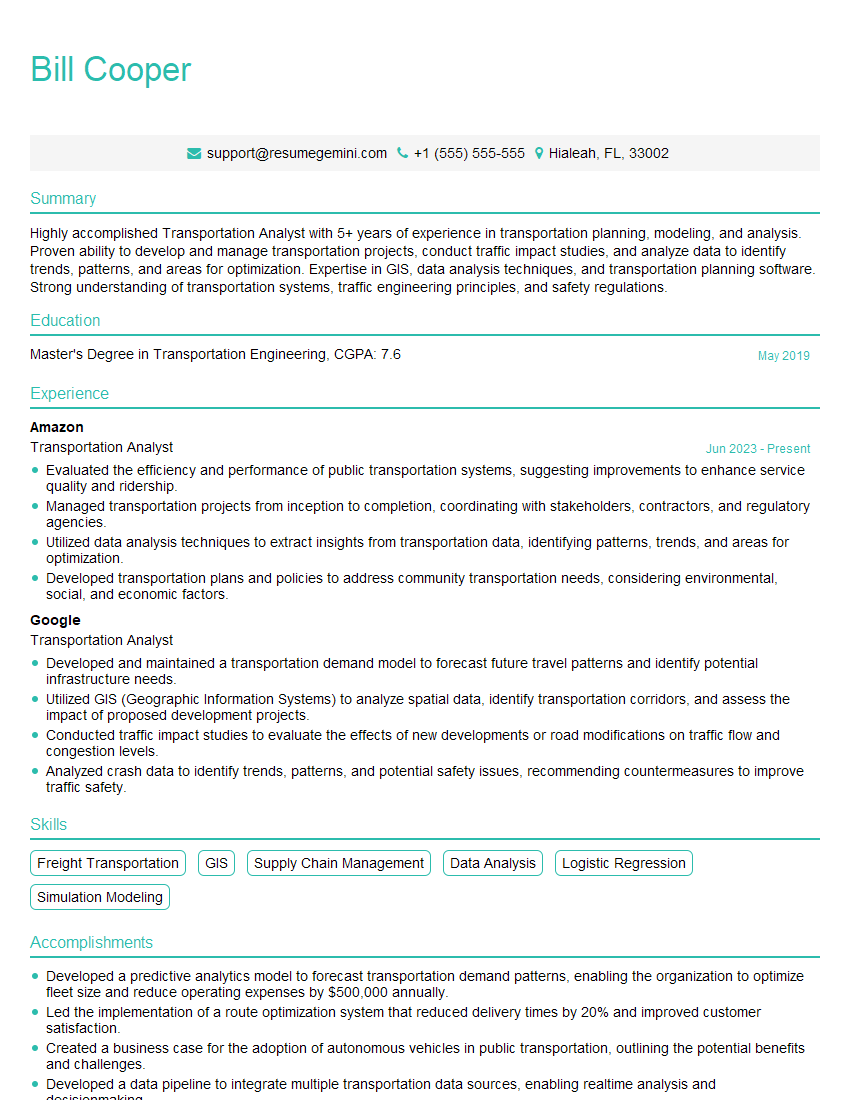
Transportation Analyst Resume Sample
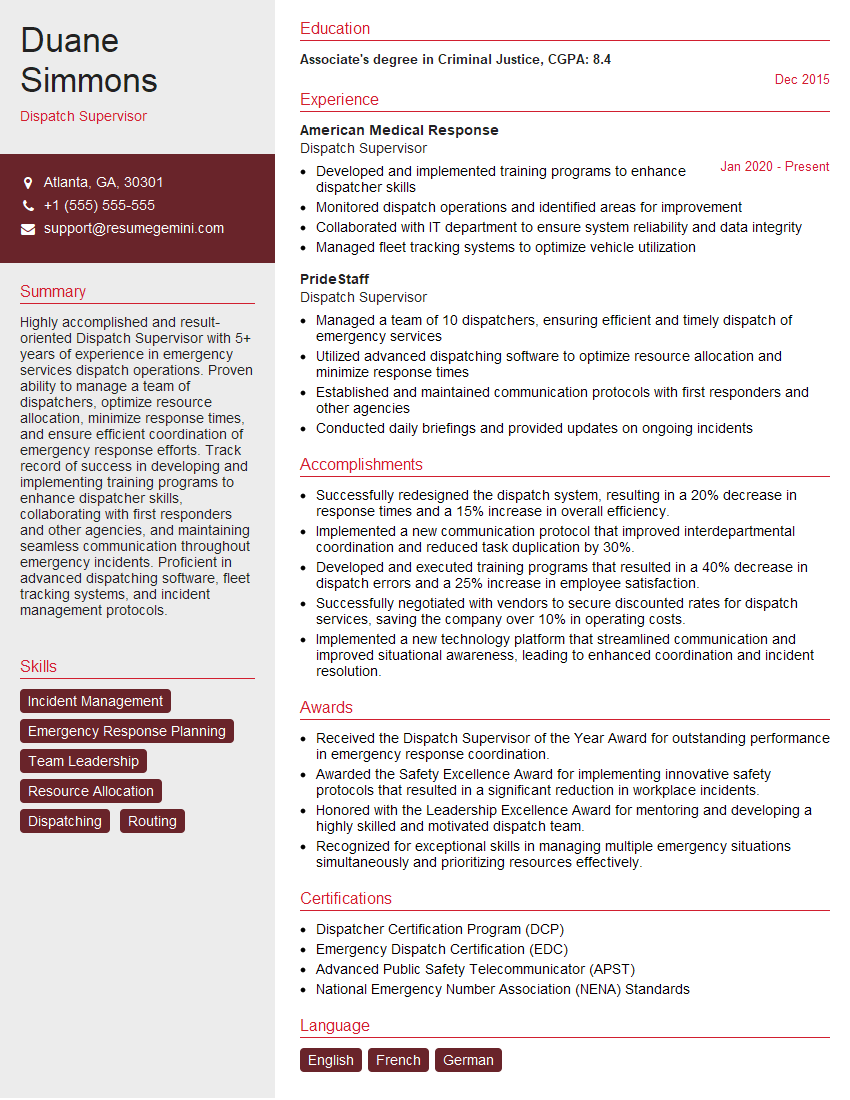
Dispatch Supervisor Resume Sample
Explore more articles
Users Rating of Our Blogs
Share Your Experience
We value your feedback! Please rate our content and share your thoughts (optional).
What Readers Say About Our Blog
Very informative content, great job.
good