Preparation is the key to success in any interview. In this post, we’ll explore crucial Flight Planning and Management interview questions and equip you with strategies to craft impactful answers. Whether you’re a beginner or a pro, these tips will elevate your preparation.
Questions Asked in Flight Planning and Management Interview
Q 1. Explain the process of creating a flight plan.
Creating a flight plan is a meticulous process ensuring safe and efficient air travel. It involves several key steps, starting with defining the flight’s origin and destination airports. Next, we select a route, considering factors like weather, air traffic, and fuel efficiency. We then determine the necessary flight levels, considering airspace restrictions and optimal altitudes for fuel consumption. Crucially, we calculate the required fuel, accounting for factors like distance, weight, and weather conditions. Finally, we file the flight plan with the relevant air traffic control authorities, providing them with all the necessary details for monitoring and managing our flight.
For example, planning a flight from London Heathrow (LHR) to New York JFK (JFK), we’d first identify potential routes, possibly navigating around areas of predicted turbulence or congested airspace. We’d then select altitudes, considering jet stream winds for fuel optimization. This careful selection of route and altitude is fed into our fuel calculation, adding reserves for unforeseen delays or diversions. The completed plan is then electronically filed, ensuring air traffic control is aware of our intended path and schedule.
Q 2. What are the key factors considered when determining a flight’s optimal route?
Determining a flight’s optimal route is a complex optimization problem. Several key factors are considered. Firstly, distance is a major factor, as shorter routes translate to lower fuel consumption and reduced flight time. However, we must also consider weather – avoiding storms, turbulence, and areas with poor visibility is paramount. Air traffic congestion influences route selection, as we need to avoid busy airspace and adhere to air traffic control instructions. Wind conditions significantly impact flight time and fuel efficiency; we aim to leverage tailwinds and minimize headwinds. Finally, fuel efficiency, taking into account altitude and wind, is a key driver in determining the most economical route, as it has direct cost implications.
Imagine flying from Chicago to Los Angeles. A direct route might seem optimal, but a strong headwind could significantly increase flight time and fuel burn. A slightly longer route that takes advantage of a favorable tailwind could actually result in a faster and more fuel-efficient flight. We carefully analyze all these factors to find the best balance between distance, weather, and air traffic, always prioritizing safety.
Q 3. How do you calculate Estimated Time of Arrival (ETA)?
Calculating the Estimated Time of Arrival (ETA) involves several steps. We start with the total flight time, derived from the planned route and anticipated airspeed. This is adjusted to account for wind effects – headwinds will increase the flight time, while tailwinds will reduce it. Next, we factor in climb and descent times, which are dependent on aircraft performance and air traffic control instructions. Finally, we may need to add additional time for potential delays, such as holding patterns due to air traffic congestion or unexpected diversions.
For instance, if the calculated flight time is 3 hours, and we anticipate a 30-minute headwind delay and a 15-minute descent delay, the ETA is adjusted to 3 hours and 45 minutes. This adjustment reflects realistic flight time, aiding in efficient ground operations.
Accurate ETA calculations are vital for effective air traffic management and ground crew coordination, ensuring seamless flight operations.
Q 4. Describe your experience with Flight Management Systems (FMS).
I have extensive experience using Flight Management Systems (FMS), sophisticated onboard computers that automate various aspects of flight planning and execution. My expertise encompasses their use in route planning, performance calculations, and navigation. I’m proficient in programming waypoints, adjusting flight levels based on weather and air traffic, and monitoring fuel consumption in real-time. I am familiar with various FMS models from different manufacturers and have experience troubleshooting system malfunctions.
In a recent flight, the FMS alerted me to unexpected turbulence ahead. Using the system’s weather radar and predictive capabilities, I quickly rerouted the aircraft, avoiding the turbulence and ensuring passenger safety and comfort. The FMS’s real-time data and automated adjustments were instrumental in this successful mitigation.
Q 5. What are the different types of flight plans (e.g., VFR, IFR)?
Flight plans are categorized primarily into Visual Flight Rules (VFR) and Instrument Flight Rules (IFR). VFR flights operate under visual meteorological conditions (VMC), where pilots rely primarily on visual cues for navigation and separation from other aircraft. They require good visibility and cloud clearance. IFR flights, on the other hand, operate under instrument meteorological conditions (IMC), where pilots rely on instruments for navigation and guidance. They require pre-approved flight plans filed with air traffic control, and adherence to strict procedures.
For example, a short recreational flight in good weather might be conducted under VFR, while a transatlantic flight, often flown in clouds or at night, would always require an IFR flight plan. The type of flight plan dictates the level of air traffic control oversight and the navigational procedures followed.
Q 6. How do you handle unexpected weather conditions during a flight?
Unexpected weather encounters require immediate and decisive action. Upon receiving a weather update indicating adverse conditions along the planned route, the first step involves assessing the severity and potential impact on the flight. Options include rerouting around the affected area, diverting to an alternate airport, or delaying the flight until conditions improve. The decision considers safety as the top priority, along with the potential impact on flight schedules and fuel consumption.
Communication with air traffic control is critical. We provide them with the updated flight plan and seek their guidance on the best course of action, ensuring all parties are aware of our intentions and capable of providing support. For instance, in the event of unforeseen turbulence, I may immediately descend to a lower altitude to navigate through it and inform air traffic control of the maneuver.
Q 7. Explain the concept of weight and balance in flight planning.
Weight and balance is a critical aspect of flight planning, ensuring the aircraft’s center of gravity remains within safe limits during takeoff, flight, and landing. This involves carefully calculating the total weight of the aircraft, including fuel, passengers, cargo, and baggage. The center of gravity is then determined, which represents the point where the aircraft’s weight is evenly balanced. This calculation is crucial, as an unbalanced aircraft can become unstable and difficult to control, potentially leading to serious accidents. We use load sheets and weight and balance programs to perform these calculations, which are routinely checked by ground crew.
For example, if we load cargo too far aft of the aircraft’s center of gravity, it could make the plane pitch up, potentially leading to a stall. Careful consideration of weight distribution is paramount for safety and handling.
Q 8. How do you calculate fuel requirements for a flight?
Calculating fuel requirements for a flight is a critical aspect of flight planning, ensuring safe arrival and avoiding fuel exhaustion. It’s not a simple calculation but involves several factors. We use a methodology that considers:
- Trip Fuel: This is the fuel needed to fly the planned route, from departure to arrival, including any holding patterns or deviations. We use sophisticated flight planning software that considers factors like aircraft weight, wind conditions, altitude, and route specifics to calculate this precisely.
- Reserve Fuel: This accounts for unforeseen circumstances. Regulations mandate a minimum reserve fuel, often expressed as a time of flight, ensuring enough fuel to handle delays, diversions, or unexpected weather conditions. For example, a flight might require 30 minutes of extra fuel to handle unexpected holding patterns.
- Taxi Fuel: This accounts for the fuel consumed while taxiing on the ground, both before takeoff and after landing. This is often estimated based on the airport and the aircraft type.
- Contingency Fuel: This is an additional buffer added to account for unforeseen events like unexpected headwinds or mechanical issues. It’s a safety margin that ensures we reach an alternate airport or safe landing site.
These fuel components are added together to determine the total fuel required. We also perform a fuel burn calculation during the flight to monitor fuel consumption and adjust plans as needed. The flight planning software we use incorporates real-time data, such as weather updates, to make these calculations dynamic and adaptable. Accurate fuel calculations are essential not only for safety but also for operational efficiency and cost management.
Q 9. What are the regulations and procedures for filing a flight plan?
Filing a flight plan involves adhering to strict regulations and procedures that vary by country and governing authority (like the FAA in the US or EASA in Europe). The process generally involves submitting a flight plan electronically through systems like FAA’s eFiling or similar systems provided by Air Navigation Service Providers (ANSPs). Key elements of a flight plan include:
- Aircraft Identification: Tail number, type, and other identifying details.
- Departure and Arrival Airports: Including designated runways (when possible).
- Route Details: Specific waypoints, airways, and altitudes, utilizing standard terminology and navigational aids.
- Estimated Time of Departure (ETD): When the aircraft is projected to begin its journey.
- Estimated Time of Arrival (ETA): When the aircraft is expected to land.
- Flight Level(s): The cruising altitude(s) at which the flight will operate.
- Aircraft Weight and Balance: This ensures efficient fuel consumption and operational safety.
- Alternate Airport(s): In case the primary destination is unavailable.
- Type of Flight: VFR (Visual Flight Rules), IFR (Instrument Flight Rules) and associated instruments or equipment
Failure to accurately and completely file a flight plan can result in serious consequences, including delays, flight restrictions, and even penalties. The process is meticulously followed to ensure seamless and safe navigation, alerting air traffic control to the aircraft’s planned path and enabling efficient management of airspace.
Q 10. Describe your experience with NOTAMs and their impact on flight planning.
NOTAMs (Notice to Airmen) are crucial safety information updates that affect flight operations. They provide critical information about temporary changes or hazards to navigation, such as airport closures, runway repairs, equipment outages, or special weather conditions. My experience involves regularly checking and interpreting NOTAMs before, during, and sometimes even after flight planning. I’m proficient in utilizing various NOTAM dissemination systems (both online and through aviation weather briefings).
The impact of NOTAMs on flight planning can be significant. A single NOTAM might require altering the planned route, adjusting the flight level, or even delaying a flight. For example, if a NOTAM announces a temporary closure of a critical navigational aid along the planned route, an alternate route needs to be carefully selected and calculated to ensure safe navigation. Effective NOTAM interpretation is fundamental to safe and efficient flight planning, preventing potential disruptions and mitigating risks associated with unexpected changes to the operational environment.
Q 11. How do you manage flight delays and diversions?
Managing flight delays and diversions requires quick thinking, problem-solving skills, and a thorough understanding of air traffic control procedures. My experience has shown that effective communication and proactive planning are crucial. Here’s a breakdown of how I handle such situations:
- Communication: Maintain constant communication with air traffic control, the crew, and other stakeholders (passengers, ground handlers). This includes updating all parties on the situation, the planned course of action, and any changes.
- Replanning: Quickly assess the situation and replan the flight path or adjust the flight plan. This may involve finding an alternate route, adjusting fuel calculations to accommodate longer flight times, and securing any necessary permissions from authorities.
- Coordination: Coordinate with ground crews, maintenance teams (if required), and other relevant personnel to ensure a smooth resolution and subsequent departure or landing.
- Passenger Management: If passengers are involved, transparent and timely communication is essential. They need to be informed about the delay, the cause, and the plan to address it.
- Documentation: Meticulously document all actions taken, including communications with air traffic control and any changes made to the flight plan. This is important for post-flight analysis and to learn from any mistakes made.
Each delay or diversion requires a tailored approach based on the specific cause and severity. This ensures that safety, regulatory compliance, and passenger well-being remain paramount.
Q 12. What is your experience with performance-based navigation (PBN)?
Performance-Based Navigation (PBN) is a system that allows for more precise and efficient navigation, enabling aircraft to fly more direct routes and reduce fuel consumption. My experience with PBN includes working with various RNAV (Area Navigation) approaches and procedures such as RNP (Required Navigation Performance) approaches which use GPS or other satellite-based navigation systems. This experience extends to understanding the various performance requirements of different PBN approaches and the impact of weather and aircraft limitations.
PBN relies heavily on the use of GPS and other navigation systems for accurate position determination and route following. My proficiency extends to understanding the associated performance monitoring and alerting systems, which are crucial for ensuring safe navigation and adherence to the flight plan’s specifications. This means being familiar with the accuracy and integrity limitations of the navigation systems and incorporating that awareness into the flight planning process.
Q 13. How do you ensure compliance with all relevant regulations during flight planning?
Ensuring compliance with all relevant regulations during flight planning is paramount. My approach involves a multi-layered process:
- Regulatory Knowledge: Maintaining up-to-date knowledge of all applicable national and international regulations, including those governing flight planning, airspace use, and operational procedures.
- Flight Planning Software: Utilizing certified and regularly updated flight planning software that incorporates all relevant regulatory requirements and ensures compliance with safety standards.
- Pre-flight Checks: A thorough review of the filed flight plan to ensure it adheres to all relevant regulations, including airspace restrictions, flight rules, and minimum fuel requirements.
- NOTAM Checks: Regularly checking and incorporating NOTAMs into the flight planning process, mitigating risks and ensuring compliance with any temporary changes or restrictions.
- Post-Flight Review: Following each flight, reviewing the flight plan and any deviations to ensure compliance and identify any areas for improvement in future flight planning.
Compliance is not just about following rules; it’s about creating a culture of safety and minimizing risks. We constantly strive for better understanding and application of regulatory information to ensure consistently compliant and safe operations.
Q 14. Describe your proficiency in using aviation charts and publications.
Proficiency in using aviation charts and publications is essential for safe and efficient flight planning. I have extensive experience with various charts, including VFR sectional charts, IFR en-route charts (low and high altitude), approach charts, and airport diagrams. I am also proficient in using pilot operating handbooks, aircraft flight manuals, and other relevant publications. My skills include:
- Chart Interpretation: Accurately interpreting chart symbology, including navigational aids, airspace restrictions, and terrain features.
- Route Planning: Efficiently planning flight routes based on chart information and considering factors like weather, airspace restrictions, and fuel efficiency.
- Approach Planning: Identifying and understanding various approach procedures, including their performance requirements and associated hazards.
- Emergency Planning: Utilizing charts and publications to identify suitable alternate airports and emergency landing sites.
- Data Integration: Integrating chart data with information from flight planning software and weather briefings to create a comprehensive and safe flight plan.
Chart interpretation is not merely about reading the maps; it’s about understanding the context and using the information to make informed decisions that ensure the safety and efficiency of each flight. Keeping my knowledge of charts and publications current is a priority, ensuring my ability to use these tools effectively and safely in all flight planning activities.
Q 15. How do you communicate with pilots and air traffic control during a flight?
Communication during a flight relies heavily on standardized procedures and technologies. With pilots, communication is primarily through the aircraft’s interphone system for coordination within the cockpit and with cabin crew. For air traffic control (ATC), we use radio communication on designated frequencies. This involves precise, concise language to avoid misunderstandings. For example, a typical communication with ATC might sound like this: “London Control, this is Flight BA249, requesting descent to FL200.”
Before takeoff, we receive detailed flight plans and weather briefings from ATC and discuss them thoroughly with the pilots. During the flight, we use various communication tools to relay crucial updates such as weather changes, airspace restrictions, or any potential delays. We use standardized phraseology to ensure clarity and safety – it’s akin to speaking a specialized aviation language. A critical aspect is acknowledging every instruction to guarantee ATC’s understanding. This two-way communication process is paramount for safe and efficient flight operations.
Career Expert Tips:
- Ace those interviews! Prepare effectively by reviewing the Top 50 Most Common Interview Questions on ResumeGemini.
- Navigate your job search with confidence! Explore a wide range of Career Tips on ResumeGemini. Learn about common challenges and recommendations to overcome them.
- Craft the perfect resume! Master the Art of Resume Writing with ResumeGemini’s guide. Showcase your unique qualifications and achievements effectively.
- Don’t miss out on holiday savings! Build your dream resume with ResumeGemini’s ATS optimized templates.
Q 16. Explain the concept of alternate airports and their selection criteria.
Alternate airports are backup landing locations chosen in case the primary destination becomes unusable due to unforeseen circumstances like bad weather or emergencies. Their selection is crucial for safety. We consider several factors:
- Distance: The alternate must be reasonably close, ensuring sufficient fuel reserves to reach it. We have to account for headwinds and fuel consumption calculations.
- Weather: We check the weather forecast for the alternate airport, ensuring it meets the minimum weather requirements for landing (visibility, cloud ceiling) at the estimated arrival time.
- Runway Length and Approach Procedures: The alternate’s runway must be long enough and equipped to handle the aircraft type. It also needs appropriate approach and landing procedures.
- Airport Services: We need to confirm the availability of essential services like air traffic control, fuel, maintenance, and emergency services.
For instance, if flying across the Atlantic, we’d select several alternate airports along the route in countries with suitable facilities, ensuring that even with unexpected diversions we always have a viable option, significantly mitigating any risk.
Q 17. What is your experience with different types of aircraft and their performance characteristics?
My experience encompasses a range of aircraft, from small single-engine piston aircraft to large, multi-engine jets, including both turboprop and turbojet aircraft. This experience gives me a solid understanding of their performance characteristics, including differences in:
- Fuel Consumption: Larger aircraft consume significantly more fuel than smaller ones, impacting flight planning decisions.
- Cruising Speed and Altitude: Different aircraft have different optimum cruising speeds and altitudes for fuel efficiency.
- Payload Capacity: This dictates the amount of cargo or passengers the aircraft can carry, influencing weight and balance calculations.
- Takeoff and Landing Distances: These vary considerably depending on the aircraft’s size, weight, and engine power, impacting airport selection.
- Navigation Systems: Experience covers various navigation systems, from basic VOR/ILS to advanced GPS and inertial navigation systems, influencing route planning and accuracy.
This varied experience allows me to adapt my flight planning strategies for diverse aircraft types and optimize performance while adhering to safety standards. For example, flight planning for a Boeing 777 will be significantly different from planning for a Cessna 172, highlighting the importance of aircraft-specific knowledge.
Q 18. How do you assess risk in flight planning?
Risk assessment in flight planning is a systematic process that involves identifying and evaluating potential hazards. We use a structured approach like a risk matrix, which considers the likelihood and severity of each risk. Factors considered include:
- Weather: Turbulence, icing, thunderstorms, low visibility are significant risks. We consult weather reports and forecasts to mitigate these risks by adjusting routes or delaying flights if necessary.
- Airspace Restrictions: Military operations, special events, or temporary closures can pose risks. Flight plans need to carefully navigate around these areas.
- Aircraft Condition: Mechanical failures are assessed through regular maintenance checks. Any potential issues must be addressed before the flight.
- Human Factors: Pilot fatigue, stress, or inadequate training can affect safety. Strict adherence to flight duty time limitations is crucial.
- Security Threats: Potential security threats are considered, and flight plans are adjusted accordingly, adhering to security protocols.
A risk mitigation strategy is developed for each identified risk. For instance, if severe weather is predicted, we might choose an alternate route, delay departure, or cancel the flight. The entire process is documented, allowing for continuous improvement and learning from past experiences.
Q 19. How do you use meteorological data in flight planning?
Meteorological data is absolutely critical for safe and efficient flight planning. We use various sources, including weather briefings from meteorological agencies, real-time weather radar, satellite imagery, and online weather data providers. This data influences several aspects:
- Route Selection: We avoid areas with severe weather like thunderstorms, icing conditions, or significant turbulence.
- Fuel Calculations: Headwinds and tailwinds impact fuel consumption, and accurate weather data is vital for precise fuel calculations, ensuring sufficient fuel reserves for the flight and any potential diversions.
- Takeoff and Landing Performance: Temperature, wind speed, and humidity affect aircraft performance. This data helps determine runway length requirements and potential delays.
- Visibility and Cloud Cover: This data is crucial for determining if the flight can proceed safely and whether any alternate airports are required.
For instance, a significant headwind could lead to a longer flight time and higher fuel consumption, requiring adjustments to the flight plan and additional fuel reserves. This highlights the importance of accurate and up-to-date meteorological information in all phases of flight planning.
Q 20. What are the different types of airspace and their restrictions?
Airspace is divided into different classes with varying restrictions, primarily based on air traffic density and operational requirements. These include:
- Uncontrolled Airspace (Class G): This airspace has no air traffic control services. Pilots are responsible for their own separation.
- Controlled Airspace (Classes A, B, C, D, E): These classes have progressively increasing levels of air traffic control services. Pilots must obtain clearance before entering and follow ATC instructions.
- Special Use Airspace: These are areas designated for specific purposes such as military training or restricted operations. Access is often limited or requires special authorization.
- Prohibited Areas: These are areas where flight is completely forbidden, usually due to national security concerns.
- Restricted Areas: Flight is permitted with authorization, typically for activities like military exercises or hazardous operations.
- Warning Areas: These areas contain hazards that could pose a risk to aircraft.
Understanding these airspace classes and restrictions is vital for safe flight planning, ensuring compliance with regulations and avoiding potential conflicts with other air traffic.
Q 21. How do you handle emergency situations during a flight?
Handling emergency situations requires swift, decisive action based on established procedures. The approach follows a structured framework:
- Assess the Situation: Quickly identify the nature and severity of the emergency (e.g., engine failure, medical emergency, hijacking).
- Follow Emergency Procedures: Each emergency has specific checklists and procedures that need to be followed meticulously.
- Communicate with ATC: Immediately contact ATC, providing details of the emergency and requesting assistance. This may involve declaring a Mayday (emergency).
- Execute Emergency Plan: Implement the appropriate emergency procedures, which may include diverting to the nearest suitable airport, making an emergency landing, or implementing other safety measures.
- Coordinate with Emergency Services: Coordinate with ground-based emergency services to ensure a safe landing and post-landing assistance. This might include contacting paramedics or rescue services.
- Post-Incident Procedures: After the emergency, complete a full report detailing the incident and the actions taken. This report aids future investigations and helps improve safety procedures.
Regular training and drills, coupled with adherence to standardized procedures, are paramount in handling such situations effectively. Effective communication and teamwork between the crew and ATC are crucial for a successful outcome.
Q 22. Describe your experience with flight tracking and monitoring systems.
My experience with flight tracking and monitoring systems spans over ten years, encompassing various platforms and technologies. I’ve worked extensively with systems like FlightAware, Flightradar24, and proprietary airline systems. These systems provide real-time data on aircraft location, altitude, speed, and other crucial parameters. I’m proficient in using this data for various purposes, including:
- Monitoring flight progress: Ensuring flights are adhering to the planned route and schedule, identifying potential delays, and proactively addressing deviations.
- Safety management: Detecting anomalies like unexpected altitude changes or speed fluctuations, triggering alerts for potential safety concerns.
- Performance analysis: Studying flight data to identify areas for improvement in fuel efficiency, route optimization, and overall operational effectiveness.
- Predictive maintenance: Analyzing sensor data from the aircraft to predict potential maintenance needs and schedule them proactively, minimizing downtime.
For instance, during a recent severe weather event, real-time tracking allowed us to reroute several flights to avoid hazardous conditions, ensuring the safety of passengers and crew. The ability to analyze this data post-flight enables us to refine our weather avoidance strategies and improve future flight planning.
Q 23. What is your understanding of fuel efficiency strategies?
Fuel efficiency is paramount in aviation, both economically and environmentally. My understanding encompasses a range of strategies, focusing on both pre-flight planning and in-flight optimization. Key strategies include:
- Optimized flight planning: Choosing the most fuel-efficient route, considering wind conditions, altitude, and aircraft performance characteristics.
- Continuous descent approaches (CDA): Reducing fuel burn by using a more gradual descent instead of a series of step descents.
- Reduced thrust settings: Utilizing efficient engine settings to minimize fuel consumption while maintaining safe and comfortable flight.
- Weight optimization: Minimizing unnecessary weight onboard to reduce fuel burn. This includes efficient cargo loading and careful consideration of passenger baggage.
- Aircraft maintenance: Ensuring that the aircraft is properly maintained to ensure optimal engine performance and reduce fuel consumption.
- Modern aircraft technologies: Utilizing modern aircraft equipped with advanced technologies designed for fuel efficiency.
For example, implementing CDA can significantly reduce fuel burn by reducing the need for engine power during descents. Weight optimization, even seemingly small changes like reducing the amount of onboard fuel carried if not absolutely necessary, can significantly affect overall fuel consumption across numerous flights.
Q 24. How do you optimize flight routes for fuel consumption?
Optimizing flight routes for fuel consumption is a complex process that involves several factors. I use a combination of techniques and software to achieve this:
- Meteorological data: Analyzing weather forecasts to identify favorable wind conditions that can reduce flight time and fuel consumption. Headwinds increase fuel consumption significantly, whereas tailwinds can reduce it.
- Aircraft performance data: Utilizing data on the aircraft’s fuel burn rate at different altitudes and speeds to determine the most efficient flight profile.
- Route planning software: Employing specialized software that incorporates all the above factors to calculate the most efficient route, taking into account things like airspace restrictions, navigational aids, and other operational constraints.
- Consideration of holding patterns: Minimizing holding time in the air. Holding patterns are often necessary due to delays, but they significantly add to fuel consumption, so efficient ground communication with air traffic control can reduce fuel wasted in holding.
In practice, this involves inputting flight parameters (origin, destination, aircraft type, weight) into the planning software. The software then generates several possible routes, each with its associated fuel burn prediction. We choose the most efficient route, balancing fuel consumption with other factors like flight time and potential weather disruptions. For example, during a recent transatlantic flight, leveraging favorable tailwinds allowed us to reduce flight time by 30 minutes and save a significant amount of fuel.
Q 25. What are the key performance indicators (KPIs) for flight planning?
Key Performance Indicators (KPIs) for flight planning are crucial for evaluating the efficiency and effectiveness of the planning process. Some key KPIs include:
- Fuel consumption per flight: Measured in kilograms or pounds of fuel used per flight or per kilometer/mile flown.
- Flight time: The total time spent in flight, aiming for minimal flight time while adhering to safety regulations.
- On-time performance: The percentage of flights that arrive on schedule, reflecting the accuracy of the flight plan and its adherence to the plan.
- Route adherence: Monitoring the degree to which flights stick to the planned route.
- Fuel efficiency: Measured as a ratio of distance flown to fuel consumed, indicating improvement over time.
- Cost per flight: Reflecting the overall expenses, including fuel and other operational costs.
By consistently monitoring these KPIs, we can identify areas for improvement in our flight planning processes and strive for optimal operational efficiency and cost savings.
Q 26. Explain your experience with flight planning software.
I have extensive experience with various flight planning software packages, including Jeppesen FliteDeck, AIMS, and others. My proficiency encompasses data input, route optimization, weather integration, performance calculations, and report generation. I’m adept at using these tools to create efficient and safe flight plans, taking into consideration various factors like aircraft performance, weather conditions, and air traffic regulations. For example, I am skilled in using AIMS (Airline Information Management System) to manage complex flight schedules, create and distribute flight plans, and track flight progress in real-time.
Furthermore, my expertise extends to the integration of these systems with other operational tools, enabling seamless data exchange and optimized workflow. This interoperability allows for better decision-making, improved communication and ultimately contributes to better overall flight safety and efficiency. For example, using the data from Jeppesen FliteDeck, I can instantly cross-reference various data sets, such as fuel calculations, weather forecasts, and airspace restrictions, to construct a highly tailored flight plan.
Q 27. How do you stay updated on changes in aviation regulations and procedures?
Staying updated on aviation regulations and procedures is crucial for safe and compliant operations. I employ several strategies to maintain my knowledge:
- Regular review of NOTAMs (Notices to Airmen): NOTAMs provide crucial information on temporary changes to airspace, navigational aids, and other operational factors. Regularly checking NOTAMs is a daily routine.
- Subscription to aviation publications: Staying informed through industry journals and newsletters such as Flightglobal, Aviation Week, and others that provide up-to-date information on new regulations and procedures.
- Participation in industry conferences and seminars: Networking with fellow professionals and attending industry events provides valuable insights and updates on the latest developments in aviation regulations.
- Ongoing professional development: Actively participating in training courses and certifications to stay current with the evolving regulatory landscape and best practices.
- Regulatory agency websites: Checking regulatory agency websites like the FAA (in the US) or EASA (in Europe) for updates and changes to regulations.
These combined strategies ensure I’m always abreast of the latest changes and can incorporate them into my flight planning and management practices.
Q 28. Describe a challenging flight planning scenario and how you overcame it.
One challenging scenario involved a flight from London to New York during an unexpected and rapidly evolving severe weather system over the Atlantic. Initial flight plans were rendered unusable due to the intensity and rapid shift of the storm front. This posed significant risks for flight safety and created concerns regarding fuel efficiency due to potential rerouting and holding.
To overcome this, I employed a multi-pronged approach:
- Real-time weather monitoring: I used advanced weather radar and forecasting tools to continuously track the storm’s movement and intensity.
- Dynamic route planning: I collaborated with air traffic control and continuously adjusted the flight path to avoid the most severe weather, leveraging the flexibility offered by modern flight planning software.
- Fuel optimization: While avoiding the storm, I optimized the flight altitude and speed to minimize fuel consumption, keeping in mind the potential need for holding patterns or detours.
- Communication: Maintaining constant communication with the flight crew and air traffic control to ensure timely updates on weather conditions and route adjustments.
Through proactive monitoring, dynamic planning, and effective communication, we successfully navigated the severe weather, reaching our destination safely and with minimal impact on fuel efficiency considering the circumstances. This experience reinforced the importance of real-time data, flexible planning, and collaborative teamwork in managing unexpected challenges.
Key Topics to Learn for Flight Planning and Management Interview
- Flight Planning Fundamentals: Understanding flight planning software, navigation charts, and weather briefing processes. Practical application includes creating a flight plan from origin to destination, considering various factors like fuel consumption, airspace restrictions, and alternate airports.
- Weight and Balance Calculations: Mastering the principles of aircraft weight and balance, including calculating center of gravity and ensuring safe flight operations. Practical application involves performing weight and balance calculations for different flight scenarios and load configurations.
- Performance Calculations: Understanding and applying performance charts to determine takeoff and landing distances, fuel requirements, and climb/descent profiles. Practical application includes calculating fuel requirements based on flight parameters and weather conditions.
- Airspace and Navigation: Comprehensive knowledge of airspace classifications, navigation aids (VOR, ILS, GPS), and procedures for navigating different airspace types. Practical application involves route planning considering airspace restrictions and efficient navigation strategies.
- Regulatory Compliance: Familiarity with relevant aviation regulations and safety procedures related to flight planning and management. Practical application includes ensuring compliance with all relevant regulations during the planning and execution of a flight.
- Emergency Procedures: Understanding emergency procedures and contingency planning for various scenarios. Practical application involves developing contingency plans for potential issues like engine failure, weather deviations, or navigation problems.
- Flight Dispatch and Operations: Understanding the role of a flight dispatcher and the coordination involved in managing flight operations. Practical application involves discussing the collaboration between flight planning and flight dispatch.
Next Steps
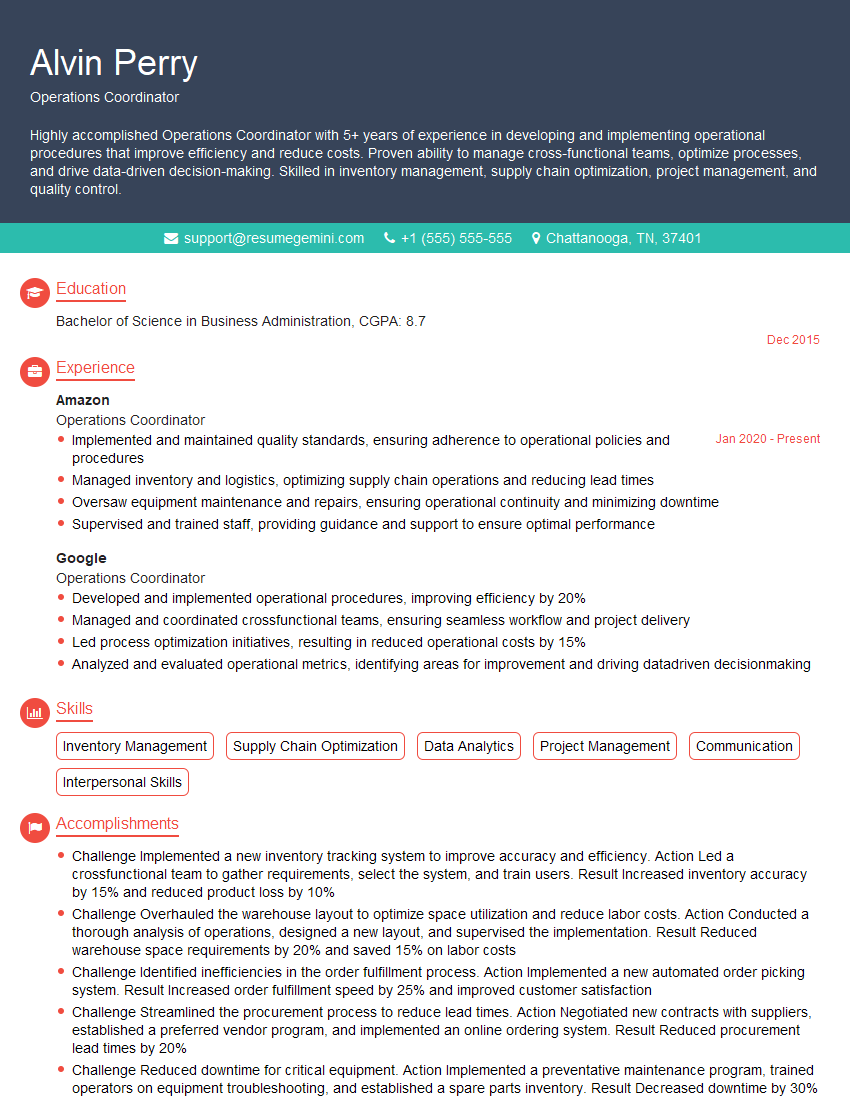
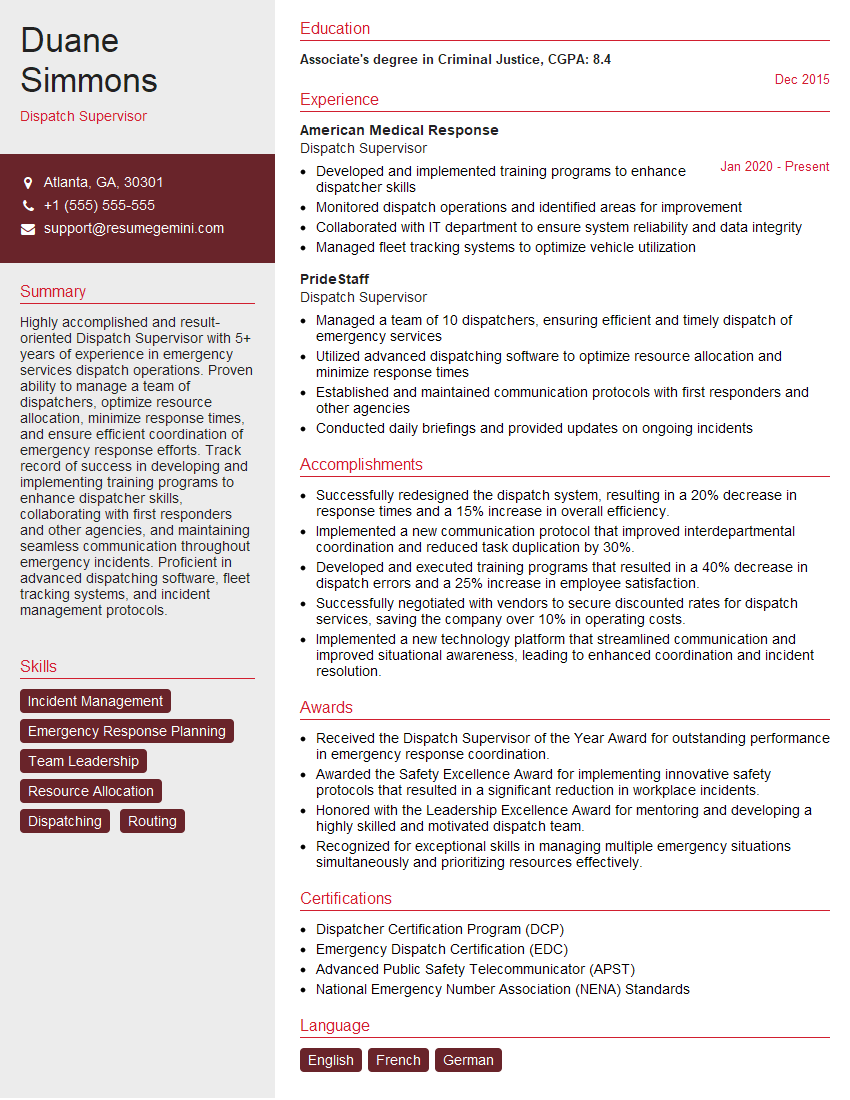
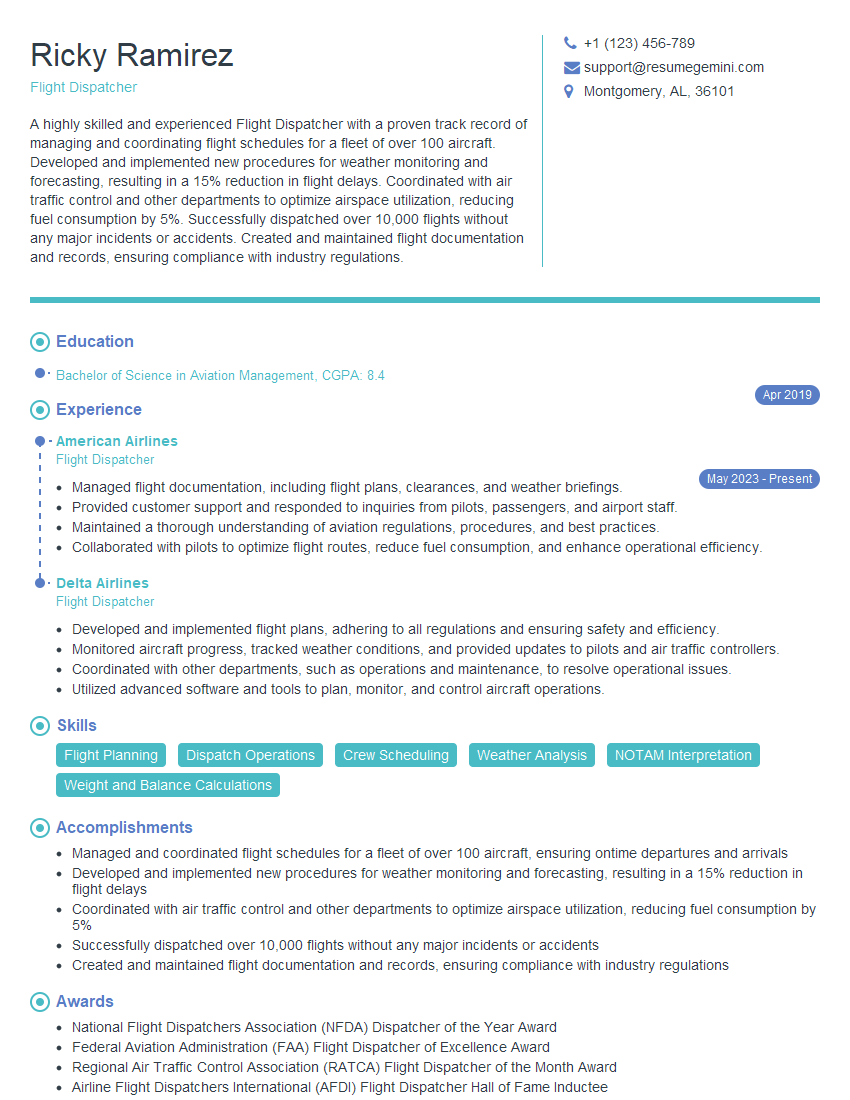
Mastering Flight Planning and Management opens doors to exciting and rewarding careers in aviation, offering opportunities for advancement and specialization. A strong resume is crucial for showcasing your skills and experience to potential employers. Creating an ATS-friendly resume, optimized for Applicant Tracking Systems, significantly increases your chances of getting your application noticed. ResumeGemini is a trusted resource to help you build a professional and impactful resume that highlights your abilities effectively. Examples of resumes tailored to Flight Planning and Management are available to guide you through this process.
Explore more articles
Users Rating of Our Blogs
Share Your Experience
We value your feedback! Please rate our content and share your thoughts (optional).
What Readers Say About Our Blog
Very informative content, great job.
good