Preparation is the key to success in any interview. In this post, we’ll explore crucial Floral Harvesting and Foraging interview questions and equip you with strategies to craft impactful answers. Whether you’re a beginner or a pro, these tips will elevate your preparation.
Questions Asked in Floral Harvesting and Foraging Interview
Q 1. Describe your experience with various flower harvesting techniques.
Flower harvesting techniques vary greatly depending on the flower type, its growth stage, and the intended use (e.g., cut flowers, seed production). My experience encompasses a range of methods, from simple hand-picking to more mechanized approaches.
- Hand Harvesting: This is the most common method for delicate flowers like roses and lilies. It involves carefully cutting the stem at an angle with a sharp knife or shears, ensuring minimal damage to the plant. Timing is crucial here to prevent premature wilting.
- Mechanical Harvesting: For larger-scale operations with sturdy flowers like sunflowers or certain types of chrysanthemums, mechanical harvesters can be employed. This significantly increases efficiency but requires careful calibration to avoid stem breakage and flower damage.
- Selective Harvesting: This involves harvesting only the best quality flowers, leaving less desirable blooms to mature or to strengthen the plant. This is crucial for maintaining consistent quality and maximizing the yield over time. For example, removing flowers that show signs of disease can prevent a widespread infestation.
- Hydration Harvesting: This technique is particularly important for cut flowers and includes immediately placing cut stems in water after harvesting to prevent dehydration.
I’ve worked with various flower types, from delicate orchids requiring painstaking individual cutting to robust dahlias that can be harvested in bunches. Each demands a specific technique for optimal results.
Q 2. What are the optimal harvesting times for different types of flowers?
Optimal harvesting time is crucial for maximizing flower quality and longevity. It depends heavily on the specific flower species and its developmental stage. Generally, the best time to harvest is early morning, when flowers are fully hydrated and temperatures are cooler, reducing stress on the blooms.
- Roses: Harvested when the bud shows slight color but before full bloom.
- Lilies: Harvested when the buds are fully formed but not yet open.
- Sunflowers: Harvested when the flower heads are fully mature and the back of the flower is slightly yellow.
- Carnations: Harvested when the first flowers in the bunch start to open.
This is not an exhaustive list. Knowing the specific characteristics of each flower, like its bloom cycle and susceptibility to stress, is key to precise timing. For instance, harvesting too early can result in small, less developed blooms, while harvesting too late leads to wilting and reduced vase life.
Q 3. How do you ensure the quality and longevity of harvested flowers?
Ensuring the quality and longevity of harvested flowers involves careful attention to detail throughout the process. It starts with proper harvesting techniques, avoiding damage to the stems and blooms.
- Immediate Hydration: Placing cut stems in water immediately after harvesting is critical to prevent dehydration.
- Proper Storage: Storing flowers in a cool, dark environment helps to slow down respiration and extend their lifespan. This could involve specialized coolers with controlled temperature and humidity.
- Proper Handling: Avoiding rough handling during transportation and processing is crucial to prevent damage.
- Pre-treatments: Applying solutions that inhibit bacterial growth and reduce water loss can significantly extend the vase life. These are often proprietary mixes with sugars and other ingredients.
Think of it like caring for a living organism. The more care you give during and after harvesting, the longer the flowers will remain beautiful and vibrant.
Q 4. Explain your knowledge of post-harvest handling and processing of flowers.
Post-harvest handling and processing encompass a series of steps to maintain flower quality and prepare them for market. This includes cleaning, grading, sorting, and packing.
- Cleaning: Removing any debris or damaged petals.
- Grading: Sorting flowers based on size, quality, and stem length.
- Sorting: Grouping flowers of similar characteristics together.
- Packing: Carefully arranging flowers in containers to prevent damage and ensure proper hydration during transport. This may involve specialized sleeves, boxes, and even humidification techniques.
- Conditioning: This crucial step might involve re-cutting stems underwater, hydrating them with special solutions, or placing them in a cold storage facility. This varies depending on flower type and destination.
Efficient post-harvest handling is a delicate balancing act between speed and precision. Speed is needed to get flowers to market quickly, but precision ensures their quality is maintained. A well-executed post-harvest process can make the difference between a successful sale and significant losses.
Q 5. What are the common pests and diseases affecting commercially grown flowers, and how do you manage them?
Commercially grown flowers are susceptible to a variety of pests and diseases. Early detection and integrated pest management (IPM) strategies are essential for preventing significant losses.
- Common Pests: Aphids, whiteflies, spider mites, thrips, and various caterpillars can cause significant damage.
- Common Diseases: Botrytis (gray mold), powdery mildew, rust, and various fungal and bacterial diseases.
- Management Strategies: IPM integrates various methods such as biological control (introducing beneficial insects), cultural practices (crop rotation, sanitation), and targeted pesticide applications (only when necessary and using the least toxic options).
For example, introducing ladybugs to control aphids is a biological control method. Regularly inspecting crops for early signs of disease and removing infected plants can prevent widespread outbreaks. A strong understanding of each pest and disease, and its lifecycle, informs successful control methods.
Q 6. Describe your experience with different types of floral cultivation systems (e.g., hydroponics, soil-based).
I have extensive experience with both soil-based and hydroponic floral cultivation systems. Each system has its own advantages and disadvantages.
- Soil-based cultivation: This traditional method relies on soil as the growing medium. It’s relatively simple to set up, but it can be more susceptible to soilborne diseases and requires more land and water usage. Nutrient management needs to be carefully planned.
- Hydroponics: This soilless method involves growing plants in a nutrient-rich water solution. It offers greater control over nutrient delivery, allows for higher yields in smaller spaces, and reduces water waste. However, it requires more technical expertise and specialized equipment. Different systems like deep water culture, nutrient film technique (NFT), and ebb and flow are all options, each with its own pros and cons.
The choice between these systems depends on factors like available resources, the type of flower being grown, and the scale of production. I’ve successfully implemented and managed both systems for various flower types and have observed that optimal conditions vary between each flower species and even cultivar within a species.
Q 7. How do you identify different flower varieties and their unique harvesting requirements?
Identifying flower varieties and understanding their unique harvesting requirements is a fundamental skill. It involves a combination of botanical knowledge, experience, and observation.
- Botanical Knowledge: A thorough understanding of flower morphology (structure) and taxonomy (classification) is essential for accurate identification.
- Experience: Years of hands-on experience working with different flower varieties build familiarity with their growth habits and optimal harvesting stages.
- Observation: Careful observation of the flower’s physical characteristics, such as bud development, color changes, and overall plant health, is crucial for determining the right time to harvest. It can help to keep detailed notes to track these factors over time.
For instance, distinguishing between different rose cultivars requires knowledge of their bloom form, petal count, and color variation. Knowing the specific maturity indicators for each cultivar is essential for optimal harvesting. There are many visual aids, such as guide books and online resources, but the combination of theory and experience creates the most effective outcome.
Q 8. What are the safety protocols you follow during floral harvesting?
Safety is paramount during floral harvesting. My protocols begin with a thorough risk assessment of the location before we even start. This includes checking for potential hazards like poisonous plants, uneven terrain, stinging insects, and weather conditions. We always wear appropriate personal protective equipment (PPE), including sturdy closed-toe shoes, long pants, long-sleeved shirts, gloves (especially when handling thorny plants or those with irritating sap), and hats for sun protection. We also use tools correctly and carefully, maintaining sharp secateurs to prevent slips and strains. For example, when harvesting in a field, we establish clear pathways to avoid tripping hazards. Furthermore, we have a strict ‘buddy system’ in place, ensuring no one works alone, especially in remote areas. In case of an emergency, we have a well-defined communication plan, including emergency contact numbers readily available. Regular breaks are scheduled to prevent fatigue, a major contributor to accidents. Finally, we provide comprehensive safety training to all team members.
Q 9. Explain your understanding of sustainable and organic flower farming practices.
Sustainable and organic flower farming practices are crucial for environmental responsibility and long-term viability. Sustainable practices focus on minimizing environmental impact by reducing water usage, utilizing integrated pest management (IPM) strategies that avoid harmful pesticides, and promoting biodiversity. This often involves companion planting – incorporating beneficial plants that naturally deter pests and attract pollinators. Organic flower farming goes a step further, adhering to strict guidelines that prohibit the use of synthetic pesticides, herbicides, and fertilizers. Instead, organic farms rely on natural methods for soil fertility, pest control, and weed management, such as composting, crop rotation, and the introduction of beneficial insects. For instance, we use beneficial nematodes to control certain soil pests rather than chemical treatments. We also carefully manage water resources through drip irrigation systems, which deliver water precisely to the roots of the plants, reducing waste and runoff. Composting all plant waste reduces landfill waste and enriches our soil, creating a closed-loop system.
Q 10. How do you ensure compliance with regulations and certifications related to floral harvesting?
Compliance is critical. We meticulously follow all relevant regulations and certifications, including those related to pesticide use, water quality, and worker safety. We maintain detailed records of all our practices, including pesticide applications (if any, strictly organic standards), water usage, and harvesting techniques. Depending on the market, we seek relevant certifications such as USDA Organic, Demeter Biodynamic, or Fair Trade, demonstrating our commitment to sustainable and ethical practices. These certifications require regular inspections and audits to ensure consistent adherence to standards. For example, we maintain detailed logs of harvest dates, quantities, and locations, helping us track our yield and manage our resources efficiently. We also proactively engage with regulatory bodies to stay updated on any changes in regulations.
Q 11. Describe your experience with using different harvesting tools and equipment.
My experience encompasses a wide range of harvesting tools and equipment. Basic tools include sharp secateurs for clean cuts that prevent damage to the stem, harvesting knives for certain varieties, and buckets or baskets for transporting the harvested flowers. For larger operations, we may use specialized equipment like harvesting carts to ease transportation, especially in large fields. We also utilize specialized tools depending on the flower type, for example, specialized harvesting tools for delicate orchids or roses that require extra care. The choice of tools depends on the type of flower being harvested, the size of the operation, and the terrain. For example, lightweight, ergonomic secateurs are essential for minimizing hand fatigue during long harvesting days.
Q 12. How do you handle damaged or diseased flowers during the harvest process?
Damaged or diseased flowers are immediately removed from the harvest to prevent contamination of healthy blooms. We carefully inspect each flower during the harvesting process. Any flowers showing signs of disease, pest infestation, or physical damage are immediately separated and discarded. This helps maintain the overall quality of the harvest and prevents the spread of diseases. Depending on the severity and cause of the damage, these flowers might be composted on-site or disposed of responsibly according to local regulations to reduce the risk of spreading plant diseases.
Q 13. What are your strategies for maximizing yield and minimizing waste during harvesting?
Maximizing yield and minimizing waste are intertwined goals. We achieve this through careful planning and execution. This includes optimizing planting density, implementing proper irrigation techniques, and utilizing integrated pest management to prevent losses. We also harvest at the optimal stage of bloom for each variety to ensure maximum quality and longevity. Careful handling throughout the harvesting process prevents damage that leads to waste. Post-harvest handling is crucial; efficient sorting and grading minimize waste by separating marketable flowers from those unsuitable for sale. We also explore creative ways to utilize any remaining plant material, such as using stems and leaves for compost, or even exploring the possibility of creating value-added products from by-products, like essential oils.
Q 14. How do you prioritize different tasks when managing a floral harvesting team?
Prioritizing tasks when managing a floral harvesting team requires a combination of planning and flexibility. First, we prioritize tasks based on the urgency and importance of the harvest. This usually means focusing on flowers with a short shelf life or those that are critical for upcoming orders. We utilize a workflow system that ensures everyone knows their roles and responsibilities. We communicate clearly about daily targets, keeping the team informed about any adjustments needed throughout the day. Flexibility is also crucial; unexpected weather conditions or unforeseen issues might require adjusting priorities on the fly. Regular communication between team members and supervisors is key to addressing challenges effectively and ensuring efficient task completion.
Q 15. Describe your experience with different floral storage and transportation methods.
Proper floral storage and transportation are crucial for maintaining the quality and longevity of harvested blooms. My experience encompasses a range of methods, tailored to the specific flower type and its intended use. For example, delicate blooms like orchids require individual protective sleeves and cool, humid transport in temperature-controlled vans. Bulkier flowers, such as sunflowers, can tolerate slightly less stringent conditions, but still need to be handled carefully to prevent bruising.
Cool Storage: Refrigerated storage at optimal temperatures (often between 34°F and 38°F or 1°C and 3°C) is vital to slow down respiration and enzymatic activity that lead to wilting. This might involve walk-in coolers or specialized refrigerated trucks.
Hydration Techniques: Flowers are often stored with their stems submerged in water containing floral preservatives to maintain hydration. The type of preservative used varies depending on the flower species. Some flowers benefit from pulsed-light treatments to encourage a longer vase life.
Transportation: Transport vehicles must be climate-controlled to maintain consistent temperature and humidity. Proper packing is also crucial, using techniques like bunching or sleeving to avoid damage during transit. Quick and efficient delivery is essential to minimize time out of optimal storage.
Pre-cooling: For long-distance transport, pre-cooling the flowers before loading is a significant step. This involves rapidly reducing the temperature of the flowers to extend their shelf life.
Choosing the appropriate method involves understanding the specific physiological needs of each flower type and the environmental conditions throughout the supply chain. I’ve honed my expertise over years of practice, fine-tuning these methods to maximize flower quality and reduce waste.
Career Expert Tips:
- Ace those interviews! Prepare effectively by reviewing the Top 50 Most Common Interview Questions on ResumeGemini.
- Navigate your job search with confidence! Explore a wide range of Career Tips on ResumeGemini. Learn about common challenges and recommendations to overcome them.
- Craft the perfect resume! Master the Art of Resume Writing with ResumeGemini’s guide. Showcase your unique qualifications and achievements effectively.
- Don’t miss out on holiday savings! Build your dream resume with ResumeGemini’s ATS optimized templates.
Q 16. What are your methods for identifying and harvesting wildflowers sustainably?
Sustainable wildflower harvesting is paramount to protecting biodiversity. My approach involves a careful combination of identification, ethical harvesting techniques, and responsible stewardship of the environment. I begin by identifying the species accurately using field guides, online resources, and, when necessary, consultation with botanical experts. This prevents accidental harvesting of endangered or protected species.
Selective Harvesting: I never harvest more than 10% of a population in a given location to ensure the species’ survival and ability to reseed naturally. I focus on flowers that are readily available and avoid over-harvesting in vulnerable areas.
Appropriate Tools: Using clean, sharp shears or scissors prevents damage to the plants and reduces the risk of spreading disease. I take care to make cuts that promote plant health and reduce stress.
Leave No Trace: After harvesting, I leave the area as undisturbed as possible, ensuring that there is no obvious indication of the harvest. This means returning any disturbed soil or rocks to their original position.
Respect for Habitats: I never harvest in protected areas or habitats that are fragile or require conservation. I focus on locations that are resilient and can sustain selective harvesting.
My methods prioritize the long-term health and preservation of wildflower populations, recognizing that wildflower foraging is a privilege that should be exercised responsibly.
Q 17. How do you ensure you are not harvesting endangered or protected plant species?
Ensuring I don’t harvest endangered or protected species is a top priority. My strategies involve multiple layers of precaution:
Thorough Identification: I use a combination of field guides, plant identification apps (with offline functionality for remote areas), and consultation with local botanical experts to confirm the identity of each species before harvesting. This includes detailed examination of leaves, stems, flowers, and even root structures, whenever possible.
Consulting Legal Resources: I familiarize myself with local, regional, and national regulations concerning protected plant species. I actively search for and reference official lists of endangered and protected plants within my region before undertaking any harvest.
Collaboration with Conservation Groups: I engage with local conservation organizations to access up-to-date information on protected species and their habitats. This collaboration ensures I harvest ethically and responsibly.
Documenting Harvests: I maintain detailed records of my harvests, noting the location, species identified, and quantity collected. This documentation assists in tracking the sustainability of harvesting practices and helps prevent future unintentional damage.
My commitment to preserving biodiversity guides my practices, making ethical and sustainable wildflower harvesting a core tenet of my work.
Q 18. How do you assess the environmental impact of your floral harvesting practices?
Assessing the environmental impact of floral harvesting practices is essential for sustainable operations. My assessment involves analyzing several key areas:
Footprint Analysis: This involves quantifying the impact of transportation (fuel consumption, emissions), water usage, and pesticide application (if any). I regularly review and refine practices to minimize these aspects.
Biodiversity Monitoring: I track the health and abundance of plant populations in harvested areas to detect any negative trends. This involves repeated surveys and observational studies over time.
Soil Health Evaluation: Regular soil testing helps assess the impact of harvesting on soil structure, nutrient levels, and overall fertility. I employ methods to maintain or enhance soil health, such as crop rotation and minimizing soil disturbance.
Waste Management: Minimizing waste throughout the entire process, from harvesting to post-harvest handling and disposal, is a key part of reducing the environmental impact. This includes the appropriate composting of plant material.
Carbon Footprint Calculation: I utilize established methodologies to calculate the carbon footprint associated with my harvesting practices. This helps identify areas for improvement and potential carbon offsetting strategies.
By continually monitoring and assessing these factors, I strive to minimize the environmental impact of my operations and promote sustainable practices. The data collected informs changes and improvements to my processes, ensuring long-term environmental responsibility.
Q 19. Describe your experience with different types of soil and their effect on flower growth.
Soil type significantly impacts flower growth. My experience encompasses a variety of soils, each presenting unique challenges and opportunities. The texture (sandy, silty, clay), pH, nutrient content, and drainage capabilities all influence the success of floral cultivation.
Sandy Soils: Well-draining but often poor in nutrients and prone to drying out quickly. Amendments like compost and regular watering are crucial. Flowers grown in sandy soil usually require more frequent watering.
Clay Soils: Retain water well but can become compacted, restricting root growth and oxygen availability. Improving drainage through tilling and adding organic matter is beneficial. Clay soils can lead to waterlogging if not properly managed.
Silty Soils: Generally good for flower growth, offering a good balance of drainage and water retention. However, they can be susceptible to erosion.
Loamy Soils: Ideal for most flowers, providing a balanced mixture of sand, silt, and clay. They offer excellent drainage, aeration, and nutrient retention. Loamy soils require less amendment and are generally easier to manage.
Understanding the specific properties of the soil allows for tailored cultivation strategies, including soil amendment, irrigation techniques, and fertilizer application, all crucial for optimizing flower growth and yield.
Q 20. What are your strategies for managing water usage during floral cultivation?
Water conservation is critical in floral cultivation. My strategies focus on efficient irrigation techniques and water-wise plant selection.
Drip Irrigation: This method delivers water directly to the roots, minimizing water loss through evaporation and runoff. Drip irrigation is far more efficient than overhead sprinkler systems.
Soaker Hoses: Similar to drip irrigation, soaker hoses slowly release water near the base of plants, reducing water waste.
Mulching: Applying mulch around plants helps retain soil moisture, reducing the frequency of irrigation. Mulching also reduces weed growth and maintains a more consistent soil temperature.
Rainwater Harvesting: Collecting rainwater for irrigation significantly reduces reliance on municipal water sources. Rain barrels are an effective method to store this collected water.
Water-Wise Plant Selection: Choosing drought-tolerant or native plant species reduces overall water demands while promoting biodiversity.
Irrigation Scheduling: Utilizing soil moisture sensors allows for precise scheduling of irrigation, avoiding unnecessary watering based on accurate soil readings.
Through these strategies, I significantly reduce water usage while ensuring healthy plant growth. The combination of these methods helps me balance the need for water with responsible resource management.
Q 21. How do you apply your knowledge of plant physiology to improve harvest yields?
A strong understanding of plant physiology is fundamental to maximizing harvest yields. I leverage this knowledge in several ways:
Nutrient Management: Understanding the nutritional requirements of different flower species allows for precise fertilization strategies. This means providing the right balance of macronutrients (nitrogen, phosphorus, potassium) and micronutrients at various stages of plant development.
Light Management: Optimizing light exposure is critical. This includes providing adequate sunlight (or supplemental lighting for shade-loving species) and adjusting plant spacing to avoid shading. Correct light management directly affects the flowering process and the quality of blooms.
Temperature Control: Maintaining optimal temperature ranges is vital. Extreme temperatures can stress plants and negatively affect flowering and yield. This involves using shade cloth, fans, or greenhouse climate control.
Growth Regulation: I employ plant growth regulators (when appropriate) to control plant height, branching, and flowering time, optimizing the size and quality of the harvested flowers.
Pest and Disease Management: Early detection and management of pests and diseases are essential for preventing yield losses. This involves regular monitoring, proactive pest control methods, and careful selection of disease-resistant varieties.
By applying my knowledge of plant physiology, I can fine-tune growing conditions and manage resources effectively, ultimately leading to improved harvest yields and higher-quality flowers. The key is understanding the specific physiological needs of each plant and creating conditions that enable it to thrive.
Q 22. What are the common challenges associated with floral harvesting, and how have you overcome them?
Floral harvesting presents numerous challenges, from unpredictable weather impacting bloom times and quality to managing pests and diseases that can decimate a crop. Labor shortages are also a significant concern, especially during peak seasons. I’ve overcome these by implementing a multi-pronged approach. For weather variability, I utilize predictive weather models and adjust harvesting schedules accordingly. Sometimes this means bringing in extra hands for a shorter, more intense harvest period. To combat pests and diseases, I prioritize preventative measures like crop rotation and integrated pest management (IPM), minimizing reliance on harmful pesticides. Regarding labor, I’ve invested in training and mentorship programs to upskill my existing team and attract new talent by offering competitive wages and benefits. I also explore partnerships with local community colleges to create a talent pipeline.
Q 23. Describe your experience with using technology in floral harvesting (e.g., GPS, sensors).
Technology plays a crucial role in optimizing floral harvesting. I use GPS-enabled mapping to track the location of high-yield areas and plan efficient harvesting routes, minimizing travel time and fuel consumption. Soil moisture sensors allow me to monitor water levels and adjust irrigation strategies to optimize plant health. We use handheld devices with custom software to record data directly in the field, including bloom counts, stem lengths, and quality assessments. This data is then uploaded to a central database, enabling real-time analysis and informing future decisions. For example, { "field": "A1", "date": "2024-10-26", "roses": 500, "avg_stem_length": 25 } represents a data entry. Furthermore, drone imagery helps in assessing the overall health and density of the flower fields, allowing for early detection of problems.
Q 24. How do you maintain accurate records of your harvest data?
Maintaining accurate harvest records is paramount for efficient inventory management and financial tracking. We use a combination of digital and paper-based methods. In the field, handheld devices as mentioned above record real-time data, which is then uploaded to a cloud-based database. This allows for easy access and analysis. We also maintain a detailed paper log, acting as a backup and providing a physical record of daily activities. This includes details about the varieties harvested, the quantity, the quality ratings (based on a standardized grading system), and any issues encountered. This two-pronged approach ensures data integrity and redundancy.
Q 25. How do you adapt your harvesting techniques to different weather conditions?
Adapting to varying weather conditions is critical for success. During periods of intense heat, we adjust harvesting schedules to the cooler parts of the day, often starting early in the morning or late in the evening to minimize flower stress. We also use shade cloths to protect delicate blooms from the sun. In case of rain, we implement protective measures such as covering the harvested flowers immediately to avoid damage or fungal growth. Strong winds require careful handling during harvesting and transportation to prevent damage. Flexible scheduling allows us to maximize the harvest while prioritizing flower health.
Q 26. Describe your knowledge of different floral markets and their demands.
Understanding different floral markets is crucial. High-end florists often demand unique, high-quality blooms, while supermarkets and wholesale markets prioritize volume and consistent supply. Wedding planners may request specific color palettes and flower types. I regularly attend industry trade shows and network with buyers to stay informed about current trends and demand. I tailor our harvesting and cultivation strategies to match the needs of different market segments. For instance, some markets prefer longer stems, while others prefer specific bud stages.
Q 27. How do you maintain the freshness and quality of flowers during long-distance transportation?
Maintaining freshness during long-distance transport is a significant challenge. We use refrigerated trucks equipped with climate control systems to maintain optimal temperature and humidity levels. Flowers are carefully packed in breathable containers, often with hydration packs, to minimize dehydration and wilting. Pre-cooling the flowers before transport is crucial. We also employ techniques such as pulse treatments (short exposure to specific chemicals) to extend shelf life. The type of container, its ventilation, and the precise temperature and humidity levels are calibrated based on the type of flower and the duration of transport.
Q 28. What are your future goals within the floral harvesting and foraging industry?
My future goals center around sustainability and innovation within the floral industry. I aim to further integrate sustainable practices such as using organic fertilizers and reducing water consumption. I’m exploring the implementation of vertical farming techniques to increase yield and minimize the environmental footprint. I also plan to continue to leverage technology to improve efficiency and data-driven decision-making. Expanding my knowledge of different flower varieties, broadening my market reach and ultimately contributing to the growth and sustainability of the floral industry are top priorities.
Key Topics to Learn for Floral Harvesting and Foraging Interview
- Sustainable Harvesting Practices: Understanding environmentally responsible techniques, minimizing impact on plant populations and ecosystems. Practical application: Describing your experience with selective harvesting, crop rotation, or minimizing pesticide use.
- Flower Identification and Classification: Knowing diverse floral species, their growth habits, and ideal harvesting times. Practical application: Explaining how to identify different flower varieties, their maturity stages, and suitable harvesting methods for each.
- Post-Harvest Handling and Preservation: Proper techniques for handling harvested flowers to maintain quality and extend shelf life. Practical application: Detailing your knowledge of different storage methods, including hydration techniques and temperature control.
- Floral Anatomy and Physiology: Understanding the structure and function of flowers, impacting harvesting techniques and quality. Practical application: Explaining how knowledge of floral anatomy influences decisions about cutting angles or handling techniques.
- Safety and Ergonomics: Prioritizing safety and efficiency in harvesting, including appropriate tools and techniques. Practical application: Describing your understanding of safe harvesting practices, including personal protective equipment (PPE) and injury prevention strategies.
- Foraging Regulations and Ethics: Understanding legal frameworks and ethical considerations when foraging for wild flowers. Practical application: Discussing your knowledge of obtaining necessary permits, respecting private property, and promoting sustainable foraging practices.
- Quality Control and Grading: Assessing the quality of harvested flowers and applying appropriate grading standards. Practical application: Describing your experience with sorting and grading flowers based on size, color, and overall condition.
Next Steps
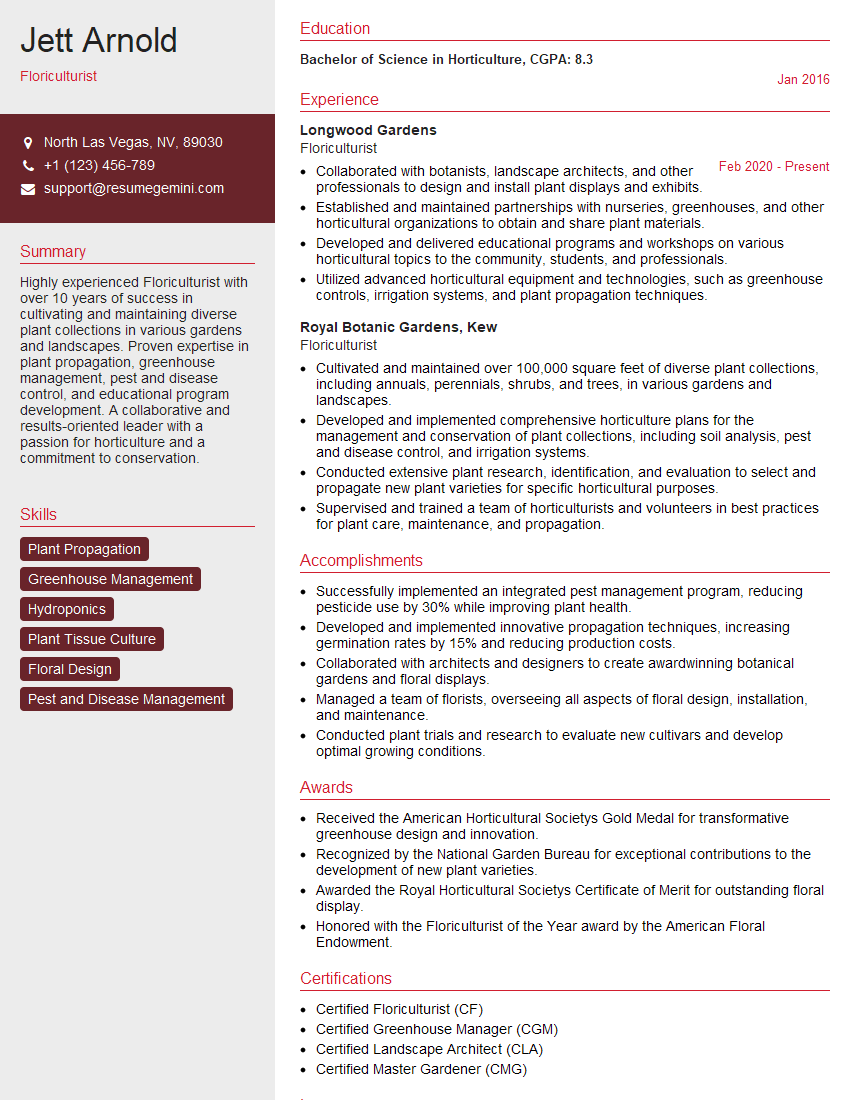
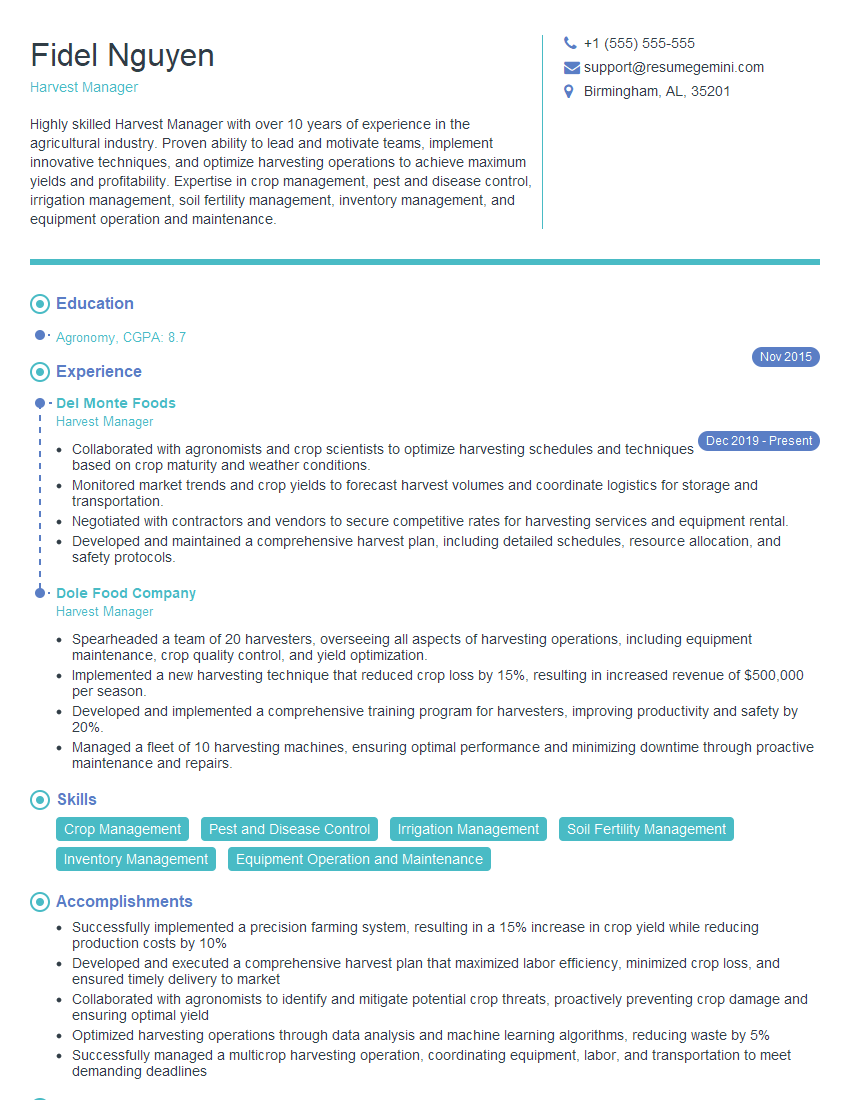
Mastering floral harvesting and foraging opens doors to diverse and rewarding career opportunities in the floral industry, from sustainable farming to event planning and floral design. To stand out, a strong resume is crucial. Creating an ATS-friendly resume is essential for maximizing your job prospects. ResumeGemini is a trusted resource to help you build a professional and effective resume that highlights your skills and experience. They provide examples of resumes tailored to Floral Harvesting and Foraging, ensuring your application makes a lasting impression.
Explore more articles
Users Rating of Our Blogs
Share Your Experience
We value your feedback! Please rate our content and share your thoughts (optional).
What Readers Say About Our Blog
Very informative content, great job.
good