Unlock your full potential by mastering the most common Flower Bed Maintenance interview questions. This blog offers a deep dive into the critical topics, ensuring you’re not only prepared to answer but to excel. With these insights, you’ll approach your interview with clarity and confidence.
Questions Asked in Flower Bed Maintenance Interview
Q 1. Describe your experience with different soil types and their impact on flower bed health.
Understanding soil type is fundamental to successful flower bed maintenance. Different soils offer varying levels of drainage, nutrient retention, and pH, directly impacting plant health. For example, sandy soil drains quickly, requiring more frequent watering but potentially lacking essential nutrients. Clay soil, on the other hand, retains water well but can become compacted, hindering root growth and oxygen uptake. Loamy soil, a mixture of sand, silt, and clay, is generally considered ideal as it offers good drainage, aeration, and nutrient retention.
My process involves a soil test to determine the exact composition. This informs my decisions on amendments. For instance, if the soil is too acidic (low pH), I’d add lime; if it’s alkaline (high pH), I might incorporate sulfur. Sandy soils often need organic matter like compost to improve water retention and nutrient content. Clay soils benefit from adding materials like gypsum to improve drainage. I always tailor my approach to the specific needs revealed by the soil test, ensuring the best environment for the chosen plants.
Q 2. Explain your process for selecting appropriate plants for various flower bed conditions.
Selecting the right plants is crucial. My process starts with assessing the flower bed’s conditions: sunlight exposure (full sun, partial shade, full shade), soil type (as discussed above), and available space. I consider the mature size of each plant to avoid overcrowding. Then, I choose plants suited to those conditions. For example, sun-loving plants like zinnias and sunflowers thrive in full sun, while shade-tolerant plants like hostas and impatiens prefer shady areas.
I also consider the plants’ flowering periods to ensure continuous bloom throughout the growing season. I might mix early bloomers like tulips with late bloomers like coneflowers for an extended display. Finally, I assess the overall design aesthetic, selecting plants with complementary colors, textures, and heights to create a visually appealing arrangement. I often consult plant catalogs and resources to ensure compatibility with the local climate and growing season.
Q 3. What are the common pests and diseases affecting flower beds, and how do you control them?
Common pests and diseases are a constant concern. Aphids, spider mites, and whiteflies are common insect pests, often controlled using insecticidal soap or neem oil, applied according to label instructions. Fungal diseases like powdery mildew and black spot can be managed with fungicides, but proactive measures such as proper spacing of plants to ensure good air circulation and avoiding overhead watering are crucial.
Disease prevention is key. Rotating crops annually helps to break pest and disease cycles. Regularly inspecting plants for signs of infestation or disease allows for early intervention, preventing widespread damage. In severe cases, I might consult with a plant pathologist for expert advice and treatment recommendations.
Q 4. Describe your method for weed control in flower beds.
Weed control is vital for healthy flower beds. My approach is multifaceted. First, I use pre-emergent herbicides in the spring to prevent weed seeds from germinating. This is followed by regular hand weeding to remove existing weeds. For persistent weeds, I may spot-treat with post-emergent herbicides, carefully following label instructions to avoid harming desired plants. Mulching with organic materials like wood chips or straw helps suppress weed growth by blocking sunlight.
The key is consistency. Regular weeding prevents weeds from going to seed and becoming a larger problem. This combined approach minimizes herbicide use while maintaining a clean and healthy flower bed. I always prioritize environmentally friendly practices, opting for organic methods whenever possible.
Q 5. How do you plan and execute a flower bed fertilization schedule?
A fertilization schedule depends on the plants’ needs and the soil’s fertility. I typically conduct a soil test to determine nutrient deficiencies. Based on the results, I select a balanced fertilizer or amendments to address those deficiencies. I prefer slow-release fertilizers, which provide nutrients gradually over time, reducing the risk of fertilizer burn.
For example, a soil test might indicate a need for more phosphorus for flowering plants. I would then incorporate bone meal or a phosphorus-rich fertilizer. A typical schedule might involve applying fertilizer in early spring before active growth, then again mid-season, and perhaps a light application in late summer. Always follow fertilizer label instructions precisely to avoid over-fertilization, which can harm plants.
Q 6. Explain the importance of proper watering techniques for flower beds.
Proper watering is crucial for flower bed health. Deep, infrequent watering encourages deep root growth, making plants more drought-tolerant. Overwatering leads to root rot and fungal diseases. Watering deeply and less frequently is much better than shallow, frequent watering.
The best time to water is early morning, allowing the foliage to dry before evening, reducing the risk of fungal diseases. I use soaker hoses or drip irrigation to deliver water directly to the roots, minimizing water waste and evaporation. I also monitor soil moisture regularly to adjust watering as needed, adapting to weather conditions. Observing the plants themselves is also crucial – wilting leaves are a clear sign of insufficient water.
Q 7. What tools and equipment are essential for effective flower bed maintenance?
Effective flower bed maintenance requires a range of tools and equipment. These include: a sturdy garden spade for digging and soil preparation, a trowel for planting and weeding, hand rakes and cultivators for soil tilling, pruning shears and loppers for deadheading and shaping, a watering can or hose with appropriate attachments (soaker hoses, drip irrigation), garden gloves for protection, and a wheelbarrow for transporting materials.
Beyond the basics, a soil testing kit is invaluable for assessing soil conditions. Other helpful tools include a garden hose nozzle with adjustable spray patterns and measuring tools to ensure proper plant spacing. Choosing quality, durable tools ensures efficient and effective flower bed maintenance.
Q 8. Describe your experience with pruning and deadheading flowers.
Pruning and deadheading are crucial for maintaining healthy and vibrant flower beds. Pruning involves removing unwanted or damaged branches or stems to improve the plant’s shape and encourage new growth. Deadheading, on the other hand, is the removal of spent flowers – those that have finished blooming. This prevents the plant from putting energy into seed production and encourages more blooms.
- Pruning: For example, roses benefit from regular pruning in late winter or early spring to remove dead or diseased canes and shape the bush. Different plants require different pruning techniques; some need light pinching to promote bushier growth, while others require more aggressive cuts.
- Deadheading: Imagine a sunflower; once it finishes blooming, the flower head will start to develop seeds. Deadheading this spent flower will direct the plant’s energy into producing new buds instead. This extends the blooming season and keeps the bed looking neat.
- Tools: Sharp, clean tools are essential. Using dull tools can damage plants and spread diseases. Always disinfect your tools between plants to prevent the spread of pathogens.
Q 9. How do you address issues such as overcrowding or nutrient deficiencies in a flower bed?
Overcrowding and nutrient deficiencies are common problems in flower beds. Overcrowding leads to competition for resources, resulting in weak plants susceptible to diseases and pests. Nutrient deficiencies manifest as yellowing leaves, stunted growth, or poor flowering. Addressing these issues requires a two-pronged approach:
- Overcrowding: Thinning out plants is essential. This involves carefully removing some plants to give the remaining ones more space to grow. The best time to do this is usually when the plants are young, before they become too established. Think of it like giving each plant its own ‘personal space’ – it thrives better that way!
- Nutrient Deficiencies: Soil testing is the best way to diagnose nutrient deficiencies. A soil test will reveal which nutrients are lacking. Then, you can amend the soil with appropriate fertilizers or compost to provide the necessary nutrients. For instance, a soil lacking nitrogen might benefit from a nitrogen-rich fertilizer, leading to greener foliage and improved blooming.
Q 10. How do you maintain the aesthetic appeal of a flower bed throughout different seasons?
Maintaining aesthetic appeal across seasons requires careful planning and selection of plants with varying bloom times. Think of it as creating a succession of blooms.
- Spring Bulbs: Tulips, daffodils, and hyacinths provide early color. After they finish blooming, their foliage should be left to die back naturally, providing nutrients to the bulb for next year.
- Summer Annuals: Annuals like petunias, zinnias, and impatiens fill the gap and provide vibrant summer color. These will need regular deadheading to maintain continuous blooming.
- Fall Bloomers: Asters, mums, and sedums add late-season interest. Their rich colors and textures contrast beautifully with the changing foliage.
- Evergreens & Ornamental Grasses: These add structure and visual interest even after other plants have gone dormant. They create a beautiful winter backdrop.
By strategically choosing plants with different bloom times and considering their textures and colors, you can create a flower bed that is visually appealing year-round.
Q 11. What is your approach to designing or redesigning a flower bed?
Designing or redesigning a flower bed involves careful consideration of several factors:
- Sunlight: Note the amount of sunlight the area receives throughout the day. Different plants require different sunlight exposure.
- Soil Type: Conduct a soil test to determine its composition. This helps choose plants that thrive in your specific soil conditions.
- Plant Selection: Choose plants with varying heights, textures, colors, and bloom times to create visual interest and ensure a succession of blooms. Consider the mature size of the plants to avoid overcrowding.
- Layout & Design: Sketch a plan to visualize the arrangement of plants. Consider creating focal points, using repetition, and incorporating varying heights for a dynamic effect. A simple sketch can avoid future headaches!
- Maintenance: Plan for future maintenance needs such as pruning, watering, and fertilizing.
Q 12. How do you handle unexpected issues, such as extreme weather or plant damage?
Unexpected issues require immediate action.
- Extreme Weather: During heat waves, provide extra watering; during frost, protect vulnerable plants with coverings or move them indoors. For example, strong winds can damage plants, so consider using stakes or other supports.
- Plant Damage: Identify the cause of the damage (pests, diseases, or physical injury). Take appropriate action, such as applying pesticides (following label instructions carefully), removing diseased parts, or providing support.
- Pest Infestations: Identify the pest and research effective and safe control methods. This may involve using natural predators, introducing beneficial insects, or using organic pesticides.
Regular monitoring is key to early detection and prevention. This enables swift action, minimizing the damage.
Q 13. Describe your experience with irrigation systems and their maintenance.
Irrigation systems are crucial for efficient and consistent watering, especially during dry spells.
- Drip Irrigation: This delivers water directly to the roots, minimizing water waste and preventing fungal diseases. It’s highly efficient and environmentally friendly.
- Soaker Hoses: These are a simple and effective option, providing slow, deep watering. They are less expensive than drip systems but can be less precise.
- Sprinkler Systems: These are best for larger areas but can be less efficient as water is often lost through evaporation.
- Maintenance: Regular checks for leaks, clogged emitters, and proper water pressure are essential. Inspect the system regularly, flush lines to remove debris, and repair any damage promptly. During winter, you might need to drain the system in colder climates to prevent damage from freezing.
Q 14. What safety procedures do you follow when maintaining flower beds?
Safety is paramount when maintaining flower beds.
- Protective Gear: Always wear gloves to protect your hands from thorns, splinters, and potential irritants. Eye protection is necessary when using pruning shears or other tools that could fling debris.
- Tool Safety: Use sharp tools to avoid slipping and injuring yourself. Store tools properly and out of reach of children.
- Pest & Disease Control: Always follow the instructions carefully when using pesticides or herbicides. Wear appropriate protective gear, and store chemicals safely and securely.
- Sun Protection: Wear sunscreen and a hat to protect yourself from the sun, especially during extended periods of outdoor work. Take regular breaks to avoid dehydration.
Q 15. How do you manage a team involved in flower bed maintenance?
Managing a flower bed maintenance team requires a blend of leadership, communication, and practical expertise. I believe in fostering a collaborative environment where everyone feels valued and empowered. This starts with clearly defined roles and responsibilities. For example, I might have a lead gardener responsible for overall design and plant health, while others focus on weeding, watering, or mulching. Regular team meetings are crucial for discussing progress, addressing challenges, and sharing best practices. I also prioritize open communication; team members are encouraged to voice concerns or suggest improvements. Finally, I firmly believe in recognizing and rewarding good work, boosting morale and productivity.
For instance, during a particularly busy season, one of my team members developed a more efficient weeding technique. We shared this with the rest of the team, improving our overall efficiency. This demonstrates the importance of teamwork and open communication in successful flower bed maintenance.
Career Expert Tips:
- Ace those interviews! Prepare effectively by reviewing the Top 50 Most Common Interview Questions on ResumeGemini.
- Navigate your job search with confidence! Explore a wide range of Career Tips on ResumeGemini. Learn about common challenges and recommendations to overcome them.
- Craft the perfect resume! Master the Art of Resume Writing with ResumeGemini’s guide. Showcase your unique qualifications and achievements effectively.
- Don’t miss out on holiday savings! Build your dream resume with ResumeGemini’s ATS optimized templates.
Q 16. How do you prioritize tasks when maintaining multiple flower beds?
Prioritizing tasks across multiple flower beds requires a systematic approach. I typically use a combination of factors to determine the order of operations. Urgency plays a significant role; beds showing signs of disease or significant weed infestation take precedence. Next, I consider the overall aesthetic impact. High-visibility beds, like those near entrances or community gathering spaces, often receive priority. Finally, the specific needs of the plants themselves guide my decisions; some plants require more frequent watering or deadheading than others. I often use a digital task management system to track deadlines and ensure timely completion of all tasks.
Think of it like triage in a hospital – you address the most critical cases first. Similarly, a flower bed with wilting plants due to lack of water takes precedence over a bed needing routine weeding.
Q 17. Explain your knowledge of different flowering plants and their specific needs.
My knowledge of flowering plants encompasses a wide range of species and their unique needs. I understand that each plant has specific requirements for sunlight, water, soil pH, and fertilization. For instance, sun-loving plants like zinnias thrive in full sun, while shade-tolerant plants like hostas prefer partial shade. Similarly, different plants have varying water requirements; some need consistent moisture, while others prefer drier conditions. I also understand the importance of soil composition and its impact on plant health. For example, roses prefer well-drained, slightly acidic soil, while hydrangeas prefer more alkaline conditions. I utilize this knowledge to select appropriate plants for each location and adjust my maintenance strategies accordingly.
- Sunflowers: Require full sun and well-drained soil.
- Impatiens: Thrive in shade and consistently moist soil.
- Roses: Need full sun, well-drained soil, and regular fertilization.
Understanding these nuances is key to achieving vibrant, healthy flower beds.
Q 18. How do you identify and address issues with drainage in a flower bed?
Identifying and addressing drainage issues is crucial for plant health. Poor drainage can lead to root rot and other problems. I begin by observing the flower bed after rainfall. Pooling water indicates poor drainage. If the soil remains consistently soggy, it’s likely there’s a drainage problem. I then check the soil composition; clay soil is known for poor drainage. To address this, I might amend the soil with organic matter like compost to improve its structure and drainage. In more severe cases, installing drainage systems such as gravel layers or drainage pipes might be necessary. In some situations, raised beds can be a great solution to create better drainage.
For example, I once encountered a flower bed with severely compacted clay soil. After amending the soil with compost and adding a layer of gravel at the base, the drainage significantly improved, and the plants thrived.
Q 19. What is your experience with organic gardening techniques in flower bed maintenance?
I have extensive experience with organic gardening techniques in flower bed maintenance. I prioritize the use of natural fertilizers, such as compost and manure, to nourish the soil and plants. I also employ natural pest and disease control methods, such as introducing beneficial insects or using neem oil. Weeding is a crucial aspect; I avoid the use of chemical herbicides, opting instead for manual weeding or using techniques like mulching to suppress weed growth. This approach promotes a healthier ecosystem within the flower beds and reduces the environmental impact of my work. I believe in building a healthy soil ecosystem which supports healthy plants naturally.
For example, I successfully controlled aphids in a rose bed using a solution of water and insecticidal soap, a natural and effective method.
Q 20. How do you ensure the long-term health and sustainability of a flower bed?
Ensuring the long-term health and sustainability of a flower bed involves a holistic approach. Regular soil testing is essential to monitor nutrient levels and pH. This allows me to make informed decisions about fertilization and soil amendments. Rotating crops or plants helps prevent the buildup of pests and diseases. Regular pruning and deadheading encourage healthy growth and flowering. Protecting plants from extreme weather conditions, such as frost or intense heat, is also vital. Finally, I encourage biodiversity within the flower bed by planting a variety of species, creating a more resilient and sustainable ecosystem. Consistent monitoring and preventative care are key to long-term success.
Just like maintaining a healthy diet and exercise routine contributes to long-term health, consistent attention to the flower bed ensures its vitality and beauty.
Q 21. Describe your experience with mulching and its benefits.
Mulching is a crucial practice in flower bed maintenance. Mulch is a layer of organic material, such as wood chips, straw, or shredded leaves, applied to the surface of the soil. It offers numerous benefits: it helps retain soil moisture, reducing the frequency of watering. It suppresses weed growth, minimizing weeding efforts. It protects the soil from erosion, especially during heavy rains. It also moderates soil temperature, preventing extreme fluctuations that can harm plants. Furthermore, as the mulch decomposes, it adds organic matter to the soil, improving its structure and fertility.
I often use a mix of shredded bark and compost as mulch, as it provides good drainage while retaining moisture. The benefits are noticeable; I see reduced watering needs and fewer weeds in mulched beds, leading to healthier plants and less work for me.
Q 22. How familiar are you with different types of mulch and their uses?
Mulch is essential for healthy flower beds, offering numerous benefits like moisture retention, weed suppression, and temperature regulation. I’m familiar with a wide variety of mulches, each with its own strengths and weaknesses.
- Organic Mulches: These decompose over time, enriching the soil. Examples include shredded bark (excellent for moisture retention and weed control), wood chips (longer-lasting than bark), straw (lightweight and affordable, good for winter protection), and compost (highly nutritious, improving soil structure). I often recommend bark for its aesthetic appeal and effectiveness across various climates.
- Inorganic Mulches: These don’t decompose and typically last longer. Examples include landscape fabric (useful for suppressing weeds but can hinder water penetration if not installed correctly), gravel (drainage-enhancing, drought-tolerant climates), and plastic sheeting (least recommended due to environmental concerns and impact on soil health). I use inorganic mulches sparingly and only when absolutely necessary, prioritizing organic options whenever possible.
My choice of mulch depends on the specific needs of the flower bed, considering factors like soil type, climate, plant type, and aesthetic preferences. For instance, a dry, sunny bed might benefit from shredded bark’s moisture-retention properties, while a well-drained bed might tolerate gravel more effectively.
Q 23. Explain your process for assessing the overall health of a flower bed.
Assessing a flower bed’s health is a multi-step process that involves a thorough visual inspection and sometimes soil testing. I start by looking at the overall appearance: are the plants thriving, or do they show signs of stress (wilting, yellowing, or stunted growth)?
- Plant Health: I examine each plant for signs of disease, pests, or nutrient deficiencies. This includes checking leaves for discoloration, spots, or holes, and inspecting stems for damage.
- Soil Conditions: I assess the soil’s moisture level, texture, and structure. Is it compacted? Does it drain well? Is it overly dry or waterlogged? I often gently dig a small hole to check the soil’s condition beneath the surface.
- Weed Presence: I evaluate the level of weed infestation. A heavy weed presence suggests competition for resources and potentially poor soil health.
- Mulch Condition: I check the mulch layer’s depth and condition. Is it sufficient to suppress weeds and retain moisture? Does it need replenishing?
If necessary, I’ll take soil samples for laboratory testing to determine nutrient levels and pH, providing a more detailed understanding of the bed’s health. This data helps me tailor my recommendations and treatment plan. For example, if soil testing reveals low nitrogen levels, I would recommend adding compost or a nitrogen-rich fertilizer.
Q 24. How do you communicate effectively with clients or supervisors about flower bed maintenance?
Clear and proactive communication is key. I believe in keeping clients or supervisors informed throughout the process.
- Initial Consultation: I begin with a thorough discussion to understand their goals and expectations, addressing any concerns they may have.
- Regular Updates: I provide regular updates on my progress, highlighting any challenges encountered and the steps taken to address them. Photos and before-and-after images can also be valuable communication tools.
- Detailed Reports: I offer written reports detailing the work performed, any observations about the flower bed’s health, and recommendations for future maintenance. This documentation serves as a record of the work done and helps with planning future projects.
- Open Dialogue: I encourage open dialogue and am always available to answer questions or address concerns promptly. This builds trust and ensures everyone is on the same page.
For example, if I discover a pest infestation during maintenance, I would immediately inform the client, outlining the problem, potential solutions, and the associated costs (if any). This ensures a collaborative approach and prevents any surprises down the line.
Q 25. What is your experience with composting and its use in flower bed maintenance?
Composting is an invaluable practice in flower bed maintenance. I have extensive experience in both creating and using compost. I’m familiar with various composting methods, from simple backyard bins to larger-scale systems.
- Compost Creation: I understand the importance of balancing green (nitrogen-rich) and brown (carbon-rich) materials to achieve optimal decomposition. I’m proficient in turning the compost pile regularly to ensure adequate aeration and break down organic matter efficiently.
- Compost Application: Finished compost is an excellent soil amendment, improving soil structure, aeration, and nutrient content. It boosts the soil’s water-holding capacity and enhances the overall health and vitality of plants. I incorporate compost into the flower bed by gently mixing it into the top layer of soil, avoiding direct contact with plant stems.
For example, I’ve successfully used compost to revive a neglected flower bed with compacted soil. By incorporating a generous amount of compost, I improved soil drainage, aeration, and fertility, leading to a noticeable increase in plant growth and overall bed health.
Q 26. How do you incorporate sustainable practices into your flower bed maintenance routines?
Sustainability is paramount in my flower bed maintenance routines. I focus on practices that minimize environmental impact while maximizing plant health.
- Water Conservation: I use water-wise irrigation techniques like drip irrigation or soaker hoses to minimize water waste and prevent runoff. I also teach clients about the importance of watering deeply but less frequently to encourage strong root development.
- Integrated Pest Management (IPM): Rather than relying solely on chemical pesticides, I prioritize IPM strategies that emphasize prevention and non-toxic control methods. This includes using beneficial insects, companion planting, and handpicking pests where appropriate.
- Organic Mulching and Fertilizing: I favor organic mulches and fertilizers like compost and composted manure to reduce reliance on synthetic inputs, which can harm soil ecosystems.
- Weed Control: I use hand-weeding and mulching to control weeds, reducing the need for chemical herbicides.
For example, I recently helped a client transition their flower beds to a completely organic maintenance program. We replaced synthetic fertilizers and pesticides with compost and natural pest controls, resulting in a healthier, more environmentally friendly landscape.
Q 27. Describe a time you had to troubleshoot a problem in a flower bed. What was the problem, and how did you solve it?
I once encountered a situation where a client’s flower bed was experiencing significant wilting despite regular watering. Initially, I suspected insufficient watering, but a closer examination revealed a different issue.
Problem: The soil was extremely compacted, preventing adequate water penetration. The roots were struggling to access moisture, even though the soil surface appeared moist.
Solution: I implemented a multi-pronged approach:
- Soil Aeration: I used a garden fork to loosen the compacted soil gently around the plants, improving drainage and root penetration.
- Mulching: I applied a layer of organic mulch (shredded bark) to improve soil moisture retention, suppress weeds, and further improve soil structure over time.
- Watering Adjustments: I adjusted the watering schedule to provide deeper, less frequent watering, encouraging the roots to grow deeper into the improved soil structure.
Within a few weeks, the plants recovered significantly, demonstrating the importance of proper soil health in maintaining thriving flower beds. This experience highlighted the need for thorough diagnosis and a holistic approach to troubleshooting.
Q 28. What are your salary expectations for this role?
My salary expectations for this role are commensurate with my experience and expertise in flower bed maintenance. Considering my skills, knowledge, and proven ability to deliver exceptional results, I am seeking a salary range of [Insert Salary Range Here]. I am open to discussing this further based on the specifics of the position and the company’s compensation structure.
Key Topics to Learn for Flower Bed Maintenance Interview
- Plant Selection and Placement: Understanding different plant types, their sunlight and water requirements, and how to arrange them for optimal growth and aesthetics.
- Soil Preparation and Management: Knowing how to test soil pH, amend soil with compost or other organic matter, and maintain proper drainage for healthy plant growth. Practical application includes explaining the process of soil testing and amending based on results.
- Watering Techniques: Mastering efficient watering methods, including deep watering, drip irrigation, and recognizing signs of overwatering or underwatering. This includes problem-solving approaches for dealing with common watering issues.
- Weed Control: Understanding different weed control methods, such as hand-weeding, mulching, and the responsible use of herbicides. Practical application includes explaining the pros and cons of various methods.
- Fertilization and Plant Nutrition: Knowing how to select and apply fertilizers to meet the specific needs of different plants, and understanding the importance of soil testing to determine nutrient deficiencies.
- Pest and Disease Management: Identifying common garden pests and diseases, and implementing effective control measures, including integrated pest management (IPM) strategies. This includes problem-solving scenarios like identifying pest damage and selecting appropriate treatments.
- Pruning and Deadheading: Understanding the techniques for pruning different types of plants to maintain their shape, size, and health, and removing spent flowers to promote continuous blooming.
- Mulching and Groundcovers: Understanding the benefits of mulching and how to choose the appropriate mulch type for different applications, as well as the use of groundcovers to suppress weeds and conserve moisture.
- Seasonal Maintenance: Knowing the specific tasks required for flower bed maintenance throughout the year, including preparing for winter dormancy and spring cleanup.
- Safety Procedures: Understanding and adhering to safety protocols when using garden tools and equipment, and handling chemicals safely.
Next Steps
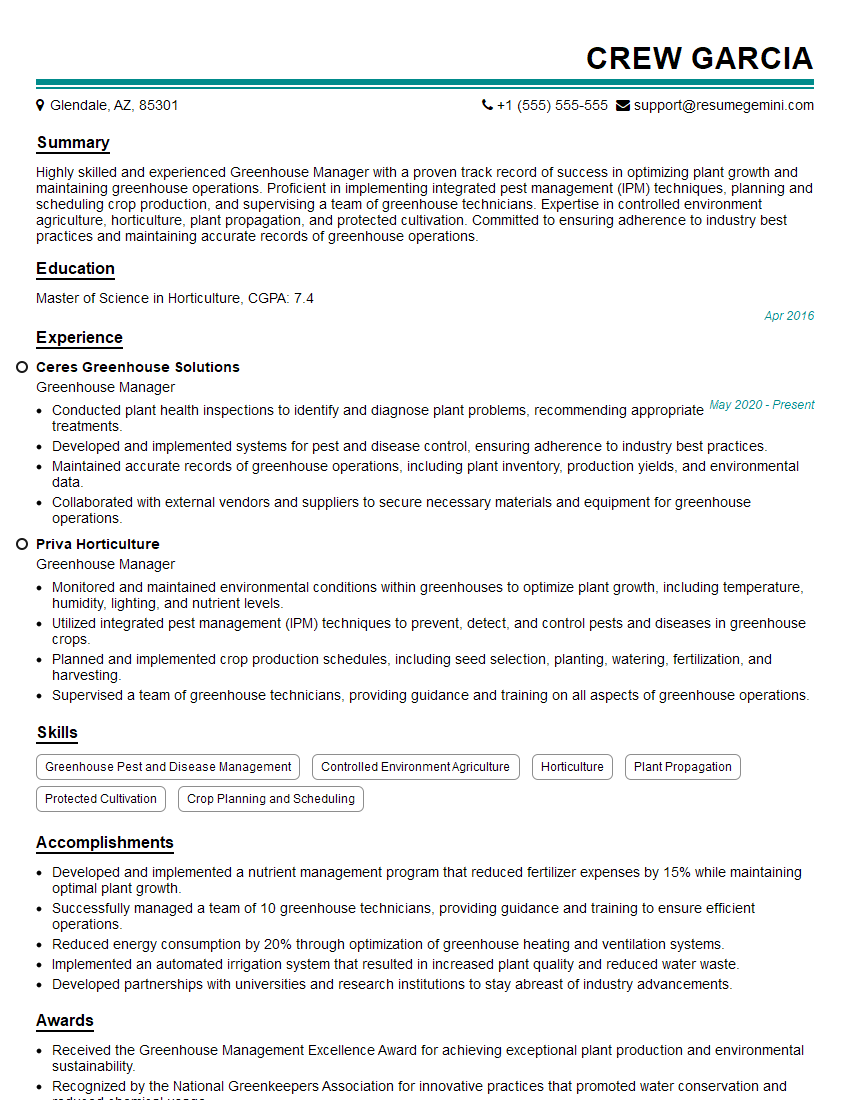
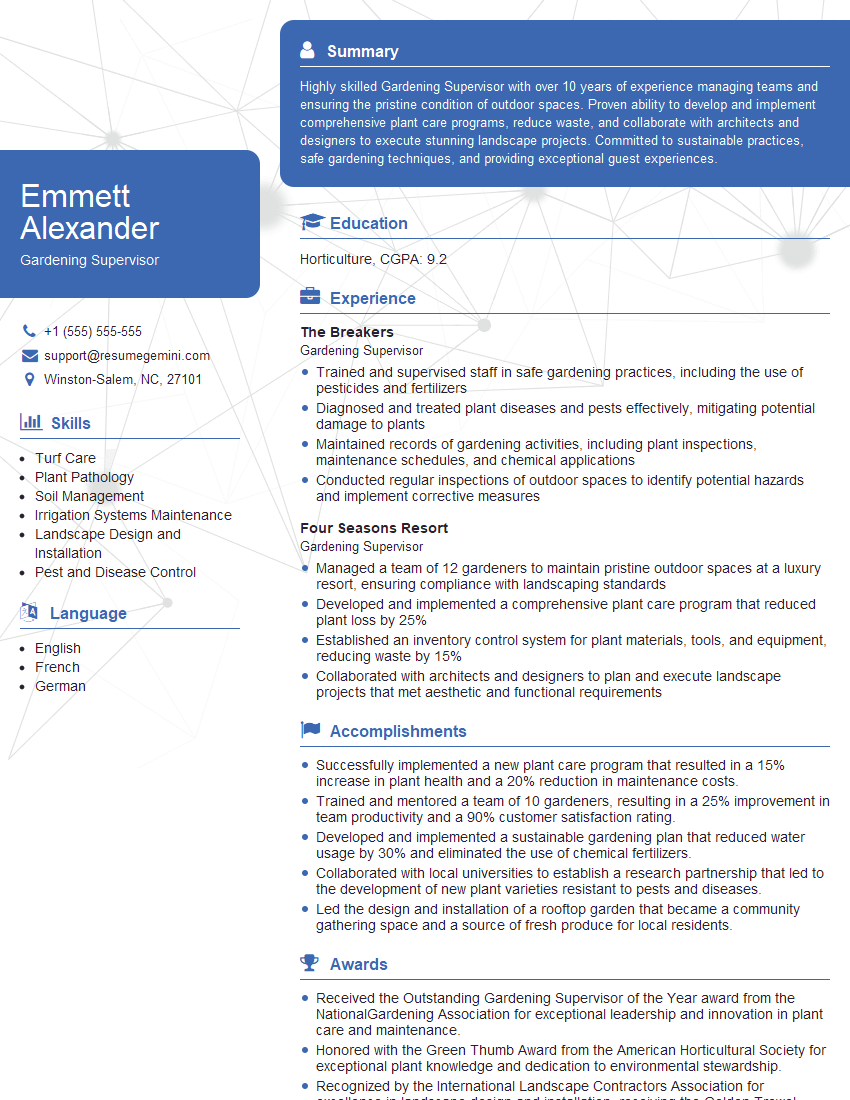
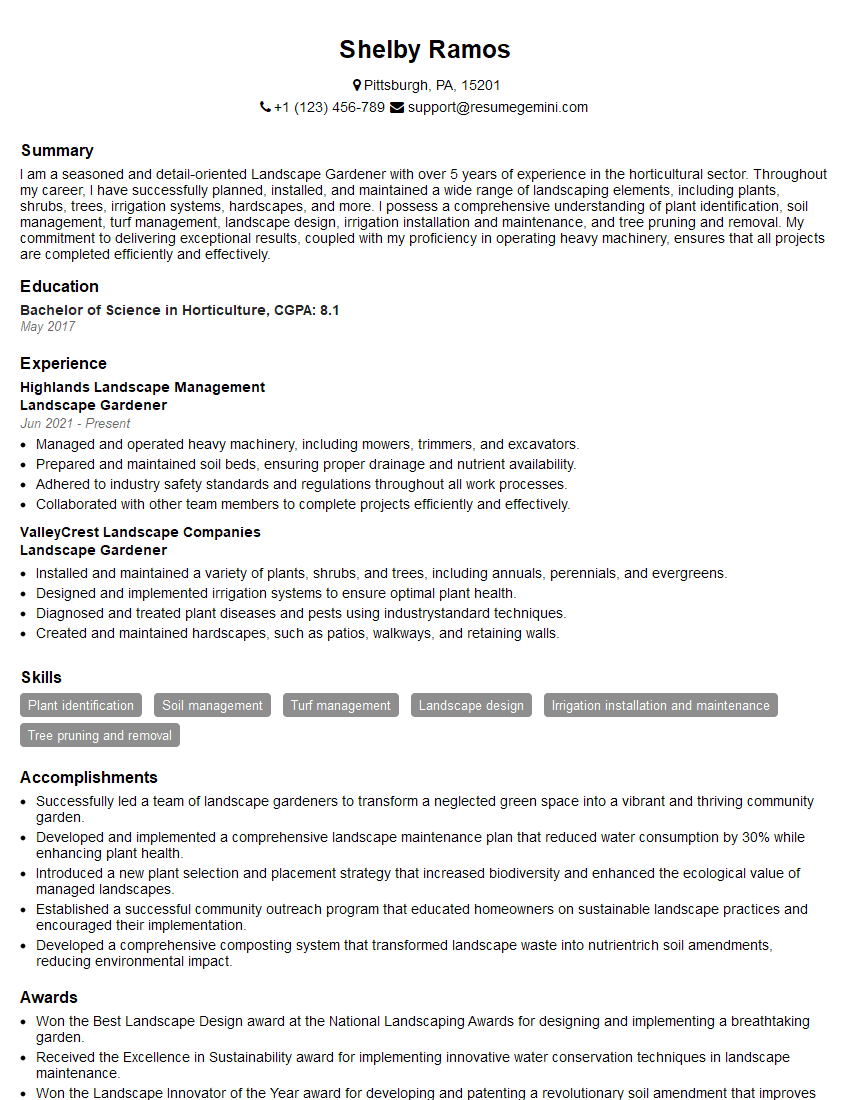
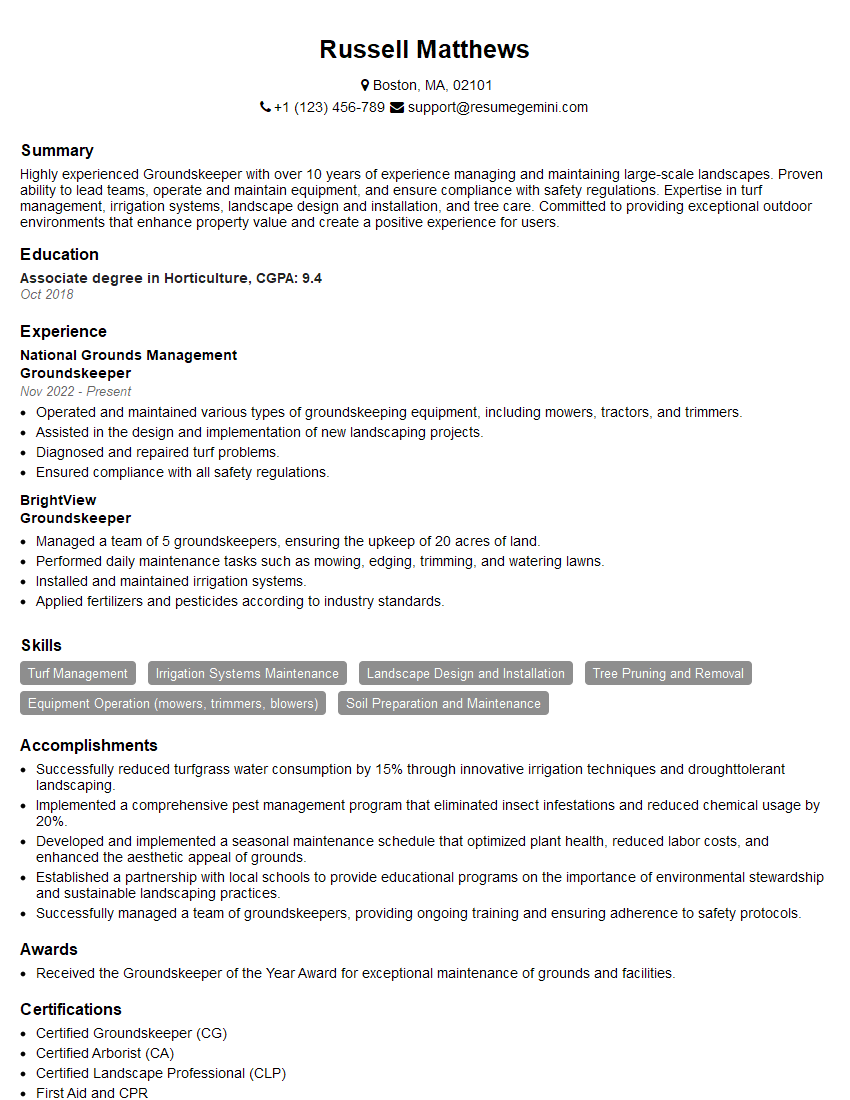
Mastering flower bed maintenance opens doors to diverse and rewarding career opportunities in landscaping, horticulture, and groundskeeping. To maximize your job prospects, creating a strong, ATS-friendly resume is crucial. ResumeGemini is a trusted resource to help you build a professional and impactful resume that highlights your skills and experience effectively. Examples of resumes tailored to Flower Bed Maintenance are available to guide you.
Explore more articles
Users Rating of Our Blogs
Share Your Experience
We value your feedback! Please rate our content and share your thoughts (optional).
What Readers Say About Our Blog
Very informative content, great job.
good