Interviews are opportunities to demonstrate your expertise, and this guide is here to help you shine. Explore the essential FMECA interview questions that employers frequently ask, paired with strategies for crafting responses that set you apart from the competition.
Questions Asked in FMECA Interview
Q 1. Explain the purpose of a Failure Mode and Effects Criticality Analysis (FMECA).
A Failure Mode and Effects Criticality Analysis (FMECA) is a systematic, proactive method used to identify potential failures in a system or process, analyze their effects, and prioritize actions to mitigate risks. Think of it as a detailed checklist for anticipating problems before they happen. It helps organizations understand not just what could go wrong, but also how likely it is to occur, how severe the consequences would be, and how easily the failure is detected. This information allows for targeted resource allocation towards the most critical issues.
Q 2. Describe the steps involved in performing a FMECA.
Performing a FMECA involves several key steps:
- Define the System/Process: Clearly scope the system or process you’re analyzing. This includes defining boundaries, functions, and interfaces.
- Identify Potential Failure Modes: Brainstorm all possible ways each component or function can fail. Use techniques like brainstorming, checklists, and historical data. For example, in a car, a failure mode could be ‘brake failure’.
- Analyze Effects of Failures: For each failure mode, determine its consequences on the system, the environment, and potentially people. A brake failure could lead to an accident.
- Determine Severity (S): Assign a numerical rating to the severity of each failure’s effect. This is often done using a scale (e.g., 1-10, with 10 being catastrophic). A brake failure would likely rate very high (e.g., 9 or 10).
- Determine Occurrence (O): Estimate the likelihood of each failure mode occurring over a specified period. This could be based on historical data, expert judgment, or statistical analysis. A brake failure might be rated as low (e.g., 2), assuming regular maintenance.
- Determine Detection (D): Assess the likelihood of detecting the failure before it causes significant harm. This considers built-in safeguards, monitoring systems, and inspection procedures. Early detection of brake wear would receive a low rating.
- Calculate Risk Priority Number (RPN): Calculate the RPN for each failure mode by multiplying S x O x D. Higher RPN values indicate higher-risk failure modes.
- Prioritize and Recommend Corrective Actions: Focus on failure modes with the highest RPNs. Implement corrective actions to reduce the severity, occurrence, or detectability of the failures.
- Implement and Review: Implement the planned actions and regularly review the effectiveness of the FMECA process.
Q 3. What are the key differences between FTA and FMECA?
While both Fault Tree Analysis (FTA) and FMECA are risk assessment techniques, they differ significantly in their approach:
- FTA is a deductive technique starting with an undesired event (top event) and working backward to identify the root causes. It’s excellent for understanding the contributing factors to a specific failure.
- FMECA is an inductive technique that starts by identifying potential failure modes for each component and then analyzing the effects. It provides a more comprehensive view of all potential failures within a system.
Think of it this way: FTA investigates ‘why did this happen?’ while FMECA tries to answer ‘what could happen and how bad would it be?’
Q 4. How do you determine the severity, occurrence, and detection of a failure mode?
Severity, occurrence, and detection are all assessed subjectively, often using rating scales. The specific scale can vary depending on the organization and context, but the principles remain the same.
- Severity (S): This considers the impact of the failure. Factors include safety risks, environmental damage, financial losses, and downtime. A higher rating is given to failures with potentially catastrophic consequences.
- Occurrence (O): This considers the probability of the failure mode happening. Data sources include historical records, statistical analysis, testing data, and expert judgments. This is often expressed as a frequency (e.g., failures per year).
- Detection (D): This assesses how easily the failure is detectable before it causes significant problems. It considers built-in detection mechanisms, preventive maintenance, inspections, and monitoring systems. High detection rates usually result in lower D values.
To assign numerical ratings, teams often use a predefined scale (e.g., 1-10) with clear definitions for each level. This requires consensus within the team to ensure consistent application.
Q 5. What is the RPN (Risk Priority Number) and how is it calculated?
The Risk Priority Number (RPN) is a numerical value that represents the overall risk associated with a particular failure mode. It’s calculated as the product of Severity (S), Occurrence (O), and Detection (D):
RPN = S x O x D
For example, if a failure has a severity rating of 8, an occurrence rating of 3, and a detection rating of 2, its RPN would be 48 (8 x 3 x 2 = 48). A higher RPN indicates a higher-priority risk requiring immediate attention.
Q 6. Explain the significance of the RPN value in prioritizing corrective actions.
The RPN value is crucial for prioritizing corrective actions. Failure modes with higher RPN values represent higher risks and should be addressed first. By focusing resources on the highest-RPN items, organizations can maximize their impact on risk reduction. This ensures efficiency by concentrating efforts on the most critical areas, preventing costly and potentially hazardous consequences.
For instance, if an FMECA identifies multiple failure modes with RPNs ranging from 10 to 150, those with RPNs above, say, 100 should be prioritized for immediate corrective actions, like implementing design changes, installing safety devices, or enhancing maintenance procedures.
Q 7. How do you handle uncertainties in data during an FMECA?
Uncertainty in data is common in FMECA, particularly regarding occurrence and detection ratings. Here’s how to handle them:
- Use ranges instead of single values: Instead of assigning a single number, use a range to reflect the uncertainty (e.g., occurrence could be 2-4 instead of 3). This provides a more realistic representation of the risk.
- Sensitivity analysis: Perform a sensitivity analysis to determine how changes in the input parameters (S, O, D) affect the RPN. This helps to identify the parameters with the greatest influence on the overall risk, guiding resource allocation.
- Use expert judgment: Incorporate expert knowledge and experience when data is scarce or unreliable. Multiple experts can be consulted to achieve a more robust estimate.
- Bayesian methods: In situations with substantial uncertainty, Bayesian methods can be used to update risk assessments as more data becomes available.
- Clearly document uncertainties: Clearly document any assumptions and uncertainties made during the analysis. This ensures transparency and allows for future updates as more information becomes available.
Remember that the goal isn’t to achieve absolute precision but to gain a relative understanding of risk priorities to guide resource allocation effectively.
Q 8. Describe different techniques for mitigating risks identified during an FMECA.
Mitigating risks identified during an FMECA (Failure Modes, Effects, and Criticality Analysis) involves implementing strategies to reduce the likelihood of failure (occurrence), the severity of its consequences (severity), and/or the detectability of the failure before it impacts the system (detection). These strategies are often categorized as design changes, procedural changes, or control measures.
- Design Changes: These address the root cause of the failure mode at the design level. Examples include using more robust materials, incorporating redundant systems, improving component tolerances, or implementing safety features. For instance, if an FMECA identifies a high risk of pump failure due to overheating, a design change could involve adding a more efficient cooling system or a temperature sensor with an automatic shut-off mechanism.
- Procedural Changes: These focus on operational practices. Examples include improved maintenance schedules, enhanced training programs for operators, stricter quality control during manufacturing, or implementing clearer operating instructions. If the FMECA highlights operator error as a significant contributor to a failure, implementing a checklist or a more rigorous training program could mitigate the risk.
- Control Measures: These are actions taken to manage the consequences of a failure, even if it occurs. Examples include safety interlocks, emergency shutdowns, alarms, or backup systems. If a failure could lead to a hazardous situation, implementing an automatic shutdown system would act as a control measure.
The choice of mitigation strategy depends on several factors, including the criticality of the failure mode, the cost-effectiveness of the solution, and the feasibility of implementation. Often, a combination of strategies is employed for optimal risk reduction.
Q 9. How do you validate the results of an FMECA?
Validating the results of an FMECA is crucial to ensure its accuracy and effectiveness. This usually involves a multi-faceted approach:
- Expert Review: Have other experienced engineers and subject matter experts independently review the FMECA to identify potential oversights or biases. This provides a crucial ‘second pair of eyes’ on the analysis.
- Data Comparison: Compare the predicted failure rates and criticality levels identified in the FMECA with historical failure data (if available) from similar systems or components. Discrepancies need investigation and potential adjustments to the FMECA.
- Testing and Simulation: If feasible, conduct tests or simulations to validate the failure modes and their effects. This may involve accelerated life testing, fault injection testing, or system simulations using software tools like MATLAB or Simulink.
- Process Audits: For procedural risk mitigations, perform audits to ensure the procedures are being correctly implemented and are effective.
- Feedback Loops: Establish feedback loops to gather information on actual system performance and identify any unexpected failures. This data can then be used to update and improve the FMECA over time.
Validation is an iterative process. It’s not a one-time activity, but rather a continuous improvement cycle to ensure the FMECA remains relevant and accurate as the system evolves.
Q 10. What are some common software tools used for performing FMEAs?
Several software tools facilitate FMECA performance, offering features such as RPN calculation, risk prioritization, and reporting capabilities. Some popular options include:
- ReliaSoft BlockSim: A powerful software package for reliability analysis, including FMECA, that offers advanced features for modeling complex systems.
- Visual Paradigm: A comprehensive suite that supports various analysis methods, including FMECA, and integrates with other project management tools.
- Excel Spreadsheets: While less sophisticated, spreadsheets can be used for simpler FMECAs, particularly for smaller projects, with custom templates created to manage the data.
- Specialized FMECA Software: Several companies offer dedicated FMECA software tailored to specific industries or needs. These often include features for collaborative work, version control and specialized calculations.
The best choice of software depends on the complexity of the system being analyzed, the budget, and the organization’s existing infrastructure and expertise.
Q 11. How does FMECA relate to other reliability analysis techniques like FTA and FMEA?
FMECA, FTA (Fault Tree Analysis), and FMEA (Failure Mode and Effects Analysis) are all reliability analysis techniques, but they differ in their approaches and objectives:
- FMEA: Focuses on identifying potential failure modes of individual components or subsystems, their effects, and the severity of those effects. It’s a more bottom-up approach.
- FMECA: Builds upon FMEA by incorporating criticality assessment, quantifying the risk associated with each failure mode using a risk priority number (RPN). This allows for prioritization of mitigation efforts.
- FTA: Uses a top-down approach to analyze the combination of events that lead to a specific undesired top-level event (e.g., system failure). It helps to understand the complex interactions between components and identify the most critical contributing factors.
They are often used in conjunction with each other to provide a comprehensive understanding of system reliability. For example, an FMEA might be performed on individual components, then the results aggregated and analyzed with an FMECA, and a FTA might be used to model the system-level consequences of specific failure modes.
Q 12. How do you handle conflicting priorities when addressing multiple high-RPN items?
When faced with multiple high-RPN items, prioritization is crucial due to limited resources. A structured approach is necessary:
- Re-evaluate RPNs: Double-check the assigned severity, occurrence, and detection ratings for accuracy. Sometimes, a minor adjustment in the RPN can significantly shift priorities.
- Cost-Benefit Analysis: Assess the cost of implementing mitigation strategies against the potential benefits (reduced risk, improved safety, cost savings from avoided failures). This helps to optimize resource allocation.
- Risk Matrix: Utilize a risk matrix to visually represent the risks and their potential impact. This facilitates easy comparison and prioritization, especially when dealing with numerous high-RPN items.
- Stakeholder Input: Consult stakeholders (e.g., management, operations, safety personnel) to incorporate their perspectives and priorities. Some high-RPN items might have significant safety implications that outweigh purely cost-based considerations.
- Phased Approach: Implement mitigation strategies in phases, addressing the highest-priority items first and then progressively tackling lower-priority risks. This allows for flexibility and resource management.
Prioritization requires careful judgment and a balance between technical considerations and strategic decision-making. Transparency and clear communication among stakeholders are vital throughout the process.
Q 13. How do you incorporate human factors into an FMECA?
Incorporating human factors into an FMECA is essential because human error is a significant contributor to many system failures. This involves explicitly considering human actions, limitations, and potential errors throughout the analysis:
- Identify Human-Machine Interfaces (HMIs): Specifically assess how humans interact with the system at various points. This includes operator controls, displays, procedures, and work environment.
- Analyze Human Error Potential: Identify potential human errors such as misinterpretations, incorrect actions, lapses in attention, or inadequate training, and assess their potential impact on system reliability.
- Use Human Reliability Analysis (HRA) Methods: Employ HRA techniques such as THERP (Technique for Human Error Rate Prediction) or HEART (Human Error Assessment and Reduction Technique) to quantify the probability of human error.
- Consider Workload and Stress: Account for factors that can negatively affect human performance, such as excessive workload, time pressure, poor environmental conditions, or fatigue.
- Design for Human Factors: Recommend design changes or procedural improvements that enhance human-system interaction, reduce error potential, and improve overall system safety.
By systematically considering human factors, the FMECA becomes a more realistic and comprehensive risk assessment tool.
Q 14. Describe a situation where an FMECA helped identify a critical failure mode.
During an FMECA for a complex chemical processing plant, we identified a critical failure mode related to a pressure relief valve. While the valve itself had a relatively low failure rate, a detailed analysis revealed a significant consequence: If the valve failed to open under high pressure, a catastrophic explosion could occur, leading to substantial property damage, environmental pollution, and potential loss of life. The standard safety systems were designed around the assumption that the valve would function correctly, leading to a significant oversight.
The FMECA highlighted that the severity of this failure mode was extremely high despite the low probability of valve failure. This prompted a review of the pressure relief system design, leading to the implementation of redundant valves and a sophisticated alarm system. This example underscores the importance of thoroughly considering both the likelihood and consequences of failure modes during an FMECA, revealing critical vulnerabilities that otherwise might go undetected.
Q 15. How would you explain the results of an FMECA to a non-technical audience?
Imagine you’re building a house of cards. FMECA helps us identify which cards are most likely to fall and cause the whole thing to collapse. It’s a systematic way of identifying potential failures in a system (like our house of cards, a manufacturing process, or a software application), assessing how likely those failures are, and determining the severity of the consequences. We then present these findings in a way that everyone understands, regardless of their technical background.
For a non-technical audience, we focus on the key takeaways: We’ve identified potential problems (like a weak card in our structure) and ranked them from most to least serious, along with how likely each problem is to occur. This helps everyone understand what should be prioritized in terms of improving safety, reliability, or efficiency. We might explain it using simple analogies, graphs, or tables, avoiding complicated jargon.
For example, we might say: “We found that a faulty sensor is the most critical risk. It’s moderately likely to fail, and if it does, it could cause a significant production shutdown. Therefore, replacing this sensor is our top priority.”
Career Expert Tips:
- Ace those interviews! Prepare effectively by reviewing the Top 50 Most Common Interview Questions on ResumeGemini.
- Navigate your job search with confidence! Explore a wide range of Career Tips on ResumeGemini. Learn about common challenges and recommendations to overcome them.
- Craft the perfect resume! Master the Art of Resume Writing with ResumeGemini’s guide. Showcase your unique qualifications and achievements effectively.
- Don’t miss out on holiday savings! Build your dream resume with ResumeGemini’s ATS optimized templates.
Q 16. What are the limitations of FMECA?
While FMECA is a powerful tool, it has limitations. One key limitation is its reliance on the available data and expertise of the team conducting the analysis. Inaccurate data or incomplete knowledge will lead to inaccurate results. It also struggles to handle complex systems with many interconnected components and high levels of uncertainty. Estimating probabilities and severities can be subjective, leading to inconsistencies and disagreements among team members. Further, it doesn’t account for cascading failures (where one failure triggers a chain of others), though such interactions can be qualitatively addressed through supplementary analysis.
Another limitation is the time and resource intensive nature of a thorough FMECA. It requires significant effort to identify all potential failure modes and analyze their effects. Finally, while FMECA identifies risks, it doesn’t inherently provide solutions. The solutions (corrective actions) are determined separately and require further investigation and resource allocation.
Q 17. How do you ensure the effectiveness of corrective actions implemented after an FMECA?
Ensuring the effectiveness of corrective actions is crucial. We don’t just implement them and hope for the best. We establish a robust process to track and verify their impact. First, corrective actions are clearly defined with specific, measurable, achievable, relevant, and time-bound (SMART) goals. Then, we implement them carefully, documenting each step. After implementation, we monitor the system’s performance using key indicators that reflect the risks addressed during the FMECA.
For instance, if we identified a risk related to operator error, we might implement training and then track the reduction in error rates. If the corrective action was upgrading a component, we would monitor its performance over time to validate it meets the necessary reliability criteria. Regular reviews of the FMECA, perhaps annually, are vital to assess the ongoing effectiveness of implemented actions and identify any emerging risks. We also consider feedback from operators and maintainers to proactively address any unforeseen issues.
Q 18. Describe your experience with different FMECA methodologies.
I’ve had extensive experience with various FMECA methodologies, including both qualitative and quantitative approaches. I’m proficient in using standard FMECA forms and software tools to facilitate the process. For instance, in a recent project involving a complex automation system, we employed a quantitative FMECA, using statistical data to determine the probability and severity of various failure modes. This allowed for a more precise risk assessment and prioritization of corrective actions.
In another project, concerning a newly designed medical device, we used a more qualitative approach, relying on expert judgment and historical data from similar devices. This was due to the limited operational data available at that stage. I’m comfortable adapting my approach to suit the specific needs and context of each project, balancing quantitative analysis with qualitative expert input as needed. I have also utilized variations within the methodology, including the incorporation of fault tree analysis (FTA) in conjunction with FMECA for more complex risk scenarios.
Q 19. How do you handle changes in design or processes during an ongoing FMECA?
Changes in design or processes during an ongoing FMECA necessitate a rigorous update. This isn’t merely an addendum; it’s a systematic process to ensure the analysis remains relevant. We treat design changes as new events, requiring a reassessment of the entire process or subsystem impacted by the modification. This includes identifying new potential failure modes, reevaluating existing ones, and updating the risk matrix. The updates are carefully documented and reviewed by the team, to ensure the FMECA accurately reflects the revised system.
For example, if a new component is added to a system, we need to analyze its potential failure modes, their probabilities, and the severity of their impact. This often involves integrating changes into an existing FMECA worksheet or creating a supplemental analysis for the modified component or subsystem. A formal change control process ensures that all relevant stakeholders are informed and that the updated FMECA is approved before implementation of the design or process changes.
Q 20. How do you prioritize corrective actions based on their cost and effectiveness?
Prioritizing corrective actions involves a balanced consideration of cost and effectiveness. We often utilize a risk priority number (RPN) which is a simple calculation resulting from the multiplication of the Severity, Occurrence, and Detection values. A higher RPN indicates a higher priority. However, this calculation only provides a preliminary ranking.
To improve decision-making we conduct a cost-benefit analysis for each corrective action. This analysis compares the cost of implementing each action to the potential cost savings or reduction in risk associated with its implementation. We might also use a decision matrix that incorporates other qualitative factors such as feasibility, available resources, and time constraints. We prioritize actions with high RPN values and a favorable cost-benefit ratio, potentially employing a weighted scoring system to refine prioritization.
Q 21. What are the key metrics used to evaluate the effectiveness of an FMECA?
Evaluating the effectiveness of an FMECA goes beyond simply completing the analysis. Key metrics focus on the reduction of risks and improvement in system reliability. These include:
- Reduction in RPN values: After implementing corrective actions, we reassess the RPN values of the identified risks. A significant reduction signifies the effectiveness of the implemented measures.
- Improved system reliability: This is measured through metrics like Mean Time Between Failures (MTBF) or Mean Time To Repair (MTTR), tracked before and after the implementation of corrective actions.
- Reduced number of failures: By monitoring the system’s performance, we can directly track the number of failures occurring. A significant decrease indicates success.
- Reduced downtime: Measuring the amount of downtime caused by failures, before and after FMECA implementation, provides an effective measure of improvements in productivity and efficiency.
- Improved safety performance: In safety-critical applications, metrics such as the number of safety-related incidents or near misses are tracked to demonstrate a reduction in risk.
These metrics, when coupled with qualitative feedback, provide a comprehensive evaluation of the FMECA’s impact on the system’s overall performance.
Q 22. Explain your experience using specific FMECA software.
My experience with FMECA software spans several platforms. I’ve extensively used ReliaSoft’s Weibull++ and BlockSim for complex system reliability analyses, including FMECA development. These tools allow for efficient data input, automated calculations of RPN (Risk Priority Number), and the generation of comprehensive reports. For instance, in a recent project involving a manufacturing assembly line, I utilized Weibull++ to model the failure rates of individual components, feeding this data into BlockSim to simulate system-level reliability and identify critical failure modes. This allowed us to prioritize improvements based on quantifiable risk. I’m also familiar with simpler spreadsheet-based approaches, which are effective for smaller-scale projects where the software’s advanced features aren’t necessary. The key is selecting the tool that best suits the project’s complexity and available resources.
In addition to ReliaSoft, I’ve worked with other commercial FMECA software packages and have experience developing custom solutions using programming languages like Python to cater to specific organizational needs and unique data structures. This involves creating scripts to automate data entry, calculations, and report generation to improve efficiency and reduce manual errors.
Q 23. Describe a situation where an FMECA prevented a potential failure.
During a project involving the design of a new medical device, our FMECA identified a potential failure mode related to a specific sensor’s susceptibility to electromagnetic interference (EMI). The RPN score for this failure was high, indicating a significant risk. This prompted a design change. We incorporated an EMI shielding enclosure around the sensor, effectively mitigating the risk of failure due to external interference. Had we not conducted the FMECA, this potential failure, which could have led to inaccurate readings and potentially patient harm, might have gone undetected until after the device’s release, resulting in costly recalls and reputational damage. This highlights the proactive nature of FMECA in preventing costly failures.
Q 24. How do you update an FMECA after it has been completed?
Updating an FMECA is a crucial ongoing process; it’s not a ‘one-and-done’ activity. The frequency of updates depends on the system’s complexity and operational environment. Here’s how I approach it:
- Regular Reviews: Schedule periodic reviews (e.g., annually or after significant design changes, maintenance events, or operational incidents).
- Incident Reporting: Any failure or near-miss events should trigger an immediate review and update of the relevant section of the FMECA. This allows for learning from experience and incorporating corrective actions.
- Data Analysis: Analyze operational data, maintenance logs, and feedback to identify potential issues that may not have been initially considered. This might involve updating failure rates, severity assessments, or detection methods.
- Technology Updates: As technology changes, new components and designs may be implemented. These require updated FMECA analyses to evaluate the reliability and risks associated with new technology.
- Process Improvements: The FMECA process itself should be reviewed periodically to ensure its effectiveness and identify areas for improvement in accuracy and efficiency.
The update process typically involves revisiting the relevant sections of the FMECA, updating data, recalculating RPNs, and documenting any changes made. It’s essential to maintain version control of the FMECA to track modifications and provide a clear audit trail.
Q 25. What are some common challenges encountered during an FMECA?
Conducting an effective FMECA presents several challenges:
- Data Availability: Obtaining accurate and reliable failure rate data can be difficult, especially for new systems or components. Using historical data from similar systems or applying expert judgment may be necessary.
- Subjectivity in Assessments: Severity, occurrence, and detection assessments often involve subjective judgment. Establishing clear criteria and using a consistent approach across the team is crucial to minimize bias.
- Team Collaboration: FMECA is a collaborative effort, requiring input from diverse teams with varying levels of expertise. Effectively managing this input and ensuring a shared understanding can be challenging.
- Time Constraints: Conducting a thorough FMECA can be time-consuming. Balancing the level of detail needed with the available time is critical. Prioritization and focusing on high-risk areas helps.
- Scope Definition: Clearly defining the scope of the FMECA is paramount. Too narrow a scope may miss critical failures, while too broad a scope may lead to inefficiency.
Overcoming these challenges requires careful planning, robust data collection methods, clear communication, and the use of appropriate tools and techniques.
Q 26. How do you involve stakeholders in the FMECA process?
Involving stakeholders is paramount for a successful FMECA. I use a multi-stage approach:
- Stakeholder Identification: Identify all relevant stakeholders early on – engineers, operators, maintenance personnel, management, and even customers if appropriate. Each brings a unique perspective.
- Workshops and Meetings: Conduct facilitated workshops or meetings to gather input. This collaborative environment fosters open communication and encourages diverse viewpoints.
- Data Collection Methods: Use various data collection methods, such as surveys, interviews, and brainstorming sessions, to capture a broad range of perspectives.
- Clear Communication: Ensure clear communication throughout the process. Use plain language, avoid jargon, and provide regular updates to keep stakeholders informed.
- Feedback Integration: Actively solicit and integrate stakeholder feedback into the FMECA analysis and recommendations. This ensures ownership and buy-in.
By actively involving stakeholders, you ensure that the FMECA addresses real-world concerns, leading to more effective risk mitigation strategies.
Q 27. How do you ensure the accuracy and completeness of the FMECA data?
Ensuring accuracy and completeness in FMECA data requires a multi-faceted approach:
- Data Validation: Implement a data validation process to ensure the accuracy and consistency of all input data. This could involve cross-checking data from multiple sources and using statistical methods to verify the reliability of failure rate estimates.
- Expert Review: Use subject matter experts to review and validate the findings. This ensures technical accuracy and helps identify potential biases or omissions.
- Peer Review: Conduct peer reviews to identify any inconsistencies or errors in the FMECA analysis. This provides an independent check on the quality of the work.
- Documentation: Maintain meticulous documentation throughout the entire FMECA process. This includes recording all assumptions, decisions, and sources of information. This allows for traceability and facilitates future updates.
- Use of established standards: Adhering to industry best practices and standards such as those from SAE or other relevant organizations ensures consistency and quality.
By employing these strategies, we significantly enhance the reliability and credibility of the FMECA results, leading to more effective risk management decisions.
Key Topics to Learn for FMECA Interview
- Failure Modes and Effects Analysis (FMEA): Understanding the core principles of FMEA, including identifying potential failure modes, their effects, and severity.
- Criticality Analysis: Learn how to prioritize failures based on their severity, occurrence, and detection, using Risk Priority Number (RPN) calculations and other techniques.
- FMECA Methodology: Master the systematic approach of conducting a thorough FMECA study, from defining system boundaries to implementing corrective actions.
- Practical Applications: Explore real-world examples of FMECA implementation in various industries (e.g., automotive, aerospace, manufacturing) and understand how it contributes to risk mitigation.
- Corrective Actions and Risk Reduction: Discuss strategies for implementing effective corrective actions to reduce the risk associated with identified failure modes.
- Software and Tools: Familiarize yourself with commonly used FMECA software and tools to streamline the analysis process.
- Data Analysis and Interpretation: Develop your ability to analyze data obtained during the FMECA process and draw meaningful conclusions.
- Root Cause Analysis Techniques: Understand how to employ root cause analysis methods (e.g., 5 Whys, Fishbone diagrams) to identify the underlying causes of failures.
- Documentation and Reporting: Learn how to effectively document and present your FMECA findings in a clear and concise manner.
- Teamwork and Communication: Understand the importance of effective communication and collaboration within a team during the FMECA process.
Next Steps
Mastering FMECA significantly enhances your problem-solving skills and demonstrates a proactive approach to risk management, making you a highly valuable asset in any engineering or technical role. This expertise opens doors to diverse and challenging career opportunities with significant growth potential.
To maximize your job prospects, create a resume that’s optimized for Applicant Tracking Systems (ATS). An ATS-friendly resume ensures your qualifications are effectively communicated to recruiters and hiring managers. We highly recommend using ResumeGemini, a trusted resource for building professional and effective resumes. ResumeGemini provides examples of resumes tailored to FMECA roles, giving you a head start in crafting a compelling application.

Operations Manager Resume Sample
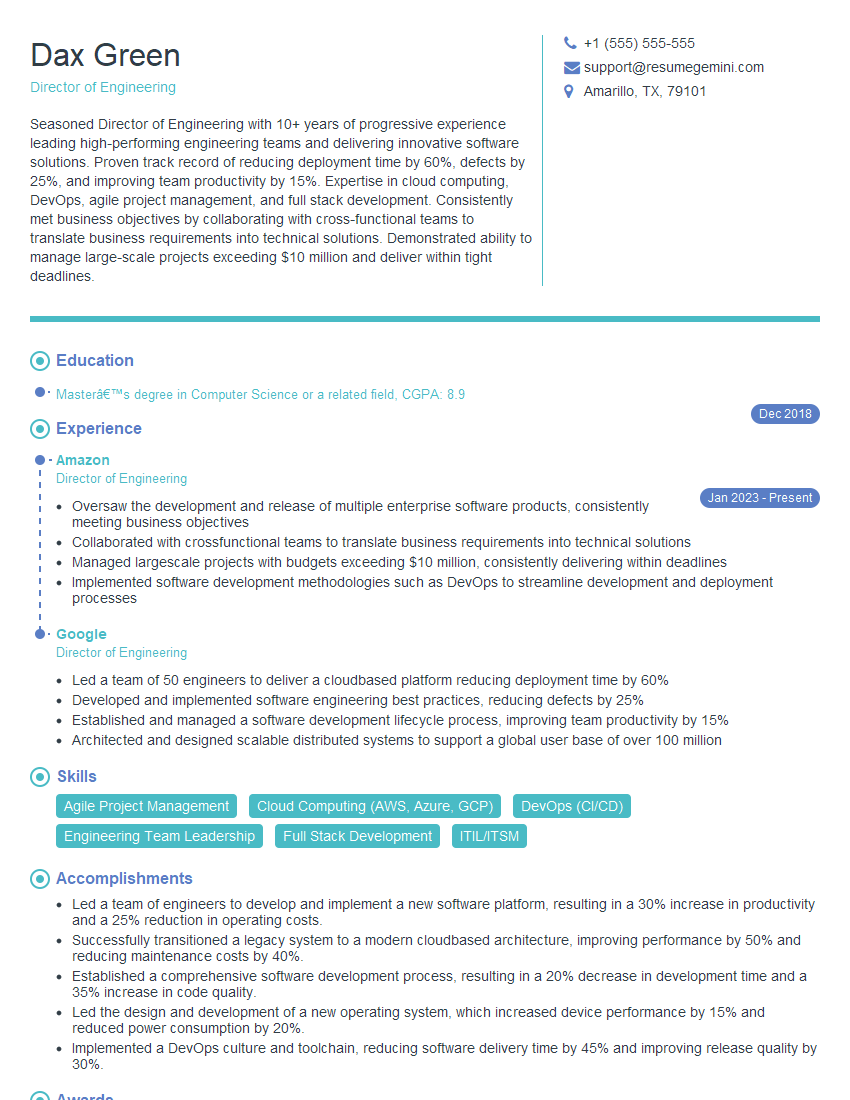
Director of Engineering Resume Sample
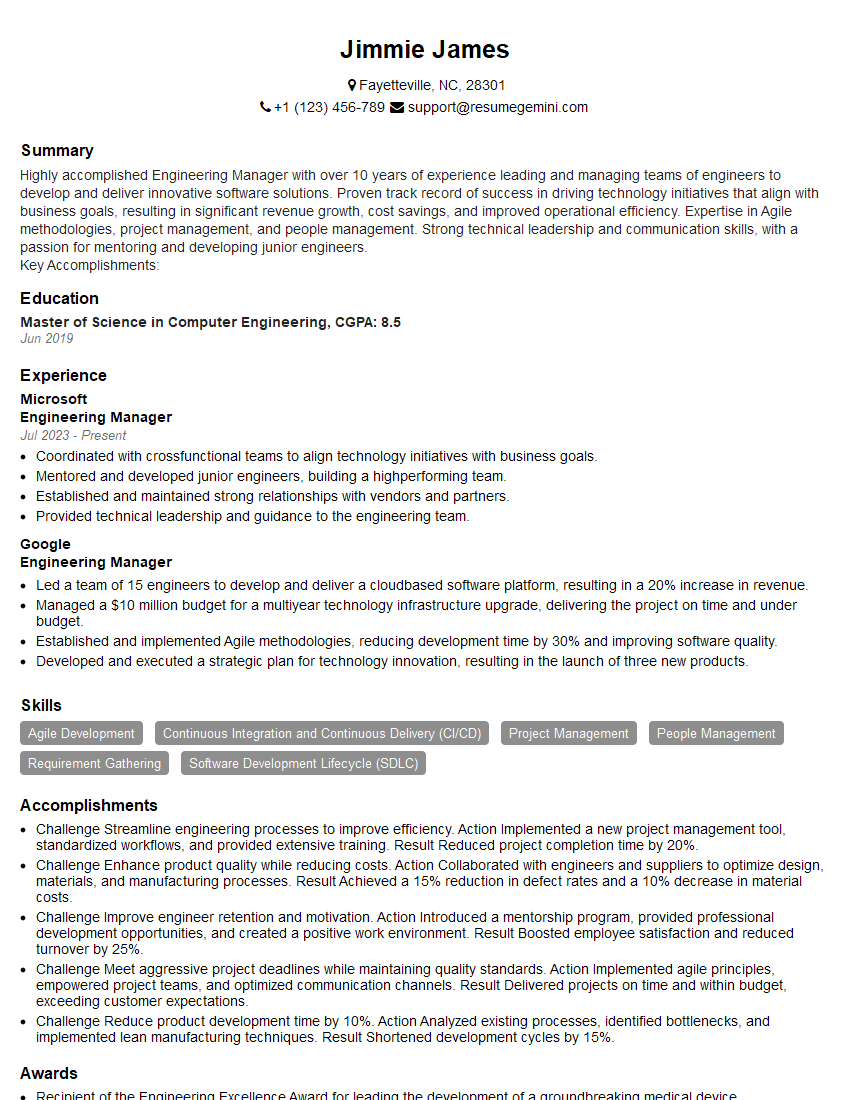
Engineering Manager Resume Sample
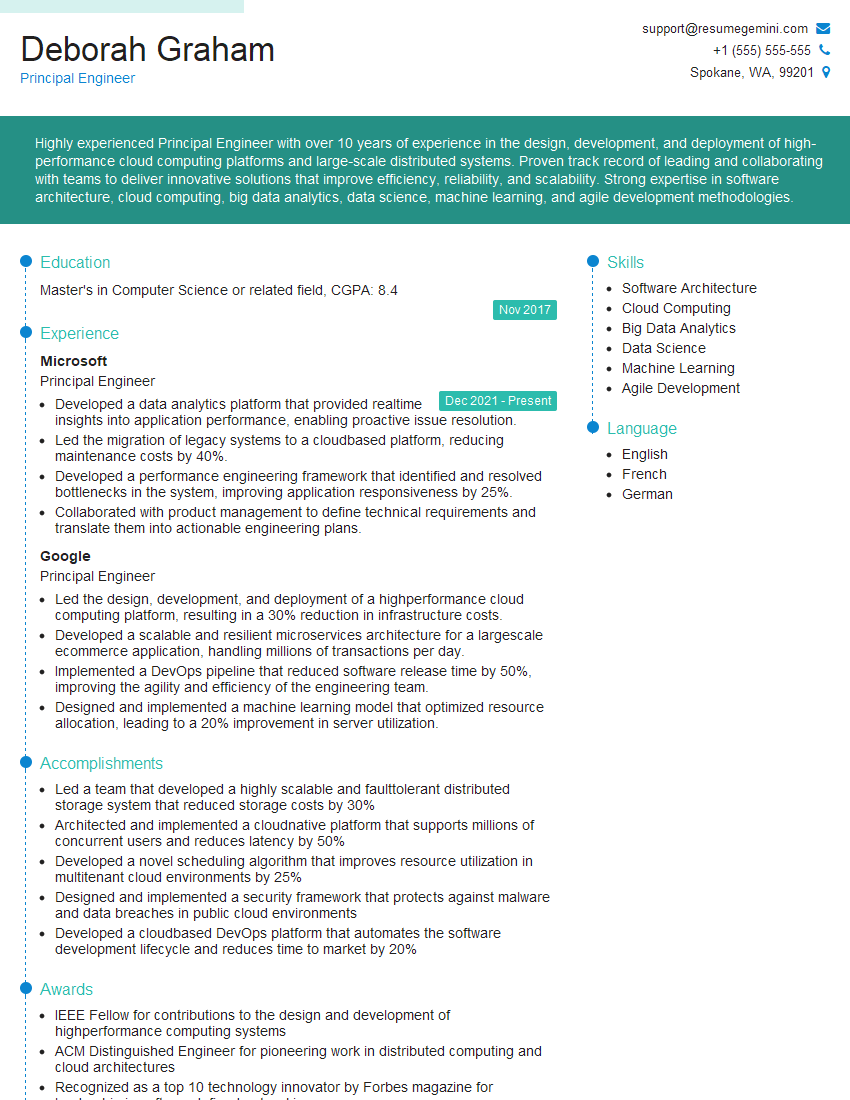
Principal Engineer Resume Sample

Project Engineer Resume Sample
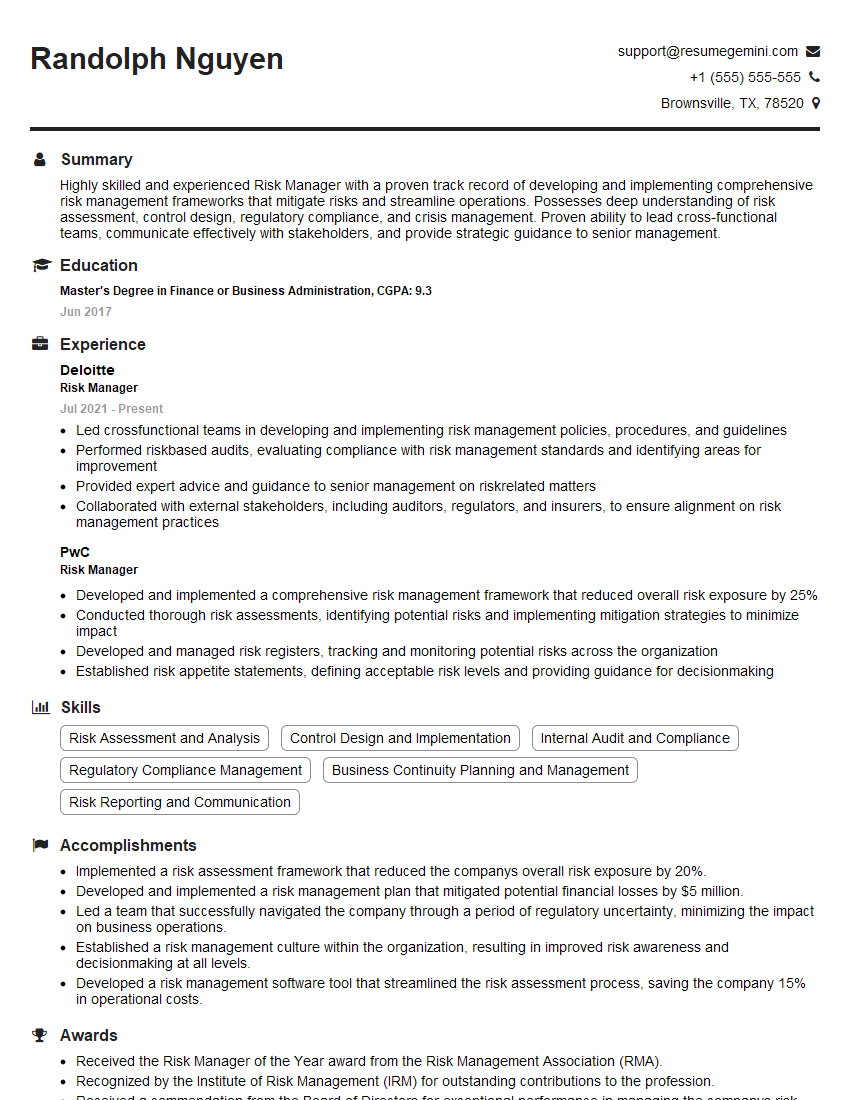
Risk Manager Resume Sample
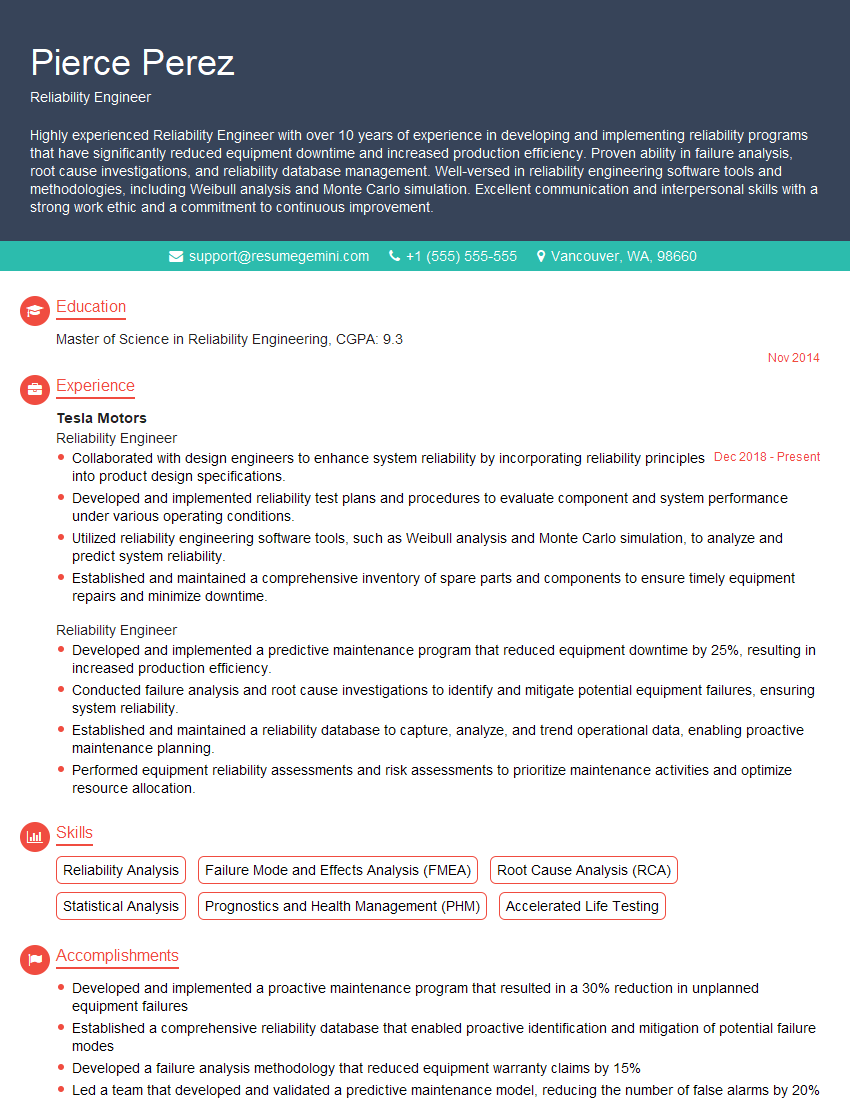
Reliability Engineer Resume Sample

Systems Engineer Resume Sample
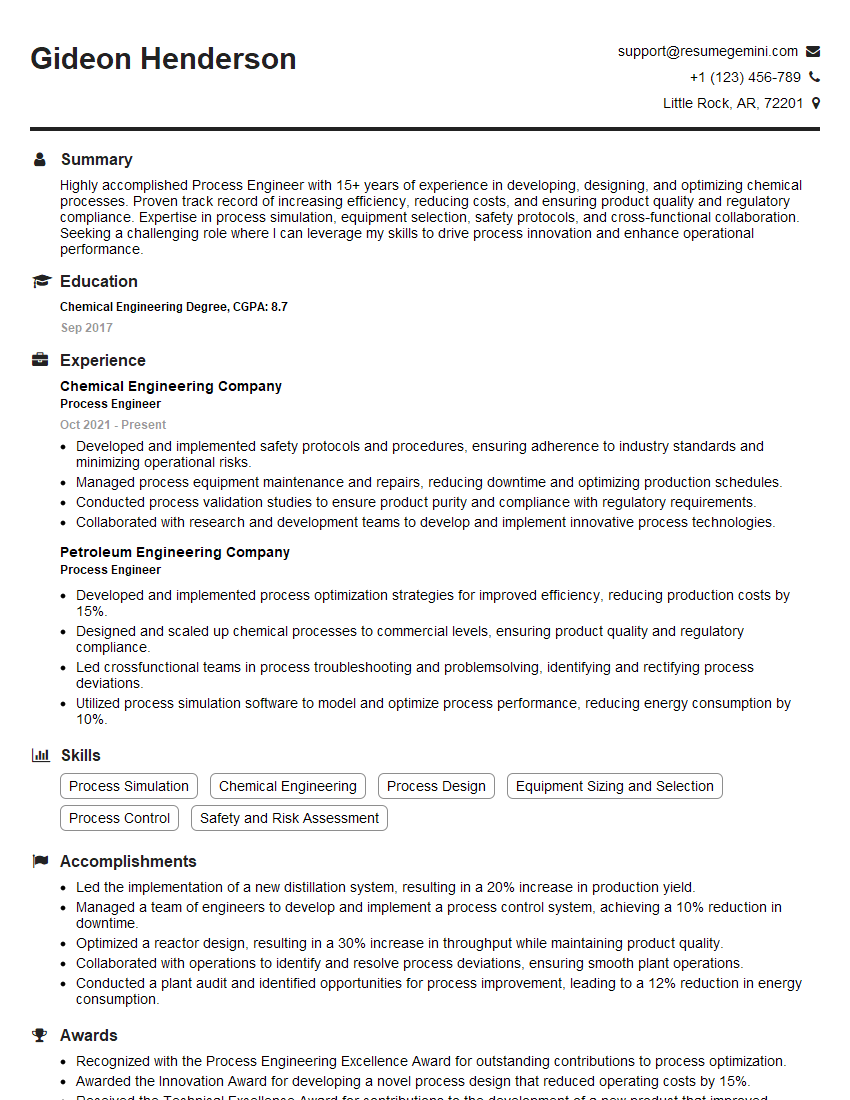
Process Engineer Resume Sample
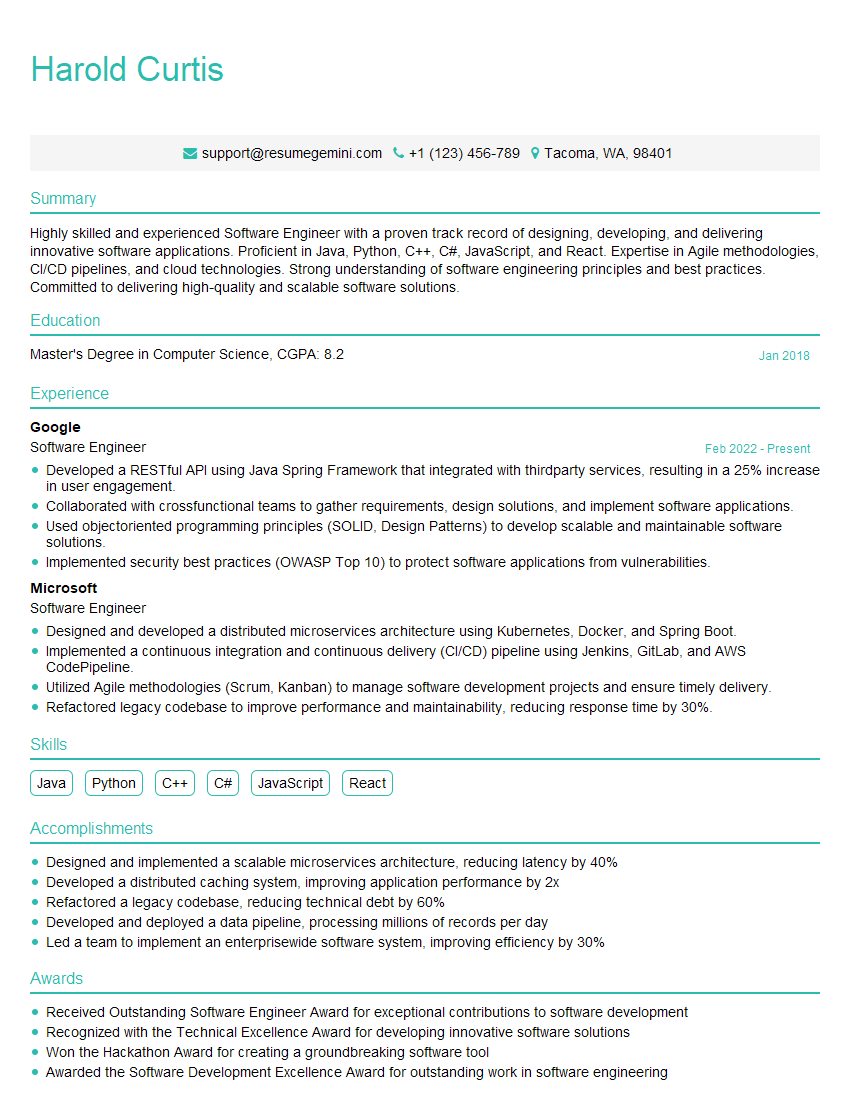
Software Engineer Resume Sample
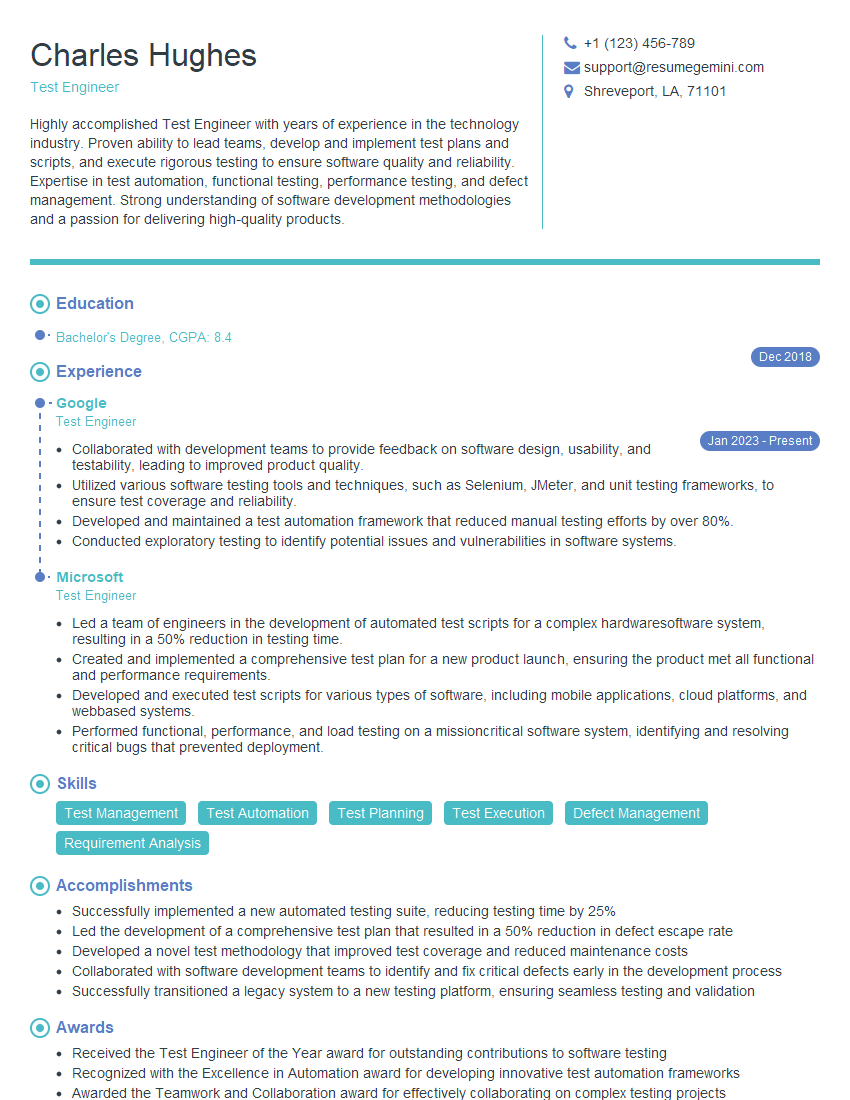
Test Engineer Resume Sample
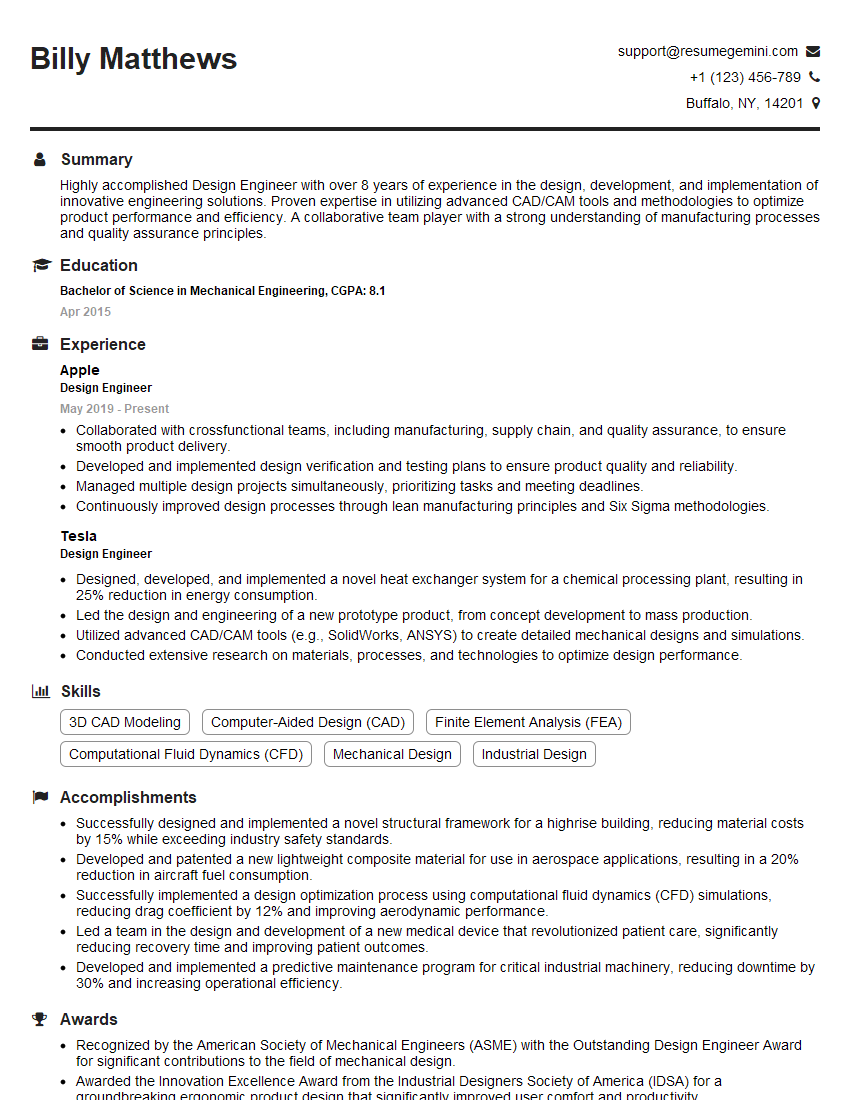
Design Engineer Resume Sample
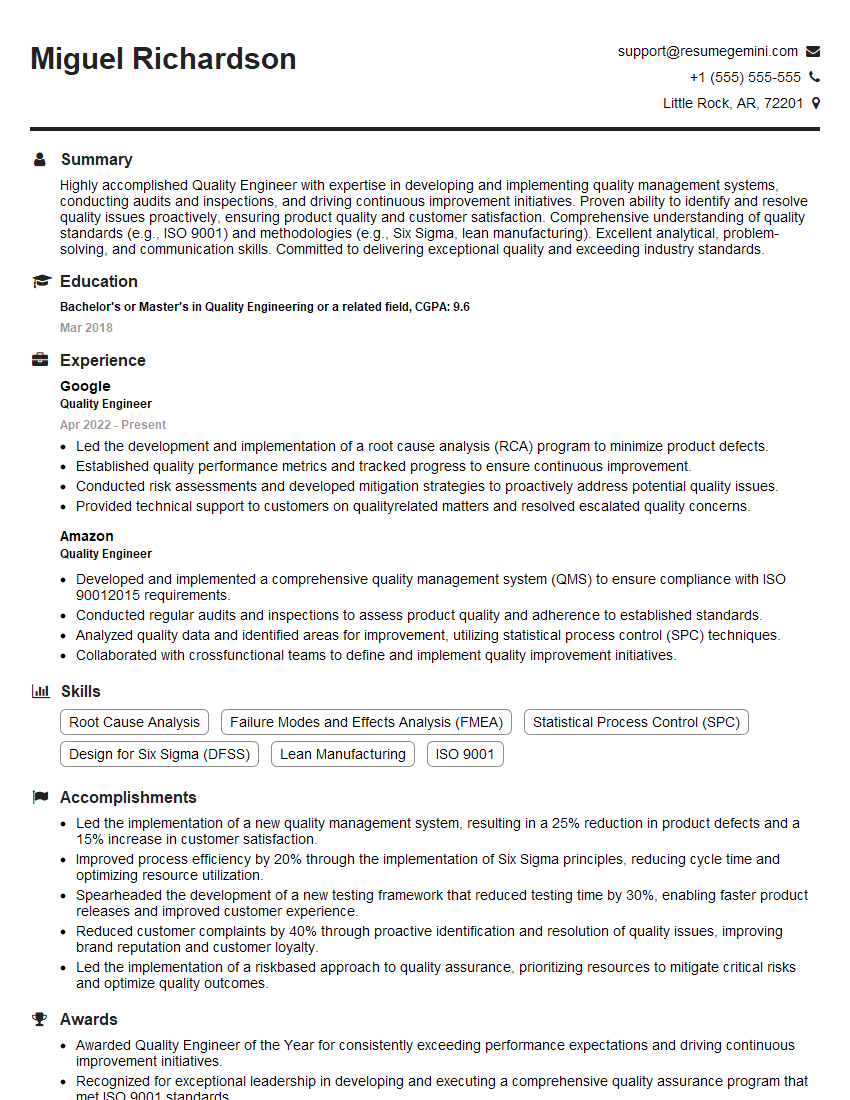
Quality Engineer Resume Sample

Aerospace Engineer Resume Sample
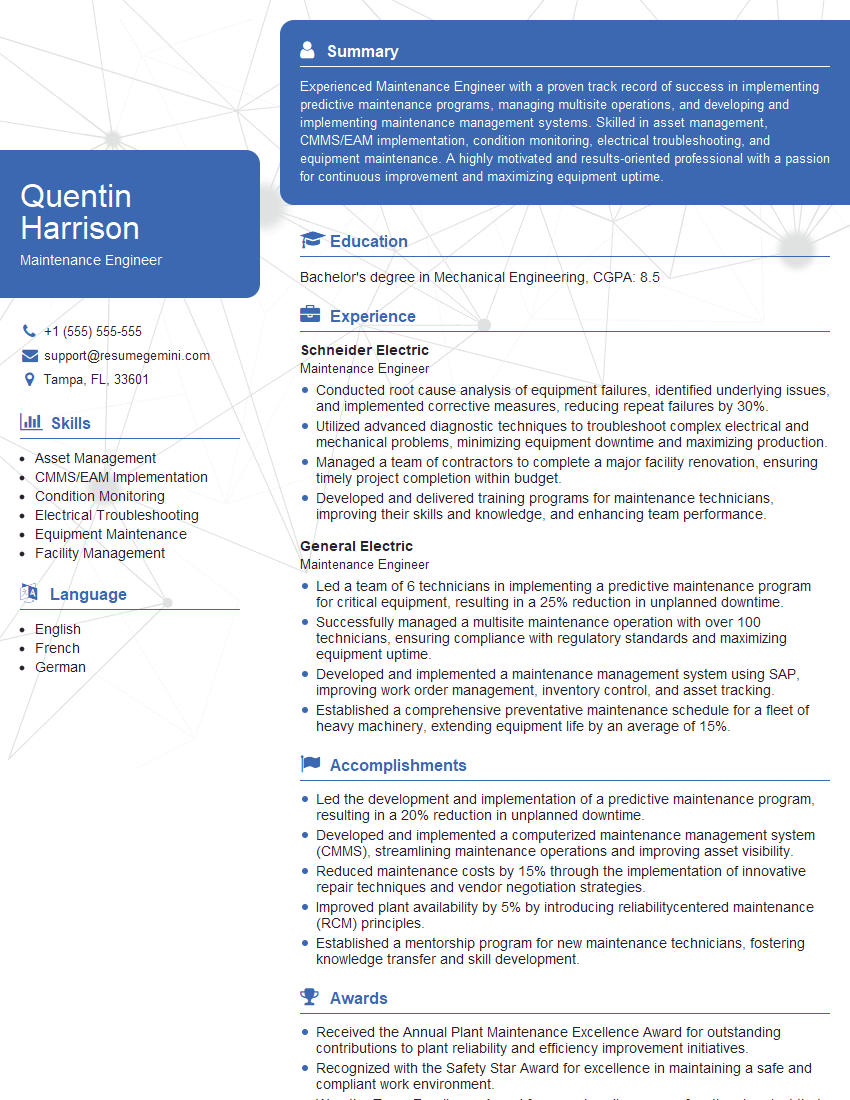
Maintenance Engineer Resume Sample
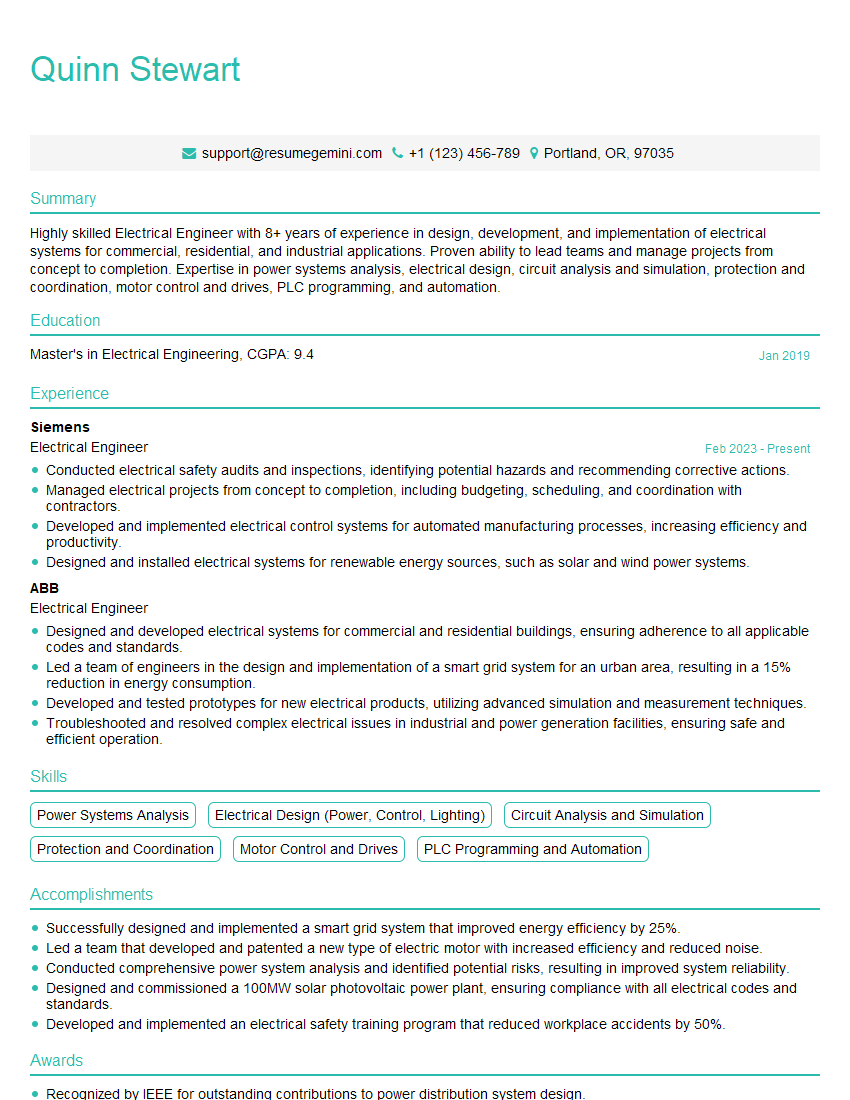
Electrical Engineer Resume Sample
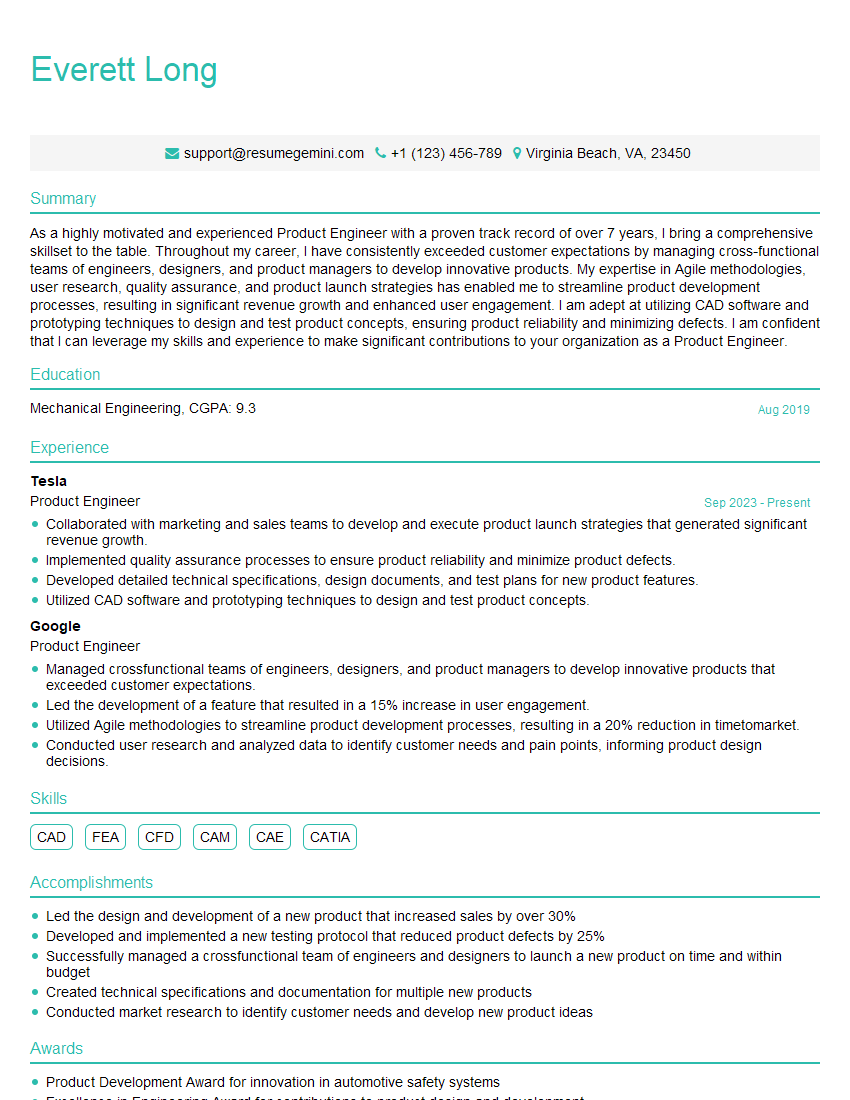
Product Engineer Resume Sample
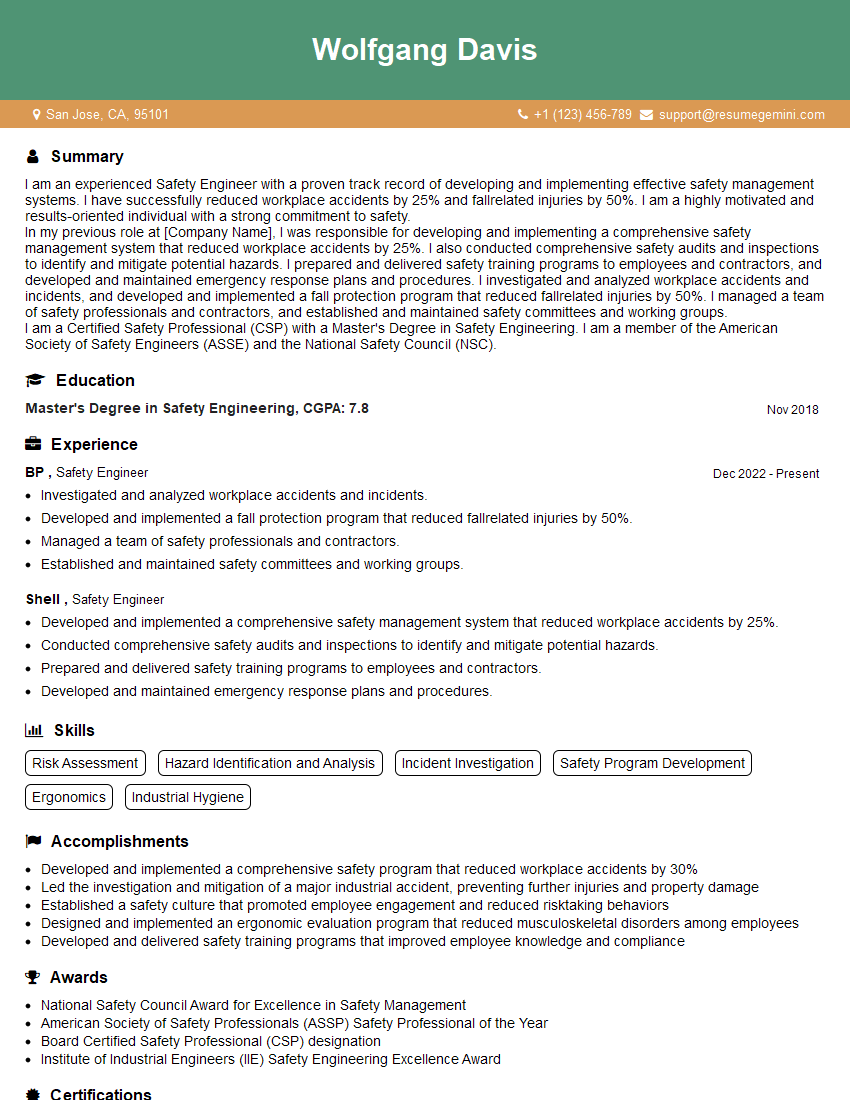
Safety Engineer Resume Sample
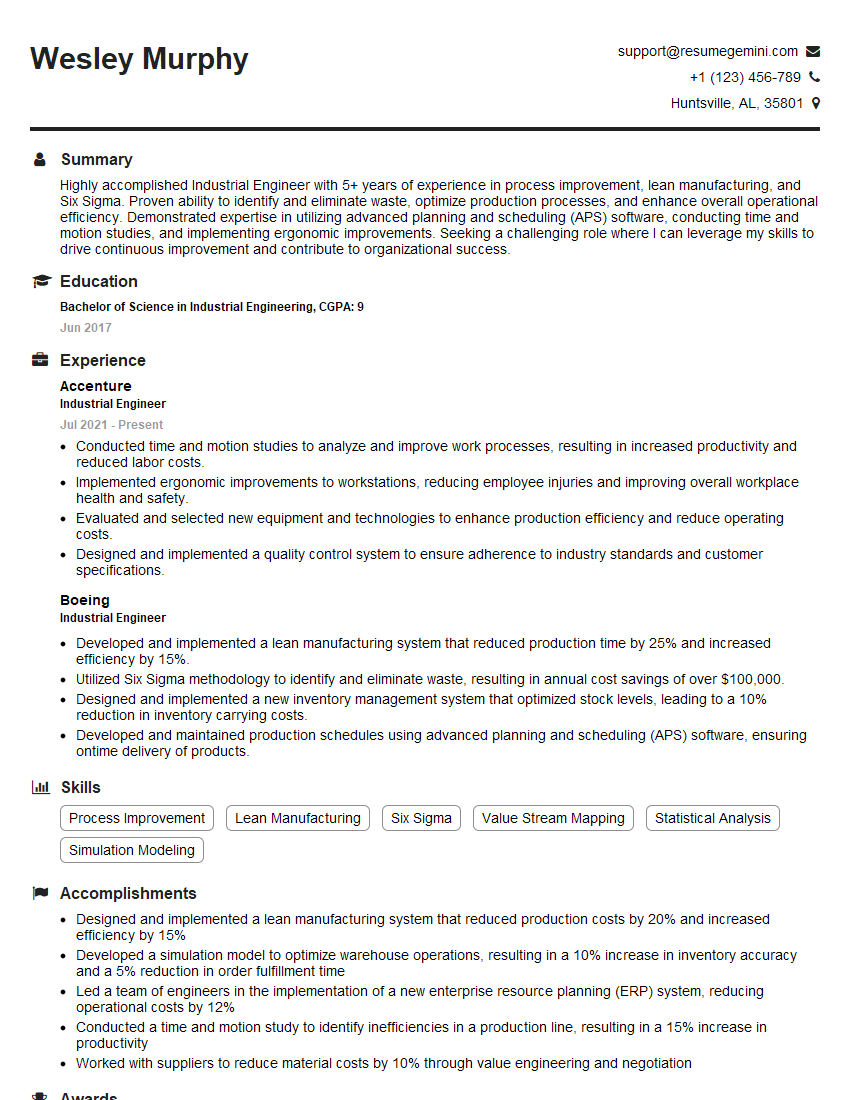
Industrial Engineer Resume Sample
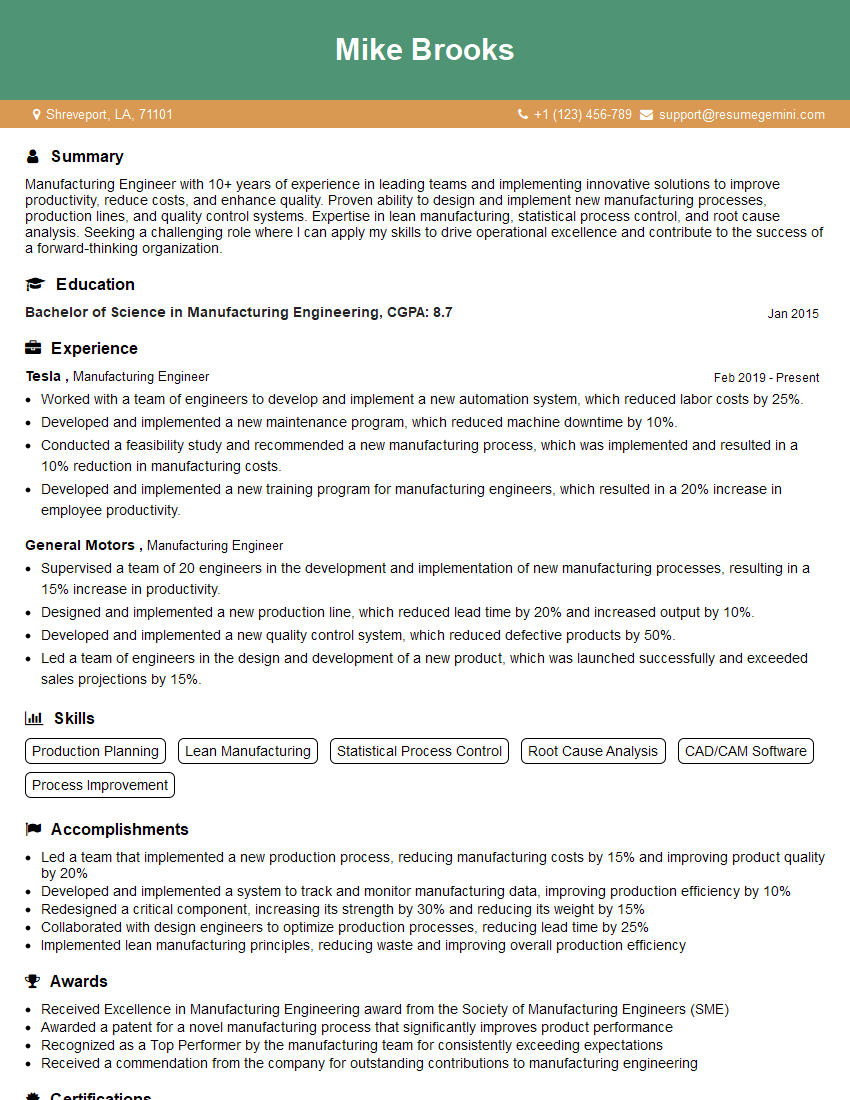
Manufacturing Engineer Resume Sample
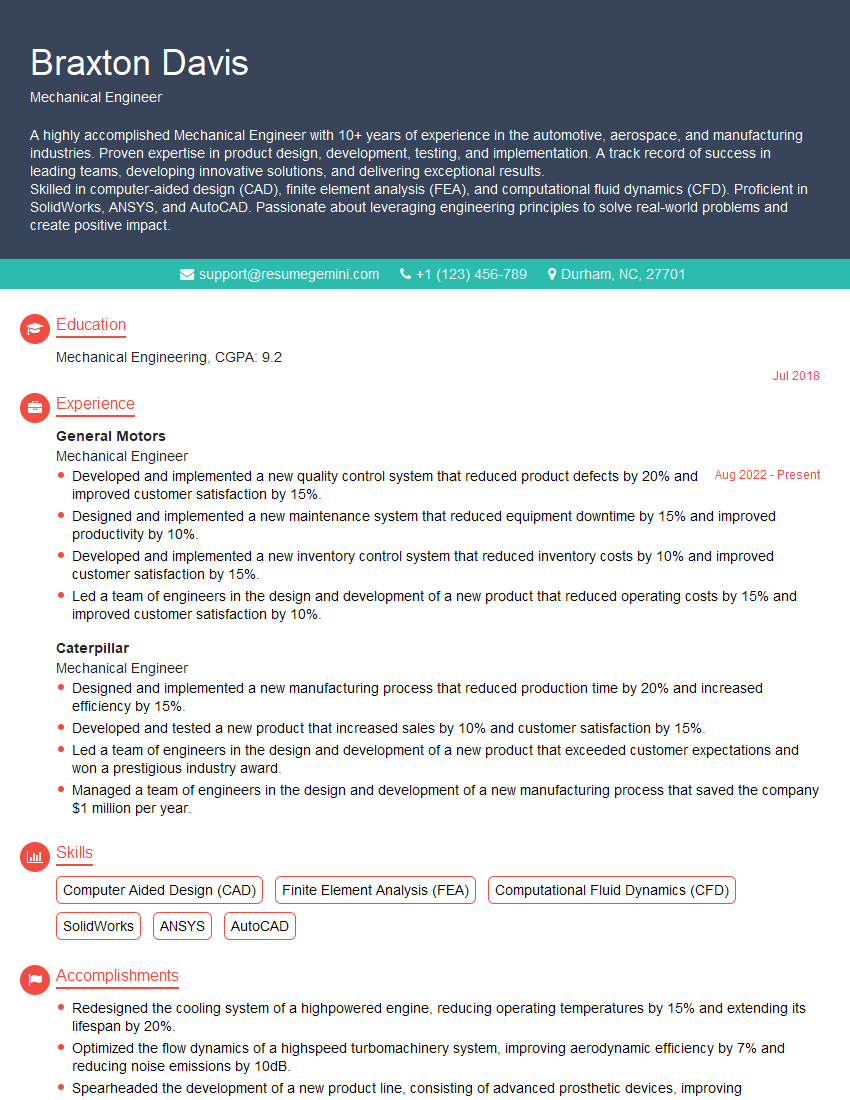
Mechanical Engineer Resume Sample
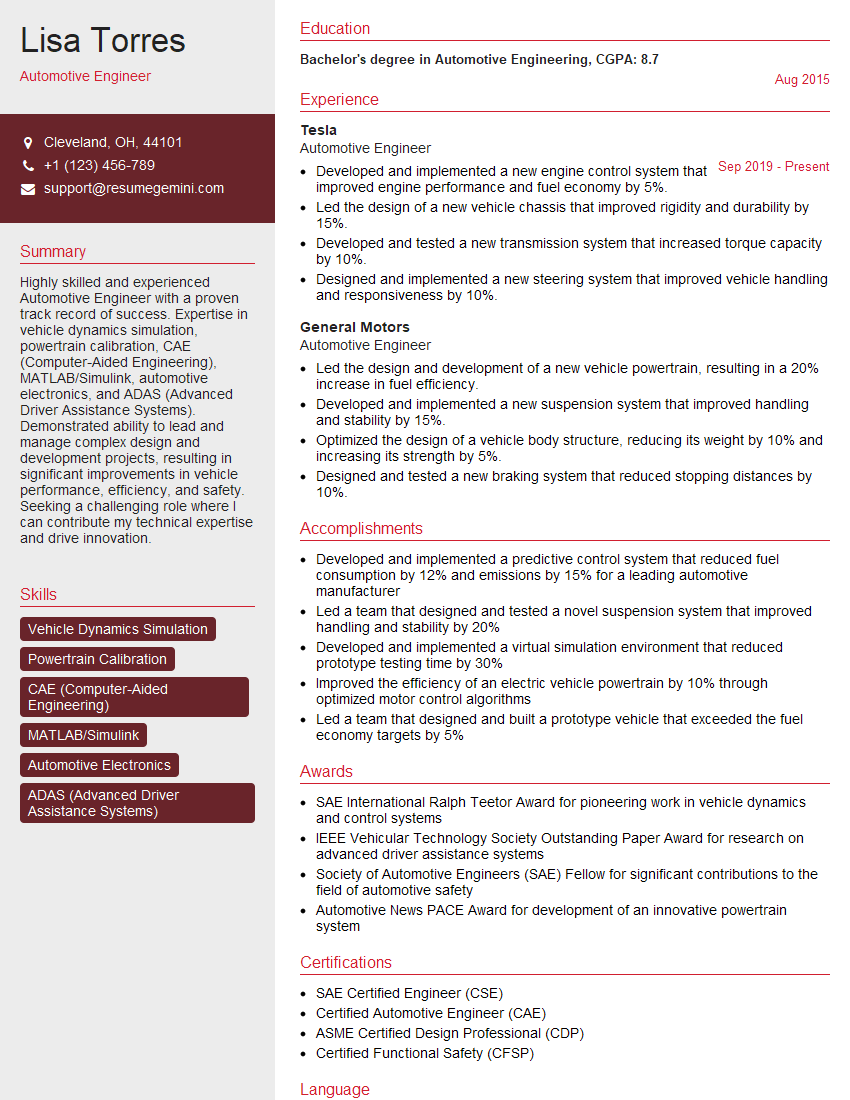
Automotive Engineer Resume Sample
- Operations Manager
- Director of Engineering
- Engineering Manager
- Principal Engineer
- Project Engineer
- Risk Manager
- Reliability Engineer
- Systems Engineer
- Process Engineer
- Software Engineer
- Test Engineer
- Design Engineer
- Quality Engineer
- Aerospace Engineer
- Maintenance Engineer
- Electrical Engineer
- Product Engineer
- Safety Engineer
- Industrial Engineer
- Manufacturing Engineer
- Mechanical Engineer
- Automotive Engineer
Explore more articles
Users Rating of Our Blogs
Share Your Experience
We value your feedback! Please rate our content and share your thoughts (optional).
What Readers Say About Our Blog
Very informative content, great job.
good