The thought of an interview can be nerve-wracking, but the right preparation can make all the difference. Explore this comprehensive guide to Follow established quality control procedures interview questions and gain the confidence you need to showcase your abilities and secure the role.
Questions Asked in Follow established quality control procedures Interview
Q 1. Describe your experience implementing and maintaining quality control procedures.
Implementing and maintaining quality control (QC) procedures involves a systematic approach to ensuring consistent product or service quality. This includes defining quality standards, developing processes to meet those standards, and regularly monitoring and improving those processes. My experience encompasses designing and implementing QC plans across various projects, from software development to manufacturing. For example, in a software development project, I established a comprehensive testing framework incorporating unit, integration, and system testing, with clear documentation of test cases and expected outcomes. This framework included regular code reviews and automated testing to ensure early detection and resolution of defects. In a manufacturing setting, I implemented a robust QC system involving regular inspections, sampling, and data analysis to identify and address variations in product quality. This involved training personnel on QC procedures and the use of statistical process control (SPC) charts.
Maintaining these procedures involves continuous monitoring, regular review, and updates based on performance data and evolving requirements. This includes tracking key metrics, analyzing trends, and identifying areas for improvement. Regular audits and internal reviews are also crucial for maintaining the effectiveness and integrity of the QC system.
Q 2. How do you identify and report quality control issues?
Identifying quality control issues begins with proactive monitoring of the production or service delivery process. This involves regular inspections, data analysis from various sources, and feedback from customers and employees. For example, in a manufacturing environment, I’d use control charts to monitor process variables, looking for any deviations from the established control limits. In software, automated testing and code analysis tools can reveal bugs or vulnerabilities. Customer feedback surveys, help desk tickets, and field reports are valuable sources of information for identifying issues.
Reporting these issues follows a clear and documented process, typically involving documented forms, electronic tracking systems, or internal ticketing systems. The report should clearly define the issue, its location in the process, its potential impact, and any proposed corrective actions. This allows for timely investigation and resolution. Severity levels are assigned, prioritizing critical issues needing immediate attention over minor ones. Clear communication and collaboration with relevant teams are essential for effective issue resolution.
Q 3. What are the key metrics you use to measure the effectiveness of quality control procedures?
Key metrics for measuring the effectiveness of quality control procedures vary depending on the industry and specific context. However, some common and universally valuable metrics include:
- Defect rate: The percentage of defective products or services produced.
- Yield rate: The percentage of good products or services produced.
- Customer satisfaction scores: Measured through surveys or feedback mechanisms.
- Cost of quality: Including prevention, appraisal, internal failure, and external failure costs.
- Process capability indices (e.g., Cp, Cpk): Statistical measures of process performance relative to specification limits.
- Cycle time: The time taken to complete a process from start to finish.
- Mean time between failures (MTBF): Relevant for measuring the reliability of systems or equipment.
Tracking these metrics over time helps identify trends, measure the effectiveness of implemented improvements, and make data-driven decisions regarding resource allocation and process optimization. Regular reporting and visualization of these metrics are crucial for effective monitoring and continuous improvement.
Q 4. Explain your experience with statistical process control (SPC).
Statistical Process Control (SPC) is a crucial tool in my quality control toolkit. It uses statistical methods to monitor and control processes, identify variations, and improve process capability. My experience includes applying SPC techniques like control charts (e.g., X-bar and R charts, p-charts, c-charts) to analyze process data and identify trends or out-of-control conditions. For instance, in a manufacturing setting, I utilized X-bar and R charts to monitor the diameter of manufactured parts. When a data point fell outside the control limits, it indicated a potential problem requiring investigation. This allowed for prompt identification and correction of issues before they led to a significant number of defective products.
I am also proficient in interpreting control chart patterns to understand the nature of process variation (common cause vs. special cause) and to implement appropriate corrective actions. Beyond control charts, I’ve utilized other SPC tools such as process capability analysis (Cp, Cpk) to assess the ability of a process to meet specifications.
Q 5. How do you ensure compliance with industry regulations and standards in quality control?
Ensuring compliance with industry regulations and standards in quality control is paramount. This involves a thorough understanding of relevant regulations (e.g., ISO 9001, FDA regulations, industry-specific standards) and their implications for QC procedures. My approach includes:
- Regular training: Ensuring the team is updated on the latest regulations and standards.
- Documentation: Maintaining comprehensive documentation of all QC procedures, ensuring traceability and compliance.
- Audits: Conducting regular internal and external audits to identify gaps and ensure compliance.
- Corrective actions: Implementing effective corrective and preventive actions to address any identified non-conformances.
- Record keeping: Maintaining accurate records of inspections, tests, and calibration data.
Proactive compliance is not merely about avoiding penalties; it’s about building trust with customers and stakeholders, enhancing the reputation of the organization, and improving overall product and service quality. This requires a continuous improvement mindset and a commitment to staying informed about changes in regulations and best practices.
Q 6. Describe a time you had to troubleshoot a quality control problem. What was your approach?
In a previous role, we experienced a significant increase in customer complaints regarding a specific product feature. My approach to troubleshooting involved a systematic investigation using a structured problem-solving methodology (like DMAIC – Define, Measure, Analyze, Improve, Control).
- Define: Clearly defined the problem: increased customer complaints related to the feature’s instability.
- Measure: Collected data on the frequency, nature, and severity of complaints. Analyzed customer feedback and technical logs.
- Analyze: Identified potential root causes through data analysis, brainstorming sessions, and expert input from developers. We discovered a coding error introduced during a recent software update.
- Improve: Developed and implemented a solution to correct the coding error. Thoroughly tested the fix before deploying it.
- Control: Implemented new monitoring procedures to prevent similar issues in the future. Improved code review process and strengthened automated testing.
This systematic approach ensured that the root cause of the problem was addressed, and preventative measures were put in place, resulting in a significant reduction in customer complaints and improved customer satisfaction.
Q 7. What is your experience with root cause analysis in quality control?
Root cause analysis (RCA) is an essential part of my quality control process. It’s a structured approach to identifying the underlying causes of problems rather than just addressing the symptoms. I’ve employed several RCA techniques, including the 5 Whys, fishbone diagrams (Ishikawa diagrams), and fault tree analysis.
The 5 Whys method involves repeatedly asking “Why?” to progressively drill down to the root cause of an issue. For example, if the problem is “Product X is failing frequently,” asking “Why?” repeatedly might reveal that the failure is due to a faulty component, which is due to a flawed supplier process, and so on. Fishbone diagrams offer a visual representation of potential causes categorized by various factors (e.g., people, methods, machines, materials) allowing for more comprehensive root cause identification. Fault tree analysis, a more formal method, is useful for complex systems where failures may have multiple contributing factors.
My experience shows that applying appropriate RCA techniques helps ensure that corrective actions address the underlying causes, preventing recurrence and enhancing the overall effectiveness of quality control efforts.
Q 8. How do you handle conflicting priorities between speed and quality in a production environment?
Balancing speed and quality is a constant challenge in production. It’s not about choosing one over the other, but finding the optimal balance. Think of it like baking a cake: you want it done quickly, but rushing can result in a burnt or undercooked product. My approach involves a proactive, risk-based strategy.
- Prioritization Matrix: I use a matrix to rank tasks based on urgency and impact on quality. High-impact, urgent tasks get immediate attention, while less critical tasks might have slightly relaxed timelines, allowing for thorough quality checks.
- Process Optimization: Identifying and eliminating bottlenecks in the production process is key. This might involve streamlining workflows, automating repetitive tasks, or improving communication between teams.
- Early and Frequent Testing: Implementing rigorous testing at each stage of production helps identify and correct defects early, preventing costly rework later. This includes unit testing, integration testing, and system testing.
- Defined Quality Gates: Establishing clear quality gates ensures that a certain level of quality is met before proceeding to the next stage. If a gate isn’t met, we address issues before moving forward.
For example, in a software development project, we might prioritize fixing critical bugs impacting core functionality over immediately implementing a less crucial feature. This ensures a stable, high-quality product, even if the release is slightly delayed.
Q 9. What are some common quality control tools and techniques you’re familiar with?
My toolbox includes a variety of quality control tools and techniques, tailored to the specific context. Here are some of my favorites:
- Statistical Process Control (SPC): Using control charts to monitor process variability and identify trends indicative of out-of-control situations. This is essential for maintaining consistent product quality.
- Six Sigma methodologies: Utilizing DMAIC (Define, Measure, Analyze, Improve, Control) or DMADV (Define, Measure, Analyze, Design, Verify) methodologies for process improvement and defect reduction. I have successfully applied this to streamline software testing processes.
- Checklists and Work Instructions: Detailed checklists ensure consistent execution of tasks, reducing errors. Work instructions provide clear guidance, especially for complex procedures.
- Pareto Analysis (80/20 rule): Identifying the vital few causes contributing to the majority of defects. This allows for focused improvement efforts.
- Root Cause Analysis (RCA): Techniques like the 5 Whys help to drill down to the underlying cause of a problem, enabling effective corrective actions. I’ve used this extensively for incident management.
- Inspection and Testing: A fundamental aspect, ensuring adherence to specifications and identifying defects early on. This includes visual inspection, functional testing, and performance testing.
Q 10. Describe your experience with quality control documentation and record-keeping.
Meticulous documentation and record-keeping are non-negotiable in quality control. I’m experienced in maintaining comprehensive records, ensuring traceability and auditability.
- Quality Control Plans: These documents outline the procedures, methods, and acceptance criteria used to ensure product quality.
- Test Reports and Results: Detailed reports documenting testing activities, including results, defects found, and corrective actions taken.
- Non-Conformance Reports (NCRs): Formal reports detailing deviations from specifications, root cause analysis, and corrective actions implemented.
- Calibration Records: Maintaining records of equipment calibration and maintenance to ensure accuracy of measurements.
- Training Records: Documentation of employee training on quality control procedures.
I use a combination of digital and physical records, ensuring version control and secure storage, complying with relevant regulations and industry best practices. For example, in a recent project, our detailed NCR records helped us identify a recurring issue in the manufacturing process, leading to a significant improvement in product quality.
Q 11. How do you ensure the accuracy and reliability of quality control data?
Ensuring data accuracy and reliability is paramount. My approach involves a multi-layered strategy:
- Calibration and Validation: Regular calibration of measuring equipment and validation of testing methods ensure accurate data collection.
- Data Verification and Validation: Implementing checks and balances to verify the accuracy and completeness of the data. This includes cross-checking data from multiple sources and performing data integrity checks.
- Statistical Analysis: Employing statistical methods to identify outliers and anomalies in the data, helping to spot potential errors.
- Traceability: Maintaining a clear chain of custody for all data, from collection to reporting.
- Data Management System: Utilizing a robust data management system to ensure data security, integrity, and accessibility.
For instance, in a pharmaceutical manufacturing setting, inaccurate data could have serious consequences. Therefore, robust validation procedures and strict data management practices are crucial.
Q 12. How do you communicate quality control findings to different stakeholders?
Effective communication is crucial for conveying quality control findings. My approach depends on the audience and the information’s nature:
- Management Reporting: Concise, high-level summaries focusing on key performance indicators (KPIs) and areas needing attention. Dashboards and charts are invaluable here.
- Technical Teams: Detailed reports including specific findings, root cause analysis, and recommended corrective actions.
- Clients/Customers: Clear, non-technical explanations of quality issues and the steps taken to address them.
- Presentations and Meetings: Presenting findings in a clear and engaging manner, utilizing visuals to enhance understanding.
For instance, when presenting to management, I focus on the business impact of quality issues. When communicating with technical teams, I delve into the technical details, ensuring everyone understands the problem and the solution.
Q 13. How do you stay current with changes in quality control standards and best practices?
Staying current is vital in the ever-evolving field of quality control. I achieve this through:
- Professional Development: Participating in workshops, seminars, and conferences related to quality management.
- Industry Publications and Journals: Regularly reviewing industry publications and journals to keep abreast of new techniques and standards.
- Networking: Connecting with other quality professionals through professional organizations and online communities.
- Online Courses and Certifications: Staying updated with the latest knowledge and obtaining relevant certifications like certifications related to specific quality management systems.
- Continuous Improvement Initiatives: Actively participating in continuous improvement initiatives within my organization to implement new best practices.
For example, I recently completed a course on the latest ISO 9001:2015 revisions, incorporating the updated standards into our quality management system.
Q 14. What is your experience with ISO 9001 or other quality management systems?
I have extensive experience working within ISO 9001 framework, having been involved in implementing and maintaining ISO 9001 certified quality management systems in several organizations. My experience includes:
- Implementation of QMS: Leading and participating in the implementation of ISO 9001 compliant quality management systems.
- Internal Audits: Conducting regular internal audits to ensure compliance with ISO 9001 standards.
- Management Review Participation: Actively participating in management reviews, providing insights into the effectiveness of the QMS.
- Corrective and Preventive Actions (CAPA): Developing and implementing corrective and preventive actions based on audit findings and non-conformances.
- Documentation Control: Managing and maintaining the quality management system documentation.
I understand the requirements for documentation, record-keeping, process control, and continuous improvement integral to an effective ISO 9001 compliant QMS. My experience extends beyond ISO 9001; I’m also familiar with other quality management systems such as AS9100 (aerospace) and GMP (Good Manufacturing Practices).
Q 15. Explain your understanding of different types of quality control charts (e.g., control charts, Pareto charts).
Quality control charts are visual tools used to track and analyze process variation over time, helping identify trends and potential issues. Different charts serve different purposes.
- Control Charts (e.g., Shewhart charts, X-bar and R charts, CUSUM charts): These monitor process stability by plotting data points against control limits. Points outside these limits signal potential issues needing investigation. For example, an X-bar and R chart tracks the average (X-bar) and range (R) of a measured characteristic in samples taken from a process. If the X-bar exceeds the upper control limit, it suggests the process average has shifted, potentially leading to defects.
- Pareto Charts: These are bar graphs that rank causes of defects or problems in descending order of frequency. They visually highlight the ‘vital few’ causes contributing to the majority of issues. Imagine a manufacturing process with various defect types: scratches, dents, misalignment, etc. A Pareto chart would show which defect type occurs most frequently, guiding efforts to improve that specific area first.
- Histograms: Show the distribution of a set of data. They provide a visual understanding of the spread, central tendency, and shape of your data. They can be used to check if data conforms to a normal distribution and help determine process capability.
- Scatter Diagrams: Used to show the relationship between two variables. For instance, you might plot temperature against the yield of a chemical reaction to identify if there’s a correlation that needs to be controlled.
Choosing the right chart depends on the type of data and the specific question being asked.
Career Expert Tips:
- Ace those interviews! Prepare effectively by reviewing the Top 50 Most Common Interview Questions on ResumeGemini.
- Navigate your job search with confidence! Explore a wide range of Career Tips on ResumeGemini. Learn about common challenges and recommendations to overcome them.
- Craft the perfect resume! Master the Art of Resume Writing with ResumeGemini’s guide. Showcase your unique qualifications and achievements effectively.
- Don’t miss out on holiday savings! Build your dream resume with ResumeGemini’s ATS optimized templates.
Q 16. How do you use data analysis to improve quality control processes?
Data analysis is crucial for improving quality control processes. It helps identify trends, root causes of defects, and areas for improvement. My approach involves several steps:
- Data Collection: Gather relevant data from various sources – production records, inspection reports, customer feedback, etc. Ensuring data accuracy and completeness is paramount.
- Descriptive Statistics: Calculate metrics such as mean, standard deviation, and range to summarize data. Histograms and box plots are valuable visualization tools at this stage.
- Inferential Statistics: Use hypothesis testing and regression analysis to identify significant relationships between variables. For instance, we might test if a new process parameter significantly reduces the defect rate.
- Control Chart Analysis: Evaluate process stability using control charts. Identify special causes of variation (e.g., machine malfunction) and common causes (e.g., inherent process variation).
- Root Cause Analysis: Investigate the root causes of identified problems using tools like the ‘5 Whys’ or fishbone diagrams. This helps us move beyond simply addressing symptoms to fixing the underlying issues.
- Process Improvement: Implement corrective actions based on the analysis, monitor the effects, and continuously improve the process.
For instance, in a previous role, analyzing defect data revealed a strong correlation between high ambient temperature and increased product failures. This led us to implement climate control measures, significantly reducing the failure rate.
Q 17. Describe your experience with conducting quality control audits.
I have extensive experience conducting quality control audits, both internal and external. My approach is systematic and thorough. It typically includes:
- Planning: Defining the audit scope, objectives, and criteria. This involves understanding the relevant quality management system (QMS) documentation and identifying key areas to be audited.
- On-site Audit: Reviewing documentation, observing processes, interviewing personnel, and collecting evidence. I use checklists and audit forms to ensure consistent evaluation.
- Evidence Evaluation: Assessing the collected evidence against established standards and procedures. This involves determining compliance and identifying non-conformances.
- Reporting: Documenting findings in a comprehensive report, including observations, non-conformances, root causes, and recommendations for corrective actions.
- Follow-up: Verifying that corrective actions have been implemented effectively. I frequently revisit audited areas to ensure lasting improvements.
For example, I recently audited a supplier’s manufacturing process and identified a lack of calibration for key measurement equipment. This led to corrective actions that ensured the calibration process was improved to maintain accurate readings and product consistency.
Q 18. How do you prioritize quality control tasks and activities?
Prioritizing quality control tasks requires a balanced approach. I use a combination of methods:
- Risk Assessment: Identify potential risks and their likelihood and impact. Higher-risk activities are prioritized. For example, a critical process step with a high potential for defects would be prioritized over a less critical step.
- Urgency and Impact: Tasks with immediate implications for product quality or customer satisfaction are given precedence. A customer complaint about a defective product would take priority over routine preventative maintenance.
- Resource Allocation: Consider the resources (time, personnel, budget) required for each task. This helps prioritize tasks that can be completed efficiently and effectively.
- Regulatory Requirements: Tasks mandated by regulatory agencies (e.g., FDA, ISO) are always prioritized to ensure compliance.
- Project Management Tools: Utilizing tools like Gantt charts or Kanban boards can aid in visualization and efficient task management.
In practice, this means I often create a prioritized task list, regularly reviewing and adjusting priorities based on evolving needs and information.
Q 19. What is your experience with calibration and validation of quality control equipment?
Calibration and validation are essential aspects of ensuring accurate and reliable measurements. My experience includes:
- Calibration: I’m proficient in scheduling and overseeing the calibration of various quality control equipment, using traceable standards. This ensures the equipment provides accurate measurements within specified tolerances. I maintain detailed calibration records, complying with established procedures and regulations.
- Validation: I have experience validating analytical methods and equipment to ensure they meet predetermined performance criteria and are suitable for their intended use. This involves designing and executing validation protocols, analyzing data, and documenting the results. Validation is especially critical in industries with stringent regulatory requirements, such as pharmaceuticals.
For example, in a previous role, I was responsible for the calibration and validation of HPLC (High-Performance Liquid Chromatography) systems used for quality testing. This involved regularly calibrating the system with certified standards, validating its performance against established criteria, and meticulously documenting all procedures and results.
Q 20. How do you manage quality control issues in a team environment?
Managing quality control issues in a team environment requires effective communication, collaboration, and problem-solving skills. My approach includes:
- Open Communication: Creating a culture where team members feel comfortable raising concerns without fear of reprisal. Regular team meetings and open forums facilitate this.
- Collaborative Problem-Solving: Using tools like brainstorming sessions and root cause analysis to identify and address problems collectively. Team members bring diverse perspectives and expertise to the process.
- Clear Roles and Responsibilities: Defining clear responsibilities for quality control tasks and ensuring accountability. This avoids confusion and ensures tasks are completed effectively.
- Effective Documentation: Maintaining detailed records of quality control issues, corrective actions, and lessons learned. This helps prevent recurrence and informs future decision-making.
- Continuous Improvement: Regularly reviewing quality control processes and identifying areas for improvement based on feedback and data analysis. This creates an ongoing improvement cycle.
In a recent project, a team member identified a recurring issue in a particular process step. By collaborating with the team, we identified the root cause – a poorly designed tool – and implemented a redesign, eliminating the issue.
Q 21. What steps do you take to prevent quality control issues from occurring in the first place?
Preventing quality control issues is far more effective than reacting to them. My approach is proactive and focuses on:
- Process Design: Designing robust processes that are inherently less prone to errors. This involves using process mapping, failure mode and effects analysis (FMEA), and other tools to identify potential failure points early on.
- Preventative Maintenance: Implementing a schedule for preventive maintenance of equipment to minimize breakdowns and ensure consistent performance. This includes calibrating and validating equipment regularly.
- Operator Training: Providing comprehensive training to operators to ensure they understand proper procedures and are skilled in using equipment and following quality control guidelines.
- Standard Operating Procedures (SOPs): Developing and implementing clear, concise SOPs to guide operations and ensure consistency. Regular reviews and updates are crucial.
- Supplier Management: Working closely with suppliers to ensure they meet quality standards. This includes selecting reliable suppliers and implementing a robust supplier audit program.
- Continuous Monitoring: Regularly monitoring key process parameters and using control charts to detect deviations early on and prevent issues from escalating.
For example, in my previous role, we implemented a comprehensive operator training program focusing on process understanding and defect identification. This resulted in a significant reduction in product defects and improved overall product quality.
Q 22. Explain your understanding of Six Sigma methodology in quality control.
Six Sigma is a data-driven methodology aimed at minimizing defects and improving processes. It uses statistical methods to identify and eliminate variations that lead to errors. The core of Six Sigma is achieving a level of quality where defects are extremely rare, represented by a ‘six sigma’ level of deviation from the mean, which translates to just 3.4 defects per million opportunities.
Think of it like baking a cake: a perfectly consistent cake requires precise measurements and consistent execution. Six Sigma helps identify and control the variables (oven temperature, ingredient amounts, baking time) to ensure each cake is consistently perfect. The methodology utilizes tools like DMAIC (Define, Measure, Analyze, Improve, Control) to systematically address quality issues.
- Define: Clearly define the problem and project goals.
- Measure: Collect data to understand the current process performance.
- Analyze: Identify the root causes of defects.
- Improve: Implement solutions to address the root causes.
- Control: Monitor the improved process to ensure consistent performance.
In practice, Six Sigma often involves the use of control charts, process capability analysis, and other statistical tools to monitor and improve processes.
Q 23. How do you deal with pressure and deadlines in a quality control role?
Pressure and deadlines are inherent in quality control. My approach involves prioritizing tasks based on risk and impact, using effective time management techniques, and fostering open communication with my team and stakeholders. I break down large projects into smaller, manageable tasks and utilize project management tools to track progress and identify potential roadblocks early on.
For instance, if facing a tight deadline on a critical product launch, I would prioritize the most critical quality checks, potentially delegating less urgent tasks while maintaining constant communication with the team to ensure everyone is aligned and aware of the deadlines. Proactive planning and clear communication are key to navigating pressure effectively.
Q 24. Describe a situation where you had to make a difficult decision regarding quality control.
In a previous role, we were close to launching a new software product when a critical bug was discovered during the final quality assurance testing. The bug was significant enough to cause system crashes and data loss, jeopardizing the launch date and potentially harming the company’s reputation. The decision was whether to delay the launch, risking missed deadlines and potential loss of market share, or release with the bug, risking customer dissatisfaction and damage to our brand.
After careful analysis of the risk, impact, and available resources, I recommended a strategic delay. We prioritized fixing the bug, thoroughly retesting the software, and implemented additional quality control measures to prevent similar issues in the future. While delaying was costly, the decision ultimately protected the company’s reputation and fostered customer trust, proving to be a more financially and strategically sound long-term solution.
Q 25. What are your strengths and weaknesses in relation to quality control procedures?
My strengths lie in my meticulous attention to detail, my proficiency in statistical analysis and data interpretation, and my ability to communicate complex technical information effectively to both technical and non-technical audiences. I’m also adept at identifying and troubleshooting process bottlenecks.
A potential area for improvement is my delegation skills; while I am capable of managing multiple projects simultaneously, I sometimes find it challenging to effectively delegate tasks without micromanaging. I am actively working on improving this by learning to trust team members more and providing clear guidance and support.
Q 26. How do you adapt your quality control approach to different products or processes?
Adaptability is crucial in quality control. My approach is to thoroughly understand the specific requirements and characteristics of each product or process. This involves studying the manufacturing process, analyzing potential failure modes, and identifying critical quality characteristics. I then tailor the quality control plan accordingly, selecting the appropriate testing methods, sampling strategies, and acceptance criteria.
For example, the quality control for a complex piece of machinery will differ significantly from that of a simple consumer product. For the machinery, I would focus on rigorous testing for durability, safety, and performance. For the consumer product, I might prioritize ease of use and aesthetic appeal alongside functionality testing.
Q 27. What is your experience with continuous improvement in quality control?
I have extensive experience with continuous improvement in quality control. I actively participate in initiatives aimed at refining processes, reducing waste, and improving overall efficiency. I am familiar with methodologies such as Kaizen (continuous improvement) and Lean manufacturing, and I leverage data analysis to identify areas for enhancement and track the effectiveness of implemented changes.
In one instance, by analyzing defect data, I identified a recurring issue in the assembly line. Through collaboration with the production team, we implemented a new assembly jig that drastically reduced the number of defects, leading to significant cost savings and increased productivity. Continuous monitoring and iterative improvements are essential for maintaining a high level of quality.
Q 28. How do you balance the cost of quality control with the risk of defects?
Balancing the cost of quality control with the risk of defects is a crucial aspect of my role. It’s about finding the optimal level of inspection and testing that minimizes costs while mitigating the risk of releasing defective products. This involves a cost-benefit analysis, considering factors such as the cost of inspection, the cost of defects, and the potential consequences of releasing defective products.
For example, if a defect results in a significant safety hazard or major product recall, the cost of prevention is far less than the cost of rectifying the problem later. This involves using risk assessment tools to prioritize quality checks and allocate resources effectively. Prioritization is key – focusing efforts on the critical aspects that pose the most significant risk.
Key Topics to Learn for Follow Established Quality Control Procedures Interview
- Understanding Quality Control Principles: Explore the fundamental concepts of quality control, including statistical process control (SPC), Six Sigma methodologies, and ISO standards. Understand the theoretical underpinnings and their practical implications.
- Implementing Quality Control Procedures: Learn how to apply quality control procedures in different contexts, such as manufacturing, software development, or customer service. Consider examples of implementing checks, audits, and corrective actions.
- Documenting and Reporting Quality Control Data: Understand the importance of meticulous record-keeping. Explore various methods for documenting quality control processes, analyzing data, and preparing reports to highlight findings and areas for improvement.
- Identifying and Solving Quality Issues: Develop your problem-solving skills related to quality control. Practice identifying root causes of defects, implementing corrective actions, and preventing future occurrences using tools like root cause analysis (RCA) and 5 Whys.
- Continuous Improvement Methodologies: Familiarize yourself with methodologies like Kaizen and Lean manufacturing principles, which emphasize continuous improvement and efficiency within quality control frameworks.
- Quality Control Technologies and Tools: Explore the use of software and technology in quality control processes, including data analysis tools, quality management systems (QMS), and automated testing procedures.
Next Steps
Mastering established quality control procedures is crucial for career advancement, demonstrating your commitment to excellence and efficiency. A strong understanding of these principles opens doors to diverse and rewarding roles. To maximize your job prospects, create an ATS-friendly resume that highlights your skills and experience effectively. ResumeGemini is a trusted resource that can help you build a professional and impactful resume. We offer examples of resumes tailored to showcase expertise in following established quality control procedures, providing you with a valuable template to adapt to your specific experiences. Invest in crafting a compelling resume to increase your chances of securing your dream role.
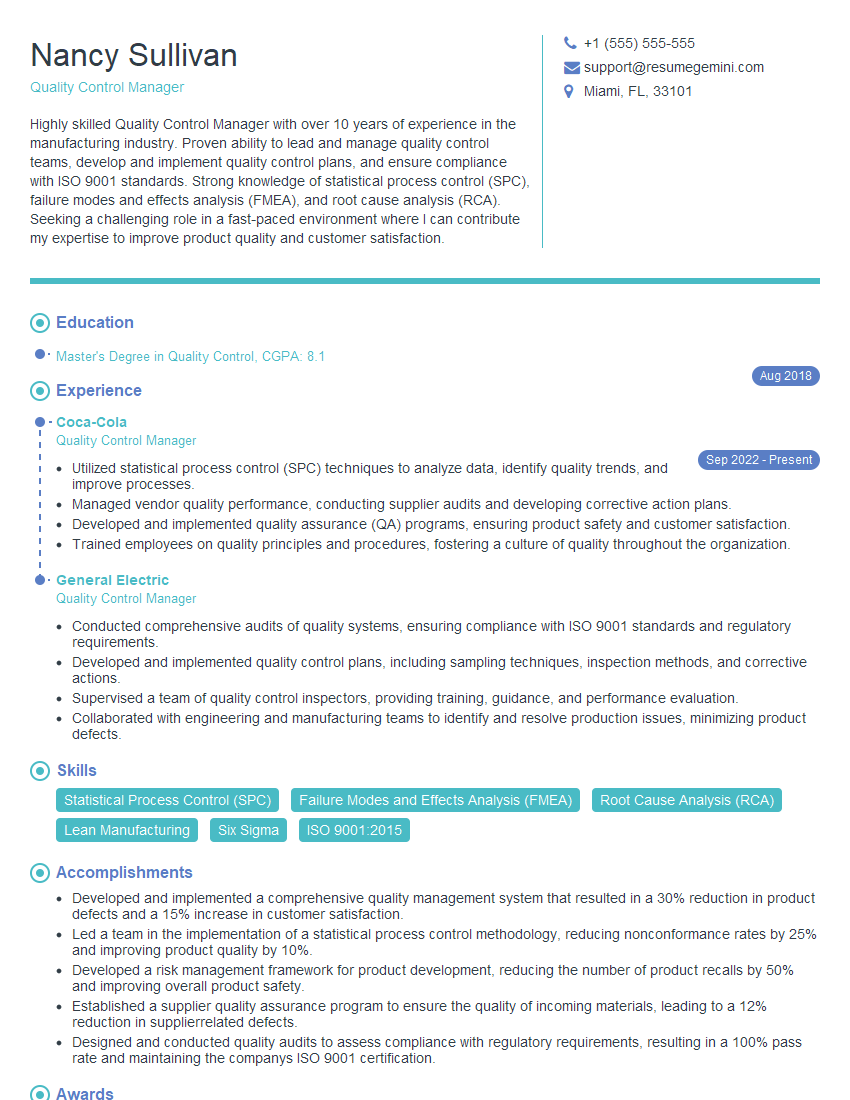
Quality Control Manager Resume Sample
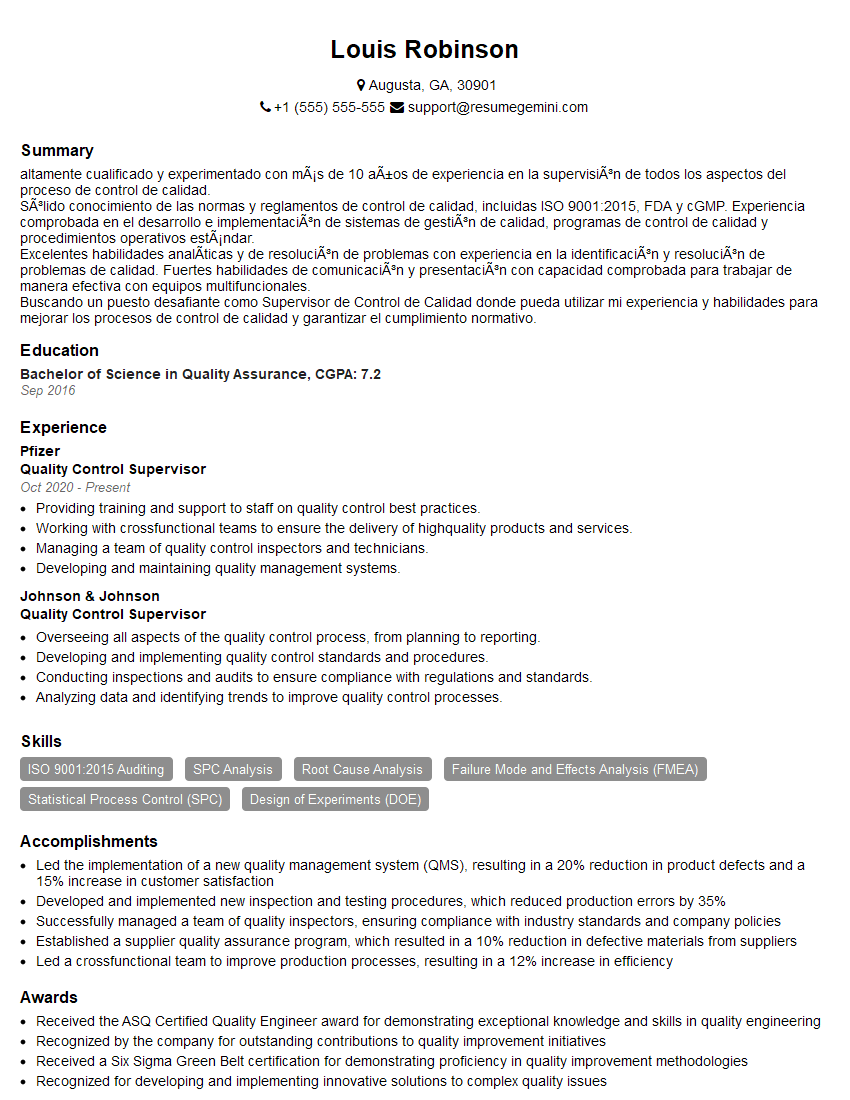
Quality Control Supervisor Resume Sample
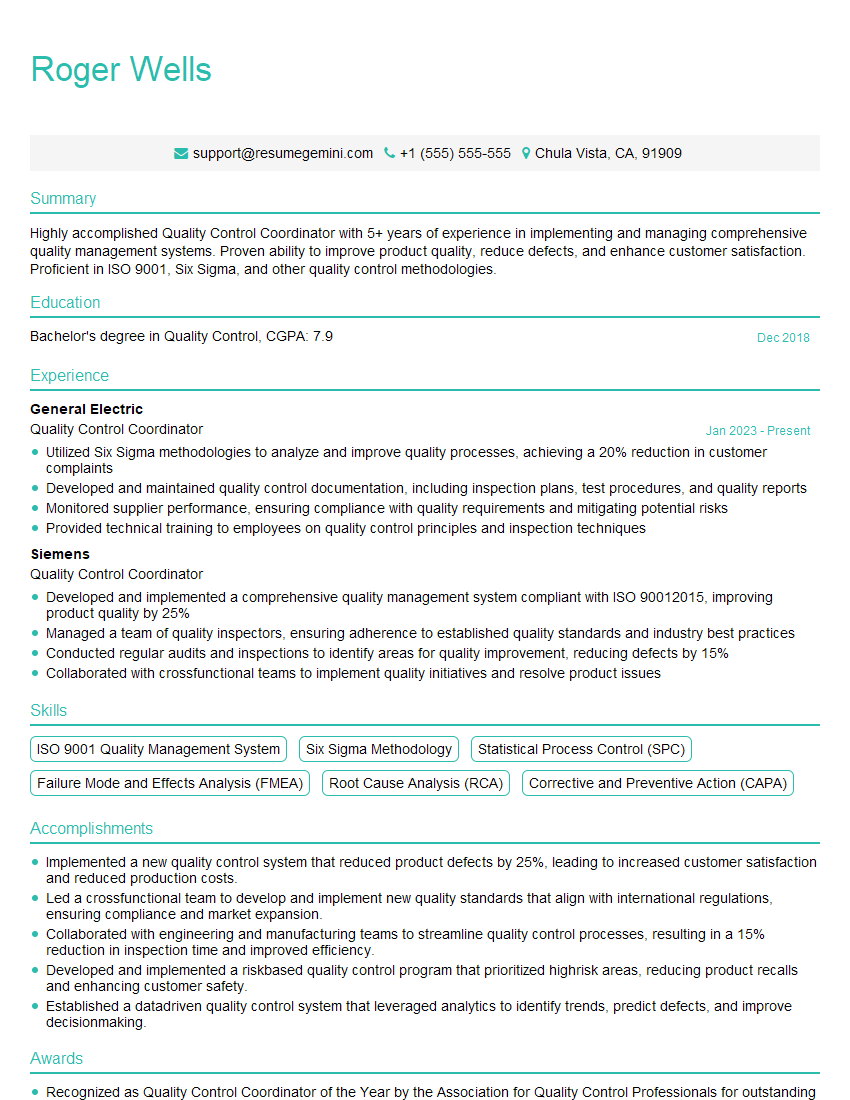
Quality Control Coordinator Resume Sample

Compliance Officer Resume Sample
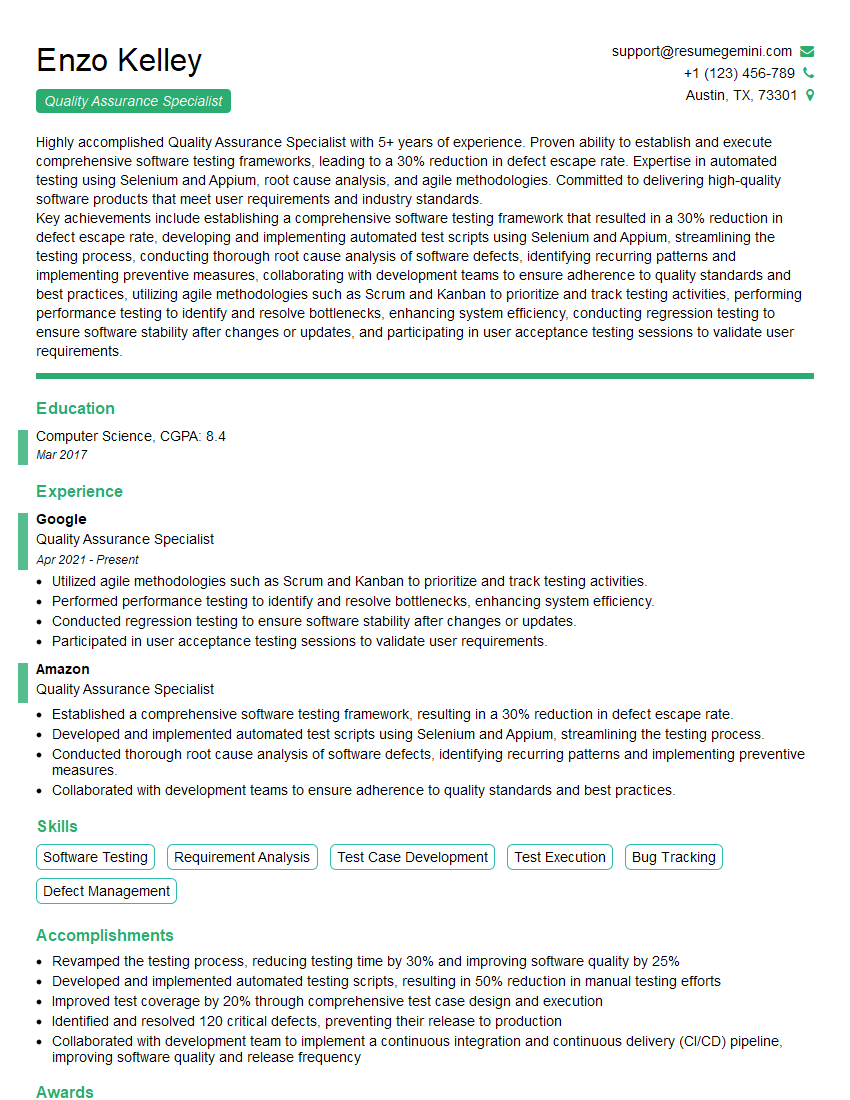
Quality Assurance Specialist Resume Sample
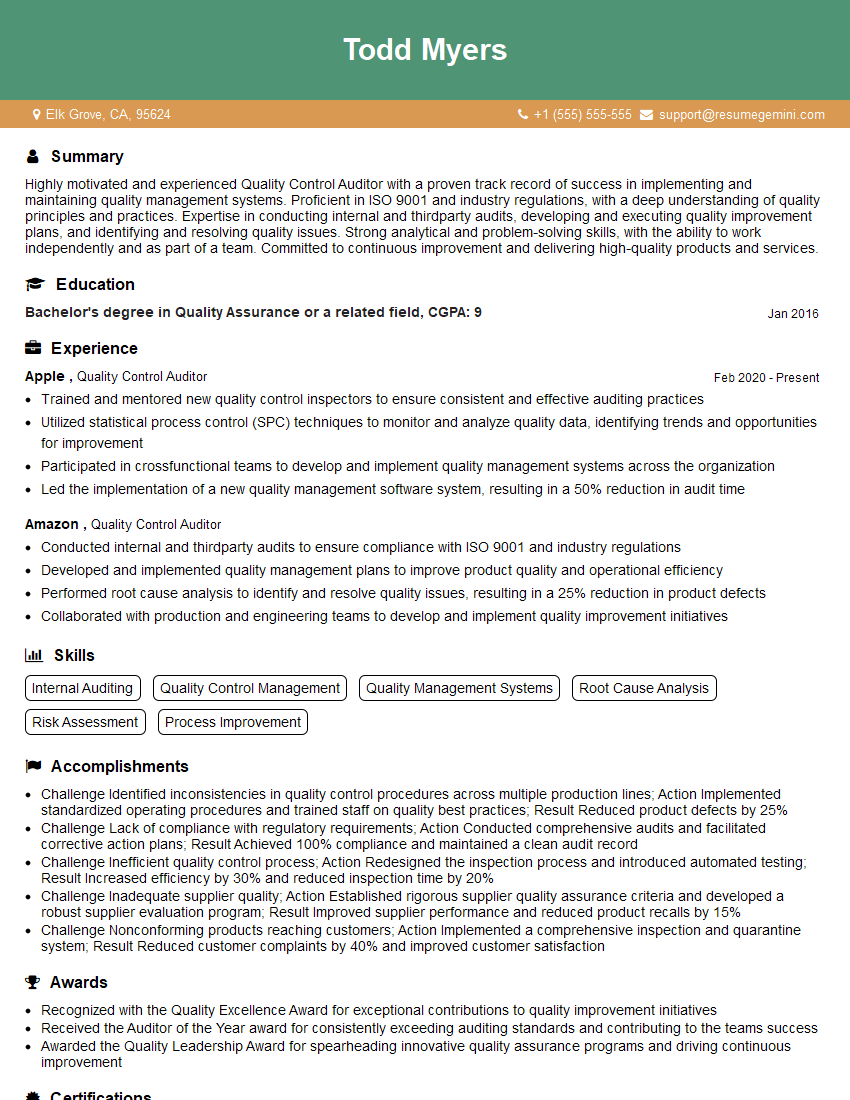
Quality Control Auditor Resume Sample
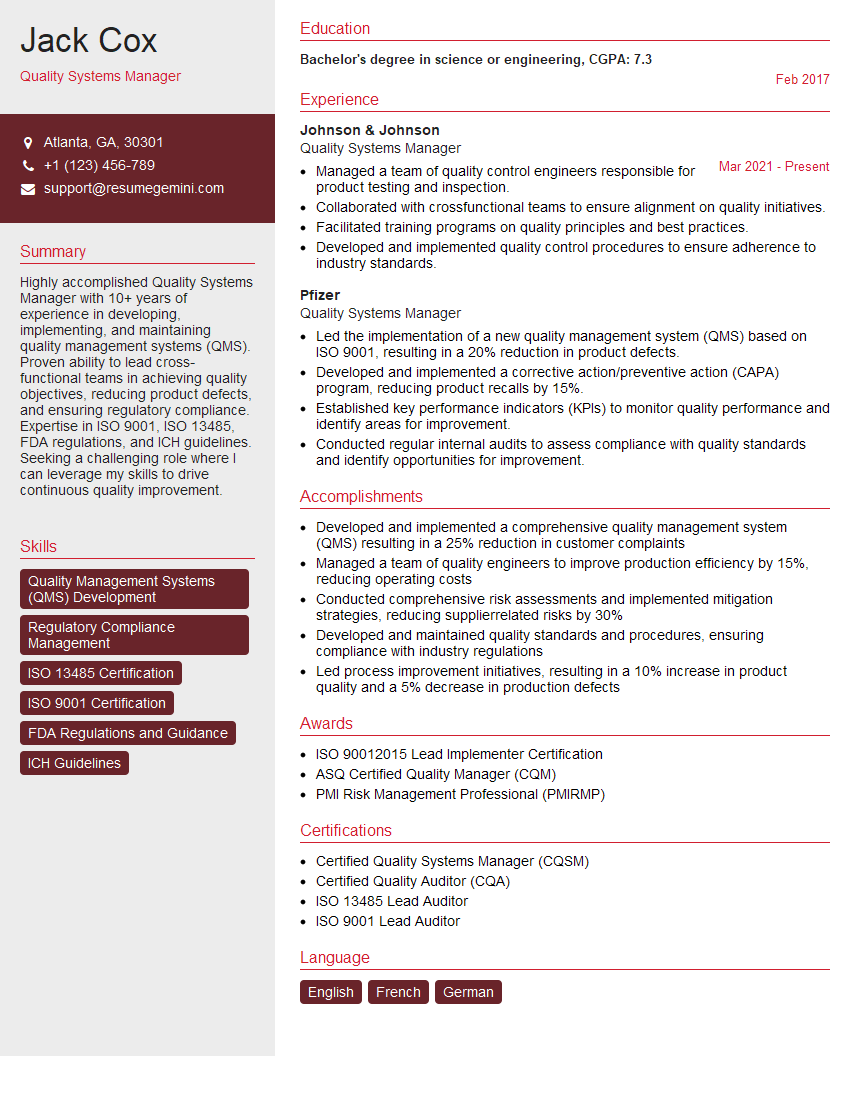
Quality Systems Manager Resume Sample
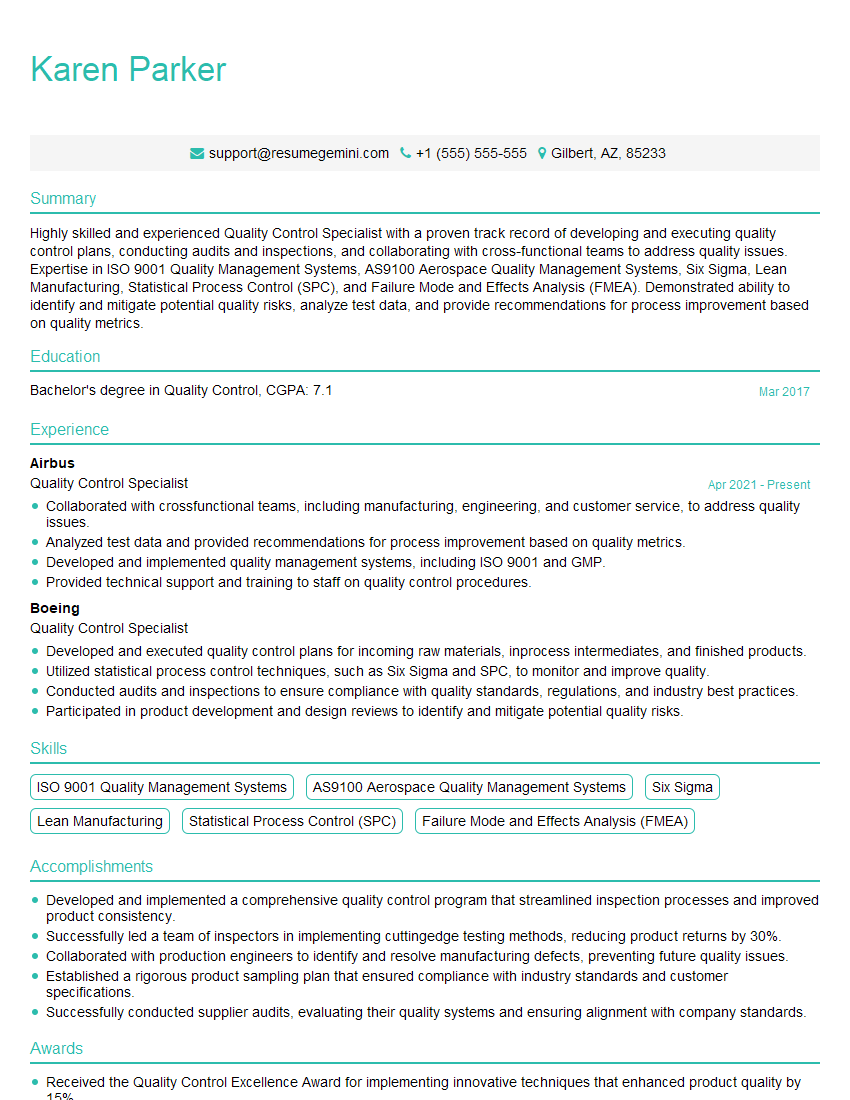
Quality Control Specialist Resume Sample
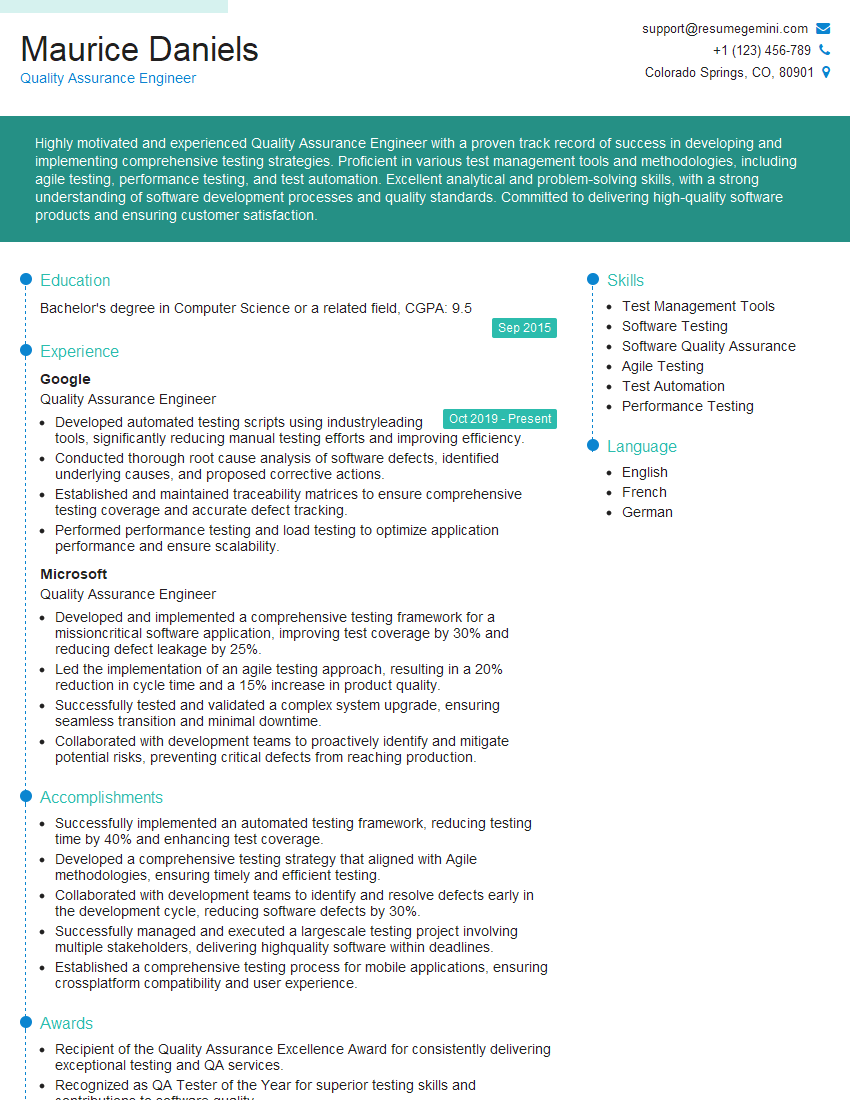
Quality Assurance Engineer Resume Sample
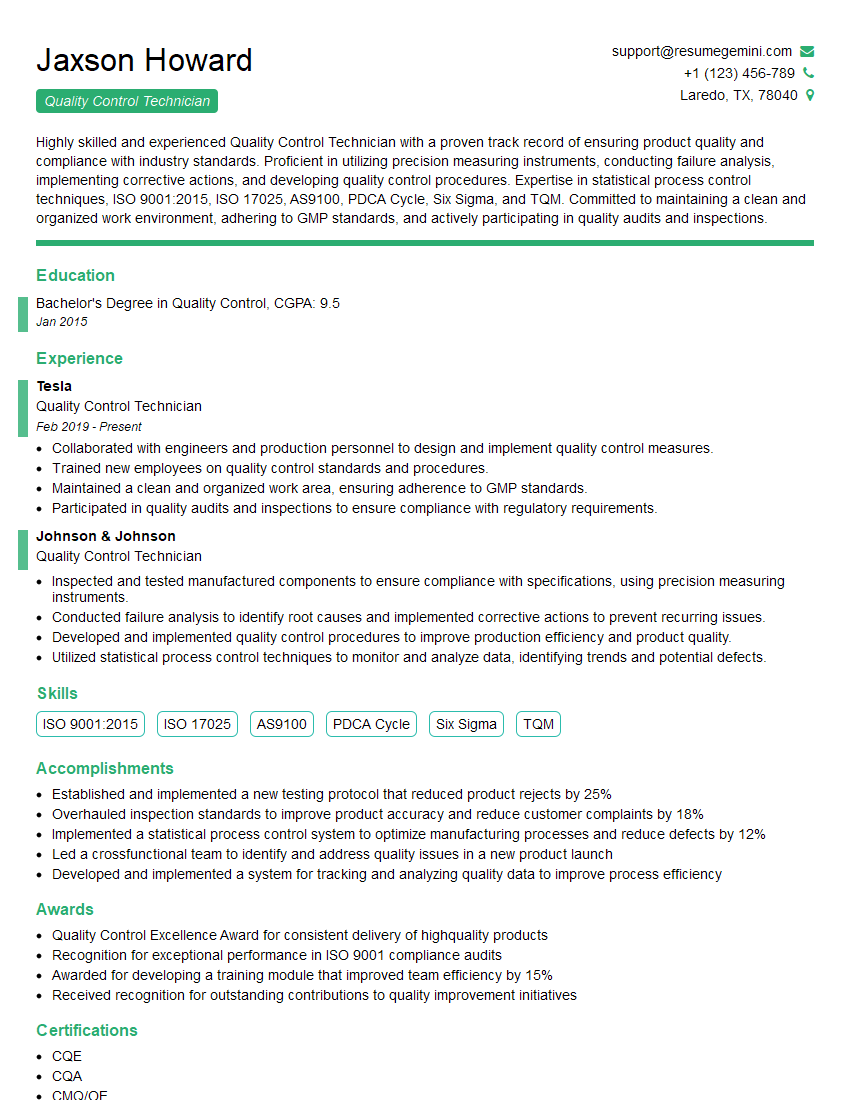
Quality Control Technician Resume Sample
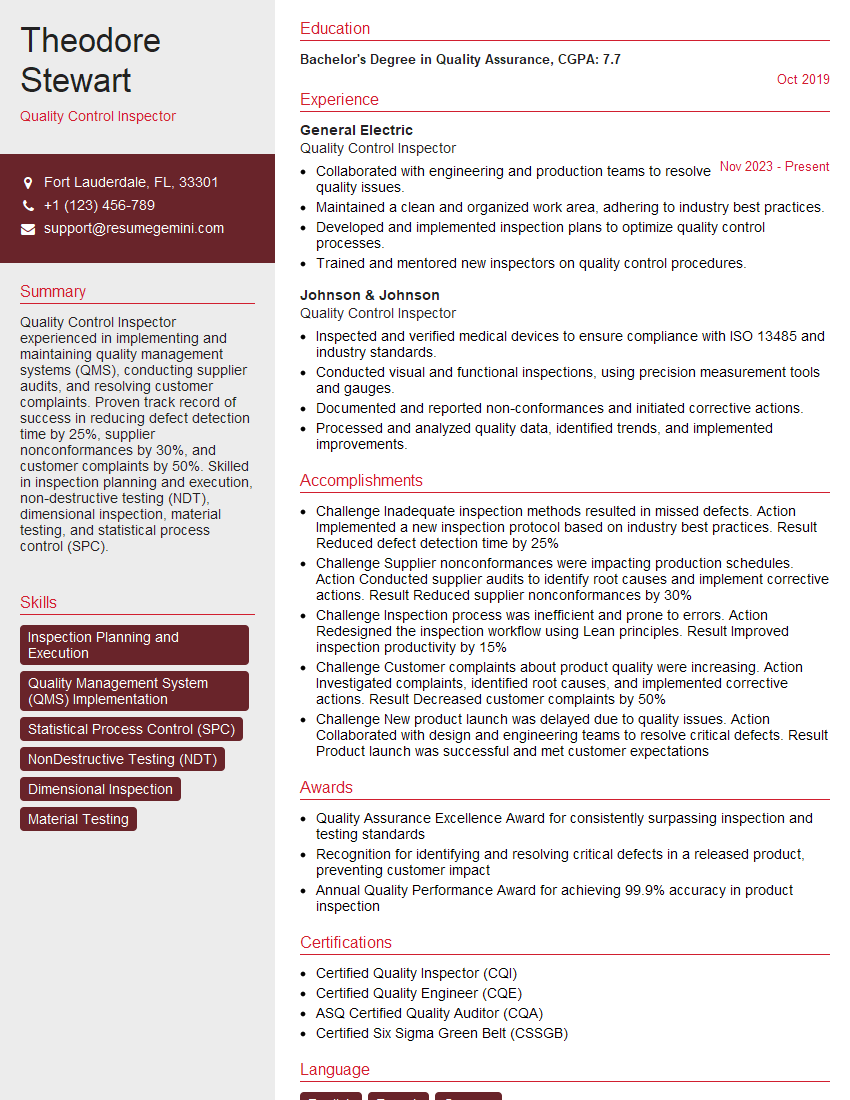
Quality Control Inspector Resume Sample
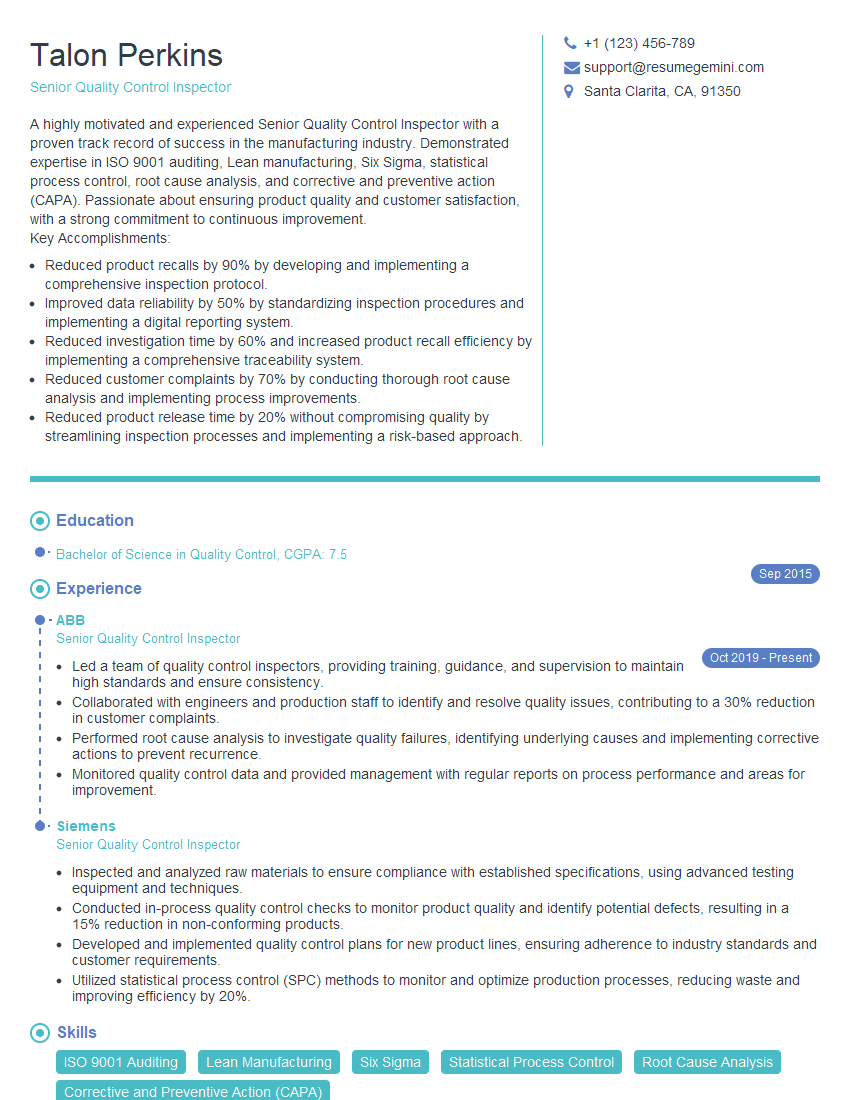
Senior Quality Control Inspector Resume Sample
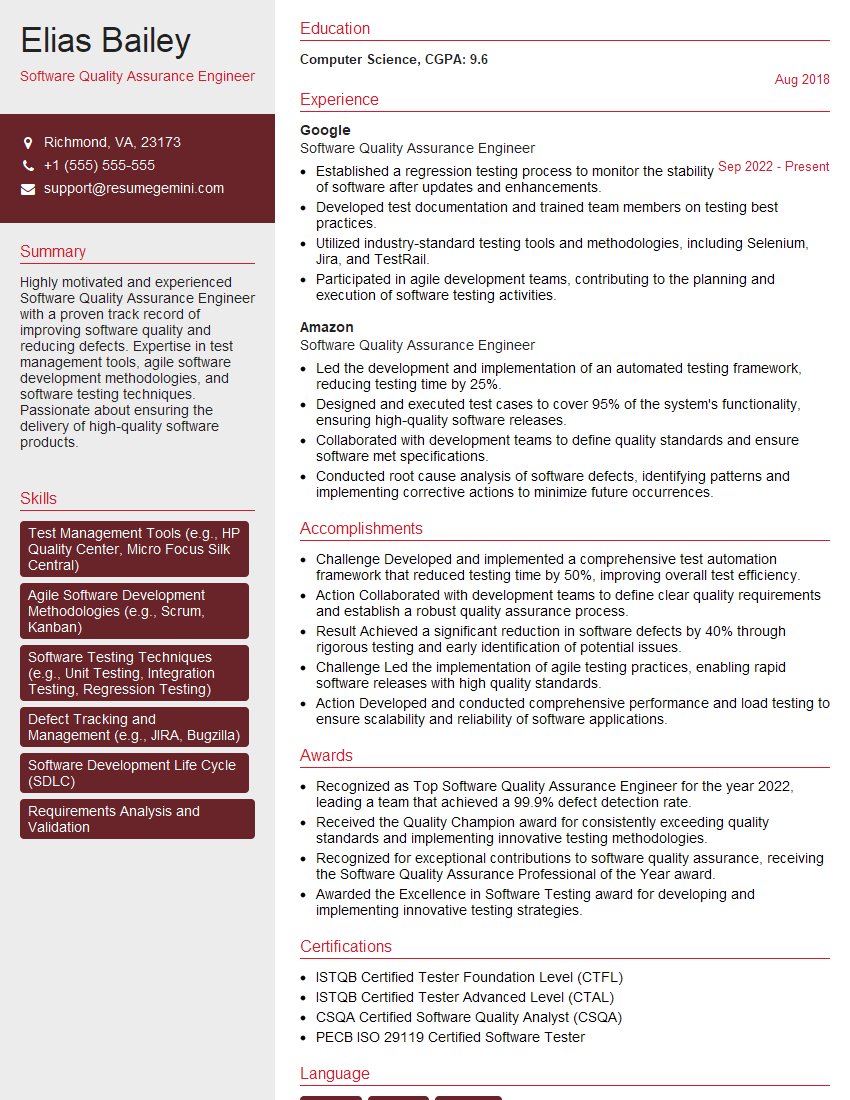
Software Quality Assurance Engineer Resume Sample
- Quality Control Manager
- Quality Control Supervisor
- Quality Control Coordinator
- Compliance Officer
- Quality Assurance Specialist
- Quality Control Auditor
- Quality Systems Manager
- Quality Control Specialist
- Quality Assurance Engineer
- Quality Control Technician
- Quality Control Inspector
- Senior Quality Control Inspector
- Software Quality Assurance Engineer
Explore more articles
Users Rating of Our Blogs
Share Your Experience
We value your feedback! Please rate our content and share your thoughts (optional).
What Readers Say About Our Blog
Very informative content, great job.
good