The thought of an interview can be nerve-wracking, but the right preparation can make all the difference. Explore this comprehensive guide to Follow established safety protocols and procedures interview questions and gain the confidence you need to showcase your abilities and secure the role.
Questions Asked in Follow established safety protocols and procedures Interview
Q 1. Describe your experience in following established safety protocols and procedures.
Throughout my career, adhering to established safety protocols and procedures has been paramount. I’ve consistently demonstrated a proactive approach, ensuring compliance with all relevant regulations and company policies. This includes everything from understanding and following lock-out/tag-out procedures for machinery maintenance to correctly using personal protective equipment (PPE) like safety glasses, gloves, and hard hats, depending on the task. In my previous role at Acme Manufacturing, for instance, I was responsible for training new employees on our comprehensive safety manual and leading regular safety briefings. This involved not just explaining the rules, but also emphasizing the ‘why’ behind each procedure, fostering a culture of safety awareness and responsibility.
My experience extends to various safety systems, from chemical handling protocols to emergency response procedures. I’ve always prioritized thorough understanding, actively seeking clarification when needed, and promptly reporting any deviations or concerns. I firmly believe that safety isn’t just a set of rules, but a mindset that requires continuous vigilance and proactive engagement.
Q 2. Explain a time you identified a safety hazard and took corrective action.
During a routine inspection at my previous workplace, I noticed a significant safety hazard: a section of loose wiring near a high-voltage electrical panel. This posed a serious risk of electric shock. Immediately, I took the following steps:
- Identified the hazard: Documented the location, nature, and potential consequences of the loose wiring.
- Reported the issue: I immediately reported the hazard to my supervisor and the facilities manager, providing detailed photographic evidence.
- Implemented temporary mitigation: With the supervisor’s approval, I temporarily cordoned off the area with caution tape to prevent accidental contact.
- Monitored the situation: I ensured the area remained cordoned off until the permanent fix was in place.
The facilities team promptly addressed the issue, replacing the faulty wiring and ensuring the panel was fully compliant with safety standards. This incident reinforced the importance of vigilant observation and swift corrective action in maintaining a safe work environment.
Q 3. How do you stay updated on current safety regulations and best practices?
Staying current on safety regulations and best practices is an ongoing process. I employ a multi-faceted approach:
- Professional Organizations: I am an active member of [Name of relevant professional organization], which provides regular updates on industry standards and best practices through newsletters, webinars, and conferences.
- Industry Publications: I regularly read industry-specific journals and publications to stay informed about new technologies, emerging hazards, and evolving safety regulations.
- Online Resources: I utilize reputable online resources, such as OSHA’s website and other government agencies, to access updated guidelines and safety data sheets (SDS).
- Training and Certifications: I actively seek out and participate in relevant safety training courses and workshops to maintain and enhance my expertise. Recently, I completed a course on [mention a specific relevant safety training course].
By combining these methods, I ensure my knowledge remains up-to-date and relevant, enabling me to make informed decisions and contribute to a safer work environment.
Q 4. What is your understanding of OSHA (or relevant local regulations)?
My understanding of OSHA (Occupational Safety and Health Administration) encompasses its role in establishing and enforcing workplace safety and health standards. I am familiar with key OSHA regulations, including those related to hazard communication, personal protective equipment (PPE), emergency action plans, and recordkeeping. I understand that OSHA’s mission is to prevent work-related injuries, illnesses, and deaths, and that this is achieved through a comprehensive system of inspections, citations, and training requirements. Furthermore, I know that OSHA standards are designed to be flexible enough to accommodate different types of workplaces and industries while still providing a minimum level of safety for all workers. In my previous role, we worked closely with OSHA to ensure our facility was compliant with all applicable regulations.
Q 5. Describe your experience conducting safety audits or inspections.
I have considerable experience conducting safety audits and inspections, both independently and as part of a team. My approach is methodical and thorough. It typically involves:
- Planning: Defining the scope of the audit, identifying key areas to be inspected, and establishing a checklist based on relevant safety regulations and company procedures.
- Inspection: Systematically examining the workplace for hazards, using observation, documentation, and interviews with employees to identify potential risks.
- Documentation: Thoroughly documenting findings, including photographic evidence, and clearly outlining any identified hazards or non-compliance issues.
- Reporting: Preparing a comprehensive report that summarizes the findings, recommends corrective actions, and prioritizes risks based on severity and likelihood.
- Follow-up: Following up on corrective actions to ensure they are implemented and effective in mitigating identified hazards.
In my previous role, I conducted monthly safety audits of our production facility, leading to significant improvements in housekeeping, machine guarding, and employee training.
Q 6. How would you handle a situation where a coworker is not following safety protocols?
Addressing a coworker’s non-compliance with safety protocols requires a tactful and constructive approach. My strategy would involve:
- Private Conversation: I would first address the issue privately with my coworker, expressing my concern in a friendly yet firm manner. I would explain the potential risks associated with their actions and why following the protocol is critical.
- Reinforcement of Training: If the non-compliance stems from a lack of understanding, I would offer to review the relevant safety procedures with them and provide additional training or clarification.
- Reporting to Supervisor: If the issue persists or involves a serious safety violation, I would report it to my supervisor, following the established chain of command within the company. Safety is a shared responsibility, and escalating the issue is necessary when direct intervention isn’t effective.
- Documentation: Thorough documentation of the incident, including dates, times, individuals involved, and any corrective actions taken, is crucial for safety records and accountability.
My goal is to both ensure compliance and to help my coworker understand the importance of safety for themselves and their colleagues.
Q 7. Explain your approach to risk assessment and mitigation.
My approach to risk assessment and mitigation is based on a systematic process involving hazard identification, risk analysis, and control implementation. This framework ensures that potential hazards are proactively identified and controlled, reducing the likelihood and severity of incidents. I typically use the following steps:
- Hazard Identification: Identifying potential hazards through observations, job safety analysis, incident investigations, and consultation with colleagues.
- Risk Analysis: Assessing the likelihood and severity of each identified hazard using qualitative or quantitative methods (e.g., risk matrices). This helps prioritize risks based on potential impact.
- Control Measures: Developing and implementing control measures to eliminate or reduce the identified risks. This can involve engineering controls (e.g., machine guarding), administrative controls (e.g., work procedures), and personal protective equipment (PPE).
- Monitoring and Review: Regularly monitoring the effectiveness of implemented control measures and reviewing the risk assessment process to account for changes in the workplace or processes. This cyclical approach ensures continuous improvement in safety management.
For example, in a previous project involving working at heights, we used a risk matrix to assess the probability and severity of falls, leading us to implement specific control measures like fall arrest systems and enhanced training on safe work practices.
Q 8. How do you ensure that all team members understand and follow safety procedures?
Ensuring all team members understand and follow safety procedures requires a multi-pronged approach. It’s not enough to simply hand out a manual; true understanding requires engagement and reinforcement.
- Initial Training: Comprehensive training sessions are crucial, covering all relevant procedures with interactive elements like demonstrations, quizzes, and practical exercises. For example, in a construction setting, this would include detailed instruction on fall protection, equipment operation, and hazard recognition.
- Regular Refresher Training: Safety procedures should be revisited regularly, perhaps annually or even more frequently depending on the risk level. This keeps the information fresh in everyone’s minds and adapts to changes in technology or regulations. We might use scenario-based training to address new hazards or refresh old procedures.
- Open Communication: Fostering a culture where asking questions is encouraged is vital. Team members should feel comfortable raising concerns or seeking clarification without fear of reprimand. Regular safety meetings provide an excellent platform for this.
- Clear Documentation: Procedures should be clearly written, easily accessible, and regularly reviewed. Using visuals, diagrams, and concise language makes complex procedures easier to understand. Using multiple languages, if necessary, to ensure understanding by all team members.
- Performance Monitoring: Observation of team members while they perform tasks is crucial. Providing constructive feedback and addressing any deviations from procedures promptly prevents accidents. Regular safety audits also help identify potential gaps in procedure understanding or implementation.
Ultimately, effective safety training isn’t a one-time event, but an ongoing commitment to a safe work environment.
Q 9. Describe your experience with incident reporting and investigation.
My experience with incident reporting and investigation follows a structured, fact-finding process designed to prevent future occurrences. It begins with immediate response to the incident, focusing on ensuring the safety and well-being of all involved. Then:
- Incident Report: A detailed report is completed documenting the event’s circumstances, including date, time, location, individuals involved, injuries sustained, equipment involved, and initial observations. I use a standardized form to ensure all essential information is captured.
- Investigation: A thorough investigation follows, collecting evidence such as witness statements, photographs, and any relevant data. I use a root cause analysis technique, such as the ‘5 Whys,’ to drill down to the underlying cause of the incident. This helps move beyond simply identifying the immediate cause to the underlying systemic issues.
- Corrective Actions: Based on the investigation’s findings, corrective actions are implemented to mitigate future risk. These actions can include modifications to procedures, equipment upgrades, or additional training. For example, if an incident involved improper equipment use, updated training materials and stricter oversight might be implemented.
- Documentation and Review: All findings and corrective actions are documented and shared with relevant stakeholders. Regular reviews of incident reports help identify patterns or trends that might indicate broader safety issues requiring attention.
I am adept at utilizing various investigative methods to determine the root cause, ensuring fairness and objectivity throughout the process.
Q 10. What is your experience with using Personal Protective Equipment (PPE)?
My experience with PPE is extensive. I understand that the proper selection, use, and maintenance of PPE are essential for protecting workers from various hazards. This includes:
- Selection: Choosing the right PPE for the specific hazard is critical. For instance, in a chemical handling environment, we’d use appropriate gloves, respirators, and eye protection based on the specific chemical’s properties. This requires a thorough understanding of hazard assessments and relevant safety data sheets (SDS).
- Training: Providing thorough training on the correct use and limitations of different types of PPE is crucial. For instance, training would cover how to properly don and doff respirators, ensuring a proper seal to prevent exposure to airborne contaminants. Improper use can render PPE ineffective.
- Inspection and Maintenance: Regularly inspecting PPE for damage and ensuring it’s properly maintained is vital. Damaged PPE should be replaced immediately. This includes regular checks for tears, cracks, or other signs of wear, as well as cleaning and storage following manufacturer guidelines.
- Compliance: Ensuring adherence to all company and regulatory guidelines related to PPE use. For example, in a construction site, proper hard hat usage is mandatory and regularly checked. This promotes a culture of safety and compliance.
My commitment to ensuring all team members are provided with and properly use PPE reflects a dedication to safety best practices.
Q 11. How do you communicate safety information effectively to diverse audiences?
Communicating safety information effectively to diverse audiences requires tailoring the message to the specific audience’s needs and understanding. This involves using various methods:
- Language and Literacy: Using clear, concise language, avoiding jargon, and providing translations as needed for non-native speakers. We might even use visual aids such as diagrams and illustrations to convey information in a way that is readily understood.
- Cultural Sensitivity: Considering cultural norms and communication styles when delivering safety information. This can include adjusting communication styles to resonate better with different cultural backgrounds.
- Multiple Channels: Using a variety of communication methods, including written materials, presentations, videos, and interactive training sessions, to cater to different learning styles. We might use short, engaging videos to reinforce key safety messages.
- Feedback Mechanisms: Providing opportunities for feedback and questions to ensure understanding. This might involve post-training quizzes, surveys, or informal check-ins with team members. Actively encouraging questions helps to build a culture of safety.
- Accessibility: Ensuring that safety information is accessible to individuals with disabilities, such as providing large-print materials or audio versions.
By employing these strategies, I ensure all team members, regardless of their background or learning style, understand and can follow safety procedures.
Q 12. Describe your experience with lockout/tagout procedures.
Lockout/Tagout (LOTO) procedures are critical for preventing accidental energy release during maintenance or repair of equipment. My experience with LOTO includes:
- Training: I have received thorough training on the proper LOTO procedures, encompassing the identification of energy sources, the selection and application of appropriate lockout devices, and verification of energy isolation. We practice these procedures regularly as part of our team training.
- Procedure Implementation: I’m proficient in implementing LOTO procedures in various industrial settings, understanding the importance of following a step-by-step process, including verifying isolation, applying locks and tags, and performing regular inspections. This includes documenting each step in our LOTO logbook.
- Compliance: I ensure compliance with all regulatory requirements and company policies related to LOTO, including regular audits and inspections of our LOTO procedures. We use a checklist system to ensure no steps are missed during any LOTO process.
- Hazard Identification: A key aspect is identifying all possible energy sources before starting any work, no matter how small it seems. This might involve shutting down electrical power, hydraulic lines, or compressed air supplies. For example, in a food processing environment, we would lock out all power sources to the machinery before cleaning or maintenance tasks.
My approach to LOTO emphasizes a rigorous, disciplined approach to ensure worker safety.
Q 13. Explain your understanding of hazard communication standards.
Hazard communication standards, such as OSHA’s Hazard Communication Standard (HCS), are designed to ensure that workers are informed about the hazards associated with the chemicals they handle. My understanding encompasses:
- Safety Data Sheets (SDS): I am proficient in interpreting SDS, understanding the information provided, including chemical properties, hazards, handling precautions, and emergency procedures. We keep readily accessible SDS binders in all locations with chemicals present.
- Labeling: I understand the importance of proper chemical labeling, ensuring that containers are clearly labeled with hazard warnings and pictograms. We adhere strictly to GHS labeling requirements for all chemicals.
- Training: I am experienced in providing training on hazard communication, educating workers on how to interpret SDS, recognize hazard labels, and understand appropriate protective measures. We routinely incorporate this into our onboarding process and refresher courses.
- Communication Methods: I understand various methods of conveying hazard information, from written materials and training sessions to visual aids and electronic systems. For example, using digital signage to convey important safety information to a large team.
- Emergency Response: I’m familiar with emergency response procedures in case of chemical exposure, understanding the importance of seeking immediate medical attention and following established protocols.
My approach to hazard communication prioritizes proactive information dissemination and clear communication to mitigate workplace risks.
Q 14. How do you ensure the proper use and maintenance of safety equipment?
Ensuring the proper use and maintenance of safety equipment involves a comprehensive approach combining training, inspection, and preventative measures.
- Pre-use Inspection: Before each use, equipment is inspected for damage or defects. This involves a visual inspection and, if necessary, functional checks. Any damaged equipment is immediately removed from service and reported for repair or replacement.
- Regular Maintenance: A schedule of regular maintenance is followed, including cleaning, lubrication, and functional checks. This ensures the equipment remains in optimal working condition and continues to function as designed. Our maintenance logs track all inspections and repairs.
- Training: Workers receive comprehensive training on the proper use and limitations of all safety equipment. This includes how to operate the equipment correctly and how to identify potential problems or malfunctions. This training is supplemented with detailed operating instructions.
- Storage: Equipment is properly stored to prevent damage or deterioration. This includes keeping equipment in designated storage areas and taking steps to protect it from the elements or other potential hazards. We use appropriately labeled storage containers for different equipment types.
- Calibration: When applicable, safety equipment undergoes regular calibration to guarantee accurate and reliable readings. For example, gas detectors are regularly calibrated according to manufacturer instructions.
My experience ensures a proactive approach to equipment management, prioritizing safety and efficiency.
Q 15. Describe your experience with emergency response procedures.
My experience with emergency response procedures is extensive. I’ve been involved in numerous scenarios, ranging from minor incidents like equipment malfunctions to more serious events such as chemical spills and workplace injuries. In each instance, my focus has been on ensuring the safety and well-being of personnel while following established protocols. This includes:
- Immediate Response: Quickly assessing the situation, identifying the immediate hazards, and prioritizing actions based on severity.
- Evacuation and Containment: Coordinating the safe evacuation of personnel from the affected area and implementing containment measures to limit further damage or exposure.
- First Aid and Emergency Medical Services (EMS): Administering first aid when necessary and contacting EMS, providing them with crucial information about the situation and the injured individual(s).
- Post-Incident Reporting: Completing thorough incident reports detailing the events, contributing factors, and steps taken to rectify the situation. This helps in identifying areas for improvement in our safety protocols.
For example, during a chemical spill incident, I was responsible for activating the emergency response team, cordoning off the affected area, and ensuring the safe evacuation of colleagues. Afterwards, I assisted in the cleanup and completed a detailed incident report, which led to improvements in chemical storage and handling procedures.
Career Expert Tips:
- Ace those interviews! Prepare effectively by reviewing the Top 50 Most Common Interview Questions on ResumeGemini.
- Navigate your job search with confidence! Explore a wide range of Career Tips on ResumeGemini. Learn about common challenges and recommendations to overcome them.
- Craft the perfect resume! Master the Art of Resume Writing with ResumeGemini’s guide. Showcase your unique qualifications and achievements effectively.
- Don’t miss out on holiday savings! Build your dream resume with ResumeGemini’s ATS optimized templates.
Q 16. What are the key elements of a comprehensive safety program?
A comprehensive safety program encompasses several key elements working in synergy. It’s not just about rules, but about creating a culture of safety. These key elements include:
- Hazard Identification and Risk Assessment: Regularly identifying potential hazards through workplace inspections, audits, and employee feedback, followed by a thorough risk assessment to determine the likelihood and severity of potential incidents. This often involves using techniques like Job Safety Analysis (JSA).
- Safety Training and Education: Providing regular and tailored training to all employees on relevant safety procedures, hazard awareness, and emergency response protocols. This training should be accessible and engaging, using various methods like classroom sessions, online modules, and hands-on exercises.
- Emergency Response Planning: Developing and regularly practicing emergency response plans tailored to specific workplace hazards. These plans should cover evacuation procedures, first aid, communication protocols, and post-incident response.
- Personal Protective Equipment (PPE): Providing appropriate PPE to employees based on identified hazards and ensuring proper training in its correct usage and maintenance. PPE should be regularly inspected and replaced as needed.
- Safety Audits and Inspections: Conducting regular safety inspections and audits to identify areas for improvement, ensure compliance with regulations, and monitor the effectiveness of safety measures.
- Incident Investigation and Reporting: Implementing a robust system for investigating incidents and accidents, identifying root causes, and implementing corrective actions to prevent recurrence. Detailed incident reports are crucial for continuous improvement.
- Communication and Feedback: Establishing clear communication channels for reporting hazards, concerns, and incidents. Encouraging employee feedback and participation is vital for building a strong safety culture.
Q 17. How do you contribute to a positive safety culture within your team?
Contributing to a positive safety culture involves leading by example and fostering a collaborative environment. I do this by:
- Leading by Example: Strictly adhering to all safety protocols and encouraging my team to do the same. This builds trust and demonstrates the importance of safety.
- Open Communication: Creating a safe space for team members to voice their safety concerns without fear of retribution. Regular safety meetings are a key component of this.
- Active Participation: Actively participating in safety inspections, audits, and training sessions. This shows my commitment and involvement.
- Recognition and Rewards: Recognizing and rewarding safe work practices and contributions to safety improvement. This reinforces positive behaviors.
- Promoting Teamwork: Encouraging team members to look out for each other’s safety and report potential hazards promptly. Peer-to-peer safety observations can be very effective.
For example, I once noticed a team member using equipment incorrectly. Instead of criticizing, I approached them, explained the correct procedure, and praised their willingness to learn. This approach fostered a more positive and safer work environment.
Q 18. Explain a time you had to deviate from established safety protocols and why.
There was an instance where I had to deviate from established safety protocols. During a critical project deadline, a piece of equipment malfunctioned, delaying the project significantly. The standard procedure was to shut down operations and follow a lengthy repair protocol. However, after carefully assessing the situation and consulting with senior management, we made a calculated risk to proceed with a temporary workaround while ensuring the safety of personnel. We utilized additional safety precautions, and closely monitored the equipment, meticulously documenting every step. The workaround was successful in minimizing downtime and completing the project on time.
It’s crucial to understand that deviating from safety protocols should only be considered under extremely exceptional circumstances, after a thorough risk assessment, and with appropriate authorization. Transparency and thorough documentation are vital in these situations.
Q 19. What is your experience with safety training and development?
My experience with safety training and development is extensive. I’ve not only participated in numerous training programs myself but have also been involved in the development and delivery of such programs for my team. This includes:
- Completion of various safety certifications: I hold several safety-related certifications, demonstrating my commitment to continuous professional development in this field.
- Developing and delivering training modules: I’ve developed and delivered training modules on topics such as hazard recognition, emergency response, and the use of specific PPE. This involves tailoring content to the specific needs of the audience and using various training methodologies.
- Facilitating safety workshops: I’ve facilitated workshops aimed at improving safety awareness and promoting a positive safety culture within the team.
- Staying current with regulations and best practices: I actively seek out opportunities to stay updated on the latest safety regulations, best practices, and advancements in safety technology.
My approach to training prioritizes practical application and hands-on learning. I believe in creating engaging learning environments that facilitate knowledge retention and encourage active participation.
Q 20. How familiar are you with different types of safety hazards (e.g., chemical, physical, biological)?
My familiarity with various types of safety hazards is comprehensive. I have practical experience identifying, assessing, and mitigating risks associated with:
- Chemical Hazards: I understand the risks associated with exposure to various chemicals, including handling, storage, and disposal procedures. This includes knowledge of Material Safety Data Sheets (MSDS) and appropriate PPE.
- Physical Hazards: I am well-versed in identifying and mitigating risks associated with physical hazards like slips, trips, falls, electrical hazards, and machinery operation. This includes proper lockout/tagout procedures.
- Biological Hazards: I understand the risks associated with exposure to biological agents, including proper handling of infectious materials, waste disposal, and adherence to hygiene protocols.
- Ergonomic Hazards: I’m experienced in identifying and mitigating ergonomic hazards that can lead to musculoskeletal disorders. This includes proper lifting techniques and workstation design.
Understanding the specific characteristics of each hazard type allows me to effectively implement appropriate control measures to minimize risks and protect personnel.
Q 21. Describe your experience in developing or improving safety procedures.
I’ve been actively involved in developing and improving safety procedures throughout my career. My approach is collaborative and data-driven. It involves:
- Analyzing incident reports: Thoroughly analyzing incident reports to identify recurring patterns and root causes of accidents, providing valuable insights for procedural improvements.
- Conducting risk assessments: Regularly conducting thorough risk assessments to identify potential hazards and prioritize areas needing improvement. This often involves using techniques like HAZOP (Hazard and Operability Study).
- Developing and implementing new procedures: Based on the findings of incident analysis and risk assessments, I develop and implement new safety procedures that are clear, concise, and easy to understand.
- Reviewing and updating existing procedures: I regularly review and update existing safety procedures to ensure they remain current, effective, and compliant with regulations and best practices.
- Obtaining feedback: I actively seek feedback from employees on the effectiveness of safety procedures and incorporate their suggestions for continuous improvement.
For instance, after a near-miss incident, I led the team in developing a new procedure for handling a particular piece of equipment, incorporating safeguards to prevent similar incidents in the future. This led to a significant reduction in near-miss events associated with that equipment.
Q 22. How do you prioritize safety risks in a complex work environment?
Prioritizing safety risks in a complex environment requires a systematic approach. I typically use a risk assessment matrix that considers both the likelihood and severity of potential hazards. This involves identifying all potential hazards – from slips and falls to equipment malfunctions – then assessing the probability of each occurring and the potential consequences if it does.
For example, a small chance of a major equipment failure might score higher than a high probability of a minor injury. This matrix allows for a clear prioritization, focusing resources on the highest-risk situations first. I would also factor in regulatory requirements and industry best practices to ensure compliance and proactive risk mitigation.
Furthermore, I incorporate a bow-tie analysis to visualise the cause-and-effect chain of an incident, helping to identify preventative and mitigative controls. This allows for a comprehensive approach that moves beyond simply identifying hazards to understanding the underlying systemic issues. It allows for more effective resource allocation and a proactive approach rather than just reactive response.
Q 23. What is your experience with safety management systems (e.g., ISO 45001)?
I have extensive experience with safety management systems, particularly ISO 45001. In my previous role, I was instrumental in implementing and maintaining the system, ensuring full compliance. This involved developing and documenting safety policies, procedures, and work instructions; conducting regular internal audits; and participating in management reviews.
My experience includes leading hazard identification and risk assessment exercises, developing control measures and ensuring their implementation. This often involved working collaboratively with various departments, such as operations, maintenance, and human resources to ensure buy-in and effective communication across the organization. I’m also proficient in using the Plan-Do-Check-Act (PDCA) cycle to improve the effectiveness of our safety management systems continuously. The ISO 45001 framework provides a structured and robust way to build a strong safety culture and minimize workplace risks, a practice I highly value and champion.
Q 24. How would you address a conflict between production goals and safety procedures?
Conflicts between production goals and safety procedures are unfortunately common. My approach is to find a solution that doesn’t compromise safety. Rather than viewing them as opposing forces, I see them as interdependent elements. Production efficiency without safety is unsustainable.
I would first initiate a discussion with all relevant stakeholders including production managers and safety officers, to openly identify and understand the conflict. Next, I would collaboratively explore alternative methods or solutions that meet production demands without violating safety procedures. This could involve process optimization, investment in new equipment, or improved training. Finally, I would document all agreed-upon changes and ensure they’re communicated effectively and consistently followed. Ultimately, safety always remains the non-negotiable priority.
For example, if a production line is running at maximum capacity, causing workers to cut corners, I’d work with the production team to investigate bottlenecks and explore options like adjusted schedules, additional staff, or improved ergonomic design to ensure both safety and efficiency. Data analysis will support the optimization process.
Q 25. Describe your experience with conducting safety meetings or trainings.
I have significant experience in conducting safety meetings and trainings. My approach focuses on interactive learning and engaging discussions. I prefer to avoid lengthy lectures and instead use case studies, interactive simulations, and group activities to enhance understanding and retention.
I tailor the content to the specific audience and their roles within the organization. For example, a safety training for machine operators would differ substantially from a session for managers. After every training session, I obtain feedback through surveys or informal discussions to assess the effectiveness of the training and identify areas for improvement. Documentation of attendance and participation in trainings are kept meticulously.
In addition to scheduled training, I also initiate toolbox talks, brief informal safety discussions at the start of work shifts, to address specific immediate issues, reinforce key safety messages, or address recent incidents to encourage a proactive safety culture.
Q 26. How do you measure the effectiveness of safety programs?
Measuring the effectiveness of safety programs involves multiple metrics beyond simply the number of incidents. Leading indicators, which predict future performance, are just as crucial as lagging indicators, which reflect past events.
- Lagging Indicators: These include the number and severity of accidents, illnesses, and near misses. A decrease in these suggests an effective program.
- Leading Indicators: These include employee safety training completion rates, safety observation scores, the number of safety suggestions submitted, and the frequency of safety audits. Positive trends in these indicators show that the safety culture is improving proactively.
I also use data analysis to understand the root causes of incidents and identify trends. For instance, if a spike in hand injuries is observed, we can investigate the underlying cause (e.g., improper use of machinery) and address it through targeted training or improved safety procedures. Regular review of these metrics and feedback from employees provides crucial information for continuous improvement.
Q 27. What are your strengths and weaknesses regarding safety protocols and procedures?
Strengths: My key strengths lie in my proactive approach, thorough understanding of relevant legislation, and ability to build consensus and engage employees at all levels. I’m adept at identifying and analyzing potential hazards, developing effective control measures, and ensuring their implementation. I’m also highly organized and detail-oriented, ensuring accurate documentation and maintenance of safety records.
Weaknesses: While I’m confident in my ability to manage safety programs, I’m always striving to improve my knowledge on emerging technologies in safety and their implementation, especially in automation and AI-driven safety systems. I’m committed to continuous learning and professional development to address this.
Q 28. Explain your experience with documenting and maintaining safety records.
Documenting and maintaining safety records is crucial for demonstrating compliance and identifying areas for improvement. In my previous roles, I utilized both physical and digital record-keeping systems. This included maintaining accident/incident reports, training records, inspection reports, and safety audits.
I ensured all records were accurate, complete, and readily accessible to relevant personnel. Furthermore, I implemented a system to ensure timely reporting of safety data and implemented data analysis to identify trends and areas for improvement. I am proficient with various software solutions for safety record management and data analysis. Maintaining accurate records is not simply about compliance; it is essential for effective safety management and preventing future incidents. The digitalization of records also offers the benefit of easy data retrieval for reporting and analysis.
Key Topics to Learn for Following Established Safety Protocols and Procedures Interview
- Understanding Safety Regulations: Learn the importance of adhering to both company-specific and industry-standard safety regulations. This includes understanding the legal and ethical implications of non-compliance.
- Risk Assessment and Mitigation: Practice identifying potential hazards in various work environments. Develop strategies for mitigating those risks through proactive measures and the use of appropriate safety equipment.
- Emergency Procedures: Familiarize yourself with emergency response plans, including evacuation procedures, first aid protocols, and reporting mechanisms. Be prepared to discuss your role in a crisis situation.
- Personal Protective Equipment (PPE): Understand the proper use, limitations, and maintenance of various types of PPE, and how to select the correct equipment for different tasks.
- Incident Reporting and Investigation: Learn the procedures for reporting safety incidents, conducting thorough investigations, and contributing to the development of corrective actions to prevent future occurrences.
- Safety Training and Communication: Discuss the importance of ongoing safety training, effective communication of safety protocols, and the role of teamwork in maintaining a safe work environment.
- Documentation and Record-Keeping: Understand the importance of accurate and complete documentation related to safety procedures, inspections, and training records.
Next Steps
Mastering safety protocols and procedures demonstrates your commitment to a safe and productive work environment, a highly valued attribute by employers across numerous industries. This skill significantly enhances your career prospects and showcases your responsibility and attention to detail. To further strengthen your job application, create an ATS-friendly resume that highlights your safety expertise. ResumeGemini is a trusted resource that can help you build a professional and impactful resume. We provide examples of resumes tailored to highlight experience in following established safety protocols and procedures, to help you craft a winning application.
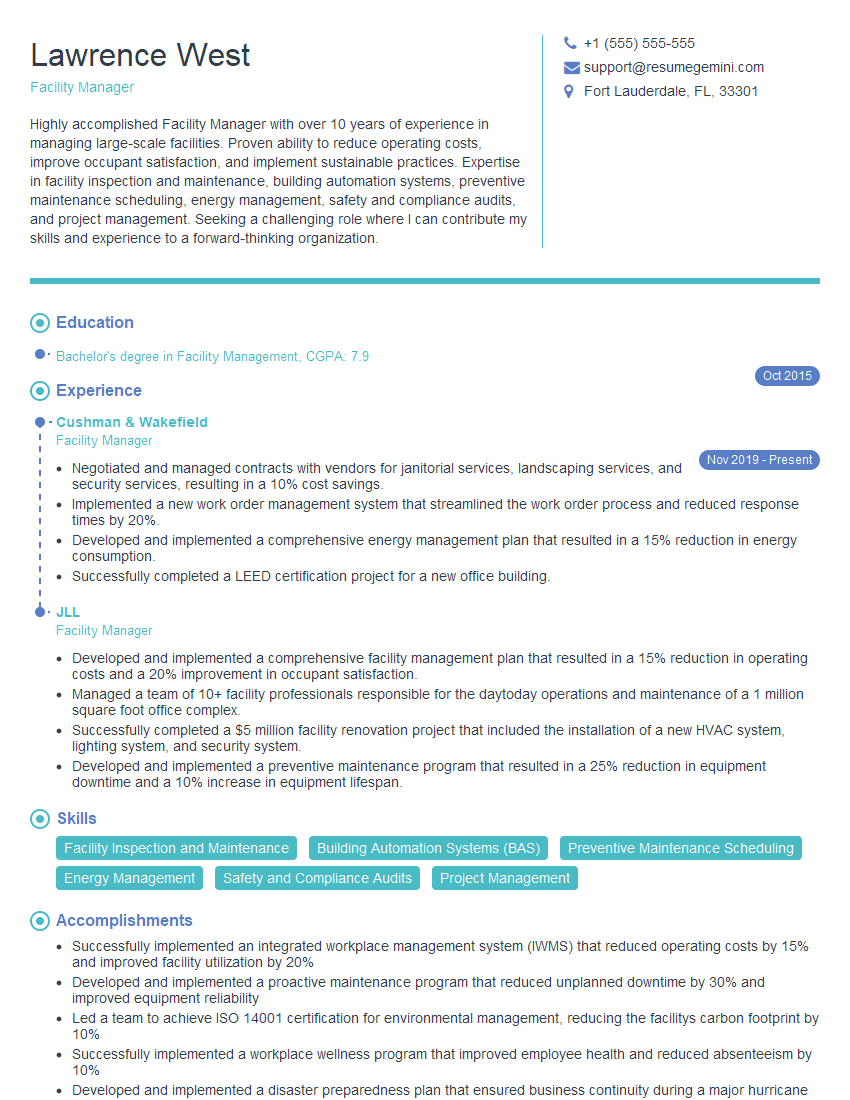
Facility Manager Resume Sample

Operations Manager Resume Sample
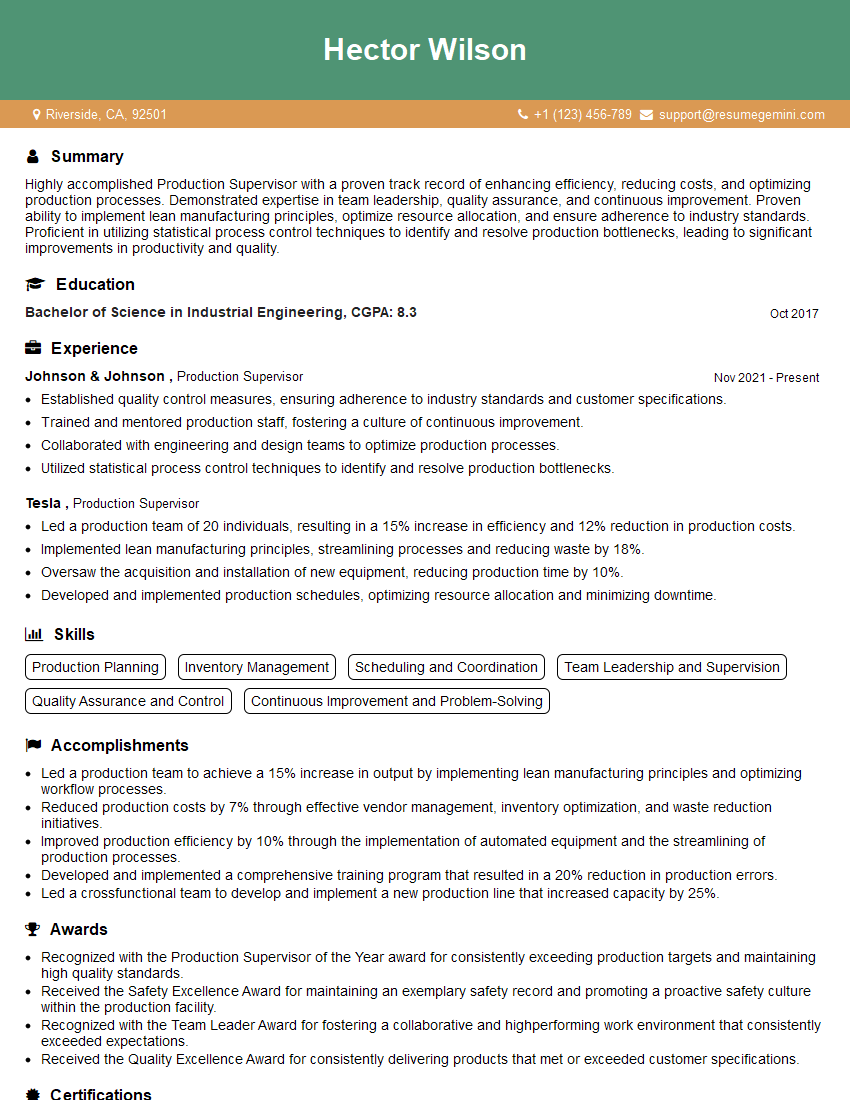
Production Supervisor Resume Sample
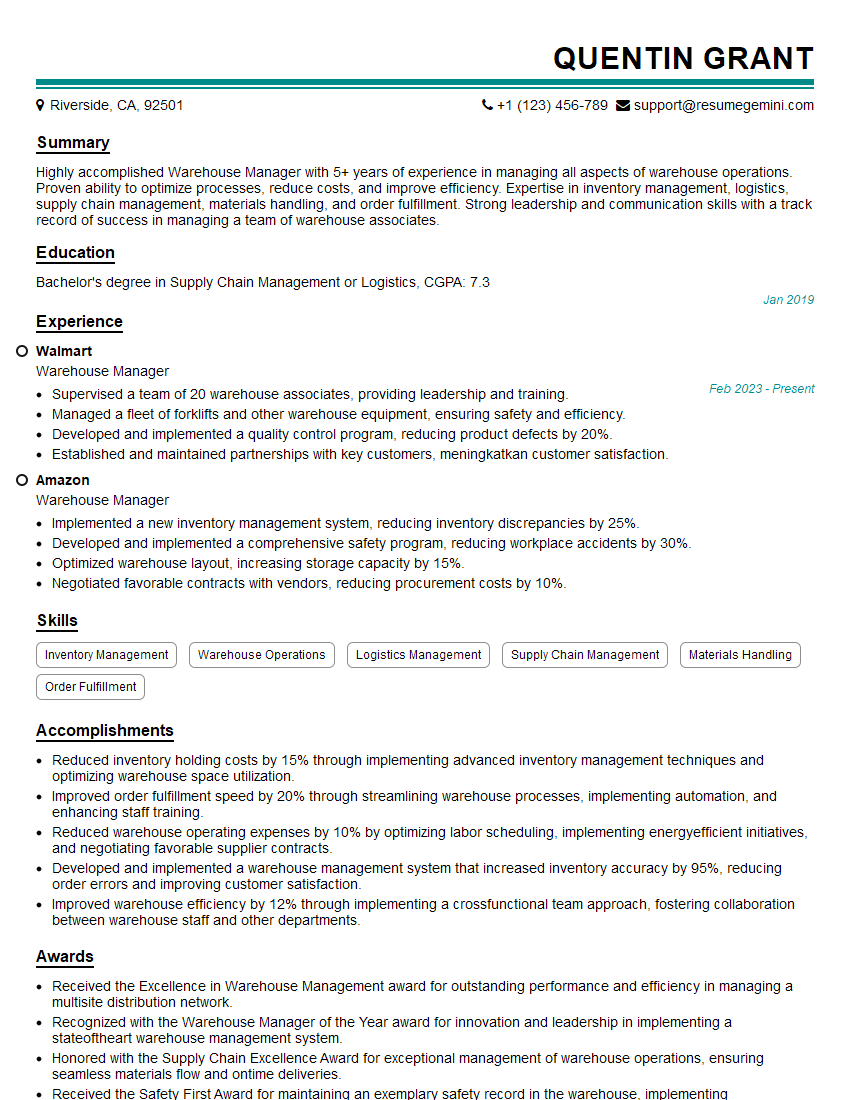
Warehouse Manager Resume Sample
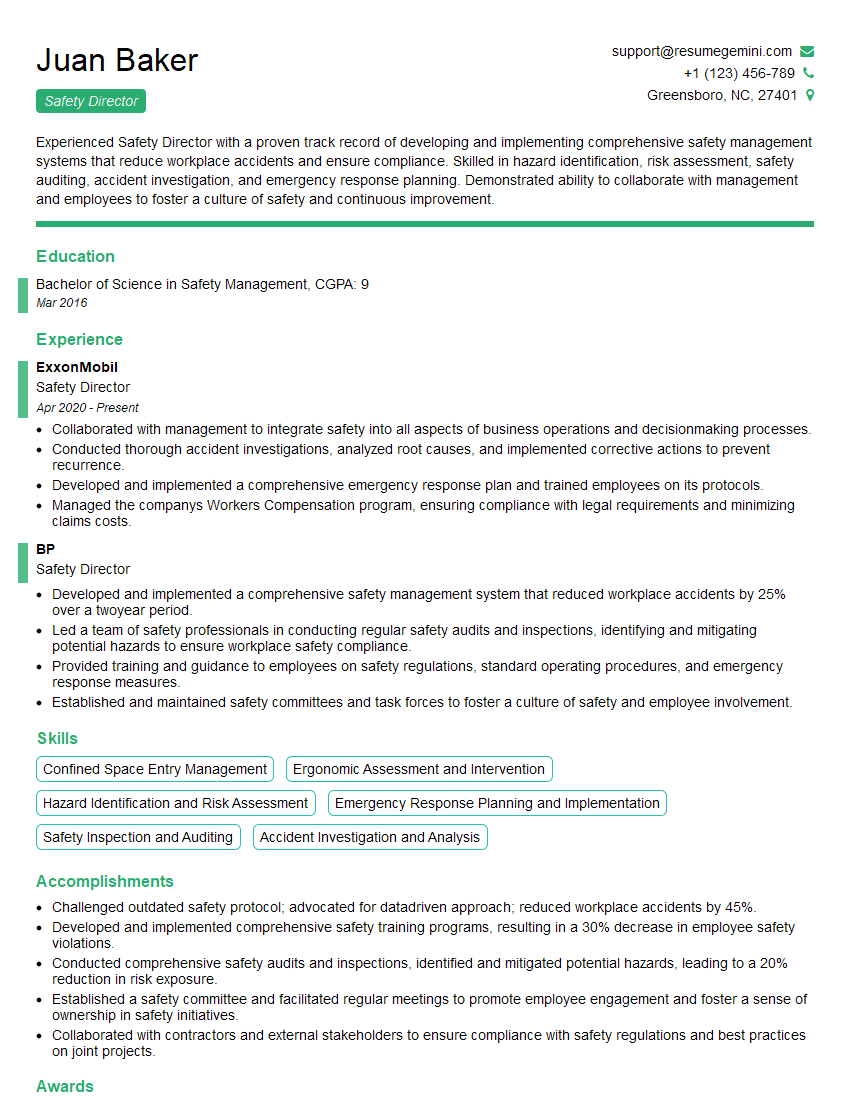
Safety Director Resume Sample
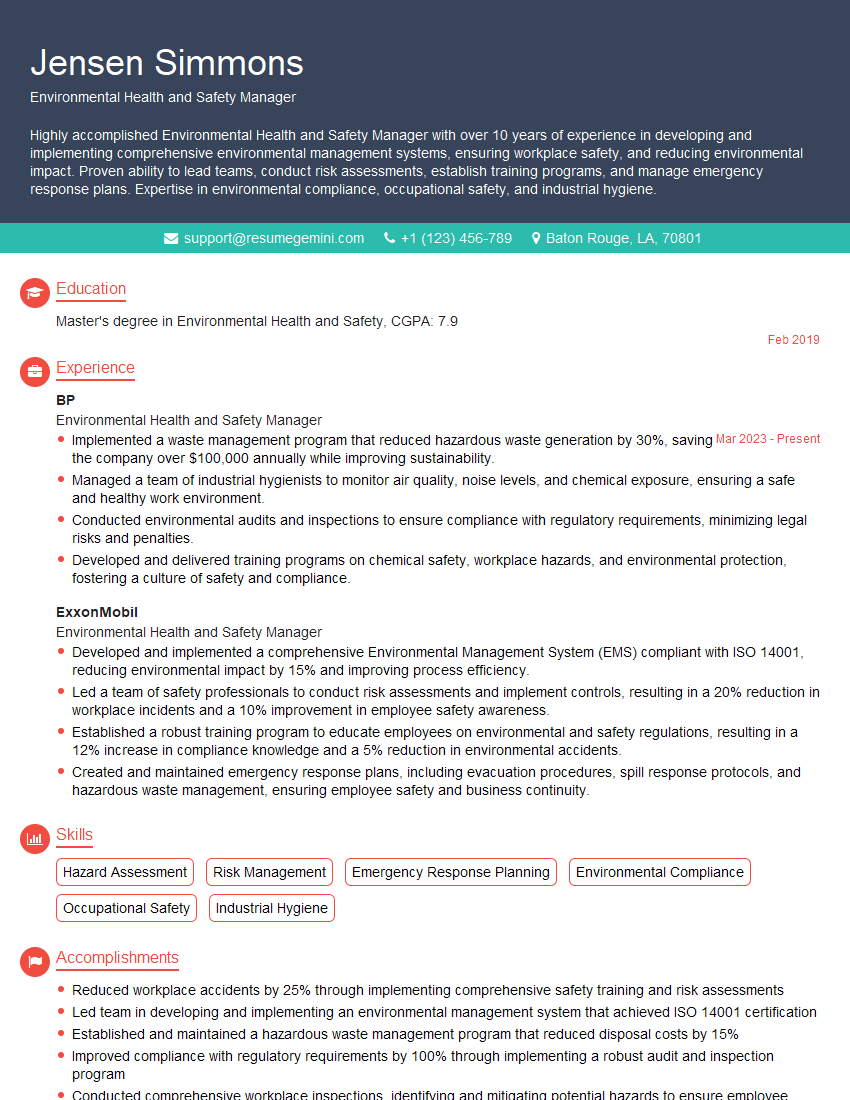
Environmental Health and Safety Manager Resume Sample

Compliance Officer Resume Sample
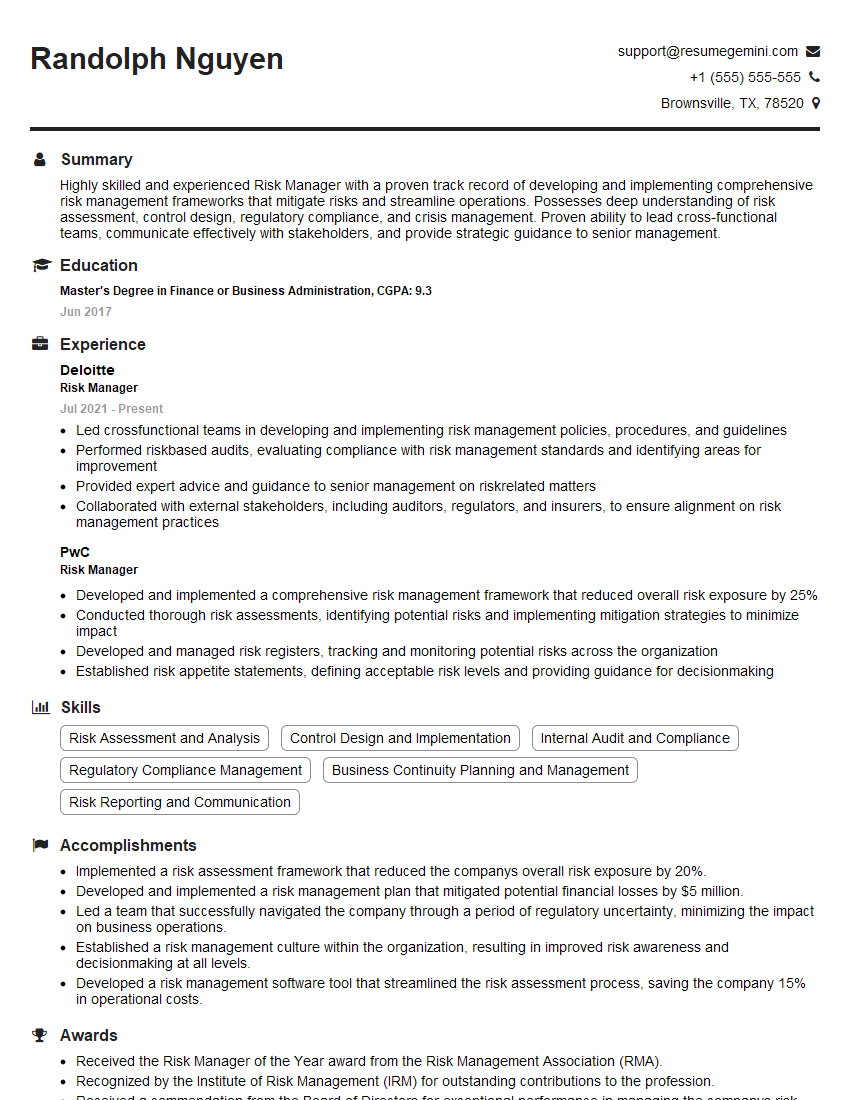
Risk Manager Resume Sample
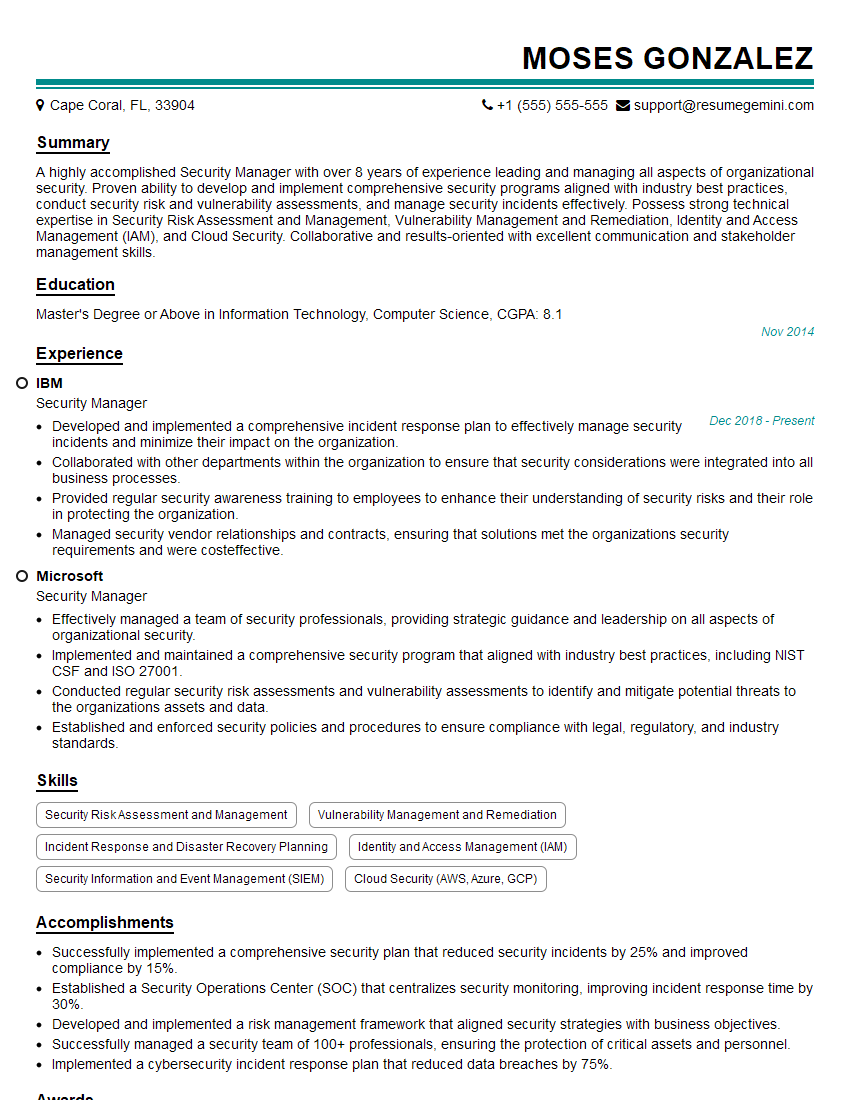
Security Manager Resume Sample
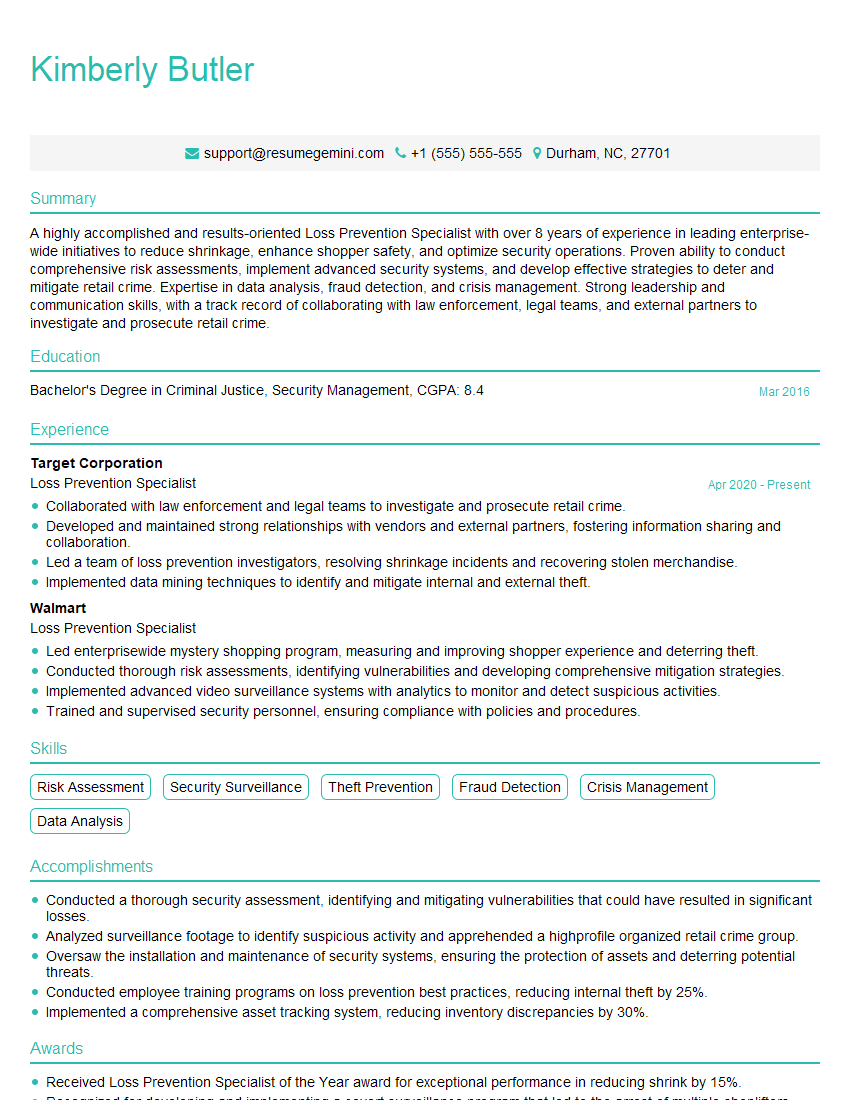
Loss Prevention Specialist Resume Sample
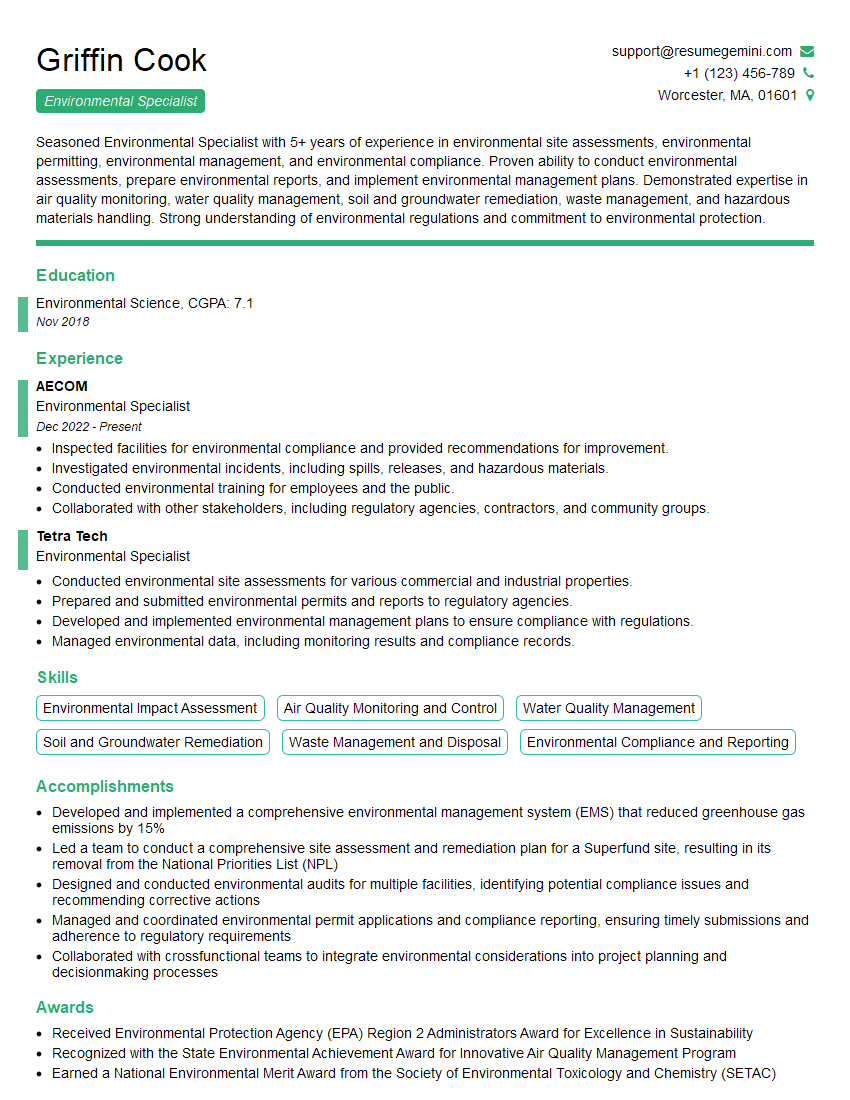
Environmental Specialist Resume Sample
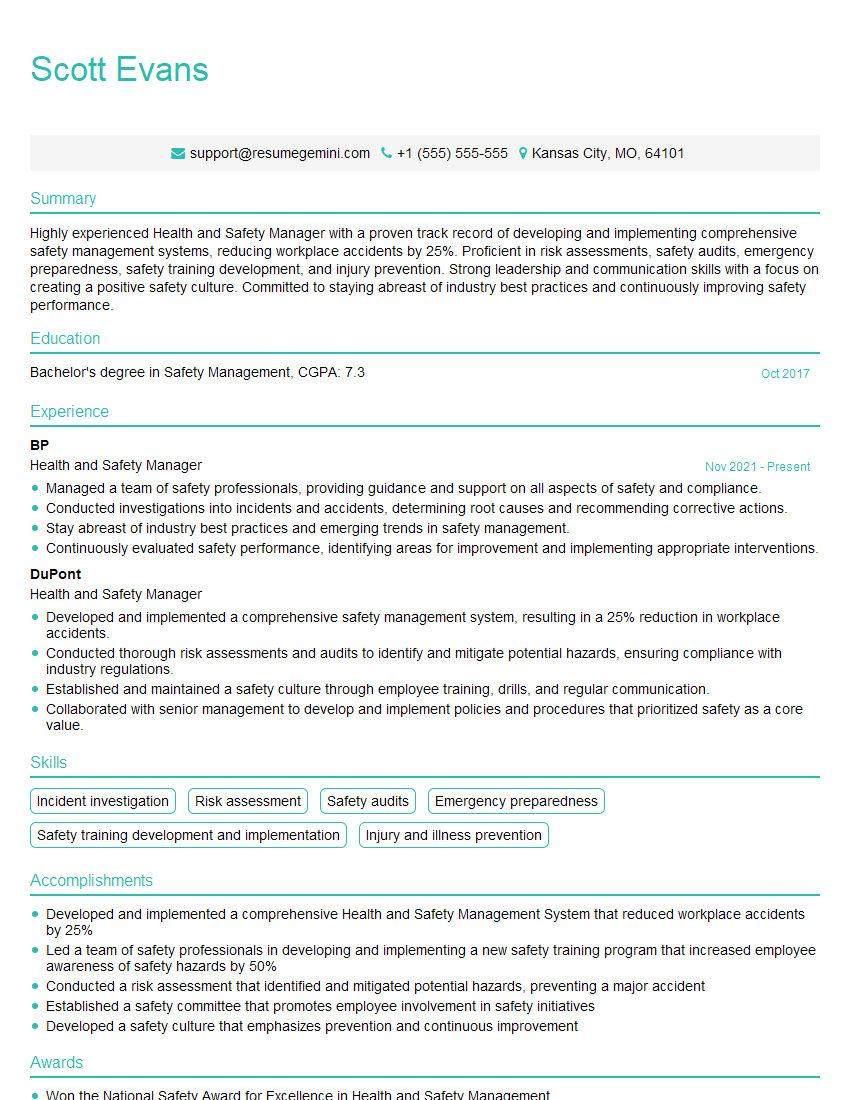
Health and Safety Manager Resume Sample
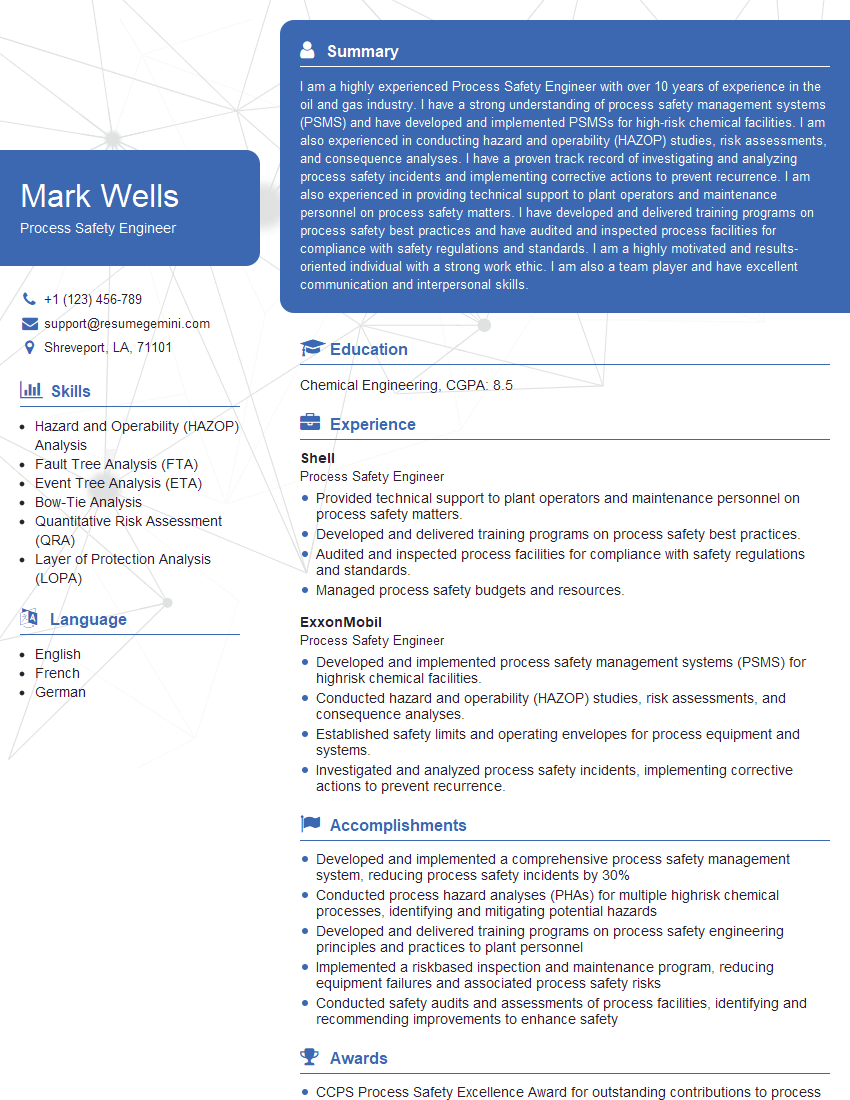
Process Safety Engineer Resume Sample
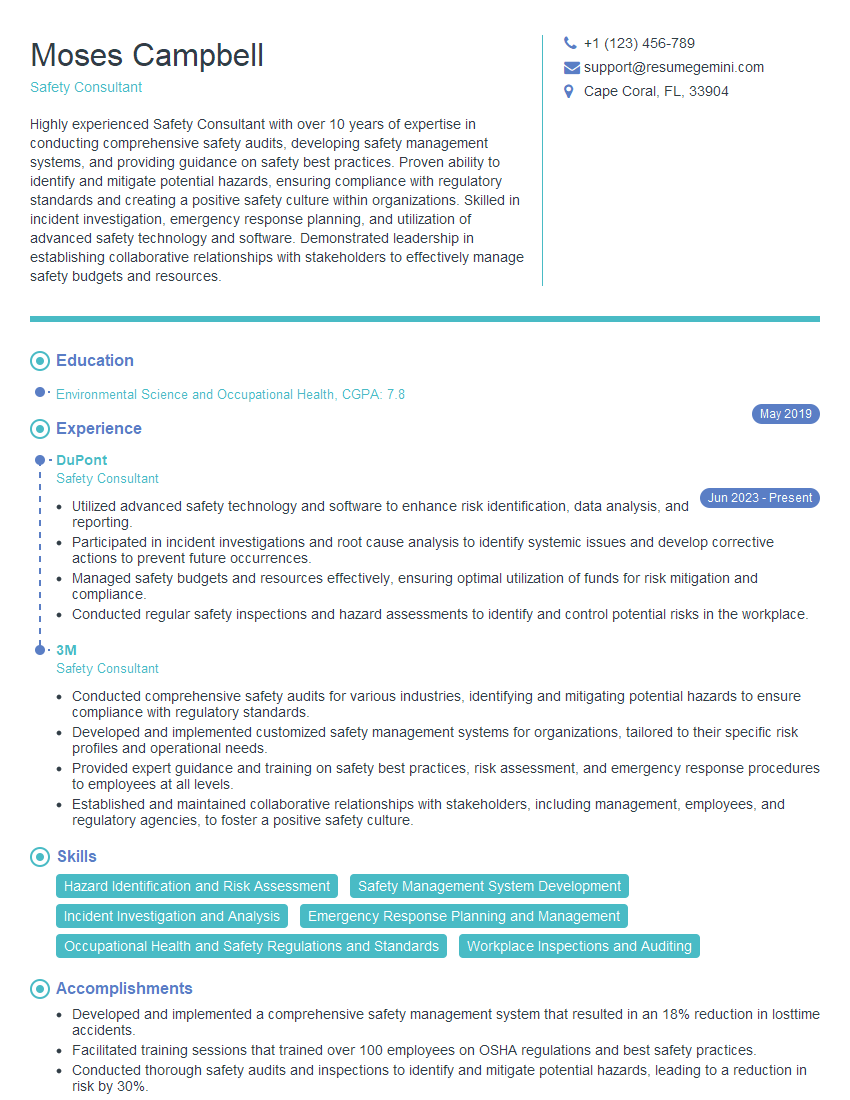
Safety Consultant Resume Sample
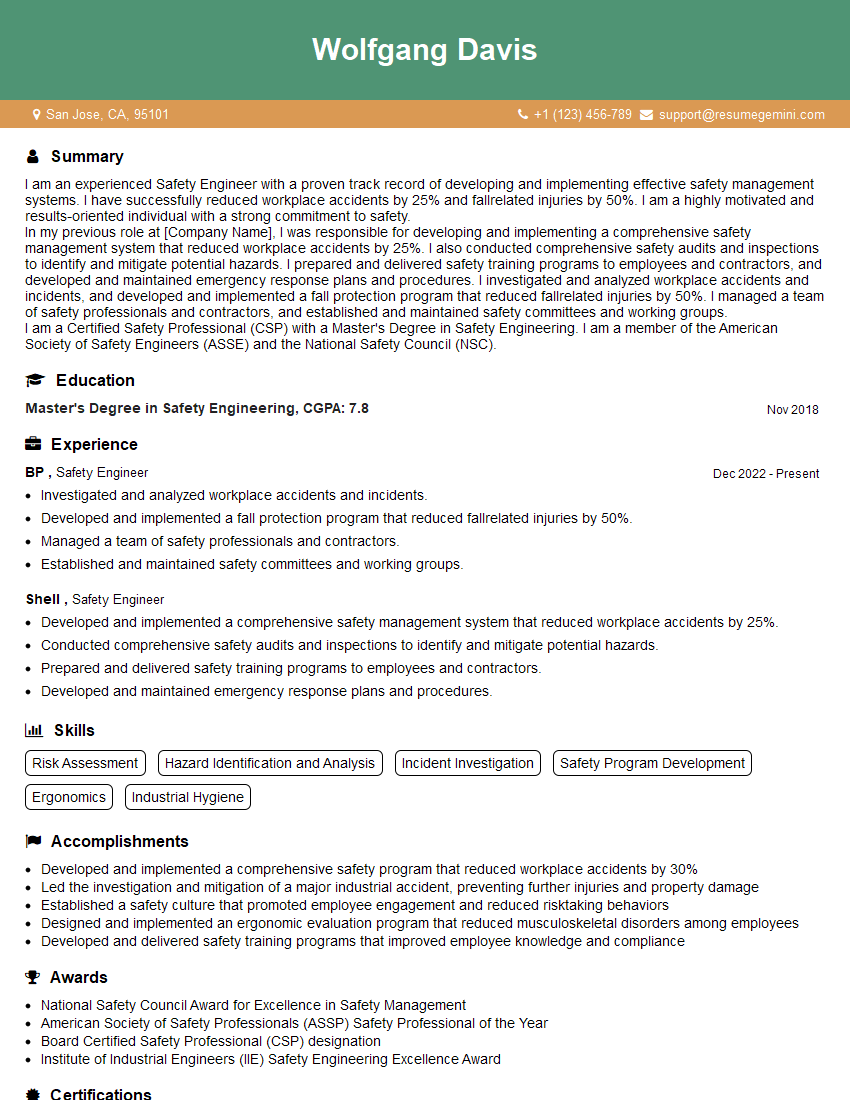
Safety Engineer Resume Sample
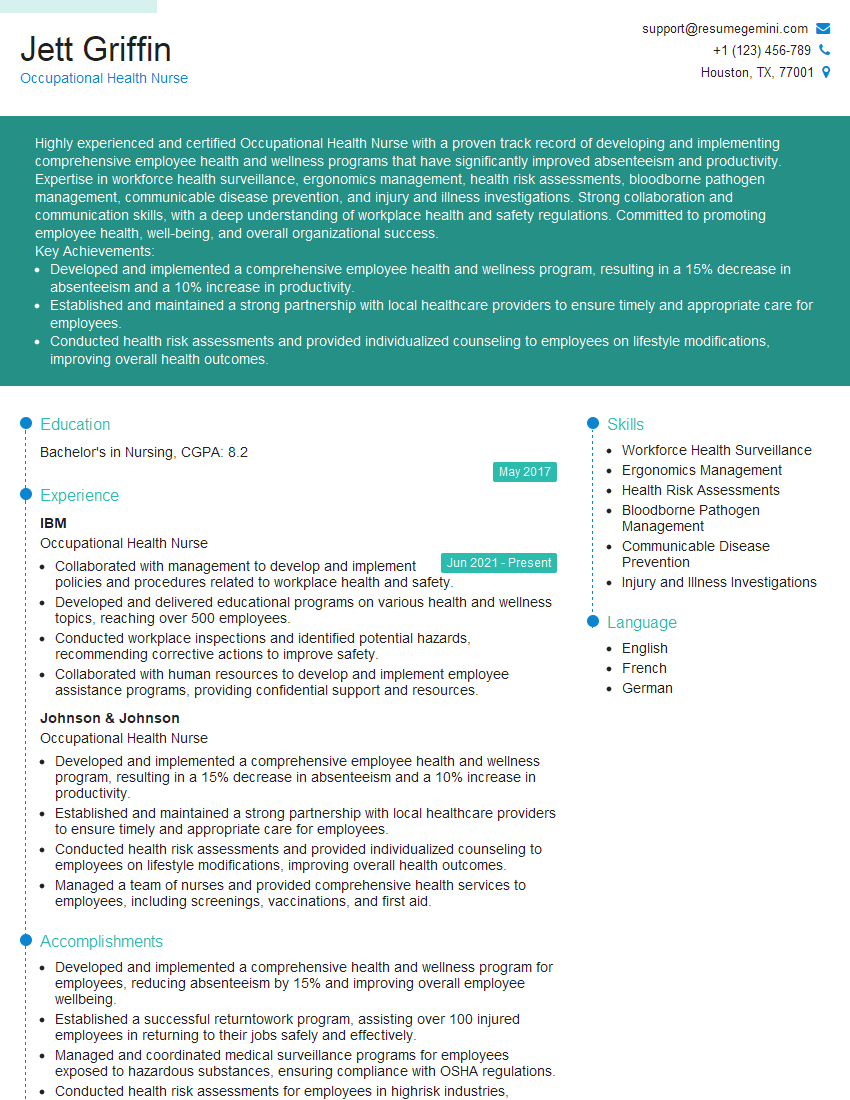
Occupational Health Nurse Resume Sample
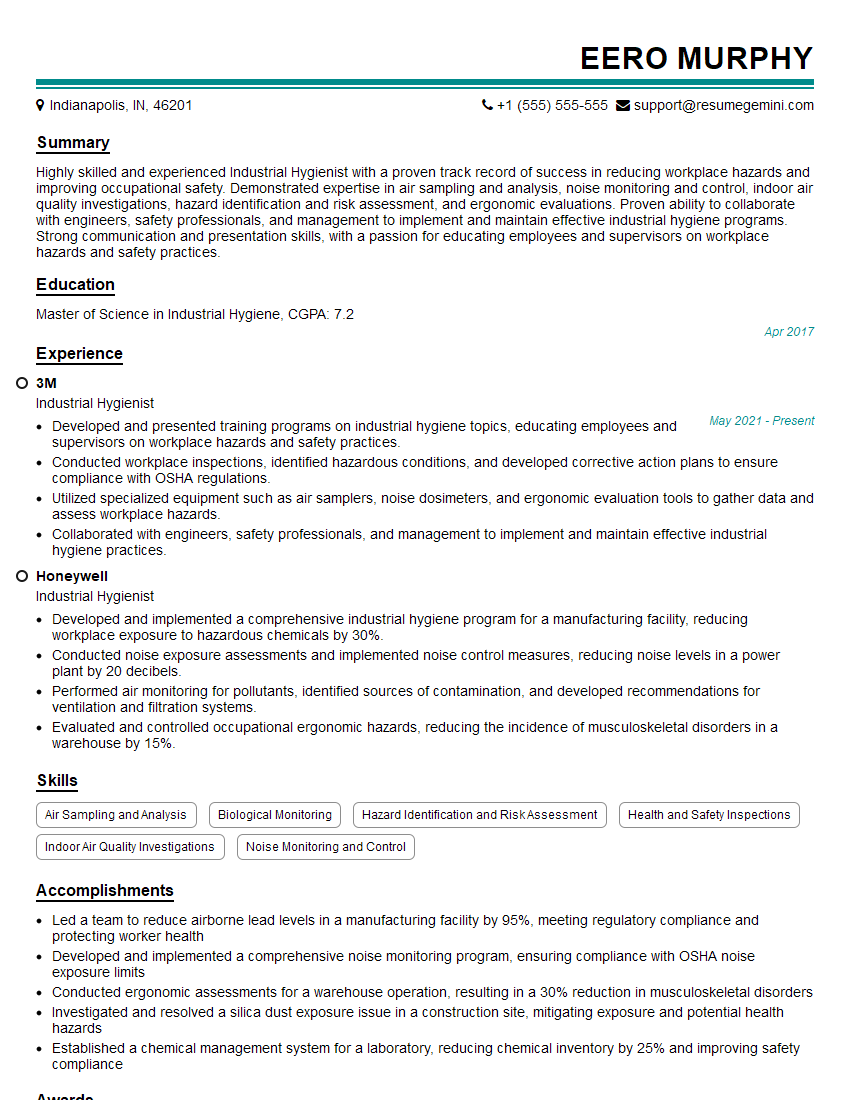
Industrial Hygienist Resume Sample
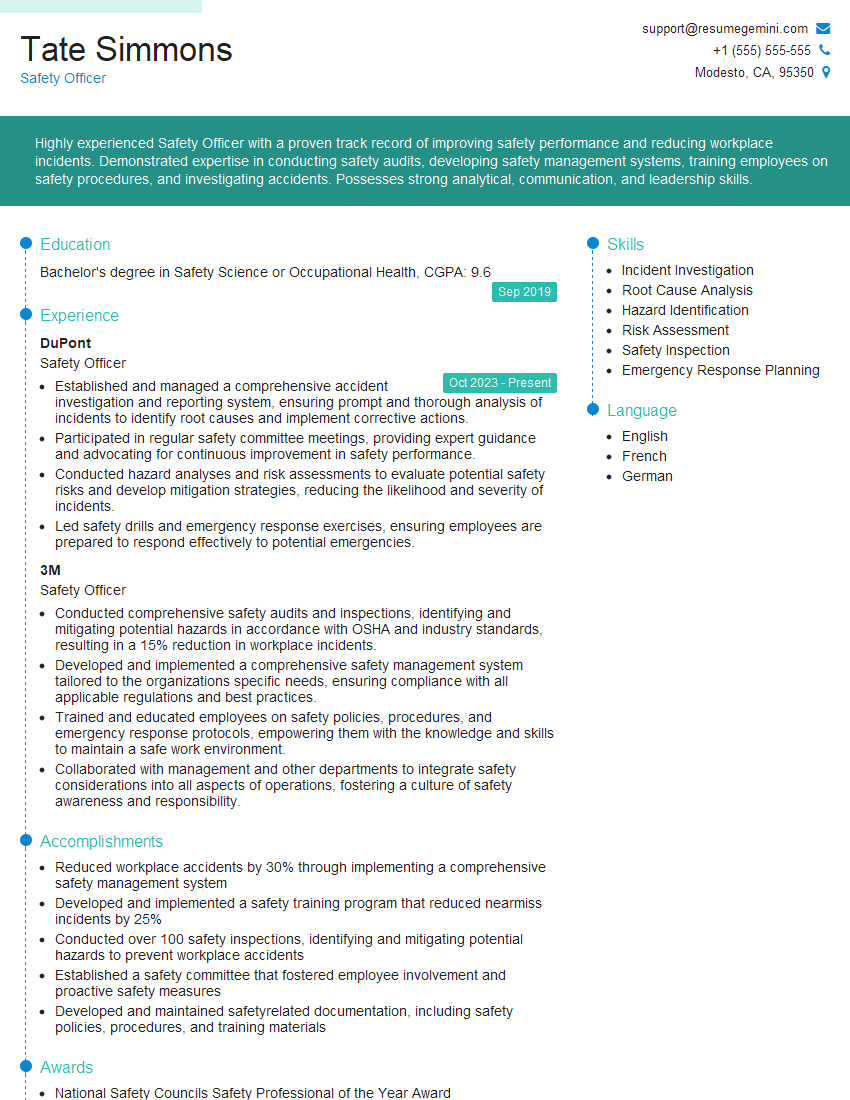
Safety Officer Resume Sample
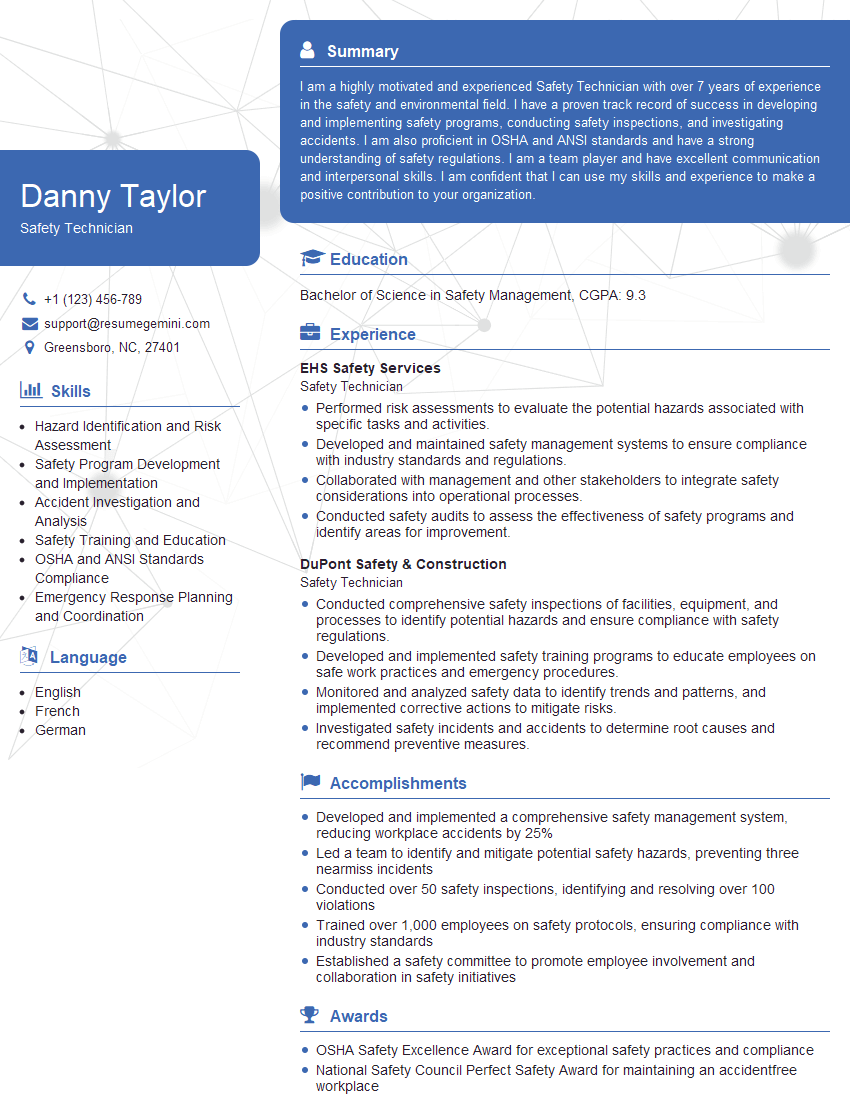
Safety Technician Resume Sample
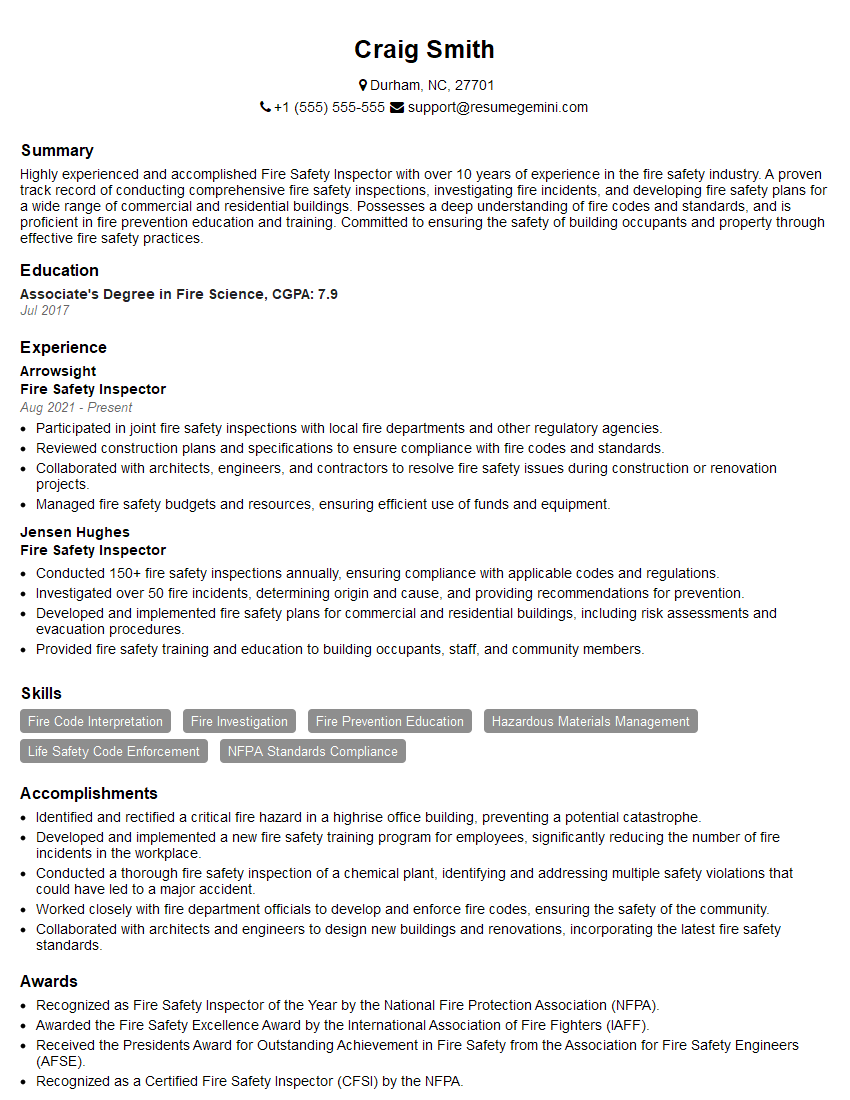
Fire Safety Inspector Resume Sample
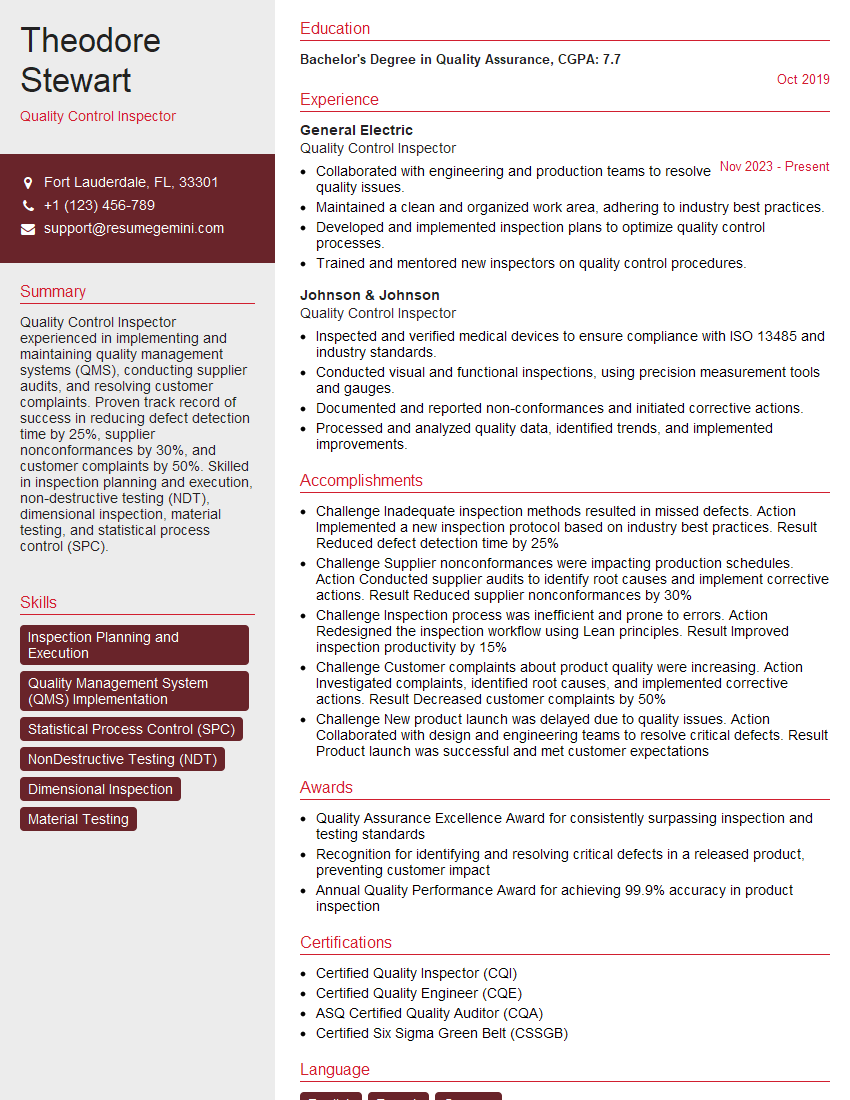
Quality Control Inspector Resume Sample
- Facility Manager
- Operations Manager
- Production Supervisor
- Warehouse Manager
- Safety Director
- Environmental Health and Safety Manager
- Compliance Officer
- Risk Manager
- Security Manager
- Loss Prevention Specialist
- Environmental Specialist
- Health and Safety Manager
- Process Safety Engineer
- Safety Consultant
- Safety Engineer
- Occupational Health Nurse
- Industrial Hygienist
- Safety Officer
- Safety Technician
- Fire Safety Inspector
- Quality Control Inspector
Explore more articles
Users Rating of Our Blogs
Share Your Experience
We value your feedback! Please rate our content and share your thoughts (optional).
What Readers Say About Our Blog
Very informative content, great job.
good