Interviews are opportunities to demonstrate your expertise, and this guide is here to help you shine. Explore the essential Follow safety protocols and wear appropriate protective gear interview questions that employers frequently ask, paired with strategies for crafting responses that set you apart from the competition.
Questions Asked in Follow safety protocols and wear appropriate protective gear Interview
Q 1. What are the key components of a comprehensive safety program?
A comprehensive safety program is the cornerstone of a healthy and productive workplace. It’s not just a collection of rules, but a proactive system designed to anticipate, control, and mitigate risks. Key components include:
- Hazard Identification and Risk Assessment: This involves systematically identifying potential hazards and evaluating the likelihood and severity of harm. Think of it like a detective’s work – meticulously examining the workplace for potential dangers.
- Hazard Control: This is where we implement measures to eliminate or reduce hazards. This follows a hierarchy, from elimination (best) to PPE (last resort).
- Training and Education: Workers must be trained on safe work practices, the use of PPE, and emergency procedures. Regular refresher courses are crucial.
- Emergency Preparedness and Response: This involves developing and regularly practicing emergency plans for scenarios like fires, chemical spills, or medical emergencies. Drills ensure everyone knows what to do in a crisis.
- Record Keeping and Reporting: Maintaining accurate records of accidents, near misses, inspections, and training is vital for continuous improvement and compliance.
- Safety Communication: Open communication channels are essential for reporting hazards, feedback, and sharing safety information. This could involve toolbox talks, safety meetings, or posters.
- Management Commitment: Strong leadership commitment is paramount. Safety should be a core value integrated into the company culture, not just a checklist.
For example, in a construction site, a comprehensive program would address hazards like falling objects, trench collapses, and electrical shocks through measures like proper scaffolding, shoring, and lockout/tagout procedures, alongside robust training programs.
Q 2. Describe your experience with various types of Personal Protective Equipment (PPE).
My experience with PPE is extensive, encompassing various types across different industries. I’m proficient in selecting, using, and maintaining a wide range, including:
- Head Protection: Hard hats, bump caps – crucial in construction, manufacturing, and mining to protect against falling objects.
- Eye and Face Protection: Safety glasses, goggles, face shields – essential for protecting against flying debris, chemicals, and radiation.
- Hearing Protection: Earplugs, earmuffs – necessary in loud environments such as factories and construction sites.
- Respiratory Protection: Respirators (including N95, half-face, and full-face) – used in environments with airborne hazards like dust, fumes, or gases.
- Hand Protection: Gloves – different types for different hazards, including cut-resistant, chemical-resistant, and thermal gloves.
- Foot Protection: Safety shoes and boots – protect against falling objects, punctures, and electrical hazards.
- Body Protection: High-visibility clothing, aprons, and protective suits – necessary in hazardous environments or those with risks of chemical splashes or burns.
I understand the importance of selecting the appropriate PPE for the specific hazard and ensuring proper fit and maintenance. For instance, I once noticed a worker using the wrong type of gloves for handling corrosive chemicals; I immediately intervened, providing the correct PPE and reinforcing the importance of proper selection.
Q 3. Explain the hierarchy of hazard controls.
The hierarchy of hazard controls prioritizes the most effective methods to eliminate or reduce workplace hazards. It’s a structured approach, progressing from the most desirable to the least desirable control measures:
- Elimination: Removing the hazard entirely. For example, redesigning a process to eliminate the need for a hazardous chemical.
- Substitution: Replacing the hazard with a less hazardous alternative. Using a less toxic cleaning agent instead of a more dangerous one.
- Engineering Controls: Implementing physical changes to the workplace to reduce exposure to hazards. Installing guarding on machinery or improved ventilation.
- Administrative Controls: Implementing work practices and procedures to minimize exposure. Rotating workers through noisy areas, providing regular breaks, establishing safe work procedures.
- Personal Protective Equipment (PPE): The least desirable option, providing personal protection as a last resort. Only used when other controls are insufficient.
Imagine a scenario involving loud machinery: Elimination might involve replacing the machinery with quieter models. If not feasible, substitution could involve using quieter tooling. Engineering controls could be soundproofing or installing barriers. Administrative controls could include limiting exposure times and providing hearing protection. PPE – earplugs or muffs – would be the last resort.
Q 4. How do you identify and assess workplace hazards?
Identifying and assessing workplace hazards requires a systematic approach. It involves:
- Walkthrough Inspections: Physically inspecting the workplace to identify potential hazards, paying close attention to details often overlooked.
- Incident/Near Miss Reporting: Analyzing past incidents and near misses to identify underlying causes and prevent future occurrences.
- Job Hazard Analysis (JHA): A systematic process to identify hazards associated with specific tasks or jobs. This involves breaking down tasks step-by-step and identifying potential hazards at each stage.
- Worker Input: Encouraging workers to report hazards and near misses is crucial, as they often have the most direct experience with the work environment.
- Reviewing Safety Data Sheets (SDS): Carefully reviewing SDS for any chemicals or substances used in the workplace to understand associated hazards.
- Using Checklists and Inspection Forms: Structured checklists help ensure that key areas are examined consistently.
For example, during a walkthrough inspection in a laboratory, I identified a chemical spill hazard by noting the absence of spill kits and appropriate signage near chemical storage areas. This led to corrective actions such as providing the necessary kits and clear warning labels.
Q 5. What are the steps you would take to investigate a workplace accident?
Investigating a workplace accident requires a thorough and impartial approach to determine the root cause and prevent recurrence. The steps typically involve:
- Securing the Scene: Ensuring the safety of everyone involved and preventing further incidents.
- Gathering Information: Collecting evidence including witness statements, photographs, videos, and relevant documents.
- Interviewing Witnesses: Conducting detailed interviews with individuals who witnessed the accident, focusing on factual information without leading questions.
- Analyzing the Evidence: Carefully analyzing all collected data to identify contributing factors and root causes.
- Identifying Root Causes: Using tools like the “5 Whys” analysis to delve deeper than superficial causes and determine the underlying reasons for the accident.
- Developing Corrective Actions: Formulating and implementing solutions to prevent similar incidents from occurring in the future.
- Reporting and Documentation: Creating a comprehensive accident report that details the incident, investigation findings, corrective actions, and lessons learned.
For example, in an incident involving a worker’s hand getting caught in a machine, the investigation might reveal a lack of adequate machine guarding, insufficient training on safe operating procedures, and failure to implement lockout/tagout protocols. Corrective actions would include installing guarding, retraining workers, and strictly enforcing lockout/tagout procedures.
Q 6. How familiar are you with OSHA regulations (or relevant local regulations)?
I am very familiar with OSHA regulations (Occupational Safety and Health Administration) and other relevant local and international safety standards. My knowledge covers a wide range of topics, including:
- Hazard Communication Standard (HazCom): Understanding and implementing the requirements for labeling, safety data sheets, and employee training.
- Personal Protective Equipment (PPE) Standards: Knowing the regulations for selecting, using, and maintaining PPE.
- Lockout/Tagout Procedures: Understanding and applying the procedures for controlling hazardous energy sources.
- Confined Space Entry: Knowing the regulations and procedures for safely entering and working in confined spaces.
- Fall Protection: Understanding and implementing fall protection systems and procedures.
- Emergency Action Plans: Developing and implementing effective emergency action plans.
I regularly stay updated on changes and revisions to these regulations through professional development and industry publications. My experience ensures that I can effectively apply these regulations in my work, ensuring compliance and a safe working environment.
Q 7. Describe your experience with safety audits and inspections.
I have extensive experience conducting safety audits and inspections, both internally and externally. My approach involves:
- Planning and Preparation: Developing a comprehensive checklist based on relevant regulations and industry best practices. This includes scheduling the inspection, informing relevant personnel, and gathering necessary equipment.
- On-site Inspection: Conducting a thorough visual inspection of the workplace, verifying compliance with safety regulations and identifying potential hazards.
- Documentation: Maintaining detailed records of findings, including photographs and supporting documentation. This data informs reports and subsequent actions.
- Reporting and Follow-up: Preparing a comprehensive report summarizing the inspection findings, identifying non-compliances, and recommending corrective actions. I then follow up on the implemented corrective actions to ensure effectiveness.
- Communication: Communicating findings to management and workers, ensuring open dialogue and fostering a collaborative safety culture.
For example, during a safety audit at a manufacturing plant, I identified a lack of proper machine guarding, inadequate emergency lighting, and insufficient training on hazardous waste disposal. My report detailed these issues, provided recommendations for improvements, and helped to ensure that corrective actions were implemented, leading to a significantly safer working environment.
Q 8. How do you ensure compliance with safety regulations?
Ensuring compliance with safety regulations is a multi-faceted process that requires a proactive and diligent approach. It begins with a thorough understanding of all applicable laws, standards, and industry best practices relevant to the workplace. This includes regularly reviewing and updating our knowledge of OSHA guidelines, relevant state and local regulations, and any specific requirements set by our industry. We then translate these regulations into practical, site-specific safety procedures and protocols.
This process isn’t just about reading rules; it’s about creating a culture of safety. We achieve this through regular safety inspections, audits, and employee training. We use checklists and observation to ensure procedures are followed consistently. For example, in a construction setting, we might check for proper fall protection equipment and its correct usage at every job site daily. Regular audits ensure our policies and practices remain aligned with the evolving regulatory landscape and the identified hazards in our work environment. We also actively encourage feedback from employees, creating a safe environment to report safety concerns without fear of reprisal.
Q 9. Explain the process of developing and implementing a safety training program.
Developing and implementing a safety training program requires a systematic approach. It begins with a needs assessment, identifying the specific hazards and risks present in the workplace. This helps tailor the program to address those specific concerns. Once the hazards are identified, we develop training modules that cover relevant topics such as hazard recognition, risk assessment, safe work procedures, and the proper use of personal protective equipment (PPE). We utilize a variety of methods including interactive presentations, hands-on demonstrations, and practical exercises.
The training isn’t a one-time event. Regular refresher courses are essential to reinforce learned behaviors and address any changes in regulations or procedures. We incorporate practical scenarios and case studies to make the learning engaging and memorable. For instance, if we’re training on fire safety, we might conduct a mock fire drill to solidify understanding and build confidence. Post-training assessments and evaluations are vital to measure the effectiveness of the program and make adjustments as needed, ensuring our training remains relevant and impactful. Finally, documentation is crucial; we maintain detailed records of employee participation and training completion to demonstrate compliance.
Q 10. How would you handle a situation where an employee refuses to wear required PPE?
Refusal to wear required PPE is a serious safety violation. My approach would be a three-step process emphasizing communication, education, and progressive discipline.
- Step 1: Communication and Education: I would first engage the employee in a private conversation to understand their reason for refusing the PPE. This might be due to discomfort, a misunderstanding of the requirement, or even a valid concern about the PPE itself. We would address the concerns openly and honestly and provide any necessary education or adjustments. We’d offer alternative PPE if appropriate.
- Step 2: Documentation and Corrective Action: If the refusal persists despite education, I’d document the incident, including the conversation, the employee’s explanation, and the actions taken. This would trigger a formal corrective action, perhaps a written warning, outlining the company’s expectations and the consequences of continued non-compliance.
- Step 3: Progressive Discipline: Continued refusal might lead to further disciplinary actions, up to and including termination, depending on the severity of the risk and company policy. The goal throughout this process is safety, but we must also ensure consistency in enforcing safety rules.
Throughout this process, we emphasize the importance of PPE for the employee’s safety and the safety of their colleagues. The focus is on finding a solution, but firm action is necessary if safety is compromised.
Q 11. What are the signs and symptoms of common workplace injuries?
Common workplace injuries exhibit a range of signs and symptoms, varying based on the type of injury. Musculoskeletal injuries (like strains, sprains, and back injuries) often present with pain, swelling, limited range of motion, and bruising. Cuts and lacerations are characterized by bleeding, pain, and potential infection. Burns can range from minor redness to severe blistering and charring, depending on the severity and type of burn.
Eye injuries might include redness, pain, blurry vision, or foreign bodies in the eye. Respiratory issues stemming from workplace hazards can cause coughing, shortness of breath, wheezing, and chest pain. Head injuries can range from mild concussions (with symptoms such as headaches, dizziness, and confusion) to more severe traumatic brain injuries, potentially leading to loss of consciousness. It’s crucial to remember that the severity and presentation can vary significantly, making prompt reporting and medical evaluation essential.
Q 12. Describe your experience with emergency response procedures.
My experience with emergency response procedures includes extensive training in first aid, CPR, and AED usage. I’ve participated in numerous emergency response drills and have firsthand experience in managing workplace incidents, from minor injuries to more serious emergencies. This involves assessing the situation, providing immediate first aid, contacting emergency medical services, and ensuring the safety of those involved. I’m also familiar with emergency evacuation procedures and have experience coordinating evacuations during drills and simulated emergencies.
In one instance, a worker suffered a severe laceration on their arm. I immediately applied direct pressure to control the bleeding, called emergency medical services, and ensured the area was secured to prevent further injuries. I also coordinated with colleagues to assist with the evacuation of other personnel from the immediate vicinity. Effective emergency response is about acting calmly, efficiently, and decisively to minimize the impact of an accident.
Q 13. How do you communicate safety information effectively to workers?
Effective communication of safety information is crucial. We employ various strategies to ensure workers understand and comply with safety protocols. This includes using clear, concise language, avoiding technical jargon unless necessary and defining it when used. We use a combination of methods:
- Regular Safety Meetings: These meetings provide a forum for discussions, updates, and addressing employee concerns.
- Visual Aids: Signage, posters, and instructional videos visually reinforce important safety messages.
- Interactive Training: Hands-on demonstrations and practical exercises promote better understanding and retention.
- Written Materials: Safety manuals, checklists, and procedures are provided in accessible formats.
- Open Communication Channels: Employees are encouraged to provide feedback and report hazards without fear of reprisal.
We also tailor our communication to the specific needs and literacy levels of the workforce, ensuring everyone receives the information they need in a way they can understand. Regular feedback mechanisms and observation help us assess communication effectiveness and make adjustments as needed.
Q 14. Explain your experience using safety data sheets (SDS).
Safety Data Sheets (SDSs) are essential resources providing detailed information about hazardous chemicals. My experience includes locating, interpreting, and applying the information found in SDSs to ensure safe handling, storage, and disposal of chemicals in the workplace. This involves understanding the sections of an SDS, including identification, hazards, composition, first aid measures, and proper handling procedures.
For example, when introducing a new chemical into our workplace, I’d consult its SDS to understand its potential hazards, required PPE, emergency response procedures, and safe storage requirements. I then use this information to update our safety procedures, train employees on the safe handling of the chemical, and ensure proper labeling and storage. SDSs are not just documents; they’re critical tools for proactive risk management and worker protection.
Q 15. How do you conduct a risk assessment?
A risk assessment is a systematic process of identifying hazards and evaluating risks associated with a specific task or workplace. It’s like a detective’s investigation, but instead of solving crimes, we’re preventing accidents. We identify potential dangers – slips, trips, falls, exposure to chemicals, etc. – then evaluate how likely those dangers are to cause harm and how severe that harm could be. This helps prioritize control measures.
My approach involves a five-step process: 1. Hazard Identification: Thoroughly examining the work area and task, identifying all potential hazards. 2. Risk Evaluation: Assessing the likelihood and severity of each hazard. This often involves using a risk matrix that weighs probability against consequence. 3. Risk Control: Developing and implementing control measures to eliminate or mitigate risks. This might involve engineering controls (e.g., machine guards), administrative controls (e.g., training, work permits), or personal protective equipment (PPE). 4. Monitoring and Review: Regularly checking the effectiveness of implemented controls and making adjustments as needed. 5. Documentation: Keeping detailed records of the entire process, including identified hazards, risk assessments, control measures, and review dates. This allows us to track progress and demonstrate compliance.
For example, in a construction project, a risk assessment might reveal that working at heights is a major hazard. The evaluation would determine the likelihood of a fall and the potential severity (injury or fatality). Control measures might include providing harnesses, safety nets, and ensuring proper scaffolding.
Career Expert Tips:
- Ace those interviews! Prepare effectively by reviewing the Top 50 Most Common Interview Questions on ResumeGemini.
- Navigate your job search with confidence! Explore a wide range of Career Tips on ResumeGemini. Learn about common challenges and recommendations to overcome them.
- Craft the perfect resume! Master the Art of Resume Writing with ResumeGemini’s guide. Showcase your unique qualifications and achievements effectively.
- Don’t miss out on holiday savings! Build your dream resume with ResumeGemini’s ATS optimized templates.
Q 16. What are the different types of respiratory protection?
Respiratory protection devices safeguard against inhaling harmful substances. They range from simple dust masks to sophisticated self-contained breathing apparatuses (SCBAs). The type of respirator used depends entirely on the specific hazard.
- Filtering Facepieces (FFPs): These are disposable masks that filter out airborne particles. They come in various classes (FFP1, FFP2, FFP3), with FFP3 offering the highest level of protection.
- Reusable Respirators: These are more durable masks, often fitted with replaceable cartridges that filter specific contaminants. They require regular maintenance and fit testing.
- Powered Air-Purifying Respirators (PAPRs): These masks use a battery-powered fan to draw air through filters, providing a more comfortable and effective solution than traditional respirators, particularly for extended use.
- Self-Contained Breathing Apparatus (SCBAs): These are completely self-contained units, providing breathable air independent of the surrounding atmosphere. They’re essential in environments with immediately dangerous to life or health (IDLH) conditions.
Choosing the right respirator is critical. Factors such as the type of hazard, the concentration of contaminants, and the duration of exposure must be considered. A proper fit test is always crucial to ensure effectiveness.
Q 17. Describe your experience with lockout/tagout procedures.
Lockout/Tagout (LOTO) procedures are vital for preventing accidental energy release during maintenance or repairs. They are a cornerstone of safety in industrial settings. I have extensive experience implementing and overseeing LOTO procedures across various industrial projects.
My approach always adheres strictly to a five-step procedure: 1. Preparation: Identify all energy sources (electrical, mechanical, hydraulic, pneumatic, etc.) that need to be controlled. 2. Lockout: De-energize the equipment and apply a lockout device (typically a lock with a unique key) to the energy source. 3. Tagout: Attach a tag clearly indicating that the equipment is locked out and who performed the lockout. 4. Verification: Verify that the equipment is completely de-energized and safe to work on. This often involves testing the equipment to ensure no residual energy remains. 5. Tagout Removal: Only the person who applied the lockout can remove it, after verifying that the work is complete and the equipment is safe to restart.
In one instance, I supervised a LOTO procedure on a large industrial press. We carefully identified all power sources, including electrical and hydraulic lines. We secured each energy source with a lockout device, and only after verification that the press was completely inert did we proceed with the maintenance. Strict adherence to the LOTO protocol prevented potential injuries.
Q 18. How do you maintain a safe working environment?
Maintaining a safe working environment requires a proactive and multifaceted approach. It’s not just about reacting to incidents; it’s about preventing them in the first place. I approach this through a combination of strategies.
- Hazard Identification and Control: Regularly inspect the workplace for hazards, from tripping hazards to chemical spills, and implement appropriate controls.
- Housekeeping: Maintaining a clean and organized workspace minimizes trip hazards and makes it easier to identify potential problems.
- Training and Education: Ensuring that all employees are properly trained on safety procedures and policies. Regular refresher courses keep everyone up-to-date.
- Emergency Preparedness: Having a well-defined emergency plan and ensuring that all employees are familiar with procedures in case of accidents or emergencies.
- Communication: Maintaining open lines of communication between employees and management to address safety concerns promptly. Employees should feel comfortable reporting near misses or unsafe conditions without fear of reprisal.
- Compliance with Regulations: Strictly adhering to all relevant safety regulations and industry best practices.
Imagine a manufacturing plant. Maintaining a safe environment means ensuring proper machine guarding, implementing a robust chemical handling program, providing adequate lighting, and enforcing the use of PPE. It also involves employee training on machine operation, safe chemical handling, and emergency procedures.
Q 19. Explain your understanding of confined space entry procedures.
Confined space entry procedures are crucial for protecting workers from the inherent dangers of confined spaces. These spaces are often enclosed or partially enclosed areas with limited entry and exit, posing risks of oxygen deficiency, toxic atmospheres, and engulfment.
My understanding of these procedures involves a strict adherence to a detailed permit-required confined space entry system. This system typically includes: 1. Pre-entry assessment: A thorough evaluation of the confined space to identify potential hazards. 2. Atmosphere testing: Testing the atmosphere for oxygen levels, flammable gases, and toxic substances before entry. 3. Ventilation: Ensuring adequate ventilation to remove hazardous atmospheres. 4. Entry and attendant procedures: A trained attendant must be present outside the confined space to monitor the entrant and provide assistance if needed. 5. Rescue plan: A detailed plan for rescuing entrants in case of an emergency. 6. Post-entry procedures: Procedures for safely exiting the confined space and cleaning up.
During a confined space entry, the use of appropriate PPE, such as SCBAs, is mandatory. The attendant plays a critical role, constantly monitoring the entrant’s condition through communication systems and prepared to initiate the rescue plan if necessary.
Q 20. What are the proper procedures for handling hazardous materials?
Handling hazardous materials safely requires a meticulous approach. Every step, from storage and transportation to handling and disposal, must be carefully considered. The procedures follow a structured approach that prioritize safety.
- Proper Identification and Labeling: All hazardous materials must be clearly identified and labeled with appropriate hazard warnings and safety data sheets (SDS).
- Safe Storage and Handling: Materials must be stored in designated areas, following specific storage guidelines for compatibility and preventing spills or leaks.
- Personal Protective Equipment (PPE): Appropriate PPE must be worn at all times when handling hazardous materials. The specific PPE will depend on the material’s hazards (e.g., gloves, eye protection, respirators).
- Spill Response Procedures: A well-defined spill response plan must be in place to deal with accidental spills or leaks. This plan outlines the steps to contain, clean up, and dispose of the spilled material.
- Waste Disposal: Hazardous waste must be disposed of properly, in accordance with local, regional, and national regulations.
For example, handling a corrosive acid involves using acid-resistant gloves, eye protection, and a lab coat. The acid should be stored in a designated area, away from incompatible materials. If a spill occurs, the response plan dictates the use of specific neutralizing agents and proper cleanup procedures. Every step is documented for tracking and compliance.
Q 21. How familiar are you with fall protection equipment and procedures?
Fall protection is paramount in many industries. My familiarity extends to both the equipment and the procedures necessary for safe work at heights. This includes thorough knowledge of relevant regulations and best practices.
Fall protection equipment includes: 1. Harnesses: Body harnesses designed to distribute the force of a fall. 2. Lanyards: Connectors between the harness and an anchor point, designed to absorb the shock of a fall. 3. Anchor points: Secure points to which the lanyard is attached. 4. Fall arrestors: Devices that help stop a fall. 5. Safety nets: Nets placed beneath a work area to catch a falling person.
Procedures always begin with a thorough risk assessment to determine the need for fall protection, the appropriate equipment, and the required training for employees. Regular inspections of fall protection equipment are critical to ensure it’s in good working order. Proper training on how to use and inspect the equipment is also non-negotiable. In a construction setting, for example, workers might use harnesses and lanyards attached to a secured anchor point on a scaffolding system.
Q 22. How do you conduct a safety observation?
Conducting a safety observation involves systematically reviewing a workplace to identify potential hazards and assess compliance with safety regulations. It’s not just about finding problems; it’s about proactively preventing incidents. My approach involves a structured process:
- Planning: Defining the scope (specific area, tasks, or personnel), the observation method (checklist, walkthrough, etc.), and the timeline.
- Observation: Systematically observing the work area, noting any unsafe conditions, unsafe acts, or non-compliance with safety rules. I use all my senses – sight, hearing, and even smell – to detect potential hazards. For example, I might notice a cluttered walkway, damaged equipment, or a lack of personal protective equipment (PPE).
- Documentation: Meticulously recording all observations, including photographic evidence where possible. This documentation is crucial for later analysis and corrective action.
- Feedback and Reporting: Sharing my findings with the relevant personnel, proposing corrective actions, and following up to ensure that the issues are addressed. This might involve a formal report to management, a safety meeting, or direct communication with the employees involved.
- Follow-up: Verifying that the corrective actions have been implemented and that the identified hazards have been mitigated. This is a critical step to ensure continuous improvement.
For instance, during an observation in a construction site, I might notice a worker not wearing a hard hat in a designated hard hat zone. My report would document this, specifying the location, time, and the worker’s identity (anonymously if required by policy), and suggest retraining or disciplinary action if necessary. This helps prevent future incidents involving head injuries.
Q 23. Describe your experience with incident reporting and investigation.
Incident reporting and investigation are fundamental to preventing future occurrences. My experience encompasses all stages, from initial reporting to root cause analysis and corrective action. I’ve used various incident reporting systems, including online platforms and paper-based forms.
When an incident occurs, my immediate focus is on ensuring the safety and well-being of those involved. Then, I follow a structured investigation process:
- Fact-finding: Gathering information from eyewitnesses, reviewing documentation (e.g., safety records, maintenance logs), and taking photographs or videos of the scene.
- Root cause analysis: Identifying the underlying causes that led to the incident, using tools like the ‘5 Whys’ technique to drill down to the root of the problem. This goes beyond identifying immediate causes to understand the systemic issues contributing to the accident.
- Corrective action planning: Developing and implementing strategies to prevent similar incidents from happening again. This may involve engineering controls (e.g., modifying equipment), administrative controls (e.g., new procedures), and personal protective equipment (PPE).
- Reporting and follow-up: Documenting the investigation findings and corrective actions, and sharing this information with relevant stakeholders. I also ensure follow-up to verify that the implemented corrective actions are effective.
In one case, a near-miss incident involving a forklift and a pedestrian led to the implementation of improved traffic management procedures within the warehouse, including the addition of visual cues and designated pedestrian walkways. This significantly reduced the risk of future accidents.
Q 24. What is your experience with developing and implementing safety policies?
Developing and implementing safety policies requires a thorough understanding of relevant regulations, industry best practices, and the specific hazards of the workplace. My approach involves:
- Needs assessment: Identifying the potential hazards and risks in the workplace through risk assessments, job hazard analyses, and consultations with employees.
- Policy development: Creating clear, concise, and comprehensive safety policies that address these identified hazards. These policies should be easy to understand and follow, with clear expectations and consequences for non-compliance.
- Communication and training: Ensuring that all employees are aware of and understand the safety policies through training programs, workshops, and regular communication.
- Implementation and monitoring: Putting the policies into practice and regularly monitoring their effectiveness through safety observations, audits, and incident tracking.
- Review and update: Regularly reviewing and updating the safety policies to reflect changes in regulations, best practices, and workplace conditions.
For example, I helped develop a comprehensive lockout/tagout procedure for a manufacturing facility, significantly reducing the risk of injuries due to unexpected equipment start-up during maintenance. This involved creating step-by-step instructions, training personnel, and implementing a system for monitoring compliance.
Q 25. How would you handle a disagreement about safety procedures with a supervisor or coworker?
Disagreements about safety procedures are inevitable, and handling them professionally is crucial. My approach focuses on open communication and collaboration:
- Open Dialogue: I would initiate a calm and respectful conversation with the supervisor or coworker, clearly explaining my concerns and providing evidence to support my position. This might involve referencing safety regulations, industry best practices, or past incident data.
- Active Listening: I would attentively listen to their perspective and try to understand their reasoning. Often, disagreements stem from differing interpretations or priorities.
- Collaboration: I would work together to find a mutually agreeable solution that prioritizes safety. This might involve exploring alternative solutions or compromise.
- Documentation: If a resolution cannot be reached, I would document the disagreement, including the date, individuals involved, the issue, and the proposed solutions, escalating the issue to higher management if necessary.
- Safety First: Regardless of the outcome, I would always prioritize safety. If I believe a procedure poses an unacceptable risk, I would refuse to participate and report my concerns to the appropriate authorities.
For instance, I once disagreed with a supervisor about the use of a particular piece of equipment, as I believed it posed a safety risk. Through calm discussion, we identified a safer alternative, preventing a potential accident.
Q 26. Explain your experience with using various safety monitoring tools.
My experience with safety monitoring tools is extensive. I’m proficient in using various technologies to enhance workplace safety. These include:
- Safety Management Software: Systems that manage incident reporting, risk assessments, training records, and inspections. Examples include platforms that track near misses, safety audits, and corrective actions.
- Environmental Monitoring Equipment: Tools that measure environmental factors such as noise levels, air quality, and radiation levels, ensuring compliance with occupational health standards.
- Personal Protective Equipment (PPE) Monitoring Systems: Technologies that track the use and maintenance of PPE, ensuring that employees are using appropriate protective gear.
- Real-time Monitoring Systems: Systems using sensors and cameras to monitor worker activity and environmental conditions in real-time, alerting supervisors to potential hazards.
For example, I utilized a safety management software system to analyze incident trends and identify recurring hazards in a manufacturing plant. This data-driven approach led to the implementation of targeted safety improvements, resulting in a significant reduction in workplace accidents.
Q 27. What are the best practices for managing workplace safety during a pandemic?
Managing workplace safety during a pandemic like COVID-19 requires a multi-faceted approach. Best practices include:
- Risk Assessment and Mitigation: Conducting thorough risk assessments to identify potential COVID-19 transmission pathways within the workplace. This might involve analyzing workflows, occupancy levels, and common areas.
- Hygiene and Sanitation: Implementing strict hygiene practices, including regular handwashing, surface disinfection, and providing hand sanitizer. Frequent cleaning and disinfection of high-touch surfaces are also crucial.
- Physical Distancing: Implementing physical distancing measures to minimize close contact between employees, such as using physical barriers, staggering work shifts, and reconfiguring workstations.
- Personal Protective Equipment (PPE): Providing appropriate PPE, such as masks, gloves, and face shields, where recommended by health authorities. Training on the correct use and disposal of PPE is essential.
- Ventilation and Air Quality: Improving ventilation and air quality in the workplace, possibly by increasing airflow or using air purifiers with HEPA filters.
- Employee Communication and Education: Keeping employees informed about the latest health guidelines and safety protocols. Regular communication, including providing updates and addressing concerns, is key.
- Contact Tracing and Response: Developing a contact tracing plan to rapidly identify and isolate individuals who may have been exposed to COVID-19.
For example, during the pandemic, I helped implement a comprehensive COVID-19 safety plan for an office environment, which included implementing a hybrid work model, daily health screenings, and enhanced cleaning protocols. This helped maintain a safe and productive working environment.
Q 28. How do you stay up-to-date on changes in safety regulations and best practices?
Staying current with safety regulations and best practices is crucial. I use several methods:
- Professional Organizations: Actively participating in professional organizations like OSHA (Occupational Safety and Health Administration) or similar relevant bodies. These organizations often offer training, publications, and networking opportunities.
- Industry Publications and Journals: Regularly reading industry-specific publications and journals to stay informed about new research, technologies, and best practices.
- Online Resources: Utilizing online resources, including government websites and reputable safety organizations, for updated guidelines and regulations.
- Training and Certifications: Continuously pursuing professional development through training courses and certifications to enhance my knowledge and skills.
- Networking: Connecting with other safety professionals to share knowledge and experiences, learn from best practices, and stay informed about emerging safety issues.
For instance, I regularly attend webinars and workshops offered by OSHA to learn about new safety standards and regulations. This ensures that my knowledge remains current and allows me to effectively implement the latest safety practices in the workplace.
Key Topics to Learn for Follow Safety Protocols and Wear Appropriate Protective Gear Interview
- Understanding Workplace Hazards: Identifying potential risks and hazards specific to your industry (e.g., chemical exposure, machinery operation, working at heights). Learn to assess risk levels and implement preventative measures.
- Safety Protocols & Procedures: Mastering the company’s (or industry’s) specific safety regulations, emergency procedures (e.g., fire drills, evacuation plans), and reporting mechanisms for incidents or near misses. Practice explaining your understanding of these procedures.
- Personal Protective Equipment (PPE): Thorough knowledge of various types of PPE (e.g., safety glasses, gloves, respirators, hard hats, safety shoes) and their proper selection, use, inspection, and limitations. Be prepared to discuss scenarios requiring specific PPE.
- Safe Work Practices: Understanding and applying safe work practices relevant to your role. This includes proper lifting techniques, lockout/tagout procedures, machine guarding, and maintaining a clean and organized workspace.
- Accident Prevention & Investigation: Learn how to proactively prevent accidents and how to participate in accident investigations, including reporting and contributing to corrective actions. Understanding root cause analysis is crucial.
- Communication & Teamwork: Effective communication is essential for safety. Discuss how you would communicate safety concerns to supervisors and coworkers, and how teamwork contributes to a safe working environment.
- Regulatory Compliance: Familiarity with relevant safety regulations and standards (OSHA, etc.) and how they apply to your specific work tasks.
Next Steps
Mastering safety protocols and wearing appropriate protective gear demonstrates your commitment to a safe and productive workplace – a highly valued attribute by employers. This knowledge significantly enhances your career prospects and showcases your responsibility and professionalism. To maximize your job search success, create an ATS-friendly resume that highlights your safety-related skills and experience. ResumeGemini is a trusted resource that can help you build a compelling and effective resume. Examples of resumes tailored to emphasize expertise in following safety protocols and wearing appropriate protective gear are available to guide you.

Compliance Officer Resume Sample
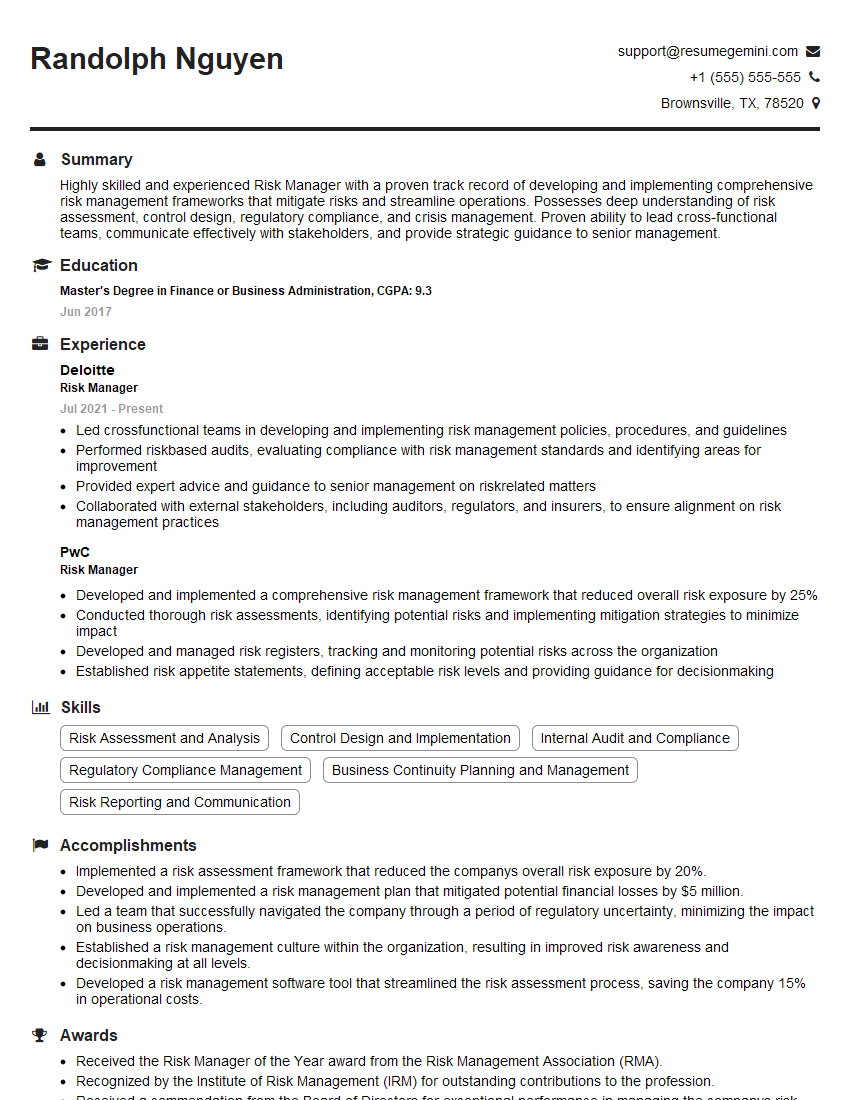
Risk Manager Resume Sample
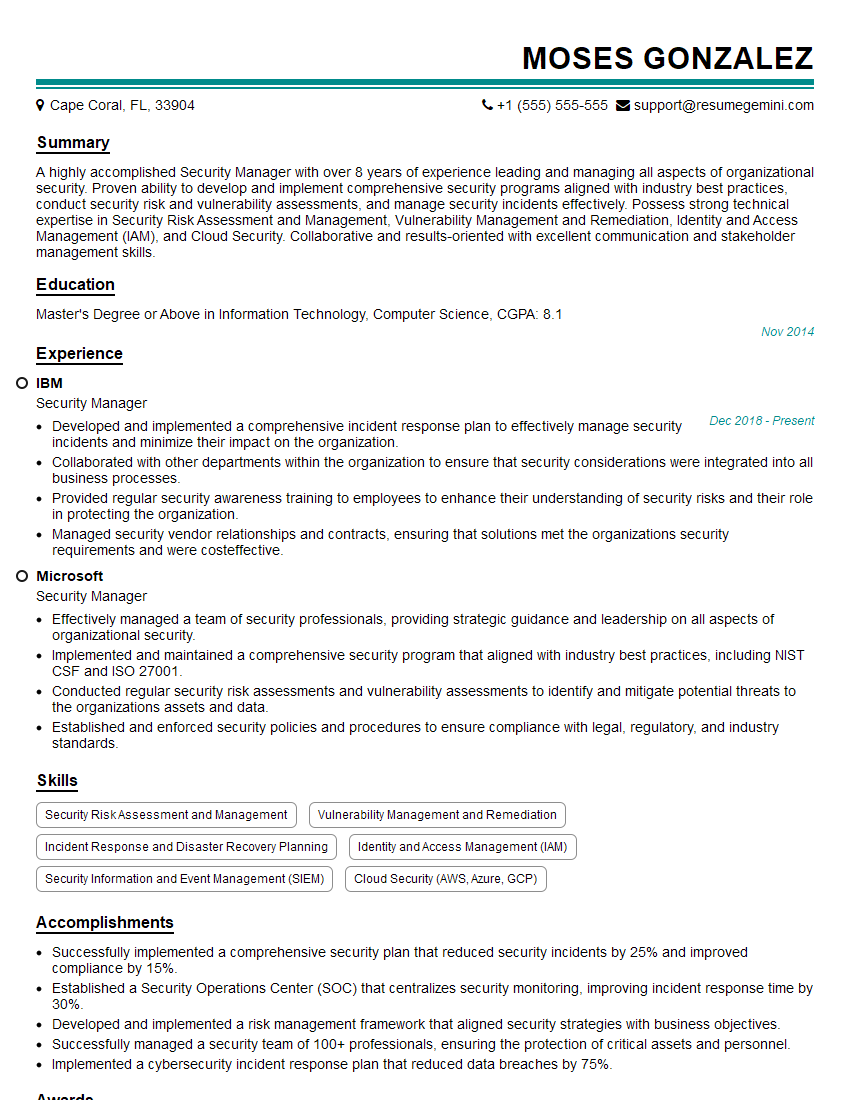
Security Manager Resume Sample
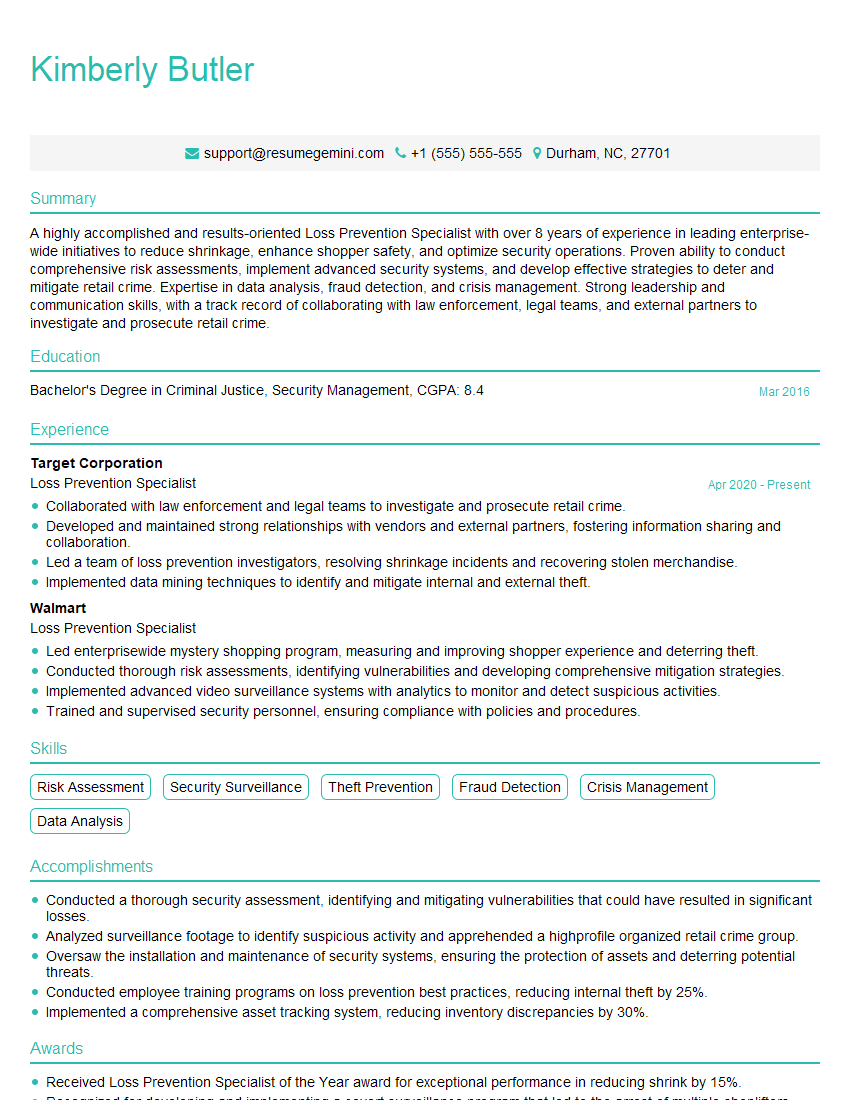
Loss Prevention Specialist Resume Sample
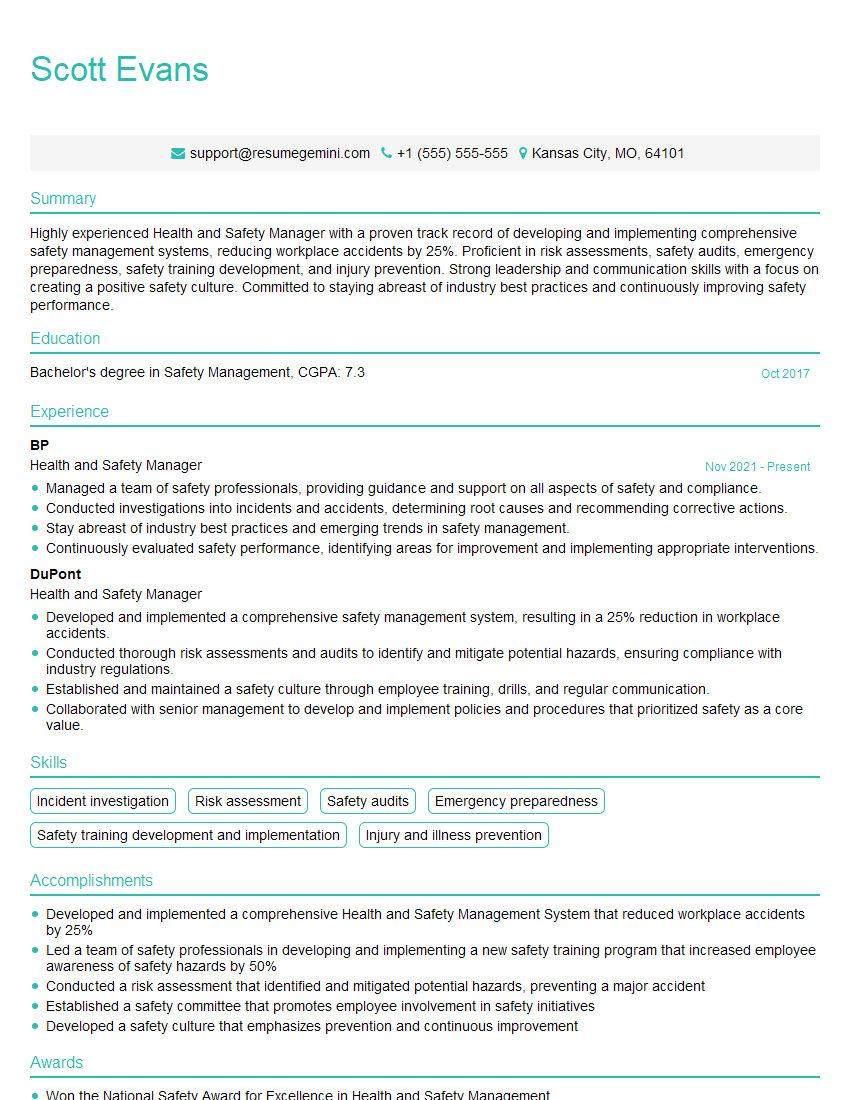
Health and Safety Manager Resume Sample
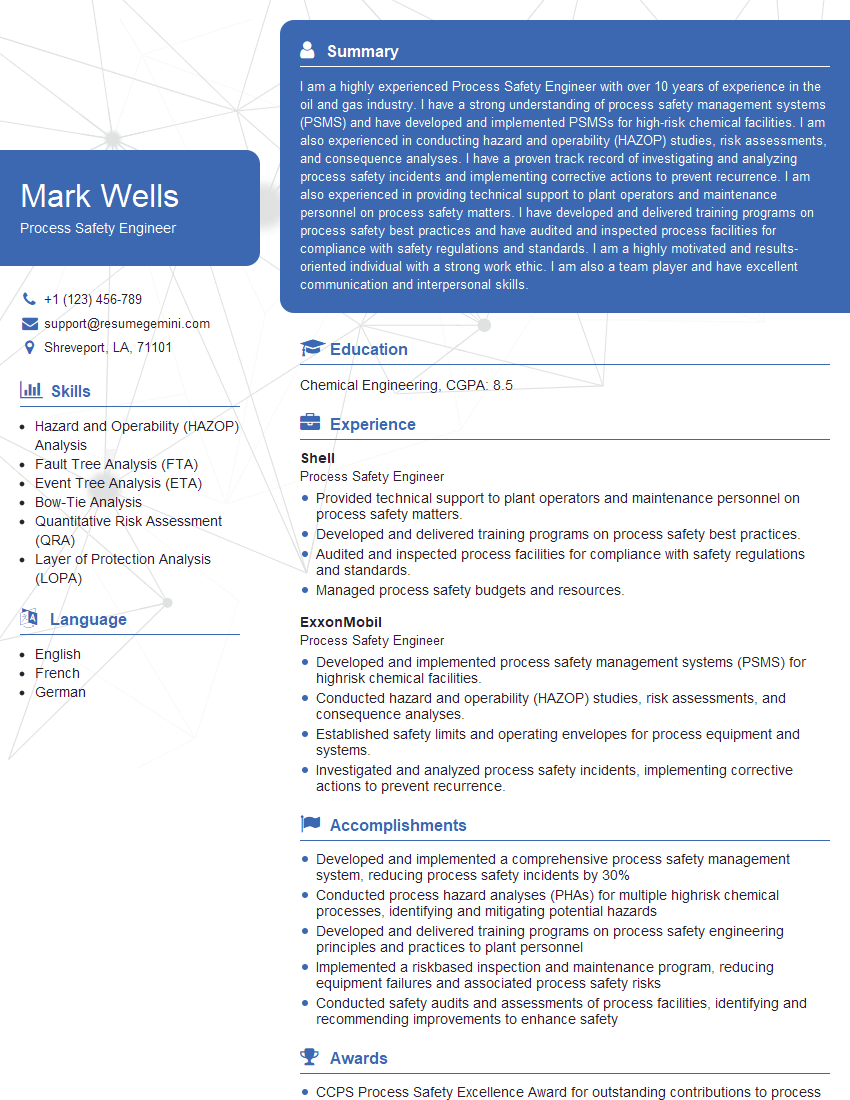
Process Safety Engineer Resume Sample
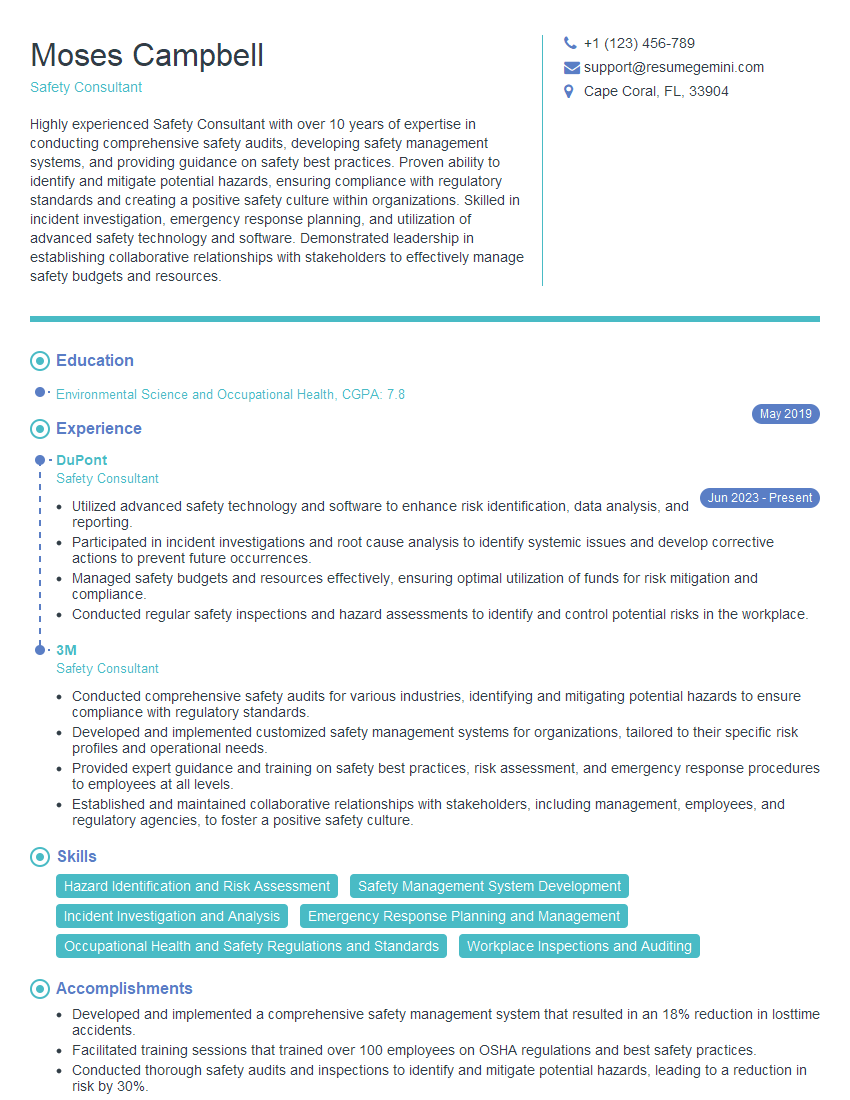
Safety Consultant Resume Sample
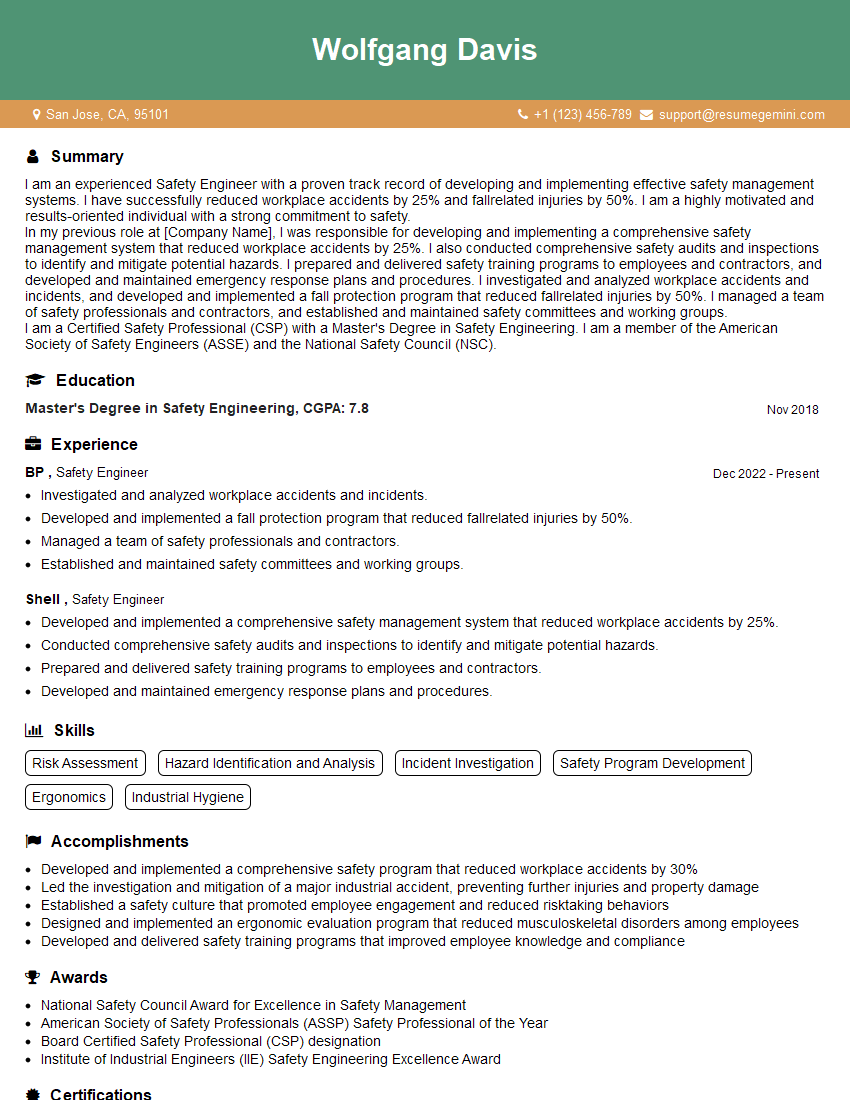
Safety Engineer Resume Sample
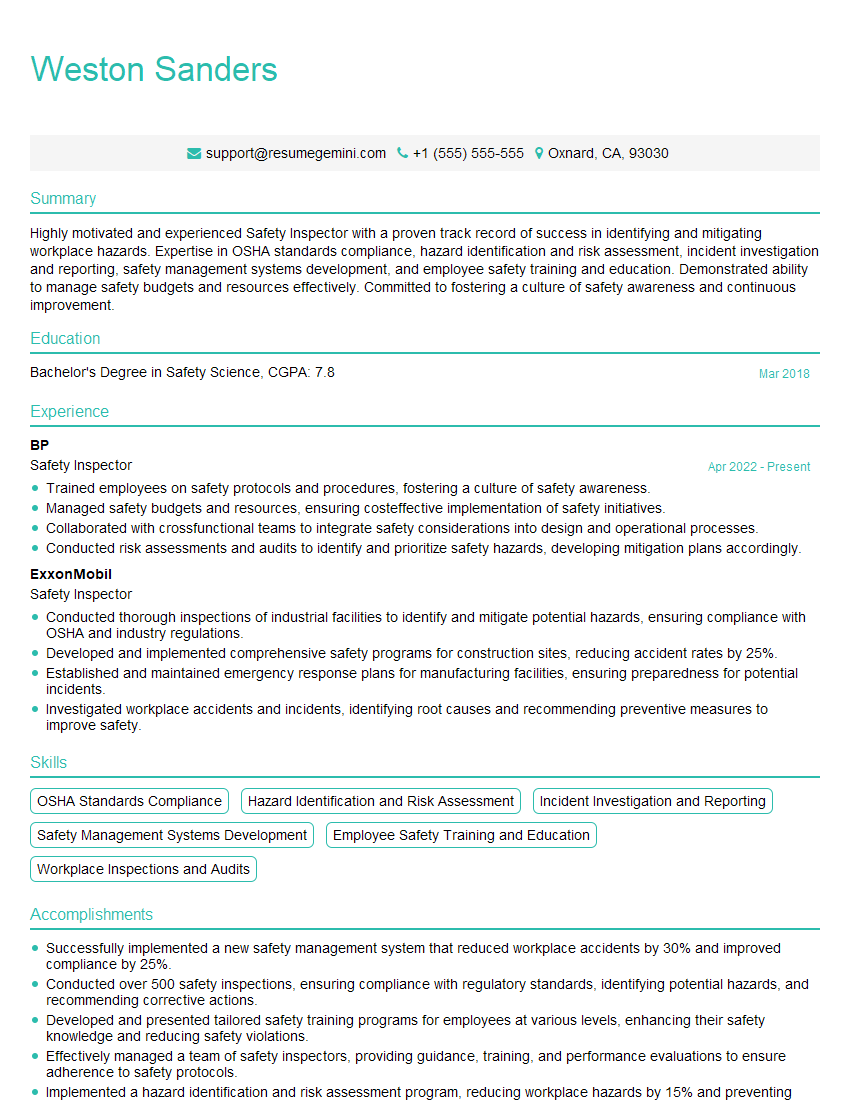
Safety Inspector Resume Sample
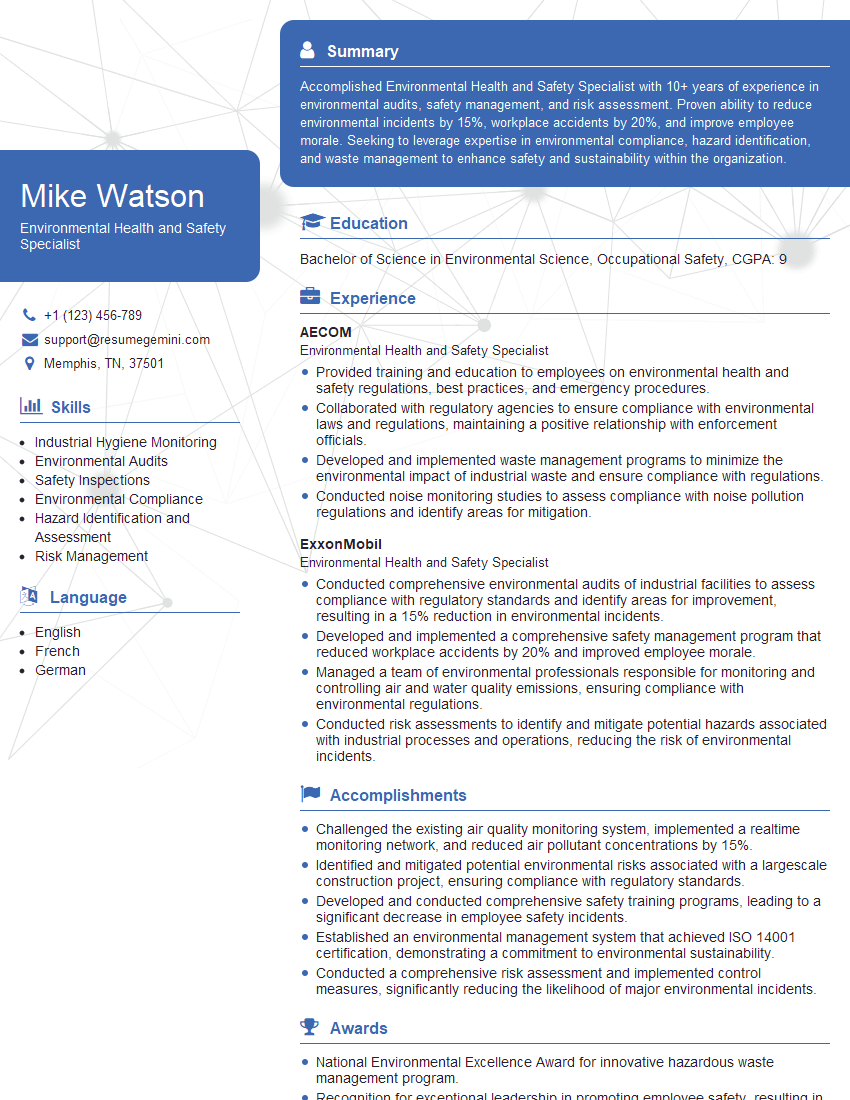
Environmental Health and Safety Specialist Resume Sample
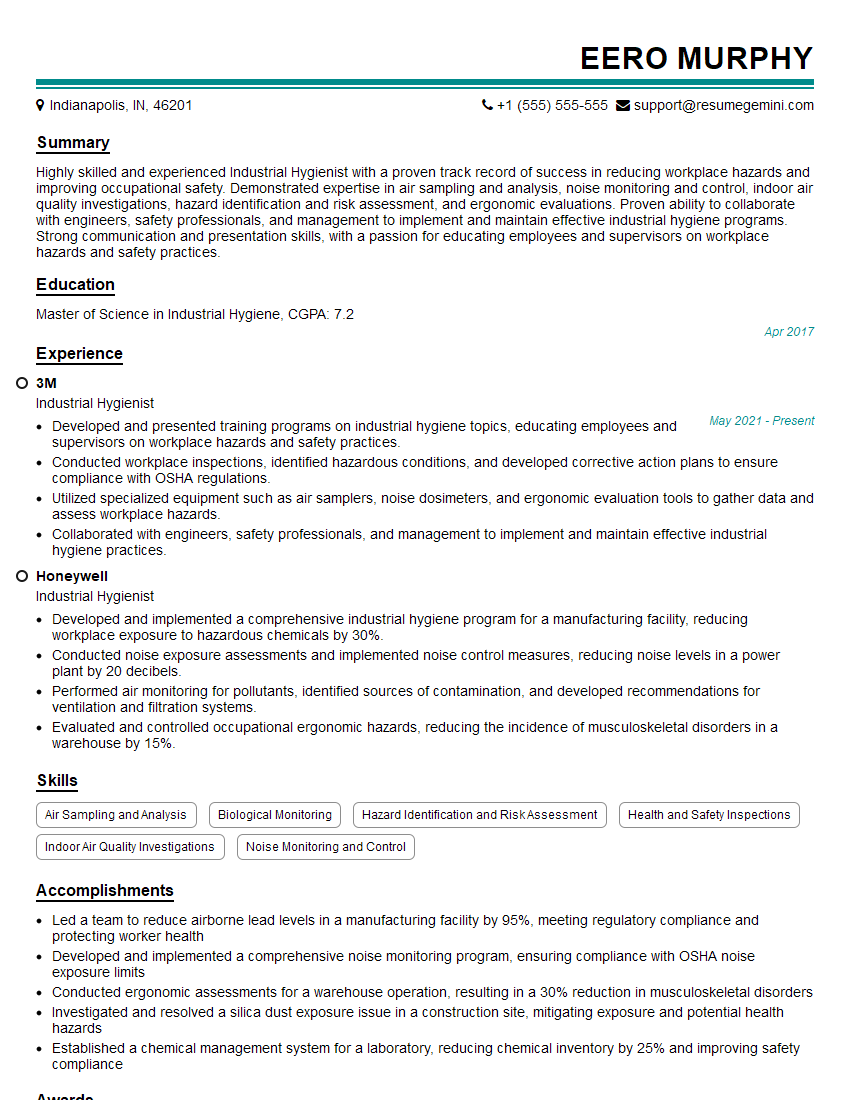
Industrial Hygienist Resume Sample
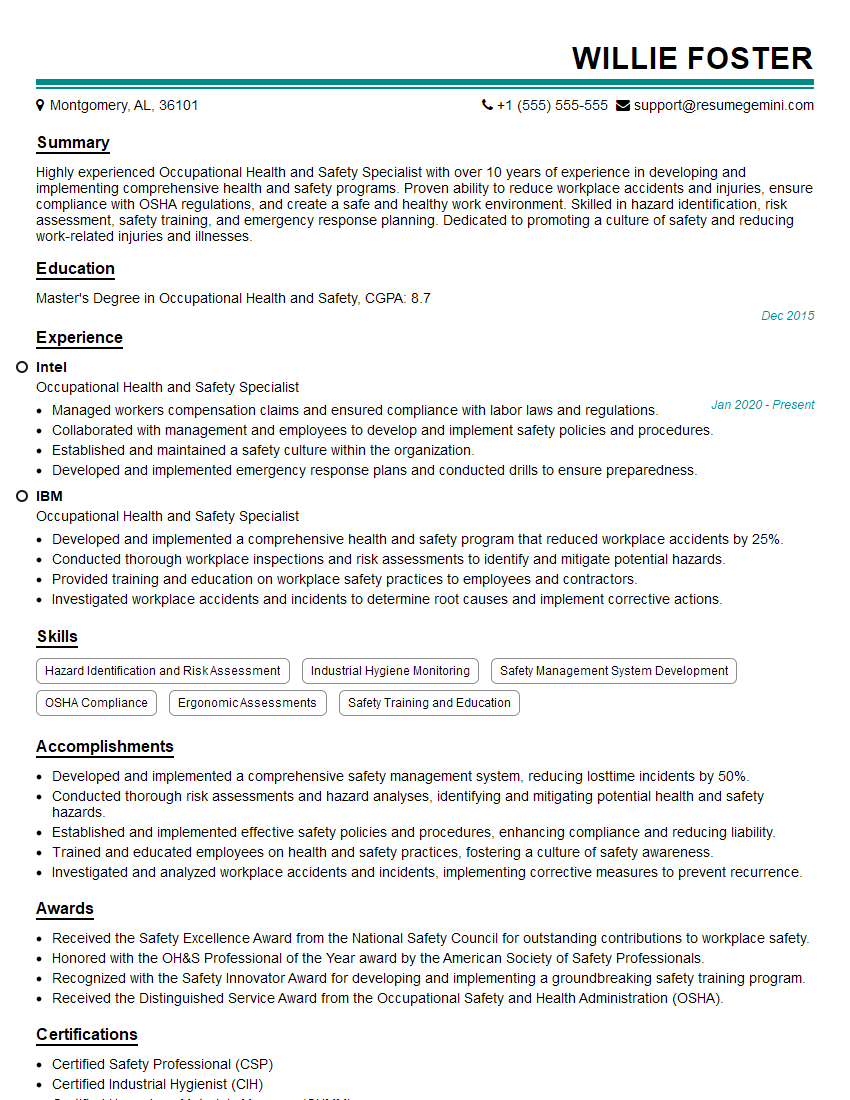
Occupational Health and Safety Specialist Resume Sample
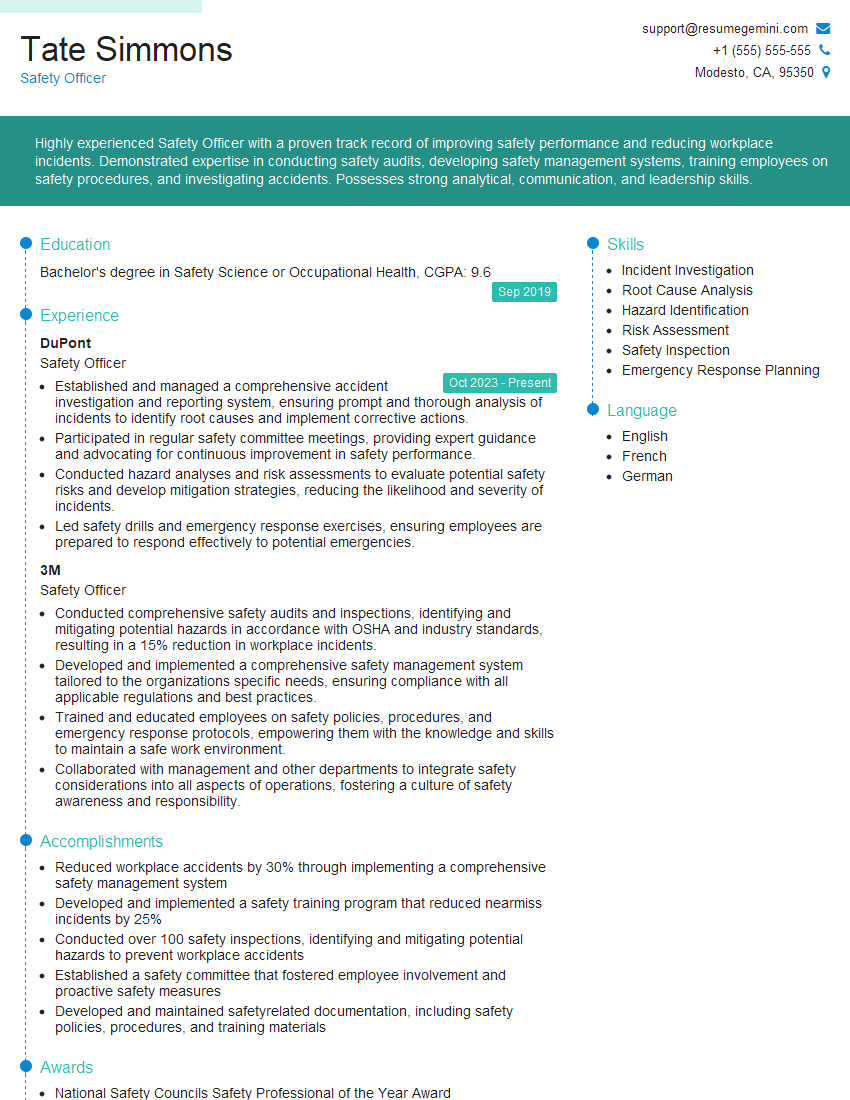
Safety Officer Resume Sample
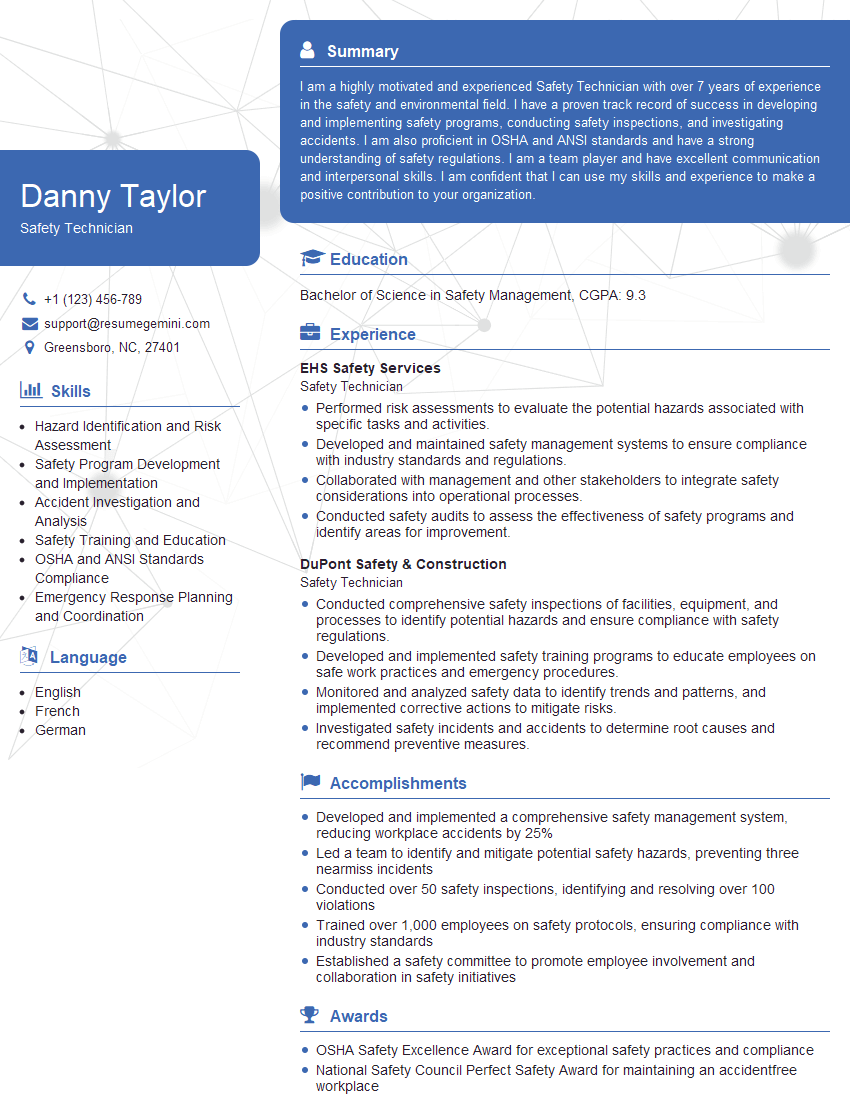
Safety Technician Resume Sample
- Compliance Officer
- Risk Manager
- Security Manager
- Loss Prevention Specialist
- Health and Safety Manager
- Process Safety Engineer
- Safety Consultant
- Safety Engineer
- Safety Inspector
- Environmental Health and Safety Specialist
- Industrial Hygienist
- Occupational Health and Safety Specialist
- Safety Officer
- Safety Technician
Explore more articles
Users Rating of Our Blogs
Share Your Experience
We value your feedback! Please rate our content and share your thoughts (optional).
What Readers Say About Our Blog
Very informative content, great job.
good