Cracking a skill-specific interview, like one for Follow-through Technique, requires understanding the nuances of the role. In this blog, we present the questions you’re most likely to encounter, along with insights into how to answer them effectively. Let’s ensure you’re ready to make a strong impression.
Questions Asked in Follow-through Technique Interview
Q 1. Describe a situation where you had to follow through on a complex task despite encountering unexpected challenges.
Follow-through, particularly on complex tasks, hinges on resilience and adaptability. A recent project involved developing a new marketing campaign for a client launching a revolutionary product. We initially planned a launch date based on projected production timelines. However, unforeseen manufacturing delays pushed back the product availability by six weeks. Instead of panicking, my team and I immediately regrouped. We re-evaluated our campaign schedule, prioritizing the elements that could still be launched in time, such as social media engagement and pre-launch email campaigns. We also proactively communicated with the client, adjusting their expectations and securing their buy-in for the revised timeline. Through effective communication and agile adaptation, we not only mitigated the impact of the delay but also solidified a stronger client relationship.
Q 2. How do you prioritize tasks to ensure consistent follow-through on multiple projects simultaneously?
Prioritizing tasks across multiple projects requires a structured approach. I utilize a combination of methods, including Eisenhower Matrix (urgent/important), MoSCoW method (Must have, Should have, Could have, Won’t have), and Kanban boards. The Eisenhower Matrix helps me quickly categorize tasks based on urgency and importance, allowing me to focus on the critical items first. The MoSCoW method assists in prioritizing features or tasks within a project. Finally, Kanban boards provide a visual representation of all ongoing projects and their associated tasks, allowing for easy monitoring and adjustment of priorities based on changing needs or deadlines. This multifaceted approach allows for flexibility and responsiveness to project dynamics.
Q 3. What strategies do you use to track your progress and ensure you meet deadlines?
Tracking progress and meeting deadlines is crucial. I employ several strategies, starting with detailed project plans that break down tasks into smaller, manageable units with clear deliverables and timelines. I leverage project management tools like Asana or Trello to track my progress visually and receive automated reminders. Regular check-ins – both self-assessments and meetings with stakeholders – ensure that potential roadblocks are identified early. I also use time-blocking techniques, scheduling specific time slots for particular tasks to maintain focus and efficiency. This combination of tools and methods creates a robust system for timely task completion.
Q 4. Explain your process for documenting and communicating updates on your progress to stakeholders.
Documenting and communicating progress updates requires clear and consistent communication. I maintain detailed project documentation, including meeting minutes, progress reports, and risk assessments. I typically use a combination of written reports and regular stakeholder meetings, tailoring the communication style and frequency to the stakeholder’s needs and preferences. For instance, concise email updates work well for quick progress snapshots, while more detailed reports may be necessary for monthly reviews. Transparency is key; proactively addressing potential issues and celebrating milestones fosters trust and strengthens working relationships.
Q 5. How do you handle situations where you’re unable to meet a deadline? Provide a specific example.
Missing a deadline is never ideal, but it’s crucial to handle it professionally and proactively. In one instance, a key resource required for a software integration project experienced unexpected downtime. This directly impacted my ability to meet the deployment deadline. I immediately contacted the stakeholder, clearly explaining the situation and the resulting delay. I proposed a revised timeline, outlining the mitigation steps we were taking to address the issue and prevent further delays. Crucially, I provided alternative solutions to minimize the impact, including delivering a subset of features on time. Open communication and proactive problem-solving, coupled with realistic solutions, minimized negative consequences.
Q 6. Describe a time you had to follow through on a task despite lacking complete information or resources.
Working with incomplete information or resources necessitates creativity and resourcefulness. During a website redesign project, we initially lacked detailed specifications from the client. Instead of waiting, I initiated the project with the existing information, creating a flexible framework that could adapt to future requirements. This involved designing a modular website structure and using placeholder content where necessary. As we received further client input, we seamlessly integrated it into the existing framework, minimizing rework. This proactive approach, while requiring more adaptability, ultimately saved time and ensured the project remained on track.
Q 7. How do you anticipate and mitigate potential obstacles that could hinder your follow-through?
Anticipating and mitigating potential obstacles requires proactive risk management. I begin by identifying potential roadblocks during the initial planning phase. This involves brainstorming potential challenges, including resource constraints, technological issues, or unforeseen dependencies. I then develop contingency plans to address these potential problems. These plans often involve identifying alternative solutions or allocating buffer time in the project schedule. Regular monitoring and review of the project’s progress allows for early detection and mitigation of any emerging risks, ensuring a smoother and more successful project completion.
Q 8. What tools or techniques do you utilize to stay organized and ensure consistent follow-through?
Maintaining consistent follow-through requires a structured approach. I rely on a combination of tools and techniques to ensure nothing slips through the cracks. This includes using digital task management systems, creating detailed to-do lists, and employing time-blocking strategies.
- Digital Task Management: I utilize project management software like Asana or Trello to categorize tasks, set deadlines, and track progress. This allows for a visual representation of my workload and helps prioritize effectively.
- Detailed To-Do Lists: I break down larger tasks into smaller, manageable steps. This makes the overall project less daunting and provides a sense of accomplishment as each step is completed. I prioritize these lists daily.
- Time Blocking: Allocating specific time slots for particular tasks helps me stay focused and avoid distractions. This technique ensures dedicated time for crucial actions, preventing tasks from being pushed aside.
For instance, if I’m managing a website redesign project, I’ll create separate tasks in my project management tool for design, development, content migration, and testing. Each task will have sub-tasks and deadlines, allowing me to monitor progress effectively.
Q 9. How do you handle conflicting priorities and maintain consistent follow-through on all assigned tasks?
Conflicting priorities are inevitable in any fast-paced environment. My approach involves prioritizing tasks based on urgency and importance using methods such as the Eisenhower Matrix (urgent/important). This helps me allocate my time and energy strategically.
- Eisenhower Matrix: I categorize tasks into four quadrants: Urgent and Important, Important but Not Urgent, Urgent but Not Important, and Neither Urgent nor Important. This matrix helps me focus on the high-impact tasks first and delegate or eliminate less important ones.
- Communication and Delegation: Open communication with stakeholders is essential. If deadlines conflict, I discuss priorities and explore potential solutions, including delegating tasks if possible.
- Time Management Techniques: Techniques like the Pomodoro Technique (working in focused bursts with short breaks) and timeboxing (allocating a fixed amount of time to a task) allow me to accomplish more within a given timeframe, even with competing deadlines.
For example, if I have a critical client deadline and a less urgent internal project, I’ll prioritize the client work first, ensuring I allocate sufficient time to meet their expectations. I might then delegate some aspects of the internal project or adjust its timeline accordingly.
Q 10. How do you adapt your approach to follow-through depending on the complexity and urgency of a task?
Adaptability is key to effective follow-through. My approach varies based on task complexity and urgency. Simple, urgent tasks require immediate action, while complex tasks require a more structured, phased approach.
- Simple, Urgent Tasks: These require immediate attention. I focus on swift execution and clear communication to ensure timely completion. Think responding to a critical client email.
- Complex, Urgent Tasks: These demand careful planning and resource allocation. I break down the task into smaller, manageable components, assigning deadlines to each. This allows me to monitor progress and identify potential roadblocks.
- Simple, Non-Urgent Tasks: These can be scheduled for later. I prioritize them based on their overall importance and integrate them into my workflow using task management tools.
- Complex, Non-Urgent Tasks: These require long-term planning and often involve multiple stakeholders. I create detailed project plans, set milestones, and regularly communicate progress to all involved parties. This helps keep everyone informed and ensures alignment on goals.
For instance, preparing a presentation is a relatively simple task if given sufficient time, but it becomes complex and urgent if the deadline is imminent. In the urgent case, I would prioritize the most critical slides first, and maybe even enlist help if needed, to meet the deadline.
Q 11. Describe your experience with using project management software to track tasks and follow-through.
I have extensive experience using project management software to enhance my follow-through. My proficiency includes utilizing features for task assignment, deadline setting, progress tracking, and reporting. I’m familiar with various platforms, including Asana, Trello, Jira, and Monday.com.
In a recent project involving the launch of a new software feature, we used Jira to manage the development process. Each task, from coding to testing to deployment, was assigned to team members, with clear deadlines and dependencies. The system’s built-in reporting capabilities provided real-time visibility into project progress, allowing us to identify and address potential delays proactively. We used Kanban boards to visualize workflow and easily track progress.
Example Jira task: Summary: Develop User Authentication Module, Assignee: John Doe, Due Date: 2024-03-15, Status: In ProgressQ 12. How do you ensure you maintain consistent follow-through with both internal and external stakeholders?
Maintaining consistent follow-through with both internal and external stakeholders requires clear communication and proactive engagement. This involves establishing clear expectations, regular updates, and transparent feedback mechanisms.
- Clear Communication: I ensure all parties understand project goals, timelines, and individual responsibilities. This is done via regular meetings, email updates, and project management tools.
- Regular Updates: I provide consistent updates on project progress, highlighting milestones achieved and potential roadblocks. This keeps stakeholders informed and allows for early intervention if needed.
- Transparent Feedback Mechanisms: I encourage open communication and feedback, allowing stakeholders to voice concerns or suggestions. This helps identify and address issues promptly and fosters collaboration.
- Personalized Communication: I tailor my communication style to suit the audience, ensuring that updates are concise and relevant to their specific needs.
For example, while updating a client on a project, I would use a more formal tone and provide detailed reports. With internal team members, I might opt for shorter, more informal updates during daily stand-up meetings.
Q 13. How do you proactively identify potential issues that could impact your follow-through?
Proactive identification of potential issues is crucial for consistent follow-through. I employ several strategies, including risk assessment, regular progress reviews, and contingency planning.
- Risk Assessment: Before commencing a task, I identify potential obstacles that might hinder completion. This includes resource constraints, technological issues, or unforeseen delays.
- Regular Progress Reviews: I conduct regular check-ins to monitor progress and identify early warning signs of potential problems. This allows for timely corrective action.
- Contingency Planning: I develop backup plans to mitigate the impact of potential issues. This includes identifying alternative solutions or resources if the primary plan encounters problems.
- Collaboration and Feedback: I actively seek input from team members and stakeholders to gain diverse perspectives and identify potential blind spots.
For instance, if I’m managing a marketing campaign relying on a third-party vendor, I would assess the risk of the vendor failing to deliver on time. My contingency plan might include securing a backup vendor or having some elements of the campaign ready in advance.
Q 14. Have you ever had to adjust your follow-through strategies based on feedback received?
Feedback is essential for continuous improvement. I actively solicit feedback on my follow-through and adapt my strategies based on the insights received. Constructive criticism helps me refine my processes and enhance my overall effectiveness.
In a past project, feedback revealed that my communication regarding project updates was not consistent enough for some stakeholders. This feedback prompted me to implement a more structured communication plan, including regular email updates and scheduled progress reports. This improvement ensured better transparency and alignment across the team, resulting in smoother project execution.
I always view feedback as an opportunity to learn and grow. By incorporating suggestions and adapting my strategies, I can consistently improve my follow-through abilities and enhance collaboration.
Q 15. Describe a time you had to follow through on a task requiring collaboration with others.
Follow-through, especially in collaborative projects, hinges on clear communication and shared responsibility. I recall a project where we were developing a new software module. My team was responsible for the backend, while another team handled the frontend integration. Success depended on both teams delivering on time and to specification. We established regular check-in meetings, using a shared project management tool to track progress and flag potential roadblocks. This proactive communication ensured everyone understood their responsibilities and allowed us to address challenges collaboratively, resulting in a seamless integration and on-time project delivery.
Career Expert Tips:
- Ace those interviews! Prepare effectively by reviewing the Top 50 Most Common Interview Questions on ResumeGemini.
- Navigate your job search with confidence! Explore a wide range of Career Tips on ResumeGemini. Learn about common challenges and recommendations to overcome them.
- Craft the perfect resume! Master the Art of Resume Writing with ResumeGemini’s guide. Showcase your unique qualifications and achievements effectively.
- Don’t miss out on holiday savings! Build your dream resume with ResumeGemini’s ATS optimized templates.
Q 16. How do you ensure accountability for follow-through within a team environment?
Accountability in a team requires a structured approach. We use a combination of methods: Firstly, clearly defined roles and responsibilities are outlined at the project’s outset. Each team member signs off on their tasks, creating a commitment. Secondly, regular progress reports, both individual and team-based, are essential. These aren’t just about reporting completed tasks, but also identifying potential challenges early. Thirdly, we employ a system of peer review and feedback, creating a shared sense of responsibility. Finally, we utilize project management software to track progress visually, making it easy to identify bottlenecks and areas needing support. This system ensures everyone feels accountable and contributes to the overall success.
Q 17. How do you measure your own success in terms of follow-through?
I measure my follow-through success by several key indicators. First, I look at the timely completion of tasks as per the agreed-upon deadlines. Secondly, I evaluate the quality of my work – did it meet the required standards? Thirdly, I assess the impact of my actions: Did my contributions contribute to the overall project goals? Fourthly, and perhaps most importantly, I reflect on the feedback received – both positive and constructive – to identify areas for improvement in my approach. This holistic evaluation helps me understand my strengths and weaknesses related to follow-through.
Q 18. What are your strategies for effectively delegating tasks and ensuring follow-through by others?
Effective delegation is about more than just assigning tasks; it’s about empowering individuals. I begin by clearly defining the task, including the desired outcome, deadlines, and required resources. I then select the best person for the task based on their skills and experience. Following delegation, I provide ongoing support and mentorship, checking in regularly without micromanaging. Open communication channels are crucial, allowing for questions and adjustments as needed. Finally, I ensure that the individual understands the importance of their role within the larger project, fostering a sense of ownership and accountability.
Q 19. How do you maintain motivation and focus when working on long-term projects that require consistent follow-through?
Maintaining motivation on long-term projects requires strategic planning and consistent self-reflection. I break down large projects into smaller, manageable milestones, creating a sense of accomplishment with each completed step. I regularly review my progress against the overall plan, adjusting my approach as needed. I also prioritize self-care, ensuring I get enough rest and engage in activities outside of work to prevent burnout. Finally, I celebrate milestones, both big and small, recognizing and rewarding my efforts. This approach keeps me focused, energized, and committed to seeing the project through to completion.
Q 20. Describe a time you demonstrated exceptional follow-through that resulted in a positive outcome.
During a critical product launch, a crucial component of the software developed by a different team was delayed. Recognizing the potential impact on the launch date, I proactively reached out to the team, offering assistance. By working collaboratively, we identified the root cause of the delay and implemented a workaround, ensuring the launch remained on schedule. This collaborative effort not only prevented a significant setback but also strengthened inter-team relationships, showcasing the value of proactive follow-through and problem-solving.
Q 21. How do you handle setbacks and maintain a positive attitude towards completing tasks?
Setbacks are inevitable. My approach is to view them as learning opportunities. When faced with a challenge, I take a step back to assess the situation objectively. I identify the root cause of the setback and develop a revised plan of action. This might involve seeking additional support, reallocating resources, or adjusting deadlines. Maintaining a positive attitude requires self-compassion and focusing on the solutions rather than dwelling on the problem. This approach allows me to learn from my mistakes and emerge stronger, more resilient, and more prepared for future challenges.
Q 22. Explain your approach to managing your workload to maintain consistent follow-through.
Maintaining consistent follow-through requires a proactive approach to workload management. My strategy involves a combination of planning, prioritization, and timeboxing. I begin by creating a detailed to-do list, breaking down large tasks into smaller, manageable steps. This allows for better tracking of progress and identification of potential bottlenecks. I then prioritize tasks based on urgency and importance, using methods like the Eisenhower Matrix (urgent/important), to ensure critical items receive immediate attention. Finally, I allocate specific time blocks for each task, treating them like appointments I can’t miss. This prevents tasks from sprawling and ensures completion within a reasonable timeframe. For example, if I have a presentation due, I won’t just schedule ‘prepare presentation’, but will break it down into ‘research data (1 hour)’, ‘create slides (2 hours)’, ‘rehearse (1 hour)’ etc. This granular approach ensures effective time management and consistent follow-through.
Q 23. How do you ensure your follow-through aligns with the overall goals and objectives of the organization?
Aligning my follow-through with organizational goals requires a clear understanding of the company’s strategic direction. I actively participate in team meetings and regularly review organizational objectives to ensure my individual tasks contribute to the bigger picture. For instance, if the company’s goal is to increase market share, I will prioritize tasks that directly support this, such as completing market research reports or developing new marketing campaigns on time and effectively. Regular communication with my manager helps to clarify expectations and ensures my efforts are aligned with the company’s overarching strategy. I also proactively seek opportunities to connect my work to broader organizational goals, demonstrating how my tasks contribute to overall success.
Q 24. How do you handle situations where others are not meeting their commitments, impacting your follow-through?
When others fail to meet their commitments, impacting my work, I take a proactive and collaborative approach. First, I try to understand the reason for the delay – is it a genuine obstacle, or a lack of prioritization? Open communication is key; I directly address the issue with the individual, expressing my concerns and the impact on my work. If the issue is a resource constraint, I collaborate to find solutions, perhaps by re-allocating resources or adjusting timelines. If the issue is a lack of prioritization, I work with the individual and potentially their manager to re-establish clear expectations and deadlines. In some cases, I may need to escalate the issue to management if internal solutions aren’t sufficient. This collaborative approach ensures we resolve the issue collectively, preventing future occurrences. For example, if a designer misses a deadline for assets needed for my marketing campaign, I’ll speak to them and potentially offer assistance, but if the delay is recurrent, I’ll involve my manager to ensure accountability.
Q 25. Describe a situation where you had to re-prioritize tasks to ensure timely follow-through on critical items.
During a product launch, we experienced a critical software bug right before the release date. My initial task was to finalize the marketing materials. However, fixing the bug became the top priority. I immediately re-prioritized my tasks. I communicated the situation to my team and stakeholders, explaining the necessity for the shift in focus. Instead of finalizing all marketing collateral, I focused on delivering the most critical components for the initial launch, while delegating less urgent tasks where possible. We successfully launched with the minimum viable marketing materials, while fixing the bug. Post-launch, I could focus on the remaining marketing activities without compromising the initial release success. This situation highlighted the importance of adaptability and clear communication during unexpected challenges.
Q 26. How do you balance the need for immediate action with the importance of thorough follow-through?
Balancing immediate action with thorough follow-through requires a structured approach. I use a combination of prioritization techniques and a strong sense of time management. While urgent tasks demand immediate attention, I ensure they don’t overshadow crucial long-term projects. I use a system to categorize tasks by urgency and importance, allocating appropriate time and resources to each. For example, if there’s a sudden client request needing immediate action, I would dedicate time to complete it efficiently but also ensure its completion doesn’t derail the timeline of an ongoing, critical project. This might involve delegating smaller tasks or adjusting less critical deadlines to accommodate the urgent request without sacrificing the long-term goals. It’s about finding a balance and not letting short-term pressures compromise the overall objectives.
Q 27. How do you utilize technology and communication tools to support your follow-through efforts?
Technology and communication tools are indispensable for consistent follow-through. I rely heavily on project management software like Asana or Jira to track tasks, deadlines, and progress. These tools facilitate collaboration and provide a central repository for all project-related information. Email, instant messaging (Slack, Microsoft Teams), and video conferencing are used for timely updates and discussions with colleagues. For example, I might use Slack for quick updates and questions, while email serves for formal communication and documentation. Calendaring tools ensure I schedule time for crucial tasks and meetings, preventing conflicts and potential delays. Using a shared digital calendar with team members promotes transparency and keeps everyone aligned. In essence, using technology doesn’t just aid follow-through, but also enhances team collaboration and accountability.
Q 28. How do you document your work and ensure accurate information transfer for consistent follow-through by others?
Accurate documentation is critical for consistent follow-through, especially when collaborating with others. I maintain detailed records of all tasks, decisions, and communication through project management software and detailed email trails. Meeting minutes are diligently documented, and all crucial decisions are clearly communicated. Using version control systems (e.g., Git) for documents ensures everyone has access to the most up-to-date information. I also ensure that all documentation is clear, concise, and easily accessible. For example, if a process requires multiple steps, I’ll create a detailed checklist or flowchart to guide others and ensure consistency. This standardized documentation prevents errors and allows anyone involved to easily understand the context and next steps, ensuring seamless follow-through even if I’m not directly involved.
Key Topics to Learn for Follow-through Technique Interview
- Understanding the Concept: Defining follow-through and its multifaceted nature in professional contexts. This includes recognizing the various stages, from initial contact to project completion or long-term relationship maintenance.
- Practical Application in Communication: Mastering the art of clear and concise communication to ensure tasks are understood, deadlines are met, and expectations are managed effectively. This involves active listening, precise instructions, and confirming understanding.
- Problem-Solving & Proactive Measures: Identifying potential roadblocks in advance and developing contingency plans. Demonstrating the ability to anticipate challenges and implement solutions to ensure consistent follow-through.
- Documentation & Tracking: Implementing systems for tracking progress, documenting decisions, and maintaining a clear record of actions taken. This ensures accountability and facilitates effective reporting.
- Building Relationships through Follow-Through: Understanding how consistent follow-through builds trust, credibility, and strong professional relationships with colleagues, clients, and stakeholders.
- Self-Assessment & Improvement: Analyzing personal strengths and weaknesses regarding follow-through and developing strategies for continuous improvement. Identifying areas for personal growth and professional development.
Next Steps
Mastering follow-through is crucial for career advancement. It demonstrates reliability, commitment, and a proactive approach to work, qualities highly valued by employers. To maximize your job prospects, creating an ATS-friendly resume is essential. A well-crafted resume showcases your skills and experience effectively, increasing your chances of landing an interview. ResumeGemini is a trusted resource to help you build a professional, impactful resume tailored to highlight your follow-through capabilities. Examples of resumes showcasing this skill are available to help guide you. Take the next step towards a successful job search by leveraging the tools and resources available to you.
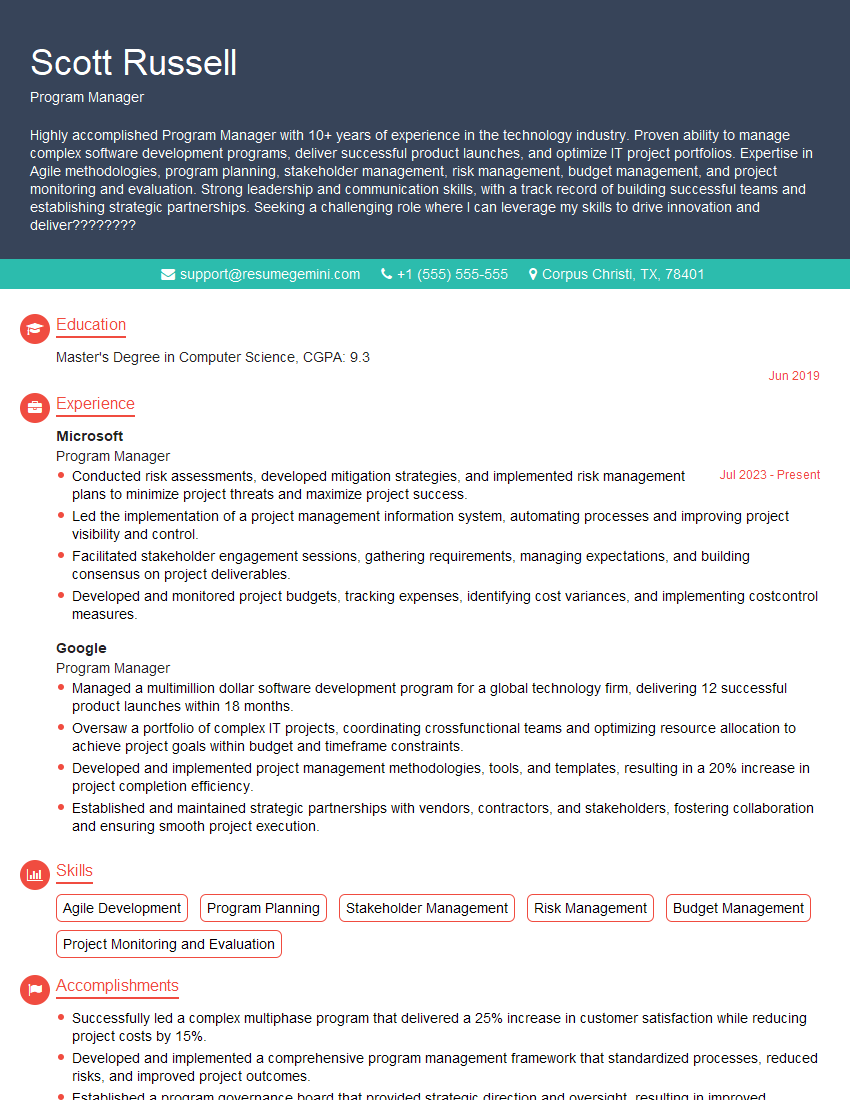
Program Manager Resume Sample
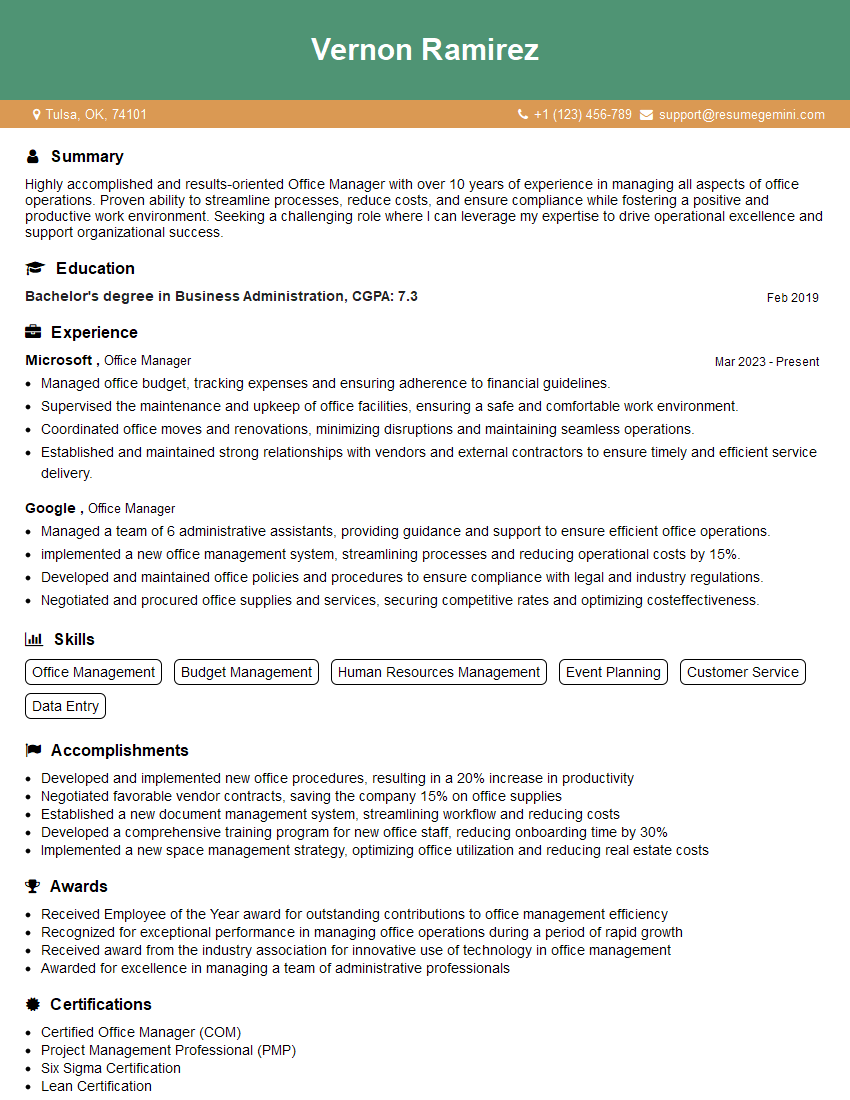
Office Manager Resume Sample

Operations Manager Resume Sample
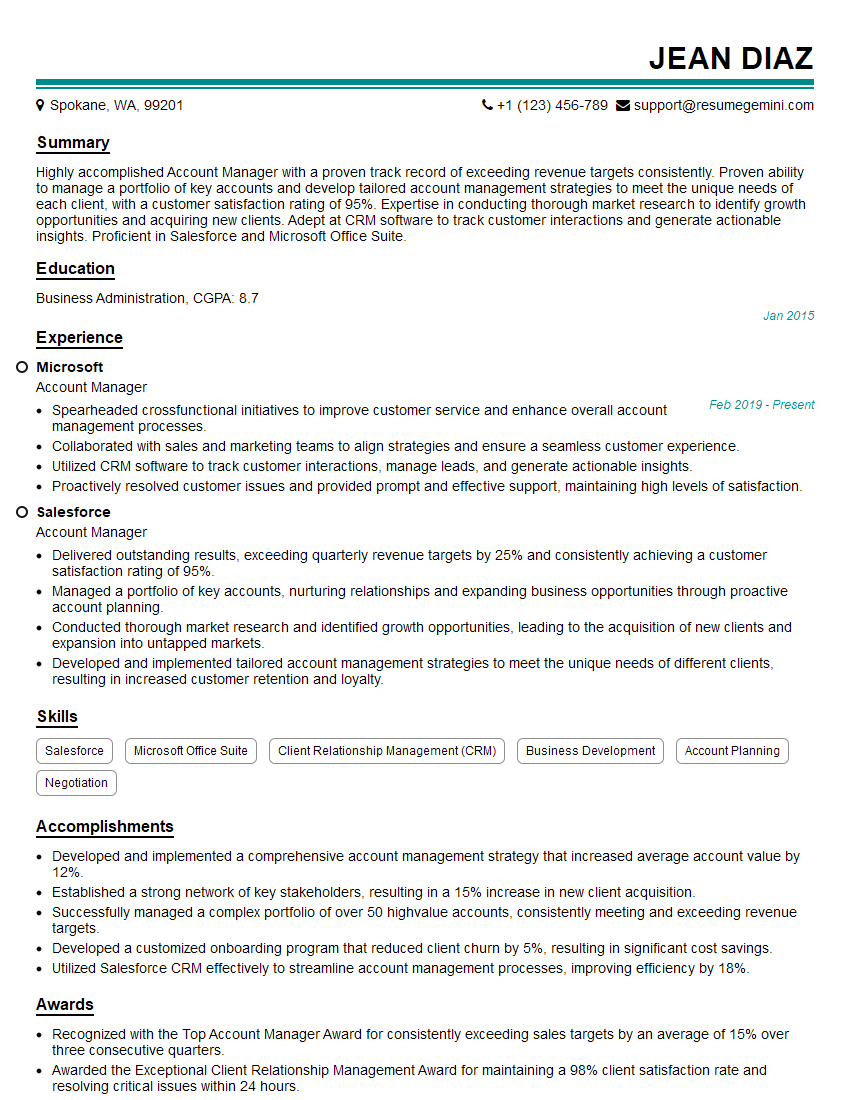
Account Manager Resume Sample
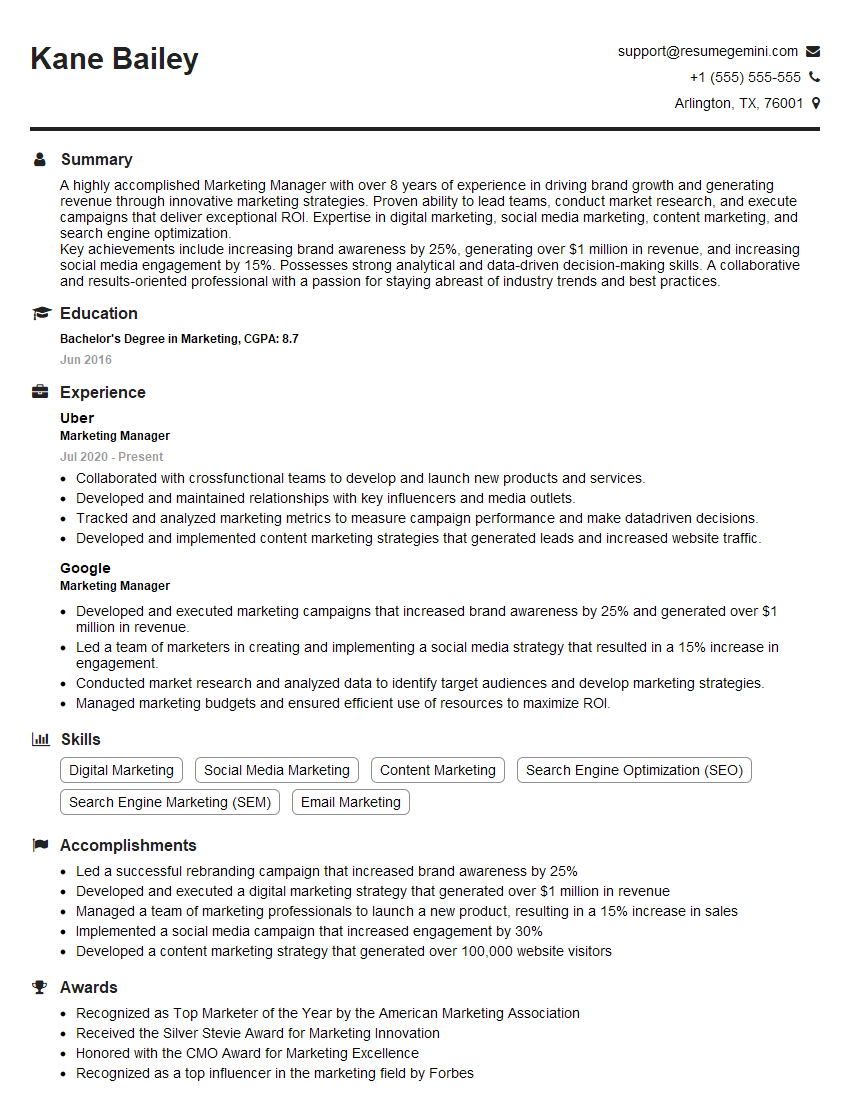
Marketing Manager Resume Sample
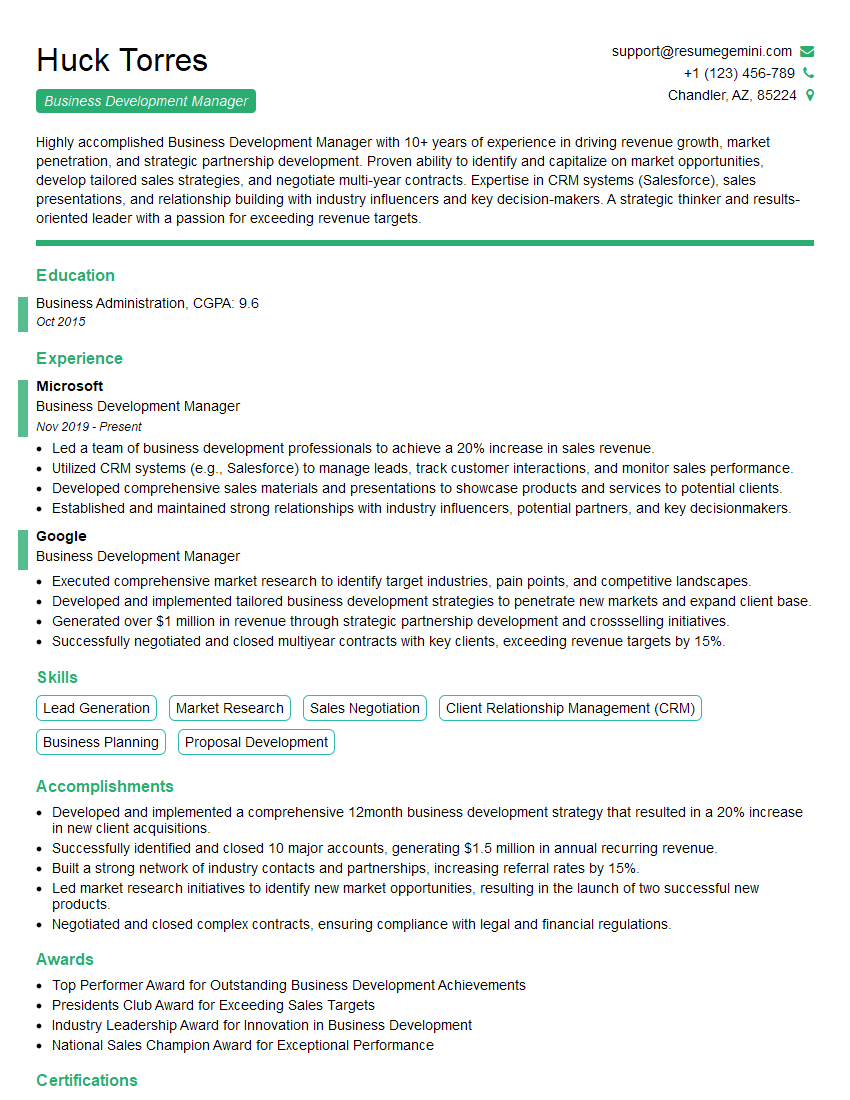
Business Development Manager Resume Sample
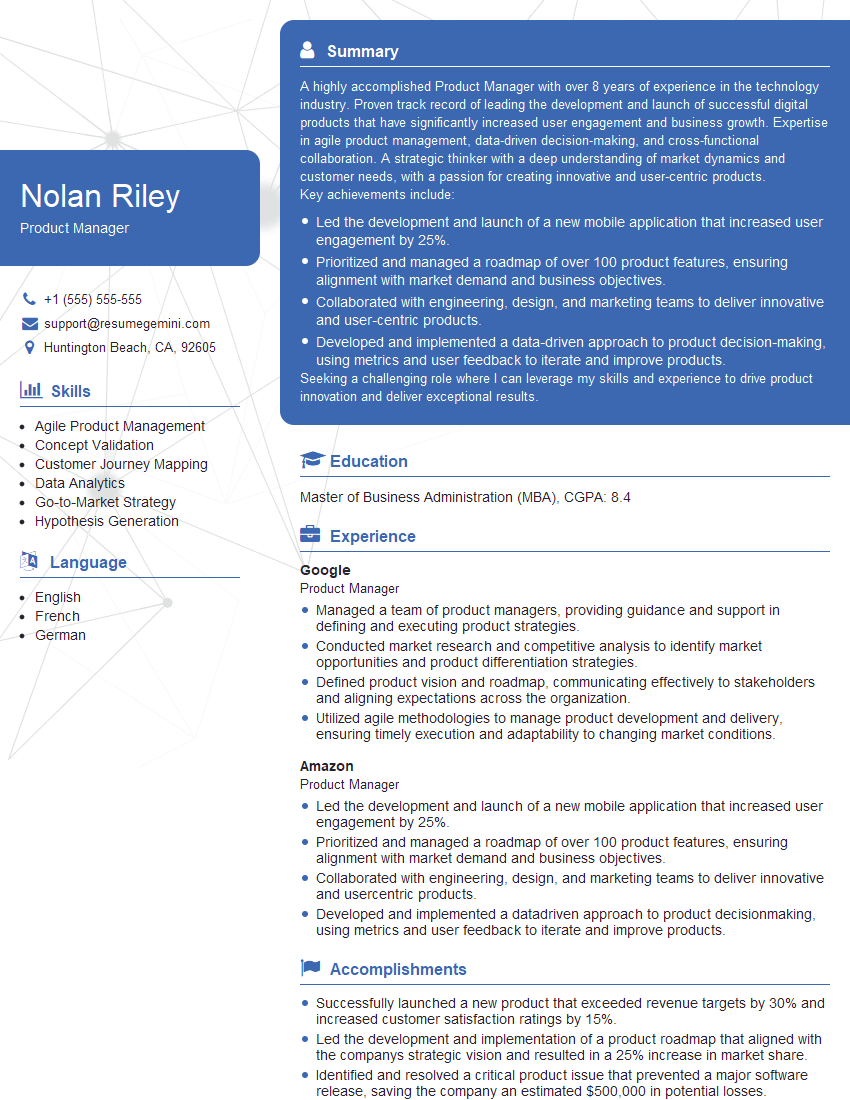
Product Manager Resume Sample
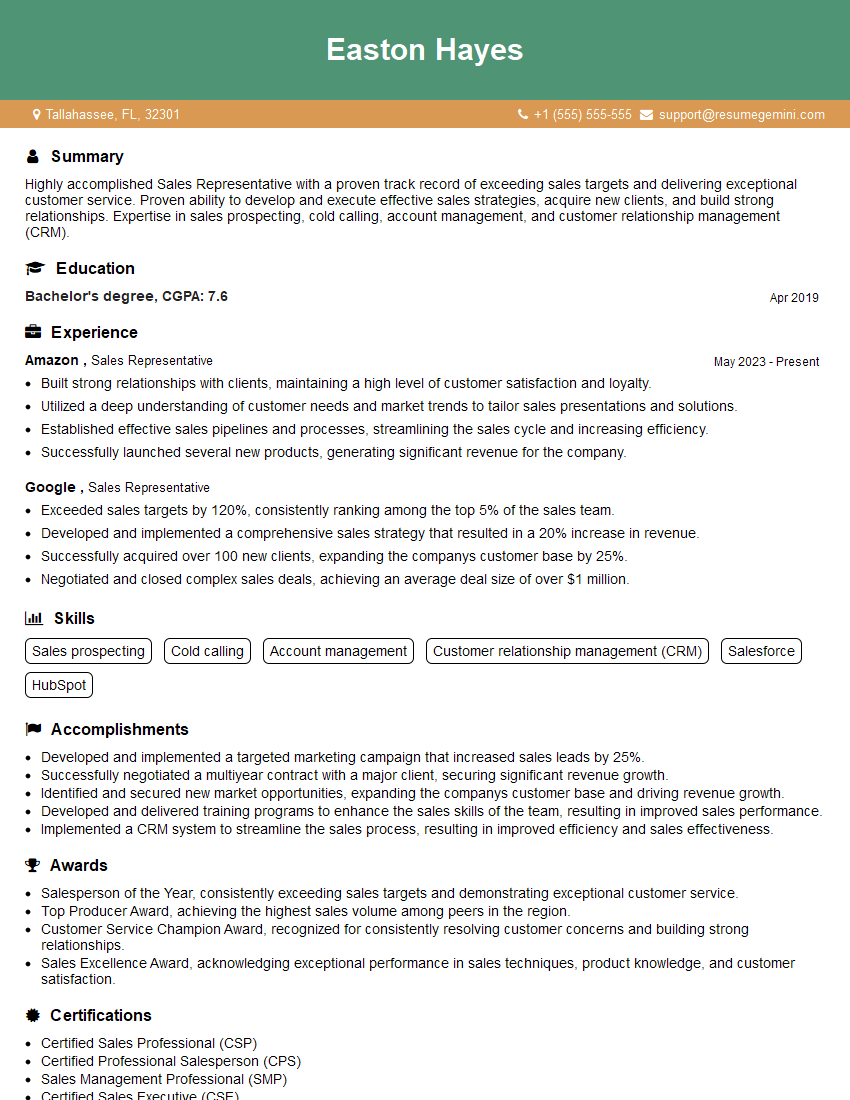
Sales Representative Resume Sample
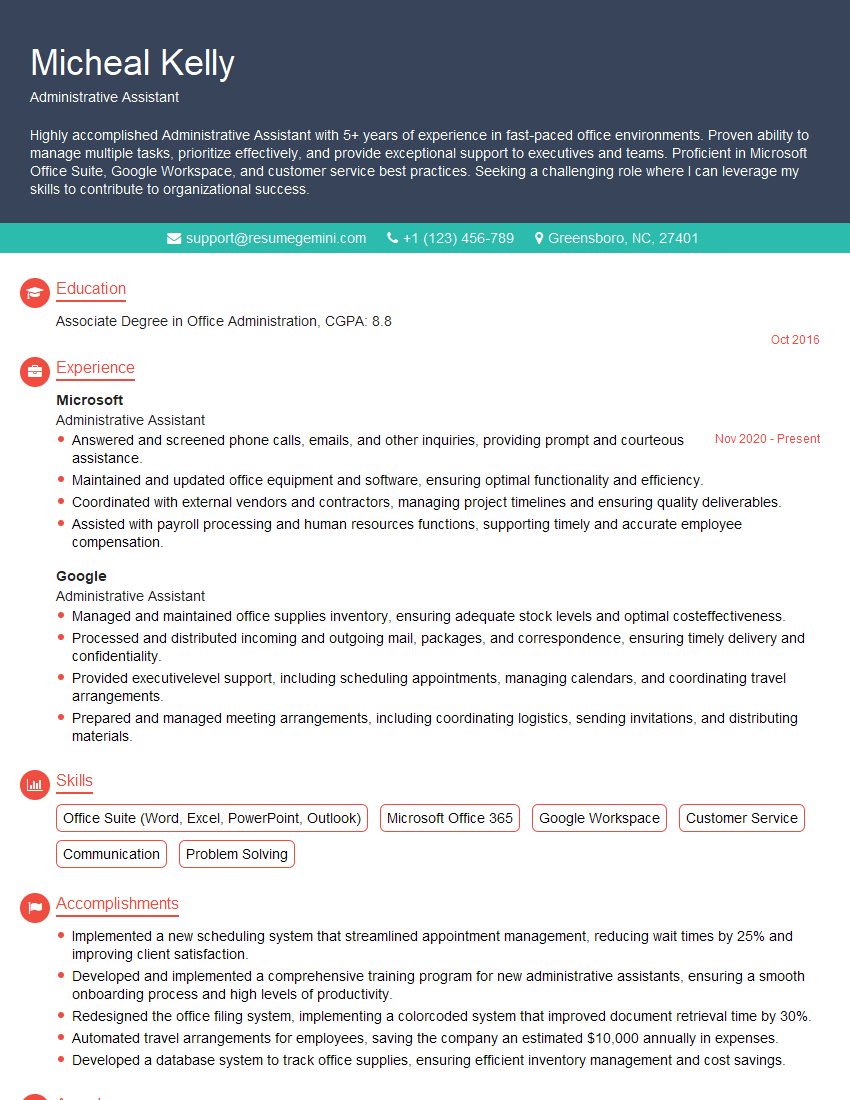
Administrative Assistant Resume Sample
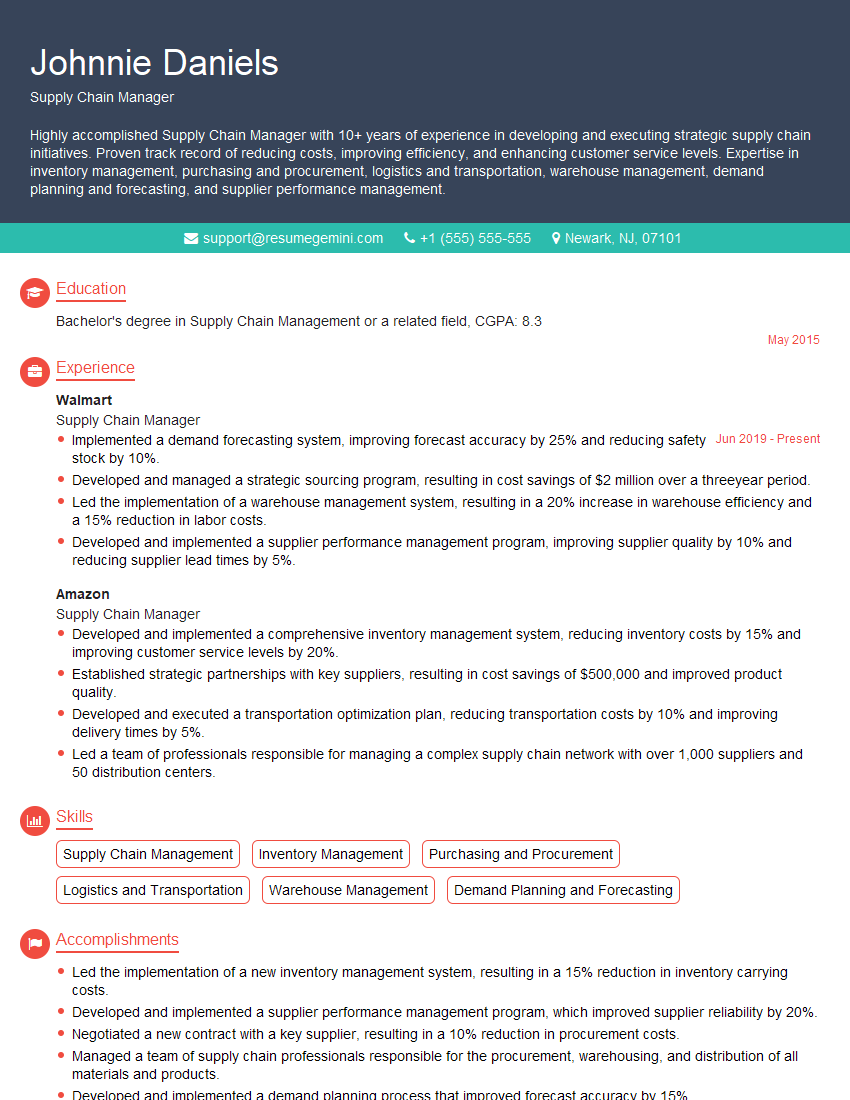
Supply Chain Manager Resume Sample
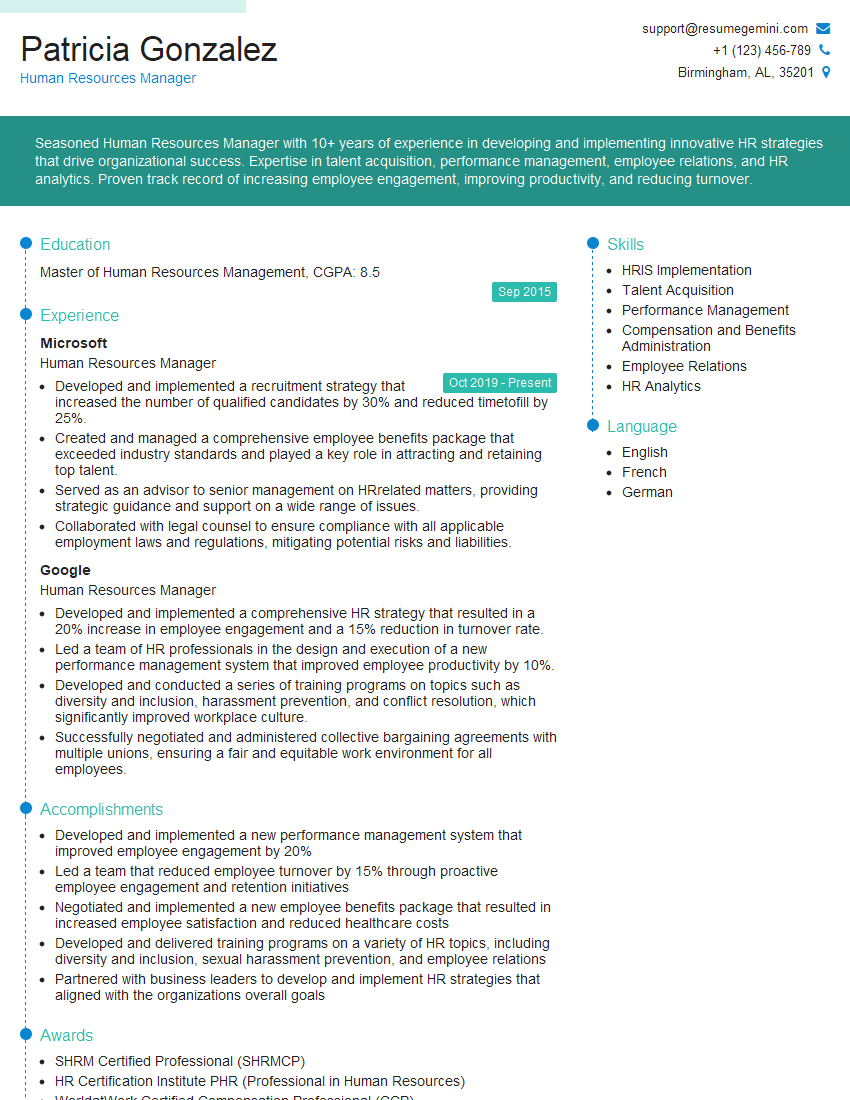
Human Resources Manager Resume Sample
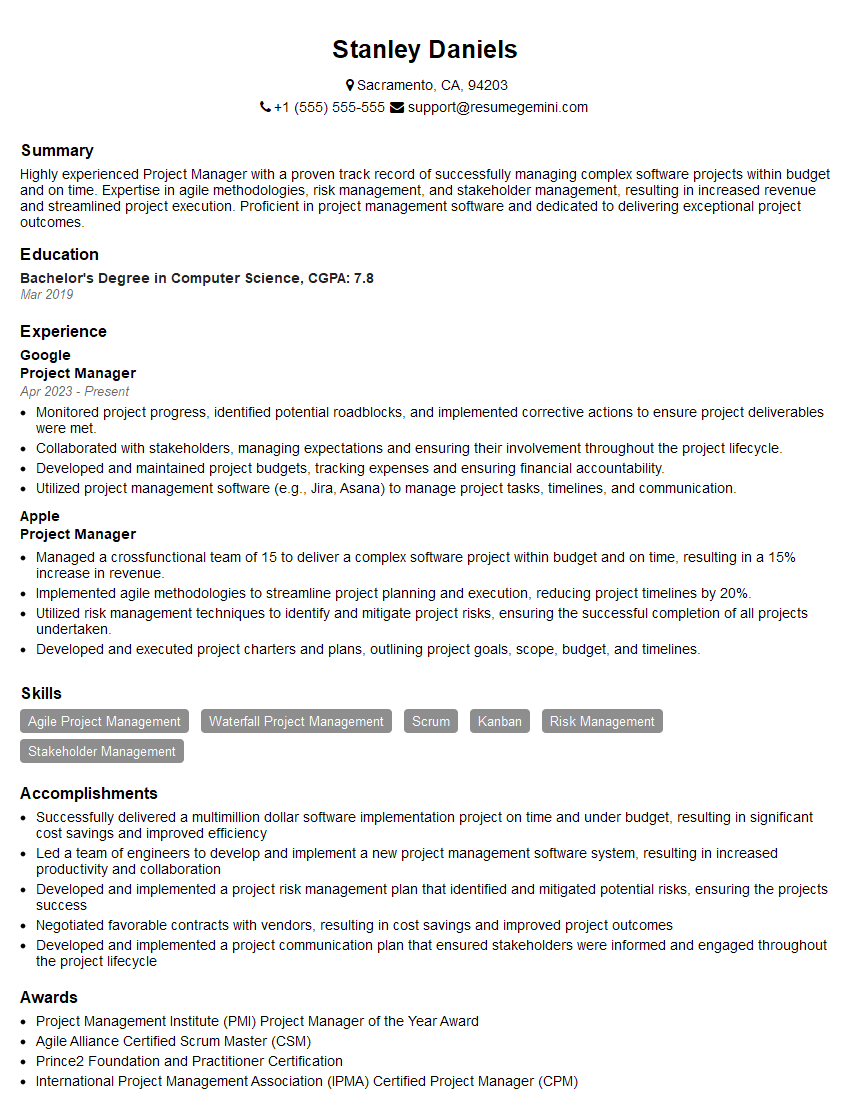
Project Manager Resume Sample
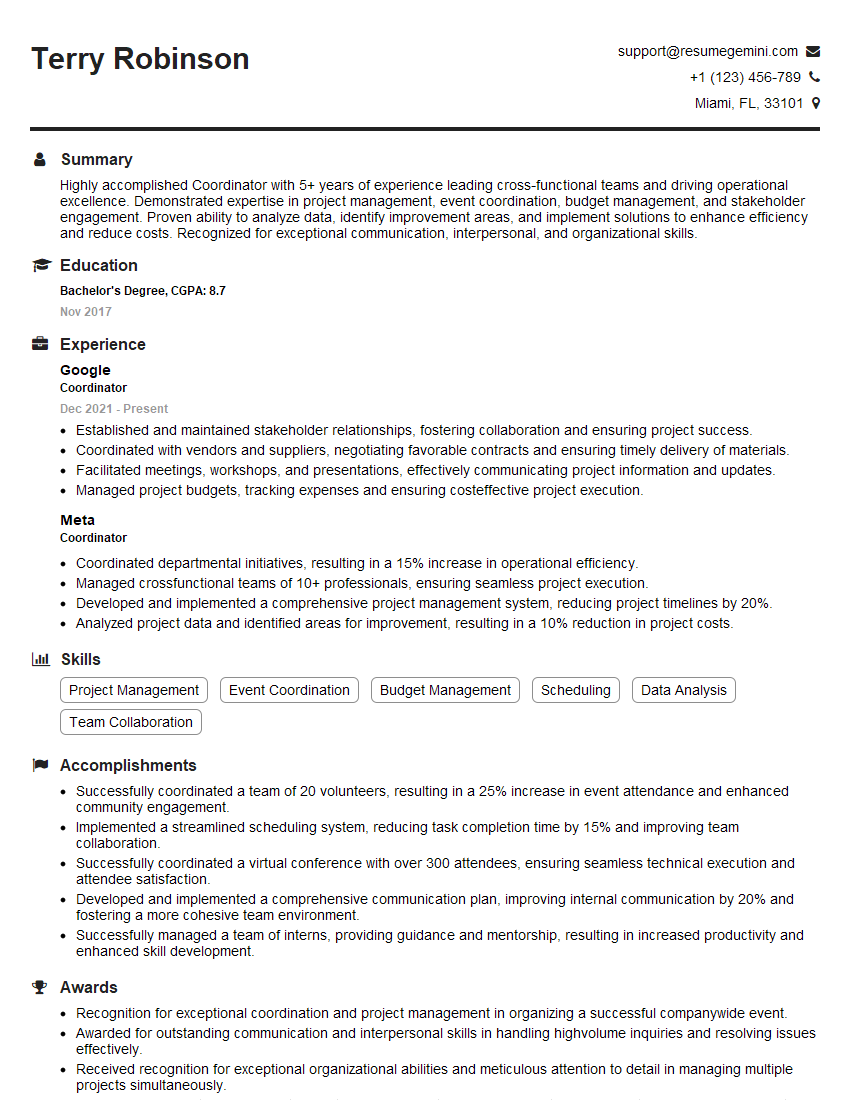
Coordinator Resume Sample
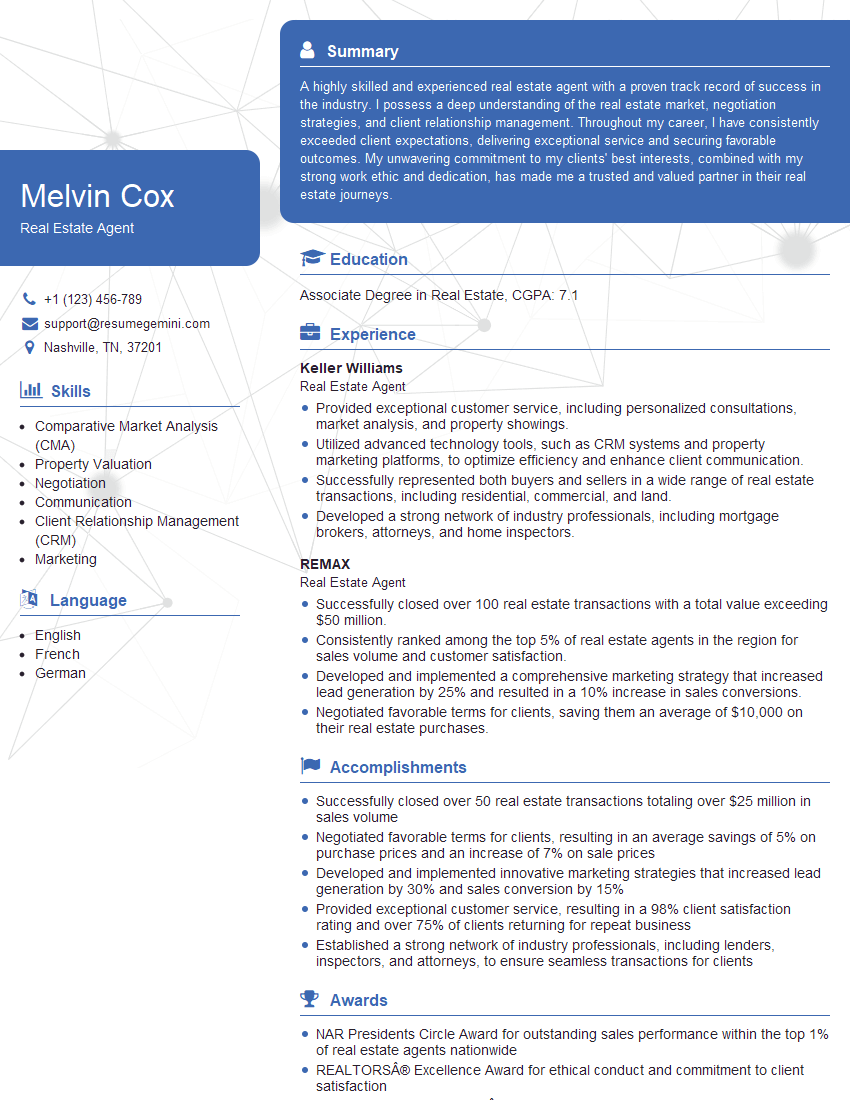
Real Estate Agent Resume Sample

Compliance Officer Resume Sample
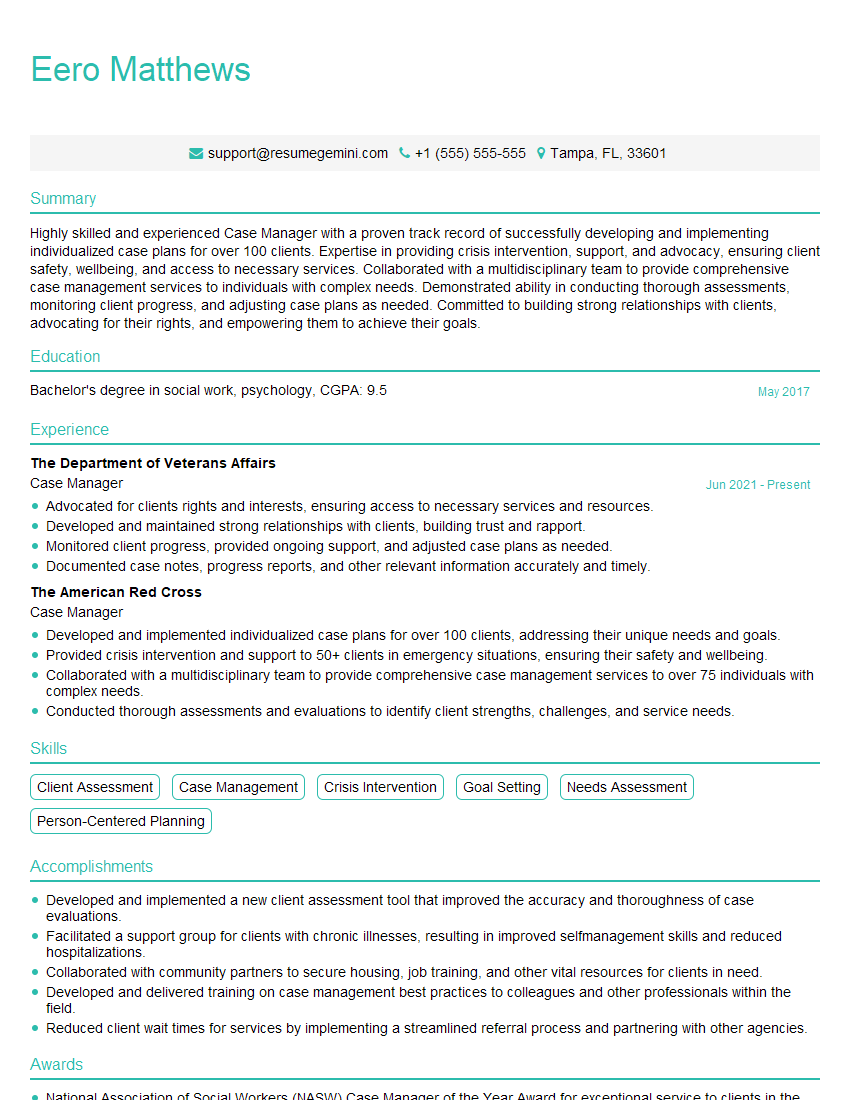
Case Manager Resume Sample
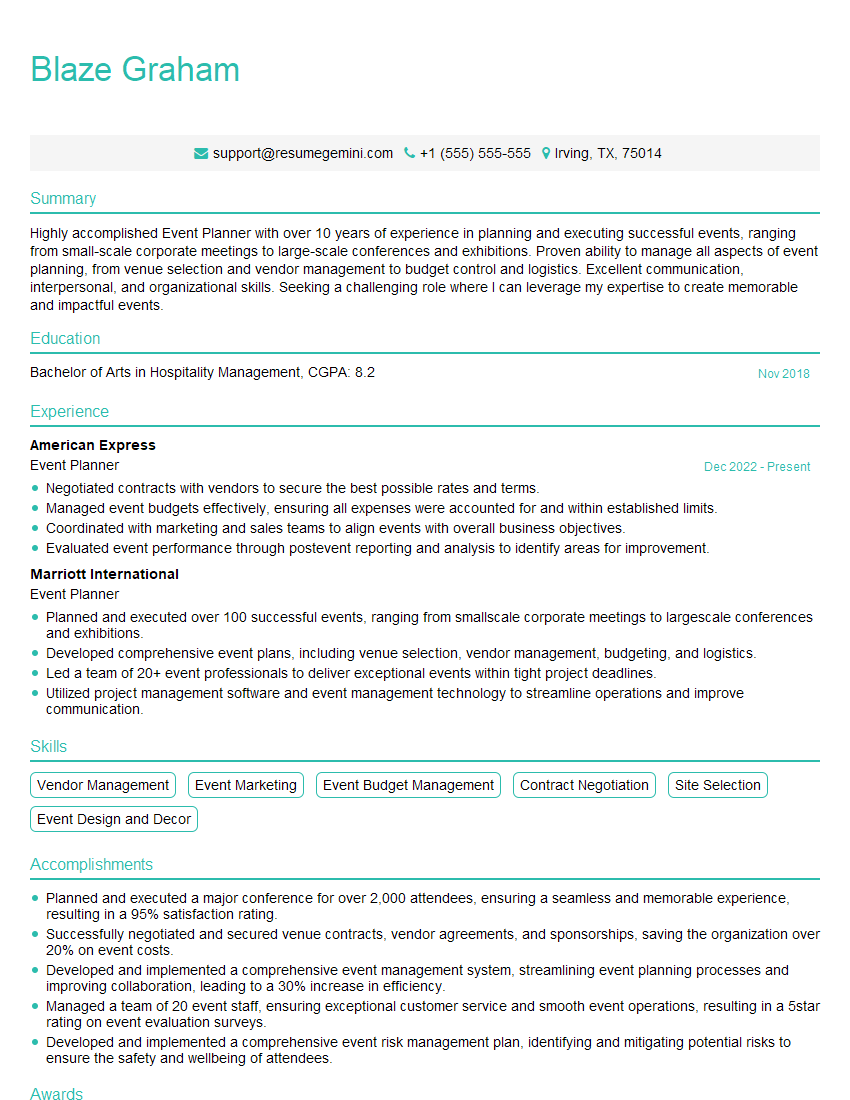
Event Planner Resume Sample
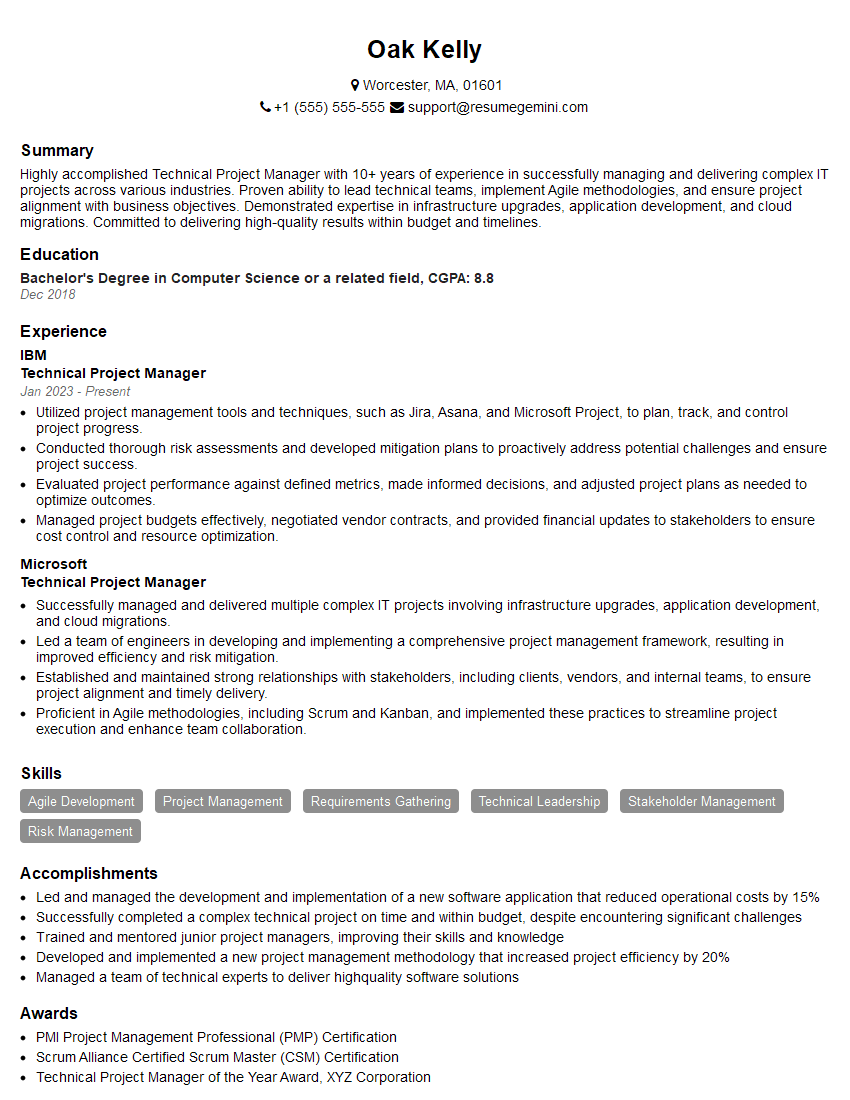
Technical Project Manager Resume Sample
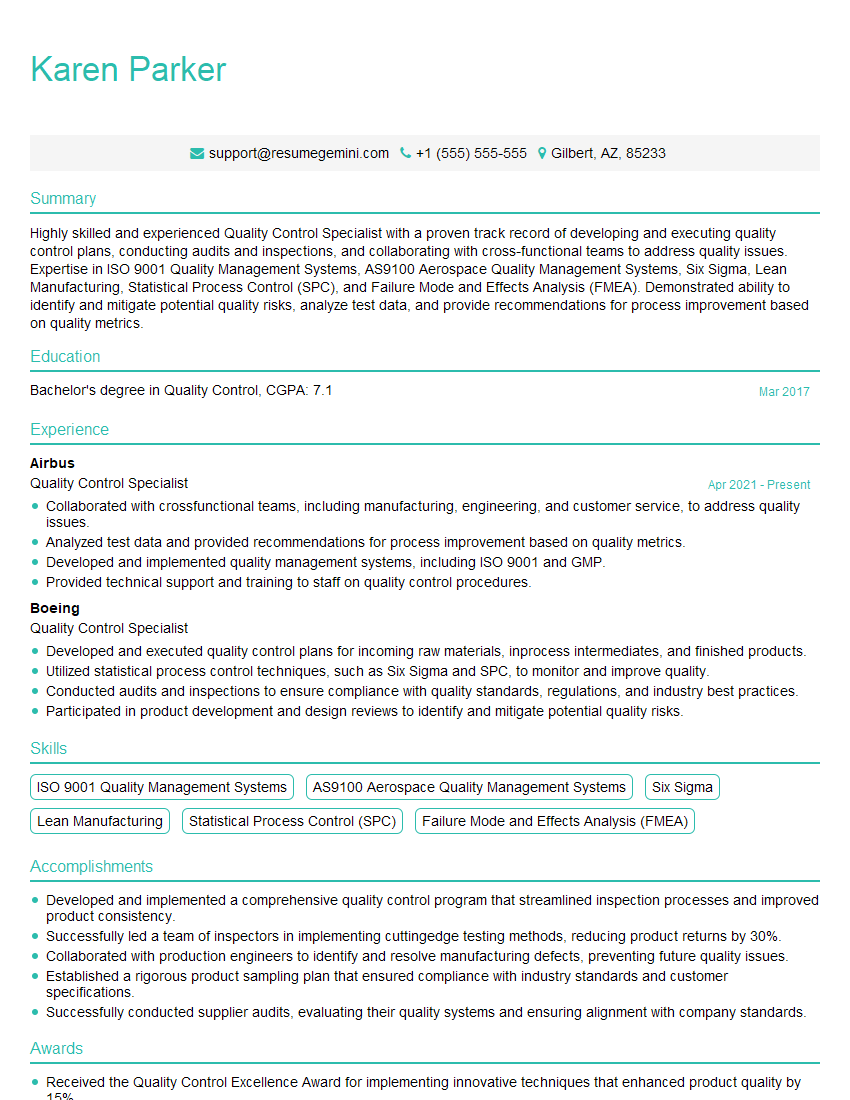
Quality Control Specialist Resume Sample
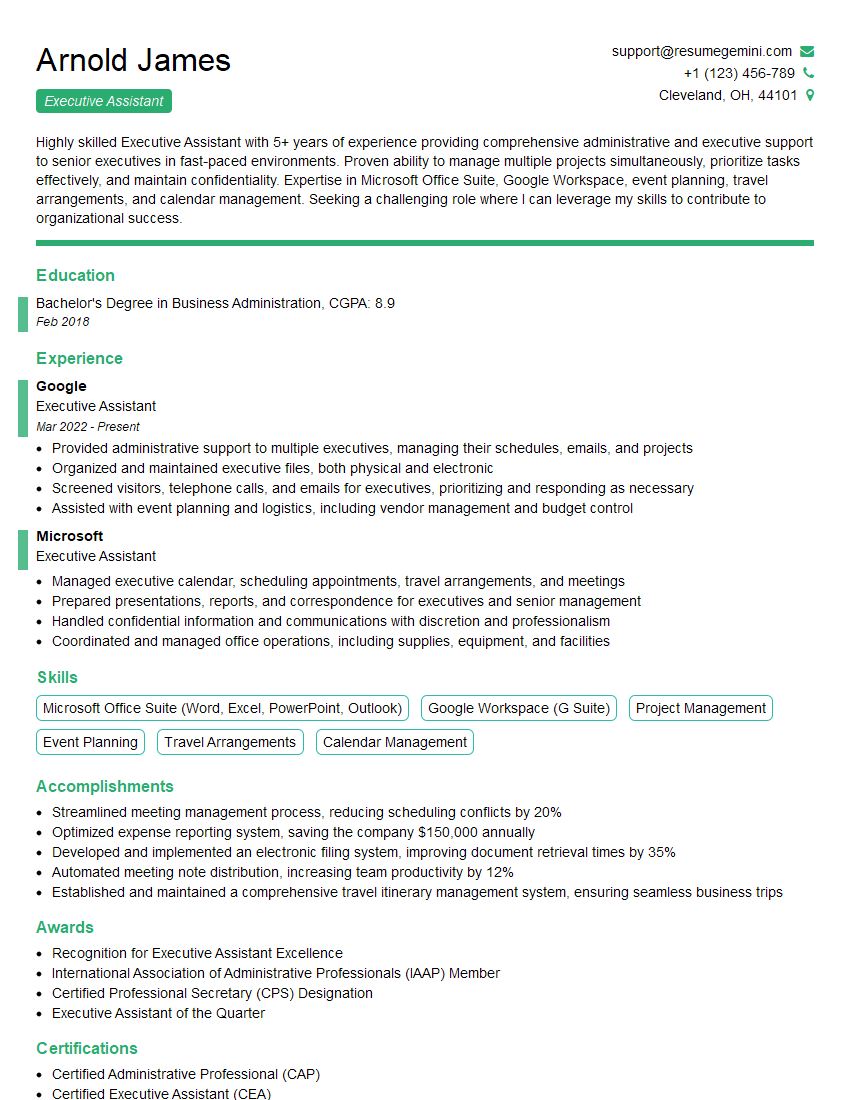
Executive Assistant Resume Sample
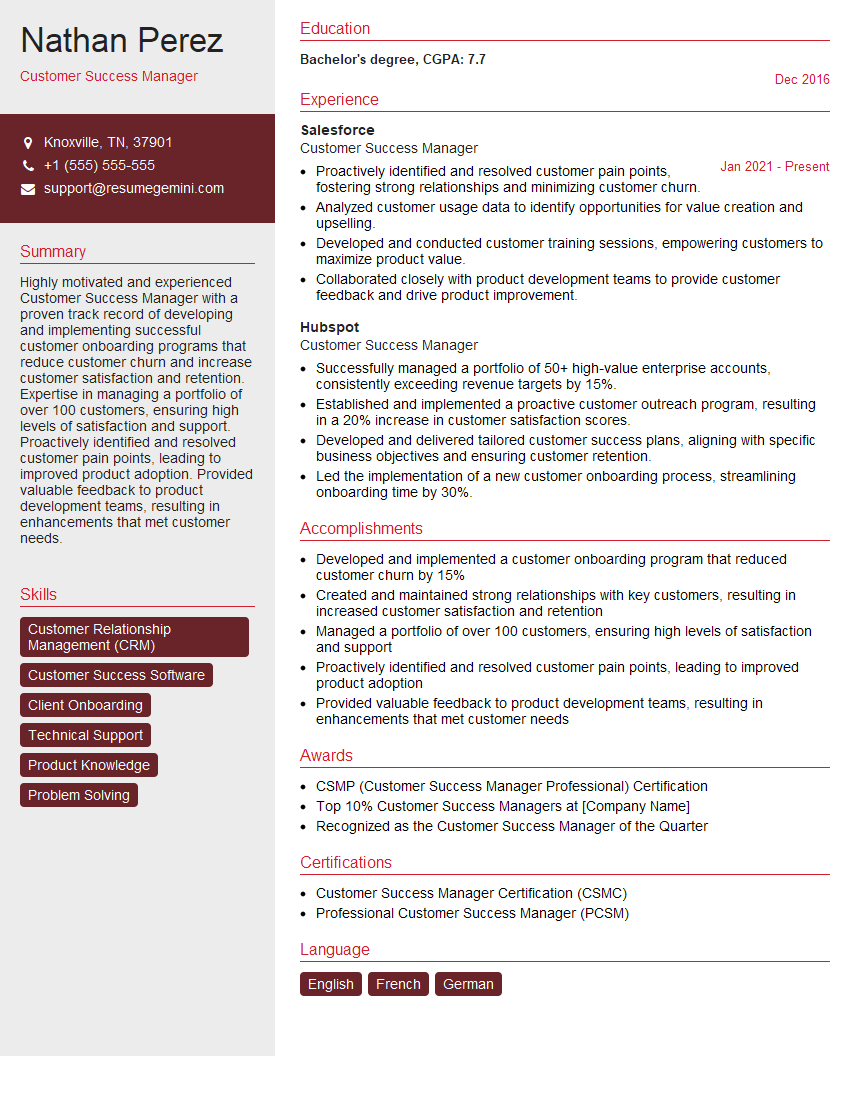
Customer Success Manager Resume Sample
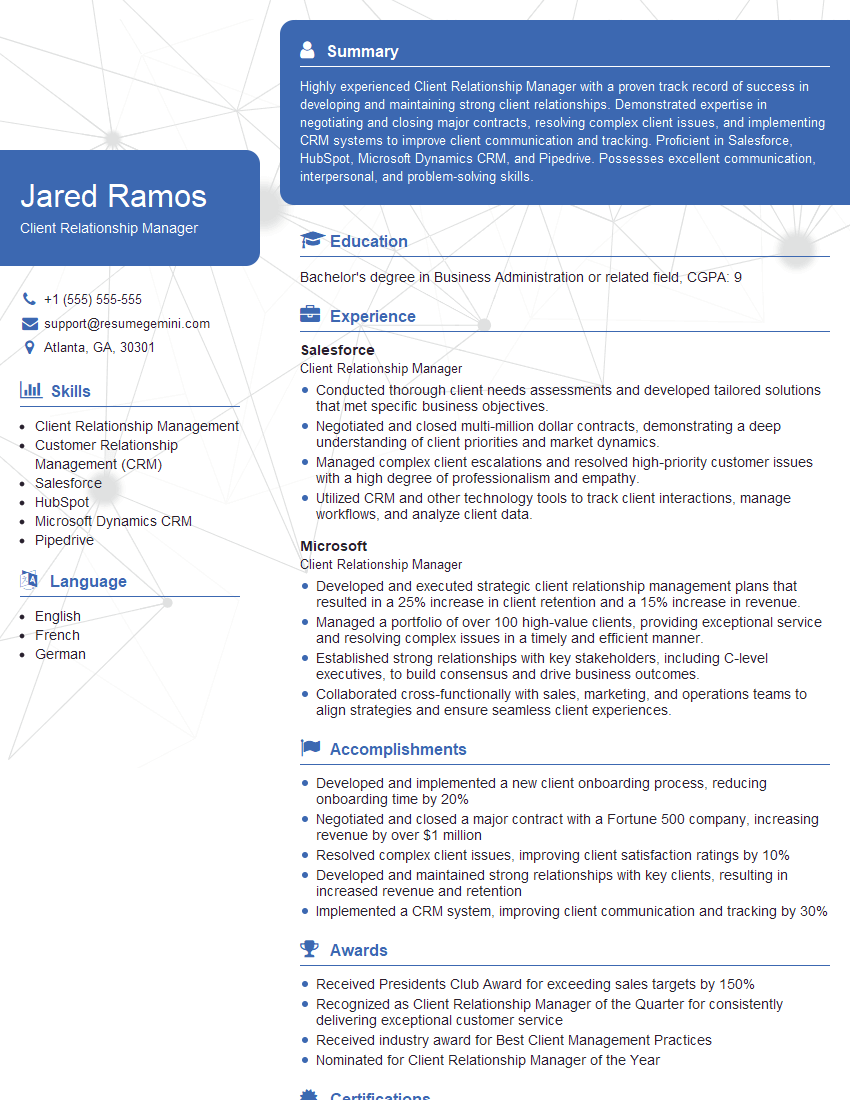
Client Relationship Manager Resume Sample
- Program Manager
- Office Manager
- Operations Manager
- Account Manager
- Marketing Manager
- Business Development Manager
- Product Manager
- Sales Representative
- Administrative Assistant
- Supply Chain Manager
- Human Resources Manager
- Project Manager
- Coordinator
- Real Estate Agent
- Compliance Officer
- Case Manager
- Event Planner
- Technical Project Manager
- Quality Control Specialist
- Executive Assistant
- Customer Success Manager
- Client Relationship Manager
Explore more articles
Users Rating of Our Blogs
Share Your Experience
We value your feedback! Please rate our content and share your thoughts (optional).
What Readers Say About Our Blog
Hello,
we currently offer a complimentary backlink and URL indexing test for search engine optimization professionals.
You can get complimentary indexing credits to test how link discovery works in practice.
No credit card is required and there is no recurring fee.
You can find details here:
https://wikipedia-backlinks.com/indexing/
Regards
NICE RESPONSE TO Q & A
hi
The aim of this message is regarding an unclaimed deposit of a deceased nationale that bears the same name as you. You are not relate to him as there are millions of people answering the names across around the world. But i will use my position to influence the release of the deposit to you for our mutual benefit.
Respond for full details and how to claim the deposit. This is 100% risk free. Send hello to my email id: [email protected]
Luka Chachibaialuka
Hey interviewgemini.com, just wanted to follow up on my last email.
We just launched Call the Monster, an parenting app that lets you summon friendly ‘monsters’ kids actually listen to.
We’re also running a giveaway for everyone who downloads the app. Since it’s brand new, there aren’t many users yet, which means you’ve got a much better chance of winning some great prizes.
You can check it out here: https://bit.ly/callamonsterapp
Or follow us on Instagram: https://www.instagram.com/callamonsterapp
Thanks,
Ryan
CEO – Call the Monster App
Hey interviewgemini.com, I saw your website and love your approach.
I just want this to look like spam email, but want to share something important to you. We just launched Call the Monster, a parenting app that lets you summon friendly ‘monsters’ kids actually listen to.
Parents are loving it for calming chaos before bedtime. Thought you might want to try it: https://bit.ly/callamonsterapp or just follow our fun monster lore on Instagram: https://www.instagram.com/callamonsterapp
Thanks,
Ryan
CEO – Call A Monster APP
To the interviewgemini.com Owner.
Dear interviewgemini.com Webmaster!
Hi interviewgemini.com Webmaster!
Dear interviewgemini.com Webmaster!
excellent
Hello,
We found issues with your domain’s email setup that may be sending your messages to spam or blocking them completely. InboxShield Mini shows you how to fix it in minutes — no tech skills required.
Scan your domain now for details: https://inboxshield-mini.com/
— Adam @ InboxShield Mini
Reply STOP to unsubscribe
Hi, are you owner of interviewgemini.com? What if I told you I could help you find extra time in your schedule, reconnect with leads you didn’t even realize you missed, and bring in more “I want to work with you” conversations, without increasing your ad spend or hiring a full-time employee?
All with a flexible, budget-friendly service that could easily pay for itself. Sounds good?
Would it be nice to jump on a quick 10-minute call so I can show you exactly how we make this work?
Best,
Hapei
Marketing Director
Hey, I know you’re the owner of interviewgemini.com. I’ll be quick.
Fundraising for your business is tough and time-consuming. We make it easier by guaranteeing two private investor meetings each month, for six months. No demos, no pitch events – just direct introductions to active investors matched to your startup.
If youR17;re raising, this could help you build real momentum. Want me to send more info?
Hi, I represent an SEO company that specialises in getting you AI citations and higher rankings on Google. I’d like to offer you a 100% free SEO audit for your website. Would you be interested?
Hi, I represent an SEO company that specialises in getting you AI citations and higher rankings on Google. I’d like to offer you a 100% free SEO audit for your website. Would you be interested?
good