Are you ready to stand out in your next interview? Understanding and preparing for Infection Control Protocols interview questions is a game-changer. In this blog, we’ve compiled key questions and expert advice to help you showcase your skills with confidence and precision. Let’s get started on your journey to acing the interview.
Questions Asked in Infection Control Protocols Interview
Q 1. Explain the chain of infection and how it’s broken.
The chain of infection describes the six links needed for an infection to occur: Infectious agent (bacteria, virus, fungus), Reservoir (where the agent lives – person, animal, environment), Portal of exit (how it leaves the reservoir – respiratory droplets, feces), Mode of transmission (how it spreads – direct contact, airborne), Portal of entry (how it enters a new host – mucous membranes, broken skin), and Susceptible host (someone at risk of infection).
Breaking the chain involves interrupting one or more of these links. For example, hand hygiene interrupts transmission, vaccination protects the susceptible host, and proper waste disposal eliminates the reservoir.
- Example: Preventing the spread of influenza involves covering coughs (blocking portal of exit), frequent handwashing (interrupting transmission), and vaccination (protecting susceptible host).
Q 2. Describe the standard precautions for infection control.
Standard precautions are a set of infection control practices used to prevent transmission of infectious agents in healthcare settings. They apply to all patients, regardless of their diagnosis or infection status. They include:
- Hand hygiene: Performing handwashing with soap and water or using an alcohol-based hand rub.
- Use of personal protective equipment (PPE): Gloves, gowns, masks, eye protection, as appropriate to the situation and potential exposure.
- Safe injection practices: Using sterile needles and syringes, disposing of sharps properly.
- Respiratory hygiene/cough etiquette: Covering coughs and sneezes, using tissues, and proper disposal.
- Environmental cleaning and disinfection: Regular cleaning and disinfection of surfaces and equipment.
Think of standard precautions as the foundational layer of infection control – they’re the basic set of practices that apply to every patient encounter.
Q 3. What are the differences between sterilization, disinfection, and sanitization?
These three terms represent different levels of microbial control:
- Sterilization: The complete elimination or destruction of all forms of microbial life, including spores. This is typically achieved through autoclaving (steam under pressure), dry heat sterilization, or chemical sterilants.
- Disinfection: A process that reduces the number of viable microorganisms on a surface or object to a safe level. Disinfectants don’t necessarily kill spores. Examples include bleach solutions and alcohol wipes.
- Sanitization: Reduces the microbial load to a level considered safe for public health standards. It usually involves cleaning with soap and water, reducing the number of microorganisms, but not necessarily eliminating all of them.
Think of it like this: sterilization is the highest level of cleaning, completely eliminating all microbes; disinfection reduces the number significantly, but might not kill everything; and sanitization is a basic cleaning to reduce the overall microbial load.
Q 4. How do you determine the appropriate method for sterilizing medical instruments?
The choice of sterilization method depends on several factors, including:
- Type of instrument: Heat-sensitive instruments may require chemical sterilization, while heat-resistant instruments can be autoclaved.
- Material compatibility: Certain materials may be damaged by high temperatures or specific chemicals.
- Level of contamination: Heavily contaminated instruments may require more rigorous sterilization methods.
- Regulatory guidelines: Healthcare facilities must adhere to specific guidelines for instrument sterilization.
For example, delicate endoscopes might require ethylene oxide gas sterilization, while surgical instruments can usually be autoclaved. A thorough understanding of instrument materials and the facility’s sterilization protocols is essential for appropriate method selection.
Q 5. Explain the process of contact tracing in a healthcare setting.
Contact tracing in a healthcare setting aims to identify and monitor individuals who may have been exposed to a contagious disease. The process usually involves:
- Identifying cases: Identifying individuals diagnosed with the infectious disease.
- Interviewing cases: Gathering information about the case’s recent contacts (family, healthcare providers, visitors).
- Locating and notifying contacts: Contacting individuals identified as potential exposures and informing them of the risk.
- Monitoring contacts: Tracking contacts for symptoms and providing necessary guidance (e.g., quarantine, testing).
- Providing support and education: Providing support and education to contacts about the disease and prevention measures.
Effective contact tracing requires thorough record-keeping, clear communication, and collaboration between healthcare professionals and public health agencies. This process helps prevent further spread of infection within the healthcare facility and the wider community.
Q 6. Describe your experience with implementing and monitoring infection control programs.
In my previous role at [Hospital Name], I was responsible for developing and implementing an infection control program that included the development of policies and procedures based on CDC guidelines, regular staff training on infection control practices, monitoring healthcare-associated infection rates, performing regular audits of infection control practices, and leading incident investigations and outbreak response efforts. We successfully reduced healthcare-associated infections by 15% within a year of implementing the new program through a multi-faceted approach that included improved hand hygiene compliance, enhanced environmental cleaning protocols, and updated PPE usage guidelines. I used data analysis to identify high-risk areas and implement targeted interventions, consistently monitoring key indicators to ensure ongoing effectiveness.
Q 7. How would you handle a suspected outbreak of a multi-drug resistant organism (MDRO)?
A suspected MDRO outbreak requires a swift and coordinated response. My approach would include:
- Immediate investigation: Rapidly gather information to identify potential sources, affected patients, and transmission pathways.
- Implementing enhanced precautions: Strict contact precautions, including use of appropriate PPE and environmental disinfection using agents effective against the specific MDRO.
- Laboratory testing: Collecting samples from patients and the environment for culture and susceptibility testing to confirm the organism and determine appropriate antibiotic treatment.
- Contact tracing: Identifying and monitoring individuals who may have been exposed.
- Implementing infection control measures: Strengthening hand hygiene practices, improving environmental cleaning, and reinforcing appropriate PPE usage.
- Collaboration and communication: Close collaboration with infection control experts, hospital leadership, and public health agencies, along with open communication with patients and staff.
- Review and reassessment: Regularly reviewing and reassessing infection control strategies based on surveillance data.
The key is prompt action, meticulous investigation, and a collaborative approach to contain the spread and prevent further transmission. Every step is crucial to minimize the impact of the outbreak.
Q 8. What are the key performance indicators (KPIs) used to measure the effectiveness of an infection control program?
Key Performance Indicators (KPIs) for an infection control program are crucial for evaluating its effectiveness and identifying areas for improvement. They shouldn’t just track infections but also the processes designed to prevent them. Think of it like a car dashboard – you need multiple gauges to understand the overall performance.
- HAI Rate: This is the most fundamental KPI, measuring the number of healthcare-associated infections per 1,000 patient-days. A lower rate indicates a more effective program. For example, a rate of 2 HAIs per 1,000 patient-days is generally considered good, while a rate exceeding 4 might indicate a need for intervention.
- Compliance Rates with Infection Control Practices: This measures adherence to hand hygiene protocols, PPE use, and sterilization procedures. We might track hand hygiene compliance using direct observation or electronic monitoring systems. A 90% or higher compliance rate is usually a target.
- Antimicrobial Stewardship Data: This tracks the appropriate use of antibiotics to combat antimicrobial resistance. We look at the number of antibiotic prescriptions, the types used, and the duration of treatment. Reduced antibiotic use for non-indicated cases is a positive sign.
- Environmental Cleaning Effectiveness: This evaluates the cleanliness of surfaces using microbiological sampling. Consistent results below a defined threshold indicate effective cleaning and disinfection.
- Staff Training and Education Completion Rates: High completion rates demonstrate commitment to ongoing learning and skill development in infection prevention. This is crucial as guidelines and best practices constantly evolve.
- Timely Reporting and Investigation of HAIs: Quick identification and analysis of outbreaks are vital to preventing their spread. Tracking the time elapsed between infection detection and initiation of control measures is critical.
By monitoring these KPIs, we can build a comprehensive picture of the program’s success, identify weaknesses, and implement targeted improvements.
Q 9. Explain your understanding of healthcare-associated infections (HAIs) and their prevention.
Healthcare-associated infections (HAIs) are infections patients acquire during the process of receiving healthcare that were not present or incubating at the time of admission. They’re a serious concern, increasing healthcare costs, prolonging hospital stays, and sometimes even causing death. Think of it like this: a hospital, while aiming to heal, can also be a breeding ground for infections if precautions aren’t taken.
HAI prevention is multifaceted and relies on a robust infection control program. Key strategies include:
- Hand Hygiene: This is the cornerstone of infection prevention. Frequent and proper handwashing or use of alcohol-based hand rubs significantly reduces the transmission of pathogens.
- Environmental Cleaning and Disinfection: Regular cleaning and disinfection of surfaces, equipment, and the environment is essential to eliminating pathogens.
- Sterilization of Medical Equipment: Proper sterilization techniques are crucial to prevent the transmission of infections via contaminated instruments.
- Appropriate Use of Personal Protective Equipment (PPE): Gloves, gowns, masks, and eye protection must be used correctly to protect healthcare workers and patients from exposure.
- Isolation Precautions: Patients with known or suspected infections should be isolated to prevent the spread of pathogens.
- Vaccination Programs: Vaccinating healthcare workers and patients against preventable infections like influenza and pneumonia significantly reduces the risk of HAIs.
- Antimicrobial Stewardship: Judicious use of antibiotics is crucial in combating antimicrobial resistance.
- Education and Training: Regular training for healthcare workers on infection control procedures is essential for maintaining a safe environment.
Implementing these measures requires a collaborative effort from all healthcare professionals and a commitment to continuous improvement.
Q 10. Describe your knowledge of various types of personal protective equipment (PPE) and their appropriate use.
Personal Protective Equipment (PPE) is critical in preventing the spread of infections. The type of PPE used depends on the specific risk and the nature of the procedure. Think of it as a layered defense system.
- Gloves: Used to protect hands from contact with bodily fluids and contaminated surfaces. Different types exist, such as sterile gloves for surgery and non-sterile gloves for routine care.
- Gowns: Worn to protect skin and clothing from contamination. Gowns can be disposable or reusable, depending on the level of protection required.
- Masks: Used to protect the nose and mouth from airborne pathogens. Different masks offer varying levels of protection – surgical masks for general protection, N95 respirators for airborne diseases.
- Eye Protection: Goggles or face shields protect the eyes from splashes of bodily fluids.
- Respirators: Offer higher levels of respiratory protection than masks, such as N95 respirators, which filter out small particles. Fit testing is essential to ensure proper protection.
Appropriate Use: PPE should be selected based on risk assessment. Proper donning and doffing (putting on and taking off) procedures are crucial to avoid contamination. After use, PPE should be disposed of appropriately to prevent cross-contamination. For example, if dealing with a patient with suspected airborne tuberculosis, an N95 respirator should be worn in addition to other PPE.
Q 11. How do you stay current with the latest guidelines and recommendations for infection control?
Staying current with infection control guidelines is paramount. It’s a dynamic field with constant updates based on emerging pathogens and research findings. I utilize several strategies to ensure I’m up-to-date:
- Subscription to Professional Journals: I regularly review publications like the Infection Control & Hospital Epidemiology journal to stay abreast of the latest research and best practices.
- Membership in Professional Organizations: Membership in organizations like the Association for Professionals in Infection Control and Epidemiology (APIC) provides access to resources, guidelines, and continuing education opportunities.
- Participation in Conferences and Workshops: Attending conferences and workshops allows for interaction with experts and learning about the latest advancements in the field.
- Monitoring Public Health Agencies: I regularly check websites of organizations like the CDC and WHO for updates on emerging infectious diseases and infection control recommendations.
- Internal Training and Updates: I actively participate in internal training programs and updates provided by my institution to ensure compliance with its specific policies and procedures.
This multi-pronged approach helps me integrate the newest evidence and guidelines into my daily practice.
Q 12. What is your experience with infection surveillance and reporting?
My experience with infection surveillance and reporting is extensive. I’ve been involved in designing and implementing surveillance systems, collecting data, analyzing trends, and generating reports. It’s a crucial part of a proactive infection control program.
My responsibilities have included:
- Developing and Implementing Surveillance Systems: I’ve helped create systems for tracking HAIs, including data collection methods, data analysis techniques, and reporting mechanisms.
- Data Collection and Analysis: I’ve gathered data on HAI occurrences, identified trends, and analyzed risk factors associated with infections.
- Report Generation: I’ve prepared regular reports summarizing HAI data, trends, and analysis to inform infection control strategies and decision-making.
- Investigating Outbreaks: I have participated in numerous outbreak investigations, identifying the source of the outbreak, implementing control measures, and monitoring their effectiveness.
- Using Surveillance Data to Improve Infection Control Practices: Surveillance data has guided us to implement interventions that have significantly reduced HAI rates, such as improved hand hygiene compliance and revised protocols for cleaning and disinfection.
Effective surveillance is crucial for early detection and prevention of outbreaks, and I am proficient in using various data analysis techniques to identify patterns and trends.
Q 13. Explain your understanding of hand hygiene techniques and their importance.
Hand hygiene is the single most important measure in preventing the spread of infections. It’s the foundational practice, and consistent, proper technique is key. Think of your hands as potential vectors – they can carry pathogens from one surface or person to another.
Proper hand hygiene involves:
- Washing with soap and water: This is crucial when hands are visibly soiled or after contact with body fluids. The process should involve wetting hands, applying soap, scrubbing thoroughly for at least 20 seconds, rinsing, and drying completely.
- Using alcohol-based hand rub: When hands are not visibly soiled, an alcohol-based hand rub is preferred for its speed and effectiveness. The rub should be applied to all surfaces of the hands and rubbed until dry.
Importance: Hand hygiene dramatically reduces the transmission of pathogens, protecting both healthcare workers and patients. Studies consistently show a strong correlation between hand hygiene compliance and lower HAI rates. In many settings, regular hand hygiene audits are conducted to assess compliance and identify areas for improvement. For example, in operating rooms, hand hygiene is paramount, to reduce the risk of surgical site infections.
Q 14. Describe your experience with investigating and managing healthcare-associated infection outbreaks.
Investigating and managing healthcare-associated infection outbreaks requires a systematic approach. It’s akin to solving a complex medical detective case – identifying the culprit, stopping its spread, and preventing future occurrences.
My experience includes:
- Defining the Outbreak: This involves identifying the number of cases, the affected population, and the timeline of the outbreak.
- Identifying the Causative Agent: Laboratory testing is essential to determine the specific pathogen causing the outbreak.
- Tracing Transmission Routes: Investigating how the infection spread, identifying potential sources and routes of transmission.
- Implementing Control Measures: Based on the investigation, appropriate control measures are implemented, such as isolation precautions, enhanced cleaning and disinfection, and changes in procedures.
- Monitoring Effectiveness of Control Measures: The effectiveness of the interventions is closely monitored to ensure the outbreak is contained.
- Communicating with Stakeholders: Keeping staff, patients, and other relevant stakeholders informed throughout the process.
- Documenting the Outbreak and Intervention Strategies: Maintaining detailed records for future reference and improvement.
For example, in one outbreak investigation, we identified a contaminated water source as the culprit behind a cluster of cases of Legionnaires’ disease. By isolating the water source and implementing improved water management practices, we were able to successfully contain the outbreak.
Q 15. How do you communicate effectively with healthcare staff about infection control procedures?
Effective communication about infection control is crucial for a safe healthcare environment. It’s not just about delivering information; it’s about fostering a culture of safety where everyone feels empowered to participate. My approach involves several key strategies:
- Clear and Concise Messaging: I avoid jargon and technical terms whenever possible, using plain language everyone understands. For example, instead of saying ‘implementing aseptic techniques,’ I might say ‘making sure our hands are clean and using sterile equipment.’
- Multi-Modal Communication: I utilize a variety of methods – in-person training, online modules, short videos, posters, and quick reference guides – to cater to different learning styles and ensure information is easily accessible.
- Interactive Sessions: I incorporate interactive elements into training sessions, like group discussions and case studies, to encourage active participation and enhance understanding. This allows for immediate feedback and clarification of any doubts.
- Feedback and Open Dialogue: I create a safe space for staff to ask questions and provide feedback without fear of judgment. This open communication helps identify knowledge gaps and improve the effectiveness of infection control practices.
- Regular Updates and Reinforcement: Infection control protocols evolve, so regular updates and refresher courses are vital. I make sure staff are aware of any changes and are consistently reminded of key practices.
For example, during an outbreak of a highly contagious virus, I would use a combination of quick email updates, short videos demonstrating proper PPE use, and in-person training sessions to ensure rapid dissemination of critical information and effective implementation of enhanced precautions.
Career Expert Tips:
- Ace those interviews! Prepare effectively by reviewing the Top 50 Most Common Interview Questions on ResumeGemini.
- Navigate your job search with confidence! Explore a wide range of Career Tips on ResumeGemini. Learn about common challenges and recommendations to overcome them.
- Craft the perfect resume! Master the Art of Resume Writing with ResumeGemini’s guide. Showcase your unique qualifications and achievements effectively.
- Don’t miss out on holiday savings! Build your dream resume with ResumeGemini’s ATS optimized templates.
Q 16. What is your experience with developing and implementing infection prevention and control policies and procedures?
I have extensive experience in developing and implementing infection prevention and control (IPC) policies and procedures. My approach is grounded in evidence-based practices and adheres to national and international guidelines, such as those from the CDC and WHO. This involves a systematic process:
- Needs Assessment: I begin by identifying the specific infection risks within the healthcare setting, considering patient populations, procedures, and the physical environment. This might involve reviewing infection rates, conducting environmental surveys, and interviewing staff.
- Policy Development: Based on the needs assessment, I draft comprehensive policies and procedures, ensuring they are clear, concise, and easy to follow. This involves incorporating best practices, considering local resources, and taking into account regulatory requirements.
- Implementation: I oversee the implementation process, providing training, support, and ongoing monitoring. This might include creating educational materials, conducting in-service training, and providing feedback to staff.
- Evaluation and Revision: Regular evaluation is key. I monitor infection rates, review incident reports, and seek feedback from staff to determine the effectiveness of the policies and procedures. This allows for timely revisions and improvement of practices.
For example, in a previous role, I led the development and implementation of a new hand hygiene protocol, which included the introduction of alcohol-based hand rubs at multiple locations throughout the facility, training on proper hand hygiene techniques, and regular audits to monitor compliance. This resulted in a significant reduction in healthcare-associated infections.
Q 17. Describe your understanding of antimicrobial stewardship.
Antimicrobial stewardship is a coordinated program that promotes the appropriate use of antimicrobial agents (like antibiotics) to prevent the development and spread of antimicrobial resistance. It’s a multi-faceted approach that requires a team effort involving physicians, nurses, pharmacists, and infection control professionals.
My understanding encompasses:
- Promoting appropriate antimicrobial prescribing: This involves ensuring that antibiotics are only used when clinically necessary, choosing the most appropriate agent, and optimizing the dose and duration of therapy. We use tools like clinical pathways and formulary restrictions.
- Infection prevention and control: Implementing strong IPC measures, like hand hygiene and appropriate isolation precautions, helps reduce the need for antimicrobials in the first place.
- Monitoring antimicrobial use and resistance: We track antimicrobial consumption and monitor the emergence of resistant organisms to identify areas needing improvement.
- Education and training: Providing education to healthcare providers on appropriate antimicrobial use is crucial.
In practice, I’ve been involved in developing and implementing antimicrobial stewardship programs, including the creation of guidelines for appropriate antibiotic prescribing, educational materials for healthcare providers, and active surveillance programs to track antimicrobial resistance.
Q 18. How would you educate healthcare workers on proper infection control practices?
Educating healthcare workers on proper infection control practices is an ongoing process requiring a multi-pronged approach. I utilize various methods to ensure information is effectively communicated and understood:
- Interactive Training Sessions: Hands-on training sessions using simulation models and role-playing are very effective, especially for techniques like proper hand hygiene, donning and doffing PPE, and wound care.
- Online Modules and Resources: Accessible online modules with quizzes and interactive elements help staff learn at their own pace and review material frequently.
- Case Studies and Real-World Examples: Using real-life examples and case studies helps illustrate the importance of infection control and demonstrate the consequences of improper practices.
- Regular Audits and Feedback: Regular audits to assess compliance and provide constructive feedback are essential for maintaining high standards.
- Mentorship and Peer-to-Peer Learning: Encouraging experienced staff to mentor newer colleagues and fostering a culture of peer-to-peer learning can significantly enhance knowledge and compliance.
For example, to reinforce hand hygiene, I would not only provide training but also install hand hygiene stations strategically, regularly monitor compliance using observation tools, and provide immediate feedback to individuals or teams who need improvement.
Q 19. What is your experience with environmental cleaning and disinfection protocols?
My experience with environmental cleaning and disinfection protocols is extensive. It’s critical for preventing the transmission of pathogens and creating a safe environment. This includes:
- Developing and Implementing Protocols: I develop and implement protocols that specify the cleaning agents to be used, the frequency of cleaning, and the procedures for cleaning different areas of the healthcare facility, considering high-touch surfaces.
- Staff Training: Thorough training of cleaning staff is crucial. Training includes proper techniques for cleaning and disinfection, the safe handling of cleaning agents, and the use of appropriate personal protective equipment.
- Monitoring and Evaluation: Regular monitoring of the cleaning and disinfection process ensures consistent compliance with protocols. This might include spot checks, environmental surveillance cultures, and staff feedback.
- Selection of Appropriate Disinfectants: Choosing the right disinfectants considering the types of pathogens present and the surfaces being cleaned is essential. We must consider factors like efficacy, safety, and environmental impact.
For instance, in one situation, we discovered inadequate cleaning of patient rooms was contributing to a high rate of Clostridium difficile infections. We revised cleaning protocols, provided extensive retraining to staff, and introduced a new disinfectant with superior efficacy against C. difficile spores, resulting in a substantial decrease in infection rates.
Q 20. Explain your knowledge of the different types of isolation precautions.
Isolation precautions are designed to prevent the transmission of infectious agents from patients to healthcare workers, visitors, and other patients. Different types of precautions exist, depending on the mode of transmission of the pathogen:
- Standard Precautions: These are the basic level of precautions applied to all patients regardless of their infection status. They include hand hygiene, use of gloves and gowns when appropriate, safe injection practices, and proper handling of soiled linen.
- Contact Precautions: Used for patients with infections that can be spread by direct or indirect contact. This includes the use of gloves and gowns, and dedicated equipment for the patient.
- Droplet Precautions: Used for patients with infections that are spread via large respiratory droplets. This requires the use of masks and maintaining a distance from the patient.
- Airborne Precautions: Used for infections spread via airborne transmission (small particles suspended in the air). This necessitates the use of N95 respirators, isolation rooms with negative air pressure, and careful handling of contaminated air.
Understanding these precautions is vital for protecting both patients and healthcare workers. For example, a patient with confirmed measles would require airborne precautions, while a patient with MRSA would require contact precautions.
Q 21. Describe your experience with managing waste and sharps disposal safely.
Safe management of waste and sharps disposal is paramount to prevent injury and the spread of infection. My experience includes:
- Developing and Implementing Protocols: I develop and implement clear protocols for the segregation, handling, storage, and disposal of different types of waste, including regulated medical waste (sharps, infectious waste), and non-regulated waste.
- Staff Training: All staff involved in waste handling receive thorough training on proper procedures, including the use of personal protective equipment and the correct use of containers.
- Monitoring and Compliance: Regular audits ensure compliance with established protocols. This includes checking the proper labeling and segregation of waste, the condition of sharps containers, and the adherence to disposal procedures.
- Ensuring Compliance with Regulations: All procedures must adhere to local, state, and national regulations regarding waste management.
For example, we had an incident where a nurse sustained a needle-stick injury. Following a thorough investigation, we reviewed and enhanced our sharps disposal protocol, including improved training on safe needle recapping techniques, the use of safety-engineered devices, and stricter enforcement of disposal procedures. This resulted in a significant reduction in sharps-related injuries.
Q 22. How would you handle a situation where an employee refuses to comply with infection control protocols?
Non-compliance with infection control protocols poses a significant risk to patient and staff safety. My approach involves a multi-step process focusing on education, understanding, and, as a last resort, disciplinary action.
First, I would engage the employee in a private conversation to understand the reasons for their non-compliance. Perhaps there’s a misunderstanding of the protocol, a lack of training, or even a genuine concern about the feasibility of the procedure in their specific work context. Addressing these underlying issues is key. I would offer additional training or clarification and ensure they have the necessary resources to comply.
Second, I would reinforce the importance of infection control protocols, highlighting the potential consequences of non-compliance, both for the individual and the wider healthcare setting. I’d leverage real-world examples of infection outbreaks linked to non-adherence to protocols.
Finally, if the non-compliance persists despite these efforts, I would escalate the matter according to the facility’s disciplinary procedures. This could involve written warnings, suspension, or even termination of employment, depending on the severity and persistence of the issue. Documentation is crucial throughout this entire process, meticulously recording all conversations, training provided, and any disciplinary actions taken.
Q 23. What are your experiences with using electronic health records (EHRs) for infection control tracking and reporting?
Electronic Health Records (EHRs) are invaluable tools for infection control tracking and reporting. In my experience, they significantly improve efficiency and accuracy compared to manual systems. EHRs allow for real-time data collection on various aspects of infection control, such as:
- Surveillance Data: Quick entry of infection diagnoses, enabling prompt identification of outbreaks.
- Antimicrobial Stewardship: Tracking antibiotic use patterns to prevent the development of antibiotic-resistant organisms.
- Compliance Tracking: Monitoring adherence to hand hygiene protocols and other infection control measures through integrated systems.
- Reporting: Automated generation of reports for internal audits, external agencies (e.g., public health departments), and accreditation bodies.
For example, in a previous role, our EHR system automatically flagged patients with specific risk factors for infections, prompting clinicians to implement enhanced infection control measures. The system also generated reports on hand hygiene compliance rates, allowing us to identify areas needing improvement and tailor educational interventions accordingly. Data visualization features within the EHR helped identify trends and patterns, facilitating proactive outbreak management.
Q 24. Explain your understanding of the role of environmental factors in the spread of infection.
Environmental factors play a crucial role in the spread of infection. The physical environment of a healthcare setting, or even a home, can significantly influence the transmission of pathogens. These factors can be broadly categorized into:
- Contamination: The presence of pathogens on surfaces (e.g., doorknobs, medical equipment), in the air (e.g., airborne particles containing viruses), or in water.
- Cleanliness: Inadequate cleaning and disinfection of surfaces can lead to pathogen persistence and transmission.
- Ventilation: Poor ventilation can increase the concentration of airborne pathogens, increasing the risk of transmission.
- Temperature and Humidity: Certain environmental conditions can favor the growth and survival of some pathogens.
- Waste Management: Improper handling of medical waste can facilitate the spread of infection.
For instance, inadequate hand hygiene combined with contaminated surfaces can easily spread pathogens like Clostridium difficile in a hospital setting. Similarly, poor ventilation in a crowded space can increase the spread of airborne viruses such as influenza. Understanding and controlling these environmental factors is a critical aspect of a comprehensive infection control program.
Q 25. How would you assess the effectiveness of infection control measures in a specific healthcare setting?
Assessing the effectiveness of infection control measures requires a multi-faceted approach involving data analysis, observation, and audits. Key indicators include:
- Infection Rates: Tracking the incidence of healthcare-associated infections (HAIs) provides a direct measure of effectiveness. This requires consistent surveillance and reporting.
- Compliance Rates: Monitoring adherence to key infection control practices, such as hand hygiene and appropriate use of personal protective equipment (PPE), is essential. Direct observation, audits, and electronic tracking systems can be used.
- Environmental Sampling: Culturing samples from surfaces and air can reveal the presence of pathogens and assess the efficacy of cleaning and disinfection procedures.
- Staff Education and Training: Regular assessment of staff knowledge and skills ensures that infection control measures are implemented correctly.
- Feedback Mechanisms: Establishing systems for reporting near misses and adverse events helps identify weaknesses in the infection control program.
For a specific healthcare setting, I would use a combination of these methods, analyzing trends over time and comparing rates to benchmarks. Regular audits and performance reviews, incorporating staff feedback, are crucial for ongoing improvement.
Q 26. What strategies would you use to improve compliance with infection control protocols?
Improving compliance with infection control protocols requires a combination of strategies targeting education, motivation, and infrastructure.
- Education and Training: Providing comprehensive, engaging, and easily accessible training on infection control procedures is crucial. This should include both initial and ongoing training, incorporating interactive sessions, simulations, and regular updates.
- Motivation and Engagement: Promoting a culture of safety and accountability within the healthcare setting is essential. Recognizing and rewarding staff adherence to protocols can significantly improve compliance. Open communication and addressing staff concerns are key.
- Infrastructure Improvements: Ensuring adequate supplies of PPE, hand hygiene products, and other necessary resources is critical. Easy access to these items, along with well-designed facilities that support infection control practices (e.g., appropriate isolation rooms), are also vital.
- Technology Integration: Utilizing electronic tracking systems for hand hygiene, PPE use, and other infection control measures can enhance monitoring and feedback.
- Regular Audits and Feedback: Conducting regular audits and providing constructive feedback are essential for identifying areas for improvement and ensuring that measures are effective.
For example, in a previous role, we implemented a gamified hand hygiene program that significantly increased compliance rates. This involved incorporating friendly competition between units and providing rewards for high compliance.
Q 27. Describe your experience with data analysis and reporting related to infection control.
My experience with data analysis and reporting in infection control involves collecting, organizing, and analyzing data to identify trends, patterns, and areas for improvement. This encompasses:
- Data Collection: Gathering data on infection rates, compliance with protocols, environmental sampling results, and other relevant metrics.
- Data Analysis: Utilizing statistical methods to analyze data, identify trends, and assess the effectiveness of infection control measures. This might involve calculating rates, comparing data across different units or time periods, and identifying risk factors.
- Report Generation: Creating clear, concise, and visually appealing reports to communicate findings to stakeholders, including clinicians, administrators, and public health officials.
- Data Visualization: Using graphs, charts, and other visual tools to present complex data in an easily understandable format.
- Interpretation and Recommendations: Drawing meaningful conclusions from data analysis and formulating recommendations for improving infection control practices.
For example, by analyzing infection rates over several years, I identified a seasonal surge in a particular type of infection. This analysis led to targeted interventions during peak seasons, such as enhanced environmental cleaning and staff education, ultimately reducing infection rates.
Key Topics to Learn for Infection Control Protocols Interview
- Standard Precautions & Transmission-Based Precautions: Understand the principles behind these crucial protocols, including hand hygiene, personal protective equipment (PPE) selection and use, and appropriate environmental cleaning and disinfection practices. Consider scenarios requiring different levels of precaution.
- Infection Prevention and Control Surveillance: Learn about the methods used to monitor infection rates, identify outbreaks, and implement effective control measures. Think about how data analysis informs infection prevention strategies.
- Sterilization and Disinfection: Master the differences between sterilization and disinfection methods, including high-level disinfection, and their appropriate applications in various healthcare settings. Be prepared to discuss specific techniques and their effectiveness against different microorganisms.
- Healthcare-Associated Infections (HAIs): Explore common HAIs, their causative agents, and strategies for prevention and control. Consider the role of antimicrobial stewardship in reducing HAI rates.
- Waste Management and Disposal: Understand the proper handling, storage, and disposal of infectious waste to maintain a safe environment and prevent the spread of infection. Consider regulations and best practices in this area.
- Occupational Health and Safety: Discuss the importance of protecting healthcare workers from exposure to infectious agents. Consider the implementation and adherence to safety protocols for staff.
- Policy and Procedure Development & Implementation: Be prepared to discuss the development, implementation, and evaluation of infection control policies and procedures within a healthcare facility. Consider the importance of evidence-based practices.
- Regulatory Compliance: Familiarize yourself with relevant regulations and guidelines related to infection control, such as those from the CDC or WHO. Be ready to discuss how these standards are applied in practice.
Next Steps
Mastering Infection Control Protocols is crucial for career advancement in healthcare, demonstrating your commitment to patient safety and a comprehensive understanding of infection prevention. A strong resume is key to showcasing your expertise to potential employers. Creating an ATS-friendly resume increases your chances of getting your application noticed. ResumeGemini is a trusted resource to help you build a professional and effective resume that highlights your skills and experience. They offer examples of resumes tailored to Infection Control Protocols to help you craft a compelling application.
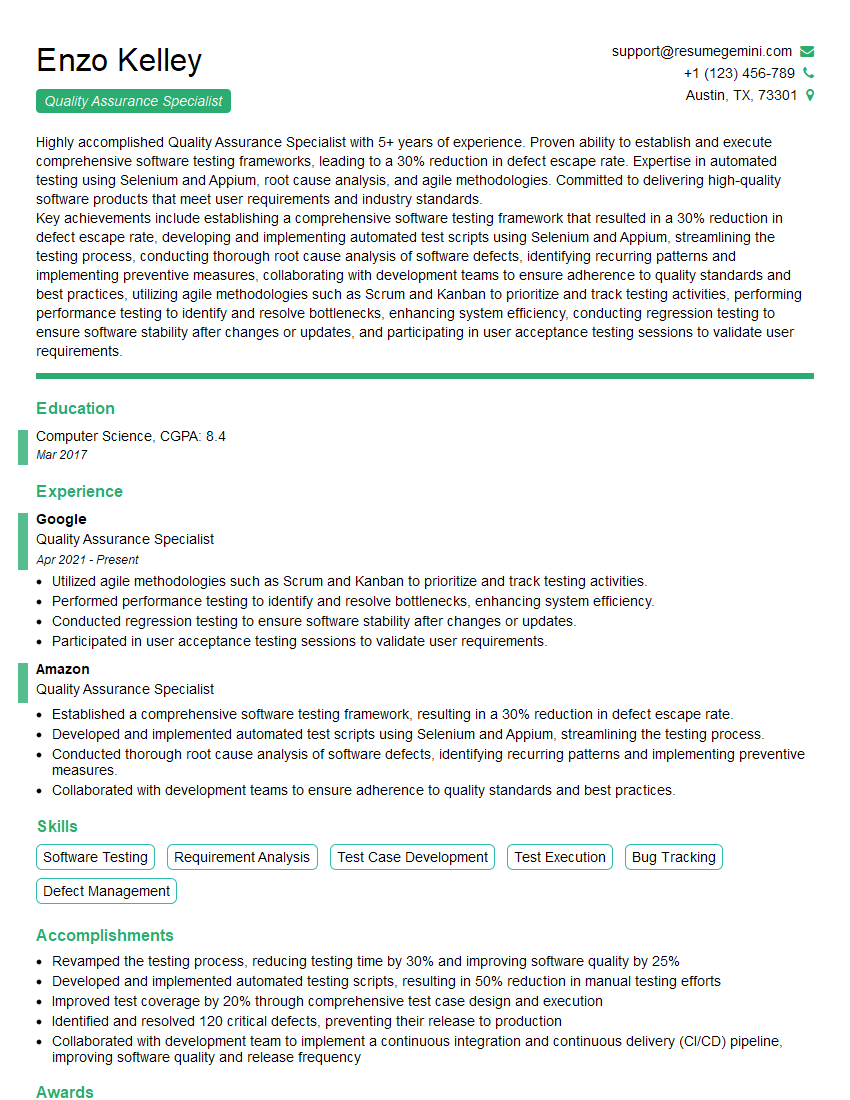
Quality Assurance Specialist Resume Sample
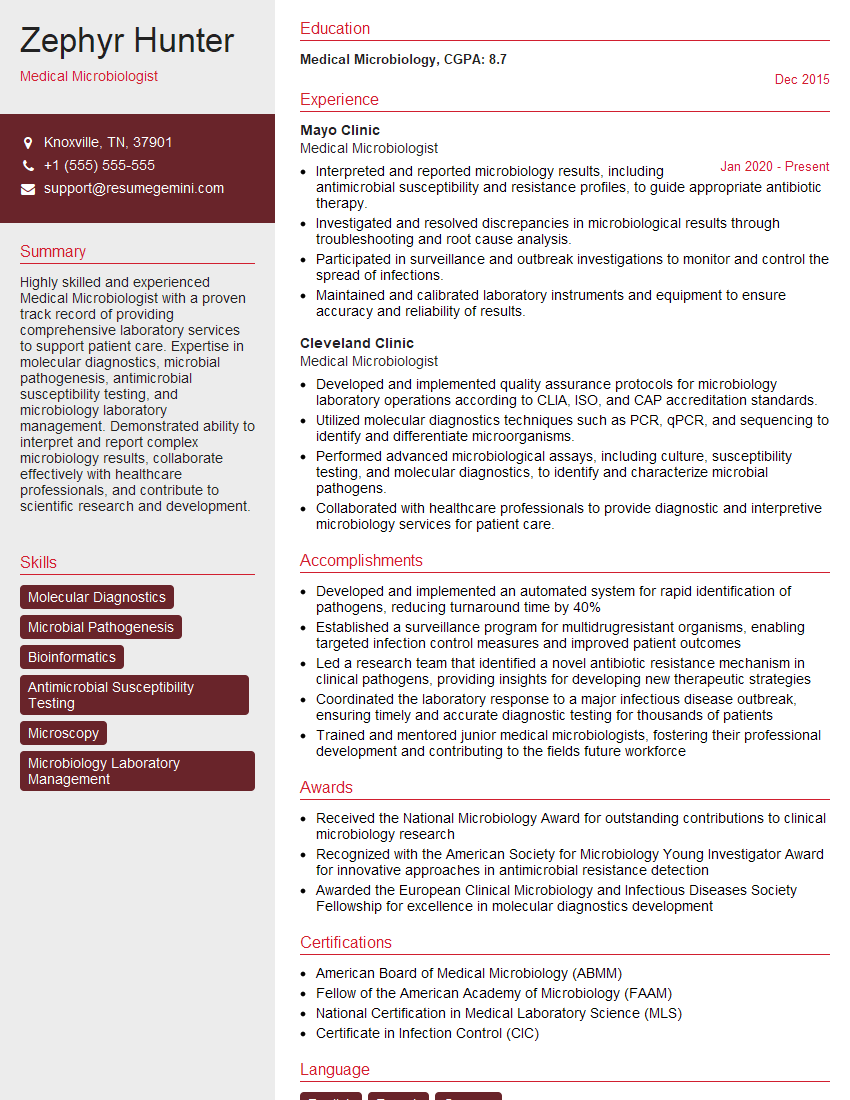
Medical Microbiologist Resume Sample
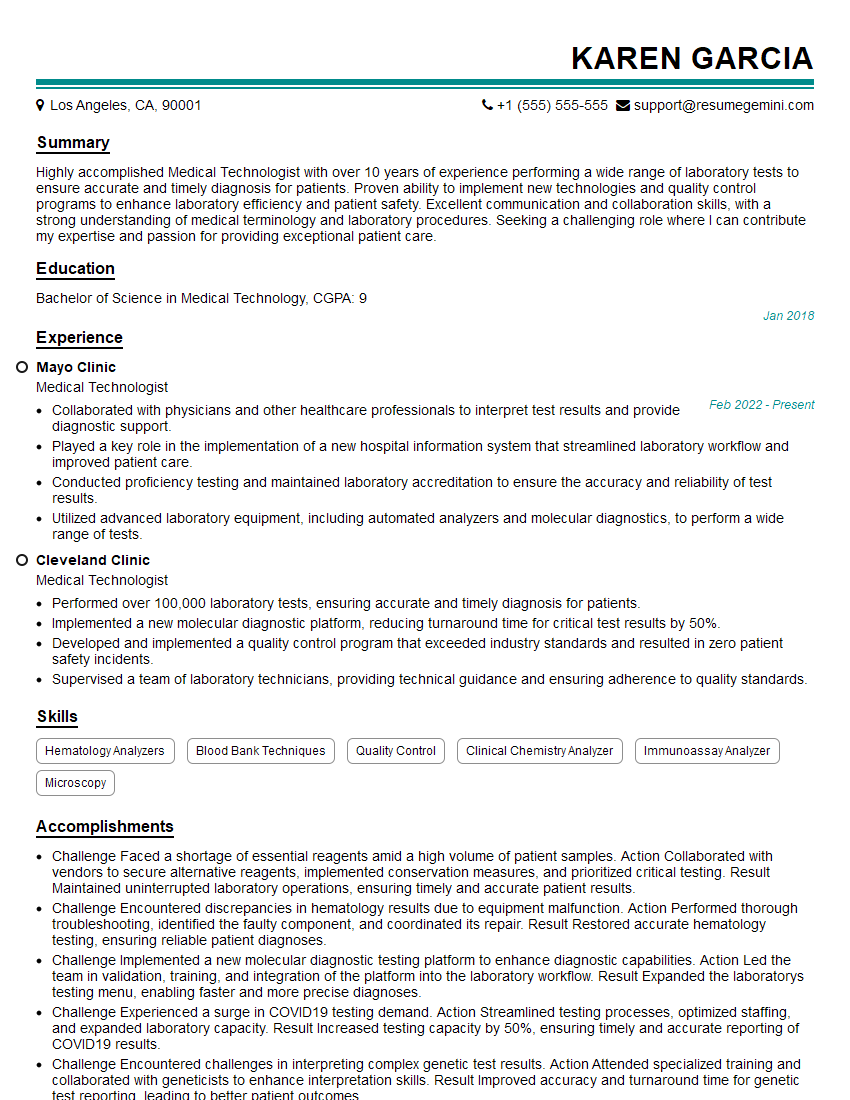
Medical Technologist Resume Sample
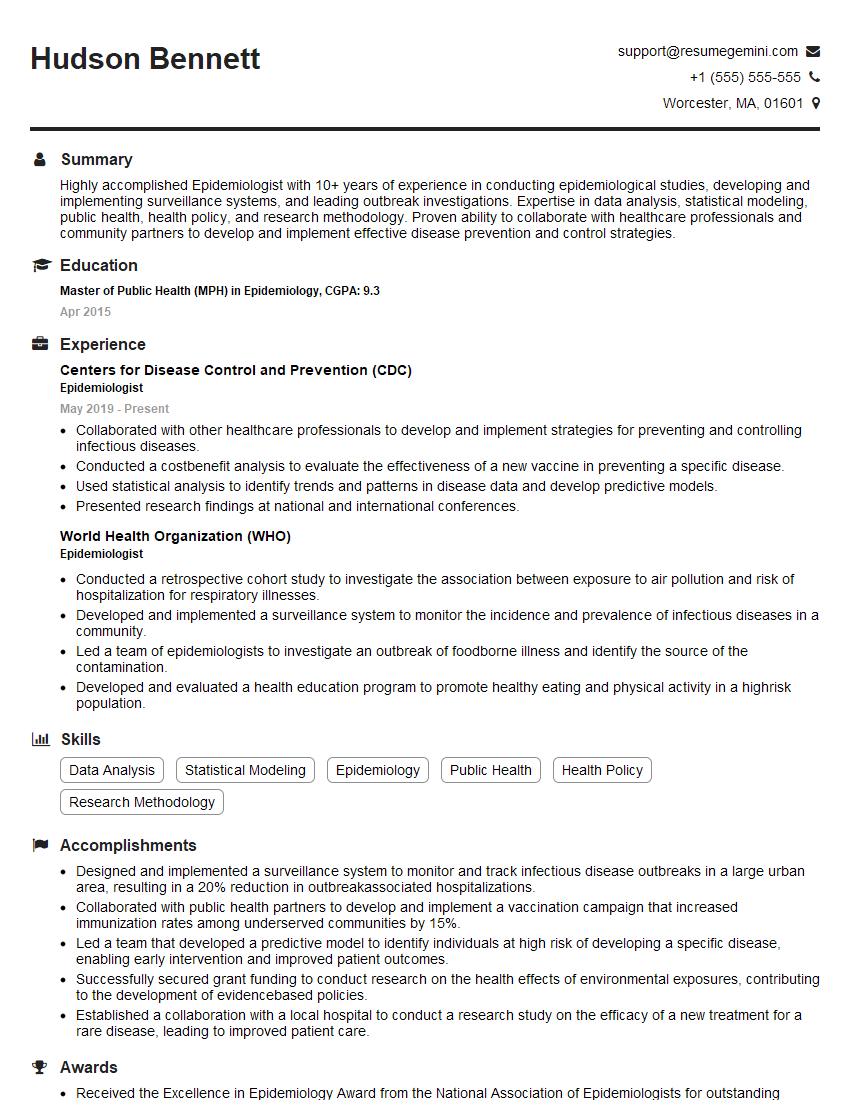
Epidemiologist Resume Sample
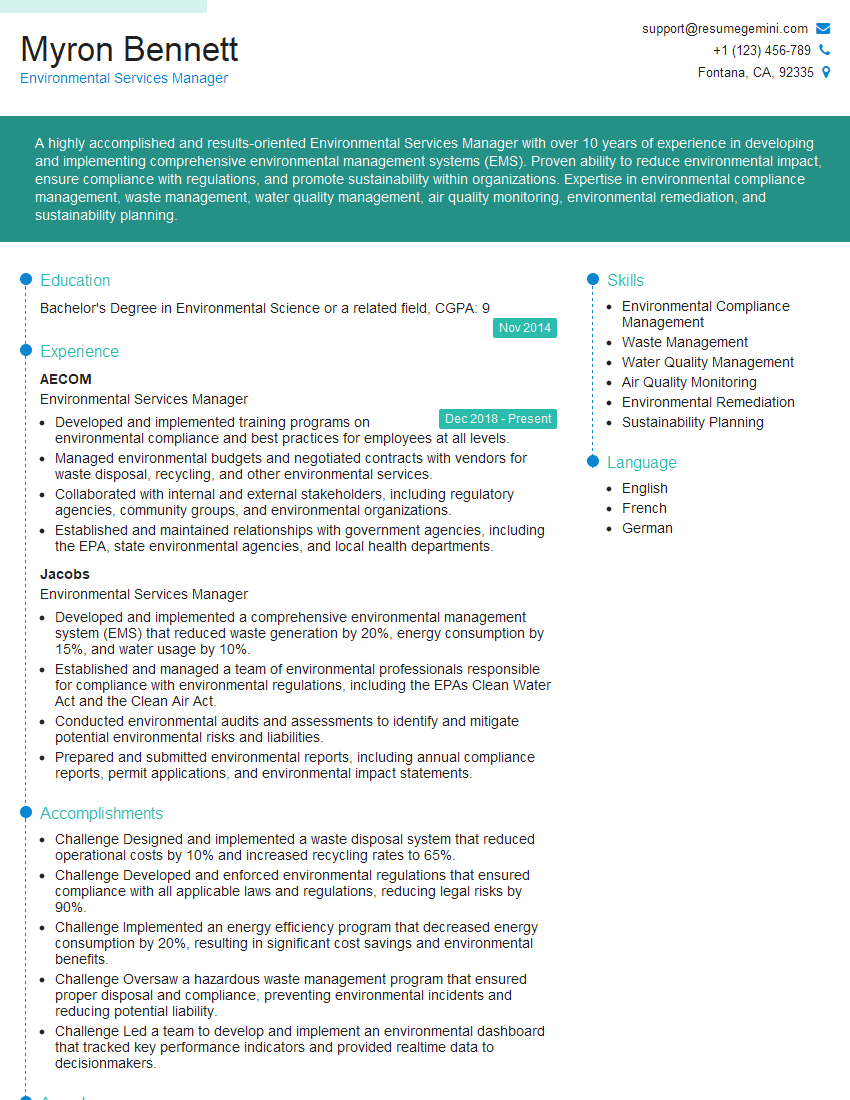
Environmental Services Manager Resume Sample
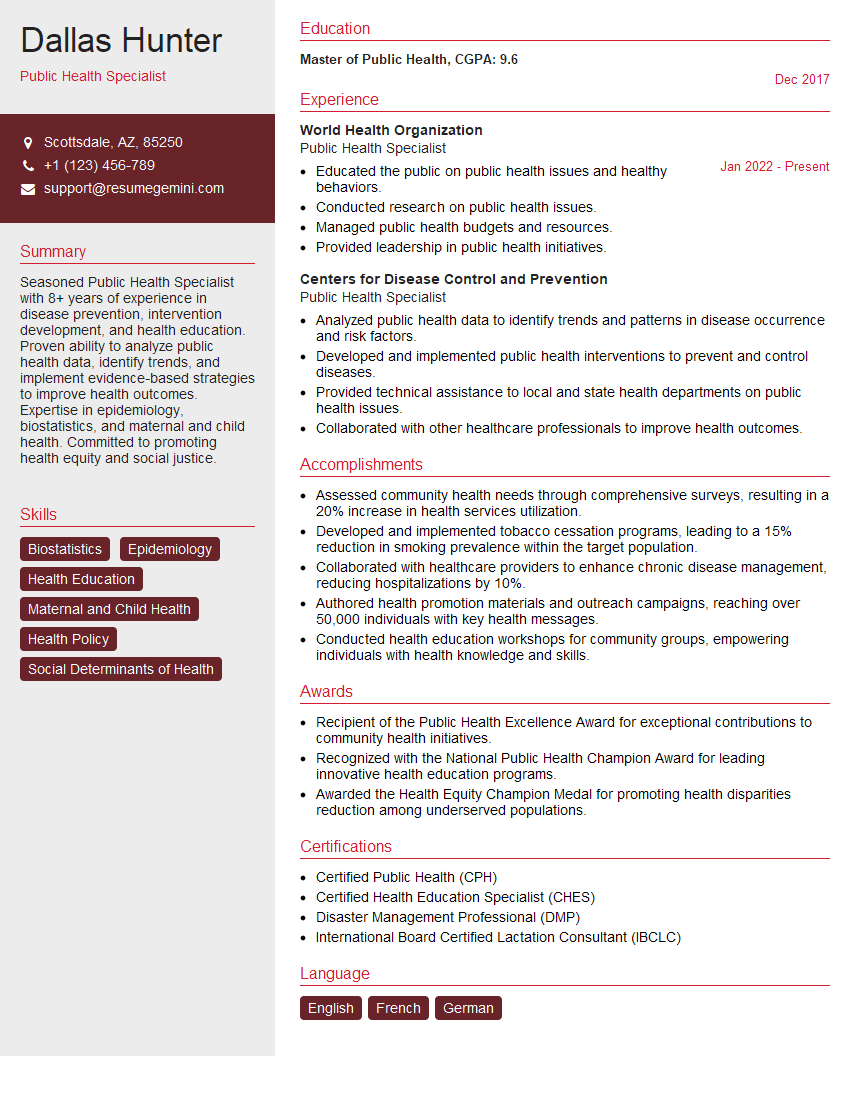
Public Health Specialist Resume Sample
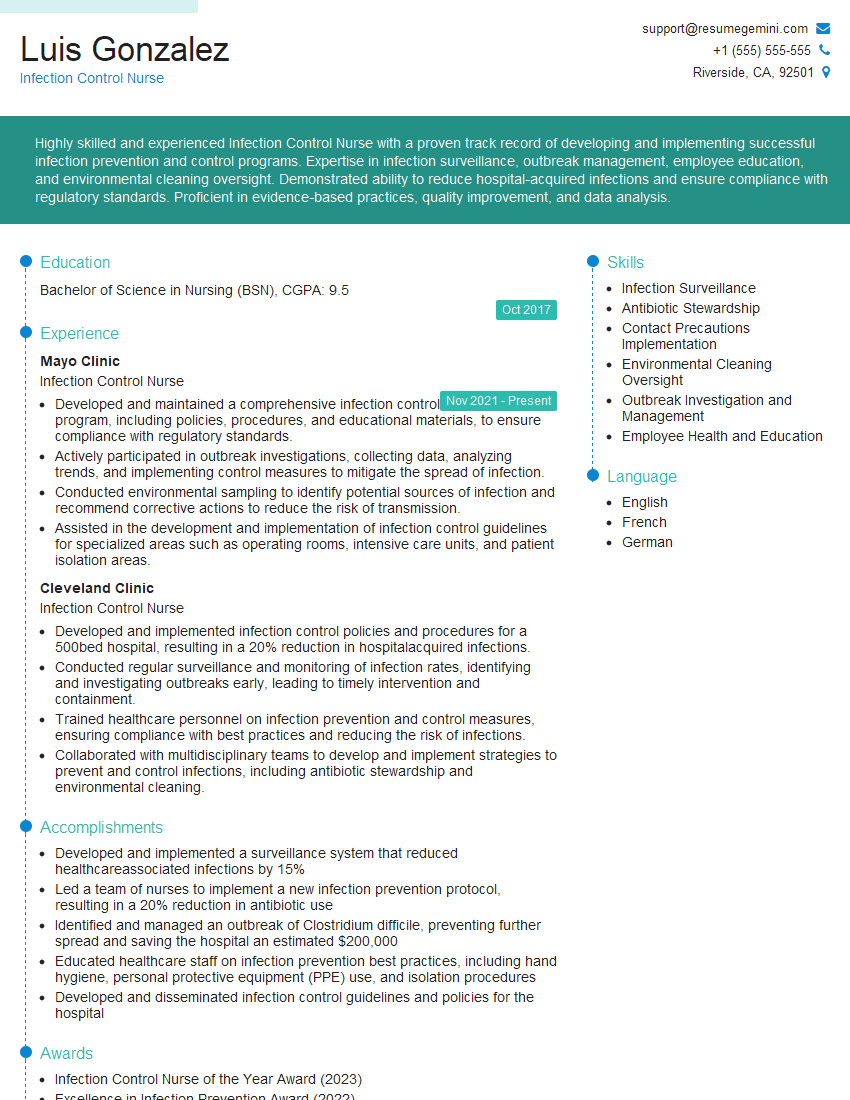
Infection Control Nurse Resume Sample
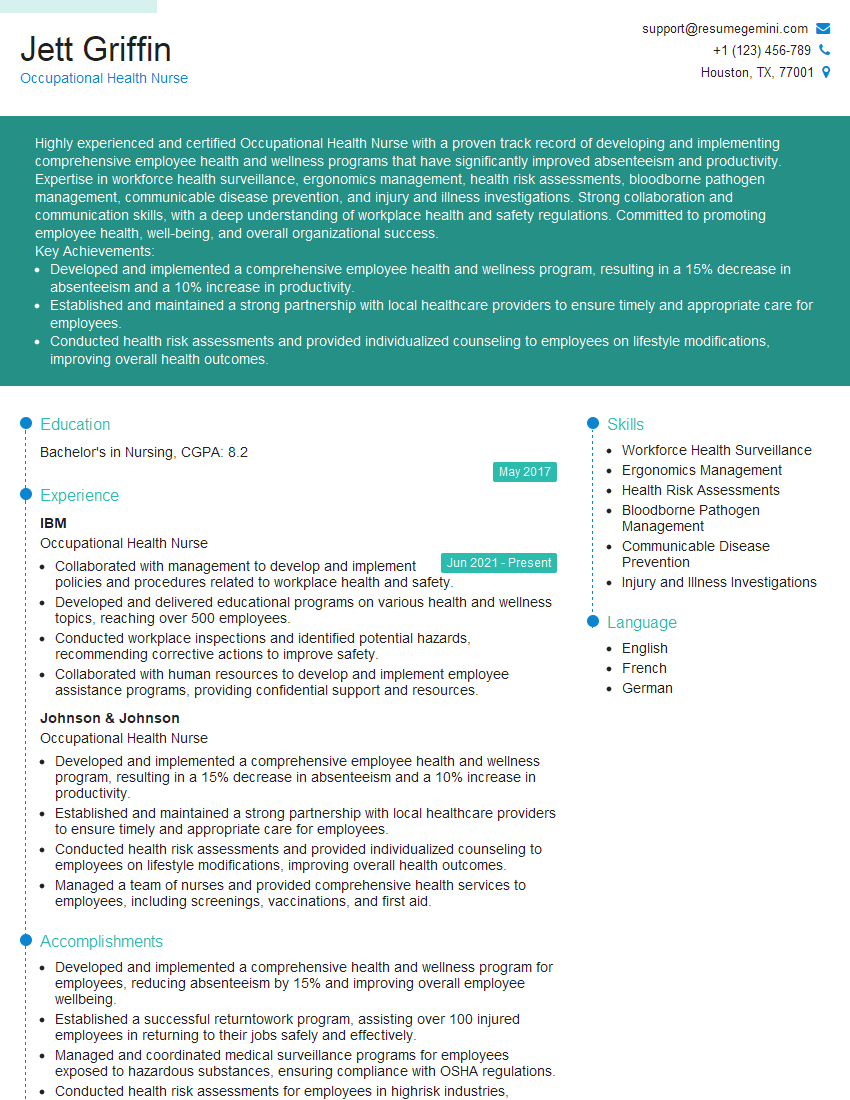
Occupational Health Nurse Resume Sample
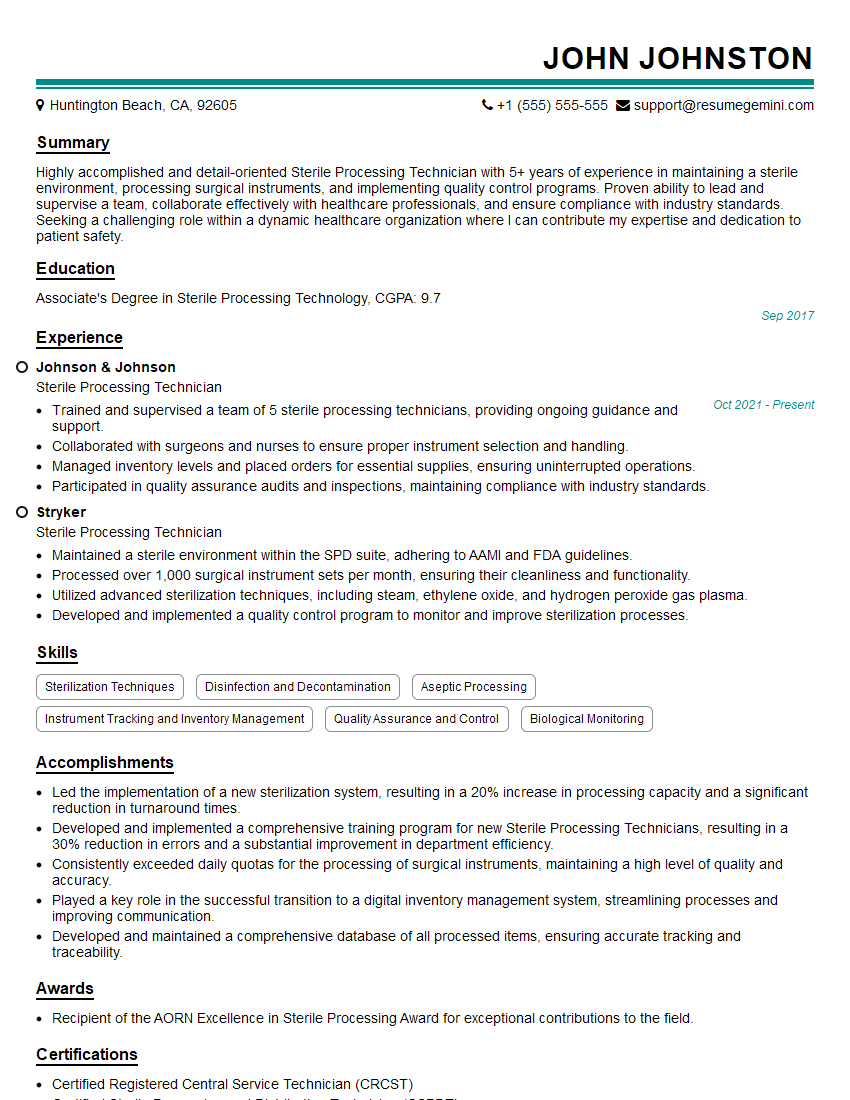
Sterile Processing Technician Resume Sample
Explore more articles
Users Rating of Our Blogs
Share Your Experience
We value your feedback! Please rate our content and share your thoughts (optional).
What Readers Say About Our Blog
Very informative content, great job.
good