Cracking a skill-specific interview, like one for Following Instructions Accurately, requires understanding the nuances of the role. In this blog, we present the questions you’re most likely to encounter, along with insights into how to answer them effectively. Let’s ensure you’re ready to make a strong impression.
Questions Asked in Following Instructions Accurately Interview
Q 1. Describe a time you had to follow complex, multi-step instructions.
Following complex, multi-step instructions requires a methodical approach. It’s like assembling a complex piece of furniture – you can’t just start putting things together randomly. A successful outcome relies on careful planning and execution.
For example, during a previous role, I was tasked with implementing a new data pipeline. This involved multiple steps: acquiring data from various sources (databases, APIs, CSV files), cleaning and transforming the data using SQL and Python scripts, loading the data into a data warehouse, and finally, building a dashboard for visualization. My strategy was to break down the entire process into smaller, manageable tasks. I created a detailed checklist, documenting each step, its dependencies, and expected output. I rigorously followed this checklist, testing each step thoroughly before moving to the next. This approach ensured that I didn’t miss any crucial steps and allowed for easier error detection and correction.
Another example involved setting up a complex server infrastructure for a new project. This included configuring firewalls, setting up load balancers, and configuring various software applications, all following very specific instruction manuals and configurations files. Again, I used a checklist and documented each step to ensure completeness and accuracy.
Q 2. How do you handle ambiguous instructions?
Ambiguous instructions are a common challenge. Think of it like receiving a map with blurry landmarks – you need to clarify the route to avoid getting lost. My approach involves seeking clarification proactively.
First, I carefully analyze the instructions to identify the unclear parts. I then formulate clear, concise questions to address the ambiguities. I might ask clarifying questions like: “Does ‘process X’ refer to X1 or X2?”, or “What is the expected output for step Y?”. I document all questions and answers to avoid future misunderstandings.
If clarification is impossible, I make a reasonable assumption based on my understanding of the context and document this assumption explicitly. This transparency is crucial – it allows others to review my work and understand the rationale behind my decisions, even if there was ambiguity in the initial instructions.
Q 3. What strategies do you use to ensure accuracy in your work?
Accuracy is paramount. My strategies involve meticulous planning, thorough execution, and rigorous verification.
- Planning: Before starting any task, I carefully read and understand the instructions. I break down complex tasks into smaller, manageable sub-tasks to reduce errors. I also create a checklist to ensure that all steps are completed.
- Execution: I follow the instructions precisely, paying close attention to detail. I use a methodical approach and document each step, including any assumptions or decisions made.
- Verification: I verify my work at each stage, using appropriate methods such as testing, cross-checking, and reviewing my work against the instructions. I also utilize peer review when appropriate to catch errors I might have missed.
For instance, while working on a financial report, a small calculation error could lead to significant discrepancies. Therefore, I double-check all calculations and cross-reference my data with multiple sources to ensure accuracy.
Q 4. How do you prioritize tasks when given multiple instructions simultaneously?
Prioritizing tasks when given multiple instructions simultaneously requires a clear understanding of deadlines, dependencies, and importance. It’s like managing multiple projects simultaneously – some are urgent, others are important, and some can wait.
I use a prioritization framework that considers these factors. I often employ techniques like a Kanban board or a simple to-do list, categorized by priority (high, medium, low) and deadline. High-priority, urgent tasks get immediate attention. I then move to medium-priority tasks, and finally, I address lower-priority tasks. I continuously reassess priorities as new information becomes available. Communication with the person who assigned the tasks is also key to ensure that I’m working on the most crucial items first.
Q 5. Have you ever had to follow instructions that you disagreed with? How did you handle it?
There have been instances where I disagreed with the instructions provided. It’s important to remember that following instructions doesn’t mean blindly obeying them. Instead, it’s about achieving the intended outcome efficiently and effectively.
My approach is to respectfully express my concerns and suggest alternative approaches. I might say something like, “I understand the instructions, but I’m concerned that this approach might have unintended consequences X and Y. Would it be possible to consider alternative Z, which might be more efficient and less risky?” I always present my suggestions constructively, focusing on the positive outcomes and offering data to support my arguments. If the disagreement persists, I make sure to document my concerns and the rationale for the final course of action, ensuring that any potential problems are made clear.
Q 6. Describe your process for verifying the accuracy of your work.
Verifying the accuracy of my work is a crucial part of my process. It’s like proofreading an important document before submitting it – you want to ensure there are no errors.
My verification process depends on the nature of the task. For example, after coding a program, I conduct thorough testing, including unit testing, integration testing, and user acceptance testing. For data analysis, I cross-check my results with multiple sources and perform sensitivity analysis. For written documents, I carefully proofread for grammar, spelling, and factual accuracy. If possible, I get a second pair of eyes to review my work as well. The process is often iterative, involving multiple rounds of verification and refinement to ensure accuracy.
Q 7. How do you handle errors when following instructions?
Handling errors is an inevitable part of following instructions. The important thing isn’t avoiding errors, but how you handle them when they occur.
My approach is to first identify the source of the error. Was it a misunderstanding of the instructions? A calculation error? A technical issue? Once identified, I meticulously retrace my steps, using debugging tools or checklists to pinpoint the exact location of the mistake. Then, I correct the error and verify the correction before continuing. I document the error and the corrective actions taken to prevent similar mistakes in the future. This detailed documentation helps in improving the process and preventing recurrence.
Q 8. How do you stay organized when following multiple sets of instructions?
Staying organized when juggling multiple instruction sets is paramount. I employ a multi-pronged approach, starting with a clear prioritization strategy. I typically list all instructions, assigning each a priority level (high, medium, low) based on deadlines and dependencies. This prioritization informs the order in which I tackle tasks.
Next, I use a task management system; this could be a digital tool like Trello or Asana, or a simple notebook with clearly labeled sections for each set of instructions. Within each section, I break down complex instructions into smaller, manageable sub-tasks. This granular approach helps prevent feeling overwhelmed and allows for tracking progress effectively. Finally, regular review of my task list—perhaps daily or even hourly depending on complexity—ensures I stay on track and adjust my approach as needed.
For example, if I’m working on a software project alongside writing a report, I might assign the most pressing software development tasks ‘high’ priority and schedule specific blocks of time to focus solely on those tasks, minimizing distractions. The report writing could be broken down into research, outline, drafting, and editing phases, each with its own deadline.
Q 9. How do you ensure you understand instructions before beginning a task?
Understanding instructions completely before starting is crucial to avoid rework and errors. My approach involves a three-step process: Read, Question, Summarize.
- Read: I carefully read the instructions at least twice, paying attention to keywords, technical terms, and any diagrams or visuals provided.
- Question: After the initial read-through, I identify any areas that are unclear or ambiguous. I write down these questions to address systematically.
- Summarize: Finally, I summarize the instructions in my own words, either verbally or in writing. This step helps me solidify my understanding and catch any misinterpretations.
For instance, if a recipe calls for ‘1 cup of all-purpose flour,’ I would clarify whether this is a level cup or a heaped cup, as different measurements can impact the final result. This proactive questioning prevents errors that might only become apparent at the end of the process.
Q 10. How do you handle conflicting instructions from different sources?
Conflicting instructions are a potential source of error. My strategy focuses on identification, resolution, and documentation. First, I carefully identify the conflicting instructions and their sources. This may involve reviewing multiple documents or consulting different individuals. Second, I prioritize the instructions based on their authority and relevance. For instance, instructions from a senior manager would typically supersede those from a junior colleague. Third, I escalate the conflict to the appropriate person or department if I can’t resolve it independently. Finally, I clearly document the conflict, the resolution chosen, and any associated rationale.
Imagine receiving instructions to use one version of a software library from a project lead, and another version from the documentation. I would verify the instructions with both individuals, explaining the discrepancy and establishing which version is the correct one for this particular stage of the project. Any change would be carefully logged and communicated.
Q 11. What is your approach to clarifying unclear instructions?
When faced with unclear instructions, I proactively seek clarification. My approach emphasizes direct communication and thorough documentation. First, I meticulously review the instructions, noting every point of confusion. Then, I identify the appropriate person to contact—this might be the author of the instructions or a supervisor who has context. I formulate my questions clearly and concisely, providing sufficient context to ensure the response is accurate and targeted. Finally, I document the clarification received to ensure consistency and avoid future ambiguity.
For example, if instructions mention a specific software function that I’m unfamiliar with, I wouldn’t just guess; instead, I’d ask for a detailed explanation, or perhaps a brief tutorial or sample code if available.
Q 12. Describe a time you had to interpret complex instructions.
During a previous project, I was tasked with implementing a complex algorithm from a research paper. The paper detailed the algorithm’s mathematical logic but lacked specific implementation details. My approach involved breaking down the algorithm into its core components, carefully studying the mathematical equations, and writing out the pseudocode for each step.
I tested each component individually before integrating them into the final implementation. This iterative approach helped identify and resolve implementation errors early in the process. While this was a challenging task, by meticulously translating the abstract mathematical description into executable code, while documenting each step of my work, I successfully implemented the algorithm, achieving the desired outcome.
Q 13. How do you manage your time when following detailed instructions?
Managing time effectively when following detailed instructions is about planning, estimation, and flexibility. Before starting, I estimate the time required for each sub-task, taking into account potential challenges and unforeseen delays. This estimation guides my scheduling and allows for buffer time. I use time management techniques like the Pomodoro Technique (working in focused intervals with short breaks) to maintain concentration and avoid burnout. I also track my progress regularly, making adjustments to my schedule if necessary.
If a task is taking longer than anticipated, I analyze why. Is there a misunderstanding of the instructions? Do I need additional resources or support? Actively monitoring progress and adapting my schedule ensures timely completion, even in the face of unexpected delays.
Q 14. What do you do if you encounter an unexpected problem while following instructions?
Encountering unexpected problems is inevitable when following complex instructions. My response involves a structured problem-solving process:Identify, Analyze, Act, Document.
- Identify: I clearly define the problem, documenting the specific step where it occurred.
- Analyze: I investigate the root cause of the problem, looking for potential errors in my approach, issues with the instructions themselves, or external factors.
- Act: Based on the analysis, I develop and implement a solution, which may involve seeking clarification, debugging code, or seeking assistance from colleagues.
- Document: Finally, I document the problem, the solution implemented, and any lessons learned to prevent recurrence.
If, while following assembly instructions for a piece of furniture, a part is missing or damaged, I would first check all the packaging to ensure it wasn’t overlooked. If not found, I would contact the manufacturer or retailer for a replacement. This approach ensures issues are resolved efficiently and avoids repeating errors.
Q 15. Describe a situation where you had to follow instructions precisely despite time constraints.
Following instructions precisely under time pressure requires a structured approach and prioritization. It’s like a race where accuracy is just as important as speed.
In a previous role, I was tasked with configuring a complex network server before a crucial client demonstration. The instructions spanned several documents and involved intricate steps with specific command sequences. We had only four hours, and any delay would mean a significant loss of revenue. My approach involved: 1) Thoroughly reviewing all instructions before starting, identifying critical paths and potential bottlenecks; 2) Breaking the task into smaller, manageable steps, ticking each off as completed; 3) Prioritizing steps based on dependencies and time sensitivity; and 4) Regularly checking my progress against the timeline. By meticulously following each step and utilizing time management techniques, we completed the configuration on time and successfully showcased the server to the client.
Career Expert Tips:
- Ace those interviews! Prepare effectively by reviewing the Top 50 Most Common Interview Questions on ResumeGemini.
- Navigate your job search with confidence! Explore a wide range of Career Tips on ResumeGemini. Learn about common challenges and recommendations to overcome them.
- Craft the perfect resume! Master the Art of Resume Writing with ResumeGemini’s guide. Showcase your unique qualifications and achievements effectively.
- Don’t miss out on holiday savings! Build your dream resume with ResumeGemini’s ATS optimized templates.
Q 16. How do you maintain focus when following lengthy or repetitive instructions?
Maintaining focus during lengthy or repetitive instructions is crucial for accuracy. Think of it like a marathon, not a sprint – pacing and strategy are key. I use several techniques:
- Chunking: Breaking down large tasks into smaller, more manageable segments helps to avoid feeling overwhelmed.
- Regular Breaks: Short, planned breaks every 30-45 minutes allow for rest and refocusing.
- Mindfulness Techniques: Practicing mindfulness helps in staying present and focused on the task at hand.
- Creating Checklists: Regularly reviewing checklists ensures I stay on track and prevents missing steps.
For example, when working with lengthy data entry tasks, I set smaller targets (e.g., 50 entries per session) and take a break after each target is met.
Q 17. Explain your approach to documentation when following instructions.
Documentation is paramount when following instructions, acting as a record of actions taken and decisions made. It’s like keeping a detailed map of your journey. My approach involves:
- Detailed Notes: Recording each step, including any deviations from instructions.
- Screenshots: Capturing relevant screens for reference and troubleshooting.
- Version Control: Using version control systems (e.g., Git) to track changes to configurations or code.
- Clear and Concise Language: Using simple and precise language to make notes easily understandable.
This comprehensive documentation ensures repeatability, allows for easy troubleshooting, and facilitates collaboration if needed.
Q 18. Describe a time you had to adapt your approach when following instructions.
Adapting to changing circumstances while following instructions is a vital skill. It’s about navigating uncharted waters effectively. During a software deployment, the server’s storage capacity unexpectedly decreased. The initial instructions didn’t account for this. I had to quickly assess the situation, research alternative solutions, and adapt my approach. This involved: 1) Identifying the root cause of the discrepancy; 2) Researching alternative solutions that matched the reduced capacity; and 3) Documenting the changes and communicating these to the team. By adapting my approach, we successfully completed the deployment despite unforeseen challenges.
Q 19. How do you handle instructions that change mid-process?
Handling mid-process instruction changes requires careful attention and clear communication. It’s like adjusting the course of a ship mid-ocean. My approach involves:
- Confirming the Change: Verifying the updated instructions and understanding the rationale behind the change.
- Assessing the Impact: Determining how the change affects the completed steps and remaining tasks.
- Re-Prioritization: Adjusting the workflow to accommodate the changes efficiently.
- Documenting Adjustments: Clearly noting the changes made, their impact, and any corrective actions taken.
Clear communication with the instructing party is essential to ensure complete understanding of the changes.
Q 20. How do you ensure you’re following the most up-to-date instructions?
Ensuring access to the most up-to-date instructions is crucial to avoid errors. Think of it as always having the latest map version. My methods include:
- Centralized Repository: Relying on a central repository (e.g., a shared drive, version control system) for all instructions.
- Regular Checks for Updates: Periodically checking for revisions or updated versions of documents.
- Version Control Systems: Utilizing version control systems to track changes and revert to previous versions if needed.
- Notification Systems: Leveraging notification systems to alert me of updates or changes to instructions.
This proactive approach helps ensure I’m always working with the most current and accurate information.
Q 21. What is your method for double-checking your work for accuracy?
Double-checking work is the final checkpoint before completion, ensuring high accuracy. It’s like proofreading a crucial document before submission. My method involves:
- Independent Verification: Using a different method or approach to verify results.
- Cross-Referencing: Comparing results against expected outputs or reference data.
- Peer Review (when applicable): Having a colleague review my work for accuracy and potential errors.
- Self-Review: Taking a break before review to approach the task with fresh eyes.
This multi-faceted approach helps identify and correct errors before they escalate.
Q 22. Describe your experience with using instruction manuals or guides.
My experience with instruction manuals and guides is extensive and spans various contexts, from assembling furniture to configuring complex software. I approach each document methodically, first reviewing the overview or introduction to grasp the overall task and its objectives. Then, I proceed step-by-step, meticulously following each instruction in sequence. I often utilize techniques like highlighting key points, annotating diagrams, and cross-referencing sections to ensure complete understanding. For example, when assembling IKEA furniture, I always lay out all the parts and components as indicated, carefully matching the numbers and labels with the manual’s illustrations before starting the assembly. This systematic approach significantly minimizes errors and reduces assembly time. In software configuration, I approach manuals similarly, paying close attention to command-line instructions or specific configuration file parameters.
Q 23. How do you handle situations where instructions are incomplete or missing information?
When encountering incomplete or missing information in instructions, I employ a multi-pronged approach. Firstly, I thoroughly review the entire document to see if any other section clarifies the missing information. Secondly, I leverage online resources like the manufacturer’s website, online forums, or knowledge bases related to the product or task. Thirdly, I might contact customer support or seek assistance from a colleague who might have prior experience with the task or similar instructions. Finally, if all else fails, I carefully document the missing information and proceed with the steps I can confirm, pausing until the missing information is obtained. For instance, if an assembly instruction skips a crucial step, I would first check the manufacturer’s website for an errata or updated manual. If that doesn’t provide a solution, I’ll contact customer support before attempting the ambiguous step.
Q 24. How do you prioritize accuracy over speed when following instructions?
Prioritizing accuracy over speed is paramount in my approach to following instructions. I understand that rushing can lead to mistakes that could have serious consequences. My strategy involves breaking down complex instructions into smaller, manageable tasks and meticulously completing each one before moving on. I double-check my work at each stage, confirming that each step aligns with the instructions. This methodical approach might appear slower initially but significantly reduces errors and rework, ultimately leading to greater efficiency. Think of it like baking a cake—following the recipe precisely, even if it takes a little longer, results in a far superior outcome than a rushed attempt with potential disastrous results.
Q 25. How do you proactively identify potential issues before starting a task based on instructions?
Proactive identification of potential issues involves a careful pre-task analysis of the instructions. I start by reviewing the entire instruction set to get a holistic understanding of the task. I then identify any potential points of ambiguity or complexity. I look for terms I don’t understand and clarify them before proceeding. I also check for any potential conflicts between steps or instructions. I’ll visualize the process, anticipating possible challenges. For example, if instructions require specialized tools, I ensure I have them before beginning. This proactive approach prevents unexpected roadblocks and saves time in the long run. It’s akin to preparing for a journey by checking your map, fuel levels, and ensuring you have all your necessary supplies before starting your drive.
Q 26. How do you utilize feedback to improve your ability to follow instructions?
Feedback is crucial to improving my ability to follow instructions. I actively seek feedback at every opportunity, particularly after completing a task. I analyze the feedback critically, identifying areas where I excelled and areas for improvement. For example, if feedback highlights a tendency to overlook small details, I incorporate double-checking measures into my workflow. If feedback points to a misunderstanding of a specific instruction type, I seek additional training or resources to improve my comprehension. I maintain a log of feedback received, noting recurring patterns to continuously refine my approach. This iterative process of self-improvement is essential for achieving excellence in following instructions.
Q 27. Can you describe a time when meticulous attention to detail prevented a serious error?
During a software deployment project, I was responsible for configuring a server using a complex set of instructions. One step involved entering a long string of alphanumeric characters into a configuration file. The instructions emphasized the precise order and case-sensitivity of the characters. Many colleagues rushed through this step, but I painstakingly verified each character multiple times. Later, it emerged that a single incorrect character would have resulted in a complete system failure, requiring a costly server rebuild. My meticulous attention to detail prevented this critical error, demonstrating the importance of accuracy over speed in high-stakes situations.
Q 28. How do you handle situations where instructions are presented in a disorganized manner?
When instructions are disorganized, I begin by reorganizing them logically. This might involve creating a flowchart, outlining the steps chronologically, or grouping related steps together. I might use color-coding or highlighting to visually distinguish different stages of the process. If diagrams or illustrations are present, I carefully study those to supplement the written instructions. This process of restructuring enables me to grasp the task’s overall flow and complete it more efficiently and accurately. For instance, if a recipe is scattered with instructions intermixed throughout the ingredient list, I’d rewrite the recipe into a clear, sequential format, separating ingredients and instructions into distinct sections.
Key Topics to Learn for Following Instructions Accurately Interview
- Understanding the Instruction: Deconstructing instructions into smaller, manageable steps. Identifying key words, deadlines, and priorities.
- Clarification and Questioning: Proactively seeking clarification when instructions are unclear or ambiguous. Knowing when and how to ask appropriate questions to ensure complete understanding.
- Prioritization and Time Management: Effectively managing time and resources to complete tasks according to specified instructions and deadlines. Prioritizing tasks based on importance and urgency.
- Attention to Detail: Demonstrating meticulous attention to detail in executing instructions, ensuring accuracy and minimizing errors.
- Documentation and Record Keeping: Maintaining accurate records of completed tasks and any deviations from instructions, providing clear and concise documentation.
- Adaptability and Problem-Solving: Responding effectively to unexpected challenges or changes in instructions. Utilizing problem-solving skills to navigate unforeseen obstacles while staying within the parameters of the given instructions.
- Self-Assessment and Reflection: Analyzing completed tasks to identify areas of strength and weakness in following instructions. Using this reflection to improve future performance.
Next Steps
Mastering the skill of accurately following instructions is paramount for career success. It demonstrates reliability, dependability, and a commitment to quality, traits highly valued by employers across all industries. To significantly enhance your job prospects, building an ATS-friendly resume is crucial. This ensures your application gets noticed by recruiters and hiring managers. We recommend using ResumeGemini, a trusted resource, to craft a professional and impactful resume that showcases your ability to follow instructions meticulously. Examples of resumes tailored to highlight this skill are available to guide you. Take the next step towards your dream job – build a resume that speaks volumes about your capabilities!
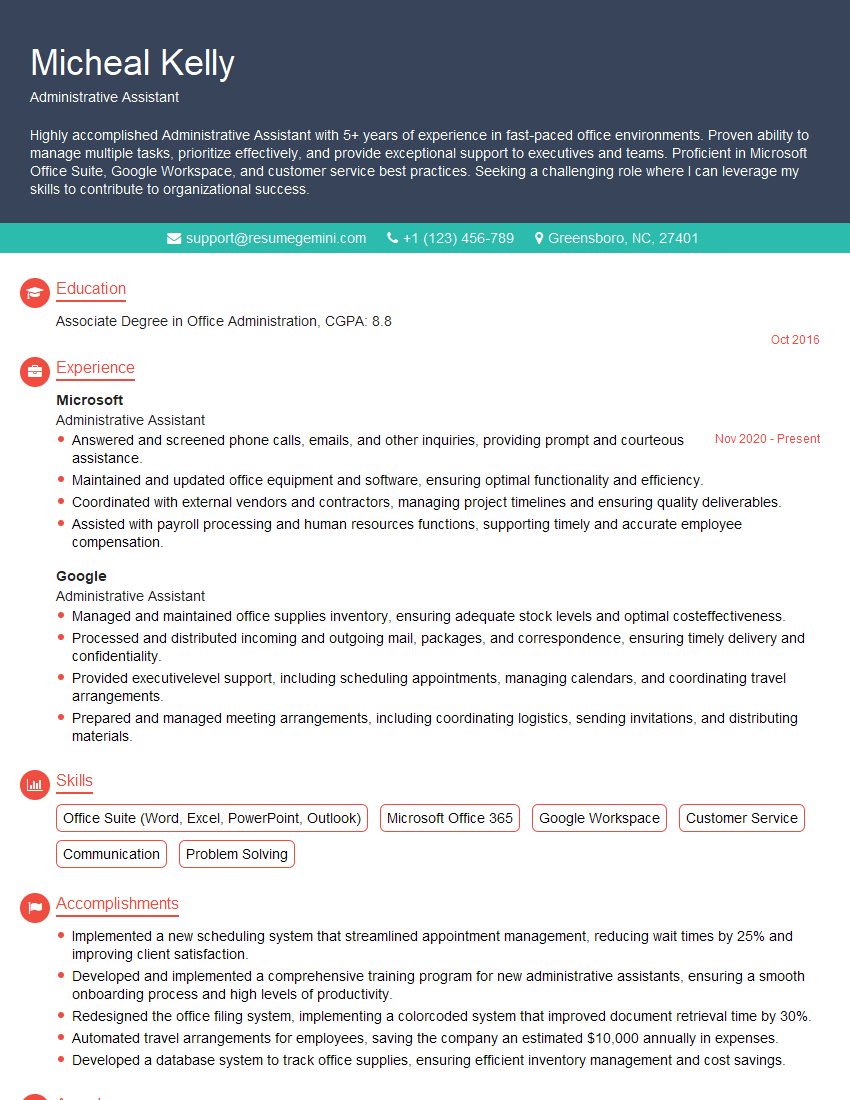
Administrative Assistant Resume Sample
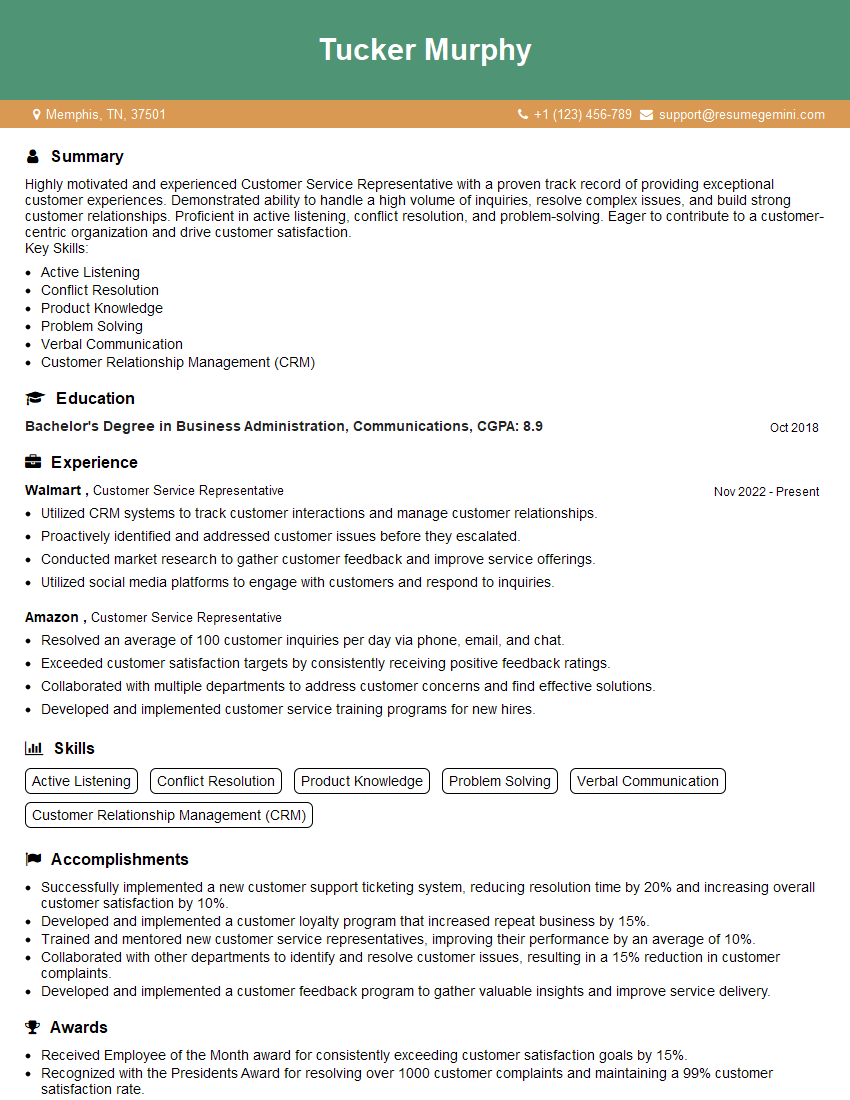
Customer Service Representative Resume Sample
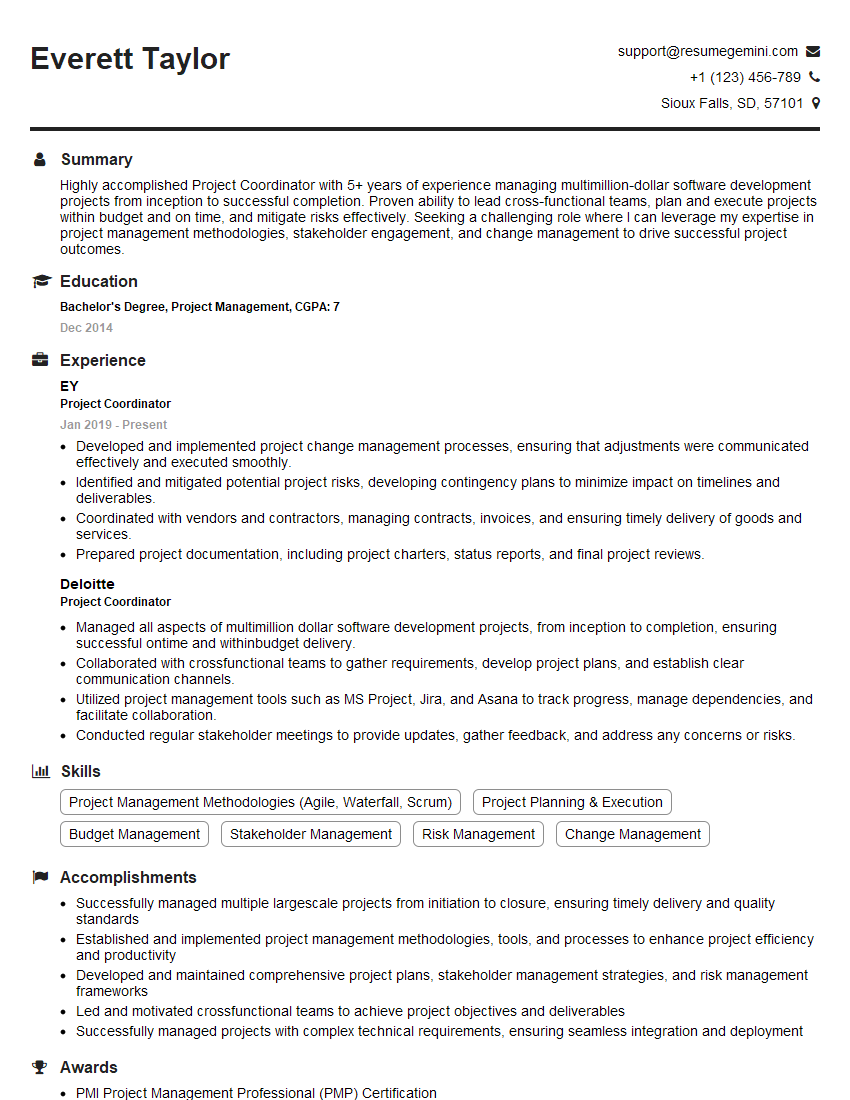
Project Coordinator Resume Sample

Compliance Officer Resume Sample
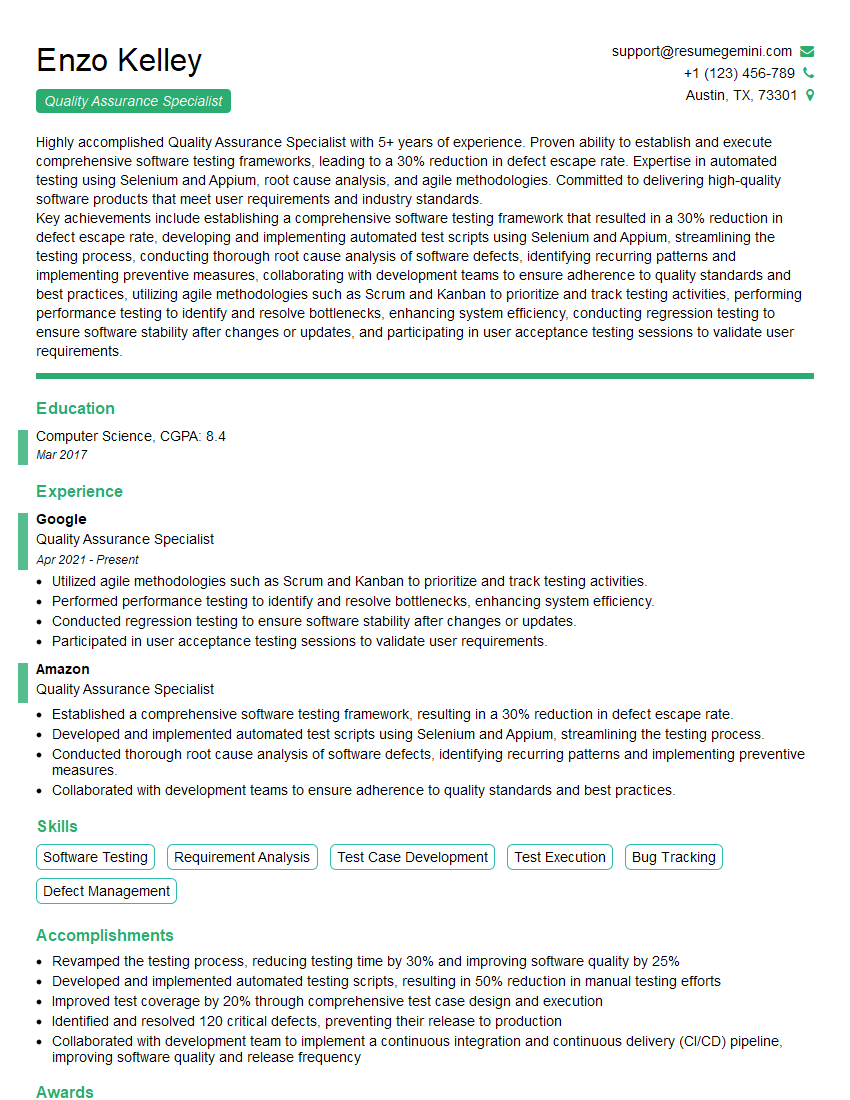
Quality Assurance Specialist Resume Sample
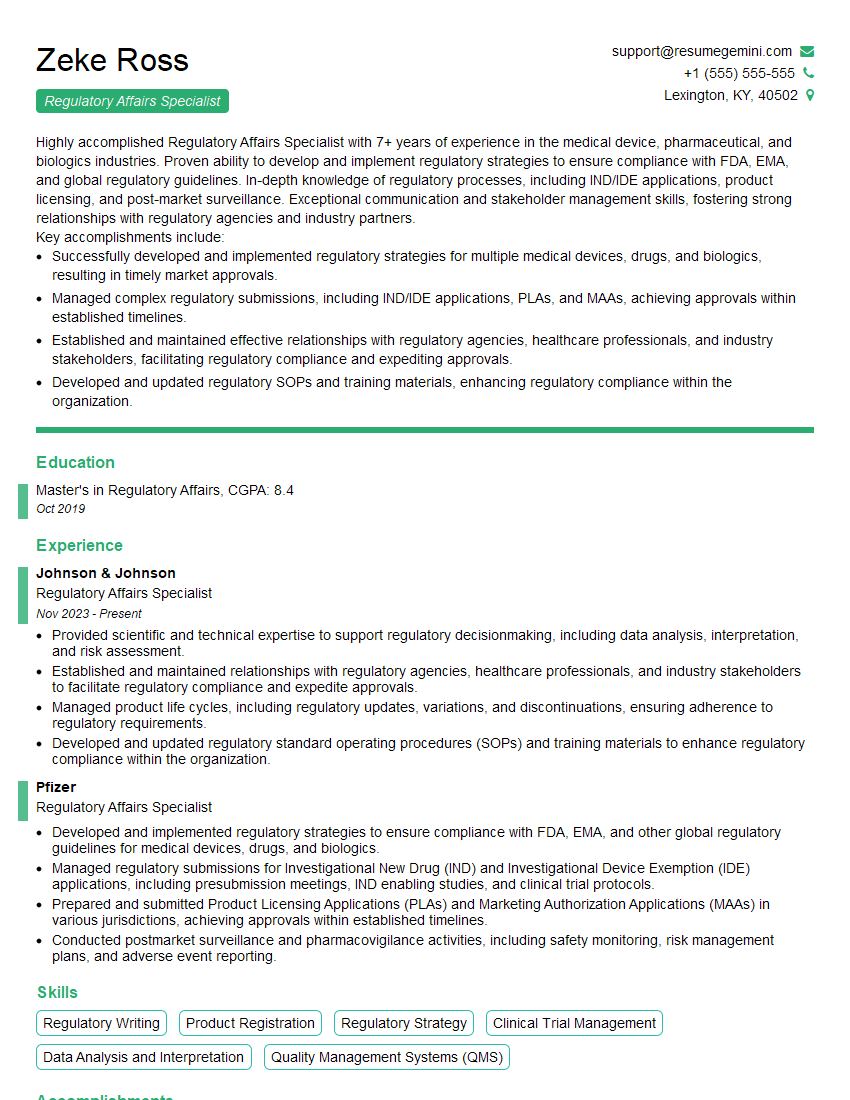
Regulatory Affairs Specialist Resume Sample
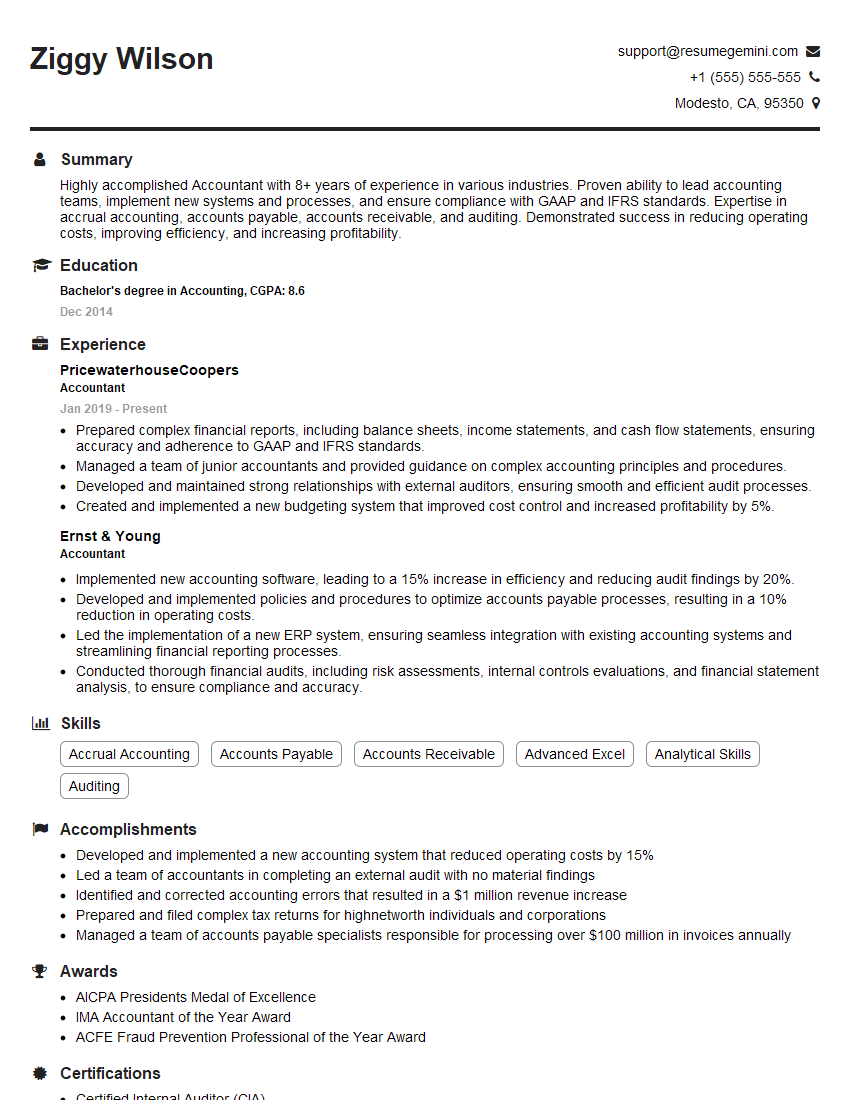
Accountant Resume Sample
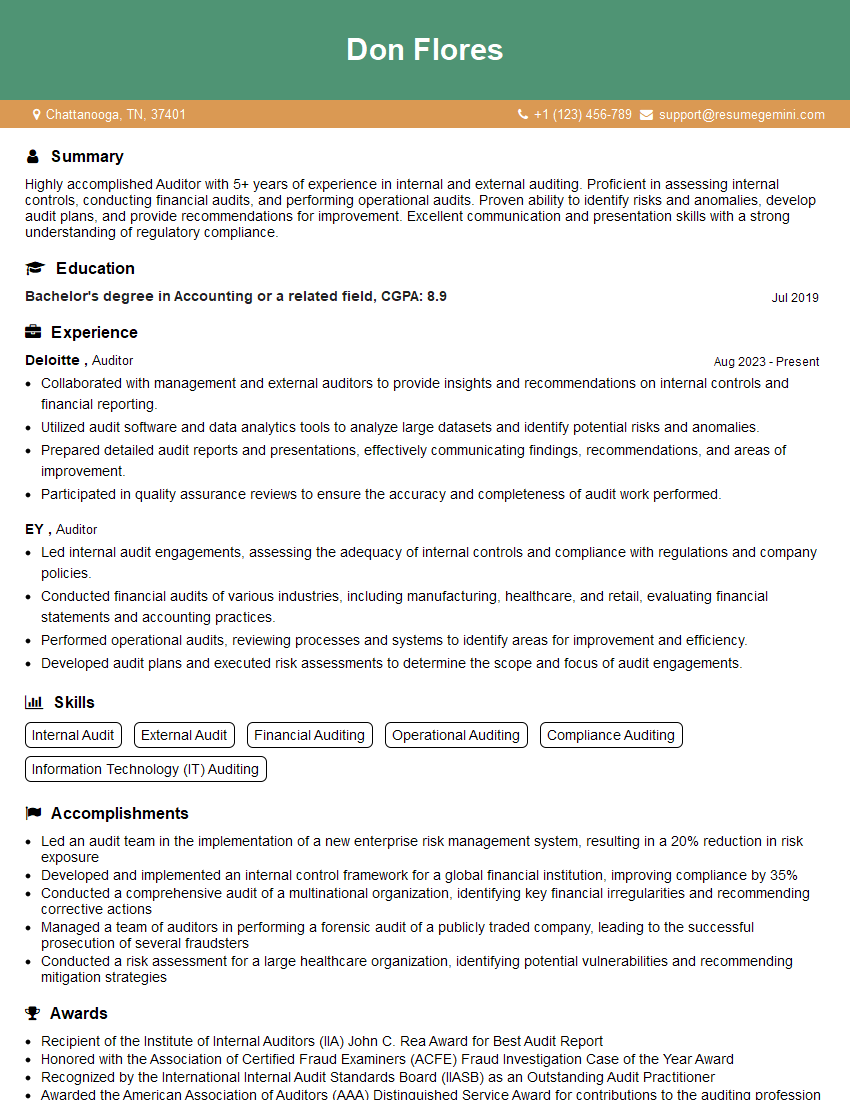
Auditor Resume Sample
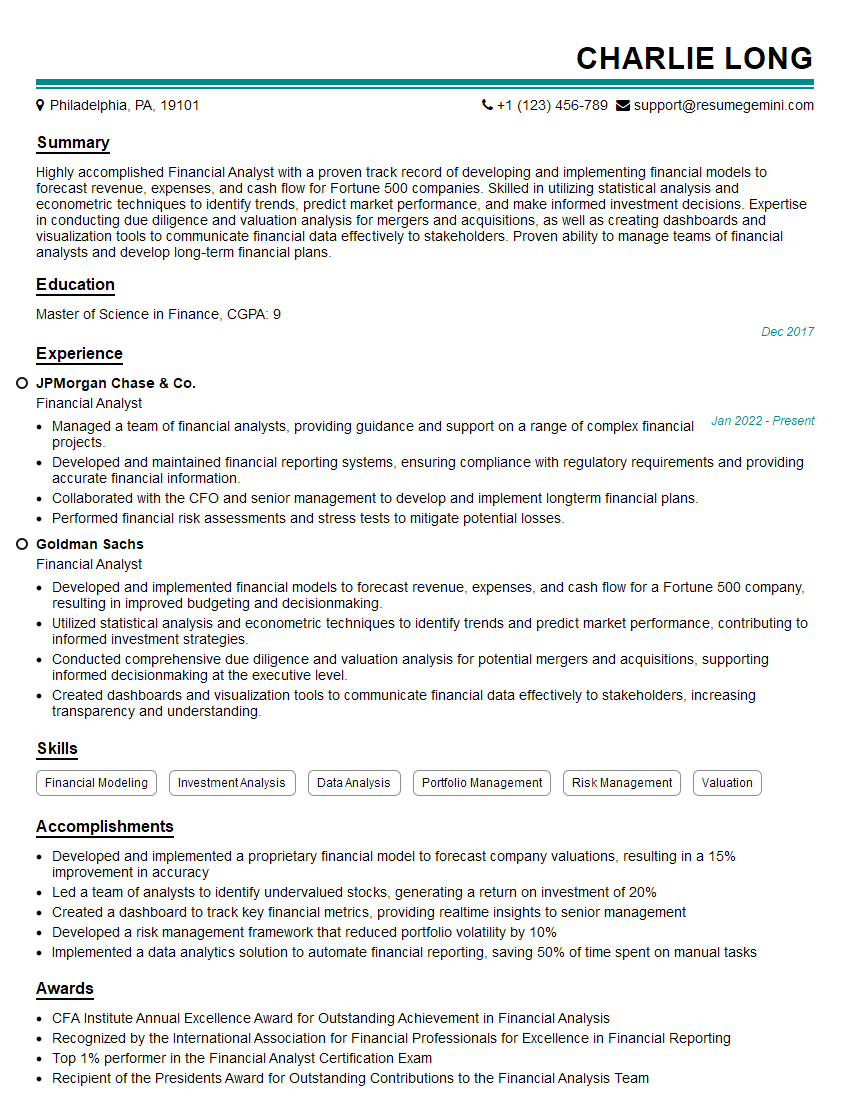
Financial Analyst Resume Sample
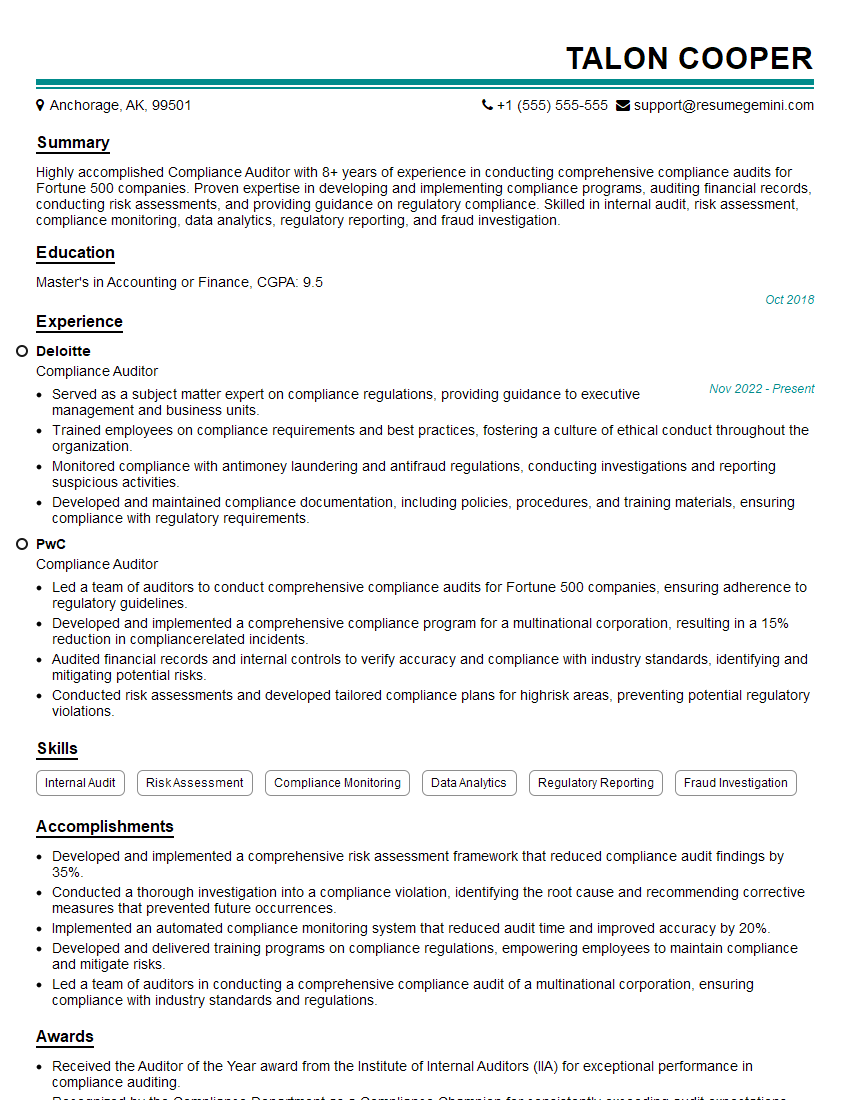
Compliance Auditor Resume Sample
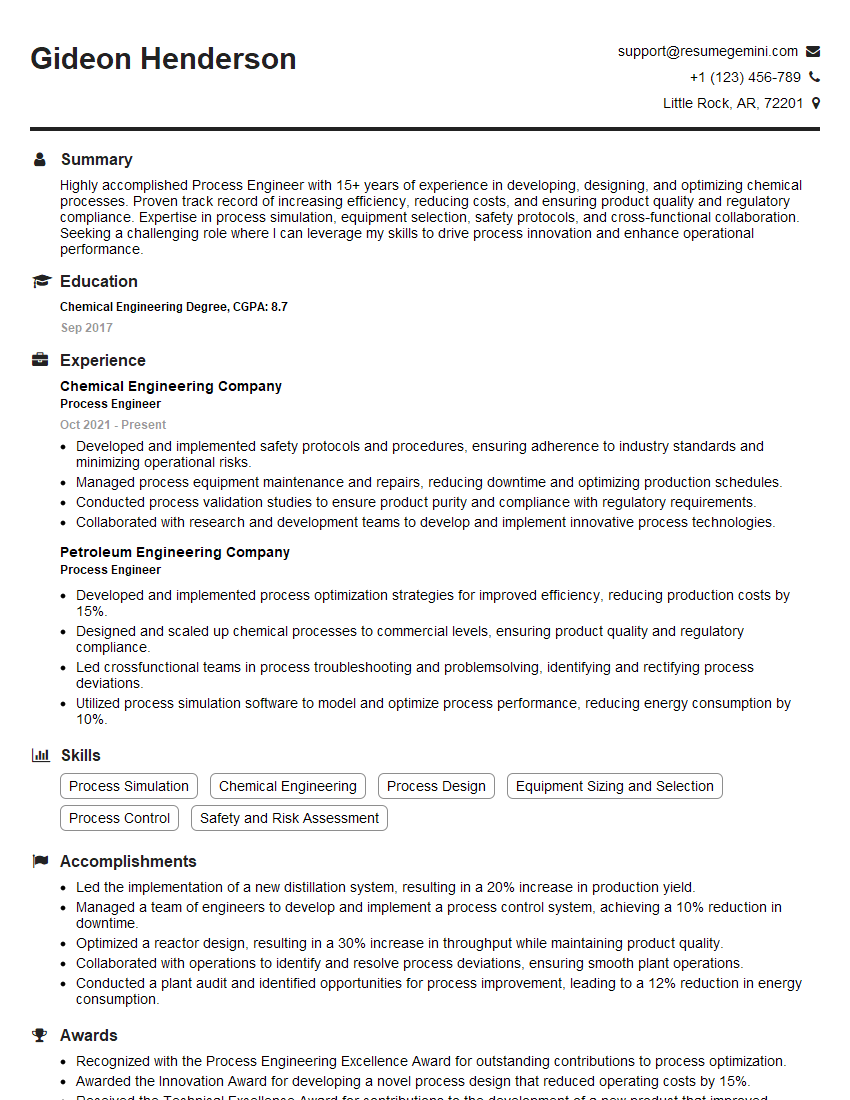
Process Engineer Resume Sample

Software Tester Resume Sample
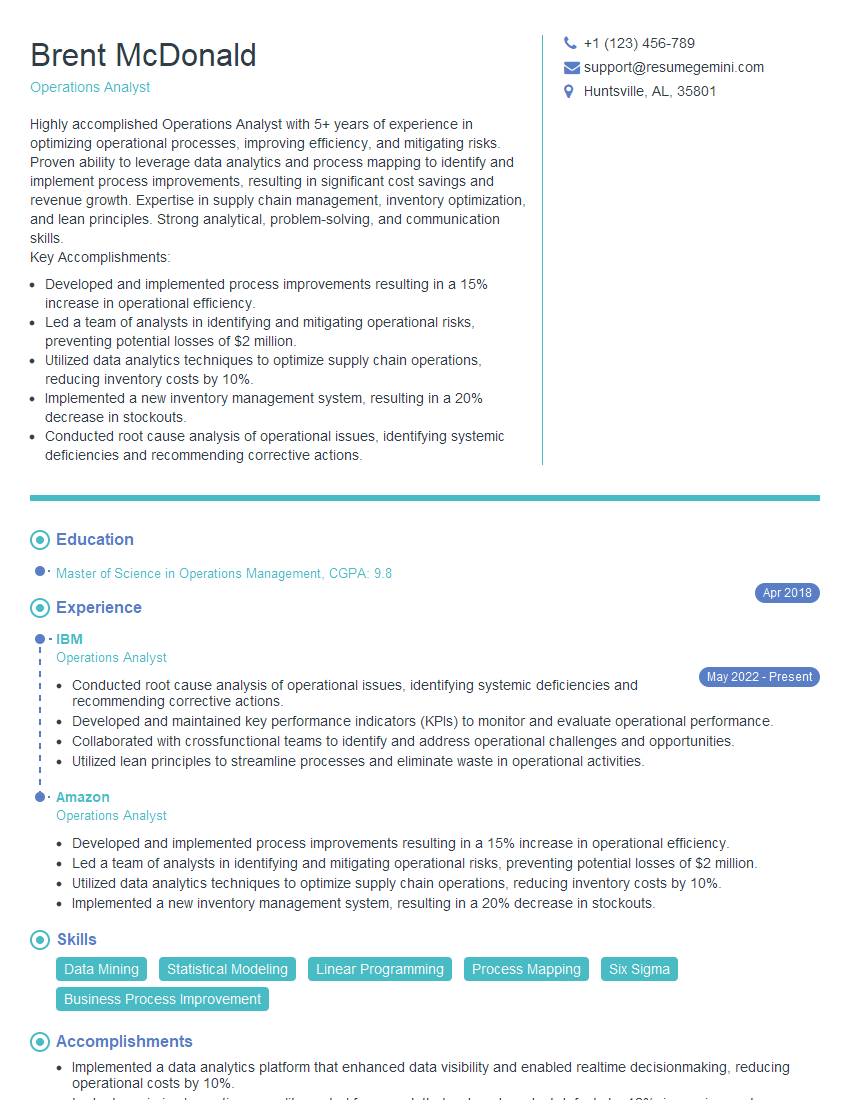
Operations Analyst Resume Sample
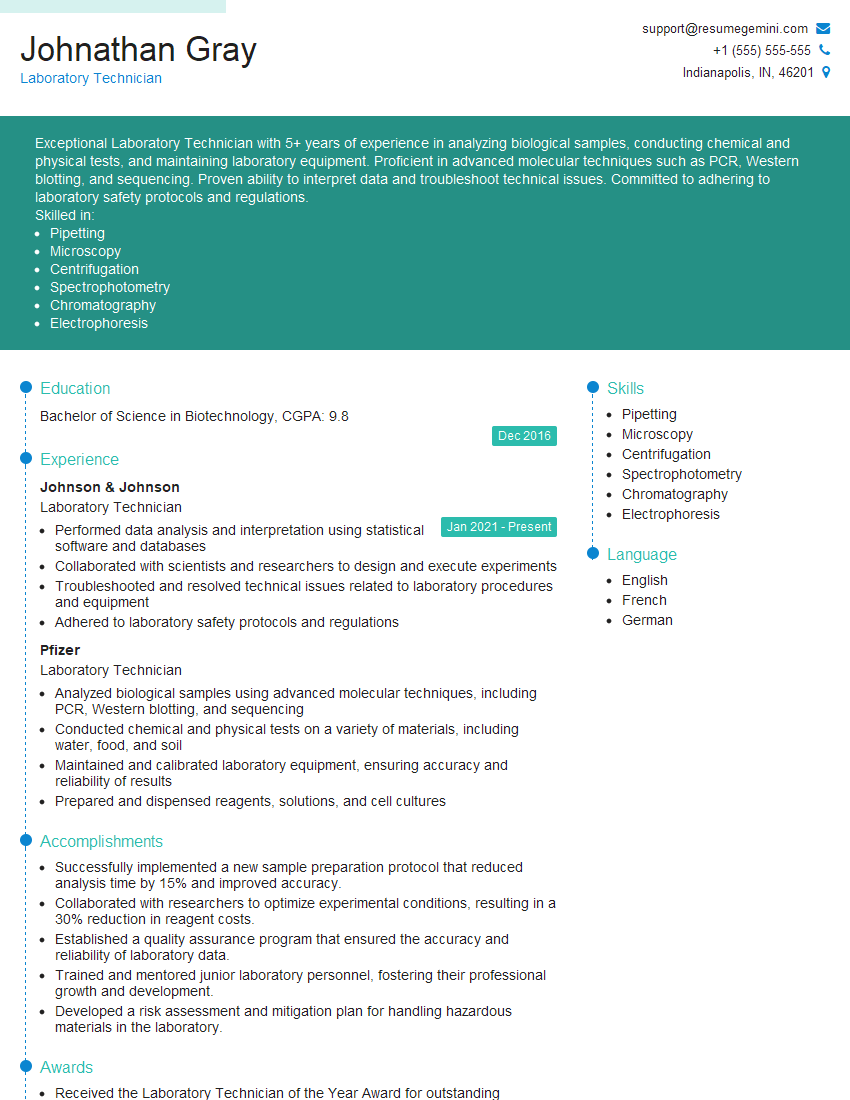
Laboratory Technician Resume Sample
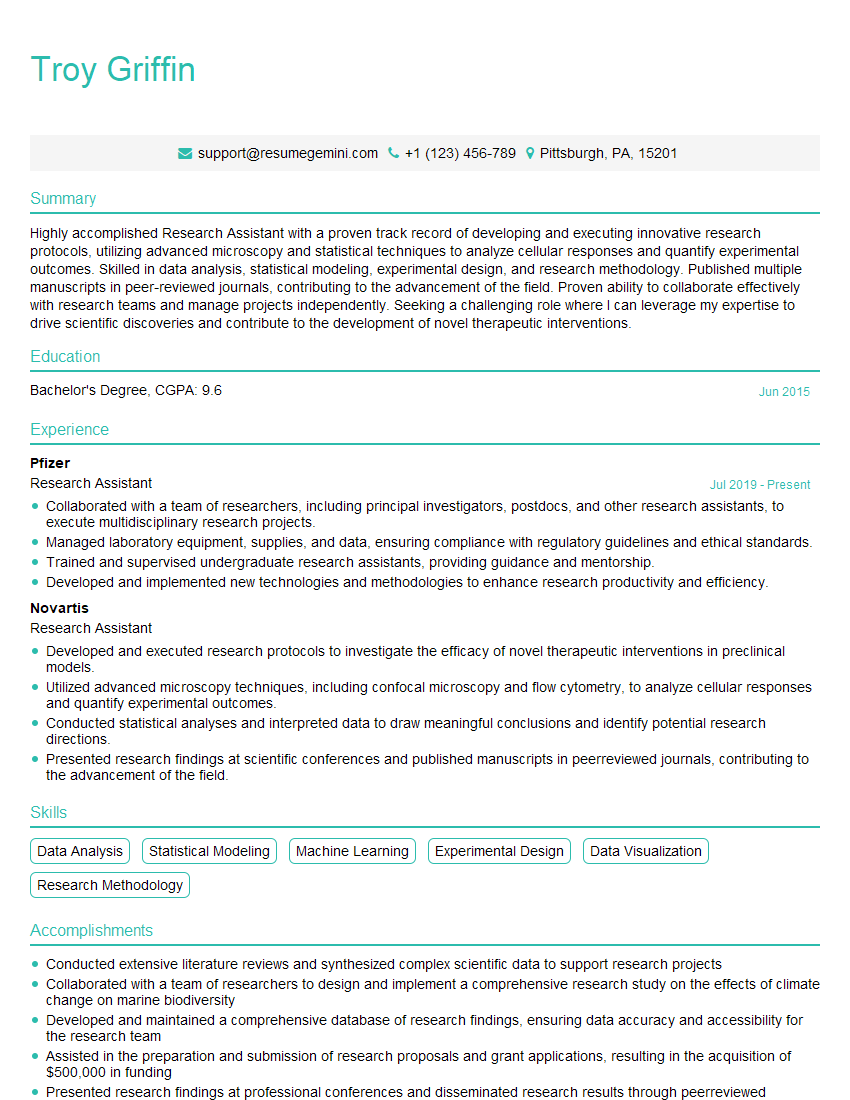
Research Assistant Resume Sample
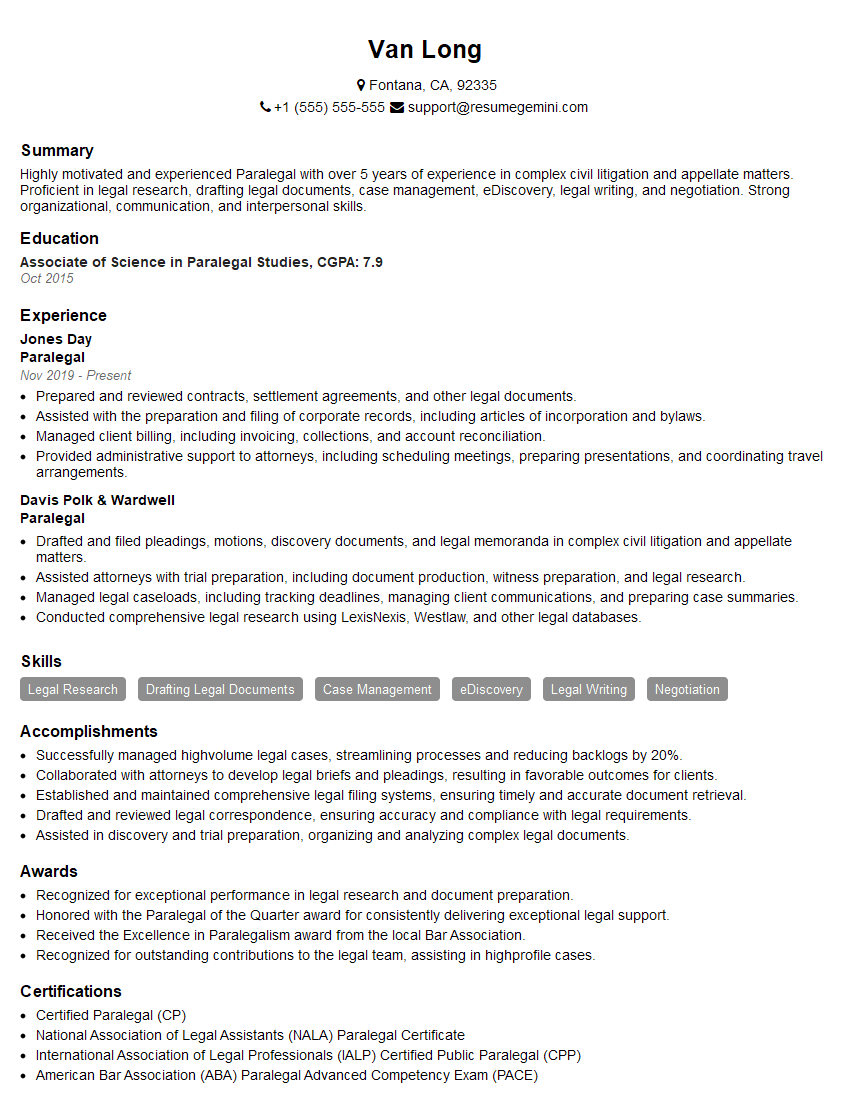
Paralegal Resume Sample
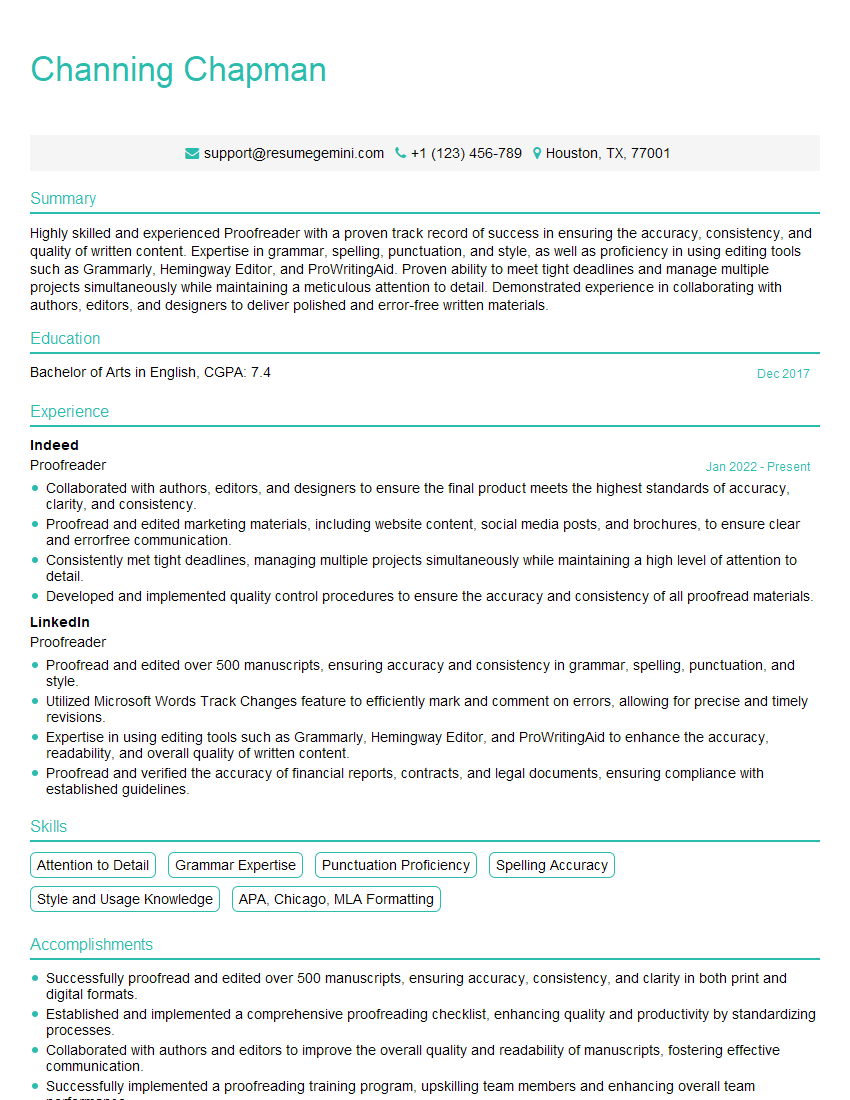
Proofreader Resume Sample

Technical Writer Resume Sample
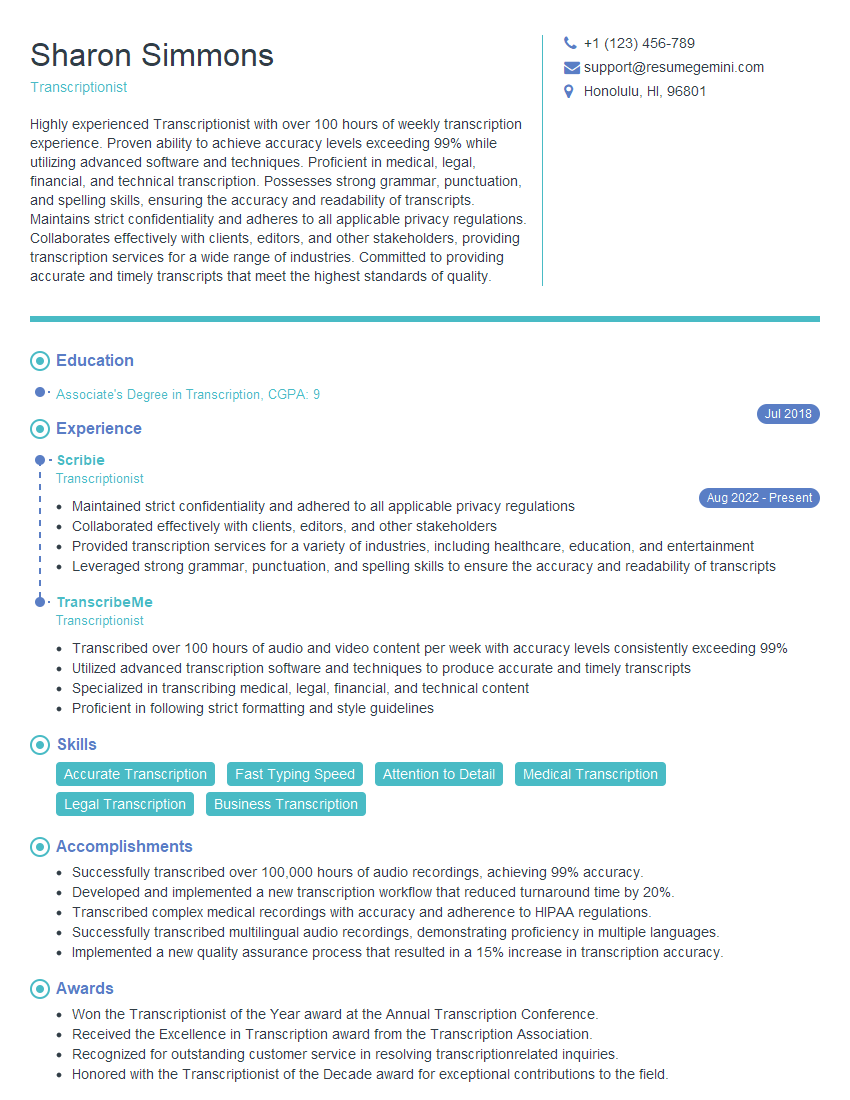
Transcriptionist Resume Sample
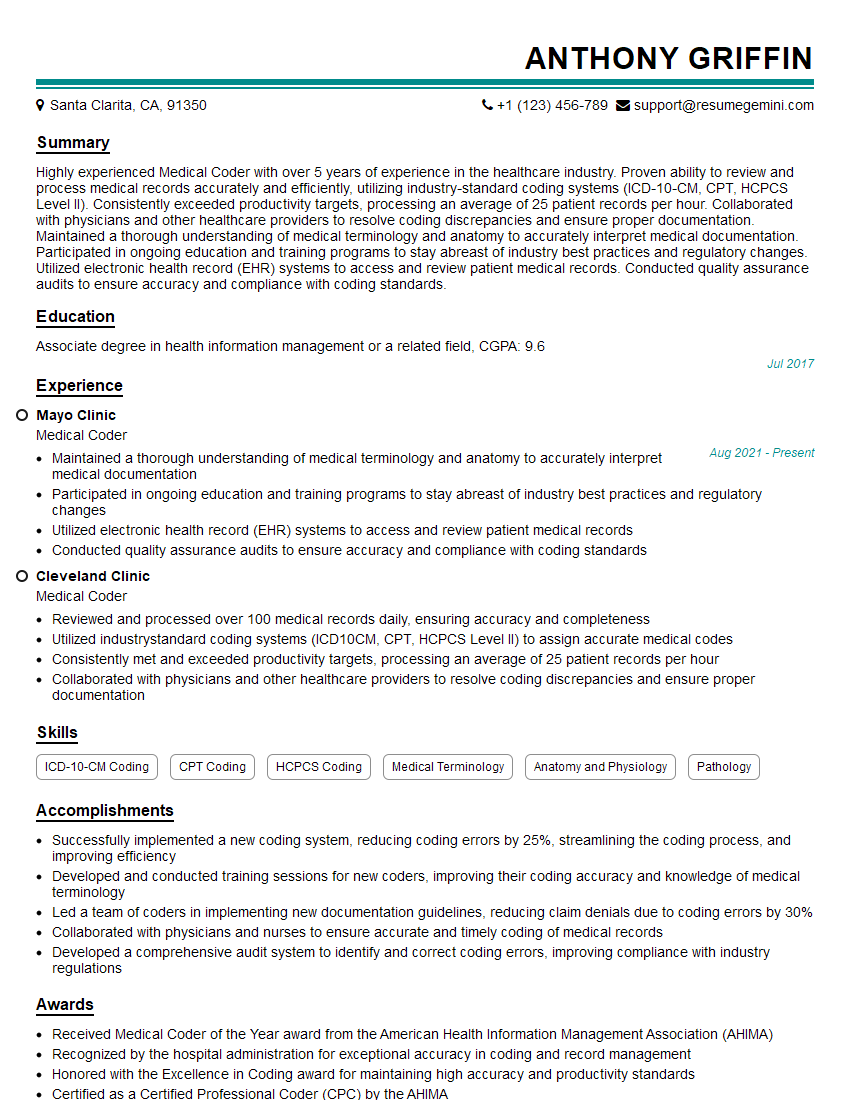
Medical Coder Resume Sample
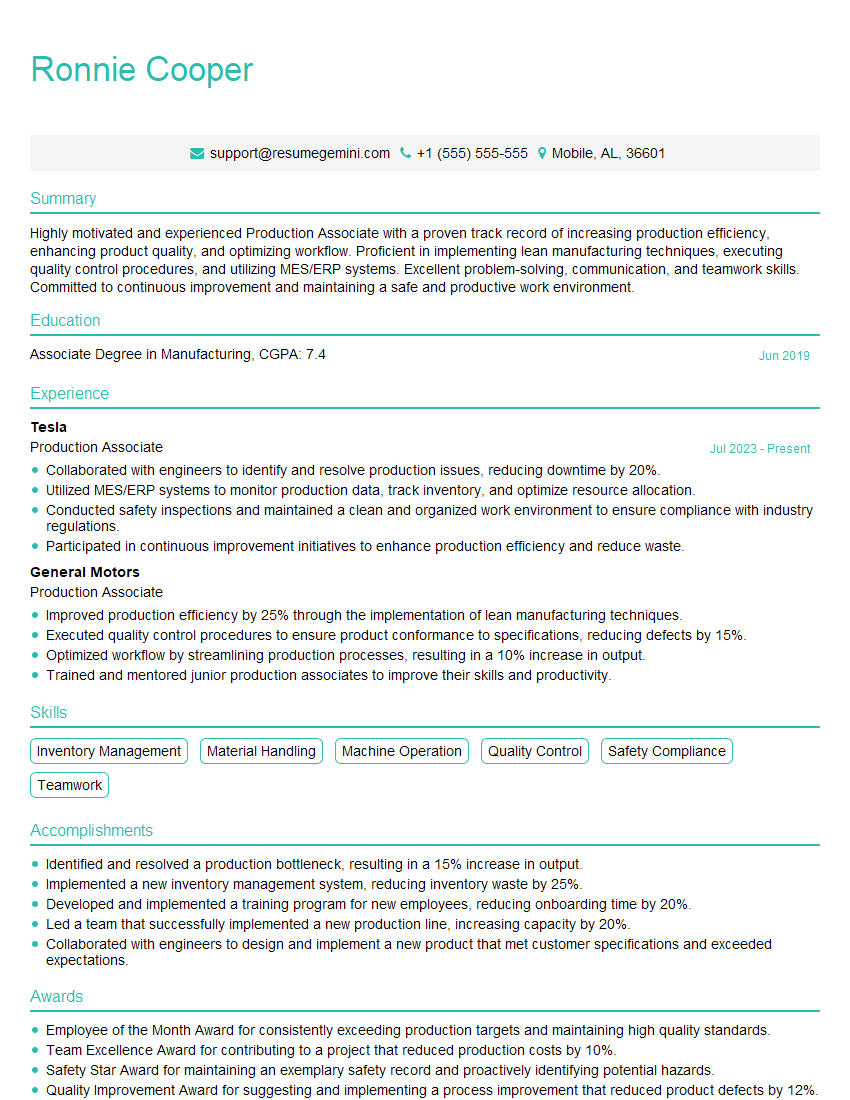
Production Associate Resume Sample
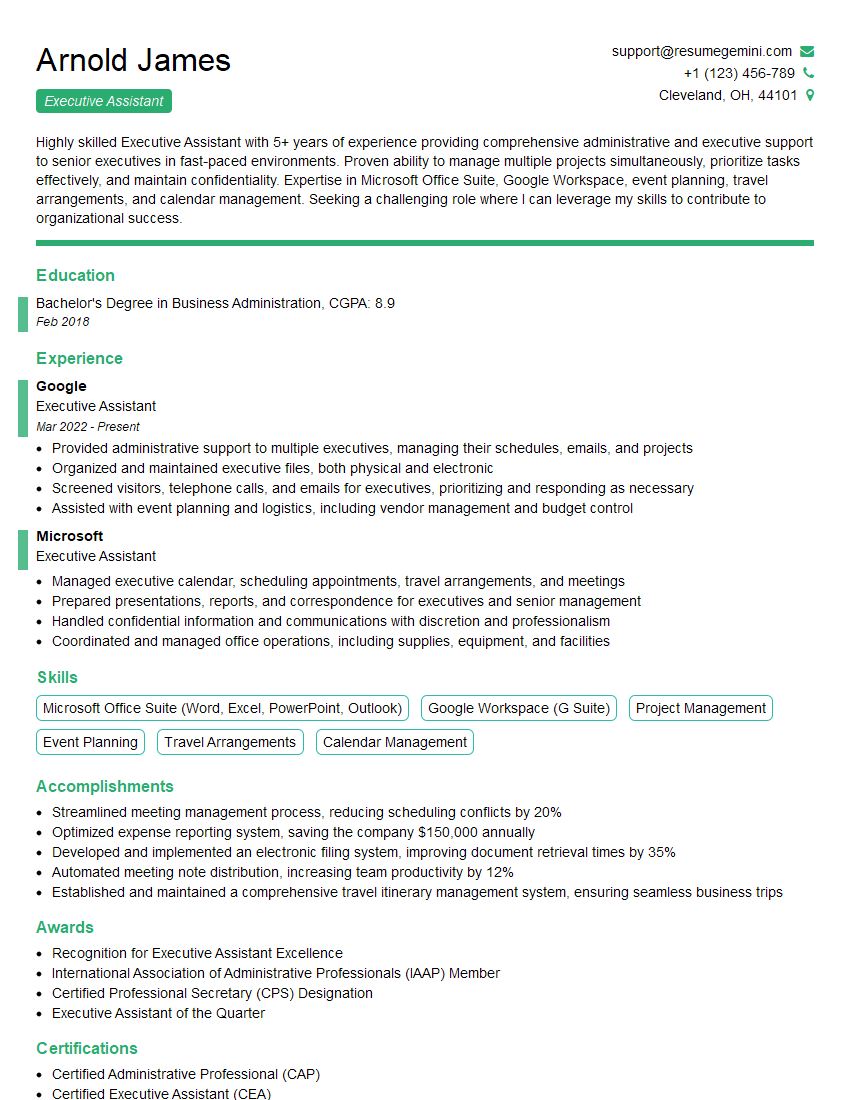
Executive Assistant Resume Sample
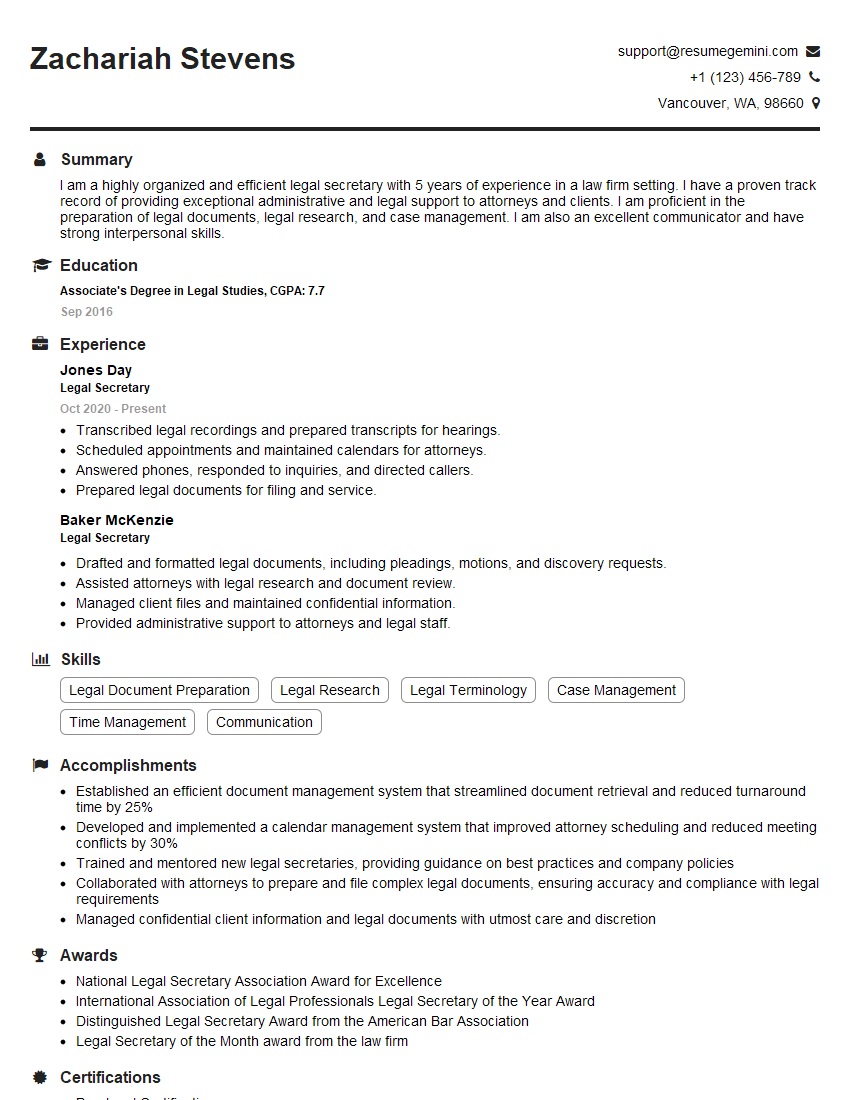
Legal Secretary Resume Sample
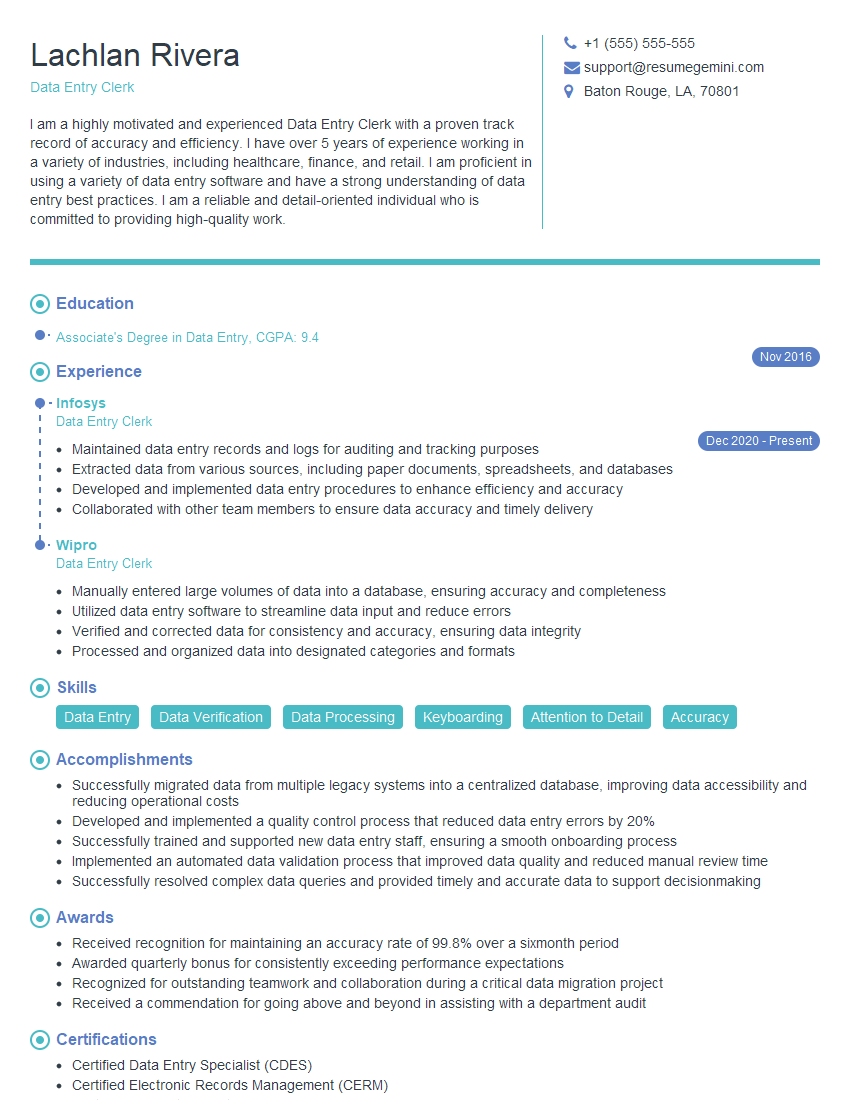
Data Entry Clerk Resume Sample
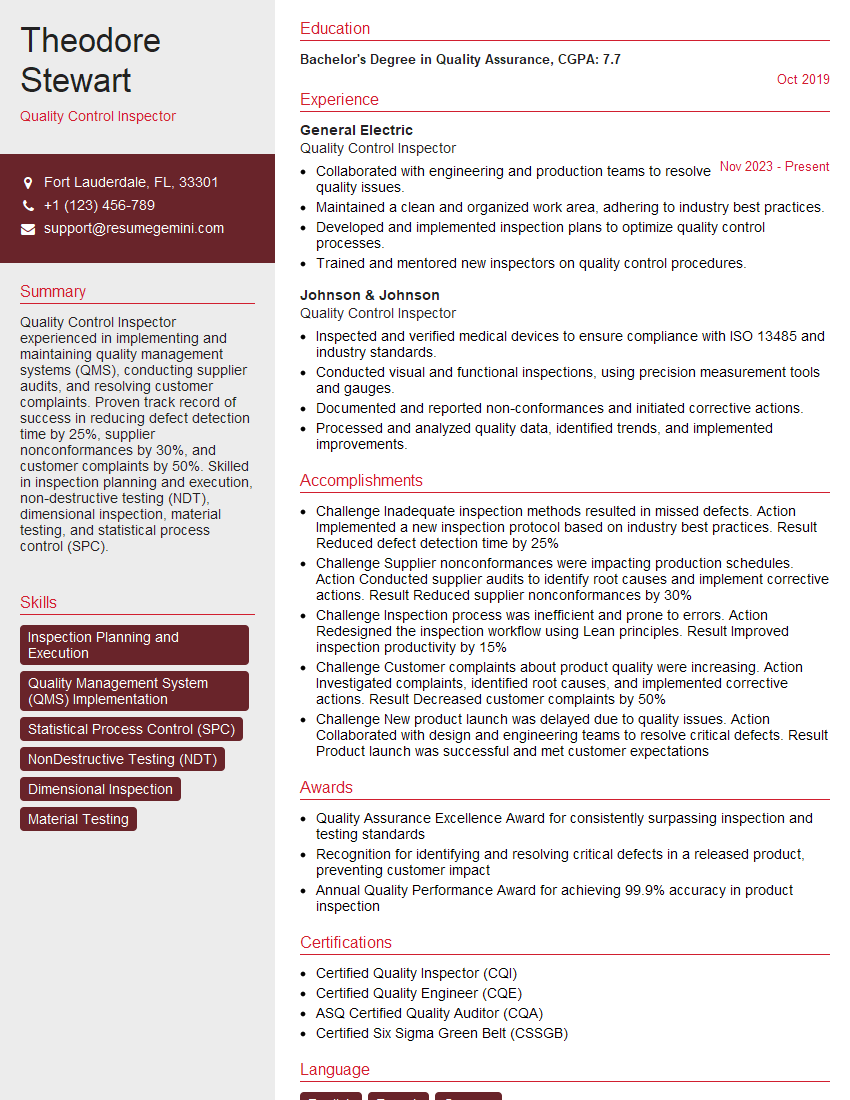
Quality Control Inspector Resume Sample
- Administrative Assistant
- Customer Service Representative
- Project Coordinator
- Compliance Officer
- Quality Assurance Specialist
- Regulatory Affairs Specialist
- Accountant
- Auditor
- Financial Analyst
- Compliance Auditor
- Process Engineer
- Software Tester
- Operations Analyst
- Laboratory Technician
- Research Assistant
- Paralegal
- Proofreader
- Technical Writer
- Transcriptionist
- Medical Coder
- Production Associate
- Executive Assistant
- Legal Secretary
- Data Entry Clerk
- Quality Control Inspector
Explore more articles
Users Rating of Our Blogs
Share Your Experience
We value your feedback! Please rate our content and share your thoughts (optional).
What Readers Say About Our Blog
good