Interviews are more than just a Q&A session—they’re a chance to prove your worth. This blog dives into essential FollowUp interview questions and expert tips to help you align your answers with what hiring managers are looking for. Start preparing to shine!
Questions Asked in FollowUp Interview
Q 1. Describe your process for prioritizing follow-up tasks.
Prioritizing follow-up tasks is crucial for efficiency and impact. My process involves a multi-faceted approach combining urgency, importance, and relationship value. I use a system that incorporates a combination of factors:
- Urgency: Tasks with imminent deadlines or time-sensitive information are prioritized. For example, responding to a client inquiry about an order with a tight delivery window takes precedence.
- Importance: Tasks that significantly contribute to key objectives, like closing a major deal or resolving a critical client issue, are given higher priority. A follow-up with a potential investor who expressed strong interest will likely outrank other tasks.
- Relationship Value: I prioritize follow-ups with high-value clients or those with the potential to become high-value clients. Maintaining strong relationships is essential for long-term success. A regular check-in with a key account manager is considered important, even if no immediate action is required.
I often use a matrix system to visualize this, plotting urgency and importance to categorize tasks quickly. This allows me to focus my energy on the most impactful activities first, ensuring optimal productivity.
Q 2. How do you track your follow-up activities?
I employ a robust system for tracking follow-up activities to ensure nothing slips through the cracks. This system is designed for both short-term and long-term tracking:
- Dedicated Task Management Software: I utilize a task management tool (like Asana, Trello, or Monday.com) to log every follow-up, specifying deadlines, contact information, and relevant notes. This provides a centralized repository for all pending tasks.
- Calendar Integration: I integrate reminders and calendar events into my daily schedule, ensuring timely follow-up. This prevents me from overlooking important deadlines, even in busy periods.
- CRM Integration: For client-related follow-ups, I utilize a Customer Relationship Management (CRM) system (like Salesforce or HubSpot). This helps to maintain a complete record of interactions and track the progress of each relationship.
- Detailed Notes: I meticulously record details of each interaction – the date, the conversation’s main points, and any agreed-upon next steps. This ensures I can maintain context and personalize future communications.
This comprehensive tracking system ensures accountability and helps me to maintain a high level of organization, enabling consistent and efficient follow-up.
Q 3. What tools or software do you use for follow-up?
My toolset for follow-up is carefully chosen to maximize efficiency and maintain organization. I rely on a combination of software:
- Task Management Software: Asana, Trello, or Monday.com for task organization, prioritization, and deadline tracking.
- CRM: Salesforce or HubSpot for client relationship management, contact details, and interaction history.
- Email Client with Scheduling Features: Gmail or Outlook with email scheduling features allow me to plan follow-up emails in advance.
- Calendar Application: Google Calendar or Outlook Calendar for setting reminders and scheduling follow-up calls or meetings.
- Note-Taking App: Evernote or OneNote for capturing meeting notes, action items, and relevant information.
This integrated approach ensures that my follow-up actions are efficiently managed and consistently tracked. The choice of specific tools depends on the nature of my work and client needs.
Q 4. How do you personalize your follow-up communications?
Personalization is key to effective follow-up. Generic emails are often ignored; personalized communications, however, foster stronger connections. My approach includes:
- Referencing Previous Conversations: I always begin by referencing our last conversation, showing I’ve been attentive and recalling details they shared. For example, “Following up on our conversation on Tuesday about your marketing campaign,…”
- Tailoring Content: I tailor my messages to the individual’s specific needs and interests. This might involve highlighting a particular feature of my product that addresses their concerns or sharing relevant case studies.
- Using Their Name: Addressing them by their name creates a more personal and engaging experience.
- Adjusting Tone: My tone adapts to the nature of our relationship and the context. A formal tone is suitable for initial contacts, while a more casual, friendly approach is appropriate for established relationships.
By investing time in personalization, I build stronger relationships and increase the likelihood of a positive response.
Q 5. How do you handle situations where you don’t receive a response to your follow-up?
Lack of response to follow-ups is a common challenge. My approach is multi-pronged and patient:
- Multiple Contact Methods: If I don’t receive a response via email, I try other avenues, like a phone call or a LinkedIn message. Variety increases the chance of contact.
- Varying the Message: I sometimes rephrase my message, offering a different angle or highlighting a new benefit. A fresh approach can spark interest.
- Escalation: If the issue is significant and involves a high-value contact, I may escalate the matter to a colleague or supervisor.
- Respecting Boundaries: Persistent communication can be counterproductive. If multiple attempts fail, I respect their decision and may mark the lead as inactive, potentially revisiting at a later stage.
- Analyze the ‘Why’: Sometimes a lack of response may indicate a genuine lack of interest or a scheduling conflict. Analyzing the situation and understanding the possible reasons helps to inform my future approach.
Persistence is important but must be balanced with respect for the recipient’s time and preferences.
Q 6. How do you determine the appropriate frequency of follow-up?
Determining appropriate follow-up frequency depends on several factors: the urgency of the matter, the nature of the relationship, and the industry norms. There’s no one-size-fits-all answer.
- Time Sensitivity: For urgent matters, frequent follow-up might be necessary (e.g., daily for a time-critical project). In less urgent scenarios, a more spaced-out approach is appropriate (weekly or bi-weekly).
- Relationship Stage: Early-stage relationships require more frequent contact to build rapport, while established relationships may necessitate less frequent touchpoints. Overly frequent contact can be intrusive.
- Industry Norms: Some industries operate on faster-paced cycles than others. Understanding the industry context helps determine appropriate frequency.
- Recipient Preferences: Observe how often the recipient has responded in the past. This offers insight into their communication style and preferred cadence.
A good rule of thumb is to start with a reasonable frequency and adjust based on the recipient’s responsiveness. Respect for the recipient’s time is critical.
Q 7. What is your approach to follow-up after a sales call?
My post-sales call follow-up is structured to solidify the relationship and ensure a smooth transition. It’s a crucial step in converting leads into loyal clients. My approach includes:
- Prompt Thank You Note: Immediately after the call, I send a personalized thank-you email summarizing key discussion points and reiterating next steps. This reinforces the positive interaction.
- Actionable Next Steps: I clearly define the next steps, assigning responsibilities and setting deadlines. This provides clarity and promotes accountability.
- Relevant Resources: I may share additional resources, such as case studies, articles, or product demos that reinforce the value proposition.
- Scheduled Follow-up: I schedule a follow-up call or meeting to address any questions, provide additional support, and track progress towards agreed-upon goals.
- Ongoing Communication: I maintain regular contact to provide updates, address concerns, and ensure ongoing satisfaction. This builds loyalty and fosters a long-term relationship.
Consistent, helpful follow-up after a sales call significantly improves client satisfaction and retention.
Q 8. How do you handle follow-up emails that go unanswered?
Unanswered follow-up emails are a common challenge. My approach involves a multi-step strategy focused on understanding why there’s no response before escalating. First, I review the original email – was it clear, concise, and compelling? Did I include a strong call to action? If not, I might send a brief, personalized re-engagement email, perhaps mentioning a new development or offering alternative contact options.
If that fails, I might try a different communication channel. For instance, if the initial contact was email, I might try a phone call. A personal touch can sometimes break through. Finally, if after multiple attempts and a reasonable timeframe (which depends on the context; a quick sales inquiry needs less time than a complex project proposal), I accept that the opportunity may not be viable at this point and archive the communication. It’s important to know when to move on.
- Example: I sent a proposal to a potential client. After a week of silence, I sent a brief follow-up email asking if they had a chance to review it and offering to answer any questions. This led to a phone conversation and ultimately, securing the project.
Q 9. How do you adapt your follow-up strategy based on different communication channels?
Adapting my follow-up strategy across different channels is crucial. Email allows for detailed information and asynchronous communication, making it ideal for complex updates or proposals. I use a more formal tone and concise language, ensuring clear calls to action. Phone calls, on the other hand, are excellent for establishing rapport quickly, addressing immediate concerns, and gauging interest more effectively. I use a more conversational tone, actively listening and adapting my communication based on the recipient’s responses.
For social media, my follow-up approach is different. Engagement here focuses on fostering a relationship through thoughtful comments, sharing relevant content, and actively participating in conversations. Messaging platforms (like WhatsApp or Slack) allow for quicker, more informal updates and direct, targeted follow-ups. The key is understanding the medium and tailoring the message accordingly. It’s about selecting the optimal channel to maximize chances of engagement based on my relationship with the recipient and the nature of the follow-up.
Q 10. Describe a time you had to follow up persistently to achieve a positive outcome.
During a large-scale software implementation project, a key stakeholder became unresponsive after an initial meeting. The project’s success hinged on their input. I sent multiple emails, eventually leaving voicemails explaining the importance of their involvement and offering to schedule a quick call at their convenience. After several unsuccessful attempts, I reached out to their colleague, who provided insight into their busy schedule and suggested a specific time for a brief call.
This call broke the logjam. We addressed their concerns, clarified ambiguities, and got them back on board. The persistent, yet respectful, pursuit of communication ultimately saved the project’s timeline and ensured its smooth rollout. The key here was understanding the underlying reason for lack of response and adjusting my strategy accordingly, demonstrating flexibility and empathy.
Q 11. How do you ensure that follow-up actions are completed in a timely manner?
Timely follow-up is critical. I use a combination of strategies, starting with a robust task management system (like Asana or Trello). I schedule follow-up tasks with specific deadlines, setting reminders to ensure nothing slips through the cracks. I also utilize calendar alerts and email reminders, ensuring I’m proactive rather than reactive. Furthermore, I break down larger follow-up actions into smaller, more manageable tasks. This prevents feeling overwhelmed and helps me maintain focus. Finally, regular reviews of my task list help me prioritize and adjust my schedule as needed.
Q 12. How do you measure the effectiveness of your follow-up efforts?
Measuring the effectiveness of my follow-up efforts is crucial. Key metrics include response rates (email open and click-through rates, call connection rates), conversion rates (percentage of follow-ups resulting in desired actions, like sales or project completion), and customer satisfaction scores (gauging overall experience). I track these metrics using CRM software or spreadsheets, analyzing trends to identify areas for improvement. For instance, a low response rate to a particular email campaign might indicate needing a different approach, such as personalizing the message or adjusting the content. Continuous monitoring and adaptation are key to optimizing follow-up strategies.
Q 13. How do you balance proactive follow-up with avoiding being overly persistent?
Balancing proactive follow-up with avoiding over-persistence requires a delicate touch and a deep understanding of context. Think of it like tending a garden: consistent nurturing (follow-up) is crucial, but relentless, aggressive actions (over-persistence) can damage the plant. My strategy involves pre-defining appropriate intervals between follow-ups, starting with a shorter timeframe for time-sensitive matters and gradually increasing it for less urgent ones. I also personalize my approach; recognizing that some individuals prefer immediate responses, while others require more time and space. Furthermore, I provide clear, concise updates and never bombard recipients with multiple messages simultaneously. Each follow-up should add value or offer something new without feeling intrusive. Reading between the lines of their responses (or lack thereof) helps guide the frequency and intensity of my subsequent outreach.
Q 14. What strategies do you use to build rapport during follow-up interactions?
Building rapport during follow-up interactions is paramount. It’s about demonstrating genuine interest and respect for the recipient’s time. I begin by acknowledging the individual’s perspective and the context surrounding our interactions. I actively listen and address their concerns thoughtfully. Using their name, asking open-ended questions, and offering help or support rather than just selling a product or service helps build a connection. Showing empathy and understanding through personalized messages and tailoring my communication style to match theirs fosters a stronger rapport and improves chances of a positive outcome. A simple “How are you?” or showing genuine interest in their work or company can go a long way in breaking the ice and fostering a more positive interaction.
Q 15. Describe your process for documenting follow-up activities.
My follow-up process is meticulous and leverages a combination of digital and physical tools. I begin by using a CRM (Customer Relationship Management) system, like Salesforce or HubSpot, to log all interactions. For each interaction, I record key details including the date, time, contact person, the purpose of the interaction, any agreements or action items, and importantly, the next steps and deadlines. I also make liberal use of calendar reminders and task management apps like Asana or Todoist to set specific reminders for each follow-up. For more complex projects or deals, I create detailed project plans with milestones and assigned responsibilities. Finally, physical notebooks play a vital role in capturing spontaneous ideas or observations from meetings that don’t immediately translate into digital entries. This multi-faceted approach ensures no detail is overlooked, and that all follow-up activities are adequately captured and scheduled.
Career Expert Tips:
- Ace those interviews! Prepare effectively by reviewing the Top 50 Most Common Interview Questions on ResumeGemini.
- Navigate your job search with confidence! Explore a wide range of Career Tips on ResumeGemini. Learn about common challenges and recommendations to overcome them.
- Craft the perfect resume! Master the Art of Resume Writing with ResumeGemini’s guide. Showcase your unique qualifications and achievements effectively.
- Don’t miss out on holiday savings! Build your dream resume with ResumeGemini’s ATS optimized templates.
Q 16. How do you prioritize follow-up tasks in a high-pressure environment?
Prioritizing in high-pressure environments requires a strategic approach. I utilize the Eisenhower Matrix (Urgent/Important) to categorize my follow-up tasks. Urgent and Important tasks – like resolving a client issue – get immediate attention. Important but not urgent tasks – such as developing a new client proposal – are scheduled strategically to avoid last-minute rushes. Urgent but not important tasks – perhaps a less critical email – are delegated or streamlined. Finally, tasks that are neither urgent nor important are eliminated or postponed. Beyond the matrix, I also prioritize based on potential impact and deadlines, focusing my energy on the tasks that will yield the highest return or prevent the greatest loss.
For example, if I have a crucial deadline for a major client, that will supersede other tasks, even if they are considered high-priority in a different context. This flexible approach ensures that time is managed effectively under pressure.
Q 17. How do you deal with conflicting priorities when managing follow-up tasks?
Conflicting priorities are inevitable. My approach involves open communication and proactive scheduling. I begin by clearly identifying all competing priorities, then I analyze their respective deadlines and potential impact. If possible, I look for opportunities to consolidate or delegate tasks to free up my time. I openly communicate with stakeholders to ensure that expectations are managed and deadlines are realistic. This may involve negotiating adjusted timelines or seeking additional resources. If a decision needs to be made about which task takes precedence, I use a decision-making framework that considers the long-term strategic goals of the company. Short-term wins should not compromise long-term success. For instance, postponing a less impactful project to meet a critical client deadline might be necessary.
Q 18. How do you handle objections or resistance during follow-up?
Handling objections or resistance requires empathy, active listening, and a solution-oriented approach. I begin by acknowledging the other party’s concerns and validating their perspective. I avoid interrupting and actively listen to understand their underlying needs or objections. This is crucial for building rapport. Once I understand their concerns, I address them directly and honestly, offering solutions or alternatives. I also leverage my knowledge and expertise to demonstrate the value of what I’m proposing. It’s important to remain calm and professional, even when facing strong resistance. If necessary, I offer compromises or revisit my approach entirely, showing flexibility and a willingness to collaborate. Persistence is key, but it must be coupled with respect and understanding.
Q 19. What is your strategy for following up with potential clients after a networking event?
My strategy for following up after networking events is swift, personalized, and targeted. Within 24 hours, I send a brief, personalized email to each individual I connected with. The email is not just a generic thank you, but rather a focused message referencing a specific conversation point or shared interest. This demonstrates that I actively listened during our interaction. I might include a relevant article or resource that builds upon our conversation. Then, I schedule a more formal follow-up call within a week. This call isn’t about immediate sales, but instead about building rapport and exploring potential synergies. I may even suggest a brief coffee or virtual meeting to discuss our respective industries and explore potential collaborations. The key is to add value and build a genuine relationship.
Q 20. How do you integrate follow-up into your workflow?
Follow-up is seamlessly integrated into my workflow. I use a combination of tools and techniques. First, I leverage my CRM to track all interactions and schedule reminders. I incorporate follow-up activities directly into my project plans, setting clear deadlines and assigning responsibilities. My calendar is my primary tool for scheduling follow-up tasks, ensuring that I am reminded of all upcoming activities. I also utilize email templates for common follow-up scenarios, speeding up the process while still maintaining personalization. This ensures that follow-up is not an afterthought but an integral and structured component of my daily activities, rather than a separate activity.
Q 21. How do you use follow-up to build strong client relationships?
Follow-up is fundamental to building strong client relationships. Consistent and thoughtful follow-up demonstrates care and commitment, fostering trust and loyalty. Beyond simply checking in, I leverage follow-up to provide value. This might involve sending relevant industry updates, offering support, celebrating their successes, or proactively identifying potential challenges. Regular communication, even outside of immediate project needs, helps maintain the connection. This could include a simple birthday email or sharing relevant news. This consistent engagement helps to strengthen the relationship over time and ensures I’m top-of-mind when the client needs assistance or considers future projects. Strong relationships built on thoughtful follow-up are a source of long-term success.
Q 22. How do you adapt your follow-up approach to different personality types?
Adapting my follow-up approach to different personality types is crucial for effective communication. Understanding personality styles, such as those outlined in models like Myers-Briggs or DISC, helps tailor my communication to resonate better. For example, a decisive, results-oriented individual (like a strong ‘D’ in DISC) will appreciate concise, direct communication with clear calls to action. My follow-up would focus on quantifiable results and the benefits of the next steps. Conversely, a more collaborative, detail-oriented individual (like a strong ‘C’ in DISC) will need more comprehensive information and a chance for discussion. My follow-up in this case would be more thorough, offering supporting documentation and an open invitation to dialogue. I also observe communication styles during initial interactions, adjusting my tone and approach accordingly. A more formal communication might warrant a formal follow-up email, whereas a more casual interaction might justify a quick phone call.
Q 23. Describe a situation where you improved your follow-up process.
In a previous role, we experienced inconsistent follow-up on sales leads, resulting in lost opportunities. To improve, I implemented a CRM system with automated follow-up sequences triggered by specific actions (e.g., email open, website visit, meeting scheduled). This system ensured timely and consistent communication. Furthermore, I segmented leads based on their engagement level and tailored the follow-up content accordingly. For highly engaged leads, I prioritized personalized phone calls. For less engaged leads, I utilized automated email nurturing campaigns. The result was a significant increase in conversion rates from lead to sale, demonstrably improving our overall sales performance. We measured success by tracking key metrics like response rates, conversion rates and ultimately, sales revenue.
Q 24. What are some common mistakes people make with follow-up, and how can they be avoided?
Common follow-up mistakes include inconsistent timing, generic messaging, and neglecting to personalize interactions. People often wait too long to follow up, allowing the initial interaction to fade from memory. Using generic, mass-produced emails feels impersonal and often gets ignored. Avoiding these mistakes involves establishing a consistent, timely follow-up schedule, personalizing each communication based on previous interactions and the individual’s needs, and using a variety of communication methods (email, phone, etc.) to find what works best for each person. For instance, a simple, personalized email a few days after a meeting is much more effective than a generic blast email sent to everyone a week later.
Q 25. What are some best practices for email follow-up?
Best practices for email follow-up include: using a clear and concise subject line that reflects the email’s purpose; keeping the email brief and focused, highlighting key information or next steps; personalizing the email to relate to the recipient’s previous interaction; including a clear call to action; and maintaining professional tone and grammar. Avoid lengthy emails that are difficult to skim. A good rule of thumb is to ensure your email could be read in under 60 seconds. It is also important to use a professional email signature.
Q 26. How do you use data to inform your follow-up strategies?
Data informs my follow-up strategies by providing insights into what’s working and what’s not. I track metrics like open rates, click-through rates, response rates, and conversion rates for different follow-up methods (e.g., email, phone, in-person). This data helps me identify the most effective channels and communication styles for specific target audiences. For instance, if email open rates are low for a specific campaign, I might adjust the subject line or send a follow-up phone call. Conversely, high conversion rates from a particular approach might indicate a successful strategy I can further refine or replicate for other scenarios. I use analytics platforms and CRM systems to collect and analyze this data.
Q 27. What key performance indicators (KPIs) do you use to track the success of your follow-up efforts?
Key performance indicators (KPIs) I use to track follow-up success include: response rate (percentage of recipients who respond to follow-up attempts); conversion rate (percentage of leads converted into customers or desired outcomes); average time to conversion (the time it takes to achieve a desired outcome after initial contact); customer satisfaction scores (feedback from recipients on their experience with follow-up communication); and sales revenue generated (a direct measure of the impact of successful follow-up). Regular monitoring of these KPIs allows for continuous optimization and improvement of my follow-up strategy.
Q 28. How do you maintain a consistent follow-up process while still personalizing your communication?
Maintaining a consistent follow-up process while personalizing communication involves creating a structured framework with room for flexibility. I use automated sequences for timely reminders and initial contact, but I always include personalized elements. For example, I might use automated emails to schedule follow-up calls but then personalize the call based on notes from previous interactions. Using CRM tagging to categorize different segments, coupled with email templates that offer personalized options (name, company details, etc.) are critical. This blend of automated consistency and personalized touch ensures efficient processes and avoids the impersonal feel of completely automated communications, striking the perfect balance.
Key Topics to Learn for FollowUp Interview
- FollowUp’s Core Functionality: Understand the fundamental principles behind FollowUp’s design and how it streamlines workflows. Explore its various features and their practical applications.
- Data Management & Analysis within FollowUp: Learn how to effectively manage and interpret data within the FollowUp system. Practice extracting meaningful insights and using them for strategic decision-making.
- Integration & API Capabilities: If applicable to the role, familiarize yourself with how FollowUp integrates with other systems. Explore its API capabilities and potential for custom solutions.
- Troubleshooting & Problem Solving: Develop your ability to identify and resolve common issues within FollowUp. Practice diagnosing problems and finding efficient solutions.
- Best Practices & Optimization: Understand how to use FollowUp efficiently and effectively. Explore strategies to optimize workflows and maximize productivity within the system.
- Security & Compliance within FollowUp: Learn about the security features and compliance standards relevant to FollowUp. Understand how to maintain data integrity and adhere to best practices.
Next Steps
Mastering FollowUp can significantly enhance your career prospects, opening doors to exciting opportunities in [mention relevant industry/field]. To maximize your chances of success, creating a strong, ATS-friendly resume is crucial. This ensures your application gets noticed by recruiters and hiring managers. We highly recommend using ResumeGemini, a trusted resource, to craft a professional and impactful resume tailored to your skills and experience. Examples of resumes specifically tailored for FollowUp roles are provided below to help you get started.
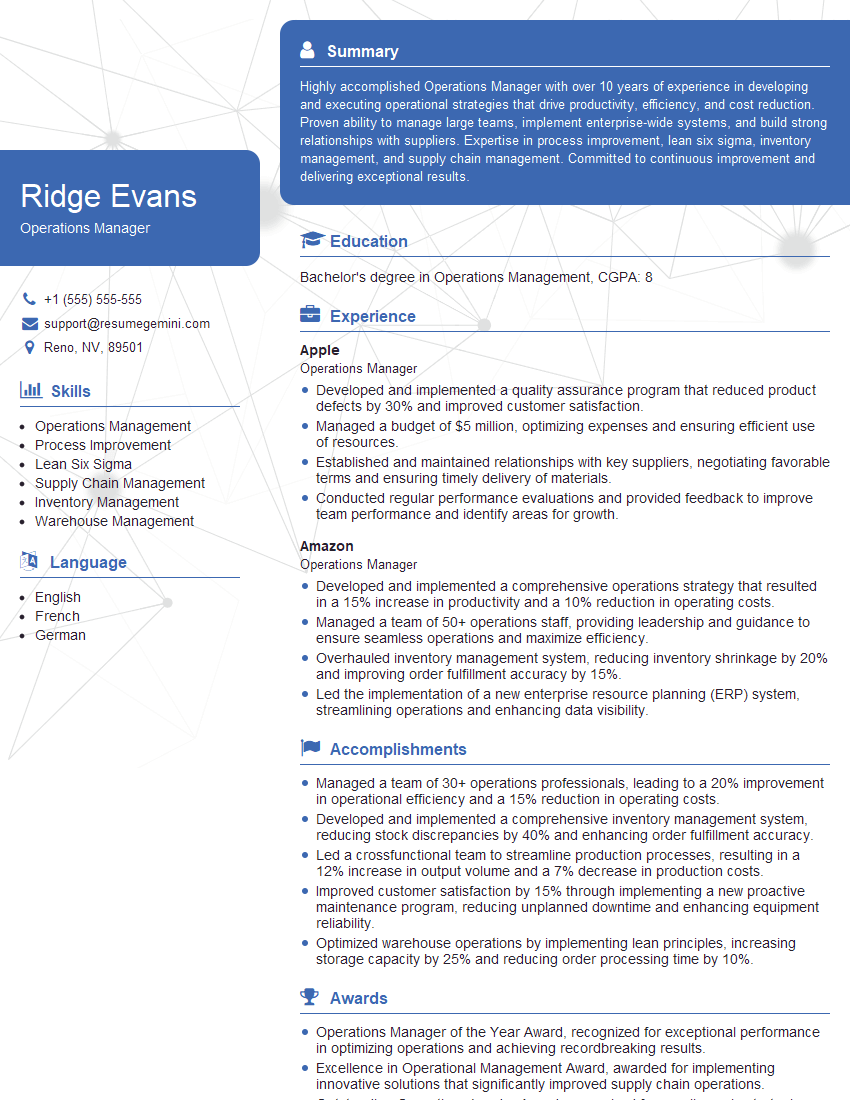
Operations Manager Resume Sample
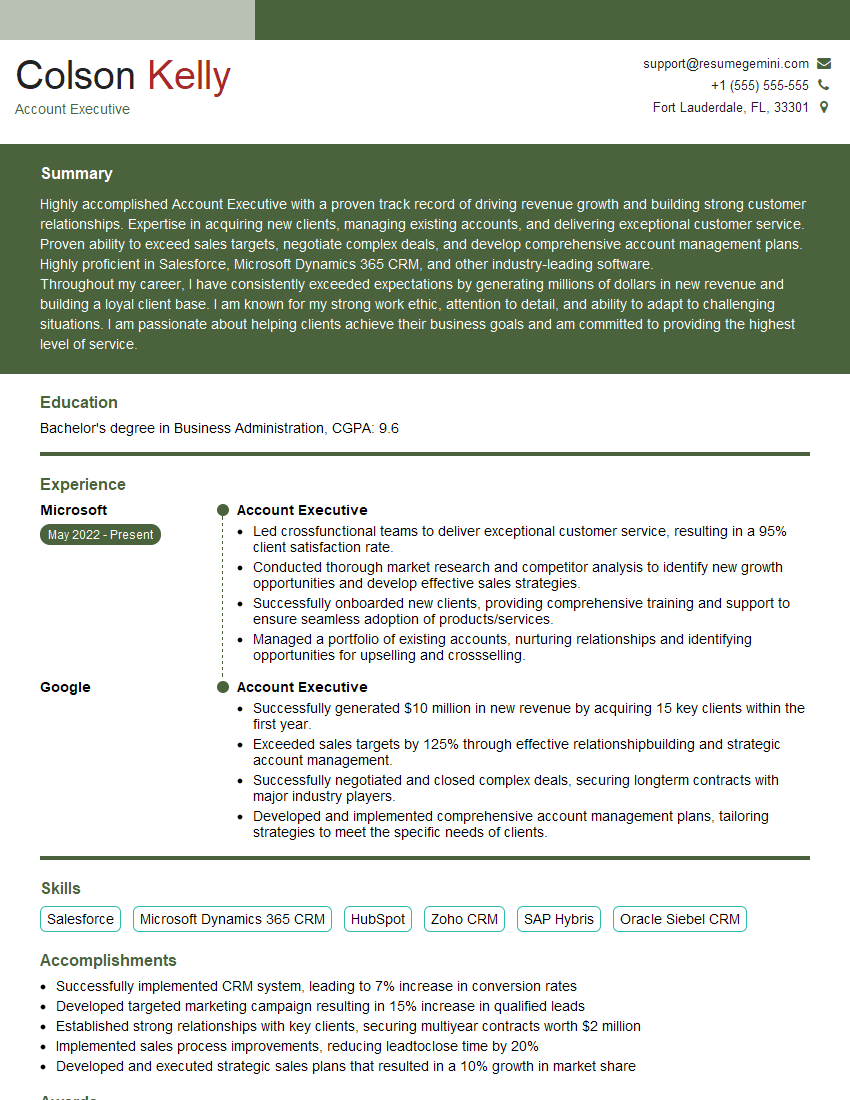
Account Executive Resume Sample
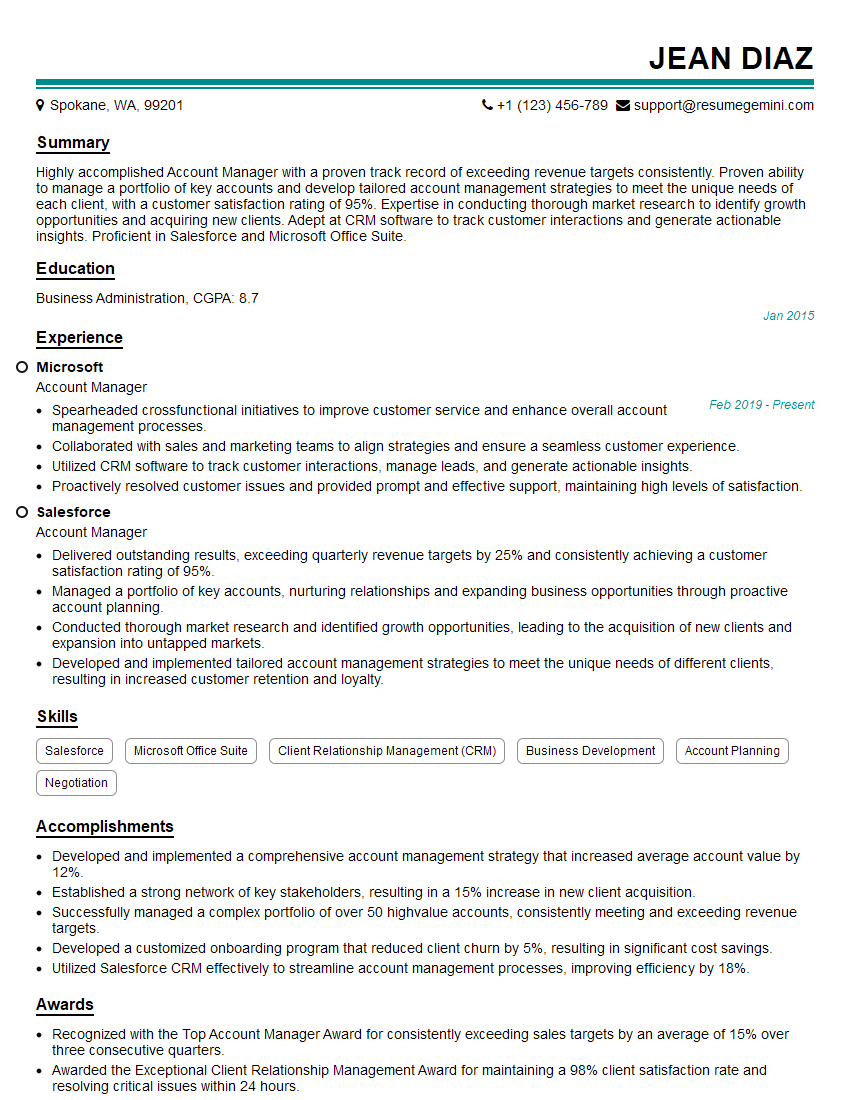
Account Manager Resume Sample
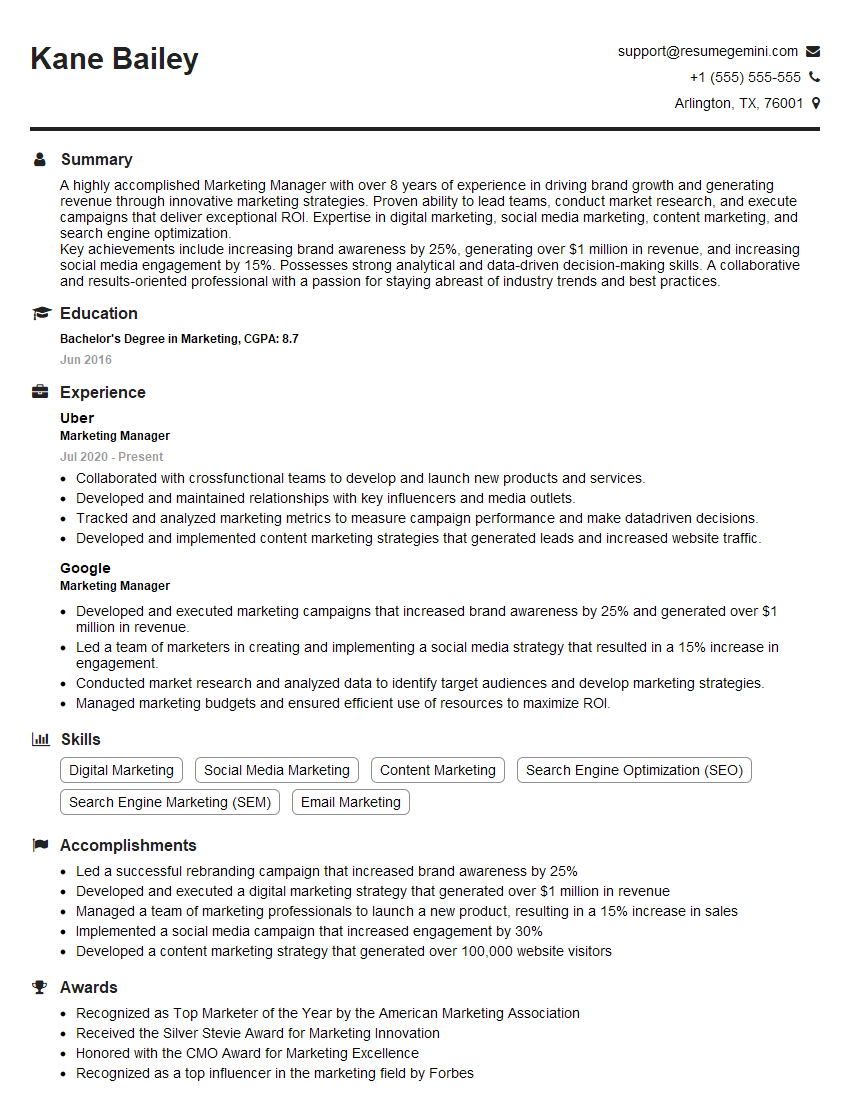
Marketing Manager Resume Sample
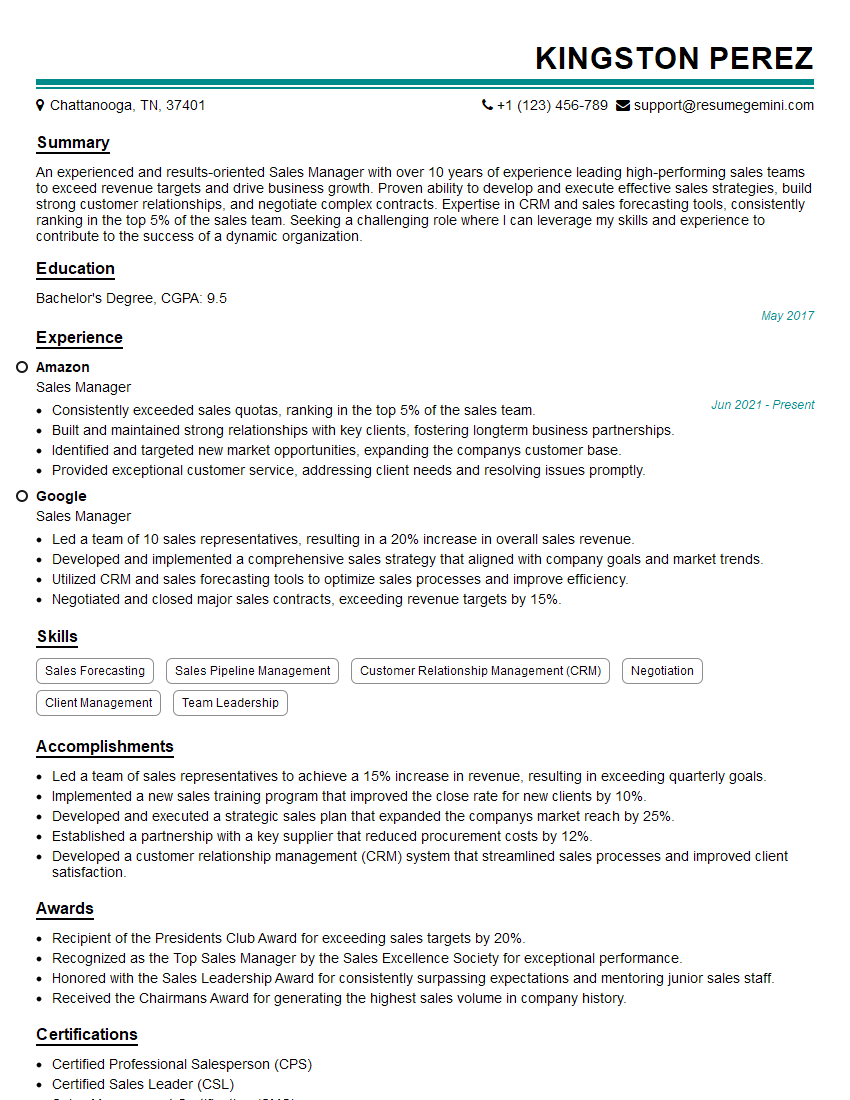
Sales Manager Resume Sample
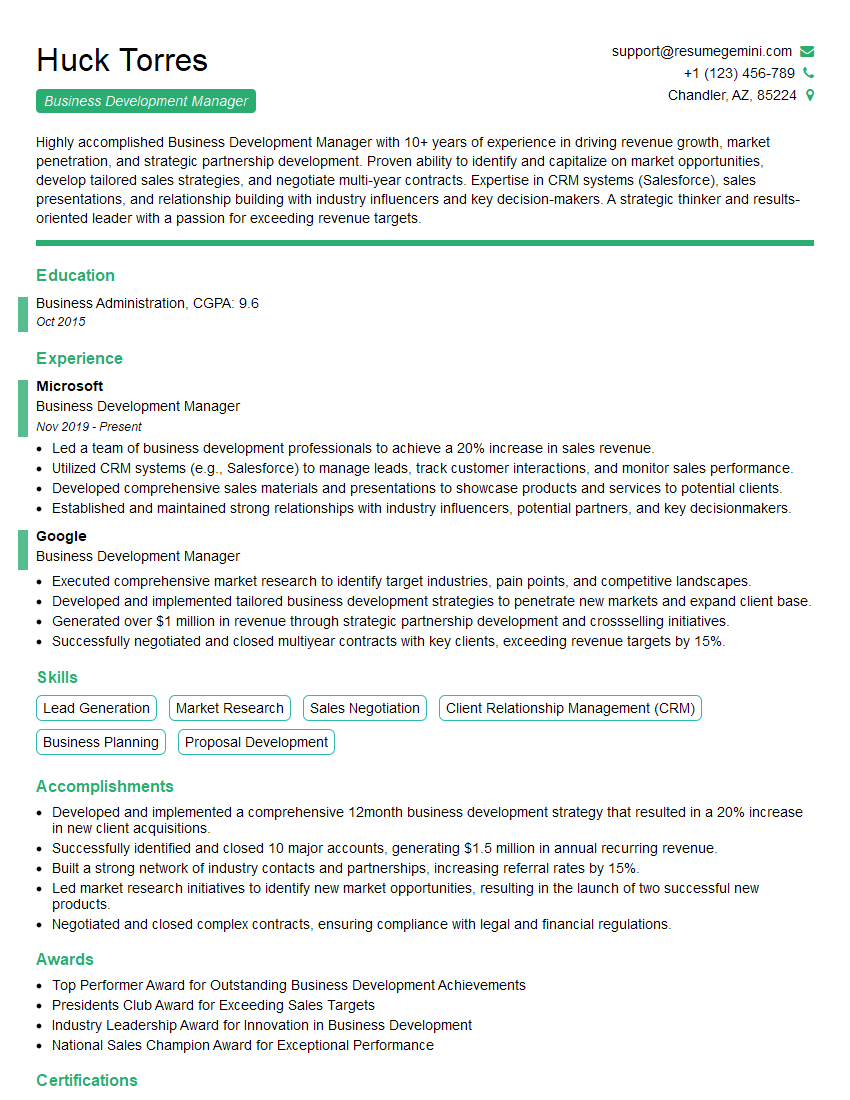
Business Development Manager Resume Sample
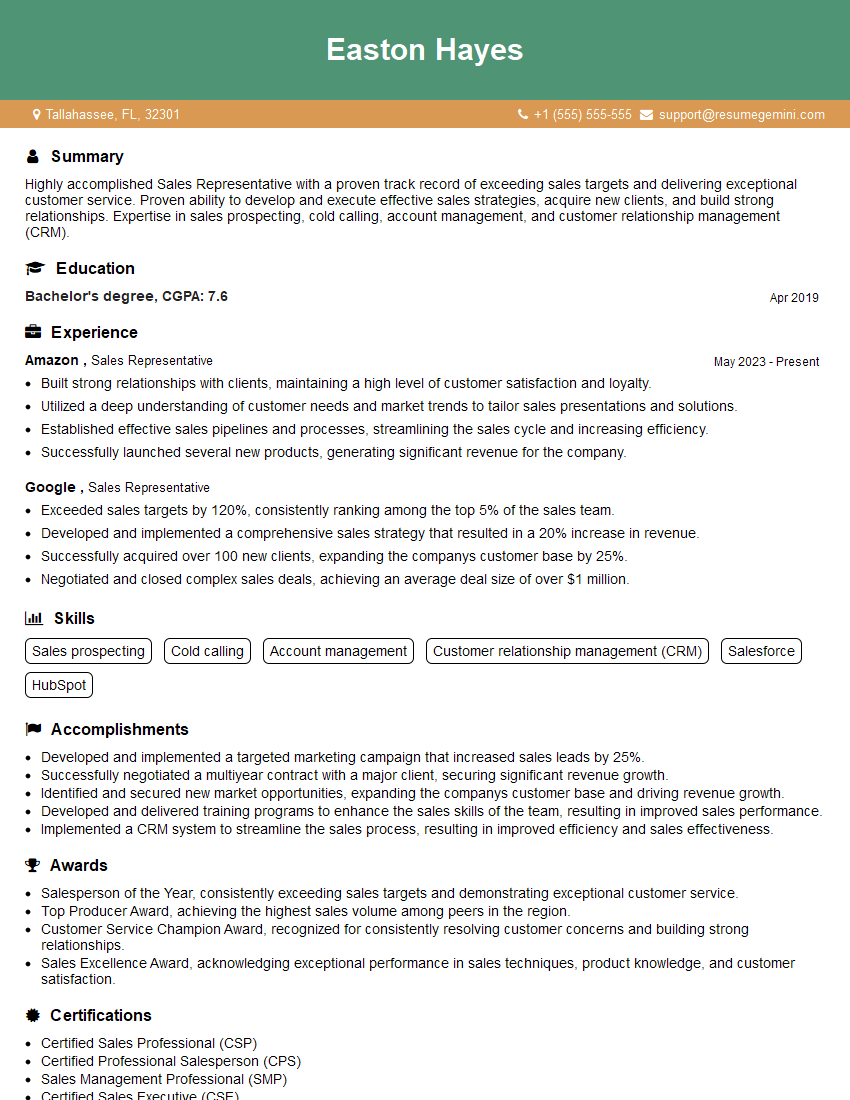
Sales Representative Resume Sample
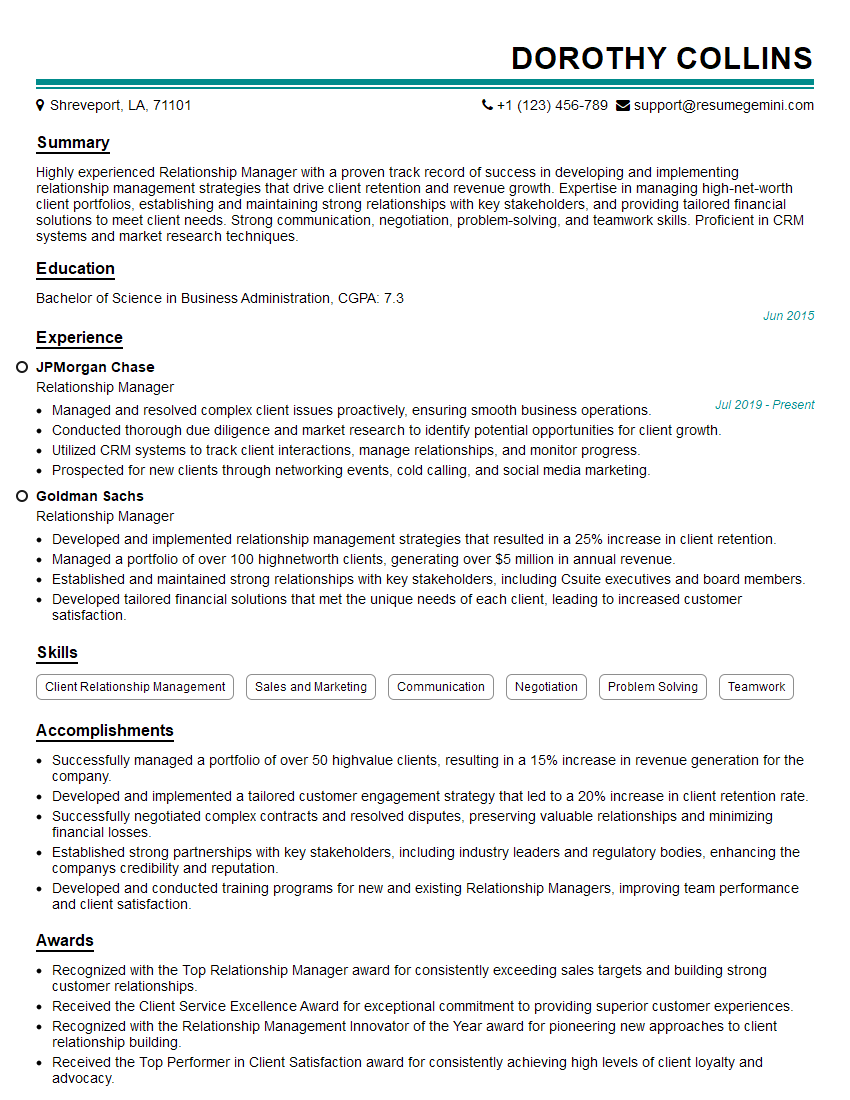
Relationship Manager Resume Sample
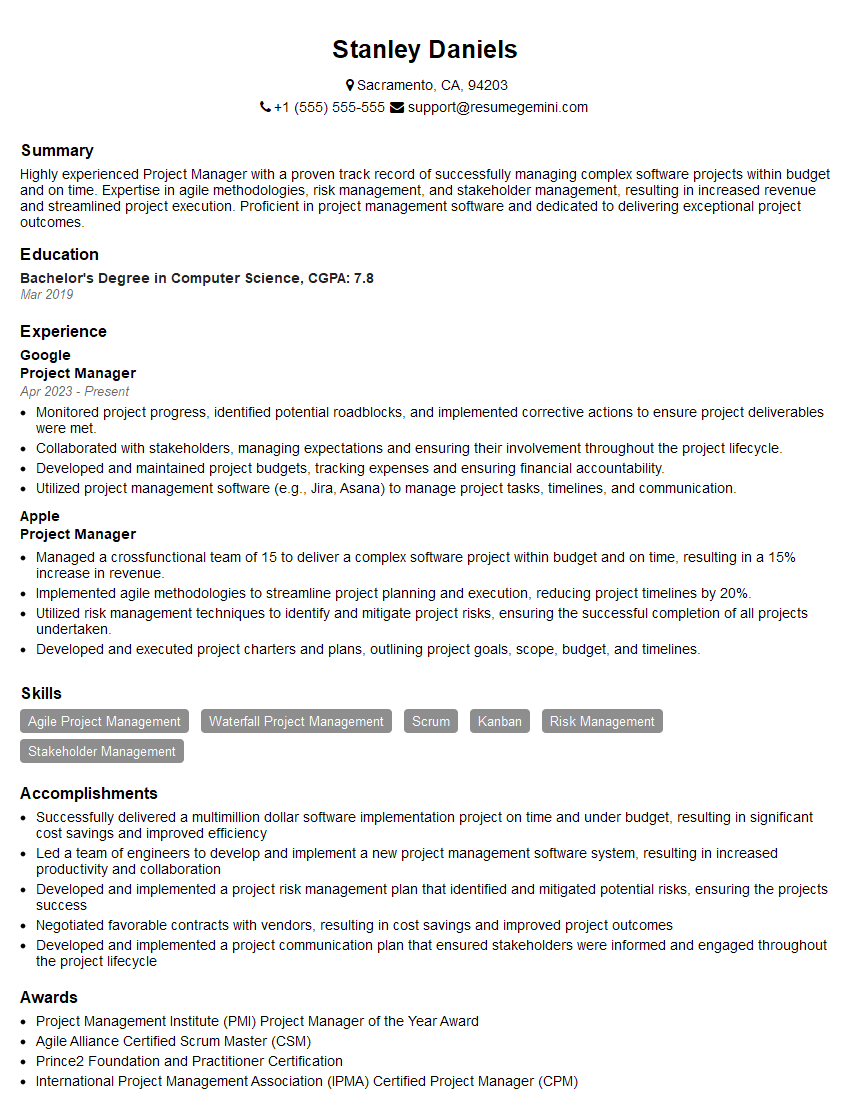
Project Manager Resume Sample
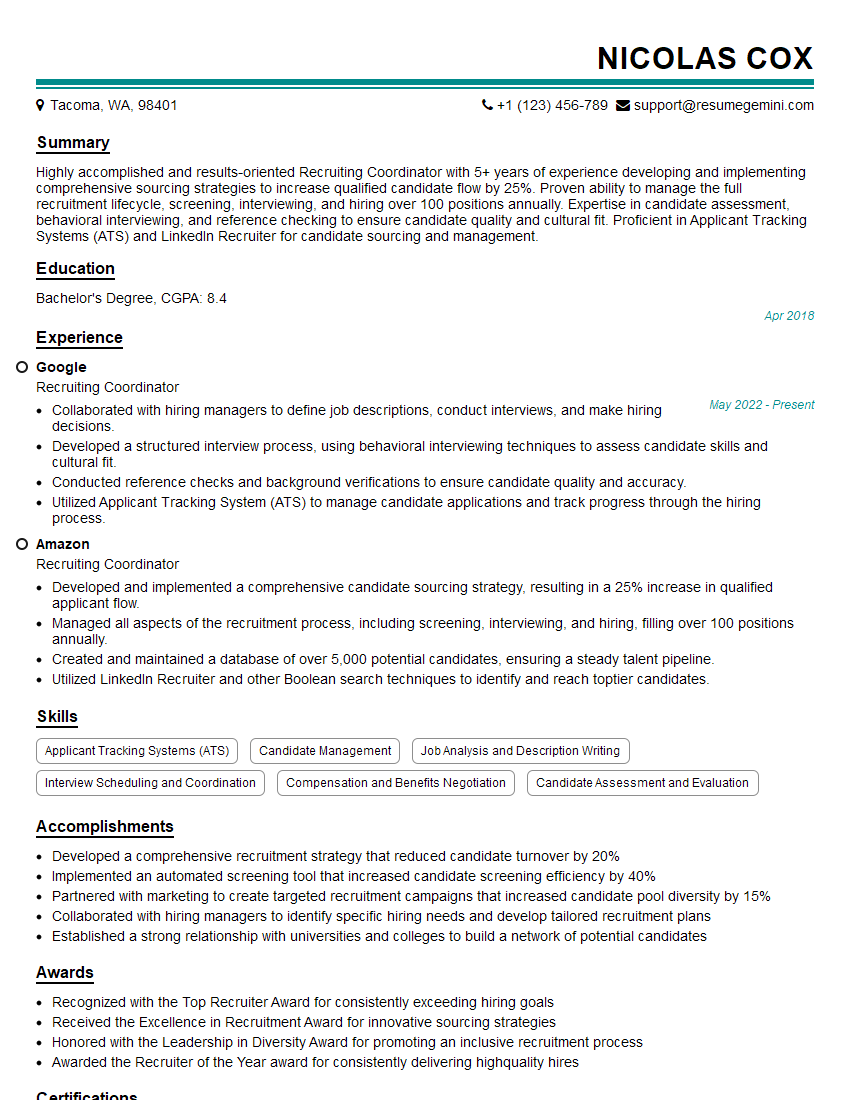
Recruiting Coordinator Resume Sample
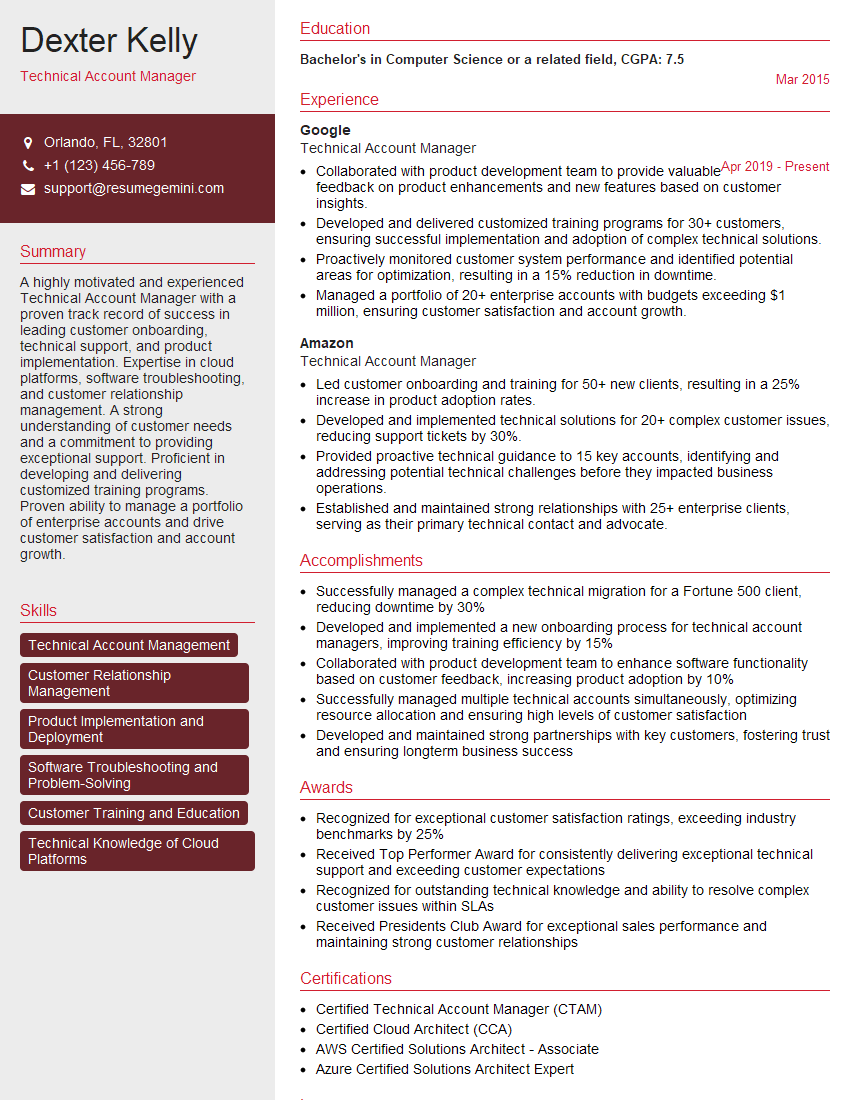
Technical Account Manager Resume Sample
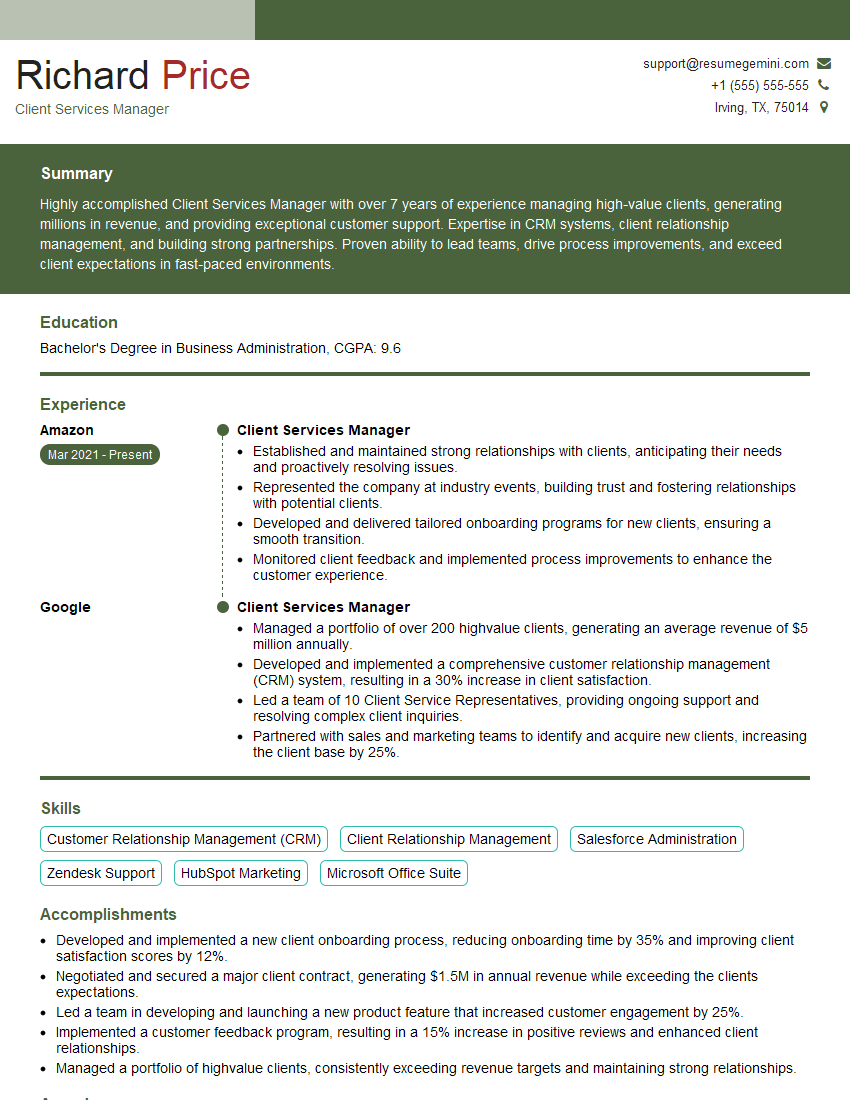
Client Services Manager Resume Sample
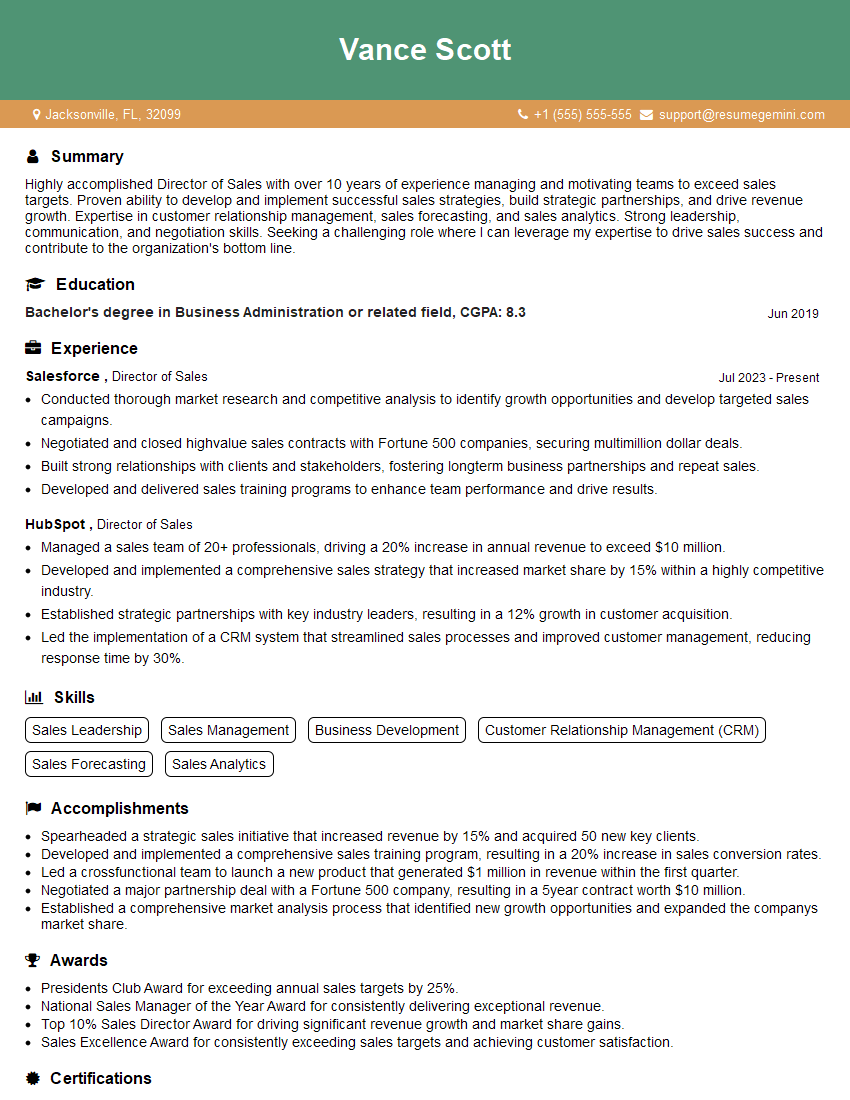
Director of Sales Resume Sample
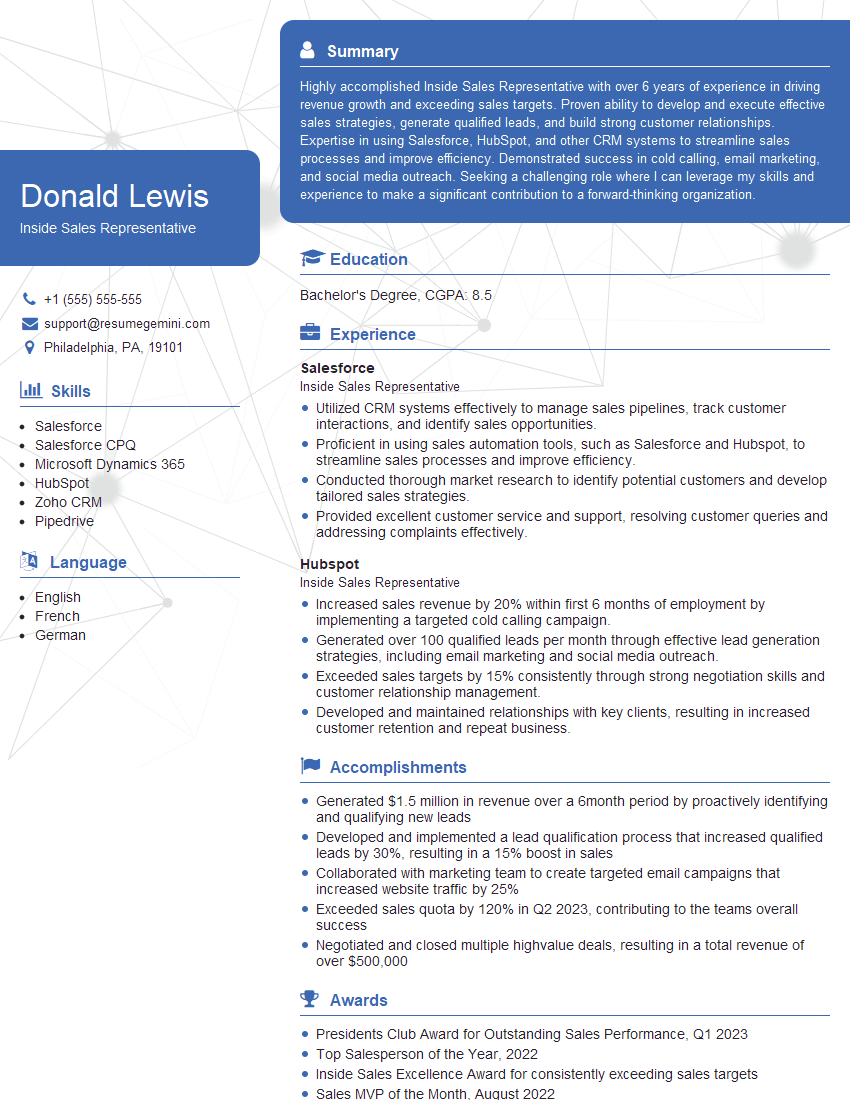
Inside Sales Representative Resume Sample
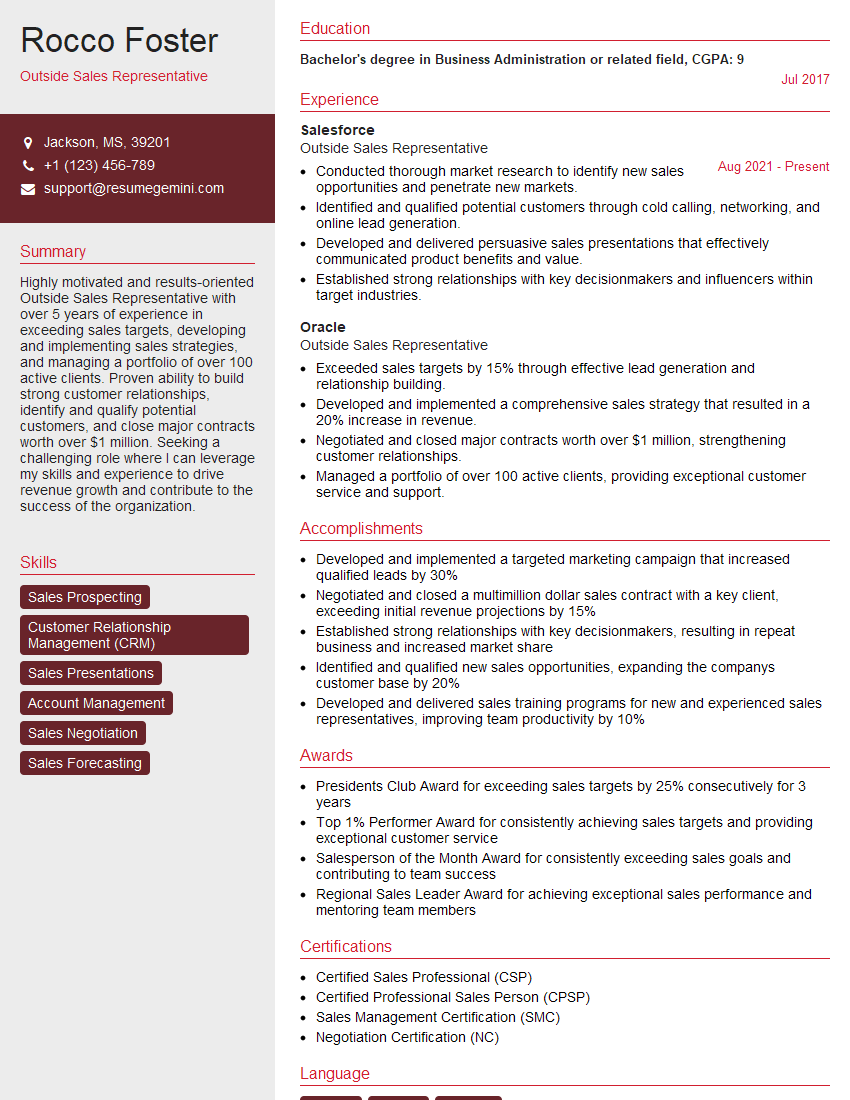
Outside Sales Representative Resume Sample
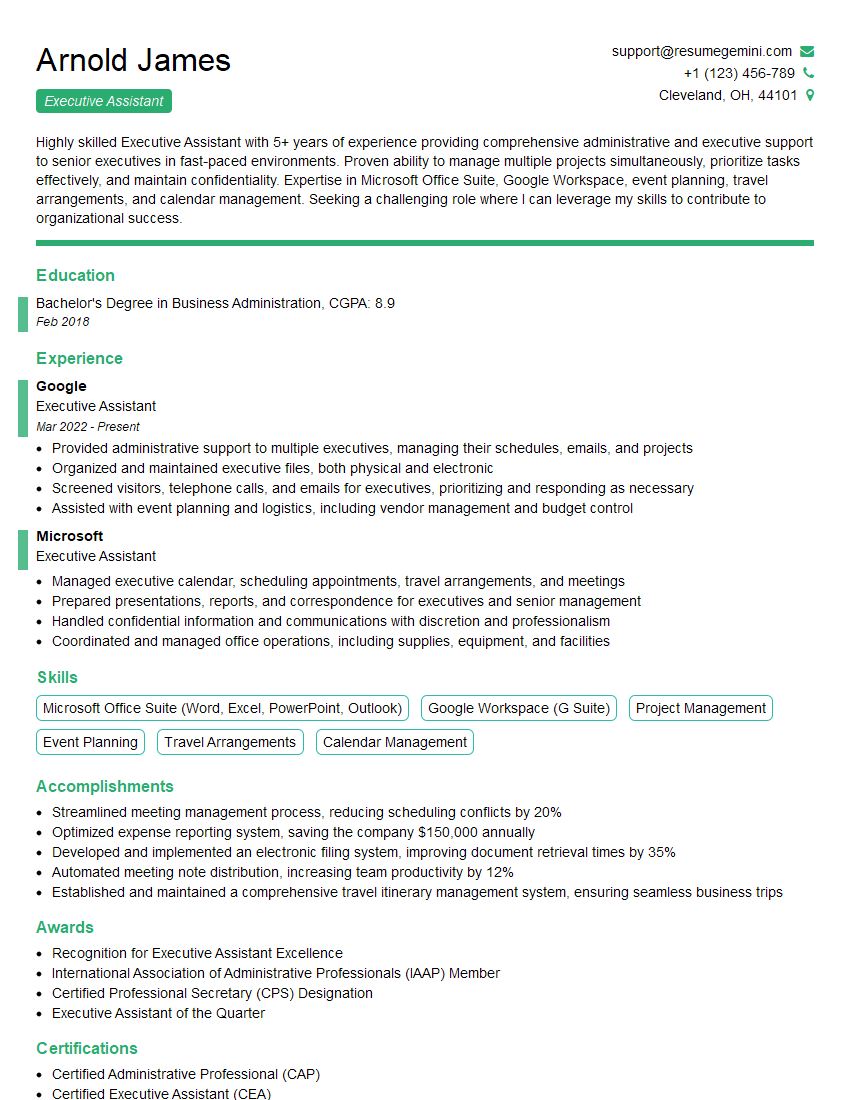
Executive Assistant Resume Sample
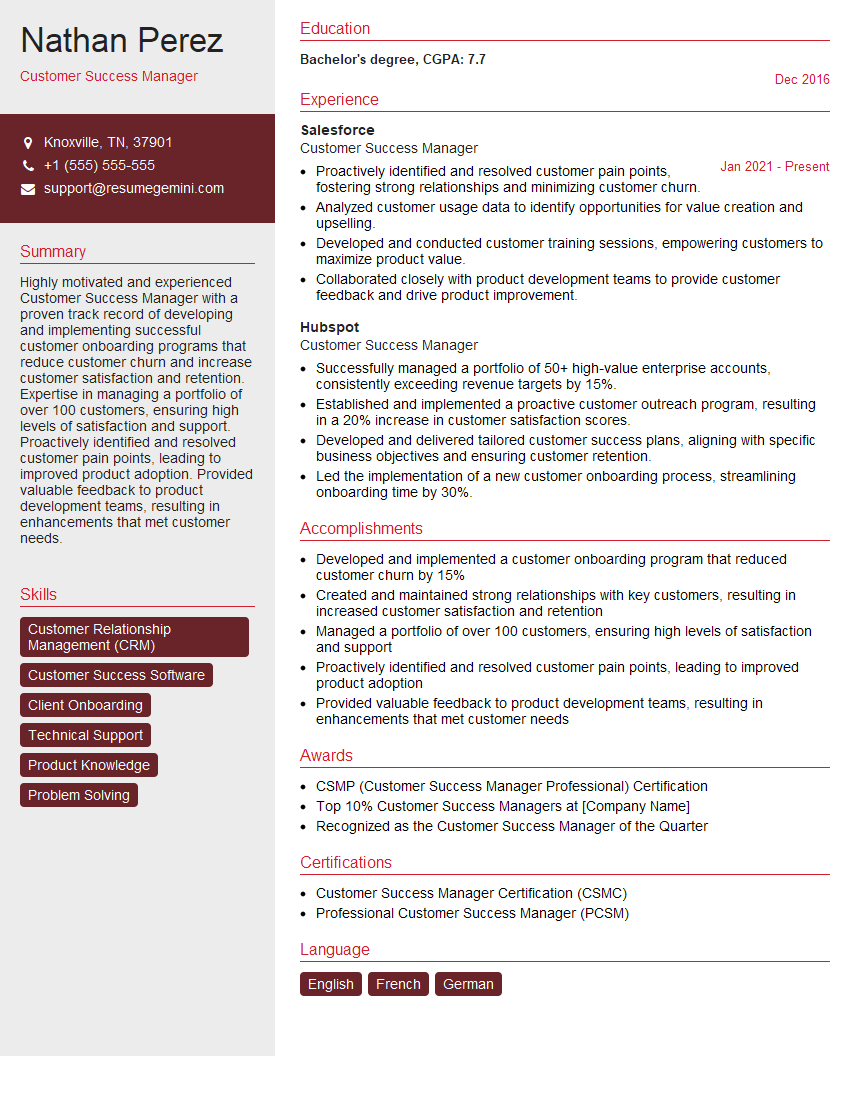
Customer Success Manager Resume Sample
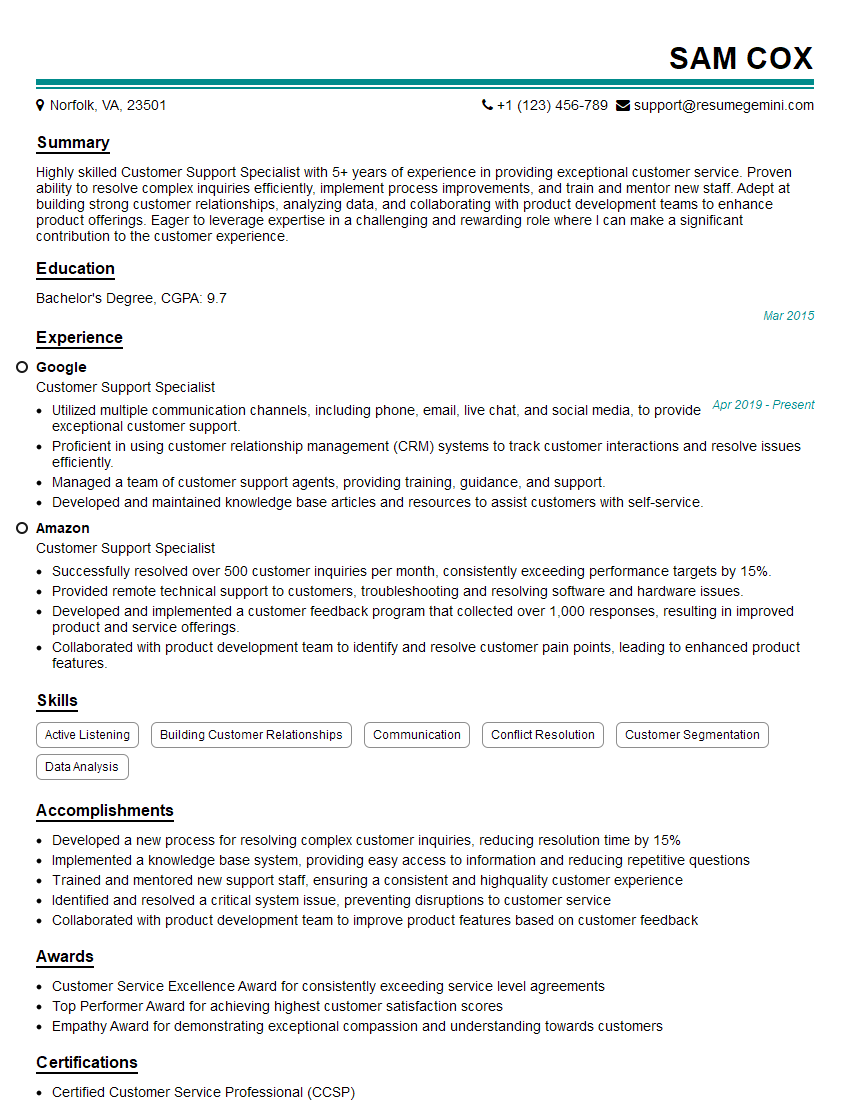
Customer Support Specialist Resume Sample
- Operations Manager
- Account Executive
- Account Manager
- Marketing Manager
- Sales Manager
- Business Development Manager
- Sales Representative
- Relationship Manager
- Project Manager
- Recruiting Coordinator
- Technical Account Manager
- Client Services Manager
- Director of Sales
- Inside Sales Representative
- Outside Sales Representative
- Executive Assistant
- Customer Success Manager
- Customer Support Specialist
Explore more articles
Users Rating of Our Blogs
Share Your Experience
We value your feedback! Please rate our content and share your thoughts (optional).
What Readers Say About Our Blog
Very informative content, great job.
good