Every successful interview starts with knowing what to expect. In this blog, we’ll take you through the top Force Protection interview questions, breaking them down with expert tips to help you deliver impactful answers. Step into your next interview fully prepared and ready to succeed.
Questions Asked in Force Protection Interview
Q 1. Describe your experience in conducting threat assessments.
Conducting a threat assessment involves systematically identifying, analyzing, and prioritizing potential threats to personnel, assets, or operations. It’s like a detective investigating a potential crime scene before it happens. My approach is multi-faceted, starting with open-source intelligence gathering (OSINT) to understand the general threat landscape. This includes reviewing news reports, social media, and analyzing publicly available information on potential adversaries or extremist groups. Then, I move to more targeted intelligence gathering, using classified sources and databases, if access is permitted, to identify specific threats relevant to the situation at hand. This is followed by a vulnerability assessment where I identify weaknesses in our security posture that an adversary could exploit. For example, I might analyze building blueprints to identify blind spots in CCTV coverage or assess personnel training to identify gaps in response protocols. Finally, I combine the threat and vulnerability data to create a risk matrix, prioritizing threats based on their likelihood and potential impact. In one project, a comprehensive threat assessment for a diplomatic mission in a high-risk region identified a potential threat of vehicle-borne improvised explosive devices (VBIEDs) and resulted in the implementation of enhanced vehicle checkpoints and improved perimeter security.
Q 2. Explain your understanding of risk mitigation strategies.
Risk mitigation strategies are the actions taken to reduce the likelihood or impact of identified threats. Think of it as building a fortress, not just around your assets, but around your entire operation. This involves a layered approach, combining multiple security measures to create a robust defense. Strategies include physical security enhancements, such as reinforced barriers and improved access control systems; procedural controls, such as background checks for employees and stringent visitor protocols; technological solutions, such as intrusion detection systems and CCTV; and personnel security measures, such as training and awareness programs. For instance, when mitigating the risk of insider threats, we implement data loss prevention (DLP) software, conduct regular security awareness training, and perform background checks on employees, and regularly rotate responsibilities to prevent fraud. In a previous project, we mitigated the risk of cyberattacks by implementing multi-factor authentication (MFA), strengthening firewall rules, and providing regular cybersecurity training to personnel.
Q 3. How would you develop a comprehensive force protection plan?
Developing a comprehensive force protection plan is a systematic process that requires careful planning and coordination. It starts with a thorough risk assessment, identifying all potential threats and vulnerabilities. Next, we develop mitigation strategies for each identified risk, prioritizing them based on their likelihood and potential impact. The plan should incorporate all aspects of security, including physical security, personnel security, information security, and operational security. This should include detailed procedures for emergency response, evacuation, and communication. A critical element is regular testing and review of the plan through exercises and drills, to ensure effectiveness and identify areas for improvement. A well-structured plan uses clear, concise language that is easily understood and implemented by all personnel. In my experience, effective plans are living documents, constantly updated to reflect changing threats and evolving security challenges. For instance, a force protection plan for a large-scale event would require detailed traffic management, crowd control, and emergency medical services coordination plans, tested repeatedly through simulations.
Q 4. What are the key components of a robust physical security system?
A robust physical security system is like a well-designed castle, with multiple layers of defense. Key components include:
- Perimeter security: This involves measures to control access to the protected area, such as fences, gates, walls, and lighting. Proper landscaping can also play a role in deterring intrusion.
- Access control: This refers to systems that regulate who can enter and exit the protected area. Examples include security guards, key card systems, biometric scanners, and turnstiles.
- Surveillance systems: This includes CCTV cameras, intrusion detection systems, and alarm systems that monitor activity and detect potential threats.
- Security personnel: Trained security guards play a vital role in monitoring, responding to incidents and deterring potential threats.
- Emergency response planning: Having well-defined procedures for responding to emergencies, including evacuations, is crucial. This includes regular training and drills for personnel.
Q 5. How do you prioritize security risks and allocate resources accordingly?
Prioritizing security risks and allocating resources requires a structured approach, often using a risk matrix. This matrix typically plots the likelihood of a threat occurring against the potential impact if it does. High-likelihood, high-impact threats receive the highest priority and the largest share of resources. We use quantitative and qualitative data to inform this analysis. Quantitative data might include statistics on past incidents or threat intelligence reports. Qualitative data might come from expert assessments or interviews with personnel. Once the matrix is developed, we allocate resources based on the prioritized threats. This may involve increasing security personnel in high-risk areas, investing in new technology, or implementing enhanced security procedures. It’s crucial to regularly review and adjust the prioritization as threats and vulnerabilities evolve. Think of it as dynamic resource allocation, adapting to changing circumstances like a military commander adjusting troop deployments based on enemy movements.
Q 6. Describe your experience with security technology and its applications.
My experience with security technology spans a wide range of systems and applications. I’m proficient in using and managing various access control systems, intrusion detection systems, CCTV systems, and cybersecurity tools. I’ve worked with various software platforms, including video management systems (VMS) and security information and event management (SIEM) systems. I also have experience integrating these systems to create a unified security platform that improves situational awareness and response capabilities. For example, I’ve been involved in projects using facial recognition technology to enhance security at high-profile events, and I’ve implemented threat intelligence platforms to proactively identify and mitigate potential cyber threats. Understanding the technical aspects of these systems allows me to not only implement them effectively but also to interpret the data they generate, providing valuable insights for improving overall security.
Q 7. Explain your understanding of different security clearances and protocols.
Security clearances and protocols are crucial for protecting sensitive information and assets. My understanding encompasses various clearance levels, such as Confidential, Secret, and Top Secret, each with associated access restrictions and handling procedures. I understand the need for strict adherence to these protocols, which may include background checks, polygraph tests, and ongoing security awareness training. Beyond clearances, I’m familiar with numerous security protocols such as data encryption, secure communication channels, and procedures for handling classified information, including physical security measures for storage and transportation. I also understand the legal and regulatory frameworks governing the handling of classified information and the consequences of non-compliance. For example, I know the procedures for handling classified documents, including appropriate storage, handling, destruction, and reporting procedures. Proficiency in this area is critical in maintaining a secure operational environment.
Q 8. How do you handle conflicting security requirements or priorities?
Conflicting security requirements are a common challenge. Imagine needing to balance cost-effectiveness with top-tier security – a smaller budget might necessitate prioritizing certain threats over others. My approach involves a structured risk assessment process. First, I clearly define all requirements and their relative importance, often using a scoring system that weighs factors like likelihood and impact. Then, I use a prioritization matrix to visualize the conflicts, identifying areas where compromises can be made without significantly compromising overall security. For example, if robust encryption is deemed critical but expensive for all systems, we might prioritize implementing it on the most sensitive data first, while adopting less costly measures for others. Finally, I document all decisions, rationale, and remaining risks to ensure transparency and accountability.
This approach ensures that resources are allocated effectively and that the organization is protected against the most significant threats within its capabilities. It’s not about finding perfect solutions, but about making informed, justifiable choices based on a thorough understanding of the risks involved.
Q 9. How do you ensure the effectiveness of security training programs?
Effective security training isn’t just about delivering information; it’s about fostering a security-conscious culture. I ensure effectiveness through a multi-pronged approach. First, I tailor training to the specific roles and responsibilities of the audience. A network administrator needs different training than a receptionist. Second, I incorporate a variety of learning methods: interactive scenarios, realistic simulations (like phishing exercises), hands-on labs, and engaging videos. Third, I regularly assess comprehension through quizzes, practical exercises, and post-training evaluations. Finally, I continuously update the training content to reflect the evolving threat landscape. For instance, I recently added training on detecting and responding to AI-based phishing attacks, highlighting the evolving sophistication of cyber threats.
Measuring effectiveness isn’t just about test scores; it’s about observing changes in behavior. A decrease in reported security incidents, improved incident response times, and increased staff awareness are key indicators of a successful program.
Q 10. Describe your experience in incident response and crisis management.
My incident response experience encompasses a wide range of scenarios, from minor security breaches to major crises. I follow a structured approach based on established frameworks like NIST Cybersecurity Framework. This involves the following steps: Preparation (defining roles, communication plans, and incident response procedures); Identification (detecting and confirming the incident); Containment (limiting the impact of the incident); Eradication (removing the threat); Recovery (restoring systems and data); and Lessons Learned (analyzing the incident to improve future responses).
For example, I once managed an incident where a disgruntled employee attempted to delete critical database records. By swiftly isolating the affected systems, preventing further damage, and recovering data from backups, we minimized the impact to the organization. A post-incident review identified vulnerabilities in our access control system, leading to improvements in our security practices. Critical to crisis management is maintaining clear, consistent communication with stakeholders, including management, employees, and potentially law enforcement or regulatory bodies.
Q 11. What is your experience with vulnerability assessments and penetration testing?
Vulnerability assessments and penetration testing are crucial for identifying weaknesses in our security posture. I have extensive experience conducting and managing both. Vulnerability assessments involve automated and manual scans to identify known vulnerabilities in systems and applications. These scans can be done using tools like Nessus or OpenVAS, generating reports that detail identified weaknesses. Penetration testing, on the other hand, simulates real-world attacks to assess the effectiveness of security controls. This involves ethical hackers attempting to exploit vulnerabilities to determine their impact. I have used tools like Metasploit for penetration testing and have managed projects that involved both black-box (no prior knowledge of the system) and white-box (full knowledge of the system) testing methodologies.
The results of these assessments inform the development of remediation plans, allowing us to prioritize fixes based on risk level and impact. Regularly scheduled vulnerability assessments and penetration testing, along with prompt remediation of identified vulnerabilities, are key to maintaining a strong security posture.
Q 12. How would you handle a security breach or compromise?
Responding to a security breach requires a swift, methodical approach. My immediate actions would be to activate the incident response plan, contain the breach (isolate affected systems), and begin the investigation to determine the extent of the compromise. This involves identifying the source of the breach, the compromised data, and the affected systems. Next, I would work to eradicate the threat, removing any malware or unauthorized access. Data recovery and system restoration would follow, and potentially notifying affected individuals and regulatory bodies depending on the nature of the breach. Throughout the process, thorough documentation is maintained for legal and regulatory compliance and for future incident response improvements.
For instance, if a phishing attack led to a data leak, we would immediately shut down affected email accounts, investigate the source of the attack, and determine what sensitive data was accessed. Following this, we would begin notifying impacted individuals and potentially relevant authorities, implementing a comprehensive remediation plan to prevent future incidents.
Q 13. Describe your understanding of cybersecurity threats and countermeasures.
My understanding of cybersecurity threats and countermeasures is broad and constantly evolving. Threats range from malware and phishing attacks to insider threats and advanced persistent threats (APTs). Each demands a different countermeasure. For example, malware can be mitigated through robust antivirus software, regular patching, and employee training on safe browsing practices. Phishing attacks are countered with employee education on identifying fraudulent emails and implementing multi-factor authentication. Insider threats are addressed through access control measures, background checks, and monitoring employee activity. Advanced persistent threats, due to their complexity, require a layered security approach combining multiple defenses and advanced threat detection systems.
I stay up-to-date on emerging threats through industry publications, security conferences, and continuous professional development. It’s a constant arms race; staying ahead of the curve requires constant vigilance and adaptation.
Q 14. How do you communicate security risks and recommendations to non-technical audiences?
Communicating complex security risks to non-technical audiences requires clear, concise language and relatable analogies. I avoid jargon and technical terms whenever possible, instead focusing on the potential impact on the business or individuals. For instance, instead of talking about ‘SQL injection vulnerabilities,’ I might explain it as ‘someone trying to break into our database to steal customer information.’ I use visuals, such as charts and graphs, to illustrate risks and the effectiveness of proposed security measures. I tailor my communication to the audience’s understanding and level of technical expertise, simplifying complex concepts without sacrificing accuracy.
Furthermore, I focus on the ‘what’s in it for them’ aspect. Highlighting the potential financial losses from a data breach or the reputational damage from a security incident motivates individuals to take security seriously. Finally, I empower the audience by providing clear, actionable steps they can take to improve security.
Q 15. What is your experience with security audits and compliance regulations?
Security audits and compliance are crucial for maintaining a robust force protection posture. My experience encompasses conducting comprehensive audits against standards like ISO 27001, NIST Cybersecurity Framework, and industry-specific regulations. This involves reviewing existing security controls, identifying gaps, and recommending improvements. For example, I once conducted an audit of a critical infrastructure facility, revealing weaknesses in physical access control, leading to the implementation of multi-factor authentication and enhanced CCTV surveillance. The audit process typically includes a risk assessment, vulnerability scanning, penetration testing (ethical hacking), and a final report detailing findings and recommendations. Compliance involves ensuring that all security measures adhere to relevant legal and regulatory requirements. This is often an iterative process, requiring regular reviews and updates to stay current with evolving threats and best practices.
Career Expert Tips:
- Ace those interviews! Prepare effectively by reviewing the Top 50 Most Common Interview Questions on ResumeGemini.
- Navigate your job search with confidence! Explore a wide range of Career Tips on ResumeGemini. Learn about common challenges and recommendations to overcome them.
- Craft the perfect resume! Master the Art of Resume Writing with ResumeGemini’s guide. Showcase your unique qualifications and achievements effectively.
- Don’t miss out on holiday savings! Build your dream resume with ResumeGemini’s ATS optimized templates.
Q 16. How do you stay current with the latest security threats and technologies?
Staying current in this dynamic field necessitates a multi-pronged approach. I actively participate in professional organizations like (ASIS International, ISC²) attending conferences and webinars to learn about emerging threats and innovative technologies. I regularly subscribe to industry publications and follow key cybersecurity blogs and news sources. This keeps me abreast of the latest attack vectors, like ransomware or advanced persistent threats (APTs), and the technological solutions designed to counter them. Furthermore, I engage in continuous professional development through online courses and certifications, ensuring my skills remain sharp and relevant. For instance, I recently completed a certification in incident response, enhancing my ability to effectively manage and mitigate security breaches.
Q 17. Explain your familiarity with different types of security cameras and access control systems.
My experience spans a wide range of security camera technologies, from traditional analog CCTV systems to advanced IP-based cameras with features like facial recognition, analytics, and integration with video management systems (VMS). I am familiar with different camera types, including PTZ (pan-tilt-zoom) cameras for wide-area coverage, thermal cameras for low-light conditions, and dome cameras for discreet surveillance. Regarding access control systems, I have extensive experience with various technologies including card readers, biometric systems (fingerprint, iris, facial recognition), and keypads. I understand the importance of integrating these systems for seamless operation and centralized monitoring. For example, in a previous project, I integrated a new access control system with the existing CCTV system, allowing for real-time monitoring of access events and immediate alerts in case of unauthorized access attempts.
Q 18. What are your experience with developing security policies and procedures?
Developing comprehensive security policies and procedures is a key aspect of my role. This process begins with a thorough risk assessment to identify potential threats and vulnerabilities. Then, I create policies that address these risks, covering areas like physical security, cybersecurity, data protection, and incident response. These policies are then translated into detailed procedures, providing step-by-step instructions for staff to follow. For example, I developed a comprehensive data security policy that included guidelines for password management, data encryption, and incident reporting. The effectiveness of these policies is regularly reviewed and updated to reflect changing threats and best practices. I emphasize clear communication and training to ensure that all personnel understand and adhere to these policies and procedures.
Q 19. Describe your understanding of emergency evacuation procedures.
Emergency evacuation procedures are critical for force protection. My understanding encompasses developing and implementing comprehensive plans that comply with relevant regulations and building codes. These plans include clearly marked escape routes, assembly points, and designated emergency exits. Regular drills and simulations are essential to ensure personnel are familiar with the procedures and can respond effectively in an emergency. The plans also address communication strategies, ensuring clear and concise instructions are given to everyone during an evacuation. For example, I developed an evacuation plan for a large office complex, incorporating features like fire alarm systems, emergency lighting, and a communication system to direct personnel to safety. The plan also includes procedures for accounting for personnel after the evacuation.
Q 20. How do you integrate security measures with other business operations?
Integrating security measures with other business operations requires careful planning and coordination. Security shouldn’t hinder productivity; it should enhance it. For example, access control systems can be integrated with HR systems to streamline employee onboarding and offboarding. Security cameras can be used to improve operational efficiency by monitoring workflows and identifying bottlenecks. Incident response plans should be integrated with business continuity plans to ensure minimal disruption in case of an emergency. Open communication and collaboration between security personnel and other departments is vital to ensure a smooth integration process. A successful integration ensures that security is not an afterthought but a fundamental element of overall business operations.
Q 21. How do you measure the effectiveness of force protection measures?
Measuring the effectiveness of force protection measures involves a multifaceted approach. Key Performance Indicators (KPIs) can be used to track progress and identify areas for improvement. These KPIs can include metrics such as the number of security incidents, response times, the effectiveness of security controls, and employee training completion rates. Regular security audits and penetration testing help identify vulnerabilities and evaluate the effectiveness of existing controls. Feedback from employees and stakeholders can also provide valuable insights. By continuously monitoring and analyzing these metrics, we can make data-driven decisions to enhance the overall effectiveness of our force protection program. For instance, tracking the number of successful phishing attempts can help measure the effectiveness of security awareness training.
Q 22. Describe your experience working with law enforcement or other security agencies.
Throughout my career, I’ve collaborated extensively with various law enforcement and security agencies, including local police departments, the FBI, and private security firms. This involved participation in joint operations, threat assessments, and security planning. For instance, during a recent project with a major corporation, I worked alongside their internal security team and local law enforcement to develop a comprehensive security plan for a high-profile event, mitigating potential risks from terrorism, theft, and civil unrest. This required detailed coordination, understanding of each agency’s capabilities, and seamless integration of their resources with our security measures. Another key experience involved assisting a state police department in developing their active shooter response plan, a project that entailed scenario planning, training development, and equipment acquisition recommendations. These collaborations have provided invaluable insights into diverse security approaches and fostered strong working relationships crucial for effective force protection.
Q 23. How do you balance security with operational efficiency?
Balancing security with operational efficiency is a delicate act, akin to navigating a tightrope. Overly stringent security measures can stifle productivity and morale, while lax security poses unacceptable risks. The key lies in a risk-based approach. We start by identifying critical assets and potential threats. Then, we prioritize security measures based on the level of risk, focusing resources on the highest-threat areas. For example, if a manufacturing facility is the primary target, we might invest heavily in perimeter security and access control systems, while less critical areas receive less intensive protection. This might involve implementing efficient procedures like streamlined access control points, optimizing patrol routes, and using technology to improve situational awareness (e.g., CCTV, access control systems with real-time monitoring). Regular review and adjustment of security measures based on performance data and emerging threats ensures both security and operational efficiency.
Q 24. Explain your experience with personnel security screening and vetting.
My experience with personnel security screening and vetting encompasses a wide range of methods, from background checks and reference verifications to polygraph testing and psychological evaluations, depending on the sensitivity of the role. For instance, when hiring security personnel for a sensitive government facility, we implemented a rigorous multi-step process involving background checks that included criminal history checks, credit reports, and employment history verification. We also conducted thorough reference checks and, in certain cases, polygraph tests. This process ensures we employ individuals with impeccable integrity and trustworthiness. For less sensitive roles, the screening process might be simpler, yet still robust, focusing on employment history and criminal background checks. The crucial aspect is tailoring the screening process to the specific risks and responsibilities associated with each position. A documented and consistent screening process is essential, ensuring both legal compliance and the maintenance of a high security standard.
Q 25. How would you manage a team of security personnel?
Managing a team of security personnel requires a blend of leadership, technical expertise, and interpersonal skills. I believe in fostering a culture of teamwork, open communication, and continuous learning. This starts with clear communication of expectations and responsibilities. I utilize regular team meetings to discuss current security issues, provide training updates, and address concerns. I also emphasize ongoing professional development, encouraging team members to pursue certifications and participate in specialized training courses. Performance evaluations are a critical component, providing constructive feedback and identifying areas for improvement. Furthermore, I encourage a proactive approach, empowering team members to identify and report potential security vulnerabilities. Finally, a strong focus on team morale and wellbeing is vital for maintaining a highly effective and engaged security team. Regular team-building activities can enhance morale and foster collaboration.
Q 26. Describe your experience with developing and implementing security awareness training programs.
Developing and implementing security awareness training programs is vital for maintaining a strong security posture. My approach is multifaceted and focuses on practical application rather than rote memorization. For example, I’ve developed and delivered programs that included interactive scenarios simulating phishing attempts, physical security breaches, and social engineering techniques. These scenarios help employees recognize and react appropriately to real-world threats. The programs incorporate a variety of learning methods, including online modules, workshops, and awareness campaigns. For instance, a program I developed for a financial institution included interactive modules on data security, phishing awareness, and physical security protocols. Regular refresher training keeps security awareness top-of-mind, making sure employees are equipped to deal with evolving threats. Measurement of program effectiveness, through assessments and incident tracking, allows for continuous improvement and ensures the program remains relevant and impactful.
Q 27. How do you adapt force protection strategies to different environments or contexts?
Adapting force protection strategies requires understanding the unique characteristics of each environment. For instance, a high-profile event in a densely populated urban area requires a different approach than securing a remote facility. In urban areas, we might need to consider crowd control, traffic management, and the potential for terrorist attacks. This calls for robust perimeter security, close collaboration with law enforcement, and a strong intelligence gathering component. In contrast, securing a remote facility might focus on perimeter patrols, access control, and threat detection systems. The level of technology employed also varies; a sophisticated facility might benefit from advanced surveillance technologies, while a simpler setting might rely more on physical security measures. Understanding the specific threats, vulnerabilities, and resources available in each environment is crucial to developing effective and adaptable force protection strategies. A thorough risk assessment provides the foundation for adapting the force protection strategy to the unique circumstances of each situation.
Q 28. Explain your understanding of international security best practices.
My understanding of international security best practices is rooted in a comprehensive knowledge of international standards, treaties, and protocols related to security. I’m familiar with frameworks such as the ISO 27001 standard for information security management, and relevant guidelines from organizations like the International Organization for Standardization (ISO) and the International Maritime Organization (IMO), for maritime security. This knowledge ensures that our force protection strategies align with international best practices and comply with relevant laws and regulations. Furthermore, I understand the importance of incorporating cultural sensitivities and local customs into our security planning. For instance, understanding local laws and regulations is critical when operating internationally, and taking into account the cultural context helps to prevent misunderstandings and improve cooperation with local authorities and communities. This holistic approach to international security ensures the effectiveness and ethical implementation of all force protection measures.
Key Topics to Learn for Force Protection Interview
- Threat Assessment and Risk Management: Understanding methodologies for identifying, analyzing, and mitigating potential threats. Practical application includes developing security plans for various environments.
- Physical Security Systems and Technologies: Knowledge of access control systems, CCTV, intrusion detection, and perimeter security. Practical application involves evaluating the effectiveness of existing security measures and recommending improvements.
- Personnel Security and Vetting Procedures: Understanding background checks, security clearances, and the importance of maintaining confidentiality. Practical application includes designing and implementing robust vetting processes.
- Emergency Response Planning and Procedures: Knowledge of incident response protocols, evacuation procedures, and crisis communication strategies. Practical application includes participating in and leading emergency drills and exercises.
- Vulnerability Assessments and Mitigation Strategies: Identifying weaknesses in security systems and developing strategies to address them. Practical application includes conducting security audits and recommending corrective actions.
- Force Protection Legislation and Regulations: Familiarity with relevant laws, policies, and best practices related to force protection. Practical application includes ensuring compliance with regulatory requirements.
- Communication and Coordination: Effective communication and collaboration skills are crucial in force protection. This includes clear and concise reporting and maintaining effective relationships with relevant stakeholders.
- Ethical Considerations in Force Protection: Understanding the ethical implications of force protection measures and maintaining a balance between security and individual rights.
Next Steps
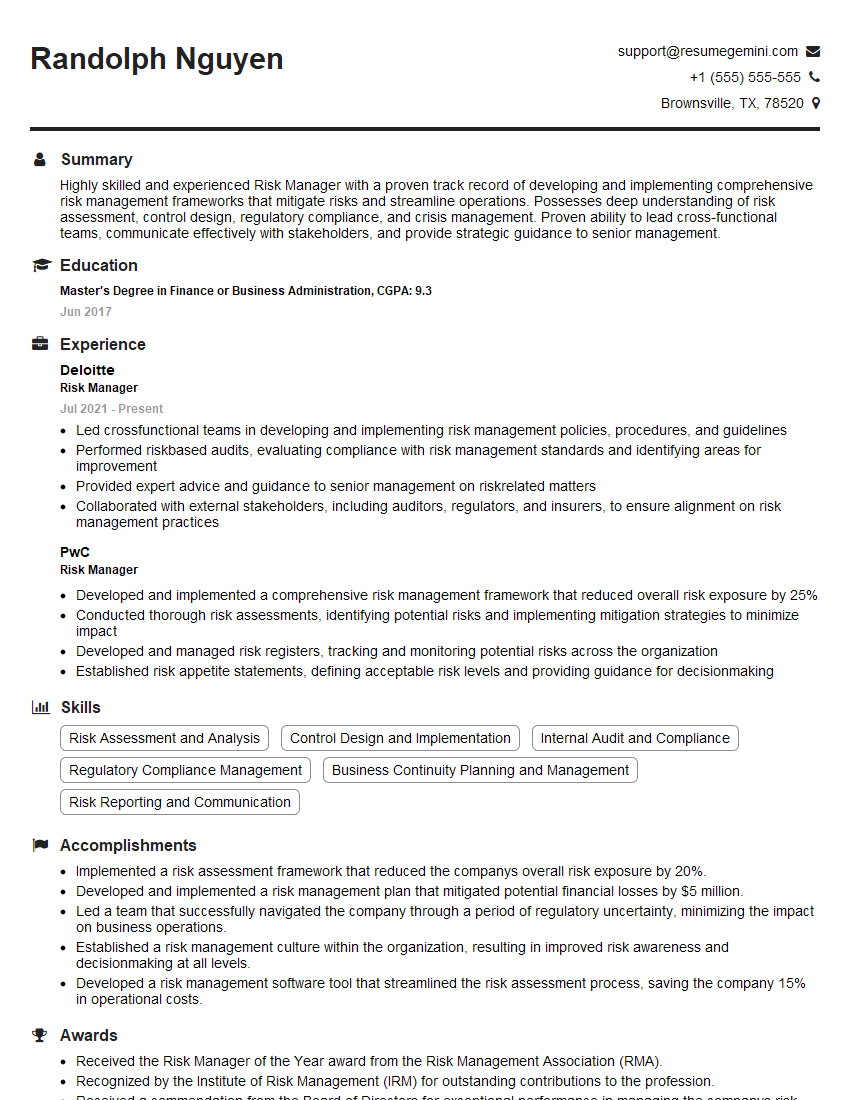
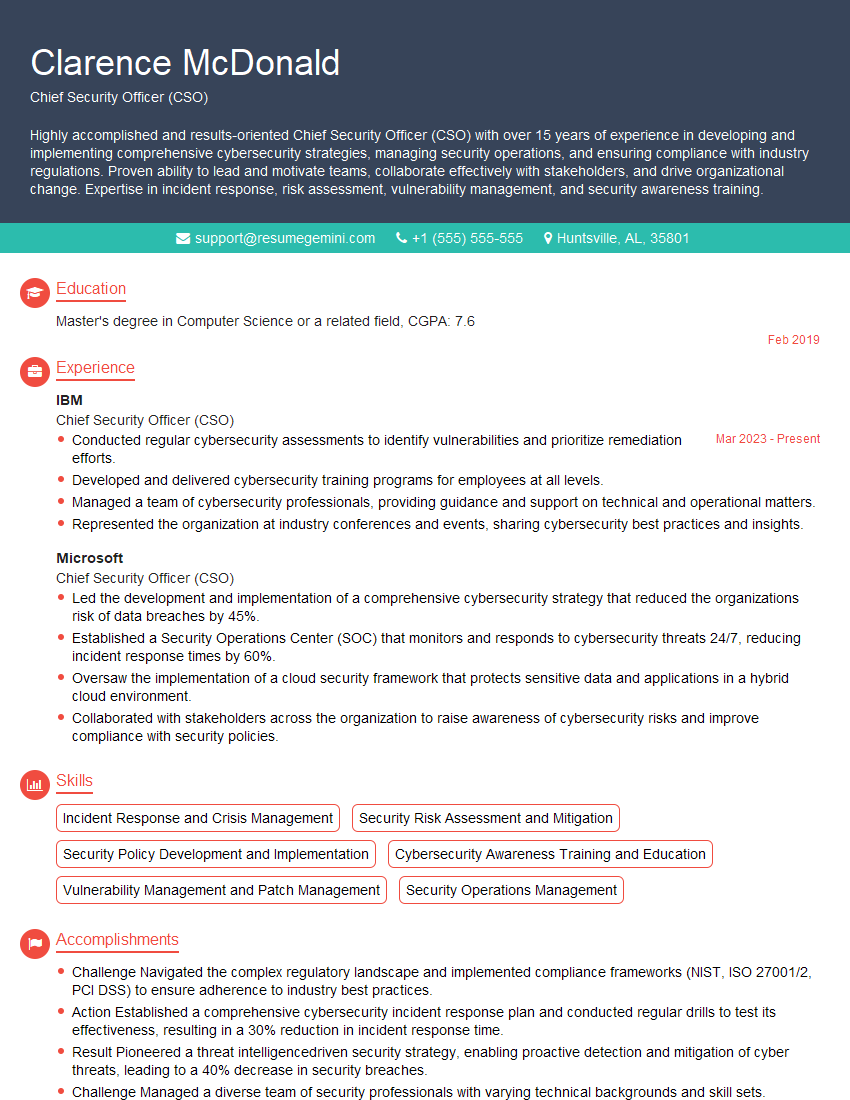
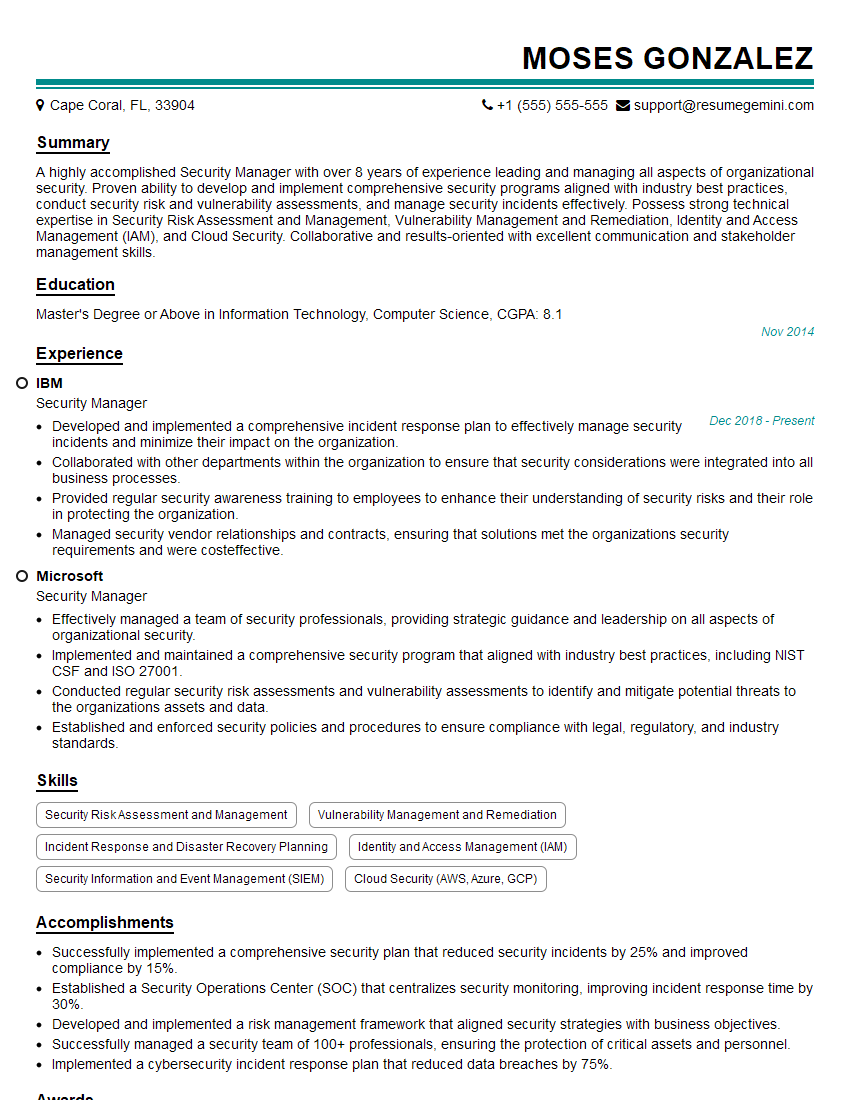
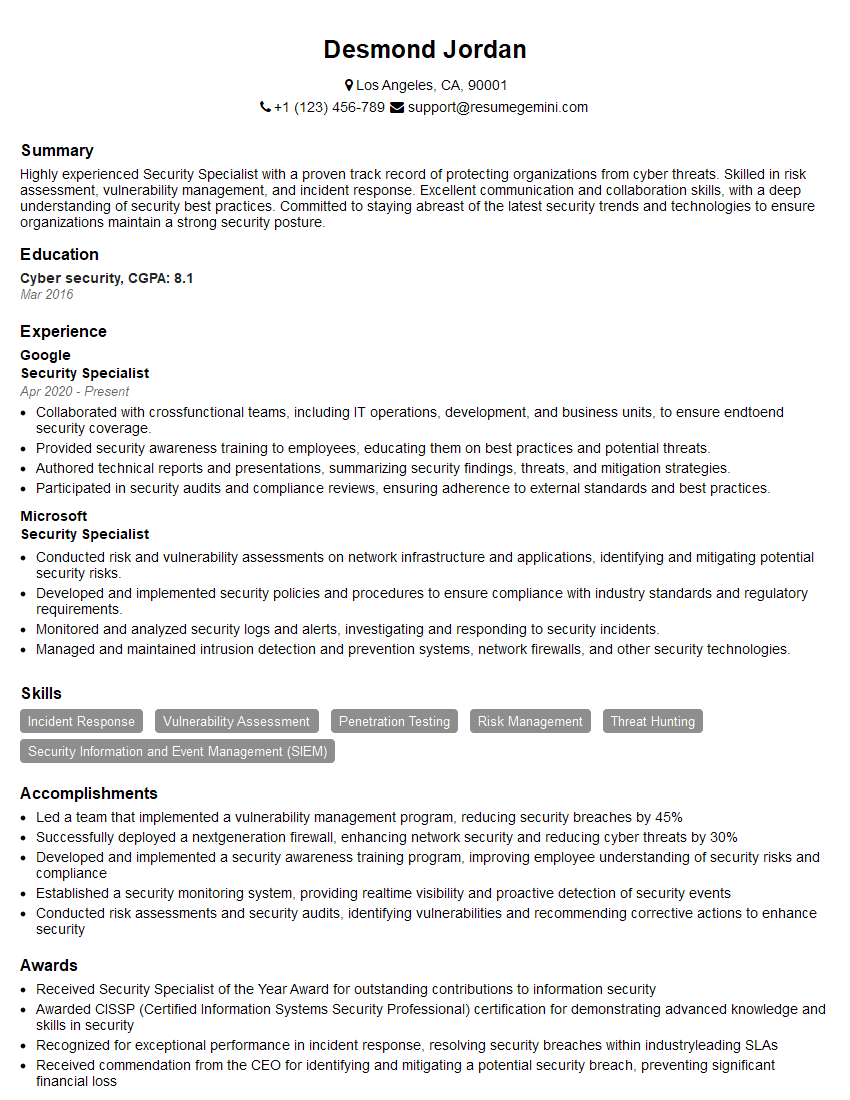
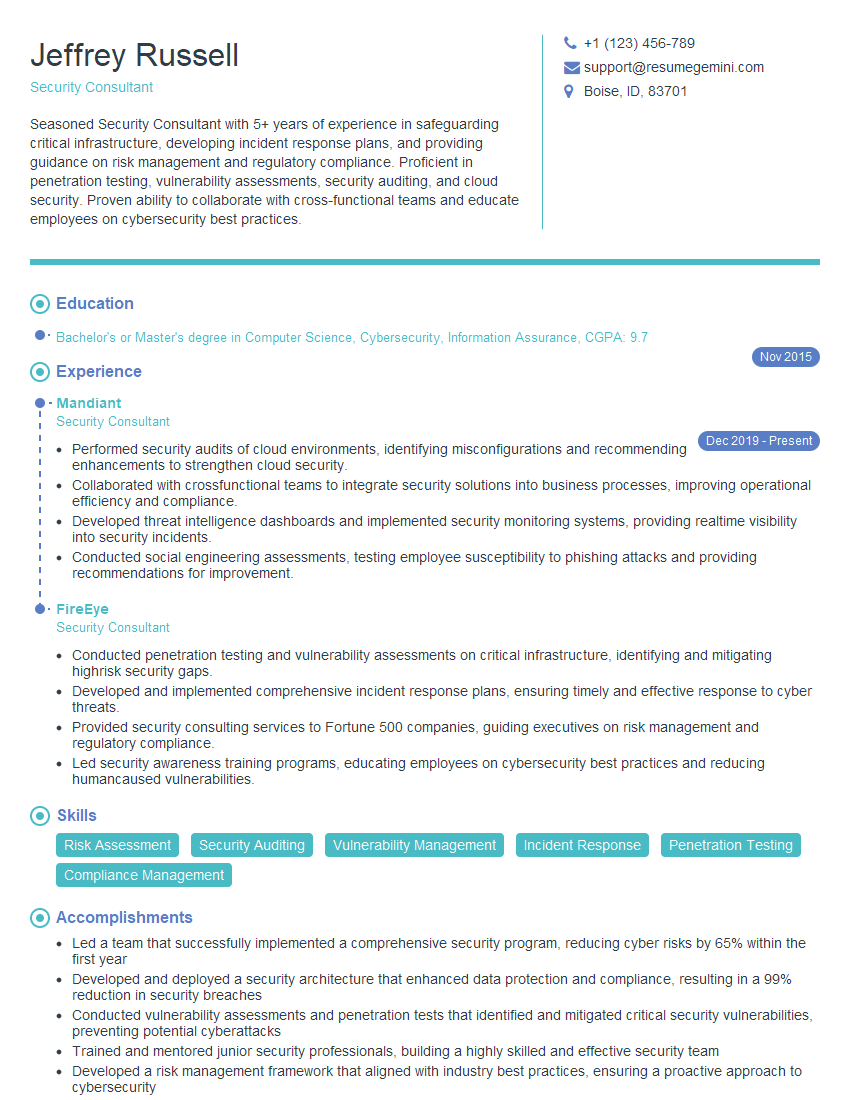
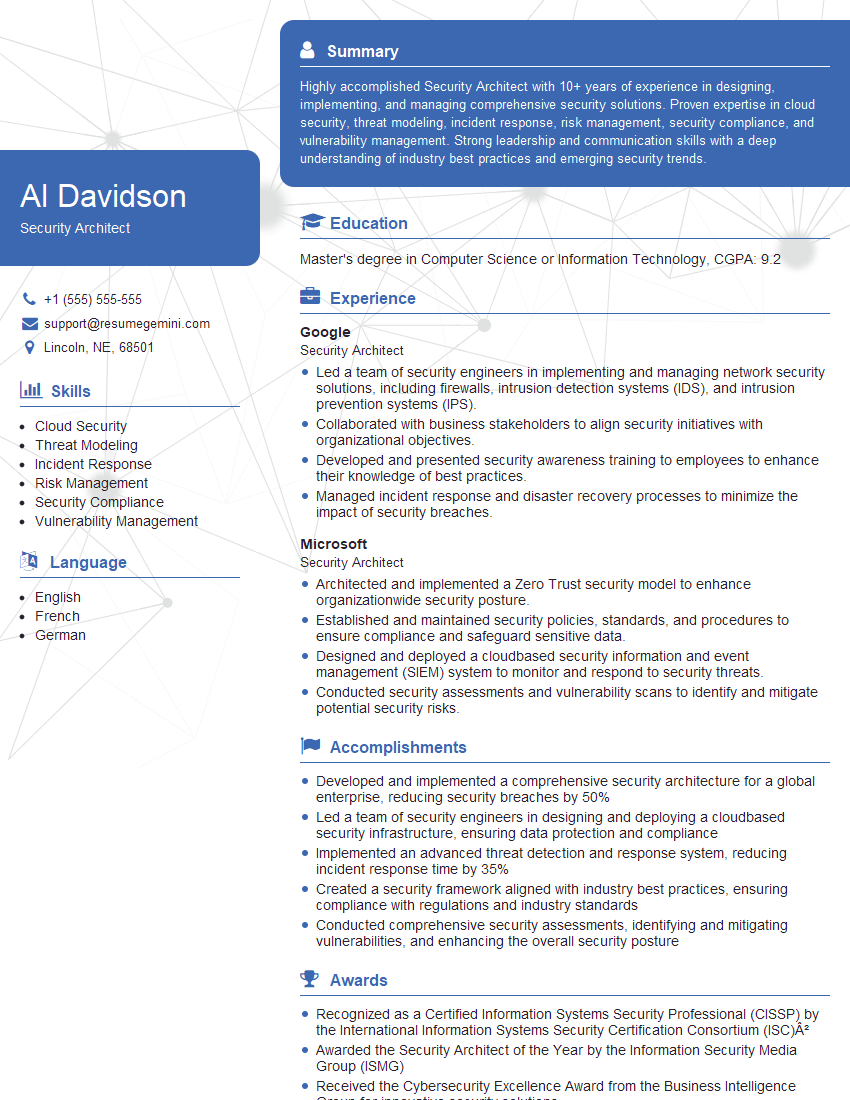
Mastering Force Protection opens doors to exciting and impactful careers, offering opportunities for growth and leadership within challenging and rewarding environments. To significantly increase your chances of landing your dream role, it’s vital to create a resume that stands out to Applicant Tracking Systems (ATS). An ATS-friendly resume ensures your qualifications are effectively highlighted and your application isn’t overlooked. ResumeGemini is a trusted resource that can help you build a professional, impactful resume tailored to the specific demands of a Force Protection position. Examples of resumes tailored to Force Protection are available to further assist you in your job search.
Explore more articles
Users Rating of Our Blogs
Share Your Experience
We value your feedback! Please rate our content and share your thoughts (optional).
What Readers Say About Our Blog
Very informative content, great job.
good